

Corynebacterium accolens Releases Antipneumococcal Free Fatty Acids from Human Nostril and Skin Surface Triacylglycerols
Open accessThe DOI matches its Crossref record; 101 of the 102 references it cites were found in a registry or an index.
Abstract
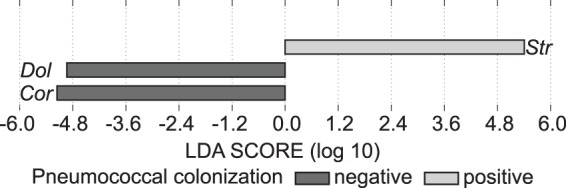
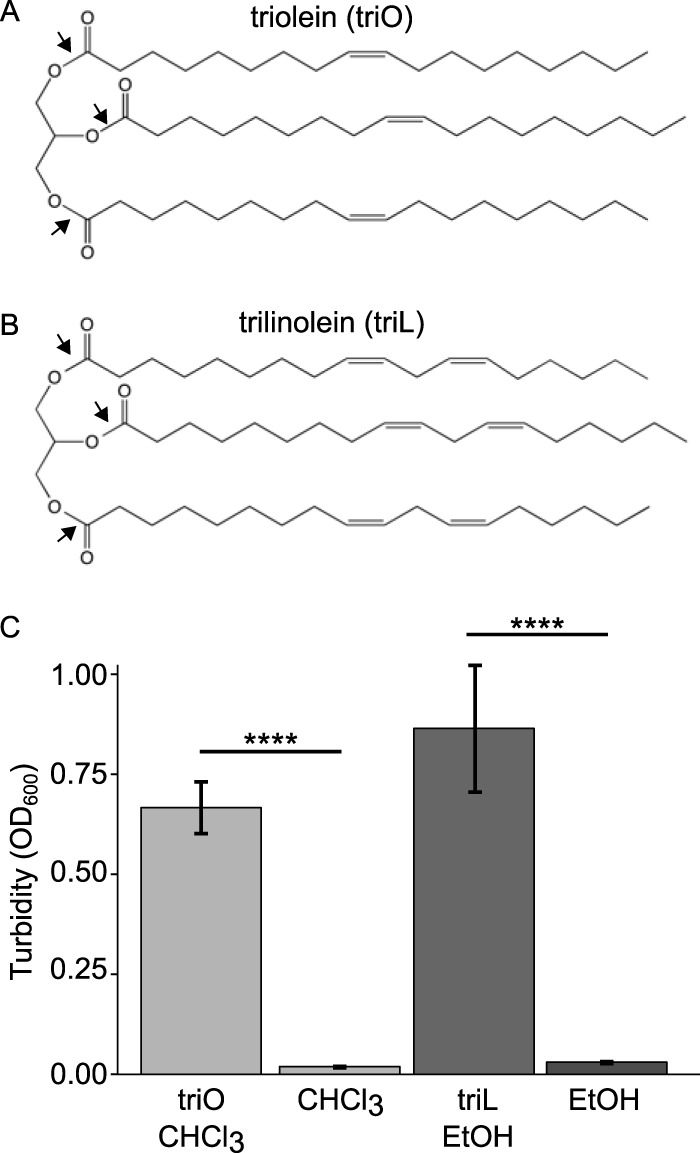
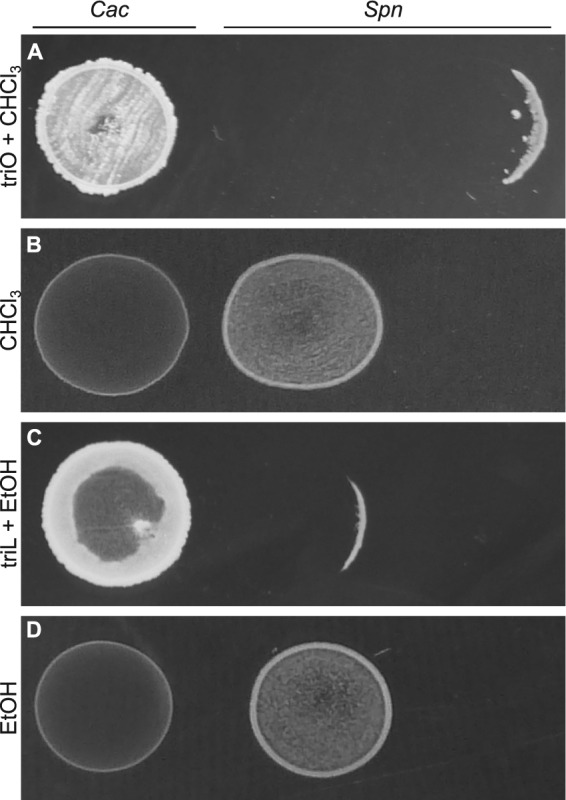
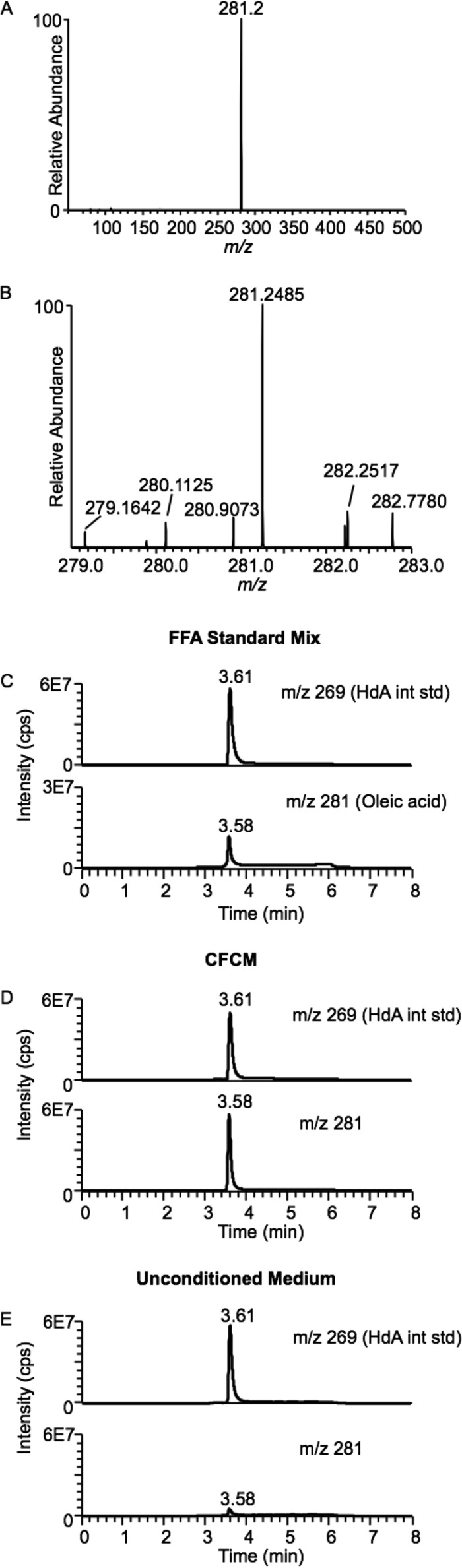
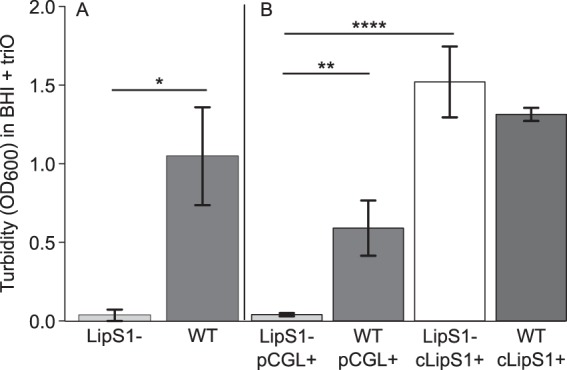
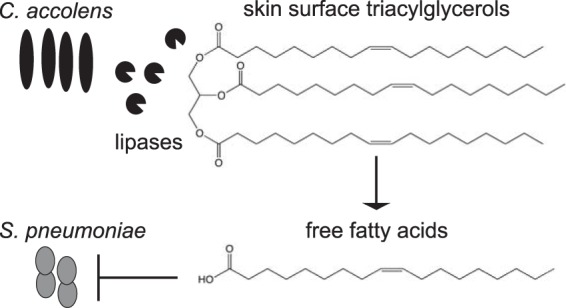
Bacterial interspecies interactions play clinically important roles in shaping microbial community composition. We observed that Corynebacterium spp. are overrepresented in children free of Streptococcus pneumoniae (pneumococcus), a common pediatric nasal colonizer and an important infectious agent. Corynebacterium accolens , a benign lipid-requiring species, inhibits pneumococcal growth during in vitro cocultivation on medium supplemented with human skin surface triacylglycerols (TAGs) that are likely present in the nostrils. This inhibition depends on LipS1, a TAG lipase necessary for C. accolens growth on TAGs such as triolein. We determined that C. accolens hydrolysis of triolein releases oleic acid, which inhibits pneumococcus, as do other free fatty acids (FFAs) that might be released by LipS1 from human skin surface TAGs. Our results support a model in which C. accolens hydrolyzes skin surface TAGS in vivo releasing antipneumococcal FFAs. These data indicate that C. accolens may play a beneficial role in sculpting the human microbiome. IMPORTANCE Little is known about how harmless Corynebacterium species that colonize the human nose and skin might impact pathogen colonization and proliferation at these sites . We show that Corynebacterium accolens , a common benign nasal bacterium, modifies its local habitat in vitro as it inhibits growth of Streptococcus pneumoniae by releasing antibacterial free fatty acids from host skin surface triacylglycerols. We further identify the primary C. accolens lipase required for this activity. We postulate a model in which higher numbers of C. accolens cells deter/limit S. pneumoniae nostril colonization, which might partly explain why children without S. pneumoniae colonization have higher levels of nasal Corynebacterium . This work narrows the gap between descriptive studies and the needed in-depth understanding of the molecular mechanisms of microbe-microbe interactions that help shape the human microbiome. It also lays the foundation for future in vivo studies to determine whether habitat modification by C. accolens could be promoted to control pathogen colonization.
Overview
The claims and statistics of this paper haven’t been checked yet.
Free: it reads the open-access text and checks the first 5 claims that cite a source we can check. Create a free account to check every claim.
Integrity signals
Registry
Cites
Statistics
Figures
Verification
Claims the paper makes
The claims and statistics of this paper haven’t been checked yet.
Free: it reads the open-access text and checks the first 5 claims that cite a source we can check. Create a free account to check every claim.
Claims other papers make about this one
Each is checked against this paper’s own text: does it say what the citing paper says it does?
The source backs part of the claim, not all of it — or backs it for a different population, condition or comparison.
In the citing paper
“Potential keystone species in the URT microbiota are Dolosigranulum spp. and Corynebacterium spp., as they have been strongly associated with respiratory health and the exclusion of potential pathogens, most notably Streptococcus pneumoniae, in several epidemiological and mechanistic studies21,29,68,69.”
From The microbiota of the respiratory tract: gatekeeper to respiratory health (2017) · cites this paper as [68]
Experimental — accuracy not yet measuredThe cited source says what the claim attributes to it.
In the citing paper
“C. accolens, which converts host triacylglycerols into free fatty acids (FFAs) that, in turn, limit pneumococcal growth68.”
From The microbiota of the respiratory tract: gatekeeper to respiratory health (2017) · cites this paper as [68]
Self-check
Percentages, sums and reported differences re-computed from the paper’s own numbers.
The self-check needs the paper’s full text.
Citations
Cites
Basic local alignment search tool
Altschul, S. F., Gish, W., Miller, W., Myers, E. W., & Lipman, D. J. (1990) · Journal of Molecular Biology · doi:10.1006/jmbi.1990.9999 · Cited by 98,669
QIIME allows analysis of high-throughput community sequencing data
Caporaso, J. G., Kuczynski, J., Stombaugh, J., Bittinger, K., Bushman, F. D., Costello, E. K., Fierer, N., Peña, A. G., Goodrich, J. K., Gordon, J. I., et al. (2010) · Nature Methods · doi:10.1038/nmeth.f.303 · Cited by 34,887 · cited 3×
“After filtering in QIIME (93) (using the MacQIIME 1.4 package), first to remove samples with 1,000 sequences and second, to remove OTU sequences that were not present more than once in one sample, sequences were subsampled to the minimum of 1,503 reads/sample.”
MethodInfluentialMetagenomic biomarker discovery and explanation
Segata, N., Izard, J., Waldron, L., Gevers, D., Miropolsky, L., Garrett, W. S., & Huttenhower, C. (2011) · Genome Biology · doi:10.1186/gb-2011-12-6-r60 · Cited by 16,192 · cited 2×
“Data were analyzed using linear discriminant analysis effect size (LEfSe) (40) to compare the microbiota composition of children positive and negative for culture-proven S.”
BackgroundMethodStructure, function and diversity of the healthy human microbiome
The Human Microbiome Project Consortium (2012) · Nature · doi:10.1038/nature11234 · Cited by 11,726
Enzymatic assembly of DNA molecules up to several hundred kilobases
Gibson, D. G., Young, L., Chuang, R.-Y., Venter, J. C., Hutchison, C. A., & Smith, H. O. (2009) · Nature Methods · doi:10.1038/nmeth.1318 · Cited by 9,996 · cited 1×
“assembly (95), and then transformed into NEB 5-alpha competent E.”
BackgroundSignalP 4.0: discriminating signal peptides from transmembrane regions
Petersen, T. N., Brunak, S., von Heijne, G., & Nielsen, H. (2011) · Nature Methods · doi:10.1038/nmeth.1701 · Cited by 8,847 · cited 1×
“1) (71) of the two protein sequences predicted that only WP_03 is secreted via the general secretion pathway, similar to other skin-associated bacterial TAG lipases (66–68).”
BackgroundBacterial Community Variation in Human Body Habitats Across Space and Time
Costello, E. K., Lauber, C. L., Hamady, M., Fierer, N., Gordon, J. I., & Knight, R. (2009) · Science · doi:10.1126/science.1177486 · Cited by 3,231
CDD: a Conserved Domain Database for the functional annotation of proteins
Marchler-Bauer, A., Lu, S., Anderson, J. B., Chitsaz, F., Derbyshire, M. K., DeWeese-Scott, C., Fong, J. H., Geer, L. Y., Geer, R. C., Gonzales, N. R., et al. (2011) · Nucleic Acids Research · doi:10.1093/nar/gkq1189 · Cited by 3,159 · cited 4×
“accolens KPL1818 (RefSeq accession NZ_AXMA00000000) against the Conserved Domain Database (CDD) of NCBI (65).”
BackgroundInfluentialTopographical and Temporal Diversity of the Human Skin Microbiome
Grice, E. A., Kong, H. H., Conlan, S., Deming, C. B., Davis, J., Young, A. C., Program, N. C. S., Bouffard, G. G., Blakesley, R. W., Murray, P. R., et al. (2009) · Science · doi:10.1126/science.1171700 · Cited by 2,953
A microbial symbiosis factor prevents intestinal inflammatory disease
Mazmanian, S. K., Round, J. L., & Kasper, D. L. (2008) · Nature · doi:10.1038/nature07008 · Cited by 2,340 · cited 1×
“pneumoniae can be part of the healthy microbiota without causing disease, it is considered a pathobiont—a commensal bacterium that is also a pathogen (7).”
Background
Cited by
Items 201–300 of 380
Chegini, Z., Shariati, A., Asghari, A., Rajaeih, S., Ghorbani, M., Jalessi, M., Mirshekar, M., & Razavi, S. (2022) · Archives of Microbiology · doi:10.1007/s00203-022-02914-w · Cited by 9
“In fact, Corynebacterium accolens metabolizes triacylglycerols found in nasal secretions to oleic and linoleic acids, which inhibit pneumococcal growth (Bomar et al. 2016; Cope et al. 2017).”
BackgroundInfluentialMercer, S. D., McBain, A. J., & O’Neill, C. A. (2025) · Experimental Dermatology · doi:10.1111/exd.70142 · Cited by 8
“Stenz et al. [47] reported that oleic acid (a free fatty acid [FFA]), a metabolite produced by several microorganisms found on the skin [48, 68], inhibited the adhesion and biofilm formation of multiple strains of S. aureus .”
Nasal microbionts differentially colonize and elicit cytokines in human nasal epithelial organoids
Boyd, A. I., Kafer, L. A., Escapa, I. F., Kambal, A., Tariq, H., Hilsenbeck, S. G., Nguyen‐Phuc, H., Rajan, A., Lensmire, J. M., Patras, K. A., et al. (2025) · mSphere · doi:10.1128/msphere.00493-25 · Cited by 8
Self-citationMicrobial homeostasis and dysbiosis in physiological and pathological skin
Gan, Y., Zhang, J., Qi, F., Grice, E. A., Garza, L. A., & Wang, G. (2025) · Med · doi:10.1016/j.medj.2025.100847 · Cited by 8
Balikji, J., Hoogbergen, M. M., Garssen, J., & Verster, J. C. (2021) · Gastroenterology Insights · doi:10.3390/gastroent12040040 · Cited by 8
Sanyang, B., de Silva, T. I., Kanteh, A., Bojang, A., Manneh, J., Piters, W. A. A. D. S., Peno, C., Bogaert, D., Sesay, A. K., & Roca, A. (2022) · EBioMedicine · doi:10.1016/j.ebiom.2022.104227 · Cited by 8
Starr, N. L., Al-Rayyan, N., Smith, J. M., Sandstrom, S., Swaney, M. H., Salamzade, R., Steidl, O., Kalan, L., & Singh, A. M. (2024) · Journal of Allergy and Clinical Immunology Global · doi:10.1016/j.jacig.2024.100259 · Cited by 8
Tepekule, B., Barcik, W., Staiger, W. I., Bergadà-Pijuan, J., Scheier, T., Brülisauer, L., Hall, A. R., Günthard, H. F., Hilty, M., Kouyos, R. D., et al. (2025) · Proceedings of the National Academy of Sciences · doi:10.1073/pnas.2412742122 · Cited by 8
“On the other hand, data from animal models show that this negative association cannot be explained by H 2 O 2 - mediated killing of co - occurring bacteria (44).”
Self-citationLong-chain fatty acids as nutrients for Gram-negative bacteria: stress, proliferation, and virulence
Shrivastava, M., Roy, D., & Chaba, R. (2025) · Current Opinion in Microbiology · doi:10.1016/j.mib.2025.102609 · Cited by 8
Shi, Z., Li, X., Wang, X., Zhang, L., Li, L., Fu, X., Sun, Z., Li, Z., Zhang, X., & Zhang, M. (2021) · Frontiers in Cellular and Infection Microbiology · doi:10.3389/fcimb.2021.686595 · Cited by 8
“Researchers previously suggested that the genus Corynebacterium is crucial for maintaining a stable and sustained microbial pattern in the nasal cavity in healthy infants by releasing antibacterial free fatty acids from human triacylglycerols (Bomar et al., 2016; Ta et al., 2018).”
BackgroundNasal microbiota evolution within the congregate setting imposed by military training
Blum, F. C., Whitmire, J. M., Bennett, J. W., Carey, P. M., Ellis, M. W., English, C. E., Law, N. N., Tribble, D. R., Millar, E. V., & Merrell, D. S. (2022) · Scientific Reports · doi:10.1038/s41598-022-15059-z · Cited by 8
Role of microbiota in the GUT-SKIN AXIS responses to outdoor stressors
Ferrara, F., & Valacchi, G. (2024) · Free Radical Biology and Medicine · doi:10.1016/j.freeradbiomed.2024.11.003 · Cited by 7
Meng, Q., Xiao, C., Wang, Z., & Shang, Y. (2024) · Cosmetics · doi:10.3390/cosmetics12010003 · Cited by 7
Revealing the diversity of commensal corynebacteria from a single human skin site
Herman, R., Meaden, S., Rudden, M., Cornmell, R. J., Wilkinson, H. N., Hardman, M. J., Wilkinson, A. J., Murphy, B., & Thomas, G. H. (2025) · mSystems · doi:10.1128/msystems.00459-25 · Cited by 7
“C. accolens has been shown to also inhibit Streptococcus pneumoniae [12, 13] while C. striatum is proposed to be able to shift Staphylococcus aureus from the virulent to a commensal state [14], thus demonstrating potential protection capabilities.”
A General Perspective of Microbiota in Human Health and Disease
Mutua, P. M., Muya, S. M., & Muita, G. M. (2020) · Archives of Clinical Microbiology · doi:10.36648/1989-8436.11.2.106 · Cited by 7
“It is not yet clear how the skin immune system distinguishes between bacteria with such similar features [37].”
BackgroundВячеславовна, Г. И., Sv, C., & Khlopko, Y. A. (2017) · International Journal of Pharma and Bio Sciences · doi:10.22376/ijpbs.2017.8.3.b549-556 · Cited by 7
Corynebacterium species in the female genital tract – pathogens or potential probiotics
Вячеславовна, Г. И., & Sv, C. (2018) · International Journal of Pharma and Bio Sciences · doi:10.22376/ijpbs.2018.9.4.b265-272 · Cited by 7
Paramasivan, S., Bassiouni, A., Shiffer, A., Dillon, M. R., Cope, E. K., Cooksley, C., Ali, M. J., Bleier, B., Callejas, C., Cornet, M., et al. (2019) · bioRxiv (Cold Spring Harbor Laboratory) · doi:10.1101/548743 · Cited by 7
RETRACTED: Gut microbiota, skin microbiota, and alopecia areata: A Mendelian randomization study
Li, Z., Zhao, C., Chen, R., Li, M., Wang, F., Hao, C., Li, R., Zhang, Y., & Xu, Y. (2024) · Skin Research and Technology · doi:10.1111/srt.13845 · Cited by 6
“25 Other studies have also found a significant decrease in the abundance of Corynebacterium in the skin of patients with diabetic feet.”
BackgroundRetractedRedefining the Skin Barrier: A Microbiome‐Integrated Multilayered Defense Model
Xia, J., Hochgerner, M., Wei, Q., Zhong, X., & Wang, J. (2025) · Barrier Immunity · doi:10.1002/dni2.70002 · Cited by 6
Dietl, B., Henares, D., Cuchí, E., Blanco-Fuertes, M., Rajadell, M., Brotons, P., Lluansí, A., Boix-Palop, L., Calbo, E., & Muñoz‐Almagro, C. (2025) · Journal of Infection · doi:10.1016/j.jinf.2025.106589 · Cited by 6
Xiang, G., Xu, K., Jian, Y., He, L., Shen, Z., Li, M., & Liu, Q. (2023) · Frontiers in Immunology · doi:10.3389/fimmu.2023.1266941 · Cited by 6
Rolle des Mikrobioms bei chronischen Wunden
Daeschlein, G., Hinz, P., Kiefer, T., & Jünger, M. (2019) · Der Hautarzt · doi:10.1007/s00105-019-4425-5 · Cited by 6
Cunningham, A. L., Zhbannikov, I. Y., Myers, R. A., Tran, T. H., Gao, W., Lemon, K. P., Aquino, J. N., Hurst, J. H., Yoon, J. W., Seed, P. C., et al. (2025) · mSphere · doi:10.1128/msphere.00258-25 · Cited by 5
Self-citationPark, Y. H., Kyung, S., Mun, S., Yu, B. S., Yun, K., Baek, C., Lee, D., Kang, S., Kim, S. R., Kim, J., et al. (2025) · Microorganisms · doi:10.3390/microorganisms13061365 · Cited by 5
“Corynebacterium , which produces antibacterial free fatty acids from triacylglycerols, inhibits bacteria such as Streptococcus pneumoniae and enhances human skin stability against external factors [86].”
Host–Microbiome Interactions in Chronic Itch
Gonzalez, T., Bilik, S. M., Burke, O. M., Pastar, I., & Yosipovitch, G. (2025) · Journal of Clinical Medicine · doi:10.3390/jcm14165633 · Cited by 5
“…by the commensal species Corynebacterium exhibit antimicrobial properties and stimulate keratinocytes to produce antimicrobial peptides (AMPs) [44,45], crucial for chemical defense against exogenous insults and may also contribute to itch by promoting the release of β -defensins, endogenous…”
Townsend, E. C., Xu, K., Cruz, K. D. L., Huang, L., Sandstrom, S., Meudt, J. J., Shanmuganayagam, D., Huttenlocher, A., Gibson, A. L. F., & Kalan, L. (2025) · mSphere · doi:10.1128/msphere.00441-25 · Cited by 5
“Meanwhile, the gradual decline in triglycerides may reflect increased host and microbial breakdown of triglycerides into free fatty acids over the experiment (59–61).”
Nasopharyngeal microbiome composition by SARS-CoV-2 presence and severity
Claus, J., Top, J., Paganelli, F. L., ten Doesschate, T., Paternotte, N., Youngapelian, M. J., Schuurman, R., Willems, R. J. L., Leavis, H. L., & van de Wijgert, J. H. H. M. (2025) · Scientific Reports · doi:10.1038/s41598-025-01764-y · Cited by 5
Velmurugan, G., & Dinakaran, V. (2021) · Biomedical Journal · doi:10.1016/j.bj.2021.02.008 · Cited by 5
“produces anti-pathogenic metabolites and prevents the disease incidence and mortality during viral infections [19,20].”
Conte, L., & Toraldo, D. M. (2020) · Archives of Medical Science · doi:10.5114/aoms.2020.100589 · Cited by 5
The cutaneous microbiome: microbial remodeling of the skin lipid landscape
Khalil, S. B., & Kowalski, C. H. (2026) · mSphere · doi:10.1128/msphere.00648-25 · Cited by 4
“For example, the lipophilic skin commensal Corynebacterium accolens releases FFAs that inhibit the growth of pathogenic Streptococcus pneumoniae (75).”
Zubiría-Barrera, C., Yamba, L. Y., Klassert, T. E., Bos, M., Ahl, J., Wasserstrom, L., Slevogt, H., & Riesbeck, K. (2025) · Medical Microbiology and Immunology · doi:10.1007/s00430-025-00828-0 · Cited by 4
“Most research focuses on children [ 35, 38 – 40], leaving a gap in our understanding of bacterial interactions during and after infection in the adult population.”
Morawska–Kochman, M., Malecha, Z. M., Zub, K., Kielar, J., Dudek, K. D., Nelke, K., & Zatoński, T. (2023) · Medicina · doi:10.3390/medicina59061094 · Cited by 4
“At the same time, it should be emphasized that various biological factors always come into play, including symbiosis or inter-species competition [53,54].”
BackgroundGonzález-García, S., Hamdan‐Partida, A., Pérez‐Ramos, J., Garrido, J. F. A., Bustos-Hamdan, A., & Bustos‐Martínez, J. (2024) · Journal of Medical Microbiology · doi:10.1099/jmm.0.001940 · Cited by 4
“Some commensal bacteria have been associated with a healthy nasal microbiome, as they play important roles in protecting the respiratory tract (e.g. Corynebacterium , Dolosigranulum and Staphylococcus lugdunensis ) [16–21].”
Ruslan, U. S., Raston, N. H. A., Sharif, N. A. M., Neoh, H., Nathan, S., & Ramzi, A. B. (2023) · Sains Malaysiana · doi:10.17576/jsm-2023-5202-09 · Cited by 4
Foster, K., Naqib, A. D., Schleimer, R. P., Batra, P. S., & Mahdavinia, M. (2020) · Annals of Allergy Asthma & Immunology · doi:10.1016/j.anai.2020.05.024 · Cited by 4
The Nature and Functions of Vertebrate Skin Microbiota
Hoffmann, A. R., Older, C. E., & Faccin, M. (2022) · Progress in inflammation research · doi:10.1007/978-3-030-91051-8_9 · Cited by 4
Alterations of the Upper Respiratory Microbiome Among Children Living With HIV Infection in Botswana
Patel, S. M., Farirai, J., Patel, M. Z., Boiditswe, S. C., Tawe, L., Lekalake, S., Matshaba, M., Steenhoff, A. P., Arscott‐Mills, T., Feemster, K. A., et al. (2025) · The Journal of Infectious Diseases · doi:10.1093/infdis/jiaf429 · Cited by 4
Special Issue on ‘Microbe–host interactions’
Hammerschmidt, S. (2016) · FEBS Letters · doi:10.1002/1873-3468.12466 · Cited by 4
Kask, O., Kyman, S., Conn, K. A., Gormley, J., Gardner, J. C., Johns, R. A., Caporaso, J. G., Bycura, D. K., Sutliffe, J. T., & Cope, E. K. (2020) · bioRxiv (Cold Spring Harbor Laboratory) · doi:10.1101/2020.02.13.946475 · Cited by 4
Fonseca, B. F., Wong-Ng, J., Connor, M. G., Mary, H., Kim, M. H., Yim, R., Bondet, V., Michel, V., Strick‐Marchand, H., Santo, J. P. D., et al. (2025) · bioRxiv (Cold Spring Harbor Laboratory) · doi:10.1101/2025.03.31.644992 · Cited by 4
“Previous studies have shown that C. accolens is highly abundant in the upper airways, where it can inhibit pneumococcal growth and colonization of the respiratory tract 36,53 .”
Skin-associated Corynebacterium amycolatum shares cobamides
Swaney, M. H., Henriquez, N., Campbell, T., Handelsman, J., & Kalan, L. R. (2025) · mSphere · doi:10.1128/msphere.00606-24 · Cited by 3
“Our study advances the understanding of the role of corynebacteria on the skin and adds to a growing list of functions that members of this previously understudied taxon perform in the skin environment (67–70).”
He, H., Xiao, M., Song, L., Tian, Y., & Jia, Y. (2025) · British Journal of Dermatology · doi:10.1093/bjd/ljaf353 · Cited by 3
The pediatric nasal microbiome and its role in chronic ENT disorders: a narrative review
Sirbu, A. E., Pîrcălăbioru, G. G., Deaconu, D. M., Andronic, O., & Gheorghe, D. C. (2026) · Frontiers in Immunology · doi:10.3389/fimmu.2025.1699707 · Cited by 3
“Respiratory tract pathogens are thought to be inhibited by Corynebacterium species using the production of free fatty acids and other metabolic by-products (18).”
Aljabr, W. A., Dandachi, I., Abbas, B., Karkashan, A., Al-Amari, A., & AlShahrani, D. A. (2024) · Microbiology Spectrum · doi:10.1128/spectrum.04166-23 · Cited by 3
“Interestingly, it has been suggested that this Corynebacterium species antagonize the colonization of the nasal cavity with S. pneumoniae (51, 52).”
BackgroundLiang, M., Wu, W., Li, L., Qin, H., Li, S., Zheng, G., Hou, D., Huang, Q., Cheng, L., Jie, H., et al. (2025) · World Journal of Pediatrics · doi:10.1007/s12519-025-00953-z · Cited by 3
“Researchers have reported that Moraxella could be active against Streptococcus pneumoniae [41] and was associated with a lower frequency of upper respiratory tract infections [42].”
MCC: automated mass and charge curation at the genome scale applied to C. tuberculostearicum
Mostolizadeh, R., Mier, F., & Dräger, A. (2025) · Microbiology Spectrum · doi:10.1128/spectrum.03200-24 · Cited by 3
The early-life microbiome: the key to respiratory health?
de Koff, E. M., Pattaroni, C., Marsland, B. J., & Bogaert, D. (2019) · European Respiratory Society eBooks · doi:10.1183/2312508x.10015818 · Cited by 3
Two-for-one: Dual host-microbe functions of S. epidermidis Sph
Swaney, M. H., & Kalan, L. (2022) · Cell Host & Microbe · doi:10.1016/j.chom.2022.02.011 · Cited by 3
The upper respiratory tract microbiome and its role in human health: barrier function
Starikova, E. V., Galeeva, J. S., & Ilina, E. N. (2022) · PULMONOLOGIYA · doi:10.18093/0869-0189-2022-32-6-876-884 · Cited by 3
Shared Microbiome in Different Ecosystems: A Meta-Omics Perspective
Alisoltani, A., Abia, A. L. K., & Bester, L. A. (2019) · Springer eBooks · doi:10.1007/978-981-32-9860-6_1 · Cited by 3
Tacoli, C., Nguyen, H. A. T., Nguyen, T., Vu, B. N. T., van Wijk, M., Pham, Q. D., Kieu, H. T. T., Nguyen, T. H. N., Nguyen, T. T., Trinh, T. S., et al. (2025) · The Lancet Regional Health - Western Pacific · doi:10.1016/j.lanwpc.2024.101282 · Cited by 2
Therapeutic efficacy of topical glycerol in atrophic rhinitis: A case series analysis
Deschuytere, L., Frank, S., & Lubbe, D. E. (2025) · Journal of the Colleges of Medicine of South Africa · doi:10.4102/jcmsa.v3i1.96 · Cited by 2
Corynebacterium rhinophilum sp. nov. isolated from the human upper respiratory tract
Popowitch, E. B., Boiditswe, S. C., Patel, M. Z., Aquino, J. N., Hurst, J. H., Steenhoff, A. P., Cunningham, A. L., Yoon, J. W., Seed, P. C., & Kelly, M. S. (2025) · INTERNATIONAL JOURNAL OF SYSTEMATIC AND EVOLUTIONARY MICROBIOLOGY · doi:10.1099/ijsem.0.006835 · Cited by 2
Wang, Q., Chen, X., Deng, G., Huang, K., Hong, S., & Jiang, K. (2025) · mSystems · doi:10.1128/msystems.00780-25 · Cited by 2
“Bomar et al. found that C. accolens expressed a lipase which cleaves host skin surface triacylglycerols into anti-microbial free fatty acids that inhibit growth of Streptococcus pneumoniae (43).”
Penile microbiota dysbiosis associates with subclinical HPV infection in HIV-negative men
Garza-González, D. A., Gómez-Carballo, J. G., Burgos-Vela, S. D., Conde‐Ferráez, L., Carroll, I. M., O’Connor-Sánchez, A., & González-Losa, M. D. R. (2025) · International Journal of STD & AIDS · doi:10.1177/09564624251371812 · Cited by 2
“6,7 For example, Staphylococcus epidermidis activates Toll-like receptors to enhance interferon production, 7 a key pathway for viral clearance.”
Using a full thickness bioengineered human skin equivalent as a model for radiation biology research
Vitry, G., Angdisen, J. J., Sawant, M. A., Arriaga, P., Irgen-Gioro, S., Peshette, P., Vuong, D. C., Ilhardt, P., Fehr, J., Cwikla, B., et al. (2025) · Scientific Reports · doi:10.1038/s41598-025-17153-4 · Cited by 2
“Lachnospiraceae are commonly found on the skin and play a critical role in maintaining barrier integrity, primarly through the production of short-chain fatty acids (SCFAs) like butyrate and by directly competing with pathogenic organism 76,77 .”
Makori, T., Gicheru, E., Mburu, M. W., Safari, M. S., Nyawa, O. K., Mutunga, M. N., Lewa, C., Cheruiyot, R., Kiguli, S., Olupot‐Olupot, P., et al. (2026) · The Journal of Infectious Diseases · doi:10.1093/infdis/jiag093 · Cited by 2
“This contrasts with the presumed beneficial role of this genus in HIC cohorts and experimental studies [25–29] and a recent study of South African children where Corynebacterium was associated with reduced risk of lower respiratory infection [30].”
Gschwendtner, S., Kovacevic, D., Gaede, K. I., Herzmann, C., Overmann, J., Schloter, M., & Krauss‐Etschmann, S. (2026) · Respiratory Research · doi:10.1186/s12931-026-03644-z · Cited by 2
Kissner, M. S., Rosin, A., Sprenger, H., Gonnella, G., Neuhaus, K., Abbas, A., Chang, H., Tralau, T., Krause, J. L., Höper, T., et al. (2026) · Microorganisms · doi:10.3390/microorganisms14081722 · Cited by 2
“These functions are essential for skin barrier function and pathogen protection [8,21,96,103,104] and our findings suggest that the Actinomycetota species provide these metabolic functions relevant for growth of Staphylococcus spp. and are generally critical for similarity to the human skin…”
Bondarenko, Y. D., Kochnieva, O., Kotsar, O., Kauk, O. I., Pionova, O., Tsyganenko, O. I., Lebid, P., Kuznetsova, M. O., Kuznietsova, I., & Kovalov, M. (2025) · Proceedings of the Shevchenko Scientific Society Medical Sciences · doi:10.25040/ntsh2025.02.16 · Cited by 2
PHYSIOLOGICAL FEATURES OF CORYNEBACTERIA OF FEMALE REPRODUCTIVE TRACT
Gladysheva, L. V., & Sv, C. (2017) · Journal of microbiology epidemiology immunobiology · doi:10.36233/0372-9311-2017-1-96-107 · Cited by 2
Exploring the impact of paracetamol on the transcriptome of Streptococcus pneumoniae D39
Afzal, M., Ahmed, H., Siddique, M. H., Muzammil, S., Azeem, F., Hayat, S., Shafeeq, S., Albeshr, M. F., & Mahboob, S. (2022) · Journal of King Saud University - Science · doi:10.1016/j.jksus.2022.102282 · Cited by 2
Seethalakshmi, P. S., Hassan, S., Kiran, G. S., Bramhachari, P. V., & Selvin, J. (2023) · Springer eBooks · doi:10.1007/978-981-99-5114-7_10 · Cited by 2
Microbiota of upper respiratory tract in COVID-19
Isaeva, G. S., & Chumarev, N. S. (2024) · Clinical Microbiology and Antimicrobial Chemotherapy · doi:10.36488/cmac.2024.1.21-30 · Cited by 2
Humphreys, G. J., Kumar, N., & McBain, A. J. (2017) · Journal of Medical Microbiology · doi:10.1099/jmm.0.000567 · Cited by 2
[Role of nasal microbiome in chronic sinusitis].
Wang, L., Chen, F., Yang, L.-S., & Jie-en, L. (2020) · PubMed Central · doi:10.13201/j.issn.2096-7993.2020.05.023 · Cited by 2
Mikrobiom als natürlicher Schutzfaktor
Bosch, T. C. G. (2021) · Der Hautarzt · doi:10.1007/s00105-021-04831-3 · Cited by 2
Next-generation microbial drugs developed from microbiome's natural products
Bhattarai, K., Bhattarai, K., & Baral, B. (2021) · Advances in genetics · doi:10.1016/bs.adgen.2021.08.007 · Cited by 2
Zayabaatar, E., Tang, N. M. T., & Pham, M. T. (2023) · Journal of Applied Microbiology · doi:10.1093/jambio/lxad179 · Cited by 1
Barber, J. M., Bouras, G. S., Robinson, G. S., & Robinson, S. R. (2024) · Frontiers in Health Services · doi:10.3389/frhs.2024.1196499 · Cited by 1
Peng, X., Zhu, J., Li-zhi, C., Wei, W.-H., Yang, S., & Dai, X. (2025) · Biology · doi:10.3390/biology14081064 · Cited by 1
“In in vitro experiments, media containing Corynebacterium inhibited the growth of Streptococcus pneumoniae [71].”
Alsubhi, T. L., Yasir, M., Badreddine, S. A., El-Kafrawy, S. A., Khan, I., Hassan, A. M., Othman, N. A., Atrouni, A. A., Kumosani, T., & Azhar, E. I. (2025) · Journal of Infection and Public Health · doi:10.1016/j.jiph.2025.102986 · Cited by 1
Skin Microbiota: A Novel Target for Promoting Burn Wound Healing
Yang, H., Chen, Y. Z., Lan, Y., Gong, Y., Zhang, L., Zuo, F., Li, J., Zhang, C., Chen, Y., Yang, J., et al. (2025) · Wound Repair and Regeneration · doi:10.1111/wrr.70118 · Cited by 1
“Furthermore, the skin commensal microbiota also modulates the skin's surface microenvironment by releasing lipases, maintaining acidity, and inducing epidermal lipid synthesis crucial for barrier formation [27–30].”
Serotype-independent inhibition of S. pneumoniae by SMiTE, a commensal-derived bacteriocin
Lança, J., Bryton, J., Borralho, J., Candeias, C., Antunes, W., Pandi, A., & Sá‐Leão, R. (2026) · mBio · doi:10.1128/mbio.01703-26 · Cited by 1
Ward, B., Bindels, L. B., Balligand, J., Bearzatto, B., Bommer, G. T., Cani, P. D., Greef, J. D., Dewulf, J. P., Gatto, L., Haufroid, V., et al. (2026) · Microbiology Spectrum · doi:10.1128/spectrum.02313-25 · Cited by 1
“Such consortia may stabilize mucosal integrity, block pathogen overgrowth that worsens COVID-19-related lung damage, and/or reduce SARS-CoV-2 susceptibility through ACE2 downregulation and binding inhibition (24, 26, 28, 29).”
Anaerobe‐Driven Inflammation and Epithelial Barrier Disruption in Genital HIV Acquisition
Constable, S., Minazadeh, Y., Buchanan, L. B., Ssemunywa, H., Galiwango, R. M., Kaul, R., & Prodger, J. L. (2026) · American Journal of Reproductive Immunology · doi:10.1111/aji.70251 · Cited by 1
“Staphylococcus and Corynebacterium species strengthen the skin’s external lipid barrier by increasing ceramide expression and free fatty acid abundance [ 9, 10 ], and their abundance is negatively associated with risk of HIV acquisition in heterosexual males.”
Camus, J., Freeman, C. D., Hu, X., Komnik, A., Casey, R. L., Brewer, D. T., Yang, S., Hines, K. M., & Tchoupa, A. K. (2026) · The ISME Journal · doi:10.1093/ismejo/wrag148 · Cited by 1
“Free fatty acids released from skin surface triacylglycerols by Corynebacterium accolens limit human colonisation by Streptococcus pneumoniae [ 15].”
Deng, L., Ling, X., Li, L., He, Y., & Guo, M. (2026) · Molecules · doi:10.3390/molecules31122093 · Cited by 1
“Species such as Cutibacterium acnes and Malassezia produce lipases that hydrolyze sebum triglycerides into free fatty acids, which not only support microbial growth but also contribute to maintaining the acidic skin surface environment [20,21].”
Microbiome in Upper Respiratory Tract Infections
Mittal, P., Mittal, M., Rawat, U., & Ambika (2022) · Springer eBooks · doi:10.1007/978-981-16-8957-4_17 · Cited by 1
Гриценко, В. А., Morozova, N. V., Вячеславовна, Г. И., & Sv, C. (2024) · Russian Journal of Immunology · doi:10.46235/1028-7221-16862-aot · Cited by 1
Odom-Mabey, A. R., Anderson, J., Gill, C. J., Pieciak, R. C., Ismail, A., MacLeod, W., Johnson, W. E., & Lapidot, R. (2025) · The Journal of Infectious Diseases · doi:10.1093/infdis/jiaf292 · Cited by 1
Iramadhan, Z. A. (2018) · eTheses of Maulana Malik Ibrahim State Islamic University (Maulana Malik Ibrahim State Islamic University) · Cited by 1
Modulation of antigen-specific CD8 T cell responses by the skin commensal Staphylococcus epidermidis
Nerb, B. (2025) · University of Regensburg Publication Server (University of Regensburg) · doi:10.5283/epub.58735 · Cited by 1
Henares Bonilla, D. (2022) · Tesis Doctorals en Xarxa (Consorci de Serveis Universitaris de Catalunya) · Cited by 1
Bernard, L. (2020) · theses.fr (ABES) · doi:10.70675/589a776dz18d9z4813z9d6fzd73632aa4df7 · Cited by 1
Physiopathology of Infections in Patients with Permanently Implanted Heart Care Devices
Pinna, S. M. (n.d.) · Institutional Research Information System University of Turin (University of Turin) · Cited by 1
Discovering Linearmycins in Bacterial Competition: Lysis, Autolysis, and Resistance
Stubbendieck, R. M. (2017) · OakTrust (Texas A&M University Libraries)
Impact of pneumococcal vaccination on carriage in a Fijian population
Boelsen, L. K. (2018) · Minerva Access (University of Melbourne)
Surface colonisation and survival of Staphylococcus aureus
Salgado, B. (2019) · University of Liverpool · doi:10.17638/03046539
Respiratory Microbiome in Children
Kim, D. H. (2019) · Pediatric Infection & Vaccine · doi:10.14776/piv.2019.26.e24
Caracterização molecular do microbioma hospitalar por sequenciamento de alto desempenho
Rampelotto, P. H. (2019) · Americanae (AECID Library)
Use of commensal streptococci to prevent pneumococcal colonization
Ferreira, B. M. (2020) · Portuguese National Funding Agency for Science, Research and Technology (RCAAP Project by FCT)
Dutra, D. (2020) · Digital Library of Theses and Dissertations (Universidade de São Paulo) · doi:10.11606/t.5.2020.tde-20032020-141735
Multi-Omic Predictors of Steatohepatitis and Advanced Fibrosis in ChildrenPreprint
Kordy, K., Li, F., Lee, D. J., Kinchen, J. M., Jew, M., Rocque, M. E. L., Martínez, S., Zabih, S., Saavedra, M., Woodward, C. L., et al. (2019) · SSRN Electronic Journal · doi:10.2139/ssrn.3299431
Elimination and irrigation therapy to optimize the state of the nasal microbiome in children
Chelpachenko, O. E., Danilova, E. I., & In, C. (2021) · Meditsinskiy sovet = Medical Council · doi:10.21518/2079-701x-2021-1-50-58
Mahdavinia, M., & Schleimer, R. P. (2022) · Springer eBooks · doi:10.1007/978-981-16-0784-4_13
Metadata
- Authors
- Bomar, L., Brugger, S. D., Yost, B. H., Davies, S. S., & Lemon, K. P.
- Affiliations
- Harvard University (US)
- The Forsyth Institute (US)
- Vanderbilt University (US)
- Boston Children's Hospital (US)
- Corresponding author
- Lemon, Katherine P.
- Venue
- mBio
- Publisher
- American Society for Microbiology
- Published
- 2016-03-02
- Volume
- 7
- Issue
- 1
- Pages
- e01725-15
- ISSN
- 2150-7511 (ISSN-L)
- 2161-2129
- PMC
- PMC4725001
- OpenAlex
- W2223503000
- Cited by
- 332
- References
- 102
- Citations by year
- 2026: 22 · 2025: 49 · 2024: 50 · 2023: 34 · 2022: 36 · 2021: 36 · 2020: 32 · 2019: 28 · 2018: 17 · 2017: 20 · 2016: 8
- FWCI
- 24.87
- Type
- journal article
- Language
- en
- Open access
- gold
- doi.org
- Licence
- cc-by-nc-sa
- creativecommons.org/licenses/by-nc-sa/3.0/ (vor)
- journals.asm.org/non-commercial-tdm-license (tdm)
- Locations
- mBio (publishedVersion, cc-by-nc-sa)
- PubMed Central (publishedVersion, cc-by-nc-sa)
- PubMed (publishedVersion)
- Digital Access to Scholarship at Harvard (DASH) (Harvard University) (submittedVersion, cc-by)
- DOAJ (DOAJ: Directory of Open Access Journals) (submittedVersion, cc-by-sa)
- DOAJ (DOAJ: Directory of Open Access Journals) (submittedVersion)
- Funders
- Swiss Society for Microbiology Encouragement Award
- The Swiss National Science Foundation and Swiss Foundation for Grants in Biology and Medicine (P3SMP3_155315)
- Boston Children's Hospital Career Development Grant
- HHS | NIH | National Institute of Allergy and Infectious Diseases (AI101018)
- HHS | NIH | National Institute of Dental and Craniofacial Research (DE007327, DE020751)
- HHS | NIH | National Center for Complementary and Integrative Health (AT007830)
- Topics
- Life Sciences › Immunology and Microbiology › Microbiology › Microbial infections and disease research
- Life Sciences › Biochemistry, Genetics and Molecular Biology › Molecular Biology › Bacterial biofilms and quorum sensing
- Life Sciences › Immunology and Microbiology › Microbiology › Bacterial Infections and Vaccines
- Keywords
- Corynebacterium accolens, Streptococcus pneumoniae, free fatty acids, oleic acid, triacylglycerol lipase, triolein hydrolysis, nasal microbiota, skin surface lipids, host-pathogen interaction, human microbiome
- MeSH terms
- Antibiosis, Anti-Bacterial Agents, Carrier State, Child, Child, Preschool, Corynebacterium, Fatty Acids, Nonesterified, Humans, Hydrolysis, Infant, Nasal Cavity, Pneumococcal Infections, Skin, Streptococcus pneumoniae, Triglycerides, Triolein, Microbiota
About these checks
Registry, retraction, Cites and statistics results are computed, not judged, with one exception: a printed reference that no index lists is read once by a model before it counts as a citation error. Claims are extracted by a model and kept only when their quote appears verbatim in the text; each cited source is then checked, with a model’s help, for whether it says what the claim relies on. Those verdicts can be wrong — read the claim’s quote and the cited source before relying on one.
Statistics and arithmetic are recomputed, not judged.
Confidence bands are shown only for fields calibrated on our annotated test set. None is calibrated yet, so no band is shown.
What counts as a claim ›How we measure confidence ›How we check this ›
Are you an author, or do you see a problem with this page? Request a review
Data sources
Bibliographic data: Semantic Scholar, OpenAlex, Crossref.
Contains information from the Semantic Scholar Academic Graph Datasets, made available under the ODC Attribution License (ODC-BY 1.0).
Semantic Scholar’s data is described in: Kinney, R., et al. (2023). The Semantic Scholar Open Data Platform. arXiv:2301.10140.
