

The DOI matches its Crossref record; 71 of the 71 references it cites were found in a registry or an index.
ATP-Dependent Persister Formation in Escherichia coli
Open accessAbstract
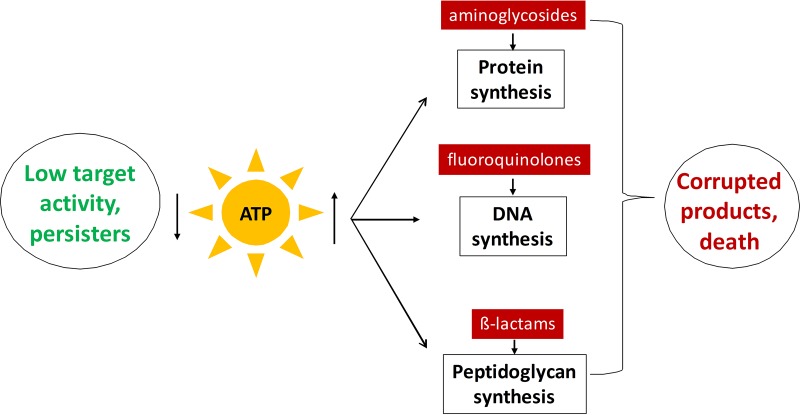
Persisters are dormant variants that form a subpopulation of cells tolerant to antibiotics. Persisters are largely responsible for the recalcitrance of chronic infections to therapy. In Escherichia coli , one widely accepted model of persister formation holds that stochastic accumulation of ppGpp causes activation of the Lon protease that degrades antitoxins; active toxins then inhibit translation, resulting in dormant, drug-tolerant persisters. We found that various stresses induce toxin-antitoxin (TA) expression but that induction of TAs does not necessarily increase persisters. The 16S rRNA promoter rrnB P1 was proposed to be a persister reporter and an indicator of toxin activation regulated by ppGpp. Using fluorescence-activated cell sorting (FACS), we confirmed the enrichment for persisters in the fraction of rrnB P1 -gfp dim cells; however, this is independent of toxin-antitoxins. rrnB P1 is coregulated by ppGpp and ATP. We show that rrnB P1 can report persisters in a relA / spoT deletion background, suggesting that rrnB P1 is a persister marker responding to ATP. Consistent with this finding, decreasing the level of ATP by arsenate treatment causes drug tolerance. Lowering ATP slows translation and prevents the formation of DNA double-strand breaks upon fluoroquinolone treatment. We conclude that variation in ATP levels leads to persister formation by decreasing the activity of antibiotic targets. IMPORTANCE Persisters are a subpopulation of antibiotic-tolerant cells responsible for the recalcitrance of chronic infections. Our current understanding of persister formation is primarily based on studies of E. coli . The activation of toxin-antitoxin systems by ppGpp has become a widely accepted model for persister formation. In this study, we found that stress-induced activation of mRNA interferase-type toxins does not necessarily cause persister formation. We also found that the persister marker rrnB P1 reports persister cells because it detects a drop in cellular ATP levels. Consistent with this, lowering the ATP level decreases antibiotic target activity and, thus, leads to persister formation. We conclude that stochastic variation in ATP is the main mechanism of persister formation. A decrease in ATP provides a satisfactory explanation for the drug tolerance of persisters, since bactericidal antibiotics act by corrupting energy-dependent targets.
Overview
The claims and statistics of this paper haven’t been checked yet.
Run the check — free, no account needed. It reads the open-access text and checks the sources it cites.
Integrity signals
Registry
Cites
Statistics
Figures
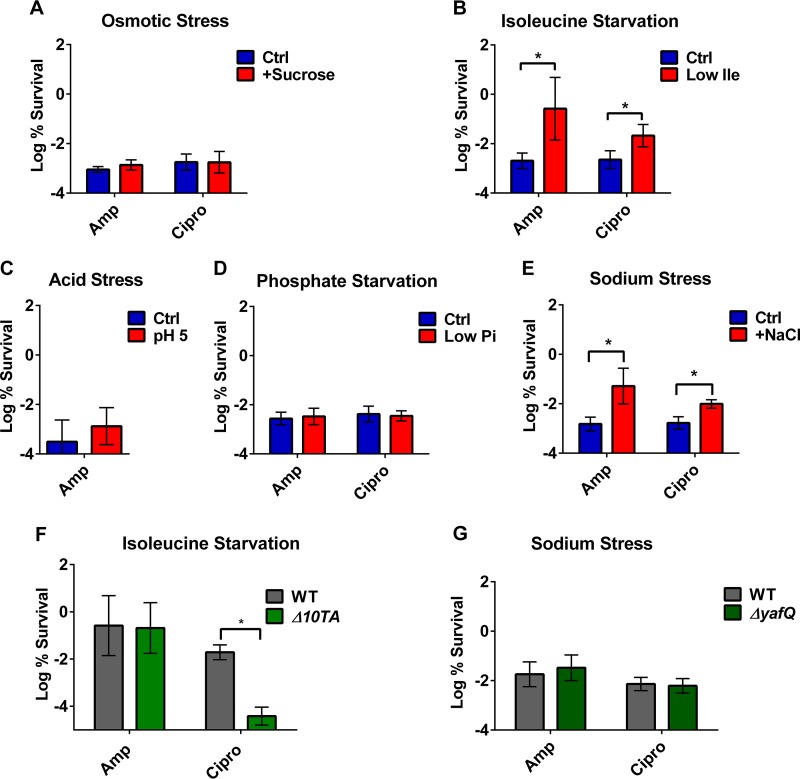
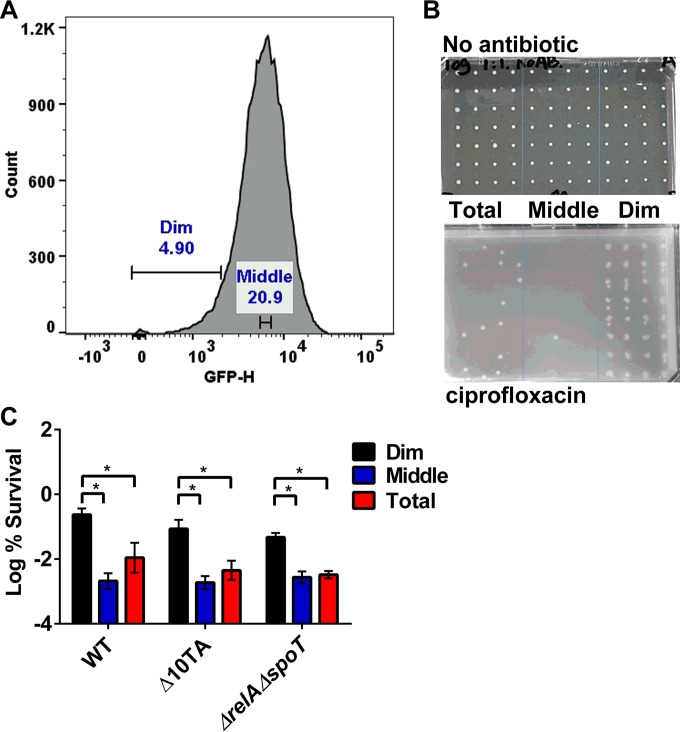
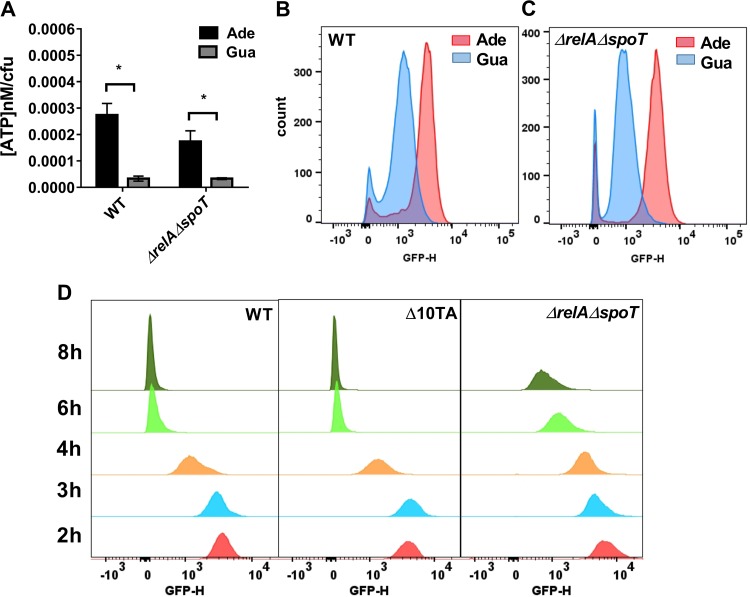
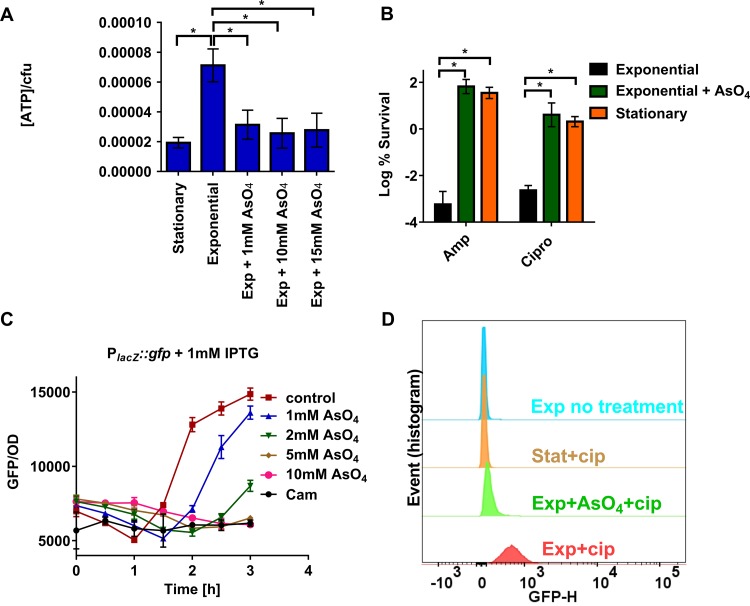
Verification
Claims the paper makes
The claims and statistics of this paper haven’t been checked yet.
Run the check — free, no account needed. It reads the open-access text and checks the sources it cites.
Claims other papers make about this one
Each is checked against this paper’s own text: does it say what the citing paper says it does?
The source backs part of the claim, not all of it — or backs it for a different population, condition or comparison.
In the citing paper
“It has been well studied that dormant state reduces the exposure of antibiotic targets and helps bacterial cells tolerate a variety of antibiotics, a process linked to the toxin-antitoxin system [18,54].”
From Antifungal persistence: Clinical relevance and mechanisms (2025) · cites this paper as [54]
Experimental — accuracy not yet measured
Self-check
Percentages, sums and reported differences re-computed from the paper’s own numbers.
The self-check needs the paper’s full text.
Citations
Cites
2 retracted
RETRACTED: Bacterial persistence by RNA endonucleases
Maisonneuve, E., Shakespeare, L. J., Jørgensen, M. G., & Gerdes, K. (2011) · Proceedings of the National Academy of Sciences · doi:10.1073/pnas.1100186108 · Cited by 473
RetractedMaisonneuve, E., Castro-Camargo, M., & Gerdes, K. (2013) · Cell · doi:10.1016/j.cell.2013.07.048 · Cited by 439
RetractedBacterial Persistence as a Phenotypic Switch
Balaban, N. Q., Merrin, J., Chait, R., Kowalik, L., & Leibler, S. (2004) · Science · doi:10.1126/science.1099390 · Cited by 2,952
Lewis, K. (2010) · Annual Review of Microbiology · doi:10.1146/annurev.micro.112408.134306 · Cited by 1,858
Self-citationIntracellular Bacterial Biofilm-Like Pods in Urinary Tract Infections
Anderson, G. G., Palermo, J. J., Schilling, J. D., Roth, R. A., Heuser, J., & Hultgren, S. J. (2003) · Science · doi:10.1126/science.1084550 · Cited by 1,175
Persister cells and tolerance to antimicrobials
Keren, I., Kaldalu, N., Spoering, A. L., Wang, Y., & Lewis, K. (2003) · FEMS Microbiology Letters · doi:10.1016/s0378-1097(03)00856-5 · Cited by 1,094
Self-citationProkaryotic toxin–antitoxin stress response loci
Gerdes, K., Christensen, S. K., & Løbner‐Olesen, A. (2005) · Nature Reviews Microbiology · doi:10.1038/nrmicro1147 · Cited by 1,033
Active Starvation Responses Mediate Antibiotic Tolerance in Biofilms and Nutrient-Limited Bacteria
Nguyen, D. M., Joshi-Datar, A., Lepine, F. L., Bauerle, E., Olakanmi, O., Beer, K. D., McKay, G. A., Siehnel, R., Schafhauser, J., Wang, Y., et al. (2011) · Science · doi:10.1126/science.1211037 · Cited by 1,008
The RpoS-Mediated General Stress Response in Escherichia coli
Battesti, A., Majdalani, N., & Gottesman, S. (2010) · Annual Review of Microbiology · doi:10.1146/annurev-micro-090110-102946 · Cited by 922
Specialized Persister Cells and the Mechanism of Multidrug Tolerance in Escherichia coli
Keren, I., Shah, D., Spoering, A. L., Kaldalu, N., & Lewis, K. (2004) · Journal of Bacteriology · doi:10.1128/jb.186.24.8172-8180.2004 · Cited by 848
Self-citation
Research works printed but not linked: 1
- 10.1016/j.cell.2013.07.048 · DOI
Cited by
Sorted by citations
Items 101–200 of 499
Extreme Antibiotic Persistence via Heterogeneity-Generating Mutations Targeting Translation
Khare, A., & Tavazoie, S. (2020) · mSystems · doi:10.1128/msystems.00847-19 · Cited by 46
Why tolerance invites resistance
Lewis, K., & Shan, Y. (2017) · Science · doi:10.1126/science.aam7926 · Cited by 44
Self-citationLin, J. S., Bekale, L. A., Molchanova, N., Nielsen, J. E., Wright, M., Bacacao, B., Diamond, G., Jenssen, H., Maria, P. L. S., & Barron, A. E. (2022) · ACS Infectious Diseases · doi:10.1021/acsinfecdis.2c00288 · Cited by 43
Martini, M. C., Hicks, N. D., Xiao, J., Alonso, M. N., Barbier, T., Sixsmith, J. D., Fortune, S. M., & Shell, S. S. (2022) · PLoS Pathogens · doi:10.1371/journal.ppat.1010705 · Cited by 42
Równicki, M., Pieńko, T., Czarnecki, J., Kolanowska, M., Bartosik, D., & Trylska, J. (2018) · Frontiers in Microbiology · doi:10.3389/fmicb.2018.02870 · Cited by 45
Identifying Metabolic Inhibitors to Reduce Bacterial Persistence
Mohiuddin, S. G., Hoàng, T., Saba, A., Karki, P., & Orman, M. A. (2020) · Frontiers in Microbiology · doi:10.3389/fmicb.2020.00472 · Cited by 41
Khan, F., Yu, H., & Kim, Y. (2020) · Marine Drugs · doi:10.3390/md18050270 · Cited by 40
Maeda, T., & Furusawa, C. (2024) · Antibiotics · doi:10.3390/antibiotics13010094 · Cited by 43
Escaping the ESKAPE pathogens: A review on antibiofilm potential of nanoparticles
Sarkar, S., Roy, A., Mitra, R., Kundu, S., Banerjee, P., Chowdhury, A. A., & Ghosh, S. (2024) · Microbial Pathogenesis · doi:10.1016/j.micpath.2024.106842 · Cited by 40
Bîrluțiu, V., & Bîrluţiu, R. M. (2025) · Microorganisms · doi:10.3390/microorganisms13092194 · Cited by 43
Endoribonuclease type II toxin–antitoxin systems: functional or selfish?
Ramisetty, B. C. M., & Santhosh, R. S. (2017) · Microbiology · doi:10.1099/mic.0.000487 · Cited by 39
Ghosh, A., Baltekin, Ö., Wäneskog, M., Elkhalifa, D., Hammarlöf, D. L., Elf, J., & Koskiniemi, S. (2018) · The EMBO Journal · doi:10.15252/embj.201798026 · Cited by 39
The Variety in the Common Theme of Translation Inhibition by Type II Toxin–Antitoxin Systems
Jurėnas, D., & Melderen, L. V. (2020) · Frontiers in Genetics · doi:10.3389/fgene.2020.00262 · Cited by 38
Drug persistence – From antibiotics to cancer therapies
Kochanowski, K., Morinishi, L. S., Altschuler, S. J., & Wu, L. F. (2018) · Current Opinion in Systems Biology · doi:10.1016/j.coisb.2018.03.003 · Cited by 39
Elucidating the role of (p)ppGpp in mycobacterial persistence against antibiotics
Bhaskar, A., Piano, C. D., Gelman, E., McKinney, J. D., & Dhar, N. (2018) · IUBMB Life · doi:10.1002/iub.1888 · Cited by 37
Ueno, H., Kato, Y., Tabata, K. V., & Noji, H. (2019) · Analytical Chemistry · doi:10.1021/acs.analchem.9b03960 · Cited by 37
Sun, F., Bian, M., Li, Z., Lv, B., Gao, Y., Wang, Y., & Fu, X. (2020) · Frontiers in Cellular and Infection Microbiology · doi:10.3389/fcimb.2020.00084 · Cited by 36
Ткаченко, А. Г., Kashevarova, N. M., Sidorov, R. Y., Nesterova, L. Y., Ахова, А. В., Tsyganov, I. V., Vaganov, V. Y., Shipilovskikh, S. A., Rubtsov, A. E., & Malkov, A. V. (2021) · Cell chemical biology · doi:10.1016/j.chembiol.2021.01.018 · Cited by 37
Zhao, H., Roistacher, D. M., & Helmann, J. D. (2018) · Molecular Microbiology · doi:10.1111/mmi.14078 · Cited by 37
Type I toxin-dependent generation of superoxide affects the persister life cycle of Escherichia coli
Edelmann, D. B., & Berghoff, B. A. (2019) · Scientific Reports · doi:10.1038/s41598-019-50668-1 · Cited by 35
Baek, M. S., Chung, E. S., Jung, D. S., & Ko, K. S. (2019) · Journal of Antimicrobial Chemotherapy · doi:10.1093/jac/dkz552 · Cited by 35
Formation of persisters in Streptococcus mutans biofilms induced by antibacterial dental monomer
Wang, S., Zhou, C., Ren, B., Li, X., Weir, M. D., Masri, R. M., Oates, T. W., Cheng, L., & Xu, H. H. K. (2017) · Journal of Materials Science Materials in Medicine · doi:10.1007/s10856-017-5981-9 · Cited by 35
Riffaud, C. M., Rucks, E. A., & Ouellette, S. P. (2023) · Frontiers in Cellular and Infection Microbiology · doi:10.3389/fcimb.2023.1185571 · Cited by 34
Obando, M. C., & Serra, D. O. (2024) · Current Opinion in Microbiology · doi:10.1016/j.mib.2024.102450 · Cited by 35
Klebsiella pneumoniae liver abscesses: pathogenesis, treatment, and ongoing challenges
Angeles-Solano, M., Tabashsum, Z., Chen, L., & Rowe, S. E. (2025) · Infection and Immunity · doi:10.1128/iai.00508-24 · Cited by 36
Self-citationSalcedo-Sora, J. E., & Kell, D. B. (2020) · Antibiotics · doi:10.3390/antibiotics9080508 · Cited by 35
Sodium dehydroacetate confers broad antibiotic tolerance by remodeling bacterial metabolism
Liu, Y., Fang, D., Yang, K., Xu, T., Su, C., Li, R., Xiao, X., & Wang, Z. (2022) · Journal of Hazardous Materials · doi:10.1016/j.jhazmat.2022.128645 · Cited by 33
Berger, P., Kouzel, I. U., Berger, M., Haarmann, N., Dobrindt, U., Koudelka, G. B., & Mellmann, A. (2019) · BMC Genomics · doi:10.1186/s12864-019-5892-x · Cited by 33
Preexisting variation in DNA damage response predicts the fate of single mycobacteria under stress
Manina, G., Griego, A., Singh, L. K., McKinney, J. D., & Dhar, N. (2019) · The EMBO Journal · doi:10.15252/embj.2019101876 · Cited by 35
Riffaud, C., Pinel‐Marie, M., & Felden, B. (2020) · Trends in Microbiology · doi:10.1016/j.tim.2020.05.016 · Cited by 33
Liu, S., Brul, S., & Zaat, S. A. J. (2020) · International Journal of Molecular Sciences · doi:10.3390/ijms21238967 · Cited by 34
The metabolic pathways utilized by Salmonella Typhimurium during infection of host cells
Thompson, A., Fulde, M., & Tedin, K. (2018) · Environmental Microbiology Reports · doi:10.1111/1758-2229.12628 · Cited by 33
Chromosomal toxin-antitoxin systems in Pseudomonas putida are rather selfish than beneficial
Rosendahl, S., Tamman, H., Brauer, A., Remm, M., & Hõrak, R. (2020) · Scientific Reports · doi:10.1038/s41598-020-65504-0 · Cited by 33
Spanka, D.-T., Konzer, A., Edelmann, D. B., & Berghoff, B. A. (2019) · Frontiers in Microbiology · doi:10.3389/fmicb.2019.00378 · Cited by 34
Chen, H., Tang, Y., Weir, M. D., Gao, J., Imazato, S., Oates, T. W., Lei, L., Wang, S., Hu, T., & Xu, H. H. K. (2019) · Dental Materials · doi:10.1016/j.dental.2019.12.001 · Cited by 32
Sampaio, N. M. V., & Dunlop, M. J. (2020) · Current Opinion in Microbiology · doi:10.1016/j.mib.2020.08.002 · Cited by 34
Advances in linking single-cell bacterial stress response to population-level survival
Alnahhas, R. N., & Dunlop, M. J. (2023) · Current Opinion in Biotechnology · doi:10.1016/j.copbio.2022.102885 · Cited by 34
Sensitizing bacterial cells to antibiotics by shape recovery triggered biofilm dispersion
Lee, S., Gu, H., Kilberg, J. B., & Ren, D. (2018) · Acta Biomaterialia · doi:10.1016/j.actbio.2018.09.042 · Cited by 32
Bacterial Longevity Requires Protein Synthesis and a Stringent Response
Yin, L., Ma, H., Nakayasu, E. S., Payne, S. H., Morris, D. R., & Harwood, C. S. (2019) · mBio · doi:10.1128/mbio.02189-19 · Cited by 31
Liu, X., Wang, C., Yan, B., Lyu, L.-D., Takiff, H. E., & Gao, Q. (2020) · Emerging Microbes & Infections · doi:10.1080/22221751.2019.1710090 · Cited by 30
Wilmaerts, D., Focant, C., Matthay, P., & Michiels, J. J. (2022) · Cell Reports · doi:10.1016/j.celrep.2022.110427 · Cited by 32
Huemer, M., Shambat, S. M., Hertegonne, S., Bergadà-Pijuan, J., Chang, C., Pereira, S. F. F., Gómez-Mejía, A., Gestel, L. V., Bär, J., Vulin, C., et al. (2023) · Science Signaling · doi:10.1126/scisignal.abj8194 · Cited by 32
Molecular mechanism and application of emerging technologies in study of bacterial persisters
Yuan, S., Shen, Y., Quan, Y., Gao, S., Zuo, J., Jin, W., Li, R., Yi, L., Wang, Y., & Wang, Y. (2024) · BMC Microbiology · doi:10.1186/s12866-024-03628-3 · Cited by 31
Vilhena, C., Kaganovitch, E., Shin, J. Y., Grünberger, A., Behr, S., Krištofičová, I., Brameyer, S., Kohlheyer, D., & Jung, K. (2017) · Journal of Bacteriology · doi:10.1128/jb.00536-17 · Cited by 29
Rocha-Granados, M. C., Zenick, B., Englander, H. E., & Mok, W. W. K. (2020) · Cellular Signalling · doi:10.1016/j.cellsig.2020.109750 · Cited by 33
Tissue compartmentalization enables Salmonella persistence during chemotherapy
Li, J., Claudi, B., Fanous, J., Chicherova, N., Cianfanelli, F. R., Campbell, R. A. A., & Bumann, D. (2021) · Proceedings of the National Academy of Sciences · doi:10.1073/pnas.2113951118 · Cited by 29
Metabolic pathways and antimicrobial peptide resistance in bacteria
Elbediwi, M., & Rolff, J. (2024) · Journal of Antimicrobial Chemotherapy · doi:10.1093/jac/dkae128 · Cited by 28
The Role of Integration Host Factor in Escherichia coli Persister Formation
Nicolau, S. E., & Lewis, K. (2022) · mBio · doi:10.1128/mbio.03420-21 · Cited by 28
Self-citationMohiuddin, S. G., Nguyen, T. V., & Orman, M. A. (2022) · Communications Biology · doi:10.1038/s42003-022-03172-8 · Cited by 29
Autoregulation of bacterial gene expression: lessons from the MazEF toxin–antitoxin system
Nikolić, N. (2018) · Current Genetics · doi:10.1007/s00294-018-0879-8 · Cited by 28
Tracking of quiescence in Leishmania by quantifying the expression of GFP in the ribosomal DNA locus
Jara, M., Maes, I., Imamura, H., Domagalska, M. A., Dujardin, J., & Arévalo, J. (2019) · Scientific Reports · doi:10.1038/s41598-019-55486-z · Cited by 30
Controlling and exploiting cell-to-cell variation in metabolic engineering
Wang, T., & Dunlop, M. J. (2018) · Current Opinion in Biotechnology · doi:10.1016/j.copbio.2018.08.013 · Cited by 29
Zhang, S., Liu, S., Wu, N., Yuan, Y., Zhang, W., & Zhang, Y. (2018) · Frontiers in Microbiology · doi:10.3389/fmicb.2018.00136 · Cited by 27
Chen, Z., Gao, Y., Lv, B., Sun, F., Yao, W., Wang, Y., & Fu, X. (2019) · Frontiers in Microbiology · doi:10.3389/fmicb.2019.02028 · Cited by 27
Antibiotic-induced DNA damage results in a controlled loss of pH homeostasis and genome instability
Booth, J., Špírek, M., Lobie, T. A., Skarstad, K., Krejci, L., & Bjørås, M. (2020) · Scientific Reports · doi:10.1038/s41598-020-76426-2 · Cited by 25
Microbial fouling in water treatment plants
Shukla, S. K., Khan, A., & Rao, T. S. (2020) · Elsevier eBooks · doi:10.1016/b978-0-12-820084-1.00023-5 · Cited by 26
Abram, F., Arcari, T., Guerreiro, D. N., & O'Byrne, C. P. (2021) · Advances in microbial physiology/Advances in Microbial Physiology · doi:10.1016/bs.ampbs.2021.07.002 · Cited by 26
Cao, Z., Chen, X., Chen, J., Xia, A., Bacacao, B., Tran, J., Sharma, D., Bekale, L. A., & Maria, P. L. S. (2022) · Nanoscale · doi:10.1039/d2nr01003h · Cited by 26
Rangel, K., Lechuga, G. C., Provance, D. W., Morel, C. M., & De-Simone, S. G. (2023) · Pharmaceuticals · doi:10.3390/ph16091281 · Cited by 26
Role of VapBC12 Toxin-Antitoxin Locus in Cholesterol-Induced Mycobacterial Persistence
Talwar, S., Pandey, M., Sharma, C., Kutum, R., Lum, J., Carbajo, D., Goel, R., Poidinger, M., Dash, D., Singhal, A., et al. (2020) · mSystems · doi:10.1128/msystems.00855-20 · Cited by 29
Giant transposons promote strain heterogeneity in a major fungal pathogen
Gluck‐Thaler, E., Forsythe, A., Puerner, C. T. S., Gutierrez-Perez, C., Stajich, J., Croll, D., Cramer, R. A., & Vogan, A. A. (2025) · mBio · doi:10.1128/mbio.01092-25 · Cited by 25
Bioenergetic stress potentiates antimicrobial resistance and persistence
Li, B., Srivastava, S., Shaikh, M., Mereddy, G., Garcia, M. R., Chiles, E. N., Shah, A., Ofori-Anyinam, B., Chu, T., Cheney, N. J., et al. (2025) · Nature Communications · doi:10.1038/s41467-025-60302-6 · Cited by 28
Zou, J., Kou, S.-H., Xie, R., VanNieuwenhze, M. S., Qu, J., Peng, B., & Zheng, J. (2020) · Emerging Microbes & Infections · doi:10.1080/22221751.2020.1770630 · Cited by 25
Schulte, M., Olschewski, K., & Hensel, M. (2021) · Communications Biology · doi:10.1038/s42003-021-02049-6 · Cited by 26
Fuentes, D. A. F., Manfredi, P., Jenal, U., & Zampieri, M. (2021) · Nature Communications · doi:10.1038/s41467-021-23522-0 · Cited by 28
Wang, C., Chen, R., Xu, J., & Jin, L. (2022) · Frontiers in Microbiology · doi:10.3389/fmicb.2022.936726 · Cited by 25
Noise in a Metabolic Pathway Leads to Persister Formation in Mycobacterium tuberculosis
Quigley, J., & Lewis, K. (2022) · Microbiology Spectrum · doi:10.1128/spectrum.02948-22 · Cited by 25
Self-citationFernández-García, L., Song, S., Kirigo, J., Battisti, M. E., Huelgas‐Méndez, D., García‐Contreras, R., Petersen, M. E., Tomás, M., & Wood, T. K. (2023) · Microbiology Spectrum · doi:10.1128/spectrum.03388-23 · Cited by 25
Type I toxin-antitoxin systems in bacteria: from regulation to biological functions
Shore, S. F. H., Leinberger, F. H., Fozo, E. M., & Berghoff, B. A. (2024) · EcoSal Plus · doi:10.1128/ecosalplus.esp-0025-2022 · Cited by 26
Survival of bactericidal antibiotic treatment by tolerant persister cells of Klebsiella pneumoniae
Li, Y., Zhang, L., Zhou, Y., Zhang, Z., & Zhang, X. (2018) · Journal of Medical Microbiology · doi:10.1099/jmm.0.000680 · Cited by 25
Toxins targeting transfer RNAs: Translation inhibition by bacterial toxin–antitoxin systems
Walling, L. R., & Butler, J. S. (2018) · Wiley Interdisciplinary Reviews - RNA · doi:10.1002/wrna.1506 · Cited by 25
Pseudomonas Can Survive Tailocin Killing via Persistence-Like and Heterogenous Resistance Mechanisms
Kandel, P. P., Baltrus, D. A., & Hockett, K. L. (2020) · Journal of Bacteriology · doi:10.1128/jb.00142-20 · Cited by 24
The RNA-Binding Protein ProQ Promotes Antibiotic Persistence in Salmonella
Rizvanovic, A., Michaux, C., Panza, M., Iloglu, Z., Hélaine, S., Wagner, E. G. H., & Holmqvist, E. (2022) · mBio · doi:10.1128/mbio.02891-22 · Cited by 25
Tipping, M. J., & Gibbs, K. A. (2019) · PLoS Pathogens · doi:10.1371/journal.ppat.1007885 · Cited by 24
Edelmann, D. B., Leinberger, F. H., Schmid, N. E., Oberpaul, M., Schäberle, T. F., & Berghoff, B. A. (2021) · Microorganisms · doi:10.3390/microorganisms9050943 · Cited by 27
The classification of bacterial survival strategies in the presence of antimicrobials
Chebotar, I. V., Emelyanova, M., Bocharova, Y. A., Mayanskiy, N. A., Kopantseva, E., & Mikhailovich, V. M. (2021) · Microbial Pathogenesis · doi:10.1016/j.micpath.2021.104901 · Cited by 27
Li, X., Feng, D.-Y., Zhou, J., Wu, W., Zheng, W., Gan, W., Jiang, M., Li, H., Peng, X., & Zhang, T. (2023) · ACS Infectious Diseases · doi:10.1021/acsinfecdis.3c00480 · Cited by 23
Identifying Vancomycin as an Effective Antibiotic for Killing Borrelia burgdorferi
Wu, X., Sharma, B., Niles, S., O’Connor, K., Schilling, R., Matluck, N. E., Donofrio, A. E., Hu, L. T., & Lewis, K. (2018) · Antimicrobial Agents and Chemotherapy · doi:10.1128/aac.01201-18 · Cited by 23
Self-citationXia, K., Han, C., Xu, J. Q., & Liang, X. (2021) · Applied Microbiology and Biotechnology · doi:10.1007/s00253-020-11078-w · Cited by 23
The genetic underground of antibiotic resistance
Zampieri, M. (2021) · Science · doi:10.1126/science.abf7922 · Cited by 23
Proteolytic Queues at ClpXP Increase Antibiotic Tolerance
Deter, H. S., Abualrahi, A. H., Jadhav, P., Schweer, E. K., Ogle, C. T., & Butzin, N. C. (2019) · ACS Synthetic Biology · doi:10.1021/acssynbio.9b00358 · Cited by 23
Pandey, S., Sahukhal, G. S., & Elasri, M. O. (2021) · Frontiers in Microbiology · doi:10.3389/fmicb.2021.657753 · Cited by 22
Braetz, S., Schwerk, P., Thompson, A., Tedin, K., & Fulde, M. (2017) · Veterinary Microbiology · doi:10.1016/j.vetmic.2017.09.007 · Cited by 22
Novel Mechanistic Insights into Bacterial Fluoroquinolone Resistance
Du, G., Zheng, Y.-D., Chen, J., He, Q., & Sun, X. (2019) · Journal of Proteome Research · doi:10.1021/acs.jproteome.9b00410 · Cited by 22
Yu, C., Armengaud, J., Blaustein, R. A., Chen, K., Ye, Z., Xu, F., Gaillard, J., Qin, Z., Fu, Y., Hartmann, E. M., et al. (2021) · Journal of Hazardous Materials · doi:10.1016/j.jhazmat.2021.127712 · Cited by 21
Gradients in gene essentiality reshape antibacterial research
Hogan, A. M., & Cardona, S. T. (2022) · FEMS Microbiology Reviews · doi:10.1093/femsre/fuac005 · Cited by 24
Heterogeneous Distribution of Proton Motive Force in Nonheritable Antibiotic Resistance
Lee, A. H., Gupta, R., Nguyen, H. N., Schmitz, I. R., Siegele, D. A., & Lele, P. P. (2023) · mBio · doi:10.1128/mbio.02384-22 · Cited by 21
Synchronized switching of multiple toxin–antitoxin modules by (p)ppGpp fluctuation
Tian, C., Semsey, S., & Mitarai, N. (2017) · Nucleic Acids Research · doi:10.1093/nar/gkx552 · Cited by 21
Magnesium Links Starvation-Mediated Antibiotic Persistence to ATP
Xu, T., Wang, X., Lu, M., Zhu, M., Wu, J., Xu, Y., Zhang, Y., & Zhang, W. (2020) · mSphere · doi:10.1128/msphere.00862-19 · Cited by 21
The impact of bacterial purine metabolism on antibiotic efficacy
Stevens, C. E., Deventer, A. T., & Hobbs, J. K. (2025) · npj Antimicrobials and Resistance · doi:10.1038/s44259-025-00139-7 · Cited by 20
A Shift in Perspective: A Role for the Type I Toxin TisB as Persistence-Stabilizing Factor
Edelmann, D. B., & Berghoff, B. A. (2022) · Frontiers in Microbiology · doi:10.3389/fmicb.2022.871699 · Cited by 21
Application of proteomics in studying bacterial persistence
Sulaiman, J. E., & Lam, H. (2019) · Expert Review of Proteomics · doi:10.1080/14789450.2019.1575207 · Cited by 20
Are all antibiotic persisters created equal?
Shultis, M. W., Mulholland, C. V., & Berney, M. (2022) · Frontiers in Cellular and Infection Microbiology · doi:10.3389/fcimb.2022.933458 · Cited by 19
Altamirano, S., Simmons, C., & Kozubowski, L. (2018) · Frontiers in Cellular and Infection Microbiology · doi:10.3389/fcimb.2018.00203 · Cited by 19
Sun, Y., Gao, R., Liao, X., Shen, M., Chen, X., Feng, J., & Ding, T. (2024) · Current Research in Food Science · doi:10.1016/j.crfs.2024.100764 · Cited by 19
Leveraging Peptide Substrate Libraries to Design Inhibitors of Bacterial Lon Protease
Babin, B. M., Kasperkiewicz, P., Janiszewski, T., Yoo, E., Drąg, M., & Bogyo, M. S. (2019) · ACS Chemical Biology · doi:10.1021/acschembio.9b00529 · Cited by 20
Shahbazi, S., Shivaee, A., Nasiri, M., Mirshekar, M., Sabzi, S., & Sariani, O. K. (2022) · Journal of Basic Microbiology · doi:10.1002/jobm.202200382 · Cited by 19
Keasey, S. L., Suh, M., Das, S., Blancett, C. D., Zeng, X., Andrésson, Þ., Sun, M., & Ulrich, R. G. (2019) · Molecular & Cellular Proteomics · doi:10.1074/mcp.ra118.000739 · Cited by 19
Identifying determinants of persistent MRSA bacteremia using mathematical modeling
Mikkaichi, T., Yeaman, M. R., Hoffmann, A., & MRSA Systems Immunobiology Group (2019) · PLoS Computational Biology · doi:10.1371/journal.pcbi.1007087 · Cited by 19
Song, Y., Ye, Z., & Wang, Y. (2025) · Drug Resistance Updates · doi:10.1016/j.drup.2025.101322 · Cited by 20
Metadata
- Authors
- Shan, Y., Brown Gandt, A., Rowe, S. E., Deisinger, J. P., Conlon, B. P., & Lewis, K.
- Affiliations
- Northeastern University (US)
- Department of Biology, Antimicrobial Discovery Center, Northeastern University, Boston, Massachusetts, USA
- Corresponding author
- Lewis, Kim
- Venue
- mBio
- Publisher
- American Society for Microbiology
- Published
- 2017-03-08
- Volume
- 8
- Issue
- 1
- ISSN
- 2150-7511 (ISSN-L)
- 2161-2129
- PMC
- PMC5296605
- OpenAlex
- W2586386056
- Cited by
- 508
- References
- 71
- Citations by year
- 2026: 55 · 2025: 61 · 2024: 47 · 2023: 42 · 2022: 54 · 2021: 61 · 2020: 56 · 2019: 69 · 2018: 37 · 2017: 26
- FWCI
- 34.04
- Type
- journal article
- Language
- en
- Open access
- gold
- doi.org
- Licence
- Locations
- mBio (publishedVersion, cc-by)
- Europe PMC (PubMed Central) (publishedVersion, cc-by)
- PubMed Central (publishedVersion, cc-by)
- PubMed (publishedVersion)
- Carolina Digital Repository (University of North Carolina at Chapel Hill) (submittedVersion)
- DOAJ (DOAJ: Directory of Open Access Journals) (submittedVersion, cc-by-sa)
- DOAJ (DOAJ: Directory of Open Access Journals) (submittedVersion)
- UNC Libraries
- Funders
- DH | National Institute for Health Research (R01AI110578)
- Charles A. King Trust (Fellowship)
- Topics
- Life Sciences › Biochemistry, Genetics and Molecular Biology › Genetics › Bacterial Genetics and Biotechnology
- Health Sciences › Medicine › Infectious Diseases › Antimicrobial Resistance in Staphylococcus
- Life Sciences › Biochemistry, Genetics and Molecular Biology › Molecular Biology › Bacterial biofilms and quorum sensing
- Keywords
- persister cells, antibiotic tolerance, Escherichia coli, ATP levels, toxin-antitoxin systems, ppGpp, Lon protease, arsenate, protein synthesis inhibition, DNA double-strand breaks, fluoroquinolones, chronic infection
- MeSH terms
- Adenosine Triphosphate, Drug Tolerance, Escherichia coli, Gene Expression Regulation, Bacterial, Microbial Viability
About these checks
Registry, retraction, Cites and statistics results are computed, not judged, with one exception: a printed reference that no index lists is read once by a model before it counts as a citation error. Claims are extracted by a model and kept only when their quote appears verbatim in the text; each cited source is then checked, with a model’s help, for whether it says what the claim relies on. Those verdicts can be wrong — read the claim’s quote and the cited source before relying on one.
Statistics and arithmetic are recomputed, not judged.
Confidence bands are shown only for fields calibrated on our annotated test set. None is calibrated yet, so no band is shown.
What counts as a claim ›How we measure confidence ›How we check this ›
Are you an author, or do you see a problem with this page? Request a review
