

The DOI matches its Crossref record; 70 of the 70 references it cites were found in a registry or an index.
Occurrence of mental health symptoms and disorders in current and former elite athletes: a systematic review and meta-analysis
Open accessAbstract
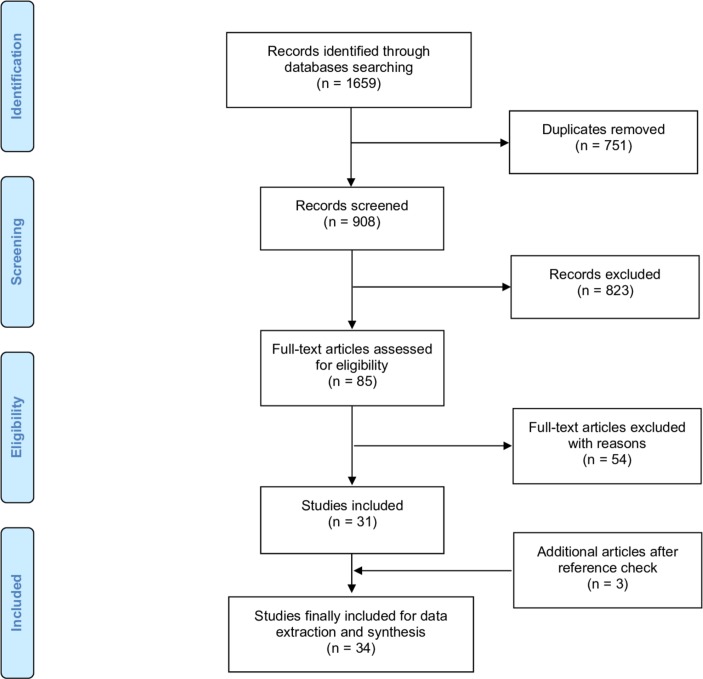
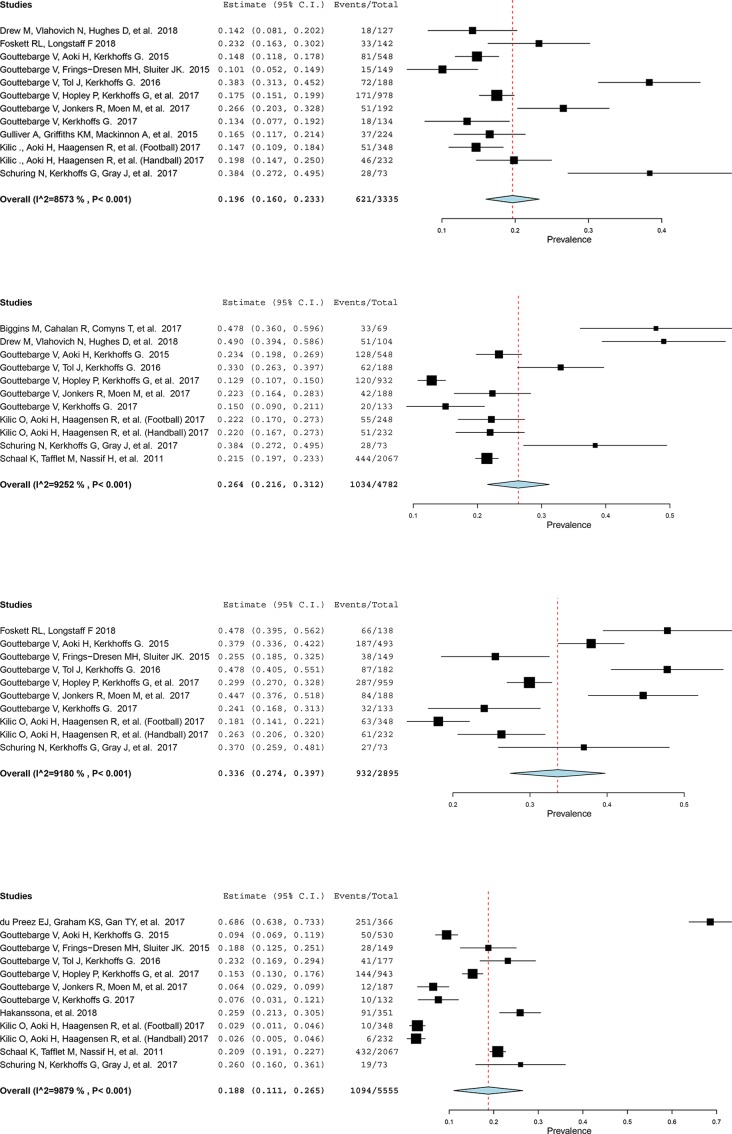
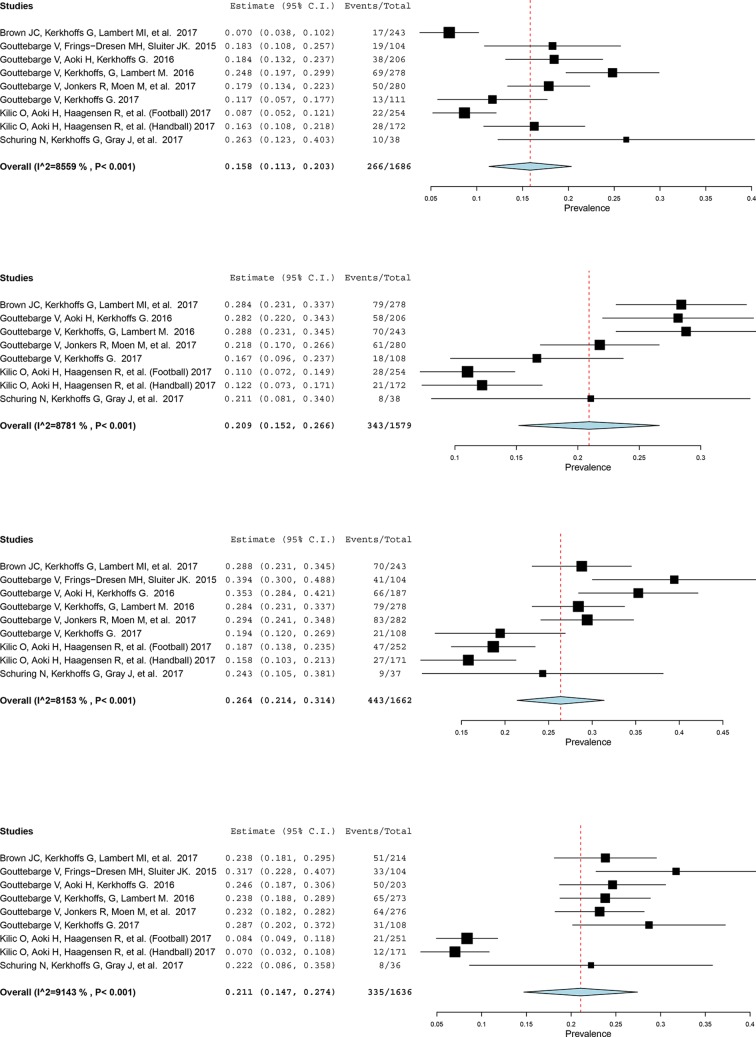
Objectives: To present an overview of the existing epidemiological evidence regarding the occurrence of mental health symptoms and disorders among current and former elite athletes. Design: Systematic review and meta-analysis. Data sources: Five electronic databases were searched from inception to November 2018: PubMed (MEDLINE), SportDiscus via EBSCO, PSycINFO via ProQuest, Scopus and Cochrane. Eligibility criteria for selecting studies: We included original quantitative studies that were written in English, were conducted exclusively among current or former elite athletes, and presented incidence or prevalence rates of symptoms of mental disorders. Results: Twenty-two relevant original studies about mental health symptoms and disorders among current elite athletes were included: they presented data especially on symptoms of distress, sleep disturbance, anxiety/depression and alcohol misuse. Meta-analyses comprising 2895 to 5555 current elite athletes showed that the prevalence of mental health symptoms and disorders ranged from 19% for alcohol misuse to 34% for anxiety/depression. Fifteen relevant original studies about mental health symptoms and disorders among former elite athletes were included: they similarly presented data especially about symptoms of distress, sleep disturbance, anxiety/depression and alcohol misuse. Meta-analyses comprising 1579 to 1686 former elite athletes showed that the prevalence of mental health symptoms and disorders ranged from 16% for distress to 26% for anxiety/depression. Conclusions: Our meta-analyses showed that the prevalence of mental health symptoms and disorders ranged from 19% for alcohol misuse to 34% for anxiety/depression for current elite athletes, and from 16% for distress to 26% for anxiety/depression for former elite athletes.
Overview
The claims and statistics of this paper haven’t been checked yet.
Run the check — free, no account needed. It reads the open-access text and checks the sources it cites.
Integrity signals
Registry
Cites
Statistics
Figures
Verification
Claims the paper makes
The claims and statistics of this paper haven’t been checked yet.
Run the check — free, no account needed. It reads the open-access text and checks the sources it cites.
Claims other papers make about this one
Each is checked against this paper’s own text: does it say what the citing paper says it does?
The cited source says what the claim attributes to it.
In the citing paper
“To date, research has primarily examined the mental health outcomes of elite athletes [15–18], with comparatively less research focusing on understanding these psychological experiences among coaches [19].”
From The Mental Health of Elite-Level Coaches: A Systematic Scoping Review (2024) · cites this paper as [15]
Self-check
Percentages, sums and reported differences re-computed from the paper’s own numbers.
The self-check needs the paper’s full text.
Citations
Cites
Diagnostic and Statistical Manual of Mental Disorders
American Psychiatric Association (2013) · doi:10.1176/appi.books.9780890425596 · Cited by 116,369
Preferred Reporting Items for Systematic Reviews and Meta-Analyses: the PRISMA statement
Moher, D., Liberati, A., Tetzlaff, J., Altman, D. G., & for the PRISMA Group (2009) · BMJ · doi:10.1136/bmj.b2535 · Cited by 83,823
Preferred reporting items for systematic reviews and meta-analyses: the PRISMA Statement.
(2009) · PubMed Central · Cited by 44,859
Meta-analysis in clinical trials
DerSimonian, R., & Laird, N. (1986) · Controlled Clinical Trials · doi:10.1016/0197-2456(86)90046-2 · Cited by 39,552
The Need for a New Medical Model: A Challenge for Biomedicine
Engel, G. L. (1977) · Science · doi:10.1126/science.847460 · Cited by 12,887
Diagnostic and Statistical Manual of Mental Disorders(DSM)
Leong, F. T. L. (2008) · Sage eBooks · doi:10.4135/9781412963978.n182 · Cited by 10,861
The global prevalence of common mental disorders: a systematic review and meta-analysis 1980–2013
Steel, Z., Marnane, C., Iranpour, C., Chey, T., Jackson, J. W., Patel, V., & Silove, D. (2014) · International Journal of Epidemiology · doi:10.1093/ije/dyu038 · Cited by 2,846 · cited 2×
“A recent systematic review and meta-analysis study performed across 155 general populations in 59 countries indicated that 20% experienced a mental disorder within a 12-month period.(4) In other studies, prevalence of anxiety/depression was found to range from 13% to 19% in Australia (general population), from 17% to…”
BackgroundMethodHoy, D., Brooks, P., Woolf, A., Blyth, F., March, L., Bain, C., Baker, P., Smith, E., & Buchbinder, R. (2012) · Journal of Clinical Epidemiology · doi:10.1016/j.jclinepi.2011.11.014 · Cited by 2,555
Guskiewicz, K. M., Marshall, S. W., Bailes, J. E., McCrea, M., Cantu, R. C., RANDOLPH, C. C., & Jordan, B. D. (2005) · Neurosurgery · doi:10.1093/neurosurgery/57.4.719 · Cited by 1,226
The Mental Health of Elite Athletes: A Narrative Systematic Review
Rice, S. M., Purcell, R., De Silva, S., Mawren, D., McGorry, P. D., & Parker, A. G. (2016) · Sports Medicine · doi:10.1007/s40279-016-0492-2 · Cited by 1,205 · cited 1×
“Single studies show that the prevalence of mental health symptoms and disorders among both current and former elite athletes seems substantial and similar to the prevalence in the general population.(5) A professional or elite sport career is characterised by more than 640 distinct stressors that could induce mental h…”
BackgroundSelf-citation
Cited by
Sorted by citations
Items 101–200 of 603
Davenport, M. H., Bains, G., Hayman, M., Cai, C., Mkumbuzi, N. S., & McHugh, T.-L. (2025) · British Journal of Sports Medicine · doi:10.1136/bjsports-2024-109135 · Cited by 22
Si, G., Li, X., Huang, Z., Wang, D., Wang, Y., Liu, J., Liu, H., Zhao, D., Bu, D., & Zhang, C. (2021) · International Journal of Sport and Exercise Psychology · doi:10.1080/1612197x.2021.1907769 · Cited by 20
“Previous research into elite athletes has demonstrated that the elite athletes may be more vulnerable compared to the general population (Foskett & Longstaff, 2018; Gouttebarge et al., 2019; Gulliver et al., 2015).”
Nurturing self-compassionate performers
Walton, C. C., Osborne, M. S., Gilbert, P., & Kirby, J. N. (2022) · Australian Psychologist · doi:10.1080/00050067.2022.2033952 · Cited by 24
“of depression or anxiety, higher than many estimates of the general community (Gouttebarge et al., 2019).”
BackgroundResultMathisen, T. F., Sundgot‐Borgen, J., Anstensrud, B., & Sundgot-Borgen, J. K. (2022) · Frontiers in Sports and Active Living · doi:10.3389/fspor.2022.727048 · Cited by 21
Meidl, V., Dallmann, P., Leonhart, R., Bretthauer, B., Busch, A., Kubosch, E. J., Wrobel, N., & Hirschmüller, A. (2023) · PM&R · doi:10.1002/pmrj.13011 · Cited by 20
“30 However, this discrepancy may be compensated by the continuity of our monitoring, taking into account that over the entire study period 39.7% of all participating athletes reported at least one positive screen.”
BackgroundInfluentialDeveloping a mental health research agenda for football referees
Gorczynski, P. F., & Webb, T. (2021) · Soccer and Society · doi:10.1080/14660970.2021.1952695 · Cited by 20
Self-citationYear-round longitudinal health surveillance in UK Olympic Summer Sport Athletes 2016–2019
Ranson, C., Wootten, M., Biswas, A., Herrington, L. C., Gallimore, D., Jackson, P. D., Taylor, A., Spencer, S., Hull, J. H., & McCaig, S. (2023) · British Journal of Sports Medicine · doi:10.1136/bjsports-2022-105992 · Cited by 17
The Team Denmark applied model of athlete mental health
Henriksen, K., Diment, G. M., & Küttel, A. (2023) · International Journal of Sport and Exercise Psychology · doi:10.1080/1612197x.2023.2281525 · Cited by 26
“Second, the model does not encompass all themes investigated in research potentially related to athlete mental health (Gouttebarge et al. 2019; Kuettel and Larsen 2020).”
Recovering in Place: Creating Campus Models of Care for the High-Risk College Student
Morris, M. R., Feldpausch, N. I., Eshelman, M. G. I., & Bohle-Frankel, B. (2019) · Current Psychiatry Reports · doi:10.1007/s11920-019-1101-5 · Cited by 17
Tahtinen, R. E., McDougall, M., Feddersen, N. B., Tikkanen, O., Morris, R., & Ronkainen, N. J. (2019) · Journal of Clinical Sport Psychology · doi:10.1123/jcsp.2019-0039 · Cited by 18
“…scholars suggest that athletes experience comparable levels of mental health issues as non-43 athletes (Gorczynski et al., 2017; Rice et al., 2016), there is also support for lower levels 44 (Armstrong et al., 2015) and higher levels (Gouttebarge et al., 2019) in athletes than in non-45 athletes.”
BackgroundNarrative review of mental illness in cricket with recommendations for mental health support
McCabe, T., Peirce, N. S., Gorczynski, P. F., & Heron, N. (2021) · BMJ Open Sport & Exercise Medicine · doi:10.1136/bmjsem-2020-000910 · Cited by 17
Self-citationCarrera‐Bastos, P., Silva, B. M. B. D. M., Stults‐Kolehmainen, M., Schuch, F. B., Ordóñez, F. M., Müller, P. D. T., Blanco, J. R., & Boullosa, D. A. (2025) · Frontiers in Psychology · doi:10.3389/fpsyg.2025.1554062 · Cited by 19
Ma, Y., & Mumtaz, S. (2025) · Frontiers in Psychiatry · doi:10.3389/fpsyt.2025.1678367 · Cited by 48
Anxiety and Depression during COVID-19 in Elite Rugby Players: The Role of Mindfulness Skills
Myall, K., Montero‐Marín, J., & Kuyken, W. (2021) · International Journal of Environmental Research and Public Health · doi:10.3390/ijerph182211940 · Cited by 16
“In elite athletes, anxiety and depression are also the most common mental health disorders, with a joint prevalence of 34% [2].”
BackgroundResultManaging mental health: athlete help-seeking
Habeeb, C. M., Warner, S. M., & Walsh, D. (2022) · Sport Management Review · doi:10.1080/14413523.2021.2018836 · Cited by 16
“Researchers suggest 34% of elite athletes report symptoms of anxiety and/or depression (Gouttebarge et al., 2019).”
BackgroundFagher, K., Dahlström, Ö., & Lexell, J. E. (2022) · PM&R · doi:10.1002/pmrj.12917 · Cited by 16
“A recent meta-analysis based on nine studies investigating anxiety/depression in able-bodied athletes also reported a prevalence of 34%.(27) Notable is that Åkesdotter et al.”
Bentzen, M., Kenttä, G., Derman, W. E., Wik, E. H., Havela, J., Karls, T., Stenman, A., & Fagher, K. (2025) · BMJ Open Sport & Exercise Medicine · doi:10.1136/bmjsem-2024-002267 · Cited by 19
“Supporting injured or ill Para athletes already experiencing mental distress requires a multidisciplinary approach involving collaboration among specialised healthcare providers, psychologists and knowledgeable coaches.”
Mental health symptoms among Dutch elite athletes and their coaches: a cross-sectional study
Bilgoe, S. C., Moen, M. H., Raedts, E., Upmeijer, J., Kerkhoffs, G. M. M. J., & Gouttebarge, V. (2024) · BMJ Open Sport & Exercise Medicine · doi:10.1136/bmjsem-2023-001821 · Cited by 17
Self-citationHelp-seeking behaviours related to mental health symptoms in professional football
Confectioner, K., Currie, A., Gabana, N., van Gerwen, N., Kerkhoffs, G. M. M. J., & Gouttebarge, V. (2021) · BMJ Open Sport & Exercise Medicine · doi:10.1136/bmjsem-2021-001070 · Cited by 18
Self-citationA Review of Mental Health Issues in High-Performance and Elite-Level Cycling
Smith, A. J., Buadze, A., Colangelo, J., & Liebrenz, M. (2023) · International Journal of Sports Medicine · doi:10.1055/a-2145-6355 · Cited by 19
“Distinct vocational stressors in high-level sports can potentially lead to psychopathological vulnerabilities [13, 14].”
BackgroundMountjoy, M. L., Schamasch, P., Murray, A. D., Hawkes, R. A., Hospel, T., Thomas, B., Samson, E., & Junge, A. (2023) · Clinical Journal of Sport Medicine · doi:10.1097/jsm.0000000000001186 · Cited by 15
Gill, V. S., Sullivan, G. R., Stearns, H., Tummala, S. V., Haglin, J. M., Economopoulos, K. J., Marks, L. A., & Chauhan, M. (2024) · Sports Medicine · doi:10.1007/s40279-024-01998-2 · Cited by 22
“A recent meta-analysis identified a prevalence of 34% for anxiety/depression in current elite athletes and 26% in former elite athletes [15].”
The Athlete’s Paradox: Adaptable Depression
Foryś, W. J., & Tokuhama‐Espinosa, T. (2022) · Sports · doi:10.3390/sports10070105 · Cited by 20
Duncombe, S. L., Tanaka, H., Larochelambert, Q. D., Schipman, J., Toussaint, J., & Antero, J. (2020) · British Journal of Sports Medicine · doi:10.1136/bjsports-2020-102624 · Cited by 16
Mental Health of Elite Sport Coaches and Entourage
Purcell, R., Frost, J., & Pilkington, V. (2024) · Clinics in Sports Medicine · doi:10.1016/j.csm.2023.06.005 · Cited by 14
Stress and its impact on elite athletes' wellbeing and mental health—a mini narrative review
Nuetzel, B. (2025) · Frontiers in Sports and Active Living · doi:10.3389/fspor.2025.1630784 · Cited by 24
Mental health considerations for athlete removal from play and return to play planning
Edwards, C. D. (2023) · Sports Psychiatry · doi:10.1024/2674-0052/a000058 · Cited by 14
Meidl, V., Dallmann, P., Steffen, K., Bretthauer, B., Busch, A., Kubosch, E. J., Leonhart, R., & Hirschmüller, A. (2024) · British Journal of Sports Medicine · doi:10.1136/bjsports-2023-107995 · Cited by 19
Brooks, T., Bradstreet, T. C., & Partridge, J. A. (2022) · Frontiers in Psychology · doi:10.3389/fpsyg.2022.929487 · Cited by 14
“In addition to pain and compromised/lost performance, injuries can also contribute to poor mental health (Gouttebarge et al., 2019; Chang et al., 2020).”
BackgroundThe Role of Psychologists in Sport Medicine Practice
Jasser, J., Patel, D. R., & Beenen, K. T. (2022) · Pediatric Clinics of North America · doi:10.1016/j.pcl.2022.05.010 · Cited by 13
Drew, M., Petrie, T. A., & Palmateer, T. M. (2021) · Journal of Clinical Sport Psychology · doi:10.1123/jcsp.2021-0036 · Cited by 17
Psychological Distress in Elite Sambo and Recreational Athletes
Tubić, T., Živanović, B., Lakičević, N., Zenić, N., Gilić, B., Rudas, E., Eliseev, S., Trivić, T., Bianco, A., & Drid, P. (2022) · Frontiers in Psychology · doi:10.3389/fpsyg.2022.781880 · Cited by 13
“To affirm the aforementioned, studies have repeatedly shown that athletes who constantly have to prove themselves to a coach and/or teammates have better career trajectories than their counterparts playing the same position, as those who are unhappy with the development of their sports career or were injured and are p…”
ResultWhat Is Known About Mindfulness and Self-Compassion Among Sport Coaches? A Scoping Review
Hägglund, K., Kenttä, G., Wagstaff, C. R. D., & Bentzen, M. (2024) · International Sport Coaching Journal · doi:10.1123/iscj.2023-0066 · Cited by 15
“…of the importance of mental health in sport during the last decade has contributed to increased scholarly attention being paid to constructs that might help enhance good mental health and manage poor mental health (e.g., Gouttebarge et al., 2019; Poucher et al., 2021; Vella et al., 2022).”
BackgroundMental Health in Elite Coaches
Baumann, L., Schneeberger, A. R., Currie, A., Iff, S., Seifritz, E., & Claussen, M. C. (2024) · Sports Health A Multidisciplinary Approach · doi:10.1177/19417381231223472 · Cited by 19
Noh, Y., Zaki, F., & Danaee, M. (2024) · Psychology of sport and exercise · doi:10.1016/j.psychsport.2024.102612 · Cited by 13
Aalto, E. P., Pons, J., Alcaraz, S., Zamora‐Solé, R., & Ramis, Y. (2024) · European Journal of Sport Science · doi:10.1002/ejsc.12218 · Cited by 29
“However, as athlete mental health research at first focused mostly on mental ill - health perspective (e.g., Gouttebarge et al., 2019; Kege-laers et al., 2022), in this review, we include the wider research tradition on mental well - being (Lundqvist, 2011), corresponding to Keyes's definition of…”
Emotion dysregulation, performance concerns, and mental health among Canadian athletes
Tamminen, K. A., Bonk, D., Milne, M. J., & Watson, J. C. (2025) · Scientific Reports · doi:10.1038/s41598-025-86195-5 · Cited by 18
King, L., Cullen, S., McArdle, J., McGoldrick, A., Pugh, J., Warrington, G. D., & Losty, C. (2022) · Journal of Clinical Sport Psychology · doi:10.1123/jcsp.2021-0032 · Cited by 14
“A recent meta-analysis of 34 athlete mental health studies indicated that prevalence of MHDs among elite athletes may be marginally greater than in comparison to the general population (Gouttebarge et al., 2019).”
BackgroundMountjoy, M. L., Sloan, S., Ali-Zada, M., Bindra, A., Blauwet, C. A., Budgett, R., Burrows, K., Currie, A., Engebretsen, L., Erdener, U., et al. (2025) · British Journal of Sports Medicine · doi:10.1136/bjsports-2025-109646 · Cited by 14
Self-citationHealth conditions among retired elite rugby players: a scoping review
Roux, J. L., Anema, F., van Rensburg, D. C. J., Kerkhoffs, G. M. M. J., & Gouttebarge, V. (2023) · BMJ Open Sport & Exercise Medicine · doi:10.1136/bmjsem-2023-001573 · Cited by 12
“46 Exploring the difference between the health conditions in retired elite male and female rugby players and the ages at which certain health conditions likely start to develop could also lead to better care for former elite rugby players.”
Self-citationLeguizamo, F., Núñez, A., Gervilla, E., Zafra, A. O., & García‐Mas, A. (2023) · Frontiers in Psychology · doi:10.3389/fpsyg.2023.1287951 · Cited by 19
On the Frontline of Athlete Mental Health: The Mental Health Literacy of NCAA Coaches
Beebe, K. E., & Petrie, T. A. (2024) · The Sport Psychologist · doi:10.1123/tsp.2023-0007 · Cited by 12
Shannon, S., Shevlin, M. E., Brick, N., Donnelly, P., Horgan, P., & Breslin, G. (2024) · International Journal of Sport and Exercise Psychology · doi:10.1080/1612197x.2024.2335226 · Cited by 14
“Moreover, the present study’s statistics were similar to a meta-analysis (Gouttebarge et al., 2019) of pooled estimates for data in current elite athletes that reported a 33.6% prevalence of anxiety/depression.”
InfluentialYang, K., Chen, Y., Wang, M., Zhang, Y., Yuan, Y. J., Hou, H., & Mao, Y.-H. (2024) · Nutrients · doi:10.3390/nu16111602 · Cited by 14
“According to statistics, about 16–34% of the elite athletes show depression-related symptoms [98].”
BackgroundBrockett, C., Stansen, C., Bourke, M., Pascoe, M. C., Clements, M., & Parker, A. G. (2024) · BMJ Open Sport & Exercise Medicine · doi:10.1136/bmjsem-2024-001991 · Cited by 12
Low Energy Availability Risk Is Associated with Anxiety in Female Collegiate Athletes
Scheid, J. L., Basile, S., & West, S. (2024) · Sports · doi:10.3390/sports12100269 · Cited by 14
“Anxiety is not the only mental health condition that athletes may have, and our study did not examine the relationship between other conditions such as depression or post-traumatic stress disorder (PTSD) [12,38].”
BackgroundInfluentialMagier, E., Newman, T. J., Kimiecik, C., Okamoto, K., Beasley, L., Shute, L., & Tucker, A. R. (2022) · Journal of Social Work Education · doi:10.1080/10437797.2021.2019641 · Cited by 12
“For instance, among elite-level athletes, a meta-analysis indicated that the prevalence of anxiety and depression ranged from 26% among former elite athletes to 34% among current elite athletes (Gouttebarge et al., 2019).”
BackgroundSalles, J. I., Silva, C., Wolff, A., Orwert, L., Ribeiro, P. F. M., Velasques, B., & Morrissey, D. (2022) · Psicologia Reflexão e Crítica · doi:10.1186/s41155-022-00233-z · Cited by 12
“Athlete-specific factors may cause or exacerbate anxiety and depression disorders (Du Preez et al., 2017; Gorczynski et al., 2017; Gouttebarge et al., 2019; Rice et al., 2019).”
BackgroundNoguchi, Y., Kuribayashi, C., & Kinugasa, T. (2022) · Frontiers in Psychology · doi:10.3389/fpsyg.2022.821893 · Cited by 15
“, 2015), pursuing excellence in high-performance sports is associated with various factors that may pose threats to the holistic wellbeing of athletes (MacAuley, 2012; Gouttebarge et al., 2019; Giles et al., 2020).”
BackgroundBadenhorst, M., Runciman, P., Brown, J. C., Swartz, L. M., & Derman, W. E. (2021) · Journal of science and medicine in sport · doi:10.1016/j.jsams.2020.12.013 · Cited by 15
Andersson, M. J., Rahim, Y. A., Kenttä, G., Håkansson, A., & Claesdotter‐Knutsson, E. (2025) · Psychology of sport and exercise · doi:10.1016/j.psychsport.2025.102859 · Cited by 17
“…outcomes among elite athletes and sports staff is comparable to the general population (~12 %; GBD 2019 Mental Disorders Collabo-rators, 2022; Gouttebarge et al., 2017; Åkesdotter et al., 2020), though some may be over-or underrepresented (Gouttebarge et al., 2019; Åkesdotter et al., 2020, 2022).”
A mixed-methods examination of a mental health awareness program in elite ice hockey
Lefebvre, J. S., Henderson, S., Salomie, A., Heath, N. L., & Bloom, G. A. (2022) · International Journal of Sport and Exercise Psychology · doi:10.1080/1612197x.2022.2066705 · Cited by 11
“Therefore, participant receptivity to participating in this type of program is important given their vulnerability for experiencing psychological distress due to the pressures and expectations of the sport and its culture (Gouttebarge et al., 2019; Nixdorf et al., 2016).”
BackgroundInfluentialMental health help-seeking preferences and behaviour in elite male rugby players
Oguro, S., Ojio, Y., Matsunaga, A., Shiozawa, T., Kawamura, S., Yoshitani, G., Horiguchi, M., & Fujii, C. (2023) · BMJ Open Sport & Exercise Medicine · doi:10.1136/bmjsem-2023-001586 · Cited by 12
Leprince, C., Maurin, M., & Carling, C. (2024) · Sports Medicine · doi:10.1007/s40279-024-02044-x · Cited by 14
“Concerns relating to mental health and well-being in sport have received wide attention in recent years although scientific research has arguably focused upon athletes [1, 2].”
BackgroundYan, Z., & Wang, L. (2025) · PLoS ONE · doi:10.1371/journal.pone.0319813 · Cited by 16
Otis, C. L., Hainline, B. W., Harwood, C., Jayanthi, N. A., Jensen, R., Keber, A., Kroshus, E., Livengood, T., Stroia, K. A., Quinn, A., et al. (2022) · British Journal of Sports Medicine · doi:10.1136/bjsports-2021-104620 · Cited by 10
Self-citationDepressive Disorders in Athletes
Beable, S. (2023) · Clinics in Sports Medicine · doi:10.1016/j.csm.2023.06.011 · Cited by 15
Mental health difficulties among professional jockeys: a narrative review
King, L., Cullen, S., McGoldrick, A., Pugh, J., Warrington, G. D., Woods, G., & Losty, C. (2021) · BMJ Open Sport & Exercise Medicine · doi:10.1136/bmjsem-2021-001078 · Cited by 12
Batting against mental health in elite cricket
Mahmood, H. J. S., & Friedman, D. J. (2021) · British Journal of Sports Medicine · doi:10.1136/bjsports-2020-103319 · Cited by 12
Mental health literacy and psychological outcomes in dual-career athletes
Usenik, J., & Kranjec, E. (2025) · Frontiers in Sports and Active Living · doi:10.3389/fspor.2025.1609042 · Cited by 15
Cao, X., Martindale, R. J. J., Cho, H., & Li, C. (2023) · Journal of Sports Sciences · doi:10.1080/02640414.2023.2235162 · Cited by 10
“Furthermore, we limited outcomes to three mental health symptoms (i.e., GAD, depression, and athlete burnout) given their high prevalence rates and close associations with sport performance in elite youth athletes (Gouttebarge et al., 2019; Gustafsson et al., 2007; Sanhueza et al., 2016).”
BackgroundInfluentialMcGinty-Minister, K., Champ, F. M., Eubank, M. R., Littlewood, M. A., & Whitehead, A. E. (2023) · Managing Sport and Leisure · doi:10.1080/23750472.2023.2239259 · Cited by 10
“Despite any perceived inconvenience, MHL and cultural competence are important in elite sporting environments, where athletes might be at risk for compromised mental health or mental illness (Champ et al., 2018; Gouttebarge et al., 2019).”
Beebe, K. E., Petrie, T. A., Kiefer, H. R., Slavin, L. E., & Arnold, M. L. (2023) · Journal of Clinical Sport Psychology · doi:10.1123/jcsp.2022-0047 · Cited by 12
Bidirectional relationship between mental health and sport injuries: a review of reviews
Gil-Caselles, L., Barquín, R. R., Giménez‐Egido, J. M., & Zafra, A. O. (2024) · Apunts Sports Medicine · doi:10.1016/j.apunsm.2024.100452 · Cited by 14
Pillay, L., van Rensburg, D. C. J., Ramkilawon, G., Andersen, T. E., Kerkhoffs, G. M. M. J., & Gouttebarge, V. (2024) · BMC Sports Science Medicine and Rehabilitation · doi:10.1186/s13102-024-01005-1 · Cited by 10
“Commonly, anxiety, distress, sleep disturbance, depression and alcohol misuse are MHS encountered in elite athletes [7].”
BackgroundSelf-citationAthlete career transitions: a systematic review and future directions for sport management research
Fleischman, D., Mulcahy, R. F., English, P., Kirby, K., Stevenson, T., & Sotiriadou, P. (2024) · European Sport Management Quarterly · doi:10.1080/16184742.2024.2437793 · Cited by 10
“More recently, Gouttebarge et al.’s (2019) systematic review and meta-analysis of 15 studies discusses mental health symptoms in current and former elite athletes.”
Lopes, C. P., Allado, E., Poussel, M., Essadek, A., Hamroun, A., & Chenuel, B. J. (2022) · Healthcare · doi:10.3390/healthcare10030511 · Cited by 10
Depressive symptoms among male professional soccer players in Japan
Ito, T., Fetters, M. D., Kipps, C., & Kumar, B. (2023) · Asian Journal of Sport and Exercise Psychology · doi:10.1016/j.ajsep.2023.02.002 · Cited by 11
“Most studies on mental health issues among sports players have been conducted in Western countries ( Gouttebarge et al., 2019 ).”
BackgroundGorczynski, P. F., Aron, C. M., Moore, M. A., & Reardon, C. L. (2023) · Clinics in Sports Medicine · doi:10.1016/j.csm.2023.06.001 · Cited by 15
Self-citationGouttebarge, V., Andersen, T. E., Cowie, C., Goedhart, E. A., Jorstad, H. T., Kemp, S. P. T., Königs, M., Maas, M. M., Orhant, E., Rantanen, J., et al. (2019) · BMJ Open Sport & Exercise Medicine · doi:10.1136/bmjsem-2019-000680 · Cited by 10
Self-citationGrimson, S., Brickley, G., Smeeton, N. J., Abbott, W., & Brett, A. (2021) · European Journal of Sport Science · doi:10.1080/17461391.2021.1976841 · Cited by 15
“In 607 male soccer players, 9% reported adverse alcohol, 38% anxiety and depression and 58% adverse nutrition (Gouttebarge et al., 2019).”
BackgroundPressure is not a privilege: what we can learn from Simone Biles
Tardelli, V. S., Parmigiano, T. R., Castaldelli-Maia, J. M., & Fidalgo, T. M. (2021) · Brazilian Journal of Psychiatry · doi:10.1590/1516-4446-2021-0036 · Cited by 11
Self-citationLundqvist, C., Jederström, M., Korhonen, L., & Timpka, T. (2022) · BMJ Open Sport & Exercise Medicine · doi:10.1136/bmjsem-2022-001414 · Cited by 10
Junge, A., Wellmann, K., & Zech, A. (2023) · Scandinavian Journal of Medicine and Science in Sports · doi:10.1111/sms.14426 · Cited by 15
Mental ill-health in semi-elite women’s soccer in England: a mixed-methods approach
Bramley, O., Healy, L. C., & Sarkar, M. (2024) · International Journal of Sport and Exercise Psychology · doi:10.1080/1612197x.2024.2311752 · Cited by 9
Ruggiero, M., FERRANTE, L., Tafuri, D., Meccariello, R., & Mazzeo, F. (2025) · Sports · doi:10.3390/sports13070233 · Cited by 11
“The latest available data, also cited in the latest 2024 Paris Olympics, report that 33.6 percent of elite athletes suffer from depression or anxiety [17,18].”
InfluentialThe Mental Health Status of Esports Athletes
Kegelaers, J. J., Maîresse, O., Ruysevelt, L. V., Trotter, M. G., Watson, M., Pedraza-Ramirez, I., Bonilla, I., Davis, P., Ragnarsson, J., & Heel, M. V. (2025) · Journal of Electronic Gaming and Esports · doi:10.1123/jege.2025-0017 · Cited by 9
Mental health and well‐being in esports: A scoping review
Poulus, D., Nicholson, M., Obine, E. A. C., Drew, M., FISHER, K., Vella, S. A., Seidler, Z. E., & Sharpe, B. T. (2026) · Applied Psychology · doi:10.1111/apps.70055 · Cited by 18
Imboden, C., Claussen, M. C., Iff, S., Quednow, B. B., Seifritz, E., Spörri, J., Scherr, J., & Fröhlich, S. (2021) · Frontiers in Sports and Active Living · doi:10.3389/fspor.2021.759335 · Cited by 10
McLoughlin, E., Arnold, R., Cavallerio, F., Fletcher, D. F., & Moore, L. J. (2023) · Sport Exercise and Performance Psychology · doi:10.1037/spy0000319 · Cited by 12
Aguiar, A. S. (2023) · Cannabis and Cannabinoid Research · doi:10.1089/can.2023.0012 · Cited by 9
“Moreover, elite athletes are vulnerable to mental health problems, with significant anxiety/depression 52,53 and precompetition poor sleep.”
Sustaining the unsustainable: meaningful longevity and the doing of coaching
Jones, R. L., Corsby, C. L. T., & Lane, A. P. (2023) · Sport in Society · doi:10.1080/17430437.2023.2253754 · Cited by 10
“…vulnerability during the course of their work (features found to be associated with increased symptoms of mental health disorders, for example see Gouttebarge et al. 2019; Reardon et al. 2019 for discussion) concluded that the intense hyper-busyness claimed ‘to do’ the job, where work-related…”
BackgroundAlcohol related disorders among elite male football players in Sweden: nationwide cohort study
Ueda, P., Pasternak, B., Svanström, H., Lim, C.-E., Neovius, M., Forssblad, M. L., Ludvigsson, J. F., & Kader, M. (2022) · BMJ · doi:10.1136/bmj-2022-074093 · Cited by 9
“Studies have indicated that elite athletes could be at increased risk of alcohol related disorders after retirement from their elite careers 14 15 22 owing to changes in life circumstances associated with retirement.”
BackgroundUpdate on integrative treatment of psychiatric symptoms and disorders in athletes
Glick, I. D., Stillman, M. A., & Mcduff, D. R. (2020) · The Physician and Sportsmedicine · doi:10.1080/00913847.2020.1757370 · Cited by 10
Seshadri, D. R., Harlow, E. R., Thom, M. L., Emery, M. S., Phelan, D. M. J., Hsu, J. J., Düking, P., Mey, K. D., Sheehan, J., Geletka, B. J., et al. (2023) · Digital Health · doi:10.1177/20552076231177498 · Cited by 10
Chrétien, A., d’Arripe-Longueville, F., Haffner, K., Hayotte, M., Bernier, M., & Vuillemin, A. (2023) · International Journal of Qualitative Studies on Health and Well-Being · doi:10.1080/17482631.2023.2251235 · Cited by 15
“Moreover, elite athletes are subjected to a set of constraints that lead to specific risks such as injury (Sghir et al., 2021) anxiety, or burnout (Lin et al., 2022; Gouttebarge et al., 2019).”
BackgroundMesagno, C., Hammond, A. A., & Goodyear, M. A. (2024) · Psychology of sport and exercise · doi:10.1016/j.psychsport.2024.102663 · Cited by 8
Hu, S., Li, W., Chen, Y., Li, N., Lou, S., Shao, Y., Guo, Y., Sun, Q., Ni, Z., Dong, L., et al. (2025) · BMC Psychiatry · doi:10.1186/s12888-025-06839-8 · Cited by 9
“The prevalence of mental health symptoms ranges from 19 to 34% in current elite athletes, and the most common one is anxiety/depression [7], causing increased injury vulnerability, prolonged injury recovery [8], and poor athletic performance [9].”
Bürger, L., Reis, D., Spielmann, J., Mayer, J., & Steindorf, L. (2025) · Psychology of sport and exercise · doi:10.1016/j.psychsport.2025.102868 · Cited by 8
Ronkainen, H., Lundgren, T., Kenttä, G., Ihalainen, J. K., Kalaja, S., Valtonen, M., & Lappalainen, R. I. (2025) · Journal of Applied Sport Psychology · doi:10.1080/10413200.2025.2521267 · Cited by 11
“General risk factors comprise normal age-related risk indicators such as adverse life events (Gouttebarge et al., 2019; Nixdorf et al., 2016), physical and psychological changes ( € Ozdemir et al., 2016), and financial uncertainty and inadequate social support (Purcell et al., 2022; Walton et al.,…”
Tao, Y., & Lv, X. (2023) · Medicine · doi:10.1097/md.0000000000035254 · Cited by 8
“[34,35] For this reason, occasionally, the loss of this equilibrium could lead individuals to seek solace in sleeping pills.”
InfluentialFuture of Mental Health in Sport: CBT and Athletes
Werner, C., Parrish, D. E., & McIngvale, E. (2023) · Sport Social Work Journal · doi:10.33043/sswj.4.1.81-94 · Cited by 11
Sport Psychiatry and Its Research Agenda
Currie, A., & Purcell, R. (2021) · Psychiatric Clinics of North America · doi:10.1016/j.psc.2021.04.007 · Cited by 8
Weber, B., Bos, J., Clancy, E. M., Menon, R., Cross, T., & Hall, K. (2021) · British Journal of Sports Medicine · doi:10.1136/bjsports-2021-104388 · Cited by 10
Reimagining Sport Management Programs Within Kinesiology and Public Health
George, T. R., Marquez, A. A., Coble, C. J., & Williams, A. S. (2022) · Kinesiology Review · doi:10.1123/kr.2022-0026 · Cited by 8
Clinical Commentary: Depression and Anxiety in Adolescent and Young Adult Athletes
Putukian, M., & Yeates, K. O. (2023) · Journal of Athletic Training · doi:10.4085/1062-6050-0658.22 · Cited by 9
Translation and Validation of the Arabic Version of the Athlete Psychological Strain Questionnaire
Alhowimel, A., Alenazi, A. M., Alshehri, M. M., Alqahtani, B. A., Aljamaan, A., Alzahrani, H. A., Alodaibi, F., & Rice, S. (2023) · Journal of Sport Rehabilitation · doi:10.1123/jsr.2022-0311 · Cited by 8
Self-citationA balancing act: Sport psychologist insights into supporting athlete mental health in elite sport
Prior, E., Papathomas, A., & Rhind, D. J. A. (2025) · Journal of Applied Sport Psychology · doi:10.1080/10413200.2025.2462551 · Cited by 7
“The prevalence of mental health concerns amongst athletes is well-documented, with athletes as likely—and sometimes more likely—than the general population to experience symptoms of mental illness (see Åkesdotter et al., 2020; Gouttebarge et al., 2019; Poucher et al., 2021).”
Stavitz, J., Porcelli, R., Block‐Lerner, J., Marks, D. R., & Katzman, H. (2025) · Sports · doi:10.3390/sports13040116 · Cited by 13
Effects of group mindfulness intervention on high-level distance runners: a quasi-experimental study
Kelemen, B., Tóth, R., Benczenleitner, O., & Tóth, L. (2025) · Frontiers in Sports and Active Living · doi:10.3389/fspor.2025.1556404 · Cited by 15
Metadata
- Authors
- Gouttebarge, V., Castaldelli-Maia, J. M., Gorczynski, P., Hainline, B., Hitchcock, M. E., Kerkhoffs, G. M., Rice, S. M., & Reardon, C. L.
- Affiliations
- Amsterdam University Medical Centers (NL)
- University of Portsmouth (GB)
- National Collegiate Athletic Association (US)
- University of Wisconsin–Madison (US)
- Amsterdam UMC Location University of Amsterdam (NL)
- The University of Melbourne (AU)
- University of Wisconsin System (US)
- Corresponding author
- Gouttebarge, Vincent
- ORCID
- Venue
- British Journal of Sports Medicine
- Publisher
- BMJ
- Published
- 2019-05-16
- Volume
- 53
- Issue
- 11
- Pages
- 700-706
- ISSN
- 0306-3674 (ISSN-L)
- 1473-0480
- PMC
- PMC6579497
- OpenAlex
- W2944177380
- Cited by
- 604
- References
- 68
- Citations by year
- 2026: 119 · 2025: 107 · 2024: 111 · 2023: 77 · 2022: 80 · 2021: 58 · 2020: 44 · 2019: 7
- FWCI
- 10.09
- Type
- journal article
- Language
- en
- Open access
- hybrid
- doi.org
- Licence
- cc-by
- Locations
- British Journal of Sports Medicine (publishedVersion, cc-by)
- Europe PMC (PubMed Central) (publishedVersion, cc-by-nc)
- PubMed Central (publishedVersion, cc-by-nc)
- PubMed (publishedVersion)
- Pure Amsterdam UMC (publishedVersion, cc-by)
- Amsterdam UMC (VU Amsterdam) - Institutional Repository (publishedVersion, other-oa)
- Minerva Access (University of Melbourne) (submittedVersion, cc-by-nc)
- Data Archiving and Networked Services (DANS) (submittedVersion, other-oa)
- HighWire Press Open Archive (submittedVersion)
- Data Archiving and Networked Services (DANS) (submittedVersion, cc-by-nc)
- Funders
- International Olympic Committee
- Topics
- Social Sciences › Psychology › Developmental and Educational Psychology › Sport Psychology and Performance
- Social Sciences › Psychology › Clinical Psychology › Psychological Treatments and Assessments
- Health Sciences › Medicine › Psychiatry and Mental health › Mental Health Treatment and Access
- Keywords
- mental health, elite athletes, former athletes, anxiety, depression, alcohol abuse, sleep disorders, psychological distress, prevalence, mental illness
- MeSH terms
- Anxiety, Mental Disorders, Depression, Humans, Sleep Wake Disorders, Incidence, Prevalence, Alcohol-Related Disorders, Athletes
About these checks
Registry, retraction, Cites and statistics results are computed, not judged, with one exception: a printed reference that no index lists is read once by a model before it counts as a citation error. Claims are extracted by a model and kept only when their quote appears verbatim in the text; each cited source is then checked, with a model’s help, for whether it says what the claim relies on. Those verdicts can be wrong — read the claim’s quote and the cited source before relying on one.
Statistics and arithmetic are recomputed, not judged.
Confidence bands are shown only for fields calibrated on our annotated test set. None is calibrated yet, so no band is shown.
What counts as a claim ›How we measure confidence ›How we check this ›
Are you an author, or do you see a problem with this page? Request a review
