

Workplace interventions to improve well-being and reduce burnout for nurses, physicians and allied healthcare professionals: a systematic review.
Open accessThe DOI matches its Crossref record; 63 of the 68 references it cites were found in a registry or an index; 34 of the 120 sources its claims cite were checked for support.
Abstract
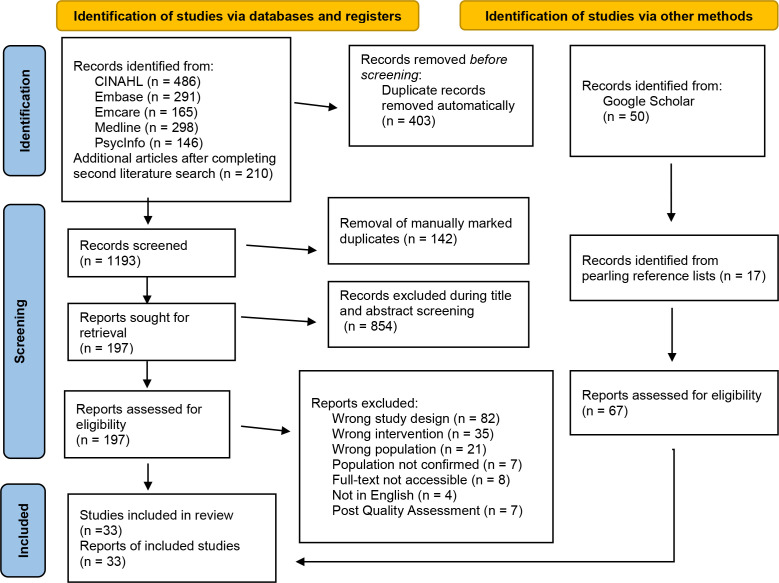
There is a growing need for interventions to improve well-being in healthcare workers, particularly since the onset of COVID-19. OBJECTIVES: To synthesise evidence since 2015 on the impact of interventions designed to address well-being and burnout in physicians, nurses and allied healthcare professionals. DESIGN: Systematic literature review. DATA SOURCES: Medline, Embase, Emcare, CINAHL, PsycInfo and Google Scholar were searched in May-October 2022. ELIGIBILITY CRITERIA FOR SELECTING STUDIES: Studies that primarily investigated burnout and/or well-being and reported quantifiable preintervention and postintervention outcomes using validated well-being measures were included. DATA EXTRACTION AND SYNTHESIS: Full-text articles in English were independently screened and quality assessed by two researchers using the Medical Education Research Study Quality Instrument. Results were synthesised and presented in both quantitative and narrative formats. Meta-analysis was not possible due to variations in study designs and outcomes. RESULTS: A total of 1663 articles were screened for eligibility, with 33 meeting inclusion criterium. Thirty studies used individually focused interventions, while three were organisationally focused. Thirty-one studies used secondary level interventions (managed stress in individuals) and two were primary level (eliminated stress causes). Mindfulness-based practices were adopted in 20 studies; the remainder used meditation, yoga and acupuncture. Other interventions promoted a positive mindset (gratitude journaling, choirs, coaching) while organisational interventions centred on workload reduction, job crafting and peer networks. Effective outcomes were reported in 29 studies, with significant improvements in well-being, work engagement, quality of life and resilience, and reductions in burnout, perceived stress, anxiety and depression. CONCLUSION: The review found that interventions benefitted healthcare workers by increasing well-being, engagement and resilience, and reducing burnout. It is noted that the outcomes of numerous studies were impacted by design limitations that is, no control/waitlist control, and/or no post intervention follow-up. Suggestions are made for future research.
Overview
CoChat Summary
TL;DR
This systematic review found that workplace well-being interventions for nurses, physicians, and allied healthcare professionals generally improved well-being and reduced burnout, but the evidence was limited by heterogeneity and weak study designs. Most of the 33 included studies used individually focused, secondary-level interventions such as mindfulness-based education.
Key findings
- The searches screened 1,663 articles and included 33 studies after quality assessment; 29 studies reported effective outcomes.
- Thirty studies used individually focused interventions and 3 were organisationally focused; 31 studies were secondary-level interventions and 2 were primary-level interventions.
- Mindfulness-based education was the most common intervention (20 studies); the review also found positive effects for meditation, yoga, acupuncture, gratitude, coaching, workload reduction, job crafting, and peer support networks.
- Reported benefits included improvements in well-being, work engagement, quality of life, resilience, mindfulness, and reductions in burnout, perceived stress, anxiety, and depressive symptoms; for example, one gratitude trial reported significantly less perceived stress and reduced depressive symptoms over time, and one professional coaching study reported a 19.5% decrease in high emotional exhaustion at 5-month follow-up in the intervention group.
Methods
- Systematic review of workplace interventions published since 2015, searching Medline, Embase, Emcare, CINAHL, PsycInfo, and Google Scholar between May and October 2022.
- Included studies had to involve nurses, physicians, or allied health personnel and report quantifiable pre/post outcomes using validated well-being or burnout measures.
- Two researchers independently screened and quality-assessed studies using MERSQI; results were synthesized narratively and quantitatively, but meta-analysis was not possible because of variation in designs, interventions, instruments, and analyses.
Limitations
- The paper states that meta-analysis was not possible because of marked heterogeneity in study designs, interventions, survey instruments, and statistical analyses.
- The paper states that organisational studies were under-represented, with only 3 of the 33 included studies.
- Evident from the text: many studies lacked control groups, used waitlist controls, and/or had no post-intervention follow-up, which weakens causal inference and limits conclusions about long-term effects.
Model-written summary. Check it against the paper before relying on it.
Integrity signals
Registry
Cites
Statistics
Figures
Verification
Claims the paper makes
21 Valid · 7 Not valid · 56 Not checked · 56 Own results and interpretations
The cited sources support only part of this claim — read each source’s verdict below.
In the paper
“Widely acknowledged as the cost of caring, healthcare workers report higher rates of absences due to psychological distress and job burnout than workers in other sectors.1–6”
§ Workplace interventions to improve well-being and reduce burnout for nurses, physicians and allied healthcare professionals: a systematic review > Introduction
What the sources say
- Not checked — no full text of the sourcecites [1] Buchanan, 2018, Reducing anxiety and improving engagement in health care providers through an Auricular Acupuncture intervention, Dimens Crit Care Nurs source
- Partly supportedcites [2] Ledikwe, 2017, Implementation of a national workplace wellness program for health workers in Botswana, J Occup Environ Med sourceExperimental — accuracy not yet measured
The paper’s Abstract says health professionals are particularly vulnerable to occupational stress and describes the demands of caring for patients. It does not report rates of absence due to psychological distress or burnout, or compare healthcare workers’ absences with those of workers in other sectors; searches for absenteeism and sick leave found no such passage. (LLM, conf=0.84)
- Partly supportedcites [3] Carolan, 2017, Improving employee well-being and effectiveness: systematic review and meta-analysis of web-based psychological interventions delivered in the workplace, J Med Internet Res sourceExperimental — accuracy not yet measured
The Introduction > Background (page unavailable) says work-related stress, depression, and anxiety can result in absenteeism among workers generally. It does not say healthcare workers have higher absence rates than workers in other sectors or link those absences to job burnout. (LLM, conf=0.83)
- Not checked — no full text of the sourcecites [4] Mistretta, 2018, Resilience training for work-related stress among health care workers, Journal of Occupational & Environmental Medicine source
- Partly supportedcites [5] Martindale, 2022, Operational stress control service: an organizational program to support health care worker well-being, J Occup Environ Med sourceExperimental — accuracy not yet measured
The “Parallels and Application to a Health Care Setting” section (page unavailable) says healthcare workers face a heavy mental-health burden from burnout and emotional trauma. It does not report rates of absence due to those conditions or compare healthcare workers with workers in other sectors. (LLM, conf=0.78)
- Partly supportedcites [6] Brand, 2017, Whole-system approaches to improving the health and wellbeing of Healthcare workers: A systematic review, PLoS One sourceExperimental — accuracy not yet measured
The Introduction reports markedly high rates of sickness absence, burnout, and distress among healthcare professionals compared with other sectors. It does not say that psychological distress or burnout causes the absences, as the citing sentence implies. (LLM, conf=0.84)
boostedstates an association- Asserted: passes — The authors put it forward as true.
- Checkable: passes — It can be checked against evidence.
- Load-bearing: passes — The paper’s conclusions depend on it.
- Based: passes — The paper gives a reason why it holds.
The cited sources support only part of this claim — read each source’s verdict below.
In the paper
“Furthermore, workplace interventions that focus on self-care, worker empowerment and access to mental health services such as mindfulness sessions or meditation, have been found to decrease levels of psychological stress, anxiety and burnout in healthcare workers.20”
§ Workplace interventions to improve well-being and reduce burnout for nurses, physicians and allied healthcare professionals: a systematic review > Introduction
What the sources say
- Partly supportedcites [20] Zhang, 2022, Addressing workplace stressors emerging from the pandemic, Am J Health Promot sourceExperimental — accuracy not yet measured
Split into 2 atoms — 0 confirmed, 2 partially supported, 0 disputed, 0 misattributed, 0 unverifiable. Expand the claim to see per-atom verdicts.
plainstates a cause- Asserted: passes — The authors put it forward as true.
- Checkable: passes — It can be checked against evidence.
- Load-bearing: passes — The paper’s conclusions depend on it.
- Based: passes — The paper gives a reason why it holds.
- Partly supported
The sources with a verdict support this claim; the rest weren’t checked yet, have no full text we could read, or their verdicts aren’t rated yet.
In the paper
“Both studies reported statistically significant changes in levels of stress as measured by the Nurse Stress Scale (NSS) despite the varied study designs.37 47”
§ Workplace interventions to improve well-being and reduce burnout for nurses, physicians and allied healthcare professionals: a systematic review > Results > Individually focused interventions
What the sources say
- Supportedcites [37] matched to “Reducing nurses' stress: A randomized controlled trial of a web-based stress management program for nurses” (2016) source
The Results (Primary Outcome Measures) report significantly greater improvement in the BREATHE group than the control group on the full Nursing Stress Scale. This supports the finding attributed to this study; the other study has a separate citation. (LLM, conf=0.92)
- Not checked — no full text of the sourcecites [47] Dutton, 2020, Evaluating the outcomes of a web-based stress management program for nurses and nursing assistants, Worldviews Evid Based Nurs source
plainstates a cause- Asserted: passes — The authors put it forward as true.
- Checkable: passes — It can be checked against evidence.
- Load-bearing: unclear — It is unclear whether the paper’s conclusions depend on it.
- Based: passes — The paper gives a reason why it holds.
- Supported
Every source the paper cites for this claim was checked and supports it.
In the paper
“Caponnetto et al59 also reported a significant reduction in perceived stress as measured by the PSS.”
§ Workplace interventions to improve well-being and reduce burnout for nurses, physicians and allied healthcare professionals: a systematic review > Results > Individually focused interventions
What the sources say
- Supportedcites [59] Caponnetto, 2018, Quality of life, work motivation, burn-out and stress perceptions benefits of a stress management program by Autogenic training for emergency room staff: A pilot study, Ment Illn source
The Data analytic strategy section reports a significant pre- to post-program difference on the Perceived Stress Scale (P<0.001). The Discussion and Conclusions section describes improved stress perceptions, supporting the reported direction of change. Page numbers are unavailable in our copy. (LLM, conf=0.91)
plainstates a cause- Asserted: passes — The authors put it forward as true.
- Checkable: passes — It can be checked against evidence.
- Load-bearing: unclear — It is unclear whether the paper’s conclusions depend on it.
- Based: passes — The paper gives a reason why it holds.
- Supported
The sources with a verdict support this claim; the rest weren’t checked yet, have no full text we could read, or their verdicts aren’t rated yet.
In the paper
“Five of the thirty individually focused studies implemented interventions designed to promote a positive mindset in participants including gratitude journaling,12 49 62 choir singing58 and professional coaching.43”
§ Workplace interventions to improve well-being and reduce burnout for nurses, physicians and allied healthcare professionals: a systematic review > Results > Individually focused interventions
What the sources say
- Not checked — no full text of the sourcecites [12] Cheng, 2015, Improving mental health in health care practitioners: randomized controlled trial of a gratitude intervention, J Consult Clin Psychol source
- Supportedcites [49] Sexton, 2019, Forty-five good things: a prospective pilot study of the three good things wellbeing intervention in the USA for Healthcare worker emotional exhaustion, depression, work-life balance and happiness, BMJ Open source
The Introduction describes Three Good Things as an intervention intended to cultivate positive thoughts and emotions. The Method (‘Good things intervention’) describes participants recording three things that went well each night and selecting a positive emotion, including gratitude. This supports the paper’s use as an example of a positive-mindset journaling intervention; the count of five studies and the choir-singing and coaching examples are not attributed to this source. (LLM, conf=0.91)
- Not checked — no full text of the sourcecites [62] Komase, 2019, Effects of a newly developed gratitude intervention program on work engagement among Japanese workers, J Occup Environ Med source
plain- Asserted: passes — The authors put it forward as true.
- Checkable: passes — It can be checked against evidence.
- Load-bearing: unclear — It is unclear whether the paper’s conclusions depend on it.
- Based: passes — The paper gives a reason why it holds.
47 more claims · 4 with their cited sources checked
Create a free account to see all 140 claims and to verify the 3 references still open.
- Probably not a substantial claim. 34
- It may state two separate claims as one. 66
- The quote only partly states this claim. 1
Citations
Cites
The PRISMA 2020 statement: an updated guideline for reporting systematic reviews
Page, M. J., McKenzie, J. E., Bossuyt, P. M., Boutron, I., Hoffmann, T. C., Mulrow, C. D., Shamseer, L., Tetzlaff, J. M., Akl, E. A., Brennan, S. E., et al. (2021) · Systematic Reviews · doi:10.1186/s13643-021-01626-4 · Cited by 13,874
The Job Demands‐Resources model: state of the art
Bakker, A. B., & Demerouti, E. (2007) · Journal of Managerial Psychology · doi:10.1108/02683940710733115 · Cited by 12,996
The PRISMA 2020 statement: an updated guideline for reporting systematic reviews
Page, M. J., McKenzie, J., Bossuyt, P., Boutron, I., Hoffmann, T., mulrow, C., Shamseer, L., Tetzlaff, J., Akl, E., Brennan, S. E., et al. (2020) · doi:10.31222/osf.io/v7gm2_v1 · Cited by 8,090
The PRISMA 2020 statement: an updated guideline for reporting systematic reviews
Page, M. J., McKenzie, J., Bossuyt, P., Boutron, I., Hoffmann, T., mulrow, C., Shamseer, L., Tetzlaff, J., Akl, E., Brennan, S. E., et al. (2020) · doi:10.31222/osf.io/v7gm2 · Cited by 5,177
Crafting a Job: Revisioning Employees as Active Crafters of Their Work
Wrzesniewski, A., & Dutton, J. E. (2001) · The Academy of Management Review · doi:10.2307/259118 · Cited by 4,965
Cook, D. A., & Reed, D. A. (2015) · Academic Medicine · doi:10.1097/acm.0000000000000786 · Cited by 781
Carolan, S., Harris, P. R., & Cavanagh, K. (2017) · Journal of Medical Internet Research · doi:10.2196/jmir.7583 · Cited by 385
Kriakous, S. A., Elliott, K. A., Lamers, C., & Owen, R. (2021) · Mindfulness · doi:10.1007/s12671-020-01500-9 · Cited by 342 · cited 2×
“Kriakous et al 24 also found that mindfulness based stress reduction techniques were effective in reducing healthcare professionals’ experiences of anxiety, depression and stress but were less effective at reducing burnout or improving resiliency.”
BackgroundIndividual job redesign: job crafting interventions in Healthcare
Gordon, H. J., Demerouti, E., Le Blanc, P. M., Bakker, A. B., Bipp, T., & Verhagen, M. A. M. T. (2018) · Journal of Vocational Behavior · doi:10.1016/j.jvb.2017.07.002 · Cited by 323 · cited 8×
“Finally, the second intervention group within the study by Gordon et al 56 implemented individual job crafting to improve work engagement and lower burnout.”
BackgroundMethodResultInfluentialExploratory randomized controlled trial evaluating the impact of a waiting list control design
Cunningham, J. A., Kypri, K., & McCambridge, J. (2013) · BMC Medical Research Methodology · doi:10.1186/1471-2288-13-150 · Cited by 321
Cited by
Li, L. Z., Yang, P., Singer, S. J., Pfeffer, J., Mathur, M. B., & Shanafelt, T. (2024) · JAMA Network Open · doi:10.1001/jamanetworkopen.2024.43059 · Cited by 501
Asgari, E., Kaur, J., Nuredini, G., Balloch, J., Taylor, A. M., Sebire, N., Robinson, R., Peters, C., Sridharan, S., & Pimenta, D. (2024) · JMIR Medical Informatics · doi:10.2196/55499 · Cited by 142
“Individual strategies, such as self-care, stress management, and professional pastoral help, are crucial for clinicians to mitigate and recover from burnout [84].”
BackgroundPatel, H., Perry, S., Badu, E., Mwangi, F., Onifade, O., Mazurskyy, A., Walters, J., Tavener, M., Noble, D., Chidarikire, S., et al. (2025) · BMC Medical Education · doi:10.1186/s12909-025-06969-3 · Cited by 131
“Studies consistently demonstrate that when team members from diverse healthcare backgrounds work together, patient outcomes improve significantly [7, 114].”
Burnout, Depression, and Diminished Well-Being among Physicians
Guille, C., & Sen, S. (2024) · New England Journal of Medicine · doi:10.1056/nejmra2302878 · Cited by 143
Hirsch, K. G., Amorim, E., Coppler, P. J., Drennan, I. R., Elliott, A., Gordon, A. J., Jentzer, J. C., Johnson, N. J., Moskowitz, A., Mumma, B. E., et al. (2025) · Circulation · doi:10.1161/cir.0000000000001375 · Cited by 138
Xu, Z., Zhao, B., Zhang, Z., Wang, X., Jiang, Y., Zhang, M., & Li, P. (2024) · European Journal of Psychotraumatology · doi:10.1080/20008066.2024.2321761 · Cited by 87
“Support from organizations, colleagues, and the community positively a ff ects coping skills, resilience, and happiness (Cohen et al., 2023; Ruiz-Fernández et al., 2021; Sprang et al., 2021; Velando-Soriano et al., 2020), which can mitigate negative emotions among nurses and bu ff er against the…”
BackgroundRios, M. D., Bartos, J. A., Panchal, A. R., Atkins, D. L., Cabañas, J. G., Cao, D. J., Dainty, K. N., Dezfulian, C., Donoghue, A. J., Drennan, I. R., et al. (2025) · Circulation · doi:10.1161/cir.0000000000001372 · Cited by 167
Rodeles, S. C., Sánchez, F. J. M., & Martínez‐Sellés, M. (2025) · Journal of Clinical Medicine · doi:10.3390/jcm14072263 · Cited by 73
“Mental well-being-focused interventions have proven to be effective [32], improving resilience by providing emotional support resources such as counseling services, peer support groups, or mind retreats [4,18,25,32,60–63].”
Taylor, C., Maben, J., Jagosh, J., Carrieri, D., Briscoe, S., Klepacz, N. A., & Mattick, K. L. (2024) · BMJ Quality & Safety · doi:10.1136/bmjqs-2023-016468 · Cited by 30
“Previous reviews of psychological ill health in healthcare workers have tended to focus either on causes (eg, refs 21 22) or interventions (eg, refs 23–25) (rather than both combined) and have not prioritised consideration of contextual factors impacting on how psychological ill health develops or…”
Yun, J., Myung, S. J., & Kim, K. S. (2023) · Scientific Reports · doi:10.1038/s41598-023-44119-1 · Cited by 34
Li, X., Tian, Y., Yang, J., Ning, M., Chen, Z., Yu, Q., Liu, Y., Huang, C., & Li, Y. (2025) · Critical Care · doi:10.1186/s13054-025-05282-1 · Cited by 28
Occupational stress and social support among nurses
Dziedzic, B., Łodziana, K., Marcysiak, M., & Kryczka, T. (2025) · Frontiers in Public Health · doi:10.3389/fpubh.2025.1621312 · Cited by 38
Reslan, F. B., Hassanie, S., Uludağ, O., BouKarroum, S., & Maalouf, N. J. A. (2025) · Cogent Business & Management · doi:10.1080/23311975.2025.2498068 · Cited by 42
“…by a minimal margin of error (labrague, 2024; liang & Yu, 2022). these institutions provide critical healthcare services relying on rapid and precise decisions and interventions (Boone et al., 2023; cohen et al., 2023), thus significantly influencing patients’ outcomes (liang & Yu, 2022).”
Alsadaan, N., & Alqahtani, M. (2024) · Journal of Nursing Management · doi:10.1155/2024/4271602 · Cited by 39
Jin, F., Ni, S., & Wang, L. (2025) · Frontiers in Public Health · doi:10.3389/fpubh.2025.1537120 · Cited by 44
Azoulay, É., Myatra, S. N., Calle, G. H. L., Jaber, S., Boulanger, C., Demirkýran, O., Θεοδωρακοπούλου, Μ., Paiva, J.-A., Arabi, Y. M., Burghi, G., et al. (2025) · Intensive Care Medicine · doi:10.1007/s00134-025-08134-2 · Cited by 23
Burnout and Occupational Wellbeing of Special Education Teachers: Recent Research Synthesized
Brunsting, N. C., Morin, L. E., Gómez, L. R., Jones, B., Bettini, E. A., Cumming, M. M., Garwood, J. D., & Ruble, L. A. (2025) · Review of Educational Research · doi:10.3102/00346543251332919 · Cited by 36
“…evidence-based working condition interventions for SETs, even though scholars in other professions (e.g., nursing) have revealed the efficacy of such interventions for reducing employee burnout, decreasing job turnover, increasing wellbeing, and improving client interactions (Cohen et al., 2023).”
Psychoeducational Burnout Intervention for Nurses: Protocol for a Systematic Review
Sharin, I. A., Jinah, N., Bakit, P. A., Adnan, I. K., Zakaria, N. H., Mohmad, S., Subki, S. Z. A., Zakaria, N., & Lee, K. Y. (2024) · JMIR Research Protocols · doi:10.2196/58692 · Cited by 20
“Person-directed interventions enhance individual skills, resilience, and coping mechanisms by offering practical tools and strategies for HCPs to manage burnout proactively [24].”
Positive Interventions at Work: Enhancing Employee Well-Being and Organizational Sustainability
Singha, R., & Singha, S. (2024) · Advances in human resources management and organizational development book series · doi:10.4018/979-8-3693-1524-8.ch007 · Cited by 28
Effectiveness of Physical Activity-Led Workplace Health Promotion Interventions: A Systematic Review
Zhang, S., Nie, M., Peng, J., & Ren, H. C. (2025) · Healthcare · doi:10.3390/healthcare13111292 · Cited by 38
Chua, J. L., Aribou, Z. M., Lim, R. B. T., Tung, J. Y. M., & Sng, G. G. R. (2024) · Frontiers in Psychology · doi:10.3389/fpsyg.2024.1412090 · Cited by 21
Person-directed burnout intervention for nurses: A systematic review of psychoeducational approaches
Sharin, I. A., Jinah, N., Bakit, P. A., Adnan, I. K., Zakaria, N. H. B., Subki, S. Z. A., Zakaria, N., & Lee, K. Y. (2025) · PLoS ONE · doi:10.1371/journal.pone.0322282 · Cited by 30
“While research has demonstrated the effectiveness of these interventions in reducing burnout [14,15], they face notable obstacles, including resistance to change [16], constraints on resources and leadership support [17], and challenges related to organizational culture [3].”
Shift Work, Psychological Health Disorders, and Job Security Among Nurses: A Cross-Sectional Study
Alghamdi, R., & Bahari, G. (2025) · Healthcare · doi:10.3390/healthcare13030221 · Cited by 27
Burnout Among Healthcare Workers: Insights for Holistic Well-Being
Fernandes, C., Baylina, P., & Barros, C. E. C. (2025) · Healthcare · doi:10.3390/healthcare13243298 · Cited by 29
“According to a recent systematic review of intervention studies [58], initiatives aimed at enhancing the well-being of healthcare workers frequently resulted in notable decreases in staff levels of burnout, stress, anxiety, and depression as well as notable improvements in resilience, work…”
Boskma, A. C. P., van der Braak, K., Hooft, L., Oerbekke, M. S., Franx, A., & van der Laan, M. J. (2025) · EClinicalMedicine · doi:10.1016/j.eclinm.2025.103496 · Cited by 40
“…on physiological, emotional, or behavioral changes, 12 while organization-directed interventions target systemic issues as policy and processes 12 13 However, many institutions focus on individual-directed interventions, 14,15 which places responsibility on individuals and offers limited…”
Psychological capital appreciation as a mediator between resilience and burnout among ICU nurses
Zhang, R., Shan, M., Yin, Y., Wu, Y., Gao, P., Xin, Y., & Shen, K. (2025) · Frontiers in Public Health · doi:10.3389/fpubh.2025.1551725 · Cited by 17
“…from two perspectives: (1) establishing peer support systems and integrating mental health professionals within the nursing team to provide supportive care treatment; (2) encouraging relaxation techniques such as massage, acupuncture, and yoga to help reduce stress and promote wellbeing (25).”
Villagracia, H. N., Akhdair, T. A., Sallam, S. A. E. G., Villagracia, R. W. A., Alshammari, B., Alrasheeday, A., Nageeb, S. M., Dando, L. L., Nacubuan, O. A., Alsaif, T. A., et al. (2025) · BMC Nursing · doi:10.1186/s12912-025-03051-7 · Cited by 27
“…nurse managers providing adequate or flexible staffing, rest periods, self-care programs, nurse empowerment, adequate recourses, and access to mental health programs (e.g., mindfulness, resiliency training, yoga) were reported effective in minimizing nurses’ burnout and enhancing QoL [41, 44, 45].”
Herold, M., Simbula, S., & Gallucci, M. (2024) · Current Psychology · doi:10.1007/s12144-024-06534-z · Cited by 15
“Several studies show that a high level of workplace well-being can significantly contribute to reducing stress and improving job performance (Cohen et al., 2023 ).”
Healthcare workers’ perceptions of strategies supportive of their mental health
Maple, J., Willis, K. F., Lewis, S. C., Putland, M., Baldwin, P. A., Bismark, M., Harrex, W., Johnson, D. F., Karimi, L., & Smallwood, N. (2024) · Journal of Medicine Surgery and Public Health · doi:10.1016/j.glmedi.2024.100049 · Cited by 22
Yu, F., Fernandez, R. S., Chidarikire, S., Mackay, L. M., & Smith, M. (2025) · BMC Public Health · doi:10.1186/s12889-025-24092-2 · Cited by 23
“This suggests that addressing burnout should be a priority for universities aiming to promote physical activity [76].”
Nielsen, C. L., Lindhardt, C. L., Näslund-Koch, L., Frandsen, T. F., Clemensen, J., & Timmermann, C. (2024) · Journal of Advanced Nursing · doi:10.1111/jan.16484 · Cited by 20
“To date, most research on compassion targeting HPs, including the growing number of literature reviews, has primarily focused on individual-level solutions (Cohen et al. 2023; Lee and Cha 2023; Melnick, Sinsky, and Shanafelt 2023).”
Clinician Perceptions of Family-Centered Care in Pediatric and Congenital Heart Settings
Akram, F., Webb, A., Pidcock, M., Farrar, M. A., & Kasparian, N. A. (2024) · JAMA Network Open · doi:10.1001/jamanetworkopen.2024.22104 · Cited by 14
Desai, K. R., O’Malley, P. A., & Culin, E. V. (2024) · PLoS ONE · doi:10.1371/journal.pone.0304093 · Cited by 23
Prevalence of Anxiety, Depression, and Sleep Disturbance Among Emergency Nurses in Oman
Mawaali, Z. A., Abdelrahman, H., Qadire, M. I. A., Ballad, C. A. C., Busafi, S. A., Busaidi, B. A., Mahari, F. A., Al-Balushi, M., Rawahi, I. A., Omari, O. A., et al. (2024) · Journal of Emergency Nursing · doi:10.1016/j.jen.2024.02.004 · Cited by 20
Enasoni, S., Novacescu, D., Barb, A. C., Ciolofan, A., Dumitru, C. Ș., Zara, F., Pătrașcu, R., & Enache, A. (2025) · Healthcare · doi:10.3390/healthcare13212822 · Cited by 24
Dūdiņa, K., & Martinsone, B. (2025) · European Journal of Investigation in Health Psychology and Education · doi:10.3390/ejihpe15090186 · Cited by 19
“It became a particularly salient occupational health issue during the COVID-19 pandemic, with studies documenting heightened emotional exhaustion and stress among healthcare professionals (Maunder et al., 2022; Cohen et al., 2023).”
Ali, S. I., & Shaban, M. (2025) · Worldviews on Evidence-Based Nursing · doi:10.1111/wvn.70045 · Cited by 17
Baminiwatta, A., Fernando, R., Gadambanathan, T., Jiyatha, F., Maryam, K., Premaratne, I., Kuruppuarachchi, L., Wickremasinghe, R., & Hapangama, A. (2025) · Discover Psychology · doi:10.1007/s44202-025-00345-4 · Cited by 16
“Interventions enhancing resilience have been shown to alleviate HCW burnout [65, 66].”
Belkic, K. L. (2025) · Frontiers in Public Health · doi:10.3389/fpubh.2025.1514706 · Cited by 17
Jiang, P., Jia, Y., Yang, X., Duan, W., Ning, Y., Zhou, Y. N., Cao, Y., Du, J., Xi, F., & Huang, L. (2025) · BMC Nursing · doi:10.1186/s12912-025-02814-6 · Cited by 26
“In contrast, educational programs and psychological interventions are easier to implement sustainably, because they do not disrupt daily work [67].”
Development and Psychometric Evaluation of the Lifestyle Medicine Health Behavior Scale
Pangalangan, J., Puma, J., Tollefson, M., & Frates, B. (2024) · American Journal of Lifestyle Medicine · doi:10.1177/15598276241280207 · Cited by 11
Burnout and the Brain—A Mechanistic Review of Magnetic Resonance Imaging (MRI) Studies
Chmiel, J., & Kurpas, D. (2025) · International Journal of Molecular Sciences · doi:10.3390/ijms26178379 · Cited by 16
Spousal Support and Physician Work-Life Integration and Burnout
O'Sullivan, C. C., Jenkins, S. M., Hunderfund, A. N. L., Ruddy, K. J., West, C. P., & Marshall, A. L. (2025) · JAMA Network Open · doi:10.1001/jamanetworkopen.2025.9507 · Cited by 20
Brückner, H., Ell, J., Kalon, L., Strahler, J., Ducki, A., Riemann, D. W., Buntrock, C., Spiegelhalder, K., & Lehr, D. (2025) · International Journal of Nursing Studies · doi:10.1016/j.ijnurstu.2025.105112 · Cited by 14
Digital Well-Being Training With Health Care Professionals: A Randomized Clinical Trial
Hirshberg, M. J., Davidson, R. J., Arrisueño, L. B. V., Puentes, J. M. O., Bardalez, X. M., Gonzalez, B. S., Goldberg, S. B., Chernicoff, L. I., HCP-Well Study Group, Marroquín-Escamilla, A. R., et al. (2025) · JAMA Internal Medicine · doi:10.1001/jamainternmed.2025.3888 · Cited by 18
Crape, B. L., Akhmetniyaz, P., Akhmetova, M., Foster, F., Dauyey, K., Clementi, A., & Toleubekova, L. (2025) · BMC Palliative Care · doi:10.1186/s12904-025-01798-z · Cited by 18
“Reported interventions include palliative care education and training, workload reductions, mindfulness practice, meditation, yoga, acupuncture, gratitude journaling, coaching, and peer networks [15], for which most interventions require additional organizational resources.”
Schwartz‐Mette, R. A., Sapp, M., & Strout, K. A. (2025) · Worldviews on Evidence-Based Nursing · doi:10.1111/wvn.70031 · Cited by 14
Functional connectivity in burnout syndrome: a resting-state EEG study
Afek, N., Harmatiuk, D., Gawłowska, M., Ferreira, J. M. A., Golonka, K., Тукаєв, С., Popov, A. O., & Marek, T. (2025) · Frontiers in Human Neuroscience · doi:10.3389/fnhum.2025.1481760 · Cited by 13
Leka, S., & Jain, A. (2025) · SSRN Electronic Journal · doi:10.2139/ssrn.5114626 · Cited by 10
Ghaseminejad, F., Rich, K., Rosenbaum, D., Rydz, E., Chow, L., Salmon, A., Palepu, A., Dodek, P., Leitch, H. A., Townson, A. F., et al. (2025) · BMJ Open · doi:10.1136/bmjopen-2024-085973 · Cited by 22
Healthcare professionals’ well-being at work: a professional and organizational identity perspective
Nunes, F. G., de Oliveira, V. D. C., & do Nascimento, G. (2024) · Journal of Health Organization and Management · doi:10.1108/jhom-12-2023-0365 · Cited by 11
A Model of Burnout Among Healthcare Professionals
Jackson, J. L., Kuriyama, A., & Muramatsu, K. (2023) · Journal of General Internal Medicine · doi:10.1007/s11606-023-08514-8 · Cited by 12
“40,41 Resilience improvement was greater with eight or more sessions.”
Pediatrician Burnout Before and After the COVID-19 Pandemic
Lucy, C. A., Wojtaszek, J. A., LaLonde, L., Bruni, T. P., Ham, H. L., Sunde, E., Lancaster, B. M., & Maragakis, A. (2023) · Journal of Primary Care & Community Health · doi:10.1177/21501319231194148 · Cited by 13
Freedman, J. M., Freedman, P. E., Choi, D. Y., & Miller, M. (2025) · Frontiers in Psychology · doi:10.3389/fpsyg.2025.1701703 · Cited by 16
Wu, J., Song, J., Zhang, M., Li, L., & Shen, Q. (2025) · BMC Nursing · doi:10.1186/s12912-025-02720-x · Cited by 11
“This phenomenon may be related to the multiple sources of stress that these nurses face over time [24].”
Hodge, E., & Sandford, A. (2024) · International Journal of Medical Education · doi:10.5116/ijme.6639.1a23 · Cited by 8
Budisavljević, A., Plavetić, N. D., Klarić, K., Kelemenić-Dražin, R., & Crepulja, M. L. (2024) · International Journal of Environmental Research and Public Health · doi:10.3390/ijerph21060677 · Cited by 13
“The CD-RISC 25 scale, used in this research, measures the dynamic, variable component of resilience and captures changes in psychological resilience 4 weeks after an intervention/exposure to adversity [38,62,63].”
MethodStarkoff, B. E., & Nickerson, B. S. (2024) · Nutrition in Clinical Practice · doi:10.1002/ncp.11151 · Cited by 10
Dye, M. E., Runyan, P., Scott, T. A., Dietrich, M. S., Hatch, L. D., France, D. J., & Alrifai, M. W. (2024) · The Journal of Perinatal & Neonatal Nursing · doi:10.1097/jpn.0000000000000804 · Cited by 10
“26,27 In their systematic review of workplace interventions to improve healthcare professional well-being, Cohen et al 27 found that organi-zational-level interventions focused on primary level interventions (ie, elimination of stress) were rarely reported.”
BackgroundMarcatto, F., Patriarca, E., Bramuzzo, D., Lucci, E., & Filon, F. L. (2024) · AIMS Public Health · doi:10.3934/publichealth.2024021 · Cited by 8
Valdes-Elizondo, G. D., Álvarez-Maldonado, P., Ocampo-Ocampo, M. A., Hernández-Ríos, G., Reding‐Bernal, A., & Hernández-Solís, A. (2023) · Revista Latino-Americana de Enfermagem · doi:10.1590/1518-8345.6820.4046 · Cited by 24
Interventions for preventing or reducing nurse burnout: A systematic review and meta-analysis.
Jiménez-García, S., & Flor-Martínez, A. (2026) · International Journal of Nursing Studies · doi:10.1016/j.ijnurstu.2026.105391 · Cited by 10
Virgillito, D., & Ledda, C. (2026) · Frontiers in Public Health · doi:10.3389/fpubh.2025.1718474 · Cited by 23
Analysing the effect of social jetlag on burnout among shift nurse using a chained mediation model
Zhu, H., Zhou, Z., Xu, Y., Chen, J., Lin, D., Li, S., & Chen, X. (2025) · Scientific Reports · doi:10.1038/s41598-025-96399-4 · Cited by 9
Dallı, Ö. E. (2025) · Nursing in Critical Care · doi:10.1111/nicc.13290 · Cited by 8
“32,33 The results of the SEM indicated that ‘ Job Satisfaction ’ was the strongest positive predictor of ATP.”
Torabi, M. H., Afshari, A., Salimi, R., et al. (2025) · BMC Emergency Medicine · doi:10.1186/s12873-025-01181-4 · Cited by 7
“Organizations should implement wellness programs and provide resources to assist staff in managing stress and achieving better work-life balance [49].”
Badriyah, F. L., Suarilah, I., Tarihoran, D. E. T. A. U., Saragih, I. D., & Lee, B. (2025) · Nursing and Health Sciences · doi:10.1111/nhs.70036 · Cited by 9
A Systematic Review of Yoga Interventions on the Mental Health of Nursing Professionals and Students
Arya, R. G., Srivastava, D., Divya, B. R., Madhu, M., & Bhargav, H. (2025) · International Journal of Yoga · doi:10.4103/ijoy.ijoy_195_24 · Cited by 17
“[27] Despite this, there has been no rigorous review focused on yoga’s impact on the mental well‑being of NPS.”
Sleep of Nurses: A Comprehensive Scoping Review
Matricciani, L., Clarke, J., Wiley, S., Williams, A., Baljak, G. R., Graham, K., Gum, L. F., Rogers, M., Howland, K., Stewart, K., et al. (2024) · Journal of Advanced Nursing · doi:10.1111/jan.16603 · Cited by 12
D’Addazio, M., Poddighe, L., Bianchi, R., Calza, S., Carnevale, M., Starace, F., Zamparini, M., & de Girolamo, G. (2024) · Stress and Health · doi:10.1002/smi.3492 · Cited by 7
Herz, M., Blaschke, S., & Gebhard, D. (2025) · International Journal of Nursing Studies · doi:10.1016/j.ijnurstu.2025.105255 · Cited by 14
Popa, M. V., Gurzu, I. L., Handra, C. M., Gurzu, B., Pleșea-Condratovici, A., Duceac, M. C., Elkan, E. M., Mîndru, D. E., Dabija, V. A., & Duceac, L. D. (2025) · Healthcare · doi:10.3390/healthcare13101116 · Cited by 7
“Instead of relying on reactive measures, occupational health policies should incorporate regular physical and mental health screenings, tailored return-to-work programs, and interdisciplinary rehabilitation services [90,91].”
Sobie, C., Maier, K., Haworth-Brockman, M. J., Villacis-Alvarez, E., Keynan, Y., & Rueda, Z. V. (2025) · BMC Health Services Research · doi:10.1186/s12913-025-12514-1 · Cited by 7
“Studies on burnout among healthcare workers have recommended individual or institutional and organizational level interventions [90, 91], such as resilience or mindfulness training [92, 93], or to address workload [94] and staffing shortages [95].”
Workplace Wellness Support Enhances Health and Mental Well-Being in Optometrists
Melnyk, B. M., Walline, J. J., Hsieh, A. P., & Helsabeck, N. P. (2025) · Clinical Optometry · doi:10.2147/opto.s500143 · Cited by 10
Morris, D., Dean, W. K., Webb, E. L., Wainwright, J., Hampden, R., & Talbot, S. G. (2024) · Journal of Occupational and Environmental Medicine · doi:10.1097/jom.0000000000003285 · Cited by 8
Gonçalves, T., Muñoz‐Pascual, L., Galende, J., Oliveira, M. F. D. A., & Curado, C. (2024) · Technological Forecasting and Social Change · doi:10.1016/j.techfore.2024.123910 · Cited by 7
Dementia‐Friendly Hospital—The Perspective of Professional Dementia Experts
Manietta, C., Purwins, D., Pinkert, C., Fink, L., Rommerskirch‐Manietta, M., Feige, M., Knecht, C., & Roes, M. (2024) · Journal of Clinical Nursing · doi:10.1111/jocn.17422 · Cited by 8
Escudero-Guirado, C., Fernández-Rodríguez, L., & Sánchez, J. J. N. (2024) · Frontiers in Psychology · doi:10.3389/fpsyg.2024.1401201 · Cited by 18
Hall, C., Pignata, S., Tié, M., Bezak, E., & Childs, J. T. (2024) · Sonography · doi:10.1002/sono.12417 · Cited by 7
Self-citationSheekha, T. A., Rohatinsky, N., Alhassan, J. A. K., Kendel, D., Levandoski, C., Dmytrowich, J., Lafontaine, T., Cardinal, M., & Peña-Sánchez, J. N. (2024) · INQUIRY The Journal of Health Care Organization Provision and Financing · doi:10.1177/00469580241306548 · Cited by 14
“34 Our study has limitations to be acknowledged.”
Organizational Interventions to Address Primary Care Provider Burnout: A Systematic Review
Ji, X., Dougherty, M., Lee, Y. S. H., Poghosyan, L., & Lelutiu‐Weinberger, C. (2025) · Medical Care Research and Review · doi:10.1177/10775587251391520 · Cited by 10
“By 2022, the burnout rate reached above 60% for primary care physicians and 54% for advanced practice providers (NPs and PAs; Linzer et al., 2022; Prasad et al., 2021).”
InfluentialKim, S. O., & Sim, M. S. (2025) · Medicine · doi:10.1097/md.0000000000045013 · Cited by 5
“[22,23] Moreover, research suggests that well-resourced and organized prevention environments can alleviate occupational stress by reducing uncertainties and barriers associated with implementing infection control measures.”
Mulfinger, N., Jarczok, M. N., Müller, A., Genrich, M., Worringer, B., Küllenberg, J. K., Junne, F., Rapp, F., Rieger, M. A., Rothermund, E., et al. (2025) · PLoS ONE · doi:10.1371/journal.pone.0330490 · Cited by 12
“In their systematic review of workplace interventions to address well-being and burnout in hospital workers, Cohen and colleagues [12] found that only three of the 33 included studies were organizational interventions.”
Greater tolerance of uncertainty facilitates thriving in doctors entering postgraduate training
Peek, R., Arnold, R., & Moore, L. J. (2025) · BMC Medical Education · doi:10.1186/s12909-025-07645-2 · Cited by 8
“While it is clear that work-related stress and poor well-being are widespread concerns in healthcare, there is limited evidence for effective preventative or restorative interventions [68, 69].”
Lu, Y., Karanikas, N., & Carroll, J. (2025) · Health Promotion Perspectives · doi:10.34172/hpp.025.44202 · Cited by 5
“49,50 The findings from this study suggest that innovative health education approaches with recreational activities could be incorporated into OHS training, risk management (e.g. behavioural factors), and mental health promotion.”
Petrie, K., Gregory, M., Collins, D., Gayed, A., Sanatkar, S., Dean, K., Deady, M., & Harvey, S. B. (2025) · Nature Mental Health · doi:10.1038/s44220-025-00450-2 · Cited by 6
“The findings presented in the current review extend those of previous studies demonstrating the efficacy of mindfulness 27–30 and mind–body interventions in HCWs 31,32 for outcomes such as stress, resilience, well-being and burnout into the areas of mental health conditions and among physicians…”
Psychosocial Risks in Spanish Nursing: Relationship With Stability and Working Conditions
Narbona-Gálvez, Á., Gómez-Salgado, J. C., Ruíz-Frutos, C., Ayuso-Murillo, D., Fontán-Vinagre, G., Fagundo-Rivera, J., Palomo-Gómez, R., Rúger-Navarrete, A., & Allande‐Cussó, R. (2025) · International Journal of Public Health · doi:10.3389/ijph.2025.1608330 · Cited by 5
“The nursing environment is characterised by high emotional demands and constant pressure to respond effectively in dif fi cult situations [27].”
Adaptation of the Copenhagen Burnout Inventory in Latvia: Psychometric Data and Factor Analysis
Cerela-Boltunova, O., Millere, I., & Trups-Kalne, I. (2025) · International Journal of Environmental Research and Public Health · doi:10.3390/ijerph22050761 · Cited by 8
“Undertake intervention effectiveness studies to assess the long-term effects of different strategies to reduce burnout (e.g., mindfulness, workload reduction, flexible working) [35].”
Predictors of Burnout and Well-Being Among Veterinarians in Slovenia
Podpečan, O., Hlebec, V., Kuhar, M., Kubale, V., & Jakovac-Strajn, B. (2025) · Veterinary Sciences · doi:10.3390/vetsci12040387 · Cited by 9
“Promoting overall well-being through initiatives such as wellness programs, dedicated mental health days, access to physical health resources and structured resilience training can play a critical role in reducing stress and preventing burnout [45,46].”
Varela-Agra, N., Rueda-Extremera, M., Afonso, D. D., Martínez, S. G., & Cantero-García, M. (2025) · Current Psychology · doi:10.1007/s12144-025-07655-9 · Cited by 8
Hussain, S., Anwar, M., Ullah, A., Ullah, W., Gul, H., & Khan, N. (2025) · medtigo Journal of Medicine · doi:10.63096/medtigo30623134 · Cited by 6
Evaluating the Effectiveness of Resilience Training among Nursing Professionals in Saudi Arabia
Alanazi, H. Q., Alreshidi, N. M., Alrimali, A. M., Alshammari, W. D., Elsharif, N. E., Teodosio, M. T. H., Gonzales, K. A., Gaspar, F. B., Tabungar, D., & Alshammri, M. A. (2025) · The Open Nursing Journal · doi:10.2174/0118744346361498241226151612 · Cited by 5
Schumacher, M. R., Clark, J. A., King, A., Olson, C. J., & Steckler, M. L. (2025) · Journal of Manual & Manipulative Therapy · doi:10.1080/10669817.2024.2448203 · Cited by 4
“Regardless, this finding of post-professional fellowship training improving job satisfaction and reducing burn-out is consistent with previous literature in other allied medical professions [12–14].”
Amarsanaa, J., Batsaikhan, O., Jargalsaikhan, B., Kubo, T., Ghotbi, N., Kayano, R., & Chimed‐Ochir, O. (2025) · Journal of Occupational Health · doi:10.1093/joccuh/uiaf020 · Cited by 7
“49 Although one-time or short-term interventions may provide temporary relief, a comprehensive, system-wide approach is necessary to ensure sustainable improvements in HCWs’ well-being.”
Mfuru, G. H., Ubuguyu, O., & Yahya-Malima, K. I. (2024) · BMJ Open · doi:10.1136/bmjopen-2024-094520 · Cited by 21
Do nurse spiritual responses to trauma explain nurse outcomes? A correlational observational study
Taylor, E. J., Morrell, H. E. R., Ada, H. M., Dupée, C., Jordan, M., Radovich, P., & Boyd, K. C. (2024) · Nursing Outlook · doi:10.1016/j.outlook.2024.102296 · Cited by 7
Vivarelli, S., & Fenga, C. (2024) · Public Health Toxicology · doi:10.18332/pht/192700 · Cited by 7
Work and Environmental Factors on Job Burnout: A Cross-Sectional Study for Sustainable Work
Plescia, F., Plescia, F., Zerbo, S., Verso, M. G., Matera, S., Škerjanc, A., & Cannizzaro, E. (2024) · Sustainability · doi:10.3390/su16083228 · Cited by 21
Burnout symptoms among physicians and nurses before, during and after COVID-19 care
Valdes-Elizondo, G. D., Álvarez-Maldonado, P., Ocampo-Ocampo, M. A., Hernández-Ríos, G., Reding‐Bernal, A., & Hernández-Solís, A. (2023) · Revista Latino-Americana de Enfermagem · doi:10.1590/1518-8345.6820.4047 · Cited by 13
Mediating Factors and Well-Being Differences by Gender Among Academic Physicians
Stewart, M. T., Méte, M., Quinn, M. A., Brazeau, C. M. L. R., Olson, K. D., & Rowe, S. G. (2026) · JAMA Network Open · doi:10.1001/jamanetworkopen.2026.2279 · Cited by 5
Metadata
- Authors
- Cohen, C., Pignata, S., Bezak, E., Tie, M., & Childs, J.
- Affiliations
- University of South Australia (AU)
- Australian Radiology Clinics, Adelaide, South Australia, Australia
- Corresponding author
- Cohen, Catherine
- Venue
- BMJ open
- Publisher
- BMJ
- Published
- 2023-06
- Volume
- 13
- Issue
- 6
- Pages
- e071203
- ISSN
- 2044-6055 (ISSN-L)
- PMC
- PMC10314589
- OpenAlex
- W4382600715
- Cited by
- 514
- References
- 68
- Citations by year
- 2026: 201 · 2025: 220 · 2024: 78 · 2023: 15
- FWCI
- 26.02
- Type
- journal article
- Language
- en
- Open access
- gold
- doi.org
- Licence
- Locations
- BMJ Open (publishedVersion, cc-by-nc)
- PubMed Central (publishedVersion, cc-by-nc)
- PubMed (publishedVersion)
- UniSA Research Outputs Repository (University of South Australia) (submittedVersion, other-oa)
- Adelaide Research & Scholarship (AR&S) (University of Adelaide) (submittedVersion, cc-by-nc)
- DOAJ (DOAJ: Directory of Open Access Journals) (submittedVersion, cc-by-sa)
- HighWire Press Open Archive (submittedVersion)
- Topics
- Health Sciences › Health Professions › General Health Professions › Healthcare professionals’ stress and burnout
- Social Sciences › Psychology › Social Psychology › Stress and Burnout Research
- Health Sciences › Medicine › Public Health, Environmental and Occupational Health › Occupational Health and Burnout
- Keywords
- burnout, well-being, workplace interventions, healthcare workers, nurses, physicians, allied health professionals, mindfulness-based interventions, meditation, yoga, acupuncture, gratitude journaling, coaching, workload reduction, job crafting, peer support, resilience, work engagement, quality of life, perceived stress, COVID-19 pandemic
- MeSH terms
- Burnout, Psychological, COVID-19, Delivery of Health Care, Health Personnel, Humans, Nurses, Physicians, Quality of Life, Workplace
About these checks
Registry, retraction, Cites and statistics results are computed, not judged, with one exception: a printed reference that no index lists is read once by a model before it counts as a citation error. Claims are extracted by a model and kept only when their quote appears verbatim in the text; each cited source is then checked, with a model’s help, for whether it says what the claim relies on. Those verdicts can be wrong — read the claim’s quote and the cited source before relying on one.
The claim verdicts this report counts are experimental: their accuracy is not yet measured.
A language model drew the claims from the paper on 2026-10-10, under version 3 of the claim definition (model deepseek-v4.1-flash, prompt extract-v3).
A second model labelled each claim on 2026-10-10 (model jev-1.13-20260917, definition revision gold-guideline-v0.2).
Cited sources are checked with a language model’s help (gpt-6-sol and qwen3.8-omni-flash).
Statistics and arithmetic are recomputed, not judged.
Confidence bands are shown only for fields calibrated on our annotated test set. None is calibrated yet, so no band is shown.
What counts as a claim ›How we measure confidence ›How we check this ›
Are you an author, or do you see a problem with this page? Request a review
Data sources
Bibliographic data: Semantic Scholar, OpenAlex, Crossref.
Contains information from the Semantic Scholar Academic Graph Datasets, made available under the ODC Attribution License (ODC-BY 1.0).
Semantic Scholar’s data is described in: Kinney, R., et al. (2023). The Semantic Scholar Open Data Platform. arXiv:2301.10140.
