

Campylobacter jejuni promotes colorectal tumorigenesis through the action of cytolethal distending toxin
Open accessThe DOI matches its Crossref record; 42 of the 42 references it cites were found in a registry or an index.
Abstract
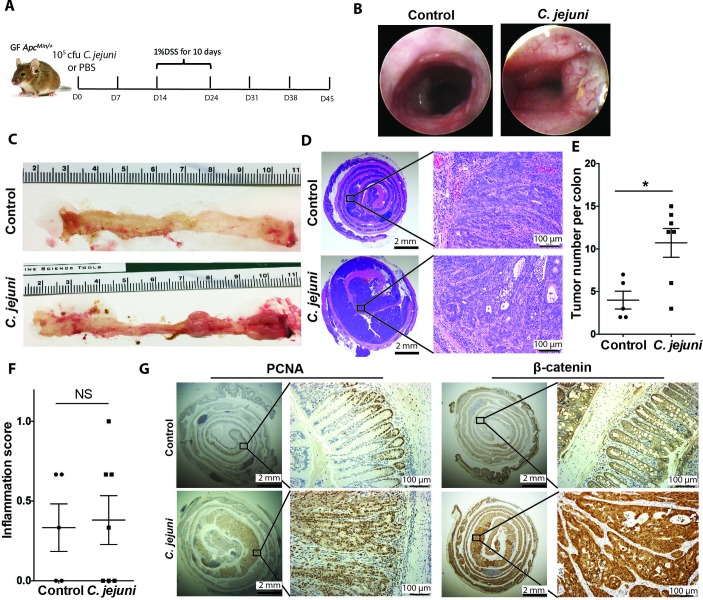
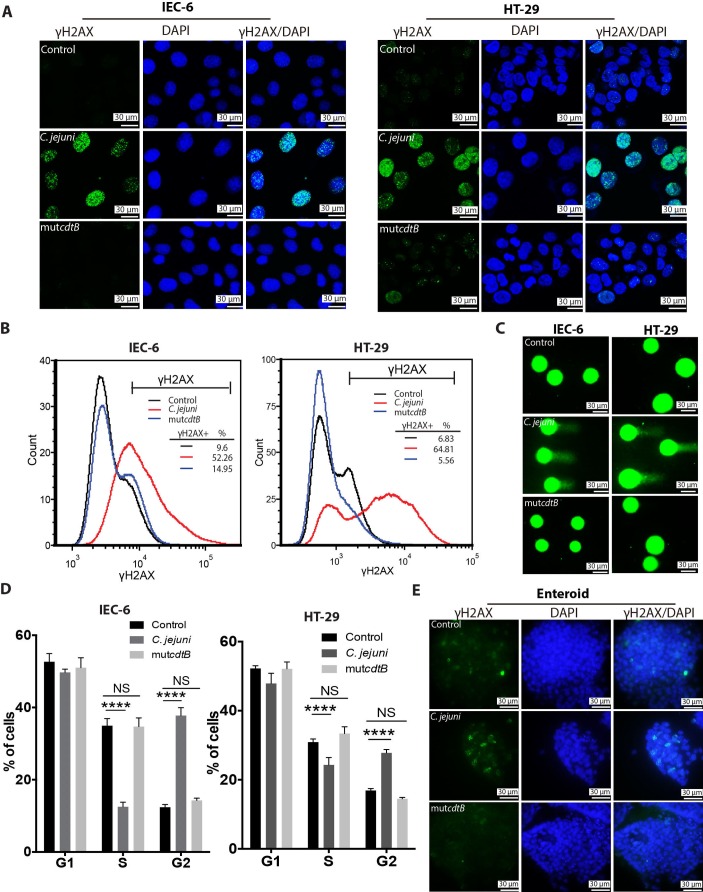
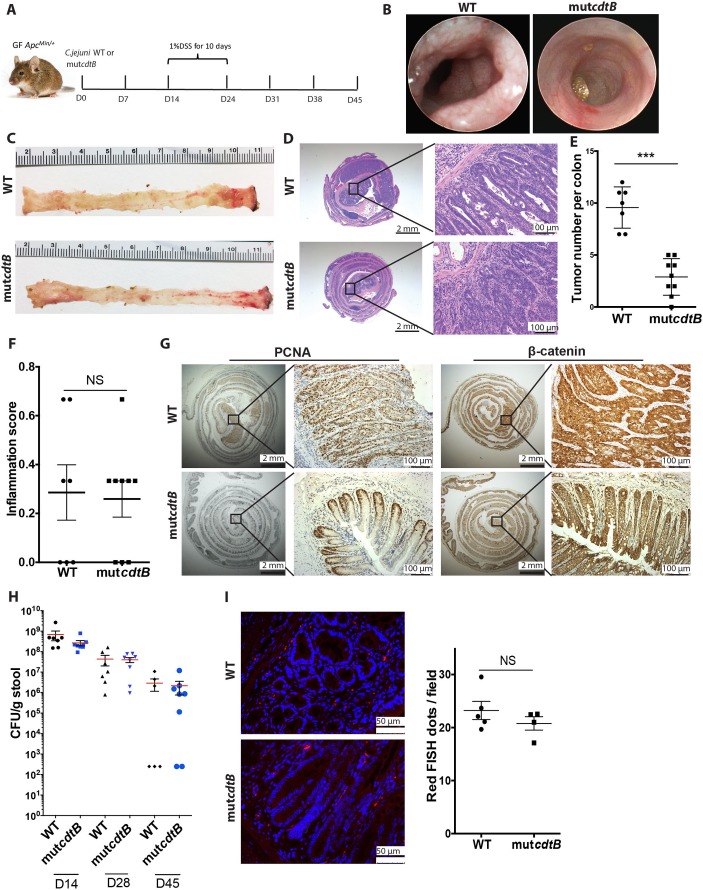
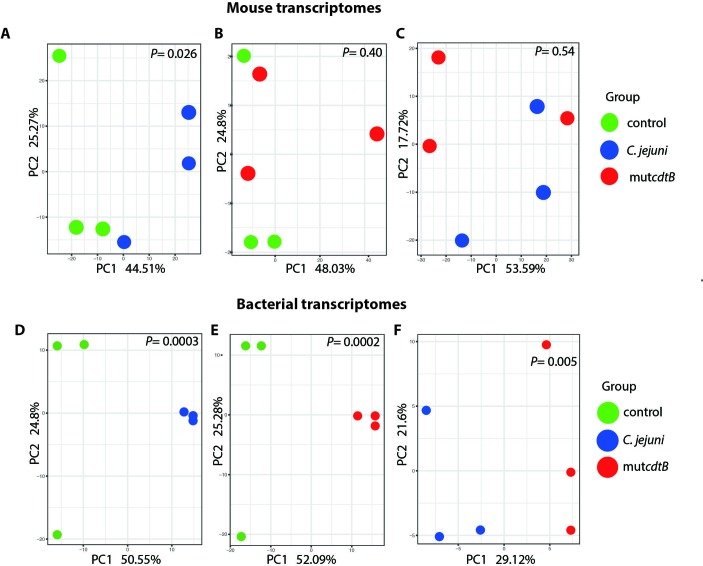
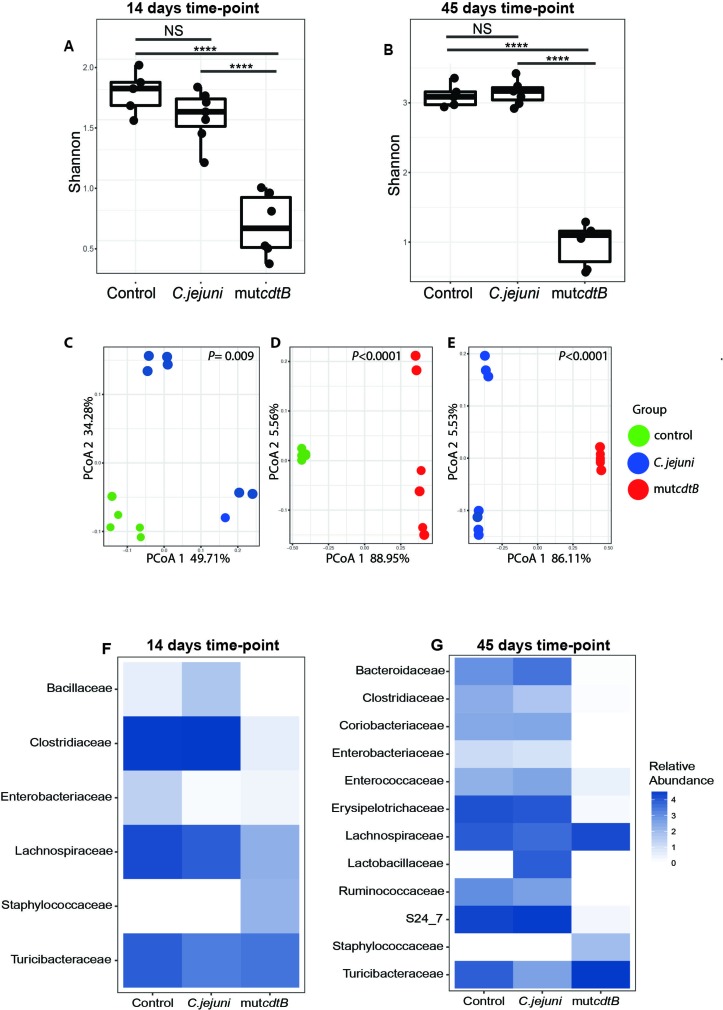
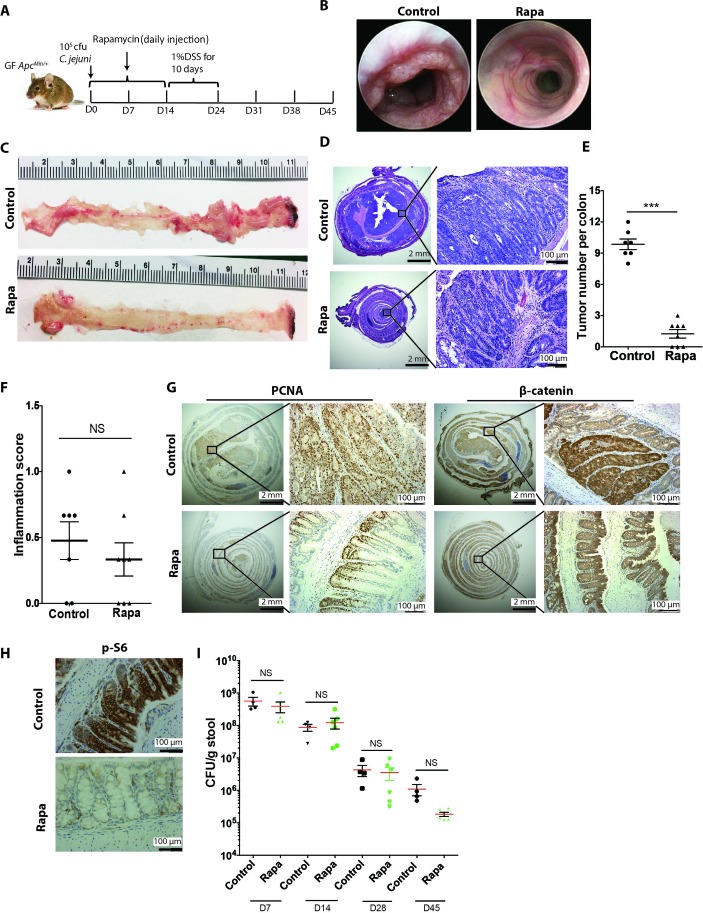
Objective: Campylobacter jejuni produces a genotoxin, cytolethal distending toxin (CDT), which has DNAse activity and causes DNA double-strand breaks. Although C. jejuni infection has been shown to promote intestinal inflammation, the impact of this bacterium on carcinogenesis has never been examined. Design: Germ-free (GF) Apc Min/+ mice, fed with 1% dextran sulfate sodium, were used to test tumorigenesis potential of CDT-producing C. jejuni . Cells and enteroids were exposed to bacterial lysates to determine DNA damage capacity via γH2AX immunofluorescence, comet assay and cell cycle assay. To examine the interplay of CDT-producing C. jejuni , gut microbiome and host in tumorigenesis, colonic RNA-sequencing and faecal 16S rDNA sequencing were performed. Rapamycin was administrated to investigate the prevention of CDT-producing C. jejuni -induced tumorigenesis. Results: GF Apc Min/+ mice colonised with human clinical isolate C. jejuni 81–176 developed significantly more and larger tumours when compared with uninfected mice. C. jejuni with a mutated cdtB subunit, mut cdtB , attenuated C. jejuni -induced tumorigenesis in vivo and decreased DNA damage response in cells and enteroids. C. jejuni infection induced expression of hundreds of colonic genes, with 22 genes dependent on the presence of c dtB. The C. jejuni -infected group had a significantly different microbial gene expression profile compared with the mut cdtB group as shown by metatranscriptomic data, and different microbial communities as measured by 16S rDNA sequencing. Finally, rapamycin could diminish the tumorigenic capability of C. jejuni . Conclusion: Human clinical isolate C. jejuni 81–176 promotes colorectal cancer and induces changes in microbial composition and transcriptomic responses, a process dependent on CDT production.
Overview
The claims and statistics of this paper haven’t been checked yet.
Free: it reads the open-access text and checks the first 5 claims that cite a source we can check. Create a free account to check every claim.
Integrity signals
Registry
Cites
Statistics
Figures
Verification
Claims the paper makes
The claims and statistics of this paper haven’t been checked yet.
Free: it reads the open-access text and checks the first 5 claims that cite a source we can check. Create a free account to check every claim.
Claims other papers make about this one
Each is checked against this paper’s own text: does it say what the citing paper says it does?
In the citing paper
“the gut microbiota and its related metabolites can disrupt the host's normal cell cycle, leading to changes in cell and protein expression that control cell division, DNA repair, and apoptosis (8,9).”
From The Role of Gut Microbiota in Lung Cancer: From Carcinogenesis to Immunotherapy (2021) · doi:10.3389/fonc.2021.720842 · cites this paper as [8]
In the citing paper
“Strong experimental evidence suggests that additional microbes initiate cancer through genotoxin-mediated mutagenesis; in particular, colibactin (a DNA alkylator), cytolethal distending toxin (CDT; direct DNAse activity), and Bacteroides fragilis toxin (Bft; ROS producer) cause mutational signatures found in colorectal, head and neck, and urinary tract cancers (22, 37–41).”
From The microbiome and human cancer (2021) · cites this paper as [39]
Self-check
Percentages, sums and reported differences re-computed from the paper’s own numbers.
The self-check needs the paper’s full text.
Citations
Cites
Siegel, R. L., Miller, K. D., & Jemal, A. (2017) · CA: A Cancer Journal for Clinicians · doi:10.3322/caac.21387 · Cited by 14,712
Sato, T., Stange, D. E., Ferrante, M., Vries, R. G. J., van Es, J. H., van den Brink, S., van Houdt, W. J., Pronk, A., van Gorp, J., Siersema, P. D., et al. (2011) · Gastroenterology · doi:10.1053/j.gastro.2011.07.050 · Cited by 3,753
Organoid Models and Applications in Biomedical Research
Xinaris, C., Brizi, V., & Remuzzi, G. (2015) · Nephron · doi:10.1159/000433566 · Cited by 3,515
Intestinal inflammation targets cancer-inducing activity of the microbiota
Arthur, J. C., Perez-Chanona, E., Mühlbauer, M., Tomkovich, S., Uronis, J. M., Fan, T.-J., Campbell, B. J., Abujamel, T., Dogan, B., Rogers, A. B., et al. (2012) · Science · doi:10.1126/science.1224820 · Cited by 2,263
Schwabe, R. F., & Jobin, C. (2013) · Nature Reviews Cancer · doi:10.1038/nrc3610 · Cited by 1,689
Self-citationGlobal Epidemiology of Campylobacter Infection
Kaakoush, N. O., Castaño-Rodríguez, N., Mitchell, H. M., & Man, S. M. (2015) · Clinical Microbiology Reviews · doi:10.1128/cmr.00006-15 · Cited by 1,529
Garrett, W. S. (2015) · Science · doi:10.1126/science.aaa4972 · Cited by 1,404
Replication of human noroviruses in stem cell–derived human enteroids
Ettayebi, K., Crawford, S. E., Murakami, K., Broughman, J. R., Karandikar, U., Tenge, V. R., Neill, F. H., Blutt, S. E., Zeng, X.-L., Qu, L., et al. (2016) · Science · doi:10.1126/science.aaf5211 · Cited by 1,305
Patients with familial adenomatous polyposis harbor colonic biofilms containing tumorigenic bacteria
Dejea, C. M., Fathi, P., Craig, J. M., Boleij, A., Taddese, R., Geis, A. L., Wu, X., DeStefano Shields, C. E., Hechenbleikner, E. M., Huso, D. L., et al. (2018) · Science · doi:10.1126/science.aah3648 · Cited by 1,105
Microbes, Microbiota, and Colon Cancer
Sears, C. L., & Garrett, W. S. (2014) · Cell Host & Microbe · doi:10.1016/j.chom.2014.02.007 · Cited by 818
Cited by
Items 101–200 of 409
Computational methods and challenges in analyzing intratumoral microbiome data
Wang, Q., Liu, Z., Ma, A., Li, Z., Liu, B., & Ma, Q. (2023) · Trends in Microbiology · doi:10.1016/j.tim.2023.01.011 · Cited by 37
Chen, J., Li, T., Liang, J., Huang, Q., Huang, J., Ke, Y., & Sun, H. (2021) · Biomedicine & Pharmacotherapy · doi:10.1016/j.biopha.2021.112443 · Cited by 42
Ma, L., Feng, J., Zhang, J., & Lu, X. (2022) · Microbiological Research · doi:10.1016/j.micres.2022.127149 · Cited by 49
Chen, C., Su, Q., Zi, M., Hua, X., & Zhang, Z. (2025) · npj Biofilms and Microbiomes · doi:10.1038/s41522-025-00818-3 · Cited by 51
“Experimental evidence in the ApcMin/ + mouse model demonstrates that CDT activity ampli fi es carcinogenesis 69 .”
Debesa-Tur, G., Pérez‐Brocal, V., Ruiz‐Ruiz, S., Castillejo, A., Latorre, A., Soto, J. L., & Moyá, A. (2021) · Scientific Reports · doi:10.1038/s41598-020-79874-y · Cited by 44
The microbiome and rise of early-onset cancers: knowledge gaps and research opportunities
Mima, K., Hamada, T., Inamura, K., Baba, H., Ugai, T., & Ogino, S. (2023) · Gut Microbes · doi:10.1080/19490976.2023.2269623 · Cited by 43
Fu, Z., Dean, J. W., Xiong, L., Dougherty, M. W., Oliff, K. N., Chen, Z. E., Jobin, C., Garrett, T. J., & Zhou, L. (2021) · Nature Communications · doi:10.1038/s41467-021-24755-9 · Cited by 37
Self-citationChen, J., Byun, H., Liu, R., Jung, I.-J., Pu, Q., Zhu, C. Y., Tanchoco, E., Alavi, S., Degnan, P. H., Ma, A. T., et al. (2022) · Proceedings of the National Academy of Sciences · doi:10.1073/pnas.2121180119 · Cited by 47
Diet-microbiome interactions in cancer
Abdeen, S. K., Mastandrea, I., Stinchcombe, N., Puschhof, J., & Elinav, E. (2025) · Cancer Cell · doi:10.1016/j.ccell.2025.03.013 · Cited by 36
Dougherty, M. W., Kudin, O., Mühlbauer, M., Neu, J., Gharaibeh, R. Z., & Jobin, C. (2020) · BMC Microbiology · doi:10.1186/s12866-020-01892-7 · Cited by 42
“Organoids were collected, fixed, and permabilized as previously described [51] before incubation overnight at 4 °C with 0.”
MethodInfluentialSelf-citationSun, B., Liu, M., Cui, M., & Li, T. (2019) · Immunology Letters · doi:10.1016/j.imlet.2019.10.007 · Cited by 44
Lozenov, S., Krastev, B. M., Nikolaev, G., Peshevska-Sekulovska, M., Peruhova, M., & Velikova, T. V. (2023) · International Journal of Molecular Sciences · doi:10.3390/ijms24065978 · Cited by 36
“It has been demonstrated in animal models that mice bearing cdt-positive Campylobacter jejuni are more likely to develop CRC and larger tumors [24].”
BackgroundCell membrane-coated nanoparticles for targeting carcinogenic bacteria
Sun, L., Wang, D., Feng, K., Zhang, J. A., Gao, W., & Zhang, L. (2024) · Advanced Drug Delivery Reviews · doi:10.1016/j.addr.2024.115320 · Cited by 34
Long, J., Wang, J., Xiao, C., You, F., Jiang, Y., & Li, X. (2024) · Cell Communication and Signaling · doi:10.1186/s12964-024-01831-3 · Cited by 35
“Additionally, research indicates that Campylobacter produces a cell-lethal expansion toxin leading to host DNA double-strand breaks [67].”
BackgroundHerreros‐Pomares, A., Lloréns, C., Soriano, B., Zhang, F., Gallach, S., Bagán, L., Murillo, J., Lewintre, E. J., & Sebastián, J. V. B. (2021) · Oral Oncology · doi:10.1016/j.oraloncology.2021.105404 · Cited by 35
Xie, N., Wang, Z., Shu, Q., Liang, X., Wang, J., Wu, K., Nie, Y., Shi, Y., Fan, D., fan, D., et al. (2023) · Nutrients · doi:10.3390/nu15132937 · Cited by 40
“For instance, campylobacter jejuni can directly evoke DNA double-strand breaks by producing a genotoxin with DNase activity, a cytolethal-distending toxin, which aids the onset of CRC [20].”
BackgroundThe role played by bacterial infections in the onset and metastasis of cancer
Khatun, S., Appidi, T., & Rengan, A. K. (2021) · Current Research in Microbial Sciences · doi:10.1016/j.crmicr.2021.100078 · Cited by 48
Yarahmadi, A., Zare, M. A., Aghayari, M., Afkhami, H., & Jafari, G. A. (2024) · Cell Communication and Signaling · doi:10.1186/s12964-024-01622-w · Cited by 33
“…bovis CRC [53, 54] Salmonella enterica serovar Typhi Gallbladder cancer [55–57] Campylobacter jejuni CRC, small intestinal lymphomas [19, 20, 40, 58] Chlamydia trachomatis Cervical cancer, epithelial ovarian cancer (EOC) [41, 59, 60] Porphyromonas gingivalis ( P. gingivalis ) GI, CRC,…”
BackgroundAssociation between gut microbiota and CpG island methylator phenotype in colorectal cancer
Park, P. H., Keith, K., Calendo, G., Jelínek, J., Madžo, J., Gharaibeh, R. Z., Ghosh, J., Sapienza, C., Jobin, C., & Issa, J. J. (2024) · Gut Microbes · doi:10.1080/19490976.2024.2363012 · Cited by 37
Self-citationRoles of Microbiota in Cancer: From Tumor Development to Treatment
Bagheri, Z., Moeinzadeh, L., & Razmkhah, M. (2022) · Journal of Oncology · doi:10.1155/2022/3845104 · Cited by 35
“A number of microbial communities living in our body appear to have a role in carcinogenesis and tumor progression by producing detrimental metabolites and factors [117], including production of cytolethal toxin by Campylobacter jejuni [139] and colibactin from E.”
BackgroundThe bacterial microbiome and cancer: development, diagnosis, treatment, and future directions
Qasem, H., & El-Sayed, W. M. (2024) · Clinical and Experimental Medicine · doi:10.1007/s10238-024-01523-9 · Cited by 34
“In the CRC mouse models, strains lacking CDT-secreting bacteria are less likely to develop cancer [52].”
Intestinal dysbiosis and colorectal cancer
Kang, Z., Jiang, S., Fang, J., & Chen, H. (2025) · Chinese Medical Journal · doi:10.1097/cm9.0000000000003617 · Cited by 38
Esophageal microflora in esophageal diseases
Zou, Q., Feng, L., Cai, X., Qian, Y., & Xu, L. (2023) · Frontiers in Cellular and Infection Microbiology · doi:10.3389/fcimb.2023.1145791 · Cited by 34
“For instance, several gram-negative bacteria, including Escherichia coli, Actinobacillus actinomycetemcomitans and Campylobacter, can produce cytotoxic swelling toxin (CDT), which can cause DNA damage, promoting the occurrence of cancer (Nesic et al., 2004; He et al., 2019).”
BackgroundMicrobiota as the unifying factor behind the hallmarks of cancer
Benešová, I., Křížová, Ľ., & Kverka, M. (2023) · Journal of Cancer Research and Clinical Oncology · doi:10.1007/s00432-023-05244-6 · Cited by 35
“Moreover, it induces senescence in CD4 + T cells, reducing the efficiency of the immune system’s anticancer response (He et al. 2019; Mathiasen et al. 2021; Tremblay et al. 2021).”
BackgroundImmunotherapy in colorectal cancer
Agarwal, P., Le, D. T., & Boland, P. M. (2021) · Advances in cancer research · doi:10.1016/bs.acr.2021.03.002 · Cited by 35
Applying artificial intelligence in the microbiome for gastrointestinal diseases: A review
Zeng, T., Yu, X., & Chen, Z. (2021) · Journal of Gastroenterology and Hepatology · doi:10.1111/jgh.15503 · Cited by 34
“32 Third, the gene-targeted amplicons and metagenomics big data could promote the development of new technologies for disease prevention and intervention (Fig.”
BackgroundTremblay, W., Mompart, F., Lopez, E., Quaranta, M., Bergoglio, V., Hashim, S., Bonnet, D., Alric, L., Mas, E., Trouche, D., et al. (2021) · Frontiers in Cell and Developmental Biology · doi:10.3389/fcell.2021.656795 · Cited by 34
Self-citationThe Link Between the Microbiota and HER2+ Breast Cancer: The New Challenge of Precision Medicine
Modica, M. D., Arlotta, V., Sfondrini, L., Tagliabue, E., & Triulzi, T. (2022) · Frontiers in Oncology · doi:10.3389/fonc.2022.947188 · Cited by 36
Gut microbiome in tumorigenesis and therapy of colorectal cancer
Wang, L., Yu, K., Hou, Y., Guo, M., Yao, F., & Chen, Z. (2022) · Journal of Cellular Physiology · doi:10.1002/jcp.30917 · Cited by 32
“is carcinogenic, and it can induce double‐stranded DNA breaks via its deoxyribonuclease activity (He et al., 2019).”
BackgroundMicrobiome in Cancer Development and Treatment
Čierniková, S., Ševčíková, A., Mladosievičová, B., & Mego, M. (2023) · Microorganisms · doi:10.3390/microorganisms12010024 · Cited by 33
“He et al. demonstrated that human isolates of Campylobacter 81–176 supported CRC tumorigenesis, the development of larger tumors, and an altered gene expression profile in the murine model [98].”
BackgroundMousavi, S., Bereswill, S., & Heimesaat, M. M. (2021) · Current topics in microbiology and immunology · doi:10.1007/978-3-030-65481-8_9 · Cited by 30
Ramires, T., de Oliveira, M. G., Kleinübing, N. R., Würfel, S. D. F. R., Mata, M. M., Iglesias, M. A., Lopes, G. V., Dellagostin, O. A., & da Silva, W. P. (2020) · Brazilian Journal of Microbiology · doi:10.1007/s42770-020-00314-0 · Cited by 33
Effect of gut microbiota in the colorectal cancer and potential target therapy
Li, J., Zhu, Y., Yang, L., & Wang, Z. (2022) · Discover Oncology · doi:10.1007/s12672-022-00517-x · Cited by 29
dessouky, Y. E., Elsayed, S. W., Abdelsalam, N. A., Saif, N. A., Álvarez‐Ordóñez, A., & Elhadidy, M. (2022) · Gut Pathogens · doi:10.1186/s13099-022-00517-w · Cited by 35
Intratumoural microbiota: from theory to clinical application
Ji, H., Jiang, Z., Wei, C., Ma, Y., Zhao, J., Wang, F., Zhao, B., Wang, D., & Tang, D. (2023) · Cell Communication and Signaling · doi:10.1186/s12964-023-01134-z · Cited by 29
“Abbreviations Abs Antibodies BFT Bacteroides fragilis toxin Cag Cytotoxin-associated gene CBM 588 C.butyricum MIYAIRI 588 CDT Cytolethal distending toxin CRC Colorectal cancer DCs Dendritic cells DSBs Double-stranded DNA breaks EBV Epstein-Barr virus ECM Extracellular matrix EcN E.coli Nissle 1917 ESCC Esophageal squa…”
BackgroundInfluentialMolecular Pathways of Carcinogenesis in Familial Adenomatous Polyposis
Ditonno, I., Novielli, D., Celiberto, F., Rizzi, S., Rendina, M. G., Ierardi, E., Leo, A. D., & Losurdo, G. (2023) · International Journal of Molecular Sciences · doi:10.3390/ijms24065687 · Cited by 33
Ahmad, A., Mahmood, N., Raza, M. A., Mushtaq, Z., Saeed, F., Afzaal, M., Hussain, M., Amjad, H., & Al-Awadi, H. M. (2024) · Heliyon · doi:10.1016/j.heliyon.2024.e29495 · Cited by 34
“They secrete CDT by deoxyribonuclease activity and damage the double-strand DNA that contributes to carcinogenesis [33,36, 98].”
BackgroundAB5 Enterotoxin-Mediated Pathogenesis: Perspectives Gleaned from Shiga Toxins
Biernbaum, E. N., & Kudva, I. T. (2022) · Toxins · doi:10.3390/toxins14010062 · Cited by 32
The Tissue-Associated Microbiota in Colorectal Cancer: A Systematic Review
da Costa, C. P., Vieira, P. F., Mendes-Rocha, M., Pereira‐Marques, J., Ferreira, R. M., & Figueiredo, C. (2022) · Cancers · doi:10.3390/cancers14143385 · Cited by 33
“jejuni can promote CRC tumorigenesis through cytolethal distending toxin in germ-free ApcMin/+ mice [79].”
BackgroundThe role of the gut microbiome in gastrointestinal cancers
Mishra, Y., Ranjan, A., Mishra, V. K., Chattaraj, A., Aljabali, A. A. A., El‐Tanani, M., Hromić‐Jahjefendić, A., Uversky, V. N., & Tambuwala, M. M. (2023) · Cellular Signalling · doi:10.1016/j.cellsig.2023.111013 · Cited by 29
Emerging roles of intratumor microbiota in cancer: tumorigenesis and management strategies
Shi, Z., Li, Z., & Zhang, M. (2024) · Journal of Translational Medicine · doi:10.1186/s12967-024-05640-7 · Cited by 27
“Moreover, Campylobacter jejuni has been shown to induce CRC pathogenesis in a cytolethal distending toxin-dependent manner in germ-free Apc Min/ + mice [90].”
BackgroundTozzi, M., Fiore, A., Travaglione, S., Marcon, F., Rainaldi, G., Germinario, E. A. P., Laterza, I., Donati, S., Macchia, D., Spada, M., et al. (2025) · Journal of Experimental & Clinical Cancer Research · doi:10.1186/s13046-024-03271-w · Cited by 27
“It was also reported that toxins such as the cytolethal distending toxin (CDT) and the colibactin produced by Escherichia coli , as well as BFT from entero-toxigenic Bacteroides fragilis promote CRC [13, 14].”
Induction of neutrophil extracellular traps by Campylobacter jejuni
Callahan, S. M., Doster, R. S., Jackson, J. W., Kelley, B. R., Gaddy, J. A., & Johnson, J. G. (2020) · Cellular Microbiology · doi:10.1111/cmi.13210 · Cited by 27
Biernat, M., & Wróbel, T. (2021) · International Journal of Molecular Sciences · doi:10.3390/ijms22147372 · Cited by 25
“jejuni 81–176 is able to promote colorectal cancer [85].”
BackgroundDuijster, J. W., Franz, E., Neefjes, J., & Mughini‐Gras, L. (2021) · Frontiers in Microbiology · doi:10.3389/fmicb.2021.790256 · Cited by 32
Overview of methodologies for the culturing, recovery and detection of Campylobacter
Soto‐Beltrán, M., Lee, B. G., Amézquita-López, B. A., & Quiñones, B. (2022) · International Journal of Environmental Health Research · doi:10.1080/09603123.2022.2029366 · Cited by 28
Wang, S., Xu, B., Zhang, Y., Chen, G., Zhao, P., Gao, Q., & Yuan, L. (2023) · Cancer Biology and Medicine · doi:10.20892/j.issn.2095-3941.2023.0376 · Cited by 32
Intestinal microbiota regulates anti‐tumor effect of disulfiram combined with Cu2+ in a mice model
Hu, H., Cui, L., Lu, J., Wei, K., Wei, J., Li, S., Zou, C., & Chen, T. (2020) · Cancer Medicine · doi:10.1002/cam4.3346 · Cited by 24
Microbe-Driven Genotoxicity in Gastrointestinal Carcinogenesis
Hartl, K., & Sigal, M. J. (2020) · International Journal of Molecular Sciences · doi:10.3390/ijms21207439 · Cited by 25
Microbe-based management for colorectal cancer
Gao, Z.-Y., Cui, Z., Yan, Y.-Q., Ning, L.-J., Wang, Z.-H., & Hong, J. (2021) · Chinese Medical Journal · doi:10.1097/cm9.0000000000001887 · Cited by 27
“jejuni 81 to 176 has strong tumorigenic capability in Apcmice and alters the microbial composition.([47]) In brief, C.”
BackgroundGut Microbiota and Colorectal Cancer Risk Factors
Feizi, H., Rezaee, M. A., Ghotaslou, R., Sadrkabir, M., Jadidi‐Niaragh, F., Gholizadeh, P., Taghizadeh, S., Ghanbarov, K., Yousefi, M., & Kafil, H. S. (2022) · Current Pharmaceutical Biotechnology · doi:10.2174/1389201023666221005103340 · Cited by 29
Elechi, J. O. G., Sirianni, R., Conforti, F. L., Cione, E., & PELLEGRINO, M. A. (2023) · Foods · doi:10.3390/foods12122286 · Cited by 34
Gu, Y., Jiang, L., Shui, M., Luo, H., Zhou, X., Zhang, S., Jiang, C., Huang, J., Chen, H., Tang, J., et al. (2024) · Frontiers in Cellular and Infection Microbiology · doi:10.3389/fcimb.2024.1452392 · Cited by 26
Association of gut microbiomes with lung and esophageal cancer: a pilot study
Shen, W., Tang, D., Deng, Y., Li, H., Wang, T., Wan, P., & Liu, R. (2021) · World Journal of Microbiology and Biotechnology · doi:10.1007/s11274-021-03086-3 · Cited by 25
Emerging Roles for the Gut Microbiome in Lymphoid Neoplasms
Shi, Z., & Zhang, M. (2021) · Clinical Medicine Insights Oncology · doi:10.1177/11795549211024197 · Cited by 23
The Microbiome-Immune Axis Therapeutic Effects in Cancer Treatments
Son, Y. M., & Kim, J. (2022) · Journal of Microbiology and Biotechnology · doi:10.4014/jmb.2208.08002 · Cited by 26
“coli [123, 124], and cytolethal distending toxin, produced by Campylobacter jejuni [125], that directly produce genotoxic effects.”
BackgroundEpidemiology and early screening strategies for colorectal cancer in China
Yang, Y., Gao, Z., Huang, A., Shi, J., Sun, Z. Z., Hong, H., & Gu, J. (2023) · Chinese Journal of Cancer Research · doi:10.21147/j.issn.1000-9604.2023.06.05 · Cited by 28
Unveiling intratumoral microbiota: An emerging force for colorectal cancer diagnosis and therapy
Zhang, J., Wang, P., Wang, J., Wei, X., & Wang, M. (2024) · Pharmacological Research · doi:10.1016/j.phrs.2024.107185 · Cited by 26
Zwinsová, B., Петров, В. А., Hrivňáková, M., Smatana, S., Micenková, L., Kazdová, N., Popovici, V. C., Hrstka, R., Šefr, R., Bencsiková, B., et al. (2021) · Cancers · doi:10.3390/cancers13194799 · Cited by 25
An international report on bacterial communities in esophageal squamous cell carcinoma
Nomburg, J., Bullman, S., Nasrollahzadeh, D., Collisson, E. A., Abedi‐Ardekani, B., Akoko, L., Atkins, J., Buckle, G. C., Gopal, S., Hu, N., et al. (2022) · International Journal of Cancer · doi:10.1002/ijc.34212 · Cited by 26
Park, R., Umar, S., & Kasi, A. (2020) · Current Colorectal Cancer Reports · doi:10.1007/s11888-020-00456-1 · Cited by 28
Wang, X., Undi, R. B., Ali, N., & Huycke, M. M. (2021) · Disease Models & Mechanisms · doi:10.1242/dmm.048793 · Cited by 22
Biondi, A., Basile, F., & Vacante, M. (2021) · World Journal of Gastrointestinal Oncology · doi:10.4251/wjgo.v13.i6.495 · Cited by 26
Dysbiosis: The first hit for digestive system cancer
Mei, S., Deng, Z., Chen, Y., Ning, D.-M., Guo, Y., Fan, X., Wang, R., Meng, Y., Zhou, Q., & Tian, X. (2022) · Frontiers in Physiology · doi:10.3389/fphys.2022.1040991 · Cited by 25
“jejuni) showed less DNA damage and a lower risk of CRC (He et al., 2019).”
BackgroundMontanari, M., Guescini, M., Gundogdu, O., Luchetti, F., Lanuti, P., Ciacci, C., Burattini, S., Campana, R., Ortolani, C., Papa, S., et al. (2022) · International Journal of Molecular Sciences · doi:10.3390/ijms24010487 · Cited by 21
Gut microbiota alteration - Cancer relationships and synbiotic roles in cancer therapies
Rowaiye, A. B., Ibeanu, G. C., Bur, D., Nnadi, S., Mgbeke, O. E., & Morikwe, U. C. (2024) · The Microbe · doi:10.1016/j.microb.2024.100096 · Cited by 22
Xu, S., Zhang, Y., Ding, X., Yang, Y., Gao, J., Zou, N., Li, L., & He, J. (2025) · Cell Reports · doi:10.1016/j.celrep.2025.115370 · Cited by 30
Enteropathogenic Infections: Organoids Go Bacterial
Hentschel, V., Arnold, F., Seufferlein, T. T. W., Azoitei, N., Kleger, A., & Müller, M. (2021) · Stem Cells International · doi:10.1155/2021/8847804 · Cited by 22
“This critical role of CDT B was illustrated by the in vitro exposure of murine small intestinal organoids to bacterial lysates either from Campylobacter jejuni ( C. jejuni ) WT strain or C. jejuni containing a mutant CDT B allele [93].”
BackgroundResultPons, B. J., Pettes-Duler, A., Naylies, C., Taieb, F. E., Bouchenot, C., Hashim, S., Rouimi, P., Deslande, M., Lippi, Y., Mirey, G., et al. (2021) · Cellular and Molecular Life Sciences · doi:10.1007/s00018-021-03902-x · Cited by 21
Self-citationIn Silico Design and Evaluation of scFv-CdtB as a Novel Immunotoxin for Breast Cancer Treatment
Vafadar, A., Taheri‐Anganeh, M., Movahedpour, A., Jamali, Z., Irajie, C., Ghasemi, Y., & Savardashtaki, A. (2020) · International Journal of Cancer Management · doi:10.5812/ijcm.96094 · Cited by 20
“In order to create an efficient anticancer immunotoxin, the scFv was conjugated to Cj-CdtB, which is a subunit of the bacterial toxin obtained from Campylobacter jejuni (22).”
BackgroundHuman Immunity AgainstCampylobacterInfection
Hameed, A. (2019) · Immune Network · doi:10.4110/in.2019.19.e38 · Cited by 21
“It is supported by the presence of high amount of intraepithelial T-lymphocytes in patients with post-dysenteric IBS, acute inflammatory demyelinating polyneuropathy (AIDP), and colorectal cancer (97-99).”
BackgroundGut microbiota in cancer initiation, development and therapy
Zhang, R., Zhang, X., Lau, H. C.-H., & Yu, J. Q. (2024) · Science China Life Sciences · doi:10.1007/s11427-024-2831-x · Cited by 19
“CDT possesses nicking or relaxation activity as a potent DNase (Elwell and Dreyfus, 2000), activates DNA damage-induced checkpoint responses (Frisan et al., 2002), and is involved in colorectal carcinogenesis in a germ-free mouse model (He et al., 2019).”
Genetics, genomics and clinical features of adenomatous polyposis
Joo, J. E., Viana-Errasti, J., Buchanan, D. D., & Valle, L. (2025) · Familial Cancer · doi:10.1007/s10689-025-00460-0 · Cited by 25
“Other gut bacteria, including Campylobacter jejuni and Fusobacterium nucleatum , also showed similar effects [ 141, 142].”
Progress in the Study of Colorectal Cancer Caused by Altered Gut Microbiota After Cholecystectomy
Ma, Y., Qu, R., Zhang, Y., Jiang, C., Zhang, Z., & Fu, W. (2022) · Frontiers in Endocrinology · doi:10.3389/fendo.2022.815999 · Cited by 32
Le, L. H. M., Elgamoudi, B. A., Colon, N., Cramond, A., Poly, F., Ying, L., Korolik, V., & Ferrero, R. L. (2024) · Microbiology Spectrum · doi:10.1128/spectrum.03232-23 · Cited by 20
Genomic Analysis of Chilean Strains ofCampylobacter jejunifrom Human Faeces
Levicán, A., Ramos-Tapia, I., Isabel Briceño, L., Guerra, F., Mena, B., Varela, C., & Lorena Porte, T. (2019) · BioMed Research International · doi:10.1155/2019/1902732 · Cited by 21
“jejuni infection induced expression of hundreds of colonic genes, with 22 genes dependent on the presence of cdtB [38].”
DiMaio, D., Emu, B., Goodman, A. L., Mothes, W., & Justice, A. C. (2021) · JNCI Journal of the National Cancer Institute · doi:10.1093/jnci/djab212 · Cited by 24
Cheng, X., Liu, W., Wang, Z., Yang, R., Yu, L., Du, Q., Ge, A., Liu, C., & Chi, Z. (2022) · Food Control · doi:10.1016/j.foodcont.2022.108905 · Cited by 19
Fecal Microbiota Transplantation as a Cancer Therapeutic
Stoff, R., Wolf, Y., & Boursi, B. (2023) · The Cancer Journal · doi:10.1097/ppo.0000000000000651 · Cited by 23
Cheng, W., He, L., Ren, W., Yue, T., Xie, X., Sun, J., Chen, X., Wu, Z., Li, F., & Piao, J. (2023) · Nano TransMed · doi:10.1016/j.ntm.2023.100008 · Cited by 22
Overcoming Microbiome-Acquired Gemcitabine Resistance in Pancreatic Ductal Adenocarcinoma
Mendes, I., & Vale, N. (2024) · Biomedicines · doi:10.3390/biomedicines12010227 · Cited by 21
“However, this outcome can be minimized with the administration of the antibiotic rapamycin [57].”
BackgroundDan, W., Peng, L., Yan, B., Li, Z., & Pan, F. (2022) · Frontiers in Microbiology · doi:10.3389/fmicb.2021.791274 · Cited by 19
“As an example, Gram-negative bacteria could acquire carcinogenic ability by producing genotoxin (He et al., 2019).”
BackgroundGe, Y., Sun, F., Zhao, B., Kong, F., Li, Z., & Kong, X. (2023) · Frontiers in Oncology · doi:10.3389/fonc.2022.1103446 · Cited by 17
“Toxic components in bacteria can be isolated more precisely from EVs by developing more efficient separation and purification techniques (99, 100, 135, 136).”
BackgroundInfluentialFunctional links between the microbiome and the molecular pathways of colorectal carcinogenesis
Permain, J., Hock, B. D., Eglinton, T. I., & Purcell, R. V. (2024) · Cancer and Metastasis Reviews · doi:10.1007/s10555-024-10215-5 · Cited by 18
“2) [44].”
BackgroundInfluentialGu, C., Sha, G., Zeng, B., Cao, H., Cao, Y., & Tang, D. (2025) · Therapeutic Advances in Gastroenterology · doi:10.1177/17562848251327167 · Cited by 17
“48,49 He et al. 50 observed that E. coli - induced DNA damage in vitro is likely linked to the CDT subunit CdtB.”
Jin, S., Zhu, L., Bao, R., Yang, L., Zhuang, T.-L., Lian, L., Wang, T., Yin, J., Zhang, S., Zhou, L., et al. (2025) · Nature Communications · doi:10.1038/s41467-025-63351-z · Cited by 19
“CdtB has been shown to be associated with C. jejuni infection leading to diarrhea-predominant irritable bowel syndrome (IBS-D) 60 , acute enteritis, and colorectal cancer 61 .”
Ma, Y., Zhang, Y., Qu, R., Zhou, X., Sun, L., Wang, K., Jiang, C., Zhang, Z., & Fu, W. (2022) · Microorganisms · doi:10.3390/microorganisms10122486 · Cited by 17
“[51] reported that Campylobacter jejuni could produce cytolethal distending toxin subunit B, which has DNAse action and DNA double-strand breaks that enhance CRC development.”
BackgroundThe role of intestinal microecology in inflammatory bowel disease and colorectal cancer: A review
Li, H., Wang, K., Hao, M., Liu, Y., Liang, X., Yuan, D., & Ding, L. (2023) · Medicine · doi:10.1097/md.0000000000036590 · Cited by 21
“[76] In addition, Campylobacter jejuni 81–176 activates the NF κ B signaling pathway, promotes IL 6 expression, and exacerbates the intestinal inflammatory response.”
BackgroundPath to bacteriotherapy: From bacterial engineering to therapeutic perspectives
Liu, J., He, C., Tan, W., & Zheng, J. H. (2024) · Life Sciences · doi:10.1016/j.lfs.2024.122897 · Cited by 15
Microbiome's Universe: Impact on health, disease and cancer treatment
Réthi‐Nagy, Z., & Juhász, S. (2024) · Journal of Biotechnology · doi:10.1016/j.jbiotec.2024.07.002 · Cited by 18
Gut Fecal Microbiota Transplant in a Mouse Model of Orthotopic Rectal Cancer
Chen, Y., Miao, Z., Yip, K., Cheng, Y., Liu, C., Li, L., Lin, C., Wang, J., Wu, D., Cheng, T., et al. (2020) · Frontiers in Oncology · doi:10.3389/fonc.2020.568012 · Cited by 15
“Dextran sulfate sodium causes mouse colitis and can predispose transgenic animals to colon carcinogenesis, such as in mice with adenomatous polyposis coli (APCMin/+) (11, 12, 27).”
BackgroundNuclear trafficking of bacterial effector proteins
Le, L. H. M., Ying, L., & Ferrero, R. L. (2021) · Cellular Microbiology · doi:10.1111/cmi.13320 · Cited by 17
“has been directly linked to colorectal tumorigenesis in humans (Bossuet-Greif et al., 2018; Dalmasso, Cougnoux, Delmas, DarfeuilleMichaud, & Bonnet, 2014; Dziuba nska-Kusibab et al., 2020; Ge et al., 2007; He et al., 2019; Pleguezuelos-Manzano et al., 2020).”
BackgroundXu, J., Jia, S., Ren, Y., Zhang, Y., Zhang, J., Tang, C., Kan, J., Liu, J., & Wang, Y. (2025) · Food Bioscience · doi:10.1016/j.fbio.2025.106769 · Cited by 14
Targeting Intratumoral Bacteria for Cancer Treatment
Shi, J., Liang, J., Li, Y., Zhang, Z., Sun, J. X., He, Z., Luo, C., Qu, X., Che, X., & Zhang, S. (2025) · Small · doi:10.1002/smll.202505651 · Cited by 15
Self-citationThe multi-kingdom cancer microbiome
Dohlman, A. B., Pan, X., Zitvogel, L., & Iliev, I. D. (2025) · Nature Microbiology · doi:10.1038/s41564-025-02103-7 · Cited by 19
A review on microbiota: relation with diseases and nutrients role
Öz, E., Şimşek, A., Şimşek, M., Tuncer, N., Bayrak, M., Çadırcı, K., Brennan, C. S., Kumar, M., Proestos, C., Brennan, M. A., et al. (2023) · International Journal of Food Science & Technology · doi:10.1111/ijfs.16530 · Cited by 15
Qin, Y., Wang, Q., Lin, Q., Liu, F., Pan, X., Wei, C., Chen, J., Huang, T., Fang, M., Yang, W., et al. (2025) · mSystems · doi:10.1128/msystems.00805-24 · Cited by 18
Gut Microbiota in Colorectal Cancer: Associations, Mechanisms, and Clinical Approaches
Pleguezuelos‐Manzano, C., Puschhof, J., & Clevers, H. C. (2021) · Annual Review of Cancer Biology · doi:10.1146/annurev-cancerbio-070120-095211 · Cited by 19
Pan-Cancer Analysis of Microbiome Quantitative Trait Loci
Chen, C., Cai, Y., Liu, Y., Chen, S., Li, Y., Zhang, F., Zhang, M., Lu, Z., Ying, P., Huang, J., et al. (2022) · Cancer Research · doi:10.1158/0008-5472.can-22-1854 · Cited by 15
Truccollo, B., Whyte, P., & Bolton, D. (2020) · Pathogens · doi:10.3390/pathogens9070555 · Cited by 16
Metadata
- Authors
- He, Z., Gharaibeh, R. Z., Newsome, R. C., Pope, J. L., Dougherty, M. W., Tomkovich, S., Pons, B., Mirey, G., Vignard, J., Hendrixson, D. R., & Jobin, C.
- Affiliations
- Sun Yat-sen University (CN)
- University of Florida (US)
- University of Florida Health (US)
- Toxalim (Research Center in Food Toxicology), Université de Toulouse, INRA, ENVT, INP- Purpan, UPS, Toulouse, France
- Université Toulouse III - Paul Sabatier (FR)
- The University of Texas Southwestern Medical Center (US)
- Corresponding author
- Jobin, Christian
- ORCID
- Venue
- Gut
- Publisher
- BMJ
- Published
- 2018-10-30
- Volume
- 68
- Issue
- 2
- Pages
- 289-300
- ISSN
- 0017-5749 (ISSN-L)
- 1468-3288
- PMC
- PMC6352414
- OpenAlex
- W2899303925
- Cited by
- 409
- References
- 42
- Citations by year
- 2026: 46 · 2025: 56 · 2024: 59 · 2023: 64 · 2022: 58 · 2021: 57 · 2020: 48 · 2019: 21
- FWCI
- 29.57
- Type
- journal article
- Language
- en
- Open access
- hybrid
- doi.org
- Licence
- cc-by-nc
- Locations
- Gut (publishedVersion, cc-by-nc)
- Europe PMC (PubMed Central) (publishedVersion, cc-by-nc)
- PubMed Central (publishedVersion, cc-by-nc)
- PubMed (publishedVersion)
- HAL (submittedVersion, cc-by-nc)
- HighWire Press Open Archive (submittedVersion)
- Funders
- Division of Intramural Research, National Institute of Allergy and Infectious Diseases
- National Institute of Diabetes and Digestive and Kidney Diseases
- Topics
- Life Sciences › Agricultural and Biological Sciences › Food Science › Salmonella and Campylobacter epidemiology
- Life Sciences › Biochemistry, Genetics and Molecular Biology › Molecular Biology › Gut microbiota and health
- Health Sciences › Medicine › Gastroenterology › Helicobacter pylori-related gastroenterology studies
- Keywords
- Campylobacter jejuni, cytolethal distending toxin, colorectal carcinogenesis, colorectal cancer, DNA damage response, ApcMin/+ mice, germ-free mice, gut microbiota, cdtB, dextran sulfate, enteroids, metatranscriptomics, rapamycin, bacterial genotoxins, DNA double-strand breaks
- MeSH terms
- Gastrointestinal Microbiome, Animals, Bacterial Toxins, DNA Damage, DNA, Neoplasm, Feces, Humans, RNA, Neoplasm, Colorectal Neoplasms, Gene Expression, Campylobacter jejuni, Sirolimus, Mice, Transcriptome, Carcinogenesis
About these checks
Registry, retraction, Cites and statistics results are computed, not judged, with one exception: a printed reference that no index lists is read once by a model before it counts as a citation error. Claims are extracted by a model and kept only when their quote appears verbatim in the text; each cited source is then checked, with a model’s help, for whether it says what the claim relies on. Those verdicts can be wrong — read the claim’s quote and the cited source before relying on one.
Statistics and arithmetic are recomputed, not judged.
Confidence bands are shown only for fields calibrated on our annotated test set. None is calibrated yet, so no band is shown.
What counts as a claim ›How we measure confidence ›How we check this ›
Are you an author, or do you see a problem with this page? Request a review
Data sources
Bibliographic data: Semantic Scholar, OpenAlex, Crossref.
Contains information from the Semantic Scholar Academic Graph Datasets, made available under the ODC Attribution License (ODC-BY 1.0).
Semantic Scholar’s data is described in: Kinney, R., et al. (2023). The Semantic Scholar Open Data Platform. arXiv:2301.10140.
