

Campylobacter jejuni promotes colorectal tumorigenesis through the action of cytolethal distending toxin
Open accessThe DOI matches its Crossref record; 42 of the 42 references it cites were found in a registry or an index.
Abstract
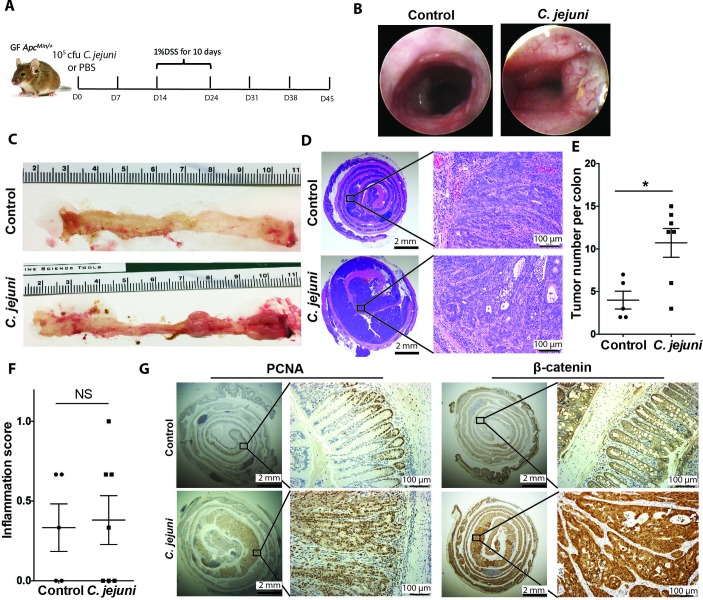
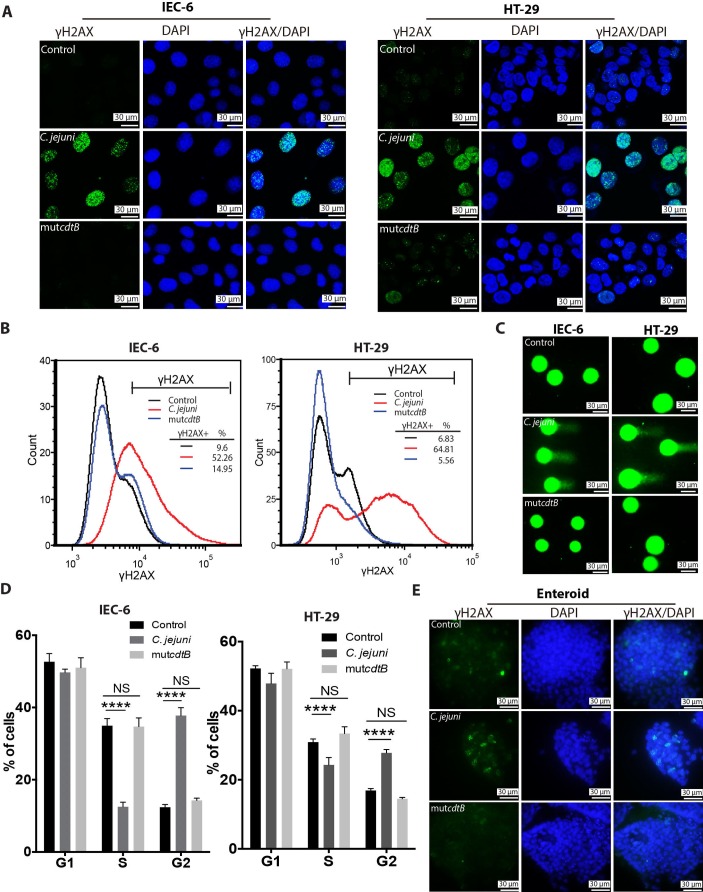
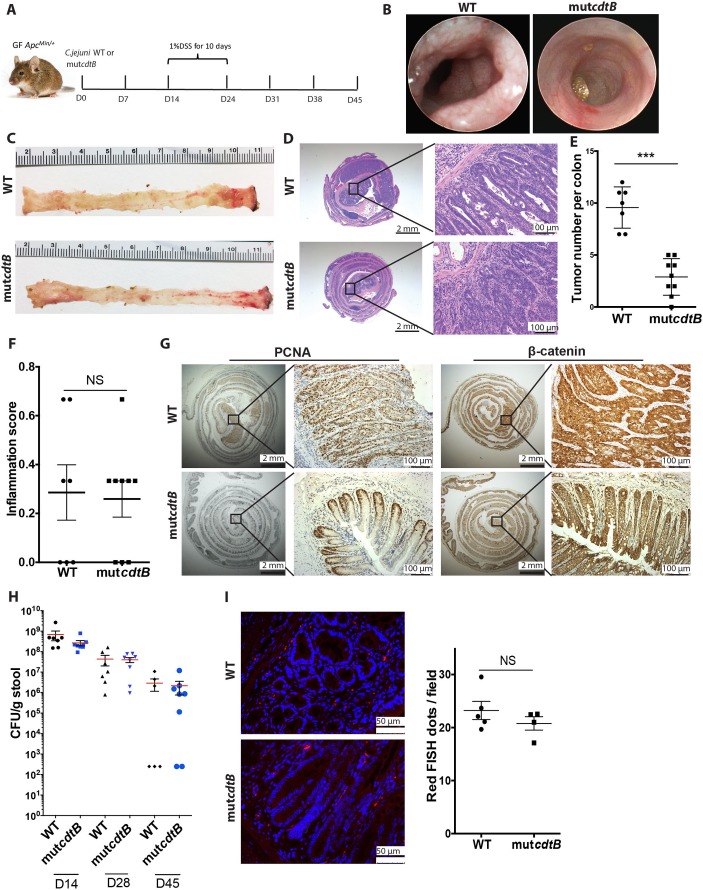
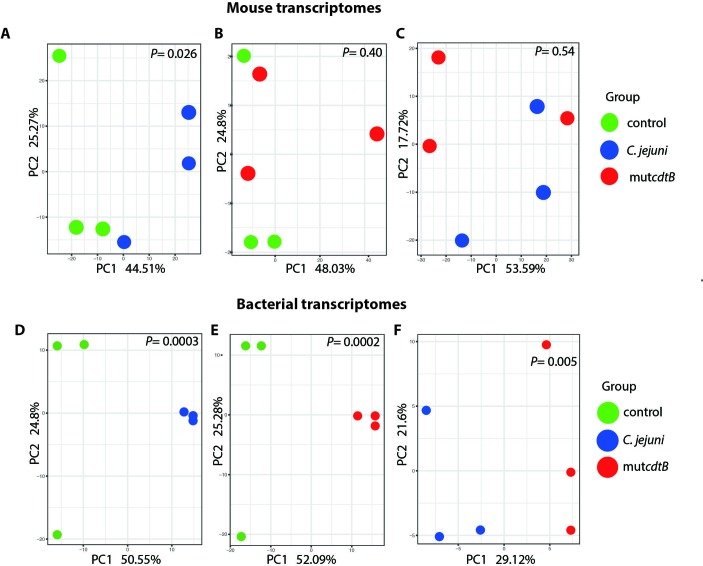
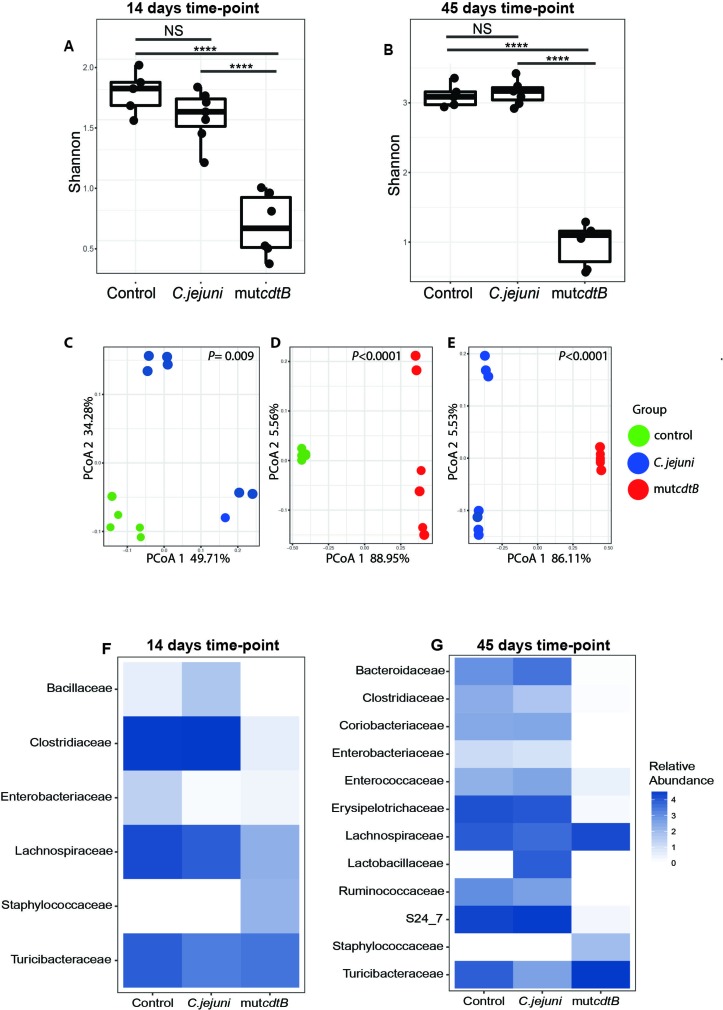
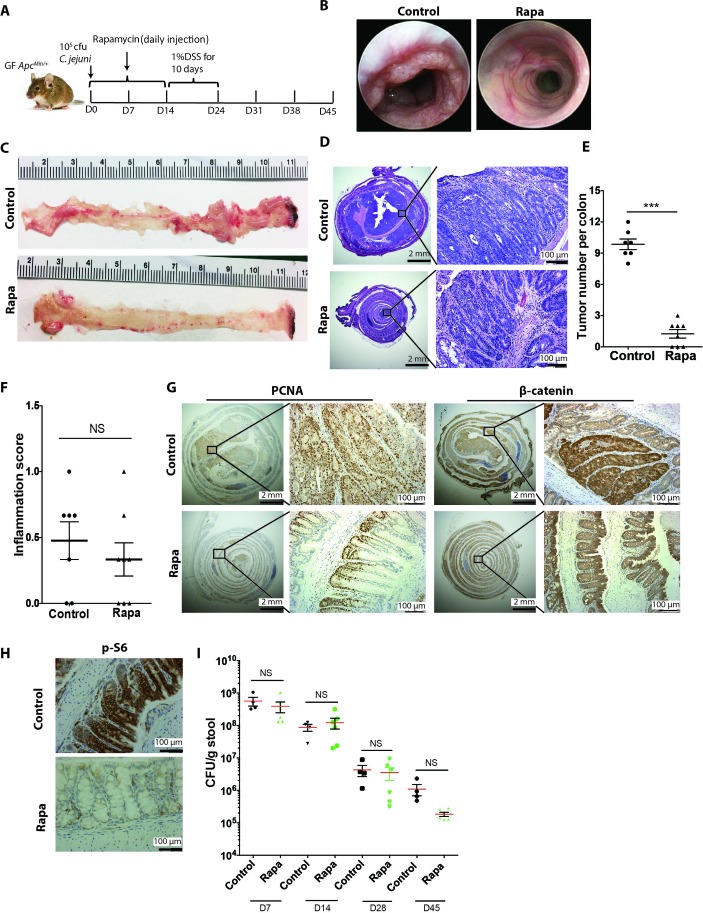
Objective: Campylobacter jejuni produces a genotoxin, cytolethal distending toxin (CDT), which has DNAse activity and causes DNA double-strand breaks. Although C. jejuni infection has been shown to promote intestinal inflammation, the impact of this bacterium on carcinogenesis has never been examined. Design: Germ-free (GF) Apc Min/+ mice, fed with 1% dextran sulfate sodium, were used to test tumorigenesis potential of CDT-producing C. jejuni . Cells and enteroids were exposed to bacterial lysates to determine DNA damage capacity via γH2AX immunofluorescence, comet assay and cell cycle assay. To examine the interplay of CDT-producing C. jejuni , gut microbiome and host in tumorigenesis, colonic RNA-sequencing and faecal 16S rDNA sequencing were performed. Rapamycin was administrated to investigate the prevention of CDT-producing C. jejuni -induced tumorigenesis. Results: GF Apc Min/+ mice colonised with human clinical isolate C. jejuni 81–176 developed significantly more and larger tumours when compared with uninfected mice. C. jejuni with a mutated cdtB subunit, mut cdtB , attenuated C. jejuni -induced tumorigenesis in vivo and decreased DNA damage response in cells and enteroids. C. jejuni infection induced expression of hundreds of colonic genes, with 22 genes dependent on the presence of c dtB. The C. jejuni -infected group had a significantly different microbial gene expression profile compared with the mut cdtB group as shown by metatranscriptomic data, and different microbial communities as measured by 16S rDNA sequencing. Finally, rapamycin could diminish the tumorigenic capability of C. jejuni . Conclusion: Human clinical isolate C. jejuni 81–176 promotes colorectal cancer and induces changes in microbial composition and transcriptomic responses, a process dependent on CDT production.
Overview
The claims and statistics of this paper haven’t been checked yet.
Free: it reads the open-access text and checks the first 5 claims that cite a source we can check. Create a free account to check every claim.
Integrity signals
Registry
Cites
Statistics
Figures
Verification
Claims the paper makes
The claims and statistics of this paper haven’t been checked yet.
Free: it reads the open-access text and checks the first 5 claims that cite a source we can check. Create a free account to check every claim.
Claims other papers make about this one
Each is checked against this paper’s own text: does it say what the citing paper says it does?
In the citing paper
“the gut microbiota and its related metabolites can disrupt the host's normal cell cycle, leading to changes in cell and protein expression that control cell division, DNA repair, and apoptosis (8,9).”
From The Role of Gut Microbiota in Lung Cancer: From Carcinogenesis to Immunotherapy (2021) · doi:10.3389/fonc.2021.720842 · cites this paper as [8]
In the citing paper
“Strong experimental evidence suggests that additional microbes initiate cancer through genotoxin-mediated mutagenesis; in particular, colibactin (a DNA alkylator), cytolethal distending toxin (CDT; direct DNAse activity), and Bacteroides fragilis toxin (Bft; ROS producer) cause mutational signatures found in colorectal, head and neck, and urinary tract cancers (22, 37–41).”
From The microbiome and human cancer (2021) · cites this paper as [39]
Self-check
Percentages, sums and reported differences re-computed from the paper’s own numbers.
The self-check needs the paper’s full text.
Citations
Cites
Siegel, R. L., Miller, K. D., & Jemal, A. (2017) · CA: A Cancer Journal for Clinicians · doi:10.3322/caac.21387 · Cited by 14,712
Sato, T., Stange, D. E., Ferrante, M., Vries, R. G. J., van Es, J. H., van den Brink, S., van Houdt, W. J., Pronk, A., van Gorp, J., Siersema, P. D., et al. (2011) · Gastroenterology · doi:10.1053/j.gastro.2011.07.050 · Cited by 3,753
Organoid Models and Applications in Biomedical Research
Xinaris, C., Brizi, V., & Remuzzi, G. (2015) · Nephron · doi:10.1159/000433566 · Cited by 3,515
Intestinal inflammation targets cancer-inducing activity of the microbiota
Arthur, J. C., Perez-Chanona, E., Mühlbauer, M., Tomkovich, S., Uronis, J. M., Fan, T.-J., Campbell, B. J., Abujamel, T., Dogan, B., Rogers, A. B., et al. (2012) · Science · doi:10.1126/science.1224820 · Cited by 2,263
Schwabe, R. F., & Jobin, C. (2013) · Nature Reviews Cancer · doi:10.1038/nrc3610 · Cited by 1,689
Self-citationGlobal Epidemiology of Campylobacter Infection
Kaakoush, N. O., Castaño-Rodríguez, N., Mitchell, H. M., & Man, S. M. (2015) · Clinical Microbiology Reviews · doi:10.1128/cmr.00006-15 · Cited by 1,529
Garrett, W. S. (2015) · Science · doi:10.1126/science.aaa4972 · Cited by 1,404
Replication of human noroviruses in stem cell–derived human enteroids
Ettayebi, K., Crawford, S. E., Murakami, K., Broughman, J. R., Karandikar, U., Tenge, V. R., Neill, F. H., Blutt, S. E., Zeng, X.-L., Qu, L., et al. (2016) · Science · doi:10.1126/science.aaf5211 · Cited by 1,305
Patients with familial adenomatous polyposis harbor colonic biofilms containing tumorigenic bacteria
Dejea, C. M., Fathi, P., Craig, J. M., Boleij, A., Taddese, R., Geis, A. L., Wu, X., DeStefano Shields, C. E., Hechenbleikner, E. M., Huso, D. L., et al. (2018) · Science · doi:10.1126/science.aah3648 · Cited by 1,105
Microbes, Microbiota, and Colon Cancer
Sears, C. L., & Garrett, W. S. (2014) · Cell Host & Microbe · doi:10.1016/j.chom.2014.02.007 · Cited by 818
Cited by
Gut microbiota in colorectal cancer: mechanisms of action and clinical applications
Wong, S. H., & Yu, J. (2019) · Nature Reviews Gastroenterology & Hepatology · doi:10.1038/s41575-019-0209-8 · Cited by 1,331
The microbiome and human cancer
Sepich-Poore, G. D., Zitvogel, L., Straussman, R., Hasty, J., Wargo, J. A., & Knight, R. (2021) · Science · doi:10.1126/science.abc4552 · Cited by 1,332
The microbiome, cancer, and cancer therapy
Helmink, B. A., Khan, M. A. W., Hermann, A., Gopalakrishnan, V., & Wargo, J. A. (2019) · Nature Medicine · doi:10.1038/s41591-019-0377-7 · Cited by 1,200
The gut microbiome as a modulator of healthy ageing
Ghosh, T. S., Shanahan, F., & O’Toole, P. W. (2022) · Nature Reviews Gastroenterology & Hepatology · doi:10.1038/s41575-022-00605-x · Cited by 817
Gut microbiota in colorectal cancer development and therapy
Wong, C. C., & Yu, J. (2023) · Nature Reviews Clinical Oncology · doi:10.1038/s41571-023-00766-x · Cited by 721
Targeting the gut and tumor microbiota in cancer
Park, E. M., Chelvanambi, M., Bhutiani, N., Kroemer, G., Zitvogel, L., & Wargo, J. A. (2022) · Nature Medicine · doi:10.1038/s41591-022-01779-2 · Cited by 496
(2023) · doi:10.1038/s41392-022-01304-4 · Cited by 460
Host–microbiota maladaptation in colorectal cancer
Janney, A., Powrie, F., & Mann, E. H. (2020) · Nature · doi:10.1038/s41586-020-2729-3 · Cited by 445
Role of the gut microbiota in anticancer therapy: from molecular mechanisms to clinical applications
Zhao, L.-Y., Mei, J.-X., Yu, G., Lei, L., Zhang, W.-H., Liu, K., Chen, X.-L., Kołat, D., Yang, K., & Hu, J.-K. (2023) · Signal Transduction and Targeted Therapy · doi:10.1038/s41392-023-01406-7 · Cited by 359
“) and colibactin from Enterobacteriaceae are demonstrated to be tumorigenic due to their DNA damage effects.(269) Thus, the modification of microbes and their products may be beneficial in the treatment of cancer since oncogenic toxins and metabolites produced by microbes can contribute to carcinogenesis.”
BackgroundBacteria in cancer initiation, promotion and progression
El Tekle, G., & Garrett, W. S. (2023) · Nature Reviews Cancer · doi:10.1038/s41568-023-00594-2 · Cited by 343
Scott, A. J., Alexander, J. L., Merrifield, C. A., Cunningham, D., Jobin, C., Brown, R., Alverdy, J., O’Keefe, S. J., Gaskins, H. R., Teare, J., et al. (2019) · Gut · doi:10.1136/gutjnl-2019-318556 · Cited by 288
“Dysbiosis has been defined as an abnormality —in composition and/or function—of the host symbiotic microbial ecosystem that exceeds its restitutive capacity and has negative effects on the host.”
Self-citationGastrointestinal biofilms in health and disease
Motta, J.-P., Wallace, J. L., Buret, A. G., Deraison, C., & Vergnolle, N. (2021) · Nature Reviews Gastroenterology & Hepatology · doi:10.1038/s41575-020-00397-y · Cited by 270
Potential Role of the Gut Microbiome In Colorectal Cancer Progression
Kim, J., & Lee, H. K. (2022) · Frontiers in Immunology · doi:10.3389/fimmu.2021.807648 · Cited by 259
“Campylobacter jejuni produces a cytolethal distending toxin (CDT), a genetic toxin with DNAse activity that causes DNA double-strand breaks and promotes colorectal tumorigenesis (70).”
BackgroundMicrobiome in Colorectal Cancer: How to Get from Meta-omics to Mechanism?
Ternes, D., Karta, J., Tsenkova, M., Wilmes, P., Haan, S., & Letellier, E. (2020) · Trends in Microbiology · doi:10.1016/j.tim.2020.01.001 · Cited by 251
Li, Z., Wang, Y., Liu, J., Rawding, P., Bu, J., Hong, S., & Hu, Q. (2021) · Advanced Materials · doi:10.1002/adma.202102580 · Cited by 244
High fat diet, gut microbiome and gastrointestinal cancer
Tong, Y., Gao, H., Qi, Q., Liu, X., Li, J., Gao, J., Li, P., Wang, Y., Du, L., & Wang, C. (2021) · Theranostics · doi:10.7150/thno.56157 · Cited by 205
“jejuni 81–176 infection will up-regulate two cancer-promoting signal pathways including Peroxisome proliferatoractivated receptors signaling pathway and calcium signaling pathway, and promote the occurrence of CRC [234].”
BackgroundGou, H., Su, H., Liu, D., Wong, C. C., Shang, H., Fang, Y., Zeng, X., Chen, H., Li, Y., Huang, Z., et al. (2023) · Gastroenterology · doi:10.1053/j.gastro.2023.08.052 · Cited by 193
The microbial landscape of colorectal cancer
White, M. T., & Sears, C. L. (2024) · Nature Reviews Microbiology · doi:10.1038/s41579-023-00973-4 · Cited by 161
“Recent mouse model studies have uncovered the tumorigenic potential of Campylobacter jejuni and Clostridioides difficile dependent on their respective toxins, cytolethal distending toxin (CDT) and TcdB 81,82 .”
Oral nanomedicine for modulating immunity, intestinal barrier functions, and gut microbiome
Lee, Y., Kamada, N., & Moon, J. J. (2021) · Advanced Drug Delivery Reviews · doi:10.1016/j.addr.2021.114021 · Cited by 165
“[133–135], Fusobacterium nucleatum [131,136,137], Escherichia coli [138], and Campylobacter jejuni [139], are associated with”
BackgroundGut Microbiota in Colorectal Cancer: Biological Role and Therapeutic Opportunities
Pandey, H., Tang, D. W. T., Wong, S. H., & Lal, D. (2023) · Cancers · doi:10.3390/cancers15030866 · Cited by 159
Oral microbial dysbiosis and its performance in predicting oral cancer
Su, S., Chang, L., Huang, H., Peng, C., Chuang, C., Chen, Y., Lu, M., Chiu, Y., Chen, P., & Yang, S. (2020) · Carcinogenesis · doi:10.1093/carcin/bgaa062 · Cited by 179
The Role of Gut Microbiota in Lung Cancer: From Carcinogenesis to Immunotherapy
(2021) · doi:10.3389/fonc.2021.720842 · Cited by 136
“health homeostasis in many ways, and the gut microbiota and its related metabolites can disrupt the host’s normal cell cycle, leading to changes in cell and protein expression that control cell division, DNA repair, and apoptosis (8, 9).”
BackgroundEpidemiology and risk factors of colorectal cancer in China
Yang, Y., Han, Z., Li, X., Huang, A., Shi, J., & Gu, J. (2020) · Chinese Journal of Cancer Research · doi:10.21147/j.issn.1000-9604.2020.06.06 · Cited by 153
The microbiome and cancer for clinicians
Picardo, S. L., Coburn, B. A., & Hansen, A. R. (2019) · Critical Reviews in Oncology/Hematology · doi:10.1016/j.critrevonc.2019.06.004 · Cited by 151
Intestinal bacteria and colorectal cancer: etiology and treatment
Dougherty, M. W., & Jobin, C. (2023) · Gut Microbes · doi:10.1080/19490976.2023.2185028 · Cited by 160
“jejuni) produce a genotoxin known as the cytolethal distending toxin (cdt) that promotes colorectal cancer via its DNA-damaging activity.(121) This toxin’s activity is mediated by its active subunit CdtB, which exhibits DNase-I-like activity,(122) an enzyme that readily digests DNA with limited sequence specificity pr…”
BackgroundSelf-citationLiu, W., Zhang, R., Shu, R., Yu, J., Li, H., Long, H., Jin, S., Li, S., Hu, Q., Yao, F., et al. (2020) · BioMed Research International · doi:10.1155/2020/7828392 · Cited by 154
Microbiota Effects on Carcinogenesis: Initiation, Promotion, and Progression
Lopez, L. R., Bleich, R. M., & Arthur, J. C. (2020) · Annual Review of Medicine · doi:10.1146/annurev-med-080719-091604 · Cited by 149
Microbiome or Infections: Amyloid-Containing Biofilms as a Trigger for Complex Human Diseases
Miller, A. L., Bessho, S., Grando, K. C. M., & Tükel, Ç. (2021) · Frontiers in Immunology · doi:10.3389/fimmu.2021.638867 · Cited by 141
“jejuni developed significantly more and larger tumors than the uncolonized mice or mice colonized with the cdtB mutant (211).”
BackgroundMontalban‐Arques, A., & Scharl, M. M. (2019) · EBioMedicine · doi:10.1016/j.ebiom.2019.09.050 · Cited by 129
Ye, R., Guo, Q., Huang, J., Wang, Z., Chen, Y., & Dong, Y. (2023) · Journal of Nanobiotechnology · doi:10.1186/s12951-023-01965-5 · Cited by 128
“These results are also consistent with previous studies [35, 45-47].”
ResultThe roles of microbial products in the development of colorectal cancer: a review
Fang, Y., Yan, C., Zhao, Q., Xu, J., Liu, Z., Gao, J., Zhu, H., Dai, Z., Wang, D., & Tang, D. (2021) · Bioengineered · doi:10.1080/21655979.2021.1889109 · Cited by 130
“Hydrophobic bile acids can produce reactive oxygen species (ROS) and reactive nitrogen substances (RNS), which cause oxidative stress, damage to DNA and proteins, and destruction of the base excision repair (BER) pathway [69].”
BackgroundInfluentialSun, J., Chen, F., & Wu, G. (2023) · The ISME Journal · doi:10.1038/s41396-023-01483-0 · Cited by 127
Mutagenesis by Microbe: the Role of the Microbiota in Shaping the Cancer Genome
Barrett, M., Hand, C. K., Shanahan, F., Murphy, T., & O’Toole, P. W. (2020) · Trends in Cancer · doi:10.1016/j.trecan.2020.01.019 · Cited by 108
The gut microbiome in epilepsy
Şafak, B., Altunan, B., Topçu, B., & Eren Topkaya, A. (2020) · Microbial Pathogenesis · doi:10.1016/j.micpath.2019.103853 · Cited by 107
Kreling, V., Falcone, F. H., Kehrenberg, C., & Hensel, A. (2020) · Applied Microbiology and Biotechnology · doi:10.1007/s00253-020-10974-5 · Cited by 126
“jejuni 81-176 promotes colorectal cancer and induces changes in transcriptomic responses, a process dependent on CDT production (He et al. 2019).”
BackgroundZou, Y., Wang, S., Zhang, H., Gu, Y., Chen, H., Huang, Z., Yang, F., Li, W., Chen, C., Men, L., et al. (2023) · Medicinal Research Reviews · doi:10.1002/med.21989 · Cited by 109
Doocey, C. M., Finn, K., Murphy, C. P., & Guinane, C. M. (2022) · BMC Microbiology · doi:10.1186/s12866-022-02465-6 · Cited by 110
Gut Microbiome in Colorectal Cancer: Clinical Diagnosis and Treatment
Liu, Y., Lau, H. C.-H., Cheng, W. Y., & Yu, J. Q. (2022) · Genomics Proteomics & Bioinformatics · doi:10.1016/j.gpb.2022.07.002 · Cited by 120
Wu, S., Ding, X., Kong, Y., Acharya, S., Wu, H., Huang, C., Liang, Y., Nong, X., & Chen, H. (2021) · Gynecologic Oncology · doi:10.1016/j.ygyno.2021.08.016 · Cited by 101
Yang, Y., Gharaibeh, R. Z., Newsome, R. C., & Jobin, C. (2020) · Nature Cancer · doi:10.1038/s43018-020-0078-7 · Cited by 98
Self-citationZhang, Q., Yang, X., Wu, J., Ye, S., Gong, J., Cheng, W. M., Luo, Z., Yu, J., Liu, Y., Zeng, W., et al. (2023) · Cell Discovery · doi:10.1038/s41421-022-00515-x · Cited by 108
Self-citationMechanism of colorectal carcinogenesis triggered by heme iron from red meat
Seiwert, N., Heylmann, D., Hasselwander, S., & Fahrer, J. (2019) · Biochimica et Biophysica Acta (BBA) - Reviews on Cancer · doi:10.1016/j.bbcan.2019.188334 · Cited by 100
Tumor hijacks macrophages and microbiota through extracellular vesicles
Jiang, J., Mei, J., Ma, Y., Jiang, S., Zhang, J., Yi, S., Feng, C., Liu, Y., & Liu, Y. (2022) · Exploration · doi:10.1002/exp.20210144 · Cited by 91
Goto, T. (2022) · Seminars in Cancer Biology · doi:10.1016/j.semcancer.2022.07.006 · Cited by 96
Metformin in therapeutic applications in human diseases: its mechanism of action and clinical study
Du, Y., Zhu, Y., Zhou, Y., Ding, J., & Liu, J. (2022) · Molecular Biomedicine · doi:10.1186/s43556-022-00108-w · Cited by 97
Zhang, L., Ji, Q., Chen, Q., Wei, Z., Liu, S., Zhang, L., Zhang, Y., Li, Z., Liu, H., & Sui, H. (2023) · International Journal of Biological Sciences · doi:10.7150/ijbs.85712 · Cited by 82
The gut microbiome and efficacy of cancer immunotherapy
Roviello, G., Iannone, L. F., Bersanelli, M., Mini, E., & Catalano, M. (2021) · Pharmacology & Therapeutics · doi:10.1016/j.pharmthera.2021.107973 · Cited by 84
Campylobacter jejuni: targeting host cells, adhesion, invasion, and survival
Kemper, L., & Hensel, A. (2023) · Applied Microbiology and Biotechnology · doi:10.1007/s00253-023-12456-w · Cited by 104
The gut microbiota and aging: interactions, implications, and interventions
Gyriki, D., Nikolaidis, C. G., Bezirtzoglou, E., Voidarou, C. C., Stavropoulou, E., & Tsigalou, C. (2025) · Frontiers in Aging · doi:10.3389/fragi.2025.1452917 · Cited by 87
Microbiota and Cancer: The Emerging Beneficial Role of Bifidobacteria in Cancer Immunotherapy
Longhi, G., van Sinderen, D., Ventura, M., & Turroni, F. (2020) · Frontiers in Microbiology · doi:10.3389/fmicb.2020.575072 · Cited by 71
The Role of the Microbiome in the Etiopathogenesis of Colon Cancer
Tekle, G. E., Andreeva, N., & Garrett, W. S. (2024) · Annual Review of Physiology · doi:10.1146/annurev-physiol-042022-025619 · Cited by 88
Potential Impacts of Prebiotics and Probiotics on Cancer Prevention
Samanta, S. (2020) · Anti-Cancer Agents in Medicinal Chemistry · doi:10.2174/1871520621999201210220442 · Cited by 83
Cytolethal Distending Toxin Subunit B: A Review of Structure–Function Relationship
Pons, B. J., Vignard, J., & Mirey, G. (2019) · Toxins · doi:10.3390/toxins11100595 · Cited by 81
Self-citationLim, J.-M., Letchumanan, V., Tan, L. T., Hong, K., Wong, S. H., Mutalib, N. A., Lee, L., & Law, J. W. (2022) · Nutrients · doi:10.3390/nu14173566 · Cited by 82
“Proteobacteria comprising pathobionts have been reported to favor inflammation and resulted in colorectal cancer and autoimmune diseases such as inflammatory bowel diseases [67,68].”
BackgroundThe Genotoxin Colibactin Shapes Gut Microbiota in Mice
Tronnet, S., Floch, P., Lucarelli, L., Gaillard, D., Martín, P., Sérino, M., & Oswald, É. (2020) · mSphere · doi:10.1128/msphere.00589-20 · Cited by 75
Bacterial Genotoxin-Induced DNA Damage and Modulation of the Host Immune Microenvironment
Martin, O. C. B., & Frisan, T. (2020) · Toxins · doi:10.3390/toxins12020063 · Cited by 77
Zhu, R., Lang, T., Yan, W., Zhu, X. G., Huang, X. Y., Yin, Q., & Li, Y. (2021) · Advanced Science · doi:10.1002/advs.202003542 · Cited by 68
Mousavi, S., Bereswill, S., & Heimesaat, M. M. (2020) · Microorganisms · doi:10.3390/microorganisms8040482 · Cited by 69
“jejuni-induced colitis or colorectal tumorigenesis can be attenuated by inactivation of mTOR signaling using pharmacological interventions such as rapamycin or PI3K-γ inhibitors [62,139].”
BackgroundBacterial chemotaxis in human diseases
Zhou, B., Szymanski, C. M., & Baylink, A. (2022) · Trends in Microbiology · doi:10.1016/j.tim.2022.10.007 · Cited by 69
Herreros‐Pomares, A., Hervás, D., Bagán, L., Lewintre, E. J., Gimeno-Cardona, C., & Sebastián, J. V. B. (2023) · International Journal of Molecular Sciences · doi:10.3390/ijms24043466 · Cited by 70
“Importantly, it is known that a Campylobacter-derived genotoxin, called cytolethal distending toxin (CDT), induces DNA double-strand breaks and facilitates colorectal tumorigenesis [33].”
BackgroundGu, S., Zaidi, S., Hassan, M. I., Mohammad, T., Malta, T. M., Noushmehr, H., Nguyen, B., Crandall, K. A., Srivastav, J., Obias, V., et al. (2020) · Gastroenterology · doi:10.1053/j.gastro.2019.09.023 · Cited by 63
Campylobacter jejuni-derived cytolethal distending toxin promotes colorectal cancer metastasis
He, Z., Yu, J., Gong, J., Wu, J., Zong, X., Luo, Z., He, X., Cheng, W. M., Liu, Y., Liu, C., et al. (2024) · Cell Host & Microbe · doi:10.1016/j.chom.2024.11.006 · Cited by 72
Self-citationDucarmon, Q. R., Hornung, B., Geelen, A. R., Kuijper, E. J., & Zwittink, R. D. (2020) · mSystems · doi:10.1128/msystems.00547-19 · Cited by 74
“opment has been associated with specific gut bacteria, we were interested to see if colorectal cancer tissue itself also contained bacteria (37, 38).”
BackgroundThe Host Cellular Immune Response to Infection by Campylobacter Spp. and Its Role in Disease
Callahan, S. M., Dolislager, C. G., & Johnson, J. G. (2021) · Infection and Immunity · doi:10.1128/iai.00116-21 · Cited by 62
The Role of DNA Damage Response in Dysbiosis-Induced Colorectal Cancer
Rivas-Domínguez, A., Pastor, N., Martínez-López, L., Colón-Pérez, J., Bermúdez, B., & Orta, M. L. (2021) · Cells · doi:10.3390/cells10081934 · Cited by 67
“Rapamycin alleviates CdtB genotoxicity, so its mechanism of action might be mediated by mTOR [148,149].”
BackgroundAnalyses of Potential Driver and Passenger Bacteria in Human Colorectal Cancer
Wang, Y., Zhang, C., Hou, S., Wu, X., Liu, J., & Wan, X. (2020) · Cancer Management and Research · doi:10.2147/cmar.s275316 · Cited by 68
Crosstalk between autophagy and microbiota in cancer progression
Wang, Y., Du, J., Wu, X., Abdelrehem, A., Ren, Y., Liu, C., Zhou, X., & Wang, S. (2021) · Molecular Cancer · doi:10.1186/s12943-021-01461-0 · Cited by 64
Intratumoral Microbiota as a Target for Advanced Cancer Therapeutics
Peng, F., Hu, M., Su, Z., Hu, L., Guo, L., & Yang, K. (2024) · Advanced Materials · doi:10.1002/adma.202405331 · Cited by 62
The microbiome(s) and cancer: know thy neighbor(s)
González‐Sánchez, P., & DeNicola, G. M. (2021) · The Journal of Pathology · doi:10.1002/path.5661 · Cited by 62
“A study using germ-free Apc mice colonized with a human clinical isolate of Campylobacter jejuni indicated that CDT production by this strain was involved in CRC development [126].”
BackgroundMicrobiota and Colorectal Cancer: From Gut to Bedside
Silva, M. G., Brunner, V., & Tschurtschenthaler, M. (2021) · Frontiers in Pharmacology · doi:10.3389/fphar.2021.760280 · Cited by 67
Therapeutic role of ursodeoxycholic acid in colitis-associated cancer via gut microbiota modulation
He, Q., Wu, J., Ke, J., Zhang, Q., Zeng, W., Luo, Z., Gong, J., Chen, Y., He, Z., & Lan, P. (2022) · Molecular Therapy · doi:10.1016/j.ymthe.2022.10.014 · Cited by 55
Self-citationBacterial‐Mediated Tumor Therapy: Old Treatment in a New Context
Liu, Y., Niu, L., Li, N., Wang, Y., Liu, M., Su, X., Bao, X., Yin, B., & Shen, S. (2023) · Advanced Science · doi:10.1002/advs.202205641 · Cited by 60
Interactions between diet and gut microbiota in cancer
Nakatsu, G., Andreeva, N., MacDonald, M. H., & Garrett, W. S. (2024) · Nature Microbiology · doi:10.1038/s41564-024-01736-4 · Cited by 67
In-Depth Metaproteomics Analysis of Oral Microbiome for Lung Cancer
Jiang, X., Zhang, Y., Wang, H., Wang, Z., Hu, S., Cao, C., & Xiao, H. (2022) · Research · doi:10.34133/2022/9781578 · Cited by 63
From DNA Damage to Cancer Progression: Potential Effects of Cytolethal Distending Toxin
Lai, Y.-R., Chang, Y., Ma, J., Chiu, C., Kuo, M., & Lai, C. (2021) · Frontiers in Immunology · doi:10.3389/fimmu.2021.760451 · Cited by 60
“F. nucleatum Salmonella (AvrA) Colorectal cancer AOM/DSS-treated mice (39) N 4NQO, 4-nitroquinoline-1-oxide; AOM, azoxymethane; BFT, B. fragilis toxin; CoPEC, colibactin-producing E. coli; DSS, dextran sulfate sodium; E. coli, Escherichia coli; ETBF, enterotoxigenic Bacteroides fragilis; F. nucleatum, Fusobacterium nu…”
BackgroundMethodInfluentialIntratumoral bacteria are an important “accomplice” in tumor development and metastasis
Wang, G., He, X., & Wang, Q. (2022) · Biochimica et Biophysica Acta (BBA) - Reviews on Cancer · doi:10.1016/j.bbcan.2022.188846 · Cited by 52
Mima, K., Kosumi, K., Baba, Y., Hamada, T., Baba, H., & Ogino, S. (2020) · Human Genetics · doi:10.1007/s00439-020-02235-2 · Cited by 54
“1 3 potentiate carcinogenesis through specific toxins that can induce DNA damage (He et al. 2019; Wilson et al. 2019), are enriched in Barrett’s esophagus (Blackett et al.”
BackgroundColorectal cancer and Blastocystis sp. infection
Sulżyc‐Bielicka, V., Kołodziejczyk, L., Adamska, M., Skotarczak, B., Jaczewska, S., Safranow, K., Bielicki, P., Kładny, J., & Bielicki, D. (2021) · Parasites & Vectors · doi:10.1186/s13071-021-04681-x · Cited by 66
“Another carcinogenic mechanism of the microbiota is the production of DNA-damaging toxins [40, 45, 46].”
BackgroundThe Microbiome and Cancer: Creating Friendly Neighborhoods and Removing the Foes Within
Parida, S., & Sharma, D. (2021) · Cancer Research · doi:10.1158/0008-5472.can-20-2629 · Cited by 59
Harness the functions of gut microbiome in tumorigenesis for cancer treatment
Lee, M. (2021) · Cancer Communications · doi:10.1002/cac2.12200 · Cited by 50
“) can cause doublestrand DNA breaks and is carcinogenic [104].”
BackgroundRole of the microbiome in oral cancer occurrence, progression and therapy
Li, Z., Liu, Y., & Zhang, L. (2022) · Microbial Pathogenesis · doi:10.1016/j.micpath.2022.105638 · Cited by 56
Dietary Factors in the Control of Gut Homeostasis, Intestinal Stem Cells, and Colorectal Cancer
Francescangeli, F., Angelis, M. L. D., & Zeuner, A. (2019) · Nutrients · doi:10.3390/nu11122936 · Cited by 56
“coli or cytolethal distending toxin by Campylobacter jejuni, have been shown to induce carcinogenesis in mice [138].”
BackgroundPeryton: a manual collection of experimentally supported microbe-disease associations
Skoufos, G., Kardaras, F. S., Alexiou, A., Kavakiotis, I., Lambropoulou, A., Kotsira, V., Tastsoglou, S., & Hatzigeorgiou, A. G. (2020) · Nucleic Acids Research · doi:10.1093/nar/gkaa902 · Cited by 58
“Using a word-based on-thefly filter on top (15) users may narrow down the results list, while all results can be instantly stored locally as tab-separated files (16).”
BackgroundFoes or Friends? Bacteria Enriched in the Tumor Microenvironment of Colorectal Cancer
Xu, S., Yin, W., Zhang, Y., Lv, Q., Yang, Y., & He, J. (2020) · Cancers · doi:10.3390/cancers12020372 · Cited by 52
“jejuni can promote CRC development through the action of CDT in Germ-free (GF) ApcMin/+mice (Figure 1d) [87].”
BackgroundDumont-Leblond, N., Veillette, M., Racine, C., Joubert, P., & Duchaine, C. (2021) · PLoS ONE · doi:10.1371/journal.pone.0249832 · Cited by 52
“The direct production of genotoxic toxins by bacteria can also induce cancer [15,16].”
BackgroundMicrobiota in cancer: molecular mechanisms and therapeutic interventions
Chen, Z., Guan, D., Wang, Z., Li, X., Dong, S., Huang, J., & Zhou, W. (2023) · MedComm · doi:10.1002/mco2.417 · Cited by 50
The Role of Respiratory Microbiota in Lung Cancer
Wang, D., Cheng, J., Zhang, J., Zhou, F., He, X., Shi, Y., & Tao, Y. (2021) · International Journal of Biological Sciences · doi:10.7150/ijbs.51376 · Cited by 52
Advances in the Study of Bacterial Toxins, Their Roles and Mechanisms in Pathogenesis
Ghazaei, C. (2022) · Malaysian Journal of Medical Sciences · doi:10.21315/mjms2022.29.1.2 · Cited by 55
Genotoxins: The Mechanistic Links between Escherichia coli and Colorectal Cancer
Wang, Y., & Fu, K. (2023) · Cancers · doi:10.3390/cancers15041152 · Cited by 58
“jejuni CRC [46] Germ-free ApcMin/+mice Promotes CRC and alters microbial composition and transcriptomic responses”
BackgroundInhibition of Cancer Development by Natural Plant Polyphenols: Molecular Mechanisms
Lyubitelev, A. V., & Studitsky, V. M. (2023) · International Journal of Molecular Sciences · doi:10.3390/ijms241310663 · Cited by 56
“Certain microorganisms of human microbiota might produce genotoxic substances capable of damaging the host cellular genome; colibactin-producing Escherichia coli [284] and cytolethal distending toxin-producing Campylobacter jejuni [285] are the examples of such microorg isms.”
BackgroundInfluentialThe microbial genotoxin colibactin exacerbates mismatch repair mutations in colorectal tumors
Dougherty, M. W., Valdés‐Mas, R., Wernke, K. M., Gharaibeh, R. Z., Yang, Y., Brant, J. O., Riva, A., Muehlbauer, M., Elinav, E., Puschhof, J., et al. (2023) · Neoplasia · doi:10.1016/j.neo.2023.100918 · Cited by 50
“K, R & D Systems) following the manufacturer ’ s protocol as previously described [32].”
Self-citationInteraction between microbiota and immunity and its implication in colorectal cancer
Xing, C., Du, Y., Duan, T., Nim, K., Chu, J., Wang, H. Y., & Wang, R. (2022) · Frontiers in Immunology · doi:10.3389/fimmu.2022.963819 · Cited by 52
Campylobacter jejuni Serine Protease HtrA Cleaves the Tight Junction Component Claudin-8
Sharafutdinov, I., Esmaeili, D. S., Harrer, A., Tegtmeyer, N., Sticht, H., & Backert, S. (2020) · Frontiers in Cellular and Infection Microbiology · doi:10.3389/fcimb.2020.590186 · Cited by 50
Role of the gut microbiota in tumorigenesis and treatment
Liu, Q., Yang, Y., Pan, M., Yang, F., Yu, Y., & Qian, Z. (2024) · Theranostics · doi:10.7150/thno.91700 · Cited by 47
Exploring the Inflammatory Pathogenesis of Colorectal Cancer
Khalyfa, A. A., Punatar, S., Aslam, R., & Yarbrough, A. (2021) · Diseases · doi:10.3390/diseases9040079 · Cited by 47
“In animal studies, CDT-producing bacteria have been shown to directly induce colorectal tumorigenesis [87,88].”
BackgroundIadsee, N., Chuaypen, N., Techawiwattanaboon, T., Jinato, T., Patcharatrakul, T., Malakorn, S., Petchlorlian, A., Praditpornsilpa, K., & Patarakul, K. (2023) · Scientific Reports · doi:10.1038/s41598-023-33794-9 · Cited by 51
Profiling of host genetic alterations and intra-tumor microbiomes in colorectal cancer
Okuda, S., Shimada, Y., Tajima, Y., Yuza, K., Hirose, Y., Ichikawa, H., Nagahashi, M., Sakata, J., Ling, Y., Miura, N., et al. (2021) · Computational and Structural Biotechnology Journal · doi:10.1016/j.csbj.2021.05.049 · Cited by 45
“Campylobacter jujuni produces cytolethal distending toxin (CDT), a genotoxin that has DNAse activity and causes DNA double-strand breaks [18].”
BackgroundInfluentialMartin, O. C. B., Bergonzini, A., D’Amico, F., Chen, P., Shay, J. W., Dupuy, J., Svensson, M., Masucci, M. G., & Frisan, T. (2019) · Cellular Microbiology · doi:10.1111/cmi.13099 · Cited by 47
Oral and intestinal bacterial exotoxins: Potential linked to carcinogenesis
Silbergleit, M., Vasquez, A. A., Miller, C. J., Sun, J., & Kato, I. (2020) · Progress in molecular biology and translational science · doi:10.1016/bs.pmbts.2020.02.004 · Cited by 43
Nooij, S., Ducarmon, Q. R., Laros, J. F. J., Zwittink, R. D., Norman, J. M., Smits, W. K., Verspaget, H. W., Keller, J. J., Terveer, E. M., & Kuijper, E. J. (2021) · Gastroenterology · doi:10.1053/j.gastro.2021.06.009 · Cited by 39
Metadata
- Authors
- He, Z., Gharaibeh, R. Z., Newsome, R. C., Pope, J. L., Dougherty, M. W., Tomkovich, S., Pons, B., Mirey, G., Vignard, J., Hendrixson, D. R., & Jobin, C.
- Affiliations
- Sun Yat-sen University (CN)
- University of Florida (US)
- University of Florida Health (US)
- Toxalim (Research Center in Food Toxicology), Université de Toulouse, INRA, ENVT, INP- Purpan, UPS, Toulouse, France
- Université Toulouse III - Paul Sabatier (FR)
- The University of Texas Southwestern Medical Center (US)
- Corresponding author
- Jobin, Christian
- ORCID
- Venue
- Gut
- Publisher
- BMJ
- Published
- 2018-10-30
- Volume
- 68
- Issue
- 2
- Pages
- 289-300
- ISSN
- 0017-5749 (ISSN-L)
- 1468-3288
- PMC
- PMC6352414
- OpenAlex
- W2899303925
- Cited by
- 409
- References
- 42
- Citations by year
- 2026: 46 · 2025: 56 · 2024: 59 · 2023: 64 · 2022: 58 · 2021: 57 · 2020: 48 · 2019: 21
- FWCI
- 29.57
- Type
- journal article
- Language
- en
- Open access
- hybrid
- doi.org
- Licence
- cc-by-nc
- Locations
- Gut (publishedVersion, cc-by-nc)
- Europe PMC (PubMed Central) (publishedVersion, cc-by-nc)
- PubMed Central (publishedVersion, cc-by-nc)
- PubMed (publishedVersion)
- HAL (submittedVersion, cc-by-nc)
- HighWire Press Open Archive (submittedVersion)
- Funders
- Division of Intramural Research, National Institute of Allergy and Infectious Diseases
- National Institute of Diabetes and Digestive and Kidney Diseases
- Topics
- Life Sciences › Agricultural and Biological Sciences › Food Science › Salmonella and Campylobacter epidemiology
- Life Sciences › Biochemistry, Genetics and Molecular Biology › Molecular Biology › Gut microbiota and health
- Health Sciences › Medicine › Gastroenterology › Helicobacter pylori-related gastroenterology studies
- Keywords
- Campylobacter jejuni, cytolethal distending toxin, colorectal carcinogenesis, colorectal cancer, DNA damage response, ApcMin/+ mice, germ-free mice, gut microbiota, cdtB, dextran sulfate, enteroids, metatranscriptomics, rapamycin, bacterial genotoxins, DNA double-strand breaks
- MeSH terms
- Gastrointestinal Microbiome, Animals, Bacterial Toxins, DNA Damage, DNA, Neoplasm, Feces, Humans, RNA, Neoplasm, Colorectal Neoplasms, Gene Expression, Campylobacter jejuni, Sirolimus, Mice, Transcriptome, Carcinogenesis
About these checks
Registry, retraction, Cites and statistics results are computed, not judged, with one exception: a printed reference that no index lists is read once by a model before it counts as a citation error. Claims are extracted by a model and kept only when their quote appears verbatim in the text; each cited source is then checked, with a model’s help, for whether it says what the claim relies on. Those verdicts can be wrong — read the claim’s quote and the cited source before relying on one.
Statistics and arithmetic are recomputed, not judged.
Confidence bands are shown only for fields calibrated on our annotated test set. None is calibrated yet, so no band is shown.
What counts as a claim ›How we measure confidence ›How we check this ›
Are you an author, or do you see a problem with this page? Request a review
Data sources
Bibliographic data: Semantic Scholar, OpenAlex, Crossref.
Contains information from the Semantic Scholar Academic Graph Datasets, made available under the ODC Attribution License (ODC-BY 1.0).
Semantic Scholar’s data is described in: Kinney, R., et al. (2023). The Semantic Scholar Open Data Platform. arXiv:2301.10140.
