

Recent Advances in Understanding of Pathogenesis of Alcohol-Associated Liver Disease
Open accessThe DOI matches its Crossref record; 155 of the 155 references it cites were found in a registry or an index.
Abstract
Alcohol-associated liver disease (ALD) is one of the major diseases arising from chronic alcohol consumption and is one of the most common causes of liver-related morbidity and mortality. ALD includes asymptomatic liver steatosis, fibrosis, cirrhosis, and alcohol-associated hepatitis and its complications. The progression of ALD involves complex cell-cell and organ-organ interactions. We focus on the impact of alcohol on dysregulation of homeostatic mechanisms and regulation of injury and repair in the liver. In particular, we discuss recent advances in understanding the disruption of balance between programmed cell death and prosurvival pathways, such as autophagy and membrane trafficking, in the pathogenesis of ALD. We also summarize current understanding of innate immune responses, liver sinusoidal endothelial cell dysfunction and hepatic stellate cell activation, and gut-liver and adipose-liver cross talk in response to ethanol. In addition,we describe the current potential therapeutic targets and clinical trials aimed at alleviating hepatocyte injury, reducing inflammatory responses, and targeting gut microbiota, for the treatment of ALD.
Overview
The claims and statistics of this paper haven’t been checked yet.
Free: it reads the open-access text and checks the first 5 claims that cite a source we can check. Create a free account to check every claim.
Integrity signals
Registry
Cites
Statistics
Figures
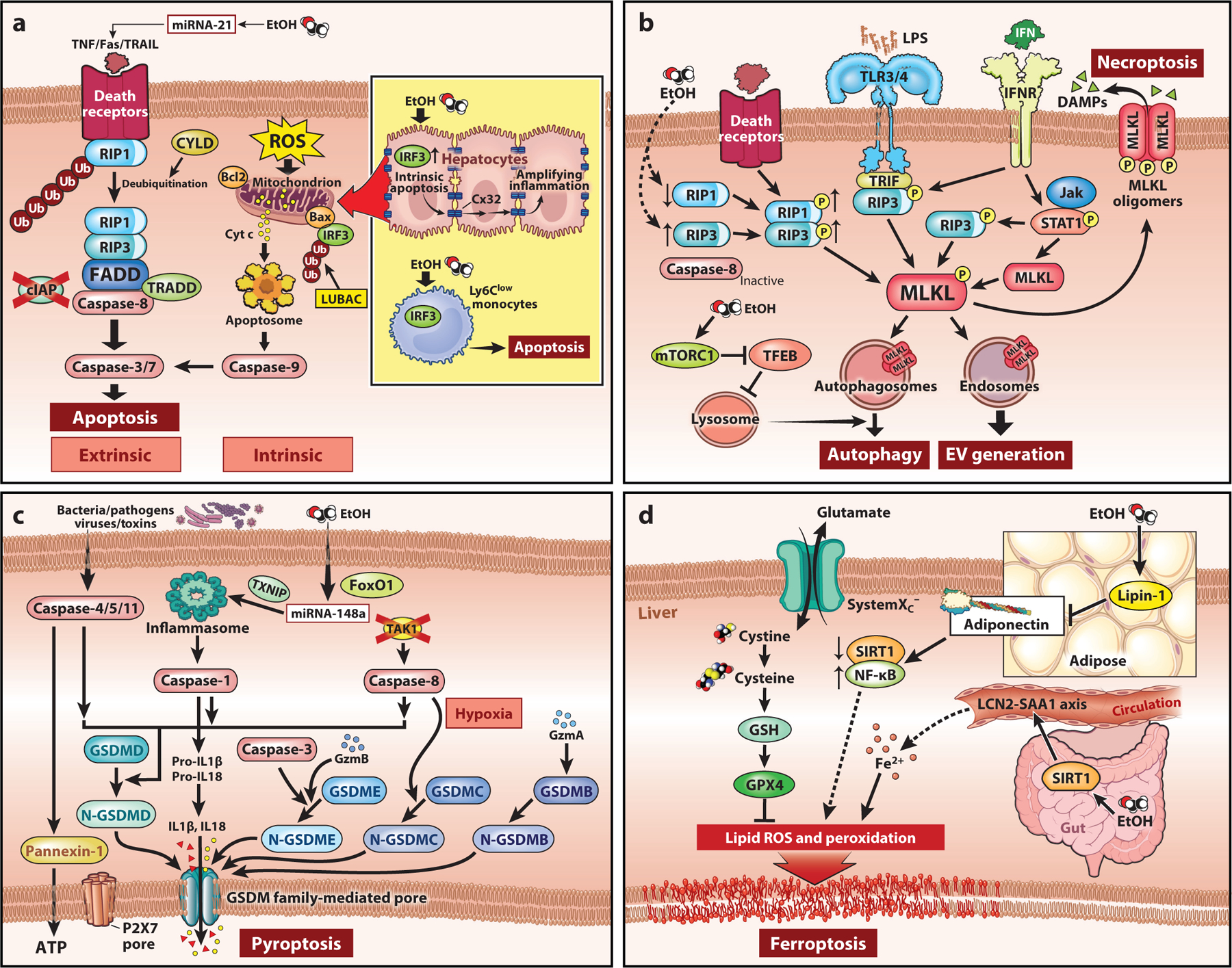
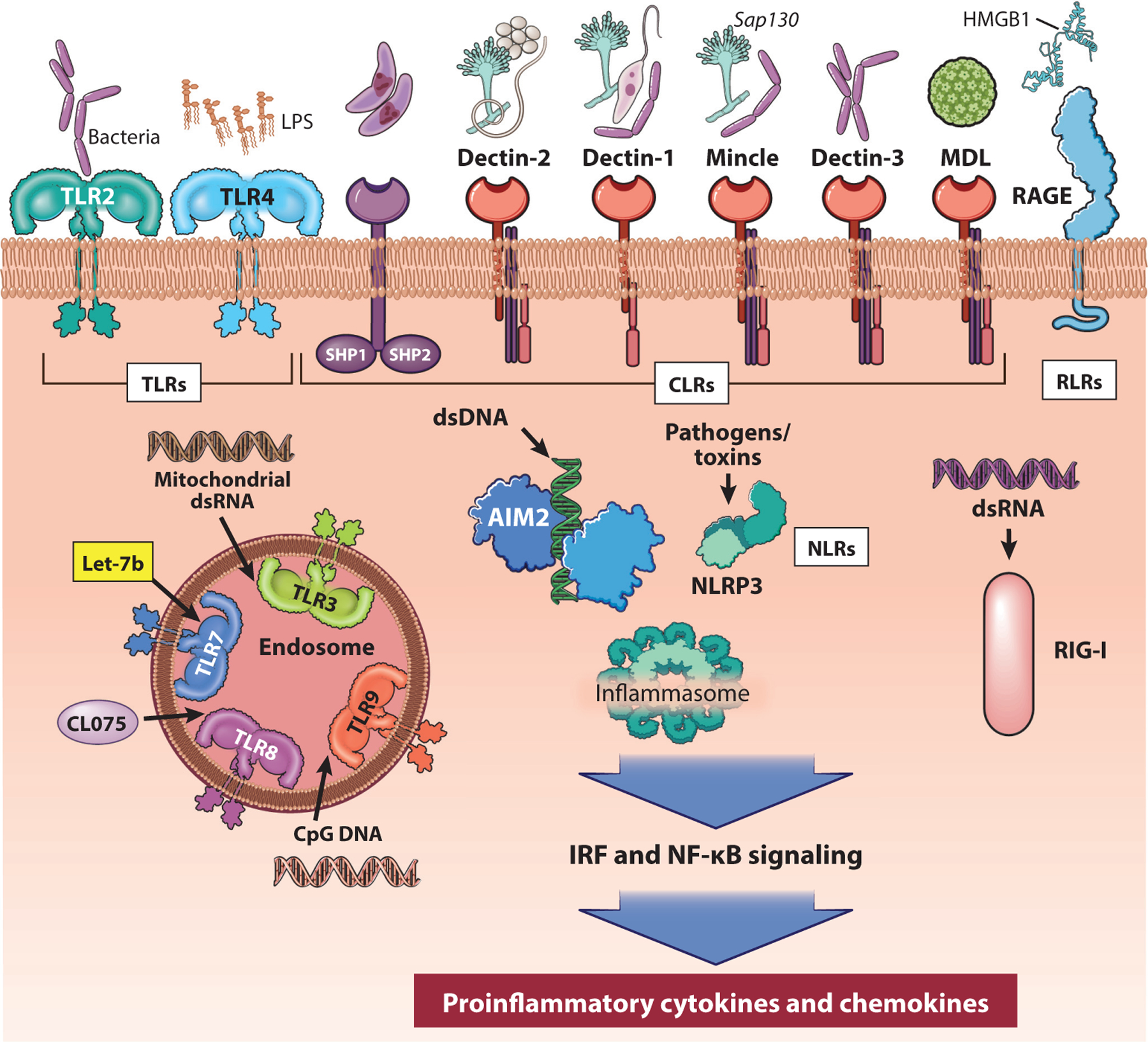
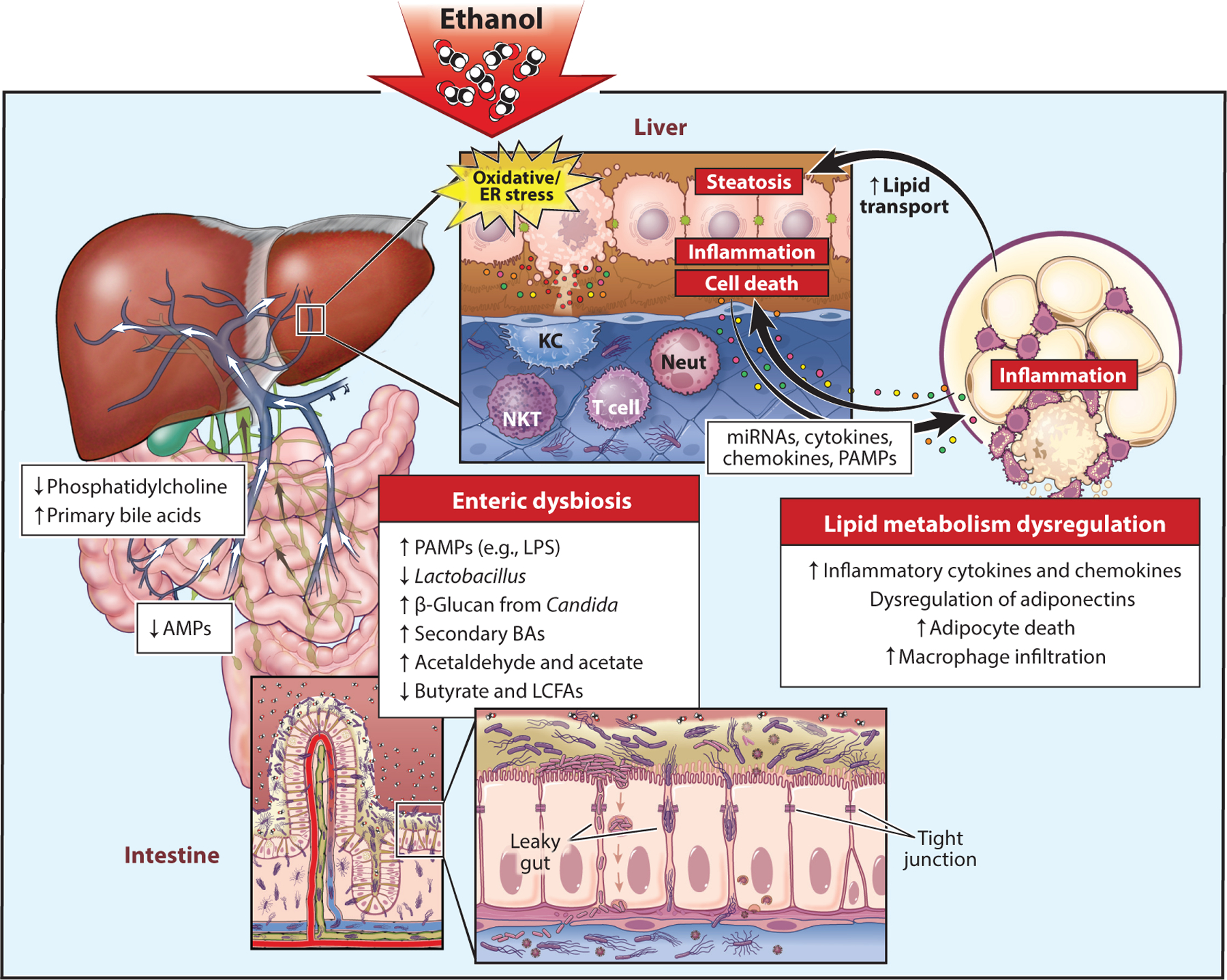
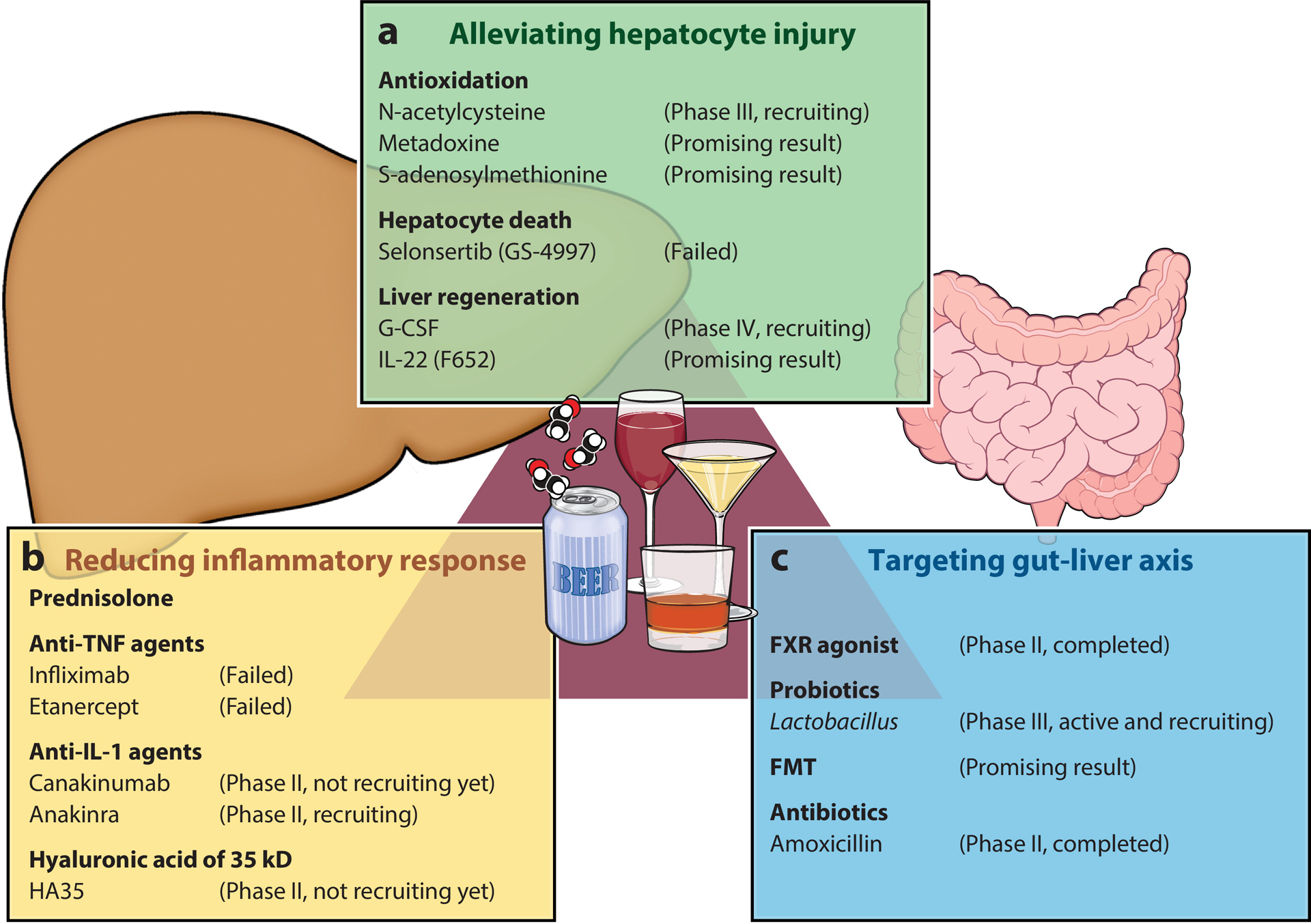
Verification
Claims the paper makes
The claims and statistics of this paper haven’t been checked yet.
Free: it reads the open-access text and checks the first 5 claims that cite a source we can check. Create a free account to check every claim.
Claims other papers make about this one
Each is checked against this paper’s own text: does it say what the citing paper says it does?
In the citing paper
“In cases of severe alcoholic hepatitis, hepatocytes may undergo dedifferentiation, assuming a cholangiocyte-like phenotype, which correlates with poorer clinical outcomes [102].”
From Constructing biomimetic microenvironments for liver regeneration (2025) · doi:10.1186/s12951-025-03729-9 · cites this paper as [102]
Self-check
Percentages, sums and reported differences re-computed from the paper’s own numbers.
The self-check needs the paper’s full text.
Citations
Cites
Ferroptosis: A Regulated Cell Death Nexus Linking Metabolism, Redox Biology, and Disease
Stockwell, B. R., Friedmann Angeli, J. P., Bayir, H., Bush, A. I., Conrad, M., Dixon, S. J., Fulda, S., Gascón, S., Hatzios, S. K., Kagan, V. E., et al. (2017) · Cell · doi:10.1016/j.cell.2017.09.021 · Cited by 7,695 · cited 5×
“As Gpx4 −/− mice exhibit early embryonic lethality (40), multiple chemical compounds, targeting either GPX4 or other regulators of ferroptosis, are broadly used to elucidate the role of ferroptosis in multiple disorders (41).”
BackgroundInfluentialHepatic Stellate Cells: Protean, Multifunctional, and Enigmatic Cells of the Liver
Friedman, S. L. (2008) · Physiological Reviews · doi:10.1152/physrev.00013.2007 · Cited by 2,842 · cited 9×
“Hepatic endothelial cells (ECs), including periportal ECs, liver sinusoidal ECs (LSECs) and periportal ECs, also play a critical role in liver regeneration by direct interaction with macrophages and hepatocytes.”
BackgroundInfluentialThe molecular machinery of regulated cell death
Tang, D., Kang, R., Berghe, T. V., Vandenabeele, P., & Kroemer, G. (2019) · Cell Research · doi:10.1038/s41422-019-0164-5 · Cited by 2,549 · cited 4×
“The intrinsic pathway is commonly triggered via members of the B cell lymphoma 2 (Bcl-2) family, which control mitochondrial outer membrane permeabilization, cytochrome c release, and, subsequently, caspase activation (11).”
BackgroundInfluentialPyroptosis: Mechanisms and Diseases
Yu, P., Zhang, X., Liu, N., Tang, L., Peng, C., & Chen, X. (2021) · Signal Transduction and Targeted Therapy · doi:10.1038/s41392-021-00507-5 · Cited by 2,353 · cited 3×
“Noncanonical pyroptosis is driven by caspase-4 and caspase-5 (human) or caspase-11 (mouse) (32).”
BackgroundInfluentialXu, A., Wang, Y., Keshaw, H., Xu, L. Y., Lam, K. S. L., & Cooper, G. J. S. (2003) · Journal of Clinical Investigation · doi:10.1172/jci200317797 · Cited by 1,298
Xu, A., Wang, Y., Keshaw, H., Xu, L. Y., Lam, K. S. L., & Cooper, G. J. S. (2003) · Journal of Clinical Investigation · doi:10.1172/jci17797 · Cited by 1,296 · cited 1×
“Provision of exogenous adiponectin to mice protects from ethanol-induced liver injury (136); however, the relevance of these data to human ALD is not known.”
BackgroundSeitz, H. K., Bataller, R., Cortez-Pinto, H., Gao, B., Gual, A., Lackner, C., Mathurin, P., Mueller, S., Szabo, G., & Tsukamoto, H. (2018) · Nature Reviews Disease Primers · doi:10.1038/s41572-018-0014-7 · Cited by 1,271
Cargo recognition and trafficking in selective autophagy
Stolz, A., Ernst, A., & Dikic, I. (2014) · Nature Cell Biology · doi:10.1038/ncb2979 · Cited by 1,207 · cited 1×
“Additionally, autophagy and membrane trafficking, which share common components and affect each other, play an important role in repair of cell damage and cell survival (13).”
BackgroundLinkermann, A., & Green, D. R. (2014) · New England Journal of Medicine · doi:10.1056/nejmra1310050 · Cited by 1,103
Bacteriophage targeting of gut bacterium attenuates alcoholic liver disease
Duan, Y., Llorente, C., Lang, S., Brandl, K., Chu, H., Jiang, L., White, R. C., Clarke, T. H., Nguyen, K., Torralba, M., et al. (2019) · Nature · doi:10.1038/s41586-019-1742-x · Cited by 844 · cited 3×
“Duan and colleagues (119) recently found that cytolysin-secreting E. faecalis strains are an important factor in exacerbating liver cell damage and death in patients with severe alcoholism.”
Background
Cited by
Alcohol-associated liver disease
Mackowiak, B., Fu, Y., Maccioni, L., & Gao, B. (2024) · Journal of Clinical Investigation · doi:10.1172/jci176345 · Cited by 359
“…exceptional target that specifically protects against hepatocyte death and promotes hepatocyte proliferation without affecting immune cells owing to the restricted expression of IL-22 have been reported and likely coexist in ALD, including apoptosis, necroptosis, pyroptosis, and ferroptosis (18).”
InfluentialLiver diseases: epidemiology, causes, trends and predictions
Gan, C., Yuan, Y., Shen, H., Gao, J., Kong, X., Che, Z., Guo, Y., Wang, H., Dong, E., & Xiao, J. (2025) · Signal Transduction and Targeted Therapy · doi:10.1038/s41392-024-02072-z · Cited by 310
“386 For example, adiponectin, which promotes liver glucose use and fatty acid oxidation, is found to be decreased in MASLD and ALD; however, exogenous supplementation of adiponectin alleviates high-fat diet-and ethanol-induced liver steatosis and insulin resistance.”
The intersection between alcohol-related liver disease and nonalcoholic fatty liver disease
Díaz, L. A., Arab, J. P., Louvet, A., Bataller, R., & Arrese, M. (2023) · Nature Reviews Gastroenterology & Hepatology · doi:10.1038/s41575-023-00822-y · Cited by 207
“Immune signals (that is, DAMPs and pathogen-associated molecular patterns, which comprise a variety of bacterial components An unhealthy lifestyle (poor diet and lack of exercise) and excessive alcohol consumption promote similar pathogenetic phenomena 113,238 .”
BackgroundFibrosis: cross-organ biology and pathways to development of innovative drugs
Rieder, F., Nagy, L. E., Maher, T. M., Distler, J. H. W., Kramann, R., Hinz, B., & Prunotto, M. (2025) · Nature Reviews Drug Discovery · doi:10.1038/s41573-025-01158-9 · Cited by 154
“Other components of the immune system, including complement and adaptive immune cells, in both the liver and the gut, have also been shown in murine models to contribute to hepatic fibrosis 79,315 .”
Self-citationLai, W., Zhang, J., Sun, J., Min, T., Bai, Y., He, J., Cao, H., Che, Q., Guo, J., & Su, Z. (2024) · International Journal of Biological Macromolecules · doi:10.1016/j.ijbiomac.2024.134809 · Cited by 114
Metadata
- Authors
- Wu, X., Fan, X., Miyata, T., Kim, A., Cajigas-Du Ross, C. K., Ray, S., Huang, E., Taiwo, M., Arya, R., Wu, J., & Nagy, L. E.
- Affiliations
- Cleveland Clinic (US)
- Northern Ohio Alcohol Center, Department of Inflammation and Immunity, Cleveland Clinic, Cleveland, Ohio, USA;
- ORCID
- Venue
- Annual Review of Pathology: Mechanisms of Disease
- Publisher
- Annual Reviews
- Published
- 2023-01-24
- Volume
- 18
- Issue
- 1
- Pages
- 411-438
- ISSN
- 1553-4006 (ISSN-L)
- 1553-4014
- PMC
- PMC10060166
- OpenAlex
- W4307021568
- Semantic Scholar
- 45656f7c4c7a120db5d689f93920e402b8d4e12d
- Cited by
- 289
- References
- 154
- Citations by year
- 2026: 74 · 2025: 107 · 2024: 86 · 2023: 21
- FWCI
- 8.86
- Type
- journal article
- Language
- en
- Open access
- hybrid
- doi.org
- Locations
- Annual Review of Pathology Mechanisms of Disease (publishedVersion, cc-by)
- PubMed (publishedVersion)
- PubMed Central (acceptedVersion, cc-by)
- Digital Commons-TMC (Texas Medical Center) (submittedVersion)
- Funders
- National Institutes of Health (DK097948)
- National Institute on Alcohol Abuse and Alcoholism (R00AA028048, F32AA029290, K99AA029146, K99AA028048, R01AA023722, U01AA026938, P50AA024333, R00AA029146, K01AA029474, R01AA027456)
- National Institute of Diabetes and Digestive and Kidney Diseases (P30DK097948)
- Topics
- Health Sciences › Medicine › Pathology and Forensic Medicine › Alcohol Consumption and Health Effects
- Health Sciences › Medicine › Hepatology › Liver physiology and pathology
- Health Sciences › Medicine › Hepatology › Liver Disease Diagnosis and Treatment
- Keywords
- alcoholic liver disease, pathogenesis, liver fibrosis, alcoholic cirrhosis, alcoholic hepatitis, programmed cell death, autophagy, membrane trafficking, innate immune response, hepatic stellate cell activation, gut-liver axis, gut microbiota, therapeutic target, hepatocyte injury, liver inflammation
- MeSH terms
- Ethanol, Fibrosis, Humans, Liver, Liver Diseases, Alcoholic, Hepatocytes
About these checks
Registry, retraction, Cites and statistics results are computed, not judged, with one exception: a printed reference that no index lists is read once by a model before it counts as a citation error. Claims are extracted by a model and kept only when their quote appears verbatim in the text; each cited source is then checked, with a model’s help, for whether it says what the claim relies on. Those verdicts can be wrong — read the claim’s quote and the cited source before relying on one.
Statistics and arithmetic are recomputed, not judged.
Confidence bands are shown only for fields calibrated on our annotated test set. None is calibrated yet, so no band is shown.
What counts as a claim ›How we measure confidence ›How we check this ›
Are you an author, or do you see a problem with this page? Request a review
Data sources
Bibliographic data: Semantic Scholar, OpenAlex, Crossref.
Contains information from the Semantic Scholar Academic Graph Datasets, made available under the ODC Attribution License (ODC-BY 1.0).
Semantic Scholar’s data is described in: Kinney, R., et al. (2023). The Semantic Scholar Open Data Platform. arXiv:2301.10140.
