

Recent Advances in Understanding of Pathogenesis of Alcohol-Associated Liver Disease
Open accessThe DOI matches its Crossref record; 155 of the 155 references it cites were found in a registry or an index.
Abstract
Alcohol-associated liver disease (ALD) is one of the major diseases arising from chronic alcohol consumption and is one of the most common causes of liver-related morbidity and mortality. ALD includes asymptomatic liver steatosis, fibrosis, cirrhosis, and alcohol-associated hepatitis and its complications. The progression of ALD involves complex cell-cell and organ-organ interactions. We focus on the impact of alcohol on dysregulation of homeostatic mechanisms and regulation of injury and repair in the liver. In particular, we discuss recent advances in understanding the disruption of balance between programmed cell death and prosurvival pathways, such as autophagy and membrane trafficking, in the pathogenesis of ALD. We also summarize current understanding of innate immune responses, liver sinusoidal endothelial cell dysfunction and hepatic stellate cell activation, and gut-liver and adipose-liver cross talk in response to ethanol. In addition,we describe the current potential therapeutic targets and clinical trials aimed at alleviating hepatocyte injury, reducing inflammatory responses, and targeting gut microbiota, for the treatment of ALD.
Overview
The claims and statistics of this paper haven’t been checked yet.
Free: it reads the open-access text and checks the first 5 claims that cite a source we can check. Create a free account to check every claim.
Integrity signals
Registry
Cites
Statistics
Figures
Verification
Claims the paper makes
The claims and statistics of this paper haven’t been checked yet.
Free: it reads the open-access text and checks the first 5 claims that cite a source we can check. Create a free account to check every claim.
Claims other papers make about this one
Each is checked against this paper’s own text: does it say what the citing paper says it does?
In the citing paper
“In cases of severe alcoholic hepatitis, hepatocytes may undergo dedifferentiation, assuming a cholangiocyte-like phenotype, which correlates with poorer clinical outcomes [102].”
From Constructing biomimetic microenvironments for liver regeneration (2025) · doi:10.1186/s12951-025-03729-9 · cites this paper as [102]
Self-check
Percentages, sums and reported differences re-computed from the paper’s own numbers.
The self-check needs the paper’s full text.
Citations
Cites
Ferroptosis: A Regulated Cell Death Nexus Linking Metabolism, Redox Biology, and Disease
Stockwell, B. R., Friedmann Angeli, J. P., Bayir, H., Bush, A. I., Conrad, M., Dixon, S. J., Fulda, S., Gascón, S., Hatzios, S. K., Kagan, V. E., et al. (2017) · Cell · doi:10.1016/j.cell.2017.09.021 · Cited by 7,695 · cited 5×
“As Gpx4 −/− mice exhibit early embryonic lethality (40), multiple chemical compounds, targeting either GPX4 or other regulators of ferroptosis, are broadly used to elucidate the role of ferroptosis in multiple disorders (41).”
BackgroundInfluentialHepatic Stellate Cells: Protean, Multifunctional, and Enigmatic Cells of the Liver
Friedman, S. L. (2008) · Physiological Reviews · doi:10.1152/physrev.00013.2007 · Cited by 2,842 · cited 9×
“Hepatic endothelial cells (ECs), including periportal ECs, liver sinusoidal ECs (LSECs) and periportal ECs, also play a critical role in liver regeneration by direct interaction with macrophages and hepatocytes.”
BackgroundInfluentialThe molecular machinery of regulated cell death
Tang, D., Kang, R., Berghe, T. V., Vandenabeele, P., & Kroemer, G. (2019) · Cell Research · doi:10.1038/s41422-019-0164-5 · Cited by 2,549 · cited 4×
“The intrinsic pathway is commonly triggered via members of the B cell lymphoma 2 (Bcl-2) family, which control mitochondrial outer membrane permeabilization, cytochrome c release, and, subsequently, caspase activation (11).”
BackgroundInfluentialPyroptosis: Mechanisms and Diseases
Yu, P., Zhang, X., Liu, N., Tang, L., Peng, C., & Chen, X. (2021) · Signal Transduction and Targeted Therapy · doi:10.1038/s41392-021-00507-5 · Cited by 2,353 · cited 3×
“Noncanonical pyroptosis is driven by caspase-4 and caspase-5 (human) or caspase-11 (mouse) (32).”
BackgroundInfluentialXu, A., Wang, Y., Keshaw, H., Xu, L. Y., Lam, K. S. L., & Cooper, G. J. S. (2003) · Journal of Clinical Investigation · doi:10.1172/jci200317797 · Cited by 1,298
Xu, A., Wang, Y., Keshaw, H., Xu, L. Y., Lam, K. S. L., & Cooper, G. J. S. (2003) · Journal of Clinical Investigation · doi:10.1172/jci17797 · Cited by 1,296 · cited 1×
“Provision of exogenous adiponectin to mice protects from ethanol-induced liver injury (136); however, the relevance of these data to human ALD is not known.”
BackgroundSeitz, H. K., Bataller, R., Cortez-Pinto, H., Gao, B., Gual, A., Lackner, C., Mathurin, P., Mueller, S., Szabo, G., & Tsukamoto, H. (2018) · Nature Reviews Disease Primers · doi:10.1038/s41572-018-0014-7 · Cited by 1,271
Cargo recognition and trafficking in selective autophagy
Stolz, A., Ernst, A., & Dikic, I. (2014) · Nature Cell Biology · doi:10.1038/ncb2979 · Cited by 1,207 · cited 1×
“Additionally, autophagy and membrane trafficking, which share common components and affect each other, play an important role in repair of cell damage and cell survival (13).”
BackgroundLinkermann, A., & Green, D. R. (2014) · New England Journal of Medicine · doi:10.1056/nejmra1310050 · Cited by 1,103
Bacteriophage targeting of gut bacterium attenuates alcoholic liver disease
Duan, Y., Llorente, C., Lang, S., Brandl, K., Chu, H., Jiang, L., White, R. C., Clarke, T. H., Nguyen, K., Torralba, M., et al. (2019) · Nature · doi:10.1038/s41586-019-1742-x · Cited by 844 · cited 3×
“Duan and colleagues (119) recently found that cytolysin-secreting E. faecalis strains are an important factor in exacerbating liver cell damage and death in patients with severe alcoholism.”
BackgroundTGF-β in Hepatic Stellate Cell Activation and Liver Fibrogenesis—Updated 2019
Dewidar, B., Meyer, C., Dooley, S., & Meindl-Beinker, A. N. (2019) · Cells · doi:10.3390/cells8111419 · Cited by 837 · cited 2×
“Profibrogenic miRNAs include miR-942 and miR-125b (111, 114).”
BackgroundInductive angiocrine signals from sinusoidal endothelium are required for liver regeneration
Ding, B.-S., Nolan, D. J., Butler, J. M., James, D., Babazadeh, A. O., Rosenwaks, Z., Mittal, V., Kobayashi, H., Shido, K., Lyden, D., et al. (2010) · Nature · doi:10.1038/nature09493 · Cited by 836 · cited 2×
“Wnt2 is expressed in both central vein and sinusoidal ECs and macrophages, while Wnt9b is specifically expressed in central vein ECs and secondarily in macrophages (93, 94).”
BackgroundOverview: how is alcohol metabolized by the body?
(2006) · PubMed Central · Cited by 813
IL-1 receptor antagonist ameliorates inflammasome-dependent alcoholic steatohepatitis in mice
Petrasek, J., Bala, S., Csak, T., Lippai, D., Kodys, K., Menashy, V., Barrieau, M., Min, S.-Y., Kurt-Jones, E. A., & Szabo, G. (2012) · Journal of Clinical Investigation · doi:10.1172/jci60777 · Cited by 735 · cited 1×
“Pharmacological inhibition of IL-1 β /IL-1R1 signaling by recombinant human IL-1R antagonist attenuated alcohol-induced liver inflammation, steatosis, and damage (37).”
Free Fatty Acids Induce JNK-dependent Hepatocyte Lipoapoptosis
Malhi, H., Bronk, S. F., Werneburg, N. W., & Gores, G. J. (2006) · Journal of Biological Chemistry · doi:10.1074/jbc.m510660200 · Cited by 722 · cited 1×
“Saturated fatty acids have a greater hepatotoxic effect and trigger hepatocyte apoptosis through activation of the c-Jun N-terminal kinase pathway (134).”
BackgroundSelf-renewing diploid Axin2+ cells fuel homeostatic renewal of the liver
Wang, B., Zhao, L., Fish, M., Logan, C. Y., & Nusse, R. (2015) · Nature · doi:10.1038/nature14863 · Cited by 674 · cited 1×
“Wnt2 is expressed in both central vein and sinusoidal ECs and macrophages, while Wnt9b is specifically expressed in central vein ECs and secondarily in macrophages (93, 94).”
BackgroundDisruption of the beclin 1–BCL2 autophagy regulatory complex promotes longevity in mice
Fernández, Á. F., Sebti, S., Wei, Y., Zou, Z., Shi, M., McMillan, K. L., He, C., Ting, T., Liu, Y., Chiang, W.-C., et al. (2018) · Nature · doi:10.1038/s41586-018-0162-7 · Cited by 630 · cited 1×
“…autophagy and membrane trafficking and different forms of PCD. Autophagy is considered as an early adaptive response to injury that occurs prior to apoptosis; however, hyperactivation of autophagy also results in apoptotic cell death through common regulators, such as beclin1 and Bcl-2 (52, 53).”
BackgroundZheng, M., & Kanneganti, T. (2020) · Immunological Reviews · doi:10.1111/imr.12909 · Cited by 586 · cited 1×
“The PANoptosome can in parallel engage pyroptosis, apoptosis, and necroptosis (12).”
BackgroundIntestinal microbiota contributes to individual susceptibility to alcoholic liver disease
Llopis, M., Cassard, A. M., Wrzosek, L., Boschat, L., Bruneau, A., Ferrere, G., Puchois, V, Martin, J. C., Lepage, P., Le Roy, T., et al. (2016) · Gut · doi:10.1136/gutjnl-2015-310585 · Cited by 560 · cited 2×
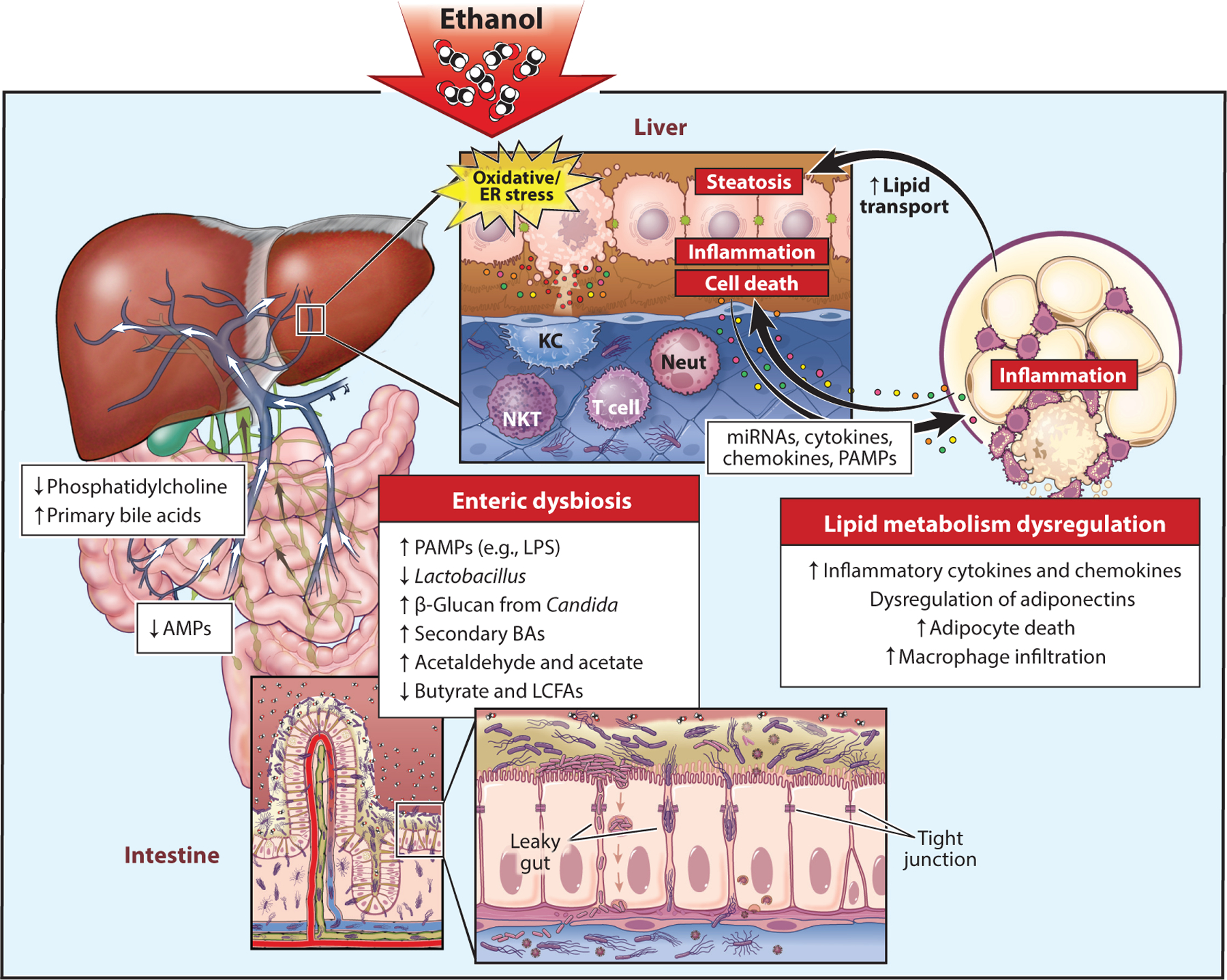
“Current opinion indicates that, in addition to the direct effects of alcohol on the liver, altered gut physiology contributes to the progression of ALD (118) (Figure 3).”
BackgroundLiving in the liver: hepatic infections
Protzer, U., Maini, M. K., & Knolle, P. A. (2012) · Nature Reviews Immunology · doi:10.1038/nri3169 · Cited by 560 · cited 1×
“Alcohol and dietary constituents can also modulate fenestration function by changing the access of macro-molecules to parenchymal cells and by allowing circulating viruses to infect hepatocytes (98).”
BackgroundWan, J., Benkdane, M., Teixeira-Clerc, F., Bonnafous, S., Louvet, A., Lafdil, F., Pecker, F., Tran, A., Gual, P., Mallat, A., et al. (2014) · Hepatology · doi:10.1002/hep.26607 · Cited by 558 · cited 2×
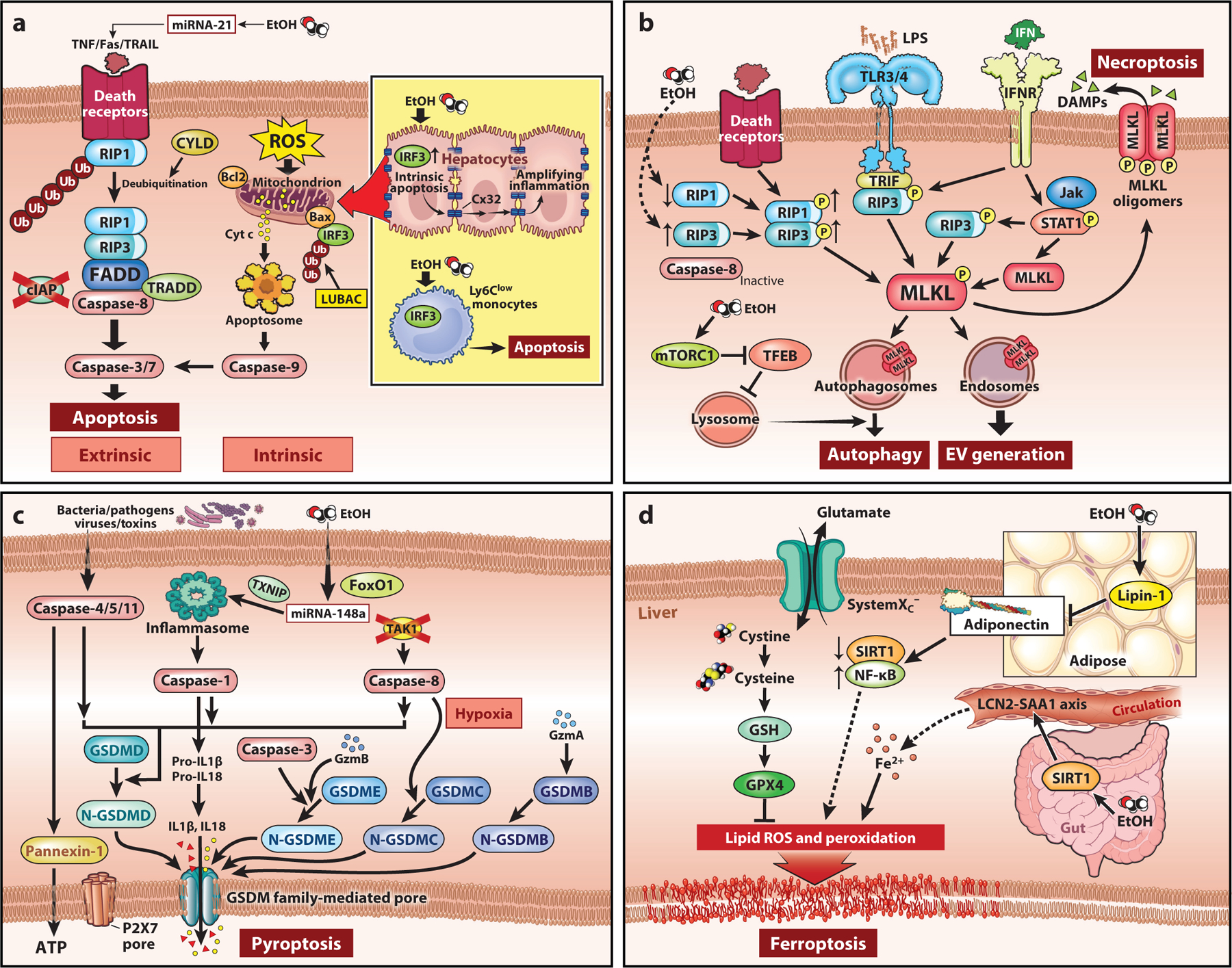
“Francis et al. (17) previously reported that ethanol exposure induced Fas ligand and DR5-mediated extrinsic apoptotic pathways through microRNA-21 (miRNA-21).”
BackgroundLiver sinusoidal endothelial cells — gatekeepers of hepatic immunity
Shetty, S., Lalor, P. F., & Adams, D. H. (2018) · Nature Reviews Gastroenterology & Hepatology · doi:10.1038/s41575-018-0020-y · Cited by 523 · cited 4×
“LSECs maintain a balance between tolerance and effector immune responsiveness, facilitated by their innate and adaptive immunological functions (96).”
BackgroundInfluentialAutophagy Reduces Acute Ethanol-Induced Hepatotoxicity and Steatosis in Mice
Ding, W., Li, M., Chen, X., Ni, H., Lin, C., Gao, W., Lu, B., Stolz, D. B., Clemens, D. L., & Yin, X. (2010) · Gastroenterology · doi:10.1053/j.gastro.2010.07.041 · Cited by 515 · cited 1×
“Acute alcohol consumption activates autophagy (45), whereas chronic ethanol exposure decreases lysosome-mediated lipid droplet turnover in hepatocytes through inactivation of Rab7 (46) or reduced dynamin 2 activity (47).”
BackgroundToll–Like Receptor 4 Is Involved in the Mechanism of Early Alcohol–Induced Liver Injury in Mice
Uesugi, T., Froh, M., Arteel, G. E., Bradford, B. U., & Thurman, R. G. (2001) · Hepatology · doi:10.1053/jhep.2001.25350 · Cited by 488 · cited 1×
“Previously, Tlr4 −/− mice were shown to be protected from early alcohol-induced injury (33).”
BackgroundLiver sinusoidal endothelial cells in hepatic fibrosis
DeLeve, L. D. (2015) · Hepatology · doi:10.1002/hep.27376 · Cited by 482 · cited 3×
“The lack of a basement membrane contributes to the permissive nature of sinusoidal endothelium (96), allowing the LSECs and KCs to endocytically take up and eliminate invading pathogens (97).”
BackgroundEndotoxemia and gut barrier dysfunction in alcoholic liver disease†
Rao, R. (2009) · Hepatology · doi:10.1002/hep.23009 · Cited by 470 · cited 2×
“— Gut permeability increases with ethanol consumption (120) and is a prerequisite for development of ALD in murine models (121).”
BackgroundIntestinal fungi contribute to development of alcoholic liver disease
Yang, A.-M., Inamine, T., Hochrath, K., Chen, P., Wang, L., Llorente, C., Bluemel, S., Hartmann, P., Xu, J., Koyama, Y., et al. (2017) · Journal of Clinical Investigation · doi:10.1172/jci90562 · Cited by 464 · cited 3×
“Commensal fungi are reduced while there is an overgrowth of Candida species (63).”
BackgroundPetrasek, J., Iracheta-Vellve, A., Csak, T., Satishchandran, A., Kodys, K., Kurt-Jones, E. A., Fitzgerald, K. A., & Szabo, G. (2013) · Proceedings of the National Academy of Sciences · doi:10.1073/pnas.1308331110 · Cited by 452 · cited 1×
“Szabo and colleagues (19) found that activation of IRF3 initiates alcohol-induced hepatocyte apoptosis, which fuels a robust secondary inflammatory response that drives ALD.”
BackgroundNaveau, S., Chollet-Martin, S., Dharancy, S., Mathurin, P., Jouet, P., Piquet, M.-A., Davion, T., Oberti, F., Broët, P., & Emilie, D. (2004) · Hepatology · doi:10.1002/hep.20206 · Cited by 446 · cited 1×
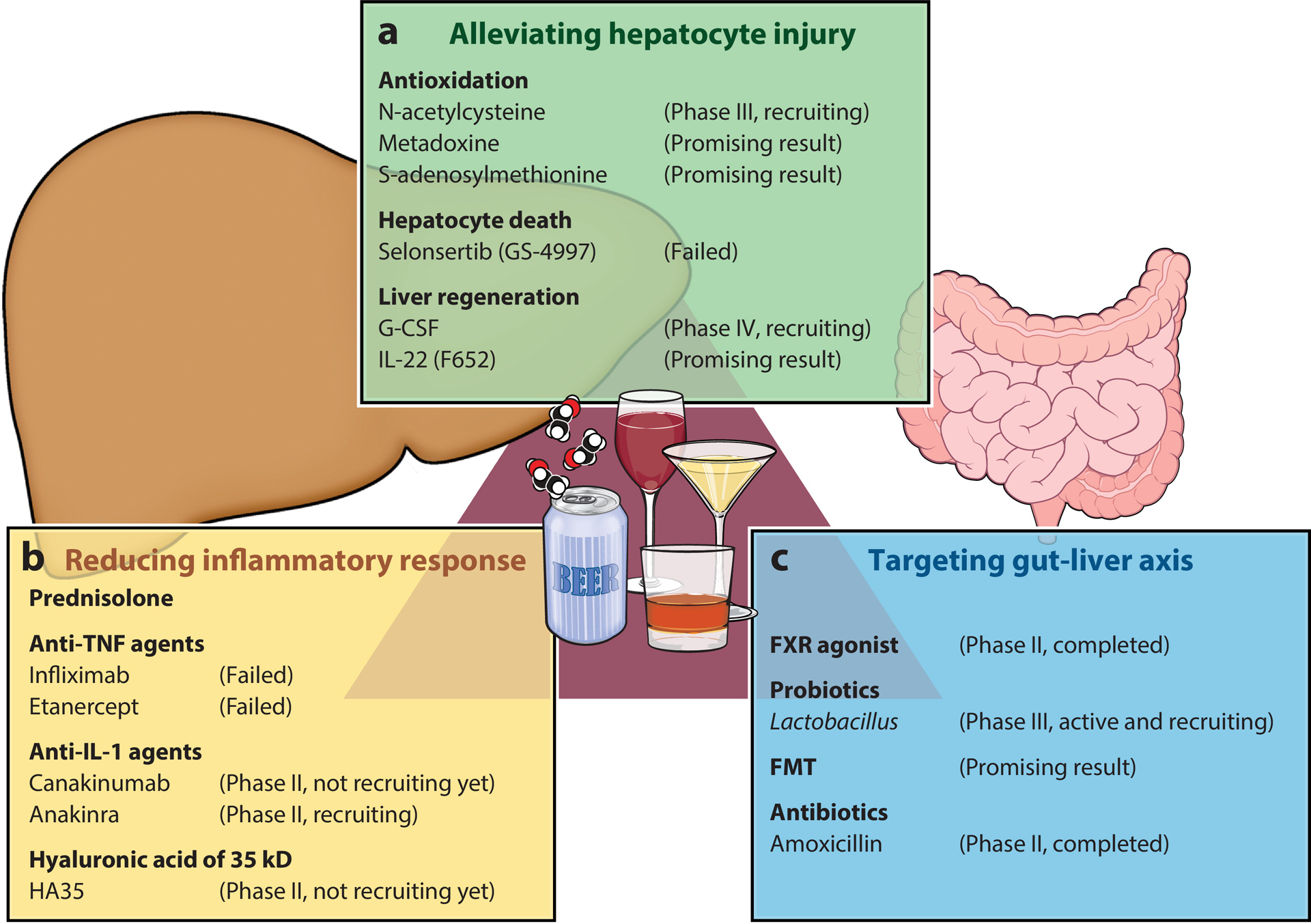
“Two randomized controlled studies with anti-TNF agents (infliximab and etanercept) were negative, with more deaths occurring in the anti-TNF arm (149, 150).”
BackgroundVariant in PNPLA3 is associated with alcoholic liver disease
Tian, C., Stokowski, R. P., Kershenobich, D., Ballinger, D. G., & Hinds, D. A. (2010) · Nature Genetics · doi:10.1038/ng.488 · Cited by 438 · cited 1×
“Genetic polymorphisms of alcohol-metabolizing enzymes are associated with heavy drinking habits and dependence, while genetic polymorphisms such as patatin-like phospholipase encoding 3 (PNPLA3) are risk factors for fatty liver formation and progression of liver pathology (5).”
BackgroundKi, S. H., Park, O., Zheng, M., Morales-Ibanez, O., Kolls, J. K., Bataller, R., & Gao, B. (2010) · Hepatology · doi:10.1002/hep.23837 · Cited by 434 · cited 7×
“F-652, which has the same mechanism of action as the native IL-22, is a recombinant fusion protein of human IL-22 and human IgG2 fragments.”
BackgroundInfluentialDeLeve, L. D., Wang, X., & Guo, Y. (2008) · Hepatology · doi:10.1002/hep.22351 · Cited by 408 · cited 1×
“Interestingly, LSECs also promote reversion from activated HSCs to a quiescent phenotype via NO production (101).”
BackgroundWang, L., Fouts, D. E., Stärkel, P., Hartmann, P., Chen, P., Llorente, C., DePew, J., Moncera, K., Ho, S. B., Brenner, D. A., et al. (2016) · Cell Host & Microbe · doi:10.1016/j.chom.2016.01.003 · Cited by 389 · cited 1×
“In contrast, chronic ethanol reduces expression of C-type lectin AMPs Reg3 β and Reg3 γ , and overexpression of Reg3 γ protects from injury (122).”
BackgroundAutophagy in liver diseases: Time for translation?
Allaire, M., Rautou, P.-E., Codogno, P., & Lotersztajn, S. (2019) · Journal of Hepatology · doi:10.1016/j.jhep.2019.01.026 · Cited by 378 · cited 3×
“The intrinsic pathway is commonly triggered via members of the B cell lymphoma 2 (Bcl-2) family, which control mitochondrial outer membrane permeabilization, cytochrome c release, and, subsequently, caspase activation (11).”
BackgroundYoon, S., Kovalenko, A., Bogdanov, K., & Wallach, D. (2017) · Immunity · doi:10.1016/j.immuni.2017.06.001 · Cited by 368 · cited 1×
“Recent advances have illuminated the important involvement of MLKL in diverse cellular processes (Figure 1b) pertaining to membrane trafficking, including autophagy (55, 56), endosomal trafficking, and EV generation (57).”
BackgroundBala, S., Marcos, M., Kodys, K., Csak, T., Catalano, D., Mandrekar, P., & Szabo, G. (2011) · Journal of Biological Chemistry · doi:10.1074/jbc.m110.145870 · Cited by 361 · cited 1×
“In the liver, miR-122 in hepatocytes regulates steatosis (107, 108), while miR-155 in KCs yields a proinflammatory state, perpetuating liver injury (107). miR-212 has also been implicated in the alcohol-induced impairment of gut barrier function (109).”
BackgroundPhilips, C. A., Pande, A., Shasthry, S. M., Jamwal, K. D., Khillan, V., Chandel, S. S., Kumar, G., Sharma, M. K., Maiwall, R., Jindal, A., et al. (2017) · Clinical Gastroenterology and Hepatology · doi:10.1016/j.cgh.2016.10.029 · Cited by 349 · cited 2×
“Philips and colleagues (154, 155) reported in a pilot study and subsequent open-label trial that FMT in patients with severe AH from healthy donors improved survival and liver function due to reduced gut bacteria that contribute to the development of AH.”
BackgroundMethodInfluentialChao, X., Wang, S., Zhao, K., Li, Y., Williams, J. A., Li, T., Chavan, H., Krishnamurthy, P., He, X. C., Li, L., et al. (2018) · Gastroenterology · doi:10.1053/j.gastro.2018.05.027 · Cited by 342 · cited 2×
“Dysregulation or hyperactivation of autophagy and membrane trafficking is associated with cell injury and death and contributes to the development of ALD (14–16).”
BackgroundBoetticher, N. C., Peine, C. J., Kwo, P., Abrams, G. A., Patel, T., Aqel, B., Boardman, L., Gores, G. J., Harmsen, W. S., McClain, C. J., et al. (2008) · Gastroenterology · doi:10.1053/j.gastro.2008.08.057 · Cited by 340 · cited 1×
“Two randomized controlled studies with anti-TNF agents (infliximab and etanercept) were negative, with more deaths occurring in the anti-TNF arm (149, 150).”
BackgroundTilg, H., Moschen, A. R., & Szabo, G. (2016) · Hepatology · doi:10.1002/hep.28456 · Cited by 319 · cited 1×
“Enhanced production of proinflammatory cytokines, including IL-1 and TNF-α , thereby contributes to hepatocyte dysfunction and PCD, as well as activation of hepatic stellate cells to generate extracellular matrix (ECM) proteins leading to fibrosis/cirrhosis (68).”
BackgroundGlutathione peroxidase 4 and vitamin E cooperatively prevent hepatocellular degeneration
Carlson, B. A., Tobe, R., Yefremova, E., Tsuji, P. A., Hoffmann, V. J., Schweizer, U., Gladyshev, V. N., Hatfield, D. L., & Conrad, M. (2016) · Redox Biology · doi:10.1016/j.redox.2016.05.003 · Cited by 316 · cited 1×
“As Gpx4 −/− mice exhibit early embryonic lethality (40), multiple chemical compounds, targeting either GPX4 or other regulators of ferroptosis, are broadly used to elucidate the role of ferroptosis in multiple disorders (41).”
BackgroundThe Autophagy Machinery Controls Cell Death Switching between Apoptosis and Necroptosis
Goodall, M. L., Fitzwalter, B. E., Zahedi, S., Wu, M., Rodriguez, D., Mulcahy-Levy, J. M., Green, D. R., Morgan, M., Cramer, S. D., & Thorburn, A. (2016) · Developmental Cell · doi:10.1016/j.devcel.2016.04.018 · Cited by 314 · cited 1×
“Proteins in the autophagy pathway can control the switching of cell death between apoptosis and necroptosis (54).”
BackgroundChen, P., Stärkel, P., Turner, J. R., Ho, S. B., & Schnabl, B. (2015) · Hepatology · doi:10.1002/hep.27489 · Cited by 312 · cited 1×
“— Gut permeability increases with ethanol consumption (120) and is a prerequisite for development of ALD in murine models (121).”
BackgroundMomen-Heravi, F., Saha, B., Kodys, K., Catalano, D., Satishchandran, A., & Szabo, G. (2015) · Journal of Translational Medicine · doi:10.1186/s12967-015-0623-9 · Cited by 307 · cited 2×
“The total number of circulating extracellular vesicles (EVs) was increased in patients with AH and in mice after chronic ethanol feeding (49, 50).”
BackgroundAbsence of receptor interacting protein kinase 3 prevents ethanol-induced liver injury
Roychowdhury, S., McMullen, M. R., Pisano, S. G., Liu, X., & Nagy, L. E. (2013) · Hepatology · doi:10.1002/hep.26200 · Cited by 304 · cited 1×
“Inhibition of RIP1 by necrostatin-1 attenuates alcohol-mediated inflammation but not hepatocyte injury (26), while Rip3 −/− mice are protected from chronic ethanol-induced liver injury (26, 27).”
BackgroundSelf-citationTang, Y., Banan, A., Forsyth, C. B., Fields, J. Z., Lau, C. K., Zhang, L. J., & Keshavarzian, A. (2008) · Alcoholism: Clinical and Experimental Research · doi:10.1111/j.1530-0277.2007.00584.x · Cited by 287 · cited 1×
“In the liver, miR-122 in hepatocytes regulates steatosis (107, 108), while miR-155 in KCs yields a proinflammatory state, perpetuating liver injury (107). miR-212 has also been implicated in the alcohol-induced impairment of gut barrier function (109).”
BackgroundThe Progression of Liver Fibrosis Is Related with Overexpression of the miR-199 and 200 Families
Murakami, Y., Toyoda, H., Tanaka, M., Kuroda, M., Harada, Y., Matsuda, F., Tajima, A., Kosaka, N., Ochiya, T., & Shimotohno, K. (2011) · PLoS ONE · doi:10.1371/journal.pone.0016081 · Cited by 282 · cited 1×
“Overexpression of miR-199 and miR-200 families was correlated with the TGF-β /SMAD signaling pathway during liver fibrogenesis in both a fibrotic mouse model and human clinical samples of patients with fibrosis (115).”
BackgroundFerroptosis in liver disease: new insights into disease mechanisms
Wu, J., Wang, Y., Jiang, R., Xue, R., Yin, X., Wu, M., & Meng, Q. (2021) · Cell Death Discovery · doi:10.1038/s41420-021-00660-4 · Cited by 281 · cited 1×
“As Gpx4 −/− mice exhibit early embryonic lethality (40), multiple chemical compounds, targeting either GPX4 or other regulators of ferroptosis, are broadly used to elucidate the role of ferroptosis in multiple disorders (41).”
BackgroundSelf-citationAlcohol Dehydrogenases, Aldehyde Dehydrogenases, and Alcohol Use Disorders: A Critical Review
Edenberg, H. J., & McClintick, J. N. (2018) · Alcoholism: Clinical and Experimental Research · doi:10.1111/acer.13904 · Cited by 275 · cited 1×
“The class I ADHs (ADH1A, ADH1B, and ADH1C) carry out oxidation of most of the ingested alcohol (ethanol) in the liver, generating acetaldehyde (7).”
BackgroundGlutathione deficiency in alcoholics: risk factor for paracetamol hepatotoxicity.
Lauterburg, B. H., & Velez, M. E. (1988) · Gut · doi:10.1136/gut.29.9.1153 · Cited by 260 · cited 1×
“Chronic exposure to ethanol induces glutathione depletion, which makes hepatocytes more vulnerable to oxidative stress (142).”
BackgroundLlorente, C., Jepsen, P., Inamine, T., Wang, L., Bluemel, S., Wang, H. J., Loomba, R., Bajaj, J. S., Schubert, M. L., Sikaroodi, M., et al. (2017) · Nature Communications · doi:10.1038/s41467-017-00796-x · Cited by 257 · cited 1×
“In addition, viable bacteria can also cross the damaged gut epithelial barrier, contributing to liver injury (119, 123).”
BackgroundHeo, M. J., Kim, T. H., You, J. S., Blaya, D., Sancho-Bru, P., & Kim, S. G. (2019) · Gut · doi:10.1136/gutjnl-2017-315123 · Cited by 255 · cited 1×
“Heo and colleagues (34) found that ethanol induces caspase-1-mediated pyroptosis via miRNA-148a-targeted overexpression of TXNIP in hepatocytes.”
BackgroundPivotal role of liver sinusoidal endothelial cells in NAFLD/NASH progression
Miyao, M., Kotani, H., Ishida, T., Kawai, C., Manabe, S., Abiru, H., & Tamaki, K. (2015) · Laboratory Investigation · doi:10.1038/labinvest.2015.95 · Cited by 254
Microbiota and Fatty Liver Disease—the Known, the Unknown, and the Future
Lang, S., & Schnabl, B. (2020) · Cell Host & Microbe · doi:10.1016/j.chom.2020.07.007 · Cited by 231 · cited 3×
“The liver and intestine communicate via the portal vein, biliary system, and other circulating soluble mediators (117).”
BackgroundInfluentialPyroptosis by caspase11/4‐gasdermin‐D pathway in alcoholic hepatitis in mice and patients
Khanova, E., Wu, R., Wang, W., Yan, R., Chen, Y., French, S. W., Llorente, C., Pan, S. Q., Yang, Q., Li, Y., et al. (2018) · Hepatology · doi:10.1002/hep.29645 · Cited by 228 · cited 1×
“Khanova et al. (38) reported that, after the transition from chronic alcohol-associated steatosis to AH, activation of noncanonical caspase-11-GSDMD signaling, but not canonical caspase-1-IL-1 β signaling, was evident in livers from both murine models of ALD and patients with AH.”
BackgroundMetabolic Hallmarks of Hepatic Stellate Cells in Liver Fibrosis
Khomich, O., Ivanov, A. V., & Bartosch, B. (2019) · Cells · doi:10.3390/cells9010024 · Cited by 224 · cited 13×
“HSCs, located in the space of Disse, are surrounded by hepatocytes and LSECs (102).”
BackgroundInfluentialImmunological mechanisms and therapeutic targets of fatty liver diseases
Wang, H., Mehal, W., Nagy, L. E., & Rotman, Y. (2021) · Cellular & Molecular Immunology · doi:10.1038/s41423-020-00579-3 · Cited by 221 · cited 7×
“TNF-α is a critical proinflammatory cytokine in ALD (6, 60).”
BackgroundInfluentialSelf-citationDysregulation of serum bile acids and FGF19 in alcoholic hepatitis
Brandl, K., Hartmann, P., Jih, L. J., Pizzo, D. P., Argemi, J., Ventura-Cots, M., Coulter, S., Liddle, C., Ling, L., Rossi, S. J., et al. (2018) · Journal of Hepatology · doi:10.1016/j.jhep.2018.03.031 · Cited by 216 · cited 1×
“In patients with AH, bile acid homeostasis and its associated signaling is dysregulated (129).”
BackgroundCommon dysregulation of Wnt/Frizzled receptor elements in human hepatocellular carcinoma
Bengochea, A., de Souza, M. M., Lefrançois, L., Le Roux, E., Galy, O., Chemin, I., Kim, M., Wands, J. R., Trepo, C., Hainaut, P., et al. (2008) · British Journal of Cancer · doi:10.1038/sj.bjc.6604422 · Cited by 215 · cited 2×
“Considering WNT signaling alone, we hypothesize that there is a progression from healthy human liver to moderate AH, where liver regeneration can occur, to severe AH, where regeneration is dysregulated and signs of HCC may start to develop.”
BackgroundSheron, N., Bird, G., Koskinas, J., Portmann, B., Ceska, M., Lindley, I., & William, R. (1993) · Hepatology · doi:10.1002/hep.1840180108 · Cited by 212 · cited 1×
“In murine models of ALD, blockade of IL-8 receptors (CXCR1/2) with pepducin antagonist protects mice from liver injury (75, 76).”
BackgroundBabuta, M., Furi, I., Bala, S., Bukong, T. N., Lowe, P., Catalano, D., Calenda, C., Kodys, K., & Szabo, G. (2019) · Hepatology · doi:10.1002/hep.30766 · Cited by 207 · cited 1×
“Furthermore, dysregulated autophagy and lysosome function have been linked to exosome production in ALD (48).”
BackgroundLee, B. P., Vittinghoff, E., Dodge, J. L., Cullaro, G., & Terrault, N. A. (2019) · JAMA Internal Medicine · doi:10.1001/jamainternmed.2018.6536 · Cited by 205 · cited 1×
“Importantly, ALD is currently a major indication for liver transplantation in the United States and Europe, as the incidence of hepatitis C is declining (3, 4).”
BackgroundArgemi, J., Latasa, M. U., Atkinson, S. R., Blokhin, I. O., Massey, V., Gue, J. P., Cabezas, J., Lozano, J. J., Van Booven, D., Bell, A., et al. (2019) · Nature Communications · doi:10.1038/s41467-019-11004-3 · Cited by 203 · cited 2×
“…the nuclear receptor HNF4 α results in aberrant upregulation of periportal hepatocyte genes, hepatocyte fetal reprogramming, and activation of the ductular reaction, where periportal hepatocytes and liver progenitor cells activate and become either mature hepatocytes or cholangiocytes (67, 90, 91).”
BackgroundArab, J. P., Sehrawat, T. S., Simonetto, D. A., Verma, V. K., Feng, D., Tang, T., Dreyer, K., Yan, X., Daley, W. L., Sanyal, A., et al. (2020) · Hepatology · doi:10.1002/hep.31046 · Cited by 201 · cited 2×
“F-652 associated with a high rate of improvement, as determined by MELD and Lille scores, increases in markers of hepatic regeneration, and reductions in markers of inflammation (73).”
BackgroundMethodLinking Pathogenic Mechanisms of Alcoholic Liver Disease With Clinical Phenotypes
Nagy, L. E., Ding, W.-X., Cresci, G., Saikia, P., & Shah, V. H. (2016) · Gastroenterology · doi:10.1053/j.gastro.2016.02.035 · Cited by 184 · cited 10×
“TNF-α is a critical proinflammatory cytokine in ALD (6, 60).”
BackgroundInfluentialSelf-citationWu, X., Poulsen, K. L., Sanz-Garcia, C., Huang, E., McMullen, M. R., Roychowdhury, S., Dasarathy, S., & Nagy, L. E. (2020) · Journal of Hepatology · doi:10.1016/j.jhep.2020.03.023 · Cited by 181 · cited 1×
“Recent advances have illuminated the important involvement of MLKL in diverse cellular processes (Figure 1b) pertaining to membrane trafficking, including autophagy (55, 56), endosomal trafficking, and EV generation (57).”
Self-citationColonic inflammation and secondary bile acids in alcoholic cirrhosis
Kakiyama, G., Hylemon, P. B., Zhou, H., Pandak, W. M., Heuman, D. M., Kang, D. J., Takei, H., Nittono, H., Ridlon, J. M., Fuchs, M., et al. (2014) · American Journal of Physiology-Gastrointestinal and Liver Physiology · doi:10.1152/ajpgi.00315.2013 · Cited by 179
Alcohol, adipose tissue and liver disease: mechanistic links and clinical considerations
Parker, R., Kim, S.-J., & Gao, B. (2018) · Nature Reviews Gastroenterology & Hepatology · doi:10.1038/nrgastro.2017.116 · Cited by 174 · cited 3×
“Chronic ethanol is associated is associated with impaired metabolic, endocrine, and immune functions of adipose tissue, changes that likely contribute to the progression of ALD (131, 132) (Figure 3).”
BackgroundThe role of the gut microbiome in chronic liver disease: the clinical evidence revised
Schwenger, K. J., Clermont-Dejean, N., & Allard, J. P. (2019) · JHEP Reports · doi:10.1016/j.jhepr.2019.04.004 · Cited by 171 · cited 1×
“This causes loss of the anti-inflammatory effect of SCFAs in the gut (125).”
BackgroundColell, A., Garcia-Ruiz, C., Morales, A., Ballesta, A., Ookhtens, M., Rodes, J., Kaplowitz, N., & Fernandez-Checa, J. C. (1997) · Hepatology · doi:10.1002/hep.510260323 · Cited by 165 · cited 1×
“Colell and colleagues (145) reported that S-adenosylmethionine could be a potential therapeutic option for ALD, because this molecule restores glutathione in the mitochondria and improves steatosis in rodents.”
BackgroundPritchard, M. T., McMullen, M. R., Stavitsky, A. B., Cohen, J. I., Lin, F., Medof, M. E., & Nagy, L. E. (2007) · Gastroenterology · doi:10.1053/j.gastro.2007.01.053 · Cited by 159 · cited 1×
“Mice deficient in C3 or C5 are protected from chronic ethanol-induced liver injury, while mice deficient in CD55, a complement regulator, have exacerbated injury (81).”
BackgroundSelf-citationPetrasek, J., Iracheta-Vellve, A., Saha, B., Satishchandran, A., Kodys, K., Fitzgerald, K. A., Kurt-Jones, E. A., & Szabo, G. (2015) · Journal of Leukocyte Biology · doi:10.1189/jlb.3ab1214-590r · Cited by 152 · cited 1×
“Nlrp3-deficient mice were resistant to alcohol-induced inflammation and injury (35).”
BackgroundHan, S. H., Suk, K. T., Kim, D. J., Kim, M. Y., Baik, S. K., Kim, Y. D., Cheon, G. J., Choi, D. H., Ham, Y. L., Shin, D. H., et al. (2015) · European Journal of Gastroenterology & Hepatology · doi:10.1097/meg.0000000000000458 · Cited by 149 · cited 1×
“For example, Han and colleagues (153) reported the importance of probiotics in a multicenter RCT, with the probiotic group having significantly reduced TNF-α (p = 0.042) and LPS (p = 0.028) compared with the placebo group.”
InfluentialChattopadhyay, S., Kuzmanovic, T., Zhang, Y., Wetzel, J. L., & Sen, G. C. (2016) · Immunity · doi:10.1016/j.immuni.2016.04.009 · Cited by 149 · cited 1×
“In the RIPA branch, IRF3 is activated by LUBAC-mediated linear ubiquitination, which triggers its interaction with BAX to cause mitochondrial activation and apoptotic cell death (18).”
BackgroundAffò, S., Morales-Ibanez, O., Rodrigo-Torres, D., Altamirano, J., Blaya, D., Dapito, D. H., Millán, C., Coll, M., Caviglia, J. M., Arroyo, V., et al. (2014) · Gut · doi:10.1136/gutjnl-2013-306098 · Cited by 147 · cited 1×
“Expression of CCL20 is induced by many inflammatory mediators, such as LPS, TNF-α , and IL-1 β , and regulates liver inflammation and fibrosis by acting as a chemoattractant for lymphocytes and neutrophils (77).”
BackgroundPhilips, C. A., Phadke, N. D., Ganesan, K., Ranade, S., & Augustine, P. (2018) · Indian Journal of Gastroenterology · doi:10.1007/s12664-018-0859-4 · Cited by 144 · cited 2×
“Philips and colleagues (154, 155) reported in a pilot study and subsequent open-label trial that FMT in patients with severe AH from healthy donors improved survival and liver function due to reduced gut bacteria that contribute to the development of AH.”
BackgroundCohen, J. I., Roychowdhury, S., McMullen, M. R., Stavitsky, A. B., & Nagy, L. E. (2010) · Gastroenterology · doi:10.1053/j.gastro.2010.04.041 · Cited by 138 · cited 1×
“One mechanism for complement activation in response to ethanol was found to be via binding of C1q to apoptotic hepatocytes, causing an initial rise in inflammatory cytokine expression (83).”
BackgroundSelf-citationIracheta-Vellve, A., Petrasek, J., Satishchandran, A., Gyongyosi, B., Saha, B., Kodys, K., Fitzgerald, K. A., Kurt-Jones, E. A., & Szabo, G. (2015) · Journal of Hepatology · doi:10.1016/j.jhep.2015.06.013 · Cited by 136 · cited 1×
“Consistent with these observations, inhibition of ATP or uric acid prevents inflammasome activation and IL-1 β production, thereby protecting mice from ethanol-induced damage (36).”
BackgroundPreziosi, M., Okabe, H., Poddar, M., Singh, S., & Monga, S. P. (2018) · Hepatology Communications · doi:10.1002/hep4.1196 · Cited by 135 · cited 2×
“ECs can promote inductive angiogenesis through release of angiocrine factors, including hepatocyte growth factor, Wnt2 (92), and Wnt9 (93).”
BackgroundRoderburg, C., Luedde, M., Cardenas, D. V., Vucur, M., Mollnow, T., Zimmermann, H. W., Koch, A. H., Hellerbrand, C., Weiskirchen, R., Frey, N., et al. (2012) · Journal of Hepatology · doi:10.1016/j.jhep.2012.11.022 · Cited by 131 · cited 1×
“…of patients with AH and mice after Gao-binge ethanol exposure, suggesting a role in the pathogenesis of ALD. miRNA profiles of human HSCs change during activation in cell culture (110), and modulatory roles of miRNAs in the expression of liver fibrosis-associated genes have been reported (111).”
BackgroundHedgehog signalling regulates liver sinusoidal endothelial cell capillarisation
Xie, G., Choi, S. S., Syn, W.-K., Michelotti, G. A., Swiderska, M., Karaca, G., Chan, I. S., Chen, Y., & Diehl, A. M. (2013) · Gut · doi:10.1136/gutjnl-2011-301494 · Cited by 131 · cited 1×
“Capillarization also increases hedgehog signaling (100) and impairs VEGF-dependent endothelial nitric oxide (NO) synthase activity (97).”
BackgroundEthanol metabolism: The good, the bad, and the ugly
Wilson, D. F., & Matschinsky, F. M. (2020) · Medical Hypotheses · doi:10.1016/j.mehy.2020.109638 · Cited by 131
Zhou, Z., Ye, T. J., DeCaro, E., Buehler, B., Stahl, Z., Bonavita, G., Daniels, M., & You, M. (2020) · The American Journal of Pathology · doi:10.1016/j.ajpath.2019.09.012 · Cited by 130 · cited 1×
“This pathway involved changes in the circulating LCN2-SAA1 axis in a GPX4-independent mechanism, ultimately contributing to ethanol-Wu induced liver injury (44).”
BackgroundSaha, B., Momen‐Heravi, F., Furi, I., Kodys, K., Catalano, D., Gangopadhyay, A., Haraszti, R., Satishchandran, A., Iracheta‐Vellve, A., Adejumo, A., et al. (2018) · Hepatology · doi:10.1002/hep.29732 · Cited by 126 · cited 1×
“Studies have shown that the EV cargo, miR-192 and miR-30a, as well as other proteins including heat shock protein 90 and CD40 ligand, are potential biomarkers and mediators of ethanol-induced injury (49–51).”
BackgroundMoreno, C., Langlet, P., Hittelet, A., Lasser, L., Degré, D., Evrard, S., Colle, I. O., Lemmers, A., Deviere, J. M. E., & Moine, O. L. (2010) · Journal of Hepatology · doi:10.1016/j.jhep.2010.05.030 · Cited by 122
Alcohol-related liver disease: Areas of consensus, unmet needs and opportunities for further study
Thursz, M. R., Kamath, P. S., Mathurin, P., Szabó, G., & Shah, V. H. (2019) · Journal of Hepatology · doi:10.1016/j.jhep.2018.10.041 · Cited by 121
Juanola, O., Ferrusquía-Acosta, J., García-Villalba, R., Zapater, P., Magaz, M., Marín, A., Olivas, P., Baiges, A., Bellot, P., Turon, F., et al. (2019) · The FASEB Journal · doi:10.1096/fj.201901327r · Cited by 120 · cited 1×
“In patients with advanced cirrhosis, low circulating levels of butyrate correlate with increased proinflammatory markers and serum endotoxin (126).”
BackgroundCurrent trials and novel therapeutic targets for alcoholic hepatitis
Singal, A. K., & Shah, V. H. (2019) · Journal of Hepatology · doi:10.1016/j.jhep.2018.10.026 · Cited by 117 · cited 1×
“The ability of antioxidant agents, HA35, and the microbiome-based therapies to reduce liver damage by preventing LPS flux from the intestinal tract has been demonstrated in animal models (152), but further clinical studies are needed to validate these effects.”
BackgroundShen, Y., Malik, S. A., Amir, M., Kumar, P., Cingolani, F., Wen, J., Liu, Y., Zhao, E., Farris, A. B., Raeman, R., et al. (2020) · Hepatology · doi:10.1002/hep.31209 · Cited by 117 · cited 1×
“Dysregulation or hyperactivation of autophagy and membrane trafficking is associated with cell injury and death and contributes to the development of ALD (14–16).”
BackgroundWang, G., Jin, S., Huang, W., Li, Y., Wang, J., Ling, X., Huang, Y., Hu, Y., Li, C., Meng, Y., et al. (2021) · Cell Death Discovery · doi:10.1038/s41420-021-00729-0 · Cited by 114 · cited 1×
“For example, macrophage-derived EVs shuttle HMGB1 via endocytosis and promote hepatocyte pyroptosis by activating the NLRP3 inflammasome (59).”
BackgroundRole of farnesoid X receptor and bile acids in alcoholic liver disease
Manley, S., & Ding, W. (2015) · Acta Pharmaceutica Sinica B · doi:10.1016/j.apsb.2014.12.011 · Cited by 112 · cited 1×
“For example, farnesoid X receptor (FXR) signaling, an essential part of the negative feedback mechanism regulating hepatic bile acid synthesis, as well as glucose and lipid metabolism, is reduced in patients with ALD (130).”
BackgroundZhong, F., Hu, Z., Jiang, K., Lei, B., Wu, Z. H., Yuan, G., Luo, H., Dong, C., Tang, B., Zheng, C., et al. (2019) · Cell Research · doi:10.1038/s41422-019-0175-2 · Cited by 111 · cited 1×
“Specific inhibition of C3 activation with complement receptor 2 (CR2)-Crry significantly decreased inflammatory responses and hepatic steatosis in mice exposed to ethanol (82).”
BackgroundLaso, F. J., Madruga, J. I., Giron, J. A., Lopez, A., Ciudad, J., San Miguel, J. F., Alvarez-Mon, M., & Orfao, A. (1997) · Hepatology · doi:10.1002/hep.510250508 · Cited by 109 · cited 1×
“Interestingly, in ALD, NK cells and T cells are thought to have reduced functions and cellular activity, despite increased numbers in the liver, though peripheral cell numbers are decreased and patients manifest lymphopenia (65).”
BackgroundSebastian, B. M., Roychowdhury, S., Tang, H., Hillian, A. D., Feldstein, A. E., Stahl, G. L., Takahashi, K., & Nagy, L. E. (2011) · Journal of Biological Chemistry · doi:10.1074/jbc.m111.254201 · Cited by 107 · cited 1×
“Dying adipocytes recruit complement C1q to facilitate clearance, but in the context of ethanol, this response leads to activation of complement and generation of anaphylatoxins (86, 131, 137).”
BackgroundSelf-citationsiRNA- and miRNA-based therapeutics for liver fibrosis
Zhao, Z., Lin, C.-Y., & Cheng, K. (2019) · Translational Research · doi:10.1016/j.trsl.2019.07.007 · Cited by 106 · cited 2×
“Several miRNAs are classified as antifibrotic such as miR-19b, miR-34a-5p, miR-146a, miR-133, miR-23b-27, and miR-134 (112, 113).”
BackgroundAutophagy Regulation on Pyroptosis: Mechanism and Medical Implication in Sepsis
Guo, R., Wang, H., & Cui, N. (2021) · Mediators of Inflammation · doi:10.1155/2021/9925059 · Cited by 104 · cited 1×
“Moreover, autophagy can negatively regulate and/or promote pyroptosis and the release of inflammatory cytokines, depending on the cellular context (58).”
BackgroundProgrammed cell death in alcohol-associated liver disease
Miyata, T., & Nagy, L. E. (2020) · Clinical and Molecular Hepatology · doi:10.3350/cmh.2020.0142 · Cited by 100 · cited 1×
“As reviewed above, multiple pathways are associated with ALD (146).”
BackgroundSelf-citationThe impact of obesity and metabolic syndrome on alcoholic liver disease
Chiang, D. J., & McCullough, A. J. (2014) · Clinics in Liver Disease · doi:10.1016/j.cld.2013.09.006 · Cited by 99 · cited 1×
“Of translational interest, the interaction between ethanol and obesity is particularly important, as epidemiological data suggest that obesity and metabolic syndrome exacerbate progression of ALD (138–140).”
BackgroundAlcohol Induced Alterations to the Human Fecal VOC Metabolome
Couch, R. D., Dailey, A., Zaidi, F., Navarro, K., Forsyth, C. B., Mutlu, E., Engen, P. A., & Keshavarzian, A. (2015) · PLOS ONE · doi:10.1371/journal.pone.0119362 · Cited by 96 · cited 1×
“For example, ethanol-mediated gut dysbiosis reduces the short-chain fatty acid (SCFA) composition of the gut (124), thereby affecting colonocyte and enterocyte survival and maintenance of gut barrier.”
BackgroundWei, X., Shi, X., Zhong, W., Zhao, Y., Tang, Y., Sun, W., Yin, X., Bogdanov, B., Kim, S., McClain, C., et al. (2013) · PLoS ONE · doi:10.1371/journal.pone.0055382 · Cited by 94 · cited 1×
“— Chronic alcohol exposure increases lipolytic activity in adipose tissue, thereby increasing circulating nonesterified fatty acids (NEFAs) and increasing the exposure of the liver NEFAs, where they are esterified and contribute to hepatic steatosis (133).”
BackgroundFerroptosis is involved in alcohol-induced cell death in vivo and in vitro
Liu, C., Wang, M., Yu, H.-M., Han, F., Wu, Q., Cai, X.-J., Kurihara, H., Chen, Y., Li, Y., & He, R. (2020) · Bioscience Biotechnology and Biochemistry · doi:10.1080/09168451.2020.1763155 · Cited by 94 · cited 1×
“For instance, ferrostatin-1, which serves as a lipid ROS scavenger, notably ameliorates ethanol-induced hepatocellular injury, both in vitro and in vivo (42).”
BackgroundNonoxidative ethanol metabolism in humans—from biomarkers to bioactive lipids
Heier, C., Xie, H., & Zimmermann, R. (2016) · IUBMB Life · doi:10.1002/iub.1569 · Cited by 93 · cited 1×
“Despite accounting for an overall low fraction of total ethanol metabolism, the resulting ethanol metabolites can be useful as retrospective biomarkers in assessing ethanol intake due to their relatively slower elimination rates (10).”
BackgroundIntegrative miRNA and Gene Expression Profiling Analysis of Human Quiescent Hepatic Stellate Cells
Coll, M., Taghdouini, A. E., Perea, L., Mannaerts, I., Vila-Casadesús, M., Blaya, D., Rodrigo-Torres, D., Affò, S., Morales-Ibanez, O., Graupera, I., et al. (2015) · Scientific Reports · doi:10.1038/srep11549 · Cited by 91 · cited 2×
“Several miRNAs are classified as antifibrotic such as miR-19b, miR-34a-5p, miR-146a, miR-133, miR-23b-27, and miR-134 (112, 113).”
BackgroundRegulation of the Extrinsic Apoptotic Pathway by MicroRNA-21 in Alcoholic Liver Injury
Francis, H., McDaniel, K., Han, Y., Liu, X., Kennedy, L., Yang, F., McCarra, J., Zhou, T., Glaser, S., Venter, J., et al. (2014) · Journal of Biological Chemistry · doi:10.1074/jbc.m114.602383 · Cited by 91 · cited 1×
“Francis et al. (17) previously reported that ethanol exposure induced Fas ligand and DR5-mediated extrinsic apoptotic pathways through microRNA-21 (miRNA-21).”
BackgroundMarot, A., Singal, A. K., Moreno, C., & Deltenre, P. (2020) · JHEP Reports · doi:10.1016/j.jhepr.2020.100139 · Cited by 90 · cited 1×
“Results of a meta-analysis suggest that G-CSF is associated with a reduction in mortality by more than 70% at 90 days in patients with AH (147).”
BackgroundHepatic Stellate Cells and Liver Fibrosis
Puche, J. E., Saiman, Y., & Friedman, S. L. (2013) · Comprehensive Physiology · doi:10.1002/j.2040-4603.2013.tb00529.x · Cited by 89 · cited 1×
“HSCs also respond to ROS released from neutrophils, and inflammatory lipid peroxides from damaged hepatocytes during progression of liver disease (102, 104) and complement C5a stimulate HSC chemotaxis and migration (105).”
BackgroundWang, S., Ni, H.-M., Dorko, K., Kumer, S. C., Schmitt, T. M., Nawabi, A., Komatsu, M., Huang, H., & Ding, W.-X. (2016) · Oncotarget · doi:10.18632/oncotarget.6893 · Cited by 89 · cited 1×
“Inhibition of RIP1 by necrostatin-1 attenuates alcohol-mediated inflammation but not hepatocyte injury (26), while Rip3 −/− mice are protected from chronic ethanol-induced liver injury (26, 27).”
BackgroundHepatic gap junctions amplify alcohol liver injury by propagating cGAS-mediated IRF3 activation
Luther, J., Khan, S., Gala, M. K., Kedrin, D., Sridharan, G., Goodman, R. P., Garber, J. J., Masia, R., Diagacomo, E., Adams, D., et al. (2020) · Proceedings of the National Academy of Sciences · doi:10.1073/pnas.1911870117 · Cited by 88 · cited 1×
“Importantly, cGAS-driven IRF3 signaling spreads through hepatic gap junction communication between hepatocytes via connexin 32 (Cx32), thereby amplifying inflammation and accelerating hepatocyte apoptosis and, subsequently, damage (20).”
BackgroundLavallard, V., Bonnafous, S., Patouraux, S., Saint‐Paul, M., Rousseau, D., Anty, R., MARCHAND‐BRUSTEL, Y. L., Tran, A., & Gual, P. (2011) · PLoS ONE · doi:10.1371/journal.pone.0017599 · Cited by 86 · cited 1×
“Other cytokines, in particular TGF-β , are also associated with the activation of hepatic stellate cells and collagen production, contributing to the development of fibrosis in patients with ALD (70).”
BackgroundBou Saleh, M., Louvet, A., Ntandja-Wandji, L. C., Boleslawski, E., Gnemmi, V., Lassailly, G., Truant, S., Maggiotto, F., Ningarhari, M., Artru, F., et al. (2021) · Journal of Hepatology · doi:10.1016/j.jhep.2021.05.041 · Cited by 83 · cited 1×
“…the nuclear receptor HNF4 α results in aberrant upregulation of periportal hepatocyte genes, hepatocyte fetal reprogramming, and activation of the ductular reaction, where periportal hepatocytes and liver progenitor cells activate and become either mature hepatocytes or cholangiocytes (67, 90, 91).”
BackgroundTang, T., Sui, Y., Lian, M., Li, Z., & Hua, J. (2013) · PLoS ONE · doi:10.1371/journal.pone.0081949 · Cited by 82 · cited 12×
“For example, binge alcohol consumption causes leakage of gut-derived LPS, leading to TLR4 signaling in liver macrophages, including both resident KCs and monocytes (6).”
BackgroundInfluentialA Role for Interleukin-10 in Alcohol-Induced Liver Sensitization to Bacterial Lipopolysaccharide
Hill, D. B., D???Souza, N. B., Lee, E. Y., Burikhanov, R., Deaciuc, I. V., & de Villiers, W. J. S. (2002) · Alcoholism: Clinical & Experimental Research · doi:10.1097/00000374-200201000-00011 · Cited by 81 · cited 1×
“When Il-10 knockout mice are exposed to chronic ethanol, they exhibit increased inflammatory responses in the liver, associated with increased IL-6/STAT3 activation, but less steatosis and lower serum aspartate aminotransferase and alanine aminotransferase enzyme activity (71).”
BackgroundSaikia, P., Bellos, D., McMullen, M. R., Pollard, K. A., de la Motte, C., & Nagy, L. E. (2017) · Hepatology · doi:10.1002/hep.29144 · Cited by 81 · cited 1×
“Hyaluronic acid of 35 kD (HA35), a small and specific-sized molecule of hyaluronic acid, inhibits the ethanol-induced TLR4 signaling pathway in KCs in mouse models (151).”
BackgroundSelf-citationSehrawat, T. S., Arab, J. P., Liu, M., Amrollahi, P., Wan, M., Fan, J., Nakao, Y., Pose, E., Navarro‐Corcuera, A., Dasgupta, D., et al. (2021) · Hepatology · doi:10.1002/hep.31256 · Cited by 80 · cited 1×
“The total number of circulating extracellular vesicles (EVs) was increased in patients with AH and in mice after chronic ethanol feeding (49, 50).”
BackgroundCombined alcoholic and non-alcoholic steatohepatitis
Wandji, L. C. N., Gnemmi, V., Mathurin, P., & Louvet, A. (2020) · JHEP Reports · doi:10.1016/j.jhepr.2020.100101 · Cited by 80 · cited 1×
“Of translational interest, the interaction between ethanol and obesity is particularly important, as epidemiological data suggest that obesity and metabolic syndrome exacerbate progression of ALD (138–140).”
BackgroundRoychowdhury, S., Chiang, D. J., Mandal, P., McMullen, M. R., Liu, X., Cohen, J. I., Pollard, J., Feldstein, A. E., & Nagy, L. E. (2012) · Alcoholism: Clinical and Experimental Research · doi:10.1111/j.1530-0277.2011.01720.x · Cited by 79
Self-citationAlcohol withdrawal alleviates adipose tissue inflammation in patients with alcoholic liver disease
Voican, C. S., Njiké‐Nakseu, M., Boujedidi, H., Barri‐Ova, N., Bouchet‐Delbos, L., Agostini, H., Maitre, S., Prévot, S., Cassard‐Doulcier, A., Naveau, S., et al. (2015) · Liver International · doi:10.1111/liv.12575 · Cited by 79 · cited 1×
“Importantly, for treatment of heavy drinkers, cessation of drinking rapidly normalizes adipose tissue function (141).”
BackgroundWan, J., Weiss, E., Ben Mkaddem, S., Mabire, M., Choinier, P.-M., Picq, O., Thibault-Sogorb, T., Hegde, P., Pishvaie, D., Bens, M., et al. (2020) · Science Translational Medicine · doi:10.1126/scitranslmed.aaw8523 · Cited by 77
Schulze, R. J., Rasineni, K., Weller, S. G., Schott, M. B., Schroeder, B., Casey, C. A., & McNiven, M. A. (2017) · Hepatology Communications · doi:10.1002/hep4.1021 · Cited by 76 · cited 1×
“Acute alcohol consumption activates autophagy (45), whereas chronic ethanol exposure decreases lysosome-mediated lipid droplet turnover in hepatocytes through inactivation of Rab7 (46) or reduced dynamin 2 activity (47).”
BackgroundHyun, J., Sun, Z., Ahmadi, A. R., Bangru, S., Chembazhi, U. V., Du, K., Chen, T., Tsukamoto, H., Rusyn, I., Kalsotra, A., et al. (2020) · Journal of Clinical Investigation · doi:10.1172/jci132691 · Cited by 76 · cited 1×
“…the nuclear receptor HNF4 α results in aberrant upregulation of periportal hepatocyte genes, hepatocyte fetal reprogramming, and activation of the ductular reaction, where periportal hepatocytes and liver progenitor cells activate and become either mature hepatocytes or cholangiocytes (67, 90, 91).”
BackgroundZhou, H., Yu, M., Zhao, J., Martin, B. N., Roychowdhury, S., McMullen, M. R., Wang, E., Fox, P. L., Yamasaki, S., Nagy, L. E., et al. (2016) · Hepatology · doi:10.1002/hep.28811 · Cited by 72 · cited 2×
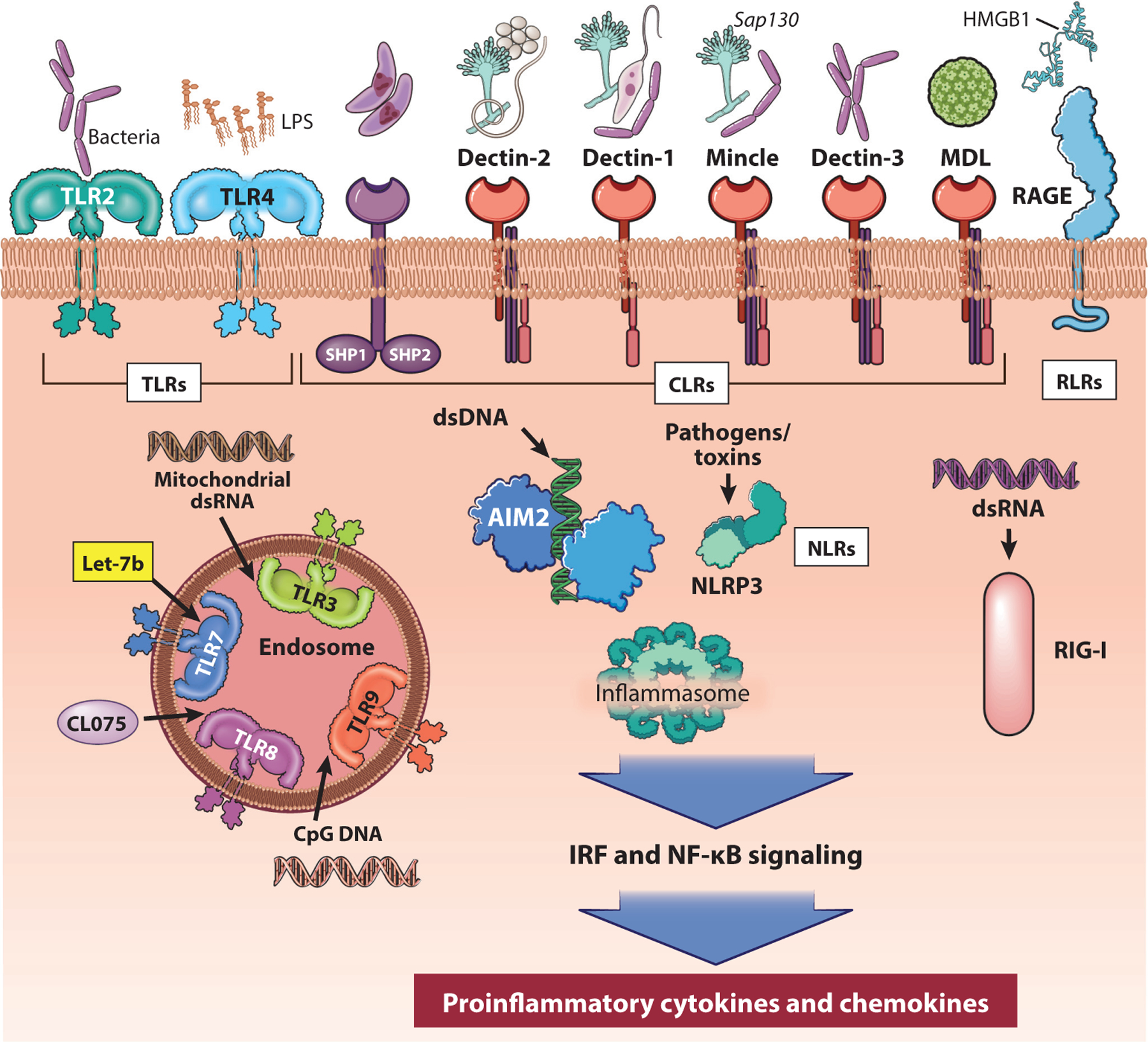
“Many of these CLRs are upregulated in ALD, in peripheral blood mononuclear cells from AH patients (61), in livers from patients with ALD (A. Kim & L.E. Nagy, unpublished observations), and in rodent models of ALD (62, 63).”
BackgroundSelf-citationActivated MLKL attenuates autophagy following its translocation to intracellular membranes
Frank, D., Vaux, D. L., Murphy, J. M., Vince, J. E., & Lindqvist, L. M. (2019) · Journal of Cell Science · doi:10.1242/jcs.220996 · Cited by 71 · cited 1×
“Recent advances have illuminated the important involvement of MLKL in diverse cellular processes (Figure 1b) pertaining to membrane trafficking, including autophagy (55, 56), endosomal trafficking, and EV generation (57).”
BackgroundAtkinson, S. R., Grove, J. I., Liebig, S., Astbury, S., Vergis, N., Goldin, R., Quaglia, A., Bantel, H., Guha, I. N., Thursz, M. R., et al. (2020) · American Journal of Gastroenterology · doi:10.14309/ajg.0000000000000912 · Cited by 70 · cited 1×
“These data are consistent with reports that circulating concentrations of cytokeratin-18 (M65) versus its caspase-3-mediated cleavage product (M30), released by necrotic/necroptotic versus apoptotic cell death, respectively, are also diagnostic and prognostic indicators in patients with AH (30, 31).”
ResultKeratin 18 Is a Diagnostic and Prognostic Factor for Acute Alcoholic Hepatitis
Vatsalya, V., Cave, M. C., Kong, M., Gobejishvili, L., Falkner, K. C., Craycroft, J., Mitchell, M., Szabo, G., McCullough, A., Dasarathy, S., et al. (2020) · Clinical Gastroenterology and Hepatology · doi:10.1016/j.cgh.2019.11.050 · Cited by 69 · cited 1×
“These data are consistent with reports that circulating concentrations of cytokeratin-18 (M65) versus its caspase-3-mediated cleavage product (M30), released by necrotic/necroptotic versus apoptotic cell death, respectively, are also diagnostic and prognostic indicators in patients with AH (30, 31).”
ResultZhou, Z., Ye, T. J., Bonavita, G., Daniels, M., Kainrad, N., Jogasuria, A., & You, M. (2019) · Hepatology Communications · doi:10.1002/hep4.1333 · Cited by 66 · cited 1×
“Zhou et al. (43) first found that adipose-specific overexpression of lipin-1 exacerbates steatosis and hepatobiliary damage and leads to mild fibrotic injury by a GPX4-independent induction of hepatic iron overload lipid peroxidation.”
Backgroundla Tijera, F. H., Servín-Caamaño, A., Cruz-Herrera, J. E., Serralde-Zúñiga, A. E., Abdo-Francis, J. M., Gutiérrez‐Reyes, G., & Pérez-Hernández, J. L. (2014) · Annals of Hepatology · doi:10.1016/s1665-2681(19)30863-4 · Cited by 63 · cited 1×
“Oxidative stress is one of the key mechanisms leading to hepatocyte injury in ALD; however, classical antioxidant molecules alone (N-acetylcysteine or metadoxine) are not effective in severe forms of AH (143, 144).”
BackgroundKim, A., Wu, X., Allende, D. S., & Nagy, L. E. (2021) · Hepatology · doi:10.1002/hep.31759 · Cited by 60 · cited 3×
“While periportal hepatocytes are expanded and central hepatocytes are depleted in liver regeneration, periportal ECs are diminished and central vein ECs are expanded in severe AH (66).”
BackgroundSelf-citationHanna-Addams, S., Liu, S., Liu, H., Chen, S., & Wang, Z. (2020) · Proceedings of the National Academy of Sciences · doi:10.1073/pnas.1917112117 · Cited by 59 · cited 2×
“Indeed, casein kinase family members directly phosphorylate RIPK3 to activate necroptosis, likely interacting with RIP3 through its RHIM domain (28).”
BackgroundWieser, V., Adolph, T. E., Enrich, B., Kuliopulos, A., Kaser, A., Tilg, H., & Kaneider, N. C. (2017) · Gut · doi:10.1136/gutjnl-2015-310344 · Cited by 58 · cited 1×
“In murine models of ALD, blockade of IL-8 receptors (CXCR1/2) with pepducin antagonist protects mice from liver injury (75, 76).”
BackgroundHelsley, R. N., Miyata, T., Kadam, A., Varadharajan, V., Sangwan, N., Huang, E. C., Banerjee, R., Brown, A. L., Fung, K. K., Massey, W. J., et al. (2022) · eLife · doi:10.7554/elife.76554 · Cited by 57
Self-citationMicroRNAs in Alcoholic Liver Disease
Satishchandran, A., & Szabo, G. (2015) · Seminars in Liver Disease · doi:10.1055/s-0034-1397347 · Cited by 56 · cited 1×
“In the liver, miR-122 in hepatocytes regulates steatosis (107, 108), while miR-155 in KCs yields a proinflammatory state, perpetuating liver injury (107). miR-212 has also been implicated in the alcohol-induced impairment of gut barrier function (109).”
BackgroundHao, F., Cubero, F. J., Ramadori, P., Liao, L., Haas, U., Lambertz, D., Sonntag, R., Bangen, J., Gaßler, N., Hoß, M., et al. (2017) · Cell Death and Disease · doi:10.1038/cddis.2017.532 · Cited by 55
Effect of alcohol on adipose tissue: a review on ethanol mediated adipose tissue injury
Kema, V. H., Mojerla, N. R., Khan, I., & Mandal, P. (2015) · Adipocyte · doi:10.1080/21623945.2015.1017170 · Cited by 52 · cited 4×
“Chronic ethanol is associated is associated with impaired metabolic, endocrine, and immune functions of adipose tissue, changes that likely contribute to the progression of ALD (131, 132) (Figure 3).”
BackgroundInfluentialRasineni, K., Donohue, T. M., Thomes, P. G., Yang, L., Tuma, D. J., McNiven, M. A., & Casey, C. A. (2017) · Hepatology Communications · doi:10.1002/hep4.1063 · Cited by 52 · cited 1×
“Acute alcohol consumption activates autophagy (45), whereas chronic ethanol exposure decreases lysosome-mediated lipid droplet turnover in hepatocytes through inactivation of Rab7 (46) or reduced dynamin 2 activity (47).”
BackgroundOsteopontin promotes collagen I synthesis in hepatic stellate cells by miRNA-129-5p inhibition
Chen, Y., Ou, Y., Dong, J., Yang, G., Zeng, Z., Liu, Y., Liu, B., Li, W., He, X., & Lan, T. (2017) · Experimental Cell Research · doi:10.1016/j.yexcr.2017.11.035 · Cited by 50 · cited 1×
“Transfection of miR-129–5p mimic reduced the expression of type I collagen in activated HSCs and was associated with a reduction in fibrotic injury (116).”
BackgroundKim, J.-W., Roh, Y., Jeong, H., Yi, H., Lee, M., Lim, C.-W., & Kim, B. (2018) · American Journal Of Pathology · doi:10.1016/j.ajpath.2017.12.010 · Cited by 50 · cited 1×
“Both Mincle and Dectin-1 knockout mice are protected from ethanol-induced liver injury in murine models of ALD (62–64).”
BackgroundComplement Factor D protects mice from ethanol-induced inflammation and liver injury
McCullough, R. L., McMullen, M. R., Sheehan, M. M., Poulsen, K. L., Roychowdhury, S., Chiang, D. J., Pritchard, M. T., Caballeria, J., & Nagy, L. E. (2018) · American Journal of Physiology-Gastrointestinal and Liver Physiology · doi:10.1152/ajpgi.00334.2017 · Cited by 49 · cited 1×
“For example, in contrast to the injurious role of CP activation, activity of the AP via factor D (FD) protected mice from chronic ethanol-induced injury (87).”
BackgroundSelf-citationMiyata, T., Wu, X., Fan, X., Huang, E., Sanz‐García, C., Ross, C. K. C., Roychowdhury, S., Bellar, A., McMullen, M. R., Dasarathy, J., et al. (2021) · JCI Insight · doi:10.1172/jci.insight.140180 · Cited by 48 · cited 2×
“Mlkl −/− mice are only partially protected from Gao-binge and chronic ethanol-induced liver injury (29), suggesting that RIP3 and MLKL also likely function via independent, noncanonical mechanisms in mALD.”
BackgroundSelf-citationSanz‐García, C., Poulsen, K. L., Bellos, D., Wang, H., McMullen, M. R., Li, X., Chattopadhyay, S., Sen, G. C., & Nagy, L. E. (2019) · Journal of Hepatology · doi:10.1016/j.jhep.2019.01.021 · Cited by 47 · cited 1×
“Sanz-Garcia et al. (22) demonstrated that Irf3 −/− mice were protected from Gao-binge ethanol-induced liver injury, associated with the suppression of ethanol-induced apoptosis in the Ly6C low population (restorative).”
BackgroundSelf-citationClinical, histological and molecular profiling of different stages of alcohol-related liver disease
Ventura-Cots, M., Argemi, J., Jones, P. D., Lackner, C., El Hag, M., Abraldes, J. G., Alvarado, E., Clemente, A., Ravi, S., Alves, A., et al. (2022) · Gut · doi:10.1136/gutjnl-2021-324295 · Cited by 46
Increased activity of the complement system in the liver of patients with alcoholic hepatitis
Shen, H., French, B. A., Liu, H., Tillman, B. C., & French, S. W. (2014) · Experimental and Molecular Pathology · doi:10.1016/j.yexmp.2014.09.004 · Cited by 45 · cited 2×
“In another study, C1q, C3, C5, and C5aR immunoreactivities were increased in the liver biopsies of patients with AH compared with HCs; expression of C1q and C5, but not C3, mRNA was also increased in livers of patients with AH (80).”
BackgroundKim, A., Bellar, A., McMullen, M. R., Li, X., & Nagy, L. E. (2020) · Hepatology Communications · doi:10.1002/hep4.1563 · Cited by 44 · cited 13×
“For example, binge alcohol consumption causes leakage of gut-derived LPS, leading to TLR4 signaling in liver macrophages, including both resident KCs and monocytes (6).”
BackgroundInfluentialSelf-citationIkejima, K., Kon, K., & Yamashina, S. (2020) · Clinical and Molecular Hepatology · doi:10.3350/cmh.2020.0202 · Cited by 44
Activated complement factor 3 is associated with liver fat and liver enzymes: the CODAM study
Wlazlo, N., van Greevenbroek, M. M. J., Ferreira, I., Jansen, E. H. J. M., Feskens, E. J. M., Kallen, C., Schalkwijk, C. G., Bravenboer, B., & Stehouwer, C. D. A. (2013) · European Journal of Clinical Investigation · doi:10.1111/eci.12093 · Cited by 44 · cited 1×
“For example, plasma C3a concentrations are associated with fatty liver and hepatocellular damage in heavy drinkers (88).”
BackgroundTherapeutic potential of interleukin 1 inhibitors in the treatment of alcoholic liver disease
Mathews, S., & Gao, B. (2013) · Hepatology · doi:10.1002/hep.26336 · Cited by 40 · cited 1×
“For example, Tnf-α knockout mice, mice deficient in different components of the IL-1 pathway, and mice treated with IL-1 receptor antagonist to neutralize the activity of IL-1 are all protected from ethanol-induced liver injury (69).”
BackgroundKim, A., Saikia, P., & Nagy, L. E. (2019) · Frontiers in Immunology · doi:10.3389/fimmu.2019.01295 · Cited by 37 · cited 1×
“For example, miR-125a-5p, miR-125a-3p, and miR-99b-5p and the host gene sperm acrosome associated protein 6 (SPACA6) were upregulated in AH patients (106).”
BackgroundSelf-citationDiagnostic and Prognostic Significance of Complement in Patients With Alcohol‐Associated Hepatitis
Fan, X., McCullough, R. L., Huang, E., Bellar, A., Kim, A., Poulsen, K. L., McClain, C. J., Mitchell, M. C., McCullough, A. J., Radaeva, S., et al. (2020) · Hepatology · doi:10.1002/hep.31419 · Cited by 35 · cited 1×
“Importantly, both CFI and sC5b9 were negatively associated with 90-day mortality in patients with AH (89).”
BackgroundSelf-citationBrandon‐Warner, E., Benbow, J. H., Swet, J. H., Feilen, N. A., Culberson, C. R., McKillop, I. H., deLemos, A. S., Russo, M. W., & Schrum, L. W. (2017) · Human Gene Therapy · doi:10.1089/hum.2017.035 · Cited by 33 · cited 1×
“Profibrogenic miRNAs include miR-942 and miR-125b (111, 114).”
BackgroundMcCullough, R. L., McMullen, M. R., Poulsen, K. L., Kim, A., Medof, M. E., & Nagy, L. E. (2018) · Frontiers in Immunology · doi:10.3389/fimmu.2018.02133 · Cited by 30 · cited 2×
“However, the role of complement in disease progression is more complex, with recent data demonstrating cell-specific roles for C5aR1 in myeloid and non-myeloid cells in liver and adipose tissue (85, 86).”
BackgroundSelf-citationComplement System in Alcohol-Associated Liver Disease
Santiesteban-Lores, L. E., Carneiro, M. C., Isaac, L., & Bavia, L. (2021) · Immunology Letters · doi:10.1016/j.imlet.2021.05.007 · Cited by 28 · cited 4×
“The AP, on the other hand, is not activated by exogenous materials but is constantly activated at low levels through spontaneous plasma C3 hydrolysis, and it involves complement factors B, D, H, I, and P. Activation of these three pathways converges at the terminal pathway with the formation of C3 and C5 convertases,…”
BackgroundInfluentialChemokines and alcoholic hepatitis: are chemokines good therapeutic targets?
Gao, B., & Xu, M. (2014) · Gut · doi:10.1136/gutjnl-2013-306603 · Cited by 27 · cited 1×
“A plethora of chemokines, including Gro-α /CXCL1, PF-4/CXCL4, CXCL5, CXCL6, IL-8/CXCL8, CXCL10, CCL2, and CCL20, are positively correlated with higher mortality in patients with AH (74).”
BackgroundMcCullough, R. L., McMullen, M. R., Das, D., Roychowdhury, S., Strainic, M. G., Medof, M. E., & Nagy, L. E. (2016) · Molecular Immunology · doi:10.1016/j.molimm.2016.05.006 · Cited by 25 · cited 1×
“However, the role of complement in disease progression is more complex, with recent data demonstrating cell-specific roles for C5aR1 in myeloid and non-myeloid cells in liver and adipose tissue (85, 86).”
BackgroundSelf-citationAnaphylatoxin C5a modulates hepatic stellate cell migration
Das, D., Barnes, M. A., & Nagy, L. E. (2014) · Fibrogenesis & Tissue Repair · doi:10.1186/1755-1536-7-9 · Cited by 23 · cited 1×
“HSCs also respond to ROS released from neutrophils, and inflammatory lipid peroxides from damaged hepatocytes during progression of liver disease (102, 104) and complement C5a stimulate HSC chemotaxis and migration (105).”
BackgroundSelf-citationSoluble IgM links apoptosis to complement activation in early alcoholic liver disease in mice
McCullough, R. L., Chiang, D. J., McMullen, M. R., Feldstein, A. E., Roychowdhury, S., & Nagy, L. E. (2016) · Molecular Immunology · doi:10.1016/j.molimm.2016.02.008 · Cited by 20 · cited 1×
“Mice with a C1qa deficiency or treated with Cinryze (C1-INH), a purified C1 inhibitor, are protected from chronic ethanol (84).”
BackgroundSelf-citationPoulsen, K. L., Fan, X., Kibler, C. D., Huang, E., Wu, X., McMullen, M. R., Leng, L., Bucala, R., Cots, M. V., Argemí, J., et al. (2021) · JCI Insight · doi:10.1172/jci.insight.141420 · Cited by 19 · cited 1×
“Interestingly, hepatocyte-derived MIF contributes to the upregulation of a series of chemokines, including Cxcl1, Cxcl5, Cxcl6, Cxcl8, Ccl2, and Ccl20, in livers of mice exposed to Gao-binge acute-on-chronic ethanol feeding (78).”
BackgroundSelf-citation
Cited by
Alcohol-associated liver disease
Mackowiak, B., Fu, Y., Maccioni, L., & Gao, B. (2024) · Journal of Clinical Investigation · doi:10.1172/jci176345 · Cited by 359
“…exceptional target that specifically protects against hepatocyte death and promotes hepatocyte proliferation without affecting immune cells owing to the restricted expression of IL-22 have been reported and likely coexist in ALD, including apoptosis, necroptosis, pyroptosis, and ferroptosis (18).”
InfluentialLiver diseases: epidemiology, causes, trends and predictions
Gan, C., Yuan, Y., Shen, H., Gao, J., Kong, X., Che, Z., Guo, Y., Wang, H., Dong, E., & Xiao, J. (2025) · Signal Transduction and Targeted Therapy · doi:10.1038/s41392-024-02072-z · Cited by 310
“386 For example, adiponectin, which promotes liver glucose use and fatty acid oxidation, is found to be decreased in MASLD and ALD; however, exogenous supplementation of adiponectin alleviates high-fat diet-and ethanol-induced liver steatosis and insulin resistance.”
The intersection between alcohol-related liver disease and nonalcoholic fatty liver disease
Díaz, L. A., Arab, J. P., Louvet, A., Bataller, R., & Arrese, M. (2023) · Nature Reviews Gastroenterology & Hepatology · doi:10.1038/s41575-023-00822-y · Cited by 207
“Immune signals (that is, DAMPs and pathogen-associated molecular patterns, which comprise a variety of bacterial components An unhealthy lifestyle (poor diet and lack of exercise) and excessive alcohol consumption promote similar pathogenetic phenomena 113,238 .”
BackgroundFibrosis: cross-organ biology and pathways to development of innovative drugs
Rieder, F., Nagy, L. E., Maher, T. M., Distler, J. H. W., Kramann, R., Hinz, B., & Prunotto, M. (2025) · Nature Reviews Drug Discovery · doi:10.1038/s41573-025-01158-9 · Cited by 154
“Other components of the immune system, including complement and adaptive immune cells, in both the liver and the gut, have also been shown in murine models to contribute to hepatic fibrosis 79,315 .”
Self-citationLai, W., Zhang, J., Sun, J., Min, T., Bai, Y., He, J., Cao, H., Che, Q., Guo, J., & Su, Z. (2024) · International Journal of Biological Macromolecules · doi:10.1016/j.ijbiomac.2024.134809 · Cited by 114
Metadata
- Authors
- Wu, X., Fan, X., Miyata, T., Kim, A., Cajigas-Du Ross, C. K., Ray, S., Huang, E., Taiwo, M., Arya, R., Wu, J., & Nagy, L. E.
- Affiliations
- Cleveland Clinic (US)
- Northern Ohio Alcohol Center, Department of Inflammation and Immunity, Cleveland Clinic, Cleveland, Ohio, USA;
- ORCID
- Venue
- Annual Review of Pathology: Mechanisms of Disease
- Publisher
- Annual Reviews
- Published
- 2023-01-24
- Volume
- 18
- Issue
- 1
- Pages
- 411-438
- ISSN
- 1553-4006 (ISSN-L)
- 1553-4014
- PMC
- PMC10060166
- OpenAlex
- W4307021568
- Semantic Scholar
- 45656f7c4c7a120db5d689f93920e402b8d4e12d
- Cited by
- 289
- References
- 154
- Citations by year
- 2026: 74 · 2025: 107 · 2024: 86 · 2023: 21
- FWCI
- 8.86
- Type
- journal article
- Language
- en
- Open access
- hybrid
- doi.org
- Locations
- Annual Review of Pathology Mechanisms of Disease (publishedVersion, cc-by)
- PubMed (publishedVersion)
- PubMed Central (acceptedVersion, cc-by)
- Digital Commons-TMC (Texas Medical Center) (submittedVersion)
- Funders
- National Institutes of Health (DK097948)
- National Institute on Alcohol Abuse and Alcoholism (R00AA028048, F32AA029290, K99AA029146, K99AA028048, R01AA023722, U01AA026938, P50AA024333, R00AA029146, K01AA029474, R01AA027456)
- National Institute of Diabetes and Digestive and Kidney Diseases (P30DK097948)
- Topics
- Health Sciences › Medicine › Pathology and Forensic Medicine › Alcohol Consumption and Health Effects
- Health Sciences › Medicine › Hepatology › Liver physiology and pathology
- Health Sciences › Medicine › Hepatology › Liver Disease Diagnosis and Treatment
- Keywords
- alcoholic liver disease, pathogenesis, liver fibrosis, alcoholic cirrhosis, alcoholic hepatitis, programmed cell death, autophagy, membrane trafficking, innate immune response, hepatic stellate cell activation, gut-liver axis, gut microbiota, therapeutic target, hepatocyte injury, liver inflammation
- MeSH terms
- Ethanol, Fibrosis, Humans, Liver, Liver Diseases, Alcoholic, Hepatocytes
About these checks
Registry, retraction, Cites and statistics results are computed, not judged, with one exception: a printed reference that no index lists is read once by a model before it counts as a citation error. Claims are extracted by a model and kept only when their quote appears verbatim in the text; each cited source is then checked, with a model’s help, for whether it says what the claim relies on. Those verdicts can be wrong — read the claim’s quote and the cited source before relying on one.
Statistics and arithmetic are recomputed, not judged.
Confidence bands are shown only for fields calibrated on our annotated test set. None is calibrated yet, so no band is shown.
What counts as a claim ›How we measure confidence ›How we check this ›
Are you an author, or do you see a problem with this page? Request a review
Data sources
Bibliographic data: Semantic Scholar, OpenAlex, Crossref.
Contains information from the Semantic Scholar Academic Graph Datasets, made available under the ODC Attribution License (ODC-BY 1.0).
Semantic Scholar’s data is described in: Kinney, R., et al. (2023). The Semantic Scholar Open Data Platform. arXiv:2301.10140.
