

Recent Advances in Understanding of Pathogenesis of Alcohol-Associated Liver Disease
Open accessThe DOI matches its Crossref record; 155 of the 155 references it cites were found in a registry or an index.
Abstract
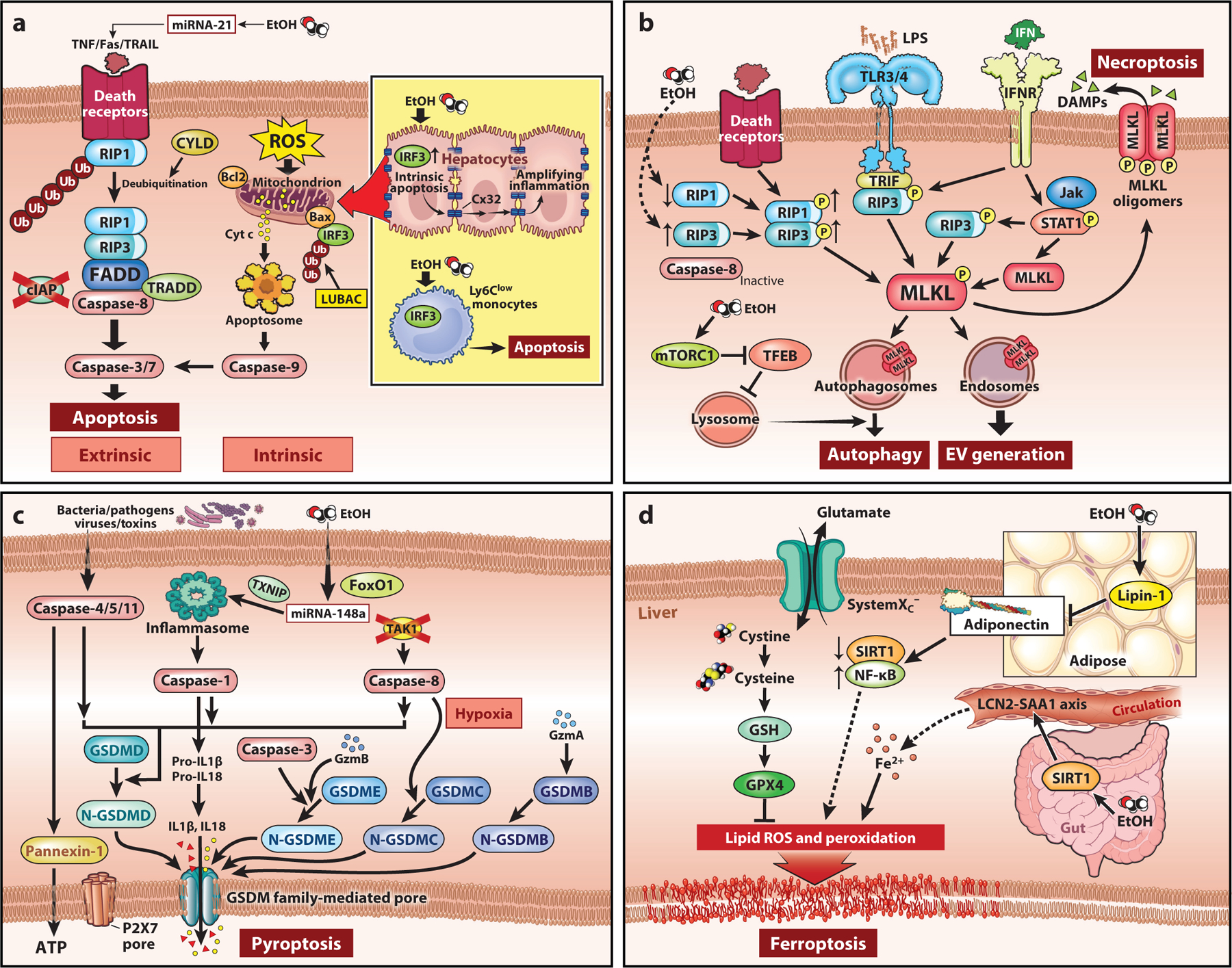
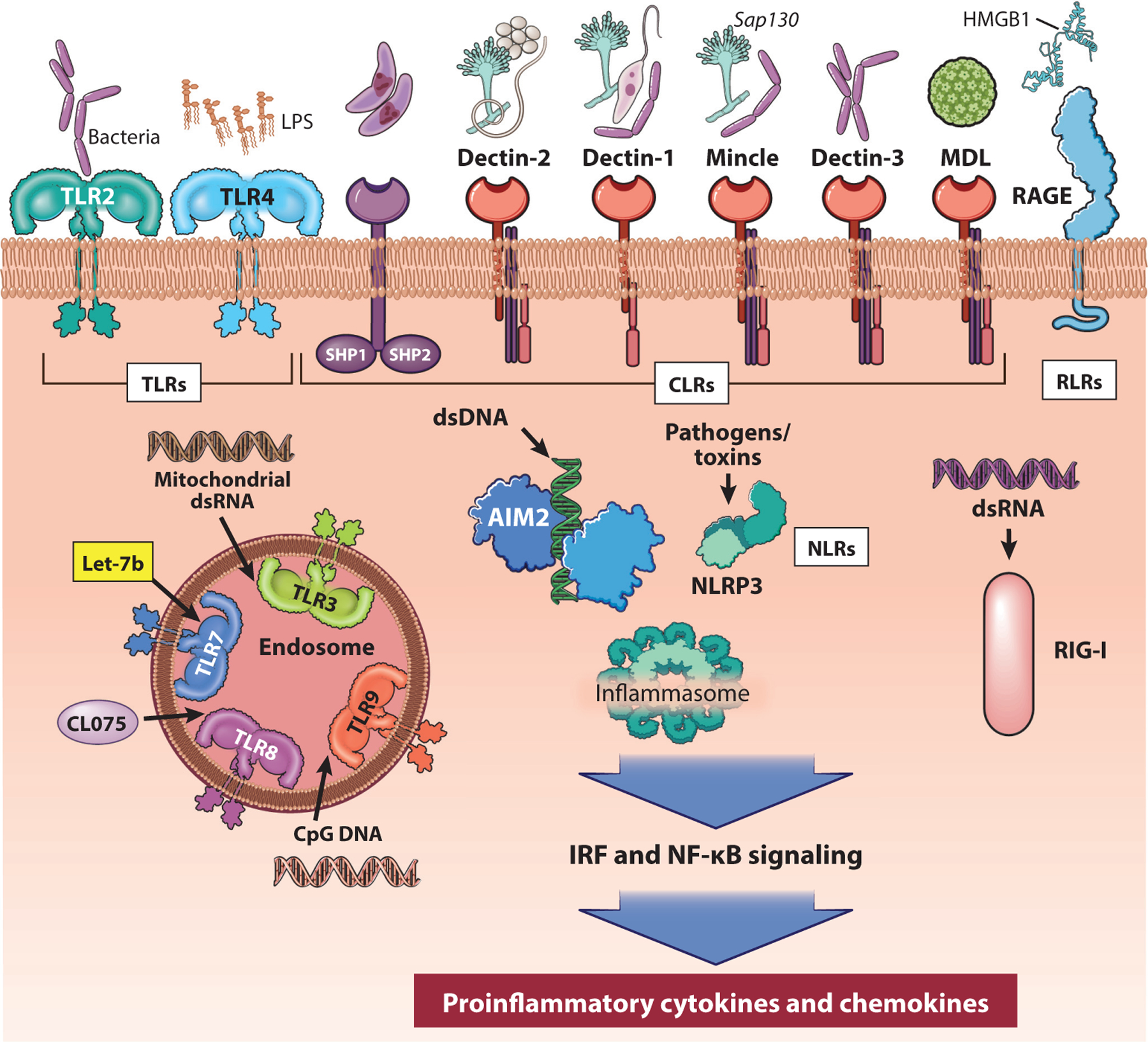
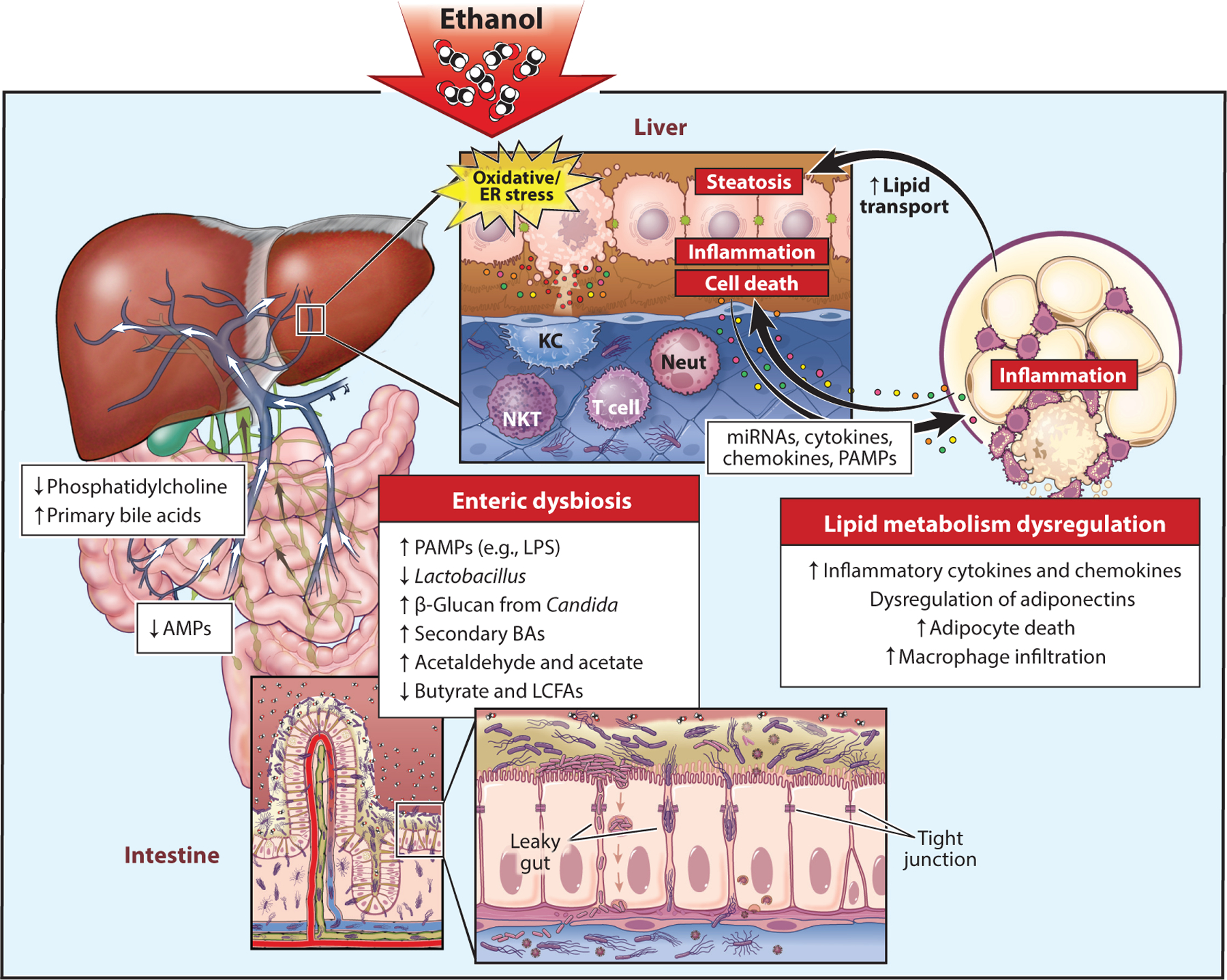
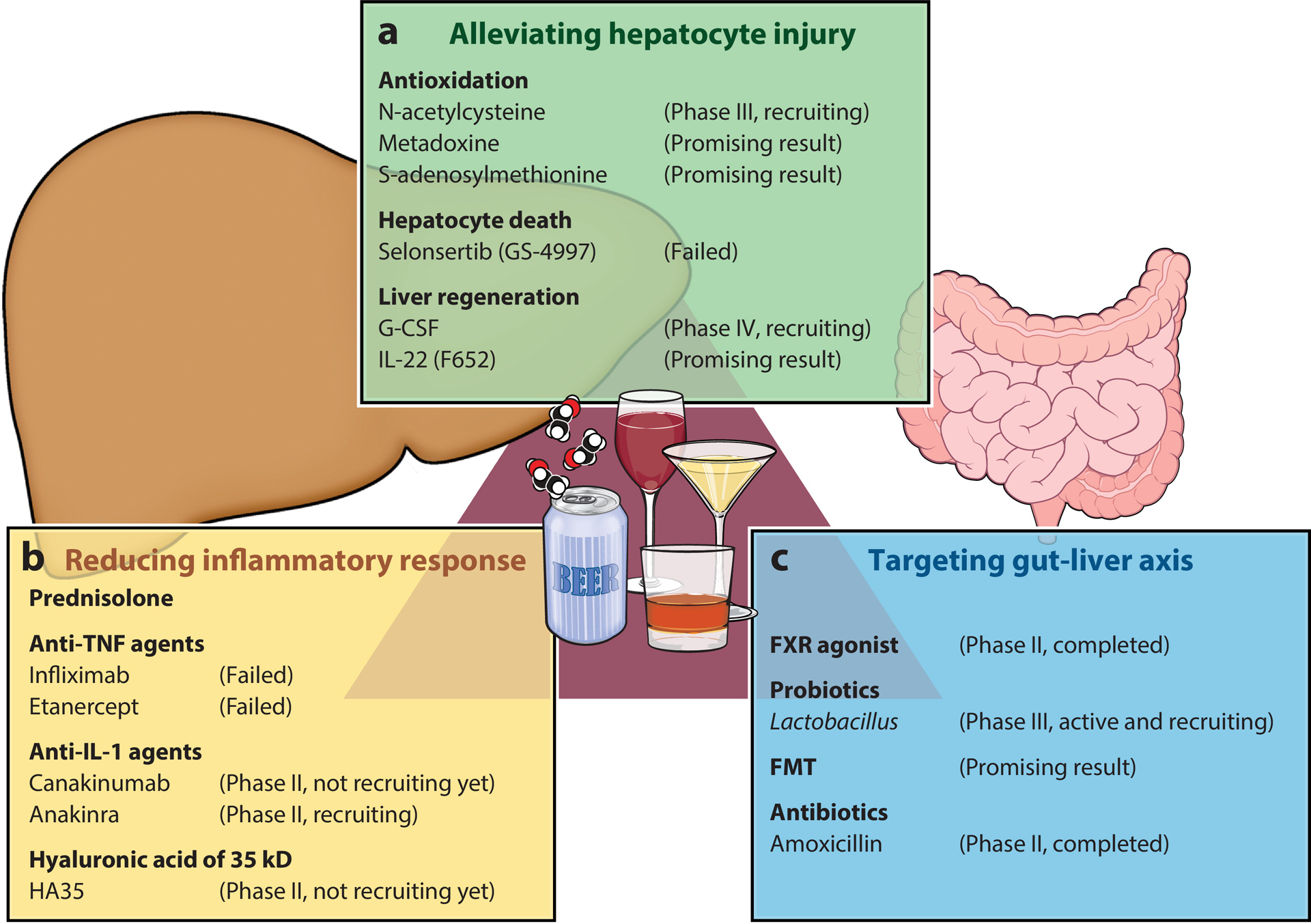
Alcohol-associated liver disease (ALD) is one of the major diseases arising from chronic alcohol consumption and is one of the most common causes of liver-related morbidity and mortality. ALD includes asymptomatic liver steatosis, fibrosis, cirrhosis, and alcohol-associated hepatitis and its complications. The progression of ALD involves complex cell-cell and organ-organ interactions. We focus on the impact of alcohol on dysregulation of homeostatic mechanisms and regulation of injury and repair in the liver. In particular, we discuss recent advances in understanding the disruption of balance between programmed cell death and prosurvival pathways, such as autophagy and membrane trafficking, in the pathogenesis of ALD. We also summarize current understanding of innate immune responses, liver sinusoidal endothelial cell dysfunction and hepatic stellate cell activation, and gut-liver and adipose-liver cross talk in response to ethanol. In addition,we describe the current potential therapeutic targets and clinical trials aimed at alleviating hepatocyte injury, reducing inflammatory responses, and targeting gut microbiota, for the treatment of ALD.
Overview
The claims and statistics of this paper haven’t been checked yet.
Free: it reads the open-access text and checks the first 5 claims that cite a source we can check. Create a free account to check every claim.
Integrity signals
Registry
Cites
Statistics
Figures
Verification
Claims the paper makes
The claims and statistics of this paper haven’t been checked yet.
Free: it reads the open-access text and checks the first 5 claims that cite a source we can check. Create a free account to check every claim.
Claims other papers make about this one
Each is checked against this paper’s own text: does it say what the citing paper says it does?
In the citing paper
“In cases of severe alcoholic hepatitis, hepatocytes may undergo dedifferentiation, assuming a cholangiocyte-like phenotype, which correlates with poorer clinical outcomes [102].”
From Constructing biomimetic microenvironments for liver regeneration (2025) · doi:10.1186/s12951-025-03729-9 · cites this paper as [102]
Self-check
Percentages, sums and reported differences re-computed from the paper’s own numbers.
The self-check needs the paper’s full text.
Citations
Cites
Ferroptosis: A Regulated Cell Death Nexus Linking Metabolism, Redox Biology, and Disease
Stockwell, B. R., Friedmann Angeli, J. P., Bayir, H., Bush, A. I., Conrad, M., Dixon, S. J., Fulda, S., Gascón, S., Hatzios, S. K., Kagan, V. E., et al. (2017) · Cell · doi:10.1016/j.cell.2017.09.021 · Cited by 7,695 · cited 5×
“As Gpx4 −/− mice exhibit early embryonic lethality (40), multiple chemical compounds, targeting either GPX4 or other regulators of ferroptosis, are broadly used to elucidate the role of ferroptosis in multiple disorders (41).”
BackgroundInfluentialHepatic Stellate Cells: Protean, Multifunctional, and Enigmatic Cells of the Liver
Friedman, S. L. (2008) · Physiological Reviews · doi:10.1152/physrev.00013.2007 · Cited by 2,842 · cited 9×
“Hepatic endothelial cells (ECs), including periportal ECs, liver sinusoidal ECs (LSECs) and periportal ECs, also play a critical role in liver regeneration by direct interaction with macrophages and hepatocytes.”
BackgroundInfluentialThe molecular machinery of regulated cell death
Tang, D., Kang, R., Berghe, T. V., Vandenabeele, P., & Kroemer, G. (2019) · Cell Research · doi:10.1038/s41422-019-0164-5 · Cited by 2,549 · cited 4×
“The intrinsic pathway is commonly triggered via members of the B cell lymphoma 2 (Bcl-2) family, which control mitochondrial outer membrane permeabilization, cytochrome c release, and, subsequently, caspase activation (11).”
BackgroundInfluentialPyroptosis: Mechanisms and Diseases
Yu, P., Zhang, X., Liu, N., Tang, L., Peng, C., & Chen, X. (2021) · Signal Transduction and Targeted Therapy · doi:10.1038/s41392-021-00507-5 · Cited by 2,353 · cited 3×
“Noncanonical pyroptosis is driven by caspase-4 and caspase-5 (human) or caspase-11 (mouse) (32).”
BackgroundInfluentialXu, A., Wang, Y., Keshaw, H., Xu, L. Y., Lam, K. S. L., & Cooper, G. J. S. (2003) · Journal of Clinical Investigation · doi:10.1172/jci200317797 · Cited by 1,298
Xu, A., Wang, Y., Keshaw, H., Xu, L. Y., Lam, K. S. L., & Cooper, G. J. S. (2003) · Journal of Clinical Investigation · doi:10.1172/jci17797 · Cited by 1,296 · cited 1×
“Provision of exogenous adiponectin to mice protects from ethanol-induced liver injury (136); however, the relevance of these data to human ALD is not known.”
BackgroundSeitz, H. K., Bataller, R., Cortez-Pinto, H., Gao, B., Gual, A., Lackner, C., Mathurin, P., Mueller, S., Szabo, G., & Tsukamoto, H. (2018) · Nature Reviews Disease Primers · doi:10.1038/s41572-018-0014-7 · Cited by 1,271
Cargo recognition and trafficking in selective autophagy
Stolz, A., Ernst, A., & Dikic, I. (2014) · Nature Cell Biology · doi:10.1038/ncb2979 · Cited by 1,207 · cited 1×
“Additionally, autophagy and membrane trafficking, which share common components and affect each other, play an important role in repair of cell damage and cell survival (13).”
BackgroundLinkermann, A., & Green, D. R. (2014) · New England Journal of Medicine · doi:10.1056/nejmra1310050 · Cited by 1,103
Bacteriophage targeting of gut bacterium attenuates alcoholic liver disease
Duan, Y., Llorente, C., Lang, S., Brandl, K., Chu, H., Jiang, L., White, R. C., Clarke, T. H., Nguyen, K., Torralba, M., et al. (2019) · Nature · doi:10.1038/s41586-019-1742-x · Cited by 844 · cited 3×
“Duan and colleagues (119) recently found that cytolysin-secreting E. faecalis strains are an important factor in exacerbating liver cell damage and death in patients with severe alcoholism.”
Background
Cited by
Alcohol-associated liver disease
Mackowiak, B., Fu, Y., Maccioni, L., & Gao, B. (2024) · Journal of Clinical Investigation · doi:10.1172/jci176345 · Cited by 359
“…exceptional target that specifically protects against hepatocyte death and promotes hepatocyte proliferation without affecting immune cells owing to the restricted expression of IL-22 have been reported and likely coexist in ALD, including apoptosis, necroptosis, pyroptosis, and ferroptosis (18).”
InfluentialLiver diseases: epidemiology, causes, trends and predictions
Gan, C., Yuan, Y., Shen, H., Gao, J., Kong, X., Che, Z., Guo, Y., Wang, H., Dong, E., & Xiao, J. (2025) · Signal Transduction and Targeted Therapy · doi:10.1038/s41392-024-02072-z · Cited by 310
“386 For example, adiponectin, which promotes liver glucose use and fatty acid oxidation, is found to be decreased in MASLD and ALD; however, exogenous supplementation of adiponectin alleviates high-fat diet-and ethanol-induced liver steatosis and insulin resistance.”
The intersection between alcohol-related liver disease and nonalcoholic fatty liver disease
Díaz, L. A., Arab, J. P., Louvet, A., Bataller, R., & Arrese, M. (2023) · Nature Reviews Gastroenterology & Hepatology · doi:10.1038/s41575-023-00822-y · Cited by 207
“Immune signals (that is, DAMPs and pathogen-associated molecular patterns, which comprise a variety of bacterial components An unhealthy lifestyle (poor diet and lack of exercise) and excessive alcohol consumption promote similar pathogenetic phenomena 113,238 .”
BackgroundFibrosis: cross-organ biology and pathways to development of innovative drugs
Rieder, F., Nagy, L. E., Maher, T. M., Distler, J. H. W., Kramann, R., Hinz, B., & Prunotto, M. (2025) · Nature Reviews Drug Discovery · doi:10.1038/s41573-025-01158-9 · Cited by 154
“Other components of the immune system, including complement and adaptive immune cells, in both the liver and the gut, have also been shown in murine models to contribute to hepatic fibrosis 79,315 .”
Self-citationLai, W., Zhang, J., Sun, J., Min, T., Bai, Y., He, J., Cao, H., Che, Q., Guo, J., & Su, Z. (2024) · International Journal of Biological Macromolecules · doi:10.1016/j.ijbiomac.2024.134809 · Cited by 114
Gut-liver axis: Recent concepts in pathophysiology in alcohol-associated liver disease
Raya Tonetti, F., Eguileor, A., Mrdjen, M., Pathak, V., Travers, J., Nagy, L. E., & Llorente, C. (2024) · Hepatology · doi:10.1097/hep.0000000000000924 · Cited by 78
Self-citationInflammation in Alcohol-Associated Hepatitis: Pathogenesis and Therapeutic Targets
Feng, D., Hwang, S., Guillot, A., Wang, Y., Guan, Y., Chen, C., Maccioni, L., & Gao, B. (2024) · Cellular and Molecular Gastroenterology and Hepatology · doi:10.1016/j.jcmgh.2024.04.009 · Cited by 44
“,9 – 12 In the current article, we discuss key mechanisms that are involved in ALD progression, with focus on the in fl ammatory pathways in AH.”
BackgroundAlcohol and the mechanisms of liver disease
Chen, M., Zhong, W., & Xu, W. (2023) · Journal of Gastroenterology and Hepatology · doi:10.1111/jgh.16282 · Cited by 51
Wang, X., Sun, Z., Wang, X., Li, M., Zhou, B., & Zhang, X. (2024) · Food Research International · doi:10.1016/j.foodres.2024.114489 · Cited by 47
The role of gut microbiota, exosomes, and their interaction in the pathogenesis of ALD
Cheng, Z., Yang, L., & Chu, H. (2024) · Journal of Advanced Research · doi:10.1016/j.jare.2024.07.002 · Cited by 47
“…System; ROS, reactive oxygen species; DAMPs, damage associated molecular patterns; PAMPs, pathogen-associated molecular patterns; PRRs, pattern recognition receptors. death are initiated, including apoptosis, necroptosis, pyroptosis, ferroptosis, autophagy, and membrane trafficking [26].”
Chi, Y.-Y., Xiang, J., Li, H., Shi, H.-Y., Ning, K., Shi, C., Xiang, H., & Xie, Q. (2024) · International Journal of Biological Macromolecules · doi:10.1016/j.ijbiomac.2024.136843 · Cited by 54
Bai, H.-X., Gao, Y., Wang, S., Ma, G.-Y., Zhao, W., Li, X., Wang, Y., Nong, Q.-N., Wang, Y., Tan, J. H., et al. (2024) · Carbohydrate Polymers · doi:10.1016/j.carbpol.2024.123153 · Cited by 46
Current landscape of fecal microbiota transplantation in treating depression
Zhang, Q., Bi, Y., Zhang, B., Jiang, Q., Mou, C. K., Lei, L., Deng, Y., Li, Y., Yu, J., Liu, W., et al. (2024) · Frontiers in Immunology · doi:10.3389/fimmu.2024.1416961 · Cited by 59
Li, H.-D., Chen, X., Xu, J., Zhu, L., Li, C., Sun, X., Li, X., Guo, J., Li, J., Wang, S., et al. (2023) · Hepatology · doi:10.1097/hep.0000000000000531 · Cited by 39
“[9] G-protein-coupled chemokine receptors have broad specificity for a variety of chemokines and may have potential for the prevention and treatment of ALI.”
BackgroundHepatocellular carcinoma: pathogenesis, molecular mechanisms, and treatment advances
Ding, Z., Wang, L., Sun, J., Zheng, L., Tang, Y., & Tang, H. H. (2025) · Frontiers in Oncology · doi:10.3389/fonc.2025.1526206 · Cited by 49
“Currently, 43% of the global population consumes alcohol, and excessive drinking is a signi fi cant risk factor for disease and death worldwide (15, 16).”
Qiu, P., Mi, A., Hong, C., Huang, S., Ma, Q., Luo, Q., Qiu, J., Jiang, H., Chen, Y., Chen, F., et al. (2024) · Phytomedicine · doi:10.1016/j.phymed.2024.155658 · Cited by 38
MetALD : New Perspectives on an Old Overlooked Disease
Ayares, G., Díaz, L. A., Idalsoaga, F. J., Alkhouri, N., Noureddin, M., Bataller, R. A., Loomba, R. S., Arab, J. P., & Arrese, M. A. (2025) · Liver International · doi:10.1111/liv.70017 · Cited by 40
Zhao, S., Zhang, Y., Ding, H., Hu, S., Wu, X., Ma, A., & Ma, Y. (2023) · Nutrients · doi:10.3390/nu15051229 · Cited by 37
Self-citationSu, Z., Yan, T.-Y., Feng, J., Zhang, M., Han, L., Zhang, H., & Xiao, Y. (2023) · International Journal of Molecular Sciences · doi:10.3390/ijms242216530 · Cited by 28
“…liver injury is quite complex and may include (1) the detrimental effects of alcohol metabolites; (2) the influences of inflammatory mediators and/or cytokines; (3) the impact of endotoxin; (4) disorders of lipid metabolism; (5) the immune response; (6) oxidative stress; and (7) apoptosis [50–61].”
BackgroundBabuta, M., Morel, C., Ribeiro, M. D. C., Datta, A. A., Calenda, C. D., Copeland, C., Nasser, I. A., & Szabó, G. (2024) · Hepatology Communications · doi:10.1097/hc9.0000000000000450 · Cited by 36
“[1,2,15,29] MASLD/MASH are characterized by macrovesicular steatosis and ALD is characterized by microvesicular to mixed steatosis, which is accompanied by immune cell infiltration.”
BackgroundMethodInfluentialYu, H., Bai, Q.-R., Guo, J.-J., Chen, M.-Y., Wang, L., Tong, F.-C., Zhang, S., & Wu, J. (2024) · Phytomedicine · doi:10.1016/j.phymed.2024.155956 · Cited by 29
Self-citationKoizumi, A., Kaji, K., Nishimura, N., Asada, S., Matsuda, T., Tanaka, M., Yorioka, N., Tsuji, Y., Kitagawa, K., Sato, S., et al. (2024) · World Journal of Gastroenterology · doi:10.3748/wjg.v30.i28.3428 · Cited by 29
Hao, J., Hu, R., Zhao, J., Li, Y., Li, Q., & Zhang, X. (2024) · Phytomedicine · doi:10.1016/j.phymed.2024.156032 · Cited by 27
Yang, Z., Lian, J., Yang, Y., Li, J., Guo, W., Lv, X., Ni, L., & Chen, Y. (2024) · Current Research in Food Science · doi:10.1016/j.crfs.2024.100964 · Cited by 28
Neutrophil subsets in noncancer liver diseases: Cellular crosstalk and therapeutic targets
Huang, C., Fan, X., Shen, Y., Shen, M., & Yang, L. (2023) · European Journal of Immunology · doi:10.1002/eji.202250324 · Cited by 26
Self-citationLiu, Y., Liu, T., Zhang, F., & Gao, Y. (2023) · International Journal of Biological Sciences · doi:10.7150/ijbs.87975 · Cited by 23
“The initial biochemical reaction involves the conversion of ethanol to acetaldehyde, which is primarily mediated by alcohol dehydrogenase and, to a lesser extent, by CYP2E1 and catalase [14].”
Ginsenoside Rg1: A bioactive therapeutic agent for diverse liver diseases
Wu, M., Li, K., Wu, J., Ding, X., Ma, X., Wang, W., & Xiao, W. (2025) · Pharmacological Research · doi:10.1016/j.phrs.2024.107571 · Cited by 26
Self-citationZuo, R., Jiao, J.-Y., Chen, N., Jiang, X., Wu, Y., Nan, J., & Lian, L. (2022) · Phytomedicine · doi:10.1016/j.phymed.2022.154599 · Cited by 24
New therapeutic target for alcohol-associated hepatitis (AH): AH-associated IL-8+ neutrophils
Guan, Y., Feng, D., Maccioni, L., Wang, Y., & Gao, B. (2024) · eGastroenterology · doi:10.1136/egastro-2024-100166 · Cited by 21
Luyao, X., Guo, W., Jiaying, D., Cheng, Y., Chen, Y., Liu, W., Xu, J., Su, W., Zhang, X., Wang, C., et al. (2023) · International Immunopharmacology · doi:10.1016/j.intimp.2023.111399 · Cited by 22
Roles of Cellular Neighborhoods in Hepatocellular Carcinoma Pathogenesis
Ma, L., Li, C., & Wang, X. W. (2025) · Annual Review of Pathology Mechanisms of Disease · doi:10.1146/annurev-pathmechdis-111523-023520 · Cited by 24
Betaine regulates the gut-liver axis: a therapeutic approach for chronic liver diseases
Perumal, S. K., Arumugam, M. K., Osna, N. A., Rasineni, K., & Kharbanda, K. K. (2025) · Frontiers in Nutrition · doi:10.3389/fnut.2025.1478542 · Cited by 23
Yang, F., Li, X., Sun, J. Y., Pang, X., Sun, Q., & Lu, Y. (2025) · Critical Reviews in Food Science and Nutrition · doi:10.1080/10408398.2025.2455954 · Cited by 24
Gut Microbiota as Emerging Players in the Development of Alcohol-Related Liver Disease
Li, W., Gao, W., Yan, Q. S., Yang, L., Zhu, Q., & Chu, H. (2024) · Biomedicines · doi:10.3390/biomedicines13010074 · Cited by 22
“Alcohol-related liver disease (ALD) includes various conditions, comprising asymptomatic hepatic steatosis, alcohol-induced steatohepatitis, fibrosis, cirrhosis, and hepato-cellular carcinoma (HCC) [1–3] (Figure 1).”
Wang, M., Xiao, W., Feng, Z., Choubey, M., Chen, S., Pan, R., Gong, K., Tirumalasetty, M. B., Gao, F., Liao, C., et al. (2025) · Nature Communications · doi:10.1038/s41467-025-61067-8 · Cited by 25
Gu, M., Chen, Y., Feng, Y., & Tang, Z. (2024) · Chinese Medicine · doi:10.1186/s13020-024-00906-0 · Cited by 17
“The pathogenic factors of ALD involves aberrant lipid metabolism, oxidative stress, endoplasmic reticulum (ER) stress, apoptosis, and cytokine and inflammation [3].”
BackgroundProgress in the study of curcumin metabolism in vivo
Zhong, S.-J., Xing, Y., Dong, L.-Y., Chen, Y., Liu, N., Wang, Z.-M., Zhang, H., & Zheng, A. (2024) · Journal of Asian Natural Products Research · doi:10.1080/10286020.2024.2420619 · Cited by 25
Qin, Q., Chen, W., King, C. D., Kumar, S. P., Farran, C. A. E., Vogel, P., Tweedell, R. E., & Kanneganti, T. (2025) · Proceedings of the National Academy of Sciences · doi:10.1073/pnas.2525296122 · Cited by 27
“Key roles for innate immune activation and inflammation have been identified in driving ALD pathogenesis ( 4 – 9 ).”
Bi, G., Zhang, X., Li, W., Lu, X., He, X., Li, Y., Bai, R., & Zhang, H. (2024) · Cell Reports Methods · doi:10.1016/j.crmeth.2024.100778 · Cited by 24
“21 We examined the oxidative stress levels of hALOs.”
Xie, Y., Tao, M., Yan, X., Fan, X., Bayoude, A., Lu, Y., Zhao, S., Yu, B., & Li, R. (2025) · International Journal of Biological Macromolecules · doi:10.1016/j.ijbiomac.2025.143145 · Cited by 17
Self-citationTherapeutic Effects of Melatonin in the Regulation of Ferroptosis: A Review of Current Evidence
Pourhanifeh, M. H., Hosseinzadeh, A., Koosha, F., Reiter, R. J., & Mehrzadi, S. (2024) · Current Drug Targets · doi:10.2174/0113894501284110240426074746 · Cited by 20
Li, C., Zhai, S., Duan, M., Cao, L., Zhang, J., Wang, Y., Wu, Y. G., & Gu, S. (2024) · Nutrients · doi:10.3390/nu16234142 · Cited by 18
Dou, J.-Y., Liu, S.-H., Guo, J., Wang, C., Dai, X., Lian, L., Cui, Z., Nan, J., & Wu, Y. (2024) · Food & Function · doi:10.1039/d4fo03898c · Cited by 15
Simplicio, J. A., Dourado, T. M. H., Awata, W. M. C., do Vale, G. T., Dias, V. R., Barros, P. R., Martinis, B. S. D., Tostes, R. C., & Tirapelli, C. R. (2023) · Life Sciences · doi:10.1016/j.lfs.2023.121526 · Cited by 15
Hovenia dulcis: a Chinese medicine that plays an essential role in alcohol-associated liver disease
He, Y.-X., Liu, M., Wang, Y., Wu, H., Wei, M., Xue, J.-Y., Zou, Y., Zhou, X., Chen, H., & Li, Z. (2024) · Frontiers in Pharmacology · doi:10.3389/fphar.2024.1337633 · Cited by 18
Yi, Y., Yan, Y., Zhan, G., Deng, W., Wei, Y., Zhang, Y., Gao, J., & Gong, Q. (2024) · Journal of Agricultural and Food Chemistry · doi:10.1021/acs.jafc.4c04131 · Cited by 15
Ferroptosis and gut microbiota: A new horizon in alcohol-associated liver disease management
Chen, Y., Gao, W., Cai, K., Yang, L., & Chu, H. (2025) · Cellular and Molecular Life Sciences · doi:10.1007/s00018-025-05815-5 · Cited by 18
Zhou, H., Huang, Y., Chen, C., Song, M., & Hylemon, P. B. (2026) · Pharmacological Reviews · doi:10.1016/j.pharmr.2026.100120 · Cited by 19
Tao, K., Peng, H., Bi, X., Wang, X., Tian, Y., Zhang, H., & Sun, Y. (2024) · Food Bioscience · doi:10.1016/j.fbio.2024.103617 · Cited by 14
Liu, Z., Liu, T., Zhang, Z., & Fan, Y. (2024) · Frontiers in Microbiology · doi:10.3389/fmicb.2024.1337185 · Cited by 18
“Intestinal dysbiosis and compromised intestinal barrier integrity are well-known to be factors in inflammatory liver damage (Dukić et al., 2023; Wu et al., 2023).”
BackgroundHe, Q., Yin, Z., Chen, Y., Wu, Y., Pan, D., Cui, Y., Zhang, Z., Ma, H., Li, X., Shen, C., et al. (2024) · Biochimica et Biophysica Acta (BBA) - Molecular Basis of Disease · doi:10.1016/j.bbadis.2024.167259 · Cited by 16
Gut Bacteria in Alcohol-Associated Liver Disease
Yang, Y., & Schnabl, B. (2024) · Clinics in Liver Disease · doi:10.1016/j.cld.2024.06.008 · Cited by 18
Lv, J., Lang, G., Wang, Q., Zhao, W., Shi, D., Zhou, Z., Shen, Y., He, X., Han, S., & Li, L. (2024) · Microbial Biotechnology · doi:10.1111/1751-7915.70016 · Cited by 18
Tadokoro, T., Oura, K., Nakahara, M., Fujita, K., Tani, J., Morishita, A., & Kobara, H. (2025) · International Journal of Molecular Sciences · doi:10.3390/ijms26178328 · Cited by 20
“Only 35% of heavy drinkers develop advanced ALD, suggesting the involvement of additional contributing factors [6,7].”
Global burden of liver cirrhosis: trends from 1990–2021 and projections to 2060
Luo, X., He, Y., Zheng, J., & Liao, J. (2025) · Journal of Health Population and Nutrition · doi:10.1186/s41043-025-01109-5 · Cited by 21
“…has shown that alcohol is a primary risk factor for liver cirrhosis [33], and there exists a pathological synergy between alcohol and obesity or fatty acid levels, impacting lipid accumulation and damage in liver cells and contributing to liver inflammation, fibrosis, and cancer development [34].”
Pan, T., Zhao, Z., Lu, J., Wen, H., Zhang, J., Xu, Y., Chen, Y., & Jin, X. (2023) · Life Sciences · doi:10.1016/j.lfs.2023.122321 · Cited by 13
Li, S., Zhou, C., Liu, T., Zhang, L., Liu, S., Zhao, Q., Liu, J., & Zhao, W. (2024) · Frontiers in Endocrinology · doi:10.3389/fendo.2024.1442603 · Cited by 14
“Importantly, modulation of the gut microbiota has emerged as a potential therapeutic target for ALD (4).”
BackgroundZhu, Y., Yue, J., Yan, R., Xia, W., Li, T., & Fu, X. (2025) · Food Chemistry · doi:10.1016/j.foodchem.2025.144914 · Cited by 16
The Link between Alcohol Consumption and Kidney Injury
Yokus, B., Maccioni, L., Fu, L., Haskó, G., Nagy, L. E., Gao, B., & Pacher, P. (2025) · American Journal Of Pathology · doi:10.1016/j.ajpath.2025.05.011 · Cited by 21
Self-citationConstructing biomimetic microenvironments for liver regeneration
(2025) · doi:10.1186/s12951-025-03729-9 · Cited by 11
“In cases of severe alcoholic hepatitis, hepatocytes may undergo dedif-ferentiation, assuming a cholangiocyte-like phenotype, which correlates with poorer clinical outcomes [102].”
Yang, Z., & Ding, W. (2023) · Hepatology · doi:10.1097/hep.0000000000000455 · Cited by 11
Huai, Q., Zhu, C., Zhang, X., Dai, H., Li, X., & Wang, H. (2024) · Hepatology Communications · doi:10.1097/hc9.0000000000000410 · Cited by 12
“[8] Thus, modulating the inflammatory response is a promising therapeutic strategy for the improvement of ALD.”
BackgroundAlcohol-associated liver disease: Emerging therapeutic strategies
Mullish, B. H., & Thursz, M. R. (2024) · Hepatology · doi:10.1097/hep.0000000000000986 · Cited by 14
“[2] Alcohol is an energy source, and its consumption in excess leads to weight gain and hepatic steatosis due to both the calorie content and the perturbation of carbohydrate metabolism in the liver, leading to de novo lipogenesis.”
Selenium Attenuates Ethanol-induced Hepatocellular Injury by Regulating Ferroptosis and Apoptosis
Chen, F., Li, Q., Xu, X., & Wang, F. (2024) · The Turkish Journal of Gastroenterology · doi:10.5152/tjg.2024.24159 · Cited by 11
Liu, J., Liu, Z., Yang, M., Du, C., Zhu, Y. Y., Sun, L.-J., Lv, X.-W., Huang, C., & Li, J. (2024) · Laboratory Investigation · doi:10.1016/j.labinv.2024.102134 · Cited by 13
Koponen, K., McDonald, D. T., Jousilahti, P., Méric, G., Inouye, M., Lahti, L., Niiranen, T., Männistö, S., Havulinna, A. S., Knight, R. D., et al. (2025) · European Journal of Nutrition · doi:10.1007/s00394-025-03668-z · Cited by 13
“Alcohol-associated liver disease and alcohol dependence have also been linked with reductions in Lactobacillus and Bifidobacterium species levels, respectively [49, 50 ].”
Targeting AKT to treat liver disease: Opportunities and challenges
Wang, Z., Dou, X., Shan, Q., Ning, Y., Wang, J., Wang, T., Cheng, T., Shi, K., Li, S., Han, X., et al. (2025) · Biochemical Pharmacology · doi:10.1016/j.bcp.2025.117208 · Cited by 15
Tan, Y., Hu, Y., Yang, Y., & Chu, H. (2025) · MedComm · doi:10.1002/mco2.70532 · Cited by 15
Feng, X., Huang, N., Wu, Y., Gao, F., Chen, X., Zhang, C., Zhang, B., & Sun, T. (2024) · Journal of Clinical and Translational Hepatology · doi:10.14218/jcth.2024.00034 · Cited by 17
Guo, X., Liu, C., Dong, Z., Luo, G., Li, Q., & Huang, M. (2024) · Phytomedicine · doi:10.1016/j.phymed.2024.156215 · Cited by 10
AdipoRon ameliorates chronic ethanol induced cardiac necroptosis by reducing ceramide mediated mtROS
Qian, Y., Qi, Y., Lin, J., Zhang, T., Mo, L., Xue, Q., Zheng, N., Niu, Y., Dong, X., Shi, Y., et al. (2025) · Free Radical Biology and Medicine · doi:10.1016/j.freeradbiomed.2025.01.018 · Cited by 11
Zheng, X., Yuan, W., Li, L., Ma, H., Zhu, M., Li, X., & Feng, X. (2025) · European Journal of Medical Research · doi:10.1186/s40001-025-02937-1 · Cited by 9
“…the dysregulation of homeostatic mechanisms regulating injury and repair in the liver also is the key mechanism in the occurrence and progression of ALD, including disruption of pathways regulating cell death and survival, exorbitant activated immune responses, and organ–organ interactions [94].”
Gut microbiota dysbiosis induced by alcohol exposure in pubertal and adult mice
Yang, J., Wang, H., Lin, X., Liu, J., Feng, Y., Bai, Y., Liang, H., Hu, T., Wu, Z., Lai, J., et al. (2024) · mSystems · doi:10.1128/msystems.01366-24 · Cited by 12
Recent advances in the role of polysaccharides in liver diseases: a review
Wang, J., Wang, H., Yang, X., Wang, K., & Zhang, Y. (2025) · Frontiers in Pharmacology · doi:10.3389/fphar.2025.1535717 · Cited by 21
“The pathogenesis of ALD is complicated, which may involve the disturbance of alcohol or lipid metabolism, oxidative stress, the in fl uence of in fl ammatory factors, and the homeostasis of intestinal fl ora (Chen C. et al., 2023; Wu et al., 2023).”
An Update on IL-22 Therapies in Alcohol-Associated Liver Disease and Beyond
Fu, L., Yokus, B., Gao, B., & Pacher, P. (2025) · American Journal Of Pathology · doi:10.1016/j.ajpath.2025.03.010 · Cited by 12
Chen, Y., Zhang, X., Gao, J., Cao, W., Qin, X., Lin, H., Chen, Z., Zheng, H., Zhu, G., & Zheng, Z. (2025) · Journal of Agricultural and Food Chemistry · doi:10.1021/acs.jafc.5c05752 · Cited by 9
Alcohol: Epigenome alteration and inter/transgenerational effect
Heidari, N., Hajikarim‐Hamedani, A., Heidari, A., Ghane, Y., Ashabi, G., Zarrindast, M., & Sadat‐Shirazi, M. (2024) · Alcohol · doi:10.1016/j.alcohol.2024.03.008 · Cited by 12
Tang, M., Zhao, L., Huang, F., Wang, T., Wu, X., Chen, S., Fu, J., Jiang, C., Wei, S., Zeng, X., et al. (2024) · Frontiers in Nutrition · doi:10.3389/fnut.2024.1495695 · Cited by 8
Self-citationWei, S., Li, M., Zhao, L., Wang, T., Wu, K., Yang, J., Liu, Y., Zhao, Y., Du, F., Chen, Y., et al. (2024) · Chinese Medicine · doi:10.1186/s13020-024-01049-y · Cited by 8
Self-citationBarberi, L., Porcu, C., Boccia, C., Cosentino, M., Nicoletti, C., Peruzzi, B., Iosi, F., Forconi, F., Bagnato, G., Dobrowolny, G., et al. (2025) · Journal of Cachexia Sarcopenia and Muscle · doi:10.1002/jcsm.13675 · Cited by 10
“…confirmed by real-time PCR analyses, showing alcohol-induced upregulation of the chemokines MCP-1/CCL-2 and CXCL1 (Figure 1B), along with the cytokine TNF-α (Figure 1C), implicated in hepatic inflammation [26], and of PPARγ (Figure 1C) that promotes both hepatic inflammation and steatosis [27].”
Hsu, Y.-C., Wu, M.-C., Weng, M., Lee, Y.-T., Chou, H.-C., Lee, M., Wang, L., Sheu, J., & Chen, C. (2025) · Journal for ImmunoTherapy of Cancer · doi:10.1136/jitc-2024-010472 · Cited by 9
“27 Since ER stress is a primary mechanism through which ICD is induced, we investigated the potential of ethanol as an ICD inducer in the current study.”
Hu, Y., Wang, Y., Li, X., Xie, Q., & Lyu, Z. (2025) · Food & Function · doi:10.1039/d5fo00915d · Cited by 11
Kan, M., Wang, R., Chen, L., Lv, X., Qiu, W., Zhang, H., Zhao, J., Li, M., Wen, X., Meng, X., et al. (2024) · Free Radical Biology and Medicine · doi:10.1016/j.freeradbiomed.2024.09.006 · Cited by 9
Liu, C., Wang, Y., Sheng, L., Zhang, Y., Luo, G., Ruan, X. Z., Chen, Y., & Huang, M. (2025) · Phytomedicine · doi:10.1016/j.phymed.2025.156445 · Cited by 9
Li, S., Mingoia, S., Montégut, L., Lambertucci, F., Chen, H., Dong, Y., Palma, F. D. E. D., Scuderi, S. A., Rong, Y., Carbonnier, V., et al. (2025) · Cell Death and Disease · doi:10.1038/s41419-025-07447-w · Cited by 12
“This effect is mediated by the capacity of autophagy to reduce unwarranted cell death and to suppress in fl ammation as well as fi brosis [26 – 30].”
Tang, Y., Zhou, H., Pan, X., Zhong, Z., Liu, H., & Guo, Y. (2025) · Metabolism · doi:10.1016/j.metabol.2025.156175 · Cited by 9
Cao, Y.-J., Yang, Y., Liang, Z., Guo, W., Lv, X., Ni, L., & Chen, Y. (2024) · Foods · doi:10.3390/foods13172760 · Cited by 7
“Alcoholic liver disease (ALD) is a disease caused by excessive alcohol intake and characterized by liver tissue lesions, which may be further induced into fatty liver, hepatitis, cirrhosis and even liver cancer [1].”
BackgroundSong, J., Jiao, Q., Zhou, L., Peng, S., Lin, S., McClements, D. J., & Liu, W. (2025) · Food Bioscience · doi:10.1016/j.fbio.2025.105985 · Cited by 7
Cai, L., Zhou, Q., Tao, N., & Chen, W. (2025) · Food Science & Nutrition · doi:10.1002/fsn3.70172 · Cited by 7
Wu, L., Guo, X., Niu, Y., Li, S., Jiang, S., Wang, X., Gao, Y., Zhang, S., Zhou, L., Yang, L., et al. (2025) · Foods · doi:10.3390/foods14203492 · Cited by 9
Zhao, B., Xue, J., & Zhang, H. (2024) · Clinics and Research in Hepatology and Gastroenterology · doi:10.1016/j.clinre.2024.102450 · Cited by 11
Hepatic microRNA-320 restrains ferroptosis to mitigate acute-on-chronic alcohol-induced liver injury
Li, W., Liu, L., Qian, S., Chen, Y., Ya, R., Ma, N., Hao, Y., Ge, S., Zhang, X., Liu, Y., et al. (2025) · Biochimica et Biophysica Acta (BBA) - Molecular Basis of Disease · doi:10.1016/j.bbadis.2025.167748 · Cited by 10
Exome-wide association analysis identifies novel risk loci for alcohol-associated hepatitis
Yuan, Q., Hodgkinson, C. A., Liu, X. S., BARTON, B. A., Diazgranados, N., Schwandt, M. L., with DASH, I., Morgan, T. R. M., Bataller, R. A., Liangpunsakul, S., et al. (2024) · Hepatology · doi:10.1097/hep.0000000000001027 · Cited by 8
“[4] AC, which is irreversible, whether preceded by AH or not, is marked by scarring of the liver and may lead to a constellation of other problems, including portal hypertension, liver failure, and HCC.”
Self-citationFan, Y., Xue, M., Shan, T., Bai, Y., Zhang, H., Liu, M., Wang, P., Liang, X., & Liang, H. (2023) · Food Bioscience · doi:10.1016/j.fbio.2023.103454 · Cited by 6
Cheng, J., Luo, M., Zhou, D.-D., Huang, S., Xiong, R.-G., Wu, S., Saimaiti, A., Li, B., Shang, A., Tang, G., et al. (2024) · Foods · doi:10.3390/foods13162521 · Cited by 11
“…highly active acetaldehyde and excessive reactive oxygen species during this process can induce alcoholic liver injury, such as lipid peroxidation, oxidative stress, inflammation, and so on, which can further develop into liver steatosis, liver hepatitis, liver cirrhosis, and liver cancer [2,3].”
BackgroundBaktikulova, K., Kurmangaliyeva, S. S., Kurmangaliyev, K. B., Tissin, K., Mussin, N. M., & Tamadon, A. (2025) · Frontiers in Medicine · doi:10.3389/fmed.2025.1650124 · Cited by 7
Yang, S., Zou, C., Li, D., Lin, J., Chen, Q., Chen, M., Wu, C., Hung, A., Liu, Y., Sun, X., et al. (2025) · Chinese Medicine · doi:10.1186/s13020-025-01205-y · Cited by 6
“ALD is a chronic, progressive condition primarily caused by alcohol use disorder [4] or prolonged heavy drinking [5].”
Identification of a novel FOXO3 agonist that protects against alcohol induced liver injury
Peng, J., Liang, G., Li, Y., Mao, S., Zhang, C., Wang, Y., & Li, Z. (2024) · Biochemical and Biophysical Research Communications · doi:10.1016/j.bbrc.2024.149690 · Cited by 6
Xiao, Y., Xu, S., Hu, W., Huang, J., Jiang, D., Na, R., Yin, Z., Zhang, J., & Chen, H. (2024) · Annals of Hepatology · doi:10.1016/j.aohep.2024.101750 · Cited by 9
Zhou, Y., Zhang, W., Tang, X., Mao, B., Hung, W., He, J., Du, J., Jiang, Q., Feng, H., Zhao, J., et al. (2025) · Food Bioscience · doi:10.1016/j.fbio.2025.107323 · Cited by 7
Metadata
- Authors
- Wu, X., Fan, X., Miyata, T., Kim, A., Cajigas-Du Ross, C. K., Ray, S., Huang, E., Taiwo, M., Arya, R., Wu, J., & Nagy, L. E.
- Affiliations
- Cleveland Clinic (US)
- Northern Ohio Alcohol Center, Department of Inflammation and Immunity, Cleveland Clinic, Cleveland, Ohio, USA;
- ORCID
- Venue
- Annual Review of Pathology: Mechanisms of Disease
- Publisher
- Annual Reviews
- Published
- 2023-01-24
- Volume
- 18
- Issue
- 1
- Pages
- 411-438
- ISSN
- 1553-4006 (ISSN-L)
- 1553-4014
- PMC
- PMC10060166
- OpenAlex
- W4307021568
- Cited by
- 289
- References
- 154
- Citations by year
- 2026: 74 · 2025: 107 · 2024: 86 · 2023: 21
- FWCI
- 8.86
- Type
- journal article
- Language
- en
- Open access
- hybrid
- doi.org
- Locations
- Annual Review of Pathology Mechanisms of Disease (publishedVersion, cc-by)
- PubMed (publishedVersion)
- PubMed Central (acceptedVersion, cc-by)
- Digital Commons-TMC (Texas Medical Center) (submittedVersion)
- Funders
- National Institutes of Health (DK097948)
- National Institute on Alcohol Abuse and Alcoholism (R00AA028048, F32AA029290, K99AA029146, K99AA028048, R01AA023722, U01AA026938, P50AA024333, R00AA029146, K01AA029474, R01AA027456)
- National Institute of Diabetes and Digestive and Kidney Diseases (P30DK097948)
- Topics
- Health Sciences › Medicine › Pathology and Forensic Medicine › Alcohol Consumption and Health Effects
- Health Sciences › Medicine › Hepatology › Liver physiology and pathology
- Health Sciences › Medicine › Hepatology › Liver Disease Diagnosis and Treatment
- Keywords
- alcoholic liver disease, pathogenesis, liver fibrosis, alcoholic cirrhosis, alcoholic hepatitis, programmed cell death, autophagy, membrane trafficking, innate immune response, hepatic stellate cell activation, gut-liver axis, gut microbiota, therapeutic target, hepatocyte injury, liver inflammation
- MeSH terms
- Ethanol, Fibrosis, Humans, Liver, Liver Diseases, Alcoholic, Hepatocytes
About these checks
Registry, retraction, Cites and statistics results are computed, not judged, with one exception: a printed reference that no index lists is read once by a model before it counts as a citation error. Claims are extracted by a model and kept only when their quote appears verbatim in the text; each cited source is then checked, with a model’s help, for whether it says what the claim relies on. Those verdicts can be wrong — read the claim’s quote and the cited source before relying on one.
Statistics and arithmetic are recomputed, not judged.
Confidence bands are shown only for fields calibrated on our annotated test set. None is calibrated yet, so no band is shown.
What counts as a claim ›How we measure confidence ›How we check this ›
Are you an author, or do you see a problem with this page? Request a review
Data sources
Bibliographic data: Semantic Scholar, OpenAlex, Crossref.
Contains information from the Semantic Scholar Academic Graph Datasets, made available under the ODC Attribution License (ODC-BY 1.0).
Semantic Scholar’s data is described in: Kinney, R., et al. (2023). The Semantic Scholar Open Data Platform. arXiv:2301.10140.
