

Artificial Intelligence for Drug Discovery: Are We There Yet?
Open accessThe DOI matches its Crossref record; 199 of the 199 references it cites were found in a registry or an index; 55 of the 90 sources its claims cite were checked for support.
Abstract
Drug discovery is adapting to novel technologies such as data science, informatics, and artificial intelligence (AI) to accelerate effective treatment development while reducing costs and animal experiments. AI is transforming drug discovery, as indicated by increasing interest from investors, industrial and academic scientists, and legislators. Successful drug discovery requires optimizing properties related to pharmacodynamics, pharmacokinetics, and clinical outcomes. This review discusses the use of AI in the three pillars of drug discovery: diseases, targets, and therapeutic modalities, with a focus on small-molecule drugs. AI technologies, such as generative chemistry, machine learning, and multiproperty optimization, have enabled several compounds to enter clinical trials. The scientific community must carefully vet known information to address the reproducibility crisis. The full potential of AI in drug discovery can only be realized with sufficient ground truth and appropriate human intervention at later pipeline stages.
Overview
CoChat Summary
TL;DR
This review surveys AI for drug discovery across diseases, targets, and therapeutic modalities, focusing on small molecules, and finds AI has enabled compounds to enter clinical trials but no approved medicine can yet be attributed to AI. It concludes that AI4DD is not fully automated and that realizing its potential requires ground truth, reproducibility, and human intervention.
Key findings
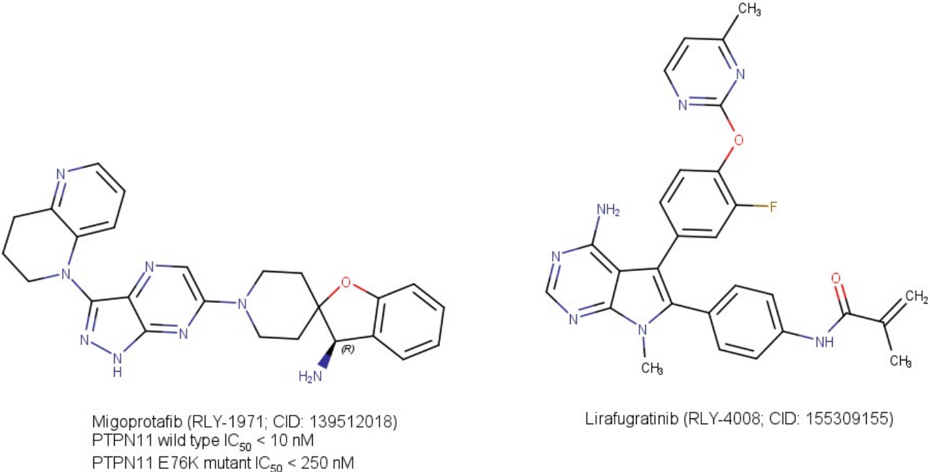
- AI4DD publications rose from 49 in 2011 to 333 in 2020; AI-designed compounds have entered trials, including DSP-1181 (phase I, Jan 2020), DSP-0039 (phase I, May 2021), ISM01-055/ISM018-055 (phase II, June 2023), and RLY-1971 (phase I).
- KG-based XGBoost models: the AD model used 53 positive and 3,952 negative genes and identified five previously unassociated immunity genes (FRRS1, CTRAM, SCGB3A1, CIBAR2, TMEFF2); the ATG model used 103 positives and 3,468 negatives, with 43 of the top 251 already in the Autophagy Database, 15 with potential ATG associations, and 193 (77%) “ATG dark genes”; 7 of the top 20 and 2 bottom-predicted genes were validated by literature.
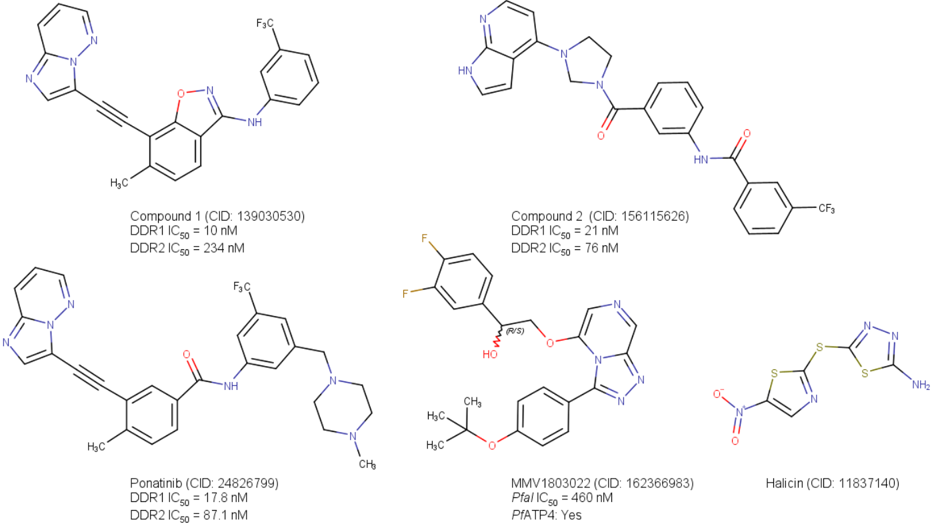
- Generative chemistry: GENTRL produced 30,000 compounds, filtered to six novel DDR1/DDR2 inhibitor candidates; two were potent nM inhibitors, and the process from DDR1 nomination to Compound 6 took 35 days; Compound 1 was orally bioavailable in mice with a 3.5-hour half-life after a 15 mg/kg dose.
- Challenges: no regulatory-approved medicine can be attributed to AI; ML models are often trained on tens of thousands of compounds versus 30 billion virtual compounds; Bayer and Amgen reported 33% and 11% reproducibility rates; data leakage was detected in 15 of 20 biology/medicine subject areas.
Methods
- Design: narrative review of AI for drug discovery (AI4DD), focused primarily on small molecule drugs, organized around three pillars—diseases, targets, and therapeutic modalities—plus regulatory science and caveats.
- Data/sample: cited literature, public databases/resources (e.g., DrugCentral, Pharos, Therapeutic Data Commons, OCHEM), and case studies of AI-designed compounds; no new primary experimental data are reported.
- Analysis: qualitative synthesis and discussion of cited examples; no systematic search strategy, meta-analysis, or formal quantitative synthesis is stated.
Limitations
- Paper-stated: no approved medicine can be attributed to AI, and no fully automated AI-driven drug discovery system exists; most successes rely on computational platforms supporting human decision-making.
- Paper-stated: ML models face applicability domain, external predictivity validation, and chemical diversity concerns; KG-based ML lacks ground truth and can suffer data leakage; reproducibility crisis affects both experiments and ML.
- Evident from text: as a narrative review, it does not report a systematic search or quantitative synthesis, and its examples are illustrative rather than exhaustive.
Model-written summary. Check it against the paper before relying on it.
Integrity signals
Registry
Cites
Statistics
Figures
Verification
Claims the paper makes
19 Valid · 24 Not valid · 24 Not checked · 20 Own results and interpretations
At least one cited source doesn’t support this claim or points to a different paper, and none confirmed it — see the verdicts below.
In the paper
“Rigorous analyses suggest that GCNNs do not improve predictive performance compared to 'classical QSAR' fingerprints (92).”
What the sources say
- Disputedcites [92] 92. Jiang D, Wu Z, Hsieh C-Y, Chen G, Liao B, et al. 2021. Could graph neural networks learn better molecular representation for drug discovery? A comparison study of descriptor-based and graph-based models. J. Cheminform . 13(1):12 sourceExperimental — accuracy not yet measured
In “External Dataset Validation: MUV” (page unavailable), the paper reports that Graph-CNN had the best performance among five methods on four of eight targets, while the ligand-based AP method led on the other four. Its analysis says Graph-CNNs outperformed ligand-based methods on the harder cases, rather than finding that they do not improve predictive performance over fingerprint-based methods. (LLM, conf=0.88)
Checked by a reasoning model — may be wrong.
hedged- Asserted: passes — The authors put it forward as true.
- Checkable: passes — It can be checked against evidence.
- Load-bearing: unclear — It is unclear whether the paper’s conclusions depend on it.
- Based: passes — The paper gives a reason why it holds.
- Disputed
The cited sources that could be checked couldn’t confirm or dispute this claim.
In the paper
“The state-ofthe-art in drug indication curation from text was expanded through InContext (49), which includes therapeutic context information about drug usage, especially for antineoplastic and cardiovascular drugs.”
What the sources say
- Could not verifycites [49] 49. Moodley K, Rieswijk L, Oprea TI, Dumontier M. 2021. InContext: curation of medical context for drug indications. J. Biomed. Semantics . 12(1):1-15 sourceExperimental — accuracy not yet measured
The Previous Efforts and ontology-based formalization sections discuss therapeutic context and text-mining tools, but do not identify InContext or describe its contribution. Searches for InContext, antineoplastic drugs, and cardiovascular drugs found no passage substantiating the attributed claim. (LLM, conf=0.74)
plainstates a cause- Asserted: passes — The authors put it forward as true.
- Checkable: passes — It can be checked against evidence.
- Load-bearing: unclear — It is unclear whether the paper’s conclusions depend on it.
- Based: passes — The paper gives a reason why it holds.
- Could not verify
The cited sources support only part of this claim — read each source’s verdict below.
In the paper
“An ML model based on convolutional neural networks (CNN) has demonstrated near-physician accuracy in diagnosing atopic dermatitis.”
What the sources say
- Partly supportedcites [43] 43. Yanagisawa Y, Shido K, Kojima K, Yamasaki K. 2023. Convolutional neural network-based skin image segmentation model to improve classification of skin diseases in conventional and nonstandardized picture images. J. Dermatol. Sci . 109(1):30-36 sourceExperimental — accuracy not yet measured
The Abstract says deep neural networks have achieved human-level performance in various image-based medical diagnosis tasks and gives a dermatologist-level skin cancer classifier as an example. It does not report near-physician accuracy for diagnosing atopic dermatitis; searches for atopic dermatitis and eczema found no such passage. The paper’s own case study concerns breast cancer screening. (LLM, conf=0.85)
boosted- Asserted: passes — The authors put it forward as true.
- Checkable: passes — It can be checked against evidence.
- Load-bearing: unclear — It is unclear whether the paper’s conclusions depend on it.
- Based: passes — The paper gives a reason why it holds.
- Partly supported
The sources with a verdict support this claim; the rest weren’t checked yet, have no full text we could read, or their verdicts aren’t rated yet.
In the paper
“Automated systems that digest large sets of data using named entity recognition, NER (18), are an integral part of public domain databases, for example, DISEASES for gene-disease associations (19); STRING for protein-protein interactions (20); and OpenTargets (21) and Pharos (22) for complex disease-protein-drug annotations, to name a few.”
What the sources say
- Not checked — no full text of the sourcecites [18] 18. A. Borthwick, J. Sterling, E. Agichtein, R. Grishman. 1998. Exploiting Diverse Knowledge Sources via Maximum Entropy in Named Entity Recognition. Proceedings of the Sixth Workshop on Very Large Corpora . Montreal, Canada. source
- Not matchedcites [19] 19. Grissa D, Junge A, Oprea TI, Jensen LJ. 2022. Diseases 2.0: a weekly updated database of disease-gene associations from text mining and data integration. Database . 2022:baac019
We searched by its title and found no matching paper.
- Supportedcites [20] 20. Szklarczyk D, Kirsch R, Koutrouli M, Nastou K, Mehryary F, et al. 2023. The STRING database in 2023: protein-protein association networks and functional enrichment analyses for any sequenced genome of interest. Nucleic Acids Res. 51(D1):D638-D646 source
Citation 19 is attached specifically to DISEASES as a database of gene–disease associations, not to the other named databases. The Named entity recognition section describes DISEASES using NER to process large text corpora, and the Conclusion identifies it as a freely available resource of disease–gene associations. (LLM, conf=0.94)
plain- Asserted: passes — The authors put it forward as true.
- Checkable: passes — It can be checked against evidence.
- Load-bearing: unclear — It is unclear whether the paper’s conclusions depend on it.
- Based: passes — The paper gives a reason why it holds.
The cited sources support only part of this claim — read each source’s verdict below.
In the paper
“Although DrugCentral maps drug uses to existing terminologies like SNOMED-CT and MeSH, two global standards for health terms, capturing therapeutic intent computationally is challenging (48).”
What the sources say
- Partly supportedcites [48] 48. Nelson SJ, Oprea TI, Ursu O, Bologa CG, Zaveri A, et al. 2017. Formalizing drug indications on the road to therapeutic intent. J. Am. Med. Inform. Assoc . 24(6):1169-1172 sourceExperimental — accuracy not yet measured
The Web interface section (page unavailable) says DrugCentral supports drug-use searches through SNOMED-CT mappings. The Pharmacological classification section (page unavailable) reports MeSH mappings for drug classes, not specifically for drug uses. The Summary and future directions section says capturing veterinary extra-label uses is “not trivial,” but does not make the broader claim that computationally capturing therapeutic intent is challenging. (LLM, conf=0.86)
plain- Asserted: passes — The authors put it forward as true.
- Checkable: passes — It can be checked against evidence.
- Load-bearing: unclear — It is unclear whether the paper’s conclusions depend on it.
- Based: passes — The paper gives a reason why it holds.
- Partly supported
34 more claims · 17 with their cited sources checked
Create a free account to see all 87 claims and to verify the 6 references still open.
- Probably not a substantial claim. 36
- It may state two separate claims as one. 20
Claims other papers make about this one
Each is checked against this paper’s own text: does it say what the citing paper says it does?
In the citing paper
“Ultimately, publicly available, structured datasets such as those offered by the Platform, can catalyse the development of further AI applications for early discovery (59).”
From Open Targets Platform: facilitating therapeutic hypotheses building in drug discovery (2025) · cites this paper as [59]
Self-check
Percentages, sums and reported differences re-computed from the paper’s own numbers.
Each contradiction between two passages listed here was confirmed by an independent check.
Rated minor: it would not touch a result — a value no result rests on, a p-value that stays on the same side of the significance level, or a conflict that is clerical, resolved elsewhere in the paper, or outside its own findings.
In the paper
§ 3.2. Target identification and validation · p. 7
“In this case, XGBoost, a form of extreme gradient boosting (67), was utilized to identify novel genes associated with Alzheimer's disease (68).”
§ 8. References · p. 25
“67. Köhler S, Carmody L, Vasilevsky N, Jacobsen JOB, Danis D, et al. 2019. Expansion of the Human Phenotype Ontology (HPO) knowledge base and resources. Nucleic Acids Res . 47(D1):D1018-D1027”
Cited works that were retracted
Works this paper cites that were later retracted, from the retraction notices publishers deposit. Major when the notice came out before this paper was published.
A note, not an issue: for example, a cited work that was retracted only after this paper was published, which its authors could not have known.
In the paper
“Diseases and healthcare: The last decade has witnessed significant computational advances in disease diagnosis, with ten or more publications describing the use of AI in dermatology, tuberculosis, Alzheimer’s disease, diabetes, hypertension, and cancer, reviewed elsewhere (32).”
Cited work 10.1007/s12652-021-03612-z · retracted 2026-03-09 · notice 10.1007/s12652-026-05063-w · this paper published 2024-01-23
Citations
Cites
1 retracted
Kumar, Y., Koul, A., Singla, R., & Ijaz, M. F. (2023) · Journal of Ambient Intelligence and Humanized Computing · doi:10.1007/s12652-021-03612-z · Cited by 1,040 · cited 1×
“Diseases and healthcare: The last decade has witnessed significant computational advances in disease diagnosis, with ten or more publications describing the use of AI in dermatology, tuberculosis, Alzheimer’s disease, diabetes, hypertension, and cancer, reviewed elsewhere (32).”
BackgroundRetractedXGBoost: A Scalable Tree Boosting System
Chen, T., & Guestrin, C. (2016) · Proceedings of the 22nd ACM SIGKDD International Conference on Knowledge Discovery and Data Mining · doi:10.1145/2939672.2939785 · Cited by 54,569 · cited 1×
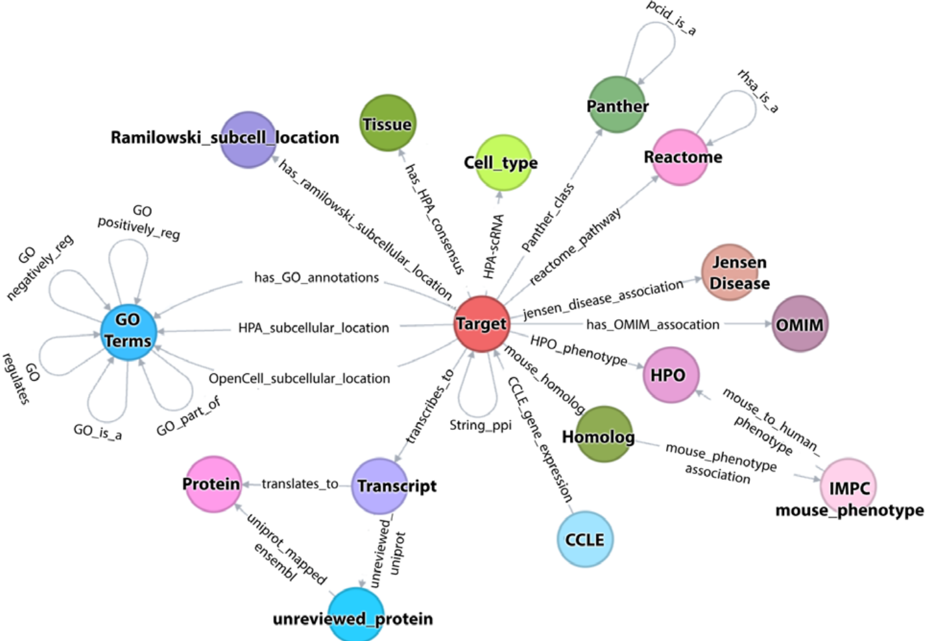
“Centered on the main node, “Target”, nodes listed clockwise are as follows: Tissue; Cell_type; Panther, Protein Analysis Through Evolutionary Relationships, a protein classification scheme(57); Reactome, a pathways database (58); Jensen DISEASES (19); OMIM, Online Mendelian Inheritance in Man database(59); HPO, human…”
BackgroundHighly accurate protein structure prediction with AlphaFold
Jumper, J., Evans, R., Pritzel, A., Green, T., Figurnov, M., Ronneberger, O., Tunyasuvunakool, K., Bates, R., Žídek, A., Potapenko, A., et al. (2021) · Nature · doi:10.1038/s41586-021-03819-2 · Cited by 43,764 · cited 2×
“Highly accurate protein structure prediction with AlphaFold.”
Background(2017) · Cited by 11,625
Lipinski, C. A., Lombardo, F., Dominy, B. W., & Feeney, P. J. (1997) · Advanced Drug Delivery Reviews · doi:10.1016/s0169-409x(96)00423-1 · Cited by 11,385
Why Most Published Research Findings Are False
Ioannidis, J. P. A. (2005) · PLoS Medicine · doi:10.1371/journal.pmed.0020124 · Cited by 10,505
Szklarczyk, D., Kirsch, R., Koutrouli, M., Nastou, K., Mehryary, F., Hachilif, R., Gable, A. L., Fang, T., Doncheva, N. T., Pyysalo, S., et al. (2023) · Nucleic Acids Research · doi:10.1093/nar/gkac1000 · Cited by 9,726 · cited 4×
“Automated systems that digest large sets of data using named entity recognition, NER (18), are an integral part of public domain databases, for example, DISEASES for gene-disease associations (19); STRING for protein-protein interactions (20); and OpenTargets (21) and Pharos (22) for complex disease-protein-drug annot…”
BackgroundInfluentialTensorFlow: Large-Scale Machine Learning on Heterogeneous Distributed Systems
Abadi, M., Agarwal, A., Barham, P., Brevdo, E., Chen, Z., Citro, C., Corrado, G. S., Davis, A., Dean, J., Devin, M., et al. (2016) · arXiv · doi:10.48550/arxiv.1603.04467 · Cited by 9,408
Scikit-learn: Machine Learning in Python
(2011) · Journal of Machine Learning Research · doi:10.5555/1953048.2078195 · Cited by 8,539
Weininger, D. (1988) · Journal of Chemical Information and Computer Sciences · doi:10.1021/ci00057a005 · Cited by 7,436 · cited 3×
“Page | 11 Traditionally, QSARs and other small-molecule property ML models use chemical structures as input, often encoded as SMILES (Simplified Molecular Input Line Entry System) (88).”
MethodInfluential
Research works printed but not linked: 24
- Harris LA., 2021, Artificial intelligence: background, selected issues, and policy considerations
- 18. A. Borthwick, J. Sterling, E. Agichtein, R. Grishman. 1998. Exploiting Diverse Knowledge Sources via Maximum Entropy in Named Entity Recognition. Proceedings of the Sixth Workshop on Very Large Corpora . Montreal, Canada.
- 25. Bartusiak M. 1981. Designing Drugs with Computers. Discover Magazine , Aug., pp. 47-50
- 26. Bylinsky G. 1981. A new industrial revolution is on the way. Fortune Magazine , Oct. 5, pp. 106114
- 78. Hansch C, Leo A, Hoekman DH. 1995. Exploring QSAR.: Fundamentals and applications in chemistry and biology . Washington, DC: American Chemical Society. 557 pp.
- Natl. Cancer Inst, 2023, NCI-60 growth inhibition data
- 107. Deb K., Sundar J., Udaya Bhaskara Rao N., Chaudhuri S. 2006. Reference point based multiobjective optimization using evolutionary algorithms. Int. J. Comput. Intell. Res . 2:273-286
- 109. PyTorch. https://openreview.net/pdf?id=BJJsrmfCZ.
- 115. Landrum G. 2022. RDKit: Open-source cheminformatics. https://www.rdkit.org/
- 138. Lemonick S. 2020. AI finds molecules that kill bacteria, but would they make good antibiotics? Chemistry and Engineering News , 2020-02-26, pp. 13-14
- 147. International council for harmonisation of technical requirements for pharmaceuticals for human use (ICH) ICH harmonised guideline assessment and control of DNA reactive (mutagenic) impurities in pharmaceuticals to limit potential carcinogenic risk. 2017. https://database.ich.org
- 148. European Medicines Agency. 2018. Reflection paper on the qualification of non-genotoxic impurities. https://bit.ly/4392Ki7
- Hines PA, 2022, Nat. Rev. Drug Discov.
- FDA (US Food Drug Admin.), 2023, Using artificial intelligence and machine learning in the development of drug and biological products
- FDA (US Food Drug Admin.), 2023, Artifical intelligence in drug manufacturing
- Exscientia, 2020, DSP-1181
- 155. Yoshinaga H, Uemachi H, Ohno T, Besnard J. 2020. 2,6-disubstituted pyridine derivative. https://patents.google.com/patent/US10800755B2/
- Wills T., 2022, CAS
- 156. Yoshinaga H, Ikuma Y, Ikeda J, Adachi S, Mitsunuma H, et al. 2020. Condensed lactam derivative. https://patents.google.com/patent/US10745401B2/
- Fultinavičiūtė U., 2023, Clinical Trials Arena
- 160. Aliper A, Aladinskiy V, Zavoronkovs A. 2020. Methods of inhibiting kinases. 2020170203:A1
- InSilico Med, 2023, Hong Kong Stock Exchange application proof of InSilico Medicine Cayman TopCo
- Relay Ther, 2020, Relay Therapeutics® announces a worldwide license and collaboration agreement with Genentech for RLY-1971
- 183. OpenAI. 2023. https://cdn.openai.com/papers/gpt-4.pdf
Cited by
Items 101–200 of 228
Artificial Intelligence and Machine Learning in Drug Discovery
Shah, P., Thakkar, D. V., Panchal, N., & Jha, R. (2024) · Advances in healthcare information systems and administration book series · doi:10.4018/979-8-3693-2897-2.ch003 · Cited by 4
Chen, M., Li, H., Pan, Y., Dai, Y., Lei, X., & Pan, Y. F. (2025) · Methods · doi:10.1016/j.ymeth.2025.05.005 · Cited by 4
Lu, Z., & Zhang, A. (2026) · PeerJ · doi:10.7717/peerj.20541 · Cited by 5
Hincapié-López, M., Vrebosch, J., García-Zapirain, B., Pinzón-Reyes, E. H., & Pabón-Martínez, Y. V. (2024) · Computational and Structural Biotechnology Reports · doi:10.1016/j.csbr.2024.100013 · Cited by 3
Yang, J., Tsai, S., Hsu, Y., BAU, D.-T., Tsai, C. W., Chang, W.-S., Kuo, S., Yu, C.-C., Chiu, Y., & Tsai, F. (2024) · Biomedicine · doi:10.37796/2211-8039.1475 · Cited by 10
Garcia, G. L., Manesco, J. R. R., Paiola, P. H., Ribeiro, P. H. C., Garcia, A. L. A., & Papa, J. P. (2025) · Proceedings - IEEE Symposium on Computer-Based Medical Systems · doi:10.1109/cbms65348.2025.00052 · Cited by 5
“Furthermore, AI technologies such as generative chemistry, machine learning, and multiproperty optimization have contributed to the advancement of numerous compounds into clinical trials [2].”
The Integration of Artificial Intelligence in Drug Discovery and Development : Novel Approach
Ujjwal, A. (2024) · International Journal of Scientific Research in Science and Technology · doi:10.32628/ijsrst24116175 · Cited by 5
Hatibi, N., Benhassou, H. A., & Abık, M. (2025) · Computers in Biology and Medicine · doi:10.1016/j.compbiomed.2025.110145 · Cited by 3
Öztürk, A. A., Uzun, Y., & Saltan, F. Z. (2025) · Journal of Drug Delivery Science and Technology · doi:10.1016/j.jddst.2025.107352 · Cited by 6
Emerging Approaches in Data-Driven Drug Discovery for Rare Diseases
Abbas, M. A. E., Parayangat, M., Al-Hamami, M. A., Elshafie, H., Al-Shamri, M. Y. H., & Resmi, R. (2025) · Current Drug Metabolism · doi:10.2174/0113892002383220250729100138 · Cited by 5
AI in Healthcare: Automating Hospital Operations for Better Patient Care
Bhimavarapu, U. (2025) · Advances in computational intelligence and robotics book series · doi:10.4018/979-8-3373-2787-7.ch010 · Cited by 2
Artificial intelligence in natural products research
Yuan, X., Yang, X., Pan, Q., Luo, C. Y., Luan, X., & Zhang, H. (2025) · Chinese Journal of Natural Medicines · doi:10.1016/s1875-5364(25)60902-2 · Cited by 16
Riemer, A., & Freund, V. (2026) · Intelligent Pharmacy · doi:10.1016/j.ipha.2025.12.006 · Cited by 9
He, S., Wang, Z., Li, J., Zou, Q., & Zhang, F. (2026) · Briefings in Bioinformatics · doi:10.1093/bib/bbaf710 · Cited by 3
AI, trust, and the market for lemons: rethinking the credibility of entrepreneurship research
Obschonka, M., & Lévesque, M. (2026) · Small Business Economics · doi:10.1007/s11187-026-01180-0 · Cited by 4
Abduljalil, J. M. A., Ataide, S. F., & Kwan, A. H. (2026) · Computational and Structural Biotechnology Journal · doi:10.34133/csbj.0008 · Cited by 4
Huang, C., Zuo, W., Xiao, J., Xiong, C., Zhu, L., Su, Y., & Zhan, M. (2026) · Materials Today Advances · doi:10.1016/j.mtadv.2026.100800 · Cited by 7
Harnessing Machine Learning for Accelerated Drug Discovery: Opportunities and Unmet Challenges
El‐Tanani, M., Rabbani, S. A., Wali, A. F., Muhana, F., El‐Tanani, Y., & Kumar, R. (2026) · Pharmaceuticals · doi:10.3390/ph19060810 · Cited by 8
“In order to improve efficacy and safety profiles, agents iteratively alter molecular structures based on drive signals [38].”
India's Drug Discovery and Development Industry: The Quest for Novel Therapeutic Treatments
Differding, E. (2026) · ChemMedChem · doi:10.1002/cmdc.70304 · Cited by 2
Investigation of F508del CFTR unfolding and a search for stabilizing small molecules
Meng, X., & Ford, R. C. (2024) · Archives of Biochemistry and Biophysics · doi:10.1016/j.abb.2024.110050 · Cited by 2
Navigating the Future Through Adoption of AI in Healthcare: Legal and Ethical Perspectives
Singh, G. S., & Kumar, J. (2024) · Advances in healthcare information systems and administration book series · doi:10.4018/979-8-3693-7452-8.ch015 · Cited by 3
Navigating the Promise and Perils of Generative AI in Healthcare
Joseph, S., ul-Ain, Q., Nosheen, S., Ahmad, M., & Fatima, R. (2024) · Advances in medical technologies and clinical practice book series · doi:10.4018/979-8-3693-3731-8.ch005 · Cited by 2
Harnessing Artificial Intelligence to Overcome Key Challenges in Psychedelic Research and Therapy
Kargbo, R. B. (2024) · ACS Medicinal Chemistry Letters · doi:10.1021/acsmedchemlett.4c00548 · Cited by 2
Reducing complications of metabolic dysfunction–associated steatotic liver disease
Wada, N., Iwaki, M., Kobayashi, T., Nakajima, A., & Yoneda, M. (2025) · Expert Review of Gastroenterology & Hepatology · doi:10.1080/17474124.2025.2502549 · Cited by 1
“In target identification for drug discovery, machine learning based on knowledge graphs is capable of structuring, processing, and evaluating large-scale datasets, showing significant potential for applications in biomedicine [105].”
AI Revolutionizing Healthcare: Current State and Future Prospects
Poornima, N. V., & Gunavathi, C. (2025) · BENTHAM SCIENCE PUBLISHERS eBooks · doi:10.2174/9789815274134125010014 · Cited by 1
The role of Artificial Intelligence in drug discovery
Rotake, S. B., Hatwar, P. R., Bakal, R. L., & Meshram, S. I. (2025) · Journal of Drug Delivery and Therapeutics · doi:10.22270/jddt.v15i7.7251 · Cited by 2
Forecasting the Portuguese public hospitals performance: An impossible task?
Varela, M. (2025) · Socio-Economic Planning Sciences · doi:10.1016/j.seps.2025.102289 · Cited by 1
Leveraging blockchain-based healthcare services with artificial intelligence
Marković, L., Trpkov, A., Sovtić, D., Rodić, B., & Лабус, А. (2025) · International Conference on Smart and Sustainable Technologies (SpliTech) · doi:10.23919/splitech65624.2025.11091715 · Cited by 2
“It also helps optimize clinical trials by selecting suitable patient groups and improving study designs, though ethical considerations remain important [12].”
The Future of Drug Discovery: An AI-Driven Perspective
Asim, M. N., Böhm, M., & Dengel, A. R. (2025) · Springer eBooks · doi:10.1007/978-3-031-93623-4_11 · Cited by 1
Cho, N., Hong, S., Song, J. S., Yeo, E., Jung, S., Lee, Y., Hwang, S. G., Kang, S. J., Hwang, J., & Jin, T.-E. (2025) · Journal of Cheminformatics · doi:10.1186/s13321-025-01047-8 · Cited by 3
“…the use of machine learning (ML), deep learning (DL), generative chemical structures, knowledge graphs, and multi-property optimization techniques, AI has facilitated advances in key drivers of drug discovery: disease understanding, target identification, and therapeutic modality development [2].”
Kumar, S., & Singh, A. (2025) · Medicinal Chemistry Research · doi:10.1007/s00044-025-03465-7 · Cited by 1
Exploring Artificial Intelligence's Potential to Enhance Conventional Anticancer Drug Development
Bobolea, S., Hinoveanu, M. I., Dimitriu, A., Brașoveanu, M., Iliescu, C., Dinu‐Pîrvu, C., Ghica, M. V., Anuța, V., Popa, L., & Prisada, R. M. (2025) · Drug Development Research · doi:10.1002/ddr.70182 · Cited by 2
Li, Z., Huan, W., Liu, X., Zhang, K., Wang, X., Huang, Y., Zhou, Q., Huang, S., Sang, Z., & Luo, H. (2025) · Journal of Medicinal Chemistry · doi:10.1021/acs.jmedchem.5c02407 · Cited by 3
AI-Based Healthcare Analytics for Predictive Modeling and Data Integration
Mukherjee, S., Patel, H., Peddi, V. S. K. K., Akula, S. K., Raju, V., & Katta, S. K. R. (2025) · International Conference on Intelligent Cyber Physical Systems and Internet of Things (ICoICI) · doi:10.1109/icoici65217.2025.11254928 · Cited by 1
Grand challenges in dermatologic drug discovery: four priorities to transform skin disease treatment
Grada, A. A. (2026) · Frontiers in Drug Discovery · doi:10.3389/fddsv.2025.1752852 · Cited by 1
Digital biology and the ethics of codified health systems
Thomason, J. (2026) · Global Health Journal · doi:10.1016/j.glohj.2026.02.001 · Cited by 1
Chen, J., Liu, Q., & Zhang, L. (2026) · ENGINEERING Chemical Engineering · doi:10.1007/s11705-026-2658-2 · Cited by 1
Genzling, J., Luo, Z., Weiser, B., & Moitessier, N. (2026) · Communications Chemistry · doi:10.1038/s42004-026-01983-y · Cited by 3
Different Attack and Defense Types for AI Cybersecurity
Zou, J., Zhang, S., & Qiu, M. (2024) · Lecture notes in computer science · doi:10.1007/978-981-97-5498-4_14 · Cited by 2
Zeng, K., Liu, X., Zhang, Z., Yang, X., Jin, Y., & Xu, Y. (2026) · Journal of Cheminformatics · doi:10.1186/s13321-026-01201-w · Cited by 5
Harnessing machine learning for rational drug design
Chaudhary, S., Rahate, K., & Mishra, S. (2025) · Advances in pharmacology · doi:10.1016/bs.apha.2025.02.001 · Cited by 1
Hydrogel Based Microfluidic Systems for High-Throughput Drug Evaluation in Osteoarthritis
Dortaj, H., & Dortaj, S. (2025) · Advances in Applied NanoBio-Technologies · doi:10.18502/aanbt.v6i1.18638 · Cited by 1
Xian, Z., & Liu, C. (2025) · Computational Biology and Chemistry · doi:10.1016/j.compbiolchem.2025.108559 · Cited by 1
Leveraging our Teacher’s Experience to Improve Machine Learning: Application to pKa PredictionPreprint
Genzling, J., Luo, Z., Weiser, B., & Moitessier, N. (2024) · ChemRxiv · doi:10.26434/chemrxiv-2024-bpd53 · Cited by 3
Ai-Driven Discovery of Brain-Penetrant Galectin-3 Inhibitors for Alzheimer's Disease TherapyPreprint
Ye, Z., Liu, X., Xu, J., Zheng, S., Zhong, J., Yang, Y., Xie, Y., Zhang, H., Chen, J., Dai, C., et al. (2025) · SSRN Electronic Journal · doi:10.2139/ssrn.5144196 · Cited by 1
Pharmaceutical Cocrystals for Drug Delivery
Nangia, A. K. (2025) · Wiley eBooks · doi:10.1002/0471266949.bmc310 · Cited by 2
Mehendale, R., & Bagley, C. E. (2025) · SSRN Electronic Journal · doi:10.2139/ssrn.5193682 · Cited by 1
Revolutionizing Drug Discovery: Harnessing Machine Learning Algorithms
Khinvasara, T. (2024) · International Journal For Multidisciplinary Research · doi:10.36948/ijfmr.2024.v06i02.16190 · Cited by 3
Big Data Management and Analytics in Drug Research: A Comprehensive Overview
Naithani, K., Tiwari, S., & Tyagi, A. K. (2024) · Advances in healthcare information systems and administration book series · doi:10.4018/979-8-3693-2897-2.ch005
Introduction to Artificial Intelligence (AI) and AI-Related Concepts
Brigham, C. R., Buttar, W. A., Bucksbaum, M., & Talmage, J. B. (2023) · AMA guides newsletter · doi:10.1001/amaguidesnewsletters.2023.sepoct03
Towards Evolutionary-based Automated Machine Learning for Small Molecule Pharmacokinetic Prediction
de Sá, A. G. C., & Ascher, D. B. (2024) · Genetic and Evolutionary Computation Conference Companion (GECCO Companion) · doi:10.1145/3638530.3664166
Using Artificial Intelligence to select drug targets in oncology
Oprea, T. I., & Păunescu, V. (2024) · Journal of Medical and Radiation Oncology · doi:10.53011/jmro.2024.01.01
Self-citationA bibliometric analysis of the advance of artificial intelligence in medicine (Preprint)Preprint
lin, M., Lin, L., Lin, L., Lin, Z., & Yan, X. (2024) · doi:10.2196/preprints.65748
Aitouhanni, I., & Berqia, A. (2024) · Information systems engineering and management · doi:10.1007/978-3-031-66850-0_3
Extracting Meaningful Information from Turkish Chemistry and Physics Texts with Machine Learning
Karaduman, M., & Yıldırım, M. (2024) · Journal of Physical Chemistry and Functional Materials · doi:10.54565/jphcfum.1501651
Feature Dimensions of Artificial Intelligences Challenges and Techniques - A Survey
Hemalatha, S., Adavala, K. M., N, C. S. S., & Ahmad, K. S. F. (2024) · International Journal of Electronics and Communication Engineering · doi:10.14445/23488549/ijece-v11i12p111
Industrial Automation using Artificial Intelligence
Katkar, A., Karvande, P., & Sanap, G. (2025) · International Journal of Advanced Research in Science Communication and Technology · doi:10.48175/ijarsct-22981 · Cited by 1
Employment of AI in Higher Education
Jain, R., Parmar, K. J., Palaniappan, D., & Premavathi, T. (2025) · Advances in educational technologies and instructional design book series · doi:10.4018/979-8-3693-7949-3.ch003 · Cited by 2
A Review on Transforming Pharma :The Rise of Artificial Intelligence (AI)
Solat, G. D., Gore, R. B., Shirsat, G. A., Pawar, O., & Gholap, S. (2025) · International Journal of Advanced Research in Science Communication and Technology · doi:10.48175/ijarsct-23274
BENDER DB: a database of protein binding sites across neglected disease proteomes
Paiva, V., Pires, D., Bressan, G., Izidoro, S., & Silveira, S. (2025) · bioRxiv · doi:10.1186/s12859-026-06590-1
Small Molecules in Targeted Cancer Therapy
Rami, M. R., Meskini, M., & Elmakki, M. A. (2025) · Interdisciplinary biotechnological advances · doi:10.1007/978-981-96-4959-4_10 · Cited by 1
Collaborative Drug Design Based on A Drug-Drug Interaction-Guided Diffusion Model
Hu, C., Li, K., Hu, L., Xiong, Y., Cai, X., & Hu, W. (2025) · International Conference on Computer Supported Cooperative Work in Design (CSCWD) · doi:10.1109/cscwd64889.2025.11033225 · Cited by 1
AI in Medicine Recent Progress Opportunities and Future Directions
Sodiqovna, I., & Park, J. C. (2024) · International Conference on Future Networks and Distributed Systems (ICFNDS) · doi:10.1145/3726122.3726267
“[ 55]”
Revolutionizing Discovery: The Role of Artificial Intelligence in Modern Biological Sciences
Singh, S. (2025) · International Journal for Research in Applied Science and Engineering Technology · doi:10.22214/ijraset.2025.73055
IMPLEMENTING ARTIFICIAL INTELLIGENCE IN DRUG RESEARCH DEVELOPMENT
Obbalareddy, S., Shahi, S., & Dubey, A. (2025) · BULLETIN OF STOMATOLOGY AND MAXILLOFACIAL SURGERY · doi:10.58240/1829006x-2025.21.6-361 · Cited by 5
Sciò, P., Bufano, M., Silvestri, R., & Coluccia, A. (2025) · Journal of Chemical Information and Modeling · doi:10.1021/acs.jcim.5c01276
Bidirectional distance encoding for graph neural networks
Wang, X., He, C., Zhang, L., et al. (2025) · Neurocomputing · doi:10.1016/j.neucom.2025.131335
Advances in Drug Discovery: Navigating Challenges and Embracing Innovation
Khikhmetova, K. (2025) · Australian Journal of Biomedical Research · doi:10.63946/aubiomed/16813 · Cited by 1
“A compound called ISM01-055, developed by Insilico Medicine to target the NCK-interacting protein kinase TNIK [67] for the treatment of idiopathic pulmonary fibrosis (IPF), was one of the first AI-designed compounds to enter phase II clinical trials in June 2023 [68].”
Generative AI in healthcare: Introduction, concept, applications, and challenges
Gaur, L., & Abraham, A. (2025) · Elsevier eBooks · doi:10.1016/b978-0-443-33124-4.00013-8
Examples of SAR-Centric patent mining using open resources
Southan, C. (2025) · Elsevier eBooks · doi:10.1016/b978-0-443-29808-0.00046-7
Integration of AI-Based for Seamless Operations in Smart Healthcare Systems
Falola, P. B., Awotunde, J. B., Adeniyi, A. E., & Mkoba, E. S. (2025) · Studies in computational intelligence · doi:10.1007/978-3-031-99946-8_3 · Cited by 2
Hincapié-López, M., Marín, J., Romero-Riaño, E., Núñez-Rodríguez, R. A., & Pabón-Martínez, Y. V. (2025) · International Journal of Molecular Sciences · doi:10.3390/ijms262210936 · Cited by 1
“…often fallen short because the generated compounds lack essential therapeutic properties; however, AI can be used to improve these characteristics [1], and deep learning now provides the ability to accelerate design-based DNA:RNA TFOs [117], evaluate large quantities of molecules quickly, enhance…”
InfluentialDwivedi, A., Yusufi, R., Derashri, A., Sharma, D., Vinchurkar, K., Patel, D., & Suryawanshi, M. V. (2025) · Elsevier eBooks · doi:10.1016/b978-0-443-43823-3.00012-1
Additional file 1 of Reinvent 4: Modern AI–driven generative molecule design
Loeffler, H. H., He, J., Tibo, A., Janet, J. P., Voronov, A., Mervin, L., & Engkvist, O. (2024) · Figshare · doi:10.6084/m9.figshare.26683852
Additional file 2 of Reinvent 4: Modern AI–driven generative molecule design
Loeffler, H. H., He, J., Tibo, A., Janet, J. P., Voronov, A., Mervin, L., & Engkvist, O. (2024) · Figshare · doi:10.6084/m9.figshare.26683855
Dimitrovska, M. (2025) · MEDIS – International Journal of Medical Sciences and Research · doi:10.35120/medisij040403d
SymChemAI: A Symbolically Informed Neural Network for Physicochemical Modeling of Reaction Systems
Tayane, S., & Gaber, J. (2025) · E3S Web of Conferences · doi:10.1051/e3sconf/202568000109
Organoid Intelligence: Bridging the Gap between Biological and Artificial Neural Networks
Naidu, G., Singh, H., & Krishnan, V. (2025) · International Journal of Intelligence Science · doi:10.4236/ijis.2026.161005
Data Mining and Integration Approaches in AI-Driven Drug Discovery
Tsimenidis, S., Vrochidou, Ε., & Papakostas, G. A. (2026) · Springer eBooks · doi:10.1007/978-3-031-98022-0_2
Zhou, P., Lau, P. W. C., Lü, N., & Ma, M. (2026) · Springer eBooks · doi:10.1007/978-981-97-1788-0_59-1 · Cited by 1
Rodriguez-Chavez, I. R., Ibrahim, A., Ersezer, B., Radcliffe, A., Gamerman, V., Hartog, B., Iversen, L. F., & Schindler, M. (2026) · doi:10.2196/preprints.91531
Baldiwala, A., Baldiwala, A. M., Patel, M. A., Amrutiya, P., Natesan, G., & Chaube, U. (2026) · Chemical Papers · doi:10.1007/s11696-025-04598-0
“…strength of generative models involves the ability to be combined with optimization procedures to enable the generation process to move those model properties towards desired desiderata such as improved binding affinity to anxiolytic targets or improved pharmacokinetics (Hasselgren and Oprea 2024).”
Kadethankar, P. H., Manthalkar, R. R., Nirde, K. D., et al. (2025) · doi:10.1109/iciteics64870.2025.11341315
MHGN: A Model for Drug Discovery Based on Molecular Hierarchical Graph Network
Zhang, Z., Qi, Y., Zhou, X., Zhu, X., Hu, L., & Hu, P. (2025) · IEEE International Conference on Bioinformatics and Biomedicine (BIBM) · doi:10.1109/bibm66473.2025.11356731
AI technologies for smart pharmacology
Vișan, A. I., & Neguț, I. (2026) · Elsevier eBooks · doi:10.1016/b978-0-443-34059-8.00003-8 · Cited by 1
Predicting target and chemical druggability
Oprea, T. I., & Avram, S. I. (2026) · Elsevier eBooks · doi:10.1016/b978-0-443-29808-0.00084-4 · Cited by 1
Rezazi, S., Si‐Moussa, C., & Hanini, S. (2026) · Journal of Pharmacy & Pharmaceutical Sciences · doi:10.3389/jpps.2026.16155 · Cited by 1
Li, B., Tao, Z., Jing, Y., Bai, Y., Wang, W., Zhai, B., El‐Aty, A. M. A., Zhang, C., Zhang, J., & Hu, F. (2026) · Biomolecules · doi:10.3390/biom16030410
AI in drug design: A historical and future perspective
Andrabi, U., Andrabi, T., Ashraf, A., & Khalid, S. M. (2026) · Elsevier eBooks · doi:10.1016/b978-0-443-44415-9.00015-6
Large language models and their use in drug design
Oprea, T. I. (2026) · Elsevier eBooks · doi:10.1016/b978-0-443-29808-0.00085-6 · Cited by 1
The future of drug discovery and biotechnology by the recent advancements in artificial intelligence
Pourrahmani, H. (2026) · Elsevier eBooks · doi:10.1016/b978-0-443-45526-1.00007-6
Computational Intelligence for Drug Design and Development
Shukla, K., & Bansal, H. (2026) · Advances in computational intelligence and robotics book series · doi:10.4018/979-8-2600-0981-9.ch007
Recent Advances in Deep Learning with Applications in Data Fusion and Agriculture
Ray, D., Hajihosseini, M., & Pyne, S. (2025) · Springer eBooks · doi:10.1007/978-981-95-5175-0_15
Artificial Intelligence in Drug Discovery: Scoping Review with ☸️SAIMSARA
SAIMSARA (2026) · SAIMSARA Journal · doi:10.62487/saimsara62d4eb26
Targeting Complexity:Scientific Foundation and Frontiers of Multi-target Drug Discovery
Zhu, K., Wen, X., & Sun, J. (2026) · 中国科学基金 · doi:10.3724/bnsfc-2025.08.05.0004
Szostek, T., Wiśniewski, M., Ballabio, D., Consonni, V., Plewczyński, D., & Szulczyk, D. (2026) · Journal of Cheminformatics · doi:10.1186/s13321-026-01216-3 · Cited by 1
Chen, X., Liang, X., Wang, X., Xue, W., Zhang, S., Zhao, Y., & 梁桂兆 (2026) · Critical Reviews in Food Science and Nutrition · doi:10.1080/10408398.2026.2691234
“…support vector machines, gradient boosting trees, graph neural networks, and Transformers to predict quantifiable activity endpoints, including inhibition of IgE binding, blockade of the FcεRI– Syk signaling axis, and suppression of mast cell degranulation (Hasselgren and Oprea 2024) (Figure 3).”
Zhao, W., Bie, B., Wang, J., Liu, X., Fang, H., & Niu, R. (2026) · Medicinal Chemistry Research · doi:10.1007/s00044-026-03588-5 · Cited by 2
“Broader machine-learning workflows in drug discovery can further support multiparameter prioritization, but their outputs remain dependent on data quality and experimental validation [91, 92 ].”
Liu, J., Zhu, W., Zhang, Z., Zhao, Q., & Wang, Y. (2026) · Naunyn-Schmiedeberg s Archives of Pharmacology · doi:10.1007/s00210-026-05648-4 · Cited by 1
“Simultaneously, accelerating the design of new compounds requires combining mainstream AI-assisted design algorithms to further minimize structural off-target effects (Hasselgren and Oprea 2024; Cichońska et al. 2024; Landolfi et al. 2025; Chung et al. 2025; Liu et al. 2026).”
Metadata
- Authors
- Hasselgren, C., & Oprea, T. I.
- Affiliations
- Genentech (US)
- University of New Mexico (US)
- ORCID
- Oprea, Tudor I.
- Venue
- Annual Review of Pharmacology and Toxicology
- Publisher
- Annual Reviews
- Published
- 2024-01-23
- Volume
- 64
- Issue
- 1
- Pages
- 527-550
- ISSN
- 0362-1642 (ISSN-L)
- 1545-4304
- OpenAlex
- W4384389969
- Semantic Scholar
- 0900126a594d07ac519299b559b21b73d2e4ee5a
- Cited by
- 236
- References
- 167
- Citations by year
- 2026: 67 · 2025: 107 · 2024: 57
- FWCI
- 3.99
- Type
- journal article
- Language
- en
- Open access
- hybrid
- doi.org
- Licence
- public-domain
- creativecommons.org/licenses/by/4.0/ (unspecified)
- Locations
- The Annual Review of Pharmacology and Toxicology (publishedVersion, public-domain)
- PubMed (publishedVersion)
- arXiv (Cornell University) (submittedVersion, cc-by-nc-sa)
- arXiv (Cornell University)
- Funders
- National Institutes of Health (U24 224370)
- Genentech
- National Cancer Institute (U24 224370)
- Topics
- Life Sciences › Pharmacology, Toxicology and Pharmaceutics › Drug Discovery › Computational Drug Discovery Methods
- Physical Sciences › Materials Science › Materials Chemistry › Machine Learning in Materials Science
- Health Sciences › Medicine › Health Informatics › Artificial Intelligence in Healthcare and Education
- Keywords
- artificial intelligence in drug discovery, generative chemistry, machine learning, small molecule drugs, therapeutic target, therapeutic modalities, replication crisis, clinical trial candidates, pharmacokinetics, pharmacodynamics
- MeSH terms
- Animals, Artificial Intelligence, Humans, Physicians, Technology, Reproducibility of Results, Drug Discovery
About these checks
Registry, retraction, Cites and statistics results are computed, not judged, with one exception: a printed reference that no index lists is read once by a model before it counts as a citation error. Claims are extracted by a model and kept only when their quote appears verbatim in the text; each cited source is then checked, with a model’s help, for whether it says what the claim relies on. Those verdicts can be wrong — read the claim’s quote and the cited source before relying on one.
The claim verdicts this report counts are experimental: their accuracy is not yet measured.
A language model drew the claims from the paper on 2026-10-10, under version 3 of the claim definition (model deepseek-v4.1-flash, prompt extract-v3).
A second model labelled each claim on 2026-10-10 (model jev-1.13-20260917, definition revision gold-guideline-v0.2).
Cited sources are checked with a language model’s help (gpt-6-sol).
Statistics and arithmetic are recomputed, not judged.
Confidence bands are shown only for fields calibrated on our annotated test set. None is calibrated yet, so no band is shown.
What counts as a claim ›How we measure confidence ›How we check this ›
Are you an author, or do you see a problem with this page? Request a review
Data sources
Bibliographic data: Semantic Scholar, OpenAlex, Crossref.
Contains information from the Semantic Scholar Academic Graph Datasets, made available under the ODC Attribution License (ODC-BY 1.0).
Semantic Scholar’s data is described in: Kinney, R., et al. (2023). The Semantic Scholar Open Data Platform. arXiv:2301.10140.
