

Artificial Intelligence for Drug Discovery: Are We There Yet?
Open accessThe DOI matches its Crossref record; 199 of the 199 references it cites were found in a registry or an index; 55 of the 90 sources its claims cite were checked for support.
Abstract
Drug discovery is adapting to novel technologies such as data science, informatics, and artificial intelligence (AI) to accelerate effective treatment development while reducing costs and animal experiments. AI is transforming drug discovery, as indicated by increasing interest from investors, industrial and academic scientists, and legislators. Successful drug discovery requires optimizing properties related to pharmacodynamics, pharmacokinetics, and clinical outcomes. This review discusses the use of AI in the three pillars of drug discovery: diseases, targets, and therapeutic modalities, with a focus on small-molecule drugs. AI technologies, such as generative chemistry, machine learning, and multiproperty optimization, have enabled several compounds to enter clinical trials. The scientific community must carefully vet known information to address the reproducibility crisis. The full potential of AI in drug discovery can only be realized with sufficient ground truth and appropriate human intervention at later pipeline stages.
Overview
CoChat Summary
TL;DR
This review surveys AI for drug discovery across diseases, targets, and therapeutic modalities, focusing on small molecules, and finds AI has enabled compounds to enter clinical trials but no approved medicine can yet be attributed to AI. It concludes that AI4DD is not fully automated and that realizing its potential requires ground truth, reproducibility, and human intervention.
Key findings
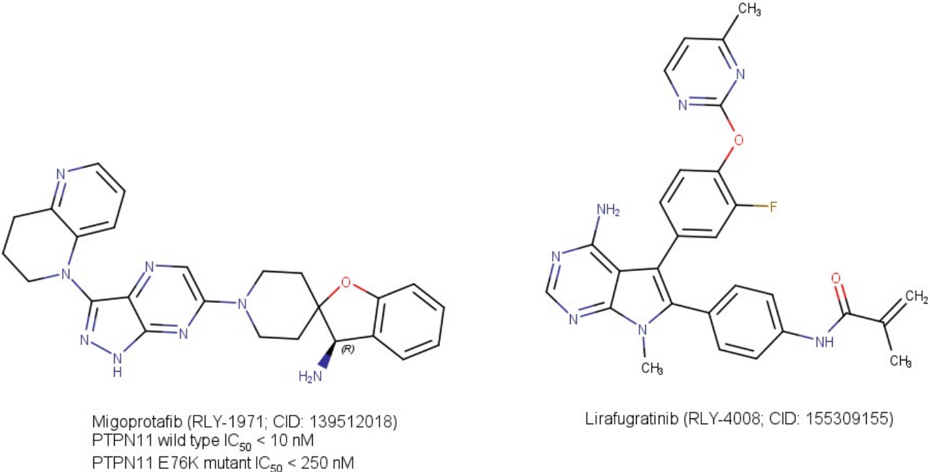
- AI4DD publications rose from 49 in 2011 to 333 in 2020; AI-designed compounds have entered trials, including DSP-1181 (phase I, Jan 2020), DSP-0039 (phase I, May 2021), ISM01-055/ISM018-055 (phase II, June 2023), and RLY-1971 (phase I).
- KG-based XGBoost models: the AD model used 53 positive and 3,952 negative genes and identified five previously unassociated immunity genes (FRRS1, CTRAM, SCGB3A1, CIBAR2, TMEFF2); the ATG model used 103 positives and 3,468 negatives, with 43 of the top 251 already in the Autophagy Database, 15 with potential ATG associations, and 193 (77%) “ATG dark genes”; 7 of the top 20 and 2 bottom-predicted genes were validated by literature.
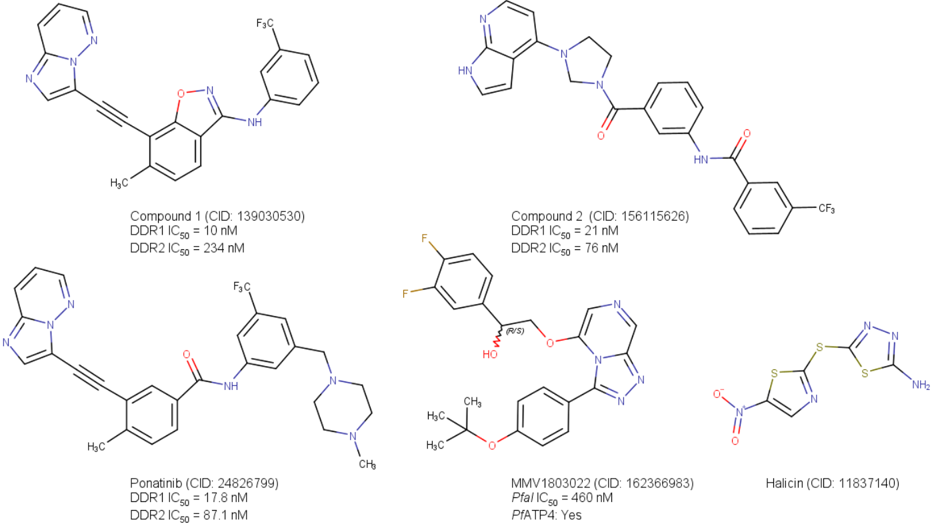
- Generative chemistry: GENTRL produced 30,000 compounds, filtered to six novel DDR1/DDR2 inhibitor candidates; two were potent nM inhibitors, and the process from DDR1 nomination to Compound 6 took 35 days; Compound 1 was orally bioavailable in mice with a 3.5-hour half-life after a 15 mg/kg dose.
- Challenges: no regulatory-approved medicine can be attributed to AI; ML models are often trained on tens of thousands of compounds versus 30 billion virtual compounds; Bayer and Amgen reported 33% and 11% reproducibility rates; data leakage was detected in 15 of 20 biology/medicine subject areas.
Methods
- Design: narrative review of AI for drug discovery (AI4DD), focused primarily on small molecule drugs, organized around three pillars—diseases, targets, and therapeutic modalities—plus regulatory science and caveats.
- Data/sample: cited literature, public databases/resources (e.g., DrugCentral, Pharos, Therapeutic Data Commons, OCHEM), and case studies of AI-designed compounds; no new primary experimental data are reported.
- Analysis: qualitative synthesis and discussion of cited examples; no systematic search strategy, meta-analysis, or formal quantitative synthesis is stated.
Limitations
- Paper-stated: no approved medicine can be attributed to AI, and no fully automated AI-driven drug discovery system exists; most successes rely on computational platforms supporting human decision-making.
- Paper-stated: ML models face applicability domain, external predictivity validation, and chemical diversity concerns; KG-based ML lacks ground truth and can suffer data leakage; reproducibility crisis affects both experiments and ML.
- Evident from text: as a narrative review, it does not report a systematic search or quantitative synthesis, and its examples are illustrative rather than exhaustive.
Model-written summary. Check it against the paper before relying on it.
Integrity signals
Registry
Cites
Statistics
Figures
Verification
Claims the paper makes
19 Valid · 24 Not valid · 24 Not checked · 20 Own results and interpretations
At least one cited source doesn’t support this claim or points to a different paper, and none confirmed it — see the verdicts below.
In the paper
“Rigorous analyses suggest that GCNNs do not improve predictive performance compared to 'classical QSAR' fingerprints (92).”
What the sources say
- Disputedcites [92] 92. Jiang D, Wu Z, Hsieh C-Y, Chen G, Liao B, et al. 2021. Could graph neural networks learn better molecular representation for drug discovery? A comparison study of descriptor-based and graph-based models. J. Cheminform . 13(1):12 sourceExperimental — accuracy not yet measured
In “External Dataset Validation: MUV” (page unavailable), the paper reports that Graph-CNN had the best performance among five methods on four of eight targets, while the ligand-based AP method led on the other four. Its analysis says Graph-CNNs outperformed ligand-based methods on the harder cases, rather than finding that they do not improve predictive performance over fingerprint-based methods. (LLM, conf=0.88)
Checked by a reasoning model — may be wrong.
hedged- Asserted: passes — The authors put it forward as true.
- Checkable: passes — It can be checked against evidence.
- Load-bearing: unclear — It is unclear whether the paper’s conclusions depend on it.
- Based: passes — The paper gives a reason why it holds.
- Disputed
The cited sources that could be checked couldn’t confirm or dispute this claim.
In the paper
“The state-ofthe-art in drug indication curation from text was expanded through InContext (49), which includes therapeutic context information about drug usage, especially for antineoplastic and cardiovascular drugs.”
What the sources say
- Could not verifycites [49] 49. Moodley K, Rieswijk L, Oprea TI, Dumontier M. 2021. InContext: curation of medical context for drug indications. J. Biomed. Semantics . 12(1):1-15 sourceExperimental — accuracy not yet measured
The Previous Efforts and ontology-based formalization sections discuss therapeutic context and text-mining tools, but do not identify InContext or describe its contribution. Searches for InContext, antineoplastic drugs, and cardiovascular drugs found no passage substantiating the attributed claim. (LLM, conf=0.74)
plainstates a cause- Asserted: passes — The authors put it forward as true.
- Checkable: passes — It can be checked against evidence.
- Load-bearing: unclear — It is unclear whether the paper’s conclusions depend on it.
- Based: passes — The paper gives a reason why it holds.
- Could not verify
The cited sources support only part of this claim — read each source’s verdict below.
In the paper
“An ML model based on convolutional neural networks (CNN) has demonstrated near-physician accuracy in diagnosing atopic dermatitis.”
What the sources say
- Partly supportedcites [43] 43. Yanagisawa Y, Shido K, Kojima K, Yamasaki K. 2023. Convolutional neural network-based skin image segmentation model to improve classification of skin diseases in conventional and nonstandardized picture images. J. Dermatol. Sci . 109(1):30-36 sourceExperimental — accuracy not yet measured
The Abstract says deep neural networks have achieved human-level performance in various image-based medical diagnosis tasks and gives a dermatologist-level skin cancer classifier as an example. It does not report near-physician accuracy for diagnosing atopic dermatitis; searches for atopic dermatitis and eczema found no such passage. The paper’s own case study concerns breast cancer screening. (LLM, conf=0.85)
boosted- Asserted: passes — The authors put it forward as true.
- Checkable: passes — It can be checked against evidence.
- Load-bearing: unclear — It is unclear whether the paper’s conclusions depend on it.
- Based: passes — The paper gives a reason why it holds.
- Partly supported
The sources with a verdict support this claim; the rest weren’t checked yet, have no full text we could read, or their verdicts aren’t rated yet.
In the paper
“Automated systems that digest large sets of data using named entity recognition, NER (18), are an integral part of public domain databases, for example, DISEASES for gene-disease associations (19); STRING for protein-protein interactions (20); and OpenTargets (21) and Pharos (22) for complex disease-protein-drug annotations, to name a few.”
What the sources say
- Not checked — no full text of the sourcecites [18] 18. A. Borthwick, J. Sterling, E. Agichtein, R. Grishman. 1998. Exploiting Diverse Knowledge Sources via Maximum Entropy in Named Entity Recognition. Proceedings of the Sixth Workshop on Very Large Corpora . Montreal, Canada. source
- Not matchedcites [19] 19. Grissa D, Junge A, Oprea TI, Jensen LJ. 2022. Diseases 2.0: a weekly updated database of disease-gene associations from text mining and data integration. Database . 2022:baac019
We searched by its title and found no matching paper.
- Supportedcites [20] 20. Szklarczyk D, Kirsch R, Koutrouli M, Nastou K, Mehryary F, et al. 2023. The STRING database in 2023: protein-protein association networks and functional enrichment analyses for any sequenced genome of interest. Nucleic Acids Res. 51(D1):D638-D646 source
Citation 19 is attached specifically to DISEASES as a database of gene–disease associations, not to the other named databases. The Named entity recognition section describes DISEASES using NER to process large text corpora, and the Conclusion identifies it as a freely available resource of disease–gene associations. (LLM, conf=0.94)
plain- Asserted: passes — The authors put it forward as true.
- Checkable: passes — It can be checked against evidence.
- Load-bearing: unclear — It is unclear whether the paper’s conclusions depend on it.
- Based: passes — The paper gives a reason why it holds.
The cited sources support only part of this claim — read each source’s verdict below.
In the paper
“Although DrugCentral maps drug uses to existing terminologies like SNOMED-CT and MeSH, two global standards for health terms, capturing therapeutic intent computationally is challenging (48).”
What the sources say
- Partly supportedcites [48] 48. Nelson SJ, Oprea TI, Ursu O, Bologa CG, Zaveri A, et al. 2017. Formalizing drug indications on the road to therapeutic intent. J. Am. Med. Inform. Assoc . 24(6):1169-1172 sourceExperimental — accuracy not yet measured
The Web interface section (page unavailable) says DrugCentral supports drug-use searches through SNOMED-CT mappings. The Pharmacological classification section (page unavailable) reports MeSH mappings for drug classes, not specifically for drug uses. The Summary and future directions section says capturing veterinary extra-label uses is “not trivial,” but does not make the broader claim that computationally capturing therapeutic intent is challenging. (LLM, conf=0.86)
plain- Asserted: passes — The authors put it forward as true.
- Checkable: passes — It can be checked against evidence.
- Load-bearing: unclear — It is unclear whether the paper’s conclusions depend on it.
- Based: passes — The paper gives a reason why it holds.
- Partly supported
34 more claims · 17 with their cited sources checked
Create a free account to see all 87 claims and to verify the 6 references still open.
- Probably not a substantial claim. 36
- It may state two separate claims as one. 20
Claims other papers make about this one
Each is checked against this paper’s own text: does it say what the citing paper says it does?
In the citing paper
“Ultimately, publicly available, structured datasets such as those offered by the Platform, can catalyse the development of further AI applications for early discovery (59).”
From Open Targets Platform: facilitating therapeutic hypotheses building in drug discovery (2025) · cites this paper as [59]
Self-check
Percentages, sums and reported differences re-computed from the paper’s own numbers.
Each contradiction between two passages listed here was confirmed by an independent check.
Rated minor: it would not touch a result — a value no result rests on, a p-value that stays on the same side of the significance level, or a conflict that is clerical, resolved elsewhere in the paper, or outside its own findings.
In the paper
§ 3.2. Target identification and validation · p. 7
“In this case, XGBoost, a form of extreme gradient boosting (67), was utilized to identify novel genes associated with Alzheimer's disease (68).”
§ 8. References · p. 25
“67. Köhler S, Carmody L, Vasilevsky N, Jacobsen JOB, Danis D, et al. 2019. Expansion of the Human Phenotype Ontology (HPO) knowledge base and resources. Nucleic Acids Res . 47(D1):D1018-D1027”
Cited works that were retracted
Works this paper cites that were later retracted, from the retraction notices publishers deposit. Major when the notice came out before this paper was published.
A note, not an issue: for example, a cited work that was retracted only after this paper was published, which its authors could not have known.
In the paper
“Diseases and healthcare: The last decade has witnessed significant computational advances in disease diagnosis, with ten or more publications describing the use of AI in dermatology, tuberculosis, Alzheimer’s disease, diabetes, hypertension, and cancer, reviewed elsewhere (32).”
Cited work 10.1007/s12652-021-03612-z · retracted 2026-03-09 · notice 10.1007/s12652-026-05063-w · this paper published 2024-01-23
Citations
Cites
1 retracted
Kumar, Y., Koul, A., Singla, R., & Ijaz, M. F. (2023) · Journal of Ambient Intelligence and Humanized Computing · doi:10.1007/s12652-021-03612-z · Cited by 1,040 · cited 1×
“Diseases and healthcare: The last decade has witnessed significant computational advances in disease diagnosis, with ten or more publications describing the use of AI in dermatology, tuberculosis, Alzheimer’s disease, diabetes, hypertension, and cancer, reviewed elsewhere (32).”
BackgroundRetractedXGBoost: A Scalable Tree Boosting System
Chen, T., & Guestrin, C. (2016) · Proceedings of the 22nd ACM SIGKDD International Conference on Knowledge Discovery and Data Mining · doi:10.1145/2939672.2939785 · Cited by 54,569 · cited 1×
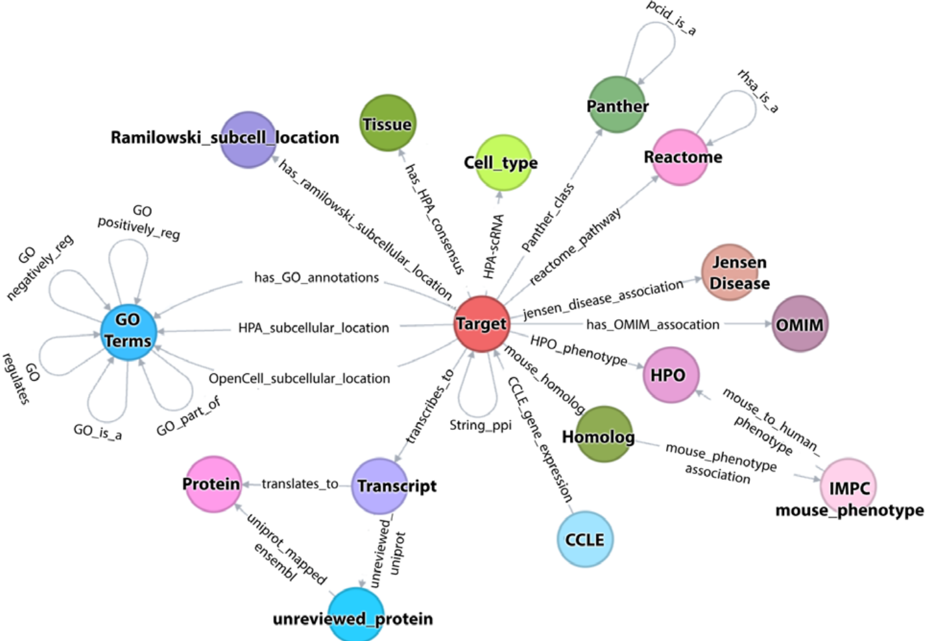
“Centered on the main node, “Target”, nodes listed clockwise are as follows: Tissue; Cell_type; Panther, Protein Analysis Through Evolutionary Relationships, a protein classification scheme(57); Reactome, a pathways database (58); Jensen DISEASES (19); OMIM, Online Mendelian Inheritance in Man database(59); HPO, human…”
BackgroundHighly accurate protein structure prediction with AlphaFold
Jumper, J., Evans, R., Pritzel, A., Green, T., Figurnov, M., Ronneberger, O., Tunyasuvunakool, K., Bates, R., Žídek, A., Potapenko, A., et al. (2021) · Nature · doi:10.1038/s41586-021-03819-2 · Cited by 43,764 · cited 2×
“Highly accurate protein structure prediction with AlphaFold.”
Background(2017) · Cited by 11,625
Lipinski, C. A., Lombardo, F., Dominy, B. W., & Feeney, P. J. (1997) · Advanced Drug Delivery Reviews · doi:10.1016/s0169-409x(96)00423-1 · Cited by 11,385
Why Most Published Research Findings Are False
Ioannidis, J. P. A. (2005) · PLoS Medicine · doi:10.1371/journal.pmed.0020124 · Cited by 10,505
Szklarczyk, D., Kirsch, R., Koutrouli, M., Nastou, K., Mehryary, F., Hachilif, R., Gable, A. L., Fang, T., Doncheva, N. T., Pyysalo, S., et al. (2023) · Nucleic Acids Research · doi:10.1093/nar/gkac1000 · Cited by 9,726 · cited 4×
“Automated systems that digest large sets of data using named entity recognition, NER (18), are an integral part of public domain databases, for example, DISEASES for gene-disease associations (19); STRING for protein-protein interactions (20); and OpenTargets (21) and Pharos (22) for complex disease-protein-drug annot…”
BackgroundInfluentialTensorFlow: Large-Scale Machine Learning on Heterogeneous Distributed Systems
Abadi, M., Agarwal, A., Barham, P., Brevdo, E., Chen, Z., Citro, C., Corrado, G. S., Davis, A., Dean, J., Devin, M., et al. (2016) · arXiv · doi:10.48550/arxiv.1603.04467 · Cited by 9,408
Scikit-learn: Machine Learning in Python
(2011) · Journal of Machine Learning Research · doi:10.5555/1953048.2078195 · Cited by 8,539
Weininger, D. (1988) · Journal of Chemical Information and Computer Sciences · doi:10.1021/ci00057a005 · Cited by 7,436 · cited 3×
“Page | 11 Traditionally, QSARs and other small-molecule property ML models use chemical structures as input, often encoded as SMILES (Simplified Molecular Input Line Entry System) (88).”
MethodInfluential
Research works printed but not linked: 24
- Harris LA., 2021, Artificial intelligence: background, selected issues, and policy considerations
- 18. A. Borthwick, J. Sterling, E. Agichtein, R. Grishman. 1998. Exploiting Diverse Knowledge Sources via Maximum Entropy in Named Entity Recognition. Proceedings of the Sixth Workshop on Very Large Corpora . Montreal, Canada.
- 25. Bartusiak M. 1981. Designing Drugs with Computers. Discover Magazine , Aug., pp. 47-50
- 26. Bylinsky G. 1981. A new industrial revolution is on the way. Fortune Magazine , Oct. 5, pp. 106114
- 78. Hansch C, Leo A, Hoekman DH. 1995. Exploring QSAR.: Fundamentals and applications in chemistry and biology . Washington, DC: American Chemical Society. 557 pp.
- Natl. Cancer Inst, 2023, NCI-60 growth inhibition data
- 107. Deb K., Sundar J., Udaya Bhaskara Rao N., Chaudhuri S. 2006. Reference point based multiobjective optimization using evolutionary algorithms. Int. J. Comput. Intell. Res . 2:273-286
- 109. PyTorch. https://openreview.net/pdf?id=BJJsrmfCZ.
- 115. Landrum G. 2022. RDKit: Open-source cheminformatics. https://www.rdkit.org/
- 138. Lemonick S. 2020. AI finds molecules that kill bacteria, but would they make good antibiotics? Chemistry and Engineering News , 2020-02-26, pp. 13-14
- 147. International council for harmonisation of technical requirements for pharmaceuticals for human use (ICH) ICH harmonised guideline assessment and control of DNA reactive (mutagenic) impurities in pharmaceuticals to limit potential carcinogenic risk. 2017. https://database.ich.org
- 148. European Medicines Agency. 2018. Reflection paper on the qualification of non-genotoxic impurities. https://bit.ly/4392Ki7
- Hines PA, 2022, Nat. Rev. Drug Discov.
- FDA (US Food Drug Admin.), 2023, Using artificial intelligence and machine learning in the development of drug and biological products
- FDA (US Food Drug Admin.), 2023, Artifical intelligence in drug manufacturing
- Exscientia, 2020, DSP-1181
- 155. Yoshinaga H, Uemachi H, Ohno T, Besnard J. 2020. 2,6-disubstituted pyridine derivative. https://patents.google.com/patent/US10800755B2/
- Wills T., 2022, CAS
- 156. Yoshinaga H, Ikuma Y, Ikeda J, Adachi S, Mitsunuma H, et al. 2020. Condensed lactam derivative. https://patents.google.com/patent/US10745401B2/
- Fultinavičiūtė U., 2023, Clinical Trials Arena
- 160. Aliper A, Aladinskiy V, Zavoronkovs A. 2020. Methods of inhibiting kinases. 2020170203:A1
- InSilico Med, 2023, Hong Kong Stock Exchange application proof of InSilico Medicine Cayman TopCo
- Relay Ther, 2020, Relay Therapeutics® announces a worldwide license and collaboration agreement with Genentech for RLY-1971
- 183. OpenAI. 2023. https://cdn.openai.com/papers/gpt-4.pdf
Cited by
Fu, L., Shi, S., Yi, J., Wang, N., He, Y., Wu, Z., Peng, J., Deng, Y., Wang, W., Wu, C., et al. (2024) · Nucleic Acids Research · doi:10.1093/nar/gkae236 · Cited by 1,260
The Role of AI in Hospitals and Clinics: Transforming Healthcare in the 21st Century
Maleki Varnosfaderani, S., & Forouzanfar, M. (2024) · Bioengineering · doi:10.3390/bioengineering11040337 · Cited by 931
“Exscientia introduced the first AI-designed drug molecule for clinical trials in early 2020 [46].”
BackgroundOpen Targets Platform: facilitating therapeutic hypotheses building in drug discovery
Buniello, A., Suveges, D., Cruz-Castillo, C., Llinares, M. B., Cornu, H., Lopez, I., Tsukanov, K., Roldán-Romero, J. M., Mehta, C., Fumis, L., et al. (2025) · Nucleic Acids Research · doi:10.1093/nar/gkae1128 · Cited by 333
Reinvent 4: Modern AI–driven generative molecule design
Loeffler, H. H., He, J., Tibo, A., Janet, J. P., Voronov, A., Mervin, L. H., & Engkvist, O. (2024) · Journal of Cheminformatics · doi:10.1186/s13321-024-00812-5 · Cited by 319
“Here, we will focus on small molecule design but other modalities are being investigated as well [12, 13].”
Tribulations and future opportunities for artificial intelligence in precision medicine
Carini, C., & Seyhan, A. A. (2024) · Journal of Translational Medicine · doi:10.1186/s12967-024-05067-0 · Cited by 173
“As discussed in the literature, [27, 28, 39–42], AI-based drug discovery and screening alongside laboratory automation could augment human drug design, chemical synthesis, drug screening, biological testing, and decision-making involved in drug discovery and development, potentially overcoming low…”
BackgroundInfluentialGangwal, A., & Lavecchia, A. (2025) · Journal of Medicinal Chemistry · doi:10.1021/acs.jmedchem.4c01257 · Cited by 187
RetractedThe future of pharmaceuticals: Artificial intelligence in drug discovery and development
Fu, C., & Chen, Q. (2025) · Journal of Pharmaceutical Analysis · doi:10.1016/j.jpha.2025.101248 · Cited by 264
A Comprehensive Survey of Foundation Models in Medicine
Khan, W., Leem, S., See, K. B., Wong, J. K., Zhang, S., & Fang, R. (2025) · IEEE Reviews in Biomedical Engineering · doi:10.1109/rbme.2025.3531360 · Cited by 218
“FM applications can facilitate accurate information retrieval to provide the most comprehensive and pertinent historical information to the provider.”
The role and future prospects of artificial intelligence algorithms in peptide drug development
Chen, Z., Wang, R., Guo, J., & Wang, X. (2024) · Biomedicine & Pharmacotherapy · doi:10.1016/j.biopha.2024.116709 · Cited by 87
Hashemi, S., Vosough, P., Taghizadeh, S., & Savardashtaki, A. (2024) · Heliyon · doi:10.1016/j.heliyon.2024.e40265 · Cited by 80
“This advancement has captured the attention of in-vestors, industrial scientists, and legislators, who have shown great interest in applying AI to drug discovery [14].”
Skurnik, M., Alkalay‐Oren, S., Boon, M., Clokie, M. R. J., Sicheritz‐Pontén, T., Dąbrowska, K., Hatfull, G. F., Hazan, R., Jalasvuori, M., Kiljunen, S., et al. (2025) · Nature Reviews Methods Primers · doi:10.1038/s43586-024-00377-5 · Cited by 78
Artificial intelligence revolution in drug discovery: A paradigm shift in pharmaceutical innovation
Jarallah, S. J., Almughem, F. A., Alhumaid, N. K., Fayez, N. A., Alradwan, I. A., Alsulami, K. A., Tawfik, E. A., & Alshehri, A. A. (2025) · International Journal of Pharmaceutics · doi:10.1016/j.ijpharm.2025.125789 · Cited by 93
Garnsey, M. R., Robinson, M. C., Nguyen, L. T., Cardin, R. D., Tillotson, J., Mashalidis, E. H., Yu, A., Aschenbrenner, L. M., Balesano, A., Behzadi, A., et al. (2024) · Science Advances · doi:10.1126/sciadv.ado4288 · Cited by 85
Lu, X., Xie, L., Xu, L., Mao, R., Xu, X., & Chang, S. (2024) · Computational and Structural Biotechnology Journal · doi:10.1016/j.csbj.2024.04.030 · Cited by 75
“To apply deep learning to drug property prediction, molecules need to be transformed into molecular representations [21,22].”
BackgroundGhislat, G., Hernández-Hernández, S., Piyawajanusorn, C., & Ballester, P. J. (2024) · Expert Opinion on Drug Discovery · doi:10.1080/17460441.2024.2403639 · Cited by 62
“Model interpretability is an aspect that drug discovery experts regard as crucial for gaining their trust and accelerating their adoption of AI models [115,116].”
AI-Driven Polypharmacology in Small-Molecule Drug Discovery
Abdelsayed, M. (2025) · International Journal of Molecular Sciences · doi:10.3390/ijms26146996 · Cited by 71
“In drug discovery, there is growing concern about the reproducibility crisis and the need to carefully vet computational findings [42].”
InfluentialAlbani, F. G., Alghamdi, S. S., Almutairi, M. M., & Alqahtani, T. (2025) · Drug Design Development and Therapy · doi:10.2147/dddt.s509769 · Cited by 52
“39,40 AI can analyze massive datasets, improve drug response predictions, enhance the accuracy of diagnostic imaging, and facilitate personalized medicine approaches.”
Leading artificial intelligence–driven drug discovery platforms: 2025 landscape and global outlook
Dharmasivam, M., Kaya, B., Akinware, A., Azad, M. G., & Richardson, D. R. (2025) · Pharmacological Reviews · doi:10.1016/j.pharmr.2025.100102 · Cited by 51
Explainable Artificial Intelligence in the Field of Drug Research
Ding, Q., Yao, R., Bai, Y., Da, L., Wang, Y., Xiang, R., Jiang, X., & Zhai, F. (2025) · Drug Design Development and Therapy · doi:10.2147/dddt.s525171 · Cited by 46
Zhang, Z., Zhou, X. Y., Qi, Y., Zhu, X., Deng, X., Tan, F., Huang, Y. B., Hu, L., You, Z., & Hu, P. (2025) · Advanced Science · doi:10.1002/advs.202512453 · Cited by 41
The recent advances in the approach of artificial intelligence (AI) towards drug discovery
Khan, M. K., Raza, M., Shahbaz, M., Hussain, I., Khan, M. F., Xie, Z., Shah, S. S. A., Tareen, A. K., Bashir, Z., & Khan, K. (2024) · Frontiers in Chemistry · doi:10.3389/fchem.2024.1408740 · Cited by 52
Application of 3D, 4D, 5D, and 6D bioprinting in cancer research: what does the future look like?
Khorsandi, D., Rezayat, D., Sezen, S., Ferrao, R., Khosravi, A., Zarepour, A., Khorsandi, M., Hashemian, M. A., Iravani, S., & Zarrabi, A. (2024) · Journal of Materials Chemistry B · doi:10.1039/d4tb00310a · Cited by 35
Sampene, A. K., & Nyirenda, F. (2024) · Future Journal of Pharmaceutical Sciences · doi:10.1186/s43094-024-00632-2 · Cited by 37
“Likewise, Hasselgren and Oprea [17] espoused that through ML, these systems can learn from previous testing situations and improve their ability to recognize possible problems with every iteration.”
BackgroundMcKee, M., Rosenbacke, R., & Stückler, D. (2024) · The International Journal of Health Planning and Management · doi:10.1002/hpm.3864 · Cited by 36
Mulat, M., Banicod, R. J. S., Tabassum, N., Javaid, A., Kim, T., Kim, Y., & Khan, F. (2025) · Journal of Microbiological Methods · doi:10.1016/j.mimet.2025.107232 · Cited by 36
REINVENT4: Modern AI–Driven Generative Molecule DesignPreprint
Loeffler, H. H., He, J., Tibo, A., Janet, J. P., Voronov, A., Mervin, L., & Engkvist, O. (2023) · ChemRxiv · doi:10.26434/chemrxiv-2023-xt65x · Cited by 23
ChatGPT and generative AI are revolutionizing the scientific community: A Janus‐faced conundrum
Pu, Z. J., Shi, C., Jeon, C. O., Fu, J., Liu, S., Lan, C., Yao, Y., Liu, Y., & Jia, B. (2024) · iMeta · doi:10.1002/imt2.178 · Cited by 33
“In biomedical research, generative AI is revolutionizing drug discovery and development by predicting molecular structures and biological interactions [3].”
BackgroundBridging data and drug development: Machine learning approaches for next-generation ADMET prediction
Fan, N., Chen, J., Wang, J., Chen, Z., & Yang, Y. (2025) · Drug Discovery Today · doi:10.1016/j.drudis.2025.104487 · Cited by 36
Elfatimi, E., Lekbach, Y., Prakash, S., Karan, S., Dorotta, J. C., Garcia, A., Suoth, B. S., Maurya, C., Omorogieva, E., Ng, S. X. L., et al. (2025) · Frontiers in Artificial Intelligence · doi:10.3389/frai.2025.1681106 · Cited by 31
“AI-driven platforms have already demonstrated substantial cost savings in drug discovery pipelines, particularly in oncology (Hasselgren and Oprea, 2024; Vora et al., 2023).”
InfluentialSubaveerapandiyan, A., Mvula, D., Ahmad, N., Taj, A., & Ahmed, M. G. (2024) · Journal of Health Organization and Management · doi:10.1108/jhom-04-2024-0154 · Cited by 28
AI-Driven De Novo Design and Development of Nontoxic DYRK1A Inhibitors
González, E., Varas, P., González-Naranjo, P., Ulzurrun, E., Marcos-Ayuso, G., Pérez, C., Paez, J. A., Insua, D. R., Santana, S. R., & Campillo, N. E. (2025) · Journal of Medicinal Chemistry · doi:10.1021/acs.jmedchem.5c00512 · Cited by 22
“Compounds 6 , 7 , 10 , and 11 were found to be nontoxic at concentrations up to 10 μ M, whereas compounds 1 , 5 , 8 , and 9 exhibited toxicity at 10 μ M but were nontoxic at 5 μ M. Subsequently, the effect of the compounds on LPS-induced proinflammatory responses in BV2 microglial cells was…”
InfluentialPark, K., & Jeon, M. (2025) · Pharmaceuticals · doi:10.3390/ph18121793 · Cited by 21
“In recent years, artificial intelligence (AI) has revolutionized various stages of drug discovery, from de novo molecule generation and target prediction to ADME profiling and structure-based design [13].”
Wang, B., Liu, Q., Zhao, W., Zhang, T., Zhang, D., Sutcharitchan, C., & Li, S. (2025) · Acta Pharmaceutica Sinica B · doi:10.1016/j.apsb.2025.12.030 · Cited by 31
“These innovations have shifted drug discovery from traditional trial-and-error methods to data-driven, holistic approaches, improving precision and reducing timelines and costs 259,260 .”
Gao, K., Chen, Z., Zhang, N., & Jiang, P. (2024) · Saudi Pharmaceutical Journal · doi:10.1016/j.jsps.2024.102139 · Cited by 19
Democratising real-world drug discovery through agentic AI
He, J., Lai, H., Saigiridharan, L., Ghiandoni, G. M., Jenei, K., Gokalp, U., Nuković, A., Engkvist, O., Janet, J. P., & Genheden, S. (2026) · Drug Discovery Today · doi:10.1016/j.drudis.2026.104605 · Cited by 17
Chakraborty, C., Bhattacharya, M., Pal, S., & Islam, M. A. (2024) · Annals of Medicine and Surgery · doi:10.1097/ms9.0000000000002438 · Cited by 22
Small-molecule control of CAR T cells
Adams, E. L., McGovern, A. C., So, V., Srinivasan, S., Deiters, A., & Lohmueller, J. J. (2025) · Nature Reviews Chemistry · doi:10.1038/s41570-025-00768-6 · Cited by 21
“Technologies such as DNA-barcoded libraries and artificial intelligence-aided drug design could accelerate these approaches 165,166 .”
Pannonhalmi, Á., Sipos, B., Kurucz, R. I., Katona, G., Kemény, L. V., & Csóka, I. (2025) · Pharmaceuticals · doi:10.3390/ph18060876 · Cited by 25
AI-integrated microfluidics for drug screening: From single cell to organ-on-a-chip
Yin, H., Li, Z., Shen, Z., Wang, S., Du, N., Cheng, S., Zhou, J., Li, Y., Jia, Y., & Li, Y. (2026) · Acta Pharmaceutica Sinica B · doi:10.1016/j.apsb.2026.01.001 · Cited by 21
“This integration spans from target identification and efficacy prediction to toxicity assessment and biomarker discovery 29 — 33 .”
Sang, Z., Zhang, Y., Fan, Y., Luan, C., Liu, Z., Zhang, Q., Zeng, H., Song, Y., Huang, S., & Ge, G. (2025) · Journal of Medicinal Chemistry · doi:10.1021/acs.jmedchem.4c02560 · Cited by 15
Jo, H.-G., Seo, J., Jang, B., Kim, Y., Kim, H., Baek, E., Park, S.-Y., & Lee, D. (2025) · Autoimmunity Reviews · doi:10.1016/j.autrev.2025.103836 · Cited by 20
Rethinking chemical research in the age of large language models
MacKnight, R., Boiko, D. A., Regio, J. E., Gallegos, L. C., Neukomm, T. A., & Gomes, G. (2025) · Nature Computational Science · doi:10.1038/s43588-025-00811-y · Cited by 32
“Current evidence presents contrasting views on AI’s effectiveness in this field, highlighting the need for systematic evaluation frameworks 107–109 .”
Zhao, D., Huang, P. C., Yu, L., & He, Y. T. (2024) · Clinical Pharmacokinetics · doi:10.1007/s40262-024-01391-2 · Cited by 14
“ML identifies complex relationships between PK and PD parameters, guiding model construction [210, 211].”
Aritra, S., Shikha, C. B., & Indu, S. (2025) · Intelligent Pharmacy · doi:10.1016/j.ipha.2024.12.001 · Cited by 26
Mitochondrial Dysfunction in Aging: Future Therapies and Precision Medicine Approaches
Jia, L., Wei, Z., Luoqian, J., Wang, X., & Huang, C. (2025) · MedComm – Future Medicine · doi:10.1002/mef2.70026 · Cited by 18
Artificial Intelligence in Drug Discovery: Integrative Advances From Data to Therapeutic Innovation
Mehran, M. J., Mohammadzadeh, S., Bolideei, M., Barzigar, R., Haider, K. H., Jadgal, N., & Bahrami, Y. (2026) · Drug Development Research · doi:10.1002/ddr.70229 · Cited by 17
“More recently, in 2023, the US FDA granted Orphan Drug Designation to an AI‐ discovered drug, demonstrating the credibility and clinical relevance of AI‐assisted drug discovery (Serrano et al. 2024; Hasselgren and Oprea 2024; Blanco‐González et al. 2023).”
Kleandrova, V. V., Cordeiro, M. N. D. S., & Speck‐Planche, A. (2025) · Applied Sciences · doi:10.3390/app15031166 · Cited by 13
Ortiz-Gómez, V., & Maldonado‐Hernández, R. (2025) · ACS Omega · doi:10.1021/acsomega.5c01011 · Cited by 17
“176 Current computational models fall short in accurately capturing the complexity of host − pathogen interactions, immune responses, and in vivo pharmacodynamics.”
Decoding protein structures with residue interaction networks
Begue, S. C., Leonardi, E., & Tosatto, S. C. E. (2025) · Trends in Biochemical Sciences · doi:10.1016/j.tibs.2025.08.006 · Cited by 14
Advanced AI Applications for Drug Discovery
Yingngam, B., & Sethabouppha, B. (2024) · Advances in medical technologies and clinical practice book series · doi:10.4018/979-8-3693-2333-5.ch003 · Cited by 15
Sun, D., Macedonia, C. R., Chen, Z., Chandrasekaran, S., Najarian, K., Zhou, S. Y., Cernak, T., Ellingrod, V. L., Jagadish, H. V., Marini, B. L., et al. (2024) · Journal of Medicinal Chemistry · doi:10.1021/acs.jmedchem.4c01684 · Cited by 15
The physics-AI dialogue in drug design
Vargas-Rosales, P. A., & Caflisch, A. (2025) · RSC Medicinal Chemistry · doi:10.1039/d4md00869c · Cited by 18
A Historical Perspective on Artificial Intelligence in Applied Life Sciences
Emara, T. Z., Hassan, E., Elbedwehy, S., & Saber, A. (2025) · Advances in computational intelligence and robotics book series · doi:10.4018/979-8-3693-9208-9.ch002 · Cited by 13
Natural language processing in veterinary pathology: A review
Stimmer, L., Kuiper, R., Polledo, L., Ressel, L., Rodriguez, J. M. M., Veiga, I. B., Williams, J. M., & Herder, V. (2025) · Veterinary Pathology · doi:10.1177/03009858251347529 · Cited by 12
“37,46,84 Human and veterinary pathology face several challenges, such as increasing workload, shortage of skilled personnel, variability and subjectivity in interpretation, and integration of increasingly complex data such as molecular and genetic read-outs.”
Hsu, D. F., Kristal, B. S., & Schweikert, C. (2024) · Computer · doi:10.1109/mc.2024.3406058 · Cited by 15
Gambhir, A., Jain, N., Pandey, M., & Simran (2024) · Frontiers of artificial intelligence, ethics and multidisciplinary applications. · doi:10.1007/978-981-97-6790-8_2 · Cited by 22
AI-driven discovery of brain-penetrant Galectin-3 inhibitors for Alzheimer's disease therapy
Liu, X., Xu, J., Zheng, S., Yang, Y., Xie, Y., Liu, J., Zhong, J., Zhang, H., Chen, J., Dai, C., et al. (2025) · Pharmacological Research · doi:10.1016/j.phrs.2025.107834 · Cited by 18
Enhancing ADMET Property Models Performance through Combinatorial Fusion Analysis.Preprint
jiang, N., Quazi, M., Schweikert, C., Hsu, D. F., Oprea, T. I., & Sirimulla, S. (2023) · ChemRxiv · doi:10.26434/chemrxiv-2023-dh70x · Cited by 24
Self-citationChen, Y., Zhang, S., Wen, Y., Lai, Z., & Liu, T. (2024) · APL Materials · doi:10.1063/5.0219418 · Cited by 9
Faiyazuddin, M., Gholap, A. D., Maqsood, S., Abbas, S., Chaudhari, Y. S., Sharmila, S., & Webster, T. J. (2024) · Journal of Biomedical Nanotechnology · doi:10.1166/jbn.2024.3925 · Cited by 15
Vidiyala, N., Sunkishala, P., Parupathi, P. R., & Nyavanandi, D. (2025) · AAPS PharmSciTech · doi:10.1208/s12249-025-03134-3 · Cited by 14
AI-Driven Drug Discovery, Design, and Development in Immunological Disorders
Ogidi, O. I., Alfred-Ugbenbo, D., & Poripo, B. E. (2025) · Advances in computational intelligence and robotics book series · doi:10.4018/979-8-3693-9725-1.ch005 · Cited by 17
Jha, R., Sekhani, A., Panchal, N., et al. (2025) · Journal of Molecular Liquids · doi:10.1016/j.molliq.2025.127841 · Cited by 9
Cell and tissue reprogramming: Unlocking a new era in medical drug discovery
Sen, C. K., Friday, A. J., & Roy, S. (2025) · Pharmacological Reviews · doi:10.1016/j.pharmr.2025.100077 · Cited by 11
SPACE: STRING proteins as complementary embeddings
Hu, D., Szklarczyk, D., von Mering, C., & Jensen, L. J. (2025) · Bioinformatics · doi:10.1093/bioinformatics/btaf496 · Cited by 13
“…interaction (PPI) networks (De Las Rivas and Fontanillo 2010) serve as a valuable complementary information source that captures the complex interplay between proteins, crucial for understanding biological processes and disease mechanisms (Vendruscolo and Fuxreiter 2022, Hasselgren and Oprea 2024).”
Main methods and tools for peptide development based on protein-protein interactions (PPIs)
Baeza, J., Bedoya, M., Cruz, P., Ojeda, P., Adasme-Carreño, F., Cerda, O., & González, W. (2025) · Biochemical and Biophysical Research Communications · doi:10.1016/j.bbrc.2025.151623 · Cited by 8
Problematic Attributions of Entropic and Hydrophobic Effects in Drug Interactions
Schneider, H. (2025) · ACS Bio & Med Chem Au · doi:10.1021/acsbiomedchemau.4c00148 · Cited by 9
“Artificial Intelligence plays an increasing role in drug discovery; 92,93 hybrid databases can serve for de novo drug design 94 and can evaluate also drug affinity values.”
NMR structures of small molecules bound to a model of a CUG RNA repeat expansion
Chen, J. L., Taghavi, A., Frank, A. J., Fountain, M. A., Choudhary, S., Roy, S., Childs‐Disney, J. L., & Disney, M. D. (2024) · Bioorganic & Medicinal Chemistry Letters · doi:10.1016/j.bmcl.2024.129888 · Cited by 14
“74 These structures also provide the opportunity to adopt structure-based machine learning assisted drug design approaches as already exemplified in the protein-small molecule field.”
van der Horst, D., Carter-Timofte, M. E., Danneels, A., da Costa, L. S., Kurmasheva, N., Thielke, A. L., Hansen, A. L., Chorošajev, V., Holm, C. K., Belouzard, S., et al. (2024) · Antiviral Research · doi:10.1016/j.antiviral.2024.106012 · Cited by 9
Deep generative molecular design and its value in modern drug discovery
Özdemir, E. S., Jang, H., Keskin, Ö., Gürsoy, A., & Nussinov, R. (2026) · Expert Opinion on Drug Discovery · doi:10.1080/17460441.2026.2636192 · Cited by 12
“Without systematic benchmarking against historical non-AI baselines under comparable constraints, it remains difficult to attribute observed improvements uniquely to generative algorithms rather than to broader organizational, experimental, or strategic factors [51,96].”
InfluentialApplications of AI in Drug Discovery: Its Challenges, Opportunities, and Strategies
Rahate, K., & Mondal, R. (2024) · Advances in medical technologies and clinical practice book series · doi:10.4018/979-8-3693-2238-3.ch005 · Cited by 10
Tryptophan-2,3-Dioxygenase as a Therapeutic Target in Digestive System Diseases
Wang, Z., Xie, X., Xue, Y., & Chen, Y. (2025) · Biology · doi:10.3390/biology14030295 · Cited by 11
“To date, artificial intelligence has developed numerous algorithmic models for drug discovery, including target protein structure identification [178], virtual screening [179], de novo drug design [180], and bioactivity and toxicity prediction [181].”
History and Evolution of Innovations in Clinical Pharmacology
Lesko, L. J., & van der Graaf, P. H. (2025) · Clinical Pharmacology & Therapeutics · doi:10.1002/cpt.70048 · Cited by 9
Artificial intelligence and multi-omics in drug discovery: A deep learning-powered revolution
Vora, N., Shah, S., Patel, P., & Shah, M. (2025) · Cure & Care · doi:10.1016/j.ccwv.2025.100011 · Cited by 14
The covalent docking software landscape: features and applications in drug design
Singh, N., Vayer, P., & Villoutreix, B. O. (2025) · Briefings in Bioinformatics · doi:10.1093/bib/bbaf697 · Cited by 10
AI accelerate the identification of druggable targets by 3D structures of proteins and compounds
Li, D., Shi, S., Yu, Z., Peng, X. U., & Zhang, C. (2026) · npj Precision Oncology · doi:10.1038/s41698-026-01310-7 · Cited by 14
Artificial Intelligence in Drug Discovery and Development: Transforming Pharmaceutical Innovation
Ali, M. S., Alqahtani, T., Shmrany, H. A., Gupta, G., Goh, K. W., Sahebkar, A., & Kesharwani, P. (2026) · Drug Development Research · doi:10.1002/ddr.70281 · Cited by 14
“Drug discovery and development involve creating novel medicinal compounds to cure, alleviate, and prevent diseases (Hasselgren and Oprea 2024) (Figure 1).”
Exploring the Ethical Implications of Generative AI in Healthcare
Kumar, D., Dhalwal, R., & Chaudhary, A. (2024) · Advances in computational intelligence and robotics book series · doi:10.4018/979-8-3693-2964-1.ch011 · Cited by 8
Artificial Intelligence-Driven Industry Applications
Visconti, R. M. (2024) · Springer eBooks · doi:10.1007/978-3-031-53622-9_10 · Cited by 6
Aithal, S., & Aithal, P. S. (2024) · International Journal of Applied Engineering and Management Letters · doi:10.47992/ijaeml.2581.7000.0226 · Cited by 7
Garnsey, M. R., Robinson, M. C., Nguyen, L. T., et al. (2024) · bioRxiv (Cold Spring Harbor Laboratory) · doi:10.1101/2024.01.26.577395 · Cited by 6
“AI and machine learning (ML) have seen increased use in small molecule drug discovery in recent years, with the advent of generative chemistry and multiparameter optimization approaches benefitting from the broader advances and resurgence in ML technology [17,18].”
A Heart-to-Heart With ChatGPT: AI Applications in Hypertension
Layton, A. T. (2025) · American Journal of Hypertension · doi:10.1093/ajh/hpaf045 · Cited by 6
Konfo, T. R. C., Koudoro, A. Y., Tchekessi, C. K. C., Chadaré, F. J., Avlessi, F., & Sohounhloue, C. K. D. (2025) · Food Chemistry Advances · doi:10.1016/j.focha.2025.101177 · Cited by 7
Na, G. S., & Kim, H. W. (2024) · Applied Soft Computing · doi:10.1016/j.asoc.2024.111935 · Cited by 9
The Impact of Artificial Intelligence on Pharmacy Education, Research and Practice
Kakade, P. A., Sontakke, S. M., Hosmani, A. H., & Gonjari, I. D. (2025) · Asian Journal of Pharmaceutical Research · doi:10.52711/2231-5691.2025.00051 · Cited by 4
Persona-driven generative AI in pharmaceuticals
Wan, Y., Nakayama, M., Aldana, C. F., & Alvino, F. (2025) · Drug Discovery Today · doi:10.1016/j.drudis.2025.104520 · Cited by 5
Behrooznia, S., & Hooshmand, M. (2025) · ACS Omega · doi:10.1021/acsomega.5c04997 · Cited by 8
Optimization of potential targets for antidepressant Chinese medicines: AI and multi-omics methods
Lei, C., Chen, Z., Ma, C., Xie, L., Wu, D., Chen, J., & Chen, J. (2026) · Chinese Medicine · doi:10.1186/s13020-025-01320-w · Cited by 5
Artificial Intelligence and Illicit Drugs: A World of Possibilities
Weisheit, R. A. (2025) · Deviant Behavior · doi:10.1080/01639625.2025.2537441 · Cited by 5
Yingngam, B. (2024) · Advances in medical technologies and clinical practice book series · doi:10.4018/979-8-3693-3212-2.ch005 · Cited by 5
A multiscale molecular structural neural network for molecular property prediction
Shi, Z., Ma, M., Ning, H., Yang, B., & Dang, J. (2025) · Molecular Diversity · doi:10.1007/s11030-024-11100-7 · Cited by 6
A Framework for Autonomous AI-Driven Drug DiscoveryPreprint
Selinger, D. W., Wall, T. R., Stylianou, E. S., Khalil, E. M., Gaetz, J., & Levy, O. (2024) · bioRxiv (Cold Spring Harbor Laboratory) · doi:10.1101/2024.12.17.629024 · Cited by 10
“There is tremendous interest in the potential of AI-driven solutions to overcome these barriers, however many challenges remain ( 6 , 7 ) .”
Mayoka, G. W., & Cheuka, P. M. (2025) · Journal of Medicinal Chemistry · doi:10.1021/acs.jmedchem.5c00081 · Cited by 3
AI-Based Drug Discovery and Design for Different Genetic Designs
Basumatary, D., Devi, S. G., Swargiary, D., & Borah, J. C. (2025) · Methods in molecular biology · doi:10.1007/978-1-0716-4690-8_8 · Cited by 4
Toward clinical translation of AI-Led drug discovery in endometrial cancer
Nguyen, P. K., Luong, T., Bui, X., & Le, N. Q. K. (2025) · Expert Review of Anticancer Therapy · doi:10.1080/14737140.2025.2557602 · Cited by 4
“The reproducibility crisis in target identification using ML is documented [153].”
Lee, C. H., & Lee, S. (2025) · Pharmacological Research · doi:10.1016/j.phrs.2025.107952 · Cited by 3
Pardo, K., Schwedt, T. J., Cutrer, F. M., & Chiang, C. (2025) · Cephalalgia · doi:10.1177/03331024251395541 · Cited by 4
Harnessing transcriptomics for discovery of natural products to overcome acquired cancer resistance
Yeo, H., Kim, S.-Y., & Park, S. (2025) · Archives of Pharmacal Research · doi:10.1007/s12272-025-01590-w · Cited by 4
Artificial Intelligence in Hematology
Verghese, R., Iqubal, A., & Mishra, K. (2025) · Indian Journal of Hematology and Blood Transfusion · doi:10.1007/s12288-025-02244-z · Cited by 5
Poroikov, V., Dmitriev, A. V., Druzhilovskiy, D. S., Ivanov, S. M., Lagunin, A. A., Pogodin, P. V., Rudik, A. V., Савосина, П. И., Tarasova, O. A., & Filimonov, D. A. (2023) · Safety and Risk of Pharmacotherapy · doi:10.30895/2312-7821-2023-11-4-372-389 · Cited by 6
Metadata
- Authors
- Hasselgren, C., & Oprea, T. I.
- Affiliations
- Genentech (US)
- University of New Mexico (US)
- ORCID
- Oprea, Tudor I.
- Venue
- Annual Review of Pharmacology and Toxicology
- Publisher
- Annual Reviews
- Published
- 2024-01-23
- Volume
- 64
- Issue
- 1
- Pages
- 527-550
- ISSN
- 0362-1642 (ISSN-L)
- 1545-4304
- OpenAlex
- W4384389969
- Semantic Scholar
- 0900126a594d07ac519299b559b21b73d2e4ee5a
- Cited by
- 236
- References
- 167
- Citations by year
- 2026: 67 · 2025: 107 · 2024: 57
- FWCI
- 3.99
- Type
- journal article
- Language
- en
- Open access
- hybrid
- doi.org
- Licence
- public-domain
- creativecommons.org/licenses/by/4.0/ (unspecified)
- Locations
- The Annual Review of Pharmacology and Toxicology (publishedVersion, public-domain)
- PubMed (publishedVersion)
- arXiv (Cornell University) (submittedVersion, cc-by-nc-sa)
- arXiv (Cornell University)
- Funders
- National Institutes of Health (U24 224370)
- Genentech
- National Cancer Institute (U24 224370)
- Topics
- Life Sciences › Pharmacology, Toxicology and Pharmaceutics › Drug Discovery › Computational Drug Discovery Methods
- Physical Sciences › Materials Science › Materials Chemistry › Machine Learning in Materials Science
- Health Sciences › Medicine › Health Informatics › Artificial Intelligence in Healthcare and Education
- Keywords
- artificial intelligence in drug discovery, generative chemistry, machine learning, small molecule drugs, therapeutic target, therapeutic modalities, replication crisis, clinical trial candidates, pharmacokinetics, pharmacodynamics
- MeSH terms
- Animals, Artificial Intelligence, Humans, Physicians, Technology, Reproducibility of Results, Drug Discovery
About these checks
Registry, retraction, Cites and statistics results are computed, not judged, with one exception: a printed reference that no index lists is read once by a model before it counts as a citation error. Claims are extracted by a model and kept only when their quote appears verbatim in the text; each cited source is then checked, with a model’s help, for whether it says what the claim relies on. Those verdicts can be wrong — read the claim’s quote and the cited source before relying on one.
The claim verdicts this report counts are experimental: their accuracy is not yet measured.
A language model drew the claims from the paper on 2026-10-10, under version 3 of the claim definition (model deepseek-v4.1-flash, prompt extract-v3).
A second model labelled each claim on 2026-10-10 (model jev-1.13-20260917, definition revision gold-guideline-v0.2).
Cited sources are checked with a language model’s help (gpt-6-sol).
Statistics and arithmetic are recomputed, not judged.
Confidence bands are shown only for fields calibrated on our annotated test set. None is calibrated yet, so no band is shown.
What counts as a claim ›How we measure confidence ›How we check this ›
Are you an author, or do you see a problem with this page? Request a review
Data sources
Bibliographic data: Semantic Scholar, OpenAlex, Crossref.
Contains information from the Semantic Scholar Academic Graph Datasets, made available under the ODC Attribution License (ODC-BY 1.0).
Semantic Scholar’s data is described in: Kinney, R., et al. (2023). The Semantic Scholar Open Data Platform. arXiv:2301.10140.
