

Artificial Intelligence for Drug Discovery: Are We There Yet?
Open accessThe DOI matches its Crossref record; 199 of the 199 references it cites were found in a registry or an index; 55 of the 90 sources its claims cite were checked for support.
Abstract
Drug discovery is adapting to novel technologies such as data science, informatics, and artificial intelligence (AI) to accelerate effective treatment development while reducing costs and animal experiments. AI is transforming drug discovery, as indicated by increasing interest from investors, industrial and academic scientists, and legislators. Successful drug discovery requires optimizing properties related to pharmacodynamics, pharmacokinetics, and clinical outcomes. This review discusses the use of AI in the three pillars of drug discovery: diseases, targets, and therapeutic modalities, with a focus on small-molecule drugs. AI technologies, such as generative chemistry, machine learning, and multiproperty optimization, have enabled several compounds to enter clinical trials. The scientific community must carefully vet known information to address the reproducibility crisis. The full potential of AI in drug discovery can only be realized with sufficient ground truth and appropriate human intervention at later pipeline stages.
Overview
CoChat Summary
TL;DR
This review surveys AI for drug discovery across diseases, targets, and therapeutic modalities, focusing on small molecules, and finds AI has enabled compounds to enter clinical trials but no approved medicine can yet be attributed to AI. It concludes that AI4DD is not fully automated and that realizing its potential requires ground truth, reproducibility, and human intervention.
Key findings
- AI4DD publications rose from 49 in 2011 to 333 in 2020; AI-designed compounds have entered trials, including DSP-1181 (phase I, Jan 2020), DSP-0039 (phase I, May 2021), ISM01-055/ISM018-055 (phase II, June 2023), and RLY-1971 (phase I).
- KG-based XGBoost models: the AD model used 53 positive and 3,952 negative genes and identified five previously unassociated immunity genes (FRRS1, CTRAM, SCGB3A1, CIBAR2, TMEFF2); the ATG model used 103 positives and 3,468 negatives, with 43 of the top 251 already in the Autophagy Database, 15 with potential ATG associations, and 193 (77%) “ATG dark genes”; 7 of the top 20 and 2 bottom-predicted genes were validated by literature.
- Generative chemistry: GENTRL produced 30,000 compounds, filtered to six novel DDR1/DDR2 inhibitor candidates; two were potent nM inhibitors, and the process from DDR1 nomination to Compound 6 took 35 days; Compound 1 was orally bioavailable in mice with a 3.5-hour half-life after a 15 mg/kg dose.
- Challenges: no regulatory-approved medicine can be attributed to AI; ML models are often trained on tens of thousands of compounds versus 30 billion virtual compounds; Bayer and Amgen reported 33% and 11% reproducibility rates; data leakage was detected in 15 of 20 biology/medicine subject areas.
Methods
- Design: narrative review of AI for drug discovery (AI4DD), focused primarily on small molecule drugs, organized around three pillars—diseases, targets, and therapeutic modalities—plus regulatory science and caveats.
- Data/sample: cited literature, public databases/resources (e.g., DrugCentral, Pharos, Therapeutic Data Commons, OCHEM), and case studies of AI-designed compounds; no new primary experimental data are reported.
- Analysis: qualitative synthesis and discussion of cited examples; no systematic search strategy, meta-analysis, or formal quantitative synthesis is stated.
Limitations
- Paper-stated: no approved medicine can be attributed to AI, and no fully automated AI-driven drug discovery system exists; most successes rely on computational platforms supporting human decision-making.
- Paper-stated: ML models face applicability domain, external predictivity validation, and chemical diversity concerns; KG-based ML lacks ground truth and can suffer data leakage; reproducibility crisis affects both experiments and ML.
- Evident from text: as a narrative review, it does not report a systematic search or quantitative synthesis, and its examples are illustrative rather than exhaustive.
Model-written summary. Check it against the paper before relying on it.
Integrity signals
Registry
Cites
Statistics
Figures
Verification
Claims the paper makes
19 Valid · 24 Not valid · 24 Not checked · 20 Own results and interpretations
At least one cited source doesn’t support this claim or points to a different paper, and none confirmed it — see the verdicts below.
In the paper
“Rigorous analyses suggest that GCNNs do not improve predictive performance compared to 'classical QSAR' fingerprints (92).”
What the sources say
- Disputedcites [92] 92. Jiang D, Wu Z, Hsieh C-Y, Chen G, Liao B, et al. 2021. Could graph neural networks learn better molecular representation for drug discovery? A comparison study of descriptor-based and graph-based models. J. Cheminform . 13(1):12 sourceExperimental — accuracy not yet measured
In “External Dataset Validation: MUV” (page unavailable), the paper reports that Graph-CNN had the best performance among five methods on four of eight targets, while the ligand-based AP method led on the other four. Its analysis says Graph-CNNs outperformed ligand-based methods on the harder cases, rather than finding that they do not improve predictive performance over fingerprint-based methods. (LLM, conf=0.88)
Checked by a reasoning model — may be wrong.
hedged- Asserted: passes — The authors put it forward as true.
- Checkable: passes — It can be checked against evidence.
- Load-bearing: unclear — It is unclear whether the paper’s conclusions depend on it.
- Based: passes — The paper gives a reason why it holds.
- Disputed
The cited sources that could be checked couldn’t confirm or dispute this claim.
In the paper
“The state-ofthe-art in drug indication curation from text was expanded through InContext (49), which includes therapeutic context information about drug usage, especially for antineoplastic and cardiovascular drugs.”
What the sources say
- Could not verifycites [49] 49. Moodley K, Rieswijk L, Oprea TI, Dumontier M. 2021. InContext: curation of medical context for drug indications. J. Biomed. Semantics . 12(1):1-15 sourceExperimental — accuracy not yet measured
The Previous Efforts and ontology-based formalization sections discuss therapeutic context and text-mining tools, but do not identify InContext or describe its contribution. Searches for InContext, antineoplastic drugs, and cardiovascular drugs found no passage substantiating the attributed claim. (LLM, conf=0.74)
plainstates a cause- Asserted: passes — The authors put it forward as true.
- Checkable: passes — It can be checked against evidence.
- Load-bearing: unclear — It is unclear whether the paper’s conclusions depend on it.
- Based: passes — The paper gives a reason why it holds.
- Could not verify
The cited sources support only part of this claim — read each source’s verdict below.
In the paper
“An ML model based on convolutional neural networks (CNN) has demonstrated near-physician accuracy in diagnosing atopic dermatitis.”
What the sources say
- Partly supportedcites [43] 43. Yanagisawa Y, Shido K, Kojima K, Yamasaki K. 2023. Convolutional neural network-based skin image segmentation model to improve classification of skin diseases in conventional and nonstandardized picture images. J. Dermatol. Sci . 109(1):30-36 sourceExperimental — accuracy not yet measured
The Abstract says deep neural networks have achieved human-level performance in various image-based medical diagnosis tasks and gives a dermatologist-level skin cancer classifier as an example. It does not report near-physician accuracy for diagnosing atopic dermatitis; searches for atopic dermatitis and eczema found no such passage. The paper’s own case study concerns breast cancer screening. (LLM, conf=0.85)
boosted- Asserted: passes — The authors put it forward as true.
- Checkable: passes — It can be checked against evidence.
- Load-bearing: unclear — It is unclear whether the paper’s conclusions depend on it.
- Based: passes — The paper gives a reason why it holds.
- Partly supported
The sources with a verdict support this claim; the rest weren’t checked yet, have no full text we could read, or their verdicts aren’t rated yet.
In the paper
“Automated systems that digest large sets of data using named entity recognition, NER (18), are an integral part of public domain databases, for example, DISEASES for gene-disease associations (19); STRING for protein-protein interactions (20); and OpenTargets (21) and Pharos (22) for complex disease-protein-drug annotations, to name a few.”
What the sources say
- Not checked — no full text of the sourcecites [18] 18. A. Borthwick, J. Sterling, E. Agichtein, R. Grishman. 1998. Exploiting Diverse Knowledge Sources via Maximum Entropy in Named Entity Recognition. Proceedings of the Sixth Workshop on Very Large Corpora . Montreal, Canada. source
- Not matchedcites [19] 19. Grissa D, Junge A, Oprea TI, Jensen LJ. 2022. Diseases 2.0: a weekly updated database of disease-gene associations from text mining and data integration. Database . 2022:baac019
We searched by its title and found no matching paper.
- Supportedcites [20] 20. Szklarczyk D, Kirsch R, Koutrouli M, Nastou K, Mehryary F, et al. 2023. The STRING database in 2023: protein-protein association networks and functional enrichment analyses for any sequenced genome of interest. Nucleic Acids Res. 51(D1):D638-D646 source
Citation 19 is attached specifically to DISEASES as a database of gene–disease associations, not to the other named databases. The Named entity recognition section describes DISEASES using NER to process large text corpora, and the Conclusion identifies it as a freely available resource of disease–gene associations. (LLM, conf=0.94)
plain- Asserted: passes — The authors put it forward as true.
- Checkable: passes — It can be checked against evidence.
- Load-bearing: unclear — It is unclear whether the paper’s conclusions depend on it.
- Based: passes — The paper gives a reason why it holds.
The cited sources support only part of this claim — read each source’s verdict below.
In the paper
“Although DrugCentral maps drug uses to existing terminologies like SNOMED-CT and MeSH, two global standards for health terms, capturing therapeutic intent computationally is challenging (48).”
What the sources say
- Partly supportedcites [48] 48. Nelson SJ, Oprea TI, Ursu O, Bologa CG, Zaveri A, et al. 2017. Formalizing drug indications on the road to therapeutic intent. J. Am. Med. Inform. Assoc . 24(6):1169-1172 sourceExperimental — accuracy not yet measured
The Web interface section (page unavailable) says DrugCentral supports drug-use searches through SNOMED-CT mappings. The Pharmacological classification section (page unavailable) reports MeSH mappings for drug classes, not specifically for drug uses. The Summary and future directions section says capturing veterinary extra-label uses is “not trivial,” but does not make the broader claim that computationally capturing therapeutic intent is challenging. (LLM, conf=0.86)
plain- Asserted: passes — The authors put it forward as true.
- Checkable: passes — It can be checked against evidence.
- Load-bearing: unclear — It is unclear whether the paper’s conclusions depend on it.
- Based: passes — The paper gives a reason why it holds.
- Partly supported
34 more claims · 17 with their cited sources checked
Create a free account to see all 87 claims and to verify the 6 references still open.
- Probably not a substantial claim. 36
- It may state two separate claims as one. 20
Claims other papers make about this one
Each is checked against this paper’s own text: does it say what the citing paper says it does?
In the citing paper
“Ultimately, publicly available, structured datasets such as those offered by the Platform, can catalyse the development of further AI applications for early discovery (59).”
From Open Targets Platform: facilitating therapeutic hypotheses building in drug discovery (2025) · cites this paper as [59]
Self-check
Percentages, sums and reported differences re-computed from the paper’s own numbers.
Each contradiction between two passages listed here was confirmed by an independent check.
Rated minor: it would not touch a result — a value no result rests on, a p-value that stays on the same side of the significance level, or a conflict that is clerical, resolved elsewhere in the paper, or outside its own findings.
In the paper
§ 3.2. Target identification and validation · p. 7
“In this case, XGBoost, a form of extreme gradient boosting (67), was utilized to identify novel genes associated with Alzheimer's disease (68).”
§ 8. References · p. 25
“67. Köhler S, Carmody L, Vasilevsky N, Jacobsen JOB, Danis D, et al. 2019. Expansion of the Human Phenotype Ontology (HPO) knowledge base and resources. Nucleic Acids Res . 47(D1):D1018-D1027”
Cited works that were retracted
Works this paper cites that were later retracted, from the retraction notices publishers deposit. Major when the notice came out before this paper was published.
A note, not an issue: for example, a cited work that was retracted only after this paper was published, which its authors could not have known.
In the paper
“Diseases and healthcare: The last decade has witnessed significant computational advances in disease diagnosis, with ten or more publications describing the use of AI in dermatology, tuberculosis, Alzheimer’s disease, diabetes, hypertension, and cancer, reviewed elsewhere (32).”
Cited work 10.1007/s12652-021-03612-z · retracted 2026-03-09 · notice 10.1007/s12652-026-05063-w · this paper published 2024-01-23
Citations
Cites
1 retracted
Kumar, Y., Koul, A., Singla, R., & Ijaz, M. F. (2023) · Journal of Ambient Intelligence and Humanized Computing · doi:10.1007/s12652-021-03612-z · Cited by 1,040 · cited 1×
“Diseases and healthcare: The last decade has witnessed significant computational advances in disease diagnosis, with ten or more publications describing the use of AI in dermatology, tuberculosis, Alzheimer’s disease, diabetes, hypertension, and cancer, reviewed elsewhere (32).”
BackgroundRetractedXGBoost: A Scalable Tree Boosting System
Chen, T., & Guestrin, C. (2016) · Proceedings of the 22nd ACM SIGKDD International Conference on Knowledge Discovery and Data Mining · doi:10.1145/2939672.2939785 · Cited by 54,569 · cited 1×
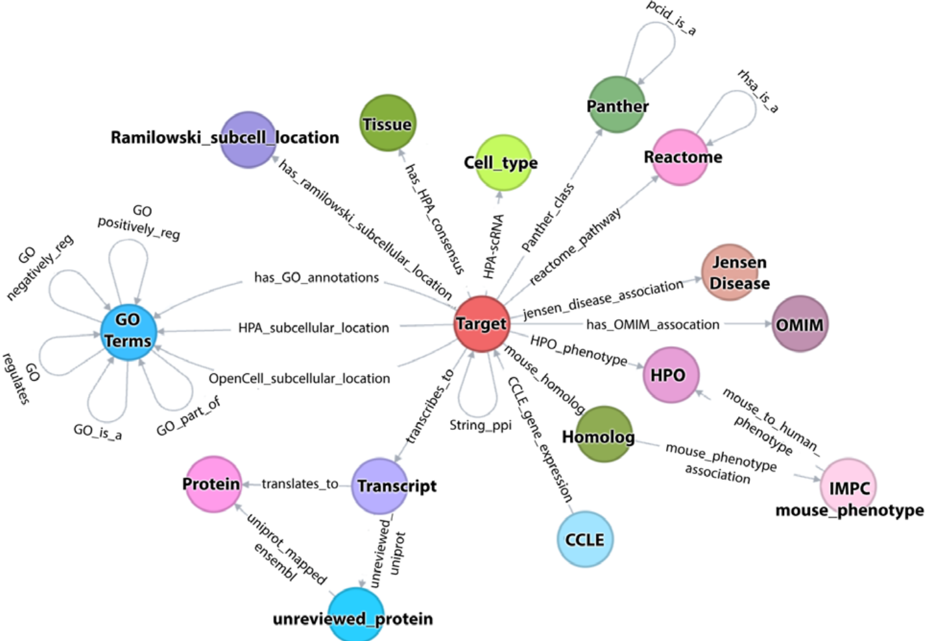
“Centered on the main node, “Target”, nodes listed clockwise are as follows: Tissue; Cell_type; Panther, Protein Analysis Through Evolutionary Relationships, a protein classification scheme(57); Reactome, a pathways database (58); Jensen DISEASES (19); OMIM, Online Mendelian Inheritance in Man database(59); HPO, human…”
BackgroundHighly accurate protein structure prediction with AlphaFold
Jumper, J., Evans, R., Pritzel, A., Green, T., Figurnov, M., Ronneberger, O., Tunyasuvunakool, K., Bates, R., Žídek, A., Potapenko, A., et al. (2021) · Nature · doi:10.1038/s41586-021-03819-2 · Cited by 43,764 · cited 2×
“Highly accurate protein structure prediction with AlphaFold.”
Background(2017) · Cited by 11,625
Lipinski, C. A., Lombardo, F., Dominy, B. W., & Feeney, P. J. (1997) · Advanced Drug Delivery Reviews · doi:10.1016/s0169-409x(96)00423-1 · Cited by 11,385
Why Most Published Research Findings Are False
Ioannidis, J. P. A. (2005) · PLoS Medicine · doi:10.1371/journal.pmed.0020124 · Cited by 10,505
Szklarczyk, D., Kirsch, R., Koutrouli, M., Nastou, K., Mehryary, F., Hachilif, R., Gable, A. L., Fang, T., Doncheva, N. T., Pyysalo, S., et al. (2023) · Nucleic Acids Research · doi:10.1093/nar/gkac1000 · Cited by 9,726 · cited 4×
“Automated systems that digest large sets of data using named entity recognition, NER (18), are an integral part of public domain databases, for example, DISEASES for gene-disease associations (19); STRING for protein-protein interactions (20); and OpenTargets (21) and Pharos (22) for complex disease-protein-drug annot…”
BackgroundInfluentialTensorFlow: Large-Scale Machine Learning on Heterogeneous Distributed Systems
Abadi, M., Agarwal, A., Barham, P., Brevdo, E., Chen, Z., Citro, C., Corrado, G. S., Davis, A., Dean, J., Devin, M., et al. (2016) · arXiv · doi:10.48550/arxiv.1603.04467 · Cited by 9,408
Scikit-learn: Machine Learning in Python
(2011) · Journal of Machine Learning Research · doi:10.5555/1953048.2078195 · Cited by 8,539
Weininger, D. (1988) · Journal of Chemical Information and Computer Sciences · doi:10.1021/ci00057a005 · Cited by 7,436 · cited 3×
“Page | 11 Traditionally, QSARs and other small-molecule property ML models use chemical structures as input, often encoded as SMILES (Simplified Molecular Input Line Entry System) (88).”
MethodInfluentialUniProt: the universal protein knowledgebase in 2021
The UniProt Consortium, Bateman, A., Martin, M.-J., Orchard, S., Magrane, M., Agivetova, R., Ahmad, S., Alpi, E., Bowler-Barnett, E. H., Britto, R., et al. (2021) · Nucleic Acids Research · doi:10.1093/nar/gkaa1100 · Cited by 6,372
KEGG for taxonomy-based analysis of pathways and genomes
Kanehisa, M., Furumichi, M., Sato, Y., Kawashima, M., & Ishiguro-Watanabe, M. (2023) · Nucleic Acids Research · doi:10.1093/nar/gkac963 · Cited by 5,833 · cited 3×
“KEGG for taxonomy-based analysis of pathways and genomes.”
MethodAccurate prediction of protein structures and interactions using a 3-track network
Baek, M., DiMaio, F., Anishchenko, I., Dauparas, J., Ovchinnikov, S., Lee, G. R., Wang, J., Cong, Q., Kinch, L. N., Schaeffer, R. D., et al. (2021) · doi:10.1101/2021.06.14.448402 · Cited by 5,549
The Gene Ontology Resource: 20 years and still GOing strong
The Gene Ontology Consortium (2019) · Nucleic Acids Research · doi:10.1093/nar/gky1055 · Cited by 4,747
Why Most Published Research Findings Are False
Ioannidis, J. P. A. (2005) · CHANCE · doi:10.1080/09332480.2005.10722754 · Cited by 4,702
Generative Adversarial Networks
Goodfellow, I. J., Pouget-Abadie, J., Mirza, M., Xu, B., Warde-Farley, D., Ozair, S., Courville, A., & Bengio, Y. (2014) · arXiv · doi:10.48550/arxiv.1406.2661 · Cited by 4,477
Kung, T. H., Cheatham, M., Medenilla, A., Sillos, C., De Leon, L., Elepaño, C., Madriaga, M., Aggabao, R., Diaz-Candido, G., Maningo, J., et al. (2023) · PLOS Digital Health · doi:10.1371/journal.pdig.0000198 · Cited by 4,115
Kung, T. H., Cheatham, M., ChatGPT, Medenilla, A., Sillos, C., De Leon, L., Elepaño, C., Madriaga, M., Aggabao, R., Diaz-Candido, G., et al. (2022) · doi:10.1101/2022.12.19.22283643 · Cited by 4,115
Kim, S., Chen, J., Cheng, T., Gindulyte, A., He, J., He, S., Li, Q., Shoemaker, B. A., Thiessen, P. A., Yu, B., et al. (2023) · Nucleic Acids Research · doi:10.1093/nar/gkac956 · Cited by 3,443
Applications of machine learning in drug discovery and development
Vamathevan, J., Clark, D., Czodrowski, P., Dunham, I., Ferran, E., Lee, G., Li, B., Madabhushi, A., Shah, P., Spitzer, M., et al. (2019) · Nature Reviews Drug Discovery · doi:10.1038/s41573-019-0024-5 · Cited by 3,228 · cited 1×
“The impact of big data and AI in drug discovery, the subject of a 2020 review in this journal (4), continues to attract significant interest: Investors (5, 6), industrial (7, 8) and academic scientists (9, 10), and legislators (https://bit.”
BackgroundMoleculeNet: a benchmark for molecular machine learning
Wu, Z., Ramsundar, B., Feinberg, E. N., Gomes, J., Geniesse, C., Pappu, A. S., Leswing, K., & Pande, V. (2018) · Chemical Science · doi:10.1039/c7sc02664a · Cited by 3,107 · cited 1×
“TDC features leaderboards for 22 ADMET properties, 5 drug combination benchmarks, one docking, and one drug-target-interaction dataset (29 in total), building on earlier benchmarks for molecular machine learning (126).”
BackgroundMi, H., Muruganujan, A., Ebert, D., Huang, X., & Thomas, P. D. (2019) · Nucleic Acids Research · doi:10.1093/nar/gky1038 · Cited by 3,033 · cited 2×
“Centered on the main node, “Target”, nodes listed clockwise are as follows: Tissue; Cell_type; Panther, Protein Analysis Through Evolutionary Relationships, a protein classification scheme(57); Reactome, a pathways database (58); Jensen DISEASES (19); OMIM, Online Mendelian Inheritance in Man database(59); HPO, human…”
BackgroundMethodRaise standards for preclinical cancer research
Begley, C. G., & Ellis, L. M. (2012) · Nature · doi:10.1038/483531a · Cited by 2,979 · cited 1×
“Bayer (171) and Amgen (172) have reported low reproducibility rates (33% and 11%, respectively) of high-impact publications, and many biomedical publications are false (173).”
BackgroundXiong, G., Wu, Z., Yi, J., Fu, L., Yang, Z., Hsieh, C., Yin, M., Zeng, X., Wu, C., Lu, A., et al. (2021) · Nucleic Acids Research · doi:10.1093/nar/gkab255 · Cited by 2,857 · cited 1×
“parameters that may aid medicinal chemists (134).”
Amberger, J. S., Bocchini, C. A., Schiettecatte, F., Scott, A. F., & Hamosh, A. (2015) · Nucleic Acids Research · doi:10.1093/nar/gku1205 · Cited by 2,691 · cited 1×
“GO tems, for example, feature several protein properties, whereas STRING (20) loops protein protein interactions (PPIs) for “Targets”; other resources such as HPA, the Human Protein Atlas (66), informs a variety of nodes regarding tissue, cell type and subcellular location and expression.”
BackgroundConvolutional Networks on Graphs for Learning Molecular Fingerprints
Duvenaud, D., Maclaurin, D., Aguilera-Iparraguirre, J., Gómez-Bombarelli, R., Hirzel, T., Aspuru-Guzik, A., & Adams, R. P. (2015) · arXiv · doi:10.48550/arxiv.1509.09292 · Cited by 2,628
A Deep Learning Approach to Antibiotic Discovery
Stokes, J. M., Yang, K., Swanson, K., Jin, W., Cubillos-Ruiz, A., Donghia, N. M., MacNair, C. R., French, S., Carfrae, L. A., Bloom-Ackermann, Z., et al. (2020) · Cell · doi:10.1016/j.cell.2020.01.021 · Cited by 2,463
Gaulton, A., Hersey, A., Nowotka, M., Bento, A. P., Chambers, J., Mendez, D., Mutowo, P., Atkinson, F., Bellis, L. J., Cibrián-Uhalte, E., et al. (2017) · Nucleic Acids Research · doi:10.1093/nar/gkw1074 · Cited by 2,330 · cited 3×
“subset of the ZINC database (123), enriched with known active and inactive kinase inhibitors from ChEMBL (124).”
Backgroundp-σ-π Analysis. A Method for the Correlation of Biological Activity and Chemical Structure
Hansch, C., & Fujita, T. (1964) · Journal of the American Chemical Society · doi:10.1021/ja01062a035 · Cited by 2,313 · cited 1×
“Developed from the work of Hansch and Fujita in the 1960s (77), QSAR was”
MethodThe reactome pathway knowledgebase
Jassal, B., Matthews, L., Viteri, G., Gong, C., Lorente, P., Fabregat, A., Sidiropoulos, K., Cook, J., Gillespie, M., Haw, R., et al. (2019) · Nucleic Acids Research · doi:10.1093/nar/gkz1031 · Cited by 2,159
Best Practices for QSAR Model Development, Validation, and Exploitation
Tropsha, A. (2010) · Molecular Informatics · doi:10.1002/minf.201000061 · Cited by 2,024 · cited 1×
“Instead, our focus is on the practical issues related to the applicability domain (168) and external predictivity validation (169).”
BackgroundBelieve it or not: how much can we rely on published data on potential drug targets?
Prinz, F., Schlange, T., & Asadullah, K. (2011) · Nature Reviews Drug Discovery · doi:10.1038/nrd3439-c1 · Cited by 1,888 · cited 1×
“Bayer (171) and Amgen (172) have reported low reproducibility rates (33% and 11%, respectively) of high-impact publications, and many biomedical publications are false (173).”
BackgroundChatGPT: five priorities for research
van Dis, E. A. M., Bollen, J., Zuidema, W., van Rooij, R., & Bockting, C. L. (2023) · Nature · doi:10.1038/d41586-023-00288-7 · Cited by 1,842 · cited 1×
““to revolutionize research practices and publishing” (182).”
A single–cell type transcriptomics map of human tissues
Karlsson, M., Zhang, C., Méar, L., Zhong, W., Digre, A., Katona, B., Sjöstedt, E., Butler, L., Odeberg, J., Dusart, P., et al. (2021) · Science Advances · doi:10.1126/sciadv.abh2169 · Cited by 1,768 · cited 2×
“" A literature review of newly published experimental reports was used to validate 7 of the top 20 and 2 of the bottom predicted ATG dark genes (73).”
MethodMolecular Descriptors for Chemoinformatics
Todeschini, R., & Consonni, V. (2009) · Methods and Principles in Medicinal Chemistry · doi:10.1002/9783527628766 · Cited by 1,746
Kim, S., Chen, J., Cheng, T., Gindulyte, A., He, J., He, S., Li, Q., Shoemaker, B. A., Thiessen, P. A., Yu, B., et al. (2025) · Nucleic Acids Research · doi:10.1093/nar/gkae1059 · Cited by 1,625
Autophagy in major human diseases
Klionsky, D. J., Petroni, G., Amaravadi, R. K., Baehrecke, E. H., Ballabio, A., Boya, P., Bravo‐San Pedro, J. M., Cadwell, K., Cecconi, F., Choi, A. M. K., et al. (2021) · The EMBO Journal · doi:10.15252/embj.2021108863 · Cited by 1,585 · cited 1×
“Centered on the main node, “Target”, nodes listed clockwise are as follows: Tissue; Cell_type; Panther, Protein Analysis Through Evolutionary Relationships, a protein classification scheme(57); Reactome, a pathways database (58); Jensen DISEASES (19); OMIM, Online Mendelian Inheritance in Man database(59); HPO, human…”
BackgroundDeep learning enables rapid identification of potent DDR1 kinase inhibitors
Zhavoronkov, A., Ivanenkov, Y. A., Aliper, A., Veselov, M. S., Aladinskiy, V. A., Aladinskaya, A. V., Terentiev, V. A., Polykovskiy, D. A., Kuznetsov, M. D., Asadulaev, A., et al. (2019) · Nature Biotechnology · doi:10.1038/s41587-019-0224-x · Cited by 1,573 · cited 6×
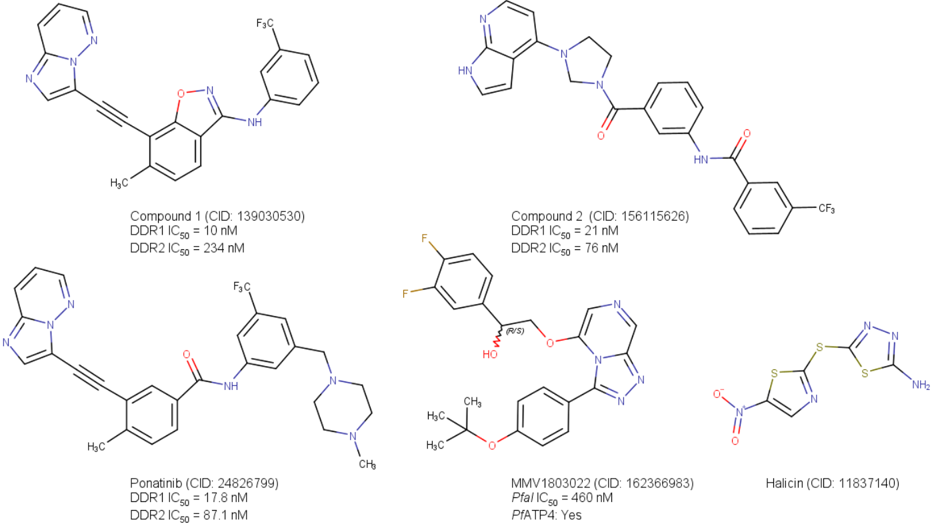
“Page | 13 GENTRL (Generative Tensorial Reinforcement Learning) is a GAN method that was used to generate DDR1 and DDR2 inhibitors (118).”
MethodInfluentialModeling polypharmacy side effects with graph convolutional networks
Zitnik, M., Agrawal, M., & Leskovec, J. (2018) · Bioinformatics · doi:10.1093/bioinformatics/bty294 · Cited by 1,501
The Fourth Paradigm: Data-Intensive Scientific Discovery
Buchan, I. E., Winn, J. M., & Bishop, C. (2009) · Cited by 1,439
Leakage and the reproducibility crisis in machine-learning-based science
Kapoor, S., & Narayanan, A. (2023) · Patterns · doi:10.1016/j.patter.2023.100804 · Cited by 1,387
The autophagosome: origins unknown, biogenesis complex
Lamb, C. A., Yoshimori, T., & Tooze, S. A. (2013) · Nature Reviews Molecular Cell Biology · doi:10.1038/nrm3696 · Cited by 1,314
Policy: NIH plans to enhance reproducibility
Collins, F. S., & Tabak, L. A. (2014) · Nature · doi:10.1038/505612a · Cited by 1,247
Multiple Objective Decision Making — Methods and Applications
Hwang, C.-L., & Masud, A. S. M. (1979) · Lecture Notes in Economics and Mathematical Systems · doi:10.1007/978-3-642-45511-7 · Cited by 1,186
Hit and lead generation: beyond high-throughput screening
Bleicher, K. H., Böhm, H.-J., Müller, K., & Alanine, A. I. (2003) · Nature Reviews Drug Discovery · doi:10.1038/nrd1086 · Cited by 1,056
Quantitative Proteomics of the Cancer Cell Line Encyclopedia
Nusinow, D. P., Szpyt, J., Ghandi, M., Rose, C. M., McDonald, E. R., Kalocsay, M., Jané-Valbuena, J., Gelfand, E., Schweppe, D. K., Jedrychowski, M., et al. (2020) · Cell · doi:10.1016/j.cell.2019.12.023 · Cited by 957 · cited 1×
“There is a growing body of evidence supporting the hypothesis that brain infection may be the primary cause of AD (69).”
BackgroundMuratov, E. N., Bajorath, J., Sheridan, R. P., Tetko, I. V., Filimonov, D., Poroikov, V., Oprea, T. I., Baskin, I. I., Varnek, A., Roitberg, A., et al. (2020) · Chemical Society Reviews · doi:10.1039/d0cs00098a · Cited by 913
Self-citationSchneider, G. (2018) · Nature Reviews Drug Discovery · doi:10.1038/nrd.2017.232 · Cited by 910 · cited 1×
“drug discovery remains an aspirational goal (166).”
Rethinking drug design in the artificial intelligence era
Schneider, P., Walters, W. P., Plowright, A. T., Sieroka, N., Listgarten, J., Goodnow, R. A., Fisher, J., Jansen, J. M., Duca, J. S., Rush, T. S., et al. (2020) · Nature Reviews Drug Discovery · doi:10.1038/s41573-019-0050-3 · Cited by 894 · cited 1×
“The impact of big data and AI in drug discovery, the subject of a 2020 review in this journal (4), continues to attract significant interest: Investors (5, 6), industrial (7, 8) and academic scientists (9, 10), and legislators (https://bit.”
BackgroundBDDCS, the Rule of 5 and drugability
Benet, L. Z., Hosey, C. M., Ursu, O., & Oprea, T. I. (2016) · Advanced Drug Delivery Reviews · doi:10.1016/j.addr.2016.05.007 · Cited by 892 · cited 1×
“It is undeniable that Ro5 criteria have had a significant impact on medicinal chemistry (180).”
BackgroundSelf-citationA draft network of ligand–receptor-mediated multicellular signalling in human
Ramilowski, J. A., Goldberg, T., Harshbarger, J., Kloppmann, E., Lizio, M., Satagopam, V. P., Itoh, M., Kawaji, H., Carninci, P., Rost, B., et al. (2015) · Nature Communications · doi:10.1038/ncomms8866 · Cited by 887 · cited 1×
“is increasing (71), a systematic experimental method for identifying ATG-related genes has yet to be established (72).”
MethodAutomated design of ligands to polypharmacological profiles
Besnard, J., Ruda, G. F., Setola, V., Abecassis, K., Rodriguiz, R. M., Huang, X.-P., Norval, S., Sassano, M. F., Shin, A. I., Webster, L. A., et al. (2012) · Nature · doi:10.1038/nature11691 · Cited by 832 · cited 1×
“Page | 12 implementation was disclosed in 2012 (104), which later became the founding technology of ExScientia, an AI-based drug design company.”
BackgroundGlobal mapping of pharmacological space
Paolini, G. V., Shapland, R. H. B., van Hoorn, W. P., Mason, J. S., & Hopkins, A. L. (2006) · Nature Biotechnology · doi:10.1038/nbt1228 · Cited by 811
Augmenting large language models with chemistry tools
M. Bran, A., Cox, S., Schilter, O., Baldassari, C., White, A. D., & Schwaller, P. (2024) · Nature Machine Intelligence · doi:10.1038/s42256-024-00832-8 · Cited by 794
Sushko, I., Novotarskyi, S., Körner, R., Pandey, A. K., Rupp, M., Teetz, W., Brandmaier, S., Abdelaziz, A., Prokopenko, V. V., Tanchuk, V. Y., et al. (2011) · Journal of Computer-Aided Molecular Design · doi:10.1007/s10822-011-9440-2 · Cited by 686 · cited 1×
“eu), an online platform for ML model development and storage (128).”
MethodKing, R. D., Rowland, J., Oliver, S. G., Young, M., Aubrey, W., Byrne, E., Liakata, M., Markham, M., Pir, P., Soldatova, L. N., et al. (2009) · Science · doi:10.1126/science.1165620 · Cited by 679 · cited 1×
“Robot Scientist Adam independently conducted genomic experiments (164), and Robot Scientist Eve performed”
MethodExpansion of the Human Phenotype Ontology (HPO) knowledge base and resources
Köhler, S., Carmody, L., Vasilevsky, N., Jacobsen, J. O. B., Danis, D., Gourdine, J.-P., Gargano, M., Harris, N. L., Matentzoglu, N., McMurry, J. A., et al. (2019) · Nucleic Acids Research · doi:10.1093/nar/gky1105 · Cited by 677 · cited 1×
“In this case, XGBoost, a form of extreme gradient boosting (67), was utilized to identify novel genes associated with Alzheimer's disease (68).”
MethodJiang, D., Wu, Z., Hsieh, C.-Y., Chen, G., Liao, B., Wang, Z., Shen, C., Cao, D., Wu, J., & Hou, T. (2021) · Journal of Cheminformatics · doi:10.1186/s13321-020-00479-8 · Cited by 664 · cited 2×
“and multiple property predictions (92).”
BackgroundJiang, D., Wu, Z., Hsieh, C.-Y., Chen, G., Liao, B., Wang, Z., Shen, C., Cao, D., Wu, J., & Hou, T. (2020) · doi:10.21203/rs.3.rs-81439/v1 · Cited by 664
Digital pathology and artificial intelligence in translational medicine and clinical practice
Baxi, V., Edwards, R., Montalto, M., & Saha, S. (2022) · Modern Pathology · doi:10.1038/s41379-021-00919-2 · Cited by 592 · cited 1×
“Page | 6 diagnostic and classification errors while accelerating biomarker discovery, pathophysiology evaluations, animal research, and toxicological assessments (40).”
BackgroundHow many rare diseases are there?
Haendel, M., Vasilevsky, N., Unni, D., Bologa, C., Harris, N., Rehm, H., Hamosh, A., Baynam, G., Groza, T., McMurry, J., et al. (2020) · Nature Reviews Drug Discovery · doi:10.1038/d41573-019-00180-y · Cited by 554 · cited 1×
“A systematic analysis of resources integrated into Mondo revealed nearly 10,500 unique rare diseases, in contrast to the commonly cited 7,000 figure (46).”
BackgroundSelf-citationArtificial intelligence and computational pathology
Cui, M., & Zhang, D. Y. (2021) · Laboratory Investigation · doi:10.1038/s41374-020-00514-0 · Cited by 544 · cited 1×
“Pathology is evolving into digital pathology, which involves digitizing histopathology, immunohistochemistry, and cytology slides and training AI systems on this digital data (39).”
Artificial intelligence in healthcare: An essential guide for health leaders
Chen, M., & Decary, M. (2020) · Healthcare Management Forum · doi:10.1177/0840470419873123 · Cited by 538
REINVENT 2.0: An AI Tool for De Novo Drug Design
Blaschke, T., Arús-Pous, J., Chen, H., Margreitter, C., Tyrchan, C., Engkvist, O., Papadopoulos, K., & Patronov, A. (2020) · Journal of Chemical Information and Modeling · doi:10.1021/acs.jcim.0c00915 · Cited by 496
Can We Learn To Distinguish between “Drug-like” and “Nondrug-like” Molecules?
Ajay, Walters, W. P., & Murcko, M. A. (1998) · Journal of Medicinal Chemistry · doi:10.1021/jm970666c · Cited by 484
Investigating the replicability of preclinical cancer biology
Errington, T. M., Mathur, M., Soderberg, C. K., Denis, A., Perfito, N., Iorns, E., & Nosek, B. A. (2021) · eLife · doi:10.7554/elife.71601 · Cited by 462 · cited 1×
“Lessons (174) from eLife's Reproducibility Project, which focused on cancer biology, highlight issues like weaker-than-previously-published (175) effects and inaccurate protocol descriptions (176),”
BackgroundBig data and artificial intelligence modeling for drug discovery
Zhu, H. (2020) · Annual Review of Pharmacology and Toxicology · doi:10.1146/annurev-pharmtox-010919-023324 · Cited by 455 · cited 1×
“The impact of big data and AI in drug discovery, the subject of a 2020 review in this journal (4), continues to attract significant interest: Investors (5, 6), industrial (7, 8) and academic scientists (9, 10), and legislators (https://bit.”
BackgroundCo-author Relationship Prediction in Heterogeneous Bibliographic Networks
Sun, Y., Barber, R., Gupta, M., Aggarwal, C. C., & Han, J. (2011) · 2011 International Conference on Advances in Social Networks Analysis and Mining · doi:10.1109/asonam.2011.112 · Cited by 445 · cited 1×
“Developments in heterogeneous (54) relationship predictions (55) introduced and formalized a new framework that takes into account network heterogeneity by defining typespecific node-edge paths or meta-paths (56).”
BackgroundThe next-generation Open Targets Platform: reimagined, redesigned, rebuilt
Ochoa, D., Hercules, A., Carmona, M., Suveges, D., Baker, J., Malangone, C., Lopez, I., Miranda, A., Cruz-Castillo, C., Fumis, L., et al. (2023) · Nucleic Acids Research · doi:10.1093/nar/gkac1046 · Cited by 432 · cited 1×
“Automated systems that digest large sets of data using named entity recognition, NER (18), are an integral part of public domain databases, for example, DISEASES for gene-disease associations (19); STRING for protein-protein interactions (20); and OpenTargets (21) and Pharos (22) for complex disease-protein-drug annot…”
BackgroundGramatica, P., & Sangion, A. (2016) · Journal of Chemical Information and Modeling · doi:10.1021/acs.jcim.6b00088 · Cited by 420 · cited 1×
“Instead, our focus is on the practical issues related to the applicability domain (168) and external predictivity validation (169).”
BackgroundWhy Drugs Fail - A Study on Side Effects in New Chemical Entities
Schuster, D., Laggner, C., & Langer, T. (2005) · Current Pharmaceutical Design · doi:10.2174/138161205774414510 · Cited by 417 · cited 1×
“While most market withdrawals are caused by drug toxicity (30), lack of efficacy or economic reasons can”
BackgroundGroza, T., Gomez, F. L., Mashhadi, H. H., Muñoz-Fuentes, V., Gunes, O., Wilson, R., Cacheiro, P., Frost, A., Keskivali-Bond, P., Vardal, B., et al. (2023) · Nucleic Acids Research · doi:10.1093/nar/gkac972 · Cited by 413 · cited 2×
“In this case, XGBoost, a form of extreme gradient boosting (67), was utilized to identify novel genes associated with Alzheimer's disease (68).”
MethodBender, A., & Cortés-Ciriano, I. (2021) · Drug Discovery Today · doi:10.1016/j.drudis.2020.12.009 · Cited by 405 · cited 1×
“The impact of big data and AI in drug discovery, the subject of a 2020 review in this journal (4), continues to attract significant interest: Investors (5, 6), industrial (7, 8) and academic scientists (9, 10), and legislators (https://bit.”
BackgroundA Scoring Scheme for Discriminating between Drugs and Nondrugs
Sadowski, J., & Kubinyi, H. (1998) · Journal of Medicinal Chemistry · doi:10.1021/jm9706776 · Cited by 392 · cited 2×
“when scientists from Vertex (27) and BASF (28) independently proposed models to estimate “drug-likeness,” showing that it is possible to train ML models based on chemical features to discriminate “drugs” (specifically, compounds that medicinal chemists have proposed for”
BackgroundUnexplored therapeutic opportunities in the human genome
Oprea, T. I., Bologa, C. G., Brunak, S., Campbell, A., Gan, G. N., Gaulton, A., Gomez, S. M., Guha, R., Hersey, A., Holmes, J., et al. (2018) · Nature Reviews Drug Discovery · doi:10.1038/nrd.2018.14 · Cited by 378 · cited 1×
“mode-of-action for the therapeutic modality (51).”
Self-citationGraph Convolutional Neural Networks for Predicting Drug-Target Interactions
Torng, W., & Altman, R. B. (2019) · Journal of Chemical Information and Modeling · doi:10.1021/acs.jcim.9b00628 · Cited by 371
Target identification among known drugs by deep learning from heterogeneous networks
Zeng, X., Zhu, S., Lu, W., Liu, Z., Huang, J., Zhou, Y., Fang, J., Huang, Y., Guo, H., Li, L., et al. (2020) · Chemical Science · doi:10.1039/c9sc04336e · Cited by 357 · cited 1×
“increasingly being explored as target identification technology (52), often by means of knowledge graphs (53).”
BackgroundTherapies for rare diseases: therapeutic modalities, progress and challenges ahead
Tambuyzer, E., Vandendriessche, B., Austin, C. P., Brooks, P. J., Larsson, K., Miller Needleman, K. I., Valentine, J., Davies, K., Groft, S. C., Preti, R., et al. (2020) · Nature Reviews Drug Discovery · doi:10.1038/s41573-019-0049-9 · Cited by 357 · cited 1×
“As therapeutic modalities continue to evolve (3), the drug discovery process is adapting by incorporating novel data science, informatics, and artificial intelligence (AI) methodologies, among other technologies, to improve efficiency, and reduce costs and animal experiments, thus accelerating the development of novel…”
BackgroundSelf-citationKadurin, A., Aliper, A., Kazennov, A., Mamoshina, P., Vanhaelen, Q., Khrabrov, K., & Zhavoronkov, A. (2017) · Oncotarget · doi:10.18632/oncotarget.14073 · Cited by 350 · cited 2×
“Over one-third of the selected compounds demonstrated activity in cancer assays or were patented for their anti-cancer potential (96).”
BackgroundZINC-22─A Free Multi-Billion-Scale Database of Tangible Compounds for Ligand Discovery
Tingle, B. I., Tang, K. G., Castanon, M., Gutierrez, J. J., Khurelbaatar, M., Dandarchuluun, C., Moroz, Y. S., & Irwin, J. J. (2023) · Journal of Chemical Information and Modeling · doi:10.1021/acs.jcim.2c01253 · Cited by 314 · cited 2×
“subset of the ZINC database (123), enriched with known active and inactive kinase inhibitors from ChEMBL (124).”
BackgroundErratum: Unexplored therapeutic opportunities in the human genome
Oprea, T. I., Bologa, C. G., Brunak, S., Campbell, A., Gan, G. N., Gaulton, A., Gomez, S. M., Guha, R., Hersey, A., Holmes, J., et al. (2018) · Nature Reviews Drug Discovery · doi:10.1038/nrd.2018.52 · Cited by 311
Self-citationRogers, D., Brown, R. D., & Hahn, M. (2005) · SLAS Discovery · doi:10.1177/1087057105281365 · Cited by 296 · cited 2×
“It uses a Laplacian-modified (105) Bayesian classifier (106) trained for polypharmacology profiling and employs a vector”
MethodEntangled Conditional Adversarial Autoencoder for de Novo Drug Discovery
Polykovskiy, D., Zhebrak, A., Vetrov, D., Ivanenkov, Y., Aladinskiy, V., Mamoshina, P., Bozdaganyan, M., Aliper, A., Zhavoronkov, A., & Kadurin, A. (2018) · Molecular Pharmaceutics · doi:10.1021/acs.molpharmaceut.8b00839 · Cited by 278
Ursu, O., Rayan, A., Goldblum, A., & Oprea, T. I. (2011) · WIREs Computational Molecular Science · doi:10.1002/wcms.52 · Cited by 276 · cited 2×
“Despite these caveats, ML-based drug-likeness quantification is an integral part of the drug discovery process, with nearly 20 independent papers dedicated to druglikeness discussed elsewhere (29).”
BackgroundSelf-citationChallenges for assessing replicability in preclinical cancer biology
Errington, T. M., Denis, A., Perfito, N., Iorns, E., & Nosek, B. A. (2021) · eLife · doi:10.7554/elife.67995 · Cited by 267 · cited 1×
“Lessons (174) from eLife's Reproducibility Project, which focused on cancer biology, highlight issues like weaker-than-previously-published (175) effects and inaccurate protocol descriptions (176),”
BackgroundAssessing the impact of generative AI on medicinal chemistry
Walters, W. P., & Murcko, M. (2020) · Nature Biotechnology · doi:10.1038/s41587-020-0418-2 · Cited by 262 · cited 1×
“Page | 14 Compound 1 (Fig 2) has been criticized for its similarity to the approved kinase inhibitor, ponatinib (136).”
BackgroundYe, Q., Hsieh, C.-Y., Yang, Z., Kang, Y., Chen, J., Cao, D., He, S., & Hou, T. (2021) · Nature Communications · doi:10.1038/s41467-021-27137-3 · Cited by 261 · cited 1×
“increasingly being explored as target identification technology (52), often by means of knowledge graphs (53).”
BackgroundThe fight against fake-paper factories that churn out sham science
Else, H., & Van Noorden, R. (2021) · Nature · doi:10.1038/d41586-021-00733-5 · Cited by 251 · cited 1×
“The possibility of indexing fabricated publications (177) or those generated by "research paper mills" (178) further increases the likelihood of false information in the field.”
BackgroundDiscoidin Domain Receptors: Unique Receptor Tyrosine Kinases in Collagen-mediated Signaling
Fu, H.-L., Valiathan, R. R., Arkwright, R., Sohail, A., Mihai, C., Kumarasiri, M., Mahasenan, K. V., Mobashery, S., Huang, P., Agarwal, G., et al. (2013) · Journal of Biological Chemistry · doi:10.1074/jbc.r112.444158 · Cited by 245
Will Artificial Intelligence Replace Radiologists?
Langlotz, C. P. (2019) · Radiology: Artificial Intelligence · doi:10.1148/ryai.2019190058 · Cited by 244 · cited 1×
“The potential influence of AI in healthcare professions, such as radiology (33), pathology (34), clinical pharmacology (35) and COVID drug repurposing (36), has been a topic of discussion.”
BackgroundIn silico toxicology protocols
Myatt, G. J., Ahlberg, E., Akahori, Y., Allen, D., Amberg, A., Anger, L. T., Aptula, A., Auerbach, S., Beilke, L., Bellion, P., et al. (2018) · Regulatory Toxicology and Pharmacology · doi:10.1016/j.yrtph.2018.04.014 · Cited by 240
Self-citationDeep learning and artificial intelligence in radiology: current applications and future directions
Yasaka, K., & Abe, O. (2018) · PLoS Medicine · doi:10.1371/journal.pmed.1002707 · Cited by 238 · cited 1×
“radiologists in improving diagnoses and enhancing patient care by analyzing chest X-rays, magnetic resonance images, and computed tomography scans (41).”
BackgroundBender, A., & Cortes-Ciriano, I. (2021) · Drug Discovery Today · doi:10.1016/j.drudis.2020.11.037 · Cited by 232 · cited 1×
“The impact of big data and AI in drug discovery, the subject of a 2020 review in this journal (4), continues to attract significant interest: Investors (5, 6), industrial (7, 8) and academic scientists (9, 10), and legislators (https://bit.”
BackgroundChemistry42: An AI-Driven Platform for Molecular Design and Optimization
Ivanenkov, Y. A., Polykovskiy, D., Bezrukov, D., Zagribelnyy, B., Aladinskiy, V., Kamya, P., Aliper, A., Ren, F., & Zhavoronkov, A. (2023) · Journal of Chemical Information and Modeling · doi:10.1021/acs.jcim.2c01191 · Cited by 231 · cited 3×
“Designed using the PandaOmics (158) and Chemistry42 (159) platforms, ISM018-055, which may be covered by this patent (160), targets NCK-interacting protein kinase, TNIK (http://bit.ly/insmhkexa1) and is indicated for the treatment of idiopathic pulmonary fibrosis.”
BackgroundBayer’s in silico ADMET platform: a journey of machine learning over the past two decades
Göller, A. H., Kuhnke, L., Montanari, F., Bonin, A., Schneckener, S., ter Laak, A., Wichard, J., Lobell, M., & Hillisch, A. (2020) · Drug Discovery Today · doi:10.1016/j.drudis.2020.07.001 · Cited by 215 · cited 5×
“Recent lessons shared by scientists at AstraZeneca (83), Bayer (84), Merck (85) and GSK (86) highlight the complexities of ADMET property prediction (87).”
BackgroundInfluentialHopfinger, A. J. (1985) · Journal of Medicinal Chemistry · doi:10.1021/jm00147a001 · Cited by 212 · cited 1×
“Hopfinger (100) framed this discussion in terms of computer-aided drug design in 1985.”
BackgroundA Deep Learning Approach to Antibiotic Discovery
Stokes, J. M., Yang, K., Swanson, K., Jin, W., Cubillos-Ruiz, A., Donghia, N. M., MacNair, C. R., French, S., Carfrae, L. A., Bloom-Ackermann, Z., et al. (2020) · Cell · doi:10.1016/j.cell.2020.04.001 · Cited by 212
Artificial intelligence foundation for therapeutic science
Huang, K., Fu, T., Gao, W., Zhao, Y., Roohani, Y., Leskovec, J., Coley, C. W., Xiao, C., Sun, J., & Zitnik, M. (2022) · Nature Chemical Biology · doi:10.1038/s41589-022-01131-2 · Cited by 207 · cited 1×
“ai/) hosts multiple ML-ready datasets to advance AI4DD technologies systematically (125).”
BackgroundA critical overview of computational approaches employed for COVID-19 drug discovery
Muratov, E. N., Amaro, R., Andrade, C. H., Brown, N., Ekins, S., Fourches, D., Isayev, O., Kozakov, D., Medina-Franco, J. L., Merz, K. M., et al. (2021) · Chemical Society Reviews · doi:10.1039/d0cs01065k · Cited by 206 · cited 1×
“QSAR technologies are an integral part of the technologies deployed to hunt for anti-COVID-19 therapies (81).”
BackgroundSelf-citationKornauth, C., Pemovska, T., Vladimer, G. I., Bayer, G., Bergmann, M., Eder, S., Eichner, R., Erl, M., Esterbauer, H., Exner, R., et al. (2022) · Cancer Discovery · doi:10.1158/2159-8290.cd-21-0538 · Cited by 206 · cited 2×
“A single-cell functional precision medicine (scFPM) platform successfully guided treatment selection and enhanced patient outcomes in a prospective clinical study (157).”
BackgroundModeling the expansion of virtual screening libraries
Lyu, J., Irwin, J. J., & Shoichet, B. K. (2023) · Nature Chemical Biology · doi:10.1038/s41589-022-01234-w · Cited by 193 · cited 2×
“The development of ultra-large chemical libraries (94) and generative chemistry methods, particularly those based on Generative Adversarial Networks (GANs), have significantly expanded the possibilities for hit generation and drug discovery.”
BackgroundAn Overview of Machine Learning and Big Data for Drug Toxicity Evaluation
Vo, A. H., Van Vleet, T. R., Gupta, R. R., Liguori, M. J., & Rao, M. S. (2020) · Chemical Research in Toxicology · doi:10.1021/acs.chemrestox.9b00227 · Cited by 188 · cited 1×
“New advancements include analyses of novel data types such as gene expression data and data from cell imaging experiments, in combination with chemical structure information, to predict in vivo toxicity-related effects (140).”
MethodAI in small-molecule drug discovery: a coming wave?
Jayatunga, M. K. P., Xie, W., Ruder, L., Schulze, U., & Meier, C. (2022) · Nature Reviews Drug Discovery · doi:10.1038/d41573-022-00025-1 · Cited by 187 · cited 2×
“The impact of big data and AI in drug discovery, the subject of a 2020 review in this journal (4), continues to attract significant interest: Investors (5, 6), industrial (7, 8) and academic scientists (9, 10), and legislators (https://bit.”
BackgroundComputational and artificial intelligence-based methods for antibody development
Kim, J., McFee, M., Fang, Q., Abdin, O., & Kim, P. M. (2023) · Trends in Pharmacological Sciences · doi:10.1016/j.tips.2022.12.005 · Cited by 178 · cited 1×
“AI impacts most therapeutic modalities, including targeted protein degradation (11), antibodies (12), gene therapy (13), and oligonucleotide (14) and vaccine (15) design.”
BackgroundHimmelstein, D. S., & Baranzini, S. E. (2015) · PLOS Computational Biology · doi:10.1371/journal.pcbi.1004259 · Cited by 172 · cited 2×
“, degree-weighted paths (55) to dampen the effect of highly connected nodes.”
BackgroundMusuamba, F. T., Skottheim Rusten, I., Lesage, R., Russo, G., Bursi, R., Emili, L., Wangorsch, G., Manolis, E., Karlsson, K. E., Kulesza, A., et al. (2021) · CPT: Pharmacometrics & Systems Pharmacology · doi:10.1002/psp4.12669 · Cited by 164 · cited 1×
“area of Modeling and Simulation (M&S), which is now a standard tool used to demonstrate effects on physiology or safety when expanding to other clinical populations or indications, efforts are being made to define criteria for model evaluation (153).”
MethodWill Artificial Intelligence for Drug Discovery Impact Clinical Pharmacology?
Zhavoronkov, A., Vanhaelen, Q., & Oprea, T. I. (2020) · Clinical Pharmacology & Therapeutics · doi:10.1002/cpt.1795 · Cited by 159
Self-citationOn failure modes in molecule generation and optimization
Renz, P., Van Rompaey, D., Wegner, J. K., Hochreiter, S., & Klambauer, G. (2019) · Drug Discovery Today: Technologies · doi:10.1016/j.ddtec.2020.09.003 · Cited by 154 · cited 1×
“and compounds that fall outside the desired property space (135).”
BackgroundThe Advent of Generative Chemistry
Vanhaelen, Q., Lin, Y.-C., & Zhavoronkov, A. (2020) · ACS Medicinal Chemistry Letters · doi:10.1021/acsmedchemlett.0c00088 · Cited by 151 · cited 1×
“techniques, such as generative chemistry (93).”
Pre-training Molecular Graph Representation with 3D Geometry
Liu, S., Wang, H., Liu, W., Lasenby, J., Guo, H., & Tang, J. G. (2021) · arXiv (Cornell University) · doi:10.48550/arxiv.2110.07728 · Cited by 150
Brainard, J. (2018) · Science · doi:10.1126/science.362.6413.390 · Cited by 149
Predicting drug target interactions using meta-path-based semantic network analysis
Fu, G., Ding, Y., Seal, A., Chen, B., Sun, Y., & Bolton, E. (2016) · BMC Bioinformatics · doi:10.1186/s12859-016-1005-x · Cited by 144 · cited 1×
“Developments in heterogeneous (54) relationship predictions (55) introduced and formalized a new framework that takes into account network heterogeneity by defining typespecific node-edge paths or meta-paths (56).”
BackgroundGrissa, D., Junge, A., Oprea, T. I., & Jensen, L. J. (2022) · Database · doi:10.1093/database/baac019 · Cited by 144 · cited 2×
“Centered on the main node, “Target”, nodes listed clockwise are as follows: Tissue; Cell_type; Panther, Protein Analysis Through Evolutionary Relationships, a protein classification scheme(57); Reactome, a pathways database (58); Jensen DISEASES (19); OMIM, Online Mendelian Inheritance in Man database(59); HPO, human…”
BackgroundSelf-citationSubbiah, V., Sahai, V., Maglic, D., Bruderek, K., Touré, B. B., Zhao, S., Valverde, R., O’Hearn, P. J., Moustakas, D. T., Schönherr, H., et al. (2023) · Cancer Discovery · doi:10.1158/2159-8290.cd-23-0475 · Cited by 138 · cited 1×
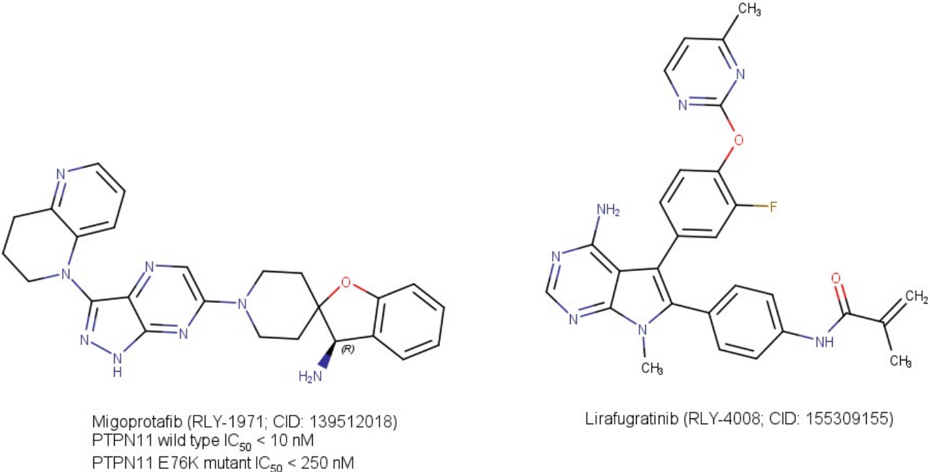
“While the exact bioactivity of RLY-4008 has not been disclosed, it lacks potency against FGFR1 and FGFR4 (163), which in turn may eliminate unwanted side-effects.”
BackgroundPharos 2023: an integrated resource for the understudied human proteome
Kelleher, K. J., Sheils, T. K., Mathias, S. L., Yang, J. J., Metzger, V. T., Siramshetty, V. B., Nguyen, D.-T., Jensen, L. J., Vidović, D., Schürer, S. C., et al. (2023) · Nucleic Acids Research · doi:10.1093/nar/gkac1033 · Cited by 137 · cited 5×
“The ATG-specific meta-path XGBoost model used 103 ATG-associated (positive) genes and 3468 negatives (not ATG-associated genes), collating data from Pharos.”
BackgroundMethodInfluentialSelf-citationLeakage and the Reproducibility Crisis in ML-based Science
Kapoor, S., & Narayanan, A. (2022) · arXiv (Cornell University) · doi:10.48550/arxiv.2207.07048 · Cited by 133
Memory-assisted reinforcement learning for diverse molecular de novo design
Blaschke, T., Engkvist, O., Bajorath, J., & Chen, H. (2020) · Journal of Cheminformatics · doi:10.1186/s13321-020-00473-0 · Cited by 129 · cited 1×
“Another platform, REINVENT (112), supports MPO by combining reinforcement learning for the generative chemistry model with diversity filters (113) and a flexible scoring function (114).”
MethodComputer-aided multi-objective optimization in small molecule discovery
Fromer, J. C., & Coley, C. W. (2023) · Patterns · doi:10.1016/j.patter.2023.100678 · Cited by 128 · cited 1×
“objectives, leading to the discovery of non-dominant solutions (101).”
BackgroundBean, D. M., Wu, H., Iqbal, E., Dzahini, O., Ibrahim, Z. M., Broadbent, M., Stewart, R., & Dobson, R. J. B. (2017) · Scientific Reports · doi:10.1038/s41598-017-16674-x · Cited by 127 · cited 1×
“incorporate side effect information from package inserts, target information, and indication information have shown promise in predicting adverse events (146).”
BackgroundChauhan, C., & Gullapalli, R. R. (2021) · American Journal Of Pathology · doi:10.1016/j.ajpath.2021.06.011 · Cited by 127 · cited 1×
“The potential influence of AI in healthcare professions, such as radiology (33), pathology (34), clinical pharmacology (35) and COVID drug repurposing (36), has been a topic of discussion.”
BackgroundPredicting Drug-Induced Liver Injury with Bayesian Machine Learning
Williams, D. P., Lazic, S. E., Foster, A. J., Semenova, E., & Morgan, P. (2020) · Chemical Research in Toxicology · doi:10.1021/acs.chemrestox.9b00264 · Cited by 124 · cited 1×
“Bayesian ML approaches have proved useful for predicting clinical outcomes from mechanistically relevant in vitro data combined with animal exposure (144).”
BackgroundDavies, M., Jones, R. D. O., Grime, K., Jansson-Löfmark, R., Fretland, A. J., Winiwarter, S., Morgan, P., & McGinnity, D. F. (2020) · Trends in Pharmacological Sciences · doi:10.1016/j.tips.2020.03.004 · Cited by 123 · cited 2×
“Improving the accuracy of predicted human pharmacokinetics: Lessons learned from the AstraZeneca drug pipeline over two decades.”
BackgroundTorchDrug: A Powerful and Flexible Machine Learning Platform for Drug DiscoveryPreprint
Zhu, Z., Shi, C., Zhang, Z., Liu, S., Xu, M., Yuan, X., Zhang, Y., Chen, J., Cai, H., Lu, J., et al. (2022) · arXiv (Cornell University) · doi:10.48550/arxiv.2202.08320 · Cited by 123
ChemCrow: Augmenting large-language models with chemistry tools
Bran, A. M., Cox, S., Schilter, O., Baldassari, C., White, A. D., & Schwaller, P. (2023) · arXiv · doi:10.48550/arxiv.2304.05376 · Cited by 122
Pun, F. W., Liu, B. H. M., Long, X., Leung, H. W., Leung, G. H. D., Mewborne, Q. T., Gao, J., Shneyderman, A., Ozerov, I. V., Wang, J., et al. (2022) · Frontiers in Aging Neuroscience · doi:10.3389/fnagi.2022.914017 · Cited by 115
Neural-Symbolic Models for Logical Queries on Knowledge GraphsPreprint
Zhu, Z., Galkin, M., Zhang, Z., & Tang, J. (2022) · arXiv (Cornell University) · doi:10.48550/arxiv.2205.10128 · Cited by 111
Mondo: Unifying diseases for the world, by the world
Vasilevsky, N. A., Matentzoglu, N. A., Toro, S., Flack, J. E., Hegde, H., Unni, D. R., Alyea, G. F., Amberger, J. S., Babb, L., Balhoff, J. P., et al. (2022) · doi:10.1101/2022.04.13.22273750 · Cited by 107
Self-citationHomma, K., Suzuki, K., & Sugawara, H. (2011) · Nucleic Acids Research · doi:10.1093/nar/gkq995 · Cited by 105 · cited 1×
“Centered on the main node, “Target”, nodes listed clockwise are as follows: Tissue; Cell_type; Panther, Protein Analysis Through Evolutionary Relationships, a protein classification scheme(57); Reactome, a pathways database (58); Jensen DISEASES (19); OMIM, Online Mendelian Inheritance in Man database(59); HPO, human…”
BackgroundDrugCentral 2023 extends human clinical data and integrates veterinary drugs
Avram, S., Wilson, T. B., Curpan, R., Halip, L., Borota, A., Bora, A., Bologa, C. G., Holmes, J., Knockel, J., Yang, J. J., et al. (2023) · Nucleic Acids Research · doi:10.1093/nar/gkac1085 · Cited by 101 · cited 5×
“DrugCentral 2023 extends human clinical data and integrates veterinary drugs.”
BackgroundMethodInfluentialSelf-citationA universal deep-learning model for zinc finger design enables transcription factor reprogramming
Ichikawa, D. M., Abdin, O., Alerasool, N., Kogenaru, M., Mueller, A. L., Wen, H., Giganti, D. O., Goldberg, G. W., Adams, S., Spencer, J. M., et al. (2023) · Nature Biotechnology · doi:10.1038/s41587-022-01624-4 · Cited by 96 · cited 1×
“AI impacts most therapeutic modalities, including targeted protein degradation (11), antibodies (12), gene therapy (13), and oligonucleotide (14) and vaccine (15) design.”
BackgroundVojtechova, I., Machacek, T., Kristofikova, Z., Stuchlik, A., & Petrasek, T. (2022) · PLOS Pathogens · doi:10.1371/journal.ppat.1010929 · Cited by 92 · cited 1×
“Centered on the main node, “Target”, nodes listed clockwise are as follows: Tissue; Cell_type; Panther, Protein Analysis Through Evolutionary Relationships, a protein classification scheme(57); Reactome, a pathways database (58); Jensen DISEASES (19); OMIM, Online Mendelian Inheritance in Man database(59); HPO, human…”
BackgroundAn automated PLS search for biologically relevant QSAR descriptors
Olah, M., Bologa, C., & Oprea, T. I. (2004) · Journal of Computer-Aided Molecular Design · doi:10.1007/s10822-004-4060-8 · Cited by 91 · cited 1×
“methodologies can be automatically deployed against thousands of target bioactivities (82).”
BackgroundSelf-citationDDR1 role in fibrosis and its pharmacological targeting
Moll, S., Desmoulière, A., Moeller, M. J., Pache, J.-C., Badi, L., Arcadu, F., Richter, H., Satz, A., Uhles, S., Cavalli, A., et al. (2019) · Biochimica et Biophysica Acta (BBA) - Molecular Cell Research · doi:10.1016/j.bbamcr.2019.04.004 · Cited by 88 · cited 1×
“DDR1 plays roles in tumorigenesis, metastasis (121), and fibrosis (122), which makes it an attractive drug target.”
BackgroundVarnek, A., Gaudin, C., Marcou, G., Baskin, I., Pandey, A. K., & Tetko, I. V. (2009) · Journal of Chemical Information and Modeling · doi:10.1021/ci8002914 · Cited by 86 · cited 1×
“OCHEM provides a uniform interface for multi-task learning (129), a method that promises improved prediction performance (130).”
MethodA machine learning platform to estimate anti-SARS-CoV-2 activities
Govinda, K. C., Bocci, G., Verma, S., Hassan, M. M., Holmes, J., Yang, J. J., Sirimulla, S., & Oprea, T. I. (2021) · Nature Machine Intelligence · doi:10.1038/s42256-021-00335-w · Cited by 84 · cited 5×
“Some target-based multi-property ML models are available on-line: NCATS Predictor features 1180 different models (https://predictor.ncats.io/) (131), while REDIAL-2020 (http://drugcentral.org/Redial) estimates twelve properties to evaluate compounds active against COVID (132).”
BackgroundInfluentialSelf-citationA Survey of Multi‐task Learning Methods in Chemoinformatics
Sosnin, S., Vashurina, M., Withnall, M., Karpov, P., Fedorov, M., & Tetko, I. V. (2019) · Molecular Informatics · doi:10.1002/minf.201800108 · Cited by 83 · cited 1×
“OCHEM provides a uniform interface for multi-task learning (129), a method that promises improved prediction performance (130).”
MethodO’ Donovan, D. H., De Fusco, C., Kuhnke, L., & Reichel, A. (2023) · Journal of Medicinal Chemistry · doi:10.1021/acs.jmedchem.2c01577 · Cited by 83 · cited 1×
“However, the influence of these criteria is gradually diminishing over time (181).”
BackgroundArtificial intelligence, drug repurposing and peer review
Levin, J. M., Oprea, T. I., Davidovich, S., Clozel, T., Overington, J. P., Vanhaelen, Q., Cantor, C. R., Bischof, E., & Zhavoronkov, A. (2020) · Nature Biotechnology · doi:10.1038/s41587-020-0686-x · Cited by 79 · cited 1×
“The potential influence of AI in healthcare professions, such as radiology (33), pathology (34), clinical pharmacology (35) and COVID drug repurposing (36), has been a topic of discussion.”
BackgroundSelf-citationPharmacokinetically Based Mapping Device for Chemical Space Navigation
Oprea, T. I., Zamora, I., & Ungell, A.-L. (2002) · Journal of Combinatorial Chemistry · doi:10.1021/cc010093w · Cited by 77 · cited 1×
“permeability by one log unit can lead to a decrease in water solubility of up to two log units (102).”
BackgroundSelf-citationZakharov, A. V., Zhao, T., Nguyen, D.-T., Peryea, T., Sheils, T., Yasgar, A., Huang, R., Southall, N., & Simeonov, A. (2019) · Journal of Chemical Information and Modeling · doi:10.1021/acs.jcim.9b00526 · Cited by 76 · cited 1×
“io/) (131), while REDIAL-2020 (http://drugcentral.”
Bilsland, E., van Vliet, L., Williams, K. S., Feltham, J., Carrasco, M. P., Fotoran, W. L., Cubillos, E. F. G., Wunderlich, G., Grøtli, M., Hollfelder, F., et al. (2018) · Scientific Reports · doi:10.1038/s41598-018-19549-x · Cited by 71 · cited 1×
“an HTS campaign to identify anti-malarial compounds (165).”
BackgroundImputation of Assay Bioactivity Data Using Deep Learning
Whitehead, T. M., Irwin, B. W. J., Hunt, P., Segall, M. D., & Conduit, G. J. (2019) · Journal of Chemical Information and Modeling · doi:10.1021/acs.jcim.8b00768 · Cited by 71 · cited 1×
“An example is the application of a neural network applied to fill a sparse kinase binding matrix (143).”
MethodModeling Polypharmacy Side Effects with Graph Convolutional NetworksPreprint
Žitnik, M., Agrawal, M., & Leskovec, J. (2018) · bioRxiv (Cold Spring Harbor Laboratory) · doi:10.1101/258814 · Cited by 70
Validating ADME QSAR Models Using Marketed Drugs
Siramshetty, V. B., Williams, J., Nguyễn, Ð.-T., Neyra, J., Southall, N. T., Mathé, E. A., Xu, X., & Shah, P. (2021) · SLAS DISCOVERY · doi:10.1177/24725552211017520 · Cited by 67
Yanagisawa, Y., Shido, K., Kojima, K., & Yamasaki, K. (2023) · Journal of Dermatological Science · doi:10.1016/j.jdermsci.2023.01.005 · Cited by 65
An Evaluation of the Occupational Health Hazards of Peptide Couplers
Graham, J. C., Trejo‐Martin, A., Chilton, M. L., Kostal, J., Bercu, J. P., Beutner, G. L., Bruen, U., Dolan, D. G., Gomez, S. R., Hillegass, J., et al. (2022) · Chemical Research in Toxicology · doi:10.1021/acs.chemrestox.2c00031 · Cited by 61 · cited 1×
“AI is gaining traction in various applications, such as chemical risk assessment related to occupational toxicology, transportation of chemicals, and medical devices, where endpoints like skin sensitization, irritation, and rat acute oral toxicity are commonly included (151, 152).”
BackgroundSurface Descriptors for Protein−Ligand Affinity Prediction
Zamora, I., Oprea, T., Cruciani, G., Pastor, M., & Ungell, A.-L. (2003) · Journal of Medicinal Chemistry · doi:10.1021/jm011051p · Cited by 60
Self-citationMURPHY, W. J. (1951) · Chemical & Engineering News · doi:10.1021/cen-v029n031.p3077 · Cited by 57
A dynamic map for learning, communicating, navigating and improving therapeutic development
Wagner, J., Dahlem, A. M., Hudson, L. D., Terry, S. F., Altman, R. B., Gilliland, C. T., DeFeo, C., & Austin, C. P. (2018) · Nature Reviews Drug Discovery · doi:10.1038/nrd.2017.217 · Cited by 56 · cited 1×
“discovery is often called a ‘pipeline,’ which suggests a unidirectional transition from hit/lead to candidate and marketed drug, supported by basic and clinical research (1).”
BackgroundUsing chemical and biological data to predict drug toxicity
Liu, A., Seal, S., Yang, H., & Bender, A. (2023) · SLAS Discovery · doi:10.1016/j.slasd.2022.12.003 · Cited by 54 · cited 1×
“Using biological fingerprints, either alone or in combination with structural fingerprints, can better relate compounds to in vivo phenotypes, sometimes with superior predictivity (141).”
BackgroundSuccess stories of AI in drug discovery - where do things stand?
Mak, K.-K., Balijepalli, M. K., & Pichika, M. R. (2022) · Expert Opinion on Drug Discovery · doi:10.1080/17460441.2022.1985108 · Cited by 51 · cited 1×
“An in-depth scientometric analysis (31) of AI4DD showed a”
BackgroundAdvancing Targeted Protein Degradation via Multiomics Profiling and Artificial Intelligence
Duran-Frigola, M., Cigler, M., & Winter, G. E. (2023) · Journal of the American Chemical Society · doi:10.1021/jacs.2c11098 · Cited by 50 · cited 1×
“AI impacts most therapeutic modalities, including targeted protein degradation (11), antibodies (12), gene therapy (13), and oligonucleotide (14) and vaccine (15) design.”
BackgroundA Census of Disease Ontologies
Haendel, M. A., McMurry, J. A., Relevo, R., Mungall, C. J., Robinson, P. N., & Chute, C. G. (2018) · Annual Review of Biomedical Data Science · doi:10.1146/annurev-biodatasci-080917-013459 · Cited by 49
PFRED: A computational platform for siRNA and antisense oligonucleotides design
Sciabola, S., Xi, H. S., Cruz, D. A., Cao, Q. N., Lawrence, C., Zhang, T., Rotstein, S. H., Hughes, J. D., Caffrey, D. R., & Stanton, R. V. (2021) · PLoS ONE · doi:10.1371/journal.pone.0238753 · Cited by 49 · cited 1×
“AI impacts most therapeutic modalities, including targeted protein degradation (11), antibodies (12), gene therapy (13), and oligonucleotide (14) and vaccine (15) design.”
BackgroundBinder, J., Ursu, O., Bologa, C., Jiang, S., Maphis, N., Dadras, S., Chisholm, D., Weick, J., Myers, O., Kumar, P., et al. (2022) · Communications Biology · doi:10.1038/s42003-022-03068-7 · Cited by 49 · cited 1×
“Centered on the main node, “Target”, nodes listed clockwise are as follows: Tissue; Cell_type; Panther, Protein Analysis Through Evolutionary Relationships, a protein classification scheme(57); Reactome, a pathways database (58); Jensen DISEASES (19); OMIM, Online Mendelian Inheritance in Man database(59); HPO, human…”
BackgroundSelf-citationWagner, J. A., Dahlem, A. M., Hudson, L. D., Terry, S. F., Altman, R. B., Gilliland, C. T., DeFeo, C., & Austin, C. P. (2018) · Clinical and Translational Science · doi:10.1111/cts.12531 · Cited by 45 · cited 1×
“and development; f) regulatory review; g) post-marketing and h) medical practice deployment (2).”
BackgroundSamala, R. K., Chan, H.-P., Hadjiiski, L., & Koneru, S. (2020) · Medical Imaging 2020: Computer-Aided Diagnosis · doi:10.1117/12.2549313 · Cited by 42 · cited 1×
“One potential complication in knowledge graph-based machine learning models is "data leakage" (74), which can occur inadvertently due to the complexity of the dataset.”
BackgroundComplex roles of discoidin domain receptor tyrosine kinases in cancer
Mehta, V., Chander, H., & Munshi, A. (2021) · Clinical & Translational Oncology · doi:10.1007/s12094-021-02552-6 · Cited by 42 · cited 1×
“DDR1 plays roles in tumorigenesis, metastasis (121), and fibrosis (122), which makes it an attractive drug target.”
BackgroundCummins, D. J., & Bell, M. A. (2016) · Journal of Medicinal Chemistry · doi:10.1021/acs.jmedchem.5b01338 · Cited by 38 · cited 1×
“Another platform, REINVENT (112), supports MPO by combining reinforcement learning for the generative chemistry model with diversity filters (113) and a flexible scoring function (114).”
MethodGardiner, L., Carrieri, A. P., Wilshaw, J., Checkley, S., Pyzer‐Knapp, E. O., & Krishna, R. (2020) · Scientific Reports · doi:10.1038/s41598-020-66481-0 · Cited by 37 · cited 1×
“Including a biological matrix has the advantage of better identifying the subtle differences in phenotype not fully captured by structural similarity alone (142) and can be further facilitated by the inclusion of imputed values in the biological matrix.”
BackgroundThe potential and pitfalls of artificial intelligence in clinical pharmacology
Johnson, M., Patel, M., Phipps, A., van der Schaar, M., Boulton, D., & Gibbs, M. (2023) · CPT: Pharmacometrics & Systems Pharmacology · doi:10.1002/psp4.12902 · Cited by 37 · cited 1×
“interaction prediction, and adverse drug reaction prediction (145) by utilizing digital data sources such as electronic health records, biomarker data, and patient genomics data.”
MethodBercu, J. P., Masuda-Herrera, M. J., Trejo‐Martin, A., Hasselgren, C., Lord, J., Graham, J. C., Schmitz, M., Milchak, L., Owens, C., Lal, S. H., et al. (2020) · Regulatory Toxicology and Pharmacology · doi:10.1016/j.yrtph.2020.104843 · Cited by 34 · cited 1×
“AI is gaining traction in various applications, such as chemical risk assessment related to occupational toxicology, transportation of chemicals, and medical devices, where endpoints like skin sensitization, irritation, and rat acute oral toxicity are commonly included (151, 152).”
BackgroundSelf-citationRodgers, P., & Collings, A. (2021) · eLife · doi:10.7554/elife.75830 · Cited by 34
Knowledge Engineering: Building Cognitive Assistants for Evidence-based Reasoning
Tecuci, G., Marcu, D., Boicu, M., & Schum, D. A. (2016) · doi:10.1017/cbo9781316388464 · Cited by 33 · cited 1×
“Specifically for the “why” and “what if” types of questions, relevant, preferably reliable data must be identified, inferred when absent, and connected through evidence-based reasoning, illustrated by the metaphor "connecting the dots" (17).”
BackgroundDifferences between human and machine perception in medical diagnosis
Makino, T., Jastrzębski, S., Oleszkiewicz, W., Chacko, C., Ehrenpreis, R., Samreen, N., Chhor, C., Kim, E., Lee, J., Pysarenko, K., et al. (2022) · Scientific Reports · doi:10.1038/s41598-022-10526-z · Cited by 30 · cited 1×
“framework may be needed for comparing human and AI perception in medical diagnosis (42).”
BackgroundComputational Toxicology and Drug Discovery
Hasselgren, C., & Myatt, G. J. (2018) · Methods in molecular biology · doi:10.1007/978-1-4939-7899-1_11 · Cited by 25 · cited 1×
“Small molecule MPO design (discussed earlier) includes toxicity prediction of in vitro outputs related to organ toxicities such as cytotoxicity and mitochondrial toxicity, or representative assays for predicting off-target toxicities, as well as genotoxicity (139).”
BackgroundSelf-citationArtificial Intelligence for Vaccine Design
McCaffrey, P. (2021) · Methods in molecular biology · doi:10.1007/978-1-0716-1892-9_1 · Cited by 24 · cited 1×
“AI impacts most therapeutic modalities, including targeted protein degradation (11), antibodies (12), gene therapy (13), and oligonucleotide (14) and vaccine (15) design.”
BackgroundBentwich, I. (2023) · Drug Discovery Today · doi:10.1016/j.drudis.2023.103515 · Cited by 22 · cited 2×
“The impact of big data and AI in drug discovery, the subject of a 2020 review in this journal (4), continues to attract significant interest: Investors (5, 6), industrial (7, 8) and academic scientists (9, 10), and legislators (https://bit.”
BackgroundChen, E. P., Bondi, R. W., Zhang, C., Price, D. J., Ho, M., Armacost, K. A., & DeMartino, M. P. (2022) · Journal of Medicinal Chemistry · doi:10.1021/acs.jmedchem.2c00330 · Cited by 19 · cited 2×
“Applications of model-based target pharmacology assessment in defining drug design and DMPK strategies: GSK experiences.”
BackgroundTse, E. G., Aithani, L., Anderson, M., Cardoso-Silva, J., Cincilla, G., Conduit, G. J., Galushka, M., Guan, D., Hallyburton, I., Irwin, B. W. J., et al. (2021) · Journal of Medicinal Chemistry · doi:10.1021/acs.jmedchem.1c00313 · Cited by 18
Myatt, G. J., Bassan, A., Bower, D., Crofton, K. M., Cross, K. P., Graham, J. C., Hasselgren, C., Jolly, R. A., Miller, S. A., Pavan, M., et al. (2021) · Computational Toxicology · doi:10.1016/j.comtox.2021.100209 · Cited by 15
Self-citationAssessment of Skin Toxicity in an in Vitro Reconstituted Human Epidermis Model Using Deep Learning
Hu, F., Santagostino, S. F., Danilenko, D. M., Tseng, M., Brumm, J., Zehnder, P., & Wu, K. C. (2022) · The American Journal of Pathology · doi:10.1016/j.ajpath.2021.12.007 · Cited by 13
Sheridan, R. P. (2022) · Journal of Chemical Information and Modeling · doi:10.1021/acs.jcim.2c00803 · Cited by 13 · cited 2×
“As early as 1981, the idea of “designing drugs with computers” was motivating scientists at Washington University in St. Louis (25) and Merck Research Laboratories (26).”
BackgroundFormalizing drug indications on the road to therapeutic intent
Nelson, S. J., Oprea, T. I., Ursu, O., Bologa, C. G., Zaveri, A., Holmes, J., Yang, J. J., Mathias, S. L., Mani, S., Tuttle, M. S., et al. (2017) · Journal of the American Medical Informatics Association · doi:10.1093/jamia/ocx064 · Cited by 9 · cited 1×
“therapeutic intent computationally is challenging (48).”
Self-citationUsing Machine Learning To Inform Decisions in Drug Discovery: An Industry Perspective
Green, D. V. S. (2019) · ACS symposium series · doi:10.1021/bk-2019-1326.ch005 · Cited by 8
Himmelstein, D. S., & Baranzini, S. E. (2014) · bioRxiv (Cold Spring Harbor Laboratory) · doi:10.1101/011569 · Cited by 8
Williams, B., Taylor, A., Orozco, O., Owen, C., Kelley, E., Lescarbeau, A., Shortsleeves, K., Kipp, R., Nguyen, V., Brophy, E., et al. (2022) · Cancer Research · doi:10.1158/1538-7445.am2022-3327 · Cited by 7 · cited 1×
“Page | 17 treatment of RTK/RAS driven solid tumors (161).”
BackgroundPark, J. O., Wai Meng, D. T., Hollebecque, A., Borad, M., Goyal, L., Schram, A., Cassier, P., Kamath, S. D., Dotan, E., Kim, R., et al. (2022) · Annals of Oncology · doi:10.1016/j.annonc.2022.10.112 · Cited by 7
Autophagy dark genes: Can we find them with machine learning?
Ranjbar, M., Yang, J. J., Kumar, P., Byrd, D. R., Bearer, E. L., & Oprea, T. I. (2023) · Natural Sciences · doi:10.1002/ntls.20220067 · Cited by 7
Self-citationMolE: a molecular foundation model for drug discoveryPreprint
Méndez‐Lucio, O., Nicolaou, C. A., & Earnshaw, B. A. (2022) · arXiv (Cornell University) · doi:10.48550/arxiv.2211.02657 · Cited by 7
Early ADME/T Predictions: Toy or Tool?
Tetko, I. V., & Oprea, T. I. (2008) · Chemoinformatics Approaches to Virtual Screening · doi:10.1039/9781847558879-00240 · Cited by 5
Self-citationInContext: curation of medical context for drug indications
Moodley, K., Rieswijk, L., Oprea, T. I., & Dumontier, M. (2021) · Journal of Biomedical Semantics · doi:10.1186/s13326-021-00234-4 · Cited by 4 · cited 3×
“InContext: curation of medical context for drug indications.”
BackgroundInfluentialSelf-citationAnnotating off-label drug usage from unconventional sources
Avram, S., Halip, L., Curpan, R., Borota, A., Bora, A., & Oprea, T. I. (2022) · medRxiv · doi:10.1101/2022.09.08.22279709 · Cited by 4 · cited 1×
“However, appropriately capturing and validating "off-label medical uses" still requires manual curation (50).”
BackgroundSelf-citationPFRED: A computational platform for siRNA and antisense oligonucleotides designPreprint
Sciabola, S., Xi, H. S., Cruz, D., Cao, Q., Lawrence, C., Zhang, T., Rotstein, S., Hughes, J. D., Caffrey, D. R., & Stanton, R. (2020) · bioRxiv (Cold Spring Harbor Laboratory) · doi:10.1101/2020.08.25.265983 · Cited by 2
Jiang, D., Wu, Z., Hsieh, C., Chen, G., Liao, B., Wang, Z., Shen, C., Cao, D., Wu, J., & Hou, T. (2021) · Figshare · doi:10.6084/m9.figshare.14053374
Fu, G., Ding, Y., Seal, A., et al. (2016) · Figshare · doi:10.6084/m9.figshare.c.3618326_d4
Subbiah, V., Sahai, V., Maglic, D., et al. (2023) · doi:10.1158/2159-8290.c.6749764.v1
The art and practice of structure-based drug design: A molecular modeling perspective
(1996) · doi:10.1002/(sici)1098-1128(199601)16:1<3::aid-med1>3.0.co;2-6
Chen, E., Bondi, R., Karpiak, J., et al. (2021) · doi:10.1021/scimeetings.1c00994
ZINC-22 - A Free Multi-Billion-Scale Database of Tangible Compounds for Ligand Discovery
Tingle, B., Tang, K., Castanon, J., et al. (2022) · doi:10.26434/chemrxiv-2022-82czl
REINVENT 2.0 – an AI Tool for De Novo Drug Design
Blaschke, T., Arús-Pous, J., Chen, H., et al. (2020) · doi:10.26434/chemrxiv.12058026.v1
Memory-Assisted Reinforcement Learning for Diverse Molecular De Novo Design
Blaschke, T., Engkvist, O., Bajorath, J., et al. (2020) · doi:10.26434/chemrxiv.12693152.v1
Target Identification Among Known Drugs by Deep Learning from Heterogeneous Networks
Zeng, X., Zhu, S., Lu, W., et al. (2019) · doi:10.2139/ssrn.3385690
Ramilowski, J. A., Goldberg, T., Harshbarger, J., Kloppmann, E., Lizio, M., Satagopam, V. P., Itoh, M., Kawaji, H., Carninci, P., Rost, B., et al. (2016) · Nature Communications · doi:10.1038/ncomms10706
Modeling the expansion of virtual screening libraries
Lyu, J., Irwin, J., & Shoichet, B. (2022) · doi:10.26434/chemrxiv-2022-6lv34-v2
Kornauth, C., Pemovska, T., Vladimer, G. I., Bayer, G., Bergmann, M., Eder, S., Eichner, R., Erl, M., Esterbauer, H., Exner, R., et al. (2023) · doi:10.1158/2159-8290.22540730
Tse, E., Aithani, L., Anderson, M., Cardoso-Silva, J., Cincilla, G., Conduit, G. J., Galushka, M., Guan, D., Hallyburton, I., Irwin, B. W. J., et al. (2020) · doi:10.26434/chemrxiv.13194755.v1
Graph Convolutional Neural Networks for Predicting Drug-Target Interactions
Torng, W., & Altman, R. B. (2018) · doi:10.1101/473074
Grissa, D., Junge, A., Oprea, T. I., & Jensen, L. J. (2021) · doi:10.1101/2021.12.07.471296
Self-citation
Research works printed but not linked: 24
- Harris LA., 2021, Artificial intelligence: background, selected issues, and policy considerations
- 18. A. Borthwick, J. Sterling, E. Agichtein, R. Grishman. 1998. Exploiting Diverse Knowledge Sources via Maximum Entropy in Named Entity Recognition. Proceedings of the Sixth Workshop on Very Large Corpora . Montreal, Canada.
- 25. Bartusiak M. 1981. Designing Drugs with Computers. Discover Magazine , Aug., pp. 47-50
- 26. Bylinsky G. 1981. A new industrial revolution is on the way. Fortune Magazine , Oct. 5, pp. 106114
- 78. Hansch C, Leo A, Hoekman DH. 1995. Exploring QSAR.: Fundamentals and applications in chemistry and biology . Washington, DC: American Chemical Society. 557 pp.
- Natl. Cancer Inst, 2023, NCI-60 growth inhibition data
- 107. Deb K., Sundar J., Udaya Bhaskara Rao N., Chaudhuri S. 2006. Reference point based multiobjective optimization using evolutionary algorithms. Int. J. Comput. Intell. Res . 2:273-286
- 109. PyTorch. https://openreview.net/pdf?id=BJJsrmfCZ.
- 115. Landrum G. 2022. RDKit: Open-source cheminformatics. https://www.rdkit.org/
- 138. Lemonick S. 2020. AI finds molecules that kill bacteria, but would they make good antibiotics? Chemistry and Engineering News , 2020-02-26, pp. 13-14
- 147. International council for harmonisation of technical requirements for pharmaceuticals for human use (ICH) ICH harmonised guideline assessment and control of DNA reactive (mutagenic) impurities in pharmaceuticals to limit potential carcinogenic risk. 2017. https://database.ich.org
- 148. European Medicines Agency. 2018. Reflection paper on the qualification of non-genotoxic impurities. https://bit.ly/4392Ki7
- Hines PA, 2022, Nat. Rev. Drug Discov.
- FDA (US Food Drug Admin.), 2023, Using artificial intelligence and machine learning in the development of drug and biological products
- FDA (US Food Drug Admin.), 2023, Artifical intelligence in drug manufacturing
- Exscientia, 2020, DSP-1181
- 155. Yoshinaga H, Uemachi H, Ohno T, Besnard J. 2020. 2,6-disubstituted pyridine derivative. https://patents.google.com/patent/US10800755B2/
- Wills T., 2022, CAS
- 156. Yoshinaga H, Ikuma Y, Ikeda J, Adachi S, Mitsunuma H, et al. 2020. Condensed lactam derivative. https://patents.google.com/patent/US10745401B2/
- Fultinavičiūtė U., 2023, Clinical Trials Arena
- 160. Aliper A, Aladinskiy V, Zavoronkovs A. 2020. Methods of inhibiting kinases. 2020170203:A1
- InSilico Med, 2023, Hong Kong Stock Exchange application proof of InSilico Medicine Cayman TopCo
- Relay Ther, 2020, Relay Therapeutics® announces a worldwide license and collaboration agreement with Genentech for RLY-1971
- 183. OpenAI. 2023. https://cdn.openai.com/papers/gpt-4.pdf
Cited by
Fu, L., Shi, S., Yi, J., Wang, N., He, Y., Wu, Z., Peng, J., Deng, Y., Wang, W., Wu, C., et al. (2024) · Nucleic Acids Research · doi:10.1093/nar/gkae236 · Cited by 1,260
The Role of AI in Hospitals and Clinics: Transforming Healthcare in the 21st Century
Maleki Varnosfaderani, S., & Forouzanfar, M. (2024) · Bioengineering · doi:10.3390/bioengineering11040337 · Cited by 931
“Exscientia introduced the first AI-designed drug molecule for clinical trials in early 2020 [46].”
BackgroundOpen Targets Platform: facilitating therapeutic hypotheses building in drug discovery
Buniello, A., Suveges, D., Cruz-Castillo, C., Llinares, M. B., Cornu, H., Lopez, I., Tsukanov, K., Roldán-Romero, J. M., Mehta, C., Fumis, L., et al. (2025) · Nucleic Acids Research · doi:10.1093/nar/gkae1128 · Cited by 333
Reinvent 4: Modern AI–driven generative molecule design
Loeffler, H. H., He, J., Tibo, A., Janet, J. P., Voronov, A., Mervin, L. H., & Engkvist, O. (2024) · Journal of Cheminformatics · doi:10.1186/s13321-024-00812-5 · Cited by 319
“Here, we will focus on small molecule design but other modalities are being investigated as well [12, 13].”
Tribulations and future opportunities for artificial intelligence in precision medicine
Carini, C., & Seyhan, A. A. (2024) · Journal of Translational Medicine · doi:10.1186/s12967-024-05067-0 · Cited by 173
“As discussed in the literature, [27, 28, 39–42], AI-based drug discovery and screening alongside laboratory automation could augment human drug design, chemical synthesis, drug screening, biological testing, and decision-making involved in drug discovery and development, potentially overcoming low…”
BackgroundInfluential
Metadata
- Authors
- Hasselgren, C., & Oprea, T. I.
- Affiliations
- Genentech (US)
- University of New Mexico (US)
- ORCID
- Oprea, Tudor I.
- Venue
- Annual Review of Pharmacology and Toxicology
- Publisher
- Annual Reviews
- Published
- 2024-01-23
- Volume
- 64
- Issue
- 1
- Pages
- 527-550
- ISSN
- 0362-1642 (ISSN-L)
- 1545-4304
- OpenAlex
- W4384389969
- Semantic Scholar
- 0900126a594d07ac519299b559b21b73d2e4ee5a
- Cited by
- 236
- References
- 167
- Citations by year
- 2026: 67 · 2025: 107 · 2024: 57
- FWCI
- 3.99
- Type
- journal article
- Language
- en
- Open access
- hybrid
- doi.org
- Licence
- public-domain
- creativecommons.org/licenses/by/4.0/ (unspecified)
- Locations
- The Annual Review of Pharmacology and Toxicology (publishedVersion, public-domain)
- PubMed (publishedVersion)
- arXiv (Cornell University) (submittedVersion, cc-by-nc-sa)
- arXiv (Cornell University)
- Funders
- National Institutes of Health (U24 224370)
- Genentech
- National Cancer Institute (U24 224370)
- Topics
- Life Sciences › Pharmacology, Toxicology and Pharmaceutics › Drug Discovery › Computational Drug Discovery Methods
- Physical Sciences › Materials Science › Materials Chemistry › Machine Learning in Materials Science
- Health Sciences › Medicine › Health Informatics › Artificial Intelligence in Healthcare and Education
- Keywords
- artificial intelligence in drug discovery, generative chemistry, machine learning, small molecule drugs, therapeutic target, therapeutic modalities, replication crisis, clinical trial candidates, pharmacokinetics, pharmacodynamics
- MeSH terms
- Animals, Artificial Intelligence, Humans, Physicians, Technology, Reproducibility of Results, Drug Discovery
About these checks
Registry, retraction, Cites and statistics results are computed, not judged, with one exception: a printed reference that no index lists is read once by a model before it counts as a citation error. Claims are extracted by a model and kept only when their quote appears verbatim in the text; each cited source is then checked, with a model’s help, for whether it says what the claim relies on. Those verdicts can be wrong — read the claim’s quote and the cited source before relying on one.
The claim verdicts this report counts are experimental: their accuracy is not yet measured.
A language model drew the claims from the paper on 2026-10-10, under version 3 of the claim definition (model deepseek-v4.1-flash, prompt extract-v3).
A second model labelled each claim on 2026-10-10 (model jev-1.13-20260917, definition revision gold-guideline-v0.2).
Cited sources are checked with a language model’s help (gpt-6-sol).
Statistics and arithmetic are recomputed, not judged.
Confidence bands are shown only for fields calibrated on our annotated test set. None is calibrated yet, so no band is shown.
What counts as a claim ›How we measure confidence ›How we check this ›
Are you an author, or do you see a problem with this page? Request a review
Data sources
Bibliographic data: Semantic Scholar, OpenAlex, Crossref.
Contains information from the Semantic Scholar Academic Graph Datasets, made available under the ODC Attribution License (ODC-BY 1.0).
Semantic Scholar’s data is described in: Kinney, R., et al. (2023). The Semantic Scholar Open Data Platform. arXiv:2301.10140.
