

The DOI matches its Crossref record; 57 of the 58 references it cites were found in a registry or an index.
Neither load nor systemic hormones determine resistance training-mediated hypertrophy or strength gains in resistance-trained young men
Open accessAbstract
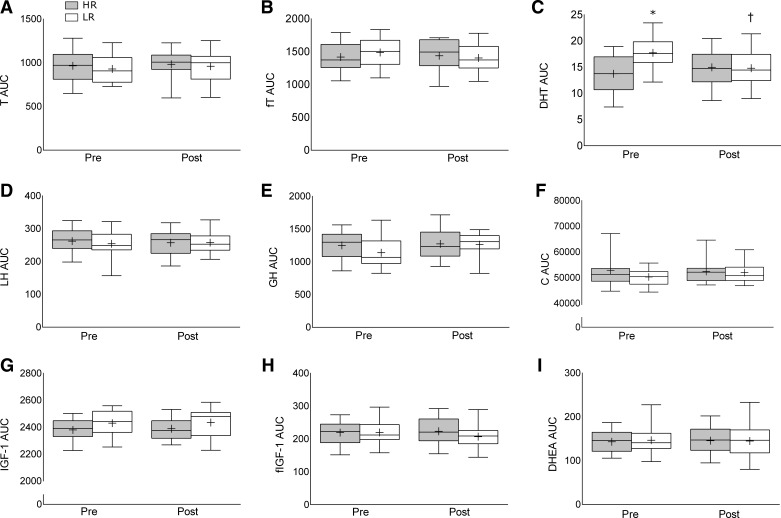
We reported, using a unilateral resistance training (RT) model, that training with high or low loads (mass per repetition) resulted in similar muscle hypertrophy and strength improvements in RT-naïve subjects. Here we aimed to determine whether the same was true in men with previous RT experience using a whole-body RT program and whether postexercise systemic hormone concentrations were related to changes in hypertrophy and strength. Forty-nine resistance-trained men (23 ± 1 yr, mean ± SE) performed 12 wk of whole-body RT. Subjects were randomly allocated into a higher-repetition (HR) group who lifted loads of ∼30-50% of their maximal strength (1RM) for 20-25 repetitions/set (n = 24) or a lower-repetition (LR) group (∼75-90% 1RM, 8-12 repetitions/set, n = 25), with all sets being performed to volitional failure. Skeletal muscle biopsies, strength testing, dual-energy X-ray absorptiometry scans, and acute changes in systemic hormone concentrations were examined pretraining and posttraining. In response to RT, 1RM strength increased for all exercises in both groups (P < 0.01), with only the change in bench press being significantly different between groups (HR, 9 ± 1, vs. LR, 14 ± 1 kg, P = 0.012). Fat- and bone-free (lean) body mass and type I and type II muscle fiber cross-sectional area increased following training (P < 0.01) with no significant differences between groups. No significant correlations between the acute postexercise rise in any purported anabolic hormone and the change in strength or hypertrophy were found. In congruence with our previous work, acute postexercise systemic hormonal rises are not related to or in any way indicative of RT-mediated gains in muscle mass or strength. Our data show that in resistance-trained individuals, load, when exercises are performed to volitional failure, does not dictate hypertrophy or, for the most part, strength gains.
Overview
The claims and statistics of this paper haven’t been checked yet.
Run the check — free, no account needed. It reads the open-access text and checks the sources it cites.
Integrity signals
Registry
Cites
Statistics
Figures
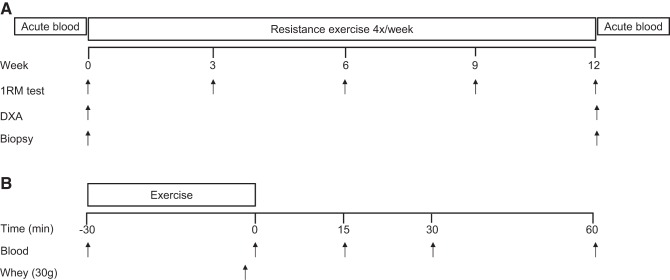
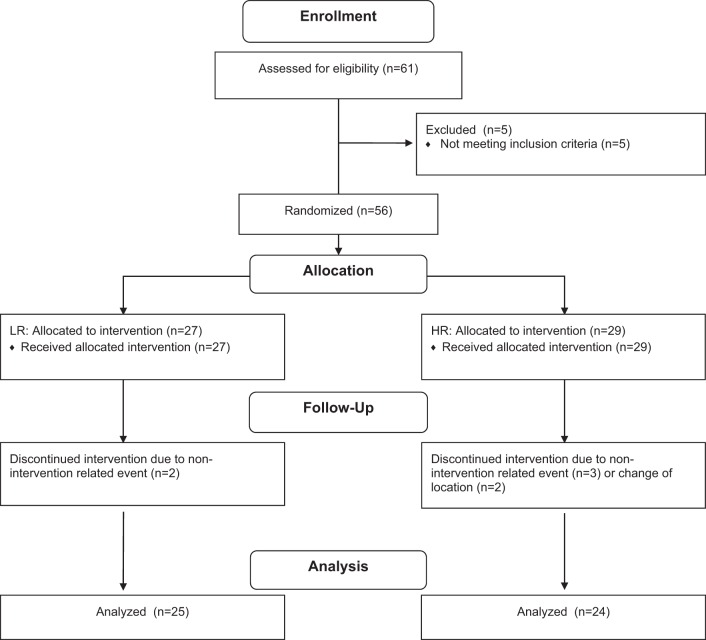
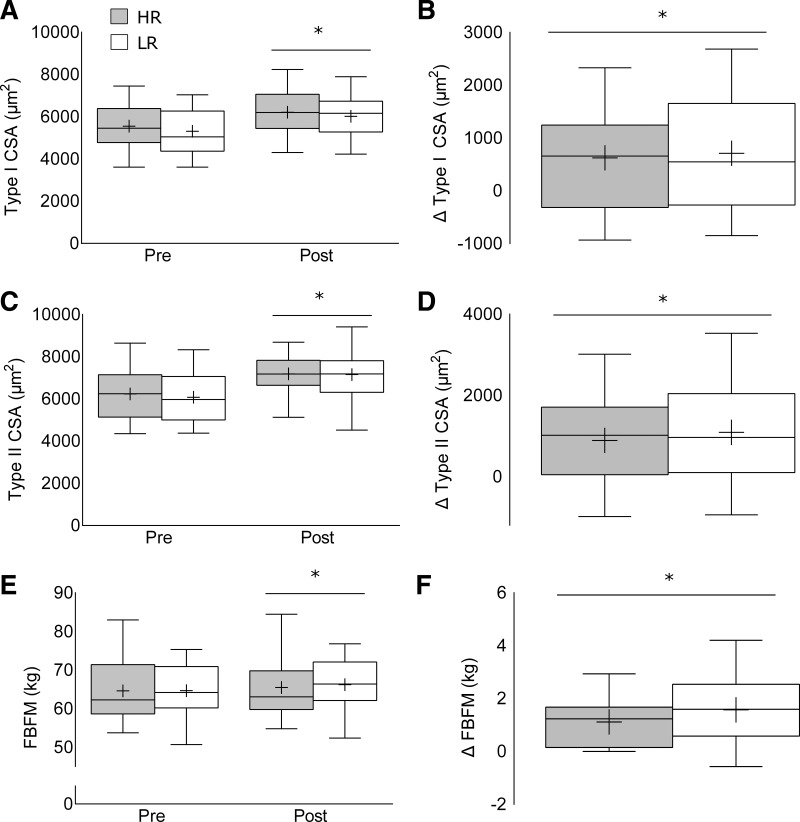
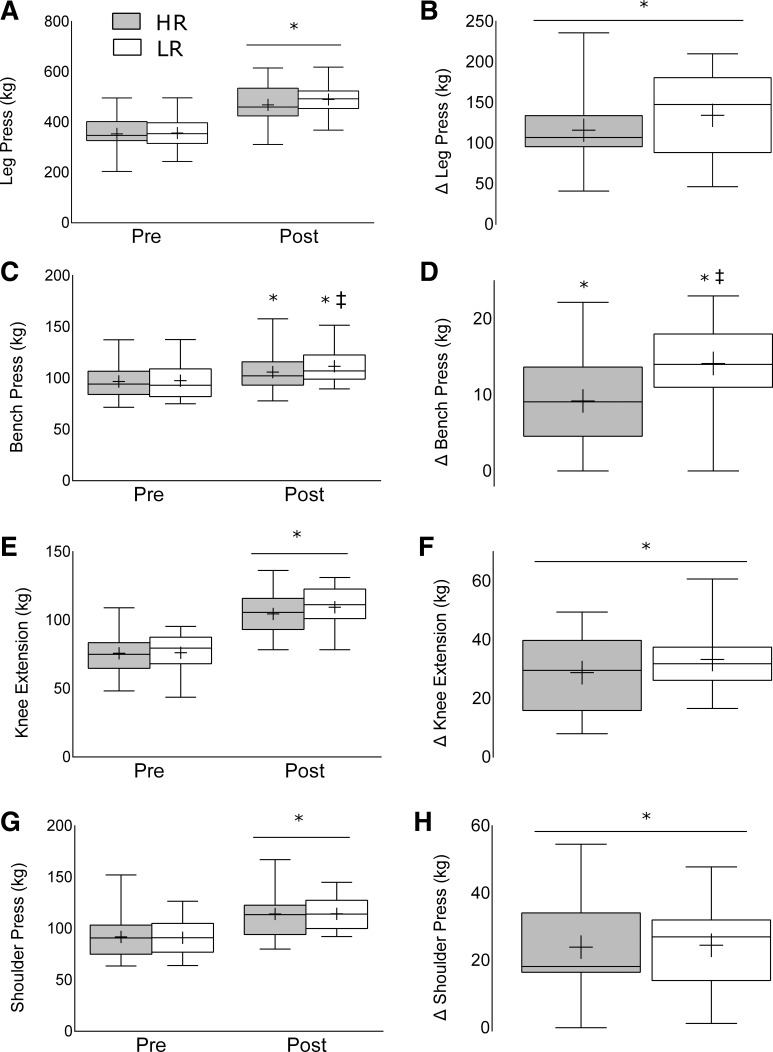
Verification
Claims the paper makes
The claims and statistics of this paper haven’t been checked yet.
Run the check — free, no account needed. It reads the open-access text and checks the sources it cites.
Claims other papers make about this one
Each is checked against this paper’s own text: does it say what the citing paper says it does?
The source backs part of the claim, not all of it — or backs it for a different population, condition or comparison.
In the citing paper
“Although these pathways are clearly relevant, they do not fully explain how high mechanical tension can directly influence transcriptional programs linked to growth [144,203].”
From Ribosome Biogenesis as a Putative Bottleneck to Skeletal Muscle Hypertrophy: Mechanisms, Human Evidence, and Practical Modulators (2026) · cites this paper as [144]
Experimental — accuracy not yet measuredThe source backs part of the claim, not all of it — or backs it for a different population, condition or comparison.
In the citing paper
“Even resistance-trained individuals show increases in strength when training with very light loads, albeit to a lesser extent than with the use of heavy loads [16,17].”
From Loading recommendations for muscle strength, hypertrophy, and local endurance: a re-examination of the repetition continuum. (2021) · cites this paper as [16]
Experimental — accuracy not yet measuredThe cited source says what the claim attributes to it.
In the citing paper
“both low-load (e.g., 30% 1RM) and high-load (e.g., 80% 1RM) training can stimulate equivalent macroscopic muscle growth when sets are performed with sufficient effort and proximity to failure [143,144].”
From Ribosome Biogenesis as a Putative Bottleneck to Skeletal Muscle Hypertrophy: Mechanisms, Human Evidence, and Practical Modulators (2026) · cites this paper as [144]
The cited source says what the claim attributes to it.
In the citing paper
“Likewise, Morton et al. [16] found that training with 8 to 12RM vs. 20 to 25RM produced significant changes in lean body mass and type I and type II muscle fiber cross-sectional area (CSA) of the vastus lateralis in a group of resistance-trained men following a 12-week total body training program, with no observed differences between the groups.”
From Loading recommendations for muscle strength, hypertrophy, and local endurance: a re-examination of the repetition continuum. (2021) · cites this paper as [16]
The cited source says what the claim attributes to it.
In the citing paper
“Regarding longitudinal research, some studies show a fiber type specific response [70,71,72] while others do not [16,73,74].”
From Loading recommendations for muscle strength, hypertrophy, and local endurance: a re-examination of the repetition continuum. (2021) · cites this paper as [16]
In the citing paper
“However, it also needs to be mentioned that adherence to the training programs was reported only in one study (Morton et al., 2016).”
From The effects of low-load vs. high-load resistance training on muscle fiber hypertrophy: a meta-analysis. (2020) · cites this paper as Morton et al., 2016
Self-check
Percentages, sums and reported differences re-computed from the paper’s own numbers.
The self-check needs the paper’s full text.
Citations
Cites
Progression Models in Resistance Training for Healthy Adults
(2009) · Medicine & Science in Sports & Exercise · doi:10.1249/mss.0b013e3181915670 · Cited by 4,332 · cited 4×
“In addition, and in contrast to what 67 others have proposed (18, 19, 31), we have also demonstrated that resistance exercise-induced 68 increases in circulating hormones play little role in regulating muscle protein synthesis after an 69”
BackgroundResultInfluentialProgression Models in Resistance Training for Healthy Adults
(2002) · Medicine and Science in Sports and Exercise · doi:10.1097/00005768-200202000-00027 · Cited by 2,979
Fundamentals of Resistance Training: Progression and Exercise Prescription
KRAEMER, W. J., & RATAMESS, N. A. (2004) · Medicine & Science in Sports & Exercise · doi:10.1249/01.mss.0000121945.36635.61 · Cited by 1,992 · cited 1×
“In addition, and in contrast to what 67 others have proposed (18, 19, 31), we have also demonstrated that resistance exercise-induced 68 increases in circulating hormones play little role in regulating muscle protein synthesis after an 69”
ResultEssentials of Strength Training and Conditioning
Baechle, T. R., & Earle, R. (1994) · Cited by 1,535
Neural adaptation to resistance training
SALE, D. G. (1988) · Medicine & Science in Sports & Exercise · doi:10.1249/00005768-198810001-00009 · Cited by 1,421 · cited 1×
“Indeed, strength is a product of muscle mass (23), neural adaptation (7, 32), and “practice” of the desired outcome.”
BackgroundHormonal Responses and Adaptations to Resistance Exercise and Training
Kraemer, W. J., & Ratamess, N. A. (2005) · Sports Medicine · doi:10.2165/00007256-200535040-00004 · Cited by 1,389 · cited 3×
“383 A further purpose of the current study was to investigate the effects of novel (DHT, 384 DHEA and LH) and canonical (IGF-1, GH and T) post-exercise, circulating hormones that have 385 been hypothesized to provide an anabolic stimulus (for reviews see (19, 47)).”
BackgroundResultCampos, G., Luecke, T., Wendeln, H., Toma, K., Hagerman, F., Murray, T., Ragg, K., Ratamess, N., Kraemer, W., & Staron, R. (2002) · European Journal of Applied Physiology · doi:10.1007/s00421-002-0681-6 · Cited by 1,066 · cited 4×
“hypertrophy and strength gains (5, 15, 41); however, it is obvious that when performing RT with 322”
BackgroundMethodResultInfluentialCermak, N. M., Res, P. T., de Groot, L. C., Saris, W. H., & van Loon, L. J. (2012) · The American Journal of Clinical Nutrition · doi:10.3945/ajcn.112.037556 · Cited by 827 · cited 1×
“Participants consumed 30 g of whey protein (BioPRO, 129 Davisco Foods International, Le Sueur, MN) twice per day: immediately following RT on 130 training days (8) and the other prior to sleep (39).”
MethodBloemberg, D., & Quadrilatero, J. (2012) · PLoS ONE · doi:10.1371/journal.pone.0035273 · Cited by 629 · cited 1×
“Fibre type 199 and CSA were assessed via immunofluorescent staining of myosin heavy chain (MHC) isoforms 200 and dystrophin as previously described (2, 37).”
MethodWilkinson, S. B., Phillips, S. M., Atherton, P. J., Patel, R., Yarasheski, K. E., Tarnopolsky, M. A., & Rennie, M. J. (2008) · The Journal of Physiology · doi:10.1113/jphysiol.2008.153916 · Cited by 628 · cited 1×
“Given that resistance-trained individuals exhibit an attenuated muscle protein synthetic response to resistance exercise (17, 53), they are likely less “adaptable” than untrained persons in terms of phenotypic adaptations of skeletal muscle in response to RT.”
BackgroundResistance exercise load does not determine training-mediated hypertrophic gains in young men
Mitchell, C. J., Churchward-Venne, T. A., West, D. W. D., Burd, N. A., Breen, L., Baker, S. K., & Phillips, S. M. (2012) · Journal of Applied Physiology · doi:10.1152/japplphysiol.00307.2012 · Cited by 627 · cited 12×
“Taken together with previous data (4, 28) the findings of the present 315 study, along with a recent meta-analysis (35), do not support the assertion that higher load RT is 316 a prerequisite to maximize RT-induced muscle hypertrophy especially when lower load exercises 317 are performed to volitional failure.”
BackgroundMethodResultInfluentialSelf-citationEssentials of strength training and conditioning
Haff, G. G., & Triplett, N. T. (2016) · Edith Cowan University Research Online (Edith Cowan University) · Cited by 566
Burd, N. A., West, D. W. D., Staples, A. W., Atherton, P. J., Baker, J. M., Moore, D. R., Holwerda, A. M., Parise, G., Rennie, M. J., Baker, S. K., et al. (2010) · PLoS ONE · doi:10.1371/journal.pone.0012033 · Cited by 531 · cited 10×
“Taken together with previous data (4, 28) the findings of the present 315 study, along with a recent meta-analysis (35), do not support the assertion that higher load RT is 316 a prerequisite to maximize RT-induced muscle hypertrophy especially when lower load exercises 317 are performed to volitional failure.”
BackgroundMethodResultInfluentialSelf-citationContralateral effects of unilateral strength training: evidence and possible mechanisms
Carroll, T. J., Herbert, R., Munn, J., Lee, M., & Gandevia, S. C. (2006) · Journal of Applied Physiology · doi:10.1152/japplphysiol.00531.2006 · Cited by 527
Hartman, J. W., Tang, J. E., Wilkinson, S. B., Tarnopolsky, M. A., Lawrence, R. L., Fullerton, A. V., & Phillips, S. M. (2007) · The American Journal of Clinical Nutrition · doi:10.1093/ajcn/86.2.373 · Cited by 498 · cited 1×
“hypertrophy and strength gain that occurs with RT (13, 27, 28, 48) we conducted the study with a 94”
MethodTestosterone Physiology in Resistance Exercise and Training: The Up-Stream Regulatory Elements
Vingren, J. L., Kraemer, W. J., Ratamess, N. A., Anderson, J. M., Volek, J. S., & Maresh, C. M. (2010) · Sports Medicine · doi:10.2165/11536910-000000000-00000 · Cited by 472 · cited 9×
“Following the intervention (using pooled means), there was an increase in type I [5,448 152 to 6,113 150 m(2); F(1,47) 19.”
BackgroundMethodResultInfluentialSchoenfeld, B. J., Peterson, M. D., Ogborn, D., Contreras, B., & Sonmez, G. T. (2015) · Journal of Strength and Conditioning Research · doi:10.1519/jsc.0000000000000958 · Cited by 418 · cited 6×
“Recognizing the high interindividual response variability in hypertrophy and strength gain that occurs with RT (13, 27, 28, 48), we conducted the study with a large enough number of participants to allow detection of a 15% difference in hypertrophy via muscle fiber cross-sectional area (CSA) change and a 10% differenc…”
BackgroundMethodResultInfluentialThe cross-bridge cycle and skeletal muscle fatigue
Fitts, R. H. (2007) · Journal of Applied Physiology · doi:10.1152/japplphysiol.01200.2007 · Cited by 408
Léger, B., Cartoni, R., Praz, M., Lamon, S., Dériaz, O., Crettenand, A., Gobelet, C., Rohmer, P., Konzelmann, M., Lüthi, F., et al. (2006) · The Journal of Physiology · doi:10.1113/jphysiol.2006.116715 · Cited by 403 · cited 3×
“The current findings taken together with previous 420 reports (1, 20, 28) show that these effects are not contingent upon training status or study design.”
BackgroundResultNeural Adaptations to Resistance Training
Carroll, T. J., Riek, S. P., & Carson, R. G. (2001) · Sports Medicine · doi:10.2165/00007256-200131120-00001 · Cited by 352
RESTORATION OF MUSCLE POWER BY HEAVY-RESISTANCE EXERCISES
Delorme, T. L. (1945) · Journal of Bone and Joint Surgery · Cited by 334
Muscle hypertrophy and fast fiber type conversions in heavy resistance-trained women.
Staron, R. S., Malicky, E. S., Leonardi, M. J., Falkel, J. E., Hagerman, F. C., & Dudley, G. A. (1990) · European Journal of Applied Physiology and Occupational Physiology · doi:10.1007/bf00572189 · Cited by 328 · cited 1×
“Load was progressively increased by 10–20% for each repetition until a true 1RM was reached as previously described (5, 40).”
MethodShimano, T., Kraemer, W. J., Spiering, B. A., Volek, J. S., Hatfield, D. L., SILVESTRE, R., Vingren, J. L., Fragala, M. S., Maresh, C. M., Fleck, S. J., et al. (2006) · The Journal of Strength and Conditioning Research · doi:10.1519/r-18195.1 · Cited by 321 · cited 1×
“The LR group performed 3 sets of 8–12 repetitions per set that corresponded to 75–90% of 1RM with each set being performed to volitional failure (38).”
MethodWest, D. W. D., Burd, N. A., Tang, J. E., Moore, D. R., Staples, A. W., Holwerda, A. M., Baker, S. K., & Phillips, S. M. (2010) · Journal of Applied Physiology · doi:10.1152/japplphysiol.01147.2009 · Cited by 290 · cited 4×
“acute bout of resistance exercise (51) or skeletal muscle hypertrophy following RT (50).”
BackgroundResultInfluentialSelf-citationWest, D. W. D., Kujbida, G. W., Moore, D. R., Atherton, P., Burd, N. A., Padzik, J. P., De Lisio, M., Tang, J. E., Parise, G., Rennie, M. J., et al. (2009) · The Journal of Physiology · doi:10.1113/jphysiol.2009.177220 · Cited by 289 · cited 4×
“contribute to the resistance exercise-induced muscle protein synthetic response (51) or 389”
BackgroundResultInfluentialA Brief Review of Critical Processes in Exercise-Induced Muscular Hypertrophy
Phillips, S. M. (2014) · Sports Medicine · doi:10.1007/s40279-014-0152-3 · Cited by 281
Tanimoto, M., & Ishii, N. (2005) · Journal of Applied Physiology · doi:10.1152/japplphysiol.00741.2005 · Cited by 269 · cited 1×
“403 It is important to acknowledge that our repetition ranges and loads were chosen to match 404 previous study ‘intensities’ (4, 5, 15, 28, 43, 44) and replicate those of current guidelines set 405 forth by the American College of Sports Medicine (31) and National Strength and Conditioning 406 Association (12).”
ResultMuscular adaptations in low- versus high-load resistance training: a meta-analysis.
Schoenfeld, B. J., Wilson, J. M., Lowery, R. P., & Krieger, J. W. (2016) · European Journal of Sport Science · doi:10.1080/17461391.2014.989922 · Cited by 249 · cited 2×
“The current data, along with previous 338 work (28, 35), are direct proof that hypertrophy and strength gains are not a function of the load 339 lifted and directly contradict the assertion that acute EMG recordings predict hypertrophic 340 potential (21).”
ResultNutritional interventions to augment resistance training-induced skeletal muscle hypertrophy
Morton, R. W., McGlory, C., & Phillips, S. M. (2015) · Frontiers in Physiology · doi:10.3389/fphys.2015.00245 · Cited by 234 · cited 2×
“As proposed before (28) and in a recent review (29), we propose that muscle 407 hypertrophy is fundamentally driven by motor unit activation.”
BackgroundMethodSelf-citationMaughan, R., & Nimmo, M. A. (1984) · The Journal of Physiology · doi:10.1113/jphysiol.1984.sp015246 · Cited by 223 · cited 1×
“Indeed, strength is a product of muscle mass (23), neural adaptation (7, 32), 378 and the ‘practice’ of the desired outcome.”
BackgroundTaaffe, D. R., Pruitt, L. A., Pyka, G., Guido, D., & Marcus, R. (1996) · Clinical Physiology · doi:10.1111/j.1475-097x.1996.tb00727.x · Cited by 220 · cited 3×
“It is evident that current literature supports the use of both low-repetition (high load) (1, 20, 41) and high-repetition (low load) (5, 28, 44) RT to induce increases in maximal strength.”
BackgroundHolm, L., Reitelseder, S., Pedersen, T. G., Doessing, S., Petersen, S. G., Flyvbjerg, A., Andersen, J. L., Aagaard, P., & Kjaer, M. (2008) · Journal of Applied Physiology · doi:10.1152/japplphysiol.90538.2008 · Cited by 218 · cited 6×
“others have also found similar increases in 1RM in healthy untrained (15) and trained (33) men 368”
BackgroundResultInfluentialMitchell, C. J., Churchward-Venne, T. A., Parise, G., Bellamy, L., Baker, S. K., Smith, K., Atherton, P. J., & Phillips, S. M. (2014) · PLoS ONE · doi:10.1371/journal.pone.0089431 · Cited by 212 · cited 1×
“hypertrophy and strength gain that occurs with RT (13, 27, 28, 48) we conducted the study with a 94”
MethodSelf-citationThe size-principle: a deterministic output emerges from a set of probabilistic connections
Henneman, E. (1985) · Journal of Experimental Biology · doi:10.1242/jeb.115.1.105 · Cited by 192
Schoenfeld, B. J., Ratamess, N. A., Peterson, M. D., Contreras, B., Sonmez, G. T., & Alvar, B. A. (2014) · Journal of Strength and Conditioning Research · doi:10.1519/jsc.0000000000000480 · Cited by 187 · cited 1×
“more sets) (34), it remains apparent 357 that the similar adaptations are a result of the resistance exercise being performed until volitional 358 failure.”
BackgroundWhey protein supplementation during resistance training augments lean body mass
Volek, J. S., Volk, B. M., Gómez, A. L., Kunces, L. J., Kupchak, B. R., Freidenreich, D. J., Aristizabal, J. C., Saenz, C., Dunn-Lewis, C., Ballard, K. D., et al. (2013) · Journal of the American College of Nutrition · doi:10.1080/07315724.2013.793580 · Cited by 181 · cited 2×
“Maximum isotonic strength (using pooled means) increased for LP 264 (355 ± 10 to 480 ± 11 kg; F(1,48) = 249.”
MethodResistance training alters the response of fed state mixed muscle protein synthesis in young men
Tang, J. E., Perco, J. G., Moore, D. R., Wilkinson, S. B., & Phillips, S. M. (2007) · American Journal of Physiology-Regulatory, Integrative and Comparative Physiology · doi:10.1152/ajpregu.00636.2007 · Cited by 181 · cited 1×
“The attenuated gains 311 in muscle size in the present study versus those seen by Mitchell et al (28) are congruent with 312 previous literature showing a blunted training response in resistance-trained individuals who 313 would presumably have less capacity for adaptation since they are regularly exposed to the 314 s…”
ResultVan Roie, E., Delecluse, C., Coudyzer, W., Boonen, S., & Bautmans, I. (2013) · Experimental Gerontology · doi:10.1016/j.exger.2013.08.010 · Cited by 178 · cited 2×
“both low repetition (high load) (1, 20, 41) and high repetition (low load) (5, 28, 44) RT to induce 370”
BackgroundResultSnijders, T., Res, P. T., Smeets, J. S., van Vliet, S., van Kranenburg, J., Maase, K., Kies, A. K., Verdijk, L. B., & van Loon, L. J. (2015) · The Journal of Nutrition · doi:10.3945/jn.114.208371 · Cited by 175 · cited 1×
“Participants consumed 30 g of whey protein (BioPRO, 129 Davisco Foods International, Le Sueur, MN) twice per day: immediately following RT on 130 training days (8) and the other prior to sleep (39).”
MethodFasted‐state skeletal muscle protein synthesis after resistance exercise is altered with training
Kim, P. L., Staron, R. S., & Phillips, S. M. (2005) · The Journal of Physiology · doi:10.1113/jphysiol.2005.093708 · Cited by 171 · cited 2×
“5 attenuated muscle protein synthetic response to resistance exercise (17, 53), they are likely less 77 ‘adaptable’ than untrained persons in terms of phenotypic adaptations of skeletal muscle in 78 response to RT.”
BackgroundResultSelf-citationThe size principle: a rule describing the recruitment of motoneurons
Mendell, L. M. (2005) · Journal of Neurophysiology · doi:10.1152/classicessays.00025.2005 · Cited by 168 · cited 1×
“While the mechanisms underlying fatigue may be different between groups (11, 22), at volitional failure the size principle would dictate that larger motor units have been recruited in an attempt to sustain the required force (14, 26).”
BackgroundSex-based comparisons of myofibrillar protein synthesis after resistance exercise in the fed state
West, D. W. D., Burd, N. A., Churchward-Venne, T. A., Camera, D. M., Mitchell, C. J., Baker, S. K., Hawley, J. A., Coffey, V. G., & Phillips, S. M. (2012) · Journal of Applied Physiology · doi:10.1152/japplphysiol.00170.2012 · Cited by 143 · cited 1×
“similar magnitudes of myofibrillar protein synthesis in response to the same RT stimulus (49).”
BackgroundSelf-citationMuscle activation during three sets to failure at 80 vs. 30 % 1RM resistance exercise
Jenkins, N. D. M., Housh, T. J., Bergstrom, H. C., Cochrane, K. C., Hill, E. C., Smith, C. M., Johnson, G. O., Schmidt, R. J., & Cramer, J. T. (2015) · European Journal of Applied Physiology · doi:10.1007/s00421-015-3214-9 · Cited by 140 · cited 1×
“It has even been suggested, on the basis of only acute electromyography (EMG) data [despite caution on use of EMG in this manner (10)], that greater motor unit recruitment occurs when lifting heavier loads even if heavier and lighter loads are performed to volitional failure (16, 21).”
BackgroundEnoka, R. M., & Duchateau, J. (2015) · Journal of Applied Physiology · doi:10.1152/japplphysiol.00280.2015 · Cited by 140
Scribbans, T. D., Edgett, B. A., Vorobej, K., Mitchell, A. S., Joanisse, S., Matusiak, J. B. L., Parise, G., Quadrilatero, J., & Gurd, B. J. (2014) · PLoS ONE · doi:10.1371/journal.pone.0098119 · Cited by 138 · cited 1×
“Fibre type 199 and CSA were assessed via immunofluorescent staining of myosin heavy chain (MHC) isoforms 200 and dystrophin as previously described (2, 37).”
MethodWest, D. W. D., & Phillips, S. M. (2012) · European Journal of Applied Physiology · doi:10.1007/s00421-011-2246-z · Cited by 115 · cited 6×
“West and Phillips (52) concluded that anabolic hormones such as GH, IGF-1, and T have little to no correlation with changes in hypertrophy and strength as a result of a 12-wk RT intervention.”
BackgroundInfluentialMcCall, G. E., Byrnes, W. C., DICKINSON, A. L., & Fleck, S. J. (1998) · Canadian Journal of Applied Physiology · doi:10.1139/h98-034 · Cited by 49
Vigotsky, A. D., Beardsley, C., Contreras, B. M., Steele, J., Ogborn, D. I., & Phillips, S. M. (2015) · The Journal of Strength and Conditioning Research · doi:10.1519/jsc.0000000000001249 · Cited by 48 · cited 1×
“There have been recent claims 335 that greater EMG amplitude seen with a higher versus a lower load condition is equivalent to 336 greater motor unit drive and thus greater potential for hypertrophy (21); however, such a premise 337 is fundamentally incorrect as has been pointed out (45, 46).”
BackgroundLooney, D. P., Kraemer, W. J., Joseph, M. F., Comstock, B. A., Denegar, C. R., Flanagan, S. D., Newton, R. U., Szivak, T. K., DuPont, W. H., Hooper, D. R., et al. (2016) · Journal of Strength and Conditioning Research · doi:10.1519/jsc.0000000000001109 · Cited by 46
Alegre, L. M., Jódar, X. A., Rojas‐Martín, D., Martín‐García, M., Ara, I., & Csapo, R. (2014) · Muscle & Nerve · doi:10.1002/mus.24271 · Cited by 40 · cited 9×
“The current findings taken together with previous 420 reports (1, 20, 28) show that these effects are not contingent upon training status or study design.”
BackgroundMethodResultInfluentialBig claims for big weights but with little evidence
Burd, N. A., Moore, D. R., Mitchell, C. J., & Phillips, S. M. (2013) · European Journal of Applied Physiology · doi:10.1007/s00421-012-2527-1 · Cited by 26 · cited 1×
“4 Introduction 54 Resistance training (RT) is a potent stimulus for increasing skeletal muscle mass and strength (9, 55 30); however, the exact RT variables that determine skeletal muscle hypertrophy and strength 56 remain a topic of continued investigation (3, 36).”
BackgroundMarshall, P. W., Finn, H. T., & Siegler, J. C. (2015) · PLoS ONE · doi:10.1371/journal.pone.0140108 · Cited by 25 · cited 1×
“While the mechanisms underlying fatigue may be different between 333 groups (11, 22), at volitional failure the size principle would dictate that larger motor units have 334 been recruited in an attempt to sustain the required force (14, 26).”
BackgroundPreponderance of evidence proves “big” weights optimize hypertrophic and strength adaptations
Schuenke, M. D., Herman, J. R., & Staron, R. S. (2012) · European Journal of Applied Physiology · doi:10.1007/s00421-012-2528-0 · Cited by 19 · cited 1×
“4 Introduction 54 Resistance training (RT) is a potent stimulus for increasing skeletal muscle mass and strength (9, 55 30); however, the exact RT variables that determine skeletal muscle hypertrophy and strength 56 remain a topic of continued investigation (3, 36).”
BackgroundVigotsky, A. D., Ogborn, D. I., & Phillips, S. M. (2015) · European Journal of Applied Physiology · doi:10.1007/s00421-015-3314-6 · Cited by 19 · cited 2×
“a lower-load condition is equivalent to greater motor unit drive and thus greater potential for hypertrophy (21); however, such a premise is fundamentally incorrect as has been pointed out (45, 46).”
BackgroundStatistical Analysis of Fiber Area in Human Skeletal Muscle
McGuigan, M. R., Kraemer, W. J., Deschenes, M. R., Gordon, S. E., Kitaura, T., Scheett, T. P., Sharman, M. J., & Staron, R. S. (2002) · Canadian Journal of Applied Physiology · doi:10.1139/h02-022 · Cited by 15 · cited 1×
“All data reported in this manuscript, unless otherwise stated, have type IIA and type IIX fiber types pooled together and reported as type II fibers because of the number necessary to individually analyze type IIA and IIX fibers ( 50–60) per sample (24, 25).”
BackgroundNieman, D. C. (2008) · Yearbook of Sports Medicine · doi:10.1016/s0162-0908(08)79232-8 · Cited by 12
Shephard, R. J. (2007) · Yearbook of Sports Medicine · doi:10.1016/s0162-0908(08)70092-8 · Cited by 4
Cited by
Sorted by citations
Schoenfeld, B. J., Grgic, J., Ogborn, D., & Krieger, J. W. (2017) · Journal of Strength and Conditioning Research · doi:10.1519/jsc.0000000000002200 · Cited by 851
“That said, not all studies have found such an effect (32) and further research is therefore needed to draw relevant practical inferences.”
BackgroundLixandrão, M. E., Ugrinowitsch, C., Berton, R., Vechin, F. C., Conceição, M. S., Damas, F., Libardi, C. A., & Roschel, H. (2018) · Sports Medicine · doi:10.1007/s40279-017-0795-y · Cited by 554
“Interestingly, it has been suggested that specificity deficit between different RT protocols could be mitigated by routinely practicing with 1RM [33].”
BackgroundAdaptations to Endurance and Strength TrainingPreprint
Hughes, D. C., Ellefsen, S., & Baar, K. (2017) · Cold Spring Harbor Perspectives in Medicine · doi:10.1101/cshperspect.a029769 · Cited by 661
“However, recent evidence appears to cast doubt over the hypothesis that hormones contribute to exercise-induced muscle hypertrophy and growth (West et al. 2009, 2010, 2012; Schroeder et al. 2013; Morton et al. 2016).”
BackgroundVigotsky, A. D., Halperin, I., Lehman, G. J., Trajano, G. S., & Vieira, T. M. (2018) · Frontiers in Physiology · doi:10.3389/fphys.2017.00985 · Cited by 503
Centner, C., Wiegel, P., Gollhofer, A., & König, D. (2019) · Sports Medicine · doi:10.1007/s40279-018-0994-1 · Cited by 382
Metadata
- Authors
- Morton, R. W., Oikawa, S. Y., Wavell, C. G., Mazara, N., McGlory, C., Quadrilatero, J., Baechler, B. L., Baker, S. K., & Phillips, S. M.
- Affiliations
- McMaster University (CA)
- University of Waterloo (CA)
- Corresponding author
- Phillips, Stuart M.
- ORCID
- Venue
- Journal of Applied Physiology
- Publisher
- American Physiological Society
- Published
- 2016-05-12
- Volume
- 121
- Issue
- 1
- Pages
- 129-138
- ISSN
- 0161-7567 (ISSN-L)
- 8750-7587
- 1522-1601
- PMC
- PMC4967245
- OpenAlex
- W2351799718
- Cited by
- 404
- References
- 58
- Citations by year
- 2026: 22 · 2025: 27 · 2024: 36 · 2023: 27 · 2022: 45 · 2021: 47 · 2020: 58 · 2019: 43 · 2018: 37 · 2017: 48 · 2016: 14
- FWCI
- 57.60
- Type
- journal article
- Language
- en
- Open access
- hybrid
- doi.org
- Licence
- cc-by
- Locations
- Journal of Applied Physiology (publishedVersion, cc-by)
- PubMed Central (publishedVersion, cc-by)
- PubMed (publishedVersion)
- Funders
- National Science and Engineering Council of Canada (RGPIN-2015-04613)
- Topics
- Health Sciences › Medicine › Orthopedics and Sports Medicine › Sports Performance and Training
- Health Sciences › Nursing › Nutrition and Dietetics › Muscle metabolism and nutrition
- Health Sciences › Medicine › Physiology (medical) › Cardiovascular and exercise physiology
- Keywords
- resistance training, muscle hypertrophy, strength gain, training load, resistance-trained men, anabolic hormones, lean body mass, muscle fiber cross-sectional area, unilateral training
- MeSH terms
- Adult, Hormones, Humans, Hypertrophy, Male, Weight Lifting, Exercise, Muscle, Skeletal, Muscle Strength, Resistance Training, Young Adult
About these checks
Registry, retraction, Cites and statistics results are computed, not judged, with one exception: a printed reference that no index lists is read once by a model before it counts as a citation error. Claims are extracted by a model and kept only when their quote appears verbatim in the text; each cited source is then checked, with a model’s help, for whether it says what the claim relies on. Those verdicts can be wrong — read the claim’s quote and the cited source before relying on one.
Statistics and arithmetic are recomputed, not judged.
Confidence bands are shown only for fields calibrated on our annotated test set. None is calibrated yet, so no band is shown.
What counts as a claim ›How we measure confidence ›How we check this ›
Are you an author, or do you see a problem with this page? Request a review
