

Chlorophyll Extraction from Microalgae: A Review on the Process Engineering Aspects
Open accessThe DOI matches its Crossref record; 56 of the 56 references it cites were found in a registry or an index.
Abstract
Chlorophyll is an essential compound in many everyday products. It is used not only as an additive in pharmaceutical and cosmetic products but also as a natural food colouring agent. Additionally, it has antioxidant and antimutagenic properties. This review discusses the process engineering of chlorophyll extraction from microalgae. Different chlorophyll extraction methods and chlorophyll purification techniques are evaluated. Our preliminary analysis suggests supercritical fluid extraction to be superior to organic solvent extraction. When compared to spectroscopic technique, high performance liquid chromatography was shown to be more accurate and sensitive for chlorophyll analysis. Finally, through CO 2 capture and wastewater treatment, microalgae cultivation process was shown to have strong potential for mitigation of environmental impacts.
Overview
The claims and statistics of this paper haven’t been checked yet.
Free: it reads the open-access text and checks the first 5 claims that cite a source we can check. Create a free account to check every claim.
Integrity signals
Registry
Cites
Statistics
Figures












Verification
Claims the paper makes
The claims and statistics of this paper haven’t been checked yet.
Free: it reads the open-access text and checks the first 5 claims that cite a source we can check. Create a free account to check every claim.
Claims other papers make about this one
Each is checked against this paper’s own text: does it say what the citing paper says it does?
The source backs part of the claim, not all of it — or backs it for a different population, condition or comparison.
In the citing paper
“Due to the high amounts of chlorophyll, orally administered Arthrospira platensis biomass and Arthrospira platensis extract exerts gastro-protective effects [125,126].”
From Application of Arthrospira platensis for Medicinal Purposes and the Food Industry: A Review of the Literature (2023) · cites this paper as [125]
Experimental — accuracy not yet measured
Self-check
Percentages, sums and reported differences re-computed from the paper’s own numbers.
The self-check needs the paper’s full text.
Citations
Cites
Chisti, Y. (2007) · Biotechnology Advances · doi:10.1016/j.biotechadv.2007.02.001 · Cited by 9,524 · cited 4×
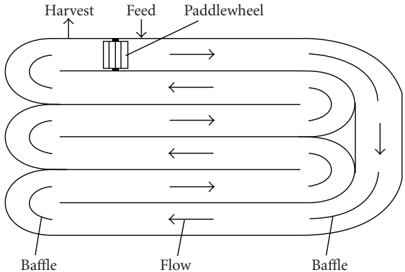
“The raceways ponds are made from concrete or compacted earth that can be lined with plastics [3].”
BackgroundInfluentialBrennan, L., & Owende, P. (2010) · Renewable and Sustainable Energy Reviews · doi:10.1016/j.rser.2009.10.009 · Cited by 4,894 · cited 7×
“Thus, the biomass produced from microalgal cultivation has numerous uses [17]: (1) a source of biofuels (biodiesel and bioethanol); (2) a nutritional supplement for humans in the form of tablets, capsules, powders and liquids; (3) a natural food colorant; (4) a natural food source for many aquacultural species; (5) a…”
BackgroundInfluentialCommercial Applications of Microalgae
Spolaore, P., Joannis-Cassan, C., Duran, E., & Isambert, A. (2006) · Journal of Bioscience and Bioengineering · doi:10.1263/jbb.101.87 · Cited by 4,285 · cited 1×
“Thus, the biomass produced from microalgal cultivation has numerous uses [17]: (1) a source of biofuels (biodiesel and bioethanol); (2) a nutritional supplement for humans in the form of tablets, capsules, powders and liquids; (3) a natural food colorant; (4) a natural food source for many aquacultural species; (5) a…”
BackgroundSecond Generation Biofuels: High-Efficiency Microalgae for Biodiesel Production
Schenk, P. M., Thomas-Hall, S. R., Stephens, E., Marx, U. C., Mussgnug, J. H., Posten, C., Kruse, O., & Hankamer, B. (2008) · BioEnergy Research · doi:10.1007/s12155-008-9008-8 · Cited by 2,333 · cited 1×
“This method will be much simpler than physical CO2 sequestration [21].”
MethodCommercial production of microalgae: ponds, tanks, tubes and Fermenters.
Borowitzka, M. A. (1999) · Journal of Biotechnology · doi:10.1016/s0168-1656(99)00083-8 · Cited by 1,317 · cited 6×
“Even though the photobioreactor system gives control over most cultivation parameters and achieves a higher CO2 fixation rate than open-air system, it requires large amount of energy for its operation and construction [19, 30].”
BackgroundInfluential(2000) · CrossRef Listing of Deleted DOIs · doi:10.1016/s0967-0653(97)89288-5 · Cited by 1,257
CO2 bio-mitigation using microalgae
Wang, B., Li, Y., Wu, N., & Lan, C. Q. (2008) · Applied Microbiology and Biotechnology · doi:10.1007/s00253-008-1518-y · Cited by 1,212 · cited 10×
“Efficiency of CO2 capture by microalgae increases with power plant flue gases that have up to 15% of CO2 [19] and studies have shown that microalgal species (such as Scenedesmus sp.”
BackgroundInfluentialHERRERO, M., CIFUENTES, A., & IBANEZ, E. (2006) · Food Chemistry · doi:10.1016/j.foodchem.2005.05.058 · Cited by 1,212 · cited 4×
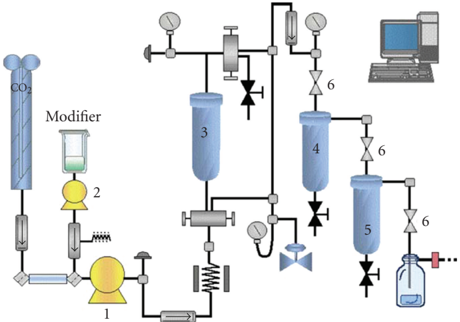
“The extraction cell is for solids whilst packed columns are used for liquids [45].”
BackgroundMethodInfluentialPhotobioreactors for Mass Cultivation of Algae
Ugwu, C. U., Aoyagi, H., & Uchiyama, H. (2008) · Bioresource Technology · doi:10.1016/j.biortech.2007.01.046 · Cited by 1,209 · cited 4×
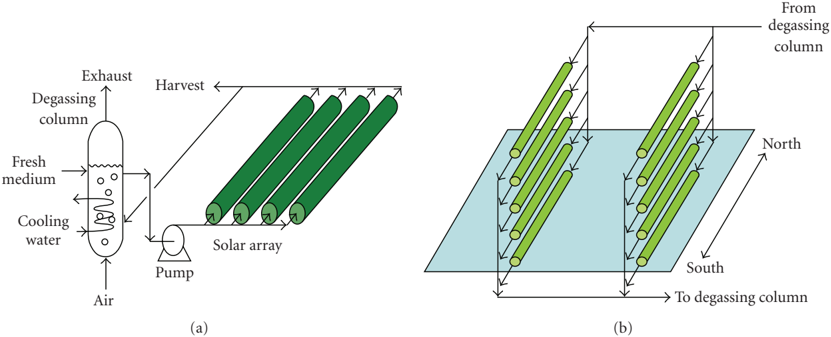
“However, the design suffers from the following drawbacks: (1) difficulty in controlling culture temperatures; (2) scaleup requires more compartments and support materials; (3) stronger hydrodynamic stress on microalgal cultures [31].”
BackgroundInfluentialMicroalgae: biotechnology and microbiology
(1994) · Choice Reviews Online · doi:10.5860/choice.32-0920 · Cited by 1,130 · cited 1×
“The structural and functional simplicity of these microorganisms makes them a better choice for research purposes than any other terrestrial plants [22].”
Background
Cited by
Items 201–300 of 394
Rapid in situ assessment for predicting soil quality using an algae-soaked disc seeding assay
Nam, S., Moon, J., Kim, S. W., Kim, H., Jeong, S., & An, Y. (2017) · Environmental Monitoring and Assessment · doi:10.1007/s10661-017-6358-8 · Cited by 11
Yarnpakdee, S., Senphan, T., Wangtueai, S., Jaisan, C., & Nalinanon, S. (2021) · Journal of Food Processing and Preservation · doi:10.1111/jfpp.15534 · Cited by 15
Madji, S., Antih, J., Tabib, M., Silvestre, C., Ghennai, A., Warnery, A., Vaillant, F. E., Bichon, F., Echalier, A., & Poucheret, P. (2025) · Analytica—A Journal of Analytical Chemistry and Chemical Analysis · doi:10.3390/analytica6040044 · Cited by 15
Oslan, S. N. H., Xuan, N. J., Khodzori, M. F. A., Hakim, B. N. A., Huda, N., Julmohammad, N. B., & Barzkar, N. (2025) · Algal Research · doi:10.1016/j.algal.2025.104420 · Cited by 14
Conversion of natural tissues and food waste into aerogels and their application in oleogelation
Gibowsky, L., De Berardinis, L., Plazzotta, S., Manke, E., Jung, I., Méndez, D. A., Heidorn, F., Liese, G., Husung, J., Liese, A., et al. (2025) · Green Chemistry · doi:10.1039/d4gc05703a · Cited by 12
Umamaheswari, J., & Shanthakumar, S. (2019) · Journal of Environmental Engineering · doi:10.1061/(asce)ee.1943-7870.0001612 · Cited by 10
Djebaili, R., Mignini, A., Vaccarelli, I., Pellegrini, M., Spera, D. M., Gallo, M. D., & D’Alessandro, A. M. (2022) · Frontiers in Microbiology · doi:10.3389/fmicb.2022.933398 · Cited by 15
“Pigments, especially chlorophylls and carotenoids, are considered key bioactive chemicals (Hosikian et al., 2010).”
BackgroundEvaluation of selected tropical marine microalgal cultures for use in biophotovoltaic platforms
Tay, Z. H.-Y., Ng, F.-L., Thong, C., Lee, C. W., kumar, G. G., Al-Sehemi, A. G., & Phang, S. (2024) · Applied Microbiology and Biotechnology · doi:10.1007/s00253-023-12951-0 · Cited by 11
“Chl-a absorbs light in the red and blue regions of the electromagnetic spectrum and reflects green colour, therefore giving the algae a green appearance (Hosikian et al. 2010).”
BackgroundOptimization of chlorophyll extraction solvent of bulung sangu (Gracilaria sp.) seaweed
Sasadara, M. M. V., Nayaka, N. M. D. M. W., Yuda, P. E. S. K., Dewi, N. L. K. A. A., Cahyaningsih, E., Wirawan, I. G. P., & Silalahi, D. (2021) · IOP Conference Series Earth and Environmental Science · doi:10.1088/1755-1315/913/1/012073 · Cited by 10
“This activity, coupled with antioxidant properties, especially those derived from chlorophyll, makes chlorophyll widely used in various pharmaceutical products [4].”
BackgroundInfluentialAlgae Biorefinery – Material and energy use of algae
Petrick, I., Dombrowski, L., Kröger, M., Beckert, T., Kuchling, T., & Kureti, S. (2014) · Qucosa (Saxon State and University Library Dresden) · Cited by 20
Role of Algal Derived Compounds in Pharmaceuticals and Cosmetics
Mourelle, M. L., Gómez, C. P., & Legido, J. L. (2021) · Wiley eBooks · doi:10.1002/9781119542650.ch19 · Cited by 16
Seaweed-based fertilizing products
Choulot, M., Guillard, C. L., Bourgougnon, N., & Michalak, I. (2022) · Elsevier eBooks · doi:10.1016/b978-0-12-824270-4.00012-2 · Cited by 14
López-Patiño, A. M., Cárdenas-Orrego, A., Torres, A. F., Navarrete, D., Champagne, P., & Ochoa‐Herrera, V. (2024) · Frontiers in Bioengineering and Biotechnology · doi:10.3389/fbioe.2024.1338547 · Cited by 14
“Samples remained stored at 0 ° C for 12 h to complete the extraction of chlorophyll and to facilitate the separation of the chlorophyll-containing supernatant during the subsequent centrifugation step (Hosikian et al., 2010).”
Health-Benefit Assets of Different Indian Processed Teas: A Comparative Approach
Hazra, A., Saha, J., Dasgupta, N., Sengupta, C., Kumar, P. M., & Das, S. (2017) · American Journal of Plant Sciences · doi:10.4236/ajps.2017.87111 · Cited by 9
“All the experiments were done with standard methanol extract as organic solvents effectively diffuse through plant tissue, increase the cell wall permeability and disintegrate bonding between chlorophyll and protein molecules [26] as well as infusion with normal water of the packaged tea since the authors tried to und…”
MethodGhosh, A., Khanra, S., Haldar, G., Bhowmick, T. K., & Gayen, K. (2018) · Current Biochemical Engineering · doi:10.2174/2212711905666180817105828 · Cited by 9
Gorrini, F. A., Lara, J. M. Z., Biagiola, S. I., Figueroa, J. L., Hernández‐Escoto, H., Hantson, A., & Wouwer, A. V. (2020) · Processes · doi:10.3390/pr8121551 · Cited by 9
“Additionally, a step of mechanical grinding is used in order to improve the chlorophyll extraction from the microalgae, as reported in [38,39].”
MethodThe Role of Algae in Nutraceutical and Pharmaceutical Production
Gautam, S., & Mannan, M. A.-U. (2020) · Springer eBooks · doi:10.1007/978-981-15-1394-7_24 · Cited by 9
Elbaz, M., Abdesslem, S. B., St‐Gelais, A., Boulàres, M., Moussa, O. B., Timoumi, M., Hassouna, M., & Aïder, M. (2024) · Food Chemistry Advances · doi:10.1016/j.focha.2024.100734 · Cited by 8
Stoyneva-Gärtner, M. P., Uzunov, B., & Gärtner, G. (2024) · Cosmetics · doi:10.3390/cosmetics11040115 · Cited by 9
Ramanathan, S., Lau, W. J., Goh, P. S., Gopinath, S. C. B., Rawindran, H., Omar, M. F., Ismail, A. F., Breadmore, M. C., & See, H. H. (2024) · Microchimica Acta · doi:10.1007/s00604-024-06662-0 · Cited by 10
Kamiński, J., Stachelska‐Wierzchowska, A., Michalczyk, D. J., Klimkowicz‐Pawlas, A., Olkowska, E., Wolska, L., & Piotrowicz-Cieślak, A. I. (2024) · Molecules · doi:10.3390/molecules29102336 · Cited by 10
“However, both in plants growing under optimum conditions and plants subjected to stress, chlorophyll a usually clearly predominates in quantity [56,57].”
BackgroundPlanktons as a Sustainable Biomonitoring Tool of Aquatic Ecosystem
Kashyap, N. K., Hait, M., & Bhardwaj, A. K. (2024) · Springer eBooks · doi:10.1007/978-981-97-1658-6_8 · Cited by 9
Amiri, S., Nafez, A. H., & Amiri, N. (2020) · Environmental Quality Management · doi:10.1002/tqem.21685 · Cited by 8
Algal Biorefineries for Biofuels and Other Value-Added Products
Shukla, M., & Kumar, S. (2017) · Biofuel and biorefinery technologies · doi:10.1007/978-3-319-67678-4_14 · Cited by 11
Agustina, S., Aidha, N. N., & Oktarina, E. (2018) · Jurnal Kimia dan Kemasan · doi:10.24817/jkk.v40i2.4100 · Cited by 14
Gomes, P. G. C., Veloso, A. F., Maynard, I. F. N., Marques, M. N., de Souza, R. L., Pereira, M. M., Soares, C. M. F., & Lima, Á. S. (2020) · Journal of Chemical Technology & Biotechnology · doi:10.1002/jctb.6343 · Cited by 17
The fate of chlorophyll in phytophagous insects goes beyond nutrition
Oetama, V. S. P., Pentzold, S., & Boland, W. (2020) · Zeitschrift für Naturforschung C · doi:10.1515/znc-2020-0060 · Cited by 7
Bhagea, R., Hossen, A. M., Ruhee, D., Puchooa, D., Bhoyroo, V., & Boodia, N. (2022) · American Journal of Biopharmacy and Pharmaceutical Sciences · doi:10.25259/ajbps_6_2022 · Cited by 8
Rocha, G. J. R., de Aguiar, A. C., Abud, C., Pertuzatti, P. B., Sampaio, K. A., & de Paula, J. T. (2025) · Applied Food Research · doi:10.1016/j.afres.2025.100795 · Cited by 13
Application of pressurized liquids to extract high-value compounds from marine biomass
Poojary, M. M., Laurora, A., Lund, M. N., & Tiwari, B. K. (2021) · Elsevier eBooks · doi:10.1016/b978-0-12-820096-4.00005-5 · Cited by 13
Multimodal Imaging of Silicified Sorghum Leaves
Zancajo, V. M. R., Diehn, S., Elbaum, R., & Kneipp, J. (2022) · Analysis & Sensing · doi:10.1002/anse.202200006 · Cited by 7
Guedes, A. C., Amaro, H. M., Sousa‐Pinto, I., & Malcata, F. X. (2013) · Elsevier eBooks · doi:10.1016/b978-0-444-59558-4.00010-3 · Cited by 12
Choi, W. Y., Kang, D. H., & Lee, H.-Y. (2018) · Biotechnology and Bioprocess Engineering · doi:10.1007/s12257-018-0066-2 · Cited by 8
13: Utilisation of Bioactive Compounds Derived from Waste in the Food Industry
Rodrigues, F., Vinha, A. F., Nunes, M. A., & Oliveira, M. B. P. P. (2017) · CRC Press eBooks · doi:10.1201/9781315151540-14 · Cited by 9
Rizali, D., Suryanto, H., & Sukarni, S. (2019) · Journal of Mechanical Engineering Science and Technology (JMEST) · doi:10.17977/um016v3i22019p059 · Cited by 7
Process Economics and Greenhouse Gas Audit for Microalgal Biodiesel Production
Harun, R., Doyle, M., Gopiraj, R., Davidson, M., Forde, G. M., & Danquah, M. K. (2012) · Springer eBooks · doi:10.1007/978-1-4614-3348-4_30 · Cited by 9
Self-citationThomya, S., Tangpao, T., Chung, H., Bekker, M. Z., Rachtanapun, P., Phimolsiripol, Y., Sommano, S. R., & Wongkaew, M. (2025) · LWT · doi:10.1016/j.lwt.2025.117926 · Cited by 7
Microalgal chlorophylls for food/feed applications
Herrera, M., & Roca, M. (2023) · Elsevier eBooks · doi:10.1016/b978-0-323-99196-4.00041-3 · Cited by 6
Applications of microalgae and microalgal nanostructures in environment and healthcare
Chopra, S., Kaur, S., Kumar, V., & Guleria, P. (2024) · Next research. · doi:10.1016/j.nexres.2024.100058 · Cited by 6
Nam, S., & An, Y. (2021) · Comparative Biochemistry and Physiology Part C Toxicology & Pharmacology · doi:10.1016/j.cbpc.2021.109144 · Cited by 6
Jeon, H. J., Choi, Y., Eom, H. S., Kang, G.-H., Kim, K. J., Yang, Y., Lee, S. H., Kim, K. H., Kim, S. J., & Kim, H. J. (2014) · Sensors and Actuators B Chemical · doi:10.1016/j.snb.2014.08.047 · Cited by 6
Physiological Effects of Green-Colored Food-Derived Bioactive Compounds on Cancer
Mijan, M. A., Sim, W., & Lim, T. (2021) · Applied Sciences · doi:10.3390/app112311288 · Cited by 6
Advancements in Algae in Nutraceutical and Functional Food
Escalante, F. M. E., & Pérez‐Rico, D. A. (2021) · Wiley eBooks · doi:10.1002/9781119542650.ch18 · Cited by 7
Algal and Cyanobacterial Colorants: From Chlorophyll to Phycocyanin
Mutaf‐Kılıc, T., & Oncel, S. S. (2025) · Microbial Colorants · doi:10.1002/9781394287888.ch4 · Cited by 5
Process Intensification Aspects of Extraction of Pigments from Microalgae
Gogate, P. R., & Joshi, S. M. (2020) · Springer eBooks · doi:10.1007/978-3-030-50971-2_13 · Cited by 9
Electric fields to support microalgae growth with a differentiated biochemical composition
Barreiros, M. P., Maciel, F., Pereira, R. N., Vicente, A. A., & Pereira, R. N. (2024) · Innovative Food Science & Emerging Technologies · doi:10.1016/j.ifset.2024.103829 · Cited by 6
Optimal cultivation concentration of duckweed for pollutant removal from biogas slurry
Li, J., Ya, G., Xie, Y., Li, J., Li, J., & Ran, C. (2025) · Scientific Reports · doi:10.1038/s41598-025-89524-w · Cited by 5
“Whether in duckweed grown under optimal conditions or in stressed plants, chlorophyll a typically dominated in quantity 37,38 .”
Improvement of lab-scale production of microalgal carbohydrates for biofuel production
Jerez-Mogollón, S.-J., Rueda-Quiñonez, L.-V., Alfonso-Velazco, L.-Y., Barajas-Solano, A. F., Barajas-Ferreira, C., & Kafarov, V. V. (2012) · CT&F - Ciencia Tecnología y Futuro · doi:10.29047/01225383.209 · Cited by 8
Edible bio-oil production from microalgae and application of nano-technology
Hossain, N., Chowdhury, T., Chowdhury, H., Ahmed, A., Nizamuddin, S., Griffin, G. J., Mahlia, T. M. I., & Park, Y. (2020) · Elsevier eBooks · doi:10.1016/b978-0-12-821218-9.00004-9 · Cited by 7
Prathipa, A., Manigandan, G., Kumar, S. D., Santhanam, P., Perumal, P., Krishnaveni, N., Devi, K. N., & Vijayalakshmi, S. (2021) · Archives of Microbiology · doi:10.1007/s00203-021-02545-7 · Cited by 6
Sarkar, S., Sarkar, S., Bhowmick, T. K., & Gayen, K. (2022) · Preparative Biochemistry & Biotechnology · doi:10.1080/10826068.2022.2119578 · Cited by 5
“chlorophyll in the biomedical field as it has wound healing, antioxidant as well as anti-mutagenic properties.([8])”
BackgroundAntioxidant chlorophyll purification from maize leaves by liquid-to-liquid extraction method
Cường, Đ. X. (2020) · Journal of Drug Delivery and Therapeutics · doi:10.22270/jddt.v10i3.4104 · Cited by 5
Mahfudh, I., Santosa, G. W., & Pramesti, R. (2021) · Journal of Marine Research · doi:10.14710/jmr.v10i2.29685 · Cited by 5
THE GROWTH OF Ankistrodesmus Sp IN RESPONSE TO CO2 INDUCTION
Salim, M. A. (2013) · Journal of Asian Scientific Research · Cited by 6
Hernandi, R., Dharma, A., & Armaini, A. (2019) · Jurnal Litbang Industri · doi:10.24960/jli.v9i1.4326.41-49 · Cited by 9
Singh, P., Srivastava, P. K., Jha, P. K., Verrelst, J., Singh, P. N., & Prasad, R. (2025) · International Journal of Applied Earth Observation and Geoinformation · doi:10.1016/j.jag.2025.104769 · Cited by 4
Betalain Extraction Techniques, Principles, Optimal Conditions and Yield: A Review
Zakaria, N. N. A., Harith, Z. T., Rahman, N. A., Rahman, K. A. M. A., Buslima, PA'EE, F. B., Rhaman, S. M. S. A., & Kari, Z. A. (2025) · Tropical Journal of Natural Product Research · doi:10.26538/tjnpr/v9i6.1 · Cited by 4
Sani, S., Warly, L., Zudri, F., Novia, R., & Fadri, R. A. (2021) · IOP Conference Series Earth and Environmental Science · doi:10.1088/1755-1315/757/1/012051 · Cited by 4
“Chlorophyll in the body acts as an antioxidant [11].”
BackgroundAlgal biodiesel: technology, hurdles, and future directions
Ganesan, A., Nawkarkar, P., & Kumar, S. B. (2021) · Elsevier eBooks · doi:10.1016/b978-0-12-822810-4.00017-8 · Cited by 6
El-Sheekh, M. M. (2024) · Egyptian Journal of Aquatic Biology and Fisheries · doi:10.21608/ejabf.2024.358058 · Cited by 4
Botelho, J. R. S., de Sousa, H. C., & Braga, M. E. M. (2025) · Separation and Purification Technology · doi:10.1016/j.seppur.2025.133268 · Cited by 4
Depth-Dependent Pigment Fluctuations in the Agarophyte Gracilaria corticata at Intertidal Waters
Abidizadegan, M., Khalesi, M. K., & Ajdari, D. (2018) · Thalassas An International Journal of Marine Sciences · doi:10.1007/s41208-017-0058-6 · Cited by 5
“Carotenoids are lipophilic molecules found in plants, fungi, and algae; chlorophylls and carotenoids are important components inmany daily usages used not only as additives in pharmaceutical and cosmetic products but as natural food coloring agents (Hosikian et al. 2010; Christaki et al. 2012).”
BackgroundHealth promoting pigments and bioactive compounds of six vegetables grown in Bangladesh
Sultana, R., Polash, M. A. S., Sakil, M. A., Shorna, S. I., Rahman, M. S., Rahman, M. A., Hakim, M. A., & Hossain, M. A. (2020) · Asian Journal of Medical and Biological Research · doi:10.3329/ajmbr.v5i4.45265 · Cited by 4
“Chlorophyll also assist in chelation of heavy metals thus reduce heavy metals toxicity (Hosikian et al., 2010) and it deliverers magnesium effectively that helps blood to carry oxygen to the cells and tissues.”
BackgroundPreparation and evaluation of oral self-microemulsifying drug delivery system of Chlorophyll
Lin, L., Asghar, S., Huang, L., Hu, Z., Ping, Q., Chen, Z., Shao, F., & Xiao, Y. (2021) · Drug Development and Industrial Pharmacy · doi:10.1080/03639045.2021.1892746 · Cited by 4
Revisiting Microalgae as an Additive for Nutraceuticals: A Review
Sumanth, K., Subramanya, S., Umashankar, S., Gummalam, S., Mallikarjunaiah, R., Sharma, A. K., & Rao, N. N. (2022) · IntechOpen eBooks · doi:10.5772/intechopen.104902 · Cited by 5
Photosynthetic Pigments in Diatoms
Sharma, A., Singh, P., & Srivastava, P. (2023) · Plant life and environment dynamics · doi:10.1007/978-981-19-5920-2_1 · Cited by 5
Antony, A., & Nagella, P. (2020) · Asian Journal of Chemistry · doi:10.14233/ajchem.2020.22831 · Cited by 4
Quirós, A. S., & Vargas, W. E. (2021) · doi:10.36959/326/772 · Cited by 4
Dong, Y., Chen, Y., Kong, X., Gao, S., Lang, J., Du, K., & Lin, Y. (2022) · Journal of Inorganic Biochemistry · doi:10.1016/j.jinorgbio.2022.111943 · Cited by 4
Enzymes in Functional Food Development
Alemzadeh, I., Vaziri, A. S., Khosravi‐Darani, K., & MONSAN, P. F. (2022) · Springer eBooks · doi:10.1007/978-981-19-1288-7_9 · Cited by 4
Bioactive Compounds Production from Vegetable Biomass
Sengupta, S., Bhattacharya, D., & Mukhopadhyay, M. (2020) · Wiley eBooks · doi:10.1002/9781119593065.ch12 · Cited by 7
Asgari-Ravandi, S., Khoshsokhan-Mozaffar, M., Razavian, S. M. H., & Vatankhah, E. (2025) · Food Chemistry · doi:10.1016/j.foodchem.2025.144358 · Cited by 3
Are cyanobacteria a nearly immortal source of high market value compounds?
Maçario, I. P. E., Veloso, T., Fernandes, A. P. M., Martins, M., Frankenbach, S., Serôdio, J., Gonçalves, F. J. M., Ventura, S. P. M., & Pereira, J. L. (2022) · Journal of Chemical Technology & Biotechnology · doi:10.1002/jctb.7278 · Cited by 3
“This pigment can be used as a food ingredient (E140), 11 in hygiene products as a deodorant, and in medical applications as a chemo-preventive agent.”
BackgroundTrif, M., Alexandru Vasile, R. U. S. U., Bellahcen, T. O., Cherifi, O., & Bakali, M. E. (2024) · Springer eBooks · doi:10.1007/978-3-031-65529-6_12 · Cited by 6
Harini, G., Pathak, M. S., Munilkumar, S., Sukhdhane, K. S., Chanu, T. I., Balange, A. K., & Jeena, K. (2024) · Algal Research · doi:10.1016/j.algal.2024.103816 · Cited by 5
Biocompounds of Commercial Interest from Freshwater and Marine Phytoplankton
Gallego, I. (2025) · IntechOpen eBooks · doi:10.5772/intechopen.1008500 · Cited by 5
Valdez-Ortíz, Á., Meza-Ayala, K. A., García-Padilla, J. M., Valdez-Ortiz, R., & Germán-Báez, L. J. (2025) · Developments in applied phycology. · doi:10.1007/978-3-031-86433-9_11 · Cited by 3
Abdillah, A. A., Alamsjah, M. A., & Charles, A. L. (2020) · International Journal of Food Science & Technology · doi:10.1111/ijfs.14856 · Cited by 3
Serratos, I. N., Ávila-Paredes, H. J., Hernández‐Reséndiz, I., Santamaría, A., Terrones, V. B., Sánchez, P. R., Saucedo‐Castañeda, G., Esparza-Schulz, J. M., Arrieta, A., & Sosa, R. (2021) · Journal of Physics Communications · doi:10.1088/2399-6528/ac26df · Cited by 4
Mass production of microalgae for nutritional purposes
Esteves, A. F., Salgado, E. M., Machado, C. A., Pires, J. C. M., & Gonçalves, A. L. (2023) · Elsevier eBooks · doi:10.1016/b978-0-323-99196-4.00009-7 · Cited by 3
Pigments from seaweeds: green extraction technologies, characterization, and industrial applications
Thangaraj, M., & Sundaramanickam, A. (2024) · Elsevier eBooks · doi:10.1016/b978-0-443-21674-9.00012-x · Cited by 5
Fungal Biorefinery for the Production of Single Cell Oils as Advanced Biofuels
Yousuf, A., Ethiraj, B., Khan, M. M. R., & Pirozzi, D. (2018) · Fungal biology · doi:10.1007/978-3-319-90379-8_9 · Cited by 3
Islam, Z., Khatoon, H., Rahman, M. R., Hasan, J., & Hasan, S. J. (2022) · doi:10.60015/bjvas/v09i2a9 · Cited by 3
DUYGU, D. (2017) · Journal of Limnology and Freshwater Fisheries Research · doi:10.17216/limnofish.280547 · Cited by 4
Chlorophyll a Concentration from Phytoplankton in Ketawai, Bangka Tengah, Bangka Belitung
Utami, E. (2018) · Journal of Tropical Marine Science · doi:10.33019/jour.trop.mar.sci.v1i1.669 · Cited by 3
“These microorganisms exist individually or in chains or group (Hosikian et al., 2010).”
BackgroundAnalysis of Green Algae Extracts
Schroeder, G., Łęska, B., Fabrowska, J., Messyasz, B., & Pikosz, M. (2015) · Wiley eBooks · doi:10.1002/9783527679577.ch5 · Cited by 6
Ahmadi, K., Omidi, H., Mehrnia, M., & Rehman, H. U. (2019) · Preprints.org · doi:10.20944/preprints201909.0152.v1 · Cited by 3
da Silva, L. D., do Bonfim, R. A. A., Barbosa, M. P., Sá, M. C., de Oliveira, L. S., Almeida, M. F., & Cairo, P. A. R. (2024) · Australian Journal of Botany · doi:10.1071/bt24019 · Cited by 3
Kour, D., Goyal, E., Bhardwaj, N., Khan, S. S., Renuka, N., Sharma, B., Kaur, T., Singh, A., Kour, H., Yadav, A. N., et al. (2025) · Algal Research · doi:10.1016/j.algal.2025.104499 · Cited by 2
Revisión y optimización metodológica para extraer clorofila-a fitoplanctónica en ambientes acuáticos
Fuentes, A. L. B., Granitto, M., Testoni, M. C. M., Castro, M. V., & Rodríguez, P. (2022) · Ecología Austral · doi:10.25260/ea.22.32.3.0.2031 · Cited by 2
Downstream processing of microalgae for food ingredients in industrial application
Sarkar, S., & Gayen, K. (2023) · Elsevier eBooks · doi:10.1016/b978-0-323-99196-4.00007-3 · Cited by 2
Zhang, Y., Ren, Y., Hao, J., Gao, J., & Ma, Y. (2024) · Chemistry - An Asian Journal · doi:10.1002/asia.202400529 · Cited by 2
Orthesin, N., Hidayat, I., Wahyuni, W. T., Syafitri, U. D., Herbani, Y., & Sari, Y. W. (2024) · IOP Conference Series Earth and Environmental Science · doi:10.1088/1755-1315/1359/1/012021 · Cited by 2
Lipid Extraction Methods from Wet Microalgal Biomass
Sinha, D., & Chatterjee, M. (2024) · Environmental science and engineering · doi:10.1007/978-3-031-52319-9_8 · Cited by 5
Hussain, F., Shahzad, S., Mehdi, S. E. H., Sharma, A., Pandey, S., Kang, W., & Oh, S. (2025) · Chemosensors · doi:10.3390/chemosensors13060193 · Cited by 2
PENGARUH CO2 TERHADAP PERTUMBUHAN STAURASTRUM sp
Salim, M. A., Yuniarti, Y., & Hasby, R. M. (2011) · JURNAL ISTEK · Cited by 6
Vuong, Q. V., & Atherton, M. L. A. (2017) · CRC Press eBooks · doi:10.1201/9781315151540-13 · Cited by 3
Impact of water quality on Single Photon Avalanche Diode direct time-of-flight imaging
Mau, J., Devrelis, V., Day, G., Trumpf, J., & Delic, D. V. (2020) · Global Oceans 2020: Singapore – U.S. Gulf Coast · doi:10.1109/ieeeconf38699.2020.9389293 · Cited by 2
Downstream process design for microalgae
Ólafsson, S. F. (2013) · Cited by 2
Yalçın, D., Erkaya, İ. A., & Özer, T. (2018) · Journal of Limnology and Freshwater Fisheries Research · doi:10.17216/limnofish.348198 · Cited by 3
“Microalgae are single-cell, colony or filamentous forms of microorganisms convert solar energy into chemical energy through photosynthesis (Hosikian et al. 2010).”
Background
Metadata
- Authors
- Hosikian, A., Lim, S., Halim, R., & Danquah, M. K.
- Affiliations
- Monash University (AU)
- Corresponding author
- Halim, Ronald
- Venue
- International Journal of Chemical Engineering
- Publisher
- Wiley
- Published
- 2010
- Volume
- 2010
- Pages
- 1-11
- ISSN
- 1687-806X (ISSN-L)
- 1687-8078
- OpenAlex
- W2157045920
- Semantic Scholar
- bc4cd5ffa615d0d1e7816d6688dfc931b464ceca
- Cited by
- 394
- References
- 56
- Citations by year
- 2026: 21 · 2025: 35 · 2024: 29 · 2023: 29 · 2022: 41 · 2021: 52 · 2020: 51 · 2019: 24 · 2018: 28 · 2017: 24 · 2016: 8 · 2015: 14 · 2014: 10 · 2013: 19 · 2012: 6
- FWCI
- 4.20
- Type
- journal article
- Language
- en
- Open access
- gold
- doi.org
- Locations
- International Journal of Chemical Engineering (publishedVersion, cc-by)
- DOAJ (DOAJ: Directory of Open Access Journals) (submittedVersion, cc-by-sa)
- eSpace (Curtin University) (submittedVersion)
- Topics
- Physical Sciences › Energy › Renewable Energy, Sustainability and the Environment › Algal biology and biofuel production
- Life Sciences › Agricultural and Biological Sciences › Aquatic Science › Seaweed-derived Bioactive Compounds
- Physical Sciences › Chemistry › Physical and Theoretical Chemistry › Phase Equilibria and Thermodynamics
- Keywords
- chlorophyll extraction, microalgae, supercritical fluid extraction, organic solvent extraction, HPLC, microalgae cultivation, CO2 capture, wastewater treatment, antioxidant activity
About these checks
Registry, retraction, Cites and statistics results are computed, not judged, with one exception: a printed reference that no index lists is read once by a model before it counts as a citation error. Claims are extracted by a model and kept only when their quote appears verbatim in the text; each cited source is then checked, with a model’s help, for whether it says what the claim relies on. Those verdicts can be wrong — read the claim’s quote and the cited source before relying on one.
Statistics and arithmetic are recomputed, not judged.
Confidence bands are shown only for fields calibrated on our annotated test set. None is calibrated yet, so no band is shown.
What counts as a claim ›How we measure confidence ›How we check this ›
Are you an author, or do you see a problem with this page? Request a review
Data sources
Bibliographic data: Semantic Scholar, OpenAlex, Crossref.
Contains information from the Semantic Scholar Academic Graph Datasets, made available under the ODC Attribution License (ODC-BY 1.0).
Semantic Scholar’s data is described in: Kinney, R., et al. (2023). The Semantic Scholar Open Data Platform. arXiv:2301.10140.
