

Chlorophyll Extraction from Microalgae: A Review on the Process Engineering Aspects
Open accessThe DOI matches its Crossref record; 56 of the 56 references it cites were found in a registry or an index.
Abstract
Chlorophyll is an essential compound in many everyday products. It is used not only as an additive in pharmaceutical and cosmetic products but also as a natural food colouring agent. Additionally, it has antioxidant and antimutagenic properties. This review discusses the process engineering of chlorophyll extraction from microalgae. Different chlorophyll extraction methods and chlorophyll purification techniques are evaluated. Our preliminary analysis suggests supercritical fluid extraction to be superior to organic solvent extraction. When compared to spectroscopic technique, high performance liquid chromatography was shown to be more accurate and sensitive for chlorophyll analysis. Finally, through CO 2 capture and wastewater treatment, microalgae cultivation process was shown to have strong potential for mitigation of environmental impacts.
Overview
The claims and statistics of this paper haven’t been checked yet.
Free: it reads the open-access text and checks the first 5 claims that cite a source we can check. Create a free account to check every claim.
Integrity signals
Registry
Cites
Statistics
Figures













Verification
Claims the paper makes
The claims and statistics of this paper haven’t been checked yet.
Free: it reads the open-access text and checks the first 5 claims that cite a source we can check. Create a free account to check every claim.
Claims other papers make about this one
Each is checked against this paper’s own text: does it say what the citing paper says it does?
The source backs part of the claim, not all of it — or backs it for a different population, condition or comparison.
In the citing paper
“Due to the high amounts of chlorophyll, orally administered Arthrospira platensis biomass and Arthrospira platensis extract exerts gastro-protective effects [125,126].”
From Application of Arthrospira platensis for Medicinal Purposes and the Food Industry: A Review of the Literature (2023) · cites this paper as [125]
Experimental — accuracy not yet measured
Self-check
Percentages, sums and reported differences re-computed from the paper’s own numbers.
The self-check needs the paper’s full text.
Citations
Cites
Chisti, Y. (2007) · Biotechnology Advances · doi:10.1016/j.biotechadv.2007.02.001 · Cited by 9,524 · cited 4×
“The raceways ponds are made from concrete or compacted earth that can be lined with plastics [3].”
BackgroundInfluentialBrennan, L., & Owende, P. (2010) · Renewable and Sustainable Energy Reviews · doi:10.1016/j.rser.2009.10.009 · Cited by 4,894 · cited 7×
“Thus, the biomass produced from microalgal cultivation has numerous uses [17]: (1) a source of biofuels (biodiesel and bioethanol); (2) a nutritional supplement for humans in the form of tablets, capsules, powders and liquids; (3) a natural food colorant; (4) a natural food source for many aquacultural species; (5) a…”
BackgroundInfluentialCommercial Applications of Microalgae
Spolaore, P., Joannis-Cassan, C., Duran, E., & Isambert, A. (2006) · Journal of Bioscience and Bioengineering · doi:10.1263/jbb.101.87 · Cited by 4,285 · cited 1×
“Thus, the biomass produced from microalgal cultivation has numerous uses [17]: (1) a source of biofuels (biodiesel and bioethanol); (2) a nutritional supplement for humans in the form of tablets, capsules, powders and liquids; (3) a natural food colorant; (4) a natural food source for many aquacultural species; (5) a…”
BackgroundSecond Generation Biofuels: High-Efficiency Microalgae for Biodiesel Production
Schenk, P. M., Thomas-Hall, S. R., Stephens, E., Marx, U. C., Mussgnug, J. H., Posten, C., Kruse, O., & Hankamer, B. (2008) · BioEnergy Research · doi:10.1007/s12155-008-9008-8 · Cited by 2,333 · cited 1×
“This method will be much simpler than physical CO2 sequestration [21].”
MethodCommercial production of microalgae: ponds, tanks, tubes and Fermenters.
Borowitzka, M. A. (1999) · Journal of Biotechnology · doi:10.1016/s0168-1656(99)00083-8 · Cited by 1,317 · cited 6×
“Even though the photobioreactor system gives control over most cultivation parameters and achieves a higher CO2 fixation rate than open-air system, it requires large amount of energy for its operation and construction [19, 30].”
BackgroundInfluential(2000) · CrossRef Listing of Deleted DOIs · doi:10.1016/s0967-0653(97)89288-5 · Cited by 1,257
CO2 bio-mitigation using microalgae
Wang, B., Li, Y., Wu, N., & Lan, C. Q. (2008) · Applied Microbiology and Biotechnology · doi:10.1007/s00253-008-1518-y · Cited by 1,212 · cited 10×
“Efficiency of CO2 capture by microalgae increases with power plant flue gases that have up to 15% of CO2 [19] and studies have shown that microalgal species (such as Scenedesmus sp.”
BackgroundInfluentialHERRERO, M., CIFUENTES, A., & IBANEZ, E. (2006) · Food Chemistry · doi:10.1016/j.foodchem.2005.05.058 · Cited by 1,212 · cited 4×
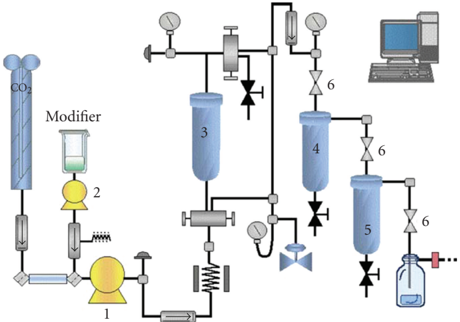
“The extraction cell is for solids whilst packed columns are used for liquids [45].”
BackgroundMethodInfluentialPhotobioreactors for Mass Cultivation of Algae
Ugwu, C. U., Aoyagi, H., & Uchiyama, H. (2008) · Bioresource Technology · doi:10.1016/j.biortech.2007.01.046 · Cited by 1,209 · cited 4×
“However, the design suffers from the following drawbacks: (1) difficulty in controlling culture temperatures; (2) scaleup requires more compartments and support materials; (3) stronger hydrodynamic stress on microalgal cultures [31].”
BackgroundInfluentialMicroalgae: biotechnology and microbiology
(1994) · Choice Reviews Online · doi:10.5860/choice.32-0920 · Cited by 1,130 · cited 1×
“The structural and functional simplicity of these microorganisms makes them a better choice for research purposes than any other terrestrial plants [22].”
Background
Cited by
Biodiesel from microalgae: A critical evaluation from laboratory to large scale production
Rawat, I., Ranjith Kumar, R., Mutanda, T., & Bux, F. (2013) · Applied Energy · doi:10.1016/j.apenergy.2012.10.004 · Cited by 977
“Wastewater constitutes important macronutrients that are vital for the growth of a wide variety of microalgae [28,84].”
BackgroundMethodMicroalgae as versatile cellular factories for valued products
Koller, M., Muhr, A., & Braunegg, G. (2014) · Algal Research · doi:10.1016/j.algal.2014.09.002 · Cited by 639
Algae as Production Systems of Bioactive Compounds
Michalak, I., & Chojnacka, K. (2015) · Engineering in Life Sciences · doi:10.1002/elsc.201400191 · Cited by 576
Marine Bioactive Compounds and Their Health Benefits: A Review
Hamed, I., Özogul, F., Özogul, Y., & Regenstein, J. M. (2015) · Comprehensive Reviews in Food Science and Food Safety · doi:10.1111/1541-4337.12136 · Cited by 444
Lee, A. K., Lewis, D. M., & Ashman, P. J. (2012) · Biomass and Bioenergy · doi:10.1016/j.biombioe.2012.06.034 · Cited by 443
Lipid Extraction Methods from Microalgae: A Comprehensive Review
Ranjith Kumar, R., Hanumantha Rao, P., & Arumugam, M. (2015) · Frontiers in Energy Research · doi:10.3389/fenrg.2014.00061 · Cited by 402
“Thus, sonication cracks the cell wall and membrane due to the cavitation effect (Engler, 1985; Harrison, 1991; Hosikian et al., 2010; Adam et al., 2012).”
BackgroundThe Potential Use of Marine Microalgae and Cyanobacteria in Cosmetics and Thalassotherapy
Mourelle, M., Gómez, C., & Legido, J. (2017) · Cosmetics · doi:10.3390/cosmetics4040046 · Cited by 328
Ibañez, E., Herrero, M., Mendiola, J. A., & Castro-Puyana, M. (2012) · Marine Bioactive Compounds · doi:10.1007/978-1-4614-1247-2_2 · Cited by 315
“However, it was not until circa 1960 that this extraction method started to be thoroughly investigated ( Hosikian et al. 2010 ) as an alternative to conventional extraction methods, such as SLE and LLE, which utilize large amounts of hazardous chemicals such as chlorinated solvents.”
MethodRamluckan, K., Moodley, K. G., & Bux, F. (2014) · Fuel · doi:10.1016/j.fuel.2013.07.118 · Cited by 317
“, show evidence that favour ethanol and methanol as the solvents of choice for the extraction of chlorophyll when the solvents are used individually [32,33].”
BackgroundKang, Y.-R., Lee, Y.-K., Kim, Y. J., & Chang, Y. H. (2019) · Food Chemistry · doi:10.1016/j.foodchem.2018.08.063 · Cited by 307
Barba, F. J., Grimi, N., & Vorobiev, E. (2015) · Food Engineering Reviews · doi:10.1007/s12393-014-9095-6 · Cited by 304
Pereira, L. (2018) · Cosmetics · doi:10.3390/cosmetics5040068 · Cited by 302
Khanra, S., Mondal, M., Halder, G., Tiwari, O. N., Gayen, K., & Bhowmick, T. K. (2018) · Food and Bioproducts Processing · doi:10.1016/j.fbp.2018.02.002 · Cited by 300
Ngamwonglumlert, L., Devahastin, S., & Chiewchan, N. (2017) · Critical Reviews in Food Science and Nutrition · doi:10.1080/10408398.2015.1109498 · Cited by 297
“Examples of solvents used for extracting different groups of pigments (Cowan, 1999; Kujala et al., 2001; Hosikian et al., 2010; Machmudah and Goto, 2013).”
BackgroundAlgal extracts: Technology and advances
Michalak, I., & Chojnacka, K. (2014) · Engineering in Life Sciences · doi:10.1002/elsc.201400139 · Cited by 289
“1 Supercritical fluid extraction In the SFE, the solvents at temperatures and pressures above their critical points are used [6,36].”
BackgroundMethodInfluentialThe Evolution and Versatility of Microalgal Biotechnology: A Review
Hamed, I. (2016) · Comprehensive Reviews in Food Science and Food Safety · doi:10.1111/1541-4337.12227 · Cited by 282
Loftin, K. A., Graham, J. L., Hilborn, E. D., Lehmann, S. C., Meyer, M. T., Dietze, J. E., & Griffith, C. B. (2016) · Harmful Algae · doi:10.1016/j.hal.2016.04.001 · Cited by 241
“When cyanobacteria were dominant, chlorophyll can be a good predictor of cyanobacteria (Forget et al., 2009; Ha et al., 2009; Hosikian et al., 2010), but not necessarily toxin occurrence.”
A Random Forest Machine Learning Approach for the Retrieval of Leaf Chlorophyll Content in Wheat
Shah, S. H., Angel, Y., Houborg, R., Ali, S., & McCabe, M. F. (2019) · Remote Sensing · doi:10.3390/rs11080920 · Cited by 223
“Chlorophyll present in green leaves, is a key driver of photosynthesis [1,2] through its ability to convert sunlight into the biochemical energy responsible for carbon fixation.”
BackgroundAlFadhly, N. K. Z., Alhelfi, N., Altemimi, A. B., Verma, D. K., Cacciola, F., & Narayanankutty, A. (2022) · Molecules · doi:10.3390/molecules27175584 · Cited by 225
Microalgae Lipid Characterization
Yao, L., Gerde, J. A., Lee, S.-L., Wang, T., & Harrata, K. A. (2015) · Journal of Agricultural and Food Chemistry · doi:10.1021/jf5050603 · Cited by 213
“48 In addition, the separation of chlorophylls from the acyl lipids of microalgae also will improve the quality of the produced biodiesel.”
BackgroundElFar, O. A., Chang, C.-K., Leong, H. Y., Peter, A. P., Chew, K. W., & Show, P. L. (2021) · Energy Conversion and Management: X · doi:10.1016/j.ecmx.2020.100048 · Cited by 206
Pandey, S., Narayanan, I., Selvaraj, R., Varadavenkatesan, T., & Vinayagam, R. (2024) · Fuel · doi:10.1016/j.fuel.2024.131547 · Cited by 199
Natural Product Extraction: Principles and Applications
(2013) · Green Chemistry Series · doi:10.1039/9781849737579 · Cited by 182
Chlorophylls and their Derivatives Used in Food Industry and Medicine
Solymosi, K., & Myśliwa‐Kurdziel, B. (2016) · Mini-Reviews in Medicinal Chemistry · doi:10.2174/1389557516666161004161411 · Cited by 174
“be used in most countries as food additive [1,114,125] and/or”
BackgroundMethodInfluentialSeaweeds Compounds: An Ecosustainable Source of Cosmetic Ingredients?
Morais, T., Cotas, J., Pacheco, D., & Pereira, L. (2021) · Cosmetics · doi:10.3390/cosmetics8010008 · Cited by 146
Green technology for the industrial production of biofuels and bioproducts from microalgae: A review
Tang, D. Y. Y., Yew, G. Y., Koyande, A. K., Chew, K. W., Vo, D.-V. N., & Show, P. L. (2020) · Environmental Chemistry Letters · doi:10.1007/s10311-020-01052-3 · Cited by 142
Microalgae, a Potential Natural Functional Food Source – a Review
Villarruel-López, A., Ascencio, F., & Nuño, K. (2017) · Polish Journal of Food and Nutrition Sciences · doi:10.1515/pjfns-2017-0017 · Cited by 138
Tzima, S., Georgiopoulou, I., Louli, V., & Magoulas, K. (2023) · Molecules · doi:10.3390/molecules28031410 · Cited by 135
Pheophorbide a: State of the Art
Saide, A., Lauritano, C., & Ianora, A. (2020) · Marine Drugs · doi:10.3390/md18050257 · Cited by 159
“Furthermore, they have been recognized as the most prolific photoautotrophic producers of pigments, such as chlorophyll, one of the most important natural pigments extracted from microalgae biomass, used as a natural edible dye agent with antioxidant and anti-mutagenic properties [1].”
BackgroundInfluentialSarkar, S., Manna, M. S., Bhowmick, T. K., & Gayen, K. (2020) · Process Biochemistry · doi:10.1016/j.procbio.2020.05.025 · Cited by 125
Marine natural pigments as potential sources for therapeutic applications
Manivasagan, P., Bharathiraja, S., Santhamoorthy, M., Mondal, S., Seo, H., Lee, K. D., & Oh, J. (2017) · Critical Reviews in Biotechnology · doi:10.1080/07388551.2017.1398713 · Cited by 131
“and transferring it to chlorophyll a [13].”
BackgroundDetermination of Microalgal Lipid Content and Fatty Acid for Biofuel Production
Chen, Z., Wang, L., Qiu, S., & Ge, S. (2018) · BioMed Research International · doi:10.1155/2018/1503126 · Cited by 117
Food and High Value Products from Microalgae: Market Opportunities and Challenges
Rahman, K. M. (2020) · Microalgae Biotechnology for Food, Health and High Value Products · doi:10.1007/978-981-15-0169-2_1 · Cited by 115
Ibrahim, T. N. B. T., Feisal, N. A. S., Kamaludin, N. H., Cheah, W. Y., How, V., Bhatnagar, A., Ma, Z., & Show, P. L. (2023) · Bioresource Technology · doi:10.1016/j.biortech.2023.128661 · Cited by 107
Gentscheva, G., Nikolova, K., Panayotova, V., Peycheva, K., Makedonski, L., Slavov, P., Radusheva, P., Petrova, P., & Yotkovska, I. (2023) · Life · doi:10.3390/life13030845 · Cited by 106
Conducting/smart color film based on wheat gluten/chlorophyll/polypyrrole nanocomposite
Chavoshizadeh, S., Pirsa, S., & Mohtarami, F. (2020) · Food Packaging and Shelf Life · doi:10.1016/j.fpsl.2020.100501 · Cited by 118
A critical review on the stability of natural food pigments and stabilization techniques
Wijesekara, T., & Xu, B. (2024) · Food Research International · doi:10.1016/j.foodres.2024.114011 · Cited by 119
Innovative Microalgae Pigments as Functional Ingredients in Nutrition
Christaki, E. V., Bonos, E., & Florou-Paneri, P. C. (2015) · Elsevier eBooks · doi:10.1016/b978-0-12-800776-1.00014-5 · Cited by 131
Red Seaweed Pigments from a Biotechnological Perspective
Freitas, M. V., Pacheco, D., Cotas, J., Mouga, T., Afonso, C., & Pereira, L. (2021) · Phycology · doi:10.3390/phycology2010001 · Cited by 114
Seaweed-Based Molecules and Their Potential Biological Activities: An Eco-Sustainable Cosmetics
Kalasariya, H. S., Yadav, V. K., Yadav, K. K., Tirth, V., Algahtani, A., Islam, S., Gupta, N., & Jeon, B.-H. (2021) · Molecules · doi:10.3390/molecules26175313 · Cited by 98
Phyco-remediation of swine wastewater as a sustainable model based on circular economy
López-Pacheco, I. Y., Silva-Núñez, A., García-Perez, J. S., Carrillo-Nieves, D., Salinas-Salazar, C., Castillo-Zacarías, C., Afewerki, S., Barceló, D., Iqbal, H. N. M., & Parra-Saldívar, R. (2021) · Journal of Environmental Management · doi:10.1016/j.jenvman.2020.111534 · Cited by 97
Food colour additives of natural origin
Solymosi, K., Latruffe, N., Morant-Manceau, A., & Schoefs, B. (2015) · Elsevier eBooks · doi:10.1016/b978-1-78242-011-8.00001-5 · Cited by 124
Extraction of value-added compounds from microalgae
Ventura, S. P. M., Nobre, B. P., Kaymak‐Ertekin, F., Hayes, M., García‐Vaquero, M., Vieira, F. A., Koç, M., Gouveia, L., Aires-Barros, M. R., & Palavra, A. M. F. (2017) · Elsevier eBooks · doi:10.1016/b978-0-08-101023-5.00019-4 · Cited by 110
Gohara-Beirigo, A. K., Matsudo, M. C., Cezare-Gomes, E. A., de Carvalho, J. C. M., & Danesi, E. D. G. (2022) · Trends in Food Science & Technology · doi:10.1016/j.tifs.2022.04.030 · Cited by 108
A Saponification Method for Chlorophyll Removal from Microalgae Biomass as Oil Feedstock
Li, T., Xu, J., Wu, H., Wang, G., Dai, S., Fan, J., He, H., & Xiang, W. (2016) · Marine Drugs · doi:10.3390/md14090162 · Cited by 84
“Among these pigments, the most abundant is chlorophyll [5].”
BackgroundInfluentialLeite, A. C., Ferreira, A. M., Morais, E. S., Khan, I., Freire, M. G., & Coutinho, J. A. P. (2017) · ACS Sustainable Chemistry & Engineering · doi:10.1021/acssuschemeng.7b02931 · Cited by 84
“chlorophyll a against the green/yellow color of chlorophyll b.(4) Chlorophylls and their”
Eida, M., Darwesh, O. M., & Matter, I. A. (2018) · Journal of Ecological Engineering · doi:10.12911/22998993/91274 · Cited by 85
“The chlorophyll a content was determined according to Richmond (2008) and Hosikian et al. (2010) with some modifications: 1 mL of algal culture was centrifuged at 10000 rpm for 10 min, the supernatant was discarded and the cells were re-suspended in 1 mL of 90% methanol and sonicated in an…”
MethodJayakumar, S., Bhuyar, P., Pugazhendhi, A., Rahim, M. H. A., Maniam, G. P., & Govindan, N. (2021) · The Science of The Total Environment · doi:10.1016/j.scitotenv.2021.145471 · Cited by 90
Microalgae cultivation for antibiotic oxytetracycline wastewater treatment
Wu, S., Zhang, J., Xia, A., Huang, Y. Y., Zhu, X., Zhu, X., & Liao, Q. (2022) · Environmental Research · doi:10.1016/j.envres.2022.113850 · Cited by 92
The Structure, Functions and Potential Medicinal Effects of Chlorophylls Derived from Microalgae
Sun, D., Wu, S., Li, X., Ge, B., Zhou, C., Yan, X., Ruan, R. R., & Cheng, P. (2024) · Marine Drugs · doi:10.3390/md22020065 · Cited by 104
“The most commonly used extraction methods for chlorophyll include solvent extraction, supercritical fluid extraction, and the high-voltage pulsed electric field method [25].”
MethodGoswami, R. K., Mehariya, S., Karthikeyan, O. P., Gupta, V. K., & Verma, P. (2022) · Journal of Cleaner Production · doi:10.1016/j.jclepro.2022.130654 · Cited by 85
Microalgal Bioeconomy: A Green Economy Approach Towards Achieving Sustainable Development Goals
Sarker, N. K., & Kaparaju, P. (2024) · Sustainability · doi:10.3390/su162411218 · Cited by 74
Spectral optical properties of selected photosynthetic microalgae producing biofuels
Lee, E., Heng, R.-L., & Pilon, L. (2013) · Journal of Quantitative Spectroscopy and Radiative Transfer · doi:10.1016/j.jqsrt.2012.08.012 · Cited by 74
“The intracellular pigments such as chlorophylls and carotenoids are typically extracted by using organic solvents which penetrate through the cell membrane and dissolves the lipids to extract pigments [13, 14].”
Olatunde, O. O., Benjakul, S., & Vongkamjan, K. (2018) · Journal of Food Biochemistry · doi:10.1111/jfbc.12600 · Cited by 74
HPLC-PDA-MS/MS as a strategy to characterize and quantify natural pigments from microalgae
Fernandes, A. S., Petry, F. C., Mercadante, A. Z., Lopes, E. J., & Zepka, L. Q. (2020) · Current Research in Food Science · doi:10.1016/j.crfs.2020.03.009 · Cited by 82
“These derivatives exist in very low concentrations in fruits and vegetables (Hosikian et al., 2010).”
BackgroundMicroalgal Pigments: A Source of Natural Food Colors
Nwoba, E. G., Ogbonna, C. N., Ishika, T., & Vadiveloo, A. (2020) · Springer eBooks · doi:10.1007/978-981-15-0169-2_3 · Cited by 94
Caesar, J., Tamm, A., Ruckteschler, N., Leifke, A. L., & Weber, B. (2018) · Biogeosciences · doi:10.5194/bg-15-1415-2018 · Cited by 75
“During the entire chlorophyll extraction procedure, the samples were kept in the dark or at minimum light to prevent the degradation of chlorophyll (Molnár et al., 2013; Hosikian et al., 2010).”
BackgroundMethodKatiyar, R., Banerjee, S., & Arora, A. (2021) · Biofuels, Bioproducts and Biorefining · doi:10.1002/bbb.2187 · Cited by 69
Macroalgae biorefineries as a sustainable resource in the extraction of value-added compounds
Arias, A., Feijoo, G., & Moreira, M. T. (2023) · Algal Research · doi:10.1016/j.algal.2022.102954 · Cited by 65
“Chlorophylls are one of the most widely used natural food dyes, but their properties allow them to be used in pharmaceuticals due to their chemical similarity to haemoglobin [34].”
BackgroundMethodInfluentialVerni, M., Demarinis, C., Rizzello, C. G., & Pontonio, E. (2023) · Foods · doi:10.3390/foods12050983 · Cited by 69
“Chlorophyll Accelerate wound healing antioxidant properties [40]”
Almendinger, M., Saalfrank, F., Rohn, S., Kurth, E., Springer, M., & Pleissner, D. (2021) · Algal Research · doi:10.1016/j.algal.2020.102168 · Cited by 66
Kenari, R. E., & Dehghan, B. (2020) · Food Science & Nutrition · doi:10.1002/fsn3.1796 · Cited by 73
Talapatra, K. N., Gautam, R., Mittal, V., & Ghosh, U. K. (2021) · Materials Today Proceedings · doi:10.1016/j.matpr.2021.06.227 · Cited by 79
Alfalfa Nanofibers for Dermal Wound Healing
Ahn, S., Ardoña, H. A. M., Campbell, P. H., Gonzalez, G. M., & Parker, K. K. (2019) · ACS Applied Materials & Interfaces · doi:10.1021/acsami.9b07626 · Cited by 66
Zhang, W., Sun, S., Du, X., Han, Y., Tang, Y., Zhou, W., Shi, W. M., & Liu, G. (2021) · Gondwana Research · doi:10.1016/j.gr.2021.08.011 · Cited by 67
Current methods to monitor microalgae-nanoparticle interaction and associated effects
Déniel, M., Errien, N., Daniel, P., Caruso, A., & Lagarde, F. (2019) · Aquatic Toxicology · doi:10.1016/j.aquatox.2019.105311 · Cited by 66
Recent biotechnological applications of value-added bioactive compounds from microalgae and seaweeds
Eladl, S. N., Elnabawy, A. M., & Eltanahy, E. (2024) · Botanical studies · doi:10.1186/s40529-024-00434-y · Cited by 69
“In addition, tooth-paste and deodorants use chlorophyll from Chlorella sp. to mask any odours (Hosikian et al. 2010).”
BackgroundSelection and optimisation of a method for efficient metabolites extraction from microalgae
Serive, B., Kaas, R., Bérard, J., Pasquet, V., Picot, L., & Cadoret, J. (2012) · Bioresource Technology · doi:10.1016/j.biortech.2012.07.105 · Cited by 80
Chlorophyll extraction from leaves, needles and microalgae: A kinetic approach
Miazek, K., & Ledakowicz, S. (2013) · International journal of agricultural and biological engineering · doi:10.25165/ijabe.v6i2.642 · Cited by 89
“chlorophyll and protein molecules [17] .”
BackgroundUse of algae in poultry production: a review
Coudert, E., Baéza, É., & Berri, C. (2020) · World s Poultry Science Journal · doi:10.1080/00439339.2020.1830012 · Cited by 69
Morcelli, A. V., Cassel, E., Vargas, R. M. F., Rech, R., & Marcílio, N. R. (2021) · Journal of CO2 Utilization · doi:10.1016/j.jcou.2021.101649 · Cited by 61
Ying Ying Tang, D., Wayne Chew, K., Ting, H.-Y., Sia, Y.-H., Gentili, F. G., Park, Y.-K., Banat, F., Culaba, A. B., Ma, Z., & Loke Show, P. (2023) · Bioresource Technology · doi:10.1016/j.biortech.2022.128503 · Cited by 54
Development of Algal Bloom Removal System Using Unmanned Aerial Vehicle and Surface Vehicle
Jung, S., Cho, H., Kim, D., Kim, K., Han, J., & Myung, H. (2017) · IEEE Access · doi:10.1109/access.2017.2764328 · Cited by 60
Microalgae Oil Extraction Pre-treatment Methods: Critical Review and Comparative Analysis
Abdel Ghaly, M. A. H. (2015) · Journal of Fundamentals of Renewable Energy and Applications · doi:10.4172/2090-4541.1000172 · Cited by 51
“There are two types of ultrasound units: horns and baths [62].”
BackgroundLoganathan, B. G., Orsat, V., Lefsrud, M. G., & Wu, B.-S. (2020) · Bioprocess and Biosystems Engineering · doi:10.1007/s00449-020-02338-0 · Cited by 59
Removal of nitrate and phosphate from simulated agricultural runoff water by Chlorella vulgaris
Vazirzadeh, A., Jafarifard, K., Ajdari, A., & Chisti, Y. (2021) · The Science of The Total Environment · doi:10.1016/j.scitotenv.2021.149988 · Cited by 50
Subcritical water extraction of bioactive components from algae
Castro‐Puyana, M., Herrero, M., Mendiola, J. A., & Ibáñez, E. (2013) · Elsevier eBooks · doi:10.1533/9780857098689.3.534 · Cited by 57
“The main types of chlorophylls are chlorophyll a and chlorophyll b, however the sensitivity of these pigments to pH and temperature results in the formation of numerous degradation products such as pheopytins, pyropheophytins, etc. (Pangestuti and Kim 2011b; Hosikian et al., 2010).”
Stoyneva-Gärtner, M., Uzunov, B., & Gärtner, G. (2020) · Cosmetics · doi:10.3390/cosmetics7020027 · Cited by 49
“Other pigments from microalgae such as chlorophyll can easily be extracted [210] and used in cosmetics, for example, in deodorants, due to their ability to mask odors, as well as in toothpastes and hygiene products [18].”
BackgroundWensel, P., Helms, G., Hiscox, B., Davis, W. C., Kirchhoff, H., Bule, M. V., Yu, L., & Chen, S. (2014) · Algal Research · doi:10.1016/j.algal.2013.12.005 · Cited by 51
“Chlorophyll a/b and carotenoid content of ALP2 was determined via a modification of a methanol extraction method [31] that used a combined 20 min ultrasonication at 47 kHz and 5 min beadbeating.”
MethodAlgal spent biomass—A pool of applications
Guedes, A. C., Amaro, H. M., Sousa‐Pinto, I., & Malcata, F. X. (2019) · Elsevier eBooks · doi:10.1016/b978-0-444-64192-2.00016-0 · Cited by 68
Zhou, L., Liang, M., Zhang, D., Niu, X., Li, K., Lin, Z., Luo, X., & Huang, Y. (2024) · The Science of The Total Environment · doi:10.1016/j.scitotenv.2024.171557 · Cited by 54
Ljubić, A., Safafar, H., Holdt, S. L., & Jacobsen, C. (2017) · Journal of Applied Phycology · doi:10.1007/s10811-017-1332-y · Cited by 51
“By damaging cell wall, content of the cell will lack the protection layer, which can result in pigment degradation (Hosikian et al. 2010).”
BackgroundSave the crop: Photodynamic Inactivation of plant pathogens I: bacteria
Glueck, M., Hamminger, C., Fefer, M., Liu, J., & Plaetzer, K. (2019) · Photochemical & Photobiological Sciences · doi:10.1039/c9pp00128j · Cited by 49
Biomass and Extracts of Algae as Material for Cosmetics
Fabrowska, J., Łęska, B., Schroeder, G., Messyasz, B., & Pikosz, M. (2015) · Marine Algae Extracts · doi:10.1002/9783527679577.ch38 · Cited by 41
Sandybayeva, S. K., Kossalbayev, B. D., Zayadan, B. K., Sadvakasova, A. K., Bolatkhan, K., Zadneprovskaya, E. V., Kakimov, A. B., Alwasel, S., Leong, Y. K., Allakhverdiev, S. I., et al. (2022) · Biochemical Engineering Journal · doi:10.1016/j.bej.2022.108640 · Cited by 44
Rani, S., & Ojha, C. S. P. (2020) · Journal of Water Process Engineering · doi:10.1016/j.jwpe.2020.101889 · Cited by 47
Coupled microalgal–bacterial biofilm for enhanced wastewater treatment without energy investment
Akao, P. K., Singh, B., Kaur, P., Sor, A., Avni, A., Dhir, A., Verma, S., Kapoor, S., Phutela, U. G., Satpute, S. T., et al. (2021) · Journal of Water Process Engineering · doi:10.1016/j.jwpe.2021.102029 · Cited by 48
Agarry, I. E., Wang, Z., Cai, T., Kan, J., & Chen, K. (2022) · Innovative Food Science & Emerging Technologies · doi:10.1016/j.ifset.2022.103017 · Cited by 45
The microalgal sector in Europe: Towards a sustainable bioeconomy
Gallego, I., Medić, N., Pedersen, J. S., Ramasamy, P. K., Robbens, J., Vereecke, E., & Romeis, J. (2025) · New Biotechnology · doi:10.1016/j.nbt.2025.01.002 · Cited by 61
Algal Biomass: Potential Renewable Feedstock for Biofuels Production – Part I
Agrawal, K., Bhatt, A., Bhardwaj, N., Kumar, B., & Verma, P. (2020) · Clean Energy Production Technologies · doi:10.1007/978-981-13-8637-4_8 · Cited by 47
Algae and their growth requirements for bioenergy: a review
Najiha Badar, S., Mohammad, M., Emdadi, Z., & Yaakob, Z. (2021) · Biofuels · doi:10.1080/17597269.2018.1472978 · Cited by 41
Zhang, R., Lebovka, N., Marchal, L., Vorobiev, E., & Grimi, N. (2020) · Innovative Food Science & Emerging Technologies · doi:10.1016/j.ifset.2020.102358 · Cited by 41
Sequential recovery of C-phycocyanin and chlorophylls from Anabaena cylindrica
Sintra, T. E., Bagagem, S. S., Ahsaie, F. G., Fernandes, A., Martins, M., Maçario, I. P. E., Pereira, J. L., Gonçalves, F. J. M., Pazuki, G., Coutinho, J. A. P., et al. (2020) · Separation and Purification Technology · doi:10.1016/j.seppur.2020.117538 · Cited by 40
“Among the approaches employed to extract chlorophylls, organic solvents are the most employed due to their higher hydrophobicity, simplicity and efficiency [32].”
BackgroundMethodZhou, J., Wang, M., Carrillo, C., Zhu, Z., Brnčić, M., Berrada, H., & Barba, F. J. (2021) · Foods · doi:10.3390/foods10092153 · Cited by 44
“Traditional extraction methods include dipping (soaking), percolation, countercurrent extraction and Soxhlet extraction [10,11].”
MethodPan-utai, W., Iamtham, S., Boonbumrung, S., & Mookdasanit, J. (2022) · Life · doi:10.3390/life12111896 · Cited by 46
Primary Composition and Pigments of 11 Red Seaweed Species from the Center of Portugal
Freitas, M. V., Inácio, L. G., Martins, M., Afonso, C., Pereira, L., & Mouga, T. (2022) · Journal of Marine Science and Engineering · doi:10.3390/jmse10091168 · Cited by 46
Soru, S., Malavasi, V., Concas, A., Caboni, P., & Cao, G. (2019) · Chemical Engineering Journal · doi:10.1016/j.cej.2018.12.049 · Cited by 38
Liang, Y., Kashdan, T., Sterner, C., Dombrowski, L., Petrick, I., Kröger, M., & Höfer, R. (2015) · Elsevier eBooks · doi:10.1016/b978-0-444-63453-5.00002-1 · Cited by 59
Tagrida, M., & Benjakul, S. (2020) · Journal of Food Biochemistry · doi:10.1111/jfbc.13508 · Cited by 46
A Review of Pigments Derived from Marine Natural Products
Ye, K., Fan, T., Keen, L. J., & Han, B. (2018) · Israel Journal of Chemistry · doi:10.1002/ijch.201800154 · Cited by 42
Metadata
- Authors
- Hosikian, A., Lim, S., Halim, R., & Danquah, M. K.
- Affiliations
- Monash University (AU)
- Corresponding author
- Halim, Ronald
- Venue
- International Journal of Chemical Engineering
- Publisher
- Wiley
- Published
- 2010
- Volume
- 2010
- Pages
- 1-11
- ISSN
- 1687-806X (ISSN-L)
- 1687-8078
- OpenAlex
- W2157045920
- Semantic Scholar
- bc4cd5ffa615d0d1e7816d6688dfc931b464ceca
- Cited by
- 394
- References
- 56
- Citations by year
- 2026: 21 · 2025: 35 · 2024: 29 · 2023: 29 · 2022: 41 · 2021: 52 · 2020: 51 · 2019: 24 · 2018: 28 · 2017: 24 · 2016: 8 · 2015: 14 · 2014: 10 · 2013: 19 · 2012: 6
- FWCI
- 4.20
- Type
- journal article
- Language
- en
- Open access
- gold
- doi.org
- Locations
- International Journal of Chemical Engineering (publishedVersion, cc-by)
- DOAJ (DOAJ: Directory of Open Access Journals) (submittedVersion, cc-by-sa)
- eSpace (Curtin University) (submittedVersion)
- Topics
- Physical Sciences › Energy › Renewable Energy, Sustainability and the Environment › Algal biology and biofuel production
- Life Sciences › Agricultural and Biological Sciences › Aquatic Science › Seaweed-derived Bioactive Compounds
- Physical Sciences › Chemistry › Physical and Theoretical Chemistry › Phase Equilibria and Thermodynamics
- Keywords
- chlorophyll extraction, microalgae, supercritical fluid extraction, organic solvent extraction, HPLC, microalgae cultivation, CO2 capture, wastewater treatment, antioxidant activity
About these checks
Registry, retraction, Cites and statistics results are computed, not judged, with one exception: a printed reference that no index lists is read once by a model before it counts as a citation error. Claims are extracted by a model and kept only when their quote appears verbatim in the text; each cited source is then checked, with a model’s help, for whether it says what the claim relies on. Those verdicts can be wrong — read the claim’s quote and the cited source before relying on one.
Statistics and arithmetic are recomputed, not judged.
Confidence bands are shown only for fields calibrated on our annotated test set. None is calibrated yet, so no band is shown.
What counts as a claim ›How we measure confidence ›How we check this ›
Are you an author, or do you see a problem with this page? Request a review
Data sources
Bibliographic data: Semantic Scholar, OpenAlex, Crossref.
Contains information from the Semantic Scholar Academic Graph Datasets, made available under the ODC Attribution License (ODC-BY 1.0).
Semantic Scholar’s data is described in: Kinney, R., et al. (2023). The Semantic Scholar Open Data Platform. arXiv:2301.10140.
