

Chlorophyll Extraction from Microalgae: A Review on the Process Engineering Aspects
Open accessThe DOI matches its Crossref record; 56 of the 56 references it cites were found in a registry or an index.
Abstract
Chlorophyll is an essential compound in many everyday products. It is used not only as an additive in pharmaceutical and cosmetic products but also as a natural food colouring agent. Additionally, it has antioxidant and antimutagenic properties. This review discusses the process engineering of chlorophyll extraction from microalgae. Different chlorophyll extraction methods and chlorophyll purification techniques are evaluated. Our preliminary analysis suggests supercritical fluid extraction to be superior to organic solvent extraction. When compared to spectroscopic technique, high performance liquid chromatography was shown to be more accurate and sensitive for chlorophyll analysis. Finally, through CO 2 capture and wastewater treatment, microalgae cultivation process was shown to have strong potential for mitigation of environmental impacts.
Overview
The claims and statistics of this paper haven’t been checked yet.
Free: it reads the open-access text and checks the first 5 claims that cite a source we can check. Create a free account to check every claim.
Integrity signals
Registry
Cites
Statistics
Figures













Verification
Claims the paper makes
The claims and statistics of this paper haven’t been checked yet.
Free: it reads the open-access text and checks the first 5 claims that cite a source we can check. Create a free account to check every claim.
Claims other papers make about this one
Each is checked against this paper’s own text: does it say what the citing paper says it does?
The source backs part of the claim, not all of it — or backs it for a different population, condition or comparison.
In the citing paper
“Due to the high amounts of chlorophyll, orally administered Arthrospira platensis biomass and Arthrospira platensis extract exerts gastro-protective effects [125,126].”
From Application of Arthrospira platensis for Medicinal Purposes and the Food Industry: A Review of the Literature (2023) · cites this paper as [125]
Experimental — accuracy not yet measured
Self-check
Percentages, sums and reported differences re-computed from the paper’s own numbers.
The self-check needs the paper’s full text.
Citations
Cites
Chisti, Y. (2007) · Biotechnology Advances · doi:10.1016/j.biotechadv.2007.02.001 · Cited by 9,524 · cited 4×
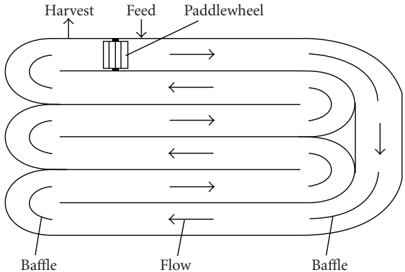
“The raceways ponds are made from concrete or compacted earth that can be lined with plastics [3].”
BackgroundInfluentialBrennan, L., & Owende, P. (2010) · Renewable and Sustainable Energy Reviews · doi:10.1016/j.rser.2009.10.009 · Cited by 4,894 · cited 7×
“Thus, the biomass produced from microalgal cultivation has numerous uses [17]: (1) a source of biofuels (biodiesel and bioethanol); (2) a nutritional supplement for humans in the form of tablets, capsules, powders and liquids; (3) a natural food colorant; (4) a natural food source for many aquacultural species; (5) a…”
BackgroundInfluentialCommercial Applications of Microalgae
Spolaore, P., Joannis-Cassan, C., Duran, E., & Isambert, A. (2006) · Journal of Bioscience and Bioengineering · doi:10.1263/jbb.101.87 · Cited by 4,285 · cited 1×
“Thus, the biomass produced from microalgal cultivation has numerous uses [17]: (1) a source of biofuels (biodiesel and bioethanol); (2) a nutritional supplement for humans in the form of tablets, capsules, powders and liquids; (3) a natural food colorant; (4) a natural food source for many aquacultural species; (5) a…”
BackgroundSecond Generation Biofuels: High-Efficiency Microalgae for Biodiesel Production
Schenk, P. M., Thomas-Hall, S. R., Stephens, E., Marx, U. C., Mussgnug, J. H., Posten, C., Kruse, O., & Hankamer, B. (2008) · BioEnergy Research · doi:10.1007/s12155-008-9008-8 · Cited by 2,333 · cited 1×
“This method will be much simpler than physical CO2 sequestration [21].”
MethodCommercial production of microalgae: ponds, tanks, tubes and Fermenters.
Borowitzka, M. A. (1999) · Journal of Biotechnology · doi:10.1016/s0168-1656(99)00083-8 · Cited by 1,317 · cited 6×
“Even though the photobioreactor system gives control over most cultivation parameters and achieves a higher CO2 fixation rate than open-air system, it requires large amount of energy for its operation and construction [19, 30].”
BackgroundInfluential(2000) · CrossRef Listing of Deleted DOIs · doi:10.1016/s0967-0653(97)89288-5 · Cited by 1,257
CO2 bio-mitigation using microalgae
Wang, B., Li, Y., Wu, N., & Lan, C. Q. (2008) · Applied Microbiology and Biotechnology · doi:10.1007/s00253-008-1518-y · Cited by 1,212 · cited 10×
“Efficiency of CO2 capture by microalgae increases with power plant flue gases that have up to 15% of CO2 [19] and studies have shown that microalgal species (such as Scenedesmus sp.”
BackgroundInfluentialHERRERO, M., CIFUENTES, A., & IBANEZ, E. (2006) · Food Chemistry · doi:10.1016/j.foodchem.2005.05.058 · Cited by 1,212 · cited 4×
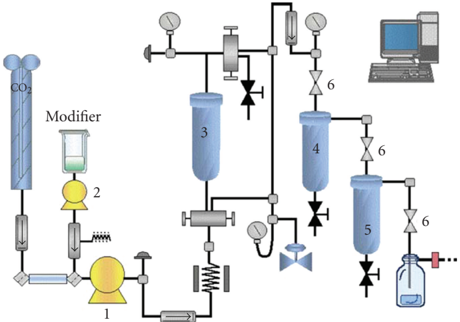
“The extraction cell is for solids whilst packed columns are used for liquids [45].”
BackgroundMethodInfluentialPhotobioreactors for Mass Cultivation of Algae
Ugwu, C. U., Aoyagi, H., & Uchiyama, H. (2008) · Bioresource Technology · doi:10.1016/j.biortech.2007.01.046 · Cited by 1,209 · cited 4×
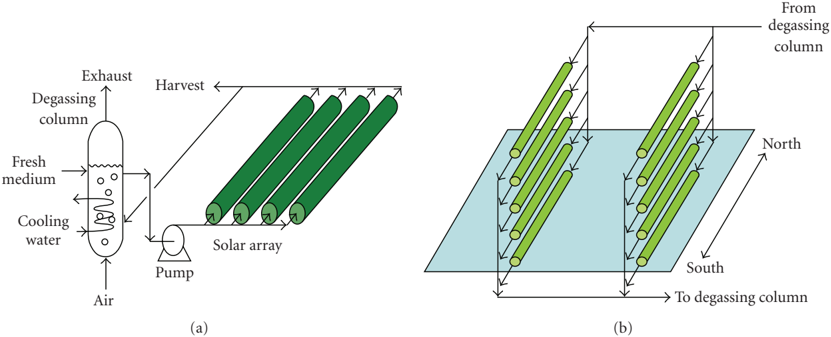
“However, the design suffers from the following drawbacks: (1) difficulty in controlling culture temperatures; (2) scaleup requires more compartments and support materials; (3) stronger hydrodynamic stress on microalgal cultures [31].”
BackgroundInfluentialMicroalgae: biotechnology and microbiology
(1994) · Choice Reviews Online · doi:10.5860/choice.32-0920 · Cited by 1,130 · cited 1×
“The structural and functional simplicity of these microorganisms makes them a better choice for research purposes than any other terrestrial plants [22].”
Background
Cited by
Items 101–200 of 394
Natural sensitizer extracted from Mussaenda erythrophylla for dye-sensitized solar cell
Rajaramanan, T., Gourji, F. H., Yogenthiran, E., Shivatharsiny, Y., Senthilnanthanan, M., Ravirajan, P., & Velauthapillai, D. (2023) · Scientific Reports · doi:10.1038/s41598-023-40437-6 · Cited by 36
Siddiqui, S. A., Farooqi, M. Q. U., Bhowmik, S., Zahra, Z., Mahmud, M. M. C., Assadpour, E., Gan, R., Kharazmi, M. S., & Jafari, S. M. (2023) · Trends in Food Science & Technology · doi:10.1016/j.tifs.2023.03.025 · Cited by 40
An automated and intelligent microfluidic platform for microalgae detection and monitoring
Zheng, J., Cole, T., Zhang, Y., Bayinqiaoge, B., Yuan, D., & Tang, S. (2023) · Lab on a Chip · doi:10.1039/d3lc00851g · Cited by 38
Extraction, Properties, and Applications of Bioactive Compounds Obtained from Microalgae
Pereira, A. G., Jimenez-Lopez, C., Fraga, M., Lourenço-Lopes, C., García-Oliveira, P., Lorenzo, J. M., Perez-Lamela, C., Prieto, M. A., & Simal-Gandara, J. (2020) · Current Pharmaceutical Design · doi:10.2174/1381612826666200403172206 · Cited by 35
Biodiesel from microalgae lipids: from inorganic carbon to energy production
Marc, V., Giroir‐Fendler, A., Faucheux, N., & Heitz, M. (2017) · Biofuels · doi:10.1080/17597269.2017.1289667 · Cited by 36
“Photoautotrophic Inorganic carbon (CO2 or bicarbonate) is transformed into biomass (microalgae) and oxygen following an input of light energy, water and nutrients [57,61].”
BackgroundMethodPigment Production under Cold Stress in the Green Microalga Chlamydomonas reinhardtii
Potijun, S., Yaisamlee, C., & Sirikhachornkit, A. (2021) · Agriculture · doi:10.3390/agriculture11060564 · Cited by 38
Green solvent-based extraction of chlorophyll a from Nannochloropsis sp. Using 2,3-butanediol
Lee, J., Kwak, M., Chang, Y. K., & Kim, D. (2021) · Separation and Purification Technology · doi:10.1016/j.seppur.2021.119248 · Cited by 34
Current developments in high‐throughput analysis for microalgae cellular contents
Lee, T., Chang, J., & Wang, H. (2013) · Biotechnology Journal · doi:10.1002/biot.201200391 · Cited by 33
“The microwave-assisted extraction can also be applied with other solvents for selective or total extraction of microalgal pigments [71, 72].”
BackgroundColors: Properties and Determination of Natural Pigments
Giuliani, A., Cerretani, L., & Cichelli, A. (2015) · Elsevier eBooks · doi:10.1016/b978-0-12-384947-2.00189-6 · Cited by 41
Glycoglycerolipids From Sargassum vulgare as Potential Antifouling Agents
Plouguerné, E., de Souza, L. M., Sassaki, G. L., Hellio, C., Trépos, R., da Gama, B. A. P., Pereira, R. C., & Barreto‐Bergter, E. (2020) · Frontiers in Marine Science · doi:10.3389/fmars.2020.00116 · Cited by 32
Miazek, K., Remacle, C., Richel, A., & Goffin, D. (2017) · Bioresource Technology · doi:10.1016/j.biortech.2017.01.034 · Cited by 34
Fabian, U. O., Nneka, V. C., & James, C. O. (2015) · AFRICAN JOURNAL OF BIOTECHNOLOGY · doi:10.5897/ajb2015.14641 · Cited by 34
“Chronic ulcer is a significant health problem in the society, with lengthy periods required for its treatment (Hosikian et al., 2010).”
BackgroundSoru, S., Malavasi, V., Caboni, P., Concas, A., & Cao, G. (2018) · Extremophiles · doi:10.1007/s00792-018-1062-3 · Cited by 38
Markou, G., Ilkiv, B., Brulé, M., Antonopoulos, D., Chakalis, L., Arapoglou, D., & Chatzipavlidis, I. (2022) · Biomass Conversion and Biorefinery · doi:10.1007/s13399-020-00703-3 · Cited by 30
“chlorophyll extract is gaining acceptance as a natural colorant or super-food because of its functionality, strong antioxidant activity, and anticancer properties [10, 11].”
BackgroundLafarga, T., Clemente, I., & García‐Vaquero, M. (2020) · Elsevier eBooks · doi:10.1016/b978-0-12-817067-0.00005-1 · Cited by 40
Chen, F., Xiao, Y., Wu, X., Zhong, Y., Lu, Q., & Zhou, W. (2020) · RSC Advances · doi:10.1039/d0ra03090b · Cited by 35
Sustainable Microalgae and Cyanobacteria Biotechnology
López-Hernández, J.-F., Kean-Meng, T., Asencio-Alcudia, G.-G., Asyraf-Kassim, M., Alvarez-González, C.-A., & Márquez-Rocha, F.-J. (2022) · Applied Sciences · doi:10.3390/app12146887 · Cited by 30
Akao, P. K., Kaplan, A., Avisar, D., Dhir, A., Avni, A., & Mamane, H. (2022) · Chemosphere · doi:10.1016/j.chemosphere.2022.136399 · Cited by 33
Nam, S., & An, Y. (2017) · Applied Soil Ecology · doi:10.1016/j.apsoil.2017.08.008 · Cited by 30
Invasive Plant Species Biomass—Evaluation of Functional Value
Peter, A., Žlabur, J. Š., Šurić, J., Voća, S., Purgar, D. D., Pezo, L. L., & Voća, N. (2021) · Molecules · doi:10.3390/molecules26133814 · Cited by 34
Choi, W. Y., & Lee, H. (2017) · Applied Sciences · doi:10.3390/app8010026 · Cited by 30
“However, the chlorophylls are very unstable and difficult to extract in intact forms out of the hard cells of Spirulina, which leads to very low extraction yields [13].”
BackgroundMenezes, R. S., Soares, A. T., Júnior, J. G. M., Lopes, R. G., Arantes, R. D. F., Dérner, R. B., & Filho, N. R. A. (2016) · Journal of Applied Phycology · doi:10.1007/s10811-016-0828-1 · Cited by 31
“From the wavelengths of these bands, and the absorbance intensity ratio between these bands (ASoret/AQ), it was possible to identify the a and b chlorophylls and their by-products (Hosikian et al. 2010; Goss et al. 2000).”
BackgroundMicroalgae as a source of pigments for food applications
García‐Vaquero, M., Brunton, N. P., & Lafarga, T. (2021) · Elsevier eBooks · doi:10.1016/b978-0-12-821080-2.00014-9 · Cited by 42
Pradipta, A., Soupios, P. M., Kourgialas, N. N., Doula, M. K., Dokou, Z., Makkawi, M., Alfarhan, M., Tawabini, B., Kirmizakis, P., & Yassin, M. A. (2022) · Water · doi:10.3390/w14071157 · Cited by 39
Cosmetic potentials of Prunus domestica L. leaves
Stierlin, É., Azoulay, S., Massi, L., Fernàndez, X., & Michel, T. (2017) · Journal of the Science of Food and Agriculture · doi:10.1002/jsfa.8520 · Cited by 33
Cosmetics and Cosmeceutical Applications of Microalgae Pigments
Pangestuti, R., Suryaningtyas, I. T., Siahaan, E. A., & Kim, S. (2020) · Springer eBooks · doi:10.1007/978-3-030-50971-2_25 · Cited by 30
Paper-disc method: An efficient assay for evaluating metal toxicity to soil algae
Nam, S., & An, Y. (2016) · Environmental Pollution · doi:10.1016/j.envpol.2016.04.061 · Cited by 28
Klüber, P., Arous, E., Zorn, H., & Rühl, M. (2023) · Life · doi:10.3390/life13020355 · Cited by 26
“This might be because microalgae and cyanobacteria contain, unlike animal protein, considerable amounts of chlorophyll [55].”
BackgroundAN INSIGHT ON ALGAL CELL DISRUPTION FOR BIODIESEL PRODUCTION
Aarthy, A., Kumari, S., Turkar, P., & Subramanian, S. (2018) · Asian Journal of Pharmaceutical and Clinical Research · doi:10.22159/ajpcr.2018.v11i2.22481 · Cited by 28
“This causes the disruption of microalgal cells, leading the cavitation to crack the membrane and the cell wall [44-46].”
BackgroundAcclimatization of microalgae Arthrospira platensis for treatment of heavy metals in Yamuna River
Kumar, N., Hans, S., Verma, R., & Srivastava, A. (2020) · Water Science and Engineering · doi:10.1016/j.wse.2020.09.005 · Cited by 27
Metabolomics and lipid profile analysis of Coccomyxa melkonianii SCCA 048
Fais, G., Malavasi, V., Scano, P., Soru, S., Caboni, P., & Cao, G. (2021) · Extremophiles · doi:10.1007/s00792-021-01234-z · Cited by 27
Georgiopoulou, I., Τζήμα, Σ., Pappa, G. D., Louli, V., Voutsas, E. C., & Magoulas, K. G. (2021) · Molecules · doi:10.3390/molecules27010029 · Cited by 30
“Although increased extraction time contributes to improved mass yield, pigment decrease could occur due to denaturing effects caused by the prolonged exposure to oxygen and elevated temperature [51].”
BackgroundSilva, S. D., Ocaña-Ríos, I., Cagliero, C., Gostel, M. R., Johnson, G. P., & Anderson, J. L. (2023) · Analytica Chimica Acta · doi:10.1016/j.aca.2023.340858 · Cited by 26
Microalgae-Based Biorefineries as a Promising Approach to Biofuel Production
Costa, J. A. V., Moraes, L., Moreira, J. B., da Rosa, G. M., Henrard, A. S. A., & de Morais, M. G. (2017) · Springer eBooks · doi:10.1007/978-981-10-1950-0_4 · Cited by 27
Natural Product Extraction: Principles and Applications
Destandau, É., & Michel, T. (2022) · RSC green chemistry series · doi:10.1039/9781839165894 · Cited by 34
Singh, P., Srivastava, P. K., Verrelst, J., Mall, R. K., Rivera-Caicedo, J. P., Dugesar, V., & Prasad, R. (2023) · Ecological Informatics · doi:10.1016/j.ecoinf.2023.102099 · Cited by 24
Mago, Y., Sharma, Y., Thakran, Y., Mishra, A., Tewari, S., & Kataria, N. (2023) · Molecular Biotechnology · doi:10.1007/s12033-023-00841-9 · Cited by 26
“…easily obtained and utilized in cosmetic products, including deodorants (owing to their ability to disguise smells), toothpastes, and hygiene items [58]. β -carotene is a red–orange organic pigment. β -carotene produced from D. salina is used as a colorant and food supplement as a nutraceutical…”
Bioactive Substances from Marine Fishes, Shrimps, and Algae and Their Functions: Present and Future
Yu, P., & Gu, H. (2015) · Critical Reviews in Food Science and Nutrition · doi:10.1080/10408398.2012.686933 · Cited by 28
“13) (Hosikian et al., 2010).”
Nam, S., Kwak, J. I., & An, Y. (2017) · Environmental Pollution · doi:10.1016/j.envpol.2017.12.010 · Cited by 24
Biorefinery Concept as a Key for Sustainable Future to Green Chemistry—The Case of Microalgae
Vernès, L., Li, Y., Chemat, F., & Vian, M. A. (2019) · Green chemistry and sustainable technology · doi:10.1007/978-981-13-3810-6_2 · Cited by 34
Production of fine chemicals from food wastes
Sharmila, V. G., Kavitha, S. K., Karthikeyan, O. P., & Banu, J. R. (2020) · Elsevier eBooks · doi:10.1016/b978-0-12-818353-3.00008-0 · Cited by 24
Photo-Oxidative Protection of Chlorophyll a in C-Phycocyanin Aqueous Medium
Hong, J.-E., Lim, J., Kim, T., Jang, H.-Y., Oh, H. B., Chung, B. G., & Lee, S.-Y. (2020) · Antioxidants · doi:10.3390/antiox9121235 · Cited by 25
Chlorophylls Extraction from Spinach Leaves Using Aqueous Solutions of Surface-Active Ionic Liquids
Ferreira, A. M., Leite, A. C., Coutinho, J. A. P., & Freire, M. G. (2021) · Sustainable Chemistry · doi:10.3390/suschem2040040 · Cited by 22
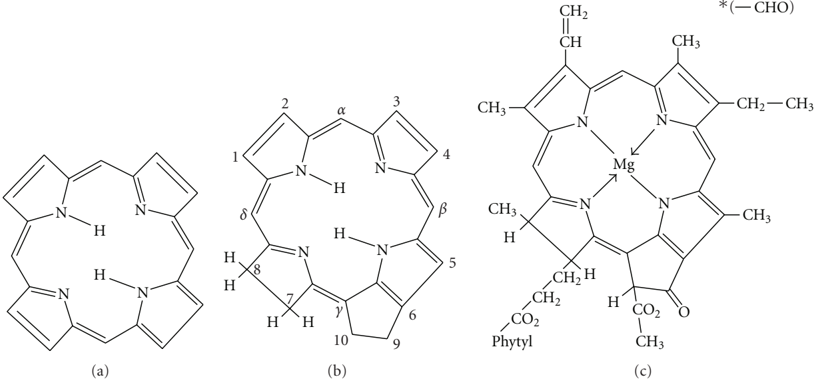
“The difference between the two forms of chlorophyll consists in the presence of a methyl group at the C3 carbon for chlorophyll a, while in chlorophyll b a formyl group was found at the same position (Figure 1) [1,3,4].”
BackgroundInfluentialSingh, V. L., Chakravarty, S., Chandra, N., & Mallick, N. (2020) · Food and Bioproducts Processing · doi:10.1016/j.fbp.2020.07.011 · Cited by 23
Arslan, R., & Aksay, S. (2022) · Journal of Food Processing and Preservation · doi:10.1111/jfpp.15941 · Cited by 22
Choi, W. Y., Sim, J.-H., Lee, J.-Y., Kang, D. H., & Lee, H.-Y. (2019) · Applied Sciences · doi:10.3390/app9102144 · Cited by 24
“Therefore, studies using the antioxidant activity of Spirulina are expected to have great potential [33,34].”
Μάρκου, Γ., Kougia, E., Kefalogianni, I., Tsagou, V., Arapoglou, D., & Chatzipavlidis, I. (2019) · Applied Sciences · doi:10.3390/app9214703 · Cited by 26
“Chlorophyll extract is gaining acceptance as a natural colorant or as a super-food because of its functionality, its strong antioxidant and anticancer properties [36,37].”
BackgroundPei, J., Kanwal, S., Sivaramakrishnan, R., & Katelakha, K. (2025) · Heliyon · doi:10.1016/j.heliyon.2025.e42723 · Cited by 29
Neag, E. I., Török, A. I., Cadar, O., Băbălău-Fuss, V., & Roman, C. (2019) · Renewable Energy · doi:10.1016/j.renene.2019.05.005 · Cited by 23
Radu, S., Mihalcea, L., Aprodu, I., Socaci, S., Cotârleț, M., Enachi, E., Crăciunescu, O., Barbu, V., Oancea, A., Dulf, F. V., et al. (2020) · Molecules · doi:10.3390/molecules25215001 · Cited by 23
“Therefore, in order to distinguish between coarse and fine particulates present in the samples, both D [2,3] and D [3,4] were measured.”
BackgroundMethodInfluentialCyanobacterial pigments: photosynthetic function and biotechnological purposes
Assunção, J., Amaro, H. M., Malcata, F. X., & Guedes, A. C. (2022) · Elsevier eBooks · doi:10.1016/b978-0-12-821491-6.00008-9 · Cited by 31
Choi, H.-J. (2014) · World Journal of Microbiology and Biotechnology · doi:10.1007/s11274-014-1626-z · Cited by 22
“The function of the chlorophyll (up to several hundred molecules per photosystem) is to absorb light and transfer this light energy by resonance energy transfer to a specific chlorophyll pair in the reaction center of the photosystems (Hosikian et al. 2010).”
BackgroundExtraction and Quantification of Chlorophyll from Microalgae Chlorella sp.
Amin, M., Chetpattananondh, P., Khan, M. N., Mushtaq, F., & Sami, S. K. (2018) · IOP Conference Series Materials Science and Engineering · doi:10.1088/1757-899x/414/1/012025 · Cited by 36
Recovery of microalgal biomass and metabolites from homogenized, swirl flash-dried microalgae
Ljubić, A., Safafar, H., & Jacobsen, C. (2019) · Journal of Applied Phycology · doi:10.1007/s10811-019-1733-1 · Cited by 23
“Chlorophylls can convert at high temperature to the undesirable degraded products (pheophytins) which function as a photoperoxidant resulting in reduction of the storage time of the dried microalgae (Hosikian et al. 2010).”
BackgroundAmin, N., Khalafallah, M. A., Ali, M. A. M., Abou-Sdera, S. A., & Matter, I. A. (2013) · The Journal of applied sciences research · Cited by 24
Le, T. P. L., Samarathunga, J., Gabard, M., Strazdins, K., Rens, J., & Adhikari, B. (2025) · Sustainable Food Technology · doi:10.1039/d4fb00387j · Cited by 25
del Valle, J. M., Martín, Á., Cocero, M. J., de la Fuente, J. C., & Quiroz, R. D. L. C. (2018) · The Journal of Supercritical Fluids · doi:10.1016/j.supflu.2018.08.011 · Cited by 21
Yang, Z.-S., Song, H.-Y., Yang, K., & Chiang, P.-Y. (2022) · Food Chemistry · doi:10.1016/j.foodchem.2022.133442 · Cited by 19
Sibiya, T., Ghazi, T., & Chuturgoon, A. A. (2022) · Nutrients · doi:10.3390/nu14153076 · Cited by 24
“The third compound of spirulina, chlorophyll, can perform antioxidant and antimutagenic activities [59,60].”
BackgroundGrayburn, W. S., Tatara, R. A., Rosentrater, K. A., & Holbrook, G. P. (2013) · Iowa State University Digital Repository (Iowa State University) · Cited by 19
Design and Development of Low-Cost, Portable, and Smart Chlorophyll-A Sensor
Chowdhury, R. I., Wahid, K. A., Nugent, K., & Baulch, H. M. (2020) · IEEE Sensors Journal · doi:10.1109/jsen.2020.2978758 · Cited by 18
“Various organic solvents, such as ethanol, methanol, acetone, and DMF, can be used to extract chlorophyll [17].”
BackgroundKumar, N., Hans, S., & Srivastava, A. (2021) · Journal of Water Process Engineering · doi:10.1016/j.jwpe.2021.102416 · Cited by 18
Cabrera-Capetillo, C. A., Castillo-Baltazar, O. S., Petriz-Prieto, M. A., Guzmán-López, A., Valdovinos-García, E. M., & Bravo-Sánchez, M. G. (2023) · Marine Drugs · doi:10.3390/md21060321 · Cited by 18
“Closed cultivation systems are highly energy-consuming [33]; in this case, the column photobioreactors considered for the process design consume 173.”
BackgroundNuances of microalgal technology in food and nutraceuticals: a review
Sahni, P., Aggarwal, P., Sharma, S., & Singh, B. (2019) · Nutrition & Food Science · doi:10.1108/nfs-01-2019-0008 · Cited by 18
Microalgae Biorefineries for Energy and Coproduct Production
Gorry, P., Sánchez, L., & Morales, M. (2018) · Green energy and technology · doi:10.1007/978-3-319-69093-3_5 · Cited by 18
Chlorophyll derivatives as catalysts and comonomers for atom transfer radical polymerizations
Gajewska, B., Raccio, S., Rodriguez, K. J., & Bruns, N. (2018) · Polymer Chemistry · doi:10.1039/c8py01492b · Cited by 17
Chemical Composition of Date Pits: Potential to Extract and Characterize the Lipid Fraction
Ahmad, A., & Imtiaz, H. (2019) · Sustainable agriculture reviews · doi:10.1007/978-3-030-11345-2_4 · Cited by 22
A Comprehensive Review on Different Microbial-Derived Pigments and Their Multipurpose Activities
Rao, A. S., Deka, S. P., More, S. S., Nair, A., More, V. S., & Ananthjaraju, K. S. (2021) · Springer eBooks · doi:10.1007/978-981-16-0045-6_20 · Cited by 21
Águila-Carricondo, P., de la Roche, J. P., Galán, P. L., Bautista, L. F., & Vicente, G. (2023) · Journal of Cleaner Production · doi:10.1016/j.jclepro.2023.139652 · Cited by 17
“Chlorophylls can be recovered from microalgae and cyanobacteria and their corresponding consortia either by using organic solvents such as methanol, ethanol, dimethylformamide (DMF), acetone, and diethyl ether or by supercritical fluid extraction (Halim et al., 2010).”
Kinetics of pulsed electric fields assisted pigment extraction from Chlorella pyrenoidosa
Katsimichas, A., Stathi, S., Dimopoulos, G., Giannakourou, M. C., & Taoukis, P. (2023) · Innovative Food Science & Emerging Technologies · doi:10.1016/j.ifset.2023.103547 · Cited by 17
Choi, H.-J., & Lee, S.-M. (2013) · Bioprocess and Biosystems Engineering · doi:10.1007/s00449-013-1039-7 · Cited by 16
“phyll pair in the reaction center of the photosystem [15].”
BackgroundMaçario, I. P. E., Ventura, S. P. M., Gonçalves, F. J. M., Torres‐Acosta, M. A., & Pereira, J. L. (2021) · ACS Sustainable Chemistry & Engineering · doi:10.1021/acssuschemeng.1c00458 · Cited by 20
Rubiño, S., Peteiro, C., Aymerich, T., & Hortos, M. (2022) · Food Research International · doi:10.1016/j.foodres.2022.111609 · Cited by 18
Microalgae as an Attractive Source for Biofuel Production
Ramaraj, S., Hemaiswarya, S., Raja, R., Ganesan, V., Anbazhagan, C., Carvalho, I. S., & Juntawong, N. (2014) · Springer eBooks · doi:10.1007/978-81-322-2056-5_8 · Cited by 17
Choi, W. Y., & Lee, H. Y. (2018) · Applied Sciences · doi:10.3390/app8040634 · Cited by 15
“Therefore, several low-heat extraction processes have been introduced for Spirulina, such as processes with simple and/or combined ultrasonic extraction, enzymatic hydrolysis, and various extraction solvents, which are carried out strictly at low temperatures [6,7].”
BackgroundMethodFakhri, M., Arifin, N. B., Hariati, A. M., & Yuniarti, A. (2017) · Jurnal Akuakultur Indonesia · doi:10.19027/jai.16.1.15-21 · Cited by 21
“It is also known as potential producers of pigments such as chlorophyll and carotenoids (Lubian et al., 2000; Hosikian et al., 2010).”
BackgroundPORPHYSOMES-A PARADIGM SHIFT IN TARGETED DRUG DELIVERY
Menon, R. B., Lakshmi, V. S., Aiswarya, M. U., Raju, K., & Nair, S. C. (2018) · International Journal of Applied Pharmaceutics · doi:10.22159/ijap.2018v10i2.23493 · Cited by 16
Technologies for extraction and production of bioactive compounds
Gill, B. S., Navgeet, & Qiu, F. (2019) · Elsevier eBooks · doi:10.1016/b978-0-444-64323-0.00001-1 · Cited by 16
Advances in Purpurin 18 Research: On Cancer Therapy
Pavlíčková, V. S., Škubník, J., Jurášek, M., & Rimpelová, S. (2021) · Applied Sciences · doi:10.3390/app11052254 · Cited by 16
“The most common and most important in terms of photosynthesis is blue-green chlorophyll a (Chla), which absorbs light energy at wavelengths with a maximum of 660–665 nm [10,11].”
BackgroundMethodModelling of isothermal chlorophyll extraction from herbaceous plants
Hung, S.-M., Hsu, B., & Lee, S. (2013) · Journal of Food Engineering · doi:10.1016/j.jfoodeng.2013.12.005 · Cited by 15
T., M., Persia Jothy, T., Magesh Peter, D., Kumar, T. S., & Dharani, G. (2021) · Biotechnology Reports · doi:10.1016/j.btre.2021.e00627 · Cited by 17
“Chlorophyll is yet another algal photosynthetic pigment with a potential market in pharmaceutical products [23].”
BackgroundAlgal Biomass: Potential Renewable Feedstock for Bioenergy Production
Farooqui, A., Tripathi, G., Moheet, K., Dubey, P., Ahmad, S., Husain, A., Shamim, A., & Mahfooz, S. (2021) · Clean Energy Production Technologies · doi:10.1007/978-981-16-1888-8_5 · Cited by 18
Impact of light quality and quantity on growth rate kinetics of Selenastrum capricornutum
Gutierrez‐Wing, M. T., Benson, B. C., & Rusch, K. A. (2011) · Engineering in Life Sciences · doi:10.1002/elsc.201000217 · Cited by 18
Circular bioeconomy approaches for sustainability and carbon mitigation in microalgal biorefinery
Nagarajan, D., Lee, D., & Chang, J. (2022) · Elsevier eBooks · doi:10.1016/b978-0-323-89855-3.00009-1 · Cited by 15
Evaluation of prebiotic, probiotic, and synbiotic potentials of microalgae
Ilıkkan, Ö. K., Bağdat, E. Ş., & Yalçın, D. (2022) · Food and Health · doi:10.3153/fh22016 · Cited by 16
“These industries include the food sector, cosmetics, aquaculture, drug industry, wastewater treatment, and production of anti-tumor, anti-bacterial, and antiviral compounds (Borowitzka & Borowitzka, 1988; Cohen, 1999; Hosikian et al., 2010; Pal et al., 2014).”
BackgroundOlatunde, O. O., Tan, S. L. D., & Benjakul, S. (2020) · International Journal of Food Science & Technology · doi:10.1111/ijfs.14788 · Cited by 15
Algae Biomass: Importance, Harvesting Techniques, Extraction Methods, and Associated Challenges
Gautam, R., Patial, S. K., & Singh, S. (2024) · Value Added Products From Bioalgae Based Biorefineries: Opportunities and Challenges · doi:10.1007/978-981-97-1662-3_4 · Cited by 13
Amin, S. F. M., Karim, R., Yusof, Y. A., & Muhammad, K. (2023) · Applied Sciences · doi:10.3390/app13031344 · Cited by 13
Biodegradation activity of crude oil by Chlorella sp. under mixotrophic conditions
Romero, D. V., Pérez-Cordero, A., & Garizado, Y. O. (2018) · Indian Journal of Science and Technology · doi:10.17485/ijst/2018/v11i29/127832 · Cited by 14
Sushytskyi, L., Synytsya, A., Lukáč, P., Rajsiglová, L., Capek, P., Pohl, R., Bleha, R., Vannucci, L. E., Smrž, D., Čopíková, J., et al. (2025) · Carbohydrate Polymers · doi:10.1016/j.carbpol.2025.123242 · Cited by 12
Bioactive compounds from microalgae cultivated in wastewaters
Koutra, E., Papavasileiou, P., Andriopoulos, V., Mastropetros, S. G., & Kornaros, M. E. (2021) · Elsevier eBooks · doi:10.1016/b978-0-12-823499-0.00009-2 · Cited by 16
Makhi, V. V., Ahmad, A., & Chaugule, B. (2021) · Current Microbiology · doi:10.1007/s00284-021-02710-7 · Cited by 13
“Chlorophyll-a is the highest levels of pigments found in microalgae since it is the main photosynthetic pigment and the other chlorophyll pigments are accessories which may or may not be combined with chlorophyll-a [27].”
BackgroundA Changeable Lab-on-a-Chip Detector for Marine Nonindigenous Microorganisms in Ship’s Ballast Water
Maw, M. M., Pan, X., Peng, Z., Wang, Y., Zhao, L., Dai, B., & Wang, J. (2018) · Micromachines · doi:10.3390/mi9010020 · Cited by 13
“Likewise chlor phyll plays an important rol in the photosynthesis of microalgae [42].”
BackgroundChowdhury, R. I., Basak, R., Wahid, K. A., Nugent, K., & Baulch, H. M. (2021) · Water Air & Soil Pollution · doi:10.1007/s11270-021-05036-z · Cited by 12
“Ethanol was used as the polar solvent, because it outperforms other polar solvents for chlorophyll extraction from microalgae or soil crusts (Hosikian et al. 2010; Lan et al. 2011).”
BackgroundMethodCT&F - Ciencia, Tecnología y Futuro
(2019) · CT&F - Ciencia Tecnología y Futuro · doi:10.29047/issn.0122-5383 · Cited by 14
Safitri, N. M., Hsu, J., & Violando, W. A. (2021) · Turkish Journal of Fisheries and Aquatic Sciences · doi:10.4194/trjfas20316 · Cited by 12
Mazzocchi, C., Møller, A. H., Benucci, I., Esti, M., & Dalsgaard, T. K. (2025) · Food Hydrocolloids · doi:10.1016/j.foodhyd.2025.111115 · Cited by 11
Tang, D. Y. Y., Chew, K. W., Chia, S. R., Ting, H.-Y., Sia, Y.-H., Gentili, F. G., Ma, Z., Awasthi, M. K., & Show, P. L. (2022) · Environmental Technology · doi:10.1080/09593330.2022.2150094 · Cited by 16
“Previous studies showed that the antioxidant capacity was strongly related to the total fl avonoid content and total phenolic compounds of the extract [44,46].”
SOLID-LIQUID EXTRACTION OF CHLOROPHYLL FROM MICROALGAE FROM PHOTOAUTOTROPH OPEN-AIR CULTIVATION
Molnár, É., Rippel‐Pethő, D., & Bocsi, R. (2013) · Hungarian Journal of Industry and Chemistry · doi:10.1515/511 · Cited by 11
“Chlorophyll is sensitive to extreme light exposure, pH values and temperatures [7-9].”
BackgroundMendes, V., de Lima, S. R., Torres, J. O. B., Antunes, A., Messias, D. N., Andrade, A. A., Dantas, N. O., Zílio, S. C., & Pilla, V. (2016) · Dyes and Pigments · doi:10.1016/j.dyepig.2016.06.020 · Cited by 14
Metadata
- Authors
- Hosikian, A., Lim, S., Halim, R., & Danquah, M. K.
- Affiliations
- Monash University (AU)
- Corresponding author
- Halim, Ronald
- Venue
- International Journal of Chemical Engineering
- Publisher
- Wiley
- Published
- 2010
- Volume
- 2010
- Pages
- 1-11
- ISSN
- 1687-806X (ISSN-L)
- 1687-8078
- OpenAlex
- W2157045920
- Semantic Scholar
- bc4cd5ffa615d0d1e7816d6688dfc931b464ceca
- Cited by
- 394
- References
- 56
- Citations by year
- 2026: 21 · 2025: 35 · 2024: 29 · 2023: 29 · 2022: 41 · 2021: 52 · 2020: 51 · 2019: 24 · 2018: 28 · 2017: 24 · 2016: 8 · 2015: 14 · 2014: 10 · 2013: 19 · 2012: 6
- FWCI
- 4.20
- Type
- journal article
- Language
- en
- Open access
- gold
- doi.org
- Locations
- International Journal of Chemical Engineering (publishedVersion, cc-by)
- DOAJ (DOAJ: Directory of Open Access Journals) (submittedVersion, cc-by-sa)
- eSpace (Curtin University) (submittedVersion)
- Topics
- Physical Sciences › Energy › Renewable Energy, Sustainability and the Environment › Algal biology and biofuel production
- Life Sciences › Agricultural and Biological Sciences › Aquatic Science › Seaweed-derived Bioactive Compounds
- Physical Sciences › Chemistry › Physical and Theoretical Chemistry › Phase Equilibria and Thermodynamics
- Keywords
- chlorophyll extraction, microalgae, supercritical fluid extraction, organic solvent extraction, HPLC, microalgae cultivation, CO2 capture, wastewater treatment, antioxidant activity
About these checks
Registry, retraction, Cites and statistics results are computed, not judged, with one exception: a printed reference that no index lists is read once by a model before it counts as a citation error. Claims are extracted by a model and kept only when their quote appears verbatim in the text; each cited source is then checked, with a model’s help, for whether it says what the claim relies on. Those verdicts can be wrong — read the claim’s quote and the cited source before relying on one.
Statistics and arithmetic are recomputed, not judged.
Confidence bands are shown only for fields calibrated on our annotated test set. None is calibrated yet, so no band is shown.
What counts as a claim ›How we measure confidence ›How we check this ›
Are you an author, or do you see a problem with this page? Request a review
Data sources
Bibliographic data: Semantic Scholar, OpenAlex, Crossref.
Contains information from the Semantic Scholar Academic Graph Datasets, made available under the ODC Attribution License (ODC-BY 1.0).
Semantic Scholar’s data is described in: Kinney, R., et al. (2023). The Semantic Scholar Open Data Platform. arXiv:2301.10140.
