

The DOI matches its Crossref record; 65 of the 65 references it cites were found in a registry or an index.
iCanCope with Pain™: User‐Centred Design of a Web‐ and Mobile‐Based Self‐Management Program for Youth with Chronic Pain Based on Identified Health Care Needs
Open accessAbstract
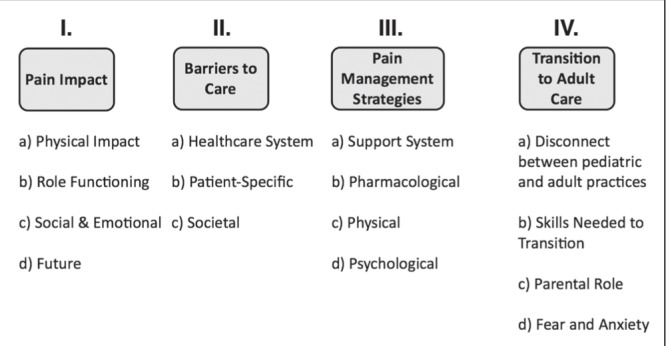
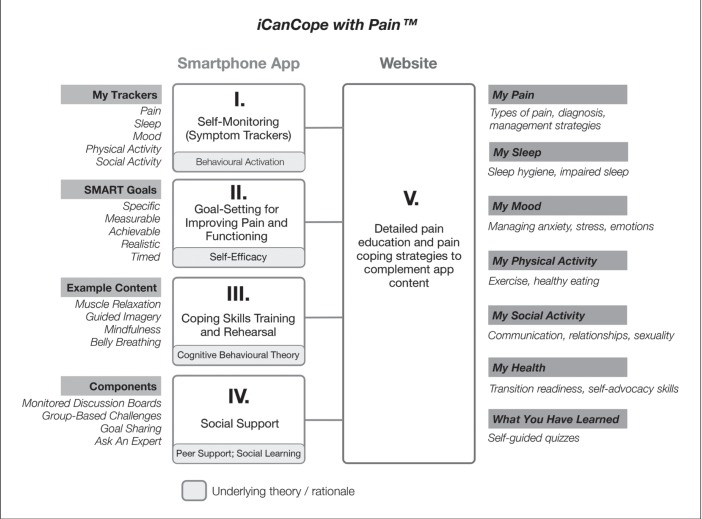
BACKGROUND: While there are emerging web‐based self‐management programs for children and adolescents with chronic pain, there is currently not an integrated web‐ and smartphone‐based app that specifically addresses the needs of adolescents with chronic pain. OBJECTIVES: To conduct a needs assessment to inform the development of an online chronic pain self‐management program for adolescents, called iCanCope with Pain™. METHODS: A purposive sample of adolescents (n=23; 14 to 18 years of age) was recruited from two pediatric chronic pain clinics in Ontario. Interdisciplinary health care providers were also recruited from these sites. Three focus groups were conducted with adolescents (n=16) and one with pediatric health care providers (n=7). Individual adolescent interviews were also conducted (n=7). RESULTS: Qualitative analysis uncovered four major themes: pain impact; barriers to care; pain management strategies; and transition to adult care. Pain impacted social, emotional, physical and role functioning, as well as future goals. Barriers to care were revealed at the health care system, patient and societal levels. Pain management strategies included support systems, and pharmacological, physical and psychological approaches. Transition subthemes were: disconnect between pediatric and adult systems; skills development; parental role; and fear/anxiety. Based on these identified needs, the iCanCope with Pain™ architecture will include the core theory‐based functionalities of: symptom self‐monitoring; personalized goal setting; pain coping skills training; peer‐based social support; and chronic pain education. CONCLUSIONS: The proposed iCanCope with Pain™ program aims to address the self‐management needs of adolescents with chronic pain by improving access to disease information, strategies to manage symptoms and social support.
Overview
The claims and statistics of this paper haven’t been checked yet.
Run the check — free, no account needed. It reads the open-access text and checks the sources it cites.
Integrity signals
Registry
Cites
Statistics
Figures
Verification
Claims the paper makes
The claims and statistics of this paper haven’t been checked yet.
Run the check — free, no account needed. It reads the open-access text and checks the sources it cites.
Claims other papers make about this one
Each is checked against this paper’s own text: does it say what the citing paper says it does?
The source backs part of the claim, not all of it — or backs it for a different population, condition or comparison.
In the citing paper
“Other mobile-based technologies have been developed to assist patients in remotely self-monitoring symptoms and deliver interventions involving goal-setting for improving functioning, coping skills training and practice, and social support via discussion boards, goal sharing, and group-based challenges [55].”
From Best-evidence for the rehabilitation of chronic pain part 1: Pediatric pain (2019) · cites this paper as [55]
Experimental — accuracy not yet measuredIn the citing paper
“Our focus on reviewing studies of mHealth apps for self-managing chronic conditions may explain this finding, as these interventions encourage users to systematically record data and capture the variability of their disease state over time [84].”
From A Library of Analytic Indicators to Evaluate Effective Engagement with Consumer mHealth Apps for Chronic Conditions: Scoping Review (2019) · cites this paper as [84]
Self-check
Percentages, sums and reported differences re-computed from the paper’s own numbers.
The self-check needs the paper’s full text.
Citations
Cites
Pierce, W. D., & Bandura, A. (1977) · The Canadian Journal of Sociology · doi:10.2307/3340496 · Cited by 9,742
Focus Groups as Qualitative Research
Morgan, D. (1997) · doi:10.4135/9781412984287 · Cited by 8,863
InterViews: An introduction to qualitative research interviewing
Flinders, D. J. (1997) · Evaluation and Program Planning · doi:10.1016/s0149-7189(97)89858-8 · Cited by 7,236
An Expanded Sourcebook Qualitative Data Analysis
Miles, M. B., & Huberman, A. M. (1994) · Cited by 3,222
Focus Groups as Qualitative Research
Kawamura, H., & Morgan, D. L. (1998) · Modern Language Journal · doi:10.2307/330238 · Cited by 2,788
(1995) · Medical Entomology and Zoology · Cited by 2,472
The epidemiology of chronic pain in children and adolescents revisited: A systematic review
King, S., Chambers, C. T., Huguet, A., MacNevin, R. C., McGrath, P. J., Parker, L., & MacDonald, A. J. (2011) · Pain · doi:10.1016/j.pain.2011.07.016 · Cited by 1,688
Psychological therapies for the management of chronic pain (excluding headache) in adults
Williams, A. C. D. C., Eccleston, C., & Morley, S. (2012) · Cochrane Database of Systematic Reviews · doi:10.1002/14651858.cd007407.pub3 · Cited by 1,634
Internet-based cognitive behaviour therapy for symptoms of depression and anxiety: A meta-analysis
SPEK, V., CUIJPERS, P., NYKLÍČEK, I., RIPER, H., KEYZER, J., & POP, V. (2007) · Psychological Medicine · doi:10.1017/s0033291706008944 · Cited by 1,586
When and how do young people seek professional help for mental health problems?
Rickwood, D. J., Deane, F. P., & Wilson, C. J. (2007) · Medical Journal of Australia · doi:10.5694/j.1326-5377.2007.tb01334.x · Cited by 1,195
Research works printed but not linked: 4
- [6]American Pain Society Pediatric chronic pain: A position statement from the American Pain Society American Pain Society Bulletin 2001 Jan-Feb 10 12
- [35]Wallace LS A review of pain-related smartphone apps Abstract presented at the American Academy of Pain Medicine Annual Meeting Fort Lauderdale April 11 to 14, 2013
- [38]Creswell JW Qualitative Inquiry and Research Design Thousand Oaks Sage Publications 1998
- [43]Stinson JN White M Isaac L Understanding the information and service needs of young adults with chronic pain: Perspectives of young adults and their providers Clin J Pain 2013 29 600 12 23328333
Cited by
Sorted by citations
Lalloo, C., Jibb, L. A., Rivera, J., Agarwal, A., & Stinson, J. N. (2015) · The Clinical Journal of Pain · doi:10.1097/ajp.0000000000000171 · Cited by 257
Majeed-Ariss, R., Baildam, E., Campbell, M., Chieng, A., Fallon, D., Hall, A., McDonagh, J. E., Stones, S. R., Thomson, W., & Swallow, V. (2015) · Journal of Medical Internet Research · doi:10.2196/jmir.5043 · Cited by 251
Slater, H., Campbell, J. M., Stinson, J. N., Burley, M. M., & Briggs, A. M. (2017) · Journal of Medical Internet Research · doi:10.2196/jmir.8888 · Cited by 155
“Recent efforts address some of these gaps, providing evidence for how mHealth apps can improve the access of young people with chronic pain to disease information, facilitate symptom management and social support [4], and support their self-management of cancer pain [14,15].”
Self-citationBest-evidence for the rehabilitation of chronic pain part 1: Pediatric pain
Harrison, L. E., Pate, J. W., Richardson, P. A., Ickmans, K., Wicksell, R. K., & Simons, L. E. (2019) · Journal of Clinical Medicine · doi:10.3390/jcm8091267 · Cited by 140
“…al., 2017a [47]; Kempert et al., 2017b [45] Desensitization Sherry et al., 1999 [48] Internet and mobile applications Bonnert et al., 2019 [53]; Palermo et al., 2018 [54];Stinson et al., 2014 [55] Virtual Reality Won et al., 2015 [56] *; Won et al., 2017 [57] Note: Tame the Beast and What is Pain?”
BackgroundPham, Q., Graham, G., Carrion, C., Morita, P. P., Seto, E., Stinson, J. N., & Cafazzo, J. A. (2019) · JMIR mHealth and uHealth · doi:10.2196/11941 · Cited by 131
Self-citationSlattery, B. W., Haugh, S., O'Connor, L., Francis, K., Dwyer, C. P., O'Higgins, S., Egan, J., & McGuire, B. E. (2019) · Journal of Medical Internet Research · doi:10.2196/11086 · Cited by 115
Badawy, S. M., Thompson, A. A., & Liem, R. I. (2016) · Pediatric Blood & Cancer · doi:10.1002/pbc.25905 · Cited by 119
“Evidence from a recent systematic review of adherence strategies [30] as well as experience in patients with cystic fibrosis,[26] obesity,[27] diabetes,[28,31,32] and chronic pain [33] suggest that a personalized, multicomponent smartphone app may represent a better solution to low adherence rates in AYA with SCD.”
BackgroundMoore, G., Wilding, H., Gray, K., & Castle, D. (2019) · Journal of Participatory Medicine · doi:10.2196/11474 · Cited by 95
“…(HSU), survey (HSP), thematic analysis, focus group (HSU), focus group (HSP), interview (HSU), prototype, RCT User Centered Design, Iterative design Stinson 2014 [59] Ethics approval, advisory group (HSU), survey (HSU), focus group (HSU), design activity, thematic analysis, iterative development…”
BackgroundA review of mobile applications to help adolescent and young adult cancer patients
Wesley, K. M., & Fizur, P. J. (2015) · Adolescent Health Medicine and Therapeutics · doi:10.2147/ahmt.s69209 · Cited by 91
“29 Therefore, other applications are likely available to help AYA patients diagnosed with cancer, though the evidence supporting the use of these applications is not yet available.”
Integration of Mobile Health Technology in the Treatment of Chronic Pain: A Critical Review
Sundararaman, L. V., Edwards, R. R., Ross, E. L., & Jamison, R. N. (2017) · Regional Anesthesia and Pain Medicine · doi:10.1097/aap.0000000000000621 · Cited by 72
Development of a mental health smartphone app: perspectives of mental health service users
Goodwin, J., Cummins, J. S., Behan, L., & O’Brien, S. M. (2016) · Journal of Mental Health · doi:10.3109/09638237.2015.1124392 · Cited by 86
“A sample of adolescents suffering with chronic pain were interviewed by Stinson et al. (2014); the content of the proposed pain-related app will be based around the four major themes which emerged from these interviews.”
BackgroundBriggs, A. M., Chan, M. T.-L., & Slater, H. (2016) · Best Practice & Research Clinical Rheumatology · doi:10.1016/j.berh.2016.09.009 · Cited by 74
Higgins, K. S., Tutelman, P. R., Chambers, C. T., Witteman, H. O., Barwick, M. A., Corkum, P. V., Grant, D., Stinson, J., Lalloo, C., Robins, S., et al. (2018) · PAIN Reports · doi:10.1097/pr9.0000000000000686 · Cited by 63
Self-citationSmartphone apps to help children and adolescents with cancer and their families: a scoping review
Mehdizadeh, H., Asadi, F., Mehrvar, A., Nazemi, E., & Emami, H. (2019) · Acta Oncologica · doi:10.1080/0284186x.2019.1588474 · Cited by 65
Stahlschmidt, L., Zernikow, B., & Wager, J. (2016) · Children · doi:10.3390/children3040033 · Cited by 63
Alberts, N. M., Badawy, S. M., Hodges, J., Estepp, J. H., Nwosu, C., Khan, H., Smeltzer, M. P., Homayouni, R., Norell, S., Klesges, L. M., et al. (2020) · JMIR mhealth and uhealth · doi:10.2196/14884 · Cited by 60
“Recent evidence from several systematic reviews of medication adherence interventions [53-56,58,99,100] and experience in patients with SCD [22,58], cystic fibrosis [101], diabetes [102], and chronic pain [103] suggest that a personalized user-centered approach with a multi-functional mobile phone app may have the pot…”
BackgroundSlater, H., Jordan, J. M., Chua, J., Schütze, R., Wark, J. D., & Briggs, A. M. (2016) · BMJ Open · doi:10.1136/bmjopen-2016-014007 · Cited by 59
Nightingale, R., Hall, A. G., Gelder, C., Friedl, S., Brennan, E., & Swallow, V. M. (2017) · Journal of Medical Internet Research · doi:10.2196/jmir.7760 · Cited by 56
Innovations to improve access to musculoskeletal care
Chehade, M. J., Yadav, L., Kopansky-Giles, D. R., Merolli, M., Palmer, E., Jayatilaka, A., & Slater, H. (2020) · Best Practice & Research Clinical Rheumatology · doi:10.1016/j.berh.2020.101559 · Cited by 68
Wakefield, E. O., Puhl, R. M., Litt, M. D., & Zempsky, W. T. (2021) · Frontiers in Psychology · doi:10.3389/fpsyg.2021.666275 · Cited by 52
Low, J. K., & Manias, E. (2019) · JMIR mhealth and uhealth · doi:10.2196/12042 · Cited by 52
“A total of 17 studies utilized a qualitative approach: 6 exploratory studies [32,39,51,53,54,57], 3 multiphase studies involving the iterative design and development of an intervention [43,47,52], 2 feasibility studies [34,45], 2 usability studies of an intervention [42,55], 1 evaluation of user…”
Birnie, K. A., Campbell, F. A., Nguyen, C., Lalloo, C., Tsimicalis, A., Matava, C. T., Cafazzo, J. A., & Stinson, J. (2019) · JMIR Formative Research · doi:10.2196/12028 · Cited by 51
Self-citationDigital Technology and Mobile Health in Behavioral Migraine Therapy: a Narrative Review
Stubberud, A., & Linde, M. (2018) · Current Pain and Headache Reports · doi:10.1007/s11916-018-0718-0 · Cited by 50
van de Graaf, D. L., Trompetter, H. R., Smeets, T., & Mols, F. (2021) · Internet Interventions · doi:10.1016/j.invent.2021.100465 · Cited by 49
Smartphone applications for chronic pain management: A critical appraisal
Alexander, J., & Joshi, G. (2016) · Journal of Pain Research · doi:10.2147/jpr.s119966 · Cited by 47
Westbrook, J. I., & Baysari, M. T. (2015) · Yearbook of Medical Informatics · doi:10.15265/iy-2015-011 · Cited by 46
Palermo, T. M., Zempsky, W. T., Dampier, C., Lalloo, C., Hundert, A. S., Murphy, L. K., Bakshi, N., & Stinson, J. (2018) · Contemporary Clinical Trials · doi:10.1016/j.cct.2018.10.006 · Cited by 51
Self-citationLalloo, C., Harris, L., Hundert, A. S., Berard, R. A., Cafazzo, J. A., Connelly, M. A., Feldman, B. M., Houghton, K. M., Huber, A. M., Laxer, R. M., et al. (2020) · Lara D. Veeken · doi:10.1093/rheumatology/keaa178 · Cited by 46
Self-citationLalloo, C., Hundert, A. S., Harris, L., Phạm, Q., Campbell, F. A., Chorney, J. M. L., Dick, B. D., Simmonds, M. K., Cafazzo, J. A., & Stinson, J. (2019) · JMIR mhealth and uhealth · doi:10.2196/11838 · Cited by 41
Self-citationSlater, H., Stinson, J., Jordan, J. M., Chua, J., Low, B., Lalloo, C., Phạm, Q., Cafazzo, J. A., & Briggs, A. M. (2020) · Journal of Medical Internet Research · doi:10.2196/18315 · Cited by 45
“Second, in Canada, an integrated smartphone and web-based self-management program, iCanCope with Pain, was developed [16,31].”
BackgroundMethodInfluentialSelf-citationPalermo, T. M., Lalloo, C., Zhou, C., Dampier, C., Zempsky, W. T., Badawy, S. M., Bakshi, N., Ko, Y. J., Nishat, F., & Stinson, J. (2023) · Pain · doi:10.1097/j.pain.0000000000003009 · Cited by 41
Self-citationGamwell, K. L., Kollin, S. R., Gibler, R. C., Bedree, H., Bieniak, K. H., Jagpal, A., Tran, S. T., Hommel, K. A., & Ramsey, R. R. (2020) · Pain · doi:10.1097/j.pain.0000000000002090 · Cited by 36
Digital manikins to self‐report pain on a smartphone: A systematic review of mobile apps
Ali, S. M., Lau, W. J., McBeth, J., Dixon, W. G., & van der Veer, S. N. (2020) · European Journal of Pain · doi:10.1002/ejp.1688 · Cited by 32
Design for mobile mental health: an exploratory review
Aryana, B., Brewster, L., & Abdelnour-Nocera, J. (2018) · Health and Technology · doi:10.1007/s12553-018-0271-1 · Cited by 36
mHealth for pediatric chronic pain: state of the art and future directions
Richardson, P. A., Harrison, L. E., Heathcote, L. C., Rush, G. Q., Shear, D., Lalloo, C., Hood, K. K., Wicksell, R. K., Stinson, J., & Simons, L. E. (2020) · Expert Review of Neurotherapeutics · doi:10.1080/14737175.2020.1819792 · Cited by 37
Self-citationGrasaas, E., Fegran, L., Helseth, S., Stinson, J., Martinez, S., Lalloo, C., & Haraldstad, K. (2019) · JMIR Research Protocols · doi:10.2196/12940 · Cited by 35
“The original Canadian iCanCope with Pain app underwent rigorous development and testing through a user-centered design for adolescents with chronic pain, based on their unique health care needs [21].”
BackgroundMethodInfluentialSelf-citationTurnbull, A., Sculley, D., Escalona‐Marfil, C., Gispert, L. M. R., Ruíz-Moreno, J., Gironès, X., & Coda, A. (2020) · Journal of Medical Internet Research · doi:10.2196/18284 · Cited by 31
State of The Art in Biobehavioral Approaches to the Management of Chronic Pain in Childhood
Simons, L. E., & Basch, M. C. (2015) · Pain Management · doi:10.2217/pmt.15.59 · Cited by 31
Pham, Q., Graham, G., Lalloo, C., Morita, P. P., Seto, E., Stinson, J. N., & Cafazzo, J. A. (2018) · JMIR mHealth and uHealth · doi:10.2196/11447 · Cited by 30
Self-citationLee, V. V., Vijayakumar, S., Ng, W. Y., Lau, N. Y., Leong, Q. Y., Ooi, D. S. Q., Su, L. L., Lee, Y. S., Chan, S., Blasiak, A., et al. (2023) · npj Digital Medicine · doi:10.1038/s41746-023-00924-6 · Cited by 30
Utrankar, A., Mayo‐Gamble, T. L., Allen, W., Novak, L. L., Kassim, A. A., Bonnet, K. R., Schlundt, D. G., Murry, V. M., Jackson, G. P., DeBaun, M. R., et al. (2018) · Journal of the American Medical Informatics Association · doi:10.1093/jamia/ocy036 · Cited by 29
Tolley, J. A., Michel, M. A., Williams, A. E., & Renschler, J. S. (2020) · Children · doi:10.3390/children7090129 · Cited by 27
Supported self-care for children and adolescents with chronic disease and their families
Fernandes, L. T. B., da Nóbrega, V. M., Silva, M. E. D. A., Machado, A. N., & Collet, N. (2017) · Revista Brasileira de Enfermagem · doi:10.1590/0034-7167-2016-0553 · Cited by 28
Mitchell, K. M., Holtz, B., & McCarroll, A. M. (2018) · Telemedicine Journal and e-Health · doi:10.1089/tmj.2018.0236 · Cited by 25
“Barriers to care was another subtheme mentioned in many of the studies.(34,43,47,55,67,72,83) The information gathered related to barriers was considered to create technologies aimed at reducing barriers to care.”
User innovation rings the bell for new horizons in e-health: a bibliometric analysis
Ghasemzadeh, K., Escobar, O., Yordanova, Z. B., & Villasalero, M. (2022) · European Journal of Innovation Management · doi:10.1108/ejim-04-2021-0181 · Cited by 26
A systematic evaluation of primary headache management apps leveraging behavior change techniques
Noser, A. E., Klages, K. L., Gamwell, K. L., Brammer, C. N., Hommel, K. A., & Ramsey, R. R. (2021) · Cephalalgia · doi:10.1177/03331024211053572 · Cited by 22
Hoffmann, A., Christmann, C. A., Zolynski, G., & Bleser, G. (2020) · JMIR Formative Research · doi:10.2196/13170 · Cited by 22
“In fact, the combination of 5 theory-based functionalities, namely, pain-related education, self-monitoring, goal setting, social support, and the training of self-care strategies, has been suggested to promote the self-management of chronic pain [7-11].”
BackgroundLalloo, C., Nishat, F., Zempsky, W. T., Bakshi, N., Badawy, S. M., Ko, Y. J., Dampier, C., Stinson, J., & Palermo, T. M. (2022) · Journal of Medical Internet Research · doi:10.2196/40096 · Cited by 23
“Ubiquitous consumer technologies (eg, smartphones) offer opportunities to enhance the accessibility and interactivity of self-management support for youth with SCD [21,22]. iCanCope with pain is a digital pain self-management platform originally developed for youth with chronic pain [23-25].”
Self-citationHudson, S., Nishat, F., Stinson, J., Litwin, S. P., Zeller, F., Wiles, B., Foster, M. E., & Ali, S. (2023) · Children · doi:10.3390/children10091511 · Cited by 24
Self-citationDeparture from Pediatric Care: Transitioning of Adolescents with Chronic Pain to Adult Care
Forgeron, P. A., Higginson, A., & Truskoski, C. (2017) · Pain Management Nursing · doi:10.1016/j.pmn.2017.05.001 · Cited by 20
“The limited amount of research within the chronic pain population suggests that the adolescents themselves are concerned about their transition to the adult system (Forgeron & McGrath, 2008; Stinson et al., 2014), citing concerns in each of these three categories.”
BackgroundmyPainPal: co-creation of a mHealth app for the management of chronic pain in young people
Cooke, M., Richards, J., Tjondronegoro, D., Raj Chakraborty, P., Jauncey-Cooke, J., Andresen, E., Theodoros, J., Paterson, R., Schults, J., Raithatha, B., et al. (2021) · Informatics for Health and Social Care · doi:10.1080/17538157.2021.1892697 · Cited by 18
“Finding meaningful social support has previously been identified as a key strategy for coping with pain for young people.(26) Social networking also has the potential to increase engagement and adherence with e-health applications.”
BackgroundInfluentialDesign and usability evaluation of a mobile application for self-care among Iranian adolescents
Rezaee, R., Ghaffari, M., Rabiei, R., Kavousi, A., & Rakhshanderou, S. (2024) · BMC Public Health · doi:10.1186/s12889-024-18341-z · Cited by 24
Yetwin, A. K., Mahrer, N. E., John, C., & Gold, J. I. (2018) · Journal of Pediatric Nursing · doi:10.1016/j.pedn.2018.02.003 · Cited by 17
Cong, X. S., Ramesh, D., Perry, M., Xu, W., Bernier, K. M., Young, E. E., Walsh, S. J., & Starkweather, A. R. (2018) · Research in Nursing & Health · doi:10.1002/nur.21862 · Cited by 17
The Pain Coping Questionnaire short-form: preliminary reliability and validity
Kohut, S. A., Stinson, J., Chambers, C. T., Reid, G. J., & Riddell, R. P. (2022) · PAIN Reports · doi:10.1097/pr9.0000000000000982 · Cited by 18
Self-citationSlater, H., Briggs, A., Stinson, J., & Campbell, J. M. (2017) · JBI Database of Systematic Reviews and Implementation Reports · doi:10.11124/jbisrir-2016-003299 · Cited by 15
Self-citationShear, D., Harrison, L. E., O’Brien, S., Khazendar, Z., Lyons, S., Morgan, J. J., Chan, S. K., Feinstein, A. B., & Simons, L. E. (2022) · The Clinical Journal of Pain · doi:10.1097/ajp.0000000000001040 · Cited by 13
Online multidisciplinary interventions for paediatric chronic pain: A content analysis
Hurley-Wallace, A. L., Nowotny, E., Schoth, D. E., & Liossi, C. (2021) · European Journal of Pain · doi:10.1002/ejp.1827 · Cited by 15
“3.3.2 | Development approaches Only one intervention referenced an established development approach (O’Cathain et al., 2019); this was the user- centred design approach, outlined in the development study for iCanCope with Pain™ (Stinson et al., 2014).”
BackgroundMethodInfluentialPerceptions of Adolescents With Chronic Pain About Peer Support: Reflexive Thematic Analysis
Linkiewich, D., Dib, K., Forgeron, P. A., Dick, B. D., & McMurtry, C. M. (2023) · Journal of Pediatric Psychology · doi:10.1093/jpepsy/jsad014 · Cited by 14
Johansen, S. K., Kanstrup, A. M., Haseli, K., Stenmo, V. H., Thomsen, J. L., & Rathleff, M. S. (2023) · JMIR Human Factors · doi:10.2196/44462 · Cited by 13
“Qualitative studies by Slater et al [35,68,69] and Stinson et al [34,70] corroborated several of our findings about how mHealth-delivered health interventions (reminders, quantified self-tracking, and data feedback) held the potential for supporting adolescents with chronic pain through awareness,…”
Stein, E., Rayar, M. S., Krishnadev, U., Gupta, A. A., Hyslop, S., Plenert, E., Schechter, T., & Sung, L. (2019) · Supportive Care in Cancer · doi:10.1007/s00520-019-04673-9 · Cited by 14
Phạm, Q., Hearn, J., Bender, J. L., Berlín, A., Brown, I., Bryant‐Lukosius, D., Feifer, A. H., Finelli, A., Gotto, G. T., Hamilton, R. J., et al. (2021) · BMJ Open · doi:10.1136/bmjopen-2020-045806 · Cited by 13
Harrison, L. E., Webster, S. N., Orden, A. R. V., Choate, E., Jehl, N. M., Stinson, J., Wicksell, R. K., Darnall, B. D., & Simons, L. E. (2022) · BMJ Open · doi:10.1136/bmjopen-2022-065997 · Cited by 13
“Digital health represents a solution to access- to-care barriers 23–33 and outcomes of digital interventions for youth with chronic pain are similar to in vivo treatment.”
Self-citationA technology ecosystem for chronic pain: promises, challenges, and future research
Marceglia, S. R. F., & Conti, C. (2017) · mHealth · doi:10.21037/mhealth.2017.02.03 · Cited by 12
Informações on-line como suporte às famílias de crianças e adolescentes com doença crônica
Mazza, V. D. A., de Lima, V. F., Carvalho, A. K. D. S., Weissheimer, G., & Soares, L. G. (2017) · Revista gaúcha de enfermagem · doi:10.1590/1983-1447.2017.01.63475 · Cited by 12
France, E. F., Uny, I., Turley, R. L., Thomson, K., Noyes, J., Jordan, A. L., Forbat, L., Caes, L., & Bianchim, M. S. (2023) · Cochrane Database of Systematic Reviews · doi:10.1002/14651858.cd014873.pub2 · Cited by 12
Ferreira, D. P., & Gomes, S. C. D. S. (2021) · Interface - Comunicação Saúde Educação · doi:10.1590/interface.200648 · Cited by 11
Hollier, J. M., Vaughan, A. O., Liu, Y., van Tilburg, M. A. L., Shulman, R. J., & Thompson, D. I. (2018) · JMIR Pediatrics and Parenting · doi:10.2196/pediatrics.8535 · Cited by 11
“Our findings are congruent with a qualitative focus group study of adolescents with chronic pain who confirmed the utility of various methods to treat their pain, including psychological approaches [82].”
Using User-Feedback to Develop a Website: MyT1DHope, for Parents of Children with T1D
Holtz, B., Mitchell, K. M., Nuttall, A. K., Cotten, S. R., Hershey, D. S., Dunneback, J. K., & Wood, M. A. (2018) · Health Communication · doi:10.1080/10410236.2018.1560579 · Cited by 11
“There have been a small number of studies that have used and described using a patient-centered approach to design a web resource (Neubeck et al., 2016; Revenäs et al., 2015; Stinson et al., 2014; Taylor, Bray, Staggers, & Olson, 2003; Winterling et al., 2016).”
BackgroundCampagna, B. R., Tutino, R. C., Stevanović, K., Flood, J. R., Halevi, G., Shemesh, E., & Annunziato, R. A. (2021) · Pediatric Transplantation · doi:10.1111/petr.14152 · Cited by 9
Giovanni, C. B. S., Dawley, E. H., Pope, C. A., Steffen, M., & Roberts, J. R. (2021) · Southern Medical Journal · doi:10.14423/smj.0000000000001273 · Cited by 10
Phạm, Q., Shaw, J., Morita, P. P., Seto, E., Stinson, J., & Cafazzo, J. A. (2019) · Journal of Medical Internet Research · doi:10.2196/14849 · Cited by 12
Self-citationSUPPORTED SELF-CARE ACTIONS FOR CHILDREN AND TEENAGERS WITH CHRONIC DISEASES
Fernandes, L. T. B., da Nóbrega, V. M., Sales, M. L. X. F., Reichert, A. P. D. S., de Moura, F. M., & Collet, N. (2019) · Texto & Contexto - Enfermagem · doi:10.1590/1980-265x-tce-2018-0325 · Cited by 10
Alsaggaf, F., & Coyne, I. (2023) · Frontiers in Rehabilitation Sciences · doi:10.3389/fresc.2023.1099345 · Cited by 10
“A further self-pain-management strategy that has been used by young people lately are online resources (38), such as Youtube (39), WebMAP (40), and iCanCope (41, 42) chronic pain applications.”
BackgroundOei, K., Choi, E., Bar-Dayan, A., Stinson, J., Palmert, M. R., Alfonsi, J., & Hamilton, J. K. (2024) · JMIR Formative Research · doi:10.2196/58682 · Cited by 9
“Based on recommendations [25] and previous team experience [26], each usability cycle included 4-6 adolescents and 2 HCPs, with 2-3 cycles to identify and resolve issues [19,27,28].”
Self-citationBirnie, K. A., Nguyen, C., Amaral, T. D., Baker, L., Campbell, F. A., Lloyd, S., Ouellette, C., von Baeyer, C. L., Lalloo, C., Gerstle, J. T., et al. (2018) · Canadian Journal of Pain · doi:10.1080/24740527.2018.1534543 · Cited by 9
Self-citationHurley-Wallace, A. L., Schoth, D. E., Lilley, S., Williams, G., & Liossi, C. (2020) · British Journal of Pain · doi:10.1177/2049463720940341 · Cited by 9
mHealth Applications for Children and Young People With Persistent Pain: A Scoping Review
Schults, J. A., Cooke, M. L., Richards, J., Theodoros, J., Andresen, E., Paterson, R., & Alcock, M. (2018) · Clinical Nursing Research · doi:10.1177/1054773818795078 · Cited by 9
Selhorst, M., Hoehn, J., Schmitt, L., Benedict, J., & Fernandez-Fernandez, A. (2023) · Journal of Orthopaedic and Sports Physical Therapy · doi:10.2519/jospt.2023.12041 · Cited by 11
Parmar, G., Howard, A. F., Noga, H. L., Tannock, L., Abdulai, A., Allaire, C., Lett, S., Sutherland, J. L., de Arbina, E. L., Hummelshøj, L., et al. (2025) · BMC Medical Informatics and Decision Making · doi:10.1186/s12911-025-02907-x · Cited by 9
Buono, F. D., Lalloo, C., Larkin, K., Zempsky, W. T., Ball, S. A., Grau, L. E., Phạm, Q., & Stinson, J. (2021) · Contemporary Clinical Trials Communications · doi:10.1016/j.conctc.2021.100883 · Cited by 8
Self-citationHuckerby, L., McDonagh, J. E. R., & Lee, R. R. (2023) · Rheumatology Advances in Practice · doi:10.1093/rap/rkad006 · Cited by 7
Chan, N. H.-M., Merali, H. S., Mistry, N., Kealey, R., Campbell, D. M., Morris, S. K., & Santorino, D. (2021) · BMC Medical Informatics and Decision Making · doi:10.1186/s12911-021-01406-z · Cited by 8
Taygar, A. S., Bartels, S. L., de la Vega, R., Flink, I. K., Engman, L., Petersson, S., Johnsson, S. I., Boersma, K., McCracken, L. M., & Wicksell, R. K. (2025) · JMIR Formative Research · doi:10.2196/74064 · Cited by 7
“While an increasing number of studies have identified preferences and needs regarding digital interventions for chronic pain [25-27], end-user involvement is usually limited to a certain phase of the innovation process.”
Zepeda, M. S., Deighton, S., Markova, V., Madsen, J. W., & Racine, N. M. (2021) · Cognitive and Behavioral Practice · doi:10.1016/j.cbpra.2021.10.001 · Cited by 7
Grasaas, E., Helseth, S., Fegran, L., Stinson, J., Småstuen, M. C., Lalloo, C., & Haraldstad, K. (2022) · Pilot and Feasibility Studies · doi:10.1186/s40814-022-01113-0 · Cited by 8
“Researchers in collaboration with eHealth Innovation at University Health Network (Toronto, Canada) developed an evidence- and theory-based pain selfmanagement app for adolescents called iCanCope with PainTM [18].”
BackgroundInfluentialSelf-citationBellcross, C. A., Harmond, L., Floyd-Browning, P., & Singh, R. H. (2015) · Healthcare · doi:10.3390/healthcare3040964 · Cited by 6
“Previous studies have shown smartphone apps to be effective in assisting patients with disease management [15,16].”
BackgroundLynch, M. K., Ward, S., Bazier, A., Stumpff, J., Owens, M. T., & Williams, A. E. (2023) · Journal of Clinical Psychology in Medical Settings · doi:10.1007/s10880-023-09966-0 · Cited by 6
“…asked about the transition process adolescents with chronic pain were aware and willing to acknowledge that the transition to adult care would require them to take on more responsibility and ownership for their health care, and would require new skills such as self-advocacy (Stinson et al., 2014a).”
InfluentialThe experience of chronic pain among adolescents: suffering and attempt to overcome pain?
Shaygan, M., & Jaberi, A. (2022) · BMC Pediatrics · doi:10.1186/s12887-022-03617-3 · Cited by 6
Systematic Review and Evaluation of Pain-Related Mobile Applications
Silva, A. G., Queirós, A., Caravau, H., Ferreira, A., & Rocha, N. P. (2016) · IGI Global eBooks · doi:10.4018/978-1-4666-9978-6.ch031 · Cited by 6
Shah, U. E. M., & Chiew, T. K. (2019) · IEEE Access · doi:10.1109/access.2019.2940772 · Cited by 5
“apps [25]–[30] provided pain information with respect to symptoms and disease, thirteen apps provided pain coping strategies [25]–[37], one app provided social support component [28], eight apps [26], [28], [30], [32]–[34], [37], [38] had sub-goals or achievements, all apps had self-reporting feature, twelve apps [25]…”
BackgroundGrau, L. E., Larkin, K., Lalloo, C., Stinson, J., Zempsky, W. T., Ball, S. A., & Buono, F. D. (2022) · BMJ Open · doi:10.1136/bmjopen-2021-056692 · Cited by 5
Self-citation“He told me my pain was in my head”: mitigating testimonial injustice through peer support
Vigouroux, M., Newman, G., Amja, K., & Hovey, R. B. (2023) · Frontiers in Pain Research · doi:10.3389/fpain.2023.1125963 · Cited by 5
Yadav, L., Gill, T. K., Taylor, A., deYoung, J., Visvanathan, R., & Chehade, M. J. (2021) · Archives of Osteoporosis · doi:10.1007/s11657-021-01031-3 · Cited by 5
Primary Care Providers Welcome Smartphone Apps That Assist in Pediatric Weight Management
SanGiovanni, C., Morella, K., & Roberts, J. R. (2019) · Clinical Pediatrics · doi:10.1177/0009922819832642 · Cited by 5
Ren, Z., Chen, Y., Li, Y., Fan, P., Liu, Z., & Shen, B. (2025) · JMIR Pediatrics and Parenting · doi:10.2196/65826 · Cited by 5
Expectations and Experiences of Internet-Based Therapy for Adolescents with TMD Pain
Bijelic, T., Ekberg, E., Willman, A., & Nilsson, I. (2022) · Journal of Oral & Facial Pain and Headache · doi:10.11607/ofph.3042 · Cited by 4
“35 The origin of these preconceived ideas among the adolescents in the present study is unclear, but it is known that these ideas impact the way they engage in treatment, the way they interact with their caregiver, and their success and satisfaction with treatment.”
A critical analysis of online social support for young people experiencing chronic pain
Kavanagh, E., Chur‐Hansen, A., & Ferencz, N. (2023) · Australian Journal of Psychology · doi:10.1080/00049530.2023.2216303 · Cited by 4
“Emerging evidence suggests that by engaging with OSS, young people with pain can explore their identity and create, maintain, and strengthen social interactions in ways that may be unavailable offline (Forgeron et al., 2019; Kohut et al., 2016; Stinson et al., 2014).”
BackgroundTechnology to Assess and Treat Pain in Pediatric Rheumatology
Connelly, M. A., & Lee, R. R. (2021) · Rheumatic Disease Clinics of North America · doi:10.1016/j.rdc.2021.09.004 · Cited by 4
Buono, F. D., Larkin, K., Phạm, Q., Sousa, D. D., Zempsky, W. T., Lalloo, C., & Stinson, J. (2023) · Cancers · doi:10.3390/cancers15123213 · Cited by 4
Self-citation
Metadata
- Authors
- Stinson, J. N., Lalloo, C., Harris, L., Isaac, L., Campbell, F., Brown, S., Ruskin, D., Gordon, A., Galonski, M., Pink, L. R., Buckley, N., Henry, J. L., White, M., & Karim, A.
- Affiliations
- University of Toronto (CA)
- McMaster University (CA)
- Mount Sinai Hospital (CA)
- Corresponding author
- Stinson, Jennifer N
- ORCID
- Venue
- Pain Research and Management
- Publisher
- Wiley
- Published
- 2014-01
- Volume
- 19
- Issue
- 5
- Pages
- 257-265
- ISSN
- 1203-6765 (ISSN-L)
- 1918-1523
- PMC
- PMC4197753
- OpenAlex
- W88007950
- Cited by
- 149
- References
- 65
- Citations by year
- 2026: 4 · 2025: 11 · 2024: 6 · 2023: 17 · 2022: 16 · 2021: 22 · 2020: 16 · 2019: 14 · 2018: 15 · 2017: 10 · 2016: 10 · 2015: 6 · 2014: 2
- FWCI
- 8.77
- Type
- journal article
- Language
- en
- Open access
- gold
- doi.org
- Licence
- Locations
- Pain Research and Management (publishedVersion, cc-by)
- PubMed Central (publishedVersion, cc-by-nc)
- PubMed (publishedVersion)
- TSpace (University of Toronto) (submittedVersion, cc-by-nc)
- DOAJ (DOAJ: Directory of Open Access Journals) (submittedVersion)
- Funders
- Canadian Pain Society
- Topics
- Health Sciences › Medicine › Pediatrics, Perinatology and Child Health › Pediatric Pain Management Techniques
- Health Sciences › Health Professions › General Health Professions › Mobile Health and mHealth Applications
- Health Sciences › Medicine › Pediatrics, Perinatology and Child Health › Adolescent and Pediatric Healthcare
- Keywords
- chronic pain, adolescents, self-management program, user-centered design, online intervention, mobile health apps, needs assessment, barriers to care, transition to adult care, pain coping skills training, peer support, symptom self-monitoring, goal setting
- MeSH terms
- Adolescent, Child, Female, Humans, Male, Self Care, Needs Assessment, Internet, Chronic Pain, Pain Management, Mobile Applications
About these checks
Registry, retraction, Cites and statistics results are computed, not judged, with one exception: a printed reference that no index lists is read once by a model before it counts as a citation error. Claims are extracted by a model and kept only when their quote appears verbatim in the text; each cited source is then checked, with a model’s help, for whether it says what the claim relies on. Those verdicts can be wrong — read the claim’s quote and the cited source before relying on one.
Statistics and arithmetic are recomputed, not judged.
Confidence bands are shown only for fields calibrated on our annotated test set. None is calibrated yet, so no band is shown.
What counts as a claim ›How we measure confidence ›How we check this ›
Are you an author, or do you see a problem with this page? Request a review
