

The Angular Gyrus: Multiple Functions and Multiple Subdivisions
Open accessThe DOI matches its Crossref record; 157 of the 157 references it cites were found in a registry or an index.
Abstract
There is considerable interest in the structural and functional properties of the angular gyrus (AG). Located in the posterior part of the inferior parietal lobule, the AG has been shown in numerous meta-analysis reviews to be consistently activated in a variety of tasks. This review discusses the involvement of the AG in semantic processing, word reading and comprehension, number processing, default mode network, memory retrieval, attention and spatial cognition, reasoning, and social cognition. This large functional neuroimaging literature depicts a major role for the AG in processing concepts rather than percepts when interfacing perception-to-recognition-to-action. More specifically, the AG emerges as a cross-modal hub where converging multisensory information is combined and integrated to comprehend and give sense to events, manipulate mental representations, solve familiar problems, and reorient attention to relevant information. In addition, this review discusses recent findings that point to the existence of multiple subdivisions in the AG. This spatial parcellation can serve as a framework for reporting AG activations with greater definition. This review also acknowledges that the role of the AG cannot comprehensibly be identified in isolation but needs to be understood in parallel with the influence from other regions. Several interesting questions that warrant further investigations are finally emphasized.
Overview
The claims and statistics of this paper haven’t been checked yet.
Free: it reads the open-access text and checks the first 5 claims that cite a source we can check. Create a free account to check every claim.
Integrity signals
Registry
Cites
Statistics
Figures
Verification
Claims the paper makes
The claims and statistics of this paper haven’t been checked yet.
Free: it reads the open-access text and checks the first 5 claims that cite a source we can check. Create a free account to check every claim.
Claims other papers make about this one
Each is checked against this paper’s own text: does it say what the citing paper says it does?
In the citing paper
“Furthermore, it was previously thought that these areas were involved in self-referential processes [64–66], perspective taking [67], cognitive distancing [68–71], and sustained attention [72].”
From The meditative mind: a comprehensive meta-analysis of MRI studies. (2015) · cites this paper as [64]
Self-check
Percentages, sums and reported differences re-computed from the paper’s own numbers.
The self-check needs the paper’s full text.
Citations
Cites
A default mode of brain function
Raichle, M. E., MacLeod, A. M., Snyder, A. Z., Powers, W. J., Gusnard, D. A., & Shulman, G. L. (2001) · Proceedings of the National Academy of Sciences · doi:10.1073/pnas.98.2.676 · Cited by 12,190
The Brain's Default Network: Anatomy, Function, and Relevance to Disease
Buckner, R. L., Andrews‐Hanna, J. R., & Schacter, D. L. (2008) · Annals of the New York Academy of Sciences · doi:10.1196/annals.1440.011 · Cited by 9,761
The organization of the human cerebral cortex estimated by intrinsic functional connectivity
Thomas Yeo, B. T., Krienen, F. M., Sepulcre, J., Sabuncu, M. R., Lashkari, D., Hollinshead, M., Roffman, J. L., Smoller, J. W., Zöllei, L., Polimeni, J. R., et al. (2011) · Journal of Neurophysiology · doi:10.1152/jn.00338.2011 · Cited by 9,182
The free-energy principle: a unified brain theory?
Friston, K. (2010) · Nature Reviews Neuroscience · doi:10.1038/nrn2787 · Cited by 8,120 · cited 1×
“This framework is borrowed from the popular predictive coding framework (as reviewed in Friston 2010) that models the brain as a hierarchical inference engine that is trying to optimize probabilistic representations of what caused its sensory input.”
The organization of the human cerebellum estimated by intrinsic functional connectivity
Buckner, R. L., Krienen, F. M., Castellanos, A., Diaz, J. C., & Yeo, B. T. T. (2011) · Journal of Neurophysiology · doi:10.1152/jn.00339.2011 · Cited by 7,304
Functional connectivity in the resting brain: a network analysis of the default mode hypothesis
Greicius, M. D., Krasnow, B., Reiss, A. L., & Menon, V. (2003) · Proceedings of the National Academy of Sciences · doi:10.1073/pnas.0135058100 · Cited by 6,358
Dynamic mapping of human cortical development during childhood through early adulthood
Gogtay, N., Giedd, J. N., Lusk, L., Hayashi, K. M., Greenstein, D., Vaituzis, A. C., Nugent, T. F., Herman, D. H., Clasen, L. S., Toga, A. W., et al. (2004) · Proceedings of the National Academy of Sciences · doi:10.1073/pnas.0402680101 · Cited by 5,604 · cited 1×
“Its cortical volume is estimated at around 13.2 cm3 and 11.7 cm3 in the left and right hemisphere, respectively (Rademacher and others 1992), suggesting a relative leftgreater-than-right structural asymmetry (see also Eidelberg and Galaburda 1984).”
BackgroundInfluentialCorrespondence of the brain's functional architecture during activation and rest
Smith, S. M., Fox, P. T., Miller, K. L., Glahn, D. C., Fox, P. M., Mackay, C. E., Filippini, N., Watkins, K. E., Toro, R., Laird, A. R., et al. (2009) · Proceedings of the National Academy of Sciences · doi:10.1073/pnas.0905267106 · Cited by 5,150
Mapping the structural core of human cerebral cortex
Hagmann, P., Cammoun, L., Gigandet, X., Meuli, R., Honey, C. J., Wedeen, V. J., & Sporns, O. (2008) · PLoS Biology · doi:10.1371/journal.pbio.0060159 · Cited by 4,173 · cited 1×
“…London, UK Corresponding Author: Dr. Mohamed L. Seghier, Wellcome Department of Imaging Neuroscience, Institute of Neurology, 12 Queen Square, London WC1N 3BG, UK Email: m.seghier@fil.ion.ucl.ac.uk There is considerable interest in the structural and functional properties of the angular gyrus (AG).”
BackgroundBinder, J. R., Desai, R. H., Graves, W. W., & Conant, L. L. (2009) · Cerebral Cortex · doi:10.1093/cercor/bhp055 · Cited by 4,060 · cited 1×
“For instance, Binder and others (2009) found that the most consistent semantic activation across 120 functional neuroimaging studies was located within the left AG (Binder and others 2009), with a less strong but consistent effect in the right AG as well.”
Background
Research works printed but not linked: 5
- Barnes KA, 2011, Cereb Cortex
- Dejerine J, 1891, Societe de Biologie, 43, 197
- Kelly C, 2010, Eur J Neurol, 32, 383
- Mar RA, 2011, Annu Rev Neurosci, 62, 103
- 10.1227/00006123-199503000-00011 · doi:10.1227/00006123-199503000-00011 · Paper page
Cited by
Items 901–1,000 of 1,001
Ji, S., Ma, H., Yao, M., Guo, M., Li, S., Chen, N., Liu, X., Shao, X., Yao, Z., & Hu, B. (2021) · Neuroscience · doi:10.1016/j.neuroscience.2021.06.024 · Cited by 11
Altered gray matter development in pre‐reading children with a family history of reading disorder
Ostertag, C., Reynolds, J. E., Dewey, D., Landman, B. A., Huo, Y., & Lebel, C. A. (2021) · Developmental Science · doi:10.1111/desc.13160 · Cited by 12
Stolz, D. S., Vater, A., Schott, B. H., Roepke, S., Paulus, F. M., & Krach, S. (2021) · NeuroImage Clinical · doi:10.1016/j.nicl.2021.102800 · Cited by 11
Delayed cerebral atrophy after cerebellar stroke: topographical relation and clinical impact
van Niftrik, C. H. B., Visser, T., Sebök, M., Muscas, G., Amki, M. E., Serra, C., Regli, L., Wegener, S., & Fierstra, J. (2021) · Brain Communications · doi:10.1093/braincomms/fcab279 · Cited by 11
The Laterality of Early Age-Related Hearing Loss and Brain β-Amyloid
Irace, A. L., Rippon, B. Q., Brickman, A. M., Luchsinger, J. A., & Golub, J. S. (2022) · Otology & Neurotology · doi:10.1097/mao.0000000000003454 · Cited by 12
Chen, Z., Liu, Y., Lin, C., Liu, D., Xiao, L., Liu, H., Wei, X., & Rong, L. (2024) · CNS Neuroscience & Therapeutics · doi:10.1111/cns.14570 · Cited by 11
Time is nothing: emotional consistency of autobiographical memory and its neural basis
Xu, R., Yang, J., Feng, C., Wu, H., Huang, R., Yang, Q., Li, Z., Xu, P., Gu, R., & Luo, Y. (2017) · Brain Imaging and Behavior · doi:10.1007/s11682-017-9778-8 · Cited by 11
Gonzalez, M. Z., Puglia, M. H., Morris, J. P., & Connelly, J. J. (2017) · Social Neuroscience · doi:10.1080/17470919.2017.1403954 · Cited by 11
Neural Correlates of Semantic Inhibition in Relation to Hypomanic Traits: An fMRI Study
Raucher‐Chéné, D., Terrien, S., Gierski, F., Obert, A., Caillies, S., Besche‐Richard, C., & Kaladjian, A. (2018) · Frontiers in Psychiatry · doi:10.3389/fpsyt.2018.00108 · Cited by 11
Frequency-tagged visual evoked responses track syllable effects in visual word recognition
Montani, V., Chanoine, V., Grainger, J., & Ziegler, J. C. (2019) · Cortex · doi:10.1016/j.cortex.2019.08.014 · Cited by 11
Menéndez-Granda, M., Iannotti, G. R., Darqué, A., & Ptak, R. (2022) · Frontiers in Human Neuroscience · doi:10.3389/fnhum.2022.983137 · Cited by 11
Wei, Z., Alcauter, S., Jin, K., Peng, Z., & Gao, W. (2013) · Brain Connectivity · doi:10.1089/brain.2012.0125 · Cited by 11
“Comparing our results in children and those in adult studies (Schrouff et al., 2011, 2012), we found that several differences exist.”
InfluentialFujita, A., Takahashi, D. Y., Patriota, A. G., & Sato, J. R. (2014) · Statistics in Medicine · doi:10.1002/sim.6292 · Cited by 11
“Although the angular gyrus contributes to the integration of information, playing an important role in many cognitive processes [24], to the best of our knowledge, there are very few studies in literature suggesting activation differences in this region when comparing ADHD with healthy controls [24,25].”
BackgroundThe neural systems for perceptual updating
Stöttinger, E., Aichhorn, M., Anderson, B., & Danckert, J. A. (2018) · Neuropsychologia · doi:10.1016/j.neuropsychologia.2018.03.017 · Cited by 11
Shimada, K., Hirotani, M., Yokokawa, H., Yoshida, H., Makita, K., Yamazaki-Murase, M., Tanabe, H. C., & Sadato, N. (2015) · Neuroscience · doi:10.1016/j.neuroscience.2015.05.045 · Cited by 13
Schwendner, M. J., Ille, S., & Krieg, S. M. (2024) · Elsevier eBooks · doi:10.1016/b978-0-12-820480-1.00193-5 · Cited by 11
Keator, D. B., Salgado, F., Madigan, C., Murray, S., Norris, S., & Amen, D. (2024) · Frontiers in Psychiatry · doi:10.3389/fpsyt.2024.1401745 · Cited by 12
Cao, B., Guo, Y. Q., Xia, F., Li, L., Ren, Z., Lü, M., Wang, J., & Huang, R. (2025) · Brain Communications · doi:10.1093/braincomms/fcaf083 · Cited by 10
Raduner, N., Providoli, C., Pietro, S. V. D., Schneebeli, M., Karipidis, I. I., Casimiro, E., Bedi, S., von Rhein, M., Raschle, N. M., Ruff, C. C., et al. (2025) · Developmental Cognitive Neuroscience · doi:10.1016/j.dcn.2025.101622 · Cited by 10
“The angular gyrus, a cross-modal hub (Hirst et al., 2021; Seghier, 2013; Tibon et al., 2019), integrates information from multiple sensory modalities, which is crucial for forming multisensory associations.”
Schependom, J. V., Vidaurre, D., Costers, L., Sjøgård, M., Sima, D. M., Smeets, D., D'hooghe, M. B., D’haeseleer, M., Deco, G., Wens, V., et al. (2021) · NeuroImage Clinical · doi:10.1016/j.nicl.2021.102632 · Cited by 10
Detecting spontaneous deception in the brain
Feng, Y., Hung, S., & Hsieh, P. (2022) · Human Brain Mapping · doi:10.1002/hbm.25849 · Cited by 10
“In addition, AG is also related to the intentional aspects of deception in social settings (Volz, Vogeley, Tittgemeyer, Von Cramon, & Sutter, 2015) and theory of mind (Aichhorn, Perner, Kronbichler, Staffen, & Ladurner, 2006; Seghier, 2013).”
BackgroundElectroencephalogram in low-risk term newborns predicts neurodevelopmental metrics at age two years
Chirumamilla, V. C., Hitchings, L., Mulkey, S. B., Anwar, T., Baker, R., Maxwell, G. L., Asis‐Cruz, J. D., Kapse, K. J., Limperopoulos, C., du Plessis, A., et al. (2022) · Clinical Neurophysiology · doi:10.1016/j.clinph.2022.05.010 · Cited by 10
Liu, H., Xiang, Y., Liu, J., Feng, J., Du, S., Luo, T., Li, Y., & Zeng, C. (2022) · Frontiers in Neuroscience · doi:10.3389/fnins.2022.1030230 · Cited by 10
O’Dowd, A., Hirst, R. J., Setti, A., Kenny, R. A., & Newell, F. N. (2023) · Experimental Brain Research · doi:10.1007/s00221-023-06628-3 · Cited by 10
Spatial confidence regions for combinations of excursion sets in image analysis
Maullin-Sapey, T., Schwartzman, A., & Nichols, T. E. (2023) · Journal of the Royal Statistical Society Series B (Statistical Methodology) · doi:10.1093/jrsssb/qkad104 · Cited by 10
“…frontal gyrus, which is well known for its involvement in working memory (Alagapan et al., 2019; Boisgueheneuc et al., 2006; Vogel et al., 2016), and the angular gyri, which are well known to be involved in memory retrieval, attention, and spatial cognition (Bréchet et al., 2018; Seghier, 2013).”
BackgroundMultilingual Language Diversity Protects Native Language Production under Different Control Demands
Kang, K., Xiao, Y., Yu, H., Diaz, M. T., & Zhang, H. (2023) · Brain Sciences · doi:10.3390/brainsci13111587 · Cited by 12
Stoyanov, D., Paunova, R., Dichev, J., Kandilarova, S., Khorev, V. S., & Kurkin, S. (2023) · World Journal of Clinical Cases · doi:10.12998/wjcc.v11.i36.8458 · Cited by 10
Hierarchical syntax model of music predicts theta power during music listening
Herff, S. A., Bonetti, L., Cecchetti, G., Vuust, P., Kringelbach, M. L., & Rohrmeier, M. (2024) · Neuropsychologia · doi:10.1016/j.neuropsychologia.2024.108905 · Cited by 10
“The Angular Gyrus is associated with both language processing (Bemis and Pylkk ¨ anen, 2013) as well as memory retrieval (Kim, 2010; see Seghier, 2013 for review).”
Cong, Z., Yang, L., Zhao, Z., Zheng, G., Bao, C., Zhang, P., Wang, J., Zheng, W., Yao, Z., & Hu, B. (2024) · Journal of Psychiatric Research · doi:10.1016/j.jpsychires.2024.06.012 · Cited by 10
Sazhin, D., Wyngaarden, J. Β., Dennison, J. B., Zaff, O., Fareri, D. S., McCloskey, M. S., Alloy, L. B., Jarcho, J. M., & Smith, D. V. (2023) · Biological Psychology · doi:10.1016/j.biopsycho.2024.108857 · Cited by 10
Dynamic Field Theory of Executive Function: Identifying Early Neurocognitive Markers
McCraw, A., Sullivan, J., Lowery, K., Eddings, R., Heim, H. R., & Buss, A. T. (2024) · Monographs of the Society for Research in Child Development · doi:10.1111/mono.12478 · Cited by 10
Semantic Integration Demands Modulate Large‐Scale Network Interactions in the Brain
Nieberlein, L., Martin, S., Williams, K. A., Gussew, A., Cyriaks, S. D., Scheer, M., Rampp, S., Prell, J., & Hartwigsen, G. (2024) · Human Brain Mapping · doi:10.1002/hbm.70113 · Cited by 10
Tang, W., Zeng, Q., Xie, K., Cui, X., Jin, X., Han, Y., & Li, J. (2024) · Alzheimer s & Dementia · doi:10.1002/alz.14431 · Cited by 10
The microgravity environment affects sensorimotor adaptation and its neural correlates
Tays, G. D., Hupfeld, K. E., McGregor, H. R., Banker, L., Dios, Y. E. D., Bloomberg, J. J., Reuter‐Lorenz, P. A., Mulavara, A. P., Wood, S. J., & Seidler, R. D. (2024) · Cerebral Cortex · doi:10.1093/cercor/bhae502 · Cited by 10
Su, T., Cheng, L., Tu, P., Chen, L., Lin, W., Li, C., Bai, Y., Tsai, S., & Chen, M. (2025) · Psychiatry Research · doi:10.1016/j.psychres.2025.116377 · Cited by 10
Lü, Y., Ba, L., & Yan, D. (2025) · Scientific Reports · doi:10.1038/s41598-025-89023-y · Cited by 10
Aberizk, K., Sefik, E., Yuan, Q. E., Cao, H., Addington, J., Bearden, C. E., Cadenhead, K. S., Cannon, T. D., Cornblatt, B. A., Keshavan, M. S., et al. (2025) · Schizophrenia Research · doi:10.1016/j.schres.2025.02.012 · Cited by 10
Lin, D., Ren, Q., Ou, Y., Li, L., Peng, D., & Yang, S. (2025) · Frontiers in Psychiatry · doi:10.3389/fpsyt.2025.1536660 · Cited by 10
“The angular gyrus is responsible for the semantic processing, digital processing, attention, and memory of the human body (85).”
Nasiri, S., Amirfattahi, R., Mansoory, M. S., & Khodamoradi, M. (2025) · Sleep Medicine · doi:10.1016/j.sleep.2025.106655 · Cited by 10
Neural substrates of norm compliance in perceptual decisions
Toelch, U., Pooresmaeili, A., & Dolan, R. J. (2018) · Scientific Reports · doi:10.1038/s41598-018-21583-8 · Cited by 11
Neural correlates of object and action naming practice
Delikishkina, E., Lingnau, A., & Miceli, G. (2020) · Cortex · doi:10.1016/j.cortex.2020.05.005 · Cited by 10
Transition From Sublexical to Lexico-Semantic Stimulus Processing
Junker, F. B., Schlaffke, L., Bellebaum, C., Ghio, M., Bruehl, S., Axmacher, N., & Schmidt‐Wilcke, T. (2020) · Frontiers in Systems Neuroscience · doi:10.3389/fnsys.2020.522384 · Cited by 10
Dysfunction of the left angular gyrus may be associated with writing errors in ALS
Sakurai, T., Hirano, S., Abe, M., Uji, Y., Shimizu, K., Suzuki, M., Nakano, Y., Ishikawa, A., Kojima, K., Shibuya, K., et al. (2020) · Amyotrophic Lateral Sclerosis and Frontotemporal Degeneration · doi:10.1080/21678421.2020.1861021 · Cited by 10
Sex differences in structural brain asymmetry of children with autism spectrum disorders
Li, C., Ning, M., Fang, P., & Xu, H. (2021) · Journal of Integrative Neuroscience · doi:10.31083/j.jin2002032 · Cited by 10
“Interestingly, this brain area is involved in the theory of mind, which is essential to help the human brain reason about others and effectively communicate and navigate in the social world [35].”
BackgroundZuber, P., Gaetano, L., Griffa, A., Huerbin, M., Pedullà, L., Bonzano, L., Altermatt, A., Tsagkas, C., Parmar, K., Hagmann, P., et al. (2021) · Scientific Reports · doi:10.1038/s41598-021-02492-9 · Cited by 10
Baudou, É., Nemmi, F., Péran, P., Cignetti, F., Blais, M., Maziero, S., Tallet, J., & Chaix, Y. (2022) · Journal of Neurodevelopmental Disorders · doi:10.1186/s11689-022-09428-y · Cited by 10
Hong, T., Yang, C., Shih, C.-H., Fan, S.-F., Yeh, T., Yu, H., Chen, L., & Hsieh, J. (2023) · Frontiers in Neuroscience · doi:10.3389/fnins.2023.1114771 · Cited by 10
Abnormalities of regional spontaneous brain activity in poststroke aphasia: a meta-analysis
Cheng, L. L., Xi, H., Gu, H., Gao, Y., Hu, S., Li, M., Hao, Z., Wen, J., Zhang, J., Lv, Y., et al. (2023) · Cerebral Cortex · doi:10.1093/cercor/bhad078 · Cited by 10
Matsudaira, T., Takahashi, Y., Matsuda, K., Ikeda, H., Usui, K., Obi, T., & Inoue, Y. (2016) · Neurology and Clinical Neuroscience · doi:10.1111/ncn3.12083 · Cited by 10
Hendrix, P., Senger, S., Griessenauer, C. J., Simgen, A., Linsler, S., & Oertel, J. (2017) · Journal of Clinical Neuroscience · doi:10.1016/j.jocn.2017.02.029 · Cited by 10
Functional Hemispheric (A)symmetries in the Aged Brain—Relevance for Working Memory
Esteves, M., Magalhães, R. J. D. S., Marques, P., Castanho, T. C., Portugal‐Nunes, C., Soares, J. M., Almeida, A., Santos, N. C., Sousa, N., & Leite‐Almeida, H. (2018) · Frontiers in Aging Neuroscience · doi:10.3389/fnagi.2018.00058 · Cited by 10
“Nevertheless, this area has consistently shown lateralized activity in multiple other functions such as semantic and number processing, attention or spatial cognition (Seghier, 2013).”
BackgroundEscamilla, M., Sandoval, H., Calhoun, V. D., & Ramirez, M. (2018) · Journal of Analytical Psychology · doi:10.1111/1468-5922.12430 · Cited by 10
Discourse management during speech perception: A functional magnetic resonance imaging (fMRI) study
Dietrich, S., Hertrich, I., Seibold, V. C., & Rolke, B. (2019) · NeuroImage · doi:10.1016/j.neuroimage.2019.116047 · Cited by 10
Distinct neural mechanisms underlying conceptual knowledge of manner and instrument verbs
van Dam, W. O., Almor, A., Shinkareva, S. V., Kim, J., Boiteau, T. W., Shay, E. A., & Desai, R. H. (2019) · Neuropsychologia · doi:10.1016/j.neuropsychologia.2019.107183 · Cited by 10
Beaudet, A., Holloway, R. L., & Benazzi, S. (2021) · Journal of Human Evolution · doi:10.1016/j.jhevol.2021.103010 · Cited by 10
Deng, L., Liu, H., Liu, H., Liu, J., Liu, W., Liu, Y., Zhang, Y., Rong, P., Liang, Q., & Wang, W. (2021) · Quantitative Imaging in Medicine and Surgery · doi:10.21037/qims-21-41 · Cited by 10
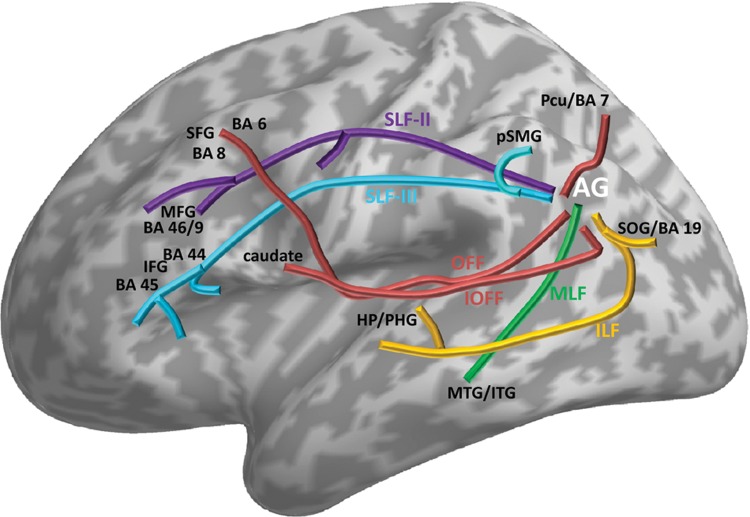
“Due to its unique anatomical location, the ANG is closely related to the input information integration of the occipital, temporal, and parietal lobes (43).”
BackgroundInvestigating default mode network connectivity disruption in children of mothers with depression
Zeev‐Wolf, M., Dor‐Ziderman, Y., Pratt, M., Goldstein, A., & Feldman, R. (2021) · The British Journal of Psychiatry · doi:10.1192/bjp.2021.164 · Cited by 11
Arnold, A. E. G. F., Ekstrom, A. D., & Iaria, G. (2018) · Frontiers in Human Neuroscience · doi:10.3389/fnhum.2018.00292 · Cited by 11
Bensmann, W., Vahid, A., Beste, C., & Stock, A. (2019) · Frontiers in Human Neuroscience · doi:10.3389/fnhum.2019.00053 · Cited by 10
Deschwanden, P. F., Hotz, I., Mérillat, S., & Jäncke, L. (2025) · NeuroImage · doi:10.1016/j.neuroimage.2025.121075 · Cited by 10
Cao, X., Liu, T., Jiang, J., Liu, H., Zhang, J., Kochan, N. A., Niu, H., Brodaty, H., Sachdev, P. S., & Wen, W. X. (2021) · Frontiers in Aging Neuroscience · doi:10.3389/fnagi.2021.755931 · Cited by 9
Levman, J. E. D., Forgeron, C., Shiohama, T., MacDonald, P., Stewart, N., Lim, A., Berrigan, L. I., & Takahashi, E. (2022) · International Journal of Developmental Neuroscience · doi:10.1002/jdn.10211 · Cited by 9
Angular gyrus: an anatomical case study for association cortex
Rockland, K. S. (2022) · Brain Structure and Function · doi:10.1007/s00429-022-02537-3 · Cited by 9
“Multiple imaging and behavioral studies show distinct laterality effects in AG (Seghier 2013), which potentially involve the callosal connections.”
BackgroundThe connectivity-based parcellation of the angular gyrus: fiber dissection and MR tractography study
Yakar, F., Çeltikçi, P., Doğruel, Y., Egemen, E., & Güngör, A. (2022) · Brain Structure and Function · doi:10.1007/s00429-022-02555-1 · Cited by 9
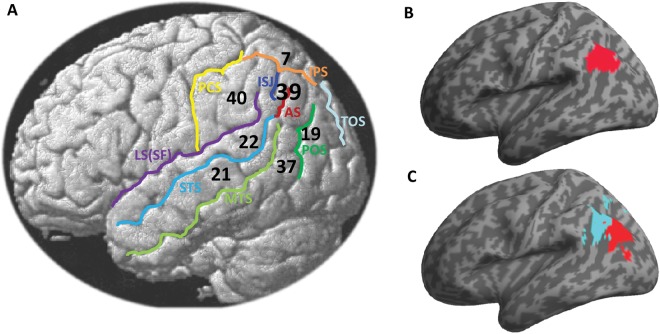
“The AG is located at the junction of the temporal, parietal, and occipital lobes (Seghier 2013).”
BackgroundInfluentialHuang, Y., Zhang, D., Zhang, X., Cheng, M., Yang, Z., Gao, J., Tang, M., Ai, K., Lei, X., & Zhang, X. (2022) · Frontiers in Neurology · doi:10.3389/fneur.2022.1062816 · Cited by 9
Hortelano, P. A., Martens, M., Pringle, A., & Harmer, C. J. (2023) · Psychopharmacology · doi:10.1007/s00213-023-06395-7 · Cited by 9
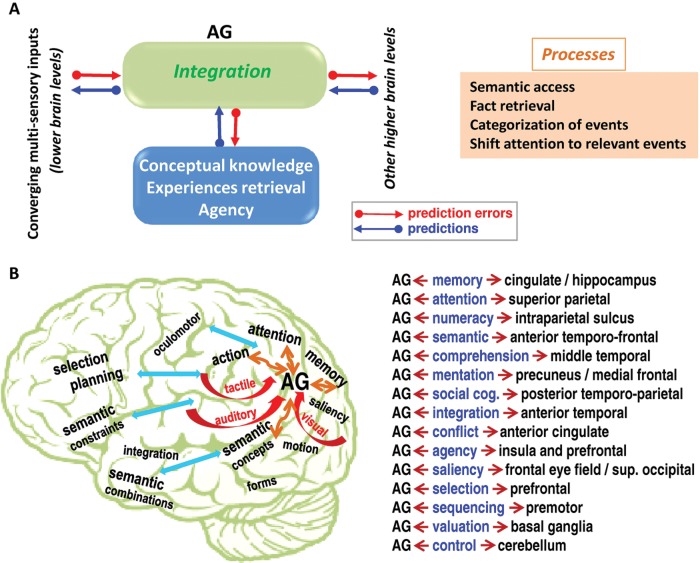
“The AG is also regarded as a cross-modal integrative hub, and has been linked to multiple functions (Seghier 2013).”
BackgroundCorrelating MRI‐based brain volumetry and cognitive assessment in people with Down syndrome
Hamadelseed, O., & Skutella, T. (2023) · Brain and Behavior · doi:10.1002/brb3.3186 · Cited by 9
Putra, H. A., Park, K., Oba, H., & Yamashita, F. (2023) · Scientific Reports · doi:10.1038/s41598-023-49907-3 · Cited by 9
Xiang, J., Sun, Y., Wu, X., Guo, Y., Xue, J., Niu, Y., & Cui, X. (2023) · Brain Sciences · doi:10.3390/brainsci14010040 · Cited by 9
Neural correlates of an illusionary sense of agency caused by virtual reality
Cai, Y., Yang, H., Wang, X., Xiong, Z., Kühn, S., Bi, Y., & Wei, K. (2024) · Cerebral Cortex · doi:10.1093/cercor/bhad547 · Cited by 9
Perret, M., Neige, C., Brunelin, J., & Mondino, M. (2024) · International Journal of Clinical and Health Psychology · doi:10.1016/j.ijchp.2024.100449 · Cited by 9
Mild Behavioral Impairment and Cortical Thinning: Biomarkers of Early Neurodegeneration
Leow, Y. J., Saffari, S. E., Vipin, A., Tanoto, P., Salim, R., Qiu, B., Ismail, Z., & Kandiah, N. (2025) · Biological Psychiatry Cognitive Neuroscience and Neuroimaging · doi:10.1016/j.bpsc.2025.06.010 · Cited by 9
Neuropsychobiological Fingerprints of Chronic Fatigue in Sarcoidosis
Kettenbach, S., Radke, S., Müller, T., Habel, U., & Dreher, M. (2021) · Frontiers in Behavioral Neuroscience · doi:10.3389/fnbeh.2021.633005 · Cited by 9
Neural correlates of intra-saccadic motion perception
Nicolas, G., Castet, É., Rabier, A., Kristensen, E., Dojat, M., & Guérin-Dugué, A. (2021) · Journal of Vision · doi:10.1167/jov.21.11.19 · Cited by 9
Cai, L., Xu, X., Fan, X., Ma, J., Fan, M., Wang, Q., Wu, Y., Pan, N., Yin, Z., & Li, X. (2021) · Frontiers in Human Neuroscience · doi:10.3389/fnhum.2021.748919 · Cited by 9
Sublexical cues affect degraded speech processing: insights from fMRI
Al-Zubaidi, A., Bräuer, S., Holdgraf, C., Schepers, I. M., & Rieger, J. W. (2022) · Cerebral Cortex Communications · doi:10.1093/texcom/tgac007 · Cited by 9
“The inferior parietal cortex, specifically the AG and SMG, is activated in tasks involving semantic integration or phonological working memory (Paulesu et al. 1993; Seghier 2013; Oberhuber et al. 2016).”
BackgroundHand constraint reduces brain activity and affects the speed of verbal responses on semantic tasks
Onishi, S., Tobita, K., & Makioka, S. (2022) · Scientific Reports · doi:10.1038/s41598-022-17702-1 · Cited by 9
Typicality in the brain during semantic and episodic memory decisions
Delhaye, E., Coco, M. I., Bahri, M. A., & Raposo, A. (2023) · Neuropsychologia · doi:10.1016/j.neuropsychologia.2023.108529 · Cited by 10
Holt-Gosselin, B., Keding, T. J., Poulin, R., Brieant, A. E., Rueter, A., Hendrickson, T. J., Perrone, A. J., Byington, N., Houghton, A., Miranda-Domínguez, Ó., et al. (2023) · Biological Psychiatry Cognitive Neuroscience and Neuroimaging · doi:10.1016/j.bpsc.2023.05.001 · Cited by 9
Elevated Insulin Levels Engage the Salience Network during Multisensory Perception
Schumann, K., Rodriguez‐Raecke, R., Sijben, R., & Freiherr, J. (2023) · Neuroendocrinology · doi:10.1159/000533663 · Cited by 9
Oshima, H., Shiga, T., Niwa, S., Enomoto, H., Ugawa, Y., & Yabe, H. (2016) · Clinical EEG and Neuroscience · doi:10.1177/1550059416630483 · Cited by 9
Park, H., Park, Y.-H., Cha, J., Seo, S. W., Na, D. L., & Lee, J. (2017) · PLoS ONE · doi:10.1371/journal.pone.0171803 · Cited by 9
Wang, P., Li, R., Yu, J., Huang, Z., Yan, Z., Zhao, K., & Li, J. (2017) · Frontiers in Behavioral Neuroscience · doi:10.3389/fnbeh.2017.00174 · Cited by 9
“As a part of the default mood network, it is striking to see the high similarity in task-free deactivation in angular gyrus (Menon, 2011; Seghier, 2013).”
BackgroundHow do you perceive threat? It’s all in your pattern of brain activity
Fernandes, O., Portugal, L. C. L., Alves, R. D. C. S., Sanchez, T. A., Volchan, E., Pereira, M. G., Mourão-Miranda, J., & Oliveira, L. (2019) · Brain Imaging and Behavior · doi:10.1007/s11682-019-00177-6 · Cited by 9
“The role of this region seems to be related to processing concepts (e.g., when a motor response is requested after a stimulus) rather than perception (Seghier 2012).”
BackgroundKaneko, F., Shibata, E., Okawada, M., & Nagamine, T. (2019) · Brain stimulation · doi:10.1016/j.brs.2019.10.016 · Cited by 10
Morpho-Functional Basis of Complex Sentence Processing in Adults and Children
Станкова, Е. П., Guillemard, D., & Galperina, E. I. (2020) · Human Physiology · doi:10.1134/s0362119720030135 · Cited by 9
Wu, H.-Y., Kuo, B.-C., Huang, C., Tsai, P.-J., Hsu, A., Hsu, L.-M., Liu, C.-Y., Chen, J., & Wu, C. W. (2020) · Frontiers in Human Neuroscience · doi:10.3389/fnhum.2020.571118 · Cited by 9
Anatomical bases of fast parietal grasp control in humans: A diffusion-MRI tractography study
Richard, N., Desmurget, M., Teillac, A., Beuriat, P.-A., Bardi, L., Coudé, G., Szathmári, A., Mottolèse, C., Sirigu, A., & Hiba, B. (2021) · NeuroImage · doi:10.1016/j.neuroimage.2021.118002 · Cited by 9
Morality as an Evolutionary Exaptation
Arvan, M. (2021) · Synthese Library/Synthese library · doi:10.1007/978-3-030-68802-8_5 · Cited by 9
Cortical mechanisms of visual hypersensitivity in women at risk for chronic pelvic pain
Kmiecik, M. J., Tu, F. F., Silton, R. L., Dillane, K. E., Roth, G. E., Harte, S. E., & Hellman, K. M. (2021) · Pain · doi:10.1097/j.pain.0000000000002469 · Cited by 9
Fractionating the episodic buffer
Twick, M., & Levy, D. A. (2021) · Brain and Cognition · doi:10.1016/j.bandc.2021.105800 · Cited by 9
Dyck, D. V., Deconinck, N., Aeby, A., Baijot, S., Coquelet, N., Trotta, N., Rovaï, A., Goldman, S., Urbain, C. M., Wens, V., et al. (2021) · NeuroImage Clinical · doi:10.1016/j.nicl.2021.102928 · Cited by 9
Macedonia, M., & Repetto, C. (2016) · International Journal of Learning Teaching and Educational Research · Cited by 9
Perez, K. D. (2011) · Cited by 9
The Hot Hand, Competitive Experience, and Performance Differences by GenderPreprint
Cotton, C. S., & Price, J. (2006) · SSRN Electronic Journal · doi:10.2139/ssrn.933677 · Cited by 9
Teeth, tools and human becomingPreprint
Overmann, K. A. (2021) · SocArXiv (OSF Preprints) · doi:10.31235/osf.io/u8kdf · Cited by 9
Semantic reasoning takes place largely outside the language networkPreprint
Ivanova, A. A., Kauf, C., Gao, R., She, J. S., Kean, H., Goldhaber, T. S., Nieto-Castañón, A., Varley, R. A., Kanwisher, N., & Fedorenko, E. G. (2025) · bioRxiv (Cold Spring Harbor Laboratory) · doi:10.64898/2025.12.07.692873 · Cited by 10
Travaglini, K. J., Gabitto, M. I., Ding, Y., Agrawal, A., Postupna, N. O., Mahoney, J. T., Kaplan, E. S., Melief, E. J., Goldy, J., Chakka, A. B., et al. (2026) · bioRxiv (Cold Spring Harbor Laboratory) · doi:10.64898/2026.07.01.734821 · Cited by 9
Tang, R., Jin, Y., Xu, K., Wu, L., Chen, X., Guo, Y., Li, G., & Li, J. (2025) · Brain Imaging and Behavior · doi:10.1007/s11682-024-00964-w · Cited by 8
Ikeda, T., Inoue, A., Tanaka, D., Hashimoto, T., Sutoko, S., Tokuda, T., Kyutoku, Y., Maki, A., Yamagata, T., Dan, I., et al. (2021) · Frontiers in Neuroergonomics · doi:10.3389/fnrgo.2021.657657 · Cited by 7
Metadata
- Authors
- Seghier, M. L.
- Affiliations
- Wellcome Centre for Human Neuroimaging (GB)
- Corresponding author
- Seghier, Mohamed L.
- ORCID
- Seghier, Mohamed L.
- Venue
- The Neuroscientist
- Publisher
- SAGE Publications
- Published
- 2012-04-30
- Volume
- 19
- Issue
- 1
- Pages
- 43-61
- ISSN
- 1073-8584 (ISSN-L)
- 1089-4098
- PMC
- PMC4107834
- OpenAlex
- W2134248637
- Cited by
- 1,585
- References
- 157
- Citations by year
- 2026: 95 · 2025: 166 · 2024: 127 · 2023: 127 · 2022: 180 · 2021: 149 · 2020: 131 · 2019: 130 · 2018: 107 · 2017: 115 · 2016: 90 · 2015: 71 · 2014: 53 · 2013: 38 · 2012: 2
- FWCI
- 26.83
- Type
- journal article
- Language
- en
- Open access
- hybrid
- doi.org
- Licence
- cc-by
- journals.sagepub.com/page/policies/text-and-data-mining-license (tdm)
- Locations
- The Neuroscientist (publishedVersion, cc-by)
- PubMed Central (publishedVersion, cc-by)
- PubMed (publishedVersion)
- UCL Discovery (University College London) (submittedVersion)
- Funders
- Wellcome Trust
- Topics
- Life Sciences › Neuroscience › Cognitive Neuroscience › Neurobiology of Language and Bilingualism
- Social Sciences › Psychology › Developmental and Educational Psychology › Reading and Literacy Development
- Social Sciences › Psychology › Developmental and Educational Psychology › Cognitive and developmental aspects of mathematical skills
- Keywords
- angular gyrus, inferior parietal lobule, semantic processing, word reading, number processing, default mode network, memory retrieval, attention, spatial cognition, reasoning, social cognition, cross-modal integration, multisensory integration, parcellation, functional specialization
- MeSH terms
- Brain Mapping, Cognition, Diagnostic Imaging, Humans, Image Processing, Computer-Assisted, Neural Pathways, Parietal Lobe, Reading, Semantics, Meta-Analysis as Topic
About these checks
Registry, retraction, Cites and statistics results are computed, not judged, with one exception: a printed reference that no index lists is read once by a model before it counts as a citation error. Claims are extracted by a model and kept only when their quote appears verbatim in the text; each cited source is then checked, with a model’s help, for whether it says what the claim relies on. Those verdicts can be wrong — read the claim’s quote and the cited source before relying on one.
Statistics and arithmetic are recomputed, not judged.
Confidence bands are shown only for fields calibrated on our annotated test set. None is calibrated yet, so no band is shown.
What counts as a claim ›How we measure confidence ›How we check this ›
Are you an author, or do you see a problem with this page? Request a review
Data sources
Bibliographic data: Semantic Scholar, OpenAlex, Crossref.
Contains information from the Semantic Scholar Academic Graph Datasets, made available under the ODC Attribution License (ODC-BY 1.0).
Semantic Scholar’s data is described in: Kinney, R., et al. (2023). The Semantic Scholar Open Data Platform. arXiv:2301.10140.
