

The Angular Gyrus: Multiple Functions and Multiple Subdivisions
Open accessThe DOI matches its Crossref record; 157 of the 157 references it cites were found in a registry or an index.
Abstract
There is considerable interest in the structural and functional properties of the angular gyrus (AG). Located in the posterior part of the inferior parietal lobule, the AG has been shown in numerous meta-analysis reviews to be consistently activated in a variety of tasks. This review discusses the involvement of the AG in semantic processing, word reading and comprehension, number processing, default mode network, memory retrieval, attention and spatial cognition, reasoning, and social cognition. This large functional neuroimaging literature depicts a major role for the AG in processing concepts rather than percepts when interfacing perception-to-recognition-to-action. More specifically, the AG emerges as a cross-modal hub where converging multisensory information is combined and integrated to comprehend and give sense to events, manipulate mental representations, solve familiar problems, and reorient attention to relevant information. In addition, this review discusses recent findings that point to the existence of multiple subdivisions in the AG. This spatial parcellation can serve as a framework for reporting AG activations with greater definition. This review also acknowledges that the role of the AG cannot comprehensibly be identified in isolation but needs to be understood in parallel with the influence from other regions. Several interesting questions that warrant further investigations are finally emphasized.
Overview
The claims and statistics of this paper haven’t been checked yet.
Free: it reads the open-access text and checks the first 5 claims that cite a source we can check. Create a free account to check every claim.
Integrity signals
Registry
Cites
Statistics
Figures
Verification
Claims the paper makes
The claims and statistics of this paper haven’t been checked yet.
Free: it reads the open-access text and checks the first 5 claims that cite a source we can check. Create a free account to check every claim.
Claims other papers make about this one
Each is checked against this paper’s own text: does it say what the citing paper says it does?
In the citing paper
“Furthermore, it was previously thought that these areas were involved in self-referential processes [64–66], perspective taking [67], cognitive distancing [68–71], and sustained attention [72].”
From The meditative mind: a comprehensive meta-analysis of MRI studies. (2015) · cites this paper as [64]
Self-check
Percentages, sums and reported differences re-computed from the paper’s own numbers.
The self-check needs the paper’s full text.
Citations
Cites
A default mode of brain function
Raichle, M. E., MacLeod, A. M., Snyder, A. Z., Powers, W. J., Gusnard, D. A., & Shulman, G. L. (2001) · Proceedings of the National Academy of Sciences · doi:10.1073/pnas.98.2.676 · Cited by 12,190
The Brain's Default Network: Anatomy, Function, and Relevance to Disease
Buckner, R. L., Andrews‐Hanna, J. R., & Schacter, D. L. (2008) · Annals of the New York Academy of Sciences · doi:10.1196/annals.1440.011 · Cited by 9,761
The organization of the human cerebral cortex estimated by intrinsic functional connectivity
Thomas Yeo, B. T., Krienen, F. M., Sepulcre, J., Sabuncu, M. R., Lashkari, D., Hollinshead, M., Roffman, J. L., Smoller, J. W., Zöllei, L., Polimeni, J. R., et al. (2011) · Journal of Neurophysiology · doi:10.1152/jn.00338.2011 · Cited by 9,182
The free-energy principle: a unified brain theory?
Friston, K. (2010) · Nature Reviews Neuroscience · doi:10.1038/nrn2787 · Cited by 8,120 · cited 1×
“This framework is borrowed from the popular predictive coding framework (as reviewed in Friston 2010) that models the brain as a hierarchical inference engine that is trying to optimize probabilistic representations of what caused its sensory input.”
The organization of the human cerebellum estimated by intrinsic functional connectivity
Buckner, R. L., Krienen, F. M., Castellanos, A., Diaz, J. C., & Yeo, B. T. T. (2011) · Journal of Neurophysiology · doi:10.1152/jn.00339.2011 · Cited by 7,304
Functional connectivity in the resting brain: a network analysis of the default mode hypothesis
Greicius, M. D., Krasnow, B., Reiss, A. L., & Menon, V. (2003) · Proceedings of the National Academy of Sciences · doi:10.1073/pnas.0135058100 · Cited by 6,358
Dynamic mapping of human cortical development during childhood through early adulthood
Gogtay, N., Giedd, J. N., Lusk, L., Hayashi, K. M., Greenstein, D., Vaituzis, A. C., Nugent, T. F., Herman, D. H., Clasen, L. S., Toga, A. W., et al. (2004) · Proceedings of the National Academy of Sciences · doi:10.1073/pnas.0402680101 · Cited by 5,604 · cited 1×
“Its cortical volume is estimated at around 13.2 cm3 and 11.7 cm3 in the left and right hemisphere, respectively (Rademacher and others 1992), suggesting a relative leftgreater-than-right structural asymmetry (see also Eidelberg and Galaburda 1984).”
BackgroundInfluentialCorrespondence of the brain's functional architecture during activation and rest
Smith, S. M., Fox, P. T., Miller, K. L., Glahn, D. C., Fox, P. M., Mackay, C. E., Filippini, N., Watkins, K. E., Toro, R., Laird, A. R., et al. (2009) · Proceedings of the National Academy of Sciences · doi:10.1073/pnas.0905267106 · Cited by 5,150
Mapping the structural core of human cerebral cortex
Hagmann, P., Cammoun, L., Gigandet, X., Meuli, R., Honey, C. J., Wedeen, V. J., & Sporns, O. (2008) · PLoS Biology · doi:10.1371/journal.pbio.0060159 · Cited by 4,173 · cited 1×
“…London, UK Corresponding Author: Dr. Mohamed L. Seghier, Wellcome Department of Imaging Neuroscience, Institute of Neurology, 12 Queen Square, London WC1N 3BG, UK Email: m.seghier@fil.ion.ucl.ac.uk There is considerable interest in the structural and functional properties of the angular gyrus (AG).”
BackgroundBinder, J. R., Desai, R. H., Graves, W. W., & Conant, L. L. (2009) · Cerebral Cortex · doi:10.1093/cercor/bhp055 · Cited by 4,060 · cited 1×
“For instance, Binder and others (2009) found that the most consistent semantic activation across 120 functional neuroimaging studies was located within the left AG (Binder and others 2009), with a less strong but consistent effect in the right AG as well.”
Background
Research works printed but not linked: 5
- Barnes KA, 2011, Cereb Cortex
- Dejerine J, 1891, Societe de Biologie, 43, 197
- Kelly C, 2010, Eur J Neurol, 32, 383
- Mar RA, 2011, Annu Rev Neurosci, 62, 103
- 10.1227/00006123-199503000-00011 · doi:10.1227/00006123-199503000-00011 · Paper page
Cited by
Items 301–400 of 1,001
de Cates, A. N., Wright, L. C., Martens, M., Gibson, D., Türkmen, C., Filippini, N., Cowen, P. J., Harmer, C. J., & Murphy, S. E. (2021) · Translational Psychiatry · doi:10.1038/s41398-021-01568-4 · Cited by 48
Sun, J., Guo, C., Ma, Y., Gao, S., Luo, Y., Chen, Q., Yang, H., Hou, X., Xiao, X., Yu, X., et al. (2023) · Journal of Affective Disorders · doi:10.1016/j.jad.2023.01.035 · Cited by 49
Functional activation during reading in relation to the sulci of the angular gyrus region
Segal, E., & Petrides, M. (2013) · European Journal of Neuroscience · doi:10.1111/ejn.12277 · Cited by 49
“…however, that studies based on lesions resulting from brain disease cannot be localized to specific parts of the posterior parietal region, and even less to specific parts of the angular gyrus region (Brodmann, 1909; Economo & Koskinas, 1925; Critchley, 1966; Caspers et al., 2006; Seghier, 2013).”
BackgroundMotor Imagery Learning Induced Changes in Functional Connectivity of the Default Mode Network
Ge, R., Zhang, H., Li, Y., & Long, Z. (2014) · IEEE Transactions on Neural Systems and Rehabilitation Engineering · doi:10.1109/tnsre.2014.2332353 · Cited by 47
“Since the LPC has been associated with spatial information processing, the alteration of the activities in the LPC may be associated with the ability of spatial processing [51], [66].”
BackgroundInfluentialProcessing of Human Body Odors
Parma, V., Gordon, A. R., Cecchetto, C., Cavazzana, A., Lundström, J. N., & Olsson, M. J. (2017) · Springer eBooks · doi:10.1007/978-3-319-26932-0_51 · Cited by 49
Affective creativity meets classic creativity in the scanner
Perchtold‐Stefan, C. M., Papousek, I., Koschutnig, K., Rominger, C., Weber, H., Weiss, E. M., & Fink, A. (2017) · Human Brain Mapping · doi:10.1002/hbm.23851 · Cited by 47
“An alternative and perhaps more straightforward interpretation is that both the precuneus and AG also play a major role in social cognition [Cavanna and Trimble, 2006; Seghier, 2013].”
BackgroundRocca, R., Coventry, K. R., Tylén, K., Staib, M., Lund, T. E., & Wallentin, M. (2019) · NeuroImage · doi:10.1016/j.neuroimage.2019.116128 · Cited by 47
Unique white matter structural connectivity in early-stage drug-naive Parkinson disease
Mishra, V. R., Sreenivasan, K. R., Yang, Z., Zhuang, X., Cordes, D., Mari, Z. K., Litvan, I., Fernandez, H. H., Eidelberg, D., Ritter, A. R., et al. (2019) · Neurology · doi:10.1212/wnl.0000000000008867 · Cited by 47
Uhlmann, L., Pazen, M., van Kemenade, B. M., Steinsträter, O., Harris, L. R., Kircher, T. T. J., & Straube, B. (2020) · Human Brain Mapping · doi:10.1002/hbm.24958 · Cited by 47
Martens, M., Filippini, N., Harmer, C. J., & Godlewska, B. R. (2021) · Psychopharmacology · doi:10.1007/s00213-021-05915-7 · Cited by 48
“This may be related to the role of posterior DMN and the right IPL in involuntary attentional processing, crucial for appropriate processing of the sensorimotor stimuli (Seghier 2013).”
BackgroundYuan, M., Liu, B., Yang, B., Dang, W., Xie, H., Lui, S., Qiu, C., Zhu, H., & Zhang, W. (2023) · Journal of Affective Disorders · doi:10.1016/j.jad.2023.04.099 · Cited by 46
Kizilirmak, J. M., Schott, B. H., Thuerich, H., Sweeney‐Reed, C. M., Richter, A., Folta-Schoofs, K., & Richardson‐Klavehn, A. (2019) · Consciousness and Cognition · doi:10.1016/j.concog.2019.01.005 · Cited by 47
“…part of the DMN (i.e. PCC/precuneus, MTG, and ANG/IPL, i.e., the temporo-parietal junction, TPJ) in semantic integration (Hagoort et al., 2009; Seghier, 2013; Shimamura, 2011), a phenomenon that is likely to have contributed to successful learning of the solutions of the sudden comprehension…”
Elder, J., Cheung, B., Davis, T. H., & Hughes, B. (2023) · Journal of Personality and Social Psychology · doi:10.1037/pspa0000315 · Cited by 49
Chronic Early Stress Impairs Default Mode Network Connectivity in Preadolescents and Their Mothers
Zeev‐Wolf, M., Lévy, J., Goldstein, A., Zagoory‐Sharon, O., & Feldman, R. (2018) · Biological Psychiatry Cognitive Neuroscience and Neuroimaging · doi:10.1016/j.bpsc.2018.09.009 · Cited by 46
Effects of Alcohol Dependence Severity on Neural Correlates of Delay Discounting
Lim, A. C., Cservenka, A., & Ray, L. A. (2017) · Alcohol and Alcoholism · doi:10.1093/alcalc/agx015 · Cited by 45
Polygenic risk for depression and the neural correlates of working memory in healthy subjects
Yüksel, D., Dietsche, B., Forstner, A. J., Witt, S. H., Maier, R., Rietschel, M., Konrad, C., Nöthen, M. M., Dannlowski, U., Baune, B. T., et al. (2017) · Progress in Neuro-Psychopharmacology and Biological Psychiatry · doi:10.1016/j.pnpbp.2017.06.010 · Cited by 46
Neural Global Pattern Similarity Underlies True and False Memories
Ye, Z., Zhu, B., Zhuang, L., Lu, Z., Chen, C., & Xue, G. (2016) · Journal of Neuroscience · doi:10.1523/jneurosci.0425-16.2016 · Cited by 46
“Its correlation with semantic similarity is consistent with the DRM paradigm and the role of the LPC in semantic processing (Binder et al., 2009; Seghier, 2013).”
ResultGoldenberg, G. (2017) · Journal of the International Neuropsychological Society · doi:10.1017/s1355617716000989 · Cited by 46
“A possible anatomical basis for the manifoldness of functional consequences of angular and supramarginal lesions may be the richness of their fiber connections to adjoining and distant regions in temporal, parietal, and occipital regions (Seghier, 2013).”
BackgroundAdelhöfer, N., Gohil, K., Passow, S., Teufert, B., Roessner, V., Li, S., & Beste, C. (2018) · Human Brain Mapping · doi:10.1002/hbm.24344 · Cited by 45
Quaglieri, A., Mari, E., Boccia, M., Piccardi, L., Guariglia, C., & Giannini, A. M. (2020) · Brain Sciences · doi:10.3390/brainsci10060353 · Cited by 45
Yang, A., Du, L., Gao, W., Liu, B., Chen, Y., Wang, Y., Liu, X., Lv, K., Zhang, W., Xia, H., et al. (2022) · Quantitative Imaging in Medicine and Surgery · doi:10.21037/qims-22-7 · Cited by 45
“The angular gyrus is linked to memory retrieval, attention, spatial cognition, word reading, and comprehension, whereas the supramarginal gyrus is linked to phonological processing and emotional responses (44,45).”
BackgroundLudersdorfer, P., Wimmer, H., Richlan, F., Schurz, M., Hutzler, F., & Kronbichler, M. (2015) · NeuroImage · doi:10.1016/j.neuroimage.2015.09.039 · Cited by 48
How the brain processes violations of the grammatical norm: An fMRI study.
Hubers, F., Snijders, T., & de Hoop, H. (2016) · Brain and Language · doi:10.1016/j.bandl.2016.08.006 · Cited by 26
“These areas are usually involved when the interpretation can be integrated in conceptual memory (Binder et al., 2009; Seghier, 2013).”
BackgroundLim, H. K., Jung, W. S., & Aizenstein, H. J. (2013) · International Psychogeriatrics · doi:10.1017/s104161021300149x · Cited by 44
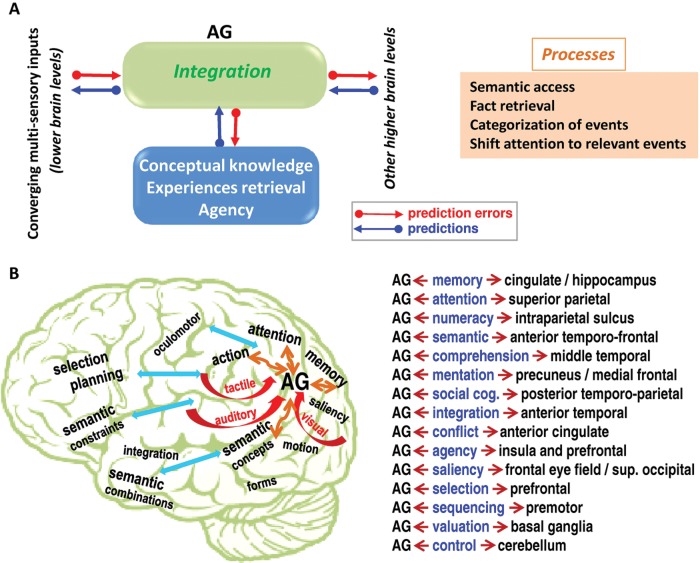
“More specifically, the angular gyrus emerges as a cross-modal hub where converging multi-sensory information is combined and integrated to comprehend and give sense to events, manipulate mental representations, solve familiar problems, and reorient attention to relevant information (Seghier, 2013).”
BackgroundInfluentialBrainNPT: Pre-Training Transformer Networks for Brain Network Classification
Hu, J., Huang, Y., Wang, N., & Dong, S. (2024) · IEEE Transactions on Neural Systems and Rehabilitation Engineering · doi:10.1109/tnsre.2024.3434343 · Cited by 44
Wang, L., Yu, L., Wu, F., Wu, H., & Wang, J. (2019) · Journal of Affective Disorders · doi:10.1016/j.jad.2019.04.040 · Cited by 44
Altered brain structural and functional connectivity in schizotypy
Wang, Y.-M., Cai, X., Zhang, R., Zhang, Y.-J., Zhou, H., Wang, Y., Wang, Y., Huang, J., Wang, Y., Cheung, E. F. C., et al. (2020) · Psychological Medicine · doi:10.1017/s0033291720002445 · Cited by 44
“The angular gyrus and the insula integrate and connect numerous surrounding regions (Seghier, 2013; Uddin, Nomi, HebertSeropian, Ghaziri, & Boucher, 2017) and increased structural Psychological Medicine 837 838 Yong‐m ing W ang et al. aCC.”
BackgroundRamanoël, S., Durteste, M., Bécu, M., Habas, C., & Arleo, A. (2020) · Frontiers in Human Neuroscience · doi:10.3389/fnhum.2020.552111 · Cited by 35
Differential contributions of left-hemispheric language regions to basic semantic composition
Graessner, A., Zaccarella, E., & Hartwigsen, G. (2021) · Brain Structure and Function · doi:10.1007/s00429-020-02196-2 · Cited by 44
Humphreys, G. F., & Tibon, R. (2022) · Brain Structure and Function · doi:10.1007/s00429-022-02510-0 · Cited by 44
van der Meer, D., Hoekstra, P. J., Bralten, J., van Donkelaar, M. M. J., Heslenfeld, D. J., Oosterlaan, J., Faraone, S. V., Franke, B., Buitelaar, J. K., & Hartman, C. A. (2016) · Genes Brain & Behavior · doi:10.1111/gbb.12307 · Cited by 45
Wang, J., Ji, Y., Li, X., He, Z., Wei, Q., Bai, T., Tian, Y., & Wang, K. (2020) · Progress in Neuro-Psychopharmacology and Biological Psychiatry · doi:10.1016/j.pnpbp.2020.109888 · Cited by 44
Brain functional connectivity changes in children that differ in impulsivity temperamental trait
Inuggi, A., Sanz‐Arigita, E., González-Salinas, C., Valero-García, A. V., GarcÃa-Santos, J. M., & Fuentes, L. J. (2014) · Frontiers in Behavioral Neuroscience · doi:10.3389/fnbeh.2014.00156 · Cited by 43
Ciaramelli, E., Faggi, G., Scarpazza, C., Mattioli, F., Spaniol, J., Ghetti, S., & Moscovitch, M. (2017) · Cortex · doi:10.1016/j.cortex.2017.03.015 · Cited by 43
Lai, C., Wu, Y., & Hou, Y. (2017) · Journal of Affective Disorders · doi:10.1016/j.jad.2017.03.073 · Cited by 43
Jung, J., Laverick, R., Nader, K., Brown, T., Morris, H., Wilson, M., Auer, D. P., Rotshtein, P., & Hosseini, A. A. (2021) · NeuroImage Clinical · doi:10.1016/j.nicl.2021.102742 · Cited by 43
Klug, M., Enneking, V., Borgers, T., Jacobs, C. M., Dohm, K., Kraus, A., Grotegerd, D., Opel, N., Repple, J., Suslow, T., et al. (2024) · Molecular Psychiatry · doi:10.1038/s41380-024-02429-4 · Cited by 43
Clemens, B., Jung, S., Mingoia, G., Weyer, D., Domahs, F., & Willmes, K. (2014) · PLoS ONE · doi:10.1371/journal.pone.0095984 · Cited by 43
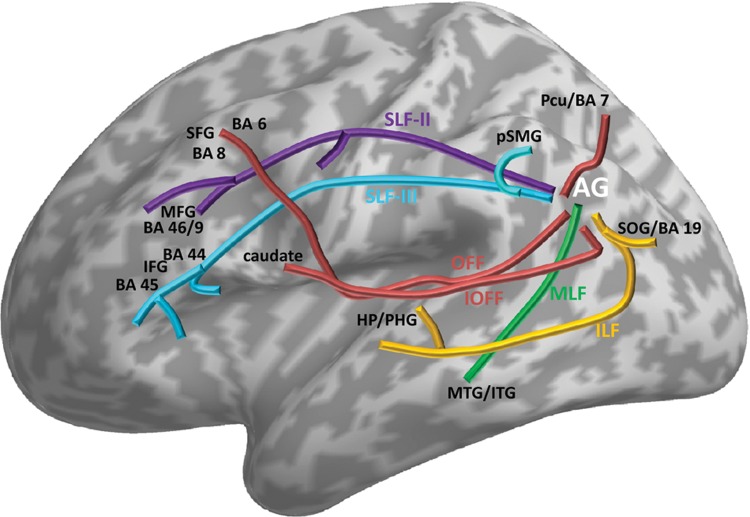
“Via the middle longitudinal fasciculus and the posterior part of the arcuate fasciculus, the AG is anatomically connected to several ventral temporal regions which are located in close proximity to the visual clusters of activity detected here [76,100,101].”
BackgroundLefort‐Besnard, J., Bassett, D. S., Smallwood, J., Margulies, D. S., Derntl, B., Gruber, O., Aleman, A., Jardri, R., Varoquaux, G. P., Thirion, B., et al. (2017) · Human Brain Mapping · doi:10.1002/hbm.23870 · Cited by 43
“These schemes ensured pattern generalization by measuring the goodness of fit in unseen data as a proxy for extrapolation to the general population (Shalev-Shwartz & Ben-David, 2014).”
A Practical Review of Functional MRI Anatomy of the Language and Motor Systems
Hill, V. B., Cankurtaran, C. Z., Liu, B. P., Hijaz, T. A., Naidich, M. J., Nemeth, A. J., Gastala, J. B., Krumpelman, C., McComb, E. N., & Korutz, A. (2019) · American Journal of Neuroradiology · doi:10.3174/ajnr.a6089 · Cited by 42
Lower Parietal Encoding Activation Is Associated with Sharper Information and Better Memory
Lee, H., Chun, M. M., & Kuhl, B. A. (2016) · Cerebral Cortex · doi:10.1093/cercor/bhw097 · Cited by 38
Brain Volume Differences Associated With Hearing Impairment in Adults
Alfandari, D., Vriend, C., Heslenfeld, D. J., Versfeld, N. J., Kramer, S. E., & Zekveld, A. A. (2018) · Trends in Hearing · doi:10.1177/2331216518763689 · Cited by 42
“The angular gyrus is considered to be an interface for the integration and transfer of information from different modalities and processing subsystems (see Seghier, 2013 for a review).”
BackgroundThe electrophysiology of language comprehension A neurocomputational model
Brouwer, H. (2014) · University of Groningen research database (University of Groningen / Centre for Information Technology) · Cited by 42
Liu, S., Luo, S., Yan, T., Ma, W., Wei, X., Chen, Y., Zhan, S., & Wang, B. (2021) · Frontiers in Neurology · doi:10.3389/fneur.2021.680896 · Cited by 41
Janssen, T. W. P., Geladé, K., van Mourik, R., Maras, A., & Oosterlaan, J. (2015) · Clinical Neurophysiology · doi:10.1016/j.clinph.2015.10.051 · Cited by 41
“It has been proposed that the AG is an important interface between converging bottom-up inputs and top-down predictions (Seghier, 2013).”
Developmental Dyscalculia: Neurobiological, Cognitive, and Developmental Perspectives
Kuhn, J. (2015) · Zeitschrift für Psychologie · doi:10.1027/2151-2604/a000205 · Cited by 42
Zhou, J., Zeng, F., Cheng, S.-R., Dong, X., Jiang, N., Zhang, X.-Y., Tang, C.-J., He, W., Chen, Y., Sun, N., et al. (2023) · CNS Neuroscience & Therapeutics · doi:10.1111/cns.14153 · Cited by 35
Ansari, D. (2015) · Elsevier eBooks · doi:10.1016/b978-0-12-801871-2.00002-2 · Cited by 43
Qian, A., Wang, X., Liu, H., Tao, J., Zhou, J., Ye, Q., Li, J., Yang, C., Cheng, J., Zhao, K., et al. (2018) · Neuroscience Bulletin · doi:10.1007/s12264-018-0217-7 · Cited by 42
“station for the integration of internal and external information and highlights the convergence of different multimodal inputs into the angular gyrus and interactions with different subsystems that include memory and attention (superior parietal area) [36, 37].”
BackgroundAction and semantic tool knowledge – Effective connectivity in the underlying neural networks
Kleineberg, N. N., Dovern, A., Binder, E., Grefkes, C., Eickhoff, S. B., Fink, G. R., & Weiss, P. H. (2018) · Human Brain Mapping · doi:10.1002/hbm.24188 · Cited by 40
“| 7I et al. 3479 have been shown previously in numerous neuroimaging studies during semantic processing (Binder, Desai, Graves, & Conant, 2009; Chao et al., 1999; Chen et al., 2016; Price, Bonner, Peelle, & Grossman, 2015; Rumiati et al., 2004; Seghier, 2013; Zhang, et al., 2016).”
BackgroundSupraspinal nociceptive networks in neuropathic pain after spinal cord injury
Huynh, V., Lütolf, R., Rösner, J., Luechinger, R., Curt, A. E. P., Kollias, S. S., Hubli, M., & Michels, L. (2021) · Human Brain Mapping · doi:10.1002/hbm.25401 · Cited by 40
“The angular gyrus also functionally integrates multiple inputs and is subpart of the default-mode network (Seghier, 2013)”
BackgroundDörl, G., Matt, E., & Beisteiner, R. (2022) · Neurology and Therapy · doi:10.1007/s40120-022-00362-8 · Cited by 40
An exploratory fMRI study into inferences of self-agency
Renes, R. A., van Haren, N. E. M., Aarts, H., & Vink, M. (2015) · Social Cognitive and Affective Neuroscience · doi:10.1093/scan/nsu106 · Cited by 37
Burles, F., Slone, E., & Iaria, G. (2016) · Brain Structure and Function · doi:10.1007/s00429-016-1288-8 · Cited by 40
“…such as the precuneus (Cavanna and Trimble 2006), posterior cingulate (Maddock et al. 2001; Wagner et al. 2005), and lateral superior occipital cortex (Seghier 2013), and potentially influenced by goal-directed cognitive control mechanisms related to the medial frontal cortex (Ridderinkhof 2004).”
BackgroundPrice, G. R., Yeo, D. J. S., Wilkey, E. D., & Cutting, L. E. (2017) · Developmental Cognitive Neuroscience · doi:10.1016/j.dcn.2017.02.006 · Cited by 40
Qian, W., Fischer, C. E., Churchill, N. W., Kumar, S., Rajji, T. K., & Schweizer, T. A. (2019) · American Journal of Geriatric Psychiatry · doi:10.1016/j.jagp.2019.03.020 · Cited by 41
Neural Systems for Own-body Processing Align with Gender Identity Rather Than Birth-assigned Sex
Majid, D. S. A., Burke, S., Manzouri, A., Moody, T. D., Dhejne, C., Feusner, J. D., & Savic, I. (2019) · Cerebral Cortex · doi:10.1093/cercor/bhz282 · Cited by 40
Hazelton, J. L., Fittipaldi, S., Fraile-Vazquez, M., Sourty, M., Legaz, A., Hudson, A. L., Cordero, I. G., Salamone, P. C., Yoris, A., Ibañez, A., et al. (2023) · Cortex · doi:10.1016/j.cortex.2023.02.009 · Cited by 39
“…identified as important for emotion recognition in AD are commonly implicated in memory processing, with the middle temporal gyrus and angular gyrus being involved in autobiographical memory, semantic memory, and future thinking (Davey et al., 2016; Ramanan, Piguet, & Irish, 2018; Seghier, 2013).”
BackgroundWilliams, S., Mazibuko, N., O’Daly, O., Zurth, C., Patrick, F., Kappeler, C., Kuss, I., & Cole, P. E. (2023) · Targeted Oncology · doi:10.1007/s11523-023-00959-5 · Cited by 39
“For example, the superior temporal gyrus is integral to auditory processing [33], the temporoparietal junction is associated with the attentional network [34], and the angular gyrus is an integration hub, combining multisensory inputs for problem solving and attentional orientation [35].”
BackgroundBrains in space: impact of microgravity and cosmic radiation on the CNS during space exploration
Wuyts, F. L., Deblieck, C., Vandevoorde, C., & Durante, M. (2025) · Nature reviews. Neuroscience · doi:10.1038/s41583-025-00923-4 · Cited by 40
The Semantic System Supports the Processing of Mathematical Principles
Liu, J., Yuan, L. Y., Chen, C., Cui, J., Zhang, H., & Zhou, X. (2019) · Neuroscience · doi:10.1016/j.neuroscience.2019.01.043 · Cited by 39
Imaging Happiness: Meta Analysis and Review
Tanzer, J. R., & Weyandt, L. L. (2019) · Journal of Happiness Studies · doi:10.1007/s10902-019-00195-7 · Cited by 39
“There was unique activation in the angular gyri, retrosplenial cortices, both regions that are related to word processing (Maddock 1999; Seghier 2013).”
BackgroundIs Migraine Associated to Brain Anatomical Alterations? New Data and Coordinate-Based Meta-analysis
Masson, R., Demarquay, G., David Meunier, A., Lévêque, Y., Hannoun, S., Bidet‐Caulet, A., & Caclin, A. (2021) · Brain Topography · doi:10.1007/s10548-021-00824-6 · Cited by 39
Yordanova, J., Kolev, V., Nicolardi, V., Simione, L., Mauro, F., Garberi, P., Raffone, A., & Malinowski, P. (2021) · Scientific Reports · doi:10.1038/s41598-021-84325-3 · Cited by 39
Winters, D. E., Pruitt, P. J., Fukui, S., Cyders, M. A., Pierce, B. J., Lay, K., & Damoiseaux, J. S. (2021) · Neuropsychologia · doi:10.1016/j.neuropsychologia.2021.107832 · Cited by 40
Wagner, J., & Rusconi, E. (2022) · Brain Structure and Function · doi:10.1007/s00429-022-02576-w · Cited by 39
“Targeting the left AG, right AG and vertex and including no TMS trials, the study tested 11 participants and investigated conflict in action selection by adopting a Simon task, where participants responded to a stimulus presented to the left of the right of a central fixation point, in this case an N or an H, based on…”
BackgroundMethodInfluentialRavan, M., Noroozi, A., Sanchez, M. M., Borden, L., Alam, N., Flor-Henry, P., & Hasey, G. (2022) · Clinical Neurophysiology · doi:10.1016/j.clinph.2022.11.014 · Cited by 39
Swett, K. E., Miller, A. C., Burns, S. S., Hoeft, F., Davis, N., Petrill, S. A., & Cutting, L. E. (2013) · Frontiers in Human Neuroscience · doi:10.3389/fnhum.2013.00853 · Cited by 39
“Both regions have been previously identified as multi-function, cognitive “hubs,” which perform higher-order cognitive processes (Chow et al., 2013; Seghier, 2013).”
BackgroundNeural Basis of Enhanced Executive Function in Older Video Game Players: An fMRI Study
Wang, P., Zhu, X.-T., Qi, Z., Huang, S., & Li, H. (2017) · Frontiers in Aging Neuroscience · doi:10.3389/fnagi.2017.00382 · Cited by 41
“Moreover, both Ye and Zhou (2009) and Seghier (2013) concluded that the right angular gyrus was strongly activated in all conflict tasks.”
BackgroundDemers, L. A., Schreiner, M. W., Hunt, R. H., Mueller, B. A., Klimes-Dougan, B., Thomas, K. M., & Cullen, K. R. (2019) · Journal of Affective Disorders · doi:10.1016/j.jad.2019.02.038 · Cited by 38
Stomach–brain coupling indexes a dimensional signature of mental health
Banellis, L., Rebollo, I., Nikolova, N. E., & Allen, M. (2025) · Nature Mental Health · doi:10.1038/s44220-025-00468-6 · Cited by 40
“Notably, the left superior angular gyrus, our model’s most prominently featured region, is crucial for its integrative role in various cognitive functions 47 .”
Mental Rotation with Egocentric and Object-Based Transformations
Voyer, D., Jansen, P., & Kaltner, S. (2017) · Quarterly Journal of Experimental Psychology · doi:10.1080/17470218.2016.1233571 · Cited by 38
“Specifically, left–right discrimination has been shown to activate the angular gyrus (Hirnstein, Bayer, Ellison, & Hausmann, 2011), a structure that is inferred to be a multisensory hub involved in the link between perception, recognition, and action as a result of its role in the processing of sensory–motor events (S…”
BackgroundCognitive decline in metabolic syndrome is linked to microstructural white matter abnormalities
Alfaro, F. J., Lioutas, V., Maldonado, D. P., Chung, C., Bedoya, F. J., Yoo, W., & Novak, V. (2016) · Journal of Neurology · doi:10.1007/s00415-016-8292-z · Cited by 39
Self and other body perception in anorexia nervosa: The role of posterior DMN nodes
Via, E., Goldberg, X., Sánchez, I., Forcano, L., Harrison, B. J., Davey, C. G., Pujol, J., Martínez‐Zalacaín, I., Fernández‐Aranda, F., Soriano‐Mas, C., et al. (2016) · The World Journal of Biological Psychiatry · doi:10.1080/15622975.2016.1249951 · Cited by 38
Task-dependent neural and behavioral effects of verb argument structure features
Александровна, М. С., & den Ouden, D. (2017) · Brain and Language · doi:10.1016/j.bandl.2017.01.006 · Cited by 41
The Evolution of the Parietal Lobes in the Genus Homo
Bruner, E., Amano, H., Pereira‐Pedro, A. S., & Ogihara, N. (2017) · Springer eBooks · doi:10.1007/978-4-431-56582-6_15 · Cited by 39
Klein, E., Willmes, K., Bieck, S. M., Bloechle, J., & Moeller, K. (2018) · Cortex · doi:10.1016/j.cortex.2018.05.017 · Cited by 38
Ćurić, S., Andreou, C., Nolte, G., Steinmann, S., Thiebes, S., Polomac, N., Haaf, M., Rauh, J., Leicht, G., & Mulert, C. (2021) · Frontiers in Psychiatry · doi:10.3389/fpsyt.2021.671007 · Cited by 40
Gottlieb, A., Boltzmann, M., Schmidt, S. B., Gutenbrunner, C. M., Krauss, J. K., Stangel, M., Höglinger, G. U., Wallesch, C., & Rollnik, J. D. (2021) · Neurorehabilitation · doi:10.3233/nre-210088 · Cited by 39
“It is assumed that the IPL serves as an important junction where information about perceptions and actions are integrated and forwarded to other brain regions (Seghier, 2013).”
Facial Expression Recognition and ReHo Analysis in Major Depressive Disorder
Liu, S., Ma, R., Luo, Y., Liu, P., Zhao, K., Guo, H., Shi, J., Yang, F., Tan, Y., Tan, S., et al. (2021) · Frontiers in Psychology · doi:10.3389/fpsyg.2021.688376 · Cited by 39
Li, C., Liu, C., Yin, X., Yang, J., Gui, L., Wei, L., & Wang, J. (2014) · Behavioural Brain Research · doi:10.1016/j.bbr.2014.08.019 · Cited by 38
Burciu, R. G., Ofori, E., Shukla, P., Pasternak, O., Chung, J. W., McFarland, N. R., Okun, M. S., & Vaillancourt, D. E. (2016) · Human Brain Mapping · doi:10.1002/hbm.23213 · Cited by 38
“In addition, in order to better estimate rasagilinerelated fMRI effects we also included a control ROI in a region of the brain associated with complex non-motor functions (i.e., angular gyrus) [Seghier, 2013].”
MethodCross, Z. R., Kohler, M. J., Schlesewsky, M., Gaskell, M. G., & Bornkessel‐Schlesewsky, I. (2018) · Frontiers in Human Neuroscience · doi:10.3389/fnhum.2018.00018 · Cited by 38
“Activation in the angular gyrus – a region associated with semantic representations and in unifying smaller concepts into larger representations (Seghier, 2013) – increased linearly across the learning phase (i.e. across 7 - 9 days), and predicted participants’ ability to detect illegal word-order…”
BackgroundProgressive Compromise of Nouns and Action Verbs in Posterior Cortical Atrophy
Steeb, B., Cordero, I. R. G., Huizing, M. C., Collazo, L., Borovinsky, G., Ferrari, J., Cuitiño, M. M., Ibáñez, A. M., Sedeño, L., & García, A. M. (2018) · Frontiers in Psychology · doi:10.3389/fpsyg.2018.01345 · Cited by 37
Gene expression networks regulated by human personality
del Val, C., de la Guardia‐Bolívar, E. D., Zwir, I. J. S., Mishra, P. P., Mesa, A., Salas, R., Poblete, G. F., de Erausquin, G. A., Raitoharju, E., Kähönen, M. A. P., et al. (2024) · Molecular Psychiatry · doi:10.1038/s41380-024-02484-x · Cited by 37
Zhang, M., Yin, Z., Zhang, X., Zhang, H., Bao, M., & Xuan, B. (2024) · NeuroImage · doi:10.1016/j.neuroimage.2024.120587 · Cited by 37
“R is implicated in attentional processes and spatial cognition, which are crucial for coordinating joint attention and spatially distributed tasks (Ji et al., 2022; Seghier, 2013).”
InfluentialEarly sensitivity of left perisylvian cortex to relationality in nouns and verbs
Williams, A., Reddigari, S., & Pylkkänen, L. (2017) · Neuropsychologia · doi:10.1016/j.neuropsychologia.2017.04.029 · Cited by 38
O’Grady, J. P., Dean, D., Yang, K. L., Canda, C., Hoscheidt, S. M., Starks, E. J., Merluzzi, A. P., Hurley, S. A., Davenport, N. J., Okonkwo, O. C., et al. (2019) · Obesity · doi:10.1002/oby.22558 · Cited by 39
Primary Open Angle Glaucoma Is Associated With Functional Brain Network Reorganization
Minosse, S., Garaci, F. G., Martucci, A., Lanzafame, S., Giuliano, F. D., Picchi, E., Cesareo, M., Mancino, R., Guerrisi, M., Pistolese, C. A., et al. (2019) · Frontiers in Neurology · doi:10.3389/fneur.2019.01134 · Cited by 37
Functional dissection of prenatal drug effects on baby brain and behavioral development
Salzwedel, A., Chen, G., Chen, Y., Grewen, K., & Gao, W. (2020) · Human Brain Mapping · doi:10.1002/hbm.25158 · Cited by 38
Facial and neural mechanisms during interactive disclosure of biographical information
Cañigueral, R., Zhang, X., Noah, J. A., Tachtsidis, I., Hamilton, A. F. D. C., & Hirsch, J. (2020) · NeuroImage · doi:10.1016/j.neuroimage.2020.117572 · Cited by 38
Mishor, E., Amir, D., Weiss, T., Honigstein, D. R., Weissbrod, A., Livne, E., Gorodisky, L., Karagach, S., Ravia, A., Snitz, K., et al. (2021) · Science Advances · doi:10.1126/sciadv.abg1530 · Cited by 37
“In both men and women, HEX increased brain activity in the AG, a cross-modal integrating hub involved in social cognition (42).”
BackgroundXin, H., Wen, H., Feng, M., Gao, Y., Sui, C., Zhang, N., Liang, C., & Guo, L. (2022) · Human Brain Mapping · doi:10.1002/hbm.25808 · Cited by 37
“The angular gyrus serves as a key region in attention functional areas and is engaged in mediating automatic bottom-up attentional resources and monitoring episodic memory retrieval (Cabeza, Ciaramelli, Olson, & Moscovitch, 2008; Seghier, 2013).”
BackgroundHirst, R. J., Setti, A., Looze, C. D., Kenny, R. A., & Newell, F. N. (2022) · Aging Brain · doi:10.1016/j.nbas.2022.100038 · Cited by 37
Handlin, L., Novembre, G., Lindholm, H., Kämpe, R., Paul, E. R., & Morrison, I. (2023) · eLife · doi:10.7554/elife.81197 · Cited by 37
Elder, J., Davis, T. H., & Hughes, B. (2023) · Journal of Neuroscience · doi:10.1523/jneurosci.1951-22.2023 · Cited by 38
Tai, A. P.-L., Leung, M.-K., Geng, X., & Lau, W. K. (2023) · Frontiers in Behavioral Neuroscience · doi:10.3389/fnbeh.2023.1175064 · Cited by 38
Resting state signatures of domain and demand-specific working memory performance
van Dam, W. O., Decker, S. L., Durbin, J. S., Vendemia, J. M. C., & Desai, R. H. (2015) · NeuroImage · doi:10.1016/j.neuroimage.2015.05.017 · Cited by 34
“Its important role in memory might be facilitated by strong structural connectivity with the hippocampal system (Seghier, 2013).”
Wang, Y., Chattaraman, V., Kim, H., & Deshpande, G. (2015) · IEEE Transactions on Autonomous Mental Development · doi:10.1109/tamd.2015.2434733 · Cited by 37
Zwosta, K., Ruge, H., & Wolfensteller, U. (2015) · Frontiers in Human Neuroscience · doi:10.3389/fnhum.2015.00180 · Cited by 39
Metadata
- Authors
- Seghier, M. L.
- Affiliations
- Wellcome Centre for Human Neuroimaging (GB)
- Corresponding author
- Seghier, Mohamed L.
- ORCID
- Seghier, Mohamed L.
- Venue
- The Neuroscientist
- Publisher
- SAGE Publications
- Published
- 2012-04-30
- Volume
- 19
- Issue
- 1
- Pages
- 43-61
- ISSN
- 1073-8584 (ISSN-L)
- 1089-4098
- PMC
- PMC4107834
- OpenAlex
- W2134248637
- Cited by
- 1,585
- References
- 157
- Citations by year
- 2026: 95 · 2025: 166 · 2024: 127 · 2023: 127 · 2022: 180 · 2021: 149 · 2020: 131 · 2019: 130 · 2018: 107 · 2017: 115 · 2016: 90 · 2015: 71 · 2014: 53 · 2013: 38 · 2012: 2
- FWCI
- 26.83
- Type
- journal article
- Language
- en
- Open access
- hybrid
- doi.org
- Licence
- cc-by
- journals.sagepub.com/page/policies/text-and-data-mining-license (tdm)
- Locations
- The Neuroscientist (publishedVersion, cc-by)
- PubMed Central (publishedVersion, cc-by)
- PubMed (publishedVersion)
- UCL Discovery (University College London) (submittedVersion)
- Funders
- Wellcome Trust
- Topics
- Life Sciences › Neuroscience › Cognitive Neuroscience › Neurobiology of Language and Bilingualism
- Social Sciences › Psychology › Developmental and Educational Psychology › Reading and Literacy Development
- Social Sciences › Psychology › Developmental and Educational Psychology › Cognitive and developmental aspects of mathematical skills
- Keywords
- angular gyrus, inferior parietal lobule, semantic processing, word reading, number processing, default mode network, memory retrieval, attention, spatial cognition, reasoning, social cognition, cross-modal integration, multisensory integration, parcellation, functional specialization
- MeSH terms
- Brain Mapping, Cognition, Diagnostic Imaging, Humans, Image Processing, Computer-Assisted, Neural Pathways, Parietal Lobe, Reading, Semantics, Meta-Analysis as Topic
About these checks
Registry, retraction, Cites and statistics results are computed, not judged, with one exception: a printed reference that no index lists is read once by a model before it counts as a citation error. Claims are extracted by a model and kept only when their quote appears verbatim in the text; each cited source is then checked, with a model’s help, for whether it says what the claim relies on. Those verdicts can be wrong — read the claim’s quote and the cited source before relying on one.
Statistics and arithmetic are recomputed, not judged.
Confidence bands are shown only for fields calibrated on our annotated test set. None is calibrated yet, so no band is shown.
What counts as a claim ›How we measure confidence ›How we check this ›
Are you an author, or do you see a problem with this page? Request a review
Data sources
Bibliographic data: Semantic Scholar, OpenAlex, Crossref.
Contains information from the Semantic Scholar Academic Graph Datasets, made available under the ODC Attribution License (ODC-BY 1.0).
Semantic Scholar’s data is described in: Kinney, R., et al. (2023). The Semantic Scholar Open Data Platform. arXiv:2301.10140.
