

The Angular Gyrus: Multiple Functions and Multiple Subdivisions
Open accessThe DOI matches its Crossref record; 157 of the 157 references it cites were found in a registry or an index.
Abstract
There is considerable interest in the structural and functional properties of the angular gyrus (AG). Located in the posterior part of the inferior parietal lobule, the AG has been shown in numerous meta-analysis reviews to be consistently activated in a variety of tasks. This review discusses the involvement of the AG in semantic processing, word reading and comprehension, number processing, default mode network, memory retrieval, attention and spatial cognition, reasoning, and social cognition. This large functional neuroimaging literature depicts a major role for the AG in processing concepts rather than percepts when interfacing perception-to-recognition-to-action. More specifically, the AG emerges as a cross-modal hub where converging multisensory information is combined and integrated to comprehend and give sense to events, manipulate mental representations, solve familiar problems, and reorient attention to relevant information. In addition, this review discusses recent findings that point to the existence of multiple subdivisions in the AG. This spatial parcellation can serve as a framework for reporting AG activations with greater definition. This review also acknowledges that the role of the AG cannot comprehensibly be identified in isolation but needs to be understood in parallel with the influence from other regions. Several interesting questions that warrant further investigations are finally emphasized.
Overview
The claims and statistics of this paper haven’t been checked yet.
Free: it reads the open-access text and checks the first 5 claims that cite a source we can check. Create a free account to check every claim.
Integrity signals
Registry
Cites
Statistics
Figures
Verification
Claims the paper makes
The claims and statistics of this paper haven’t been checked yet.
Free: it reads the open-access text and checks the first 5 claims that cite a source we can check. Create a free account to check every claim.
Claims other papers make about this one
Each is checked against this paper’s own text: does it say what the citing paper says it does?
In the citing paper
“Furthermore, it was previously thought that these areas were involved in self-referential processes [64–66], perspective taking [67], cognitive distancing [68–71], and sustained attention [72].”
From The meditative mind: a comprehensive meta-analysis of MRI studies. (2015) · cites this paper as [64]
Self-check
Percentages, sums and reported differences re-computed from the paper’s own numbers.
The self-check needs the paper’s full text.
Citations
Cites
A default mode of brain function
Raichle, M. E., MacLeod, A. M., Snyder, A. Z., Powers, W. J., Gusnard, D. A., & Shulman, G. L. (2001) · Proceedings of the National Academy of Sciences · doi:10.1073/pnas.98.2.676 · Cited by 12,190
The Brain's Default Network: Anatomy, Function, and Relevance to Disease
Buckner, R. L., Andrews‐Hanna, J. R., & Schacter, D. L. (2008) · Annals of the New York Academy of Sciences · doi:10.1196/annals.1440.011 · Cited by 9,761
The organization of the human cerebral cortex estimated by intrinsic functional connectivity
Thomas Yeo, B. T., Krienen, F. M., Sepulcre, J., Sabuncu, M. R., Lashkari, D., Hollinshead, M., Roffman, J. L., Smoller, J. W., Zöllei, L., Polimeni, J. R., et al. (2011) · Journal of Neurophysiology · doi:10.1152/jn.00338.2011 · Cited by 9,182
The free-energy principle: a unified brain theory?
Friston, K. (2010) · Nature Reviews Neuroscience · doi:10.1038/nrn2787 · Cited by 8,120 · cited 1×
“This framework is borrowed from the popular predictive coding framework (as reviewed in Friston 2010) that models the brain as a hierarchical inference engine that is trying to optimize probabilistic representations of what caused its sensory input.”
The organization of the human cerebellum estimated by intrinsic functional connectivity
Buckner, R. L., Krienen, F. M., Castellanos, A., Diaz, J. C., & Yeo, B. T. T. (2011) · Journal of Neurophysiology · doi:10.1152/jn.00339.2011 · Cited by 7,304
Functional connectivity in the resting brain: a network analysis of the default mode hypothesis
Greicius, M. D., Krasnow, B., Reiss, A. L., & Menon, V. (2003) · Proceedings of the National Academy of Sciences · doi:10.1073/pnas.0135058100 · Cited by 6,358
Dynamic mapping of human cortical development during childhood through early adulthood
Gogtay, N., Giedd, J. N., Lusk, L., Hayashi, K. M., Greenstein, D., Vaituzis, A. C., Nugent, T. F., Herman, D. H., Clasen, L. S., Toga, A. W., et al. (2004) · Proceedings of the National Academy of Sciences · doi:10.1073/pnas.0402680101 · Cited by 5,604 · cited 1×
“Its cortical volume is estimated at around 13.2 cm3 and 11.7 cm3 in the left and right hemisphere, respectively (Rademacher and others 1992), suggesting a relative leftgreater-than-right structural asymmetry (see also Eidelberg and Galaburda 1984).”
BackgroundInfluentialCorrespondence of the brain's functional architecture during activation and rest
Smith, S. M., Fox, P. T., Miller, K. L., Glahn, D. C., Fox, P. M., Mackay, C. E., Filippini, N., Watkins, K. E., Toro, R., Laird, A. R., et al. (2009) · Proceedings of the National Academy of Sciences · doi:10.1073/pnas.0905267106 · Cited by 5,150
Mapping the structural core of human cerebral cortex
Hagmann, P., Cammoun, L., Gigandet, X., Meuli, R., Honey, C. J., Wedeen, V. J., & Sporns, O. (2008) · PLoS Biology · doi:10.1371/journal.pbio.0060159 · Cited by 4,173 · cited 1×
“…London, UK Corresponding Author: Dr. Mohamed L. Seghier, Wellcome Department of Imaging Neuroscience, Institute of Neurology, 12 Queen Square, London WC1N 3BG, UK Email: m.seghier@fil.ion.ucl.ac.uk There is considerable interest in the structural and functional properties of the angular gyrus (AG).”
BackgroundBinder, J. R., Desai, R. H., Graves, W. W., & Conant, L. L. (2009) · Cerebral Cortex · doi:10.1093/cercor/bhp055 · Cited by 4,060 · cited 1×
“For instance, Binder and others (2009) found that the most consistent semantic activation across 120 functional neuroimaging studies was located within the left AG (Binder and others 2009), with a less strong but consistent effect in the right AG as well.”
Background
Research works printed but not linked: 5
- Barnes KA, 2011, Cereb Cortex
- Dejerine J, 1891, Societe de Biologie, 43, 197
- Kelly C, 2010, Eur J Neurol, 32, 383
- Mar RA, 2011, Annu Rev Neurosci, 62, 103
- 10.1227/00006123-199503000-00011 · doi:10.1227/00006123-199503000-00011 · Paper page
Cited by
Items 601–700 of 1,001
Fresnoza, S. M., Christova, M., Purgstaller, S., Jehna, M., Zaar, K., Hoffermann, M., Ali, K. M., Körner, C., Gallasch, E., von Campe, G., et al. (2020) · Frontiers in Human Neuroscience · doi:10.3389/fnhum.2020.00271 · Cited by 23
Brain networks reorganization and functional disability in glaucoma
Martucci, A., Cesareo, M., Toschi, N., Garaci, F. G., Bagetta, G., & Nucci, C. (2020) · Progress in brain research · doi:10.1016/bs.pbr.2020.07.007 · Cited by 23
Hilland, E., Johannessen, C. H., Jonassen, R., Alnæs, D., Jørgensen, K. N., Barth, C., Andreou, D., Nerland, S., Wortinger, L. A., Smelror, R. E., et al. (2021) · NeuroImage Clinical · doi:10.1016/j.nicl.2021.102881 · Cited by 23
Markett, S. A., Montag, C., Heeren, B., Sariyska, R., Lachmann, B., Weber, B., & Reuter, M. (2015) · Brain Structure and Function · doi:10.1007/s00429-015-1069-9 · Cited by 23
Su, H., Fu, S., Liu, M., Yin, Y., Hua, K., Meng, S., Jiang, G., & Quan, X. (2022) · Frontiers in Neurology · doi:10.3389/fneur.2021.801336 · Cited by 23
Attachment style dimensions are associated with brain activity in response to gaze interaction
Cecchini, M., Iannoni, M. E., Pandolfo, A. L., Aceto, P., & Lai, C. (2015) · Social Neuroscience · doi:10.1080/17470919.2014.998344 · Cited by 22
“…2014; Wicker et al., 2003) and as the angular gyrus is involved in theory of mind and social cognition through a mirroring mechanism (Buckner, Andrews‐Hanna, & Schacter, 2008; Mar, 2011; Mason & Just, 2011; Seghier, 2013; Sperduti, Delaveau, Fossati, & Nadel, 2011; Spreng, Mar, & Kim, 2009).”
BackgroundKillgore, W. D. S., Jankowski, S., Henderson-Arredondo, K., Lucas, D. A., Patel, S. I., Hildebrand, L. L., Huskey, A., & Dailey, N. S. (2023) · NeuroReport · doi:10.1097/wnr.0000000000001949 · Cited by 22
Tsujimoto, M., Saito, T. I., Matsuzaki, Y., Kojima, R., & Kawashima, R. (2022) · NeuroImage · doi:10.1016/j.neuroimage.2022.119334 · Cited by 23
Macedonia, M., Mathias, B., Lehner, A. E., Reiterer, S., & Repetto, C. (2023) · Educational Psychology Review · doi:10.1007/s10648-023-09835-0 · Cited by 23
“These brain regions are also implicated in the integration of information across diverse sensory modalities (Binder et al., 2009; Seghier, 2012).”
Composing lexical versus functional adjectives: Evidence for uniformity in the left temporal lobe
Zhang, L.-M., & Pylkkänen, L. (2018) · Psychonomic Bulletin & Review · doi:10.3758/s13423-018-1469-y · Cited by 20
“…2009; Noonan, Jefferies, Visser, & Lambon Ralph, 2013; Patterson, Nestor, & Rogers, 2007; Price, Bonner, Peelle, & Grossman, 2015; Price, 2010; Seghier, 2013; Seghier, Fagan, & Price, 2011), based both on hemodynamic (Damasio et al., 2001; Graves, Binder, Desai, Conant, & Seidenberg, 2010;…”
Jung, J., Visser, M., Binney, R. J., & Ralph, M. A. L. (2018) · Brain Structure and Function · doi:10.1007/s00429-018-1734-x · Cited by 23
Urbain, C. M., Sato, J., Hammill, C. F., Duerden, E. G., & Taylor, M. J. (2019) · Human Brain Mapping · doi:10.1002/hbm.24604 · Cited by 23
Kim, M., Kim, D., Bae, S., Han, D. H., & Jeong, B. (2020) · NeuroImage Clinical · doi:10.1016/j.nicl.2020.102263 · Cited by 22
Clark, S., Tannahill, A., Calhoun, V. D., Bernard, J. A., Bustillo, J., & Turner, J. A. (2020) · Brain Connectivity · doi:10.1089/brain.2020.0792 · Cited by 25
Yin, T., Liu, Q., Ma, Z., Li, Z., Sun, R., Ren, F., Li, G., Huang, X., Chang, D., & Zhang, P. (2020) · Frontiers in Psychiatry · doi:10.3389/fpsyt.2020.583619 · Cited by 22
Keator, L. M., Yourganov, G., Faria, A. V., Hillis, A. E., & Tippett, D. C. (2021) · Aphasiology · doi:10.1080/02687038.2021.1897079 · Cited by 22
Yao, S., Zhou, M., Zhang, Y., Zhou, F., Zhang, Q., Zhao, Z., Jiang, X., Xu, X., Becker, B., & Kendrick, K. M. (2021) · Autism Research · doi:10.1002/aur.2523 · Cited by 22
“These networks are associated with a variety of cognitive and social/affective domains including self-referential/consciousness processing and theory of mind (the DMN; Davey, Pujol, & Harrison, 2016; Raichle, 2015; Saxe, Moran, Scholz, & Gabrieli, 2006), cognitive control and emotion regulation (dACC; MacDonald, Cohen…”
BackgroundInfluentialWirebring, L. K., Wiklund‐Hörnqvist, C., Stillesjö, S., Granberg, C., Lithner, J., Andersson, M., Nyberg, L. H., & Jonsson, B. (2022) · Trends in Neuroscience and Education · doi:10.1016/j.tine.2022.100193 · Cited by 23
“differential recruitment of the left angular gyrus (AG) region [39,44,51].”
InfluentialWhen to collect resting-state data: The influence of odor on post-task resting-state connectivity
Cecchetto, C., Fischmeister, F. P. S., Reichert, J. L., Bagga, D., & Schöpf, V. (2019) · NeuroImage · doi:10.1016/j.neuroimage.2019.02.050 · Cited by 22
Labrenz, F., Spisák, T., Ernst, T., Gomes, C. A., Quick, H. H., Axmacher, N., Elsenbruch, S., & Timmann, D. (2022) · Behavioural Brain Research · doi:10.1016/j.bbr.2022.113868 · Cited by 22
“The inferior parietal lobule serves as a hub to integrate cross-modal information and is involved in focused attention as well as the allocation and reorientation of attention to relevant information through bottom-up pathways [62].”
The functional dissociation of posterior parietal regions during multimodal memory formation
Jablonowski, J., & Rose, M. (2022) · Human Brain Mapping · doi:10.1002/hbm.25861 · Cited by 22
“During learning and also recollection bilateral AnG effects were observed underlying the functional diversity of the AnG (Rugg & King, 2018; Seghier, 2013).”
BackgroundInfluentialYan, H., Lau, W. K., Eickhoff, S. B., Long, J., Song, X., Wang, C., Zhao, J., Feng, X., Huang, R., Wang, M., et al. (2022) · Progress in Neuro-Psychopharmacology and Biological Psychiatry · doi:10.1016/j.pnpbp.2022.110618 · Cited by 21
Hou, J., Huibregtse, M. E., Alexander, I. L., Klemsz, L. M., Fu, T., Fortenberry, J. D., Herbenick, D., & Kawata, K. (2023) · Journal of Neurotrauma · doi:10.1089/neu.2022.0146 · Cited by 21
Morphological and Functional Changes of Cerebral Cortex in Autism Spectrum Disorder.
Ong, L. T., & Fan, S. W. D. (2023) · PubMed Central · Cited by 21
Muller, A. M., Mérillat, S., & Jäncke, L. (2015) · NeuroImage · doi:10.1016/j.neuroimage.2015.12.027 · Cited by 21
Sato, J. R., Biazoli, C. E., Salum, G. A., Gadelha, A., Crossley, N. A., Vieira, G., Zugman, A., Picon, F. A., Pan, P. M., Hoexter, M. Q., et al. (2016) · Developmental Cognitive Neuroscience · doi:10.1016/j.dcn.2016.05.002 · Cited by 21
Wang, P., Li, J., Li, H., Huo, L., & Li, R. (2016) · Frontiers in Aging Neuroscience · doi:10.3389/fnagi.2016.00260 · Cited by 21
High-fidelity mapping of repetition-related changes in the parietal memory network
Gilmore, A. W., Nelson, S. M., Laumann, T. O., Gordon, E. M., Berg, J. J., Greene, D. J., Gratton, C., Nguyen, A. L., Ortega, M., Hoyt, C. R., et al. (2019) · NeuroImage · doi:10.1016/j.neuroimage.2019.06.011 · Cited by 21
“…the spatial extent of retrieval-related activation within the parietal lobe is often vast, covering many of the small, interdigitated parcels that comprise both lateral and medial parietal cortex (Nelson et al., 2010; Seghier, 2013; Yang et al., 2014; Bzdok et al., 2015; Braga and Buckner, 2017).”
Kim, D., Lee, S., Choi, M., Youn, H., Suh, S., Jeong, H., & Han, C. E. (2019) · Neurological Sciences · doi:10.1007/s10072-019-03981-6 · Cited by 21
Common and specific neural correlates underlying insight and ordinary problem solving
Lin, J., Wen, X., Cui, X., Xiang, Y., Xie, J., Chen, Y., Huang, R., & Mo, L. (2020) · Brain Imaging and Behavior · doi:10.1007/s11682-020-00337-z · Cited by 21
Gao, M.-S., Tsai, F.-S., & Lee, C.-C. (2020) · Annual International Conference of the IEEE Engineering in Medicine and Biology Society (EMBC) · doi:10.1109/embc44109.2020.9175789 · Cited by 21
Gandolla, M., Niero, L., Molteni, F., Guanziroli, E., Ward, N., & Pedrocchi, A. (2021) · Brain Sciences · doi:10.3390/brainsci11030329 · Cited by 22
“AG is assumed to be a multi-sensorial integration hub [28], also able to process discrepancies between intended action and movement consequences, in such a way that they can be consciously detected by the subject [29].”
BackgroundRominger, C., Koschutnig, K., Memmert, D., Papousek, I., Perchtold‐Stefan, C. M., Benedek, M., Schwerdtfeger, A. R., & Fink, A. (2021) · Social Cognitive and Affective Neuroscience · doi:10.1093/scan/nsab035 · Cited by 21
Ren, F., Ma, W., Zong, W., Li, N., Xiao, L., Li, F., Wu, L., Li, H., Li, M., & Gao, F. (2021) · Frontiers in Aging Neuroscience · doi:10.3389/fnagi.2021.649874 · Cited by 21
Ng, S. K., Urquhart, D. M., Fitzgerald, P. B., Cicuttini, F., Kirkovski, M., Maller, J. J., Enticott, P. G., Rossell, S. L., & Fitzgibbon, B. M. (2021) · Scandinavian Journal of Pain · doi:10.1515/sjpain-2020-0184 · Cited by 21
Groupitizing modifies neural coding of numerosity
Moscoso, P. A. M., Greenlee, M. W., Anobile, G., Arrighi, R., Burr, D. C., & Castaldi, E. (2021) · Human Brain Mapping · doi:10.1002/hbm.25694 · Cited by 21
Kang, B., Zhao, C. G., Ma, J., Wang, H., Gu, X., Xu, H., Zhong, S., Gao, C., Xu, X., Xinyu, A., et al. (2023) · Brain and Behavior · doi:10.1002/brb3.2913 · Cited by 21
“The angular gyrus is implicated in cognitive functions, including attention and spatial cognition, default mode network, and social cognition (Seghier, 2013).”
BackgroundSensory cancellation of self-movement facilitates visual motion detection
Lally, N., Frendo, B., & Diedrichsen, J. (2011) · Journal of Vision · doi:10.1167/11.14.5 · Cited by 23
Bocca, F., Töllner, T., Müller, H. J., & Taylor, P. C. J. (2015) · Brain stimulation · doi:10.1016/j.brs.2015.02.001 · Cited by 21
The right angular gyrus controls spontaneous eyeblink rate: A combined structural MRI and TMS study
Nakano, T. (2017) · Cortex · doi:10.1016/j.cortex.2016.12.022 · Cited by 21
Automatic Processing of Emotional Words in the Absence of Awareness: The Critical Role of P2
Lei, Y., Dou, H., Liu, Q., Zhang, W., Zhang, Z., & Li, H. (2017) · Frontiers in Psychology · doi:10.3389/fpsyg.2017.00592 · Cited by 21
“and angular gyrus (Horwitz et al., 1998; Seghier, 2013); the other is emotional information, which includes the biological value or social significance (Fox et al.”
BackgroundComportamento social e volume de substância branca cerebral em adolescentes vítimas de maus tratos
Scarparo, M. O. (2016) · Digital Library of Theses and Dissertations (Universidade de São Paulo) · doi:10.11606/d.5.2016.tde-04082016-160853 · Cited by 22
Mier, D., Bailer, J., Ofer, J., Kerstner, T., Zamoscik, V., Rist, F., Witthöft, M., & Diener, C. (2017) · Journal of Psychiatry and Neuroscience · doi:10.1503/jpn.160081 · Cited by 20
Leitura no cérebro: processos no nível da palavra e da sentença
Bailer, C., & Tomitch, L. M. B. (2020) · Cadernos de Tradução · doi:10.5007/2175-7968.2020v40nesp2p149 · Cited by 20
Neural mechanisms of background and velocity effects in smooth pursuit eye movements
Schröder, R., Keidel, K., Trautner, P., Radbruch, A., & Ettinger, U. (2022) · Human Brain Mapping · doi:10.1002/hbm.26127 · Cited by 20
“Clusters in angular gyrus might reflect default mode network activity (Seghier, 2013) during fixation or deactivation during SPEM, respectively.”
BackgroundLi, W., Cui, H., Li, H., Colcombe, S. J., Smith, R. C., Cao, X., Pang, J., Hu, Q., Zhang, L., Yang, Z., et al. (2022) · Psychiatry Research · doi:10.1016/j.psychres.2022.114971 · Cited by 20
Language impairment in the genetic forms of behavioural variant frontotemporal dementia
Samra, K., MacDougall, A. M., Bouzigues, A., Bocchetta, M., Cash, D. M., Greaves, C. V., Convery, R. S., Swieten, J. C. V., Seelaar, H., Jiskoot, L. C., et al. (2022) · Journal of Neurology · doi:10.1007/s00415-022-11512-1 · Cited by 20
“This region forms part of what has been called Geschwind’s area and is associated with multiple language functions [36] including word retrieval and semantic processing as well as writing, which is also impaired in the C9orf72 mutation carrier group.”
BackgroundCheng, S., Xin, R., Zhao, Y. P., Wang, P., Feng, W., & Liu, P. (2023) · Frontiers in Neurology · doi:10.3389/fneur.2023.1192545 · Cited by 20
A multimodal cortical network of sensory expectation violation revealed by fMRI
Grundei, M., Schmidt, T. T., & Blankenburg, F. (2023) · Human Brain Mapping · doi:10.1002/hbm.26482 · Cited by 21
Dutta, A. (2025) · Brain Sciences · doi:10.3390/brainsci15040396 · Cited by 21
“Enactment imagination further distinguished skill levels [99], with experts showing localized SMA activation—critical for motor intention-ality and integration across the DMN, FPN, and sensorimotor systems [113,114,116,117].”
Li, R., Liu, F., Su, Q., Zhang, Z., Zhao, J., Wang, Y., Wu, R., Zhao, J., & Guo, W. (2018) · Frontiers in Psychiatry · doi:10.3389/fpsyt.2018.00162 · Cited by 20
Bayesian computational markers of relapse in methamphetamine dependence
Harlé, K. M., Yu, A. J., & Paulus, M. P. (2019) · NeuroImage Clinical · doi:10.1016/j.nicl.2019.101794 · Cited by 20
“With extensive connections to prefrontal and temporal lobes (Seghier, 2013), the left angular gyrus has been implicated in encoding prediction errors (Gläscher et al.”
Jin, C., Qi, S., Teng, Y., Li, C., Yao, Y., Ruan, X., & Wei, X. (2021) · Frontiers in Neurology · doi:10.3389/fneur.2021.609866 · Cited by 20
Luo, B., Lu, Y., Qiu, C., Dong, W., Xue, C., Zhang, L., Liu, W., & Zhang, W. (2021) · Frontiers in Neuroscience · doi:10.3389/fnins.2021.699010 · Cited by 20
Active math and grammar learning engages overlapping brain networks
Stillesjö, S., Wirebring, L. K., Andersson, M., Granberg, C., Lithner, J., Jonsson, B., Nyberg, L. H., & Wiklund‐Hörnqvist, C. (2021) · Proceedings of the National Academy of Sciences · doi:10.1073/pnas.2106520118 · Cited by 20
Hatchard, T., Penta, S. M., Mioduzsewski, O., Correia, S., Tissera, T., Brown, O., Haefner, S. A., Poulin, P. A., & Smith, A. (2022) · Acta Neurologica Belgica · doi:10.1007/s13760-022-01877-5 · Cited by 20
Baumann, A., Tödt, I., Knutzen, A., Gless, C. A., Granert, O., Wolff, S., Marquardt, C., Becktepe, J. S., Peters, S., Witt, K., et al. (2022) · Frontiers in Human Neuroscience · doi:10.3389/fnhum.2022.829576 · Cited by 20
Lyu, D., Naik, S., Menon, D. K., & Stamatakis, E. A. (2022) · Nature Communications · doi:10.1038/s41467-022-34410-6 · Cited by 20
Recollection and prior knowledge recruit the left angular gyrus during recognition
Bellana, B., Ladyka‐Wojcik, N., Lahan, S., Moscovitch, M., & Grady, C. L. (2022) · Brain Structure and Function · doi:10.1007/s00429-022-02597-5 · Cited by 20
Functional connectivity of dorsal and ventral frontoparietal seed regions during auditory orienting
Rossi, S., Huang, S., Furtak, S. C., Belliveau, J. W., & Ahveninen, J. (2014) · Brain Research · doi:10.1016/j.brainres.2014.08.002 · Cited by 20
“However, during voluntary attention shifting, left AG was selectively connected with bilateral dorsal ACC, while during involuntary attention orienting, right AG was selectively connected with bilateral PC. AG has previously been proposed to be involved in attention mechanisms (Seghier, 2013).”
BackgroundTracking Economic Value of Products in Natural Settings: A Wireless EEG Study
Roberts, H., Soto, V., Tyson‐Carr, J., Kokmotou, K., Cook, S., Fallon, N. B., Giesbrecht, T., & Stančák, A. (2018) · Frontiers in Neuroscience · doi:10.3389/fnins.2018.00910 · Cited by 20
Hu, Z., Lam, K.-F., & Yuan, Z. (2019) · Neuroscience · doi:10.1016/j.neuroscience.2019.09.021 · Cited by 20
Normal Temporal Discrimination in Musician's Dystonia Is Linked to Aberrant Sensorimotor Processing
Maguire, F., Reilly, R. B., & Simonyan, K. (2020) · Movement Disorders · doi:10.1002/mds.27984 · Cited by 20
Neural modelling of the semantic predictability gain under challenging listening conditions
Rysop, A. U., Schmitt, L., Obleser, J., & Hartwigsen, G. (2020) · Human Brain Mapping · doi:10.1002/hbm.25208 · Cited by 20
Contributions of functional Magnetic Resonance Imaging (fMRI) to the study of numerical cognition
Matejko, A. A., & Ansari, D. (2018) · Journal of Numerical Cognition · doi:10.5964/jnc.v4i3.136 · Cited by 23
Ross, M. C., Sartin‐Tarm, A., Letkiewicz, A. M., Crombie, K. M., & Cisler, J. M. (2020) · Neuropsychopharmacology · doi:10.1038/s41386-020-00918-y · Cited by 19
From Counting to Retrieving: Neural Networks Underlying Alphabet Arithmetic Learning
Fias, W., Sahan, M. I., Ansari, D., & Lyons, I. M. (2021) · Journal of Cognitive Neuroscience · doi:10.1162/jocn_a_01789 · Cited by 19
Yang, C., Zhou, Z., Bao, W., Zhong, R., Tang, M., Wang, Y., Gao, Y., Hu, X., Zhang, L., Qiu, L., et al. (2024) · Cerebral Cortex · doi:10.1093/cercor/bhae225 · Cited by 19
Scheinost, D., Chang, J. T., Brennan‐Wydra, E., Lacadie, C., Constable, R. T., Chawarska, K., & Ment, L. R. (2024) · Imaging Neuroscience · doi:10.1162/imag_a_00201 · Cited by 20
Imagined Speech Reconstruction From Neural Signals—An Overview of Sources and Methods
Tang, J., Chen, J., Xu, X., Liu, A., & Chen, X. (2024) · IEEE Transactions on Instrumentation and Measurement · doi:10.1109/tim.2024.3472830 · Cited by 19
Sansare, A., Magalhães, T. N. C., & Bernard, J. A. (2024) · Neurobiology of Aging · doi:10.1016/j.neurobiolaging.2024.11.009 · Cited by 19
“…is related to S1 connectivity with additional cortical regions, such as angular gyrus, cingulate, frontal and temporal lobe, which are all involved in several executive and higher order cognitive functions (Devinsky et al., 1995; Boisgueheneuc et al., 2006; Seghier, 2013; Xu et al., 2019).”
Muramatsu, T., Ikawa, M., Yoneda, M., Sugimoto, K., Matsunaga, A., Yamamura, O., Hamano, T., Okazawa, H., & Nakamoto, Y. (2014) · European Neurology · doi:10.1159/000358220 · Cited by 19
Spatial and temporal features of superordinate semantic processing studied with fMRI and EEG
Costanzo, M. E., McArdle, J. J., Swett, B. A., Nechaev, V. B., Kémeny, S., Xu, J., & Braun, A. R. (2013) · Frontiers in Human Neuroscience · doi:10.3389/fnhum.2013.00293 · Cited by 19
Li, H., Chou, X.-M., Liang, Y., Pan, T., Zhou, Q., Pei, C.-G., Jiang, J. P., Li, B., & Shao, Y. (2020) · Acta Radiologica · doi:10.1177/0284185120926901 · Cited by 19
Autism and Williams syndrome: truly mirror conditions in the socio-cognitive domain?
Niego, A., & Benítez‐Burraco, A. (2020) · International Journal of Developmental Disabilities · doi:10.1080/20473869.2020.1817717 · Cited by 19
Herman, A. M., Palmer, C. E., Azevedo, R. T., & Tsakiris, M. (2020) · Cortex · doi:10.1016/j.cortex.2020.11.019 · Cited by 19
Singh, A., Arya, A., Agarwal, V., Shree, R., & Kumar, U. (2021) · Brain Imaging and Behavior · doi:10.1007/s11682-021-00473-0 · Cited by 19
Moguilner, S., Birba, A., Fino, D., Isoardi, R., Huetagoyena, C., Otoya, R. E., Tirapu, V., Cremaschi, F., Sedeño, L., Ibáñez, A. M., et al. (2021) · Cortex · doi:10.1016/j.cortex.2021.08.003 · Cited by 19
Krylova, M., Skouras, S., Razi, A., Nicholson, A. A., Karner, A., Steyrl, D., Boukrina, O. V., Rees, G. E., Scharnowski, F., & Koush, Y. (2021) · Scientific Reports · doi:10.1038/s41598-021-02079-4 · Cited by 20
Interhemispheric functional brain connectivity predicts new language learning success in adults
Sander, K., Chai, X. J., Barbeau, É. B., Kousaie, S., Petrides, M., Baum, S. R., & Klein, D. (2022) · Cerebral Cortex · doi:10.1093/cercor/bhac131 · Cited by 19
Coexistence of the social semantic effect and non-semantic effect in the default mode network
Zhang, G., Hung, J., & Lin, N. (2022) · Brain Structure and Function · doi:10.1007/s00429-022-02476-z · Cited by 20
“The function of the AG is associated with a variety of cognitive domains, including language comprehension, episodic memory, mathematical processing, spatial cognition, and social cognition (Seghier 2013; Cabeza et al.”
BackgroundLeite, L. L., Esper, N. B., Lopes, J. R. M., Lara, D. R., & Buchweitz, A. (2022) · Scientific Reports · doi:10.1038/s41598-022-13395-8 · Cited by 20
Sign‐tracking modulates reward‐related neural activation to reward cues, but not reward feedback
Duckworth, J. J., Wright, H., Christiansen, P., Rose, A. K., & Fallon, N. B. (2022) · European Journal of Neuroscience · doi:10.1111/ejn.15787 · Cited by 19
Neural networks involved in nausea in adult humans: A systematic review
Varangot‐Reille, C., Sanger, G. J., Andrews, P. L. R., Herranz‐Gómez, A., Suso‐Martí, L., de la Nava, J., & Cuenca‐Martínez, F. (2022) · Autonomic Neuroscience · doi:10.1016/j.autneu.2022.103059 · Cited by 19
Educational neuroscience: definitional, methodological, and interpretive issues
Byrnes, J. P., & Vu, L. (2015) · Wiley Interdisciplinary Reviews Cognitive Science · doi:10.1002/wcs.1345 · Cited by 19
Individual Differences in the Neural and Cognitive Mechanisms of Single Word Reading
Fischer‐Baum, S., Kook, J. H., Lee, Y., Ramos-Nuñez, A. I., & Vannucci, M. (2018) · Frontiers in Human Neuroscience · doi:10.3389/fnhum.2018.00271 · Cited by 20
Kunas, S. L., Yang, Y., Straube, B., Kircher, T. T. J., Gerlach, A. L., Pfleiderer, B., Arolt, V., Wittmann, A., Ströhle, A., Wïttchen, H., et al. (2018) · Journal of Affective Disorders · doi:10.1016/j.jad.2018.11.026 · Cited by 20
Zhang, B., & Naya, Y. (2020) · Cerebral Cortex · doi:10.1093/cercor/bhaa117 · Cited by 19
Intrinsic brain activity associated with eye gaze during mother–child interaction
Kuboshita, R., Fujisawa, T. X., Makita, K., Kasaba, R., Okazawa, H., & Tomoda, A. (2020) · Scientific Reports · doi:10.1038/s41598-020-76044-y · Cited by 19
Left temporal pole contributes to creative thinking via an individual semantic network
Yan, T., Zhuang, K., He, L., Liu, C., Zeng, R., & Qiu, J. (2021) · Psychophysiology · doi:10.1111/psyp.13841 · Cited by 19
The Neurocognition of Translation and Interpreting
(2020) · Translation Today · doi:10.46623/tt/2020.14.1.br2 · Cited by 19
Fang, P., Gao, Y., Li, Y., Li, C., Zhang, T., Wu, L., Zhu, Y., & Xie, Y. (2024) · NeuroImage · doi:10.1016/j.neuroimage.2024.120785 · Cited by 18
“The ANG in the inferior parietal lobule is involved in language processing, attention, and memory recognition (Heidi et al., 2018; Humphreys et al., 2021; Seghier, 2012).”
BackgroundWomen smelling men's masked body odors show enhanced harm aversion in moral dilemmas
Cecchetto, C., Lancini, E., Rumiati, R. I., & Parma, V. (2019) · Physiology & Behavior · doi:10.1016/j.physbeh.2019.01.007 · Cited by 19
Afthinos, A., Themistocleous, C. K., Herrmann, O., Fan, H., Lu, H., & Tsapkini, K. (2022) · Frontiers in Neurology · doi:10.3389/fneur.2022.698200 · Cited by 18
Anomia is present pre-symptomatically in frontotemporal dementia due to MAPT mutations
Bouzigues, A., Russell, L. L., Peakman, G., Bocchetta, M., Greaves, C. V., Convery, R. S., Todd, E. G., Rowe, J. B., Borroni, B., Galimberti, D., et al. (2022) · Journal of Neurology · doi:10.1007/s00415-022-11068-0 · Cited by 18
Zhou, S., Yang, H., Yang, H., & Liu, T. (2023) · Social Cognitive and Affective Neuroscience · doi:10.1093/scan/nsad031 · Cited by 18
Adding Meaning to Memories: How Parietal Cortex Combines Semantic Content with Episodic Experience
Lee, H., Keene, P. A., Sweigart, S. C., Hutchinson, J. B., & Kuhl, B. A. (2023) · Journal of Neuroscience · doi:10.1523/jneurosci.1919-22.2023 · Cited by 18
Langerbeck, M., Baggio, T., Messina, I., Bhat, S., & Grecucci, A. (2023) · NeuroImage Clinical · doi:10.1016/j.nicl.2023.103530 · Cited by 18
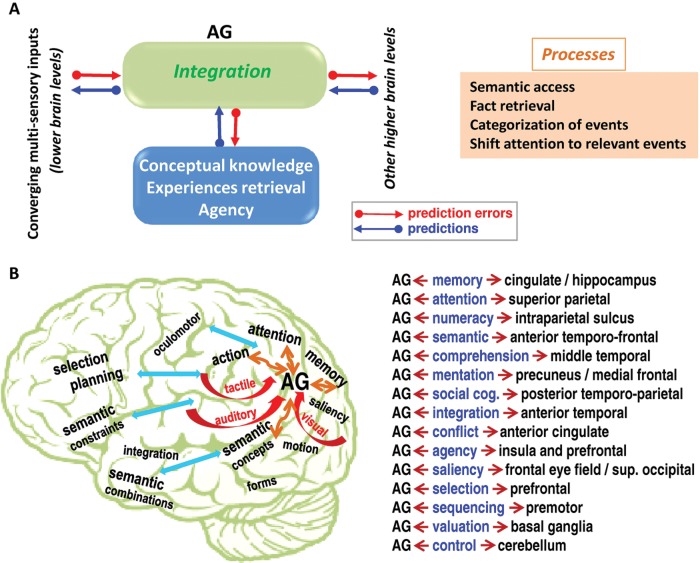
“The angular gyrus is described as a cross-modal hub that combines and integrates multiple sensory information to understand and provide meaning to events, manipulate mental representations, and redirect attention to salient information (Seghier, 2013).”
BackgroundGrey matter structural alterations in anxiety disorders: a voxel-based meta-analysis
Liu, H., Hao, Z., Qiu, S., Wang, Q., Zhan, L., Huang, L., Shao, Y., Wang, Q., Su, C., Cao, Y., et al. (2023) · Brain Imaging and Behavior · doi:10.1007/s11682-023-00842-x · Cited by 18
Disparities in Documentation: Evidence of Race-Based Biases in the Electronic Medical Record
Ivy, Z. K., Hwee, S., Kimball, B. C., Evans, M. D., Marka, N. A., Bendel, C. M., & Boucher, A. A. (2024) · Journal of Racial and Ethnic Health Disparities · doi:10.1007/s40615-024-02132-8 · Cited by 18
Metadata
- Authors
- Seghier, M. L.
- Affiliations
- Wellcome Centre for Human Neuroimaging (GB)
- Corresponding author
- Seghier, Mohamed L.
- ORCID
- Seghier, Mohamed L.
- Venue
- The Neuroscientist
- Publisher
- SAGE Publications
- Published
- 2012-04-30
- Volume
- 19
- Issue
- 1
- Pages
- 43-61
- ISSN
- 1073-8584 (ISSN-L)
- 1089-4098
- PMC
- PMC4107834
- OpenAlex
- W2134248637
- Cited by
- 1,585
- References
- 157
- Citations by year
- 2026: 95 · 2025: 166 · 2024: 127 · 2023: 127 · 2022: 180 · 2021: 149 · 2020: 131 · 2019: 130 · 2018: 107 · 2017: 115 · 2016: 90 · 2015: 71 · 2014: 53 · 2013: 38 · 2012: 2
- FWCI
- 26.83
- Type
- journal article
- Language
- en
- Open access
- hybrid
- doi.org
- Licence
- cc-by
- journals.sagepub.com/page/policies/text-and-data-mining-license (tdm)
- Locations
- The Neuroscientist (publishedVersion, cc-by)
- PubMed Central (publishedVersion, cc-by)
- PubMed (publishedVersion)
- UCL Discovery (University College London) (submittedVersion)
- Funders
- Wellcome Trust
- Topics
- Life Sciences › Neuroscience › Cognitive Neuroscience › Neurobiology of Language and Bilingualism
- Social Sciences › Psychology › Developmental and Educational Psychology › Reading and Literacy Development
- Social Sciences › Psychology › Developmental and Educational Psychology › Cognitive and developmental aspects of mathematical skills
- Keywords
- angular gyrus, inferior parietal lobule, semantic processing, word reading, number processing, default mode network, memory retrieval, attention, spatial cognition, reasoning, social cognition, cross-modal integration, multisensory integration, parcellation, functional specialization
- MeSH terms
- Brain Mapping, Cognition, Diagnostic Imaging, Humans, Image Processing, Computer-Assisted, Neural Pathways, Parietal Lobe, Reading, Semantics, Meta-Analysis as Topic
About these checks
Registry, retraction, Cites and statistics results are computed, not judged, with one exception: a printed reference that no index lists is read once by a model before it counts as a citation error. Claims are extracted by a model and kept only when their quote appears verbatim in the text; each cited source is then checked, with a model’s help, for whether it says what the claim relies on. Those verdicts can be wrong — read the claim’s quote and the cited source before relying on one.
Statistics and arithmetic are recomputed, not judged.
Confidence bands are shown only for fields calibrated on our annotated test set. None is calibrated yet, so no band is shown.
What counts as a claim ›How we measure confidence ›How we check this ›
Are you an author, or do you see a problem with this page? Request a review
Data sources
Bibliographic data: Semantic Scholar, OpenAlex, Crossref.
Contains information from the Semantic Scholar Academic Graph Datasets, made available under the ODC Attribution License (ODC-BY 1.0).
Semantic Scholar’s data is described in: Kinney, R., et al. (2023). The Semantic Scholar Open Data Platform. arXiv:2301.10140.
