

The Angular Gyrus: Multiple Functions and Multiple Subdivisions
Open accessThe DOI matches its Crossref record; 157 of the 157 references it cites were found in a registry or an index.
Abstract
There is considerable interest in the structural and functional properties of the angular gyrus (AG). Located in the posterior part of the inferior parietal lobule, the AG has been shown in numerous meta-analysis reviews to be consistently activated in a variety of tasks. This review discusses the involvement of the AG in semantic processing, word reading and comprehension, number processing, default mode network, memory retrieval, attention and spatial cognition, reasoning, and social cognition. This large functional neuroimaging literature depicts a major role for the AG in processing concepts rather than percepts when interfacing perception-to-recognition-to-action. More specifically, the AG emerges as a cross-modal hub where converging multisensory information is combined and integrated to comprehend and give sense to events, manipulate mental representations, solve familiar problems, and reorient attention to relevant information. In addition, this review discusses recent findings that point to the existence of multiple subdivisions in the AG. This spatial parcellation can serve as a framework for reporting AG activations with greater definition. This review also acknowledges that the role of the AG cannot comprehensibly be identified in isolation but needs to be understood in parallel with the influence from other regions. Several interesting questions that warrant further investigations are finally emphasized.
Overview
The claims and statistics of this paper haven’t been checked yet.
Free: it reads the open-access text and checks the first 5 claims that cite a source we can check. Create a free account to check every claim.
Integrity signals
Registry
Cites
Statistics
Figures
Verification
Claims the paper makes
The claims and statistics of this paper haven’t been checked yet.
Free: it reads the open-access text and checks the first 5 claims that cite a source we can check. Create a free account to check every claim.
Claims other papers make about this one
Each is checked against this paper’s own text: does it say what the citing paper says it does?
In the citing paper
“Furthermore, it was previously thought that these areas were involved in self-referential processes [64–66], perspective taking [67], cognitive distancing [68–71], and sustained attention [72].”
From The meditative mind: a comprehensive meta-analysis of MRI studies. (2015) · cites this paper as [64]
Self-check
Percentages, sums and reported differences re-computed from the paper’s own numbers.
The self-check needs the paper’s full text.
Citations
Cites
A default mode of brain function
Raichle, M. E., MacLeod, A. M., Snyder, A. Z., Powers, W. J., Gusnard, D. A., & Shulman, G. L. (2001) · Proceedings of the National Academy of Sciences · doi:10.1073/pnas.98.2.676 · Cited by 12,190
The Brain's Default Network: Anatomy, Function, and Relevance to Disease
Buckner, R. L., Andrews‐Hanna, J. R., & Schacter, D. L. (2008) · Annals of the New York Academy of Sciences · doi:10.1196/annals.1440.011 · Cited by 9,761
The organization of the human cerebral cortex estimated by intrinsic functional connectivity
Thomas Yeo, B. T., Krienen, F. M., Sepulcre, J., Sabuncu, M. R., Lashkari, D., Hollinshead, M., Roffman, J. L., Smoller, J. W., Zöllei, L., Polimeni, J. R., et al. (2011) · Journal of Neurophysiology · doi:10.1152/jn.00338.2011 · Cited by 9,182
The free-energy principle: a unified brain theory?
Friston, K. (2010) · Nature Reviews Neuroscience · doi:10.1038/nrn2787 · Cited by 8,120 · cited 1×
“This framework is borrowed from the popular predictive coding framework (as reviewed in Friston 2010) that models the brain as a hierarchical inference engine that is trying to optimize probabilistic representations of what caused its sensory input.”
The organization of the human cerebellum estimated by intrinsic functional connectivity
Buckner, R. L., Krienen, F. M., Castellanos, A., Diaz, J. C., & Yeo, B. T. T. (2011) · Journal of Neurophysiology · doi:10.1152/jn.00339.2011 · Cited by 7,304
Functional connectivity in the resting brain: a network analysis of the default mode hypothesis
Greicius, M. D., Krasnow, B., Reiss, A. L., & Menon, V. (2003) · Proceedings of the National Academy of Sciences · doi:10.1073/pnas.0135058100 · Cited by 6,358
Dynamic mapping of human cortical development during childhood through early adulthood
Gogtay, N., Giedd, J. N., Lusk, L., Hayashi, K. M., Greenstein, D., Vaituzis, A. C., Nugent, T. F., Herman, D. H., Clasen, L. S., Toga, A. W., et al. (2004) · Proceedings of the National Academy of Sciences · doi:10.1073/pnas.0402680101 · Cited by 5,604 · cited 1×
“Its cortical volume is estimated at around 13.2 cm3 and 11.7 cm3 in the left and right hemisphere, respectively (Rademacher and others 1992), suggesting a relative leftgreater-than-right structural asymmetry (see also Eidelberg and Galaburda 1984).”
BackgroundInfluentialCorrespondence of the brain's functional architecture during activation and rest
Smith, S. M., Fox, P. T., Miller, K. L., Glahn, D. C., Fox, P. M., Mackay, C. E., Filippini, N., Watkins, K. E., Toro, R., Laird, A. R., et al. (2009) · Proceedings of the National Academy of Sciences · doi:10.1073/pnas.0905267106 · Cited by 5,150
Mapping the structural core of human cerebral cortex
Hagmann, P., Cammoun, L., Gigandet, X., Meuli, R., Honey, C. J., Wedeen, V. J., & Sporns, O. (2008) · PLoS Biology · doi:10.1371/journal.pbio.0060159 · Cited by 4,173 · cited 1×
“…London, UK Corresponding Author: Dr. Mohamed L. Seghier, Wellcome Department of Imaging Neuroscience, Institute of Neurology, 12 Queen Square, London WC1N 3BG, UK Email: m.seghier@fil.ion.ucl.ac.uk There is considerable interest in the structural and functional properties of the angular gyrus (AG).”
BackgroundBinder, J. R., Desai, R. H., Graves, W. W., & Conant, L. L. (2009) · Cerebral Cortex · doi:10.1093/cercor/bhp055 · Cited by 4,060 · cited 1×
“For instance, Binder and others (2009) found that the most consistent semantic activation across 120 functional neuroimaging studies was located within the left AG (Binder and others 2009), with a less strong but consistent effect in the right AG as well.”
Background
Research works printed but not linked: 5
- Barnes KA, 2011, Cereb Cortex
- Dejerine J, 1891, Societe de Biologie, 43, 197
- Kelly C, 2010, Eur J Neurol, 32, 383
- Mar RA, 2011, Annu Rev Neurosci, 62, 103
- 10.1227/00006123-199503000-00011 · doi:10.1227/00006123-199503000-00011 · Paper page
Cited by
Items 101–200 of 1,001
Multiple dimensions underlying the functional organization of the language network
Hodgson, V. J., Ralph, M. A. L., & Jackson, R. L. (2021) · NeuroImage · doi:10.1016/j.neuroimage.2021.118444 · Cited by 111
Siman-Tov, T., Granot, R., Shany, O., Singer, N., Hendler, T., & Gordon, C. R. (2019) · Neuroscience & Biobehavioral Reviews · doi:10.1016/j.neubiorev.2019.08.012 · Cited by 107
Zhang, S., & Li, C. R. (2014) · Brain Connectivity · doi:10.1089/brain.2013.0191 · Cited by 108
“These results support functional parcelation of the anterior and posterior AG (Seghier, 2013).”
Klein, E., Suchan, J., Moeller, K., Karnath, H., Knops, A., Wood, G. M. D. O., Nuerk, H., & Willmes, K. (2014) · Brain Structure and Function · doi:10.1007/s00429-014-0951-1 · Cited by 107
A Look into Programmers’ Heads
Peitek, N., Siegmund, J., Apel, S., Kästner, C., Parnin, C., Bethmann, A., Leich, T., Saake, G., & Brechmann, A. (2018) · IEEE Transactions on Software Engineering · doi:10.1109/tse.2018.2863303 · Cited by 105
Neural pathways subserving face-based mentalizing
Yordanova, Y. N., Duffau, H., & Herbet, G. (2017) · Brain Structure and Function · doi:10.1007/s00429-017-1388-0 · Cited by 102
Garza‐Villarreal, E. A., Jiang, Z., Vuust, P., Alcauter, S., Vase, L., Pasaye, E. H., Cavazos-Rodriguez, R., Brattico, E., Jensen, T. S., & Barrios, F. A. (2015) · Frontiers in Psychology · doi:10.3389/fpsyg.2015.01051 · Cited by 104
“Another explanation about our result may relate to a domain in which the AnG has been consistently found to be involved in: reorienting or shifting attention (Singh-Curry and Husain, 2009; Seghier, 2013).”
BackgroundRethinking the episodic-semantic distinction from a gradient perspective
Irish, M., & Vatansever, D. (2020) · Current Opinion in Behavioral Sciences · doi:10.1016/j.cobeha.2020.01.016 · Cited by 102
Pan, P., Zhan, H., Xia, M., Zhang, Y., Guan, D., & Xu, Y. (2016) · Neuroscience & Biobehavioral Reviews · doi:10.1016/j.neubiorev.2016.11.018 · Cited by 101
“The IPL, one of the major connecting ubs, is involved in constructing mental scenes, episodic memory, patial attention, and language processing (Caspers et al., 2008; aspers et al., 2013; Rugg and Vilberg, 2013; Seghier, 2013; Sestieri t al., 2011).”
Vatansever, D., Bzdok, D., Wang, H.-T., Mollo, G., Sormaz, M., Murphy, C., Karapanagiotidis, T., Smallwood, J., & Jefferies, E. (2017) · NeuroImage · doi:10.1016/j.neuroimage.2017.06.067 · Cited by 101
“669 The angular gyrus has also been described as an interface between multisensory 670 aspects of experience and memory (Bonnici et al., 2016; Bzdok et al., 2016a; 671 Seghier, 2013; Vatansever et al., 2016a), and is implicated in vivid recollection.”
BackgroundBoylan, C., Trueswell, J. C., & Thompson‐Schill, S. L. (2015) · Neuropsychologia · doi:10.1016/j.neuropsychologia.2015.10.007 · Cited by 100
Functional connectivity of paired default mode network subregions in primary insomnia
Dai, X., Nie, X., Shao, Y., Liu, S., Li, H., Wan, A.-L., Nie, S., & Peng, D.-C. (2015) · Neuropsychiatric Disease and Treatment · doi:10.2147/ndt.s95224 · Cited by 100
Time to Tango: Expertise and contextual anticipation during action observation
Amoruso, L., Sedeño, L., Huepe, D., Tomio, A., Kamienkowski, J. E., Hurtado, E., Cardona, J. F., González, M. Á. Á., Rieznik, A. A., Sigman, M., et al. (2014) · NeuroImage · doi:10.1016/j.neuroimage.2014.05.005 · Cited by 106
Humphreys, G. F., & Ralph, M. A. L. (2017) · Cerebral Cortex · doi:10.1093/cercor/bhx107 · Cited by 100
Neuronal basis of speech comprehension
Specht, K. (2013) · Hearing Research · doi:10.1016/j.heares.2013.09.011 · Cited by 104
“Meta-analyses have also revealed that the angular gyrusmay have at least three functional subdivisions that differentially contribute to the retrieval and processing of semantic information and concepts (Price, 2012; Seghier, 2013; Seghier et al., 2010).”
BackgroundLyons, I. M., Vogel, S., & Ansari, D. (2016) · Progress in brain research · doi:10.1016/bs.pbr.2016.04.010 · Cited by 98
Q-ball of inferior fronto-occipital fasciculus and beyond.
Caverzasi, E., Papinutto, N., Amirbekian, B., Berger, M. S., & Henry, R. G. (2014) · PLoS ONE · doi:10.1371/journal.pone.0100274 · Cited by 97
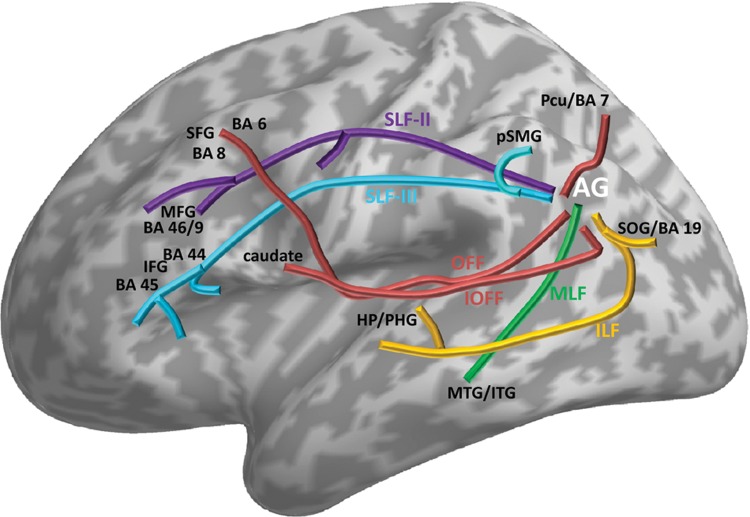
“Indeed this gyrus is highly connected through the SLF (SLF-II) to frontal regions of the inferior frontal gyrus, and dorso lateral prefrontal cortex (DLPFC) [39].”
BackgroundSevinc, G., & Spreng, R. N. (2014) · PLoS ONE · doi:10.1371/journal.pone.0087427 · Cited by 97
Dieter, J., Hill, H., Sell, M., Reinhard, I., Vollstädt-Klein, S., Kiefer, F., Mann, K., & Leménager, T. (2015) · Behavioral Neuroscience · doi:10.1037/bne0000025 · Cited by 88
“One main component of the inferior parietal lobe is the AG (Seghier, 2013), which seems to be associated with selfidentification processing and distinguishing self from others (Decety & Chaminade, 2003; Decety & Grezes, 2006; Gazzaniga, 2008; Lamm, Batson, & Decety, 2007).”
Vuilleumier, P. (2013) · Annals of the New York Academy of Sciences · doi:10.1111/nyas.12161 · Cited by 80
Kuhnke, P., Chapman, C. A., Cheung, V. K. M., Turker, S., Graessner, A., Martin, S., Williams, K. A., & Hartwigsen, G. (2022) · Brain Structure and Function · doi:10.1007/s00429-022-02493-y · Cited by 96
“depends on its interactions with other areas in a given task (Seghier 2013).”
BackgroundMethodResultInfluentialBlest-Hopley, G., Colizzi, M., Giampietro, V., & Bhattacharyya, S. (2020) · Frontiers in Psychiatry · doi:10.3389/fpsyt.2020.00859 · Cited by 84
Residual effects of cannabis use in adolescent and adult brains — A meta-analysis of fMRI studies
Blest-Hopley, G., Giampietro, V., & Bhattacharyya, S. (2018) · Neuroscience & Biobehavioral Reviews · doi:10.1016/j.neubiorev.2018.03.008 · Cited by 89
Igelström, K. M., Webb, T. W., & Graziano, M. S. A. (2016) · Cerebral Cortex · doi:10.1093/cercor/bhw079 · Cited by 93
“For example, semantic function is dominant in the left angular gyrus, whereas attentional and social functions are thought to be right-lateralized (Saxe and Wexler 2005; Corbetta et al. 2008; Seghier 2013).”
Korgaonkar, M. S., Rekshan, W., Gordon, E., Rush, A. J., Williams, L. M., Blasey, C., & Grieve, S. M. (2015) · EBioMedicine · doi:10.1016/j.ebiom.2014.12.002 · Cited by 89
“…tree, the exact role of this region in depression is poorly understood, butmay relate to its putative involvement in the default mode network, cognition (e.g. memory, sematic processing, attention) or in its role in the synthesis of complex social and environmental information (Seghier, 2013).”
BackgroundGray matter atrophy and freezing of gait in Parkinson's disease: Is the evidence black‐on‐white?
Herman, T., Rosenberg‐Katz, K., Jacob, Y., Giladi, N., & Hausdorff, J. M. (2013) · Movement Disorders · doi:10.1002/mds.25697 · Cited by 93
A preliminary study of the effects of working memory training on brain function
Stevens, M. C., Gaynor, A., Bessette, K. L., & Pearlson, G. D. (2016) · Brain Imaging and Behavior · doi:10.1007/s11682-015-9416-2 · Cited by 71
“…gyrus is a heteromodal information processing hub that supports attention reorientation, semantic concept retrieval, and mental information manipulation (Seghier 2013), and is directly connected with both dlPFC and vlPFC via superior longitudinal fasciculi (Frey et al. 2008; Makris et al. 2005).”
BackgroundVan Calster, L., D'Argembeau, A., Salmon, E., Peters, F., & Majerus, S. (2017) · Journal of Cognitive Neuroscience · doi:10.1162/jocn_a_01025 · Cited by 80
Yazar, Y., Bergström, Z. M., & Simons, J. S. (2017) · Brain Stimulation · doi:10.1016/j.brs.2017.02.011 · Cited by 77
Hu, Y., Jia, Y., Sun, Y., Ding, Y., Huang, Z., Liu, C., & Wang, Y. (2022) · Brain stimulation · doi:10.1016/j.brs.2022.11.009 · Cited by 89
Wang, T., Zhang, X., Li, A., Zhu, M., Liu, S., Qin, W., Li, J., Yu, C., Jiang, T., & Liu, B. (2017) · NeuroImage: Clinical · doi:10.1016/j.nicl.2017.02.011 · Cited by 88
“The angular gyrus is a part of the default network and is involved in semantic processing, memory retrieval, attention, and social cognition (Seghier, 2013).”
BackgroundMethodMüller, V. I., Cieslik, E. C., Laird, A. R., Fox, P. T., & Eickhoff, S. B. (2013) · Frontiers in Human Neuroscience · doi:10.3389/fnhum.2013.00268 · Cited by 86
“…a regional perspective, given the role of the IPC in combining information from different subsystems and in cross-sensory binding (Joassin et al., 2011; Seghier, 2013), dysregulation of this region in schizophrenia and depression suggests a deficit in audiovisual integration in both patient groups.”
BackgroundInfluentialNeural Correlates of Learning from Induced Insight: A Case for Reward-Based Episodic Encoding
Kizilirmak, J. M., Thuerich, H., Folta-Schoofs, K., Schott, B. H., & Richardson‐Klavehn, A. (2016) · Frontiers in Psychology · doi:10.3389/fpsyg.2016.01693 · Cited by 87
Kemmerer, D., Miller, L., MacPherson, M. K., Huber, J., & Tranel, D. (2013) · Frontiers in Human Neuroscience · doi:10.3389/fnhum.2013.00146 · Cited by 78
“…neural substrates of semantics has focused on theoretical and empirical issues surrounding the Embodied Cognition Framework, also known as the Grounded Cognition Framework or the Simulation Framework (for overviews see Gibbs, 2006; Barsalou, 2008; Semin and Smith, 2008; Coello and Bartolo, 2012).”
BackgroundFeeling unreal: a functional imaging study in patients with Kleine-Levin syndrome
Kas, A., Lavault, S., Habert, M., & Arnulf, I. (2014) · Brain · doi:10.1093/brain/awu112 · Cited by 85
Core Network Contributions to Remembering the Past, Imagining the Future, and Thinking Creatively
Beaty, R. E., Thakral, P. P., Madore, K. P., Benedek, M., & Schacter, D. L. (2018) · Journal of Cognitive Neuroscience · doi:10.1162/jocn_a_01327 · Cited by 84
Distributed Sensitivity to Syntax and Semantics throughout the Language Network
Shain, C., Kean, H., Casto, C., Lipkin, B., Affourtit, J., Siegelman, M., Mollica, F., & Fedorenko, E. G. (2024) · Journal of Cognitive Neuroscience · doi:10.1162/jocn_a_02164 · Cited by 85
Emotional prosody processing in Autism Spectrum Disorder
Rosenblau, G., Kliemann, D., Dziobek, I., & Heekeren, H. R. (2016) · Social Cognitive and Affective Neuroscience · doi:10.1093/scan/nsw118 · Cited by 63
A Tri-network Model of Human Semantic Processing
Xu, Y., He, Y., & Bi, Y. (2017) · Frontiers in Psychology · doi:10.3389/fpsyg.2017.01538 · Cited by 86
Spontaneous thought as an unconstrained memory process
Mildner, J. N., & Tamir, D. I. (2019) · Trends in Neurosciences · doi:10.1016/j.tins.2019.09.001 · Cited by 83
Jastreboff, A. M., Lacadie, C., Seo, D., Kubat, J., Van Name, M. A., Giannini, C., Savoye, M., Constable, R. T., Sherwin, R. S., Caprio, S., et al. (2014) · Diabetes Care · doi:10.2337/dc14-0525 · Cited by 83
“Other regions that correlated with leptin levels included the insula, implicated in gustatory signaling and interoception (42); the thalamus, important for relaying of peripheral sensory information to the cortex (43); the angular gyrus, important for giving meaning to multisensory information (44) and responsive to h…”
BackgroundTang, X., Guo, Z., Chen, G., Sun, S., Xiao, S., Chen, P., Tang, G., Huang, L., & Wang, Y. (2024) · Ageing Research Reviews · doi:10.1016/j.arr.2024.102240 · Cited by 84
White matter connections of the inferior parietal lobule: A study of surgical anatomy
Burks, J. D., Boettcher, L. B., Conner, A. K., Glenn, C. A., Bonney, P. A., Baker, C. M., Briggs, R. G., Pittman, N. A., OʼDonoghue, D. L., Wu, D. H., et al. (2017) · Brain and Behavior · doi:10.1002/brb3.640 · Cited by 82
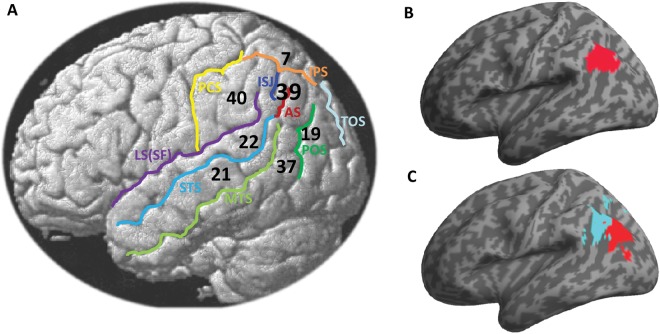
“Dissections proceeded systematically anteriorly to posteriorly along the continuation of the Sylvian fissure for the supramarginal gyrus (SMG; Ribas, 2010), and along the continuation of the superior temporal sulcus (STS) for the angular gyrus (AG; Naidich, Valavanis, & Kubik, 1995; Seghier, 2013).”
BackgroundFarrugia, N., Jakubowski, K., Cusack, R., & Stewart, L. (2015) · Consciousness and Cognition · doi:10.1016/j.concog.2015.04.020 · Cited by 84
Irish, M., Halena, S., Kamminga, J., Tu, S., Hornberger, M., & Hodges, J. R. (2015) · Cortex · doi:10.1016/j.cortex.2015.08.004 · Cited by 84
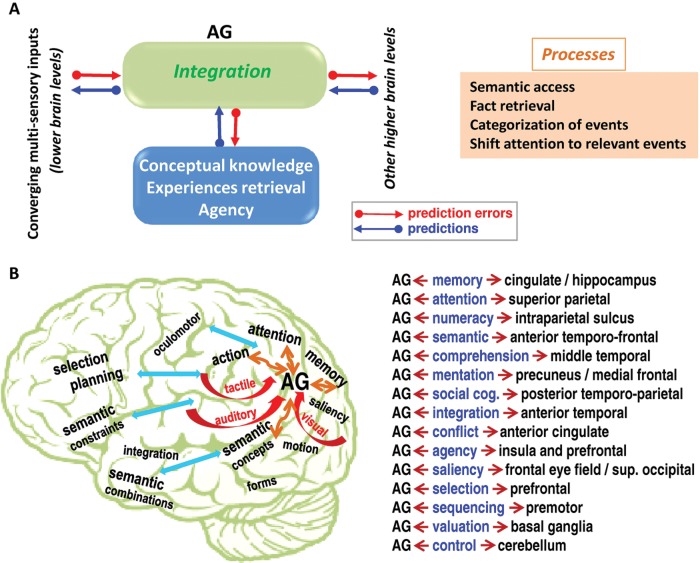
“The angular gyrus, in particular, has been proposed to represent a cross-m dal integrative hub that is well positioned to subserve the convergence of multisensory information and to impart meaning to events within contextualised environments (Seghier, 2013).”
Aboud, K. S., Bailey, S., Petrill, S. A., & Cutting, L. E. (2016) · Developmental Science · doi:10.1111/desc.12422 · Cited by 82
Rapid short-term reorganization in the language network
Hartwigsen, G., Bzdok, D., Klein, M., Wawrzyniak, M., Stockert, A., Wrede, K., Claßen, J., & Saur, D. (2017) · eLife · doi:10.7554/elife.25964 · Cited by 82
Association between brain structure and phenotypic characteristics in pedophilia
Poeppl, T. B., Nitschke, J., Santtila, P. O., Schecklmann, M., Langguth, B., Greenlee, M. W., Osterheider, M., & Mokros, A. (2013) · Journal of Psychiatric Research · doi:10.1016/j.jpsychires.2013.01.003 · Cited by 81
Stability of dynamic functional architecture differs between brain networks and states
Li, L., Lu, B., & Yan, C. (2019) · NeuroImage · doi:10.1016/j.neuroimage.2019.116230 · Cited by 83
An ALE meta-analytic review of musical expertise
Criscuolo, A., Pando‐Naude, V., Bonetti, L., Vuust, P., & Brattico, E. (2022) · Scientific Reports · doi:10.1038/s41598-022-14959-4 · Cited by 80
Fact learning in complex arithmetic—the role of the angular gyrus revisited
Bloechle, J., Huber, S., Bahnmueller, J., Rennig, J., Willmes, K., Cavdaroglu, S., Moeller, K., & Klein, E. (2016) · Human Brain Mapping · doi:10.1002/hbm.23226 · Cited by 80
Boylan, C., Trueswell, J. C., & Thompson‐Schill, S. L. (2017) · Brain and Language · doi:10.1016/j.bandl.2017.01.008 · Cited by 79
The Neurocognition of Translation and Interpreting
García, A. M. (2019) · Benjamins translation library · doi:10.1075/btl.147 · Cited by 82
Multiple functions of the angular gyrus at high temporal resolution
Seghier, M. L. (2022) · Brain Structure and Function · doi:10.1007/s00429-022-02512-y · Cited by 80
“3 in Seghier (2013).”
BackgroundMethodResultInfluentialSelf-citationThe Menstrual Cycle Influences Emotion but Has Limited Effect on Cognitive Function
Poromaa, I. S. (2018) · Vitamins and hormones · doi:10.1016/bs.vh.2018.01.016 · Cited by 82
15q11.2 CNV affects cognitive, structural and functional correlates of dyslexia and dyscalculia
Ulfarsson, M. O., Walters, G. B., Gustafsson, O., Steinberg, S., Silva, A., Doyle, O. M., Brammer, M., Gudbjartsson, D. F., Arnarsdottir, S., Jonsdottir, G. A., et al. (2017) · Translational Psychiatry · doi:10.1038/tp.2017.77 · Cited by 78
The Neural Mechanisms of Meditative Practices: Novel Approaches for Healthy Aging
Acevedo, B. P., Pospos, S., & Lavretsky, H. (2016) · Current Behavioral Neuroscience Reports · doi:10.1007/s40473-016-0098-x · Cited by 78
Han, H. (2017) · Journal of Moral Education · doi:10.1080/03057240.2016.1262834 · Cited by 67
“Previous studies have also demonstrated that the activity in the regions is associated with conflict-solving ability (Seghier, 2012) and integration of social information and/or processing of a counterpart’s intention in a dilemmatic situation (Berns et al.”
BackgroundThe interplay between spontaneous and controlled processing in creative cognition
Mok, L. W. (2014) · Frontiers in Human Neuroscience · doi:10.3389/fnhum.2014.00663 · Cited by 77
Antonenko, D., Hayek, D., Netzband, J., Grittner, U., & Flöel, A. (2019) · Scientific Reports · doi:10.1038/s41598-019-38630-7 · Cited by 77
Clos, M., Diederen, K. M. J., Meijering, A. L., Sommer, I. E., & Eickhoff, S. B. (2013) · Brain Structure and Function · doi:10.1007/s00429-013-0519-5 · Cited by 77
“In particular the left AG has been demonstrated to be involved in top-down activation of semantic concepts (Obleser et al. 2007; Obleser and Kotz 2010; Seghier 2012; Seghier et al. 2010).”
BackgroundAltered Interactions Among Resting‐State Networks in Individuals with Obesity
Ding, Y., Ji, G., Li, G., Zhang, W., Hu, Y., Liu, L., Wang, Y., Hu, C., von Deneen, K. M., Han, Y., et al. (2020) · Obesity · doi:10.1002/oby.22731 · Cited by 77
Simon, M., Campbell, E., Genest, F., MacLean, M. W., Champoux, F., & Leporé, F. (2020) · Frontiers in Neuroscience · doi:10.3389/fnins.2020.00206 · Cited by 77
Mulders, P. C. R., van Eijndhoven, P., Pluijmen, J., Schene, A. H., Tendolkar, I., & Beckmann, C. F. (2016) · Journal of Affective Disorders · doi:10.1016/j.jad.2016.06.059 · Cited by 77
The parietal lobe and language
Coslett, H. B., & Schwartz, M. F. (2018) · Handbook of clinical neurology · doi:10.1016/b978-0-444-63622-5.00018-8 · Cited by 78
An ALE meta-analytic review of top-down and bottom-up processing of music in the brain
Pando‐Naude, V., Patyczek, A., Bonetti, L., & Vuust, P. (2021) · Scientific Reports · doi:10.1038/s41598-021-00139-3 · Cited by 77
Simon, J. J., Skunde, M., Wu, M., Schnell, K., Herpertz, S. C., Bendszus, M., Herzog, W., & Friederich, H.-C. (2015) · Social Cognitive and Affective Neuroscience · doi:10.1093/scan/nsu162 · Cited by 66
Wang, H., Zhu, J., Reuter, M., Vinke, L. N., Yendiki, A., Boas, D. A., Fischl, B., & Akkin, T. (2014) · NeuroImage · doi:10.1016/j.neuroimage.2014.06.032 · Cited by 67
Murphy, K. A., Jogia, J., & Talcott, J. B. (2018) · Journal of Neurolinguistics · doi:10.1016/j.jneuroling.2018.08.005 · Cited by 75
Weijs, R. W. J., Shkredova, D. A., Brekelmans, M., Thijssen, D. H. J., & Claassen, J. A. H. R. (2022) · Alzheimer s & Dementia · doi:10.1002/alz.12666 · Cited by 74
Bendixen, A., Scharinger, M., Strauß, A., & Obleser, J. (2014) · Cortex · doi:10.1016/j.cortex.2014.01.001 · Cited by 76
Brain volumes as predictors of tDCS effects in primary progressive aphasia
de Aguiar, V., Zhao, Y., Faria, A. V., Ficek, B., Webster, K. T., Wendt, H., Wang, Z., Hillis, A. E., Onyike, C. U., Frangakis, C., et al. (2019) · Brain and Language · doi:10.1016/j.bandl.2019.104707 · Cited by 74
“Both the Angular Gyrus and the Supramarginal Gyrus are structurally connected the stimulated IFG via the superior longitudinal fasciculus (SLF-III; Frey, Campbell, Pike, & Petrides, 2008; Seghier, 2013).”
Sormaz, M., Jefferies, E., Bernhardt, B. C., Karapanagiotidis, T., Mollo, G., Bernasconi, N., Bernasconi, A., Hartley, T., & Smallwood, J. (2017) · NeuroImage · doi:10.1016/j.neuroimage.2017.02.071 · Cited by 73
Scalp and Source Power Topography in Sleepwalking and Sleep Terrors: A High-Density EEG Study
Castelnovo, A., Riedner, B. A., Smith, R. F., Tononi, G., Boly, M., & Benca, R. M. (2016) · Sleep · doi:10.5665/sleep.6162 · Cited by 72
Meta-analytic evidence for a novel hierarchical model of conceptual processing
Kuhnke, P., Beaupain, M. C., Arola, J., Kiefer, M., & Hartwigsen, G. (2022) · Neuroscience & Biobehavioral Reviews · doi:10.1016/j.neubiorev.2022.104994 · Cited by 74
Fan, W., Zhang, S., Hu, J., Liu, B., Li, W., Gong, M., Wang, G., Li, Y., Chen, Y., Chen, H., et al. (2019) · Frontiers in Human Neuroscience · doi:10.3389/fnhum.2019.00107 · Cited by 72
Animated pedagogical agents enhance learning outcomes and brain activity during learning
Li, W., Wang, F., Mayer, R. E., & Liu, T. (2021) · Journal of Computer Assisted Learning · doi:10.1111/jcal.12634 · Cited by 71
Moore, D., Jung, M., Hillman, C. H., Kang, M., & Loprinzi, P. D. (2022) · Psychophysiology · doi:10.1111/psyp.14014 · Cited by 73
Meta-analysis: how does posterior parietal cortex contribute to reasoning?
Wendelken, C. (2015) · Frontiers in Human Neuroscience · doi:10.3389/fnhum.2014.01042 · Cited by 65
“For more extensive review of parietal function, see Grefkes and Fink (2005), Nickel and Seitz (2005), Seghier (2013), and Humphreys and Lambon Ralph (2014).”
BackgroundNeural Dynamics of Speech Act Comprehension: An MEG Study of Naming and Requesting
Egorova, N., Pulvermüller, F., & Юрьевич, Ш. Ю. (2013) · Brain Topography · doi:10.1007/s10548-013-0329-3 · Cited by 73
“A number of meta-analyses and reviews about these areas in the right temporo-parietal cortex pointed to their specific relevance to intention recognition and social processing (Saxe 2009; Seghier et al. 2010; Seghier 2012).”
BackgroundHartwigsen, G., Golombek, T., & Obleser, J. (2014) · Cortex · doi:10.1016/j.cortex.2014.08.027 · Cited by 71
NIRS measures in pain and analgesia: Fundamentals, features, and function
Karunakaran, K. D., Peng, K., Berry, D., Green, S. A., Labadie, R. F., Kussman, B. D., & Borsook, D. (2020) · Neuroscience & Biobehavioral Reviews · doi:10.1016/j.neubiorev.2020.10.023 · Cited by 71
Brain mechanisms underlying the subjective experience of remembering
Simons, J. S., Ritchey, M., & Fernyhough, C. (2022) · Annual Review of Psychology · doi:10.1146/annurev-psych-030221-025439 · Cited by 70
Rehearsal initiates systems memory consolidation, sleep makes it last
Himmer, L., Schönauer, M., Heib, D. P. J., Schabus, M., & Gais, S. (2019) · Science Advances · doi:10.1126/sciadv.aav1695 · Cited by 70
Doricchi, F., Lasaponara, S., Pazzaglia, M., & Silvetti, M. (2022) · Physics of Life Reviews · doi:10.1016/j.plrev.2022.07.001 · Cited by 71
Effects of emotional context on impulse control
Brown, M. R. G., Lebel, R. M., Dolcos, F., Wilman, A. H., Silverstone, P. H., Pazderka, H., Fujiwara, E., Wild, T. C., Carroll, A. M., Hodlevskyy, O., et al. (2012) · NeuroImage · doi:10.1016/j.neuroimage.2012.06.056 · Cited by 72
Remembering the Past: Neural Substrates Underlying Episodic Encoding and Retrieval
Shimamura, A. P. (2014) · Current Directions in Psychological Science · doi:10.1177/0963721414536181 · Cited by 61
“The vPPC is in a prime location for binding event features, as it is located between visual ventral and dorsal paths that are known to represent object and spatial features, respectively (Anderson, 1987; Seghier, 2013).”
BackgroundParietal lesion effects on cued recall following pair associate learnin g
Feldman, S. B.-Z., Soroker, N., & Levy, D. A. (2015) · Neuropsychologia · doi:10.1016/j.neuropsychologia.2015.05.009 · Cited by 69
García, A. M., Moguilner, S., Torquati, K., García-Marco, E., Herrera, E., Muñoz, E., Castillo, E. M., Kleineschay, T., Sedeño, L., & Ibáñez, A. (2019) · NeuroImage · doi:10.1016/j.neuroimage.2019.05.002 · Cited by 61
Voss, M., Chambon, V., Wenke, D., Kühn, S., & Haggard, P. (2017) · Brain · doi:10.1093/brain/awx136 · Cited by 68
Offline stimulation of human parietal cortex differently affects resting EEG microstates
Croce, P., Zappasodi, F., & Capotosto, P. (2018) · Scientific Reports · doi:10.1038/s41598-018-19698-z · Cited by 69
Wagner, G., Li, M., Sacchet, M. D., Richard‐Devantoy, S., Turecki, G., Bär, K., Gotlib, I. H., Walter, M., & Jollant, F. (2021) · Translational Psychiatry · doi:10.1038/s41398-021-01232-x · Cited by 68
Zhang, X., Zhang, R., Lv, L., Qi, X., Shi, J., & Xie, S. (2022) · Journal of Affective Disorders · doi:10.1016/j.jad.2022.06.024 · Cited by 68
Bonkhoff, A. K., Hong, S., Bretzner, M., Schirmer, M. D., Regenhardt, R. W., Arsava, E. M., Donahue, K., Nardin, M., Dalca, A. V., Giese, A., et al. (2022) · Neurology · doi:10.1212/wnl.0000000000200926 · Cited by 68
Decoding the Cortical Dynamics of Sound-Meaning Mapping
Kocagöncü, E., Clarke, A., Devereux, B. J., & TYLER, L. K. (2016) · Journal of Neuroscience · doi:10.1523/jneurosci.2858-16.2016 · Cited by 109
“Moreover, the AG has been claimed to function as an integrative hub in which different kinds of semantic feature information can be combined (Seghier, 2013; Bonnici et al., 2016; Price et al., 2016), thus providing a potential neurobiological substrate for the integration of features into a holistic concept.”
BackgroundHow age of acquisition influences brain architecture in bilinguals
Wei, M., Joshi, A. A., Zhang, M., Mei, L., Manis, F. R., He, Q., Beattie, R. L., Xue, G., Shattuck, D. W., Leahy, R. M., et al. (2015) · Journal of Neurolinguistics · doi:10.1016/j.jneuroling.2015.05.001 · Cited by 69
“AG's grey matter maturation peaks between 8.5 and 13 years of age (Seghier, 2013).”
BackgroundInfluentialFIACH: A biophysical model for automatic retrospective noise control in fMRI
Tierney, T. M., Croft, L. J., Centeno, M., Shamshiri, E., Perani, S., Baldeweg, T., Clark, C. A., & Carmichael, D. W. (2015) · NeuroImage · doi:10.1016/j.neuroimage.2015.09.034 · Cited by 67
Interpreting response time effects in functional imaging studies
Taylor, J. S. H., Rastle, K., & Davis, M. H. (2014) · NeuroImage · doi:10.1016/j.neuroimage.2014.05.073 · Cited by 66
“However, it should be noted that the nature of processing during the resting state is not well understood and that alternative explanations have been proposed for left AG function (Seghier, 2013).”
Pollack, C., & Ashby, N. C. (2017) · Developmental Cognitive Neuroscience · doi:10.1016/j.dcn.2017.05.003 · Cited by 66
Perry, A., Wen, W. X., Kochan, N. A., Thalamuthu, A., Sachdev, P. S., & Breakspear, M. J. (2017) · Human Brain Mapping · doi:10.1002/hbm.23717 · Cited by 65
“Previous research has established that higher-order cognitive functions are dependent upon by these transmodal hub-areas (Cole and Schneider, 2007; Raichle, 2015; Seghier, 2013; Utevsky, et al., 2014).”
Background
Metadata
- Authors
- Seghier, M. L.
- Affiliations
- Wellcome Centre for Human Neuroimaging (GB)
- Corresponding author
- Seghier, Mohamed L.
- ORCID
- Seghier, Mohamed L.
- Venue
- The Neuroscientist
- Publisher
- SAGE Publications
- Published
- 2012-04-30
- Volume
- 19
- Issue
- 1
- Pages
- 43-61
- ISSN
- 1073-8584 (ISSN-L)
- 1089-4098
- PMC
- PMC4107834
- OpenAlex
- W2134248637
- Cited by
- 1,585
- References
- 157
- Citations by year
- 2026: 95 · 2025: 166 · 2024: 127 · 2023: 127 · 2022: 180 · 2021: 149 · 2020: 131 · 2019: 130 · 2018: 107 · 2017: 115 · 2016: 90 · 2015: 71 · 2014: 53 · 2013: 38 · 2012: 2
- FWCI
- 26.83
- Type
- journal article
- Language
- en
- Open access
- hybrid
- doi.org
- Licence
- cc-by
- journals.sagepub.com/page/policies/text-and-data-mining-license (tdm)
- Locations
- The Neuroscientist (publishedVersion, cc-by)
- PubMed Central (publishedVersion, cc-by)
- PubMed (publishedVersion)
- UCL Discovery (University College London) (submittedVersion)
- Funders
- Wellcome Trust
- Topics
- Life Sciences › Neuroscience › Cognitive Neuroscience › Neurobiology of Language and Bilingualism
- Social Sciences › Psychology › Developmental and Educational Psychology › Reading and Literacy Development
- Social Sciences › Psychology › Developmental and Educational Psychology › Cognitive and developmental aspects of mathematical skills
- Keywords
- angular gyrus, inferior parietal lobule, semantic processing, word reading, number processing, default mode network, memory retrieval, attention, spatial cognition, reasoning, social cognition, cross-modal integration, multisensory integration, parcellation, functional specialization
- MeSH terms
- Brain Mapping, Cognition, Diagnostic Imaging, Humans, Image Processing, Computer-Assisted, Neural Pathways, Parietal Lobe, Reading, Semantics, Meta-Analysis as Topic
About these checks
Registry, retraction, Cites and statistics results are computed, not judged, with one exception: a printed reference that no index lists is read once by a model before it counts as a citation error. Claims are extracted by a model and kept only when their quote appears verbatim in the text; each cited source is then checked, with a model’s help, for whether it says what the claim relies on. Those verdicts can be wrong — read the claim’s quote and the cited source before relying on one.
Statistics and arithmetic are recomputed, not judged.
Confidence bands are shown only for fields calibrated on our annotated test set. None is calibrated yet, so no band is shown.
What counts as a claim ›How we measure confidence ›How we check this ›
Are you an author, or do you see a problem with this page? Request a review
Data sources
Bibliographic data: Semantic Scholar, OpenAlex, Crossref.
Contains information from the Semantic Scholar Academic Graph Datasets, made available under the ODC Attribution License (ODC-BY 1.0).
Semantic Scholar’s data is described in: Kinney, R., et al. (2023). The Semantic Scholar Open Data Platform. arXiv:2301.10140.
