

The DOI matches its Crossref record; 35 of the 47 references it cites were found in a registry or an index.
What should autism research focus upon? Community views and priorities from the United Kingdom
Open accessAbstract
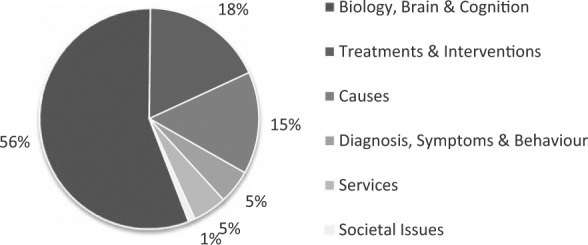
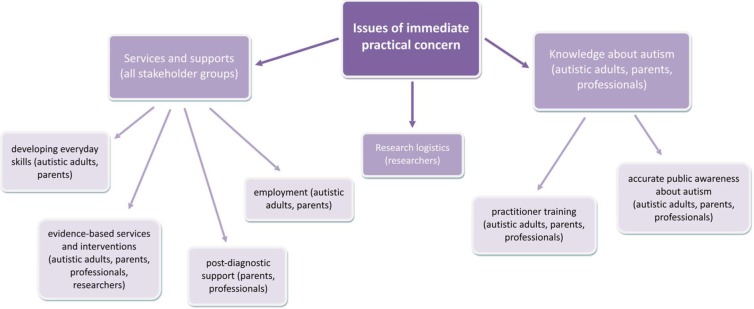
The rise in the measured prevalence of autism has been accompanied by much new research and research investment internationally. This study sought to establish whether the pattern of current UK autism research funding maps on to the concerns of the autism community. Interviews and focus groups were conducted with autistic adults, family members, practitioners and researchers to identify their priorities for research. We also captured the views of a large number of stakeholders via an online survey. There was a clear disparity between the United Kingdom’s pattern of funding for autism research and the priorities articulated by the majority of participants. There was general consensus that future priorities for autism research should lie in those areas that make a difference to people’s day-to-day lives. There needs to be greater involvement of the autism community both in priority setting and in research more broadly to ensure that resources reach where they are most needed and can make the most impact.
Overview
The claims and statistics of this paper haven’t been checked yet.
Run the check — free, no account needed. It reads the open-access text and checks the sources it cites.
Integrity signals
Registry
Cites
Statistics
Figures
Verification
Claims the paper makes
The claims and statistics of this paper haven’t been checked yet.
Run the check — free, no account needed. It reads the open-access text and checks the sources it cites.
Claims other papers make about this one
Each is checked against this paper’s own text: does it say what the citing paper says it does?
The cited source says what the claim attributes to it.
In the citing paper
“Fostering trust and mutual respect in the process of developing research results in higher quality products that are useful to the community, as exemplified by research priorities developed in collaboration with the autism community in the United Kingdom (e.g. Pellicano et al., 2014; Warner et al., 2019).”
From Listening to the autistic voice: Mental health priorities to guide research and practice in autism from a stakeholder-driven project (2020) · cites this paper as Pellicano et al., 2014
Self-check
Percentages, sums and reported differences re-computed from the paper’s own numbers.
The self-check needs the paper’s full text.
Citations
Cites
Using thematic analysis in psychology
Braun, V., & Clarke, V. (2006) · Qualitative Research in Psychology · doi:10.1191/1478088706qp063oa · Cited by 194,414 · cited 1×
“The resulting data were analysed using thematic analysis (Braun and Clarke, 2006).”
MethodGlobal Prevalence of Autism and Other Pervasive Developmental Disorders
Elsabbagh, M., Divan, G., Koh, Y., Kim, Y. S., Kauchali, S., Marcín, C., Montiel‐Nava, C., Patel, V., Paula, C. S., Wang, C., et al. (2012) · Autism Research · doi:10.1002/aur.239 · Cited by 2,636 · cited 1×
“…in the United Kingdom (UK) has an autism spectrum condition (Baird et al., 2006; Brugha et al., 2011) – more than a 20-fold increase from the results of the first epidemiological study (Lotter, 1966) – and such estimates are similar in other parts of the world (e.g. Elsabbagh et al., 2012).”
ResultBaird, G., Simonoff, E., Pickles, A., Chandler, S., Loucas, T., Meldrum, D., & Charman, T. (2006) · The Lancet · doi:10.1111/j.1365-2214.2006.00706_3.x · Cited by 2,363 · cited 2×
“Recent figures estimate that approximately 1% of the population in the United Kingdom (UK) has an autism spectrum condition (Baird et al., 2006; Brugha et al., 2011) – more than a 20-fold increase from the results of the first epidemiological study (Lotter, 1966) – and such estimates are similar in…”
ResultSelf-citationFrederickson, R. (1997) · Molecular Therapy · doi:10.1016/j.ymthe.2005.01.001 · Cited by 2,221 · cited 2×
“The snowball sampling technique we used has advantages (of accessing previously ‘hidden’ populations; Atkinson and Flint, 2001) but is potentially biased towards the inclusion of individuals with greater inter-connections (e.”
MethodAdult outcome for children with autism
Howlin, P., Goode, S., Hutton, J., & Rutter, M. (2004) · Journal of Child Psychology and Psychiatry · doi:10.1111/j.1469-7610.2004.00215.x · Cited by 1,813 · cited 1×
“Autistic people are less likely to have a well-paying job than non-autistic people; many have fewer social contacts and connections outside their immediate family and many also struggle with their mental health and material well-being (e.g. Howlin et al., 2004, 2013; Howlin and Moss, 2012).”
BackgroundEpidemiology of Autism Spectrum Disorders in Adults in the Community in England
Brugha, T. S., McManus, S., Bankart, J., Scott, F., Purdon, S., Smith, J., Bebbington, P., Jenkins, R., & Meltzer, H. (2011) · Archives of General Psychiatry · doi:10.1001/archgenpsychiatry.2011.38 · Cited by 903 · cited 2×
“Recent figures estimate that approximately 1% of the population in the United Kingdom (UK) has an autism spectrum condition (Baird et al., 2006; Brugha et al., 2011) – more than a 20-fold increase from the results of the first epidemiological study (Lotter, 1966) – and such estimates are similar in…”
ResultEpidemiology of autistic conditions in young children: 1. Prevalence
Lotter, V. (1966) · Social Psychiatry · doi:10.1007/bf00584048 · Cited by 780 · cited 2×
“…in the United Kingdom (UK) has an autism spectrum condition (Baird et al., 2006; Brugha et al., 2011) – more than a 20-fold increase from the results of the first epidemiological study (Lotter, 1966) – and such estimates are similar in other parts of the world (e.g. Elsabbagh et al., 2012).”
ResultAdults with Autism Spectrum Disorders
Howlin, P., & Moss, P. (2012) · The Canadian Journal of Psychiatry · doi:10.1177/070674371205700502 · Cited by 559 · cited 1×
“Autistic people are less likely to have a well-paying job than non-autistic people; many have fewer social contacts and connections outside their immediate family and many also struggle with their mental health and material well-being (e.g. Howlin et al., 2004, 2013; Howlin and Moss, 2012).”
BackgroundThe Relation between Funding by the National Institutes of Health and the Burden of Disease
Gross, C. P., Anderson, G. F., & Powe, N. R. (1999) · New England Journal of Medicine · doi:10.1056/nejm199906173402406 · Cited by 509 · cited 1×
“Defining the value of a human life in monetary terms is obviously far from straightforward (Gross et al., 1999), often involving multiple and valueladen assumptions.”
BackgroundHowlin, P., Moss, P., Savage, S., & Rutter, M. L. (2013) · Journal of the American Academy of Child & Adolescent Psychiatry · doi:10.1016/j.jaac.2013.02.017 · Cited by 462 · cited 1×
“Autistic people are less likely to have a well-paying job than non-autistic people; many have fewer social contacts and connections outside their immediate family and many also struggle with their mental health and material well-being (e.g. Howlin et al., 2004, 2013; Howlin and Moss, 2012).”
Background
Research works printed but not linked: 7
- 10.1016/S0140-6736(06)69041-7 · DOI · Paper page
- Charman T, 2004, Mapping Autism Research: Identifying UK Priorities for the Future
- Dawson G, 2013, Archives of General Psychiatry, 70, 9
- Milton DEM, 2013, Medical Sociology Online, 7, 61
- Ne’eman A, 2011, Talk about Autism Q&A: Ari Ne’eman –
- Pellicano E, 2013, A future made together: Shaping autism research in the UK
- Pellicano E, PLOS One
Cited by
Sorted by citations
Items 401–500 of 714
White, J., McGarry, S., Williams, J., & Black, M. H. (2025) · Autism · doi:10.1177/13623613251348557 · Cited by 85
“Indeed, the negative school experiences of autistic students suggests that despite growing inclusive education policies, a gap often remains between policy intent and the everyday realities of autistic students (Pellicano et al., 2014).”
Billington, J., Knott, F. J., & Craythorne, S. (2025) · International Journal of Qualitative Methods · doi:10.1177/16094069251346839 · Cited by 8
“Fortunately, there is a growing awareness of the need for autism research which actively includes autistic people and aligns with their priorities (Pellicano et al., 2014).”
Alexithymia may explain the genetic relationship between autism and sensory sensitivity
Yorke, I., Murphy, J., Rijsdijk, F. V., Colvert, E., Lietz, S., Happe, F. G. E., & Bird, G. (2025) · Translational Psychiatry · doi:10.1038/s41398-025-03254-1 · Cited by 9
“…and interoception; [3, 5, 7]), atypical sensory experience is now considered a diagnostic feature of autism [8], has been linked to physical and mental health conditions that co-occur with autism (e.g., anxiety; [9, 10]), and ranks as one of the top concerns reported by autistic individuals [11].”
Horton, E., Goldschmied, A. Z., Knops, M. J. J., Brownhill, L. A., Bycroft, A., Lloyd, A., Tones, D., Wiltshire, B., Toro, C. T., & Jutley-Neilson, J. (2024) · Journal of Participatory Research Methods · doi:10.35844/001c.122455 · Cited by 7
Practitioner perspectives on nature-based learning for autistic children
Friedman, S., Morrison, S. A., & Shibata, A. (2024) · The Journal of Environmental Education · doi:10.1080/00958964.2024.2401785 · Cited by 7
“…influences the framing and design of studies and the interpretation of findings given that the focus is on promoting priorities identified by neurodivergent communities (e.g., Pellicano et al., 2014) rather than on reducing symptomatology or “unwanted” behaviors (Pellicano & den Houting, 2022).”
Newson, A., Quinn, S., & Nese, R. N. T. (2024) · Frontiers in Education · doi:10.3389/feduc.2023.1308664 · Cited by 13
Autistic People and Telehealth Practice During the COVID-19 Pandemic: a Scoping Review
Bundy, R., Mandy, W., Kenny, L., & Ali, D. (2023) · Review Journal of Autism and Developmental Disorders · doi:10.1007/s40489-023-00387-1 · Cited by 8
“In line with pre-pandemic literature (Ferguson et al., 2019; Antezana et al., 2017), most telehealth services delivered interventions with a bias towards child studies (Pellicano et al., 2014).”
A portfolio analysis of autism research funding in Aotearoa New Zealand 2007–2021
Emerson, L., Pellicano, E., Monk, R., Lim, M. S., Heaton, J. L., & McLay, L. (2023) · Autism · doi:10.1177/13623613231155954 · Cited by 8
“…for research topic according to the seven research priorities set out in the IACC strategic plan (IACC, 2017; see den Houting & Pellicano, 2019; E. Pellicano et al., 2014): (1) Diagnosis and Screening , (2) Biology , (3) Causes and Risk Factors , (4) Treatments and Interventions , (5) Services…”
BackgroundMethodResultInfluentialSelf-citationSimpson, K., Adams, D., Manokara, V., & Malone, S. A. (2022) · Journal of Policy and Practice in Intellectual Disabilities · doi:10.1111/jppi.12403 · Cited by 8
Macmillan, C. M., Pecora, L. A., Ridgway, K., Hooley, M., Thomson, M., Dymond, S. R., Donaldson, E., Mesibov, G. B., & Stokes, M. A. (2021) · Review Journal of Autism and Developmental Disorders · doi:10.1007/s40489-021-00289-0 · Cited by 9
Lee, D. (2021) · Frontiers in Psychology · doi:10.3389/fpsyg.2021.635105 · Cited by 8
Tromans, S. J., Chester, V., Kapugama, C., Elliott, A., Robertson, S., & Barrett, M. (2019) · Advances in Autism · doi:10.1108/aia-09-2018-0033 · Cited by 10
Searle, K. A., Ellis, L., Kourti, M., MacLeod, A., Lear, C., Duckworth, C., Irvine, D., Jones, H., King, M., Ling, J., et al. (2019) · Advances in Autism · doi:10.1108/aia-05-2018-0018 · Cited by 9
Papoudi, D., & Kossyvaki, L. (2018) · Cambridge University Press eBooks · doi:10.1017/9781108131384.031 · Cited by 10
Participation and the gradual path to a better life for autistic people
Cusack, J. (2017) · Autism · doi:10.1177/1362361316680155 · Cited by 7
Scheeren, A. M., & Geurts, H. M. (2015) · Research in Autism · doi:10.1016/j.rasd.2015.05.001 · Cited by 9
Chown, N., & Beardon, L. (2017) · Encyclopedia of Autism Spectrum Disorders · doi:10.1007/978-1-4614-6435-8_102171-1 · Cited by 8
The Wellbeing of People with Neurodiverse Conditions
Colombo-Dougovito, A. M., Dillon, S. R., & Mpofu, E. (2020) · Springer eBooks · doi:10.1007/978-3-030-59687-3_15 · Cited by 13
Harada, N., Pellicano, E., Kumagaya, S., Ayaya, S., Asada, K., & Senju, A. (2025) · Autism · doi:10.1177/13623613251355303 · Cited by 10
“…conventional research has been conducted without autistic people’s input, which has led to research of little relevance to people’s everyday lives (Pellicano et al., 2014), a series of ‘false leads’ (Bottema-Beutel et al., 2023) and potential misinterpretation of findings (Pellicano et al., 2022).”
Self-citationKuzminski, R., Bölte, S., Lawson, W. B., Falkmer, M., Black, M. H., Girdler, S. J., & Milbourn, B. T. (2024) · Autism in Adulthood · doi:10.1089/aut.2023.0091 · Cited by 4
“17 Research that seeks to understand the perspective of or bene fi t a community should seek input from that community.”
The use of Language ENvironment Analysis in autism research: A systematic review
Putnam, O. C., Markfeld, J. E., Wright, S. T., Feldman, J. I., Goldblum, J., Karpinsky, M., Neal, A. J., Swanson, M. R., & Harrop, C. (2024) · Autism · doi:10.1177/13623613241290072 · Cited by 7
“…using autism screeners by clinicians (Watson & Crais, 2013) as well as a shift in research priorities in recent years away from identifying causes for autism and toward services and supports for diagnosed individuals (Fletcher-Watson et al., 2017; Gotham et al., 2015; Pellicano et al., 2014).”
O’Neill, S. M., & O’Donnell, G. M. (2024) · Autism · doi:10.1177/13623613241243107 · Cited by 7
“Pellicano, Dinsmore and Chapman (2014, p. 756) advocate for the greater involvement of the autism community in setting research priorities and in research more broadly to ensure that resources reach where they are most needed and can make the most impact.”
BackgroundAn investigation of autistic opinions about autism-related genomic research
Ellis, R., & Asbury, K. (2024) · Neurodiversity · doi:10.1177/27546330241287317 · Cited by 6
“As demonstrated in previous research, Autistic individuals feel as though research priorities do not re fl ect nor coincide with the needs of the Autistic community (Pellicano et al., 2014; Roche et al., 2020).”
Hughes, J., Roberts, R. J., Tarver, J., Warters-Louth, C., Zhang, B., Southward, E., Shaw, R. L., Edwards, G., Waite, J., & Pearson, E. (2023) · Autism · doi:10.1177/13623613231196084 · Cited by 8
“Both interviews and focus groups followed the same schedule, offering the opportunity for a similar amount of depth, in accordance with other focus group research (e.g. Pellicano et al., 2014).”
ResultFriedman, S., Noble, R., Archer, S., Gibson, J. L., & Hughes, C. H. (2023) · Autism in Adulthood · doi:10.1089/aut.2023.0009 · Cited by 8
“Low wellbeing is an urgent concern amongst autistic people and practitioners, carers, and researchers in the larger autism community.(16,17,18,19) Mental and physical health are both indicators of wellbeing that appear diminished in autistic people,(20,21,22) who also experience difficulties in accessing physical and…”
Lewis‐Dagnell, S., Burden, L., Marsden, K., Parsons, S., & Kovshoff, H. (2023) · Journal of Research in Special Educational Needs · doi:10.1111/1471-3802.12618 · Cited by 6
Harrop, C., Bodfish, J. W., Lecavalier, L., Dallman, A., Jones, D. R., Pritchett, J., Whitten, A., & Boyd, B. A. (2023) · Journal of Autism and Developmental Disorders · doi:10.1007/s10803-023-06079-3 · Cited by 7
“…the present study may lie in refining our knowledge about the nature of anxiety in autistic individuals – a feature of autistic experience that has been established to be not only common but also a research area of interest to autistic individuals (Benevides et al., 2020; Pellicano et al., 2014).”
Gormley, L., Feeney, A., & McNally, S. (2023) · European Journal of Higher Education · doi:10.1080/21568235.2023.2231186 · Cited by 8
“…views of, and priorities for, autism research from the perspective of autistic persons has highlighted a clear consensus that research should focus on areas that impact people ’ s day-to-day lives, including key issues related to education and employment (Pellicano, Dinsmore, and Charman 2014b).”
InfluentialSwimming with the Current But against the Tide: Reflections of an Autistic Social Worker
Guthrie, J. (2023) · The British Journal of Social Work · doi:10.1093/bjsw/bcad039 · Cited by 12
Werneck‐Rohrer, S., Lindorfer, T. M., Waleew, C., Philipp, J., Prillinger, K., & Konicar, L. (2021) · Wiener klinische Wochenschrift · doi:10.1007/s00508-021-01989-7 · Cited by 10
Kandalaft, M. R., & DeBrabander, K. M. (2021) · Journal of Autism and Developmental Disorders · doi:10.1007/s10803-020-04821-9 · Cited by 8
Ritual and Religion as Social Technologies of Cooperation
Kavanagh, C. M., Jong, J., & Whitehouse, H. (2020) · Cambridge University Press eBooks · doi:10.1017/9781108695374.016 · Cited by 7
Bellalou, L., Downes, N., & Cappe, É. (2020) · Autism · doi:10.1177/1362361320958209 · Cited by 7
“…MDD symptoms different to those reported by the general population, such as regressive behaviors, changes in autistic symptomatology, or increased irritability and aggressiveness (Chandrasekhar & Sikich, 2015; Ghaziuddin et al., 2002; Gotham et al., 2014; Perry et al., 2001; Stewart et al., 2006).”
BackgroundKnowing me, knowing you: perspectives on awareness in autism
Yuill, N., Parsons, S., Good, J., & Brosnan, M. (2015) · Journal of Assistive Technologies · doi:10.1108/jat-09-2015-0025 · Cited by 7
“(cf. Pellicano et al., 2014).”
Establishing Contexts for Support: Undoing the Legacy of the “Refrigerator Mother” Myth
Bennett, M., Webster, A. A., Goodall, E., & Rowland, S. (2018) · Springer eBooks · doi:10.1007/978-981-13-3359-0_4 · Cited by 7
Okamoto, Y. (2017) · Acta Psychopathologica · doi:10.4172/2469-6676.100129 · Cited by 4
Hollis, A. S. (2026) · CHI Conference on Human Factors in Computing Systems · doi:10.1145/3772318.3790586 · Cited by 3
“This paper aligns with the social model of disability [69] and the neurodiversity paradigm [11, 50, 62], recognizing that disability arises from social, cultural, and structural barriers, instead of a medical model that frames disability as an individual deficit or pathology to be corrected.”
Zubizarreta, S. C.-P., Mosquera, M. L., Tubío-Fungueiriño, M., Alemany-Navarro, M., Hull, L., Carracedo, Á., Gándara-Gafo, B., & Fernández‐Prieto, M. (2025) · Autism in Adulthood · doi:10.1089/aut.2024.0003 · Cited by 5
Kaljusto, H. K., Wilson, E., & Fletcher‐Watson, S. (2025) · American Journal of Medical Genetics Part B Neuropsychiatric Genetics · doi:10.1002/ajmg.b.33030 · Cited by 7
“According to previous literature, autistic people tend to want more research outside the genetic, biological, and cognitive domains (Pellicano et al. 2014b).”
InfluentialBreaking through the mind-body divide: patient priorities for interoception research
Hickman, L., Mackie, G., Longley, B. F., Savage, H. S., Bagley, E., Fleming, H. A., Knight, R., Lau, I. H. W., Whines, A., Garfinkel, S. N., et al. (2025) · EClinicalMedicine · doi:10.1016/j.eclinm.2025.103183 · Cited by 5
“17,18 The neuro-diversity literature reports lived-experience insights into language preferences 19 and research priorities (both general 20 and applied speci fi cally to a context such as”
Attention-Deficit/Hyperactivity Disorder in Medicaid-Enrolled Autistic Adults
Yerys, B. E., Tao, S., Shea, L., & Wallace, G. L. (2025) · JAMA Network Open · doi:10.1001/jamanetworkopen.2024.53402 · Cited by 8
A systematic review of pre-registration in autism research journals
Poole, D., Linden, A. H., Sedgewick, F., Allchin, O., & Hobson, H. (2024) · Autism · doi:10.1177/13623613241308312 · Cited by 7
“Indeed, many autistic people distrust researchers (Botha, 2021; Gowen et al., 2019; Pellicano et al., 2014) and there is a dissatisfaction that the spending on autism research has not translated into meaningful impact on the lives of autistic people and their families (Pellicano et al., 2014b).”
Karaminis, T. N., Gabrielatos, C., Maden-Weinberger, U., & Beattie, G. W. (2024) · Autism · doi:10.1177/13623613241303547 · Cited by 8
“Studies mapping research priorities for the autism community emphasise understanding intersecting autistic identities and supporting their diverse needs (Cage et al., 2024; Pellicano et al., 2014; Putnam et al., 2023).”
Newbutt, N. A., & Bradley, R. (2024) · Journal of Responsible Technology · doi:10.1016/j.jrt.2024.100102 · Cited by 11
Exploring music in the everyday lives of autistic women: An Interpretative Phenomenological Analysis
Shalit, L., Elefant, C., & Roginsky, E. (2024) · Nordic Journal of Music Therapy · doi:10.1080/08098131.2024.2396105 · Cited by 6
“…in research directions, most scholarly research on music and autism still concentrates on music therapy options for autistic children, and has mainly dealt with the efficacy and outcomes of these therapeutic processes (Fletcher-Watson et al., 2018; Howlin et al., 2009; Pellicano et al., 2014).”
Zhou, K., Alam, B., Bani‐Fatemi, A., Howe, A. S., Chattu, V. K., & Nowrouzi‐Kia, B. (2024) · Discover Psychology · doi:10.1007/s44202-024-00150-5 · Cited by 9
“Disproportionately little research exists for autistic adults compared to children [20, 57].”
Milton, D., & Green, J. (2024) · Autism · doi:10.1177/13623613241235786 · Cited by 5
“These critiques regularly include issues concerning a lack of participation, poor ethics or a lack of informed consent, as well as how research priorities are often a poor match with community priorities (Pellicano et al., 2014).”
BackgroundGenova, H. M., Haas, M., Chen, Y., Elsayed, H. E., McGrath, R. E., & Smith, M. J. (2023) · Frontiers in Psychiatry · doi:10.3389/fpsyt.2023.1098334 · Cited by 6
“My Autism is Linked with Everything”: at the Crossroads of Autism and Diabetes
Vinayagam, R., Tanner, C., Harley, D., Karatela, S., & Brooker, K. (2023) · Journal of Autism and Developmental Disorders · doi:10.1007/s10803-023-06033-3 · Cited by 6
“Given that the Autistic community has voiced concerns regarding the disconnect in priorities between researchers and Autistic people (Pellicano, et al., 2014), it was essential that the Autistic researcher provided input across as much self-management, including day-to-day self-management…”
BackgroundDay service cultures from the perspectives of autistic people with profound learning disabilities
Redmore, N. (2023) · British Journal of Learning Disabilities · doi:10.1111/bld.12545 · Cited by 5
“…and autism services (van Oorsouw et al., 2009) concluded that interventions that target improvements in systemic factors, such as staff culture, are beneficial in comparison to targeting behaviours in service members, such as in prevalent intervention training (see Pellicano et al., 2014).”
BackgroundThe Autism Intervention Research Network on Physical Health Autistic Researcher Review Board
Brown, H. M., Dwyer, P. S. R., Gassner, D. L., Onaiwu, M. G., Kapp, S. K., Ne'eman, A., Ryan, J. G., Waisman, T., & Williams, Z. J. (2022) · PEDIATRICS · doi:10.1542/peds.2020-049437f · Cited by 11
Neuroanthropological Perspectives on Culture, Mind, and Brain
Lende, D. H., & Downey, G. (2020) · Cambridge University Press eBooks · doi:10.1017/9781108695374.014 · Cited by 10
Kirmayer, L. J., Worthman, C. M., & Kitayama, S. (2020) · Cambridge University Press eBooks · doi:10.1017/9781108695374.028 · Cited by 8
Hey autism researcher, what’s on your mind today about inclusion?
Bölte, S. (2019) · Autism · doi:10.1177/1362361319870994 · Cited by 7
Ethical Challenges in Participatory Research With Autistic Adults in Israel
Weksler-Derri, D., Shwed, U., & Davidovitch, N. (2019) · Journal of Empirical Research on Human Research Ethics · doi:10.1177/1556264619858524 · Cited by 7
Can archaeology become a positive working environment for adults with autism spectrum disorders?
Farrell-Banks, D. (2018) · Journal of Community Archaeology & Heritage · doi:10.1080/20518196.2018.1477038 · Cited by 6
Loomes, G. (2018) · Journal of Medical Ethics · doi:10.1136/medethics-2016-104129 · Cited by 5
Autism Research Funding Allocation: Can Economics Tell Us If We Have Got It Right?
Zwicker, J. D., & Emery, J. C. H. (2014) · Autism Research · doi:10.1002/aur.1423 · Cited by 5
“and coordinating autism research across public and private organizations [Pellicano et al., 2014].”
BackgroundWhat the Double Empathy Problem Is (and Is Not)
Kilgallon, E., Botha, M., Dwyer, P. S. R., Bottema‐Beutel, K., Milton, D., Sasson, N. J., & Crompton, C. J. (2026) · Autism in Adulthood · doi:10.1177/25739581261456653 · Cited by 4
Neilson, S., O’Kelly, J., Doyle, J. K., Kenny, N., O’Neill, C., Butler, S., & McDonald, J. (2025) · Autism in Adulthood · doi:10.1177/25739581251362835 · Cited by 4
Neurodiversity and trauma in early childhood: Implications for inclusive learning
Patilima, H. (2025) · South African Journal of Childhood Education · doi:10.4102/sajce.v15i1.1704 · Cited by 10
Conceptualizing and Problematizing Inclusion Porn in Education Scholarship and Practice
Haegele, J. A., & Maher, A. J. (2025) · Journal of Disability Studies in Education · doi:10.1163/25888803-bja10038 · Cited by 5
“…scholarly discourse in disability studies, which champions individual agency (Thomas, 2006 ) and amplification of voices (Chown et al., 2017 ; Pellicano et al., 2014 ) of disabled people within decision making, as well as the ‘nothing about us, without us’ mantra of the disabled people’s…”
Lee, S., Kim, S. Y., Lee, K., Sim, S., & Park, H.-S. (2025) · Autism · doi:10.1177/13623613251329605 · Cited by 4
“In addition, the study aimed to support the employment of autistic adults, aligning with the priorities for autism research identified by autistic adults (Pellicano et al., 2014).”
Manning, C., Jennings, B., MacLennan, K., Rayat, R., Spiller, K., & Joseph, H. (2025) · Dyslexia · doi:10.1002/dys.70004 · Cited by 4
“Next, we gave a short presentation on our prelimi-nary analysis showing what dyslexia research has previously been funded to capture participants' reactions to this funding distribution and whether it matched their priorities (Pellicano et al. 2014).”
Hand, B. N., PREPARE for Autistic Adults Advisory Board, Gilmore, D., DeVassie, H., Longo, A., Juckett, L., Hanks, C. D., Havercamp, S. M., & Coury, D. L. (2024) · Autism in Adulthood · doi:10.1089/aut.2023.0137 · Cited by 4
Tschida, J. E., Lee, J. D., Pomales‐Ramos, A., & Koo, V. (2024) · Autism Research · doi:10.1002/aur.3103 · Cited by 4
“For example, in an earlier qualitative study (Pellicano et al., 2014), various community members (e.g., caregivers of autistic children, autistic adults, and autism researchers) reported somewhat differing views on the current state of community-academic partnership in research in the United…”
BackgroundShiels, T., Kenny, N., Oppong, S., Shiels, R., & McNamara, P. (2023) · Disability & Society · doi:10.1080/09687599.2023.2295797 · Cited by 6
“Such a perspective supports a more flexible approach for these students, like Pellicano et al. (2014), which focuses on developing participation and agency with an emphasis on improving services, access, and flourishing.”
Ward, T. B., Curtis, C., & Seehagen, S. (2022) · Psychology in the Schools · doi:10.1002/pits.22667 · Cited by 4
Social cognitive and interactive abilities in autism
Thaler, H., Albantakis, L., & Schilbach, L. (2021) · doi:10.31234/osf.io/et8uv_v1 · Cited by 4
“An important study in the UK showed that autistic people and their families did not perceive research outcomes as leading to concrete improvements in their lives (Pellicano, Dinsmore, and Charman, 2014).”
Mutual Constitution of Culture and the Mind
Kitayama, S., & Yu, Q. (2020) · Cambridge University Press eBooks · doi:10.1017/9781108695374.006 · Cited by 9
(2020) · Cambridge University Press eBooks · doi:10.1017/9781108695374 · Cited by 30
Jacobs, D., Steyaert, J. G., Dierickx, K., & Hens, K. (2020) · BMC Psychiatry · doi:10.1186/s12888-020-02806-7 · Cited by 22
Beyond “autism spectrum disorder”: toward a redefinition of the conceptual foundations of autism
Rebecchi, K. (2025) · AIMS Medical Science · doi:10.3934/medsci.2025012 · Cited by 3
Autistic Children’s Wellbeing at School: A Systematic Review
Carroll, A., Simpson, K., & Adams, D. (2026) · Review Journal of Autism and Developmental Disorders · doi:10.1007/s40489-026-00540-6 · Cited by 3
Neurodiversity: Integrating evolutionary, philosophical, and sociocultural perspectives
Isacoff, N. M., Imanova, S., Kis-Herczegh, P., Toner, S., Urosevic, T., Varma, V., & Cunff, A. L. (2026) · Research in Autism · doi:10.1016/j.reia.2025.202783 · Cited by 4
Self-Reported Strengths and Difficulties by Autistic Young Adults
Ferraiolo, J., Parenteau, C. I., Khaw, J., Herbert, G., Adams, R. E., Taylor, J. L., Bishop, S., & Zheng, S. (2026) · Journal of Autism and Developmental Disorders · doi:10.1007/s10803-026-07260-0 · Cited by 5
Pollock, A., & Krupka, Z. (2025) · Autism · doi:10.1177/13623613251386983 · Cited by 3
“Historically, Autism research has focused on the perspectives of parents, carers and professionals, often influenced by external funding bodies, while side-lining the voices of Autistic individuals themselves (Grove et al., 2024; Pellicano et al., 2014).”
Tibber, M. S., Rose, K., Mandy, W., Pellicano, E., & Pavlopoulou, G. (2025) · Autism in Adulthood · doi:10.1177/25739581251377915 · Cited by 3
Self-citationUnderstanding eye care access for autistic adults and families: A convergent mixed-methods study
Edwards, C., Love, A. M. A., Cai, R. Y., Constable, P. A., Love, D. C., Parmar, K. R., Gowen, E., & Gibbs, V. (2025) · Autism · doi:10.1177/13623613251371509 · Cited by 2
“Consistent with the broader trend of autism research that predominantly focusses on childhood (Mason et al., 2022; Pellicano et al., 2014), far less is known about the eye care experiences of autistic adults.”
Labarca, P., Oyanadel, C., González-Loyola, M., & Castro, W. P. (2025) · Children · doi:10.3390/children12091184 · Cited by 2
“Research measuring long-term outcomes is essential to determine the sustained effectiveness of treatments [19,23].”
The role of online groups for autistic people in users’ autism information journeys
Duffin, S., Bath, P. A., & Sbaffi, L. (2025) · Journal of Documentation · doi:10.1108/jd-01-2025-0022 · Cited by 2
Hickman, L., & Cook, J. L. (2025) · Neuroscience & Biobehavioral Reviews · doi:10.1016/j.neubiorev.2025.106261 · Cited by 3
“Similarly, individuals with PD often exhibit a complete freezing during their movements, a form of akinesia (Perez-Lloret et al., 2014).”
Autistic young adults’ experiences in physical activity: A phenomenological study
Barry, A., Haegele, J. A., Pickett, K. A., Schaefer, D. A., & Columna, L. A. (2025) · Autism · doi:10.1177/13623613251338377 · Cited by 2
“Autistic individuals’ perspectives on PA are often underrepresented in research, but recent studies are beginning to explore their experiences (Pellicano et al., 2014; Van Schalkwyk & Dewinter, 2020).”
Villegas, F. E., van der Steen, S., Pozas, M., & Minnaert, A. E. M. G. (2025) · Journal of Research in Special Educational Needs · doi:10.1111/1471-3802.70018 · Cited by 3
Villegas, F. E., van der Steen, S., & Minnaert, A. (2025) · Journal of Autism and Developmental Disorders · doi:10.1007/s10803-025-06861-5 · Cited by 3
Trundle, G., Alexander, Z., & Chester, V. (2025) · Advances in Autism · doi:10.1108/aia-08-2024-0055 · Cited by 4
A Systematic Review of Strategies and Interventions to Promote the Inclusion of Autistic Adolescents
Mercado-Garrido, E., González, N. C., O’Connor, A., & McTiernan, A. (2024) · Review Journal of Autism and Developmental Disorders · doi:10.1007/s40489-024-00491-w · Cited by 4
White, S. W., Brewe, A. M., & Powell, N. P. (2025) · JMIR Formative Research · doi:10.2196/70137 · Cited by 24
“…including seeking employment, and to improve services to support independent living among adults with autism as a top priority [3,4], although addressing lifespan issues like the transition to and supporting needs in adulthood has not historically been a highly active research area [5,6].”
Ashburner, J. K., Glastonbury, E., Bobir, N., Sanders, D., Swift, E., Rietberg, E., & Hill, J. R. (2024) · Autism in Adulthood · doi:10.1089/aut.2023.0075 · Cited by 4
Kaplan‐Kahn, E. A., McQuaid, G. A., Lee, N., Wallace, G. L., & Yerys, B. E. (2024) · Autism in Adulthood · doi:10.1089/aut.2023.0101 · Cited by 4
Davy, G., Barbaro, J., Unwin, K. L., Clark, M., Jellett, R., Date, P., Muniandy, M., & Dissanayake, C. (2024) · Autism Research · doi:10.1002/aur.3166 · Cited by 3
“Improving every-day life skills in Autistic people has been identified as a priority within the Autistic community (Clark & Adams, 2020; Gotham et al., 2015; Pellicano et al., 2014).”
Goldman, S. E., & Preece, K. N. (2023) · Review Journal of Autism and Developmental Disorders · doi:10.1007/s40489-023-00416-z · Cited by 3
Ducarre, L. (2023) · Review Journal of Autism and Developmental Disorders · doi:10.1007/s40489-023-00375-5 · Cited by 3
“To better understand the school experience of autistic children has however been identified as a priority for research by the autistic community (Pellicano et al., 2014, 2018).”
Wilson, B., Main, S., O’Rourke, J., & Slater, E. (2023) · Journal of Social and Personal Relationships · doi:10.1177/02654075231161308 · Cited by 3
“Nevertheless, the prolonged limited research attention on adults with ASD (Howlin & Magiati, 2017; Pellicano, 2014; Pellicano et al., 2014) and their relationships has meant that the needs of autistic adults, their signi fi cant others, and their family needs, have largely been overlooked by the…”
BackgroundToft, A. (2023) · Sexes · doi:10.3390/sexes4010010 · Cited by 9
“Autism research is largely concerned with trying to understand autism and its causation (the literature is vast, but a few useful reviews are: [20–22]) rather than autistic people’s lives [23] or even listening to autistic people [24,25].”
BackgroundEditorial: Addressing community priorities in autism research
Pearson, A., Surtees, A. D. R., Crompton, C. J., Goodall, C., Pillai, D., Sedgewick, F., & Au‐Yeung, S. K. (2022) · Frontiers in Psychology · doi:10.3389/fpsyg.2022.1040446 · Cited by 5
“The push for a better understanding has included a demand for research which better serves autistic people and their priorities (Poulsen et al., 2022).”
Background“There’s No Constant”: Oxytocin, Cortisol, and Balanced Proportionality in Hormonal Models of Autism
Malcolm, R. (2021) · Medical Anthropology · doi:10.1080/01459740.2021.1894558 · Cited by 4
“Whilst this remediation remains a potential, rather than a reality, biomedical research aiming to “cure” autism receives the bulk of research funding (Pellicano et al. 2014).”
BackgroundSocial Neuroscience in Global Mental Health
Kohrt, B. A. (2020) · Cambridge University Press eBooks · doi:10.1017/9781108695374.024 · Cited by 1
The AutGO Initiative: A Conceptual Framework for Developing Genetics‐Outcomes Research Hypotheses
Talebizadeh, Z., Shah, A., & AutGO Working Group (2020) · Autism Research · doi:10.1002/aur.2331 · Cited by 3
“…to cancers or cardiovascular diseases (e.g., using SNPs for predicting the prognosis [Choi et al., 2013, Jeon et al., 2013, Rinella et al., 2013, Qi et al., 2014], treatment outcomes [Keane et al., 2013; Offer et al., 2013; Scartozzi et al., 2013], and risk assessment [Pazik et al., 2013; Zheng…”
BackgroundHashtag who’s missing? Lessons for genomic databases
Villanueva, A. G., & Majumder, M. (2020) · Disability and Health Journal · doi:10.1016/j.dhjo.2020.100945 · Cited by 3
Metadata
- Authors
- Pellicano, E., Dinsmore, A., & Charman, T.
- Affiliations
- University of London (GB)
- King's College London (GB)
- Corresponding author
- Pellicano, Elizabeth
- Venue
- Autism
- Publisher
- SAGE Publications
- Published
- 2014-04-30
- Volume
- 18
- Issue
- 7
- Pages
- 756-770
- ISSN
- 1362-3613 (ISSN-L)
- 1461-7005
- PMC
- PMC4230972
- OpenAlex
- W2155427676
- Cited by
- 800
- References
- 47
- Citations by year
- 2026: 83 · 2025: 89 · 2024: 88 · 2023: 70 · 2022: 78 · 2021: 73 · 2020: 109 · 2019: 58 · 2018: 58 · 2017: 39 · 2016: 27 · 2015: 23 · 2014: 5
- FWCI
- 17.48
- Type
- journal article
- Language
- en
- Open access
- hybrid
- doi.org
- Locations
- Autism (publishedVersion, cc-by)
- Europe PMC (PubMed Central) (publishedVersion, cc-by)
- PubMed Central (publishedVersion, cc-by)
- PubMed (publishedVersion)
- Research Portal (King's College London) (publishedVersion, other-oa)
- UWA Profiles and Research Repository (UWA) (submittedVersion, other-oa)
- Funders
- Waterloo Foundation
- Wolfson Foundation
- Topics
- Life Sciences › Neuroscience › Cognitive Neuroscience › Autism Spectrum Disorder Research
- Health Sciences › Health Professions › General Health Professions › Mental Health and Patient Involvement
- Social Sciences › Psychology › Clinical Psychology › Family and Disability Support Research
- Keywords
- research funding, autism community, stakeholder perspectives, autistic adults, priority setting, community-engaged research, research investment, United Kingdom
- MeSH terms
- Adolescent, Adult, Aged, Aged, 80 and over, Attitude to Health, Autistic Disorder, Child, Child, Preschool, Female, United Kingdom, Health Services Needs and Demand, Humans, Interviews as Topic, Male, Middle Aged, Research, Residence Characteristics, Patient Satisfaction, Focus Groups, Young Adult
About these checks
Registry, retraction, Cites and statistics results are computed, not judged, with one exception: a printed reference that no index lists is read once by a model before it counts as a citation error. Claims are extracted by a model and kept only when their quote appears verbatim in the text; each cited source is then checked, with a model’s help, for whether it says what the claim relies on. Those verdicts can be wrong — read the claim’s quote and the cited source before relying on one.
Statistics and arithmetic are recomputed, not judged.
Confidence bands are shown only for fields calibrated on our annotated test set. None is calibrated yet, so no band is shown.
What counts as a claim ›How we measure confidence ›How we check this ›
Are you an author, or do you see a problem with this page? Request a review
