

A Virtual Type 2 Diabetes Clinic Using Continuous Glucose Monitoring and Endocrinology Visits
Open accessThe DOI matches its Crossref record; 18 of the 18 references it cites were found in a registry or an index.
Abstract
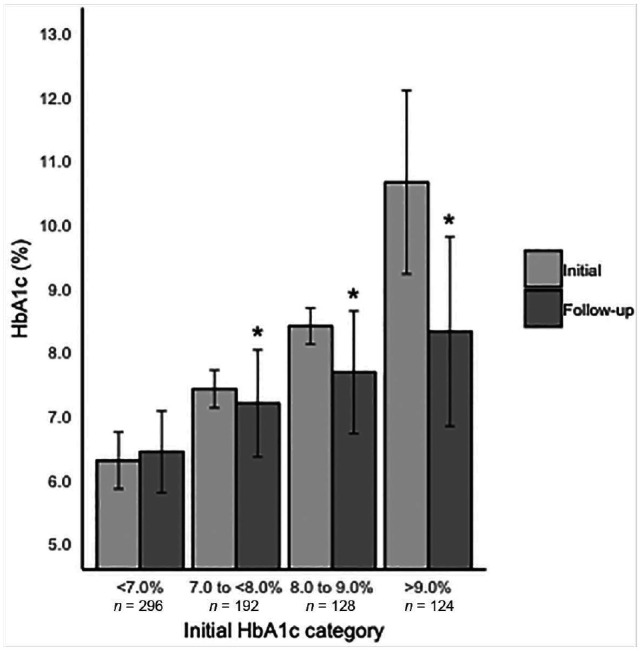
The Onduo Virtual Diabetes Clinic (VDC) telehealth technology/care model for adults with type 2 diabetes (T2D) combines connected devices, remote lifestyle coaching, and clinical support with a mobile App. Key differentiating program features are the availability of live video consultations with board-certified endocrinologists for medication management and real-time continuous glucose monitor use for higher-risk participants. Preliminary data ( n = 740) suggest that participation was associated with a significant improvement in HbA1c with up to 6 months follow-up in those not meeting treatment targets. HbA1c decreased by 2.3% ± 1.9%, 0.7% ± 1.0%, and 0.2% ± 0.8% across baseline categories of >9.0%, 8.0%-9.0% and 7.0% to <8.0%, respectively (all P < .001). These findings suggest that the VDC has potential to support individuals with T2D and their clinicians in diabetes management between office visits.
Overview
The claims and statistics of this paper haven’t been checked yet.
Free: it reads the open-access text and checks the first 5 claims that cite a source we can check. Create a free account to check every claim.
Integrity signals
Registry
Cites
Statistics
Figures
Verification
Claims the paper makes
The claims and statistics of this paper haven’t been checked yet.
Free: it reads the open-access text and checks the first 5 claims that cite a source we can check. Create a free account to check every claim.
Claims other papers make about this one
Each is checked against this paper’s own text: does it say what the citing paper says it does?
The source backs part of the claim, not all of it — or backs it for a different population, condition or comparison.
In the citing paper
“Virta health, Accolade and Onduo by Verily (Alphabet) have all developed applications that aim to improve diabetes control, with some demonstrating improvement in hemoglobin A1c levels in individuals who followed the programs 75 .”
From Multimodal biomedical AI (2022) · cites this paper as [75]
Experimental — accuracy not yet measuredThe cited source says what the claim attributes to it.
In the citing paper
“Others assist in improving diabetes outcomes by remotely monitoring clinical data (for instance, wireless monitoring of glucose levels, weight, or blood pressure) and providing feedback and coaching (266-271).”
From 7. Diabetes Technology: Standards of Care in Diabetes—2025 (2025) · cites this paper as [269]
Self-check
Percentages, sums and reported differences re-computed from the paper’s own numbers.
The self-check needs the paper’s full text.
Citations
Cites
Economic Costs of Diabetes in the U.S. in 2017
American Diabetes Association (2018) · Diabetes Care · doi:10.2337/dci18-0007 · Cited by 2,528
State of Type 1 Diabetes Management and Outcomes from the T1D Exchange in 2016–2018
Foster, N. C., Beck, R. W., Miller, K. M., Clements, M. A., Rickels, M. R., DiMeglio, L. A., Maahs, D. M., Tamborlane, W. V., Bergenstal, R., Smith, E., et al. (2019) · Diabetes Technology & Therapeutics · doi:10.1089/dia.2018.0384 · Cited by 1,907
Diabetes 2030: Insights from Yesterday, Today, and Future Trends
Rowley, W. R., Bezold, C., Arikan, Y., Byrne, E., & Krohe, S. (2017) · Population Health Management · doi:10.1089/pop.2015.0181 · Cited by 655 · cited 1×
“New approaches to diabetes care and delivery are needed given the expected increase in the prevalence of type 2 diabetes (T2D) to 49 million people by the year 2030, most of whom will not have access to care from diabetes specialists.(3-7) Telemedicine is a growing area of healthcare for people with diabetes and has t…”
BackgroundBeck, R. W., Riddlesworth, T. D., Ruedy, K., Ahmann, A., Haller, S., Kruger, D., McGill, J. B., Polonsky, W., Price, D., Aronoff, S., et al. (2017) · Annals of Internal Medicine · doi:10.7326/m16-2855 · Cited by 635 · cited 1×
“There is a growing body of evidence supporting the use of CGM technology in T2D management to improve glycemic control and treatment adherence; however, utilization and access have been limited, particularly for primary care patients.(19,20) The ability of VDC endocrinologists to prescribe rtCGM devices with remote CG…”
BackgroundPrevalence of diagnosed diabetes in adults by diabetes type – United States, 2016
Bullard, K. M., Cowie, C. C., Lessem, S. E., Saydah, S. H., Menke, A., Geiss, L. S., Orchard, T. J., Rolka, D. B., & Imperatore, G. (2018) · MMWR. Morbidity and Mortality Weekly Report · doi:10.15585/mmwr.mm6712a2 · Cited by 512
Hou, C., Carter, B., Hewitt, J., Francisa, T., & Mayor, S. (2016) · Diabetes Care · doi:10.2337/dc16-0346 · Cited by 411 · cited 1×
“Telemedicine is a growing area of healthcare for people with diabetes and has the potential to increase access to care, positively impact self-management behaviors, and improve health outcomes.(8-14) However, current programs vary in the use of technologies employed, models for interactions, and access to diabetes pro…”
BackgroundIntroduction: Standards of Medical Care in Diabetes—2019
(2019) · Diabetes Care · doi:10.2337/dc19-sint01 · Cited by 356
Vigersky, R. A., Fonda, S. J., Chellappa, M., Walker, M. S., & Ehrhardt, N. M. (2012) · Diabetes Care · doi:10.2337/dc11-1438 · Cited by 301 · cited 1×
“There is a growing body of evidence supporting the use of CGM technology in T2D management to improve glycemic control and treatment adherence; however, utilization and access have been limited, particularly for primary care patients.(19,20) The ability of VDC endocrinologists to prescribe rtCGM devices with remote CG…”
Background2017 National Standards for Diabetes Self-Management Education and Support
Beck, J., Greenwood, D. A., Blanton, L., Bollinger, S. T., Butcher, M. K., Condon, J. E., Cypress, M., Faulkner, P., Fischl, A. H., Francis, T., et al. (2018) · The Diabetes Educator · doi:10.1177/0145721718754797 · Cited by 288
Tomky, D., Tomky, D., Cypress, M., Dang, D., Maryniuk, M., Peyrot, M., & Mensing, C. (2008) · The Diabetes Educator · doi:10.1177/0145721708316625 · Cited by 270
Research works printed but not linked: 1
- Centers for Disease Control and Prevention. 2017 National Diabetes Statistics Report. Atlanta, GA: US Department of Health and Human Services; 2019.
Cited by
Foundation models for generalist medical artificial intelligence
Moor, M., Banerjee, O., Abad, Z. S. H., Krumholz, H. M., Leskovec, J., Topol, E. J., & Rajpurkar, P. (2023) · Nature · doi:10.1038/s41586-023-05881-4 · Cited by 2,028
Acosta, J. N., Falcone, G. J., Rajpurkar, P., & Topol, E. J. (2022) · Nature Medicine · doi:10.1038/s41591-022-01981-2 · Cited by 1,365
7. Diabetes Technology: Standards of Medical Care in Diabetes—2022
American Diabetes Association Professional Practice Committee (2022) · Diabetes Care · doi:10.2337/dc22-s007 · Cited by 358
7. Diabetes Technology: Standards of Care in Diabetes—2025
American Diabetes Association Professional Practice Committee, ElSayed, N. A., McCoy, R. G., Aleppo, G., Balapattabi, K., Beverly, E. A., Briggs Early, K., Bruemmer, D., Echouffo-Tcheugui, J. B., Ekhlaspour, L., et al. (2025) · Diabetes Care · doi:10.2337/dc25-s007 · Cited by 348
A deep learning system for predicting time to progression of diabetic retinopathy
Dai, L., Sheng, B., Chen, T., Wu, Q., Liu, R., Cai, C., Wu, L., Yang, D., Hamzah, H., Liu, Y., et al. (2024) · Nature Medicine · doi:10.1038/s41591-023-02702-z · Cited by 339
“These participants could be preferentially selected for more intensive management or counseling 35,36 .”
7. Diabetes Technology: Standards of Care in Diabetes — 2023
ElSayed, N. A., Aleppo, G., Aroda, V. R., Bannuru, R. R., Brown, F. M., Bruemmer, D., Collins, B. S., Hilliard, M. E., Isaacs, D., Johnson, E. L., et al. (2023) · Diabetes Care · doi:10.2337/dc23-s007 · Cited by 301
Self-citationGrunberger, G., Sherr, J., Allende, M., Blevins, T., Bode, B., Handelsman, Y., Hellman, R., Lajara, R., Roberts, V. L., Rodbard, D., et al. (2021) · Endocrine Practice · doi:10.1016/j.eprac.2021.04.008 · Cited by 288
7. Diabetes Technology: Standards of Care in Diabetes—2024
American Diabetes Association Professional Practice Committee, ElSayed, N. A., Aleppo, G., Bannuru, R. R., Bruemmer, D., Collins, B. S., Ekhlaspour, L., Hilliard, M. E., Johnson, E. L., Khunti, K., et al. (2024) · Diabetes Care · doi:10.2337/dc24-s007 · Cited by 281
Self-citationPredicting the risk of developing diabetic retinopathy using deep learning
Bora, A., Balasubramanian, S., Babenko, B., Virmani, S., Venugopalan, S., Mitani, A., de Oliveira Marinho, G., Cuadros, J., Ruamviboonsuk, P., Corrado, G. S., et al. (2021) · The Lancet Digital Health · doi:10.1016/s2589-7500(20)30250-8 · Cited by 270
“Age (years), median (IQR) 53 (46-60) 54 (45-60) 54 (45-60) 59 (52-66)”
7. Diabetes Technology: Standards of Medical Care in Diabetes—2021
American Diabetes Association (2021) · Diabetes Care · doi:10.2337/dc21-s007 · Cited by 202
7. Diabetes Technology: Standards of Care in Diabetes—2026
Bajaj, M. S., McCoy, R. G., Balapattabi, K., Bannuru, R. R., Bellini, N. J., Bennett, A. K., Beverly, E. A., Early, K. B., ChallaSivaKanaka, S., Echouffo-Tcheugui, J. B., et al. (2025) · Diabetes Care · doi:10.2337/dc26-s007 · Cited by 293
Phillip, M., Bergenstal, R. M., Close, K. L., Danne, T., Garg, S. K., Heinemann, L., Hirsch, I. B., Kovatchev, B. P., Laffel, L. M., Mohan, V., et al. (2021) · Diabetes Technology & Therapeutics · doi:10.1089/dia.2020.0375 · Cited by 135
Bergenstal, R. M., Layne, J. E., Zisser, H., Gabbay, R. A., Barleen, N. A., Lee, A. A., Majithia, A. R., Parkin, C. G., & Dixon, R. F. (2021) · Diabetes Technology & Therapeutics · doi:10.1089/dia.2020.0396 · Cited by 110
Self-citationType 2 Diabetes and the Use of Real-Time Continuous Glucose Monitoring
Jackson, M. A., Ahmann, A., & Shah, V. N. (2021) · Diabetes Technology & Therapeutics · doi:10.1089/dia.2021.0007 · Cited by 106
“001), while those with HbA1c <7% maintained this level of glycemic control.(26) In conclusion, there is mounting evidence that rtCGM can improve glycemic control in insulin-treated patients with T2D, in addition to other benefits.”
BackgroundMethodQuinn, L. M., Davies, M. J., & Hadjiconstantinou, M. (2020) · Journal of Medical Internet Research · doi:10.2196/21609 · Cited by 88
“However, many of these studies combined interventions, such as synchronous and asynchronous programs, rendering it difficult to delineate the efficacy of the individual interventions [23].”
BackgroundPrice, D. A., Deng, Q., Kipnes, M., & Beck, S. E. (2021) · Diabetes Therapy · doi:10.1007/s13300-021-01086-y · Cited by 77
Grace, T., & Salyer, J. (2022) · Diabetes Technology & Therapeutics · doi:10.1089/dia.2021.0212 · Cited by 64
Majithia, A. R., Kusiak, C. M., Armento Lee, A., Colangelo, F. R., Romanelli, R. J., Robertson, S., Miller, D. P., Erani, D. M., Layne, J. E., Dixon, R. F., et al. (2020) · Journal of Medical Internet Research · doi:10.2196/21778 · Cited by 58
“Virtual Diabetes Clinic Participation The Onduo VDC telehealth program for people with T2D has been previously described [8,9].”
BackgroundMethodResultSelf-citationSix Digital Health Technologies That Will Transform Diabetes
Klonoff, A. N., Lee, W.-A. (., Xu, N. Y., Nguyen, K. T., DuBord, A., & Kerr, D. (2023) · Journal of Diabetes Science and Technology · doi:10.1177/19322968211043498 · Cited by 44
“13,14 The use of telehealth has been shown to be statistically significant in lowering hemoglobin A1c in patients with type 1 diabetes (T1D) and type 2 diabetes (T2D) across multiple meta-analyses, although no convincing effect on quality of life, mortality, or hypoglycemia incidence has been shown.”
BackgroundComprehensive Telehealth Model to Support Diabetes Self-Management
Aleppo, G., Gal, R. L., Raghinaru, D., Kruger, D., Beck, R. W., Bergenstal, R. M., Cushman, T., Hood, K. K., Johnson, M. L., McArthur, T., et al. (2023) · JAMA Network Open · doi:10.1001/jamanetworkopen.2023.36876 · Cited by 42
“Diabetes duration, median (IQR), y 23 (13-34) 19 (12-24) Range <1-72 <1-69”
InfluentialChoudhary, P., Bellido, V., Graner, M., Altpeter, B., Cicchetti, A., Durand‐Zaleski, I., & Kristensen, F. B. (2021) · Diabetes Therapy · doi:10.1007/s13300-021-01132-9 · Cited by 47
Galindo, R. J., Parkin, C. G., Aleppo, G., Carlson, A. L., Kruger, D. F., Levy, C. J., Umpierrez, G. E., & McGill, J. B. (2021) · Diabetes Technology & Therapeutics · doi:10.1089/dia.2021.0107 · Cited by 39
Aleppo, G., Hirsch, I. B., Parkin, C. G., McGill, J., Galindo, R., Kruger, D. F., Levy, C. J., Forlenza, G. P., Umpierrez, G. E., Grunberger, G., et al. (2023) · Diabetes Technology & Therapeutics · doi:10.1089/dia.2023.0268 · Cited by 34
“59 Results from a subgroup analysis that compared patients with baseline HbA1c of < 9.0% and > 9.0% showed clinically significant reductions in the higher HbA1c group ( - 1.6%, P 0.0001).”
InfluentialTelemedicine for diabetes management during COVID-19: what we have learnt, what and how to implement
Rosta, L., Menyhárt, A., Almahmeed, W. A., Al‐Rasadi, K., Al-Alawi, K., Banach, M., Banerjee, Y., Ceriello, A., Cesur, M., Cosentino, F., et al. (2023) · Frontiers in Endocrinology · doi:10.3389/fendo.2023.1129793 · Cited by 44
Gal, R. L., Cohen, N. J., Kruger, D., Beck, R. W., Bergenstal, R. M., Calhoun, P., Cushman, T., Haban, A., Hood, K., Johnson, M. L., et al. (2020) · Journal of the Endocrine Society · doi:10.1210/jendso/bvaa076 · Cited by 32
“Despite the compelling evidence of the benefits of CGM [1-15], many individuals with type 1 diabetes (T1D) or type 2 diabetes (T2D) using insulin have not adopted the use of CGM [6, 16].”
BackgroundAlfarwan, N., Hodkinson, A., Panagioti, M., Hassan, L., & Kontopantelis, E. (2024) · Diabetic Medicine · doi:10.1111/dme.15343 · Cited by 28
Carlson, A. L., Martens, T. W., Johnson, L., & Criego, A. B. (2021) · Diabetes Technology & Therapeutics · doi:10.1089/dia.2021.0241 · Cited by 29
Continuous glucose monitoring in persons with type 2 diabetes not using insulin
Cowart, K., Updike, W. H., & Franks, R. (2021) · Expert Review of Medical Devices · doi:10.1080/17434440.2021.1992274 · Cited by 27
Wilson-Anumudu, F. J., Quan, R., Castro, C. M., Cerrada, C. J., Juusola, J. L., Turken, M., & Jasik, C. B. (2021) · JMIR Diabetes · doi:10.2196/25295 · Cited by 31
“Dixon et al [16] reported a higher reduction in HbA1c by baseline group, but the intervention also included medication titration and physician support.”
BackgroundMethodKruger, D. F., & Anderson, J. E. (2021) · Diabetes Technology & Therapeutics · doi:10.1089/dia.2021.0193 · Cited by 30
“…demonstrates that the use of telemedicine interventions to monitor glycemic status in individuals with T1D and T2D is associated with significant HbA1c reductions, 79–84 lower incidence of severe hypoglycemia, 83 reduced diabetes-related distress, 22 and greater adherence to prescribed therapy.”
Wright, E. E., Roberts, G. J., Chuang, J. S., Nabutovsky, Y., Virdi, N., & Miller, E. (2024) · Diabetes Technology & Therapeutics · doi:10.1089/dia.2024.0015 · Cited by 22
“…that these improvements resulted from a Despite a growing number of studies that are reporting the glycemic bene fi ts of CGM use in individuals treated with noninsulin medications, 23,28,31,35 – 41 many insurers, private and commercial, do not cover CGM in the noninsulin-treated T2D population.”
Return to Work: Managing Employee Population Health During the COVID-19 Pandemic
Fragala, M. S., Goldberg, Z. N., & Goldberg, S. E. (2021) · Population Health Management · doi:10.1089/pop.2020.0261 · Cited by 26
“Access to health screenings and condition monitoring may be preserved via alternative methods such as self-collection models coupled with virtual care.(144,145) Videoconferencing technology enables ‘‘in-person’’ visits for the management of chronic diseases such as cardiovascular diseases, diabetes,(116) and psychothe…”
Telemedicine in the Cardiovascular World: Ready for the Future?
Soliman, A. M. (2020) · Methodist DeBakey Cardiovascular Journal · doi:10.14797/mdcj-16-4-283 · Cited by 30
Li, H., Dong, L., Zhou, W., Wu, H.-T., Zhang, R., Li, Y.-T., Yu, C., & Wei, W. (2022) · Graefe s Archive for Clinical and Experimental Ophthalmology · doi:10.1007/s00417-022-05854-9 · Cited by 25
“For example, patients at high risk could be selected for more intensive lifestyle modifications or counseling [25, 26].”
BackgroundRavi, S., Meyerowitz-Katz, G., Yung, C., Ayre, J., McCaffery, K., Maberly, G., & Bonner, C. (2025) · BMC Health Services Research · doi:10.1186/s12913-025-12496-0 · Cited by 19
“This review highlights the need for more research on the long-term impact, equity, and cost-effectiveness of comprehensive virtual care models, including video conferencing and telehealth devices [54].”
Continuous glucose monitoring in primary care – are we there?
Martens, T. W. (2021) · Current Opinion in Endocrinology Diabetes and Obesity · doi:10.1097/med.0000000000000689 · Cited by 21
Jafar, N., Huriyati, E., Haryani, H., & Setyawati, A. (2023) · Journal of Public Health Research · doi:10.1177/22799036231186338 · Cited by 32
Machine Learning: An Intuitive Approach In Healthcare
Suresh, D. S., Suneetha.V, P., Sinha, M. N., Prusty, S., & Sriranga, H. A. (2020) · International Research Journal on Advanced Science Hub · doi:10.47392/irjash.2020.67 · Cited by 18
“[9-11]”
Glycemic Status Assessment by the Latest Glucose Monitoring Technologies
Malandrucco, I., Russo, B., Picconi, F., Menduni, M., & Frontoni, S. (2020) · International Journal of Molecular Sciences · doi:10.3390/ijms21218243 · Cited by 17
“In addition, it has been shown that tele-health regarding virtual health coaching related to the several glucose monitoring technologies improves adherence to the use of glucose monitoring devices and diabetes self-management in T2D insulin-treated patients, with consequent improvement of glycemic control [84].”
BackgroundGalindo, R. J., Aleppo, G., Parkin, C. G., Baidal, D. A., Carlson, A. L., Cengiz, E., Forlenza, G. P., Kruger, D. F., Levy, C. J., McGill, J. B., et al. (2022) · Journal of Diabetes Science and Technology · doi:10.1177/19322968221144052 · Cited by 19
Peixoto, M. R., Ferreira, J. B., & Oliveira, L. (2022) · Revista de Administração Contemporânea · doi:10.1590/1982-7849rac2022210063.en · Cited by 24
How use of continuous glucose monitoring can address therapeutic inertia in primary care
Martens, T. W., & Parkin, C. G. (2022) · Postgraduate Medicine · doi:10.1080/00325481.2022.2080419 · Cited by 16
Thermal Power Plant Turbine Rotor Digital Twin Automation Construction and Monitoring System
Li, L., Ma, H., Wei, M., Zhang, X., Chen, Q., & Xin, Y. (2022) · Mathematical Problems in Engineering · doi:10.1155/2022/8527281 · Cited by 14
“The automated production line is a complex and complete mechatronic device system with comprehensive and systematic characteristics, which integrates multiple technologies [17].”
BackgroundLi, M., Liu, S., Yu, B., Li, N., Lyu, A., Yang, H., He, H., Zhang, N., Ma, J., Sun, M., et al. (2025) · Journal of Medical Internet Research · doi:10.2196/63209 · Cited by 12
“Meanwhile, guidance and management provide specific action guidelines and treatment plans to help patients better control their blood glucose levels [102,105].”
Bodner, E., Roth, L. M. K., Wiencke, K., Bischoff, C., & Schwarz, P. E. H. (2024) · Journal of Medical Internet Research · doi:10.2196/54324 · Cited by 17
“Another study (Dixon et al 2020 [46]) only looked at HbA 1c changes based on different HbA 1c baseline categories and was also not included in the meta-analysis because a result for the whole sample could not be obtained and including several subgroups would overrepresent the single study.”
Tourkmani, A. M., Alharbi, T., Rsheed, A. M. B., Alotaibi, A., Aleissa, M. S., Alotaibi, S. R., Almutairi, A. S., Thomson, J., Alshahrani, A. S., Alroyli, H. S., et al. (2024) · Telemedicine Reports · doi:10.1089/tmr.2024.0003 · Cited by 27
“63 A recent study in Thailand showed that diabetes self-management This study has several implications.”
BackgroundTelemedicine and diabetes during the COVID-19 era
Papazafiropoulou, A. K. (2022) · Archives of Medical Science - Atherosclerotic Diseases · doi:10.5114/amsad/150506 · Cited by 12
Continuous Glucose Monitoring for Type 2 Diabetes: How Does It Compare with Type 1 Diabetes?
Beck, R. W., & Bergenstal, R. M. (2022) · Diabetes Technology & Therapeutics · doi:10.1089/dia.2021.0374 · Cited by 12
A nurse practitioner–led telehealth protocol to improve diabetes outcomes in primary care
Momin, R. P., Kobeissi, M. M., Casarez, R. L., & Khawaja, M. (2022) · Journal of the American Association of Nurse Practitioners · doi:10.1097/jxx.0000000000000759 · Cited by 12
“when combined with IP visits to build rapport and connectivity, which lays the foundation for strong provider– patient relationship (Dixon et al., 2020; Su et al., 2016).”
BackgroundThe effectiveness of telemedicine in the management of type 2 diabetes: A systematic review
Dat, T. V., Binh, V., Hoang, T. M., Tu, V. L., Luyến, P. Đ., & Le, A. T.-K. (2024) · SAGE Open Medicine · doi:10.1177/20503121241271846 · Cited by 15
Hirsch, I. B., Burugapalli, B. S., Brandner, L., Poon, Y., Frazzitta, M. A., Godavarthi, L., & Virdi, N. S. (2024) · Journal of Managed Care & Specialty Pharmacy · doi:10.18553/jmcp.2024.30.10-b.s21 · Cited by 18
Altabtabaei, R., & Alhuwail, D. (2023) · JMIR Human Factors · doi:10.2196/46324 · Cited by 13
“…and in-person consultations for patients with diabetes to evaluate the impact on hemoglobin A 1c levels and to help patients improve their management through lifestyle changes [35]; although a small decrease was noted in both groups, patients who used telemedicine showed more satisfaction [36,37].”
BackgroundWan, T. T. H., & Wang, B. L. (2021) · Journal of Integrated Design and Process Science · doi:10.3233/jid200011 · Cited by 9
“…et al., 2020), RFID (Frykberg et al., 2011), health information exchange (HIE) (Kebede et al., 2019), personal health record (PHR) (Ikeda et al., 2018), electronic health records (EHRs) (Dalton-Locke et al., 2020; Wu et al., 2020), digital health application (DHA) (Dixon et al., 2019), IoT (Nam.”
Majithia, A. R., Erani, D. M., Kusiak, C. M., Layne, J. E., Lee, A. A., Colangelo, F. R., Romanelli, R. J., Robertson, S., Brown, S. M., Dixon, R. F., et al. (2022) · JMIR Formative Research · doi:10.2196/31629 · Cited by 9
“The Onduo virtual care program for adults with T2D combines connected devices, remote lifestyle coaching, and clinical support with a mobile app has been previously described [11,12,14].”
Self-citationReddy, S., Wu, C. C., José, A. S., Hsieh, J. L., & Rautela, S. D. (2023) · Clinical Diabetes · doi:10.2337/cd22-0128 · Cited by 8
“Although these types of studies have limitations, their findings are supported by one randomized controlled trial (40) and smaller observational cohort studies (18,19,23,41).”
Wu, C. C., Wu, K. C., José, A. S., & Novin, N. (2022) · JMIR Diabetes · doi:10.2196/30626 · Cited by 7
“Another virtual diabetes care model partially incorporating CGM use and clinical support has been previously described [24]: significant improvements in HbA1c were seen among 740 early participants in their telehealth program over a median follow-up period of 4.”
MethodThe Expanding Use of Continuous Glucose Monitoring in Type 2 Diabetes
Dabbagh, Z., McKee, M. D., Pirraglia, P. A., Clements, K. M., Liu, F., Amante, D. J., Shukla, P., & Gerber, B. S. (2022) · Diabetes Technology & Therapeutics · doi:10.1089/dia.2021.0536 · Cited by 7
“8,34 In addition, Medicare requirements for CGM approval represent an administrative barrier.”
A Systematic Review of Telehealth Applications in Endocrinology
SeyedAlinaghi, S., Yarmohammadi, S., Mirzapour, P., Dehghani, S., Ahmadi, S., Abbaspour, F., Pashaei, A., Molla, A., Pashaei, A., Ahmadi, S., et al. (2024) · Telemedicine Reports · doi:10.1089/tmr.2024.0032 · Cited by 10
“Smartphones 17,29,32,36,42,45,47,60 and mobile applications 41,45,49,50,52,56,61 were frequently used, along with traditional communication methods such as phone calls 23,35,40,51,57,58 and emails.”
Kompala, T., & Neinstein, A. B. (2020) · Journal of Diabetes Science and Technology · doi:10.1177/1932296820967004 · Cited by 6
Morris-Murray, M., & Frazzitta, M. A. (2024) · Journal of Managed Care & Specialty Pharmacy · doi:10.18553/jmcp.2024.30.10-b.s30 · Cited by 11
Siemens, R. L. (2022) · Clinical Diabetes · doi:10.2337/cd21-0088 · Cited by 6
Jafar, N., Huriyati, E., Haryani, H., Lazuardi, L., & Setyawati, A. (2023) · Diabetes & Metabolic Syndrome Clinical Research & Reviews · doi:10.1016/j.dsx.2023.102787 · Cited by 6
Bilic Curcic, I., Cigrovski Berkovic, M., Kizivat, T., Canecki Varzic, S., Smolic, R., & Smolic, M. (2021) · World Journal of Diabetes · doi:10.4239/wjd.v12.i6.780 · Cited by 2
Allaire, J. C., Dennis, C., Wright, E. E., Edelman, S. V., & Masturzo, A. (2025) · Clinical Diabetes · doi:10.2337/cd24-0108 · Cited by 3
Health-Care Disparities in the Use of Diabetes Technologies in the UK
Barnard-Kelly, K. D., & Parkin, C. G. (2022) · International Journal of Diabetes and Technology · doi:10.4103/ijdt.ijdt_1_23 · Cited by 3
Features of remote monitoring in various clinical sectors
Демкина, А. Е., & Николаевна, К. А. (2023) · Sociology of Medicine · doi:10.17816/socm625984 · Cited by 2
Berthoumieux, A., Naqvi, J. B., Zion, S. R., Napoleone, J. M., McGuill, A., Cerrada, C. J., Lee, H. J., Dunn, T. C., Kerr, D. E., Jasik, C. B., et al. (2026) · Journal of Medical Internet Research · doi:10.2196/78321 · Cited by 2
“A few observational studies have explored the effects of a telemedicine lifestyle program for diabetes that included a CGM offering [17,18], but CGM use among participants was short term and the findings could not be extrapolated to show a cause-effect relationship between the virtually integrated…”
Trends in Digital Health for Diabetes
Rhee, S. Y., & Rhee, E. (2024) · Elsevier eBooks · doi:10.1016/b978-0-443-13244-5.00026-2 · Cited by 2
Continuous Glucose Monitoring in Individuals With Type 2 Diabetes: A Quality Improvement Program
Kinson, L., & Inman, K. (2024) · Clinical Diabetes · doi:10.2337/cd24-0006 · Cited by 5
Glycemia control using remote technologies
Суплотова, Л. А., & Alieva, O. O. (2023) · Meditsinskiy sovet = Medical Council · doi:10.21518/ms2023-157 · Cited by 1
Mesurer soi-même sa glycémie : des patients CGM satisfaits
Dalmat, Y.-M. (2020) · Option/Bio · doi:10.1016/s0992-5945(20)30251-8
Artificial intelligence and future surgery
Han, S. (2021) · Foregut Surgery · doi:10.51666/fs.2021.1.e3
Wu, C., Wu, K. C., & Reddy, S. (2023) · doi:10.2196/preprints.49925
Mirasghari, F., Ayatollahi, H., & Velayati, F. (2025) · Elsevier eBooks · doi:10.1016/b978-0-443-30168-1.00025-6
Wu, C. C., Wu, K. C., & Reddy, S. (2025) · Diabetes Technology and Obesity Medicine · doi:10.1089/dtom.2025.0005
“Two successive studies examined outcomes for a sub-group of their patients with baseline A1C > 9.0%, with one reporting an average A1C reduction of 2.3% 33 and the other reporting a greater average reduction of 2.6% when all participants used CGM explicitly.”
InfluentialSobczak, C., Oser, S. M., Warman, M., Daffron, A., Buss, D., Wettergreen, S. A., Oser, T. K., Parascando, J. A., & Jortberg, B. T. (2025) · ADCES in Practice · doi:10.1177/2633559x251328956
Clinical pharmacist roles in a virtual continuous glucose monitor initiation service
Wettergreen, S. A., Sobczak, C., Jortberg, B. T., Oser, S. M., Buss, D., Parascando, J. A., Daffron, A., & Oser, T. K. (2025) · JACCP JOURNAL OF THE AMERICAN COLLEGE OF CLINICAL PHARMACY · doi:10.1002/jac5.70046
Fernández-Rubio, E., Blanco, J. A., Casanova, L. G., Martínez, I. M. P., Pérez, M. G., Torralba, M. E. S., Ruano, M. A. R., González, C., & Ampudia‐Blasco, F. J. (2026) · Endocrinología Diabetes y Nutrición (English ed ) · doi:10.1016/j.endinu.2026.501829 · Cited by 1
Samant, P., JOSHI, A. K., Mundra, M., NERKAR, P., & Chakarbarty, S. (2026) · International Journal of Research in Medical Sciences · doi:10.18203/2320-6012.ijrms20261687
Wojtera, A., Urantówka, N., Węglarz, A. K., Borowiecka, P. A., Adamarczuk, J. A., Głuski, J., Miciak, A. A., Kaszowska, K. B., Dąbrowski, T. P., Kaczmarz-Chojnacka, K., et al. (2026) · International Journal of Innovative Technologies in Social Science · doi:10.31435/ijitss.3(51).2026.6172
Metadata
- Authors
- Dixon, R. F., Zisser, H., Layne, J. E., Barleen, N. A., Miller, D. P., Moloney, D. P., Majithia, A. R., Gabbay, R. A., & Riff, J.
- Affiliations
- Onduo LLC, Newton, MA, USA
- Verily Life Sciences LLC (United States) (US)
- University of California San Diego (US)
- Joslin Diabetes Center (US)
- Corresponding author
- Layne, Jennifer E.
- Venue
- Journal of Diabetes Science and Technology
- Publisher
- SAGE Publications
- Published
- 2019-11-25
- Volume
- 14
- Issue
- 5
- Pages
- 908-911
- ISSN
- 1932-2968 (ISSN-L)
- PMC
- PMC7477772
- OpenAlex
- W2991558875
- Cited by
- 80
- References
- 18
- Citations by year
- 2026: 4 · 2025: 7 · 2024: 13 · 2023: 12 · 2022: 13 · 2021: 18 · 2020: 13
- FWCI
- 10.13
- Type
- journal article
- Language
- en
- Open access
- hybrid
- doi.org
- Licence
- Locations
- Journal of Diabetes Science and Technology (publishedVersion, cc-by-nc)
- PubMed Central (publishedVersion, cc-by-nc)
- PubMed (publishedVersion)
- Funders
- Onduo, LLC
- Topics
- Health Sciences › Medicine › Public Health, Environmental and Occupational Health › Telemedicine and Telehealth Implementation
- Health Sciences › Medicine › Endocrinology, Diabetes and Metabolism › Diabetes Management and Research
- Health Sciences › Medicine › Endocrinology, Diabetes and Metabolism › Diabetes Management and Education
- Keywords
- type 2 diabetes, telemedicine, continuous glucose monitoring, HbA1c, glycemic control, mobile application, medication management, video consultation, IoT devices
- MeSH terms
- Glycemic Control, Ambulatory Care Facilities, Blood Glucose, Diabetes Mellitus, Type 2, Endocrinology, Female, Glycated Hemoglobin, Humans, Hypoglycemic Agents, Male, Middle Aged, Predictive Value of Tests, Time Factors, United States, Blood Glucose Self-Monitoring, Biomarkers, Treatment Outcome, Telemedicine, Monitoring, Ambulatory, Risk Reduction Behavior, Mobile Applications
About these checks
Registry, retraction, Cites and statistics results are computed, not judged, with one exception: a printed reference that no index lists is read once by a model before it counts as a citation error. Claims are extracted by a model and kept only when their quote appears verbatim in the text; each cited source is then checked, with a model’s help, for whether it says what the claim relies on. Those verdicts can be wrong — read the claim’s quote and the cited source before relying on one.
Statistics and arithmetic are recomputed, not judged.
Confidence bands are shown only for fields calibrated on our annotated test set. None is calibrated yet, so no band is shown.
What counts as a claim ›How we measure confidence ›How we check this ›
Are you an author, or do you see a problem with this page? Request a review
Data sources
Bibliographic data: Semantic Scholar, OpenAlex, Crossref.
Contains information from the Semantic Scholar Academic Graph Datasets, made available under the ODC Attribution License (ODC-BY 1.0).
Semantic Scholar’s data is described in: Kinney, R., et al. (2023). The Semantic Scholar Open Data Platform. arXiv:2301.10140.
