

Reduced physical activity in young and older adults: metabolic and musculoskeletal implications
Open accessThe DOI matches its Crossref record; 79 of the 80 references it cites were found in a registry or an index; 21 of the 101 sources its claims cite were checked for support.
Abstract
Background: Although the health benefits of regular physical activity and exercise are well established and have been incorporated into national public health recommendations, there is a relative lack of understanding pertaining to the harmful effects of physical inactivity. Experimental paradigms including complete immobilization and bed rest are not physiologically representative of sedentary living. A useful ‘real-world’ approach to contextualize the physiology of societal downward shifts in physical activity patterns is that of short-term daily step reduction. Results: Step-reduction studies have largely focused on musculoskeletal and metabolic health parameters, providing relevant disease models for metabolic syndrome, type 2 diabetes (T2D), nonalcoholic fatty liver disease (NAFLD), sarcopenia and osteopenia/osteoporosis. In untrained individuals, even a short-term reduction in physical activity has a significant impact on skeletal muscle protein and carbohydrate metabolism, causing anabolic resistance and peripheral insulin resistance, respectively. From a metabolic perspective, short-term inactivity-induced peripheral insulin resistance in skeletal muscle and adipose tissue, with consequent liver triglyceride accumulation, leads to hepatic insulin resistance and a characteristic dyslipidaemia. Concomitantly, various inactivity-related factors contribute to a decline in function; a reduction in cardiorespiratory fitness, muscle mass and muscle strength. Conclusions: Physical inactivity maybe particularly deleterious in certain patient populations, such as those at high risk of T2D or in the elderly, considering concomitant sarcopenia or osteoporosis. The effects of short-term physical inactivity (with step reduction) are reversible on resumption of habitual physical activity in younger people, but less so in older adults. Nutritional interventions and resistance training offer potential strategies to prevent these deleterious metabolic and musculoskeletal effects. Impact: Individuals at high risk of/with cardiometabolic disease and older adults may be more prone to these acute periods of inactivity due to acute illness or hospitalization. Understanding the risks is paramount to implementing countermeasures.
Overview
CoChat Summary
TL;DR
Short-term step-reduction studies show that even brief reductions in daily physical activity can rapidly impair skeletal muscle insulin sensitivity and muscle protein synthesis, while promoting central and liver fat accumulation. These effects are reversible with resumed activity in younger people but less so in older adults, where inactivity may accelerate sarcopenia and metabolic decline.
Key findings
- In younger adults, 14 days of step reduction from ~10,000 to ~1,500 steps/day caused peripheral insulin resistance, hyperinsulinaemia, and fat redistribution: intraabdominal fat increased from 693 ml to 740 ml in 10 young healthy males, and another study of 45 young adults found increased fat mass, central and liver fat, decreased leg lean mass, increased insulin AUC, and decreased peripheral insulin sensitivity, with hepatic insulin resistance unchanged.
- In older adults, 14 days of step reduction blunted feeding-induced myofibrillar protein synthesis by ~26% in one study and ~12% in another; one study reported a loss of ~0.6 kg leg fat-free mass in only 2 weeks, while muscle strength and physical function did not significantly change in the studies summarized.
- Reported muscle mass losses of 1–4% with 14 days of step reduction are striking given estimated sarcopenic muscle loss of ~0.8% per year; the paper notes that decline after 10 days of bed rest in older adults is equivalent to 7 years of age-related sarcopenia.
- Countermeasures during step reduction included 45 min daily aerobic exercise, which prevented changes in insulin sensitivity, and low-load resistance exercise, which maintained leg lean mass, muscle function, and feeding-induced MPS; citrulline supplementation did not differentially affect MPS.
Methods
- Narrative review of experimental step-reduction studies, excluding complete immobilization, bed rest, and exercise cessation in trained volunteers; it focuses on short-term daily step reduction as a more “real-world” model of inactivity.
- Summarizes intervention studies in younger adults (18–65 years) and older adults (>65 years), with step-reduction durations of 3–14 days, baseline activity ranging from ~6,000 to >10,000 steps/day and reduced activity ranging from <1,500 to <5,000 steps/day; some studies added overfeeding or exercise/nutritional countermeasures.
- Main analysis is a narrative synthesis presented in Tables 1–3, covering cardiorespiratory fitness, metabolic parameters, body composition, muscle protein turnover, and countermeasures; no new primary data or meta-analysis are reported.
Limitations
- Stated: studies typically recruit small samples of healthy adults, have minimally investigated age- and gender-specific differences, and the longest step-reduction duration is 14 days, limiting clinical generalizability and relevance to chronic sedentary behaviour.
- Stated: direct comparisons between studies are difficult because of differences in baseline PA level, the level of “low” step count, duration of reduced activity, and additional overfeeding.
- Evident from the text: this is a narrative review rather than a systematic review or meta-analysis, and several table entries report outcomes as “not reported” or “not yet reported,” limiting the strength of conclusions for some outcomes.
Model-written summary. Check it against the paper before relying on it.
Integrity signals
Registry
Cites
Statistics
Figures
Verification
Claims the paper makes
17 Valid · 2 Not valid · 56 Not checked · 34 Own results and interpretations
The cited sources support only part of this claim — read each source’s verdict below.
In the paper
“Thus, it is unsurprising that physical fitness, which ultimately is related to total PA levels, is generally regarded as the single best predictor of all-cause mortality, independent of disease state.12”
§ Reduced physical activity in young and older adults: metabolic and musculoskeletal implications > Epidemiological evidence on the benefits of physical activity
What the sources say
- Partly supportedcites [12] Warburton DE Nicol CW Bredin SS. Health benefits of physical activity: the evidence. CMAJ 2006; 174: 801– 809. 16534088 PMC1402378 sourceExperimental — accuracy not yet measured
The “Physical activity or physical fitness?” section says fitness is more strongly predictive of health outcomes than physical activity and that both predict risk of death. The discussion of Fig. 1 compares all-cause mortality across fitness levels in people with several risk factors, including some diseases. Neither passage establishes that fitness is the single best predictor of all-cause mortality or that its predictive value is independent of disease state generally. Page numbers were not available in our copy. (LLM, conf=0.86)
boostedstates an association- Asserted: passes — The authors put it forward as true.
- Checkable: passes — It can be checked against evidence.
- Load-bearing: unclear — It is unclear whether the paper’s conclusions depend on it.
- Based: passes — The paper gives a reason why it holds.
- Partly supported
The cited sources support only part of this claim — read each source’s verdict below.
In the paper
“Furthermore, levels of physical activity/fitness are correlated with liver and visceral fat accumulation in individuals at high risk of T2D24 and normal-weight healthy adults.25”
§ Reduced physical activity in young and older adults: metabolic and musculoskeletal implications > A brief overview of the harmful effects of low physical activity and sedentary behaviour
What the sources say
- Not checked yetcites [24] Henson J Edwardson CL Morgan B, et al Associations of sedentary time with fat distribution in a high-risk population. Med Sci Sports Exerc 2015; 47: 1727– 1734. 25386715 source
- Partly supportedcites [25] Smith L Thomas EL Bell JD, et al The association between objectively measured sitting and standing with body composition: a pilot study using MRI. BMJ Open 2014; 4: e005476. PMC4067859 24916091 sourceExperimental — accuracy not yet measured
The Methods describe 12 healthy, normal-weight women, and the Results report correlations of sitting time, standing-to-sitting ratio, and step count with liver fat and the visceral-to-subcutaneous abdominal fat ratio. The paper did not measure fitness or establish a correlation with visceral fat accumulation itself; its visceral-fat outcome was a ratio. (LLM, conf=0.84)
plainstates an association- Asserted: passes — The authors put it forward as true.
- Checkable: passes — It can be checked against evidence.
- Load-bearing: unclear — It is unclear whether the paper’s conclusions depend on it.
- Based: passes — The paper gives a reason why it holds.
The cited sources support only part of this claim — read each source’s verdict below.
In the paper
“though direct comparisons between studies can be difficult due to differences in the baseline PA level (ranging from ‘highly active’ being >6000 to >10,000 steps/day), the level of ‘low’ step count (ranging from <1500 to <5000), the duration of reduced activity (ranging from 3 to 14 days) and the additional effect of overfeeding.26,27”
§ Reduced physical activity in young and older adults: metabolic and musculoskeletal implications > Metabolic effects of physical inactivity/step reduction
What the sources say
- Not checked yetcites [26] Knudsen SH Hansen LS Pedersen M, et al Changes in insulin sensitivity precede changes in body composition during 14 days of step reduction combined with overfeeding in healthy young men. J Appl Physiol 2012; 113: 7– 15. 22556394 source
- Partly supportedcites [27] Walhin JP Richardson JD Betts JA, et al Exercise counteracts the effects of short-term overfeeding and reduced physical activity independent of energy imbalance in healthy young men. J Physiol 2013; 591: 6231– 6243. 24167223 PMC3892474 sourceExperimental — accuracy not yet measured
Our copy of Walhin et al. (2013) clearly documents the heterogeneity the claim rests on: the Introduction contrasts Knudsen et al. (2012) — 3 days of 150% overfeeding with ≤1500 steps/day — against Hagobian & Braun (2006) — habitually active participants, 125% of habitual intake for 3 days, abstaining from structured exercise — and the Methods/Abstract describe this study's own 7-day, 50%-overfeed, ≤4000 steps/day model in habitually active men (baseline 12,562 ± 3520 and 10,544 ± 2756 steps/day). So the dimensions of difference (baseline PA, low-step threshold, duration, added overfeeding) are all attested. What our copy does NOT support is the assertion itself that direct comparisons between such studies are difficult — no passage makes any comparability claim — and none of the specific ranges given in the citing sentence: it never defines 'highly active' as >6000 to >10,000 steps/day, its low-step thresholds are ≤1500 and ≤4000 (not <5000), and the 14-day figure appears only in the title of the Knudsen reference in the References list, not as a stated study parameter. (LLM, conf=0.68)
plain- Asserted: passes — The authors put it forward as true.
- Checkable: passes — It can be checked against evidence.
- Load-bearing: passes — The paper’s conclusions depend on it.
- Based: passes — The paper gives a reason why it holds.
Every source the paper cites for this claim was checked and supports it.
In the paper
“This inactivity-induced anabolic resistance was also accompanied by the progression of insulin resistance”
§ Reduced physical activity in young and older adults: metabolic and musculoskeletal implications > Musculoskeletal effects of inactivity/step reduction
What the sources say
- Supportedcites [56] Breen L Stokes KA Churchward-Venne TA, et al Two weeks of reduced activity decreases leg lean mass and induces ‘anabolic resistance’ of myofibrillar protein synthesis in healthy elderly. J Clin Endocrinol Metab 2013; 98: 2604– 2612. 23589526 source
The Results (Blood metabolites) report that after 14 days of step reduction, postabsorptive insulin resistance (HOMA-IR) rose ~12% and postprandial insulin sensitivity (Matsuda ISI) fell ~43%, i.e. a progression of insulin resistance in the same elderly cohort in which fed-state myofibrillar MPS was blunted (~26% reduction; Discussion, 'anabolic resistance'). The Discussion explicitly couples the two: 'Concomitant with impairments in insulin sensitivity...' and 'the modest increase in adiposity and decline in insulin sensitivity are parallel and may have contributed to the fed-state anabolic resistance and the muscle atrophy observed.' Thus the paraphrase that inactivity-induced anabolic resistance was accompanied by worsening insulin resistance is stated by our copy, at the whole-body (not muscle-specific) level of measurement the paper notes. (LLM, conf=0.90)
plainstates an associationn = 10- Asserted: passes — The authors put it forward as true.
- Checkable: passes — It can be checked against evidence.
- Load-bearing: passes — The paper’s conclusions depend on it.
- Based: passes — The paper gives a reason why it holds.
- Supported
Every source the paper cites for this claim was checked and supports it.
In the paper
“Although there was no impact of this step reduction on basal rates of myofibrillar protein synthesis”
§ Reduced physical activity in young and older adults: metabolic and musculoskeletal implications > Musculoskeletal effects of inactivity/step reduction
What the sources say
- Supportedcites [56] Breen L Stokes KA Churchward-Venne TA, et al Two weeks of reduced activity decreases leg lean mass and induces ‘anabolic resistance’ of myofibrillar protein synthesis in healthy elderly. J Clin Endocrinol Metab 2013; 98: 2604– 2612. 23589526 source
The Myofibrillar protein synthesis section reports that basal, postabsorptive rates did not differ before and after the intervention. The Participants and General design sections describe 10 healthy older adults and 14 days of step reduction; the reported 76% reduction to about 1,400 steps per day is consistent with a baseline of about 6,000. (LLM, conf=0.94)
plainn = 10- Asserted: passes — The authors put it forward as true.
- Checkable: passes — It can be checked against evidence.
- Load-bearing: passes — The paper’s conclusions depend on it.
- Based: passes — The paper gives a reason why it holds.
- Supported
49 more claims · 6 with their cited sources checked
Create a free account to see all 109 claims and to verify the 80 references still open.
- It may state two separate claims as one. 46
- Probably not a substantial claim. 15
- The quote only partly states this claim. 1
Claims other papers make about this one
Each is checked against this paper’s own text: does it say what the citing paper says it does?
The cited source says what the claim attributes to it.
In the citing paper
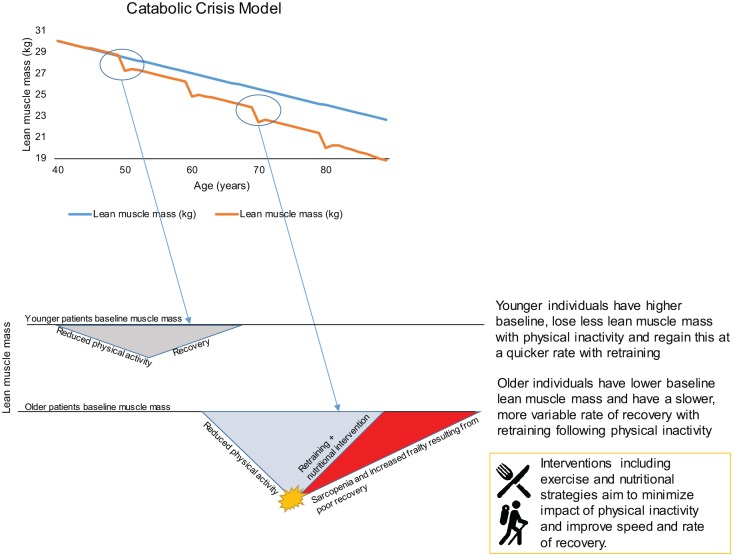
“Older adults with lower baseline lean mass and slower rate of recovery following physical inactivity may be even more prone to these acute periods of muscle disuse when compared to young people [2,241].”
From Nutrition for Older Athletes: Focus on Sex-Differences (2021) · cites this paper as [241]
The check wasn’t confident either way, so it gives no verdict — never disputed.
In the citing paper
“Loss of these mechanical signals, such as during immobilization or microgravity, rapidly tips the balance toward bone resorption.”
From Interorgan Communications in Skeletal Pathophysiology: From Molecular Pathways to Multidisciplinary Therapies (2026) · cites this paper as [49]
Experimental — accuracy not yet measured
Self-check
Percentages, sums and reported differences re-computed from the paper’s own numbers.
Each contradiction between two passages listed here was confirmed by an independent check.
Rated major: it would touch a result — a value a result rests on, reported and recomputed p-values on opposite sides of the significance level, two passages that conflict with no sign which is right, or a cited work retracted before this paper was published.
In the paper
§ Reduced physical activity in young and older adults: metabolic and musculoskeletal implications > Abstract > Results:
“short-term inactivity-induced peripheral insulin resistance in skeletal muscle and adipose tissue, with consequent liver triglyceride accumulation, leads to hepatic insulin resistance”
§ Reduced physical activity in young and older adults: metabolic and musculoskeletal implications > Metabolic effects of physical inactivity/step reduction
“hepatic insulin resistance remains unchanged (in the short term).”
Rated minor: it would not touch a result — a value no result rests on, a p-value that stays on the same side of the significance level, or a conflict that is clerical, resolved elsewhere in the paper, or outside its own findings.
In the paper
§ Reduced physical activity in young and older adults: metabolic and musculoskeletal implications > Metabolic effects of physical inactivity/step reduction
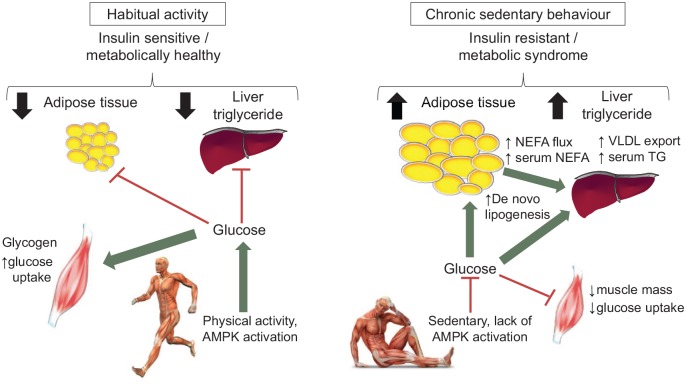
“habitual physical activity (left) and chronic sedentary behaviour (inactivity; right).”
§ Reduced physical activity in young and older adults: metabolic and musculoskeletal implications > Metabolic effects of physical inactivity/step reduction
“Left: a consequence of sedentary behaviour is diminished AMPK activation and glucose uptake into skeletal muscle, inducing insulin resistance.”
Rated minor: it would not touch a result — a value no result rests on, a p-value that stays on the same side of the significance level, or a conflict that is clerical, resolved elsewhere in the paper, or outside its own findings.
In the paper
§ Reduced physical activity in young and older adults: metabolic and musculoskeletal implications > Musculoskeletal effects of inactivity/step reduction
“A summary of intervention studies examining the effects of reduced physical activity and increased sedentary behaviour in younger adults (>65 years old).”
§ Reduced physical activity in young and older adults: metabolic and musculoskeletal implications > Musculoskeletal effects of inactivity/step reduction
“10 older adults (72 years, 29 BMI)”
Rated minor: it would not touch a result — a value no result rests on, a p-value that stays on the same side of the significance level, or a conflict that is clerical, resolved elsewhere in the paper, or outside its own findings.
In the paper
§ Reduced physical activity in young and older adults: metabolic and musculoskeletal implications > A brief overview of the harmful effects of low physical activity and sedentary behaviour
“‘Light Movers’ – physically inactive and low sedentary time”
§ Reduced physical activity in young and older adults: metabolic and musculoskeletal implications > A brief overview of the harmful effects of low physical activity and sedentary behaviour
“being sedentary independent of activity (Light Movers) is associated with lower HDL (high-density lipoprotein) cholesterol”
Rated minor: it would not touch a result — a value no result rests on, a p-value that stays on the same side of the significance level, or a conflict that is clerical, resolved elsewhere in the paper, or outside its own findings.
In the paper
§ Reduced physical activity in young and older adults: metabolic and musculoskeletal implications > Musculoskeletal effects of inactivity/step reduction
“Steps/day ↓: BL 7362 SR 991”
§ Reduced physical activity in young and older adults: metabolic and musculoskeletal implications > Musculoskeletal effects of inactivity/step reduction
“reduction in daily steps from ~6500/day to ~1300/day”
1 more finding
Create a free account to see every finding of this check.
Citations
Cites
Sarcopenia: European consensus on definition and diagnosis
Cruz-Jentoft, A. J., Baeyens, J. P., Bauer, J. M., Boirie, Y., Cederholm, T., Landi, F., Martin, F. C., Michel, J.-P., Rolland, Y., Schneider, S. M., et al. (2010) · Age and Ageing · doi:10.1093/ageing/afq034 · Cited by 11,601
Lee, I.-M., Shiroma, E. J., Lobelo, F., Puska, P., Blair, S. N., & Katzmarzyk, P. T. (2012) · The Lancet · doi:10.1016/s0140-6736(12)61031-9 · Cited by 8,215
Health benefits of physical activity: the evidence
Warburton, D. E. R. (2006) · Canadian Medical Association Journal · doi:10.1503/cmaj.051351 · Cited by 8,007
Epidemiology of Sarcopenia among the Elderly in New Mexico
Baumgartner, R. N., Koehler, K. M., Gallagher, D., Romero, L., Heymsfield, S. B., Ross, R. R., Garry, P. J., & Lindeman, R. D. (1998) · American Journal of Epidemiology · doi:10.1093/oxfordjournals.aje.a009520 · Cited by 4,004
Sedentary Behavior Research Network (SBRN)—Terminology Consensus Project process and outcome
on behalf of SBRN Terminology Consensus Project Participants, Tremblay, M. S., Aubert, S., Barnes, J. D., Saunders, T. J., Carson, V., Latimer-Cheung, A. E., Chastin, S. F. M., Altenburg, T. M., & Chinapaw, M. J. M. (2017) · International Journal of Behavioral Nutrition and Physical Activity · doi:10.1186/s12966-017-0525-8 · Cited by 3,793 · cited 2×
“Participants were randomized to one of three dietary intervention groups (n = 10 per group) differentiated by the type of protein and free amino acids included in the product: (1) ‘whey isolate’ − 5 g glycine/day during step reduction and 20 g isolated whey protein plus 15 g glycine on the infusion trial day; (2) ‘mic…”
MethodFit Yourself and Take Your Lungs to Heart
Palange, P., & Bonini, M. (2013) · Respiration · doi:10.1159/000350831 · Cited by 2,779
Biswas, A., Oh, P. I., Faulkner, G. E., Bajaj, R. R., Silver, M. A., Mitchell, M. S., & Alter, D. A. (2015) · Annals of Internal Medicine · doi:10.7326/m14-1651 · Cited by 2,726
Physical Fitness and All-Cause Mortality: A Prospective Study of Healthy Men and Women
Blair, S. N. (1989) · JAMA · doi:10.1001/jama.1989.03430170057028 · Cited by 2,658
Bauer, J., Biolo, G., Cederholm, T., Cesari, M., Cruz-Jentoft, A. J., Morley, J. E., Phillips, S., Sieber, C., Stehle, P., Teta, D., et al. (2013) · Journal of the American Medical Directors Association · doi:10.1016/j.jamda.2013.05.021 · Cited by 2,553
Too Much Sitting: The Population Health Science of Sedentary Behavior
Owen, N., Healy, G. N., Matthews, C. E., & Dunstan, D. W. (2010) · Exercise and Sport Sciences Reviews · doi:10.1097/jes.0b013e3181e373a2 · Cited by 2,202
The economic burden of physical inactivity: a global analysis of major non-communicable diseases
Ding, D., Lawson, K. D., Kolbe-Alexander, T. L., Finkelstein, E. A., Katzmarzyk, P. T., van Mechelen, W., & Pratt, M. (2016) · The Lancet · doi:10.1016/s0140-6736(16)30383-x · Cited by 2,201
Skeletal Muscle Insulin Resistance Is the Primary Defect in Type 2 Diabetes
DeFronzo, R. A., & Tripathy, D. (2009) · Diabetes Care · doi:10.2337/dc09-s302 · Cited by 2,102
Blundell, J. E., Baker, J. L., Boyland, E., Blaak, E., Charzewska, J., de Henauw, S., Frühbeck, G., Gonzalez-Gross, M., Hebebrand, J., Holm, L., et al. (2017) · Obesity Facts · doi:10.1159/000455952 · Cited by 1,945
CORONARY HEART-DISEASE AND PHYSICAL ACTIVITY OF WORK
Morris, J. N., Heady, J. A., Raffle, P. A. B., Roberts, C. G., & Parks, J. W. (1953) · The Lancet · doi:10.1016/s0140-6736(53)90665-5 · Cited by 1,698
Sarcopenic obesity in older adults: aetiology, epidemiology and treatment strategies
Batsis, J. A., & Villareal, D. T. (2018) · Nature Reviews Endocrinology · doi:10.1038/s41574-018-0062-9 · Cited by 1,382
Mitchell, W. K., Williams, J., Atherton, P., Larvin, M., Lund, J., & Narici, M. (2012) · Frontiers in Physiology · doi:10.3389/fphys.2012.00260 · Cited by 1,377
Church, T. S., Thomas, D. M., Tudor-Locke, C., Katzmarzyk, P. T., Earnest, C. P., Rodarte, R. Q., Martin, C. K., Blair, S. N., & Bouchard, C. (2011) · PLoS ONE · doi:10.1371/journal.pone.0019657 · Cited by 1,294
Anabolic signaling deficits underlie amino acid resistance of wasting, aging muscle
Cuthbertson, D., Smith, K., Babraj, J., Leese, G., Waddell, T., Atherton, P., Wackerhage, H., Taylor, P. M., & Rennie, M. J. (2005) · The FASEB Journal · doi:10.1096/fj.04-2640fje · Cited by 1,211
Self-citationHow many steps/day are enough? For older adults and special populations
Tudor-Locke, C., Craig, C. L., Aoyagi, Y., Bell, R. C., Croteau, K. A., De Bourdeaudhuij, I., Ewald, B., Gardner, A. W., Hatano, Y., Lutes, L. D., et al. (2011) · International Journal of Behavioral Nutrition and Physical Activity · doi:10.1186/1479-5868-8-80 · Cited by 1,076
Large-scale physical activity data reveal worldwide activity inequality
Althoff, T., Sosič, R., Hicks, J. L., King, A. C., Delp, S. L., & Leskovec, J. (2017) · Nature · doi:10.1038/nature23018 · Cited by 1,000
Physical Activity in U.S. Adults
Tucker, J. M., Welk, G. J., & Beyler, N. K. (2011) · American Journal of Preventive Medicine · doi:10.1016/j.amepre.2010.12.016 · Cited by 977
Effect of 10 Days of Bed Rest on Skeletal Muscle in Healthy Older Adults
Kortebein, P., Ferrando, A., Lombeida, J., Wolfe, R., & Evans, W. J. (2007) · JAMA · doi:10.1001/jama.297.16.1772-b · Cited by 933
Skeletal Muscle Power: A Critical Determinant of Physical Functioning in Older Adults
Reid, K. F., & Fielding, R. A. (2012) · Exercise and Sport Sciences Reviews · doi:10.1097/jes.0b013e31823b5f13 · Cited by 913
Skeletal muscle performance and ageing
Tieland, M., Trouwborst, I., & Clark, B. C. (2018) · Journal of Cachexia, Sarcopenia and Muscle · doi:10.1002/jcsm.12238 · Cited by 904
CORONARY HEART-DISEASE AND PHYSICAL ACTIVITY OF WORK
Morris, J. N., Heady, J. A., Raffle, P. A. B., Roberts, C. G., & Parks, J. W. (1953) · The Lancet · doi:10.1016/s0140-6736(53)91495-0 · Cited by 776
The role of skeletal muscle insulin resistance in the pathogenesis of the metabolic syndrome
Petersen, K. F., Dufour, S., Savage, D. B., Bilz, S., Solomon, G., Yonemitsu, S., Cline, G. W., Befroy, D., Zemany, L., Kahn, B. B., et al. (2007) · Proceedings of the National Academy of Sciences · doi:10.1073/pnas.0705408104 · Cited by 759
Role of Inactivity in Chronic Diseases: Evolutionary Insight and Pathophysiological Mechanisms
Booth, F. W., Roberts, C. K., Thyfault, J. P., Ruegsegger, G. N., & Toedebusch, R. G. (2017) · Physiological Reviews · doi:10.1152/physrev.00019.2016 · Cited by 696 · cited 2×
“Participants were randomized to one of three dietary intervention groups (n = 10 per group) differentiated by the type of protein and free amino acids included in the product: (1) ‘whey isolate’ − 5 g glycine/day during step reduction and 20 g isolated whey protein plus 15 g glycine on the infusion trial day; (2) ‘mic…”
MethodScarborough, P., Bhatnagar, P., Wickramasinghe, K. K., Allender, S., Foster, C., & Rayner, M. (2011) · Journal of Public Health · doi:10.1093/pubmed/fdr033 · Cited by 536
Nikander, R., Sievänen, H., Heinonen, A., Daly, R. M., Uusi-Rasi, K., & Kannus, P. (2010) · BMC Medicine · doi:10.1186/1741-7015-8-47 · Cited by 479
Protecting muscle mass and function in older adults during bed rest
English, K. L., & Paddon-Jones, D. (2010) · Current Opinion in Clinical Nutrition and Metabolic Care · doi:10.1097/mco.0b013e328333aa66 · Cited by 477
Exercise acts as a drug; the pharmacological benefits of exercise
Vina, J., Sanchis‐Gomar, F., Martinez‐Bello, V, & Gomez‐Cabrera, M. (2012) · British Journal of Pharmacology · doi:10.1111/j.1476-5381.2012.01970.x · Cited by 443
Cao, L., & Morley, J. E. (2016) · Journal of the American Medical Directors Association · doi:10.1016/j.jamda.2016.06.001 · Cited by 424
Breen, L., Stokes, K. A., Churchward-Venne, T. A., Moore, D. R., Baker, S. K., Smith, K., Atherton, P. J., & Phillips, S. M. (2013) · The Journal of Clinical Endocrinology & Metabolism · doi:10.1210/jc.2013-1502 · Cited by 395
Self-citationBurd, N. A., Tang, J. E., Moore, D. R., & Phillips, S. M. (2009) · Journal of Applied Physiology · doi:10.1152/japplphysiol.91351.2008 · Cited by 390
Self-citationPaddon-Jones, D., Sheffield-Moore, M., Urban, R. J., Sanford, A. P., Aarsland, A., Wolfe, R. R., & Ferrando, A. A. (2004) · The Journal of Clinical Endocrinology & Metabolism · doi:10.1210/jc.2003-032159 · Cited by 338
Henson, J., Yates, T., Biddle, S. J. H., Edwardson, C. L., Khunti, K., Wilmot, E. G., Gray, L. J., Gorely, T., Nimmo, M. A., & Davies, M. J. (2013) · Diabetologia · doi:10.1007/s00125-013-2845-9 · Cited by 337
Point: Visceral Adiposity Is Causally Related to Insulin Resistance
Lebovitz, H. E., & Banerji, M. A. (2005) · Diabetes Care · doi:10.2337/diacare.28.9.2322 · Cited by 328
Alterations of protein turnover underlying disuse atrophy in human skeletal muscle
Phillips, S. M., Glover, E. I., & Rennie, M. J. (2009) · Journal of Applied Physiology · doi:10.1152/japplphysiol.00452.2009 · Cited by 322
Metabolic Responses to Reduced Daily Steps in Healthy Nonexercising Men
(2008) · JAMA · doi:10.1001/jama.299.11.1259 · Cited by 313
A 2-wk reduction of ambulatory activity attenuates peripheral insulin sensitivity
Krogh-Madsen, R., Thyfault, J. P., Broholm, C., Mortensen, O. H., Olsen, R. H., Mounier, R., Plomgaard, P., van Hall, G., Booth, F. W., & Pedersen, B. K. (2010) · Journal of Applied Physiology · doi:10.1152/japplphysiol.00977.2009 · Cited by 311
Lifelong physical exercise delays age-associated skeletal muscle decline
Zampieri, S., Pietrangelo, L., Loefler, S., Fruhmann, H., Vogelauer, M., Burggraf, S., Pond, A., Grim-Stieger, M., Cvecka, J., Sedliak, M., et al. (2015) · The Journals of Gerontology Series A: Biological Sciences and Medical Sciences · doi:10.1093/gerona/glu006 · Cited by 282
Verlaan, S., Aspray, T. J., Bauer, J. M., Cederholm, T., Hemsworth, J., Hill, T. R., McPhee, J. S., Piasecki, M., Seal, C., Sieber, C. C., et al. (2017) · Clinical Nutrition · doi:10.1016/j.clnu.2015.11.013 · Cited by 268
Bed-rest-induced insulin resistance occurs primarily in muscle
Stuart, C. A., Shangraw, R. E., Prince, M. J., Peters, E. J., & Wolfe, R. R. (1988) · Metabolism · doi:10.1016/0026-0495(88)90018-2 · Cited by 258
Alibegovic, A. C., Sonne, M. P., Højbjerre, L., Bork-Jensen, J., Jacobsen, S., Nilsson, E., Færch, K., Hiscock, N., Mortensen, B., Friedrichsen, M., et al. (2010) · American Journal of Physiology-Endocrinology and Metabolism · doi:10.1152/ajpendo.00590.2009 · Cited by 247 · cited 2×
“com/home/tae infusion trial day; and (3) ‘micellar-whey + citrulline’ − 5 g citrulline/day during step reduction and 20 g micellar-whey protein plus 5 g citrulline on the infusion trial day.”
MethodFujita, S., Rasmussen, B. B., Cadenas, J. G., Drummond, M. J., Glynn, E. L., Sattler, F. R., & Volpi, E. (2007) · Diabetes · doi:10.2337/db06-1566 · Cited by 224
Owen, N., Salmon, J., Koohsari, M. J., Turrell, G., & Giles-Corti, B. (2014) · British Journal of Sports Medicine · doi:10.1136/bjsports-2013-093107 · Cited by 208
Rabøl, R., Petersen, K. F., Dufour, S., Flannery, C., & Shulman, G. I. (2011) · Proceedings of the National Academy of Sciences · doi:10.1073/pnas.1110105108 · Cited by 196
Ambulatory activity of older adults hospitalized with acute medical illness
Fisher, S. R., Goodwin, J. S., Protas, E. J., Kuo, Y., Graham, J. E., Ottenbacher, K. J., & Ostir, G. V. (2011) · Journal of the American Geriatrics Society · doi:10.1111/j.1532-5415.2010.03202.x · Cited by 192
Abadi, A., Glover, E. I., Isfort, R. J., Raha, S., Safdar, A., Yasuda, N., Kaczor, J. J., Melov, S., Hubbard, A., Qu, X., et al. (2009) · PLoS ONE · doi:10.1371/journal.pone.0006518 · Cited by 189
45-Year Trends in Women’s Use of Time and Household Management Energy Expenditure
Archer, E., Shook, R. P., Thomas, D. M., Church, T. S., Katzmarzyk, P. T., Hébert, J. R., McIver, K. L., Hand, G. A., Lavie, C. J., & Blair, S. N. (2013) · PLoS ONE · doi:10.1371/journal.pone.0056620 · Cited by 181
Komar, B., Schwingshackl, L., & Hoffmann, G. (2015) · The Journal of nutrition, health and aging · doi:10.1007/s12603-014-0559-4 · Cited by 161
Uncomplicated Resistance Training and Health-Related Outcomes: Evidence for a Public Health Mandate
Phillips, S. M., & Winett, R. A. (2010) · Current Sports Medicine Reports · doi:10.1249/jsr.0b013e3181e7da73 · Cited by 157
Association between objectively-measured physical activity and sleep, NHANES 2005–2006
Loprinzi, P. D., & Cardinal, B. J. (2011) · Mental Health and Physical Activity · doi:10.1016/j.mhpa.2011.08.001 · Cited by 154
Lowering Physical Activity Impairs Glycemic Control in Healthy Volunteers
MIKUS, C. R., OBERLIN, D. J., LIBLA, J. L., TAYLOR, A. M., BOOTH, F. W., & THYFAULT, J. P. (2012) · Medicine & Science in Sports & Exercise · doi:10.1249/mss.0b013e31822ac0c0 · Cited by 149
Current Concepts and Unresolved Questions in Dietary Protein Requirements and Supplements in Adults
Phillips, S. M. (2017) · Frontiers in Nutrition · doi:10.3389/fnut.2017.00013 · Cited by 145
Bowden Davies, K. A., Sprung, V. S., Norman, J. A., Thompson, A., Mitchell, K. L., Halford, J. C. G., Harrold, J. A., Wilding, J. P. H., Kemp, G. J., & Cuthbertson, D. J. (2018) · Diabetologia · doi:10.1007/s00125-018-4603-5 · Cited by 138
Self-citationMurphy, C. H., Saddler, N. I., Devries, M. C., McGlory, C., Baker, S. K., & Phillips, S. M. (2016) · The American Journal of Clinical Nutrition · doi:10.3945/ajcn.116.136424 · Cited by 133
Walhin, J., Richardson, J. D., Betts, J. A., & Thompson, D. (2013) · The Journal of Physiology · doi:10.1113/jphysiol.2013.262709 · Cited by 129
Tieland, M., Franssen, R., Dullemeijer, C., van Dronkelaar, C., Kim, H. K., Ispoglou, T., Zhu, K., Prince, R. L., van Loon, L. J. C., & de Groot, L. C. P. G. M. (2017) · The Journal of nutrition, health and aging · doi:10.1007/s12603-017-0896-1 · Cited by 123
Smeuninx, B., Mckendry, J., Wilson, D., Martin, U., & Breen, L. (2017) · The Journal of Clinical Endocrinology & Metabolism · doi:10.1210/jc.2017-00869 · Cited by 118
Phillips, S. M., & McGlory, C. (2014) · The Journal of Physiology · doi:10.1113/jphysiol.2014.273615 · Cited by 113
McGlory, C., von Allmen, M. T., Stokes, T., Morton, R. W., Hector, A. J., Lago, B. A., Raphenya, A. R., Smith, B. K., McArthur, A. G., Steinberg, G. R., et al. (2018) · The Journals of Gerontology: Series A · doi:10.1093/gerona/glx203 · Cited by 113
Knudsen, S. H., Hansen, L. S., Pedersen, M., Dejgaard, T., Hansen, J., Hall, G. V., Thomsen, C., Solomon, T. P. J., Pedersen, B. K., & Krogh-Madsen, R. (2012) · Journal of Applied Physiology · doi:10.1152/japplphysiol.00189.2011 · Cited by 112
Devries, M. C., Breen, L., Von Allmen, M., MacDonald, M. J., Moore, D. R., Offord, E. A., Horcajada, M.-N., Breuillé, D., & Phillips, S. M. (2015) · Physiological Reports · doi:10.14814/phy2.12493 · Cited by 107
Self-citationBakrania, K., Edwardson, C. L., Bodicoat, D. H., Esliger, D. W., Gill, J. M. R., Kazi, A., Velayudhan, L., Sinclair, A. J., Sattar, N., Biddle, S. J. H., et al. (2015) · BMC Public Health · doi:10.1186/s12889-016-2694-9 · Cited by 106
Beals, J. W., Sukiennik, R. A., Nallabelli, J., Emmons, R. S., van Vliet, S., Young, J. R., Ulanov, A. V., Li, Z., Paluska, S. A., De Lisio, M., et al. (2016) · The American Journal of Clinical Nutrition · doi:10.3945/ajcn.116.130385 · Cited by 99
Keeping older muscle “young” through dietary protein and physical activity
Moore, D. R. (2014) · Advances in Nutrition · doi:10.3945/an.113.005405 · Cited by 80
Self-citationCheng, H., Kong, J., Underwood, C., Petocz, P., Hirani, V., Dawson, B., & O’Leary, F. (2018) · British Journal of Nutrition · doi:10.1017/s0007114517003816 · Cited by 72
Churchward-Venne, T. A., Cotie, L. M., MacDonald, M. J., Mitchell, C. J., Prior, T., Baker, S. K., & Phillips, S. M. (2014) · American Journal of Physiology-Endocrinology and Metabolism · doi:10.1152/ajpendo.00096.2014 · Cited by 58
Moore, D. R., Kelly, R. P., Devries, M. C., Churchward‐Venne, T. A., Phillips, S. M., Parise, G., & Johnston, A. P. (2018) · Journal of Cachexia, Sarcopenia and Muscle · doi:10.1002/jcsm.12306 · Cited by 50
Self-citationEffects of lack of exercise on insulin secretion and action in trained subjects
King, D. S., Dalsky, G. P., Clutter, W. E., Young, D. A., Staten, M. A., Cryer, P. E., & Holloszy, J. O. (1988) · American Journal of Physiology-Endocrinology and Metabolism · doi:10.1152/ajpendo.1988.254.5.e537 · Cited by 46
Associations of Sedentary Time with Fat Distribution in a High-Risk Population
HENSON, J., EDWARDSON, C. L., MORGAN, B., HORSFIELD, M. A., BODICOAT, D. H., BIDDLE, S. J. H., GORELY, T., NIMMO, M. A., MCCANN, G. P., KHUNTI, K., et al. (2015) · Medicine & Science in Sports & Exercise · doi:10.1249/mss.0000000000000572 · Cited by 39
Smith, L., Thomas, E. L., Bell, J. D., & Hamer, M. (2014) · BMJ Open · doi:10.1136/bmjopen-2014-005476 · Cited by 37
A reduced activity model: a relevant tool for the study of ageing muscle
Perkin, O. J., McGuigan, P. M., Thompson, D., & Stokes, K. (2015) · Biogerontology · doi:10.1007/s10522-015-9613-9 · Cited by 29
Beals, J. W., Mackenzie, R. W. A., van Vliet, S., Skinner, S. K., Pagni, B. A., Niemiro, G. M., Ulanov, A. V., Li, Z., Dilger, A. C., Paluska, S. A., et al. (2017) · The Journal of Clinical Endocrinology & Metabolism · doi:10.1210/jc.2017-00360 · Cited by 28
Dixon, N. C., HURST, T. L., Talbot, D. C. S., Tyrrell, R. M., & Thompson, D. (2012) · Metabolism · doi:10.1016/j.metabol.2012.08.006 · Cited by 27
Metabolic deterioration of the sedentary control group in clinical trials
Patel, M. J., Slentz, C. A., & Kraus, W. E. (2011) · Journal of Applied Physiology · doi:10.1152/japplphysiol.00421.2011 · Cited by 12
Gonzalez-Sanchez, J., Recio-Rodriguez, J. I., Gomez-Marcos, M. A., Patino-Alonso, M. C., Agudo-Conde, C., & Garcia-Ortiz, L. (2019) · Medicina Clínica · doi:10.1016/j.medcli.2018.06.029 · Cited by 9
Perkin, O. J., Travers, R. L., Gonzalez, J. T., Turner, J. E., Gillison, F., Wilson, C., McGuigan, P. M., Thompson, D., & Stokes, K. (2016) · Trials · doi:10.1186/s13063-016-1440-z · Cited by 7
Research works printed but not linked: 1
- McGlory C von Allmen MT Stokes T, et al Failed recovery of glycemic control and myofibrillar protein synthesis with two weeks of physical inactivity in overweight, pre-diabetic older adults. J Gerontol A Biol Sci Med Sci. Epub ahead of print 31 October 2017. DOI: 10.1093/gerona/glx203. PMC6037059 29095970 · DOI · Paper page
Cited by
The COVID-19 pandemic and physical activity
Woods, J. A., Hutchinson, N. T., Powers, S. K., Roberts, W. O., Gomez-Cabrera, M. C., Radak, Z., Berkes, I., Boros, A., Boldogh, I., Leeuwenburgh, C., et al. (2020) · Sports Medicine and Health Science · doi:10.1016/j.smhs.2020.05.006 · Cited by 632
“53 Skeletal muscle adapts to a prolonged physical inactivity by decreasing not only muscle fi ber size (atrophy) but also muscle function and quality.”
InfluentialWilke, J., Mohr, L., Tenforde, A. S., Edouard, P., Fossati, C., González-Gross, M., Sánchez Ramírez, C., Laiño, F., Tan, B., Pillay, J. D., et al. (2021) · International Journal of Environmental Research and Public Health · doi:10.3390/ijerph18052235 · Cited by 265
“These changes may occur in as little as 14 days of physical inactivity, and are reversible in young but not in older adults [29].”
BackgroundThe Evolution of Technology and Physical Inactivity: The Good, the Bad, and the Way Forward
Woessner, M. N., Tacey, A., Levinger-Limor, A., Parker, A. G., Levinger, P., & Levinger, I. (2021) · Frontiers in Public Health · doi:10.3389/fpubh.2021.655491 · Cited by 203
Filgueira, T. O., Castoldi, Â., Santos, L. E. R., de Amorim, G. J., Fernandes, M. S. D. S., Anastácio, W. D. L. D. N., Campos, E. Z., Santos, T. M., & Souto, F. O. (2021) · Frontiers in Immunology · doi:10.3389/fimmu.2021.587146 · Cited by 195
Physical activity during COVID-19 induced lockdown: recommendations
Füzéki, E., Groneberg, D. A., & Banzer, W. (2020) · Journal of Occupational Medicine and Toxicology · doi:10.1186/s12995-020-00278-9 · Cited by 182
“Fourteen days of step reduction in elderly participants induces detrimental alterations in glucose and insulin metabolism, impaired skeletal muscle protein synthesis, losses in muscle mass, as well as rise in inflammatory cytokines [9, 10].”
BackgroundInfluential
Metadata
- Authors
- Bowden Davies, K. A., Pickles, S., Sprung, V. S., Kemp, G. J., Alam, U., Moore, D. R., Tahrani, A. A., & Cuthbertson, D. J.
- Affiliations
- School of Biomedical, Nutritional and Sport Sciences, Faculty of Medical Sciences, Newcastle University, Catherine Cookson Building M1.038, Newcastle upon Tyne, NE2 4HH, UK
- University of Liverpool (GB)
- University of Toronto (CA)
- University Hospitals Birmingham NHS Foundation Trust (GB)
- ORCID
- Venue
- Therapeutic Advances in Endocrinology and Metabolism
- Publisher
- SAGE Publications
- Published
- 2019-01
- Volume
- 10
- Pages
- 2042018819888824-2042018819888824
- ISSN
- 2042-0188 (ISSN-L)
- 2042-0196
- PMC
- PMC6878603
- OpenAlex
- W2989749654
- Semantic Scholar
- f23757759baa1a484713fd550d703135e72144ca
- Cited by
- 278
- References
- 80
- Citations by year
- 2026: 26 · 2025: 30 · 2024: 53 · 2023: 34 · 2022: 55 · 2021: 55 · 2020: 25
- FWCI
- 3.97
- Type
- journal article
- Language
- en
- Open access
- gold
- doi.org
- Licence
- cc-by
- journals.sagepub.com/page/policies/text-and-data-mining-license (tdm)
- Locations
- Therapeutic Advances in Endocrinology and Metabolism (publishedVersion, cc-by)
- PubMed Central (publishedVersion, cc-by)
- PubMed (publishedVersion)
- e-space (Manchester Metropolitan University) (acceptedVersion)
- Liverpool John Moores University (acceptedVersion)
- DOAJ (DOAJ: Directory of Open Access Journals) (submittedVersion, cc-by-sa)
- University of Birmingham Research Portal (University of Birmingham) (submittedVersion)
- Topics
- Health Sciences › Medicine › Public Health, Environmental and Occupational Health › Physical Activity and Health
- Health Sciences › Medicine › Physiology (medical) › Cardiovascular and exercise physiology
- Health Sciences › Medicine › Physiology (medical) › Nutrition and Health in Aging
- Keywords
- physical inactivity, sedentary behavior, insulin resistance, metabolic syndrome, type 2 diabetes, non-alcoholic fatty liver disease, sarcopenia, osteoporosis, skeletal muscle protein metabolism, hepatic insulin resistance, dyslipidemia, cardiorespiratory fitness, muscle strength, older adults, resistance training, dietary intervention
About these checks
Registry, retraction, Cites and statistics results are computed, not judged, with one exception: a printed reference that no index lists is read once by a model before it counts as a citation error. Claims are extracted by a model and kept only when their quote appears verbatim in the text; each cited source is then checked, with a model’s help, for whether it says what the claim relies on. Those verdicts can be wrong — read the claim’s quote and the cited source before relying on one.
The claim verdicts this report counts are experimental: their accuracy is not yet measured.
A language model drew the claims from the paper on 2026-10-08, under version 3 of the claim definition (model deepseek-v4.1-flash, prompt extract-v3).
A second model labelled each claim on 2026-10-08 (model jev-1.13-20260917, definition revision gold-guideline-v0.2).
Cited sources are checked with a language model’s help (gpt-6-sol and qwen3.8-omni-flash).
Statistics and arithmetic are recomputed, not judged.
Confidence bands are shown only for fields calibrated on our annotated test set. None is calibrated yet, so no band is shown.
What counts as a claim ›How we measure confidence ›How we check this ›
Are you an author, or do you see a problem with this page? Request a review
Data sources
Bibliographic data: Semantic Scholar, OpenAlex, Crossref.
Contains information from the Semantic Scholar Academic Graph Datasets, made available under the ODC Attribution License (ODC-BY 1.0).
Semantic Scholar’s data is described in: Kinney, R., et al. (2023). The Semantic Scholar Open Data Platform. arXiv:2301.10140.
