

Facilitators and Barriers to Using Virtual Reality and its Impact on Social Engagement in Aged Care Settings: A Scoping Review
Open accessThe DOI matches its Crossref record; 50 of the 51 references it cites were found in a registry or an index, and 1 are not checked yet; 26 of the 60 sources its claims cite were checked for support.
Abstract
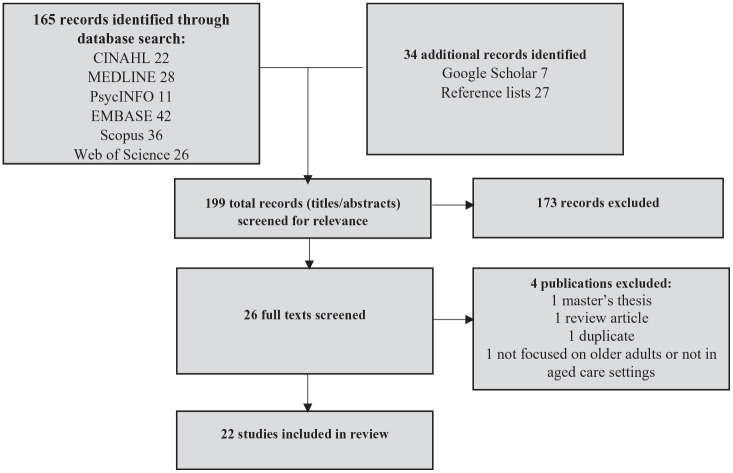
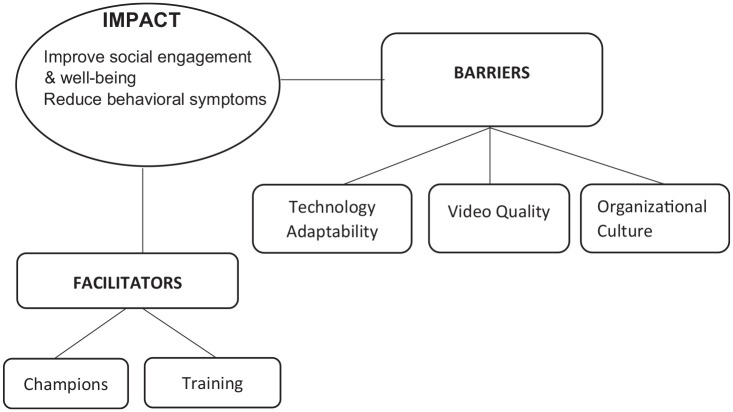
Aim: This scoping review aims to identify the facilitators and barriers to the implementation of VR technology in the aged-care setting. Background: Virtual reality (VR) offers the potential to reduce social isolation and loneliness through increased social engagement in aged-care settings. Methods and Analysis: This scoping review followed the Joanna Briggs Institute scoping review methodology and took place between March and August 2022. The review included a three-step search strategy: (1) identifying keywords from CINHAL, Embase, Medline, PsycInfo, Scopus, and Web of Science (2) conducting a second search using all identified keywords and index terms across selected databases; and (3) searching the reference lists of all included articles and reports for additional studies. Results: The final review included 22 articles. The analysis identified factors affecting the VR technology implementation in aged care settings to reduce isolation and loneliness: (a) key facilitators are local champions and staff training. (b) barriers include technological adaptability, video quality, and organizational culture. Conclusion: Existing evidence points to VR as a promising intervention to decrease loneliness and feelings of isolation and improve social engagement in older people living in aged-care settings.
Verified 2026-11-22 · 1 reference not checked yet
Overview
CoChat Summary
TL;DR
This scoping review of 22 articles found that VR/AR use in aged care is facilitated by local champions and staff training, while barriers include technological adaptability, video quality, and organizational culture. Evidence suggests VR may improve social engagement and reduce behavioral symptoms, but implementation requires tailored support and further research.
Key findings
- The final review included 22 articles; key facilitators were local champions and staff training, and key barriers were technological adaptability, video quality, and organizational culture.
- VR/AR showed promising impacts on social engagement and well-being: it encouraged conversation among participants, family, caregivers, and staff; reduced depression in an LTC home; decreased anxiety and fatigue after 6 weeks of VR tourism; and in an American assisted living setting, residents felt less socially isolated, showed fewer signs of depression, and had improved social and emotional well-being.
- Implementation varied widely: VR sessions ranged from 3 min to 60 min, frequency from once daily to twice per week, and program duration from 2 weeks to 9 weeks.
- Reported barriers included headset discomfort, slipping, issues with eyeglasses, hearing aid interference from the head-mounted display, blurred video quality, boring video loops, and staff/family assumptions about cognitive impairment and technology acceptance.
Methods
- Scoping review following Joanna Briggs Institute methodology, conducted March–August 2022, with a three-step search strategy across CINAHL, Embase, Medline, PsycInfo, Scopus, Web of Science, and Google for gray literature.
- Inclusion criteria included older adults aged 65 or older in geriatric care settings, care home staff, and/or family; VR and/or AR focus; formal care settings; mentions of facilitators or barriers; peer-reviewed articles, full reports, case studies, user reports, and gray literature in English.
- Data were mapped in a summary table by author/country, setting, participants, intervention, impact, facilitators, barriers, and strategies; the team, including patient and family partners, analyzed extracted data in research meetings to develop themes.
Limitations
- The paper states one limitation: exclusion of non-English written papers, so relevant studies in other languages may have been missed.
- The paper itself notes that details of staff training were lacking, professional roles of trained staff were not described, and organizational/policy support and staff management in VR/AR activities were not explicitly explored.
- The text also makes evident that research is limited on VR/AR feasibility for people with moderate to severe cognitive impairment, and on cultural and gender relevance of content.
Model-written summary. Check it against the paper before relying on it.
Integrity signals
Registry
Cites
Statistics
Figures
Verification
Claims the paper makes
23 Valid · 3 Not valid · 32 Not checked · 29 Own results and interpretations
The cited sources support only part of this claim — read each source’s verdict below.
In the paper
“The preparation of tailored VR content can be labor-intensive and time-consuming (Saredakis et al., 2021).”
§ Facilitators and Barriers to Using Virtual Reality and its Impact on Social Engagement in Aged Care Settings: A Scoping Review > Results > Barriers
What the sources say
- Partly supportedcites Saredakis et al., 2021 matched to “The Effect of Reminiscence Therapy Using Virtual Reality on Apathy in Residential Aged Care: Multisite Nonrandomized Controlled Trial” (2021) sourceExperimental — accuracy not yet measured
Methods > Procedure (page unavailable) reports that a researcher spent approximately 60 minutes interviewing each participant to establish topics for personalized reminiscence sessions. This supports a time commitment to tailoring the sessions, but the paper does not say that preparing the VR content itself was labor-intensive or time-consuming. Discussion > Content (page unavailable) says the content could be sourced through readily available apps. (LLM, conf=0.76)
plain- Asserted: passes — The authors put it forward as true.
- Checkable: passes — It can be checked against evidence.
- Load-bearing: unclear — It is unclear whether the paper’s conclusions depend on it.
- Based: passes — The paper gives a reason why it holds.
- Partly supported
The cited sources support only part of this claim — read each source’s verdict below.
In the paper
“These findings have aligned with emerging evidence that with adequate support, the older population of various capacities can adapt to using different technologies (Peek et al., 2019; Talbot & Briggs, 2022).”
§ Facilitators and Barriers to Using Virtual Reality and its Impact on Social Engagement in Aged Care Settings: A Scoping Review > Discussion and Implications > Address Older Adults’ Needs and Their Adaptation to Technologies
What the sources say
- Partly supportedcites Peek et al., 2019 matched to “Understanding changes and stability in the long-term use of technologies by seniors who are aging in place: a dynamical framework” (2019) sourceExperimental — accuracy not yet measured
The Results (Shifts to other states of use) say that continued technology use depended in part on how effectively participants and external supporters responded to disruption. The Methods (Sampling) describe participants with varied health and technology experience, but exclude people with cognitive impairment. The paper therefore supports a role for support in adapting technology use, not the broader suggestion that adequate support enables older people across capacities to adapt to different technologies. (LLM, conf=0.86)
- Partly supportedcites Talbot & Briggs, 2022 matched to “The use of digital technologies by people with mild-to-moderate dementia during the COVID-19 pandemic: A positive technology perspective” (2022) sourceExperimental — accuracy not yet measured
The Conclusion reports that participants with mild-to-moderate dementia adapted their use of several digital technologies, and the Discussion says they could learn technological skills but often needed training. The Limitations section cautions that most participants were relatively young and had young-onset dementia, so the study does not establish the claim for older people across various capacities. (LLM, conf=0.88)
plainstates a possible cause- Asserted: passes — The authors put it forward as true.
- Checkable: passes — It can be checked against evidence.
- Load-bearing: passes — The paper’s conclusions depend on it.
- Based: passes — The paper gives a reason why it holds.
- Partly supported
The cited sources support only part of this claim — read each source’s verdict below.
In the paper
“The neutral attitude of some of the older adults without prior experience with Head Mounted Device (HMD)-VR became more positive after they had support from the champions and opportunities to try the HMD-VR device (Huygelier et al., 2019; T.-Y. Lin et al., 2020) .”
§ Facilitators and Barriers to Using Virtual Reality and its Impact on Social Engagement in Aged Care Settings: A Scoping Review > Results > Facilitators
What the sources say
- Partly supportedcites Huygelier et al., 2019 matched to “Acceptance of immersive head-mounted virtual reality in older adults” (2019) sourceExperimental — accuracy not yet measured
The Results and Discussion report that older adults without prior HMD-VR experience initially had neutral attitudes that became more positive after trying it. The Discussion does not attribute that change to support from champions; it says the type of help needed while using HMD-VR remains an open question. No page numbers are available in our copy. (LLM, conf=0.88)
- Partly supportedcites T.-Y. Lin et al., 2020 matched to “Effects of a Combination of Three-Dimensional Virtual Reality and Hands-on Horticultural Therapy on Institutionalized Older Adults’ Physical and Mental Health: Quasi-Experimental Design” (2020) sourceExperimental — accuracy not yet measured
The Discussion (General; page unavailable) says participants were unfamiliar with VR equipment and initially apprehensive, and that researchers used praise and encouragement to build confidence. The Methods (The Combination of 3D Virtual and Hands-on Horticultural Therapy; page unavailable) describes facilitators’ assistance and repeated opportunities to practice. The paper does not describe an initially neutral attitude, identify the helpers as “champions,” or report a measured shift to a more positive attitude toward HMD-VR. (LLM, conf=0.85)
plainstates a cause- Asserted: passes — The authors put it forward as true.
- Checkable: passes — It can be checked against evidence.
- Load-bearing: unclear — It is unclear whether the paper’s conclusions depend on it.
- Based: passes — The paper gives a reason why it holds.
- Partly supported
The cited sources support only part of this claim — read each source’s verdict below.
In the paper
“Loneliness among older adults, especially those living in institutionalized settings such as long-term care, is a major, long-standing concern (LeVasseur, 2021).”
§ Facilitators and Barriers to Using Virtual Reality and its Impact on Social Engagement in Aged Care Settings: A Scoping Review > Introduction
What the sources say
- Partly supportedcites LeVasseur, 2021 matched to “Effects of social isolation on a long-term care resident with dementia and depression during the COVID-19 pandemic” (2021) sourceExperimental — accuracy not yet measured
The Introduction (page unavailable) says isolation from loved ones can worsen cognition and depression among long-term care residents with dementia, and the Comment describes their need for continued social interaction. These passages support concern about isolation in long-term care, but the paper focuses on pandemic restrictions and does not establish that loneliness among older adults broadly is a long-standing concern. (LLM, conf=0.86)
plain- Asserted: passes — The authors put it forward as true.
- Checkable: passes — It can be checked against evidence.
- Load-bearing: passes — The paper’s conclusions depend on it.
- Based: passes — The paper gives a reason why it holds.
- Partly supported
The cited sources support only part of this claim — read each source’s verdict below.
In the paper
“Some residents felt giddy and dizzy (Brimelow et al., 2022; Chaze et al., 2022) while others felt headache, a heavy head feeling or nervousness while trying VR in the beginning.”
§ Facilitators and Barriers to Using Virtual Reality and its Impact on Social Engagement in Aged Care Settings: A Scoping Review > Results > Facilitators
What the sources say
- Not checked — no full text of the sourcecites Brimelow et al., 2022 matched to “Feasibility of Group-Based Multiple Virtual Reality Sessions to Reduce Behavioral and Psychological Symptoms in Persons Living in Residential Aged Care” (2022) source
- Partly supportedcites Chaze et al., 2022 matched to “Virtual reality and well-being in older adults: Results from a pilot implementation of virtual reality in long-term care” (2022) sourceExperimental — accuracy not yet measured
The Results section (‘Physical responses to the virtual reality experiences’; page not provided) reports that one resident felt dizzy when looking straight down during a VR experience. It does not report giddiness or say that the dizziness occurred when residents first tried VR. (LLM, conf=0.88)
plain- Asserted: passes — The authors put it forward as true.
- Checkable: passes — It can be checked against evidence.
- Load-bearing: unclear — It is unclear whether the paper’s conclusions depend on it.
- Based: passes — The paper gives a reason why it holds.
36 more claims · 7 with their cited sources checked
Create a free account to see all 87 claims and to verify the 8 references still open.
- It may state two separate claims as one. 28
- Probably not a substantial claim. 24
Self-check
Percentages, sums and reported differences re-computed from the paper’s own numbers.
Self-check results appear here once an independent check has confirmed them.
Cited works that were retracted
Works this paper cites that were later retracted, from the retraction notices publishers deposit. Major when the notice came out before this paper was published.
A note, not an issue: for example, a cited work that was retracted only after this paper was published, which its authors could not have known.
In the paper
“Yahara et al. (2021) reported similar findings - reduced anxiety in residents of another Japanese LTC home.”
Cited work 10.1248/bpb.b21-00052 · retracted 2023-07-01 · notice 10.1248/bpb.b23-e4607 · this paper published 2023-01
Citations
Cites
1 retracted
Yahara, M., Niki, K., Ueno, K., Okamoto, M., Okuda, T., Tanaka, H., Naito, Y., Ishii, R., Ueda, M., & Ito, T. (2021) · Biological and Pharmaceutical Bulletin · doi:10.1248/bpb.b21-00052 · Cited by 33 · cited 5×
“Yahara et al. (2021) reported similar findings - reduced anxiety in residents of another Japanese LTC home.”
BackgroundResultInfluentialRetractedScoping studies: towards a methodological framework
Arksey, H., & O'Malley, L. (2005) · International Journal of Social Research Methodology · doi:10.1080/1364557032000119616 · Cited by 36,742 · cited 1×
“A scoping review is useful for: identifying the conceptual boundaries of a topic, examining emerging evidence, and providing a broad overview of a topic (Arksey & O'Malley, 2005; Levac et al., 2010).”
MethodScoping studies: advancing the methodology
Levac, D., Colquhoun, H., & O'Brien, K. K. (2010) · Implementation Science · doi:10.1186/1748-5908-5-69 · Cited by 15,268 · cited 1×
“A scoping review is useful for: identifying the conceptual boundaries of a topic, examining emerging evidence, and providing a broad overview of a topic (Arksey & O'Malley, 2005; Levac et al., 2010).”
MethodDamschroder, L. J., Aron, D. C., Keith, R. E., Kirsh, S. R., Alexander, J. A., & Lowery, J. C. (2009) · Implementation Science · doi:10.1186/1748-5908-4-50 · Cited by 14,496 · cited 1×
“Second, there is scant literature on addressing the crucial aspect of VR implementation, including understanding the contextual complexity (e.g., the role of staff and families) and the required structural support and resources (e.g., human resources, funding) (Damschroder et al., 2009).”
BackgroundJBI Manual for Evidence Synthesis
(2020) · JBI eBooks · doi:10.46658/jbimes-20-01 · Cited by 4,165 · cited 1×
“Our scoping review follows the Joanna Briggs Institute methodology (Aromataris & Munn, 2020).”
MethodLoneliness, depression and cognitive function in older U.S. adults
Donovan, N. J., Wu, Q., Rentz, D. M., Sperling, R. A., Marshall, G. A., & Glymour, M. M. (2017) · International Journal of Geriatric Psychiatry · doi:10.1002/gps.4495 · Cited by 465
Consequences of visiting restrictions during the COVID‐19 pandemic: An integrative review
Hugelius, K., Harada, N., & Marutani, M. (2021) · International Journal of Nursing Studies · doi:10.1016/j.ijnurstu.2021.104000 · Cited by 378 · cited 1×
“(Donovan et al., 2017), anxiety, cognitive decline, and negative physical outcomes, such as frailty and mobility issues (Hugelius et al., 2021).”
BackgroundFacilitating empathy through virtual reality
Schutte, N. S., & Stilinović, E. J. (2017) · Motivation and Emotion · doi:10.1007/s11031-017-9641-7 · Cited by 358 · cited 1×
“A recent Canadian feasibility study by Schutte and Stilinović (2017) showed that it is feasible and safe to use VR among older adults with different levels of physical and cognitive impairments who can experience activities, such as virtual travel around the world.”
BackgroundAppel, L., Appel, E., Bogler, O., Wiseman, M., Cohen, L., Ein, N., Abrams, H. B., & Campos, J. L. (2020) · Frontiers in Medicine · doi:10.3389/fmed.2019.00329 · Cited by 332 · cited 5×
“Compared with other more conventional technologies such as tablets or televisions, VR/AR users are more likely to feel “being there” that is, the subjective experience of feeling the presence and being part of the virtual world—a sensory response to the immersiveness (Appel et al., 2020).”
BackgroundInfluentialAcceptance of immersive head-mounted virtual reality in older adults
Huygelier, H., Schraepen, B., van Ee, R., Vanden Abeele, V., & Gillebert, C. R. (2019) · Scientific Reports · doi:10.1038/s41598-019-41200-6 · Cited by 299 · cited 2×
“The neutral attitude of some of the older adults without prior experience with Head Mounted Device (HMD)-VR became more positive after they had support from the champions and opportunities to try the HMD-VR device (Huygelier et al., 2019; T.-Y. Lin et al., 2020) .”
Background
Research works printed but not linked: 2
- Bhattacherjee A. Hikmet N. (2008). Reconceptualizing organizational support and its effect on information technology usage: Evidence from the health care sector. Journal of Computer Information Systems, 48(4), 69– 76.
- Peters M. Godfrey C. McInerney P. Soares C. Khalil H. Parker D. (2015). The Joanna Briggs Institute reviewers’ manual: 2015 edition/supplement. The Joanna Briggs Institute.
Cited by
Serious Games Supported by Virtual Reality—Literature Review
Damianova, N., & Berrezueta-Guzmán, J. (2025) · IEEE Access · doi:10.1109/access.2025.3544022 · Cited by 50
“Infrastructure challenges involve integrating VR into existing applications and providing technical support [76].”
Hosseini, M., Thomas, R. L., Pilutti, L. A., Fallavollita, P., & Jutai, J. W. (2024) · PLoS ONE · doi:10.1371/journal.pone.0305865 · Cited by 19
Elser, A., Lange, M., Kopkow, C., & Schäfer, A. G. M. (2024) · JMIR XR and spatial computing. · doi:10.2196/53129 · Cited by 18
“Conversely, staff and health care professionals may act as facilitators, as they reduce the anxiety of new technologies and can change patients’ attitudes toward VR. Health care professionals are also generally interested in using VR in rehabilitation [28-30].”
Wong, J., Wong, K. L. Y., Kan, W., Wu, C., Upreti, M., Van, M., Temirova, A., Alfares, H., Wen, K., Sharma, V., et al. (2024) · Frontiers in Dementia · doi:10.3389/frdem.2024.1462946 · Cited by 21
Self-citationFlynn, A., Koh, W. Q., Reilly, G., Brennan, A., Redfern, S., Barry, M., & Casey, D. (2024) · International Journal of Human-Computer Interaction · doi:10.1080/10447318.2024.2348838 · Cited by 19
“…are only a few research examples of MUVR focused on socially connecting older adults with their peers, family and grandchildren (Baker et al., 2021; Hung et al., 2023; Oppert et al., 2023; Sancho-Esper et al., 2022; Wei et al., 2023; Xu et al., 2023) and fewer still focusing specifically on people…”
Ageing in the digital age: What drives virtual reality technology adoption among older adults?
Man, S. S., Wang, J., Chan, A. H. S., & Liu, L. (2026) · Ergonomics · doi:10.1080/00140139.2025.2473685 · Cited by 11
“Virtual platforms enable older adults to engage in social activities with family, friends or even strangers, reducing their feelings of loneliness (hung et al. 2023).”
Holloway, H., Conroy, B., Isbel, S. T., & D'Cunha, N. M. (2024) · Digital Health · doi:10.1177/20552076241249568 · Cited by 14
“22 A recent scoping review by Hung et al. (2023) aligned with several of our fi ndings.”
BackgroundInfluentialUsage of Virtual Reality Technology in Physiotherapy in Germany: Results from a Survey
Elser, A., Ohse, M., Frankenstein, C., Leeuw, M., Schiebler, S., Schmieder, S., Slatman, S., & Schäfer, A. G. M. (2025) · Bioengineering · doi:10.3390/bioengineering12020106 · Cited by 10
“In addition, patients also have positive expectations, describing VR as a treatment that they find fun and enjoyable [13–16].”
Magi, C. E., Longobucco, Y., Amato, C., Camedda, C., Balestri, C., Aoufy, K. E., Iovino, P., Bambi, S., & Rasero, L. (2024) · Frontiers in Medicine · doi:10.3389/fmed.2024.1390695 · Cited by 11
Jansen, L., van de Zande, E., de Korne, D. F., & Andringa, G. (2024) · Geriatric Nursing · doi:10.1016/j.gerinurse.2024.11.012 · Cited by 11
la-Banda-García, R. G.-D., Cruz‐Díaz, D., García-Vázquez, J. F., Martínez-Lentisco, M. D. M., & León-Morillas, F. (2025) · Healthcare · doi:10.3390/healthcare13111328 · Cited by 10
“Previous studies have demonstrated that chronic low back pain patients exhibit alterations in gait speed and activation of the supplementary motor cortex during motor imagery tasks [17,39].”
Wong, K. L. Y., Gregorio, M., Mann, J. I., et al. (2023) · Gerontechnology · doi:10.4017/gt.2023.22.1.823.04 · Cited by 7
Self-citationTime travel of older people through virtual reality: a qualitative study
Muslu, L., Karakuş, Z. N., Asï, E., Bayindir, R., & Özer, Z. (2025) · BMC Geriatrics · doi:10.1186/s12877-025-05699-x · Cited by 11
Zhai, S., Wu, R., Du, G., Chen, X., Liu, Y., Zhao, J., Yuan, X. H., & Huang, W. (2025) · Journal of Orthopaedic Surgery and Research · doi:10.1186/s13018-025-06393-9 · Cited by 8
“Although smart rehabilitation shows short-term benefits in knee flexion, its long-term success in elderly patients depends on addressing these barriers [58].”
Hung, L., Wong, K. L. Y., Chan, I., & Vàsàrhelyi, K. (2023) · BMJ Open · doi:10.1136/bmjopen-2023-073837 · Cited by 7
Self-citationThe use of technology by seniors with neurocognitive disorders in long-term care: a scoping review
Hardy, M., Fanaki, C., & Savoie, C. (2024) · BMC Geriatrics · doi:10.1186/s12877-024-05174-z · Cited by 5
Elser, A., Kopkow, C., & Schäfer, A. G. M. (2024) · JMIR Research Protocols · doi:10.2196/58089 · Cited by 11
“In contrast, staff and health care professionals can act as facilitators by reducing anxiety about new technologies and changing attitudes toward VR [32,35,65].”
BackgroundJawharieh, H., Tabbaa, L., Ang, C. S., Cheung, E. T. H., & Covaci, A. (2024) · International Journal of Human-Computer Interaction · doi:10.1080/10447318.2024.2400400 · Cited by 8
“…al., 2019), engage in the co-design of VR, and establish design requirements (Karaosmanoglu et al., 2021; Tabbaa et al., 2019), as well as investigate the perceptions on the perceived pros and cons of VR for people with dementia (Hung et al., 2023; Karaosmanoglu et al., 2021; Waycott et al., 2022).”
Metaverse leisure experiences: implications for seniors in developing countries – a case study
Hemmings-Jarrett, K., Plowright, K., & Jarrett, J. (2025) · World Leisure Journal · doi:10.1080/16078055.2025.2478910 · Cited by 5
In sickness and in health—A scoping review on social virtual reality clinical applications
Belina, S. P., Czaja, S. J., Difede, J., Pain, K. J., Reid, C., & Won, A. S. (2024) · Digital Health · doi:10.1177/20552076241306460 · Cited by 4
Özdemir, E., Topsakal, F. E., Altay, N., Şahbat, Y., & Demirel, E. (2025) · Journal of Orthopaedic Surgery and Research · doi:10.1186/s13018-025-06012-7 · Cited by 2
“The observed inverse association between advancing age and surgical willingness is consistent with existing evidence, suggesting that older individuals may approach elective orthopaedic procedures with increased caution due to perceived risks of delayed recovery and comorbidity burden [58].”
Makeham, M., Jayawardena, T. D., Elkheir, S., Carrigan, A., Soumya, S., Russell, H. A., Prgomet, M., Tyagi, V., Huben, A. V., Baysari, M. T., et al. (2025) · International Journal of Medical Informatics · doi:10.1016/j.ijmedinf.2025.106218 · Cited by 3
Sadowski, I., Gagnon-Mailhot, M., Seu, J., Batcho, C. S., Laberge, M., Khoury, B., Tremblay, G., Dubé, O., Goyette, C., Rheault, A., et al. (2026) · Frontiers in Pain Research · doi:10.3389/fpain.2026.1734386 · Cited by 4
Van, M., Wong, J. O. Y., Soni, A., Huynh, B., Arora, S., Mann, J. I., Wallsworth, C., Wong, L., Mortenson, W. B., Lim, A., et al. (2026) · Frontiers in Dementia · doi:10.3389/frdem.2026.1735564 · Cited by 1
Self-citationIto, H., Banh, H., Wong, K. L. Y., Wong, L., Allen, S., & Hung, L. (2025) · Gerontology & Geriatrics Education · doi:10.1080/02701960.2025.2507413 · Cited by 3
“In addition to featuring emergent findings from our LOVOT study (Hung et al., 2025), our team also presented findings from relevant completed projects using technologies such as telepresence robots (Hung et al., 2022) and virtual reality (Hung et al., 2023).”
Self-citationNapetschnig, A., Deiters, W., Brixius, K., Bertram, M., & Vogel, C. (2025) · Geriatrics · doi:10.3390/geriatrics10040099 · Cited by 2
“These findings highlight the potential of VR as a therapeutic tool that not only promotes cognitive stimulation but also enhances emotional well-being by enabling users to activate positive memories and promote social interactions [46,47].”
Co-creating AURA-CARE: Designing Assistive Services for Older Adults Through Participatory Design
Achilleos, A., Kyprianou, E., Moza, S., Starosta-Sztuczka, J., Pecyna, K., Kostyal, C., & Vad, G. (2025) · Lecture notes in computer science · doi:10.1007/978-3-032-06164-5_28 · Cited by 2
Hung, L., Suchomelová, V., Diallo, K., Wong, J., & Ren, L. H. (2025) · Ethics Medicine and Public Health · doi:10.1016/j.jemep.2025.101074 · Cited by 1
Self-citationFlynn, A., Reilly, G., Healy, D., Brennan, A., Redfern, S., Barry, M., & Casey, D. (2025) · Design for inclusion · doi:10.1007/978-3-031-84901-5_5 · Cited by 1
Wong, J., Wong, K. L. Y., Wen, K., Adekoya, A., Wallsworth, C., Mann, J., Wong, L., Gregorio, M., & Hung, L. (2025) · Digital Health · doi:10.1177/20552076251374160 · Cited by 3
“19 Another study, which involved residents with moderate and severe cognitive impairment in using VR, did not detail the residents ’ responses.”
InfluentialSelf-citationBayram, A. (2025) · International Journal Of Eurasia Social Sciences · doi:10.70736/ijoess.1764 · Cited by 1
The effects of virtual reality technology on negative emotions in the elderly: a meta-analysis
Liu, M., Zeng, W., & Liu, S. (2025) · Frontiers in Psychology · doi:10.3389/fpsyg.2025.1636780 · Cited by 3
Stefan, H., Watkins, V. J., Hutchinson, A. M., & Horan, B. (2025) · Virtual Reality · doi:10.1007/s10055-025-01171-8 · Cited by 4
“These findings align with previous research highlighting the significant role of staff in promot - ing conversations among residents in VR implementation (Hung et al. 2023).”
Kotze, A., Ward, T. J., & Ochu, E. (2025) · EXPLORE · doi:10.1016/j.explore.2025.103273 · Cited by 1
Immersive Technologies in Geriatric Oral Health: Opportunities or Prejudices?
Luai, A. F., Nizar, M. A. M., Misran, A. A., Rosli, T. I., & Shiratuddin, M. F. (2026) · Gerodontology · doi:10.1111/ger.70073 · Cited by 1
Hung, L., Fisher, L., Wong, J., Zhao, Y., Yuen, K., & Ren, L. H. (2025) · PLoS ONE · doi:10.1371/journal.pone.0325111 · Cited by 4
“VR has also been explored to promote social engagement and wellbeing for people living with dementia, both in acute and long-term care settings [7,8], and in the community [9].”
Self-citationThe use of technology by seniors with neurocognitive disorders in long-term care: A scoping reviewPreprint
Hardy, M., Fanaki, C., & Savoie, C. (2024) · Research Square · doi:10.21203/rs.3.rs-4095435/v1
Stefanyoli, C., Ribeiro, D. J. T., Praça, M., Rocha, P., & Jerónimo, P. (2024) · Seven Editora eBooks · doi:10.56238/sevened2024.012-031 · Cited by 1
Stefan, H., Watkins, V. J., Hutchinson, A. M., et al. (2025) · Research Square · doi:10.21203/rs.3.rs-5112713/v1
Use of virtual reality to engage undergraduate students in environmental field experiences
Stoner, E. W., Salina, S. C., Johnson, E. M., Whitman, E. R., Archer, S. K., McPherson, B. S., & Cranmer, A. (2025) · Future in Educational Research · doi:10.1002/fer3.70003
Wu, C., Yeh, P.-C., Huang, K., & Lu, Y.-W. (2025) · Information Development · doi:10.1177/02666669251331285
Hung, L., Fu, J., Santaella, P., Xia, R., & Mortenson, W. B. (2025) · International Journal of Qualitative Methods · doi:10.1177/16094069251381711
Self-citationElser, A., Kopkow, C., & Schäfer, A. G. M. (2026) · BMC Health Services Research · doi:10.1186/s12913-026-14967-4
Alizai, H., Wong, M., Tchao, D., & Appel, L. (2025) · Journal of Medical Extended Reality · doi:10.1089/jmedxr.2024.0034 · Cited by 4
“55 Additionally, there is a well-established body of research supporting the therapeutic, recreational, and social use of VR for older adults.”
Neal, W. N., & Malone, L. A. (2026) · JMIR Rehabilitation and Assistive Technologies · doi:10.2196/79598 · Cited by 1
“While program recipients spoke highly of the VR program, initial hesitancy underscores the importance of tailored program orientation and gradual exposure to technology to build confidence and acceptance [45,49,50].”
InfluentialOnwumere, J., Rogers, L., Aung, K. W., Pietro, J. D., & Valmaggia, L. (2026) · BMC Psychiatry · doi:10.1186/s12888-026-08203-w
“…and/or motion sickness [31]; 3) people with substantial hearing or visual impairments (i.e., blindness, severe hearing loss) precluding VR use [32, 33], or organic conditions (e.g., moderate dementia), to avoid confusion or disorientation [34] and 4) individuals unable to provide informed…”
Ramos, A., Ruest, S.-M., Périnet-Lacroix, R., Marceaux, J., Beaudoin, K., Levac, D. E., Lemay, M., Demers, M., Gascon, H. D., Bordeleau, M., et al. (2026) · Journal of Developmental and Physical Disabilities · doi:10.1007/s10882-026-10084-6
Paralympic VR storytelling, empathy, and prosocial behavior: an exploratory study
Jung, S., & Chen, J. (2026) · Journal of Convention & Event Tourism · doi:10.1080/15470148.2026.2735306
Metadata
- Authors
- Hung, L., Mann, J., Wallsworth, C., Upreti, M., Kan, W., Temirova, A., Wong, K. L. Y., Ren, H., To-Miles, F., Wong, J., Lee, C., Kar Lai So, D., & Hardern, S.
- Affiliations
- University of British Columbia (CA)
- University of British Columbia, Vancouver, Canada
- Vancouver Coastal Health (CA)
- Corresponding author
- Hung, Lillian
- Venue
- Gerontology and Geriatric Medicine
- Publisher
- SAGE Publications
- Published
- 2023-01
- Volume
- 9
- Pages
- 23337214231166355-23337214231166355
- ISSN
- 2333-7214 (ISSN-L)
- PMC
- PMC10068985
- OpenAlex
- W4362153655
- Cited by
- 48
- References
- 51
- Citations by year
- 2026: 10 · 2025: 24 · 2024: 12 · 2023: 2
- FWCI
- 2.45
- Type
- journal article
- Language
- en
- Open access
- gold
- doi.org
- Licence
- Locations
- Gerontology and Geriatric Medicine (publishedVersion, cc-by-nc)
- PubMed Central (publishedVersion, cc-by-nc)
- PubMed (publishedVersion)
- DOAJ (DOAJ: Directory of Open Access Journals) (submittedVersion, cc-by-sa)
- Funders
- VGH Foundation
- Mitacs (IT29046)
- Topics
- Health Sciences › Medicine › Geriatrics and Gerontology › Technology Use by Older Adults
- Health Sciences › Medicine › Public Health, Environmental and Occupational Health › Telemedicine and Telehealth Implementation
- Health Sciences › Medicine › Geriatrics and Gerontology › Geriatric Care and Nursing Homes
- Keywords
- virtual reality, elderly care, social engagement, loneliness, social isolation, older adults, technology implementation, barriers and facilitators, employee training, organizational culture, video quality, technological adaptability
About these checks
Registry, retraction, Cites and statistics results are computed, not judged, with one exception: a printed reference that no index lists is read once by a model before it counts as a citation error. Claims are extracted by a model and kept only when their quote appears verbatim in the text; each cited source is then checked, with a model’s help, for whether it says what the claim relies on. Those verdicts can be wrong — read the claim’s quote and the cited source before relying on one.
The claim verdicts this report counts are experimental: their accuracy is not yet measured.
A language model drew the claims from the paper on 2026-10-10, under version 3 of the claim definition (model deepseek-v4.1-flash, prompt extract-v3).
A second model labelled each claim on 2026-10-10 (model jev-1.13-20260917, definition revision gold-guideline-v0.2).
Cited sources are checked with a language model’s help (gpt-6-sol).
Statistics and arithmetic are recomputed, not judged.
Confidence bands are shown only for fields calibrated on our annotated test set. None is calibrated yet, so no band is shown.
What counts as a claim ›How we measure confidence ›How we check this ›
Are you an author, or do you see a problem with this page? Request a review
Data sources
Bibliographic data: Semantic Scholar, OpenAlex, Crossref.
Contains information from the Semantic Scholar Academic Graph Datasets, made available under the ODC Attribution License (ODC-BY 1.0).
Semantic Scholar’s data is described in: Kinney, R., et al. (2023). The Semantic Scholar Open Data Platform. arXiv:2301.10140.
