

Genome editing of HBG1 and HBG2 to induce fetal hemoglobin
Open accessThe DOI matches its Crossref record; 56 of the 56 references it cites were found in a registry or an index.
Abstract
Key Points: Cas9 editing of the γ-globin gene promoters in hematopoietic stem cells (HSCs) increases red cell HbF by ≤40%. No deleterious effects on hematopoiesis or off-target mutations were detected 16 weeks after xenotransplantation of edited HSCs.
Overview
The claims and statistics of this paper haven’t been checked yet.
Free: it reads the open-access text and checks the first 5 claims that cite a source we can check. Create a free account to check every claim.
Integrity signals
Registry
Cites
Statistics
Figures

Verification
Claims the paper makes
The claims and statistics of this paper haven’t been checked yet.
Free: it reads the open-access text and checks the first 5 claims that cite a source we can check. Create a free account to check every claim.
Claims other papers make about this one
Each is checked against this paper’s own text: does it say what the citing paper says it does?
The cited source says what the claim attributes to it.
In the citing paper
“They include disrupting the erythroid enhancer of BCL11A or the binding sites for BCL11A in the g-globin gene promoters.126”
From Fetal hemoglobin in sickle cell anemia (2020) · cites this paper as [126]
Self-check
Percentages, sums and reported differences re-computed from the paper’s own numbers.
The self-check needs the paper’s full text.
Citations
Cites
Easy quantitative assessment of genome editing by sequence trace decomposition
Brinkman, E. K., Chen, T., Amendola, M., & van Steensel, B. (2014) · Nucleic Acids Research · doi:10.1093/nar/gku936 · Cited by 2,390
Piel, F. B., Steinberg, M. H., & Rees, D. C. (2017) · New England Journal of Medicine · doi:10.1056/nejmra1510865 · Cited by 1,488 · cited 1×
“Sickle cell disease (SCD) and b-thalassemia are common disorders caused by HBB gene mutations that alter quantity or quality of the b-globin subunit of adult hemoglobin (HbA, a2b2).(1,2) Severely affected individuals experience multiorgan damage, with substantial morbidity and early mortality.”
BackgroundEnhanced homology-directed human genome engineering by controlled timing of CRISPR/Cas9 delivery
Lin, S., Staahl, B. T., Alla, R. K., & Doudna, J. A. (2014) · eLife · doi:10.7554/elife.04766 · Cited by 1,189
Chemically modified guide RNAs enhance CRISPR-Cas genome editing in human primary cells
Hendel, A., Bak, R. O., Clark, J. T., Kennedy, A. B., Ryan, D. E., Roy, S., Steinfeld, I., Lunstad, B. D., Kaiser, R. J., Wilkens, A. B., et al. (2015) · Nature Biotechnology · doi:10.1038/nbt.3290 · Cited by 1,090
Rund, D., & Rachmilewitz, E. (2005) · New England Journal of Medicine · doi:10.1056/nejmra050436 · Cited by 939
BCL11A enhancer dissection by Cas9-mediated in situ saturating mutagenesis
Canver, M. C., Smith, E. C., Sher, F., Pinello, L., Sanjana, N. E., Shalem, O., Chen, D. D., Schupp, P. G., Vinjamur, D. S., Garcia, S. P., et al. (2015) · Nature · doi:10.1038/nature15521 · Cited by 886
Self-citationCRISPR/Cas9 β-globin gene targeting in human haematopoietic stem cells
Dever, D. P., Bak, R. O., Reinisch, A., Camarena, J., Washington, G., Nicolas, C. E., Pavel-Dinu, M., Saxena, N., Wilkens, A. B., Mantri, S., et al. (2016) · Nature · doi:10.1038/nature20134 · Cited by 864
Self-citationCIRCLE-Seq: A highly sensitive in vitro screen for genome-wide CRISPR-cas9 nuclease off-targets
Tsai, S. Q., Nguyen, N. T., Malagon-Lopez, J., Topkar, V. V., Aryee, M. J., & Joung, J. K. (2017) · Nature Methods · doi:10.1038/nmeth.4278 · Cited by 814 · cited 3×
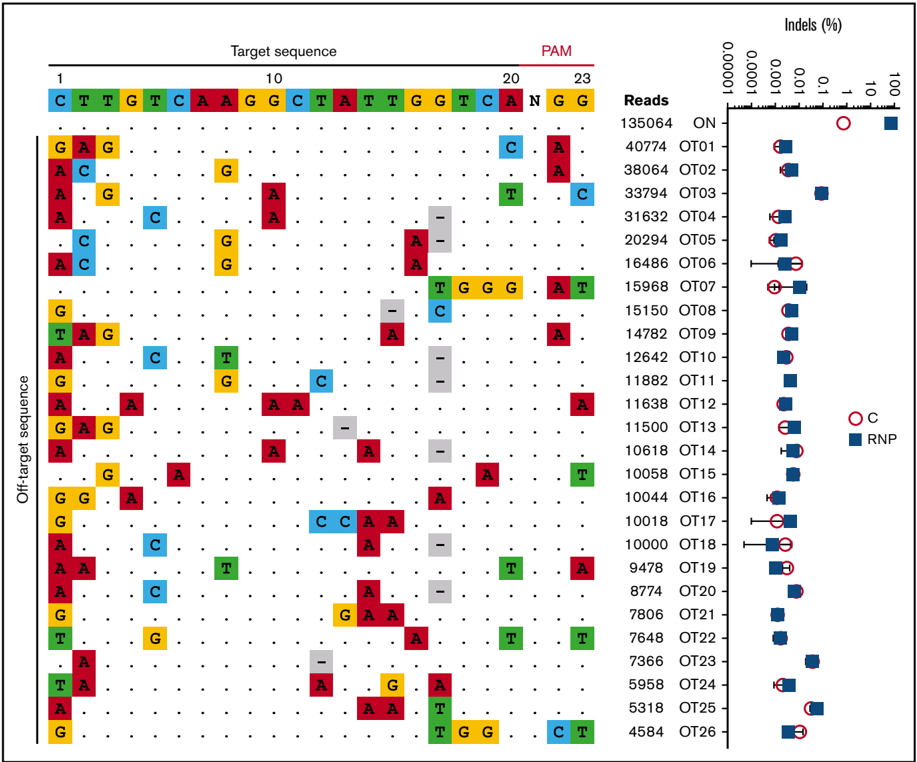
“Cas9:sgRNA-1 RNP cleaves DNA specifically We characterized the genome-wide activity of Cas9:sgRNA-1 by incubating RNP with purified genomic DNA followed by circularization for in vitro reporting of cleavage effects by sequencing (CIRCLE-seq), a sensitive in vitro method for enriching for Cas9cleaved genomic DNA and id…”
MethodSelf-citationPiel, F. B., Steinberg, M., & Rees, D. C. (2016) · Spiral (Imperial College London) · doi:10.1056/nejmc1706325#sa6 · Cited by 659
Six Classes of Nuclear Localization Signals Specific to Different Binding Grooves of Importin α
Kosugi, S., Hasebe, M., Matsumura, N., Takashima, H., Miyamoto-Sato, E., Tomita, M., & Yanagawa, H. (2009) · Journal of Biological Chemistry · doi:10.1074/jbc.m807017200 · Cited by 615
Fetal hemoglobin in sickle cell anemia
Akinsheye, I., Alsultan, A., Solovieff, N., Ngo, D., Baldwin, C. T., Sebastiani, P., Chui, D. H. K., & Steinberg, M. H. (2011) · Blood · doi:10.1182/blood-2011-03-325258 · Cited by 553
Highly efficient therapeutic gene editing of human hematopoietic stem cells
Wu, Y., Zeng, J., Roscoe, B. P., Liu, P., Yao, Q., Lazzarotto, C. R., Clement, K., Cole, M. A., Luk, K., Baricordi, C., et al. (2019) · Nature Medicine · doi:10.1038/s41591-019-0401-y · Cited by 515 · cited 2×
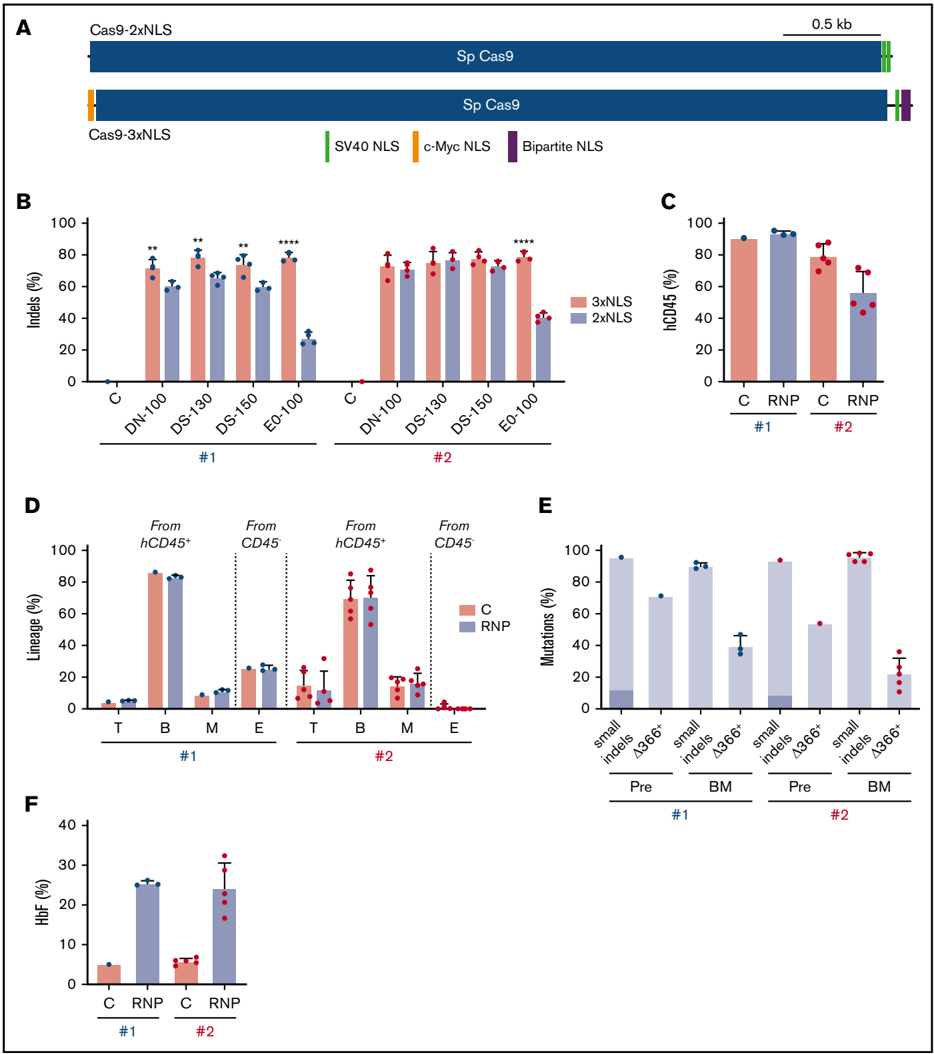
“However, our data using newly developed Cas9-3xNLS suggest that consistent high-level editing of theHBG1/HBG2 promoters in repopulating HSCs can now be achieved, similar to what was recently reported for an erythroidspecific enhancer in the BCL11A gene.(35) Third, our study provides critical new preclinical safety ass…”
MethodResultSelf-citationDirect promoter repression by BCL11A controls the fetal to adult hemoglobin switch
Liu, N., Hargreaves, V. V., Zhu, Q., Kurland, J. V., Hong, J., Kim, W., Sher, F., Macias-Trevino, C., Rogers, J. M., Kurita, R., et al. (2018) · Cell · doi:10.1016/j.cell.2018.03.016 · Cited by 478
Self-citationDeWitt, M. A., Magis, W., Bray, N. L., Wang, T., Berman, J. R., Urbinati, F., Heo, S.-J., Mitros, T., Muñoz, D. P., Boffelli, D., et al. (2016) · Science Translational Medicine · doi:10.1126/scitranslmed.aaf9336 · Cited by 477 · cited 2×
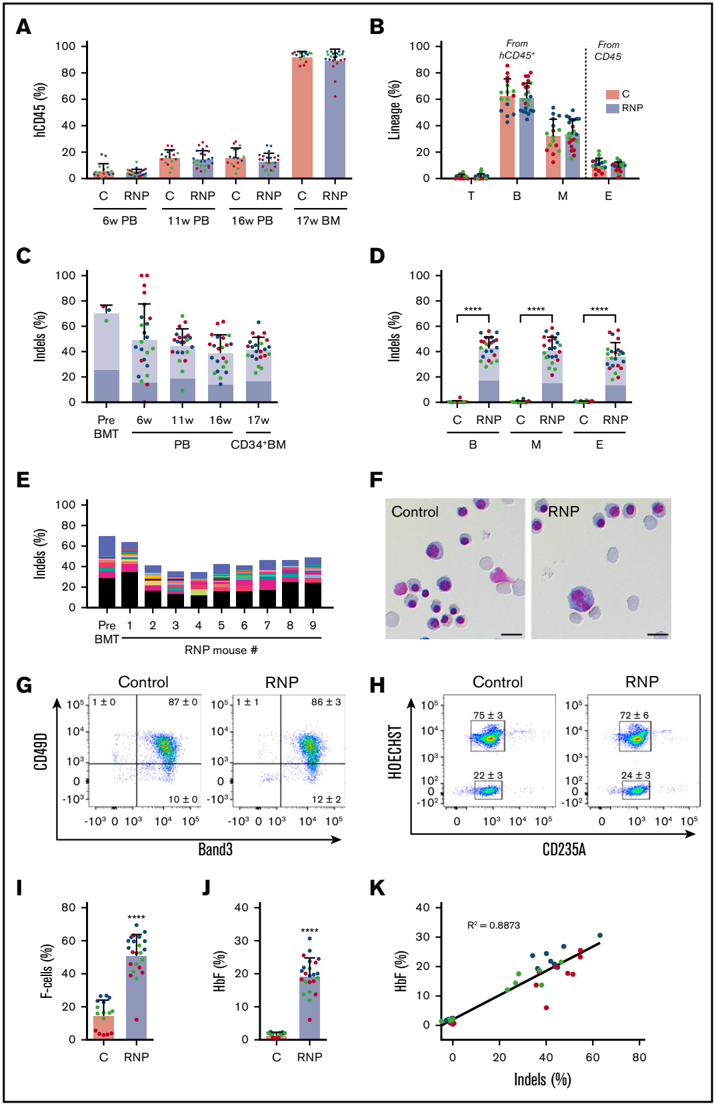
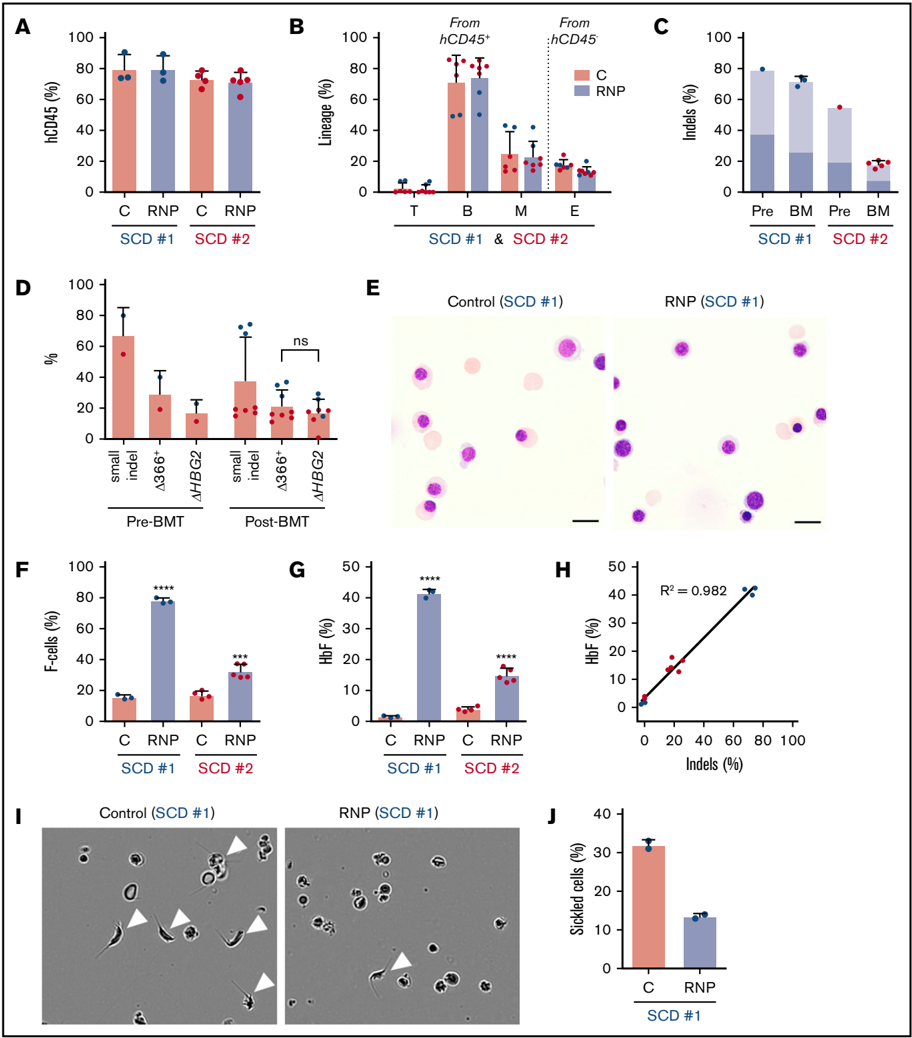
“4% at 17 weeks after xenotransplantation (Figure 3C), similar to what has been reported previously.(14,23,28) Notably, the 13-nt HPFH mutation occurred at similar frequencies in CD34(1) HSPCs before and after transplantation (Figure 3C; supplemental Figure 3).”
BackgroundResultXie, F., Ye, L., Chang, J. C., Beyer, A. I., Wang, J., Muench, M. O., & Kan, Y. W. (2014) · Genome Research · doi:10.1101/gr.173427.114 · Cited by 408
Traxler, E. A., Yao, Y., Wang, Y.-D., Woodard, K. J., Kurita, R., Nakamura, Y., Hughes, J. R., Hardison, R. C., Blobel, G. A., Li, C., et al. (2016) · Nature Medicine · doi:10.1038/nm.4170 · Cited by 366 · cited 3×
“Previously, we targeted this region in CD34(1) hematopoietic stem and progenitor cells (HSPCs) by lentiviral expression of Cas9 and associated single guide RNAs (sgRNAs) followed by in vitro differentiation.(16) The percentage of HbF (%HbF) was increased to potentially therapeutic levels in the RBC progeny of most CD3…”
BackgroundInfluentialSelf-citationStable mixed hematopoietic chimerism after bone marrow transplantation for sickle cell anemia
Walters, M. C., Patience, M., Leisenring, W., Rogers, Z. R., Aquino, V. M., Buchanan, G. R., Roberts, I. A. G., Yeager, A. M., Hsu, L., Adamkiewicz, T., et al. (2001) · Biology of Blood and Marrow Transplantation · doi:10.1053/bbmt.2001.v7.pm11787529 · Cited by 324
Is there a threshold level of fetal hemoglobin that ameliorates morbidity in sickle cell anemia?
Powars, D., Weiss, J., Chan, L., & Schroeder, W. (1984) · Blood · doi:10.1182/blood.v63.4.921.921 · Cited by 314
Martyn, G. E., Wienert, B., Yang, L., Shah, M., Norton, L. J., Burdach, J., Kurita, R., Nakamura, Y., Pearson, R. C. M., Funnell, A. P. W., et al. (2018) · Nature Genetics · doi:10.1038/s41588-018-0085-0 · Cited by 300 · cited 1×
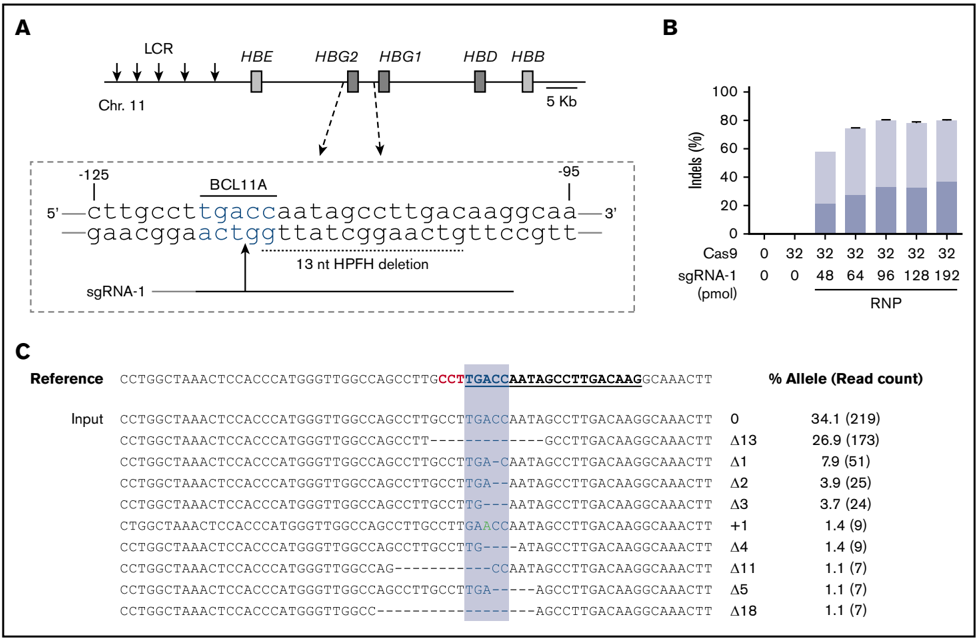
“Several HPFH mutations occur in a region 118 to 114 nt upstream of the HBG1 and HBG2 transcription start sites and disrupt a cognate-binding element for the g-globin gene repressor BCL11A (TGACC).(24,25) Previously, we targeted this region in CD34(1) hematopoietic stem and progenitor cells (HSPCs) by lentiviral expres…”
BackgroundIannone, R., Casella, J. F., Fuchs, E. J., Chen, A. R., Jones, R. J., Woolfrey, A., Amylon, M., Sullivan, K. M., Storb, R. F., & Walters, M. C. (2003) · Biology of Blood and Marrow Transplantation · doi:10.1016/s1083-8791(03)00192-7 · Cited by 269
Molecular Basis of Hereditary Persistence of Fetal Hemoglobin
FORGET, B. G. (1998) · Annals of the New York Academy of Sciences · doi:10.1111/j.1749-6632.1998.tb10460.x · Cited by 268
Fetal hemoglobin in sickle cell anemia: a glass half full?
Steinberg, M. H., Chui, D. H. K., Dover, G. J., Sebastiani, P., & Alsultan, A. (2014) · Blood · doi:10.1182/blood-2013-09-528067 · Cited by 267
Highly Efficient Genome Editing of Murine and Human Hematopoietic Progenitor Cells by CRISPR/Cas9
Gundry, M. C., Brunetti, L., Lin, A., Mayle, A. E., Kitano, A., Wagner, D., Hsu, J. I., Hoegenauer, K. A., Rooney, C. M., Goodell, M. A., et al. (2016) · Cell Reports · doi:10.1016/j.celrep.2016.09.092 · Cited by 265 · cited 1×
“4% at 17 weeks after xenotransplantation (Figure 3C), similar to what has been reported previously.(14,23,28) Notably, the 13-nt HPFH mutation occurred at similar frequencies in CD34(1) HSPCs before and after transplantation (Figure 3C; supplemental Figure 3).”
ResultMcIntosh, B. E., Brown, M. E., Duffin, B. M., Maufort, J. P., Vereide, D. T., Slukvin, I. I., & Thomson, J. A. (2015) · Stem Cell Reports · doi:10.1016/j.stemcr.2014.12.005 · Cited by 255
Treating sickle cell disease by targeting HbS polymerization
Eaton, W. A., & Bunn, H. F. (2017) · Blood · doi:10.1182/blood-2017-02-765891 · Cited by 255
CRISPR/Cas9-Mediated Correction of the Sickle Mutation in Human CD34+ cells
Hoban, M. D., Lumaquin, D., Kuo, C. Y., Romero, Z., Long, J., Ho, M., Young, C. S., Mojadidi, M., Fitz-Gibbon, S., Cooper, A. R., et al. (2016) · Molecular Therapy · doi:10.1038/mt.2016.148 · Cited by 220
Induction of fetal hemoglobin synthesis by CRISPR/Cas9-mediated editing of the human β-globin locus
Antoniani, C., Meneghini, V., Lattanzi, A., Felix, T., Romano, O., Magrin, E., Weber, L., Pavani, G., El Hoss, S., Kurita, R., et al. (2018) · Blood · doi:10.1182/blood-2017-10-811505 · Cited by 194 · cited 1×
“Second, fetal hemoglobin (HbF, a2g2) can be induced in adult red blood cells (RBCs) by using nonhomologous end-joining (NHEJ) mediated mutations to disrupt noncoding DNA regulatory elements that repress transcription of the genes encoding g-globin (HBG1 and HBG2) postnatally.(4,13-19) Numerous clinical studies show th…”
BackgroundYe, L., Wang, J., Tan, Y., Beyer, A. I., Xie, F., Muench, M. O., & Kan, Y. W. (2016) · Proceedings of the National Academy of Sciences · doi:10.1073/pnas.1612075113 · Cited by 190
Fitzhugh, C. D., Cordes, S., Taylor, T., Coles, W., Roskom, K., Link, M., Hsieh, M. M., & Tisdale, J. F. (2017) · Blood · doi:10.1182/blood-2017-03-772392 · Cited by 170
Self-citationChang, K.-H., Smith, S. E., Sullivan, T., Chen, K., Zhou, Q., West, J. A., Liu, M., Liu, Y., Vieira, B. F., Sun, C., et al. (2017) · Molecular Therapy - Methods & Clinical Development · doi:10.1016/j.omtm.2016.12.009 · Cited by 155 · cited 1×
“4% at 17 weeks after xenotransplantation (Figure 3C), similar to what has been reported previously.(14,23,28) Notably, the 13-nt HPFH mutation occurred at similar frequencies in CD34(1) HSPCs before and after transplantation (Figure 3C; supplemental Figure 3).”
ResultFitzhugh, C. D., Hsieh, M. M., Bolan, C. D., Saenz, C., & Tisdale, J. F. (2009) · Cytotherapy · doi:10.1080/14653240902849788 · Cited by 154
Self-citationSong, B., Fan, Y., He, W., Zhu, D., Niu, X., Wang, D., Ou, Z., Luo, M., & Sun, X. (2015) · Stem Cells and Development · doi:10.1089/scd.2014.0347 · Cited by 154
Xu, P., Tong, Y., Liu, X.-Z., Wang, T.-T., Cheng, L., Wang, B.-Y., Lv, X., Huang, Y., & Liu, D.-P. (2015) · Scientific Reports · doi:10.1038/srep12065 · Cited by 149
Lattanzi, A., Meneghini, V., Pavani, G., Amor, F., Ramadier, S., Felix, T., Antoniani, C., Masson, C., Alibeu, O., Lee, C., et al. (2019) · Molecular Therapy · doi:10.1016/j.ymthe.2018.10.008 · Cited by 135
Romero, Z., Lomova, A., Said, S., Miggelbrink, A., Kuo, C. Y., Campo-Fernandez, B., Hoban, M. D., Masiuk, K. E., Clark, D. N., Long, J., et al. (2019) · Molecular Therapy · doi:10.1016/j.ymthe.2019.05.014 · Cited by 126
The effect of fetal hemoglobin on the survival characteristics of sickle cells
Franco, R. S., Yasin, Z., Palascak, M. B., Ciraolo, P., Joiner, C. H., & Rucknagel, D. L. (2006) · Blood · doi:10.1182/blood-2005-09-008318 · Cited by 119
Psatha, N., Reik, A., Phelps, S., Zhou, Y., Dalas, D., Yannaki, E., Levasseur, D. N., Urnov, F. D., Holmes, M. C., & Papayannopoulou, T. (2018) · Molecular Therapy - Methods & Clinical Development · doi:10.1016/j.omtm.2018.08.003 · Cited by 115
Fetal haemoglobin in sickle-cell disease: from genetic epidemiology to new therapeutic strategies
Lettre, G., & Bauer, D. E. (2016) · The Lancet · doi:10.1016/s0140-6736(15)01341-0 · Cited by 104 · cited 1×
“Numerous clinical studies show that elevated HbF production is associated with reduced morbidity and mortality in SCD and b-thalassemia.(20,21) In extreme cases, a rare, benign genetic condition called hereditary persistence of HbF (HPFH) induces high-level pancellular HbF expression in RBCs and eliminates the patholo…”
BackgroundSelf-citationFetal hemoglobin levels and morbidity in untransfused patients with β-thalassemia intermedia.
Musallam, K. M., Sankaran, V. G., Cappellini, M. D., Duca, L., Nathan, D. G., & Taher, A. T. (2012) · Blood · doi:10.1182/blood-2011-09-382408 · Cited by 103 · cited 1×
“Numerous clinical studies show that elevated HbF production is associated with reduced morbidity and mortality in SCD and b-thalassemia.(20,21) In extreme cases, a rare, benign genetic condition called hereditary persistence of HbF (HPFH) induces high-level pancellular HbF expression in RBCs and eliminates the patholo…”
BackgroundEvidence for ineffective erythropoiesis in severe sickle cell disease
Wu, C. J., Krishnamurti, L., Kutok, J. L., Biernacki, M., Rogers, S., Zhang, W., Antin, J. H., & Ritz, J. (2005) · Blood · doi:10.1182/blood-2005-04-1376 · Cited by 99
Gamma thalassemia resulting from the deletion of a gamma-globin gene.
Sukumaran, P. K., Nakatsuji, T., Gardiner, M. B., Reese, A. L., Gilman, J. G., & Huisman, T. H. J. (1983) · PubMed Central · Cited by 90
Wattanapanitch, M., Damkham, N., Potirat, P., Trakarnsanga, K., Janan, M., U‐pratya, Y., Kheolamai, P., Klincumhom, N., & Issaragrisil, S. (2018) · Stem Cell Research & Therapy · doi:10.1186/s13287-018-0779-3 · Cited by 70
Yen, J., Fiorino, M., Liu, Y., Paula, S., Clarkson, S., Quinn, L., Tschantz, W. R., Klock, H., Guo, N., Russ, C., et al. (2018) · Scientific Reports · doi:10.1038/s41598-018-34601-6 · Cited by 67
Mixed haematopoietic chimerism for sickle cell disease prevents intravascular haemolysis
Wu, C. J., Gladwin, M., Tisdale, J., Hsieh, M., Law, T., Biernacki, M., Rogers, S., Wang, X., Walters, M., Zahrieh, D., et al. (2007) · British Journal of Haematology · doi:10.1111/j.1365-2141.2007.06803.x · Cited by 57
Self-citationGene correction of HBB mutations in CD34+ hematopoietic stem cells using Cas9 mRNA and ssODN donors
Antony, J. S., Latifi, N., Haque, A. K. M. A., Lamsfus-Calle, A., Daniel-Moreno, A., Graeter, S., Baskaran, P., Weinmann, P., Mezger, M., Handgretinger, R., et al. (2018) · Molecular and Cellular Pediatrics · doi:10.1186/s40348-018-0086-1 · Cited by 54
Lux, C. T., Pattabhi, S., Berger, M. P., Nourigat, C., Flowers, D. A., Nègre, O., Humbert, O., Yang, J., Lee, C., Jacoby, K., et al. (2018) · Molecular Therapy — Methods & Clinical Development · doi:10.1016/j.omtm.2018.12.008 · Cited by 53
In mixed hematopoietic chimerism, the donor red cells win
Hsieh, M., Wu, C. J., & Tisdale, J. F. (2010) · Haematologica · doi:10.3324/haematol.2010.035576 · Cited by 34
Self-citationEthical Challenges in Hematopoietic Cell Transplantation for Sickle Cell Disease
Nickel, R. S., & Kamani, N. R. (2017) · Transplantation and Cellular Therapy · doi:10.1016/j.bbmt.2017.08.034 · Cited by 32
γ Chain Abnormalities and γ-Globin Gene Rearrangements in Newborn Babies of Various Populations
Huisman, T. H. J., Kutlar, F., & Gu, L.-H. (1991) · Hemoglobin · doi:10.3109/03630269108998857 · Cited by 30
Altrock, P. M., Brendel, C., Renella, R., Orkin, S. H., Williams, D. A., & Michor, F. (2016) · American Journal of Hematology · doi:10.1002/ajh.24449 · Cited by 30
Andreani, M., Testi, M., Battarra, M., & Lucarelli, G. (2011) · Chimerism · doi:10.4161/chim.15057 · Cited by 29
Chromatin looping as a target for altering erythroid gene expression
Krivega, I., & Dean, A. (2016) · Annals of the New York Academy of Sciences · doi:10.1111/nyas.13012 · Cited by 27
Andreani, M., Testi, M., Battarra, M., et al. (2011) · PubMed · doi:10.4161/chim.2.1.15057 · Cited by 24
Engineering Globin Gene Expression
Davis, R., Gurumurthy, A., Hossain, M. A., Gunn, E. M., & Bungert, J. (2018) · Molecular Therapy — Methods & Clinical Development · doi:10.1016/j.omtm.2018.12.004 · Cited by 11
Adverse effects of G-CSF in sickle cell syndromes
Blau, C. A. (2001) · Blood · doi:10.1182/blood.v97.12.3682 · Cited by 7
Marziali, M., Isgrò, A., Sodani, P., Gaziev, J., Fraboni, D., Paciaroni, K., Gallucci, C., Alfieri, C., Roveda, A., Angelis, G. D., et al. (2014) · Mediterranean Journal of Hematology and Infectious Diseases · doi:10.4084/mjhid.2014.066 · Cited by 3
Cited by
Chromothripsis as an on-target consequence of CRISPR–Cas9 genome editing
Leibowitz, M. L., Papathanasiou, S., Doerfler, P. A., Blaine, L. J., Sun, L., Yao, Y., Zhang, C.-Z., Weiss, M. J., & Pellman, D. (2021) · Nature Genetics · doi:10.1038/s41588-021-00838-7 · Cited by 583
Self-citationde Klein, N., Tsai, E. A., Vochteloo, M., Baird, D., Huang, Y., Chen, C.-Y., van Dam, S., Oelen, R., Deelen, P., Bakker, O. B., et al. (2023) · Nature Genetics · doi:10.1038/s41588-023-01300-6 · Cited by 272
Gene therapy using haematopoietic stem and progenitor cells
Ferrari, G., Thrasher, A. J., & Aiuti, A. (2021) · Nature Reviews Genetics · doi:10.1038/s41576-020-00298-5 · Cited by 254
CRISPR-Cas9 Editing of the HBG1 and HBG2 Promoters to Treat Sickle Cell Disease
Sharma, A., Boelens, J.-J., Cancio, M., Hankins, J. S., Bhad, P., Azizy, M., Lewandowski, A., Zhao, X., Chitnis, S., Peddinti, R., et al. (2023) · New England Journal of Medicine · doi:10.1056/nejmoa2215643 · Cited by 182
Self-citationPiel, F. B., Rees, D. C., DeBaun, M. R., Nnodu, O., Ranque, B., Thompson, A. A., Ware, R. E., Abboud, M. R., Abraham, A., Ambrose, E. E., et al. (2023) · The Lancet Haematology · doi:10.1016/s2352-3026(23)00096-0 · Cited by 177
Self-citation
Metadata
- Authors
- Métais, J.-Y., Doerfler, P. A., Mayuranathan, T., Bauer, D. E., Fowler, S. C., Hsieh, M. M., Katta, V., Keriwala, S., Lazzarotto, C. R., Luk, K., Neel, M. D., Perry, S. S., Peters, S. T., Porter, S. N., Ryu, B. Y., Sharma, A., Shea, D., Tisdale, J. F., Uchida, N., Wolfe, S. A., Woodard, K. J., Wu, Y., Yao, Y., Zeng, J., Pruett-Miller, S., Tsai, S. Q., & Weiss, M. J.
- Affiliations
- St. Jude Children's Research Hospital (US)
- Broad Institute (US)
- National Heart, Lung, and Blood Institute (US)
- Department of Hematology, St. Jude Children’s Research Hospital, Memphis, TN;
- University of Massachusetts Chan Medical School (US)
- Division of Orthopedics,
- Flow Cytometry and Cell Sorting Shared Resource,
- Department of Cell and Molecular Biology, and
- Boston Children's Hospital (US)
- ORCID
- Métais, Jean-Yves
- Doerfler, Phillip A.
- Mayuranathan, Thiyagaraj
- Bauer, Daniel E.
- Hsieh, Matthew M.
- Katta, Varun
- Luk, Kevin
- Neel, Michael D.
- Sharma, Akshay
- Shea, Devlin
- Tisdale, John F.
- Uchida, Naoya
- Wolfe, Scot A.
- Woodard, Kaitly J.
- Wu, Yuxuan
- Yao, Yu
- Zeng, Jing
- Pruett-Miller, Shondra
- Tsai, Shengdar Q.
- Weiss, Mitchell J.
- Venue
- Blood Advances
- Publisher
- American Society of Hematology
- Published
- 2019-11-06
- Volume
- 3
- Issue
- 21
- Pages
- 3379-3392
- ISSN
- 2473-9529 (ISSN-L)
- 2473-9537
- PMC
- PMC6855127
- OpenAlex
- W2983573843
- Semantic Scholar
- 751a307399957e94e5f73a09f06da3c1a7e2c4b3
- Cited by
- 177
- References
- 56
- Citations by year
- 2026: 17 · 2025: 20 · 2024: 24 · 2023: 30 · 2022: 32 · 2021: 34 · 2020: 18
- FWCI
- 11.51
- Type
- journal article
- Language
- en
- Open access
- gold
- doi.org
- Licence
- cc-by-nc-nd
- Locations
- Blood Advances (publishedVersion, cc-by-nc-nd)
- Europe PMC (PubMed Central) (publishedVersion)
- PubMed Central (publishedVersion)
- PubMed (publishedVersion)
- eScholarship@UMassChan (submittedVersion)
- DOAJ (DOAJ: Directory of Open Access Journals) (submittedVersion)
- Funders
- Doris Duke Charitable Foundation (2017093)
- Assisi Foundation of Memphis
- St. Jude Children's Research Hospital (CA21765)
- American Lebanese Syrian Associated Charities (CA 21765)
- National Institutes of Health (CA21765))
- National Heart, Lung, and Blood Institute (P01HL053749, HL053749, U01HL145793)
- National Cancer Institute (CA21765, P 30CA 21765, P30CA021765)
- National Institute of General Medical Sciences (R01GM115911, CA21765)
- National Institute of Allergy and Infectious Diseases (R01AI117839, U01AI157189)
- National Institute of Biomedical Imaging and Bioengineering (U01EB029373)
- Topics
- Health Sciences › Medicine › Genetics (clinical) › Hemoglobinopathies and Related Disorders
- Life Sciences › Biochemistry, Genetics and Molecular Biology › Molecular Biology › CRISPR and Genetic Engineering
- Life Sciences › Biochemistry, Genetics and Molecular Biology › Genetics › Virus-based gene therapy research
- Keywords
- genome editing, fetal hemoglobin induction, HBG1, HBG2, sickle cell disease, beta-thalassemia, CRISPR/Cas9, BCL11A, hematopoietic stem and progenitor cells, xenotransplantation, CIRCLE-seq, off-target mutations, nuclear localization signal, hemoglobinopathies
- MeSH terms
- Gene Editing, RNA, Guide, CRISPR-Cas Systems, Anemia, Sickle Cell, Animals, Base Sequence, Disease Models, Animal, Erythropoiesis, Fetal Hemoglobin, Gene Expression Regulation, Hematopoietic Stem Cells, Hemoglobinopathies, Humans, Models, Biological, Mutation, Promoter Regions, Genetic, Immunophenotyping, Sequence Deletion, RNA, Guide, Kinetoplastida, Hematopoietic Stem Cell Transplantation, Gene Targeting, Mice, gamma-Globins, CRISPR-Cas Systems, Heterografts
About these checks
Registry, retraction, Cites and statistics results are computed, not judged, with one exception: a printed reference that no index lists is read once by a model before it counts as a citation error. Claims are extracted by a model and kept only when their quote appears verbatim in the text; each cited source is then checked, with a model’s help, for whether it says what the claim relies on. Those verdicts can be wrong — read the claim’s quote and the cited source before relying on one.
Statistics and arithmetic are recomputed, not judged.
Confidence bands are shown only for fields calibrated on our annotated test set. None is calibrated yet, so no band is shown.
What counts as a claim ›How we measure confidence ›How we check this ›
Are you an author, or do you see a problem with this page? Request a review
Data sources
Bibliographic data: Semantic Scholar, OpenAlex, Crossref.
Contains information from the Semantic Scholar Academic Graph Datasets, made available under the ODC Attribution License (ODC-BY 1.0).
Semantic Scholar’s data is described in: Kinney, R., et al. (2023). The Semantic Scholar Open Data Platform. arXiv:2301.10140.
