

GSVA: gene set variation analysis for microarray and RNA-Seq data
Open accessThe DOI matches its Crossref record; 68 of the 69 references it cites were found in a registry or an index.
Abstract
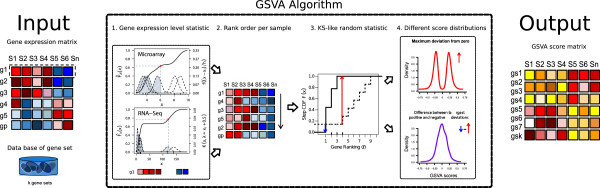
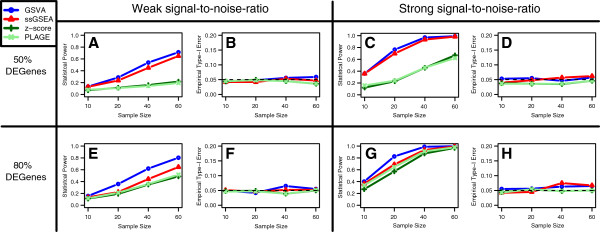
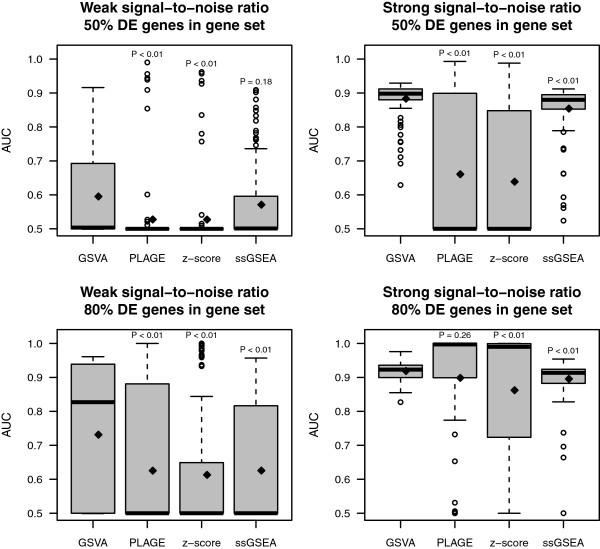
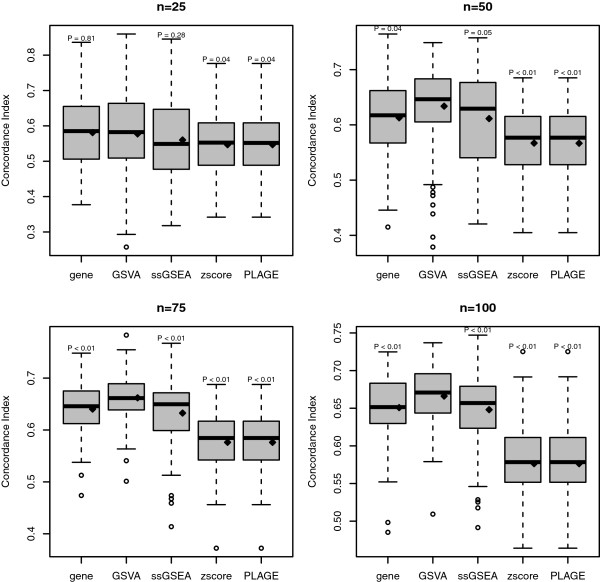
Background: Gene set enrichment (GSE) analysis is a popular framework for condensing information from gene expression profiles into a pathway or signature summary. The strengths of this approach over single gene analysis include noise and dimension reduction, as well as greater biological interpretability. As molecular profiling experiments move beyond simple case-control studies, robust and flexible GSE methodologies are needed that can model pathway activity within highly heterogeneous data sets. Results: To address this challenge, we introduce Gene Set Variation Analysis (GSVA), a GSE method that estimates variation of pathway activity over a sample population in an unsupervised manner. We demonstrate the robustness of GSVA in a comparison with current state of the art sample-wise enrichment methods. Further, we provide examples of its utility in differential pathway activity and survival analysis. Lastly, we show how GSVA works analogously with data from both microarray and RNA-seq experiments. Conclusions: GSVA provides increased power to detect subtle pathway activity changes over a sample population in comparison to corresponding methods. While GSE methods are generally regarded as end points of a bioinformatic analysis, GSVA constitutes a starting point to build pathway-centric models of biology. Moreover, GSVA contributes to the current need of GSE methods for RNA-seq data. GSVA is an open source software package for R which forms part of the Bioconductor project and can be downloaded at http://www.bioconductor.org .
Overview
The claims and statistics of this paper haven’t been checked yet.
Free: it reads the open-access text and checks the first 5 claims that cite a source we can check. Create a free account to check every claim.
Integrity signals
Registry
Cites
Statistics
Figures
Verification
Claims the paper makes
The claims and statistics of this paper haven’t been checked yet.
Free: it reads the open-access text and checks the first 5 claims that cite a source we can check. Create a free account to check every claim.
Claims other papers make about this one
Each is checked against this paper’s own text: does it say what the citing paper says it does?
In the citing paper
“GSVA is a non-parametric, unsupervised method that estimates the variation in gene set enrichment across samples in an expression dataset [44].”
From Integrated multi-omics analysis revealed the molecular networks and potential targets of cellular senescence in Alzheimer’s disease (2025) · cites this paper as [44]
In the citing paper
“Users can compute gene scores inside the pipeline by supplying a custom YAML formatted description file with the desired set(s) of genes and choosing one of the available methods for computing such gene scores. Available methods include PLAGE (Tomfohr et al. 2005), GSVA (Hänzelmann et al. 2013), SINGSCORE (Foroutan et al. 2021), SAMS (Souiai et al. 2001), and SSGSEA (Hänzelmann et al. 2013) as we”
From nf-core/nanostring: a pipeline for reproducible NanoString nCounter analysis (2024) · cites this paper as Hänzelmann et al. 2013
In the citing paper
“We also calculated GSVA scores using different gene inclusion cut-offs (top 100 and top 500 genes), and correlation between GSVA signatures across different cut-offs was > 0.97.”
From Alzheimer’s disease transcriptional landscape in ex vivo human microglia (2025) · cites this paper as [43]
In the citing paper
“the ‘within-control’ and ‘within-AD’ stratification shares with same axis, with distinct molecular states from gene set variance analysis 43 based on DEGs from AD diagnoses, (CERAD) and (Clinical), amyloid β plaque density, ApoE4 allele counts, and Braak stage (High vs. Middle)”
From Alzheimer’s disease transcriptional landscape in ex vivo human microglia (2025) · cites this paper as [43]
Self-check
Percentages, sums and reported differences re-computed from the paper’s own numbers.
The self-check needs the paper’s full text.
Citations
Cites
R: A Language and Environment for Statistical Computing
R Core Team (2025) · doi:10.32614/r.manuals · Cited by 352,181
Controlling the False Discovery Rate: A Practical and Powerful Approach to Multiple Testing
Benjamini, Y., & Hochberg, Y. (1995) · Journal of the Royal Statistical Society Series B: Statistical Methodology · doi:10.1111/j.2517-6161.1995.tb02031.x · Cited by 109,482 · cited 1×
“) approach [63] to obtain corrected p-values.”
Subramanian, A., Tamayo, P., Mootha, V. K., Mukherjee, S., Ebert, B. L., Gillette, M. A., Paulovich, A., Pomeroy, S. L., Golub, T. R., Lander, E. S., et al. (2005) · Proceedings of the National Academy of Sciences · doi:10.1073/pnas.0506580102 · Cited by 53,625 · cited 9×
“Most GSE methods, such as GSEA [4], are supervised and population based, in that they compute an enrichment score per gene set to describe the entire data set, modeled on a phenotype (discrete, such as case-control, or continuous).”
BackgroundMethodInfluentialRobinson, M. D., McCarthy, D. J., & Smyth, G. K. (2010) · Bioinformatics · doi:10.1093/bioinformatics/btp616 · Cited by 41,364 · cited 1×
“The nature of these data, however, often requires specific statistical models and bioinformatic methods for their analysis, as in the case of differential expression analysis [45].”
MethodDensity Estimation for Statistics and Data Analysis
Silverman, B. W. (2018) · Routledge eBooks · doi:10.1201/9781315140919 · Cited by 15,796
Huang, D. W., Sherman, B. T., & Lempicki, R. A. (2009) · Nucleic Acids Research · doi:10.1093/nar/gkn923 · Cited by 14,108 · cited 1×
“Many other supervised, population based approaches have also been described [12,17,20,31-34].”
BackgroundMapping and quantifying mammalian transcriptomes by RNA-Seq
Mortazavi, A., Williams, B. A., McCue, K., Schaeffer, L., & Wold, B. (2008) · Nature Methods · doi:10.1038/nmeth.1226 · Cited by 13,696 · cited 1×
“The application of high-throughput sequencing to interrogate RNA concentration in biological samples, popularly known as RNA-seq, is steadily becoming the technology of choice to profile gene expression [44].”
BackgroundBioconductor: open software development for computational biology and bioinformatics
Gentleman, R. C., Carey, V. J., Bates, D. M., Bolstad, B., Dettling, M., Dudoit, S., Ellis, B., Gautier, L., Ge, Y., Gentry, J., et al. (2004) · Genome Biology · doi:10.1186/gb-2004-5-10-r80 · Cited by 12,172 · cited 1×
“Microarray data processing Data analysis was performed using the R [59] and Bioconductor [60] software.”
MethodSmyth, G. K. (2004) · Statistical Applications in Genetics and Molecular Biology · doi:10.2202/1544-6115.1027 · Cited by 11,829
Mootha, V. K., Lindgren, C. M., Eriksson, K.-F., Subramanian, A., Sihag, S., Lehar, J., Puigserver, P., Carlsson, E., Ridderstråle, M., Laurila, E., et al. (2003) · Nature Genetics · doi:10.1038/ng1180 · Cited by 10,197 · cited 1×
“Many methodological variations of GSE methods have been proposed [1–6], including non-parametric enrichment statistics [4,7], battery testing [8–10], and focused gene set testing [1,11,12].”
Method
Research works printed but not linked: 2
- Wu D Lim E Vaillant F Asselin-Labat ML Visvader JE Smyth GK ROAST: rotation gene set tests for complex microarray experiments Bioinformatics (Oxford, England) 2010 26 17 2176 2182 [ http://www.ncbi.nlm.nih.gov/pubmed/20610611]. [PMID: 20610611] PMC2922896 20610611 · DOI · Paper page
- Bolstad BM Low-level analysis of high-density oligonucleotide array data: background, normalization and summarization PhD thesis, University of Waikato 2004. [ http://bmbolstad.com/Dissertation/Bolstad_2004_Dissertation.pdf]
Cited by
Items 801–900 of 1,085
Liu, J., Chen, C., Wang, Y., Qian, C., Wei, J., Xing, Y., & Bai, J. (2021) · Frontiers in Immunology · doi:10.3389/fimmu.2021.746647 · Cited by 96
Chen, L., Niu, X., Qiao, X., Liu, S., Ma, H., Shi, X., He, X., & Zhong, M. (2022) · Frontiers in Immunology · doi:10.3389/fimmu.2021.739039 · Cited by 97
“Gene Set Variation Analysis (GSVA) GSVA package was employed for estimating the activity of pathways with a non-parametric and unsupervised method (38).”
MethodESR1 mutant breast cancers show elevated basal cytokeratins and immune activation
Li, Z., McGinn, O., Wu, Y. F., Bahreini, A., Priedigkeit, N., Ding, K., Onkar, S., Lampenfeld, C., Sartorius, C. A., Miller, L., et al. (2022) · Nature Communications · doi:10.1038/s41467-022-29498-9 · Cited by 85
Genomic hallmarks and therapeutic implications of G0 cell cycle arrest in cancer
Wiecek, A. J., Cutty, S. J., Kornai, D., Parreno-Centeno, M., Gourmet, L. E., Tagliazucchi, G. M., Jacobson, D. H., Zhang, P., Xiong, L., Bond, G. L., et al. (2023) · Genome biology · doi:10.1186/s13059-023-02963-4 · Cited by 89
Chu, G., Ji, X., Wang, Y., & Niu, H. (2023) · Molecular Therapy — Nucleic Acids · doi:10.1016/j.omtn.2023.06.001 · Cited by 85
“Through gene set variation analysis (GSVA), 52 we calculated the enrichment scores of multitherapy-related signatures, including signatures positively associated with the response to atezolizumab in BLCA from Mariathasan et al., 53 BLCA molecular subtype-related signatures from the Bladder Cancer…”
MethodLiu, X., Wang, X., Yang, Q., Luo, L., Liu, Z., Ren, X., Lei, K., Li, S., Xie, Z., Zheng, G., et al. (2024) · Cancer Research · doi:10.1158/0008-5472.can-23-2123 · Cited by 75
Extracellular matrix stiffness regulates colorectal cancer progression via HSF4
Wang, K., Ning, S., Zhang, S., Jiang, M., Huang, Y., Pei, H., Li, M., & Tan, F. (2025) · Journal of Experimental & Clinical Cancer Research · doi:10.1186/s13046-025-03297-8 · Cited by 97
Thatikonda, V., Lyu, H., Jurado, S., Kostyrko, K., Bristow, C. A., Albrecht, C., Alpar, D., Arnhof, H., Bergner, O., Bosch, K., et al. (2024) · Nature Cancer · doi:10.1038/s43018-024-00800-6 · Cited by 76
Singhania, A., Graham, C. M., Gabryšová, L., Moreira-Teixeira, L., Stavropoulos, E., Pitt, J. M., Chakravarty, P., Warnatsch, A., Branchett, W. J., Conejero, L., et al. (2019) · Nature Communications · doi:10.1038/s41467-019-10601-6 · Cited by 80
Hu, B., Yang, X., & Sang, X. (2020) · Cancer Medicine · doi:10.1002/cam4.3353 · Cited by 93
Barbi, J. J., Patnaik, S. K., Pabla, S., Zollo, R. A., Smith, R. J., Sass, S. N., Srinivasan, A., Petrucci, C. M., Seager, R. J., Conroy, J. M., et al. (2021) · Journal of Thoracic Oncology · doi:10.1016/j.jtho.2021.04.020 · Cited by 85
DEN-Induced Rat Model Reproduces Key Features of Human Hepatocellular Carcinoma
Kurma, K., Manches, O., Chuffart, F., Stürm, N., Gharzeddine, K., Zhang, J., Mercey-Ressejac, M., Rousseaux, S., Millet, A., Lerat, H., et al. (2021) · Cancers · doi:10.3390/cancers13194981 · Cited by 86
“The single-sample GSEA scores, representing the degree to which the genes in a particular gene set are coordinately up- or down-regulated within a sample, were calculated using the GSVA program [13], following the methodology described previously [14].”
MethodComprehensive assessment of cellular senescence in the tumor microenvironment
Wang, X., Ma, L., Pei, X., Wang, H., Tang, X., Pei, J.-F., Ding, Y.-N., Qu, S., Wei, Z.-Y., Wang, H.-Y., et al. (2022) · Briefings in Bioinformatics · doi:10.1093/bib/bbac118 · Cited by 76
“First, our GSVA-based strategy of defining senescence levels depends on the compositions of gene signature.”
InfluentialWang, Z., Wang, Y., Chang, M., Wang, Y., Liu, P., Wu, J., Wang, G., Tang, X., Hui, X., Liu, P., et al. (2023) · Neuro-Oncology · doi:10.1093/neuonc/noad017 · Cited by 94
A longitudinal single-cell atlas of treatment response in pediatric AML
Lambo, S., Trinh, D. L. N., Ries, R. E., Jin, D., Setiadi, A., Ng, M. S. W., Leblanc, V., Loken, M. R., Brodersen, L. E., Dai, F., et al. (2023) · Cancer Cell · doi:10.1016/j.ccell.2023.10.008 · Cited by 84
Machine learning reveals diverse cell death patterns in lung adenocarcinoma prognosis and therapy
Wang, S., Wang, R., Hu, D., Zhang, C.-X., Cao, P., & Huang, J. (2024) · npj Precision Oncology · doi:10.1038/s41698-024-00538-5 · Cited by 94
Generalized reporter score-based enrichment analysis for omics data
Chen, P., Chen, Q., Tan, S., Shen, X., & Jiang, C. (2024) · Briefings in Bioinformatics · doi:10.1093/bib/bbae116 · Cited by 80
Du, K., Wang, L., Jun, J. H., Dutta, R. K., Maeso‐Díaz, R., Oh, S., Ko, D. C., & Diehl, A. M. (2024) · Nature Aging · doi:10.1038/s43587-024-00652-w · Cited by 94
Jiang, W., Zhu, D., Wang, C., & Zhu, Y. (2020) · Cancer Medicine · doi:10.1002/cam4.2942 · Cited by 87
Golomb, S. M., Guldner, I. H., Zhao, A., Wang, Q., Palakurthi, B., Aleksandrovic, E. A., Lopez, J. A., Lee, S. W., Yang, K., & Zhang, S. (2020) · Cell Reports · doi:10.1016/j.celrep.2020.108438 · Cited by 75
Magrini, E., Di Marco, S., Mapelli, S. N., Perucchini, C., Pasqualini, F., Donato, A., Guevara Lopez, M. D. L. L., Carriero, R., Ponzetta, A., Colombo, P., et al. (2021) · Nature Cancer · doi:10.1038/s43018-021-00173-0 · Cited by 75
Dual role of endothelial Myct1 in tumor angiogenesis and tumor immunity
Kabir, A. U., Subramanian, M., Lee, D. H., Wang, X., Krchma, K., Wu, J., Naismith, T., Halabi, C. M., Kim, J. Y., Pulous, F. E., et al. (2021) · Science Translational Medicine · doi:10.1126/scitranslmed.abb6731 · Cited by 84
“Last, Myct1 was down-regulated in the tumor ECs of the Etv2 conditional knockout (KO) mice (Fig.”
MethodInfluentialRisbridger, G. P., Clark, A. K., Porter, L. H., Toivanen, R., Bakshi, A., Lister, N. L., Pook, D. W., Pezaro, C. J., Sandhu, S. K., Keerthikumar, S., et al. (2021) · Nature Communications · doi:10.1038/s41467-021-25175-5 · Cited by 84
WEE1 inhibition induces anti-tumor immunity by activating ERV and the dsRNA pathway
Guo, E., Xiao, R., Wu, Y., Lu, F., Liu, C., Yang, B., Li, X., Fu, Y., Wang, Z., Yuan, L., et al. (2021) · The Journal of Experimental Medicine · doi:10.1084/jem.20210789 · Cited by 83
“TCGA data analysis For the association of IFN pathway genes (IFN_GSVA: REACTOME INTERFERON SIGNALING; IFN-α_GSVA: HALLMARK INTERFERON ALPHA RESPONSE; IFN-γ_GSVA: HALLMARK INTERFERON GAMMA RESPONSE) expression with survival, vital patient status (dead and alive) was used as a surrogate end point, and patients were dich…”
MethodSheerin, D., Abhimanyu, A., Peton, N., Vo, W., Allison, C. C., Wang, X., Johnson, W. E., & Coussens, A. K. (2022) · iScience · doi:10.1016/j.isci.2022.104464 · Cited by 81
Shi, R., Wang, X., Wu, Y. F., Xu, B., Zhao, T., Trapp, C., Wang, X., Unger, K., Zhou, C., Lu, S., et al. (2022) · Theranostics · doi:10.2139/ssrn.4062750 · Cited by 84
Strand, S. H., Rivero‐Gutiérrez, B., Houlahan, K. E., Seoane, J. A., King, L. M., Risom, T., Simpson, L., Vennam, S., Khan, A., Cisneros, L. H., et al. (2022) · Cancer Cell · doi:10.1016/j.ccell.2022.10.021 · Cited by 85
Wang, Y., Liu, B., Min, Q., Yang, X., Yan, S., Ma, Y., Li, S., Fan, J., Wang, Y., Dong, B., et al. (2023) · Cell Discovery · doi:10.1038/s41421-023-00591-7 · Cited by 94
Splicing neoantigen discovery with SNAF reveals shared targets for cancer immunotherapy
Li, G., Mahajan, S., Ma, S., Jeffery, E. D., Zhang, X., Bhattacharjee, A., Venkatasubramanian, M., Weirauch, M. T., Miraldi, E. R., Grimes, H. L., et al. (2024) · Science Translational Medicine · doi:10.1126/scitranslmed.ade2886 · Cited by 85
Everson, R. G., Hugo, W., Sun, L., Antonios, J. P., Lee, A., Ding, L., Bu, M. T., Khattab, S., Chavez, C., Billingslea-Yoon, E., et al. (2024) · Nature Communications · doi:10.1038/s41467-024-48073-y · Cited by 93
“To calculate single sample gene set enrichment of the interferon-related genes, we used the Gene Set Variation Analysis(GSVA) package (version 1.32.0) 58 .”
InfluentialModelling cell-free RNA and protein synthesis with minimal systems
Doerr, A., de Reus, E., van Nies, P., van der Haar, M., Wei, K., Kattan, J., Wahl, A., & Danelon, C. (2019) · Physical Biology · doi:10.1088/1478-3975/aaf33d · Cited by 82
Zhang, J., Sui, S., Wu, H., Zhang, J., Zhang, X., Xu, S., & Pang, D. (2019) · Cell Death and Disease · doi:10.1038/s41419-019-1835-3 · Cited by 75
Wang, Y., Zhao, W., Xiao, Z., Guan, G., Liu, X., & Zhuang, M. (2020) · Journal of Cellular and Molecular Medicine · doi:10.1111/jcmm.14938 · Cited by 74
STAT3‐dependent analysis reveals PDK4 as independent predictor of recurrence in prostate cancer
Oberhuber, M., Pecoraro, M., Rusz, M., Oberhuber, G., Wieselberg, M., Haslinger, P., Gurnhofer, E., Schlederer, M., Limberger, T., Lagger, S., et al. (2020) · Molecular Systems Biology · doi:10.15252/msb.20199247 · Cited by 74
Wu, C.-C., Wang, Y., Livingston, J. A., Zhang, J., & Futreal, P. A. (2022) · Nature Communications · doi:10.1038/s41467-021-27651-4 · Cited by 86
Sarkar, N. D., Patton, R. D., Doebley, A.-L., Hanratty, B. P., Kreitzman, A. J., Sarthy, J. F., Ko, M., Adil, M., Brahma, S., Meers, M. P., et al. (2022) · Cancer Discovery · doi:10.1158/2159-8290.cd-22-0692 · Cited by 84
Li, X., Zhao, S., Bian, X., Zhang, L., Lu, L., Pei, S., Dong, L., Shi, W., Huang, L., Zhang, X., et al. (2022) · Theranostics · doi:10.7150/thno.77528 · Cited by 82
Identification of a prognostic cuproptosis-related signature in hepatocellular carcinoma
Chen, Y., Tang, L., Huang, W., Abisola, F. H., Zhang, Y., Zhang, G., & Yao, L. (2023) · Biology Direct · doi:10.1186/s13062-023-00358-w · Cited by 80
“Additionally, the Kyoto Encyclopedia of Genes and Genomes (KEGG) pathway analysis and Gene set variation analysis (GSVA) was used to investigate the pathways involved in differentially expressed genes in various risk groups [15].”
MethodAl‐Dalahmah, O., Argenziano, M., Kannan, A., Mahajan, A., Furnari, J. L., Paryani, F., Boyett, D. M., Save, A., Humala, N., Khan, F., et al. (2023) · Nature Communications · doi:10.1038/s41467-023-38186-1 · Cited by 95
“The resultant cluster-wise count matrix was used as input to the GSVA pipeline 61 .”
Single‐cell dissection of cervical cancer reveals key subsets of the tumor immune microenvironment
Cao, G., Yue, J., Ruan, Y., Han, Y., Zhi, Y., Lu, J., Liu, M., Xu, X., Wang, J., Gu, Q., et al. (2023) · The EMBO Journal · doi:10.15252/embj.2022110757 · Cited by 87
Zhou, Y., Wang, L., Liu, Z., Alimohamadi, S., Yin, C., Liu, J., & Li, Q. (2017) · Cell Reports · doi:10.1016/j.celrep.2017.09.005 · Cited by 72
Kang, H. J., Oh, J., Chun, S., Kim, D., Ryu, Y., Hwang, H. S., Kim, S., An, J., Cho, E. J., Lee, H., et al. (2019) · Journal of Hepatology · doi:10.1016/j.jhep.2019.03.018 · Cited by 77
Meng, T., Huang, R., Zeng, Z., Huang, Z., Yin, H., Jiao, C., Yan, P., Hu, P., Zhu, X., Li, Z., et al. (2019) · Frontiers in Bioengineering and Biotechnology · doi:10.3389/fbioe.2019.00270 · Cited by 84
“A total of 90 KEGG pathways were identified as the OS-related KEGG pathways in GSVA and the univariate Cox regression analysis (Figure 8A).”
MethodInfluentialTargeting PIM1-Mediated Metabolism in Myeloid Suppressor Cells to Treat Cancer
Xin, G., Yao, C., Topchyan, P., Kasmani, M. Y., Burns, R., Volberding, P. J., Wu, X., Cohn, A., Chen, Y., Lin, C., et al. (2021) · Cancer Immunology Research · doi:10.1158/2326-6066.cir-20-0433 · Cited by 78
“association between the fatty acid transport (FAT) pathway and immunosuppressive functionusing theRpackage gene set variation analysis to quantify the activity of these biological pathways at the single-cell level (28).”
BackgroundAberrant NAD+ metabolism underlies Zika virus–induced microcephaly
Pang, H., Jiang, Y., Li, J., Wang, Y., Nie, M., Xiao, N., Wang, S., Song, Z., Ji, F., Chang, Y., et al. (2021) · Nature Metabolism · doi:10.1038/s42255-021-00437-0 · Cited by 85
Qian, S., Huang, Q., Chen, R., Mo, J., Zhou, L., Zhao, Y., Li, B., & Lai, H. (2021) · Frontiers in Immunology · doi:10.3389/fimmu.2021.711337 · Cited by 85
“Analysis of the pathway in epithelial subsets was performed by gene-set variation analysis (GSVA) (37) (Supplementary Figure S2E), supporting the above inference about the cell function, such as amelogenesis for JE1, DNA replication for A B”
MethodInfluentialNR4A1 regulates expression of immediate early genes, suppressing replication stress in cancer
Guo, H., Golczer, G., Wittner, B. S., Langenbucher, A., Zachariah, M. A., Dubash, T. D., Hong, X., Comaills, V., Burr, R., Ebright, R. Y., et al. (2021) · Molecular Cell · doi:10.1016/j.molcel.2021.09.016 · Cited by 85
The roles of ferroptosis regulatory gene SLC7A11 in renal cell carcinoma: A multi‐omics study
Xu, F., Guan, Y., Li, X., Zhang, P., Li, M., Gao, M., & Chong, T. (2021) · Cancer Medicine · doi:10.1002/cam4.4395 · Cited by 74
Wu, X., Qin, K., Iroegbu, C. D., Xiang, K., Peng, J., Guo, J., Yang, J., & Fan, C. (2022) · Journal of Cellular and Molecular Medicine · doi:10.1111/jcmm.17239 · Cited by 76
Jin, Y., An, X., Mao, B., Sun, R., Kumari, R., Chen, X., Shan, Y., Zang, M., Xu, L., Muntel, J., et al. (2022) · Scientific Reports · doi:10.1038/s41598-022-07153-z · Cited by 73
Chi, H., Yang, J., Peng, G., Zhang, J., Song, G., Xie, X., Xia, Z., Liu, J., & Tian, G. (2023) · Frontiers in Immunology · doi:10.3389/fimmu.2023.1091218 · Cited by 87
“Using the GSVA algorithm (46) to calculate the enrichment scores of genetic signatures positively correlated with the cancer immune cycle and immunotherapy.”
MethodTargeting LYPLAL1-mediated cGAS depalmitoylation enhances the response to anti-tumor immunotherapy
Fan, Y., Gao, Y., Nie, L., Hou, T., Dan, W., Wang, Z., Liu, T., Wei, Y., Wang, Y., Liu, B., et al. (2023) · Molecular Cell · doi:10.1016/j.molcel.2023.09.007 · Cited by 81
Zhao, S., Chen, D.-P., Fu, T., Yang, J., Ma, D., Zhu, X.-Z., Wang, X.-X., Jiao, Y., Jin, X., Xiao, Y., et al. (2023) · Nature Communications · doi:10.1038/s41467-023-42504-y · Cited by 95
Xie, J., Deng, X., Xie, Y., Zhu, H., Liu, P., Deng, W., Ning, L., Tang, Y., Sun, Y., Tang, H., et al. (2024) · MedComm · doi:10.1002/mco2.502 · Cited by 94
Gong, Z., Du, M., Li, Y., Ye, B., Huang, Y., Gong, H., Wang, W., Chen, L., Ding, Z., & Zhang, P. (2025) · npj Digital Medicine · doi:10.1038/s41746-025-02172-2 · Cited by 87
“Major immune cell abundances for each sample were inferred using single-sample gene set enrichment analysis (ssGSEA) 47 , and the normalized abundance matrix was used for NMF-based clustering (methods to be described in subsequent methods section).”
Ma, K.-Y., Schonnesen, A. A., Brock, A., Berg, C. V. D., Eckhardt, S. G., Liu, Z., & Jiang, N. J. (2019) · JCI Insight · doi:10.1172/jci.insight.121387 · Cited by 80
BIOMEX: an interactive workflow for (single cell) omics data interpretation and visualization
Taverna, F., Goveia, J., Karakach, T. K., Khan, S., Rohlenová, K., Treps, L., Subramanian, A., Schoonjans, L., Dewerchin, M. A., Eelen, G., et al. (2020) · Nucleic Acids Research · doi:10.1093/nar/gkaa332 · Cited by 77
“During this (optional) step, BIOMEX employs gene set variation analysis (23) (GSVA) to convert the features-by-observations data matrix (output of module 1) into an engineered sets-by-observations data matrix.”
MethodscCancer: a package for automated processing of single-cell RNA-seq data in cancer
Guo, W., Wang, D., Wang, S., Shan, Y., Liu, C., & Gu, J. (2020) · Briefings in Bioinformatics · doi:10.1093/bib/bbaa127 · Cited by 76
Dissecting Tumor Antigens and Immune Subtypes of Glioma to Develop mRNA Vaccine
Zhong, H., Liu, S., Cao, F., Zhao, Y., Zhou, J., Tang, F. R., Peng, Z., Li, Y., Xu, S., Wang, C., et al. (2021) · Frontiers in Immunology · doi:10.3389/fimmu.2021.709986 · Cited by 84
Yu, B., Zhang, Q., Lin, L., Zhou, X., Ma, W., Wen, S., Li, C., Wang, W., Wu, Q., Wang, X., et al. (2023) · Cell Discovery · doi:10.1038/s41421-022-00506-y · Cited by 90
Radtke, A. J., Postovalova, E., Varlamova, A., Bagaev, A., Sorokina, M. A., Kudryashova, O. M., Meerson, M., Polyakova, M., Galkin, I., Svekolkin, V., et al. (2024) · Cancer Cell · doi:10.1016/j.ccell.2024.02.001 · Cited by 86
Sevigny, J., Uspenskaya, O., Heckman, L. D., Wong, L. C., Hatch, D. A., Tewari, A., Vandenberghe, R. R., Irwin, D. J., Saracino, D., Ber, I. L., et al. (2024) · Nature Medicine · doi:10.1038/s41591-024-02973-0 · Cited by 90
Landscape of tumoral ecosystem for enhanced anti-PD-1 immunotherapy by gut Akkermansia muciniphila
Zhu, Z., Huang, J., Zhang, Y., Hou, W., Chen, F., Mo, Y., & Zhang, Z. (2024) · Cell Reports · doi:10.1016/j.celrep.2024.114306 · Cited by 78
Capturing totipotency in human cells through spliceosomal repression
Li, S., Yang, M., Shen, H., Ding, L., Lyu, X., Lin, K., Ong, J., & Du, P. (2024) · Cell · doi:10.1016/j.cell.2024.05.010 · Cited by 76
CSF proteomics identifies early changes in autosomal dominant Alzheimer’s disease
Shen, Y., Timsina, J., Heo, G., Beric, A., Ali, M., Wang, C., Yang, C., Wang, Y., Western, D., Liu, M., et al. (2024) · Cell · doi:10.1016/j.cell.2024.08.049 · Cited by 90
Cutaneous wound healing through paradoxical MAPK activation by BRAF inhibitors
Escuin-Ordinas, H., Li, S., Xie, M. W., Sun, L., Hugo, W., Huang, R., Jiao, J., de‐Faria, F. M., Realegeno, S. E., Krystofinski, P. E., et al. (2016) · Nature Communications · doi:10.1038/ncomms12348 · Cited by 72
Trigos, A., Pearson, R. B., Papenfuss, A. T., & Goode, D. L. (2019) · eLife · doi:10.7554/elife.40947 · Cited by 79
Decoder-seq enhances mRNA capture efficiency in spatial RNA sequencing
Cao, J., Zheng, Z., Sun, D., Chen, X., Cheng, R., Lv, T., An, Y., Zheng, J., Song, J., Wu, L., et al. (2024) · Nature Biotechnology · doi:10.1038/s41587-023-02086-y · Cited by 71
Acha-Sagredo, A., Andrei, P., Clayton, K., Taggart, E., Antoniotti, C., Woodman, C. A., Afrache, H., Fourny, C., Armero, M., Moinudeen, H. K., et al. (2025) · Cancer Cell · doi:10.1016/j.ccell.2024.12.008 · Cited by 71
A functional genetic screen defines the AKT-induced senescence signaling network
Chan, K. T., Blake, S., Zhu, H., Kang, J., Trigos, A. S., Madhamshettiwar, P. B., Diesch, J., Paavolainen, L., Horvath, P., Hannan, R. D., et al. (2020) · Cell Death & Differentiation · doi:10.1038/s41418-019-0384-8 · Cited by 71
Catalina, M. D., Bachali, P., Yeo, A. E. T., Geraci, N., Petri, M., Grammer, A. C., & Lipsky, P. E. (2020) · JCI Insight · doi:10.1172/jci.insight.140380 · Cited by 74
“GSVA is advantageous compared to gene set enrichment analysis because it does not require a priori designation of two groups on the basis of phenotype and is advantageous when disease samples are highly heterogeneous and there are low numbers of control samples(35).”
MethodLi, Z., Chen, S., Feng, W., Luo, Y., Lai, H., Li, Q., Xiu, B., Li, Y., Li, Y., Huang, S., et al. (2020) · EBioMedicine · doi:10.1016/j.ebiom.2020.103074 · Cited by 74
Carbone, C., Piro, G., Agostini, A., Delfino, P., Sanctis, F. D., Nasca, V., Spallotta, F., Sette, C., Martini, M., Ugel, S., et al. (2021) · Journal for ImmunoTherapy of Cancer · doi:10.1136/jitc-2021-002876 · Cited by 72
Association of Differential Mast Cell Activation with Granulocytic Inflammation in Severe Asthma
Tiotiu, A. I., Badi, Y. E., Kermani, N. Z., Sanak, M., Kolmert, J., Wheelock, C. E., Hansbro, P. M., Dahlén, S.-E., Sterk, P. J., Djukanović, R., et al. (2022) · American Journal of Respiratory and Critical Care Medicine · doi:10.1164/rccm.202102-0355oc · Cited by 76
CircCDK14 Promotes Tumor Progression and Resists Ferroptosis in Glioma by Regulating PDGFRA
Chen, S., Zhang, Z., Zhang, B., Huang, Q., Liu, Y., Qiu, Y., Long, X., Wu, M., & Zhang, Z. (2022) · International Journal of Biological Sciences · doi:10.7150/ijbs.66114 · Cited by 78
Pseudohypoxic HIF pathway activation dysregulates collagen structure-function in human lung fibrosis
Brereton, C. J., Yao, L., Davies, E. R., Zhou, Y., Vukmirovic, M., Bell, J. A., Wang, S., Ridley, R. A., Dean, L. S. N., Andriotis, O. G., et al. (2022) · eLife · doi:10.7554/elife.69348 · Cited by 106
Cai, Z., Chen, J., Yu, Z.-Z., Li, H., Liu, Z., Deng, D., Liu, J., Chen, C., Zhang, C., Ou, Z., et al. (2023) · Advanced Science · doi:10.1002/advs.202207155 · Cited by 86
Li, Y., Jiang, M., Aye, L., Luo, L., Zhang, Y., Xu, F., Wei, Y., Peng, D., He, X., Gu, J., et al. (2024) · Nature Communications · doi:10.1038/s41467-024-45340-w · Cited by 71
Wang, B., Reville, P. K., Yassouf, M. Y., Jelloul, F. Z., Ly, C. P., Desai, P. N., Wang, Z., Borges, P., Veletić, I., Dasdemir, E., et al. (2024) · Nature Communications · doi:10.1038/s41467-024-45916-6 · Cited by 87
“Gene counts were transformed into transcripts per million (TPM) for quanti fi cation of ssGSEA scores using the GSVA software package 74 .”
Liu, H., Gao, J.-W., Feng, M., Cheng, J., Tang, Y., Cao, Q., Zhao, Z., Meng, Z., Zhang, J., Zhang, G., et al. (2024) · Cancer Cell · doi:10.1016/j.ccell.2024.04.012 · Cited by 87
Zheng, M., Zhai, Y., Yu, Y., Shen, J., Chu, S., Focaccia, E., Tian, W., Wang, S., Liu, X., Yuan, X., et al. (2024) · Cell Metabolism · doi:10.1016/j.cmet.2024.06.008 · Cited by 78
Polyclonal-to-monoclonal transition in colorectal precancerous evolution
Lu, Z., Mo, S., Xie, D., Zhai, X., Deng, S., Zhou, K., Wang, K., Kang, X., Zhang, H., Tong, J., et al. (2024) · Nature · doi:10.1038/s41586-024-08133-1 · Cited by 77
Flura-seq identifies organ-specific metabolic adaptations during early metastatic colonization
Basnet, H., Tian, L. H., Ganesh, K., Huang, Y.-H., Macalinao, D. G., Brogi, E., Finley, L. W. S., & Massagué, J. (2019) · eLife · doi:10.7554/elife.43627 · Cited by 79
“4 (82) and previously curated 980 gene sets (83).”
BackgroundGuillamot, M., Ouazia, D., Dolgalev, I., Yeung, S. T., Kourtis, N., Dai, Y., Corrigan, K., Zea-Redondo, L., Saraf, A., Florens, L. A., et al. (2019) · Nature Immunology · doi:10.1038/s41590-019-0454-6 · Cited by 76
Metastatic heterogeneity of the consensus molecular subtypes of colorectal cancer
Eide, P. W., Moosavi, S. H., Eilertsen, I. A., Brunsell, T. H., Langerud, J., Berg, K. C. G., Røsok, B. I., Bjørnbeth, B. A., Nesbakken, A., Lothe, R. A., et al. (2021) · npj Genomic Medicine · doi:10.1038/s41525-021-00223-7 · Cited by 70
Winterhoff, B. J. N., Hamidi, H., Wang, C., Kalli, K. R., Fridley, B. L., Dering, J., Chen, H., Cliby, W. A., Wang, H.-J., Dowdy, S. C., et al. (2016) · Gynecologic Oncology · doi:10.1016/j.ygyno.2016.02.023 · Cited by 88
“org [14].”
Lahiguera, Á., Hyroššová, P., Figueras, A., Garzón, D., Moreno‐Justicia, R., Soto‐Cerrato, V., McNeish, I. A., Serra, V., Lázaro, C., Barretina-Ginesta, M.-P., et al. (2020) · EMBO Molecular Medicine · doi:10.15252/emmm.201911217 · Cited by 85
“The expression signature scores were computed using the ssGSEA algorithm calculated in the GSVA package in Bioconductor (Hanzelmann et al, 2013).”
MethodNault, R., Fader, K. A., Bhattacharya, S., & Zacharewski, T. R. (2021) · Cellular and Molecular Gastroenterology and Hepatology · doi:10.1016/j.jcmgh.2020.07.012 · Cited by 69
Zhang, C., Zhang, G., Sun, N., Zhang, Z., Zhang, Z., Luo, Y., Che, Y., Xue, Q., & He, J. (2020) · EBioMedicine · doi:10.1016/j.ebiom.2020.102959 · Cited by 80
“To validate what we found in the expression detail, a Gene Sets Variation Analysis (GSVA) was used to emulate the results of corresponding clusters of seven metagenes [26,30].”
MethodMeiller, C., Montagne, F., Hirsch, T. Z., Caruso, S., Wolf, J. D., Bayard, Q., Assié, J., Meunier, L., Blum, Y., Quetel, L., et al. (2021) · Genome Medicine · doi:10.1186/s13073-021-00931-w · Cited by 81
“ation analysis (GSVA) enrichment scores using the DESeq2-normalized RNA-seq data, after excluding genes with a FPKM value below 1 for all samples, and the GSVA package [40].”
MethodSpatially resolved transcriptomics of high-grade serous ovarian carcinoma
Stur, E., Corvigno, S., Xu, M., Chen, K., Tan, Y., Lee, S., Liu, J., Ricco, E., Kraushaar, D. C., Castro, P. D., et al. (2022) · iScience · doi:10.1016/j.isci.2022.103923 · Cited by 80
“36.3 (Hanzelmann et al., 2013).”
InfluentialSu, F., Zhang, W., Meng, L., Zhang, W., Liu, X., Liu, X., Chen, M., Zhang, Y., & Xiao, F. (2022) · Advanced Science · doi:10.1002/advs.202106063 · Cited by 76
Identification of Anoikis-Related Subgroups and Prognosis Model in Liver Hepatocellular Carcinoma
Chen, Y., Huang, W., Ouyang, J., Wang, J., & Xie, Z. (2023) · International Journal of Molecular Sciences · doi:10.3390/ijms24032862 · Cited by 78
“The KEGG pathway and Reactome pathway were analyzed to explore the differences in the biological processes between the different subgroups using the R packages “GSVA” [57] and “msigdbr”.”
MethodInfluentialLi, D., Zhang, G., Wang, Z., Guo, J., Liu, Y., Lu, Y., Qin, Z., Xu, Y., Cao, C. Q., Wang, B., et al. (2023) · European Journal of Pharmacology · doi:10.1016/j.ejphar.2023.175569 · Cited by 75
Dong, Y., Gao, Q., Chen, Y., Zhang, Z., Du, Y., Liu, Y., Zhang, G., Li, S., Wang, G., Chen, X., et al. (2023) · Nature Communications · doi:10.1038/s41467-023-38232-y · Cited by 79
“We calculated signature scores of 22-tumor-in fi ltrating immune cell types using the GSVA algorithm 81 .”
DNA double-strand break–capturing nuclear envelope tubules drive DNA repair
Shokrollahi, M., Stanić, M., Hundal, A. K., Chan, J. N. Y., Urman, D., Jordan, C. A., Hakem, A., Espín, R., Hao, J., Krishnan, R., et al. (2024) · Nature Structural & Molecular Biology · doi:10.1038/s41594-024-01286-7 · Cited by 82
Ou, L., Liu, H., Peng, C., Zou, Y., Jia, J., Li, H., Feng, Z., Zhang, G., & Yao, M. (2024) · Heliyon · doi:10.1016/j.heliyon.2024.e37046 · Cited by 84
Digital profiling of gene expression from histology images with linearized attention
Pizurica, M., Zheng, Y., Carrillo‐Pérez, F., Noor, H., Yao, W., Wohlfart, C., Vladimirova, A., Marchal, K., & Gevaert, O. (2024) · Nature Communications · doi:10.1038/s41467-024-54182-5 · Cited by 114
A Transcriptional Program for Detecting TGFβ-Induced EMT in Cancer
Foroutan, M., Cursons, J., Hediyeh-zadeh, S., Thompson, E. W., & Davis, M. J. (2017) · Molecular Cancer Research · doi:10.1158/1541-7786.mcr-16-0313 · Cited by 84
“We additionally defined a simple single-sample scoring method to examine whether the TES obtained by ssGSEA and GSVA is associated with batches in the large datasets.”
MethodInfluentialStatins Synergize with Hedgehog Pathway Inhibitors for Treatment of Medulloblastoma
Gordon, R. E., Zhang, L., Peri, S., Kuo, Y.-M., Du, F., Egleston, B. L., Ng, J. M. Y., Andrews, A. J., Astsaturov, I., Curran, T., et al. (2018) · Clinical Cancer Research · doi:10.1158/1078-0432.ccr-17-2923 · Cited by 70
“Gene set variation analysis (GSVA; ref.”
MethodInfluential
Metadata
- Authors
- Hänzelmann, S., Castelo, R., & Guinney, J.
- Affiliations
- Hospital Del Mar (ES)
- Universitat Pompeu Fabra (ES)
- Sage Bionetworks (US)
- Corresponding author
- Castelo, Robert
- Guinney, Justin
- Venue
- BMC Bioinformatics
- Published
- 2013-01-16
- Volume
- 14
- Issue
- 1
- Pages
- 7-7
- ISSN
- 1471-2105 (ISSN-L)
- PMC
- PMC3618321
- OpenAlex
- W2159707944
- Cited by
- 15,440
- References
- 69
- Citations by year
- 2026: 1912 · 2025: 2459 · 2024: 2961 · 2023: 2686 · 2022: 2580 · 2021: 1518 · 2020: 676 · 2019: 295 · 2018: 142 · 2017: 99 · 2016: 44 · 2015: 30 · 2014: 17 · 2013: 15
- FWCI
- 15.84
- Type
- journal article
- Language
- en
- Open access
- gold
- doi.org
- Licence
- cc-by
- Locations
- BMC Bioinformatics (publishedVersion, cc-by)
- Europe PMC (PubMed Central) (publishedVersion, cc-by)
- PubMed Central (publishedVersion, cc-by)
- PubMed (publishedVersion)
- Repositori digital de la UPF (Universitat Pompeu Fabra) (publishedVersion, cc-by)
- RECERCAT (Consorci de Serveis Universitaris de Catalunya) (submittedVersion, cc-by)
- Funders
- Instituto de Salud Carlos III
- National Cancer Institute (U54CA149237)
- Topics
- Life Sciences › Biochemistry, Genetics and Molecular Biology › Molecular Biology › Bioinformatics and Genomic Networks
- Life Sciences › Biochemistry, Genetics and Molecular Biology › Molecular Biology › Gene expression and cancer classification
- Life Sciences › Biochemistry, Genetics and Molecular Biology › Molecular Biology › Genomics and Phylogenetic Studies
- Keywords
- gene set variation analysis, gene set enrichment analysis, survival analysis, microarray data, RNA-seq data
- MeSH terms
- Analysis of Variance, Female, Humans, Ovarian Neoplasms, Software, Genetic Variation, Leukemia, Biphenotypic, Acute, Survival Analysis, Sequence Analysis, RNA, Statistics, Nonparametric, Oligonucleotide Array Sequence Analysis, Gene Expression Profiling, Precursor Cell Lymphoblastic Leukemia-Lymphoma
About these checks
Registry, retraction, Cites and statistics results are computed, not judged, with one exception: a printed reference that no index lists is read once by a model before it counts as a citation error. Claims are extracted by a model and kept only when their quote appears verbatim in the text; each cited source is then checked, with a model’s help, for whether it says what the claim relies on. Those verdicts can be wrong — read the claim’s quote and the cited source before relying on one.
Statistics and arithmetic are recomputed, not judged.
Confidence bands are shown only for fields calibrated on our annotated test set. None is calibrated yet, so no band is shown.
What counts as a claim ›How we measure confidence ›How we check this ›
Are you an author, or do you see a problem with this page? Request a review
Data sources
Bibliographic data: Semantic Scholar, OpenAlex, Crossref.
Contains information from the Semantic Scholar Academic Graph Datasets, made available under the ODC Attribution License (ODC-BY 1.0).
Semantic Scholar’s data is described in: Kinney, R., et al. (2023). The Semantic Scholar Open Data Platform. arXiv:2301.10140.
