

I-TASSER server for protein 3D structure prediction
Open accessThe DOI matches its Crossref record; 32 of the 32 references it cites were found in a registry or an index.
Abstract
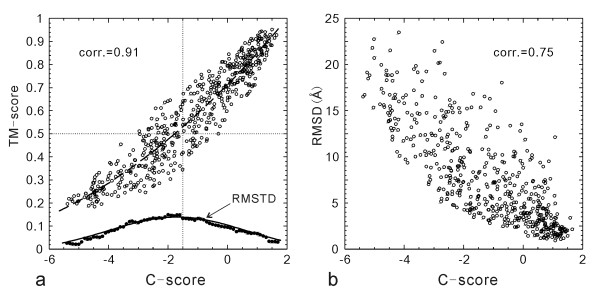
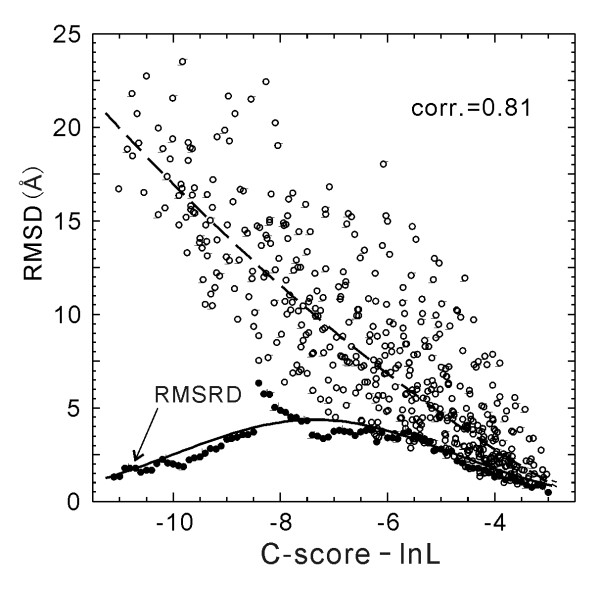
BACKGROUND: Prediction of 3-dimensional protein structures from amino acid sequences represents one of the most important problems in computational structural biology. The community-wide Critical Assessment of Structure Prediction (CASP) experiments have been designed to obtain an objective assessment of the state-of-the-art of the field, where I-TASSER was ranked as the best method in the server section of the recent 7th CASP experiment. Our laboratory has since then received numerous requests about the public availability of the I-TASSER algorithm and the usage of the I-TASSER predictions. RESULTS: An on-line version of I-TASSER is developed at the KU Center for Bioinformatics which has generated protein structure predictions for thousands of modeling requests from more than 35 countries. A scoring function (C-score) based on the relative clustering structural density and the consensus significance score of multiple threading templates is introduced to estimate the accuracy of the I-TASSER predictions. A large-scale benchmark test demonstrates a strong correlation between the C-score and the TM-score (a structural similarity measurement with values in [0, 1]) of the first models with a correlation coefficient of 0.91. Using a C-score cutoff > -1.5 for the models of correct topology, both false positive and false negative rates are below 0.1. Combining C-score and protein length, the accuracy of the I-TASSER models can be predicted with an average error of 0.08 for TM-score and 2 A for RMSD. CONCLUSION: The I-TASSER server has been developed to generate automated full-length 3D protein structural predictions where the benchmarked scoring system helps users to obtain quantitative assessments of the I-TASSER models. The output of the I-TASSER server for each query includes up to five full-length models, the confidence score, the estimated TM-score and RMSD, and the standard deviation of the estimations. The I-TASSER server is freely available to the academic community at http://zhang.bioinformatics.ku.edu/I-TASSER.
Overview
The claims and statistics of this paper haven’t been checked yet.
Free: it reads the open-access text and checks the first 5 claims that cite a source we can check. Create a free account to check every claim.
Integrity signals
Registry
Cites
Statistics
Figures
Verification
Claims the paper makes
The claims and statistics of this paper haven’t been checked yet.
Free: it reads the open-access text and checks the first 5 claims that cite a source we can check. Create a free account to check every claim.
Claims other papers make about this one
Each is checked against this paper’s own text: does it say what the citing paper says it does?
The source backs part of the claim, not all of it — or backs it for a different population, condition or comparison.
In the citing paper
“The estimated TM-score was shown to highly correlate with the actual TM-score, with a Pearson correlation coefficient (PCC) of 0.91 on 300 test proteins that are nonhomologous to the training proteins of I-TASSER.41”
From Functions of Essential Genes and a Scale-Free Protein Interaction Network Revealed by Structure-Based Function and Interaction Prediction for a Minimal Genome (2021) · cites this paper as [41]
Experimental — accuracy not yet measured
Self-check
Percentages, sums and reported differences re-computed from the paper’s own numbers.
The self-check needs the paper’s full text.
Citations
Cites
Gapped BLAST and PSI-BLAST: a new generation of protein database search programs
Altschul, S. (1997) · Nucleic Acids Research · doi:10.1093/nar/25.17.3389 · Cited by 73,302 · cited 1×
“%) to search for the possible folds by four simple variants of PPA methods, with different combinations of the hidden Markov model [17] and PSI-BLAST [18] profiles and the Needleman-Wunsch [19] and Smith-Waterman [20] alignment algorithms.”
Berman, H. M. (2000) · Nucleic Acids Research · doi:10.1093/nar/28.1.235 · Cited by 40,196
Needleman, S. B., & Wunsch, C. D. (1970) · Journal of Molecular Biology · doi:10.1016/0022-2836(70)90057-4 · Cited by 11,288
Identification of common molecular subsequences
Smith, T. F., & Waterman, M. S. (1981) · Journal of Molecular Biology · doi:10.1016/0022-2836(81)90087-5 · Cited by 9,940 · cited 1×
“%) to search for the possible folds by four simple variants of PPA methods, with different combinations of the hidden Markov model [17] and PSI-BLAST [18] profiles and the Needleman-Wunsch [19] and Smith-Waterman [20] alignment algorithms.”
TM-align: a protein structure alignment algorithm based on the TM-score
Zhang, Y. (2005) · Nucleic Acids Research · doi:10.1093/nar/gki524 · Cited by 3,774
Self-citationA solution for the best rotation to relate two sets of vectors
Kabsch, W. (1976) · Acta Crystallographica Section A · doi:10.1107/s0567739476001873 · Cited by 3,187
Scoring function for automated assessment of protein structure template quality
Zhang, Y., & Skolnick, J. (2004) · Proteins: Structure, Function, and Bioinformatics · doi:10.1002/prot.20264 · Cited by 2,392 · cited 4×
“One advantage of the TM-score is that the meaning of the TM-score cutoffs is independent of the size of proteins [6].”
InfluentialSelf-citationProtein Structure Prediction and Structural Genomics
Baker, D., & Sali, A. (2001) · Science · doi:10.1126/science.1065659 · Cited by 1,587
A Modern Course in Statistical Physics
Reichl, L. E., & Coppersmith, S. N. (1999) · Physics Today · doi:10.1063/1.882556 · Cited by 1,380
Hidden Markov models for detecting remote protein homologies.
Karplus, K., Barrett, C., & Hughey, R. (1998) · Bioinformatics · doi:10.1093/bioinformatics/14.10.846 · Cited by 1,102 · cited 1×
“%) to search for the possible folds by four simple variants of PPA methods, with different combinations of the hidden Markov model [17] and PSI-BLAST [18] profiles and the Needleman-Wunsch [19] and Smith-Waterman [20] alignment algorithms.”
Cited by
Items 201–300 of 1,024
Multidomain Carbohydrate-binding Proteins Involved in Bacteroides thetaiotaomicron Starch Metabolism
Cameron, E. A., Maynard, M. A., Smith, C. J., Smith, T. J., Koropatkin, N. M., & Martens, E. C. (2012) · Journal of Biological Chemistry · doi:10.1074/jbc.m112.397380 · Cited by 115
(PS)2-v2: template-based protein structure prediction server
Chen, C.-C., Hwang, J.-K., & Yang, J. (2009) · BMC Bioinformatics · doi:10.1186/1471-2105-10-366 · Cited by 124
“, α-helix, β-strand and coil) with primary amino acid sequences, have successfully detected the homologs with remote similarity for automated comparative modeling [2-6] and fold recognition [7-12].”
MethodA wheat ABC transporter contributes to both grain formation and mycotoxin tolerance
Wälter, S., Kahla, A., Arunachalam, C., Perochon, A., Khan, M. R., Scofield, S. R., & Doohan, F. M. (2015) · Journal of Experimental Botany · doi:10.1093/jxb/erv048 · Cited by 135
“The three-dimensional structures of deduced TaABCC3 proteins were predicted using the protein structure prediction metaserver I-TASSER (Zhang, 2008; Roy et al., 2010, 2012).”
InfluentialAPOE p.Leu167del mutation in familial hypercholesterolemia
Awan, Z. A., Choi, H. Y., Stitziel, N. O., Ruel, I. L., Bamimore, M. A., Husa, R., Gagnon, M.-H., Wang, R.-H. L., Peloso, G. M., Hegele, R. A., et al. (2013) · Atherosclerosis · doi:10.1016/j.atherosclerosis.2013.09.007 · Cited by 123
Reddy, P. S., Kishor, P. B. K., Seiler, C., Kuhlmann, M., Eschen‐Lippold, L., Lee, J., Reddy, M. K., & Sreenivasulu, N. (2014) · PLoS ONE · doi:10.1371/journal.pone.0089125 · Cited by 116
“5-CI using the program I-TASSER server [30,31] with”
Zhou, Y., Xu, J., Zhu, Y., Duan, Y., & Zhou, M. (2016) · Phytopathology® · doi:10.1094/phyto-08-15-0186-r · Cited by 106
Structure of the Full-length VEGFR-1 Extracellular Domain in Complex with VEGF-A
Markovic-Mueller, S., Stuttfeld, E., Asthana, M., Weinert, T., Bliven, S. E., Goldie, K. N., Kisko, K., Capitani, G., & Ballmer‐Hofer, K. (2017) · Structure · doi:10.1016/j.str.2016.12.012 · Cited by 113
The physiological roles of secretin and its receptor.
Afroze, S. H., Meng, F., Jensen, K. J., McDaniel, K. M., Rahal, K., Onori, P., Gaudio, E., Alpini, G. D., & Glaser, S. S. (2013) · PubMed · doi:10.3978/j.issn.2305-5839.2012.12.01 · Cited by 132
Korotkov, K. V., Johnson, T. L., Jobling, M. G., Pruneda, J. N., Pardon, E., Heroux, A., Turley, S., Steyaert, J., Holmes, R. K., Sandkvist, M., et al. (2011) · PLoS Pathogens · doi:10.1371/journal.ppat.1002228 · Cited by 127
The extrinsic proteins of photosystem II: update
Roose, J. L., Frankel, L. K., Mummadisetti, M. P., & Bricker, T. (2016) · Planta · doi:10.1007/s00425-015-2462-6 · Cited by 119
“(Zhang 2008) models for this component have been presented (Bricker et al.”
BackgroundInfluentialPan, F., Li, J., Zhao, L., Tuersuntuoheti, T., Mehmood, A., Zhou, N., Hao, S., Wang, C., Guo, Y., & Lin, W. (2020) · Journal of Food Biochemistry · doi:10.1111/jfbc.13570 · Cited by 112
Systemic ceramide accumulation leads to severe and varied pathological consequences
Alayoubi, A. M., Wang, J. C. M., Au, B. C. Y., Carpentier, S., Garcia, V., Dworski, S., Ghamrasni, S. E., Kirouac, K. N., Exertier, M. J., Xiong, Z. J., et al. (2013) · EMBO Molecular Medicine · doi:10.1002/emmm.201202301 · Cited by 120
COMPUTATIONAL ENZYME DESIGN APPROACHES WITH SIGNIFICANT BIOLOGICAL OUTCOMES: PROGRESS AND CHALLENGES
Li, X., Zhang, Z., & Song, J. (2012) · Computational and Structural Biotechnology Journal · doi:10.5936/csbj.201209007 · Cited by 116
In vitro characterization of PlyE146, a novel phage lysin that targets Gram-negative bacteria
Larpin, Y., Oechslin, F., Moreillon, P., Resch, G., Entenza, J. M., & Mancini, S. (2018) · PLoS ONE · doi:10.1371/journal.pone.0192507 · Cited by 118
I-TASSER gateway: A protein structure and function prediction server powered by XSEDE
Zheng, W. H., Zhang, C., Bell, E. W., & Zhang, Y. (2019) · Future Generation Computer Systems · doi:10.1016/j.future.2019.04.011 · Cited by 118
“After the generation of a refined final model, a confidence score (C-score) estimating the global quality of the models is computed based on the template quality and REMC simulation convergence [3].”
Self-citationZinc inhibition of monomeric and dimeric proton channels suggests cooperative gating
Musset, B., Smith, S. M. E., Rajan, S., Cherny, V. V., Sujai, S., Morgan, D., & DeCoursey, T. E. (2010) · The Journal of Physiology · doi:10.1113/jphysiol.2010.188318 · Cited by 111
Host-derived viral transporter protein for nitrogen uptake in infected marine phytoplankton
Monier, A., Chambouvet, A., Milner, D. S., Attah, V., Terrado, R., Lovejoy, C., Moreau, H., Santoro, A. E., Derelle, É., & Richards, T. A. (2017) · Proceedings of the National Academy of Sciences · doi:10.1073/pnas.1708097114 · Cited by 125
Metal Selectivity Determinants in a Family of Transition Metal Transporters
Podar, D., Scherer, J., Noordally, Z., Herzyk, P., Nies, D., & Sanders, D. (2012) · Journal of Biological Chemistry · doi:10.1074/jbc.m111.305649 · Cited by 110
FINDSITE: a combined evolution/structure-based approach to protein function prediction
Skolnick, J., & Bryliński, M. (2009) · Briefings in Bioinformatics · doi:10.1093/bib/bbp017 · Cited by 116
Bivalkar-Mehla, S., Vakharia, J., Mehla, R., Abreha, M., Kanwar, J. R., Tikoo, A., & Chauhan, A. (2011) · Virus Research · doi:10.1016/j.virusres.2010.10.003 · Cited by 108
Heyborne, W. H., & Mackessy, S. P. (2013) · Biochimie · doi:10.1016/j.biochi.2013.06.025 · Cited by 109
“edu/I-TASSER/) [31,32].”
Smits, W. K., & Grossman, A. D. (2010) · PLoS Genetics · doi:10.1371/journal.pgen.1001207 · Cited by 117
Assembling multidomain protein structures through analogous global structural alignments
Zhou, X., Hu, J., Zhang, C., Zhang, G., & Zhang, Y. (2019) · Proceedings of the National Academy of Sciences · doi:10.1073/pnas.1905068116 · Cited by 111
Self-citationPredicting the accuracy of protein–ligand docking on homology models
Bordogna, A., Pandini, A., & Bonati, L. (2011) · Journal of Computational Chemistry · doi:10.1002/jcc.21601 · Cited by 107
Basu, D., Liang, Y., Liu, X., Himmeldirk, K. B., Faik, A., Kieliszewski, M. J., Held, M., & Showalter, A. M. (2013) · Journal of Biological Chemistry · doi:10.1074/jbc.m112.432609 · Cited by 120
Structural Characterization of the Bacteriophage T7 Tail Machinery
Cuervo, A., Pulido-Cid, M., Chagoyen, M., Arranz, R., González-García, V. A., Garcia‐Doval, C., Castón, J. R., Valpuesta, J., van Raaij, M. J., Martín‐Benito, J., et al. (2013) · Journal of Biological Chemistry · doi:10.1074/jbc.m113.491209 · Cited by 107
When, how and why? Regulated proteolysis by the essential FtsH protease in Escherichia coli
Bittner, L.-M., Arends, J., & Narberhaus, F. (2017) · Biological Chemistry · doi:10.1515/hsz-2016-0302 · Cited by 104
“FtsH (PDB: 3KDS; 4V0B), LpxC (4MDT), RpoH was modeled on the basis of RpoS (5IPL) using swiss-model (Arnold et al., 2006; Bordoli et al., 2009; Biasini et al., 2014), periplasmic domain of YfgM was modeled using I-Tasser (Zhang, 2008; Roy et al., 2010).”
Kizziah, J. L., Manning, K. A., Dearborn, A. D., & Dokland, T. (2020) · PLOS Pathogens · doi:10.1371/journal.ppat.1008314 · Cited by 107
Galinier, R., Portela, J., Moné, Y., Allienne, J., Henri, H., Delbecq, S., Mitta, G., Gourbal, B., & Duval, D. (2013) · PLoS Pathogens · doi:10.1371/journal.ppat.1003216 · Cited by 118
Milani, L., Ghiselli, F., Guerra, D., Breton, S., & Passamonti, M. (2013) · Genome Biology and Evolution · doi:10.1093/gbe/evt101 · Cited by 113
Yang, Y., Dib‐Hajj, S. D., Zhang, J., Zhang, Y., Tyrrell, L., Estación, M., & Waxman, S. G. (2012) · Nature Communications · doi:10.1038/ncomms2184 · Cited by 108
Self-citationElucidating Solution Structures of Cyclic Peptides Using Molecular Dynamics Simulations
Damjanovic, J., Miao, J., Huang, H., & Lin, Y.-S. (2021) · Chemical Reviews · doi:10.1021/acs.chemrev.0c01087 · Cited by 103
Shi, W., Zhang, G., Ma, Z., Li, L., Liu, M., Qin, L., Yu, Z., Zhao, L., Liu, Y., Zhang, X. Z., et al. (2021) · Nature Communications · doi:10.1038/s41467-021-23053-8 · Cited by 110
Reversible High Affinity Inhibition of Phosphofructokinase-1 by Acyl-CoA
Jenkins, C. M., Yang, J., Sims, H. F., & Gross, R. W. (2011) · Journal of Biological Chemistry · doi:10.1074/jbc.m110.203661 · Cited by 106
Bibby, J., Keegan, R. M., Mayans, O., Winn, M. D., & Rigden, D. J. (2012) · Acta Crystallographica Section D Biological Crystallography · doi:10.1107/s0907444912039194 · Cited by 109
Tick-Borne Encephalitis Virus: A Structural View
Pulkkinen, L. I. A., Butcher, S. J., & Anastasina, M. (2018) · Viruses · doi:10.3390/v10070350 · Cited by 119
Efficient rational modification of non-ribosomal peptides by adenylation domain substitution
Calcott, M. J., Owen, J. G., & Ackerley, D. F. (2020) · Nature Communications · doi:10.1038/s41467-020-18365-0 · Cited by 106
Pankin, A., Campoli, C., Dong, X., Kilian, B., Sharma, R. K., Himmelbach, A., Saini, R., Davis, S. J., Stein, N., Schneeberger, K., et al. (2014) · Genetics · doi:10.1534/genetics.114.165613 · Cited by 121
Tuteja, D., Rafizadeh, S., Timofeyev, V., Wang, S.-Y., Zhang, Z., Li, N., Mateo, R. K. P., Singapuri, A., Young, J. N., Knowlton, A. A., et al. (2010) · Circulation Research · doi:10.1161/circresaha.109.215269 · Cited by 108
Gunderson, F. F., & Cianciotto, N. P. (2013) · mBio · doi:10.1128/mbio.00074-13 · Cited by 99
Computational modeling of membrane proteins
Koehler Leman, J., Ulmschneider, M. B., & Gray, J. J. (2015) · Proteins: Structure, Function, and Bioinformatics · doi:10.1002/prot.24703 · Cited by 99
Razali, R., Bougouffa, S., Morton, M. J. L., Lightfoot, D. J., Alam, I. S., Essack, M., Arold, S. T., Kamau, A. A., Schmöckel, S. M., Pailles, Y., et al. (2018) · Frontiers in Plant Science · doi:10.3389/fpls.2018.01402 · Cited by 107
Recent insight into intermediate filament structure
Eldirany, S. A., Lomakin, I. B., Ho, M., & Bunick, C. G. (2021) · Current Opinion in Cell Biology · doi:10.1016/j.ceb.2020.10.001 · Cited by 91
CD63 sorts cholesterol into endosomes for storage and distribution via exosomes
Palmulli, R., Couty, M., Piontek, M. C., Ponnaiah, M., Dingli, F., Verweij, F. J., Charrin, S., Tantucci, M., Sasidharan, S., Rubinstein, E., et al. (2024) · Nature Cell Biology · doi:10.1038/s41556-024-01432-9 · Cited by 106
Asgard archaea shed light on the evolutionary origins of the eukaryotic ubiquitin-ESCRT machinery
Hatano, T., Palani, S., Papatziamou, D., Salzer, R., Souza, D. P., Tamarit, D., Makwana, M., Potter, A., Haig, A., Xu, W., et al. (2022) · Nature Communications · doi:10.1038/s41467-022-30656-2 · Cited by 104
Ciliary central apparatus structure reveals mechanisms of microtubule patterning
Gui, M., Wang, X., Dutcher, S. K., Brown, A., & Zhang, R. (2022) · Nature Structural & Molecular Biology · doi:10.1038/s41594-022-00770-2 · Cited by 94
Kapur, S., Chen, A. Y. A., Cane, D. E., & Khosla, C. (2010) · Proceedings of the National Academy of Sciences · doi:10.1073/pnas.1014081107 · Cited by 103
Small RNA-Based Antiviral Defense in the Phytopathogenic Fungus Colletotrichum higginsianum
Campo, S., Gilbert, K. B., & Carrington, J. C. (2016) · PLoS Pathogens · doi:10.1371/journal.ppat.1005640 · Cited by 115
Ceruloplasmin: Macromolecular Assemblies with Iron-Containing Acute Phase Proteins
Самыгина, В. Р., Av, S., Bourenkov, G. P., Petoukhov, M. V., Pulina, M. O., Zakharova, E. T., Vasilyev, V. B., Bartunik, H. D., & Svergun, D. I. (2013) · PLoS ONE · doi:10.1371/journal.pone.0067145 · Cited by 110
ASD v2.0: updated content and novel features focusing on allosteric regulation
Huang, Z., Mou, L., Shen, Q., Lu, S., Li, C., Liu, X., Wang, G., Li, S., Geng, L., Liu, Y., et al. (2014) · Nucleic Acids Research · doi:10.1093/nar/gkt1247 · Cited by 102
On the molecular mechanism of flippase- and scramblase-mediated phospholipid transport
Montigny, C., Lyons, J. A., Champeil, P., Nissen, P., & Lenoir, G. (2015) · Biochimica et Biophysica Acta (BBA) - Molecular and Cell Biology of Lipids · doi:10.1016/j.bbalip.2015.12.020 · Cited by 112
Ma, H., Duan, J., Ke, J., He, Y., Gu, X., Xu, T.-H., Yu, H. J., Wang, Y., Brunzelle, J. S., Jiang, Y., et al. (2017) · Science Advances · doi:10.1126/sciadv.1601217 · Cited by 113
Arshad, M., Bhatti, A., & John, P. C. L. (2018) · PLoS ONE · doi:10.1371/journal.pone.0188143 · Cited by 108
Pathogenic SPTBN1 variants cause an autosomal dominant neurodevelopmental syndrome
Cousin, M. A., Creighton, B. A., Breau, K. A., Spillmann, R. C., Torti, E. E., Dontu, S., Tripathi, S., Ajit, D., Edwards, R. J., Afriyie, S., et al. (2021) · Nature Genetics · doi:10.1038/s41588-021-00886-z · Cited by 107
Prediction and Analysis of Quorum Sensing Peptides Based on Sequence Features
Rajput, A., Gupta, A., & Kumar, M. (2015) · PLoS ONE · doi:10.1371/journal.pone.0120066 · Cited by 104
Puranik, S., Bahadur, R. P., Srivastava, P. S., & Prasad, M. (2011) · Molecular Biotechnology · doi:10.1007/s12033-011-9385-7 · Cited by 105
Zhang, H., Liu, H., Niedzwiedzki, D. M., Prado, M., Jiang, J., Gross, M. L., & Blankenship, R. E. (2013) · Biochemistry · doi:10.1021/bi401539w · Cited by 101
Cathelicidins PMAP-36, LL-37 and CATH-2 are similar peptides with different modes of action
Scheenstra, M. R., van den Belt, M., Bokhoven, J. L. M. T.-V., Schneider, V. A. F., Ordoñez, S. R., van Dijk, A. I. J. M., Veldhuizen, E. J. A., & Haagsman, H. P. (2019) · Scientific Reports · doi:10.1038/s41598-019-41246-6 · Cited by 105
Iron Oxidation by a Fused Cytochrome-Porin Common to Diverse Iron-Oxidizing Bacteria
Keffer, J. L., McAllister, S. M., Garber, A. I., Hallahan, B. J., Sutherland, M. C., Rozovsky, S., & Chan, C. S. (2021) · mBio · doi:10.1128/mbio.01074-21 · Cited by 104
Jeon, J.-P., Hong, C., Park, E., Jeon, J., Cho, N., Kim, I. G., Choe, H., Muallem, S., Kim, H. J., & So, I. (2012) · Journal of Biological Chemistry · doi:10.1074/jbc.m111.326553 · Cited by 101
A multiple‐template approach to protein threading
Peng, J., & Xu, J. (2011) · Proteins Structure Function and Bioinformatics · doi:10.1002/prot.23016 · Cited by 114
Mapping Protein Interactions between Dengue Virus and Its Human and Insect Hosts
Doolittle, J. M., & Gomez, S. M. (2011) · PLoS Neglected Tropical Diseases · doi:10.1371/journal.pntd.0000954 · Cited by 98
Hu, J., Li, Y., Zhang, M., Yang, X., Shen, H.-B., & Yu, D.-J. (2017) · IEEE/ACM Transactions on Computational Biology and Bioinformatics · doi:10.1109/tcbb.2016.2616469 · Cited by 103
ALS-associated KIF5A mutations abolish autoinhibition resulting in a toxic gain of function
Baron, D. M., Fenton, A. R., Saez-Atienzar, S., Giampetruzzi, A., Sreeram, A., Shankaracharya, Keagle, P. J., Doocy, V. R., Smith, N. J., Danielson, E. W., et al. (2022) · Cell Reports · doi:10.1016/j.celrep.2022.110598 · Cited by 101
There's More to the Picture Than Meets the Eye: Nitric Oxide Cross Talk with Ca2+ Signaling
Jeandroz, S., Lamotte, O., Astier, J., Rasul, S., Trapet, P. L., Besson‐Bard, A., Bourque, S., Nicolas-Francès, V., Ma, W., Berkowitz, G. A., et al. (2013) · PLANT PHYSIOLOGY · doi:10.1104/pp.113.220624 · Cited by 104
Integrative structural modeling with small angle X-ray scattering profiles
Schneidman‐Duhovny, D., Kim, S. U., & Šali, A. (2012) · BMC Structural Biology · doi:10.1186/1472-6807-12-17 · Cited by 104
“org/), I-TASSER [57] (http://zhanglab.”
Kaur, H., Shekhar, N., Sharma, S., Sarma, P., Prakash, A., & Medhi, B. (2021) · Pharmacological Reports · doi:10.1007/s43440-020-00195-y · Cited by 121
Brylinski, M., & Skolnick, J. (2011) · Proteins: Structure, Function, and Bioinformatics · doi:10.1002/prot.22913 · Cited by 98
“83 We note that FINDSITE-metal does not require the exact TM-score; all benchmark results reported here were obtained using TM-score estimates rather than the exact values (see Methods section).”
Wang, Z., Tegge, A. N., & Cheng, J. (2009) · Proteins: Structure, Function, and Bioinformatics · doi:10.1002/prot.22275 · Cited by 99
“1,5–23 Most of these methods are relative scoring methods designed to discriminate near-native structures from decoys.”
BackgroundCockrell, A. S., Peck, K. M., Yount, B. L., Agnihothram, S. S., Scobey, T., Curnes, N. R., Baric, R. S., & Heise, M. T. (2014) · Journal of Virology · doi:10.1128/jvi.03764-13 · Cited by 97
The structural basis of function and regulation of neuronal cotransporters NKCC1 and KCC2
Zhang, S., Zhou, J., Zhang, Y., Liu, T., Friedel, P., Zhuo, W., Somasekharan, S., Roy, K., Zhang, L., Liu, Y., et al. (2021) · Communications Biology · doi:10.1038/s42003-021-01750-w · Cited by 111
Self-citationTort, O., Tanco, S., Rocha, C., Bièche, I., Seixas, C., Bosc, C., Andrieux, A., Moutin, M.-J., Avilés, F. X., Lorenzo, J., et al. (2014) · Molecular Biology of the Cell · doi:10.1091/mbc.e14-06-1072 · Cited by 87
Allsopp, L. P., Beloin, C., Ulett, G. C., Valle, J., Totsika, M., Sherlock, O., Ghigo, J., & Schembri, M. A. (2011) · Infection and Immunity · doi:10.1128/iai.05322-11 · Cited by 100
Novel insights into the biology of interleukin-32
Joosten, L. A. B., Heinhuis, B., Netea, M. G., & Dinarello, C. A. (2013) · Cellular and Molecular Life Sciences · doi:10.1007/s00018-013-1301-9 · Cited by 96
“By using I-TASSER software, the structure of several IL-32 isoforms was predicted based on the amino acid sequence [6, 73].”
Miller‐Kleinhenz, J. M., Guo, X., Qian, W., Zhou, H., Bozeman, E. N., Zhu, L., Ji, X., Wang, Y. A., Styblo, T. M., O'Regan, R. M., et al. (2017) · Biomaterials · doi:10.1016/j.biomaterials.2017.10.035 · Cited by 96
“The I-TASSER server [32,33] was used to generate and predict”
Nogueira, K. M. V., de Paula, R. G., Antoniêto, A. C. C., dos Reis, T. F., Carraro, C. B., Silva, A. C., Almeida, F. B. D. R., Vargas-Rechia, C. G., Goldman, G. H., & Silva, R. N. (2018) · Biotechnology for Biofuels · doi:10.1186/s13068-018-1084-1 · Cited by 115
A guide to current methodology and usage of reverse vaccinology towards in silico vaccine discovery
Goodswen, S. J., Kennedy, P. J., & Ellis, J. (2023) · FEMS Microbiology Reviews · doi:10.1093/femsre/fuad004 · Cited by 105
Dassa, B., London, N., Stoddard, B. L., Schueler‐Furman, O., & Pietrokovski, S. (2009) · Nucleic Acids Research · doi:10.1093/nar/gkp095 · Cited by 96
Li, Y., Chooi, Y., Sheng, Y., Valentine, J. S., & Tang, Y. (2011) · Journal of the American Chemical Society · doi:10.1021/ja206906d · Cited by 96
Molecular characterization of a novel antimicrobial peptide from Mytilus coruscus
Liao, Z., Wang, X., Liu, H.-H., Fan, M., Sun, J., & Wang, S. (2012) · Fish & Shellfish Immunology · doi:10.1016/j.fsi.2012.11.030 · Cited by 104
Li, X.-D., Jiang, G., Yan, L.-Y., Li, R., Yuan, M., & Deng, W.-A. (2018) · Frontiers in Genetics · doi:10.3389/fgene.2018.00605 · Cited by 100
Human adenovirus type 26 uses sialic acid–bearing glycans as a primary cell entry receptor
Baker, A. T., Mundy, R. M., Davies, J. A., Rizkallah, P. J., & Parker, A. L. (2019) · Science Advances · doi:10.1126/sciadv.aax3567 · Cited by 95
Origin and Evolution of RNA-Dependent RNA Polymerase
de Farías, S. T., dos Santos, A. P., do Rego, T. G., & José, M. V. (2017) · Frontiers in Genetics · doi:10.3389/fgene.2017.00125 · Cited by 102
Zhang, C., Mortuza, S. M., He, B., Wang, Y., & Zhang, Y. (2018) · Proteins: Structure, Function, and Bioinformatics · doi:10.1002/prot.25414 · Cited by 91
Self-citationProtein Folding Requires Crowd Control in a Simulated Cell
Jefferys, B. R., Kelley, L. A., & Sternberg, M. J. E. (2010) · Journal of Molecular Biology · doi:10.1016/j.jmb.2010.01.074 · Cited by 89
Mirjalili, V., & Feig, M. (2012) · Journal of Chemical Theory and Computation · doi:10.1021/ct300962x · Cited by 93
Bhardwaj, V. K., Singh, R., Singh, P., Purohit, R., & Kumar, S. (2019) · Journal of Theoretical Biology · doi:10.1016/j.jtbi.2019.110094 · Cited by 95
dos Santos-Silva, C. A., Zupin, L., Oliveira-Lima, M., Vilela, L. M. B., Bezerra-Neto, J. P., Ferreira‐Neto, J. R. C., Ferreira, J. D. C., Silva, R. L. D. O., Pires, C. D. J., Aburjaile, F. F., et al. (2020) · Bioinformatics and Biology Insights · doi:10.1177/1177932220952739 · Cited by 102
Zhang, Y., Sampathkumar, A., Kerbler, S. M., Swart, C., Hille, C., Seerangan, K., Graf, A., Sweetlove, L. J., & Fernie, A. R. (2020) · Nature Communications · doi:10.1038/s41467-020-18234-w · Cited by 104
Self-citationGiannakopoulou, A., Steele, J. F. C., Segretin, M. E., Bozkurt, T. O., Zhou, J., Robatzek, S., Banfield, M. J., Pais, M., & Kamoun, S. (2015) · Molecular Plant-Microbe Interactions · doi:10.1094/mpmi-07-15-0147-r · Cited by 93
Cao, X., He, Y., Hu, Y., Zhang, X., Wang, Y., Zou, Z., Chen, Y., Blissard, G. W., Kanost, M. R., & Jiang, H. (2014) · Insect Biochemistry and Molecular Biology · doi:10.1016/j.ibmb.2014.10.006 · Cited by 93
Dutartre, L., Hilliou, F., & Feyereisen, R. (2012) · BMC Evolutionary Biology · doi:10.1186/1471-2148-12-64 · Cited by 96
“A model for BX2 was generated with the i terative t hreading asse mbly r efinement server (I-TASSER [54]) [55,56] using the following templates: (pdb numbers) 3k9v, 3e6i, 3na0, 2hi4, 3czh and 1izo.”
The emerging roles of the DDX41 protein in immunity and diseases
Jiang, Y., Zhu, Y., Liu, Z., & Ouyang, S. (2016) · Protein & Cell · doi:10.1007/s13238-016-0303-4 · Cited by 100
Imidazole clubbed 1,3,4-oxadiazole derivatives as potential antifungal agents
Wani, M. Y., Ahmad, A., Shiekh, R. A., Al‐Ghamdi, K., & SOBRAL, A. J. F. N. (2015) · Bioorganic & Medicinal Chemistry · doi:10.1016/j.bmc.2015.06.053 · Cited by 93
Flores, A. R., Galloway-Peña, J., Sahasrabhojane, P. V., Saldaña, M. A., Yao, H., Su, X., Ajami, N. J., Holder, M., Petrosino, J. F., Thompson, E. J., et al. (2015) · Proceedings of the National Academy of Sciences · doi:10.1073/pnas.1504725112 · Cited by 92
Spatial bias in cAMP generation determines biological responses to PTH type 1 receptor activation
White, A. D., Pena, K. A., Clark, L. J., Maria, C. S., Liu, S., Jean‐Alphonse, F., Lee, J. Y., Lei, S., Cheng, Z., Tu, C., et al. (2021) · Science Signaling · doi:10.1126/scisignal.abc5944 · Cited by 97
Duchêne, B. L., Cherif, K., Iyombe-Engembe, J.-P., Guyon, A., Rousseau, J., Ouellet, D. L., Barbeau, X., Lagüe, P., & Tremblay, J. P. (2018) · Molecular Therapy · doi:10.1016/j.ymthe.2018.08.010 · Cited by 99
Hacker, K. E., Fahey, C. C., Shinsky, S. A., Chiang, Y.-C., DiFiore, J. V., Jha, D. K., Vo, A. H., Shavit, J. A., Davis, I. J., Strahl, B. D., et al. (2016) · Journal of Biological Chemistry · doi:10.1074/jbc.m116.739375 · Cited by 99
Tyagi, S., Shumayla, Verma, P. C., Singh, K., & Upadhyay, S. K. (2020) · Genomics · doi:10.1016/j.ygeno.2020.07.023 · Cited by 97
Izoré, T., Ho, Y. T. C., Kaczmarski, J. A., Gavriilidou, A., Chow, K. H., Steer, D. L., Goode, R. J. A., Schittenhelm, R. B., Tailhades, J., Tosin, M., et al. (2021) · Nature Communications · doi:10.1038/s41467-021-22623-0 · Cited by 95
Metadata
- Authors
- Zhang, Y.
- Affiliations
- University of Kansas (US)
- Corresponding author
- Zhang, Yang
- ORCID
- Zhang, Yang
- Venue
- BMC Bioinformatics
- Published
- 2008-01-23
- Volume
- 9
- Issue
- 1
- Pages
- 40-40
- ISSN
- 1471-2105 (ISSN-L)
- PMC
- PMC2245901
- OpenAlex
- W2155201844
- Cited by
- 5,124
- References
- 32
- Citations by year
- 2026: 61 · 2025: 149 · 2024: 214 · 2023: 239 · 2022: 301 · 2021: 440 · 2020: 432 · 2019: 460 · 2018: 407 · 2017: 379 · 2016: 355 · 2015: 396 · 2014: 407 · 2013: 321 · 2012: 192
- FWCI
- 50.38
- Type
- journal article
- Language
- en
- Open access
- gold
- doi.org
- Licence
- cc-by
- creativecommons.org/licenses/by/2.0 (tdm)
- Locations
- BMC Bioinformatics (publishedVersion, cc-by)
- PubMed Central (publishedVersion, cc-by)
- PubMed (publishedVersion)
- DOAJ (DOAJ: Directory of Open Access Journals) (submittedVersion, cc-by-sa)
- KU ScholarWorks (University of Kansas) (submittedVersion, cc-by)
- Topics
- Life Sciences › Biochemistry, Genetics and Molecular Biology › Molecular Biology › Protein Structure and Dynamics
- Life Sciences › Biochemistry, Genetics and Molecular Biology › Structural Biology › Enzyme Structure and Function
- Life Sciences › Biochemistry, Genetics and Molecular Biology › Molecular Biology › Machine Learning in Bioinformatics
- Keywords
- I-TASSER, protein structure prediction, online prediction server, threading, C-score, prediction accuracy assessment, TM-score, RMSD, structural density
- MeSH terms
- Amino Acid Sequence, Computer Simulation, Models, Chemical, Models, Molecular, Molecular Sequence Data, Protein Conformation, Proteins, Software, Sequence Alignment, Internet, Sequence Analysis, Protein
About these checks
Registry, retraction, Cites and statistics results are computed, not judged, with one exception: a printed reference that no index lists is read once by a model before it counts as a citation error. Claims are extracted by a model and kept only when their quote appears verbatim in the text; each cited source is then checked, with a model’s help, for whether it says what the claim relies on. Those verdicts can be wrong — read the claim’s quote and the cited source before relying on one.
Statistics and arithmetic are recomputed, not judged.
Confidence bands are shown only for fields calibrated on our annotated test set. None is calibrated yet, so no band is shown.
What counts as a claim ›How we measure confidence ›How we check this ›
Are you an author, or do you see a problem with this page? Request a review
Data sources
Bibliographic data: Semantic Scholar, OpenAlex, Crossref.
Contains information from the Semantic Scholar Academic Graph Datasets, made available under the ODC Attribution License (ODC-BY 1.0).
Semantic Scholar’s data is described in: Kinney, R., et al. (2023). The Semantic Scholar Open Data Platform. arXiv:2301.10140.
