

I-TASSER server for protein 3D structure prediction
Open accessThe DOI matches its Crossref record; 32 of the 32 references it cites were found in a registry or an index.
Abstract
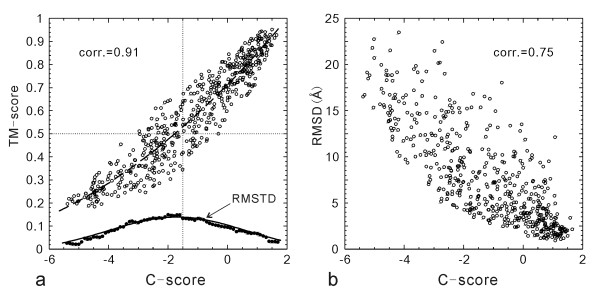
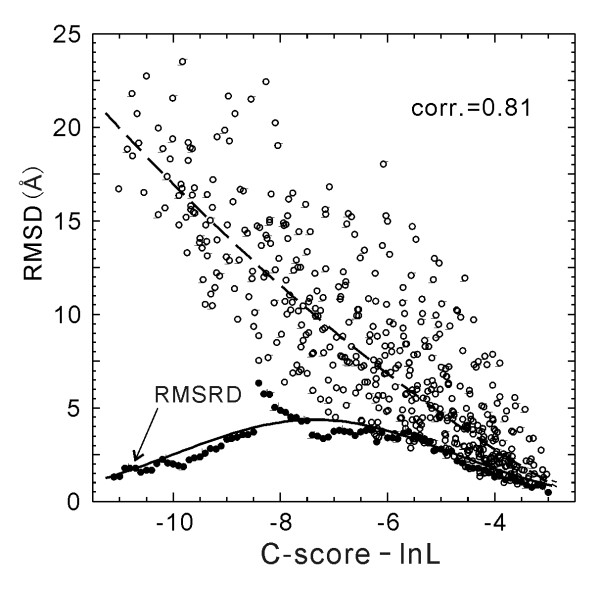
BACKGROUND: Prediction of 3-dimensional protein structures from amino acid sequences represents one of the most important problems in computational structural biology. The community-wide Critical Assessment of Structure Prediction (CASP) experiments have been designed to obtain an objective assessment of the state-of-the-art of the field, where I-TASSER was ranked as the best method in the server section of the recent 7th CASP experiment. Our laboratory has since then received numerous requests about the public availability of the I-TASSER algorithm and the usage of the I-TASSER predictions. RESULTS: An on-line version of I-TASSER is developed at the KU Center for Bioinformatics which has generated protein structure predictions for thousands of modeling requests from more than 35 countries. A scoring function (C-score) based on the relative clustering structural density and the consensus significance score of multiple threading templates is introduced to estimate the accuracy of the I-TASSER predictions. A large-scale benchmark test demonstrates a strong correlation between the C-score and the TM-score (a structural similarity measurement with values in [0, 1]) of the first models with a correlation coefficient of 0.91. Using a C-score cutoff > -1.5 for the models of correct topology, both false positive and false negative rates are below 0.1. Combining C-score and protein length, the accuracy of the I-TASSER models can be predicted with an average error of 0.08 for TM-score and 2 A for RMSD. CONCLUSION: The I-TASSER server has been developed to generate automated full-length 3D protein structural predictions where the benchmarked scoring system helps users to obtain quantitative assessments of the I-TASSER models. The output of the I-TASSER server for each query includes up to five full-length models, the confidence score, the estimated TM-score and RMSD, and the standard deviation of the estimations. The I-TASSER server is freely available to the academic community at http://zhang.bioinformatics.ku.edu/I-TASSER.
Overview
The claims and statistics of this paper haven’t been checked yet.
Free: it reads the open-access text and checks the first 5 claims that cite a source we can check. Create a free account to check every claim.
Integrity signals
Registry
Cites
Statistics
Figures
Verification
Claims the paper makes
The claims and statistics of this paper haven’t been checked yet.
Free: it reads the open-access text and checks the first 5 claims that cite a source we can check. Create a free account to check every claim.
Claims other papers make about this one
Each is checked against this paper’s own text: does it say what the citing paper says it does?
The source backs part of the claim, not all of it — or backs it for a different population, condition or comparison.
In the citing paper
“The estimated TM-score was shown to highly correlate with the actual TM-score, with a Pearson correlation coefficient (PCC) of 0.91 on 300 test proteins that are nonhomologous to the training proteins of I-TASSER.41”
From Functions of Essential Genes and a Scale-Free Protein Interaction Network Revealed by Structure-Based Function and Interaction Prediction for a Minimal Genome (2021) · cites this paper as [41]
Experimental — accuracy not yet measured
Self-check
Percentages, sums and reported differences re-computed from the paper’s own numbers.
The self-check needs the paper’s full text.
Citations
Cites
Gapped BLAST and PSI-BLAST: a new generation of protein database search programs
Altschul, S. (1997) · Nucleic Acids Research · doi:10.1093/nar/25.17.3389 · Cited by 73,302 · cited 1×
“%) to search for the possible folds by four simple variants of PPA methods, with different combinations of the hidden Markov model [17] and PSI-BLAST [18] profiles and the Needleman-Wunsch [19] and Smith-Waterman [20] alignment algorithms.”
Berman, H. M. (2000) · Nucleic Acids Research · doi:10.1093/nar/28.1.235 · Cited by 40,196
Needleman, S. B., & Wunsch, C. D. (1970) · Journal of Molecular Biology · doi:10.1016/0022-2836(70)90057-4 · Cited by 11,288
Identification of common molecular subsequences
Smith, T. F., & Waterman, M. S. (1981) · Journal of Molecular Biology · doi:10.1016/0022-2836(81)90087-5 · Cited by 9,940 · cited 1×
“%) to search for the possible folds by four simple variants of PPA methods, with different combinations of the hidden Markov model [17] and PSI-BLAST [18] profiles and the Needleman-Wunsch [19] and Smith-Waterman [20] alignment algorithms.”
TM-align: a protein structure alignment algorithm based on the TM-score
Zhang, Y. (2005) · Nucleic Acids Research · doi:10.1093/nar/gki524 · Cited by 3,774
Self-citationA solution for the best rotation to relate two sets of vectors
Kabsch, W. (1976) · Acta Crystallographica Section A · doi:10.1107/s0567739476001873 · Cited by 3,187
Scoring function for automated assessment of protein structure template quality
Zhang, Y., & Skolnick, J. (2004) · Proteins: Structure, Function, and Bioinformatics · doi:10.1002/prot.20264 · Cited by 2,392 · cited 4×
“One advantage of the TM-score is that the meaning of the TM-score cutoffs is independent of the size of proteins [6].”
InfluentialSelf-citationProtein Structure Prediction and Structural Genomics
Baker, D., & Sali, A. (2001) · Science · doi:10.1126/science.1065659 · Cited by 1,587
A Modern Course in Statistical Physics
Reichl, L. E., & Coppersmith, S. N. (1999) · Physics Today · doi:10.1063/1.882556 · Cited by 1,380
Hidden Markov models for detecting remote protein homologies.
Karplus, K., Barrett, C., & Hughey, R. (1998) · Bioinformatics · doi:10.1093/bioinformatics/14.10.846 · Cited by 1,102 · cited 1×
“%) to search for the possible folds by four simple variants of PPA methods, with different combinations of the hidden Markov model [17] and PSI-BLAST [18] profiles and the Needleman-Wunsch [19] and Smith-Waterman [20] alignment algorithms.”
Cited by
Items 701–800 of 1,024
Wei, R., Xie, J., Theuns, S., & Nauwynck, H. (2019) · Virus Evolution · doi:10.1093/ve/vez026 · Cited by 51
Aslam, M., Shehroz, M., Hizbullah, Shah, M., Khan, M. A., Afridi, S. G., & Khan, A. (2019) · Genomics · doi:10.1016/j.ygeno.2019.10.009 · Cited by 63
Gregson, B. H., Metodieva, G., Metodiev, M. V., Golyshin, P. N., & McKew, B. A. (2020) · Environmental Microbiology · doi:10.1111/1462-2920.14956 · Cited by 56
“on ligand-binding sites, enzyme commission numbers and gene ontology terms were generated using the ITASSER SERVER (Zhang, 2008).”
Iwabuchi, N., Kitazawa, Y., Maejima, K., Koinuma, H., Miyazaki, A., Matsumoto, O., Suzuki, T., Nijo, T., Oshima, K., NAMBA, S., et al. (2020) · Molecular Plant Pathology · doi:10.1111/mpp.12981 · Cited by 56
Zhang, Q., & Denlinger, D. L. (2010) · Insect Molecular Biology · doi:10.1111/j.1365-2583.2010.01058.x · Cited by 50
Arroyo, R., Cárdenas-Guerra, R. E., Figueroa-Angulo, E. E., Puente-Rivera, J., Zamudio-Prieto, O., & Ortega‐López, J. (2015) · BioMed Research International · doi:10.1155/2015/946787 · Cited by 59
Picart, P., Sevenich, M. M., de María, P. D., & Schallmey, A. (2015) · Green Chemistry · doi:10.1039/c5gc01078k · Cited by 50
King, J. J., Manuel, C. A., Barrett, C. V., Raber, S., Lucas, H., Sutter, P., & Larijani, M. (2015) · Structure · doi:10.1016/j.str.2015.01.016 · Cited by 53
Flatt, J. W., Kim, R., Smith, J. G., Nemerow, G. R., & Stewart, P. L. (2013) · PLoS ONE · doi:10.1371/journal.pone.0061571 · Cited by 52
Kwon, H., Squire, C. J., Young, P. G., & Baker, E. N. (2013) · Proceedings of the National Academy of Sciences · doi:10.1073/pnas.1316855111 · Cited by 50
Samusik, N., Krukovskaya, L. L., Meln, I., Shilov, E. S., & Kozlov, A. P. (2013) · PLoS ONE · doi:10.1371/journal.pone.0056162 · Cited by 51
Lössl, P., Kölbel, K., Tänzler, D., Nannemann, D. P., Ihling, C. H., Keller, M. V., Schneider, M., Zaucke, F., Meiler, J., & Sinz, A. (2014) · PLoS ONE · doi:10.1371/journal.pone.0112886 · Cited by 53
Wang, X.-F., Chen, Z., Wang, C., Yan, R.-X., Zhang, Z., & Song, J. (2011) · PLoS ONE · doi:10.1371/journal.pone.0026767 · Cited by 53
Template‐based protein structure prediction in CASP11 and retrospect of I‐TASSER in the last decade
Yang, J., Zhang, W., He, B., Walker, S. E., Zhang, H., Govindarajoo, B., Virtanen, J., Xue, Z., Shen, H., & Zhang, Y. (2016) · Proteins: Structure, Function, and Bioinformatics · doi:10.1002/prot.24918 · Cited by 51
Self-citationLipoprotein LprI of Mycobacterium tuberculosis Acts as a Lysozyme Inhibitor
Sethi, D., Mahajan, S., Singh, C., Lama, A., Hade, M. D., Gupta, P. K., & Dikshit, K. L. (2015) · Journal of Biological Chemistry · doi:10.1074/jbc.m115.662593 · Cited by 52
Metskas, L. A., & Rhoades, E. R. (2015) · Journal of the American Chemical Society · doi:10.1021/jacs.5b04471 · Cited by 51
Patel, T. R., Chojnowski, G., Astha, A., Koul, A., McKenna, S. A., & Bujnicki, J. M. (2016) · Methods · doi:10.1016/j.ymeth.2016.12.002 · Cited by 51
De Silva, D., Poliquin, S., Zeng, R., Zamudio-Ochoa, A., Marrero, N., Perez-Martinez, X., Fontanesi, F., & Barrientos, A. (2017) · Nucleic Acids Research · doi:10.1093/nar/gkx426 · Cited by 48
A folding switch regulates interleukin 27 biogenesis and secretion of its α-subunit as a cytokine
Müller, S. I., Lechner, A., Aschenbrenner, I., Bieren, J. E., Zacharias, M., Devergne, O., & Feige, M. J. (2019) · Proceedings of the National Academy of Sciences · doi:10.1073/pnas.1816698116 · Cited by 50
Sun, Y., Vornhagen, J., Breen, P. A., Forsyth, V. S., Zhao, L., Mobley, H. L. T., & Bachman, M. A. (2019) · PLoS Pathogens · doi:10.1371/journal.ppat.1008010 · Cited by 52
Screening of Natural Compounds as P-Glycoprotein Inhibitors against Multidrug Resistance
Marques, S. M., Šupolíková, L., Molčanová, L., Šmejkal, K., Bednář, D., & Slaninová, I. (2021) · Biomedicines · doi:10.3390/biomedicines9040357 · Cited by 54
Critical Review of Synthesis, Toxicology and Detection of Acyclovir
Wei, Y., Yao, L., Wu, Y., Liu, X., Peng, L., Tian, Y., Ding, J., Li, K.-H., & He, Q. (2021) · Molecules · doi:10.3390/molecules26216566 · Cited by 53
“Popular structure-based prediction tools include homology modeling tools (such as Swiss model [122], Phyre2 [123], and RaptorX [124]), fold recognition tools (such as MUSTER [125] and I-TASSER [126]), and de novo modeling tools (such as QUARK [127] and EVfold [128]).”
The Expansion of the PRAME Gene Family in Eutheria
Chang, T.-C., Yang, Y., Yasue, H., Bharti, A. K., Retzel, E. F., & Liu, W.-S. (2011) · PLoS ONE · doi:10.1371/journal.pone.0016867 · Cited by 53
Are viruses a source of new protein folds for organisms? – Virosphere structure space and evolution
Abroi, A., & Gough, J. (2011) · BioEssays · doi:10.1002/bies.201000126 · Cited by 52
Thierbach, K., von Appen, A., Thoms, M., Beck, M., Flemming, D., & Hurt, E. (2013) · Structure · doi:10.1016/j.str.2013.07.004 · Cited by 52
Molecular Basis and Structural Insight of Vascular KATP Channel Gating by S-Glutathionylation
Yang, Y., Shi, W., Chen, X., Cui, N., Konduru, A. S., Shi, Y. S., Trower, T. C., Zhang, S., & Jiang, C. L. (2011) · Journal of Biological Chemistry · doi:10.1074/jbc.m110.195123 · Cited by 52
Herranz, M. C., Pallás, V., & Aparicio, F. (2012) · Molecular Plant-Microbe Interactions · doi:10.1094/mpmi-04-12-0079-r · Cited by 49
AatA Is a Novel Autotransporter and Virulence Factor of Avian Pathogenic Escherichia coli
Li, G., Feng, Y., Kariyawasam, S., Tivendale, K. A., Wannemuehler, Y. M., Zhou, F., Logue, C. M., Miller, C. L., & Nolan, L. K. (2009) · Infection and Immunity · doi:10.1128/iai.00513-09 · Cited by 49
Menthol Inhibits 5-HT3 Receptor–Mediated Currents
Ashoor, A., Nordman, J. C., Veltri, D., Yang, K. S., Шуба, Я. М., Kury, L. T. A., Sadek, B. S., Howarth, F. C., Shehu, A., Kabbani, N., et al. (2013) · Journal of Pharmacology and Experimental Therapeutics · doi:10.1124/jpet.113.203976 · Cited by 51
“The topscoring structure for chain A was aligned with TM-Align (Zhang and Skolnick, 2005) with each of the separate nAChR chains to obtain the same pentameric symmetry in nAChR.”
MethodBuenavista, M. T., Roche, D. B., & McGuffin, L. J. (2012) · Bioinformatics · doi:10.1093/bioinformatics/bts292 · Cited by 56
Cochrane, R. V. K., Sanichar, R., Lambkin, G. R., Reiz, B., Xu, W., Tang, Y., & Vederas, J. C. (2015) · Angewandte Chemie International Edition · doi:10.1002/anie.201509345 · Cited by 49
Walker-A Motif Acts to Coordinate ATP Hydrolysis with Motor Output in Viral DNA Packaging
delToro, D. J., Ortiz, D., Ordyan, M., Sippy, J., Oh, C., Keller, N. A., Feiss, M. G., Catalano, C. E., & Smith, D. E. (2016) · Journal of Molecular Biology · doi:10.1016/j.jmb.2016.04.029 · Cited by 49
Cryo-EM structure of the large subunit of the spinach chloroplast ribosome
Ahmed, T. U., Yin, Z., & Bhushan, S. (2016) · Scientific Reports · doi:10.1038/srep35793 · Cited by 53
“Protein coordinates isolated from recently solved high resolution structure of the E. coli ribosome (PDB ID: 4YBB) 43 were used as templates to guide homology modelling using ITASSER server 68 .”
Choubey, S. K., Prabhu, D., Nachiappan, M., Biswal, J., & Jeyakanthan, J. (2016) · Journal of Biomolecular Structure and Dynamics · doi:10.1080/07391102.2016.1254117 · Cited by 53
The Glycosyltransferases of LPS Core: A Review of Four Heptosyltransferase Enzymes in Context
Cote, J. M., & Taylor, E. A. (2017) · International Journal of Molecular Sciences · doi:10.3390/ijms18112256 · Cited by 53
Veleri, S., Punnakkal, P., Dunbar, G. L., & Maiti, P. (2018) · NeuroMolecular Medicine · doi:10.1007/s12017-018-8479-9 · Cited by 50
Maralit, B. A., Jaree, P., Boonchuen, P., Tassanakajon, A., & Somboonwiwat, K. (2018) · Fish & Shellfish Immunology · doi:10.1016/j.fsi.2018.06.054 · Cited by 49
Kärkkäinen, O., Tuomainen, T., Koistinen, V., Tuomainen, M., Leppänen, J., Laitinen, T., Lehtonen, M., Rysä, J., Auriola, S., Poso, A., et al. (2018) · Scientific Reports · doi:10.1038/s41598-018-31484-5 · Cited by 49
CK11, a Teleost Chemokine with a Potent Antimicrobial Activity
Muñoz-Atienza, E., Aquilino, C., Syahputra, K., Al‐Jubury, A., Araújo, C., Skov, J., Kania, P. W., Hernández, P. E., Buchmann, K., Cintas, L. M., et al. (2019) · The Journal of Immunology · doi:10.4049/jimmunol.1800568 · Cited by 50
Kalkreuter, E., CroweTipton, J. M., Lowell, A. N., Sherman, D. H., & Williams, G. J. (2019) · Journal of the American Chemical Society · doi:10.1021/jacs.8b10521 · Cited by 49
Burton‐Smith, R. N., Watanabe, A., Tokutsu, R., Song, C., Murata, K., & Minagawa, J. (2019) · Journal of Biological Chemistry · doi:10.1074/jbc.ra119.009341 · Cited by 53
Jones, S., Sathi, S. N., Wang, Y., Prasad, R., Rayen, S., Nandel, V., Hu, Y., Zhang, W., Nair, R. R., Dharmaseelan, S., et al. (2019) · Scientific Reports · doi:10.1038/s41598-019-51097-w · Cited by 55
Ahmad, S., Navid, A., Farid, R., Abbas, G., Ahmad, F., Zaman, N., Parvaiz, N., & Azam, S. S. (2020) · European Journal of Pharmaceutical Sciences · doi:10.1016/j.ejps.2020.105387 · Cited by 52
Structure of the class C orphan GPCR GPR158 in complex with RGS7-Gβ5
Jeong, E.-Y., Kim, Y., Jeong, J., & Cho, Y. (2021) · Nature Communications · doi:10.1038/s41467-021-27147-1 · Cited by 53
In the absence of ATPase activity, pre-RC formation is blocked prior to MCM2-7 hexamer dimerization
Evrin, C., Fernandez‐Cid, A., Zech, J., Herrera, M. C., Riera, A., Clarke, P., Brill, S., Lurz, R., & Speck, C. (2013) · Nucleic Acids Research · doi:10.1093/nar/gkt043 · Cited by 58
Moffatt, P., Wazen, R. M., Neves, J. D. S., & Nanci, A. (2014) · Cell and Tissue Research · doi:10.1007/s00441-014-1989-3 · Cited by 48
Almaaytah, A. M., Tarazi, S., Abualhaijaa, A., Tall, Y. R. A., Al‐Shar’i, N. A., Bodoor, K., & Al-Balas, Q. A. (2014) · Pharmaceuticals · doi:10.3390/ph7050502 · Cited by 53
Pre-metazoan origins and evolution of the cadherin adhesome
Murray, P. S., & Zaidel-Bar, R. (2014) · Biology Open · doi:10.1242/bio.20149761 · Cited by 44
Liu, H., Zhang, H., Weisz, D. A., Vidavsky, I., Gross, M. L., & Pakrasi, H. B. (2014) · Proceedings of the National Academy of Sciences · doi:10.1073/pnas.1323063111 · Cited by 56
Liew, C. W., Nilsson, M., Chen, M. W., Sun, H., Cornvik, T. C., Liang, Z., & Lescar, J. (2012) · Journal of Biological Chemistry · doi:10.1074/jbc.m112.362210 · Cited by 55
Frequency and Fitness Consequences of Bacteriophage Φ6 Host Range Mutations
Ford, B. E., Sun, B. Q., Carpino, J., Chapler, E. S., Ching, J., Choi, Y. G., Jhun, K., Kim, J. D., Lallos, G., Morgenstern, R., et al. (2014) · PLoS ONE · doi:10.1371/journal.pone.0113078 · Cited by 51
Pokrovsky, V. S., Kazanov, M. D., Dyakov, I. N., Pokrovskaya, M. V., & Александрова, С. С. (2016) · BMC Cancer · doi:10.1186/s12885-016-2125-4 · Cited by 48
“Three-dimensional structure of the WsA, EwA, YpA and RrA proteins were modeled by I-TASSER [24].”
MethodSingla, R., & Jaitak, V. (2016) · Phytochemistry · doi:10.1016/j.phytochem.2016.03.004 · Cited by 48
Scherer, P. C., Ding, Y., Liu, Z., Xu, J., Mao, H., Barrow, J. C., Wei, N., Zheng, N., Snyder, S. H., & Rao, F. (2016) · Proceedings of the National Academy of Sciences · doi:10.1073/pnas.1525580113 · Cited by 50
Axial Spondylometaphyseal Dysplasia Is Caused by C21orf2 Mutations
Wang, Z., Iida, A., Miyake, N., Nishiguchi, K. M., Fujita, K., Nakazawa, T., Alswaid, A. F., Balwi, M. A. A., Kim, O.-H., Cho, T., et al. (2016) · PLoS ONE · doi:10.1371/journal.pone.0150555 · Cited by 51
“1) and the mutant protein sequences with missense mutations found in this study were submitted to I-TASSER [32,33] for 3D structure prediction.”
Bhattacharyya, S., Ghosh, S. K., Shokeen, B., Eapan, B., Lux, R., Kiselar, J., Nithianantham, S., Young, A., Pandiyan, P., McCormick, T. S., et al. (2016) · Infection and Immunity · doi:10.1128/iai.01311-15 · Cited by 50
Lohscheider, J. N., & Bártulos, C. R. (2016) · Marine Genomics · doi:10.1016/j.margen.2016.06.005 · Cited by 48
MmpL3 as a Target for the Treatment of Drug-Resistant Nontuberculous Mycobacterial Infections
Li, W., Yazidi, A., Pandya, A. N., Hegde, P., Tong, W., Calado Nogueira de Moura, V., North, E. J., Sygusch, J., & Jackson, M. (2018) · Frontiers in Microbiology · doi:10.3389/fmicb.2018.01547 · Cited by 47
Secondary Structure and Contact Guided Differential Evolution for Protein Structure Prediction
Zhang, G., Ma, L., Wang, X., & Zhou, X. (2018) · IEEE Transactions on Computational Biology and Bioinformatics · doi:10.1109/tcbb.2018.2873691 · Cited by 50
Sun, L., Williams, J. S., Li, S., Wu, L., Khatri, W. A., Stone, P. G., Keebaugh, M. D., & Kao, T. (2018) · The Plant Cell · doi:10.1105/tpc.18.00615 · Cited by 50
Exome Sequencing Reveals the POLR3H Gene as a Novel Cause of Primary Ovarian Insufficiency
França, M. M., Han, X., Funari, M. F. A., Lerário, A. M., Nishi, M. Y., Fontenele, E. G. P., Domenice, S., Jorge, A. A. L., García-Galiano, D., Elias, C. F., et al. (2019) · The Journal of Clinical Endocrinology & Metabolism · doi:10.1210/jc.2018-02485 · Cited by 55
TargetAntiAngio: A Sequence-Based Tool for the Prediction and Analysis of Anti-Angiogenic Peptides
Laengsri, V., Nantasenamat, C., Schaduangrat, N., Nuchnoi, P., Prachayasittikul, V., & Shoombuatong, W. (2019) · International Journal of Molecular Sciences · doi:10.3390/ijms20122950 · Cited by 50
Zhong, W., Pasunooti, K. K., Balamkundu, S., Wong, Y. H., Nah, Q., Gadi, V., Gnanakalai, S., Chionh, Y. H., McBee, M. E., Gopal, P., et al. (2019) · Journal of Medicinal Chemistry · doi:10.1021/acs.jmedchem.9b00582 · Cited by 48
Rehman, K., Munawar, S. M., Akash, M. S. H., Buabeid, M. A., Chohan, T. A., Tariq, M., Jabeen, K., & Arafa, E. A. (2020) · PLoS ONE · doi:10.1371/journal.pone.0227637 · Cited by 51
In silico design of a multi-epitope vaccine against HPV16/18
Sanami, S., Rafieian‐Kopaei, M., Ashrafi-Dehkordi, K., Pazoki–Toroudi, H., Azadegan‐Dehkordi, F., Mobini, G. R., Alizadeh, M., Nezhad, M. S., Ghasemi‐Dehnoo, M., & Bagheri, N. (2022) · BMC Bioinformatics · doi:10.1186/s12859-022-04784-x · Cited by 53
Couturier, J., Claude Didierjean, B., Jacquot, J., & Rouhier, N. (2010) · Biochemical and Biophysical Research Communications · doi:10.1016/j.bbrc.2010.11.050 · Cited by 48
Horstmann, N., Sahasrabhojane, P. V., Saldaña, M. A., Ajami, N. J., Flores, A. R., Sumby, P., Liu, C., Yao, H., Su, X., Thompson, E. J., et al. (2015) · Infection and Immunity · doi:10.1128/iai.02659-14 · Cited by 48
Kukol, A., & Hughes, D. J. (2014) · Virology · doi:10.1016/j.virol.2014.01.023 · Cited by 53
Wang, X., Zhi, J., Liu, X., Zhang, H., Liu, H., & Xu, J. (2018) · International Journal of Biological Macromolecules · doi:10.1016/j.ijbiomac.2018.02.081 · Cited by 47
Wang, Y., Alla, V., Goody, D., Gupta, S. K., Spitschak, A., Wolkenhauer, O., Pützer, B. M., & Engelmann, D. (2015) · Nucleic Acids Research · doi:10.1093/nar/gkv885 · Cited by 47
Pereira, J., Johnson, W. E., O’Brien, S. J., Jarvis, E. D., Zhang, G., Gilbert, M. T. P., Vasconcelos, V. M., & Antunes, A. (2014) · PLoS ONE · doi:10.1371/journal.pone.0074132 · Cited by 48
Sharmin, R., & Islam, A. B. M. M. K. (2014) · BMC Bioinformatics · doi:10.1186/1471-2105-15-161 · Cited by 52
Zhang, L., Li, W.-F., Han, S., Yang, W., & Qi, L. (2013) · Gene · doi:10.1016/j.gene.2013.07.076 · Cited by 48
The homeobox gene Mohawk represses transcription by recruiting the sin3A/HDAC co‐repressor complex
Anderson, D. M., Beres, B. J., Wilson‐Rawls, J., & Rawls, A. (2009) · Developmental Dynamics · doi:10.1002/dvdy.21873 · Cited by 47
Sahukhal, G. S., & Elasri, M. O. (2014) · BMC Microbiology · doi:10.1186/1471-2180-14-154 · Cited by 59
Chatfield, C. H., Mulhern, B. J., Viswanathan, V. K., & Cianciotto, N. P. (2012) · Microbiology · doi:10.1099/mic.0.055533-0 · Cited by 43
Aubert, D., Macdonald, D., & Valvano, M. A. (2010) · Journal of Biological Chemistry · doi:10.1074/jbc.m110.120402 · Cited by 51
Ahmed, T. U., Shi, J. R., & Bhushan, S. (2017) · Nucleic Acids Research · doi:10.1093/nar/gkx499 · Cited by 48
Surachat, K., Sangket, U., Deachamag, P., & Chotigeat, W. (2017) · PLoS ONE · doi:10.1371/journal.pone.0183548 · Cited by 48
Structural variations in wheat HKT1;5 underpin differences in Na+ transport capacity
Xu, B., Waters, S., Byrt, C. S., Plett, D., Tyerman, S. D., Tester, M. A., Munns, R., Hrmová, M., & Gilliham, M. (2017) · Cellular and Molecular Life Sciences · doi:10.1007/s00018-017-2716-5 · Cited by 48
Roshan, P., Kulshreshtha, A., Kumar, S. B., Purohit, R., & Hallan, V. K. (2018) · Scientific Reports · doi:10.1038/s41598-018-19292-3 · Cited by 49
Asad, Y., Ahmad, S., Rungrotmongkol, T., Ranaghan, K. E., & Azam, S. S. (2018) · Journal of Molecular Graphics and Modelling · doi:10.1016/j.jmgm.2018.01.010 · Cited by 49
Lata, K. S., Kumar, S., Vaghasia, V. V., Sharma, P., Bhairappanvar, S. B., Soni, S., & Das, J. (2018) · Scientific Reports · doi:10.1038/s41598-018-25281-3 · Cited by 52
Beg, M. A., Shivangi, S., Thakur, S. C., & Meena, L. S. (2018) · Advances in Bioinformatics · doi:10.1155/2018/6152014 · Cited by 63
Raze, D., Verwaerde, C., Deloison, G., Werkmeister, E., Coupin, B., Loyens, M., Brodin, P. M., Rouanet, C., & Locht, C. (2018) · Frontiers in Microbiology · doi:10.3389/fmicb.2018.02258 · Cited by 49
Baker, E. P., & Hittinger, C. T. (2019) · PLoS Genetics · doi:10.1371/journal.pgen.1007786 · Cited by 48
Luo, M., Xiao, J., Sun, S., Cui, F., Liu, G., Li, W., Li, Y., & Cao, Y. (2020) · Food & Function · doi:10.1039/d0fo00844c · Cited by 47
Biomimetic Mechanically Enhanced Carbon Nanotube Fibers by Silk Fibroin Infiltration
Yin, Z., Liang, X., Zhou, K. C., Li, S., Lü, H., Zhang, M., Wang, H., Xu, Z., & Zhang, Y. (2021) · Small · doi:10.1002/smll.202100066 · Cited by 47
Self-citationde la Herrán, R., Hermida, M., Rubiolo, J. A., Gómez‐Garrido, J., Cruz, F., Robles, F., Navajas‐Pérez, R., Blanco, A., Villamayor, P. R., Torres-Sabino, D., et al. (2023) · Molecular Ecology Resources · doi:10.1111/1755-0998.13750 · Cited by 55
The IL-1 family in fish: Swimming through the muddy waters of inflammasome evolution
Ogryzko, N. V., Renshaw, S. A., & Wilson, H. L. (2014) · Developmental & Comparative Immunology · doi:10.1016/j.dci.2014.03.008 · Cited by 54
Nprl3 is required for normal development of the cardiovascular system
Kowalczyk, M. S., Hughes, J. R., Babbs, C., Sánchez‐Pulido, L., Szumska, D., Sharpe, J. A., Sloane-Stanley, J. A., Morriss, G. M., Smoot, L. B., Roberts, A. E., et al. (2012) · Mammalian Genome · doi:10.1007/s00335-012-9398-y · Cited by 52
Terova, G., Cattaneo, A. G., Preziosa, E., Bernardini, G., & Saroglia, M. G. (2011) · BMC Immunology · doi:10.1186/1471-2172-12-69 · Cited by 52
Interaction of E. coli Hsp90 with DnaK Involves the DnaJ Binding Region of DnaK
Kravats, A. N., Doyle, S. M., Hoskins, J. R., Genest, O., Doody, E., & Wickner, S. (2017) · Journal of Molecular Biology · doi:10.1016/j.jmb.2016.12.014 · Cited by 46
Gregson, B. H., Metodieva, G., Metodiev, M. V., & McKew, B. A. (2019) · Environmental Microbiology · doi:10.1111/1462-2920.14620 · Cited by 46
AlJindan, R. Y., Al‐Subaie, A. M., Al-Ohali, A. I., Kumar, D. T., Doss, C. G. P., & Kamaraj, B. (2021) · Computers in Biology and Medicine · doi:10.1016/j.compbiomed.2021.104654 · Cited by 50
“Hence, we used the I-TASSER server [39] to model the native S-protein.”
Boone, T. J., & Tyrrell, G. J. (2012) · Journal of Biological Chemistry · doi:10.1074/jbc.m112.361261 · Cited by 50
Vidmar, T., Pavšič, M., & Lenar≷cic̆, B. (2013) · Protein Expression and Purification · doi:10.1016/j.pep.2013.07.006 · Cited by 50
Schaefer, C. M., Lu, R., Nesbitt, N. M., Schiebel, J., Sampson, N. S., & Kisker, C. (2014) · Structure · doi:10.1016/j.str.2014.10.010 · Cited by 51
Sokkar, P., ShylajaNaciyar, M., & Ramachandran, M. (2010) · Journal of Molecular Modeling · doi:10.1007/s00894-010-0860-z · Cited by 49
Template-based Protein Modeling: Recent Methodological Advances
Daga, P. R., Patel, R. Y., & Doerksen, R. J. (2010) · Current Topics in Medicinal Chemistry · doi:10.2174/156802610790232314 · Cited by 51
“[73, 74] Model building in Pcons is carried out using Pfrag,[69] a modified SegMod homology modeling program, and final refinement is performed using the ENCAD force field.”
Metadata
- Authors
- Zhang, Y.
- Affiliations
- University of Kansas (US)
- Corresponding author
- Zhang, Yang
- ORCID
- Zhang, Yang
- Venue
- BMC Bioinformatics
- Published
- 2008-01-23
- Volume
- 9
- Issue
- 1
- Pages
- 40-40
- ISSN
- 1471-2105 (ISSN-L)
- PMC
- PMC2245901
- OpenAlex
- W2155201844
- Cited by
- 5,124
- References
- 32
- Citations by year
- 2026: 61 · 2025: 149 · 2024: 214 · 2023: 239 · 2022: 301 · 2021: 440 · 2020: 432 · 2019: 460 · 2018: 407 · 2017: 379 · 2016: 355 · 2015: 396 · 2014: 407 · 2013: 321 · 2012: 192
- FWCI
- 50.38
- Type
- journal article
- Language
- en
- Open access
- gold
- doi.org
- Licence
- cc-by
- creativecommons.org/licenses/by/2.0 (tdm)
- Locations
- BMC Bioinformatics (publishedVersion, cc-by)
- PubMed Central (publishedVersion, cc-by)
- PubMed (publishedVersion)
- DOAJ (DOAJ: Directory of Open Access Journals) (submittedVersion, cc-by-sa)
- KU ScholarWorks (University of Kansas) (submittedVersion, cc-by)
- Topics
- Life Sciences › Biochemistry, Genetics and Molecular Biology › Molecular Biology › Protein Structure and Dynamics
- Life Sciences › Biochemistry, Genetics and Molecular Biology › Structural Biology › Enzyme Structure and Function
- Life Sciences › Biochemistry, Genetics and Molecular Biology › Molecular Biology › Machine Learning in Bioinformatics
- Keywords
- I-TASSER, protein structure prediction, online prediction server, threading, C-score, prediction accuracy assessment, TM-score, RMSD, structural density
- MeSH terms
- Amino Acid Sequence, Computer Simulation, Models, Chemical, Models, Molecular, Molecular Sequence Data, Protein Conformation, Proteins, Software, Sequence Alignment, Internet, Sequence Analysis, Protein
About these checks
Registry, retraction, Cites and statistics results are computed, not judged, with one exception: a printed reference that no index lists is read once by a model before it counts as a citation error. Claims are extracted by a model and kept only when their quote appears verbatim in the text; each cited source is then checked, with a model’s help, for whether it says what the claim relies on. Those verdicts can be wrong — read the claim’s quote and the cited source before relying on one.
Statistics and arithmetic are recomputed, not judged.
Confidence bands are shown only for fields calibrated on our annotated test set. None is calibrated yet, so no band is shown.
What counts as a claim ›How we measure confidence ›How we check this ›
Are you an author, or do you see a problem with this page? Request a review
Data sources
Bibliographic data: Semantic Scholar, OpenAlex, Crossref.
Contains information from the Semantic Scholar Academic Graph Datasets, made available under the ODC Attribution License (ODC-BY 1.0).
Semantic Scholar’s data is described in: Kinney, R., et al. (2023). The Semantic Scholar Open Data Platform. arXiv:2301.10140.
