

I-TASSER server for protein 3D structure prediction
Open accessThe DOI matches its Crossref record; 32 of the 32 references it cites were found in a registry or an index.
Abstract
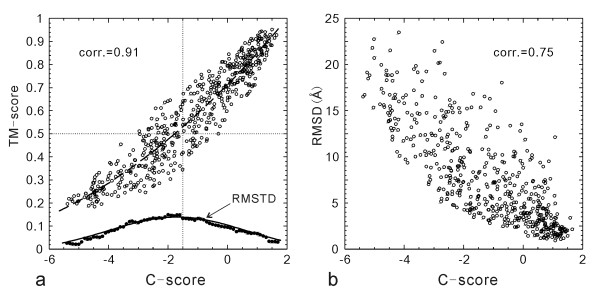
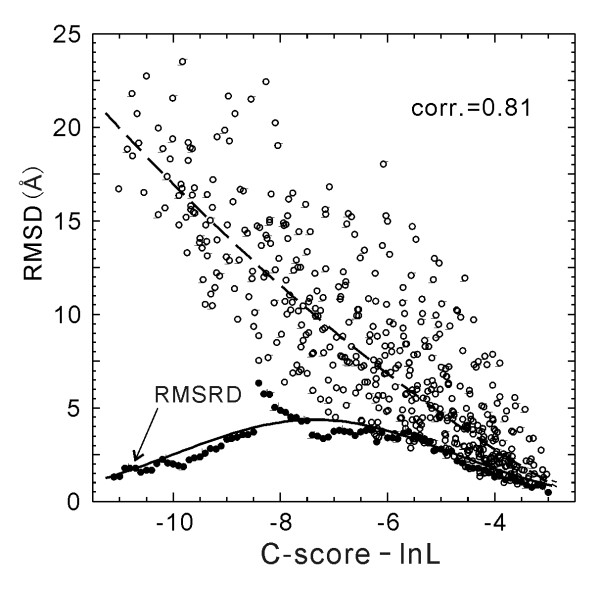
BACKGROUND: Prediction of 3-dimensional protein structures from amino acid sequences represents one of the most important problems in computational structural biology. The community-wide Critical Assessment of Structure Prediction (CASP) experiments have been designed to obtain an objective assessment of the state-of-the-art of the field, where I-TASSER was ranked as the best method in the server section of the recent 7th CASP experiment. Our laboratory has since then received numerous requests about the public availability of the I-TASSER algorithm and the usage of the I-TASSER predictions. RESULTS: An on-line version of I-TASSER is developed at the KU Center for Bioinformatics which has generated protein structure predictions for thousands of modeling requests from more than 35 countries. A scoring function (C-score) based on the relative clustering structural density and the consensus significance score of multiple threading templates is introduced to estimate the accuracy of the I-TASSER predictions. A large-scale benchmark test demonstrates a strong correlation between the C-score and the TM-score (a structural similarity measurement with values in [0, 1]) of the first models with a correlation coefficient of 0.91. Using a C-score cutoff > -1.5 for the models of correct topology, both false positive and false negative rates are below 0.1. Combining C-score and protein length, the accuracy of the I-TASSER models can be predicted with an average error of 0.08 for TM-score and 2 A for RMSD. CONCLUSION: The I-TASSER server has been developed to generate automated full-length 3D protein structural predictions where the benchmarked scoring system helps users to obtain quantitative assessments of the I-TASSER models. The output of the I-TASSER server for each query includes up to five full-length models, the confidence score, the estimated TM-score and RMSD, and the standard deviation of the estimations. The I-TASSER server is freely available to the academic community at http://zhang.bioinformatics.ku.edu/I-TASSER.
Overview
The claims and statistics of this paper haven’t been checked yet.
Free: it reads the open-access text and checks the first 5 claims that cite a source we can check. Create a free account to check every claim.
Integrity signals
Registry
Cites
Statistics
Figures
Verification
Claims the paper makes
The claims and statistics of this paper haven’t been checked yet.
Free: it reads the open-access text and checks the first 5 claims that cite a source we can check. Create a free account to check every claim.
Claims other papers make about this one
Each is checked against this paper’s own text: does it say what the citing paper says it does?
The source backs part of the claim, not all of it — or backs it for a different population, condition or comparison.
In the citing paper
“The estimated TM-score was shown to highly correlate with the actual TM-score, with a Pearson correlation coefficient (PCC) of 0.91 on 300 test proteins that are nonhomologous to the training proteins of I-TASSER.41”
From Functions of Essential Genes and a Scale-Free Protein Interaction Network Revealed by Structure-Based Function and Interaction Prediction for a Minimal Genome (2021) · cites this paper as [41]
Experimental — accuracy not yet measured
Self-check
Percentages, sums and reported differences re-computed from the paper’s own numbers.
The self-check needs the paper’s full text.
Citations
Cites
Gapped BLAST and PSI-BLAST: a new generation of protein database search programs
Altschul, S. (1997) · Nucleic Acids Research · doi:10.1093/nar/25.17.3389 · Cited by 73,302 · cited 1×
“%) to search for the possible folds by four simple variants of PPA methods, with different combinations of the hidden Markov model [17] and PSI-BLAST [18] profiles and the Needleman-Wunsch [19] and Smith-Waterman [20] alignment algorithms.”
Berman, H. M. (2000) · Nucleic Acids Research · doi:10.1093/nar/28.1.235 · Cited by 40,196
Needleman, S. B., & Wunsch, C. D. (1970) · Journal of Molecular Biology · doi:10.1016/0022-2836(70)90057-4 · Cited by 11,288
Identification of common molecular subsequences
Smith, T. F., & Waterman, M. S. (1981) · Journal of Molecular Biology · doi:10.1016/0022-2836(81)90087-5 · Cited by 9,940 · cited 1×
“%) to search for the possible folds by four simple variants of PPA methods, with different combinations of the hidden Markov model [17] and PSI-BLAST [18] profiles and the Needleman-Wunsch [19] and Smith-Waterman [20] alignment algorithms.”
TM-align: a protein structure alignment algorithm based on the TM-score
Zhang, Y. (2005) · Nucleic Acids Research · doi:10.1093/nar/gki524 · Cited by 3,774
Self-citationA solution for the best rotation to relate two sets of vectors
Kabsch, W. (1976) · Acta Crystallographica Section A · doi:10.1107/s0567739476001873 · Cited by 3,187
Scoring function for automated assessment of protein structure template quality
Zhang, Y., & Skolnick, J. (2004) · Proteins: Structure, Function, and Bioinformatics · doi:10.1002/prot.20264 · Cited by 2,392 · cited 4×
“One advantage of the TM-score is that the meaning of the TM-score cutoffs is independent of the size of proteins [6].”
InfluentialSelf-citationProtein Structure Prediction and Structural Genomics
Baker, D., & Sali, A. (2001) · Science · doi:10.1126/science.1065659 · Cited by 1,587
A Modern Course in Statistical Physics
Reichl, L. E., & Coppersmith, S. N. (1999) · Physics Today · doi:10.1063/1.882556 · Cited by 1,380
Hidden Markov models for detecting remote protein homologies.
Karplus, K., Barrett, C., & Hughey, R. (1998) · Bioinformatics · doi:10.1093/bioinformatics/14.10.846 · Cited by 1,102 · cited 1×
“%) to search for the possible folds by four simple variants of PPA methods, with different combinations of the hidden Markov model [17] and PSI-BLAST [18] profiles and the Needleman-Wunsch [19] and Smith-Waterman [20] alignment algorithms.”
Cited by
I-TASSER: a unified platform for automated protein structure and function prediction
Roy, A., Kucukural, A., & Zhang, Y. (2010) · Nature Protocols · doi:10.1038/nprot.2010.5 · Cited by 6,170
“The C -score scheme has been extensively tested in large-scale benchmarking test”
MethodSelf-citationI-TASSER server: new development for protein structure and function predictions
Yang, J., & Zhang, Y. (2015) · Nucleic Acids Research · doi:10.1093/nar/gkv342 · Cited by 2,515
Self-citationComputational Methods in Drug Discovery
Sliwoski, G., Kothiwale, S., Meiler, J., & Lowe, E. W. (2014) · Pharmacological Reviews · doi:10.1124/pr.112.007336 · Cited by 2,160
A micropeptide encoded by a putative long noncoding RNA regulates muscle performance
Anderson, D. M., Anderson, K. M., Chang, C.-L., Makarewich, C. A., Nelson, B. R., McAnally, J. R., Kasaragod, P., Shelton, J. M., Liou, J., Bassel-Duby, R., et al. (2015) · Cell · doi:10.1016/j.cell.2015.01.009 · Cited by 1,216
Chan, J. F.-W., Zhang, A. J., Yuan, S., Poon, V. K.-M., Chan, C. C.-S., Lee, A. C.-Y., Chan, W.-M., Fan, Z., Tsoi, H.-W., Wen, L., et al. (2020) · Clinical Infectious Diseases · doi:10.1093/cid/ciaa325 · Cited by 1,058
Yang, J., Roy, A., & Zhang, Y. (2013) · Bioinformatics · doi:10.1093/bioinformatics/btt447 · Cited by 1,035
“…in this work is for genome-wide function annotation following the sequence-to-structure-to-function paradigm, we will examine and test our methods on low-resolution structure models generated by the state-of-the-art protein structure predictions (Roy et al., 2010; Zhang, 2007; Zhang, 2008).”
Self-citationAcquired Resistance and Clonal Evolution in Melanoma during BRAF Inhibitor Therapy
Shi, H., Hugo, W., Kong, X., Hong, A., Koya, R. C., Moriceau, G., Chodon, T., Guo, R., Johnson, D. B., Dahlman, K. B., et al. (2014) · Cancer Discovery · doi:10.1158/2159-8290.cd-13-0642 · Cited by 982
The trRosetta server for fast and accurate protein structure prediction
Du, Z., Su, H., Wang, W., Ye, L., Wei, H., Peng, Z., Anishchenko, I., Baker, D., & Yang, J. (2021) · Nature Protocols · doi:10.1038/s41596-021-00628-9 · Cited by 715
Computational methods in drug discovery
Leelananda, S. P., & Lindert, S. (2016) · Beilstein Journal of Organic Chemistry · doi:10.3762/bjoc.12.267 · Cited by 639
Tzur, S., Rosset, S., Shemer, R., Yudkovsky, G., Selig, S., Tarekegn, A., Bekele, E., Bradman, N., Wasser, W. G., Behar, D. M., et al. (2010) · Human Genetics · doi:10.1007/s00439-010-0861-0 · Cited by 653
Thevenet, P., Shen, Y., Maupetit, J., Guyon, F., Derreumaux, P., & Tuffery, P. (2012) · Nucleic Acids Research · doi:10.1093/nar/gks419 · Cited by 638
Improved PEP-FOLD Approach for Peptide and Miniprotein Structure Prediction
Shen, Y., Maupetit, J., Derreumaux, P., & Tufféry, P. (2014) · Journal of Chemical Theory and Computation · doi:10.1021/ct500592m · Cited by 636
A molecular mechanism of artemisinin resistance in Plasmodium falciparum malaria
Mbengue, A., Bhattacharjee, S., Pandharkar, T., Liu, H., Estiu, G., Stahelin, R. V., Rizk, S. S., Njimoh, D. L., Ryan, Y., Chotivanich, K., et al. (2015) · Nature · doi:10.1038/nature14412 · Cited by 597
“The homology model of P. falciparum PI3K was build based on the structure of the class III PI3 kinase from Drosophila (pdb code 2X6F) 33 , using the multiple threading alignment in I-TASSER 34,35 using additional information for the definition of the active site from the structure of the human class III PI3K (pdb code…”
Zhang, C., Freddolino, L., & Zhang, Y. (2017) · Nucleic Acids Research · doi:10.1093/nar/gkx366 · Cited by 606
Self-citationBorlee, B. R., Goldman, A. D., Murakami, K., Samudrala, R., Wozniak, D. J., & Parsek, M. R. (2010) · Molecular Microbiology · doi:10.1111/j.1365-2958.2009.06991.x · Cited by 543
Protein Structure and Function Prediction Using I‐TASSER
Yang, J., & Zhang, Y. (2015) · Current Protocols in Bioinformatics · doi:10.1002/0471250953.bi0508s52 · Cited by 559
“Our large-scale benchmark tests showed that the C-score defined in Equation 1 is highly correlated with the quality of the predicted models (with a Pearson correlation coefficient > 0.9 to the TM-score relative to the native) (Zhang, 2008).”
MethodInfluentialSelf-citationProtein Secondary Structure Prediction Using Deep Convolutional Neural Fields
Wang, S., Peng, J., Ma, J., & Xu, J. (2016) · Scientific Reports · doi:10.1038/srep18962 · Cited by 563
Zhou, X., Zheng, W., Li, Y., Pearce, R., Zhang, C., Bell, E. W., Zhang, G., & Zhang, Y. (2022) · Nature Protocols · doi:10.1038/s41596-022-00728-0 · Cited by 519
Self-citationThe Immune Epitope Database and Analysis Resource in Epitope Discovery and Synthetic Vaccine Design
Fleri, W., Paul, S., Dhanda, S. K., Mahajan, S., Xu, X., Peters, B., & Sette, A. (2017) · Frontiers in Immunology · doi:10.3389/fimmu.2017.00278 · Cited by 500
“The I-TASSER server was the number one server for protein structure prediction in community-wide contests for CASP7, CASP8, CASP9, CASP10, and CASP11 (72, 73).”
BackgroundCOVID-19 spike-host cell receptor GRP78 binding site prediction
Ibrahim, I. M., Abdelmalek, D. H., Elshahat, M. E., & Elfiky, A. A. (2020) · Journal of Infection · doi:10.1016/j.jinf.2020.02.026 · Cited by 509
Fast and accurate automatic structure prediction with HHpred
Hildebrand, A., Remmert, M., Biegert, A., & Söding, J. (2009) · Proteins: Structure, Function, and Bioinformatics · doi:10.1002/prot.22499 · Cited by 469
“To keep it fast, no alternative alignments are explored [4, 5, 6, 7, 15], no side chain optimization performed [4, 5, 6, 7], no contacts predicted [4, 5, 6, 7], no loops modeled [ 4 , 5, 6, 7], and no model quality assessment or structural clustering employed to pick the best of several models [4, 5, 6, 7, 8]. Our phi…”
BackgroundMethodInfluentialI‐TASSER: Fully automated protein structure prediction in CASP8
Zhang, Y. (2009) · Proteins: Structure, Function, and Bioinformatics · doi:10.1002/prot.22588 · Cited by 421
Self-citationCase, J. B., Rothlauf, P. W., Chen, R. E., Liu, Z., Zhao, H., Kim, A. S., Bloyet, L.-M., Zeng, Q., Tahan, S., Droit, L., et al. (2020) · Cell Host & Microbe · doi:10.1016/j.chom.2020.06.021 · Cited by 410
CancerPPD: a database of anticancer peptides and proteins
Tyagi, A., Tuknait, A., Anand, P., Gupta, S., Sharma, M., Mathur, D., Joshi, A., Singh, S., Gautam, A., & Raghava, G. P. S. (2015) · Nucleic Acids Research · doi:10.1093/nar/gku892 · Cited by 397
The Interferon-Inducible MxB Protein Inhibits HIV-1 Infection
Liu, Z., Pan, Q., Ding, S., Qian, J., Xu, F., Zhou, J., Cen, S., Guo, F., & Liang, C. (2013) · Cell Host & Microbe · doi:10.1016/j.chom.2013.08.015 · Cited by 334
TMC1 Forms the Pore of Mechanosensory Transduction Channels in Vertebrate Inner Ear Hair Cells
Pan, B., Akyuz, N., Liu, X.-P., Asai, Y., Nist-Lund, C., Kurima, K., Derfler, B. H., György, B., Limapichat, W., Walujkar, S., et al. (2018) · Neuron · doi:10.1016/j.neuron.2018.07.033 · Cited by 357
Mutations in the NOTCH pathway regulator MIB1 cause left ventricular noncompaction cardiomyopathy
Luxán, G., Casanova, J. C., Martínez-Poveda, B., Prados, B., D'Amato, G., MacGrogan, D., Gonzalez-Rajal, A., Dobarro, D., Torroja, C., Martinez, F., et al. (2013) · Nature Medicine · doi:10.1038/nm.3046 · Cited by 357
X-Linked TEX11 Mutations, Meiotic Arrest, and Azoospermia in Infertile Men
Yatsenko, A. N., Georgiadis, A. P., Röpke, A., Berman, A. J., Jaffe, T., Olszewska, M., Westernströer, B., Sanfilippo, J., Kurpisz, M., Rajkovic, A., et al. (2015) · New England Journal of Medicine · doi:10.1056/nejmoa1406192 · Cited by 346
ATP13A2 deficiency disrupts lysosomal polyamine export
van Veen, S., Martin, S., Van den Haute, C., Benoy, V., Lyons, J., Vanhoutte, R., Kahler, J. P., Decuypere, J.-P., Gelders, G., Lambie, E., et al. (2020) · Nature · doi:10.1038/s41586-020-1968-7 · Cited by 332
Programmable RNA editing with compact CRISPR–Cas13 systems from uncultivated microbes
Xu, C., Zhou, Y., Xiao, Q., He, B., Geng, G., Wang, Z., Cao, B., Dong, X., Bai, W., Wang, Y., et al. (2021) · Nature Methods · doi:10.1038/s41592-021-01124-4 · Cited by 351
The extrinsic proteins of Photosystem II
Bricker, T. M., Roose, J. L., Fagerlund, R. D., Frankel, L. K., & Eaton-Rye, J. J. (2012) · Biochimica et Biophysica Acta (BBA) - Bioenergetics · doi:10.1016/j.bbabio.2011.07.006 · Cited by 343
Phycobilisomes Supply Excitations to Both Photosystems in a Megacomplex in Cyanobacteria
Liu, H., Zhang, H., Niedzwiedzki, D. M., Prado, M., He, G., Gross, M. L., & Blankenship, R. E. (2013) · Science · doi:10.1126/science.1242321 · Cited by 336
Sulak, M., Fong, L., Mika, K., Chigurupati, S., Yon, L., Mongan, N. P., Emes, R. D., & Lynch, V. J. (2016) · eLife · doi:10.7554/elife.11994 · Cited by 339
Filamentous Bacteriophage: Biology, Phage Display and Nanotechnology Applications
(2011) · Current Issues in Molecular Biology · doi:10.21775/cimb.013.051 · Cited by 321
“The organization of α helices in the C domain resembles α-helical pore-forming toxins; this is supported by threading using the algorithm I-TASSER (Zhang, 2008), which selected the membrane insertion domain (domain T), of diphtheria toxin as the top ranked template for modeling of the C domain (Choe et al., 1992).”
InfluentialStable and Biocompatible Carbon Nanotube Ink Mediated by Silk Protein for Printed Electronics
Liang, X., Li, H., Dou, J., Wang, Q., He, W., Wang, C., Li, D., Lin, J., & Zhang, Y. (2020) · Advanced Materials · doi:10.1002/adma.202000165 · Cited by 323
Self-citationDong, Y.-W., Liao, M.-L., Meng, X.-L., & Somero, G. N. (2018) · Proceedings of the National Academy of Sciences · doi:10.1073/pnas.1718910115 · Cited by 318
Store-Independent Activation of Orai1 by SPCA2 in Mammary Tumors
Feng, M., Grice, D. M., Faddy, H. M., Nguyen, N., Leitch, S., Wang, Y., Muend, S., Kenny, P. A., Sukumar, S., Roberts-Thomson, S. J., et al. (2010) · Cell · doi:10.1016/j.cell.2010.08.040 · Cited by 306
Weraarpachai, W., Antonicka, H., Sasarman, F., Seeger, J., Schrank, B., Kolesar, J. E., Lochmüller, H., Chevrette, M., Kaufman, B. A., Horvath, R., et al. (2009) · Nature Genetics · doi:10.1038/ng.390 · Cited by 309
Cryo-EM Structure of a KCNQ1/CaM Complex Reveals Insights into Congenital Long QT Syndrome
Sun, J., & MacKinnon, R. (2017) · Cell · doi:10.1016/j.cell.2017.05.019 · Cited by 305
Zhu, J., Avakyan, N., Kakkis, A., Hoffnagle, A. M., Han, K., Li, Y., Zhang, Z., Choi, T. S., Na, Y., Yu, C.-J., et al. (2021) · Chemical Reviews · doi:10.1021/acs.chemrev.1c00308 · Cited by 285
Structure of the Decorated Ciliary Doublet Microtubule
Ma, M., Stoyanova, M., Rademacher, G., Dutcher, S. K., Brown, A., & Zhang, R. (2019) · Cell · doi:10.1016/j.cell.2019.09.030 · Cited by 290
Intrinsically Disordered Proteins: An Overview
Trivedi, R., & Nagarajaram, H. A. (2022) · International Journal of Molecular Sciences · doi:10.3390/ijms232214050 · Cited by 247
Bacteriophage and their lysins for elimination of infectious bacteria
O'Flaherty, S., Ross, R. P., & Coffey, A. (2009) · FEMS Microbiology Reviews · doi:10.1111/j.1574-6976.2009.00176.x · Cited by 272
Camargo, S. M. R., Singer, D., Makrides, V., Huggel, K., Pos, K. M., Wagner, C. A., Kuba, K., Danilczyk, U., Skovby, F., Kleta, R., et al. (2009) · Gastroenterology · doi:10.1053/j.gastro.2008.10.055 · Cited by 282
CADD, AI and ML in drug discovery: A comprehensive review
Vemula, D., Jayasurya, P., Sushmitha, V., Kumar, Y. N., & Bhandari, V. (2023) · European Journal of Pharmaceutical Sciences · doi:10.1016/j.ejps.2022.106324 · Cited by 244
Armbruster, U., Labs, M., Pribil, M., Viola, S., Xu, W., Scharfenberg, M., Hertle, A. P., Rojahn, U., Jensen, P. E., Rappaport, F., et al. (2013) · The Plant Cell · doi:10.1105/tpc.113.113118 · Cited by 276
Protein structure prediction: when is it useful?
Zhang, Y. (2009) · Current Opinion in Structural Biology · doi:10.1016/j.sbi.2009.02.005 · Cited by 277
“The actual supply and demand are partly reflected by the popularity of online structure prediction servers [31], for example, the ITASSER server [19 ] alone has generated full-length structure predictions for more than 20 000 unknown proteins submitted by about 2000 registered scientists during the past 18 months.”
BackgroundMethodInfluentialSelf-citationMutations in the TGF-β repressor SKI cause Shprintzen-Goldberg syndrome with aortic aneurysm
Doyle, A. J., Doyle, J. J., Bessling, S. L., Maragh, S., Lindsay, M. E., Schepers, D., Gillis, E., Mortier, G., Homfray, T., Sauls, K., et al. (2012) · Nature Genetics · doi:10.1038/ng.2421 · Cited by 266
The Sus operon: a model system for starch uptake by the human gut Bacteroidetes
Foley, M. H., Cockburn, D. W., & Koropatkin, N. M. (2016) · Cellular and Molecular Life Sciences · doi:10.1007/s00018-016-2242-x · Cited by 262
“SusG (PDB 3K8L) dynamically interacts with SusD (PDB 3CK9) and SusC (ITASSER structure prediction [85, 86]).”
Yokoo, R., Zawadzki, K. A., Nabeshima, K., Drake, M., Arur, S., & Villeneuve, A. M. (2012) · Cell · doi:10.1016/j.cell.2012.01.052 · Cited by 256
“We analyzed C. elegans COSA-1 and human CNTD1 protein sequences using two distinct structure prediction servers, PHYRE2 (Kelley and Sternberg, 2009) and I-TASSER (Roy et al., 2010; Zhang, 2008), which is currently ranked the top server for protein structure prediction (Cozzetto et al., 2009).”
Qi, X., Disatnik, M.-H., Shen, N., Sobel, R. A., & Mochly-Rosen, D. (2011) · Molecular Biology of the Cell · doi:10.1091/mbc.e10-06-0551 · Cited by 258
Rocha, A. G., Franco, A., Krezel, A. M., Rumsey, J. M., Alberti, J. M., Knight, W. C., Biris, N., Zacharioudakis, E., Janetka, J. W., Baloh, R. H., et al. (2018) · Science · doi:10.1126/science.aao1785 · Cited by 255
The HP1 Homolog Rhino Anchors a Nuclear Complex that Suppresses piRNA Precursor Splicing
Zhang, Z., Wang, J., Schultz, N., Zhang, F., Parhad, S. S., Tu, S., Vreven, T., Zamore, P. D., Weng, Z., & Theurkauf, W. E. (2014) · Cell · doi:10.1016/j.cell.2014.04.030 · Cited by 250
“We therefore used the Modeler and I-TASSER 1360 Cell 157, 1353–1363, June 5, 2014 ª2014 Elsevier Inc. algorithms to build a homology model of Cuff based on the Murine DXO structures (Roy et al., 2010; Zhang, 2008; Sali and Blundell, 1993).”
Shityakov, S., & Foerster, C. (2014) · Advances and Applications in Bioinformatics and Chemistry · doi:10.2147/aabc.s63749 · Cited by 225
“Computational methods The ChT1 homology model to mimic the BBB-ChT protein was constructed using the A-chain of the sodium/galactose symporter (Protein Data Bank ID: 3DH4) as a template(14) by the Iterative Threading Assembly Refinement (I-TASSER) server.(15) The Volume, Area, and Dihedral Angle Reporter server,(16) w…”
Fragile X Mental Retardation Protein Regulates Translation by Binding Directly to the Ribosome
Chen, E., Sharma, M. R., Shi, X., Agrawal, R. K., & Joseph, S. (2014) · Molecular Cell · doi:10.1016/j.molcel.2014.03.023 · Cited by 249
“The fitted I-TASSER model of the NT-dFMRP is displayed onto the 60S subunit with fitted X-ray coordinates of the yeast 60S ribosome.”
InfluentialSkolnick, J., Gao, M., Zhou, H., & Singh, S. (2021) · Journal of Chemical Information and Modeling · doi:10.1021/acs.jcim.1c01114 · Cited by 251
SIRT1 collaborates with ATM and HDAC1 to maintain genomic stability in neurons
Dobbin, M. M., Madabhushi, R., Pan, L., Chen, Y., Kim, D., Gao, J., Ahanonu, B., Pao, P.-C., Qiu, Y., Zhao, Y., et al. (2013) · Nature Neuroscience · doi:10.1038/nn.3460 · Cited by 250
An unfolded protein-induced conformational switch activates mammalian IRE1
Karagöz, G. E., Acosta-Alvear, D., Nguyen, H. T., Lee, C. P., Chu, F., & Walter, P. (2017) · eLife · doi:10.7554/elife.30700 · Cited by 239
Guyon, K., Balagué, C., Roby, D., & Raffaele, S. (2014) · BMC Genomics · doi:10.1186/1471-2164-15-336 · Cited by 233
Pleiner, T., Bates, M., Trakhanov, S., Lee, C.-T., Schliep, J. E., Chug, H., Böhning, M., Stark, H., Urlaub, H., & Görlich, D. (2015) · eLife · doi:10.7554/elife.11349 · Cited by 242
Kozakov, D., Hall, D. R., Beglov, D., Brenke, R., Comeau, S. R., Shen, Y., Li, K., Zheng, J., Vakili, P., Paschalidis, I. C., et al. (2010) · Proteins: Structure, Function, and Bioinformatics · doi:10.1002/prot.22835 · Cited by 239
The architecture of the spliceosomal U4/U6.U5 tri-snRNP
Nguyen, T. H. D., Galej, W. P., Bai, X.-C., Savva, C. G., Newman, A. J., Scheres, S. H. W., & Nagai, K. (2015) · Nature · doi:10.1038/nature14548 · Cited by 238
Structure and Assembly Pathway of the Ribosome Quality Control Complex
Shao, S., Brown, A., Santhanam, B., & Hegde, R. S. (2015) · Molecular Cell · doi:10.1016/j.molcel.2014.12.015 · Cited by 222
“model Built de novo Listerin RING O94822 0 1730-1765 I-TASSER comparative model Stalled peptide - 1 10-24 Built de novo tRNA - 2 1-76 PDB ID: 2J00 Table S2.”
InfluentialHigh-fidelity Cas13 variants for targeted RNA degradation with minimal collateral effects
Tong, H., Huang, J., Xiao, Q., He, B., Dong, X., Liu, Y., Yang, X., Han, D., Wang, Z., Wang, X., et al. (2023) · Nature Biotechnology · doi:10.1038/s41587-022-01419-7 · Cited by 230
A-to-I RNA Editing Contributes to Proteomic Diversity in Cancer
Peng, X., Xu, X., Wang, Y., Hawke, D. H., Yu, S., Han, L., Zhou, Z., Mojumdar, K., Jeong, K. J., Labrie, M., et al. (2018) · Cancer Cell · doi:10.1016/j.ccell.2018.03.026 · Cited by 223
“…introduced by COPA_I164V at the atomic level, we first used I-TASSER (http://zhanglab.ccmb.med.umich.edu/I-TASSER/) to generate protein models (Roy et al., 2010; Yang et al., 2015; Zhang, 2008), and selected the representative protein models of the largest cluster in the subsequent analysis.”
Analysis and Prediction of Highly Effective Antiviral Peptides Based on Random Forests
Chang, K. Y., & Yang, J.-R. (2013) · PLoS ONE · doi:10.1371/journal.pone.0070166 · Cited by 217
Sharkey, C. R., Fujimoto, M. S., Lord, N. P., Shin, S., McKenna, D. D., Suvorov, A., Martin, G. J., & Bybee, S. M. (2017) · Scientific Reports · doi:10.1038/s41598-017-00061-7 · Cited by 222
Three-dimensional protein structure prediction: Methods and computational strategies
Dorn, M., e Silva, M. B., Buriol, L. S., & Lamb, L. C. (2014) · Computational Biology and Chemistry · doi:10.1016/j.compbiolchem.2014.10.001 · Cited by 207
Spangler, J. B., Tomala, J., Luca, V. C., Jude, K. M., Dong, S., Ring, A. M., Votavova, P., Pepper, M., Kovar, M., & Garcia, K. C. (2015) · Immunity · doi:10.1016/j.immuni.2015.04.015 · Cited by 217
“For mIL-2, a one-toone threaded model of mIL-2 to a human IL-2 structure (PDB: 2B5I) generated in Phyre (Kelley and Sternberg, 2009) was used, and for the JES6-1 and S4B6 VH and VL domains, multiple-threaded models obtained from the I-TASSER server (Roy et al., 2010; Zhang, 2008) were used.”
Meng, L., Wong, J. H., Feldman, L. J., Lemaux, P. G., & Buchanan, B. B. (2010) · Proceedings of the National Academy of Sciences · doi:10.1073/pnas.0913759107 · Cited by 211
Mechanism of eIF6 release from the nascent 60S ribosomal subunit
Weis, F., Giudice, E., Churcher, M., Jin, L., Hilcenko, C., Wong, C. C., Traynor, D., Kay, R. R., & Warren, A. J. (2015) · Nature Structural & Molecular Biology · doi:10.1038/nsmb.3112 · Cited by 206
Ribosome-dependent activation of stringent control
Brown, A., Fernández, I. S., Gordiyenko, Y., & Ramakrishnan, V. (2016) · Nature · doi:10.1038/nature17675 · Cited by 213
Rodrigo, M. J., Alquézar, B., Alós, E., Medina, V., Carmona, L., Bruno, M., Al-Babili, S., & Zacarías, L. (2013) · Journal of Experimental Botany · doi:10.1093/jxb/ert260 · Cited by 214
Roux, S., Krupovic, M., Poulet, A., Debroas, D., & Enault, F. (2012) · PLoS ONE · doi:10.1371/journal.pone.0040418 · Cited by 200
Signaling by IL-31 and functional consequences
Cornelissen, C., Lüscher-Firzlaff, J., Baron, J. M., & Lüscher, B. (2012) · European Journal of Cell Biology · doi:10.1016/j.ejcb.2011.07.006 · Cited by 207
Sneha, P., & George Priya Doss, C. (2016) · Advances in Protein Chemistry and Structural Biology · doi:10.1016/bs.apcsb.2015.09.004 · Cited by 204
Deep‐learning contact‐map guided protein structure prediction in CASP13
Zheng, W., Li, Y., Zhang, C., Pearce, R., Mortuza, S. M., & Zhang, Y. (2019) · Proteins: Structure, Function, and Bioinformatics · doi:10.1002/prot.25792 · Cited by 208
Self-citationPetrone, L., Kumar, A., Sutanto, C. N., Patil, N. J., Kannan, S., Palaniappan, A., Amini, S., Zappone, B., Verma, C., & Miserez, A. (2015) · Nature Communications · doi:10.1038/ncomms9737 · Cited by 202
Saadi, M., Karkhah, A., & Nouri, H. R. (2017) · Infection, Genetics and Evolution · doi:10.1016/j.meegid.2017.04.009 · Cited by 210
“Tertiary structure of final protein vaccine was carried out by using I-TASSER online server which generates three-dimensional models with their confidence score (C-score) (Zhang, 2008).”
MethodChang, J. C., LaSarre, B., Jimenez, J. C., Aggarwal, C., & Federle, M. J. (2011) · PLoS Pathogens · doi:10.1371/journal.ppat.1002190 · Cited by 189
Ribosome-associated chaperones as key players in proteostasis
Preissler, S., & Deuerling, E. (2012) · Trends in Biochemical Sciences · doi:10.1016/j.tibs.2012.03.002 · Cited by 189
Schuch, R., Lee, H. M., Schneider, B. C., Sauve, K. L., Law, C., Khan, B. K., Rotolo, J. A., Horiuchi, Y., Couto, D. E., Raz, A., et al. (2014) · The Journal of Infectious Diseases · doi:10.1093/infdis/jit637 · Cited by 196
“B, Ribbon representation of a CF-301 model built with the I-TASSER server [18] using PDBs 2K3A and 1R77 as templates for the N-terminal and C-terminal domains, respectively, with the side chains of the active site residues depicted.”
MethodThe 2.3-Angstrom Structure of Porcine Circovirus 2
Khayat, R., Brunn, N., Speir, J. A., Hardham, J. M., Ankenbauer, R. G., Schneemann, A., & Johnson, J. E. (2011) · Journal of Virology · doi:10.1128/jvi.00737-11 · Cited by 193
Plasmodium malariae and P. ovale genomes provide insights into malaria parasite evolution
Rutledge, G. G., Böhme, U., Sanders, M., Reid, A. J., Cotton, J. A., Maiga-Ascofare, O., Djimdé, A. A., Apinjoh, T. O., Amenga-Etego, L., Manske, M., et al. (2017) · Nature · doi:10.1038/nature21038 · Cited by 188
AI-driven multiscale simulations illuminate mechanisms of SARS-CoV-2 spike dynamics
Casalino, L., Dommer, A. C., Gaieb, Z., Barros, E. P., Sztain, T., Ahn, S.-H., Trifan, A., Brace, A., Bogetti, A. T., Clyde, A., et al. (2021) · The International Journal of High Performance Computing Applications · doi:10.1177/10943420211006452 · Cited by 193
Structural requirements of bitter taste receptor activation
Brockhoff, A., Behrens, M., Niv, M. Y., & Meyerhof, W. (2010) · Proceedings of the National Academy of Sciences · doi:10.1073/pnas.0913862107 · Cited by 185
Harel, T., Yoon, W. H., Garone, C., Gu, S., Coban-Akdemir, Z., Eldomery, M. K., Posey, J. E., Jhangiani, S. N., Rosenfeld, J. A., Cho, M. T., et al. (2016) · The American Journal of Human Genetics · doi:10.1016/j.ajhg.2016.08.007 · Cited by 190
Architecture of the human GATOR1 and GATOR1–Rag GTPases complexes
Shen, K., Huang, R. K., Brignole, E. J., Condon, K. J., Valenstein, M. L., Chantranupong, L., Bomaliyamu, A., Choe, A., Hong, C., Yu, Z., et al. (2018) · Nature · doi:10.1038/nature26158 · Cited by 192
VoroMQA: Assessment of protein structure quality using interatomic contact areas
Olechnovič, K., & Venclovas, Č. (2017) · Proteins: Structure, Function, and Bioinformatics · doi:10.1002/prot.25278 · Cited by 191
Electrophysiology and beyond: Multiple roles of Na+ channel β subunits in development and disease
Patino, G. A., & Isom, L. L. (2010) · Neuroscience Letters · doi:10.1016/j.neulet.2010.06.050 · Cited by 183
Cloning and Characterization of a Critical Regulator for Preharvest Sprouting in Wheat
Liu, S., Sehgal, S. K., Li, J., Lin, M., Trick, H. N., Yu, J., Gill, B. S., & Bai, G. (2013) · Genetics · doi:10.1534/genetics.113.152330 · Cited by 179
Synthesizing ginsenoside Rh2 in Saccharomyces cerevisiae cell factory at high-efficiency
Wang, P., Wei, W., Ye, W., Li, X., Zhao, W., Yang, C., Li, C., Yan, X., & Zhou, Z. (2019) · Cell Discovery · doi:10.1038/s41421-018-0075-5 · Cited by 179
Wang, Z., Qiu, H., He, J., Liu, L., Xue, W., Fox, A., Tickner, J., & Xu, J. (2020) · Journal of Cellular Physiology · doi:10.1002/jcp.29186 · Cited by 181
Root hair‐specific expansins modulate root hair elongation in rice
ZhiMing, Y., Bo, K., XiaoWei, H., ShaoLei, L., YouHuang, B., WoNa, D., Ming, C., Hyung‐Taeg, C., & Ping, W. (2011) · The Plant Journal · doi:10.1111/j.1365-313x.2011.04533.x · Cited by 186
“, 2006) and I-TASSER server (Arnold et al., 2006; Zhang, 2008; Ambrish et al., 2010) by homologous modeling with the ZmEXPB1 structure (Protein Data Bank ID 2HCZ).”
InfluentialDiscovery of the fourth mobile sulfonamide resistance gene
Razavi, M., Marathe, N. P., Gillings, M. R., Flach, C.-F., Kristiansson, E., & Joakim Larsson, D. G. (2017) · Microbiome · doi:10.1186/s40168-017-0379-y · Cited by 176
“Prediction of the tertiary structures of sulfonamide resistance proteins using I-TASSER server [67].”
Sagaram, U. S., Pandurangi, R., Kaur, J., Smith, T. J., & Shah, D. M. (2011) · PLoS ONE · doi:10.1371/journal.pone.0018550 · Cited by 185
De Novo Mutations in Protein Kinase Genes CAMK2A and CAMK2B Cause Intellectual Disability
Küry, S., van Woerden, G. M., Besnard, T., Proietti Onori, M., Latypova, X., Towne, M. C., Cho, M. T., Prescott, T. E., Ploeg, M. A., Sanders, S., et al. (2017) · The American Journal of Human Genetics · doi:10.1016/j.ajhg.2017.10.003 · Cited by 185
“Homology modeling of the CAMK2B was performed using the I-TASSER protein structure prediction server.(51) The protein sequence of the CAMK2B (GenBank: NP_001211.”
MethodA virus capsid‐like nanocompartment that stores iron and protects bacteria from oxidative stress
McHugh, C. A., Fontana, J., Nemecek, D., Cheng, N., Aksyuk, A. A., Heymann, J. B., Winkler, D. C., Lam, A. S., Wall, J. S., Steven, A. C., et al. (2014) · The EMBO Journal · doi:10.15252/embj.201488566 · Cited by 179
“An initial homology model was generated using I-TASSER (Zhang, 2008) with the T. maritima encapsulin as reference (pdb 3DKT).”
Saunte, D. M. L., Hare, R. K., Jørgensen, K. M., Jørgensen, R., Deleuran, M., Zachariae, C. O., Thomsen, S. F., Bjørnskov-Halkier, L., Kofoed, K., & Arendrup, M. C. (2019) · Antimicrobial Agents and Chemotherapy · doi:10.1128/aac.01126-19 · Cited by 173
Breton, S., Stewart, D. T., Shepardson, S., Trdan, R. J., Bogan, A. E., Chapman, E. G., Ruminas, A. J., Piontkivska, H., & Hoeh, W. R. (2011) · Molecular Biology and Evolution · doi:10.1093/molbev/msq345 · Cited by 174
“Protein structure and function prediction were examined with I-TASSER, a state-of the-art hierarchical protein structure modeling approach that is based on the secondary-structure enhanced profile–profile threading alignment (Zhang 2008).”
BackgroundMethodInfluential
Metadata
- Authors
- Zhang, Y.
- Affiliations
- University of Kansas (US)
- Corresponding author
- Zhang, Yang
- ORCID
- Zhang, Yang
- Venue
- BMC Bioinformatics
- Published
- 2008-01-23
- Volume
- 9
- Issue
- 1
- Pages
- 40-40
- ISSN
- 1471-2105 (ISSN-L)
- PMC
- PMC2245901
- OpenAlex
- W2155201844
- Cited by
- 5,124
- References
- 32
- Citations by year
- 2026: 61 · 2025: 149 · 2024: 214 · 2023: 239 · 2022: 301 · 2021: 440 · 2020: 432 · 2019: 460 · 2018: 407 · 2017: 379 · 2016: 355 · 2015: 396 · 2014: 407 · 2013: 321 · 2012: 192
- FWCI
- 50.38
- Type
- journal article
- Language
- en
- Open access
- gold
- doi.org
- Licence
- cc-by
- creativecommons.org/licenses/by/2.0 (tdm)
- Locations
- BMC Bioinformatics (publishedVersion, cc-by)
- PubMed Central (publishedVersion, cc-by)
- PubMed (publishedVersion)
- DOAJ (DOAJ: Directory of Open Access Journals) (submittedVersion, cc-by-sa)
- KU ScholarWorks (University of Kansas) (submittedVersion, cc-by)
- Topics
- Life Sciences › Biochemistry, Genetics and Molecular Biology › Molecular Biology › Protein Structure and Dynamics
- Life Sciences › Biochemistry, Genetics and Molecular Biology › Structural Biology › Enzyme Structure and Function
- Life Sciences › Biochemistry, Genetics and Molecular Biology › Molecular Biology › Machine Learning in Bioinformatics
- Keywords
- I-TASSER, protein structure prediction, online prediction server, threading, C-score, prediction accuracy assessment, TM-score, RMSD, structural density
- MeSH terms
- Amino Acid Sequence, Computer Simulation, Models, Chemical, Models, Molecular, Molecular Sequence Data, Protein Conformation, Proteins, Software, Sequence Alignment, Internet, Sequence Analysis, Protein
About these checks
Registry, retraction, Cites and statistics results are computed, not judged, with one exception: a printed reference that no index lists is read once by a model before it counts as a citation error. Claims are extracted by a model and kept only when their quote appears verbatim in the text; each cited source is then checked, with a model’s help, for whether it says what the claim relies on. Those verdicts can be wrong — read the claim’s quote and the cited source before relying on one.
Statistics and arithmetic are recomputed, not judged.
Confidence bands are shown only for fields calibrated on our annotated test set. None is calibrated yet, so no band is shown.
What counts as a claim ›How we measure confidence ›How we check this ›
Are you an author, or do you see a problem with this page? Request a review
Data sources
Bibliographic data: Semantic Scholar, OpenAlex, Crossref.
Contains information from the Semantic Scholar Academic Graph Datasets, made available under the ODC Attribution License (ODC-BY 1.0).
Semantic Scholar’s data is described in: Kinney, R., et al. (2023). The Semantic Scholar Open Data Platform. arXiv:2301.10140.
