

I-TASSER server for protein 3D structure prediction
Open accessThe DOI matches its Crossref record; 32 of the 32 references it cites were found in a registry or an index.
Abstract
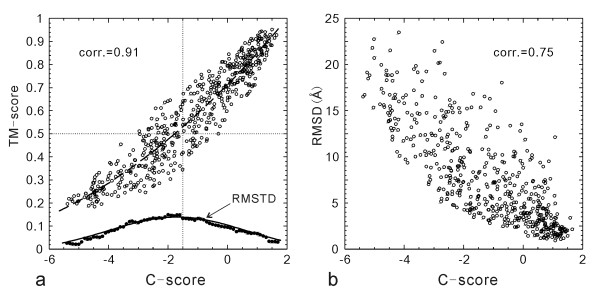
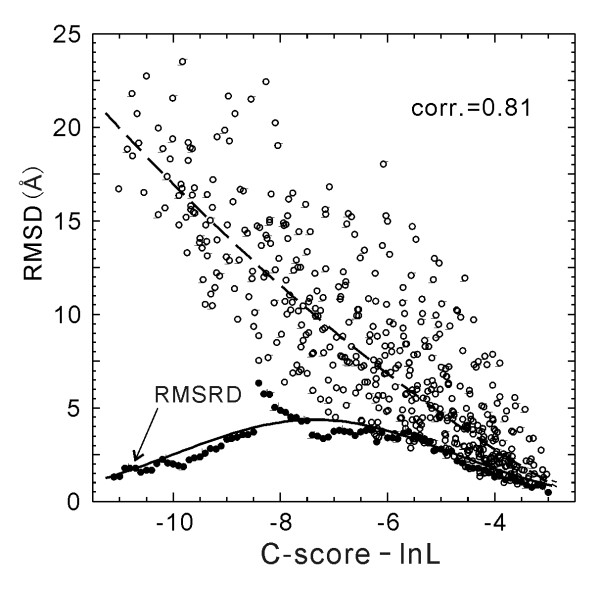
BACKGROUND: Prediction of 3-dimensional protein structures from amino acid sequences represents one of the most important problems in computational structural biology. The community-wide Critical Assessment of Structure Prediction (CASP) experiments have been designed to obtain an objective assessment of the state-of-the-art of the field, where I-TASSER was ranked as the best method in the server section of the recent 7th CASP experiment. Our laboratory has since then received numerous requests about the public availability of the I-TASSER algorithm and the usage of the I-TASSER predictions. RESULTS: An on-line version of I-TASSER is developed at the KU Center for Bioinformatics which has generated protein structure predictions for thousands of modeling requests from more than 35 countries. A scoring function (C-score) based on the relative clustering structural density and the consensus significance score of multiple threading templates is introduced to estimate the accuracy of the I-TASSER predictions. A large-scale benchmark test demonstrates a strong correlation between the C-score and the TM-score (a structural similarity measurement with values in [0, 1]) of the first models with a correlation coefficient of 0.91. Using a C-score cutoff > -1.5 for the models of correct topology, both false positive and false negative rates are below 0.1. Combining C-score and protein length, the accuracy of the I-TASSER models can be predicted with an average error of 0.08 for TM-score and 2 A for RMSD. CONCLUSION: The I-TASSER server has been developed to generate automated full-length 3D protein structural predictions where the benchmarked scoring system helps users to obtain quantitative assessments of the I-TASSER models. The output of the I-TASSER server for each query includes up to five full-length models, the confidence score, the estimated TM-score and RMSD, and the standard deviation of the estimations. The I-TASSER server is freely available to the academic community at http://zhang.bioinformatics.ku.edu/I-TASSER.
Overview
The claims and statistics of this paper haven’t been checked yet.
Free: it reads the open-access text and checks the first 5 claims that cite a source we can check. Create a free account to check every claim.
Integrity signals
Registry
Cites
Statistics
Figures
Verification
Claims the paper makes
The claims and statistics of this paper haven’t been checked yet.
Free: it reads the open-access text and checks the first 5 claims that cite a source we can check. Create a free account to check every claim.
Claims other papers make about this one
Each is checked against this paper’s own text: does it say what the citing paper says it does?
The source backs part of the claim, not all of it — or backs it for a different population, condition or comparison.
In the citing paper
“The estimated TM-score was shown to highly correlate with the actual TM-score, with a Pearson correlation coefficient (PCC) of 0.91 on 300 test proteins that are nonhomologous to the training proteins of I-TASSER.41”
From Functions of Essential Genes and a Scale-Free Protein Interaction Network Revealed by Structure-Based Function and Interaction Prediction for a Minimal Genome (2021) · cites this paper as [41]
Experimental — accuracy not yet measured
Self-check
Percentages, sums and reported differences re-computed from the paper’s own numbers.
The self-check needs the paper’s full text.
Citations
Cites
Gapped BLAST and PSI-BLAST: a new generation of protein database search programs
Altschul, S. (1997) · Nucleic Acids Research · doi:10.1093/nar/25.17.3389 · Cited by 73,302 · cited 1×
“%) to search for the possible folds by four simple variants of PPA methods, with different combinations of the hidden Markov model [17] and PSI-BLAST [18] profiles and the Needleman-Wunsch [19] and Smith-Waterman [20] alignment algorithms.”
Berman, H. M. (2000) · Nucleic Acids Research · doi:10.1093/nar/28.1.235 · Cited by 40,196
Needleman, S. B., & Wunsch, C. D. (1970) · Journal of Molecular Biology · doi:10.1016/0022-2836(70)90057-4 · Cited by 11,288
Identification of common molecular subsequences
Smith, T. F., & Waterman, M. S. (1981) · Journal of Molecular Biology · doi:10.1016/0022-2836(81)90087-5 · Cited by 9,940 · cited 1×
“%) to search for the possible folds by four simple variants of PPA methods, with different combinations of the hidden Markov model [17] and PSI-BLAST [18] profiles and the Needleman-Wunsch [19] and Smith-Waterman [20] alignment algorithms.”
TM-align: a protein structure alignment algorithm based on the TM-score
Zhang, Y. (2005) · Nucleic Acids Research · doi:10.1093/nar/gki524 · Cited by 3,774
Self-citationA solution for the best rotation to relate two sets of vectors
Kabsch, W. (1976) · Acta Crystallographica Section A · doi:10.1107/s0567739476001873 · Cited by 3,187
Scoring function for automated assessment of protein structure template quality
Zhang, Y., & Skolnick, J. (2004) · Proteins: Structure, Function, and Bioinformatics · doi:10.1002/prot.20264 · Cited by 2,392 · cited 4×
“One advantage of the TM-score is that the meaning of the TM-score cutoffs is independent of the size of proteins [6].”
InfluentialSelf-citationProtein Structure Prediction and Structural Genomics
Baker, D., & Sali, A. (2001) · Science · doi:10.1126/science.1065659 · Cited by 1,587
A Modern Course in Statistical Physics
Reichl, L. E., & Coppersmith, S. N. (1999) · Physics Today · doi:10.1063/1.882556 · Cited by 1,380
Hidden Markov models for detecting remote protein homologies.
Karplus, K., Barrett, C., & Hughey, R. (1998) · Bioinformatics · doi:10.1093/bioinformatics/14.10.846 · Cited by 1,102 · cited 1×
“%) to search for the possible folds by four simple variants of PPA methods, with different combinations of the hidden Markov model [17] and PSI-BLAST [18] profiles and the Needleman-Wunsch [19] and Smith-Waterman [20] alignment algorithms.”
Cited by
Items 401–500 of 1,024
Identification of a mutation in GDF9 as a novel cause of diminished ovarian reserve in young women
Wang, T., Ke, Z.-H., Song, Y., Chen, L.-T., Chen, X.-J., Feng, C., Zhang, D., Zhang, R.-J., Wu, Y., Zhang, Y., et al. (2013) · Human Reproduction · doi:10.1093/humrep/det291 · Cited by 85
“The tertiary structure modeling of wild type and mutant GDF9 was performed by I-TASSER (http://zhanglab.ccmb.med.umich.edu/I-TASSER) (Zhang, 2008) and visualized using RasMol 2.7.5 (Sayle and Milner-White, 1995).”
MethodInfluentialSelf-citationGhezzi, D., Viscomi, C. F., Ferlini, A., Gualandi, F., Mereghetti, P., DeGrandis, D., & Zeviani, M. (2009) · Human Molecular Genetics · doi:10.1093/hmg/ddn441 · Cited by 77
Targeting Toxoplasma gondii CPSF3 as a new approach to control toxoplasmosis
Palencia, A., Bougdour, A., Brenier‐Pinchart, M., Touquet, B., Bertini, R., Sensi, C., Gay, G., Vollaire, J., Josserand, V., Easom, E. E., et al. (2017) · EMBO Molecular Medicine · doi:10.15252/emmm.201607370 · Cited by 81
Mutation of the α-tubulin Tuba1a leads to straighter microtubules and perturbs neuronal migration
Belvindrah, R., Natarajan, K., Shabajee, P., Bruel-Jungerman, E., Bernard, J., Goutierre, M., Moutkine, I., Jaglin, X. H., Savariradjane, M., Irinopoulou, T., et al. (2017) · Journal of Cell Biology · doi:10.1083/jcb.201607074 · Cited by 71
Polyelectrolyte–calcium complexes as a pre-precursor induce biomimetic mineralization of collagen
Zhou, Z., Zhang, L., Li, J., Shi, Y., Wu, Z., Zheng, H., Wang, Z., Zhao, W., Pan, H., Wang, Q., et al. (2021) · Nanoscale · doi:10.1039/d0nr05640e · Cited by 78
Design of a multi-epitope vaccine against cervical cancer using immunoinformatics approaches
Sanami, S., Azadegan‐Dehkordi, F., Rafieian‐Kopaei, M., Salehi, M., Ghasemi‐Dehnoo, M., Mahooti, M., Alizadeh, M., & Bagheri, N. (2021) · Scientific Reports · doi:10.1038/s41598-021-91997-4 · Cited by 84
Structural rearrangements in the phage head-to-tail interface during assembly and infection
Chaban, Y. L., Lurz, R., Brasilès, S., Cornilleau, C., Karreman, M. A., Zinn‐Justin, S., Tavares, P., & Orlova, E. V. (2015) · Proceedings of the National Academy of Sciences · doi:10.1073/pnas.1504039112 · Cited by 76
Manipulation of Endogenous Kinase Activity in Living Cells Using Photoswitchable Inhibitory Peptides
Yi, J. J., Wang, H., Vilela, M., Danuser, G. M., & Hahn, K. M. (2014) · ACS Synthetic Biology · doi:10.1021/sb5001356 · Cited by 87
Wetzel, J., Herrmann, S., Swapna, L. S., Prusty, D., Peter, A. T. J., Kono, M., Saini, S., Nellimarla, S., Wong, T. W. Y., Wilcke, L., et al. (2014) · Journal of Biological Chemistry · doi:10.1074/jbc.m114.598094 · Cited by 78
Computational tools for epitope vaccine design and evaluation
He, L., & Zhu, J. (2015) · Current Opinion in Virology · doi:10.1016/j.coviro.2015.03.013 · Cited by 81
Structural insight into HIV-1 capsid recognition by rhesus TRIM5α
Yang, H., Ji, X., Zhao, G., Ning, J., Zhao, Q., Aiken, C., Gronenborn, A. M., Zhang, P., & Xiong, Y. (2012) · Proceedings of the National Academy of Sciences · doi:10.1073/pnas.1210903109 · Cited by 80
Trahan, C., Martel, C., & Dragon, F. (2009) · Human Molecular Genetics · doi:10.1093/hmg/ddp551 · Cited by 86
Rasheed, F., Newson, W. R., Plivelic, T. S., Kuktaite, R., Hedenqvist, M. S., Gällstedt, M., & Johansson, E. (2013) · RSC Advances · doi:10.1039/c3ra45522j · Cited by 76
Silk Fibroin–Substrate Interactions at Heterogeneous Nanocomposite Interfaces
Grant, A. M., Kim, H. S., Dupnock, T. L., Hu, K., Yingling, Y. G., & Tsukruk, V. V. (2016) · Advanced Functional Materials · doi:10.1002/adfm.201601268 · Cited by 76
Moon, J. H., Lee, K., Lee, J. H., & Lee, P. C. (2020) · Microbial Cell Factories · doi:10.1186/s12934-020-1291-x · Cited by 77
Intrinsic lipid binding activity of ATG16L1 supports efficient membrane anchoring and autophagy
Dudley, L. J., Cabodevilla, A. G., Makar, A. N., Sztacho, M., Michelberger, T., Marsh, J. A., Houston, D. R., Martens, S., Jiang, X., & Gammoh, N. (2019) · The EMBO Journal · doi:10.15252/embj.2018100554 · Cited by 76
“The i-TASSER webserver (Zhang, 2008) was used to thread the sequence of mouse ATG16L1 onto the structure of the Saccharomyces cerevisiae Atg16 (PDB code 3A7P).”
Emergence of terpene cyclization in Artemisia annua
Salmon, M., Laurendon, C., Vardakou, M., Cheema, J., Defernez, M., Green, S., Faraldos, J. A., & O’Maille, P. E. (2015) · Nature Communications · doi:10.1038/ncomms7143 · Cited by 75
MUFOLD: A new solution for protein 3D structure prediction
Zhang, J., Wang, Q., Barz, B., He, Z., Kosztin, I., Shang, Y., & Xu, D. H. (2009) · Proteins Structure Function and Bioinformatics · doi:10.1002/prot.22634 · Cited by 82
“Hence, although a number of prediction servers, such as Model-ler, 5 HHpred, 7 I-TASSA, 16 and Robetta, 21 have been developed, protein structure prediction has not been widely applied in molecular biology studies other than homology modeling with structural templates of high-sequence identity,…”
BackgroundBreton, S., Ghiselli, F., Passamonti, M., Milani, L., Stewart, D. T., & Hoeh, W. R. (2011) · PLoS ONE · doi:10.1371/journal.pone.0019365 · Cited by 86
Krupovìč, M., Gribaldo, S., Bamford, D. H., & Forterre, P. (2010) · Molecular Biology and Evolution · doi:10.1093/molbev/msq161 · Cited by 75
“To get further insight into the topology of the N-terminal extension of the G4 MCMs, we submitted its sequence (100 amino acids of the Methanoc. maripaludis C6 MCM) to the I-TASSER server (Zhang 2008) for structure prediction.”
MethodAfzal, A. J., da Cunha, L., & Mackey, D. M. (2011) · The Plant Cell · doi:10.1105/tpc.111.088708 · Cited by 75
Xu, H., Hassounah, S. A., Colby-Germinario, S. P., Oliveira, M., Fogarty, C., Quan, Y., Han, Y.-S., Golubkov, O., Ibanescu, I., BRENNER, B. G., et al. (2017) · Journal of Antimicrobial Chemotherapy · doi:10.1093/jac/dkw514 · Cited by 79
Seadragon genome analysis provides insights into its phenotype and sex determination locus
Qu, M., Liu, Y., Zhang, Y., Wan, S., Ravi, V., Qin, G., Jiang, H., Wang, X., Zhang, H., Zhang, B., et al. (2021) · Science Advances · doi:10.1126/sciadv.abg5196 · Cited by 78
Self-citationBidokhti, M. R. M., Tråvén, M., Krishna, N. K., Munir, M., Belák, S., Alenius, S., & Cortey, M. (2013) · Journal of General Virology · doi:10.1099/vir.0.054940-0 · Cited by 86
Rüping, B., Ernst, A. M., Jekat, S. B., Nordzieke, S., Reineke, A. R., Müller, B., Bornberg‐Bauer, E., Prüfer, D., & Noll, G. A. (2010) · BMC Plant Biology · doi:10.1186/1471-2229-10-219 · Cited by 80
Yuan, C., Muthu, P., Kaźmierczak, K., Liang, J., Huang, W., Irving, T. C., Kanashiro‐Takeuchi, R. M., Hare, J. M., & Szczesna‐Cordary, D. (2015) · Proceedings of the National Academy of Sciences · doi:10.1073/pnas.1505819112 · Cited by 74
Larsen, P. A., Lutz, M. W., Hunnicutt, K. E., Mihovilovic, M., Saunders, A. M., Yoder, A. D., & Roses, A. D. (2017) · Alzheimer s & Dementia · doi:10.1016/j.jalz.2017.01.017 · Cited by 79
“Predictive modeling [62] of one potential alternative splicing event that coincides with Alus in TOMM40 intron 9 (Tom40ʹ; NCBI XP_005258468) suggests that a b-barrel protein conformation may still form.”
The step-wise pathway of septin hetero-octamer assembly in budding yeast
Weems, A. D., & McMurray, M. A. (2017) · eLife · doi:10.7554/elife.23689 · Cited by 74
Orbán-Németh, Z., Beveridge, R., Hollenstein, D. M., Rampler, E., Stranzl, T., Hudecz, O., Doblmann, J., Schlögelhofer, P., & Mechtler, K. (2018) · Nature Protocols · doi:10.1038/nprot.2017.146 · Cited by 75
“The programs I-TASSER (iterative threading assembly refinement)) 9,10 and HADDOCK (high-ambiguity-driven protein–protein docking) 11–13 were selected for protein structural prediction and docking, respectively, because (i) they both allow distance restraints to be specified by the user, and (ii)…”
MethodMani, A., & Sankaranarayanan, K. (2018) · The Protein Journal · doi:10.1007/s10930-018-9773-y · Cited by 94
Liao, H., Bonito, G. M., Rojas, A. J., Hameed, K., Wu, S., Schadt, C. W., Labbé, J., Tuskan, G. A., Martin, F. M., Grigoriev, I. V., et al. (2019) · Molecular Plant-Microbe Interactions · doi:10.1094/mpmi-05-18-0133-r · Cited by 77
“0 (Roy et al. 2010; Yang and Zhang 2015; Yang et al. 2015; Zhang 2008).”
Identification of C-type lectin-domain proteins (CTLDPs) in silkworm Bombyx mori
Rao, X., Toufeeq, S., Liu, S., Wu, P., He, Y., Sun, W.-J., Fan, X., Yang, Y., Shi, Q., & Yu, X. (2015) · Developmental & Comparative Immunology · doi:10.1016/j.dci.2015.07.005 · Cited by 74
Parida, S. K., Mukerji, M., SINGH, A. K., Singh, N. K., & Mohapatra, T. (2012) · BMC Genomics · doi:10.1186/1471-2164-13-426 · Cited by 73
Chua, C. L., Sam, I., Merits, A., & Chan, Y. F. (2016) · PLoS neglected tropical diseases · doi:10.1371/journal.pntd.0004960 · Cited by 83
Ahmad, S., Ranaghan, K. E., & Azam, S. S. (2019) · European Journal of Pharmaceutical Sciences · doi:10.1016/j.ejps.2019.02.023 · Cited by 77
Scaling Behaviors of α-Zein in Acetic Acid Solutions
Li, Y., Xia, Q., Shi, K., & Huang, Q. (2011) · The Journal of Physical Chemistry B · doi:10.1021/jp203476m · Cited by 80
Structural Insights into KCTD Protein Assembly and Cullin3 Recognition
Ji, A. X., Chu, A., Nielsen, T. K., Benlekbir, S., Rubinstein, J. L., & Privé, G. G. (2015) · Journal of Molecular Biology · doi:10.1016/j.jmb.2015.08.019 · Cited by 83
Nmd3 is a structural mimic of eIF5A, and activates the cpGTPase Lsg1 during 60S ribosome biogenesis
Malyutin, A. G., Musalgaonkar, S., Patchett, S., Frank, J., & Johnson, A. M. (2017) · The EMBO Journal · doi:10.15252/embj.201696012 · Cited by 81
Filamentous Phage: Structure and Biology
Rakonjac, J., Russel, M., Khanum, S., Brooke, S. J., & Rajič, M. (2017) · Advances in experimental medicine and biology · doi:10.1007/978-3-319-72077-7_1 · Cited by 82
A recurrent point mutation in PRKCA is a hallmark of chordoid gliomas
Rosenberg, S., Simeonova, I., Bielle, F., Verreault, M., Bance, B., Roux, I. L., Daniau, M., Nadaradjane, A. A., Gleize, V., Paris, S., et al. (2018) · Nature Communications · doi:10.1038/s41467-018-04622-w · Cited by 76
Hickman, A. B., Ewis, H. E., Li, X., Knapp, J. A., Laver, T. W., Doss, A.-L., Tolun, G., Steven, A. C., Grishaev, A., Bax, A., et al. (2014) · Cell · doi:10.1016/j.cell.2014.05.037 · Cited by 81
“Indeed, eight BED domains can be readily modeled within the center of the octamer using the structure of a homology model generated by I-TASSER (Zhang, 2008) so that each BED C terminus is close to and paired with an observed N terminus (Figure 2C).”
MethodComputational Screening of Disease-Associated Mutations in OCA2 Gene
Kamaraj, B., & Purohit, R. (2013) · Cell Biochemistry and Biophysics · doi:10.1007/s12013-013-9697-2 · Cited by 73
Structural basis for assembly and function of the Nup82 complex in the nuclear pore scaffold
Gaik, M., Flemming, D., von Appen, A., Kastritis, P., Mücke, N., Fischer, J., Stelter, P., Ori, A., Bui, K. H., Baßler, J., et al. (2015) · Journal of Cell Biology · doi:10.1083/jcb.201411003 · Cited by 71
“The two best clusters (according to their c scores; Zhang, 2008) shared a common fold for the C-terminal, -helical part of Nup159 (including parts of H2, H3, H4, and the tail region; aa 1,286–1,434), resembling an -helical bundle.”
A mechanism of Rap1-induced stabilization of endothelial cell–cell junctions
Liu, J., Stockton, R. A., Gingras, A. R., Ablooglu, A. J., Han, J., Bobkov, A. A., & Ginsberg, M. H. (2011) · Molecular Biology of the Cell · doi:10.1091/mbc.e11-02-0157 · Cited by 72
“then sent the alignment to I-TASSER server for protein structure and function prediction (Roy et al, 2010; Zhang, 2008; Zhang, 2009) and built a revised model of the KRIT1 FERM domain.”
The maize ALDH protein superfamily: linking structural features to functional specificities
Jiménez-López, J. C., Gachomo, E. W., Seufferheld, M. J., & Kotchoni, S. O. (2010) · BMC Structural Biology · doi:10.1186/1472-6807-10-43 · Cited by 76
Homology modeling of G-protein-coupled receptors with X-ray structures on the rise.
Yarnitzky, T., Levit, A., & Niv, M. Y. (2010) · PubMed · Cited by 96
Integration of QUARK and I‐TASSER for Ab Initio Protein Structure Prediction in CASP11
Zhang, W., Yang, J., He, B., Walker, S. E., Zhang, H., Govindarajoo, B., Virtanen, J., Xue, Z., Shen, H., & Zhang, Y. (2015) · Proteins Structure Function and Bioinformatics · doi:10.1002/prot.24930 · Cited by 79
“…The final models generated by both I-TASSER versions are scored by five Model Quality Assurance Programs (MQAPs) consisting of C -score,24 a structural consensus score that calculates the average TM-score of the target model to all other models,25 and three statistical potentials…”
MethodSelf-citationEvolutionary Genetics of Hypoxia Tolerance in Cetaceans during Diving
Tian, R., Wang, Z., Niu, X., Zhou, K., Xu, S., & Yang, G. (2016) · Genome Biology and Evolution · doi:10.1093/gbe/evw037 · Cited by 76
Organohalide respiratory chains: composition, topology and key enzymes
Schubert, T., Adrian, L., Sawers, R. G., & Diekert, G. (2018) · FEMS Microbiology Ecology · doi:10.1093/femsec/fiy035 · Cited by 71
Liao, M., Somero, G. N., & Dong, Y. (2018) · Proceedings of the National Academy of Sciences · doi:10.1073/pnas.1817455116 · Cited by 72
Bovine beta-casein micelles as delivery systems for hydrophobic flavonoids
Li, M., Fokkink, R. G., Ni, Y., & Kleijn, J. M. (2019) · Food Hydrocolloids · doi:10.1016/j.foodhyd.2019.06.005 · Cited by 72
Mutations in FAM50A suggest that Armfield XLID syndrome is a spliceosomopathy
Lee, Y., Khan, K., Uhas, K. A., Srikanth, S., Thompson, N., Pardo, M., Yu, L., Norris, J. W., Peng, Y., Gripp, K. W., et al. (2020) · Nature Communications · doi:10.1038/s41467-020-17452-6 · Cited by 74
Hyaluronic acid–GPRC5C signalling promotes dormancy in haematopoietic stem cells
Zhang, Y. W., Mess, J., Aizarani, N., Mishra, P., Johnson, C., Romero-Mulero, M. C., Rettkowski, J., Schönberger, K., Obier, N., Jäcklein, K., et al. (2022) · Nature Cell Biology · doi:10.1038/s41556-022-00931-x · Cited by 72
Self-citationZumthor, J. P., Cernikova, L., Samuel, R., Kaech, A., Faso, C., & Hehl, A. B. (2016) · PLoS Pathogens · doi:10.1371/journal.ppat.1005756 · Cited by 71
RNA editing mediates the functional switch of COPA in a novel mechanism of hepatocarcinogenesis
Song, Y., An, Ö., Ren, X., Chan, T. H. M., Tay, D. J. T., Tang, S. J., Han, J., Hong, H., Ng, V. H. E., Ke, X., et al. (2020) · Journal of Hepatology · doi:10.1016/j.jhep.2020.07.021 · Cited by 74
Guan, Y., Luan, X., Xu, J., Liu, Y., Lu, Q., Wang, C., Liu, H.-J., Gao, Y., Chen, H., & Fang, C. (2014) · Biomaterials · doi:10.1016/j.biomaterials.2013.12.027 · Cited by 75
Prokop, J. W., Cameron, S., Donald, G., Duff, R. J., Milsted, A., Ohkubo, T., Ball, H. C., Shawkey, M. D., Mays, H. L., Cogburn, L. A., et al. (2014) · PLoS ONE · doi:10.1371/journal.pone.0092751 · Cited by 71
Tian, Y., & Valkonen, J. P. T. (2012) · Molecular Plant-Microbe Interactions · doi:10.1094/mpmi-09-12-0219-r · Cited by 82
Bode, M., Woellhaf, M. W., Bohnert, M., van der Laan, M., Sommer, F., Jung, M., Zimmermann, R., Schroda, M., & Herrmann, J. M. (2015) · Molecular Biology of the Cell · doi:10.1091/mbc.e14-11-1526 · Cited by 71
de Vrij, F. M. S., Bouwkamp, C. G., Gunhanlar, N., Shpak, G., Lendemeijer, B., Baghdadi, M., Gopalakrishna, S., Ghazvini, M., Li, T. M. W. Y., Quadri, M., et al. (2018) · Molecular Psychiatry · doi:10.1038/s41380-017-0004-2 · Cited by 75
“LamG domain predicted by I-TASSER [47] (a.”
InfluentialCollin, M. A., Clarke, T. H., Ayoub, N. A., & Hayashi, C. Y. (2018) · International Journal of Biological Macromolecules · doi:10.1016/j.ijbiomac.2018.02.032 · Cited by 71
Zhang, D., Zhang, Y., Ma, J., Zhu, C., Niu, T., Chen, W., Pang, X., Zhai, Y., & Sun, F. (2020) · eLife · doi:10.7554/elife.50294 · Cited by 69
Self-citationFish lily type lectin-1 contains β-prism architecture: Immunological characterization
Arasu, A., Kumaresan, V., Sathyamoorthi, A., Palanisamy, R., Prabha, N., Bhatt, P., Roy, A., Thirumalai, M. K., Gnanam, A. J., Pasupuleti, M., et al. (2013) · Molecular Immunology · doi:10.1016/j.molimm.2013.06.020 · Cited by 75
Secondary Evolution of a Self-Incompatibility Locus in the Brassicaceae Genus Leavenworthia
Chantha, S.-C., Herman, A., Platts, A. E., Vekemans, X., & Schoen, D. J. (2013) · PLoS Biology · doi:10.1371/journal.pbio.1001560 · Cited by 76
“Protein structure prediction using the modeling packages ITASSER and DiANNA [39,40] suggests that the LaSCRL product has a compact tertiary structure formed by disulfide bridges between a number of the cysteine residues, as seen in the SCRs of other Brassicaceae.”
Khan, S. K., Xu, H., Ukai-Tadenuma, M., Burton, B., Wang, Y., Ueda, H. R., & Liu, A. C. (2012) · Journal of Biological Chemistry · doi:10.1074/jbc.m112.368001 · Cited by 69
Meng, D., Ying, Y., Chen, X., Lu, M., Ning, K., Wang, L., & Li, F. (2015) · Applied and Environmental Microbiology · doi:10.1128/aem.03677-14 · Cited by 70
Genipin Cross-Linked Nanocomposite Films for the Immobilization of Antimicrobial Agent
Khan, A., Salmieri, S., Fraschini, C., Bouchard, J., Riedl, B., & Lacroix, M. (2014) · ACS Applied Materials & Interfaces · doi:10.1021/am503564m · Cited by 72
Chavez, J. D., Cilia, M., Weisbrod, C. R., Ju, H.-J., Eng, J. K., Gray, S. M., & Bruce, J. E. (2012) · Journal of Proteome Research · doi:10.1021/pr300041t · Cited by 69
Recent Advances on the Structure and Function of RNA Acetyltransferase Kre33/NAT10
Sleiman, S., & Dragon, F. (2019) · Cells · doi:10.3390/cells8091035 · Cited by 73
A Perspective on Protein Structure Prediction Using Quantum Computers
Doğa, H., Raubenolt, B. A., Cumbo, F., Joshi, J., DiFilippo, F. P., Qin, J., Blankenberg, D. J., & Shehab, O. (2024) · Journal of Chemical Theory and Computation · doi:10.1021/acs.jctc.4c00067 · Cited by 81
“Quark [91], an ab initio program developed by the same group who created ITASSER [92], can predict structures accurately, but was mainly designed for fragments up to 20 amino acids in length.”
Moriscot, C., Gribaldo, S., Jault, J., Krupovìč, M., Arnaud, J., Jamin, M., Schoehn, G., Forterre, P., Weissenhorn, W., & Renesto, P. (2011) · PLoS ONE · doi:10.1371/journal.pone.0021921 · Cited by 72
Do Plants Contain G Protein-Coupled Receptors?
Taddese, B., UPTON, G. J. G., Bailey, G. R., Jordan, S. R. D., Abdulla, N. Y., Reeves, P. J., & Reynolds, C. A. (2013) · PLANT PHYSIOLOGY · doi:10.1104/pp.113.228874 · Cited by 80
Müller, I. I., Schönberger, T., Schneider, M., Borst, O., Ziegler, M., Seizer, P., Leder, C., Müller, K., Lang, M., Appenzeller, F., et al. (2013) · Journal of Biological Chemistry · doi:10.1074/jbc.m113.477745 · Cited by 72
Xu, M., Cho, E., Burch‐Smith, T. M., & Zambryski, P. (2012) · Proceedings of the National Academy of Sciences · doi:10.1073/pnas.1202919109 · Cited by 69
The glycocins: in a class of their own
Norris, G. E., & Patchett, M. L. (2016) · Current Opinion in Structural Biology · doi:10.1016/j.sbi.2016.09.003 · Cited by 74
Zhong, W., Liang, C., Goh, B. C., Cai, Q., Ho, P., Chionh, Y. H., Yuan, M., Sahili, A. E., Fothergill‐Gilmore, L. A., Walkinshaw, M. D., et al. (2017) · Nature Communications · doi:10.1038/s41467-017-02086-y · Cited by 75
Updates to Clostridium difficile Spore Germination
Kochan, T. J., Foley, M. H., Shoshiev, M. S., Somers, M. J., Carlson, P. E., & Hanna, P. C. (2018) · Journal of Bacteriology · doi:10.1128/jb.00218-18 · Cited by 79
Functional Evolution of Subolesin/Akirin
Artigas-Jerónimo, S., Villar, M., Cabezas‐Cruz, A., Valdés, J. J., Estrada‐Peña, A., Alberdi, P., & de la Fuente, J. (2018) · Frontiers in Physiology · doi:10.3389/fphys.2018.01612 · Cited by 73
Mesarich, C. H., Ӧkmen, B., Rovenich, H., Griffiths, S. A., Wang, C., Karimi Jashni, M., Mihajlovski, A., Collemare, J., Hunziker, L., Deng, C. H., et al. (2018) · Molecular Plant-Microbe Interactions® · doi:10.1094/mpmi-05-17-0114-fi · Cited by 61
Powell, L. A., Miller, A. S., Fox, J. M., Kose, N., Klose, T., Kim, A. S., Bombardi, R. G., Tennekoon, R. N., Silva, A. D. D., Carnahan, R. H., et al. (2020) · Cell Host & Microbe · doi:10.1016/j.chom.2020.07.008 · Cited by 69
Li, W., Giles, C., & Li, S. (2014) · Nucleic Acids Research · doi:10.1093/nar/gku333 · Cited by 73
In silico identification of Tretinoin as a SARS-CoV-2 envelope (E) protein ion channel inhibitor
Dey, D., Borkotoky, S., & Banerjee, M. (2020) · Computers in Biology and Medicine · doi:10.1016/j.compbiomed.2020.104063 · Cited by 71
β-NAD as a building block in natural product biosynthesis
Barra, L., Awakawa, T., Shirai, K., Hu, Z., Bashiri, G., & Abe, I. (2021) · Nature · doi:10.1038/s41586-021-04214-7 · Cited by 70
Wong, F. T., Chen, A. Y. A., Cane, D. E., & Khosla, C. (2009) · Biochemistry · doi:10.1021/bi901826g · Cited by 68
“The model for AT6 was generated using the I-TASSER server (24-26).”
Peptide-Based Selective Inhibitors of Matrix Metalloproteinase-Mediated Activities
Ndinguri, M. W., Bhowmick, M., Tokmina‐Roszyk, D., Robichaud, T. K., & Fields, G. B. (2012) · Molecules · doi:10.3390/molecules171214230 · Cited by 74
Zhang, J., Akçapınar, G. B., Atanasova, L., Rahimi, M. J., Przylucka, A., Yang, D., Kubicek, C. P., Zhang, R., Shen, Q., & Druzhinina, I. S. (2015) · Environmental Microbiology · doi:10.1111/1462-2920.12966 · Cited by 71
Antimicrobial peptide-like genes in Nasonia vitripennis: a genomic perspective
Tian, C., Gao, B., Fang, Q., Ye, G., & Zhu, S. (2010) · BMC Genomics · doi:10.1186/1471-2164-11-187 · Cited by 73
The development and characterization of SDF1α-elastin-like-peptide nanoparticles for wound healing
Yeboah, A., Cohen, R. I., Faulknor, R., Schloss, R. S., Yarmush, M. L., & Berthiaume, F. (2016) · Journal of Controlled Release · doi:10.1016/j.jconrel.2016.04.020 · Cited by 73
Computational Studies of Snake Venom Toxins
Ojeda, P. G., Ramírez, D., Alzate‐Morales, J. H., Caballero, J., Kaas, Q., & González, W. (2017) · Toxins · doi:10.3390/toxins10010008 · Cited by 73
Morais, S. B., Figueiredo, B. C.-P., Assis, N. R. G., Alvarenga, D. M., de Magalhães, M. T. Q., Ferreira, R. S., Vieira, A. T., Menezes, G. B., & Oliveira, S. C. (2018) · PLoS Pathogens · doi:10.1371/journal.ppat.1006870 · Cited by 73
Basonuclin 1 deficiency is a cause of primary ovarian insufficiency
Zhang, D., Liu, Y., Zhang, Z., Lv, P., Liu, Y., Li, J., Wu, Y., Zhang, R., Huang, Y., Xu, G., et al. (2018) · Human Molecular Genetics · doi:10.1093/hmg/ddy261 · Cited by 77
Cryo-EM structure of the human MLL1 core complex bound to the nucleosome
Park, S. H., Ayoub, A. M., Lee, Y., Xu, J., Kim, H., Zheng, W. H., Zhang, B., Liang, S., An, S., Zhang, Y., et al. (2019) · Nature Communications · doi:10.1038/s41467-019-13550-2 · Cited by 72
Self-citationAutomatic structure prediction of oligomeric assemblies using Robetta in CASP12
Park, H., Kim, D. E., Ovchinnikov, S., Baker, D. A., & DiMaio, F. (2017) · Proteins Structure Function and Bioinformatics · doi:10.1002/prot.25387 · Cited by 67
“From these experiments, and subsequent tuning in CAMEO,(17) it was found that: (1) considering the top 3 templates from each template detection and sequence alignment method, (2) skipping symmetry detection in cases with target_difficulty<0.”
BackgroundMethodInfluentialAslam, S., Ahmad, S., Noor, F., Ashfaq, U. A., Shahid, F., Rehman, A., Qamar, M. T. U., Alatawi, E. A., Alshabrmi, F. M., & Allemailem, K. S. (2021) · Biology · doi:10.3390/biology10100997 · Cited by 74
Protein Structure Prediction: Challenges, Advances, and the Shift of Research Paradigms
Huang, B., Kong, L., Wang, C., Ju, F., Zhang, Q., Zhu, J., Gong, T., Zhang, H., Yu, C., Zheng, W., et al. (2023) · Genomics Proteomics & Bioinformatics · doi:10.1016/j.gpb.2022.11.014 · Cited by 77
“In 2005, Zhang et al. designed an ab initio prediction tool called I-TASSER [6,42].”
Krueger, T., Fisher, P. L., Becker, S., Pontasch, S., Dove, S., Hoegh‐Guldberg, O., Leggat, W. P., & Davy, S. K. (2015) · BMC Evolutionary Biology · doi:10.1186/s12862-015-0326-0 · Cited by 76
In silico analysis of Single Nucleotide Polymorphisms (SNPs) in human BRAF gene
Hussain, M. R. M., Shaik, N. A., Al-Aama, J. Y., Asfour, H. Z., Khan, F., Masoodi, T., Khan, M. A., & Shaik, N. S. (2012) · Gene · doi:10.1016/j.gene.2012.07.014 · Cited by 68
“17 indicates a random similarity (Roy et al., 2010; Zhang, 2008; Zhang and Skolnick, 2004).”
BackgroundMethodInterplay between E. coli DnaK, ClpB and GrpE during Protein Disaggregation
Doyle, S. M., Shastry, S., Kravats, A. N., Shih, Y.-H., Miot, M., Hoskins, J. R., Stan, G., & Wickner, S. (2014) · Journal of Molecular Biology · doi:10.1016/j.jmb.2014.10.013 · Cited by 71
El‐Baba, C., Mahadevan, V., Fahlbusch, F. B., Suma Mohan, S., Rau, T. T., Gali‐Muhtasib, H. U., & Schneider‐Stock, R. (2014) · Molecular Cancer · doi:10.1186/1476-4598-13-201 · Cited by 67
Kamaraj, B., & Purohit, R. (2016) · Journal of Cellular Biochemistry · doi:10.1002/jcb.25555 · Cited by 70
Metadata
- Authors
- Zhang, Y.
- Affiliations
- University of Kansas (US)
- Corresponding author
- Zhang, Yang
- ORCID
- Zhang, Yang
- Venue
- BMC Bioinformatics
- Published
- 2008-01-23
- Volume
- 9
- Issue
- 1
- Pages
- 40-40
- ISSN
- 1471-2105 (ISSN-L)
- PMC
- PMC2245901
- OpenAlex
- W2155201844
- Cited by
- 5,124
- References
- 32
- Citations by year
- 2026: 61 · 2025: 149 · 2024: 214 · 2023: 239 · 2022: 301 · 2021: 440 · 2020: 432 · 2019: 460 · 2018: 407 · 2017: 379 · 2016: 355 · 2015: 396 · 2014: 407 · 2013: 321 · 2012: 192
- FWCI
- 50.38
- Type
- journal article
- Language
- en
- Open access
- gold
- doi.org
- Licence
- cc-by
- creativecommons.org/licenses/by/2.0 (tdm)
- Locations
- BMC Bioinformatics (publishedVersion, cc-by)
- PubMed Central (publishedVersion, cc-by)
- PubMed (publishedVersion)
- DOAJ (DOAJ: Directory of Open Access Journals) (submittedVersion, cc-by-sa)
- KU ScholarWorks (University of Kansas) (submittedVersion, cc-by)
- Topics
- Life Sciences › Biochemistry, Genetics and Molecular Biology › Molecular Biology › Protein Structure and Dynamics
- Life Sciences › Biochemistry, Genetics and Molecular Biology › Structural Biology › Enzyme Structure and Function
- Life Sciences › Biochemistry, Genetics and Molecular Biology › Molecular Biology › Machine Learning in Bioinformatics
- Keywords
- I-TASSER, protein structure prediction, online prediction server, threading, C-score, prediction accuracy assessment, TM-score, RMSD, structural density
- MeSH terms
- Amino Acid Sequence, Computer Simulation, Models, Chemical, Models, Molecular, Molecular Sequence Data, Protein Conformation, Proteins, Software, Sequence Alignment, Internet, Sequence Analysis, Protein
About these checks
Registry, retraction, Cites and statistics results are computed, not judged, with one exception: a printed reference that no index lists is read once by a model before it counts as a citation error. Claims are extracted by a model and kept only when their quote appears verbatim in the text; each cited source is then checked, with a model’s help, for whether it says what the claim relies on. Those verdicts can be wrong — read the claim’s quote and the cited source before relying on one.
Statistics and arithmetic are recomputed, not judged.
Confidence bands are shown only for fields calibrated on our annotated test set. None is calibrated yet, so no band is shown.
What counts as a claim ›How we measure confidence ›How we check this ›
Are you an author, or do you see a problem with this page? Request a review
Data sources
Bibliographic data: Semantic Scholar, OpenAlex, Crossref.
Contains information from the Semantic Scholar Academic Graph Datasets, made available under the ODC Attribution License (ODC-BY 1.0).
Semantic Scholar’s data is described in: Kinney, R., et al. (2023). The Semantic Scholar Open Data Platform. arXiv:2301.10140.
