

I-TASSER server for protein 3D structure prediction
Open accessThe DOI matches its Crossref record; 32 of the 32 references it cites were found in a registry or an index.
Abstract
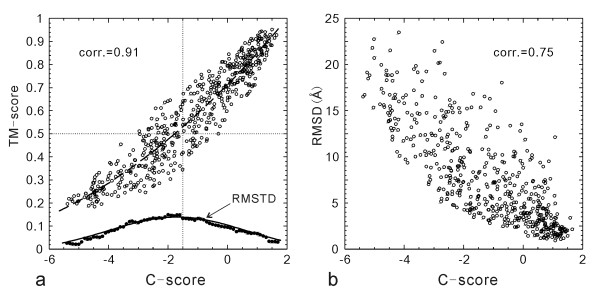
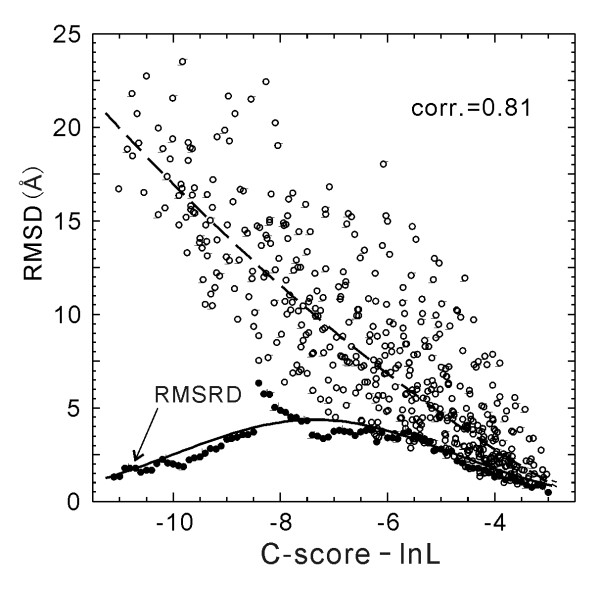
BACKGROUND: Prediction of 3-dimensional protein structures from amino acid sequences represents one of the most important problems in computational structural biology. The community-wide Critical Assessment of Structure Prediction (CASP) experiments have been designed to obtain an objective assessment of the state-of-the-art of the field, where I-TASSER was ranked as the best method in the server section of the recent 7th CASP experiment. Our laboratory has since then received numerous requests about the public availability of the I-TASSER algorithm and the usage of the I-TASSER predictions. RESULTS: An on-line version of I-TASSER is developed at the KU Center for Bioinformatics which has generated protein structure predictions for thousands of modeling requests from more than 35 countries. A scoring function (C-score) based on the relative clustering structural density and the consensus significance score of multiple threading templates is introduced to estimate the accuracy of the I-TASSER predictions. A large-scale benchmark test demonstrates a strong correlation between the C-score and the TM-score (a structural similarity measurement with values in [0, 1]) of the first models with a correlation coefficient of 0.91. Using a C-score cutoff > -1.5 for the models of correct topology, both false positive and false negative rates are below 0.1. Combining C-score and protein length, the accuracy of the I-TASSER models can be predicted with an average error of 0.08 for TM-score and 2 A for RMSD. CONCLUSION: The I-TASSER server has been developed to generate automated full-length 3D protein structural predictions where the benchmarked scoring system helps users to obtain quantitative assessments of the I-TASSER models. The output of the I-TASSER server for each query includes up to five full-length models, the confidence score, the estimated TM-score and RMSD, and the standard deviation of the estimations. The I-TASSER server is freely available to the academic community at http://zhang.bioinformatics.ku.edu/I-TASSER.
Overview
The claims and statistics of this paper haven’t been checked yet.
Free: it reads the open-access text and checks the first 5 claims that cite a source we can check. Create a free account to check every claim.
Integrity signals
Registry
Cites
Statistics
Figures
Verification
Claims the paper makes
The claims and statistics of this paper haven’t been checked yet.
Free: it reads the open-access text and checks the first 5 claims that cite a source we can check. Create a free account to check every claim.
Claims other papers make about this one
Each is checked against this paper’s own text: does it say what the citing paper says it does?
The source backs part of the claim, not all of it — or backs it for a different population, condition or comparison.
In the citing paper
“The estimated TM-score was shown to highly correlate with the actual TM-score, with a Pearson correlation coefficient (PCC) of 0.91 on 300 test proteins that are nonhomologous to the training proteins of I-TASSER.41”
From Functions of Essential Genes and a Scale-Free Protein Interaction Network Revealed by Structure-Based Function and Interaction Prediction for a Minimal Genome (2021) · cites this paper as [41]
Experimental — accuracy not yet measured
Self-check
Percentages, sums and reported differences re-computed from the paper’s own numbers.
The self-check needs the paper’s full text.
Citations
Cites
Gapped BLAST and PSI-BLAST: a new generation of protein database search programs
Altschul, S. (1997) · Nucleic Acids Research · doi:10.1093/nar/25.17.3389 · Cited by 73,302 · cited 1×
“%) to search for the possible folds by four simple variants of PPA methods, with different combinations of the hidden Markov model [17] and PSI-BLAST [18] profiles and the Needleman-Wunsch [19] and Smith-Waterman [20] alignment algorithms.”
Berman, H. M. (2000) · Nucleic Acids Research · doi:10.1093/nar/28.1.235 · Cited by 40,196
Needleman, S. B., & Wunsch, C. D. (1970) · Journal of Molecular Biology · doi:10.1016/0022-2836(70)90057-4 · Cited by 11,288
Identification of common molecular subsequences
Smith, T. F., & Waterman, M. S. (1981) · Journal of Molecular Biology · doi:10.1016/0022-2836(81)90087-5 · Cited by 9,940 · cited 1×
“%) to search for the possible folds by four simple variants of PPA methods, with different combinations of the hidden Markov model [17] and PSI-BLAST [18] profiles and the Needleman-Wunsch [19] and Smith-Waterman [20] alignment algorithms.”
TM-align: a protein structure alignment algorithm based on the TM-score
Zhang, Y. (2005) · Nucleic Acids Research · doi:10.1093/nar/gki524 · Cited by 3,774
Self-citationA solution for the best rotation to relate two sets of vectors
Kabsch, W. (1976) · Acta Crystallographica Section A · doi:10.1107/s0567739476001873 · Cited by 3,187
Scoring function for automated assessment of protein structure template quality
Zhang, Y., & Skolnick, J. (2004) · Proteins: Structure, Function, and Bioinformatics · doi:10.1002/prot.20264 · Cited by 2,392 · cited 4×
“One advantage of the TM-score is that the meaning of the TM-score cutoffs is independent of the size of proteins [6].”
InfluentialSelf-citationProtein Structure Prediction and Structural Genomics
Baker, D., & Sali, A. (2001) · Science · doi:10.1126/science.1065659 · Cited by 1,587
A Modern Course in Statistical Physics
Reichl, L. E., & Coppersmith, S. N. (1999) · Physics Today · doi:10.1063/1.882556 · Cited by 1,380
Hidden Markov models for detecting remote protein homologies.
Karplus, K., Barrett, C., & Hughey, R. (1998) · Bioinformatics · doi:10.1093/bioinformatics/14.10.846 · Cited by 1,102 · cited 1×
“%) to search for the possible folds by four simple variants of PPA methods, with different combinations of the hidden Markov model [17] and PSI-BLAST [18] profiles and the Needleman-Wunsch [19] and Smith-Waterman [20] alignment algorithms.”
Cited by
Items 601–700 of 1,024
Worth, C. L., Kreuchwig, A., Kleinau, G., & Krause, G. (2011) · BMC Bioinformatics · doi:10.1186/1471-2105-12-185 · Cited by 60
Mannosylation of Virus-Like Particles Enhances Internalization by Antigen Presenting Cells
Al-Barwani, F., Young, S. L., Baird, M. A., Larsen, D. S., & Ward, V. K. (2014) · PLoS ONE · doi:10.1371/journal.pone.0104523 · Cited by 58
The Est3 protein associates with yeast telomerase through an OB-fold domain
Lee, J., Mandell, E. K., Tucey, T. M., Morris, D. K., & Lundblad, V. (2008) · Nature Structural & Molecular Biology · doi:10.1038/nsmb.1472 · Cited by 60
“cerevisiae Est3 protein was also submitted to the I-TASSER server, the highest-scoring server at the CASP7 structure-prediction competitio”
Two novel homozygous SLC2A9 mutations cause renal hypouricemia type 2
Dinour, D., Gray, N. K., Ganon, L., Knox, A. J. S., Shalev, H., Sela, B.-A., Campbell, S., Sawyer, L., Shu, X., Valsamidou, E., et al. (2011) · Nephrology Dialysis Transplantation · doi:10.1093/ndt/gfr419 · Cited by 58
Béhar, G., Bellinzoni, M., Maillasson, M., Paillard-Laurance, L., Alzari, P. M., He, X., Mouratou, B., & Pecorari, F. (2013) · Protein Engineering Design and Selection · doi:10.1093/protein/gzs106 · Cited by 58
Intrinsically disordered chromatin protein NUPR1 binds to the C-terminal region of Polycomb RING1B
Santofimia‐Castaño, P., Rizzuti, B., Pey, A. L., Soubeyran, P., Vidal, M., Urrutia, R. A., Iovanna, J., & Neira, J. L. (2017) · Proceedings of the National Academy of Sciences · doi:10.1073/pnas.1619932114 · Cited by 61
Spatial transcriptomes within the Pseudomonas aeruginosa biofilm architecture
Heacock-Kang, Y., Sun, Z., Zarzycki‐Siek, J., McMillan, I., Norris, M. H., Bluhm, A. P., Cabanas, D., Fogen, D., Vo, H. C., Donachie, S. P., et al. (2017) · Molecular Microbiology · doi:10.1111/mmi.13863 · Cited by 64
Godessart, P., Lannoy, A., Dieu, M., der Verren, S. E. V., Soumillion, P., Collet, J., Remaut, H. K., Renard, P., & Bolle, X. D. (2020) · Nature Microbiology · doi:10.1038/s41564-020-00799-3 · Cited by 64
Kaźmierczak, Z., Majewska, J., Miernikiewicz, P., Międzybrodzki, R., Nowak, S., Harhala, M., Lecion, D., Kęska, W., Owczarek, B., Ciekot, J., et al. (2021) · Frontiers in Immunology · doi:10.3389/fimmu.2021.639570 · Cited by 53
Xu, G., Zhao, S., Chen, C., Zhao, X., Ramaswamy, R., & He, J. (2022) · Environmental Science & Technology · doi:10.1021/acs.est.1c05170 · Cited by 58
Overview of AlphaFold2 and breakthroughs in overcoming its limitations
Wang, L., Wen, Z., Liu, S.-W., Zhang, L., Finley, C., Lee, H., & Fan, H. (2024) · Computers in Biology and Medicine · doi:10.1016/j.compbiomed.2024.108620 · Cited by 65
Matamouros, S., Hager, K. R., & Miller, S. I. (2015) · mBio · doi:10.1128/mbio.00616-15 · Cited by 57
“The model with the highest confidence score (C score) (31) was obtained when Aer2 HAMP1 (3LNR) was used as the template (Table 1).”
InfluentialHu, J. S., He, X., Yu, D., Yang, X., Yang, J.-Y., & Shen, H. (2014) · PLoS ONE · doi:10.1371/journal.pone.0107676 · Cited by 57
An Evolution-Based Approach to De Novo Protein Design and Case Study on Mycobacterium tuberculosis
Mitra, P., Shultis, D., Brender, J. R., Czajka, J., Marsh, D., Gray, F., Cierpicki, T., & Zhang, Y. (2013) · PLoS Computational Biology · doi:10.1371/journal.pcbi.1003298 · Cited by 57
“The estimation is calculated based on C-score with an error bar obtained from large-scale benchmark data [52].”
InfluentialSelf-citationMakhmoudova, A., Williams, D., Brewer, D., Massey, S., Patterson, J. A., Silva, A., Vassall, K. A., Liu, F., Subedi, S. D., Harauz, G., et al. (2014) · Journal of Biological Chemistry · doi:10.1074/jbc.m114.551093 · Cited by 68
Jing, F., Zhao, L., Yandeau‐Nelson, M. D., & Nikolau, B. J. (2018) · Nature Communications · doi:10.1038/s41467-018-03310-z · Cited by 59
Xia, Y., Li, X., Yang, L., Luo, X., Shen, W., Cao, Y., Pepłowski, Ł., & Chen, X. (2021) · Applied Microbiology and Biotechnology · doi:10.1007/s00253-021-11551-0 · Cited by 61
Spatio-temporal modeling of signaling protein recruitment to EGFR
Hsieh, M.-Y., Yang, S., Raymond‐Stintz, M. A., Edwards, J. S., & Wilson, B. S. (2010) · BMC Systems Biology · doi:10.1186/1752-0509-4-57 · Cited by 56
Lan, J.-F., Li, X.-C., Sun, J., Gong, J., Wang, X., Shi, X.-Z., Shi, L., Weng, Y., Zhao, X., & Wang, J. (2013) · Journal of Virology · doi:10.1128/jvi.02198-13 · Cited by 57
Therapeutic Efficacy of Stable Analogues of Vasoactive Intestinal Peptide against Pathogens
Campos‐Salinas, J., Cavazzuti, A., O’Valle, F., Forte‐Lago, I., Caro, M., Beverley, S. M., Delgado, M., & González‐Rey, E. (2014) · Journal of Biological Chemistry · doi:10.1074/jbc.m114.560573 · Cited by 58
Gandhi, N. S., Freeman, C. G., Parish, C. R., & Mancera, R. L. (2011) · Glycobiology · doi:10.1093/glycob/cwr095 · Cited by 58
Methods for predicting protein-ligand binding sites.
Xie, Z.-R., & Hwang, M.-J. (2015) · Methods in molecular biology · doi:10.1007/978-1-4939-1465-4_17 · Cited by 44
Argyris, J., Díaz, A., Ruggieri, V., Fernández, M., Jahrmann, T., Gibon, Y., Belén Picó, M., Martín‐Hernández, A. M., Monforte, A. J., & García-Más, J. (2017) · Frontiers in Plant Science · doi:10.3389/fpls.2017.01679 · Cited by 62
Chatukuta, P., Dikobe, T. B., Kawadza, D. T., Sehlabane, K. S., Takundwa, M. M., Wong, A., Gehring, C., & Ruzvidzo, O. (2018) · Biomolecules · doi:10.3390/biom8020015 · Cited by 66
PR/SET Domain Family and Cancer: Novel Insights from The Cancer Genome Atlas
Sorrentino, A., Federico, A., Rienzo, M., Gazzerro, P., Bifulco, M., Ciccodicola, A., Casamassimi, A., & Abbondanza, C. (2018) · International Journal of Molecular Sciences · doi:10.3390/ijms19103250 · Cited by 63
Singh, P., & Mukhopadhyay, K. (2021) · Scientific Reports · doi:10.1038/s41598-021-87722-w · Cited by 61
Mining metagenomic data for novel domains: BACON, a new carbohydrate‐binding module
Mello, L. V., Chen, X., & Rigden, D. J. (2010) · FEBS Letters · doi:10.1016/j.febslet.2010.04.045 · Cited by 55
Structural basis for tunable control of actin dynamics by myosin-15 in mechanosensory stereocilia
Gong, R., Jiang, F., Moreland, Z. G., Reynolds, M. J., de los Reyes, S. E., Gurel, P., Shams, A., Heidings, J. B., Bowl, M. R., Bird, J. E., et al. (2022) · Science Advances · doi:10.1126/sciadv.abl4733 · Cited by 56
Intragenic recombination influences rotavirus diversity and evolution
Hoxie, I., & Dennehy, J. J. (2019) · Virus Evolution · doi:10.1093/ve/vez059 · Cited by 63
Piccinini, G., Iannello, M., Puccio, G., Plazzi, F., Havird, J. C., & Ghiselli, F. (2021) · Molecular Biology and Evolution · doi:10.1093/molbev/msab054 · Cited by 59
Merkel Cell Polyomavirus: Oncogenesis in a Stable Genome
Ahmed, M., Cushman, C. H., & DeCaprio, J. A. (2021) · Viruses · doi:10.3390/v14010058 · Cited by 56
Ahmad, S., Demneh, F. M., Rehman, B., Almanaa, T. N., Akhtar, N., Pazoki–Toroudi, H., Shojaeian, A., Ghatrehsamani, M., & Sanami, S. (2024) · International Journal of Biological Macromolecules · doi:10.1016/j.ijbiomac.2024.131517 · Cited by 67
Yu, Y., Ma, W., Zeng, Q.-G., Qian, Y., Yang, J., & Yang, W. (2014) · Agricultural Research · doi:10.1007/s40003-014-0106-x · Cited by 55
Wall, J. S., Martin, E. B., Richey, T., Stuckey, A. C., Macy, S. D., Wooliver, C., Williams, A. D., Foster, J. S., McWilliams‐Koeppen, P., Uberbacher, E., et al. (2015) · Molecules · doi:10.3390/molecules20057657 · Cited by 55
The plant natriuretic peptide receptor is a guanylyl cyclase and enables cGMP-dependent signaling
Turek, I., & Gehring, C. (2016) · Plant Molecular Biology · doi:10.1007/s11103-016-0465-8 · Cited by 56
Exploring Polypharmacology in Drug Discovery and Repurposing Using the CANDO Platform
Chopra, G., & Samudrala, R. (2016) · Current Pharmaceutical Design · doi:10.2174/1381612822666160325121943 · Cited by 56
Rani, A., Ranjan, R., McGee, H. S., Metwally, A. A., Hajjiri, Z., Brennan, D. C., Finn, P. W., & Perkins, D. L. (2016) · Scientific Reports · doi:10.1038/srep33327 · Cited by 55
“The protein structure and residue binding sites for Dunlop (1a) and other BKV sequences were predicted using the I-TASSER (Iterative Threading ASSEmbly Refinement) Suite for protein structure and function prediction 44–46 .”
Mitchell, A., Guerra, D., Stewart, D. T., & Breton, S. (2016) · BMC Genomics · doi:10.1186/s12864-016-2986-6 · Cited by 63
Moriyama, M., Igarashi, M., Koshiba, T., Irie, T., Takada, A., & Ichinohe, T. (2018) · Journal of Virology · doi:10.1128/jvi.00706-18 · Cited by 56
LipG a bifunctional phospholipase/thioesterase involved in mycobacterial envelope remodeling
Santucci, P., Point, V., Poncin, I., Guy, A., Crauste, C., Serveau, C., Galano, J., Spilling, C. D., Cavalier, J., & Canaan, S. (2018) · Bioscience Reports · doi:10.1042/bsr20181953 · Cited by 57
Gregson, B. H., Metodieva, G., Metodiev, M. V., Golyshin, P. N., & McKew, B. A. (2018) · Frontiers in Microbiology · doi:10.3389/fmicb.2018.03130 · Cited by 61
Native mass spectrometry reveals the conformational diversity of the UVR8 photoreceptor
Camacho, I. S., Theisen, A., Johannissen, L. O., Díaz-Ramos, L. A., Christie, J. M., Jenkins, G. I., Bellina, B., Barran, P., & Jones, A. R. (2019) · Proceedings of the National Academy of Sciences · doi:10.1073/pnas.1813254116 · Cited by 54
Wang, J., Poliquin, S., Mermer, F., Eissman, J. M., Delpire, E. J., Wang, J., Shen, W., Cai, K., Li, B.-M., Li, Z., et al. (2020) · Molecular Brain · doi:10.1186/s13041-020-00612-6 · Cited by 55
Contriving multi-epitope vaccine ensemble for monkeypox disease using an immunoinformatics approach
Aziz, S., Almajhdi, F. N., Waqas, M. S., Ullah, I., Salim, M. A., Khan, N. A., & Ali, A. (2022) · Frontiers in Immunology · doi:10.3389/fimmu.2022.1004804 · Cited by 57
“Modeling, re fi nement, and quality validation of tertiary structure I-TASSER (41) and RoseTTAFold (42) servers were used to predict the tertiary structures of the designed vaccines.”
DL-PRO: A novel deep learning method for protein model quality assessment
Nguyen, S. P., Shang, Y., & Xu, D. H. (2014) · International Joint Conference on Neural Networks (IJCNN) · doi:10.1109/ijcnn.2014.6889891 · Cited by 54
“To address those limitations, computational protein structure prediction methods have been developed, including Modeller [2], HHpred [3], I-TASSER [4], Robetta [5], and MUFOLD [6].”
MethodStructural Insight into African Horsesickness Virus Infection
Manole, V., Laurinmäki, P., Wyngaardt, W. V., Potgieter, C. A., Wright, I. M., Venter, G. J., van Dijk, A. A., Sewell, B. T., & Butcher, S. J. (2012) · Journal of Virology · doi:10.1128/jvi.00517-12 · Cited by 68
“There are shallow grooves in the inner surface of BTV VP3, along which RNA can move, and these were also seen in the AHSV reconstructions and homology models (20, 22).”
InfluentialSorting of the Yeast Vacuolar-type, Proton-translocating ATPase Enzyme Complex (V-ATPase)
Finnigan, G. C., Cronan, G. E., Park, H. J., Srinivasan, S., Quiocho, F. A., & Stevens, T. H. (2012) · Journal of Biological Chemistry · doi:10.1074/jbc.m112.343814 · Cited by 61
Colpitts, C. C., Kim, S. S., Posehn, S. E., Jepson, C., Kim, S. Y., Wiedemann, G., Reski, R., Wee, A. G. H., Douglas, C. J., & Suh, D. (2011) · New Phytologist · doi:10.1111/j.1469-8137.2011.03858.x · Cited by 54
Verstak, B., Stack, J., Ve, T., Mangan, M., Hjerrild, K., Jeon, J., Stahl, R., Latz, E., Gay, N. J., Kobe, B., et al. (2014) · Journal of Leukocyte Biology · doi:10.1189/jlb.2a0913-487r · Cited by 61
Evolution and comparative analysis of the bat MHC-I region
Ng, J. H. J., Tachedjian, M., Deakin, J. E., Wynne, J. W., Cui, J., Haring, V. R., Broz, I., Chen, H., Belov, K., Wang, L., et al. (2016) · Scientific Reports · doi:10.1038/srep21256 · Cited by 58
TLR4/MD2 specific peptides stalled in vivo LPS-induced immune exacerbation
Park, S.-H., Shin, H., Shah, M., Cho, H.-Y., Anwar, M. A., Achek, A., Kwon, H., Byugsung, L., Yoo, T. H., & Choi, S. (2017) · Biomaterials · doi:10.1016/j.biomaterials.2017.02.023 · Cited by 56
Phylogenetic characterization of transporter proteins in the cnidarian-dinoflagellate symbiosis
Sproles, A. E., Kirk, N. L., Kitchen, S. A., Oakley, C. A., Grossman, A. R., Weis, V. M., & Davy, S. K. (2017) · Molecular Phylogenetics and Evolution · doi:10.1016/j.ympev.2017.12.007 · Cited by 56
“The three-dimensional structure and protein function were predicted using ITASSER (Roy et al., 2010; Zhang, 2008).”
MethodAn orange calcium-modulated bioluminescent indicator for non-invasive activity imaging
Oh, Y., Park, Y., Cho, J., Wu, H., Paulk, N. K., Liu, L. X., Kim, N., Kay, M. A., Wu, J. C., & Lin, M. Z. (2019) · Nature Chemical Biology · doi:10.1038/s41589-019-0256-z · Cited by 54
Cai, K., Wang, J., Eissman, J. M., Wang, J., Nwosu, G., Shen, W., Liang, H., Li, X., Zhu, H., Yi, Y., et al. (2019) · Experimental Neurology · doi:10.1016/j.expneurol.2019.112973 · Cited by 58
Artificial intelligence and machine learning for protein toxicity prediction using proteomics data
Vishnoi, S., Matre, H., Garg, P., & Pandey, S. K. (2020) · Chemical Biology & Drug Design · doi:10.1111/cbdd.13701 · Cited by 61
“…to resolve this problem can be taken, for example, designing a range of sequences or homology models as a decoy set that could fit a particular biological target using computational modelling and then using this range as the data set in order to design new a non-toxin candidate by ML (Zhang, 2008).”
Vilaine, F., Kerchev, P., Clément, G., Batailler, B., Cayla, T., Bill, L., Gissot, L., & Dinant, S. (2013) · The Plant Cell · doi:10.1105/tpc.113.111849 · Cited by 63
Šafran, J., Tabi, W., Ung, V., Lemaire, A., Habrylo, O., Bouckaert, J. M. J., Rouffle, M., Voxeur, A., Pongrac, P., Bassard, S., et al. (2023) · The Plant Cell · doi:10.1093/plcell/koad134 · Cited by 53
Ollis, A. A., Chai, Y., Natarajan, A., Perregaux, E. C., Jaroentomeechai, T., Guarino, C., Smith, J. S., Zhang, S., & DeLisa, M. P. (2015) · Scientific Reports · doi:10.1038/srep15237 · Cited by 53
Probing the Biology of Giardia intestinalis Mitosomes Using In Vivo Enzymatic Tagging
Martincová, E., Voleman, L., Pyrih, J., Žárský, V., Vondráčková, P., Kolísko, M., Tachezy, J., & Doležal, P. (2015) · Molecular and Cellular Biology · doi:10.1128/mcb.00448-15 · Cited by 54
Wang, D., Hu, J.-R., Wang, L., Hu, Y.-J., Tan, F.-Q., Zhou, H., Shao, J., & Yang, W. (2012) · PLoS ONE · doi:10.1371/journal.pone.0039920 · Cited by 56
Latek, D., Pasznik, P., Carlomagno, T., & Filipek, S. (2013) · PLoS ONE · doi:10.1371/journal.pone.0056742 · Cited by 61
Soto-Liebe, K., Méndez, M. A., Fuenzalida, L., Krock, B., Cembella, A. D., & Vásquez, M. (2012) · Toxicon · doi:10.1016/j.toxicon.2012.09.001 · Cited by 53
Bhutani, I., Loharch, S., Gupta, P. K., Madathil, R., & Parkesh, R. (2015) · PLoS ONE · doi:10.1371/journal.pone.0119771 · Cited by 58
Storm, J., Sethia, S., Blackburn, G. J., Chokkathukalam, A., Watson, D. G., Breitling, R., Coombs, G. H., & Müller, S. (2014) · PLoS Pathogens · doi:10.1371/journal.ppat.1003876 · Cited by 53
Hetero‐trans‐β‐glucanase, an enzyme unique to Equisetum plants, functionalizes cellulose
Simmons, T. J., Mohler, K. E., Holland, C., Goubet, F., Franková, L., Houston, D. R., Hudson, A. D., Meulewaeter, F., & Fry, S. C. (2015) · The Plant Journal · doi:10.1111/tpj.12935 · Cited by 53
Sambuughin, N., Goldfarb, L. G., Sivtseva, T. M., Davydova, T. K., Vladimirtsev, V. A., Осаковский, В. Л., Danilova, A. P., Nikitina, R. S., Ylakhova, A. N., Diachkovskaya, M. P., et al. (2015) · BMC Neurology · doi:10.1186/s12883-015-0481-3 · Cited by 53
Lord, N. P., Plimpton, R. L., Sharkey, C. R., Suvorov, A., Lelito, J. P., Willardson, B. M., & Bybee, S. (2016) · BMC Evolutionary Biology · doi:10.1186/s12862-016-0674-4 · Cited by 59
“Homology-based structural modeling was performed via the I-TASSER server [105–107], including concurrent protein-ligand binding site predictions by COACH [108, 109].”
Structural basis for high-affinity actin binding revealed by a β-III-spectrin SCA5 missense mutation
Avery, A. W., Fealey, M. E., Wang, F., Orlova, A., Thompson, A. R., Thomas, D. D., Hays, T. S., & Egelman, E. H. (2017) · Nature Communications · doi:10.1038/s41467-017-01367-w · Cited by 56
Isolation and characterization of novel mutations in the pSC101 origin that increase copy number
Thompson, M. G., Sedaghatian, N., Barajas, J. F., Wehrs, M., Bailey, C. B., Lease, N. K., Hillson, N. J., Mukhopadhyay, A., & Keasling, J. D. (2018) · Scientific Reports · doi:10.1038/s41598-018-20016-w · Cited by 53
Ortega-Pierres, G., Argüello-García, R., Laredo-Cisneros, M. S., Fonseca-Linán, R., Gómez-Mondragón, M., Inzunza-Arroyo, R., Flores-Benítez, D., Raya-Sandino, A., Chavez-Munguía, B., Ventura-Gallegos, J. L., et al. (2018) · International Journal for Parasitology · doi:10.1016/j.ijpara.2018.01.006 · Cited by 49
Membrane Potential Is Required for MurJ Function
Rubino, F. A., Kumar, S., Ruiz, N., Walker, S., & Kahne, D. E. (2018) · Journal of the American Chemical Society · doi:10.1021/jacs.8b00942 · Cited by 49
Yu, H., Susanti, D., McGlynn, S. E., Skennerton, C. T., Chourey, K., Iyer, R., Scheller, S., Tavormina, P. L., Hettich, R. L., Mukhopadhyay, B., et al. (2018) · Frontiers in Microbiology · doi:10.3389/fmicb.2018.02917 · Cited by 56
Wand, M. E., Jamshidi, S., Bock, L. J., Rahman, K. M., & Sutton, J. M. (2019) · Scientific Reports · doi:10.1038/s41598-018-37730-0 · Cited by 57
Oide, S., Tanaka, Y., Watanabe, A., & Inui, M. (2019) · Enzyme and Microbial Technology · doi:10.1016/j.enzmictec.2019.02.009 · Cited by 56
Rehman, A., Ahmad, S., Shahid, F., Albutti, A., Alwashmi, A. S. S., Aljasir, M. A., Alhumeed, N., Qasim, M., Ashfaq, U. A., & Qamar, M. T. U. (2021) · Vaccines · doi:10.3390/vaccines9060658 · Cited by 58
Doley, R., Pahari, S., Mackessy, S. P., & Kini, R. M. (2008) · BMC Evolutionary Biology · doi:10.1186/1471-2148-8-196 · Cited by 53
Zameer, R., Fatima, K., Azeem, F., AlGwaiz, H. I. M., Sadaqat, M., Rasheed, A., Batool, R., Shah, A. N., Zaynab, M., Shah, A. A., et al. (2022) · Frontiers in Plant Science · doi:10.3389/fpls.2022.870241 · Cited by 59
Nusca, T. D., Kim, Y., Maltseva, N., Lee, J. Y., Eschenfeldt, W. H., Stols, L. M., Schofield, M. M., Scaglione, J. B., Dixon, S. D., Oves‐Costales, D., et al. (2012) · Journal of Biological Chemistry · doi:10.1074/jbc.m112.359349 · Cited by 58
He, Y., Cao, X., Li, K., Hu, Y., Chen, Y.-R., Blissard, G. W., Kanost, M. R., & Jiang, H. (2015) · Insect Biochemistry and Molecular Biology · doi:10.1016/j.ibmb.2015.01.015 · Cited by 54
“edu/I-TASSER/) for protein 3D-structure prediction (Zhang, 2008).”
Oh, S. A., Allen, T., Kim, G. J., Sidorova, A., Borg, M., Park, S. K., & Twell, D. (2012) · The Plant Journal · doi:10.1111/j.1365-313x.2012.05077.x · Cited by 53
“The TIO protein sequence and those of other Fused orthologues Oryza sativa Os12g0433500, Homo sapiens serine/threonine 36 and Tetrahymena thermophila (XP_001029696) were submitted to the I-TASSER on-line server for protein structure predictions (Zhang, 2008; Roy et al., 2010; Roy et al., 2011).”
MethodEvolution of Digestive Enzymes and RNASE1 Provides Insights into Dietary Switch of Cetaceans
Wang, Z., Xu, S., Du, K., Huang, F., Chen, Z., Zhou, K., Ren, W., & Yang, G. (2016) · Molecular Biology and Evolution · doi:10.1093/molbev/msw191 · Cited by 64
“To gain insights into the functional significance of the putatively selected sites, we mapped the sites under positive selection to crystal structures (Zhang 2008).”
BackgroundIntegrative Structure Modeling: Overview and Assessment
Braitbard, M., Schneidman-Duhovny, D., & Kalisman, N. (2019) · Annual Review of Biochemistry · doi:10.1146/annurev-biochem-013118-111429 · Cited by 52
Khan, M. A. A., Ami, J. Q., Faisal, K., Chowdhury, R., Ghosh, P., Hossain, F., Wahed, A. A. E., & Mondal, D. (2020) · Parasites & Vectors · doi:10.1186/s13071-020-04064-8 · Cited by 54
Banerjee, S., Seal, S., Dey, R., Mondal, K. K., & Bhattacharjee, P. (2020) · Journal of Medical Virology · doi:10.1002/jmv.26417 · Cited by 52
Martín-Folgar, R., de la Fuente, M., Morcillo, G., & Martínez‐Guitarte, J. (2015) · Comparative Biochemistry and Physiology Part A Molecular & Integrative Physiology · doi:10.1016/j.cbpa.2015.06.023 · Cited by 61
“The protein secondary structure was predicted using PsiPred by means of I-TASSER (Jones, 1999; Zhang, 2008; Roy et al., 2010) (http://zhanglab.”
MethodVornhagen, J., Bassis, C. M., Ramakrishnan, S., Hein, R., Mason, S., Bergman, Y., Sunshine, N., Fan, Y., Holmes, C. L., Timp, W., et al. (2021) · PLoS Pathogens · doi:10.1371/journal.ppat.1009537 · Cited by 68
“Unique annotation frequencies were calculated and then unique predicted amino acid sequences were assessed using I-TASSER 12-14”
Artificial intelligence for life sciences: A comprehensive guide and future trends
Luo, M., Yang, W., Bai, L., Zhang, L., Huang, J., Cao, Y.-H., Xie, Y., Tong, L., Zhang, H., Lei, Y., et al. (2024) · The Innovation Life · doi:10.59717/j.xinn-life.2024.100105 · Cited by 66
Self-citationBerto, P., Valentin, M. D., Cendron, L., Vallese, F., Albertini, M., Salvadori, E., Giacometti, G. M., Carbonera, D., & Costantini, P. (2012) · Biochimica et Biophysica Acta (BBA) - Bioenergetics · doi:10.1016/j.bbabio.2012.09.004 · Cited by 56
Clinical Proteome Informatics Workbench Detects Pathogenic Mutations in Hereditary Amyloidoses
Dasari, S., Theis, J. D., Vrana, J. A., Zenka, R. M., Zimmermann, M. T., Kocher, J., Highsmith, W. E., Kurtin, P. J., & Doǧan, A. (2014) · Journal of Proteome Research · doi:10.1021/pr4011475 · Cited by 51
Paquet, N., Box, J. K., Ashton, N. W., Suraweera, A., Croft, L. V., Urquhart, A. J., Bolderson, E., Zhang, S., O'Byrne, K. J., & Richard, D. J. (2014) · BMC Molecular Biology · doi:10.1186/s12867-014-0027-z · Cited by 51
Preparation and topology of the Mediator middle module
Koschubs, T., Lorenzen, K., Baumli, S., Sandström, S., Heck, A. J. R., & Cramer, P. (2010) · Nucleic Acids Research · doi:10.1093/nar/gkq029 · Cited by 45
Mathew, L. G., Campbell, E. M., Yool, A. J., & Fabrick, J. A. (2010) · Insect Biochemistry and Molecular Biology · doi:10.1016/j.ibmb.2010.12.002 · Cited by 61
Ngo, T.-D., Tran, T., Le, M.-T., & Thai, K. (2016) · Molecular Diversity · doi:10.1007/s11030-016-9688-5 · Cited by 55
“one freely available online system for automated protein 3D structure prediction [67,68] was employed to generate homology or comparative models of P-gp for docking studies.”
Ortega, M. S., Wohlgemuth, S. E., Tríbulo, P., Siqueira, L. G. B., Null, D. J., Cole, J. B., Silva, M. V. D., & Hansen, P. J. (2017) · Biology of Reproduction · doi:10.1093/biolre/iox004 · Cited by 55
Display of B. pumilus chitinase on the surface of B. subtilis spore as a potential biopesticide
Rostami, A., Hinc, K., Goshadrou, F., Shali, A., Bayat, M., Hassanzadeh, M., Amanlou, M., Eslahi, N., & Ahmadian, G. (2017) · Pesticide Biochemistry and Physiology · doi:10.1016/j.pestbp.2017.05.008 · Cited by 51
Robevska, G., van den Bergen, J. A., Ohnesorg, T., Eggers, S., Hanna, C., Hersmus, R., Thompson, E. M., Baxendale, A., Verge, C. F., Lafferty, A. R. A., et al. (2017) · Human Mutation · doi:10.1002/humu.23354 · Cited by 54
“In silico protein structure was predicted for SF1 variants using the online protein modeling I-TASSER server (https://zhanglab. ccmb.med.umich.edu/I-TASSER/, Roy, Kucukural, & Zhang, 2010; Zhang, 2008).”
MethodKim, I.-H., Aryal, S. K., Aghai, D., Casanova‐Torres, Á. M., Hillman, K., Kozuch, M. P., Mans, E. J., Mauer, T. J., Ogier, J.-C., Ensign, J. C., et al. (2017) · BMC Genomics · doi:10.1186/s12864-017-4311-4 · Cited by 53
Determination of protein oligomeric structure from small‐angle X‐ray scattering
Korasick, D. A., & Tanner, J. J. (2018) · Protein Science · doi:10.1002/pro.3376 · Cited by 53
Liu, M., Chang, W., Fan, Y., Sun, W., Qu, C., Zhang, K., Liu, L., Xu, X., Tang, Z., Li, J., et al. (2018) · International Journal of Molecular Sciences · doi:10.3390/ijms19082270 · Cited by 51
Sorolla, A., Wang, E., Clemons, T. D., Evans, C. W., Plani-Lam, J. H. C., Golden, E., Dessauvagie, B., Redfern, A. D., Swaminathan-Iyer, K., & Blancafort, P. (2019) · Nanomedicine Nanotechnology Biology and Medicine · doi:10.1016/j.nano.2019.04.006 · Cited by 54
Metadata
- Authors
- Zhang, Y.
- Affiliations
- University of Kansas (US)
- Corresponding author
- Zhang, Yang
- ORCID
- Zhang, Yang
- Venue
- BMC Bioinformatics
- Published
- 2008-01-23
- Volume
- 9
- Issue
- 1
- Pages
- 40-40
- ISSN
- 1471-2105 (ISSN-L)
- PMC
- PMC2245901
- OpenAlex
- W2155201844
- Cited by
- 5,124
- References
- 32
- Citations by year
- 2026: 61 · 2025: 149 · 2024: 214 · 2023: 239 · 2022: 301 · 2021: 440 · 2020: 432 · 2019: 460 · 2018: 407 · 2017: 379 · 2016: 355 · 2015: 396 · 2014: 407 · 2013: 321 · 2012: 192
- FWCI
- 50.38
- Type
- journal article
- Language
- en
- Open access
- gold
- doi.org
- Licence
- cc-by
- creativecommons.org/licenses/by/2.0 (tdm)
- Locations
- BMC Bioinformatics (publishedVersion, cc-by)
- PubMed Central (publishedVersion, cc-by)
- PubMed (publishedVersion)
- DOAJ (DOAJ: Directory of Open Access Journals) (submittedVersion, cc-by-sa)
- KU ScholarWorks (University of Kansas) (submittedVersion, cc-by)
- Topics
- Life Sciences › Biochemistry, Genetics and Molecular Biology › Molecular Biology › Protein Structure and Dynamics
- Life Sciences › Biochemistry, Genetics and Molecular Biology › Structural Biology › Enzyme Structure and Function
- Life Sciences › Biochemistry, Genetics and Molecular Biology › Molecular Biology › Machine Learning in Bioinformatics
- Keywords
- I-TASSER, protein structure prediction, online prediction server, threading, C-score, prediction accuracy assessment, TM-score, RMSD, structural density
- MeSH terms
- Amino Acid Sequence, Computer Simulation, Models, Chemical, Models, Molecular, Molecular Sequence Data, Protein Conformation, Proteins, Software, Sequence Alignment, Internet, Sequence Analysis, Protein
About these checks
Registry, retraction, Cites and statistics results are computed, not judged, with one exception: a printed reference that no index lists is read once by a model before it counts as a citation error. Claims are extracted by a model and kept only when their quote appears verbatim in the text; each cited source is then checked, with a model’s help, for whether it says what the claim relies on. Those verdicts can be wrong — read the claim’s quote and the cited source before relying on one.
Statistics and arithmetic are recomputed, not judged.
Confidence bands are shown only for fields calibrated on our annotated test set. None is calibrated yet, so no band is shown.
What counts as a claim ›How we measure confidence ›How we check this ›
Are you an author, or do you see a problem with this page? Request a review
Data sources
Bibliographic data: Semantic Scholar, OpenAlex, Crossref.
Contains information from the Semantic Scholar Academic Graph Datasets, made available under the ODC Attribution License (ODC-BY 1.0).
Semantic Scholar’s data is described in: Kinney, R., et al. (2023). The Semantic Scholar Open Data Platform. arXiv:2301.10140.
