

The DOI matches its Crossref record; 45 of the 45 references it cites were found in a registry or an index.
Low physiologic oxygen tensions reduce proliferation and differentiation of human multipotent mesenchymal stromal cells
Open accessAbstract
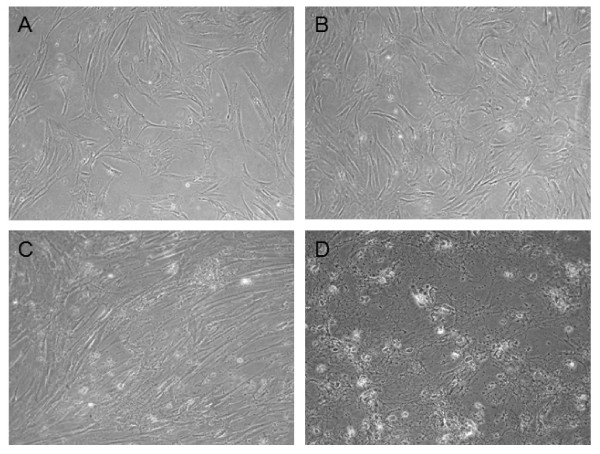
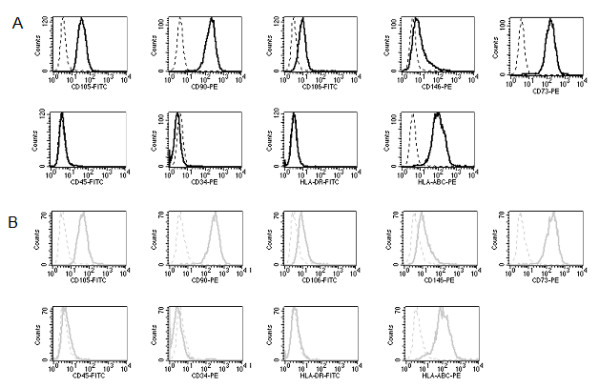
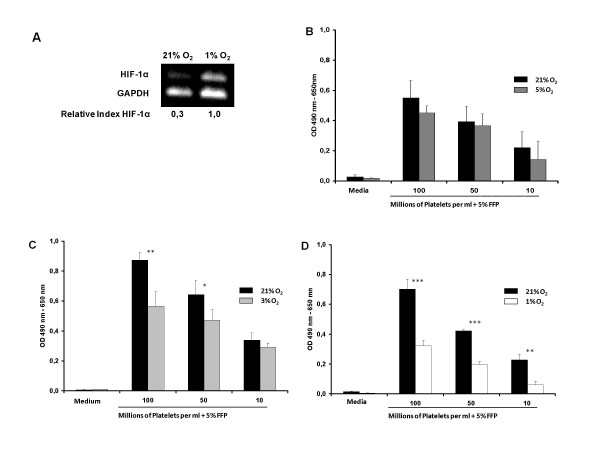
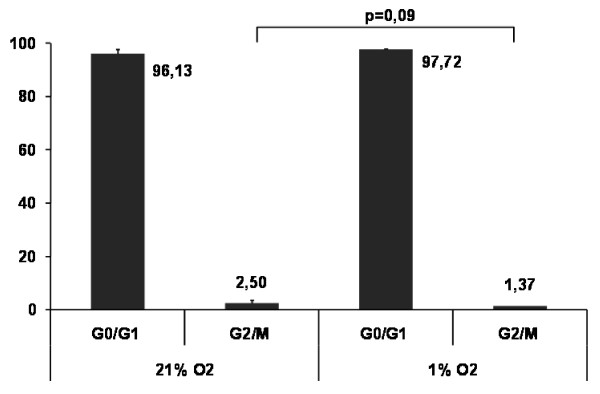
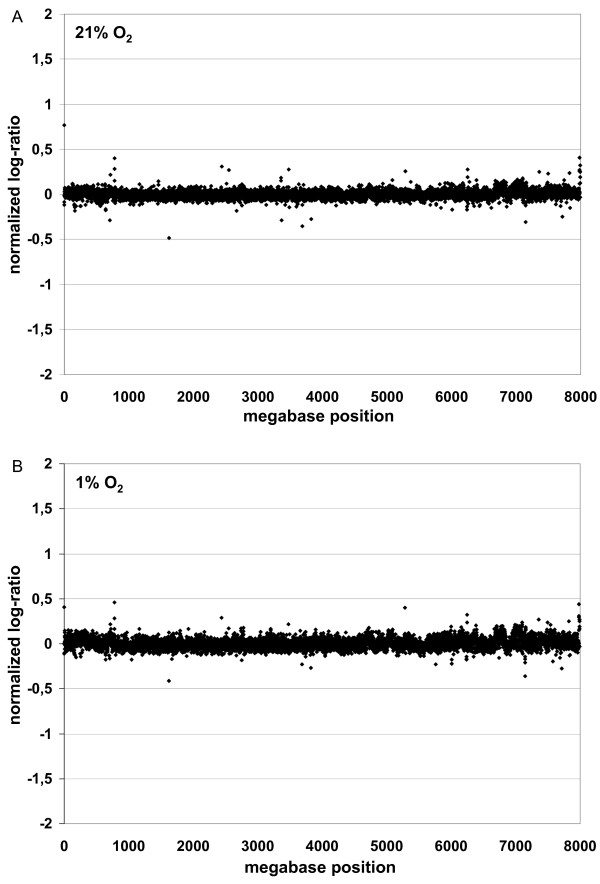
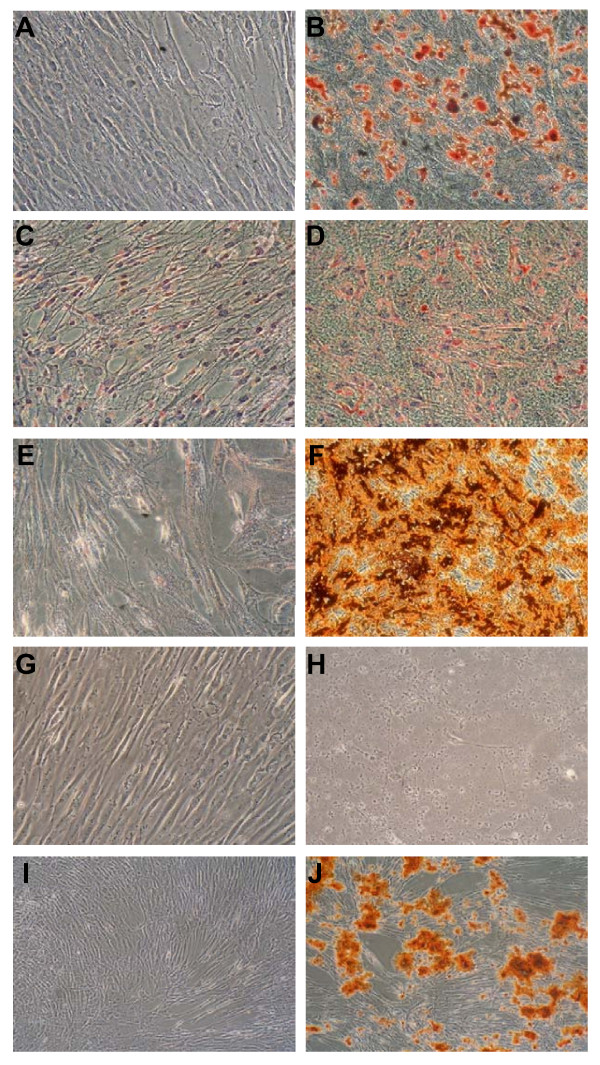
Background: Human multipotent mesenchymal stromal cells (MSC) can be isolated from various tissues including bone marrow. Here, MSC participate as bone lining cells in the formation of the hematopoietic stem cell niche. In this compartment, the oxygen tension is low and oxygen partial pressure is estimated to range from 1% to 7%. We analyzed the effect of low oxygen tensions on human MSC cultured with platelet-lysate supplemented media and assessed proliferation, morphology, chromosomal stability, immunophenotype and plasticity. Results: After transferring MSC from atmospheric oxygen levels of 21% to 1%, HIF-1α expression was induced, indicating efficient oxygen reduction. Simultaneously, MSC exhibited a significantly different morphology with shorter extensions and broader cell bodies. MSC did not proliferate as rapidly as under 21% oxygen and accumulated in G 1 phase. The immunophenotype, however, was unaffected. Hypoxic stress as well as free oxygen radicals may affect chromosomal stability. However, no chromosomal abnormalities in human MSC under either culture condition were detected using high-resolution matrix-based comparative genomic hybridization. Reduced oxygen tension severely impaired adipogenic and osteogenic differentiation of human MSC. Elevation of oxygen from 1% to 3% restored osteogenic differentiation. Conclusion: Physiologic oxygen tension during in vitro culture of human MSC slows down cell cycle progression and differentiation. Under physiological conditions this may keep a proportion of MSC in a resting state. Further studies are needed to analyze these aspects of MSC in tissue regeneration.
Overview
The claims and statistics of this paper haven’t been checked yet.
Run the check — free, no account needed. It reads the open-access text and checks the sources it cites.
Integrity signals
Registry
Cites
Statistics
Figures
Verification
Claims the paper makes
The claims and statistics of this paper haven’t been checked yet.
Run the check — free, no account needed. It reads the open-access text and checks the sources it cites.
Claims other papers make about this one
Each is checked against this paper’s own text: does it say what the citing paper says it does?
In the citing paper
“Yet, some studies reported conflicting results showing negative or no effects on MSCs by hypoxia [34–36].”
From Short-term physiological hypoxia potentiates the therapeutic function of mesenchymal stem cells (2018) · cites this paper as [34]
Self-check
Percentages, sums and reported differences re-computed from the paper’s own numbers.
The self-check needs the paper’s full text.
Citations
Cites
Dominici, M., Le Blanc, K., Mueller, I., Slaper-Cortenbach, I., Marini, F. C., Krause, D. S., Deans, R. J., Keating, A., Prockop, D. J., & Horwitz, E. M. (2006) · Cytotherapy · doi:10.1080/14653240600855905 · Cited by 17,766
Le Blanc, K., Rasmusson, I., Sundberg, B., Götherström, C., Hassan, M., Uzunel, M., & Ringdén, O. (2004) · The Lancet · doi:10.1016/s0140-6736(04)16104-7 · Cited by 2,734
Tan, P. H. (2001) · WORLD SCIENTIFIC eBooks · doi:10.1142/9789810248178_0024 · Cited by 2,716
Blanc, K. L., Frassoni, F., Ball, L. M., Locatelli, F., Roelofs, H., Lewis, I., Lanino, E., Sundberg, B., Bernardo, M. E., Remberger, M., et al. (2008) · The Lancet · doi:10.1016/s0140-6736(08)60690-x · Cited by 2,692
Horwitz, E. M., Gordon, P. L., Koo, W. K. K., Marx, J. C., Neel, M. D., McNall, R. Y., Muul, L., & Hofmann, T. (2002) · Proceedings of the National Academy of Sciences · doi:10.1073/pnas.132252399 · Cited by 1,650
Meisel, R., Zibert, A., Laryea, M. D., Göbel, U., Däubener, W., & Dilloo, D. (2004) · Blood · doi:10.1182/blood-2003-11-3909 · Cited by 1,638
Hypoxia-Inducible Factors, Stem Cells, and Cancer
Keith, B., & Simon, M. C. (2007) · Cell · doi:10.1016/j.cell.2007.04.019 · Cited by 1,179
Gnecchi, M., He, H., Noiseux, N., Liang, O. D., Zhang, L., Morello, F., Mu, H., Melo, L. G., Pratt, R. E., Ingwall, J. S., et al. (2006) · The FASEB Journal · doi:10.1096/fj.05-5211com · Cited by 1,175
The role of oxygen availability in embryonic development and stem cell function
Simon, M. C., & Keith, B. (2008) · Nature Reviews Molecular Cell Biology · doi:10.1038/nrm2354 · Cited by 1,015
Matrix-based comparative genomic hybridization: Biochips to screen for genomic imbalances
Solinas‐Toldo, S., Lampel, S., Stilgenbauer, S., Nickolenko, J., Benner, A., Döhner, H., Cremer, T. J., & Lichter, P. (1997) · Genes Chromosomes and Cancer · doi:10.1002/(sici)1098-2264(199712)20:4 · Cited by 1,002
Cited by
Sorted by citations
Oxygen in Stem Cell Biology: A Critical Component of the Stem Cell Niche
Mohyeldin, A., Garzón-Muvdi, T., & Quiñones‐Hinojosa, A. (2010) · Cell stem cell · doi:10.1016/j.stem.2010.07.007 · Cited by 1,601
Barkholt, L., Flory, E., Jekerle, V., Lucas-Samuel, S., Ahnert, P., Bisset, L., Büscher, D., Fibbe, W. E., Foussat, A., Kwa, M. S. G., et al. (2013) · Cytotherapy · doi:10.1016/j.jcyt.2013.03.005 · Cited by 420
Kusuma, G. D., Carthew, J., Lim, R., & Frith, J. E. (2017) · Stem Cells and Development · doi:10.1089/scd.2016.0349 · Cited by 415
Keeley, T. P., & Mann, G. E. (2019) · Physiological Reviews · doi:10.1152/physrev.00041.2017 · Cited by 329
Costa, L. A., Eiró, N., Fraile, M., González, L. O., Saá, J., García-Portabella, P., Vega, B., Schneider, J., & Vizoso, F. J. (2020) · Cellular and Molecular Life Sciences · doi:10.1007/s00018-020-03600-0 · Cited by 328
Hemeda, H., Giebel, B., & Wagner, W. (2014) · Cytotherapy · doi:10.1016/j.jcyt.2013.11.004 · Cited by 307
Redox homeostasis: the linchpin in stem cell self-renewal and differentiation
Wang, K., Zhang, T., Dong, Q. G., Nice, E. C., Huang, C., & Wei, Y. (2013) · Cell Death and Disease · doi:10.1038/cddis.2013.50 · Cited by 298
Changes in primary lymphoid organs with aging
Chinn, I. K., Blackburn, C. C., Manley, N. R., & Sempowski, G. D. (2012) · Seminars in Immunology · doi:10.1016/j.smim.2012.04.005 · Cited by 282
The effects of dynamic loading on the intervertebral disc
Chan, S. C. W., Ferguson, S. J., & Gantenbein, B. (2011) · European Spine Journal · doi:10.1007/s00586-011-1827-1 · Cited by 269
Basciano, L., Némos, C., Foliguet, B., de Isla, N., Bittencourt, M. D. C., Tran, N., & Dalloul, A. H. (2011) · BMC Cell Biology · doi:10.1186/1471-2121-12-12 · Cited by 248
The Effect of Hypoxia on Mesenchymal Stem Cell Biology
Ejtehadifar, M., Shamsasenjan, K., Movassaghpour, A., Akbarzadehlaleh, P., Dehdilani, N., Abbasi, P., Molaeipour, Z., & Saleh, M. (2015) · Advanced Pharmaceutical Bulletin · doi:10.15171/apb.2015.021 · Cited by 235
Hypoxic Culture Conditions as a Solution for Mesenchymal Stem Cell Based Regenerative Therapy
Haque, N., Rahman, M. T., Kasim, N. H. A., & Alabsi, A. M. (2013) · The Scientific World JOURNAL · doi:10.1155/2013/632972 · Cited by 239
Nrf2: Redox and Metabolic Regulator of Stem Cell State and Function
Dai, X., Yan, X., Wintergerst, K. A., Cai, L., Keller, B. B., & Tan, Y. (2019) · Trends in Molecular Medicine · doi:10.1016/j.molmed.2019.09.007 · Cited by 209
Chacko, S. M., Ahmed, S., Selvendiran, K., Kuppusamy, M. L., Khan, M., & Kuppusamy, P. (2010) · American Journal of Physiology-Cell Physiology · doi:10.1152/ajpcell.00221.2010 · Cited by 206
Wagegg, M., Gaber, T., Lohanatha, F. L., Hahne, M., Strehl, C., Fangradt, M., Tran, C. L., Schönbeck, K., Hoff, P., Ode, A., et al. (2012) · PLoS ONE · doi:10.1371/journal.pone.0046483 · Cited by 194
Zhang, Q., Nguyen, A. L., Shi, S., Hill, C. K., Wilder-Smith, P. B. B., Krasieva, T. B., & Le, A. D. (2011) · Stem Cells and Development · doi:10.1089/scd.2011.0252 · Cited by 188
Murphy, K. C., Fang, S. Y., & Leach, J. K. (2014) · Cell and Tissue Research · doi:10.1007/s00441-014-1830-z · Cited by 156
Li, Z., Guo, X., & Guan, J. (2012) · Biomaterials · doi:10.1016/j.biomaterials.2012.05.012 · Cited by 156
Roemeling-van Rhijn, M., Mensah, F. K. F., Korevaar, S. S., Leijs, M. J., van Osch, G. J. V. M., IJzermans, J. N. M., Betjes, M. G. H., Baan, C. C., Weimar, W., & Hoogduijn, M. J. (2013) · Frontiers in Immunology · doi:10.3389/fimmu.2013.00203 · Cited by 150
Hypoxia-Conditioned Mesenchymal Stem Cells in Tissue Regeneration Application
Yang, Y., Lee, E. H., & Yang, Z. (2021) · Tissue Engineering Part B Reviews · doi:10.1089/ten.teb.2021.0145 · Cited by 153
Progress in the use of dental pulp stem cells in regenerative medicine
Anitua, E., Troya, M., & Zalduendo, M. (2018) · Cytotherapy · doi:10.1016/j.jcyt.2017.12.011 · Cited by 143
Short-term physiological hypoxia potentiates the therapeutic function of mesenchymal stem cells
Antebi, B., Rodriguez, L. A., Walker, K. P., Asher, A. M., Kamucheka, R. M., Alvarado, L., Mohammadipoor, A., & Cancio, L. C. (2018) · Stem Cell Research & Therapy · doi:10.1186/s13287-018-1007-x · Cited by 137
Lawson, T., Kehoe, D. E., Schnitzler, A. C., Rapiejko, P. J., Der, K. A., Philbrick, K., Punreddy, S., Rigby, S., Smith, R., Feng, Q., et al. (2016) · Biochemical Engineering Journal · doi:10.1016/j.bej.2016.11.020 · Cited by 134
Pachón-Peña, G., Serena, C., Ejarque, M., Pétriz, J., Duran, X., Oliva‐Olivera, W., Simó, R., Tinahones, F. J., Fernández‐Veledo, S., & Vendrell, J. J. (2016) · Stem Cells Translational Medicine · doi:10.5966/sctm.2015-0161 · Cited by 133
Chase, L. G., Yang, S., Zachar, V., Yang, Z., Lakshmipathy, U., Bradford, J. A., Boucher, S., & Vemuri, M. C. (2012) · Stem Cells Translational Medicine · doi:10.5966/sctm.2012-0072 · Cited by 130
Boyette, L. B., Creasey, O. A., Guzik, L., Lozito, T., & Tuan, R. S. (2014) · Stem Cells Translational Medicine · doi:10.5966/sctm.2013-0079 · Cited by 121
The effects of hypoxia on the stemness properties of human dental pulp stem cells (DPSCs)
Ahmed, N. E.-M. B., Murakami, M., Kaneko, S., & Nakashima, M. (2016) · Scientific Reports · doi:10.1038/srep35476 · Cited by 123
Population dynamics of mesenchymal stromal cells during culture expansion
Schellenberg, A., Stiehl, T., Horn, P., Joussen, S., Pallua, N., Ho, A. D., & Wagner, W. (2011) · Cytotherapy · doi:10.3109/14653249.2011.640669 · Cited by 120
Benefits of hypoxic culture on bone marrow multipotent stromal cells.
Tsai, C., Yew, T., Yang, D.-C., Huang, W., & Hung, S. (2012) · PubMed Central · Cited by 116
Peroglio, M., Eglin, D., Benneker, L. M., Alini, M., & Grad, S. (2013) · The Spine Journal · doi:10.1016/j.spinee.2013.05.029 · Cited by 113
Fan, L., Li, J., Yu, Z., Dang, X., & Wang, K. (2014) · BioMed Research International · doi:10.1155/2014/239356 · Cited by 108
Enhancing survival, engraftment, and osteogenic potential of mesenchymal stem cells
García‐Sánchez, D., Fernández, D., Rodríguez-Rey, J. C., & Pérez-Campo, F. M. (2019) · World Journal of Stem Cells · doi:10.4252/wjsc.v11.i10.748 · Cited by 107
Multi-lineage differentiation of mesenchymal stem cells – To Wnt, or not Wnt
Visweswaran, M., Pohl, S., Arfuso, F., Newsholme, P., Dilley, R. J., Pervaiz, S., & Dharmarajan, A. (2015) · The International Journal of Biochemistry & Cell Biology · doi:10.1016/j.biocel.2015.09.008 · Cited by 110
Yoon, D. S., Choi, Y., & Lee, J. W. (2016) · Cell Death & Disease · doi:10.1038/cddis.2016.3 · Cited by 105
Hypoxia-Mediated Efficient Expansion of Human Tendon–Derived Stem Cells In Vitro
Lee, W., Lui, P. P. Y., & Rui, Y. (2011) · Tissue Engineering Part A · doi:10.1089/ten.tea.2011.0130 · Cited by 104
Oxygen Tension Regulates Human Mesenchymal Stem Cell Paracrine Functions
Paquet, J., Deschepper, M., Moya, A., Logeart‐Avramoglou, D., Boisson‐Vidal, C., & Petite, H. (2015) · Stem Cells Translational Medicine · doi:10.5966/sctm.2014-0180 · Cited by 111
Kocan, B., Maziarz, A., Tabarkiewicz, J., Ochiya, T., & Banaś-Ząbczyk, A. (2017) · Stem Cells International · doi:10.1155/2017/1653254 · Cited by 102
Cholewa, D., Stiehl, T., Schellenberg, A., Bokermann, G., Joussen, S., Koch, C., Walenda, T., Pallua, N., Marciniak-Czochra, A. K., Suschek, C. V., et al. (2011) · Cell Transplantation · doi:10.3727/096368910x557218 · Cited by 101
Burke, D. P., & Kelly, D. J. (2012) · PLoS ONE · doi:10.1371/journal.pone.0040737 · Cited by 100
Fernández-Francos, S., Eiró, N., Costa, L. A., Escudero-Cernuda, S., Fernández‐Sánchez, M. L., & Vizoso, F. J. (2021) · International Journal of Molecular Sciences · doi:10.3390/ijms22073576 · Cited by 99
Discrepancies on the Role of Oxygen Gradient and Culture Condition on Mesenchymal Stem Cell Fate
Samal, J. R. K., Rangasami, V. K., Samanta, S., Varghese, O. P., & Oommen, O. P. (2021) · Advanced Healthcare Materials · doi:10.1002/adhm.202002058 · Cited by 99
Dang, P. N., Dwivedi, N., Phillips, L. M., Yu, X., Herberg, S., Bowerman, C., Solorio, L. D., Murphy, W. L., & Alsberg, E. (2015) · Stem Cells Translational Medicine · doi:10.5966/sctm.2015-0115 · Cited by 91
Oxygen as a critical determinant of bone fracture healing—A multiscale model
Carlier, A., Geris, L., van Gastel, N., Carmeliet, G., & Oosterwyck, H. V. (2014) · Journal of Theoretical Biology · doi:10.1016/j.jtbi.2014.10.012 · Cited by 91
Drela, K., Sarnowska, A., Siedlecka, P., Szabłowska‐Gadomska, I., Wielgoś, M., Jurga, M., Łukomska, B., & Domańska‐Janik, K. (2014) · Cytotherapy · doi:10.1016/j.jcyt.2014.02.009 · Cited by 90
Heparin concentration is critical for cell culture with human platelet lysate
Hemeda, H., Kalz, J., Walenda, G., Lohmann, M., & Wagner, W. (2013) · Cytotherapy · doi:10.1016/j.jcyt.2013.05.006 · Cited by 97
Hypoxia and Hypoxia-Inducible Factors in Leukemias
Deynoux, M., Sunter, N. J., Hérault, O., & Mazurier, F. (2016) · Frontiers in Oncology · doi:10.3389/fonc.2016.00041 · Cited by 91
Teixeira, F. G., Panchalingam, K. M., Anjo, S. I., Manadas, B., Pereira, R., Sousa, N., Salgado, A. J., & Behie, L. A. (2015) · Stem Cell Research & Therapy · doi:10.1186/s13287-015-0124-z · Cited by 87
Effects of Severe Hypoxia on Bone Marrow Mesenchymal Stem Cells Differentiation Potential
Cicione, C., Muiños-López, E., Hermida-Gómez, T., Fuentes-Boquete, I., Díaz-Prado, S., & Blanco, F. J. (2013) · Stem Cells International · doi:10.1155/2013/232896 · Cited by 84
Schmid, J. R., Schwarz, S., Meier-Staude, R., Sudhop, S., Clausen‐Schaumann, H., Schieker, M., & Huber, R. (2018) · Tissue Engineering Part C Methods · doi:10.1089/ten.tec.2018.0204 · Cited by 78
Aging and Mesenchymal Stem Cells: Basic Concepts, Challenges and Strategies
Fraile, M., Eiró, N., Costa, L. A., Martín, A., & Vizoso, F. J. (2022) · Biology · doi:10.3390/biology11111678 · Cited by 79
Zhang, D., Yan, B., Yu, S., Zhang, C., Wang, B., Wang, Y., Wang, J., Yuan, Z., Zhang, L., & Pan, J. (2015) · Oxidative Medicine and Cellular Longevity · doi:10.1155/2015/867293 · Cited by 75
Kim, D. S., Ko, Y. J., Lee, M. W., Park, H. J., Park, Y. J., Kim, D.-I., Sung, K. W., Koo, H. H., & Yoo, K. H. (2016) · Cell Stress and Chaperones · doi:10.1007/s12192-016-0733-1 · Cited by 78
Differential response of human bone marrow stromal cells to either TGF-β1 or rhGDF-5
Gantenbein, B., Benneker, L. M., Alini, M., & Grad, S. (2010) · European Spine Journal · doi:10.1007/s00586-010-1619-z · Cited by 71
Stem Cell-based Tissue Engineering Approaches for Musculoskeletal Regeneration
Brown, P. T., Handorf, A. M., Jeon, W. B., & Li, W. (2013) · Current Pharmaceutical Design · doi:10.2174/13816128113199990350 · Cited by 75
Hypoxia Inducible Factor-Stabilizing Bioactive Glasses for Directing Mesenchymal Stem Cell Behavior
Azevedo, M. M., Tsigkou, O., Nair, R., Jones, J. R., Jell, G., & Stevens, M. M. (2014) · Tissue Engineering Part A · doi:10.1089/ten.tea.2014.0083 · Cited by 70
Chung, D., Hayashi, K., Toupadakis, C. A., Wong, A., & Yellowley, C. E. (2010) · Research in Veterinary Science · doi:10.1016/j.rvsc.2010.10.012 · Cited by 70
Chen, J., Sun, J., Dai, Y., Cao, P., Zhang, L., Peng, S., Zhou, Y., Li, G., Tang, J., & Xiang, J. (2015) · Stem Cell Research & Therapy · doi:10.1186/s13287-015-0014-4 · Cited by 70
Osteogenic properties of manganese‐doped mesoporous bioactive glass nanoparticles
Westhauser, F., Wilkesmann, S., Nawaz, Q., Schmitz, S. I., Moghaddam, A., & Boccaccini, A. R. (2020) · Journal of Biomedical Materials Research Part A · doi:10.1002/jbm.a.36945 · Cited by 69
Towards Physiologic Culture Approaches to Improve Standard Cultivation of Mesenchymal Stem Cells
Nikolits, I., Nebel, S., Egger, D., Kreß, S., & Kasper, C. (2021) · Cells · doi:10.3390/cells10040886 · Cited by 71
Guillot-Ferriols, M. T., Lanceros-Méndez, S., Ribelles, J. L. G., & Ferrer, G. G. (2022) · Biomaterials Advances · doi:10.1016/j.bioadv.2022.212918 · Cited by 66
Zhou, H., He, Y., Xiong, W., Jing, S., Duan, X., Huang, Z., Nahal, G. S., Peng, Y., Li, M., Zhu, Y., et al. (2022) · Bioactive Materials · doi:10.1016/j.bioactmat.2022.11.007 · Cited by 60
Müller, J., Benz, K., Ahlers, M. J., Gaissmaier, C., & Mollenhauer, J. A. (2011) · Cell Transplantation · doi:10.3727/096368910x564094 · Cited by 59
External factors influencing mesenchymal stem cell fate in vitro
Sisakhtnezhad, S., Alimoradi, E., & Akrami, H. (2016) · European Journal of Cell Biology · doi:10.1016/j.ejcb.2016.11.003 · Cited by 59
A review of computational models of bone fracture healing
Wang, M., Yang, N., & Wang, X. (2017) · Medical & Biological Engineering & Computing · doi:10.1007/s11517-017-1701-3 · Cited by 59
Nowak-Stępniowska, A., Osuchowska, P. N., Fiedorowicz, H., & Trafny, E. A. (2022) · Stem Cells International · doi:10.1155/2022/8775591 · Cited by 59
Agostini, F., Rossi, F. M., Aldinucci, D., Battiston, M., Lombardi, E., Zanolin, S., Massarut, S., Parodi, P. C., Ponte, A. D., Tessitori, G., et al. (2018) · Stem Cell Research & Therapy · doi:10.1186/s13287-018-0886-1 · Cited by 58
Elabd, C., Ichim, T. E., Miller, K., Anneling, A., Grinstein, V., Vargas, V., & Silva, F. J. (2018) · Journal of Translational Medicine · doi:10.1186/s12967-018-1601-9 · Cited by 57
Specialized post-arterial capillaries facilitate adult bone remodelling
Mohanakrishnan, V., Sivaraj, K. K., Jeong, H., Bovay, E., Dharmalingam, B., Bixel, M. G., Dinh, V. V., Petkova, M., Ugarte, I. P., Kuo, Y.-T., et al. (2024) · Nature Cell Biology · doi:10.1038/s41556-024-01545-1 · Cited by 63
Concise Review: Culture Mediated Changes in Fate and/or Potency of Stem Cells
Roobrouck, V. D., Vanuytsel, K., & Verfaillie, C. M. (2011) · Stem Cells · doi:10.1002/stem.603 · Cited by 56
Chen, D., Wu, L., Liu, L., Gong, Q., Zheng, J., Peng, C., & Deng, J. (2017) · International Journal of Molecular Medicine · doi:10.3892/ijmm.2017.3138 · Cited by 57
Lee, J., Park, J., Kim, T.-W., Jung, B.-J., Lee, Y., Shim, E.-K., Park, S., Choi, E. Y., Cho, K., & Kim, C. (2015) · Bone · doi:10.1016/j.bone.2015.04.044 · Cited by 55
Yuan, Z., Zhang, J., Huang, Y. L., Zhang, Y., Liu, W., Wang, G., Zhang, Q., Wang, G., Yang, Y., Li, H., et al. (2017) · Biochemical and Biophysical Research Communications · doi:10.1016/j.bbrc.2017.07.083 · Cited by 55
Mesenchymal Stromal Cells Based Therapy in Systemic Sclerosis: Rational and Challenges
Peltzer, J., Aletti, M., Frescaline, N., Busson, É., Lataillade, J., & Martinaud, C. (2018) · Frontiers in Immunology · doi:10.3389/fimmu.2018.02013 · Cited by 56
Oxygen-Releasing Scaffolds for Accelerated Bone Regeneration
Touri, M., Moztarzadeh, F., Osman, N. A. A., Dehghan, M. M., Milan, P. B., Farzad‐Mohajeri, S., & Mozafari, M. (2020) · ACS Biomaterials Science & Engineering · doi:10.1021/acsbiomaterials.9b01789 · Cited by 54
Olmedo-Moreno, L., Aguilera, Y., Baliña-Sánchez, C., Martín‐Montalvo, A., & Capilla‐González, V. (2022) · Pharmaceutics · doi:10.3390/pharmaceutics14051112 · Cited by 57
Concise Review: Genomic Instability in Human Stem Cells: Current Status and Future Challenges
Oliveira, P. H., da Silva, C. L., & Cabral, J. M. S. (2014) · Stem Cells · doi:10.1002/stem.1796 · Cited by 55
Wise, J. K., Alford, A. I., Goldstein, S. A., & Stegemann, J. P. (2013) · Tissue Engineering Part A · doi:10.1089/ten.tea.2013.0151 · Cited by 53
Gupta, S., Rawat, S. J., Krishnakumar, V., Rao, E. P., & Mohanty, S. (2022) · Cell and Tissue Research · doi:10.1007/s00441-022-03615-y · Cited by 56
Zeng, H., Zhong, Q., Qin, Y., Bu, Q., Han, X., Jia, H.-T., & Liu, H. (2011) · BMC Cell Biology · doi:10.1186/1471-2121-12-32 · Cited by 52
Tavakol, S., Saber, R., Hoveizi, E., Tavakol, B., Aligholi, H., Ai, J., & Rezayat, S. M. (2015) · Molecular Neurobiology · doi:10.1007/s12035-015-9448-z · Cited by 51
Sun, J., Ming, L., Shang, F., Shen, L., Chen, J., & Jin, Y. J. (2015) · Scientific Reports · doi:10.1038/srep18572 · Cited by 52
Yu, Y., Bi, C., Wu, R., Yin, Y., Zhang, X., Lan, P.-H., & Chen, F. (2016) · Cell and Tissue Research · doi:10.1007/s00441-016-2437-3 · Cited by 50
Pezzi, A., Amorin, B., Laureano, Á. M., Valim, V. D. S., Dahmer, A., Zambonato, B., Sehn, F., Wilke, I. I., Bruschi, L. F. R. D. S., da Silva, M. A. L., et al. (2017) · Journal of Cellular Biochemistry · doi:10.1002/jcb.25953 · Cited by 50
Liu, J., Qiu, P., Qin, J., Wu, X., Wang, X., Yang, X., Li, B., Zhang, W., Ye, K., Peng, Z., et al. (2020) · Stem Cells · doi:10.1002/stem.3250 · Cited by 51
Kay, A. G., Dale, T. P., Akram, K. M., Mohan, P., Hampson, K., Maffulli, N., Spiteri, M. A., Haj, A. J. E., & Forsyth, N. R. (2015) · Regenerative Medicine · doi:10.2217/rme.14.67 · Cited by 49
Walenda, G., Hemeda, H., Schneider, R. K., Merkel, R., Hoffmann, B., & Wagner, W. (2012) · Tissue Engineering Part C Methods · doi:10.1089/ten.tec.2011.0541 · Cited by 49
Preconditioning of Mesenchymal Stem Cells by Sevoflurane to Improve Their Therapeutic Potential
Sun, X., Fang, B., Zhao, X., Zhang, G., & Ma, H. (2014) · PLoS ONE · doi:10.1371/journal.pone.0090667 · Cited by 48
Yang, S., Pilgaard, L., Chase, L. G., Boucher, S., Vemuri, M. C., Fink, T., & Zachar, V. (2012) · Tissue Engineering Part C Methods · doi:10.1089/ten.tec.2011.0592 · Cited by 48
Chromosomal Abnormalities in Embryonic and Somatic Stem Cells
Rebuzzini, P., Zuccotti, M., Redi, C. A., & Garagna, S. (2015) · Cytogenetic and Genome Research · doi:10.1159/000441645 · Cited by 48
Elia, C., Losurdo, M., Malosio, M. L., & Coco, S. (2019) · BioEssays · doi:10.1002/bies.201800199 · Cited by 50
Sanghera, K. P., Mathalone, N., Baigi, R., Panov, E., Wang, D., Zhao, X., Hsu, H., Wang, H., Tropepe, V., Ward, M. E., et al. (2011) · Molecular and Cellular Neuroscience · doi:10.1016/j.mcn.2011.03.010 · Cited by 47
Tavakol, S., Saber, R., Hoveizi, E., Aligholi, H., Ai, J., & Rezayat, S. M. (2015) · Molecular Neurobiology · doi:10.1007/s12035-015-9266-3 · Cited by 47
Lampert, F. M., Kütscher, C., Stark, G. B., & Finkenzeller, G. (2015) · Journal of Cellular Biochemistry · doi:10.1002/jcb.25361 · Cited by 48
In vitro Culture of Naïve Human Bone Marrow Mesenchymal Stem Cells: A Stemness Based Approach
Pal, B., & Das, B. (2017) · Frontiers in Cell and Developmental Biology · doi:10.3389/fcell.2017.00069 · Cited by 49
Comparative Study on In Vitro Culture of Mouse Bone Marrow Mesenchymal Stem Cells
Hu, Y., Lou, B., Wu, X., Wu, R., Wang, H., Gao, L., Pi, J., & Xu, Y. (2018) · Stem Cells International · doi:10.1155/2018/6704583 · Cited by 45
Oxygenated Environment Enhances Both Stem Cell Survival and Osteogenic Differentiation
Benjamin, S., Sheyn, D., Ben‐David, S., Oh, A., Kallai, I., Li, N., Gazit, D., & Gazit, Z. (2012) · Tissue Engineering Part A · doi:10.1089/ten.tea.2012.0298 · Cited by 45
Kim, Y. S., Noh, M., Cho, K., Kim, H., Kwon, M., Kim, K. S., Kim, J., Koh, S., & Kim, S. H. (2014) · Molecular Neurobiology · doi:10.1007/s12035-014-8912-5 · Cited by 44
Effects of CoCl2on multi-lineage differentiation of C3H/10T1/2 mesenchymal stem cells
Yoo, H., Moon, Y. H., & Kim, M. (2016) · Korean Journal of Physiology and Pharmacology · doi:10.4196/kjpp.2016.20.1.53 · Cited by 43
Ciapetti, G., Granchi, D., Fotia, C., Savarino, L., Dallari, D., Piccolo, N. D., Donati, D. M., & Baldini, N. (2016) · Cytotherapy · doi:10.1016/j.jcyt.2016.06.005 · Cited by 43
The Challenge in Using Mesenchymal Stromal Cells for Recellularization of Decellularized Cartilage
Huang, Z., Godkin, O., & Schulze-Tanzil, G. G. (2016) · Stem Cell Reviews and Reports · doi:10.1007/s12015-016-9699-8 · Cited by 43
Metadata
- Authors
- Holzwarth, C., Vaegler, M., Gieseke, F., Pfister, S. M., Handgretinger, R., Kerst, G., & Müller, I.
- Affiliations
- University Children's Hospital Tübingen (DE)
- German Cancer Research Center (DE)
- Corresponding author
- Müller, Ingo
- Venue
- BMC Cell Biology
- Published
- 2010-01-28
- Volume
- 11
- Issue
- 1
- Pages
- 11-11
- ISSN
- 1471-2121 (ISSN-L)
- PMC
- PMC2827377
- OpenAlex
- W2057597564
- Cited by
- 314
- References
- 45
- Citations by year
- 2026: 9 · 2025: 6 · 2024: 11 · 2023: 11 · 2022: 16 · 2021: 19 · 2020: 21 · 2019: 21 · 2018: 19 · 2017: 22 · 2016: 33 · 2015: 28 · 2014: 26 · 2013: 26 · 2012: 20
- FWCI
- 10.11
- Type
- journal article
- Language
- en
- Open access
- gold
- doi.org
- Licence
- cc-by
- Locations
- BMC Cell Biology (publishedVersion, cc-by)
- PubMed Central (publishedVersion, cc-by)
- PubMed (publishedVersion)
- DOAJ (DOAJ: Directory of Open Access Journals) (submittedVersion, cc-by-sa)
- Funders
- Deutsche Forschungsgemeinschaft
- José Carreras Leukämie-Stiftung
- Topics
- Life Sciences › Biochemistry, Genetics and Molecular Biology › Cell Biology › Mesenchymal stem cell research
- Health Sciences › Medicine › Hematology › Hematopoietic Stem Cell Transplantation
- Physical Sciences › Engineering › Biomedical Engineering › Bone Tissue Engineering Materials
- Keywords
- mesenchymal stem cells, hypoxia, oxygen partial pressure, HIF-1α, cell proliferation, cell cycle, adipogenesis, osteogenic differentiation, chromosome stability, immunophenotype, hematopoietic niche, bone marrow, cellular plasticity, platelet lysate
- MeSH terms
- Adolescent, Bone Marrow Cells, Cell Differentiation, Child, Child, Preschool, Female, Humans, Infant, Male, Cell Hypoxia, Immunophenotyping, G1 Phase, Stromal Cells, Multipotent Stem Cells, Chromosomal Instability, Cell Proliferation, Hypoxia-Inducible Factor 1, alpha Subunit, Mesenchymal Stem Cells
About these checks
Registry, retraction, Cites and statistics results are computed, not judged, with one exception: a printed reference that no index lists is read once by a model before it counts as a citation error. Claims are extracted by a model and kept only when their quote appears verbatim in the text; each cited source is then checked, with a model’s help, for whether it says what the claim relies on. Those verdicts can be wrong — read the claim’s quote and the cited source before relying on one.
Statistics and arithmetic are recomputed, not judged.
Confidence bands are shown only for fields calibrated on our annotated test set. None is calibrated yet, so no band is shown.
What counts as a claim ›How we measure confidence ›How we check this ›
Are you an author, or do you see a problem with this page? Request a review
