

De novo characterization of a whitefly transcriptome and analysis of its gene expression during development
Open accessThe DOI matches its Crossref record; 32 of the 33 references it cites were found in a registry or an index.
Abstract
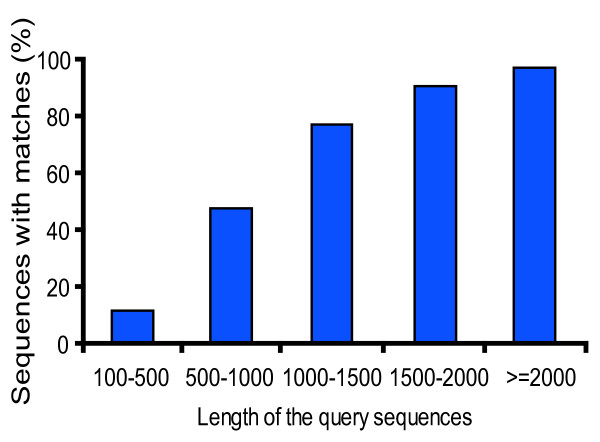
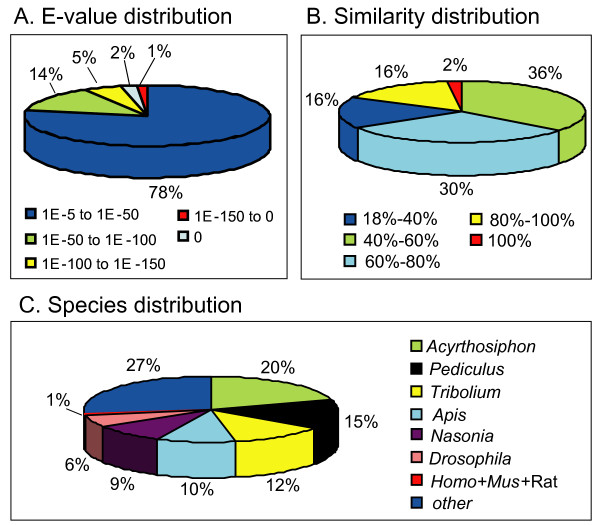
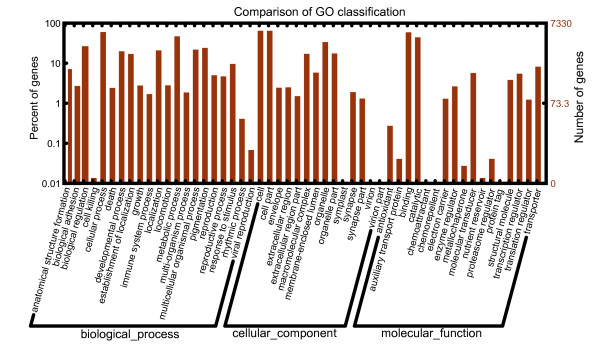
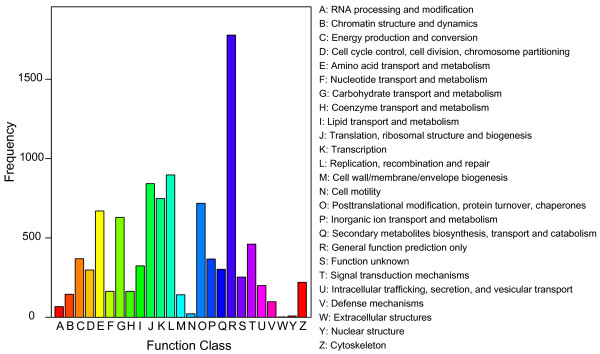
BACKGROUND: Whitefly (Bemisia tabaci) causes extensive crop damage throughout the world by feeding directly on plants and by vectoring hundreds of species of begomoviruses. Yet little is understood about its genes involved in development, insecticide resistance, host range plasticity and virus transmission. RESULTS: To facilitate research on whitefly, we present a method for de novo assembly of whitefly transcriptome using short read sequencing technology (Illumina). In a single run, we produced more than 43 million sequencing reads. These reads were assembled into 168,900 unique sequences (mean size = 266 bp) which represent more than 10-fold of all the whitefly sequences deposited in the GenBank (as of March 2010). Based on similarity search with known proteins, these analyses identified 27,290 sequences with a cut-off E-value above 10-5. Assembled sequences were annotated with gene descriptions, gene ontology and clusters of orthologous group terms. In addition, we investigated the transcriptome changes during whitefly development using a tag-based digital gene expression (DGE) system. We obtained a sequencing depth of over 2.5 million tags per sample and identified a large number of genes associated with specific developmental stages and insecticide resistance. CONCLUSION: Our data provides the most comprehensive sequence resource available for whitefly study and demonstrates that the Illumina sequencing allows de novo transcriptome assembly and gene expression analysis in a species lacking genome information. We anticipate that next generation sequencing technologies hold great potential for the study of the transcriptome in other non-model organisms.
Overview
The claims and statistics of this paper haven’t been checked yet.
Free: it reads the open-access text and checks the first 5 claims that cite a source we can check. Create a free account to check every claim.
Integrity signals
Registry
Cites
Statistics
Figures
Verification
Claims the paper makes
The claims and statistics of this paper haven’t been checked yet.
Free: it reads the open-access text and checks the first 5 claims that cite a source we can check. Create a free account to check every claim.
Claims other papers make about this one
Each is checked against this paper’s own text: does it say what the citing paper says it does?
The cited source says what the claim attributes to it.
In the citing paper
“Recently whitefly transcriptome was also characterized using this short read sequencing platform [27].”
Self-check
Percentages, sums and reported differences re-computed from the paper’s own numbers.
The self-check needs the paper’s full text.
Citations
Cites
The KEGG resource for deciphering the genome
Kanehisa, M. (2004) · Nucleic Acids Research · doi:10.1093/nar/gkh063 · Cited by 5,104 · cited 7×
“In total, we assigned 11,104 sequences to 214 KEGG pathways.”
MethodInfluentialPan, Q., Shai, O., Lee, L. J., Frey, B. J., & Blencowe, B. J. (2008) · Nature Genetics · doi:10.1038/ng.259 · Cited by 3,951 · cited 1×
“This is probably due to the incomplete NlaIII digestion during library preparation and the usage of alternative polyadenylation and/or splicing sites [28].”
BackgroundDe novo assembly of human genomes with massively parallel short read sequencing
Li, R., Zhu, H., Ruan, J., Qian, W., Fang, X., Shi, Z., Li, Y., Li, S., Shan, G., Kristiansen, K., et al. (2010) · Genome Research · doi:10.1101/gr.097261.109 · Cited by 2,926 · cited 2×
“To facilitate sequence assembly, these raw reads were randomly clipped into 21-mers for sequence assembly using SOAPdenovo software [23].”
MethodThe Significance of Digital Gene Expression Profiles
Audic, S., & Claverie, J.-M. (1997) · Genome Research · doi:10.1101/gr.7.10.986 · Cited by 2,786 · cited 1×
“[29].”
Pertea, G., Huang, X., Liang, F., Antonescu, V., Sultana, R., Karamycheva, S., Lee, Y., White, J., Cheung, F., Parvizi, B., et al. (2003) · Bioinformatics · doi:10.1093/bioinformatics/btg034 · Cited by 1,902 · cited 2×
“To obtained distinct gene sequences, the scaffolds were clustered using TGI Clustering tools [24].”
MethodNext-generation sequencing transforms today's biology
Schuster, S. C. (2008) · Nature Methods · doi:10.1038/nmeth1156 · Cited by 1,807 · cited 1×
“Over the past several years, the next generation sequencing technology has emerged as a cutting edge approach for high-throughput sequence determination and this has dramatically improved the efficiency and speed of gene discovery [16,17].”
BackgroundNext-generation DNA sequencing techniques
Ansorge, W. J. (2009) · New Biotechnology · doi:10.1016/j.nbt.2008.12.009 · Cited by 993 · cited 1×
“Over the past several years, the next generation sequencing technology has emerged as a cutting edge approach for high-throughput sequence determination and this has dramatically improved the efficiency and speed of gene discovery [16,17].”
Background't Hoen, P. A. C., Ariyurek, Y., Thygesen, H. H., Vreugdenhil, E., Vossen, R. H. A. M., de Menezes, R. X., Boer, J. M., van Ommen, G.-J. B., & den Dunnen, J. T. (2008) · Nucleic Acids Research · doi:10.1093/nar/gkn705 · Cited by 742
Dinsdale, A., Cook, L., Riginos, C., Buckley, Y. M., & Barro, P. D. (2010) · Annals of the Entomological Society of America · doi:10.1603/an09061 · Cited by 676
The Bemisia tabaci species complex
Perring, T. M. (2001) · Crop Protection · doi:10.1016/s0261-2194(01)00109-0 · Cited by 653 · cited 1×
“The most predominant and damaging biotypes of B. tabaci are the B and Q biotypes [ 9 ,10].”
Background
Cited by
Full-length transcriptome assembly from RNA-Seq data without a reference genome
Grabherr, M. G., Haas, B. J., Yassour, M., Levin, J. Z., Thompson, D. A., Amit, I., Adiconis, X., Fan, L., Raychowdhury, R., Zeng, Q., et al. (2011) · Nature Biotechnology · doi:10.1038/nbt.1883 · Cited by 21,039
“9 million pairs of 76-base Illumina reads, sequenced using conventional non-strand-specific method”
Optimizing de novo transcriptome assembly from short-read RNA-Seq data: a comparative study
Zhao, Q.-Y., Wang, Y., Kong, Y.-M., Luo, D., Li, X., & Hao, P. (2011) · BMC Bioinformatics · doi:10.1186/1471-2105-12-s14-s2 · Cited by 479
“RNA-Seq has been widely applied to both well-studied model organisms and nonmodel organisms, to provide information on transcript profile of organisms, and to give important insights into biological processes [1-5].”
BackgroundGenome sequencing of the sweetpotato whitefly Bemisia tabaci MED/Q
Xie, W., Chen, C., Yang, Z., Guo, L., Yang, X., Wang, D., Chen, M., Huang, J., Wen, Y., Zeng, Y., et al. (2017) · GigaScience · doi:10.1093/gigascience/gix018 · Cited by 473
“…GENSCAN [27] and AUGUSTUS [28] were made in combination with 13.7 Gbp of transcriptome (RNA-Seq) data including published MED/Q B. tabaci body, guts, and salivary glands [29–31] and additional, previously unpublished data from females and males [32], to obtain consensus gene sets us-ing GLEAN [33].”
InfluentialSelf-citationWang, Z., Fang, B., Chen, J., Zhang, X., Luo, Z., Huang, L., Chen, X., & Li, Y. (2010) · BMC Genomics · doi:10.1186/1471-2164-11-726 · Cited by 433
“These sequences also produced longer unigenes (mean = 581 bp) than those assembled in previous studies for example, butterfly (197 bp) [60], Eucalyptus grandis (247 bp) [11], coral larval (440 bp) [17], lodegpole pine (500 bp) [10]) and whitefly (clusters: 372 bp; singletons: 265 bp) [27]).”
BackgroundMethodInfluentialWei, W., Qi, X., Wang, L., Zhang, Y., Hua, W., Li, D., Lv, H., & Zhang, X. (2011) · BMC Genomics · doi:10.1186/1471-2164-12-451 · Cited by 423
“The higher percentage of hits found in our study was partially a result of the increased number of long sequences in our unigene database; the results for whitefly [46] support this conclusion.”
BackgroundResultInfluentialShi, C.-Y., Yang, H., Wei, C.-L., Yu, O., Zhang, Z.-Z., Jiang, C.-J., Sun, J., Li, Y.-Y., Chen, Q., Xia, T., et al. (2011) · BMC Genomics · doi:10.1186/1471-2164-12-131 · Cited by 398
“This observation is consistent with previous publications [ 27 ], suggesting that the quality of our dataset was comparable to similar reports in other non-model species.”
BackgroundResultChen, W., Hasegawa, D. K., Kaur, N., Kliot, A., Pinheiro, P. V., Luan, J., Stensmyr, M. C., Zheng, Y., Liu, W., Sun, H., et al. (2016) · BMC Biology · doi:10.1186/s12915-016-0321-y · Cited by 350
Self-citationRismani-Yazdi, H., Haznedaroglu, B. Z., Bibby, K., & Peccia, J. (2011) · BMC Genomics · doi:10.1186/1471-2164-12-148 · Cited by 296
“The frequency of annotated isotigs is consistent with the 20 to 40% values previously reported for de novo transcriptome assemblies of eukaryotes [20,21,31,32].”
ResultAlaux, C., Dantec, C., Parrinello, H., & Le Conte, Y. (2011) · BMC Genomics · doi:10.1186/1471-2164-12-496 · Cited by 259
“Such pattern of DGE-Tag profiling was previously observed in honey bee heads [29] and in others insects and vertebrates [30,31].”
BackgroundResultLi, D., Deng, Z., Qin, B., Liu, X., & Men, Z. (2012) · BMC Genomics · doi:10.1186/1471-2164-13-192 · Cited by 247
“Therefore, de novo sequencing and assembly of transcriptome or genome have been successfully used for model [68-72] and non-model organisms [24,3234,36-39,73-75].”
Feng, C., Chen, M., Xu, C.-J., Bai, L., Yin, X.-R., Li, X., Allan, A. C., Ferguson, I. B., & Chen, K.-S. (2012) · BMC Genomics · doi:10.1186/1471-2164-13-19 · Cited by 220
“It has become widely applied to model as well as non-model organisms to obtain mass sequence data for molecular marker development, gene discovery and transcriptional analysis [14-21].”
MethodThe Incredible Journey of Begomoviruses in Their Whitefly Vector
Czosnek, H., Hariton-Shalev, A., Sobol, I., Gorovits, R., & Ghanim, M. (2017) · Viruses · doi:10.3390/v9100273 · Cited by 218
“The transcriptome analysis of developing insect [87,90] may be more promising.”
BackgroundZHANG, T., LUAN, J., QI, J., HUANG, C., LI, M., ZHOU, X., & LIU, S. (2012) · Molecular Ecology · doi:10.1111/j.1365-294x.2012.05457.x · Cited by 209
“Moreover, with new information on the transcriptome and genomes of insect vectors (e.g. Wang et al. 2010, 2011), novel research approaches may be conducted to examine how insect vectors respond to changes in the physiology of virus-infected plants and to invasion by plant viruses (e.g. Luan et al.…”
BackgroundSelf-citationIorizzo, M., Senalik, D. A., Grzebelus, D., Bowman, M., Cavagnaro, P. F., Matvienko, M., Ashrafi, H., Van Deynze, A., & Simon, P. W. (2011) · BMC Genomics · doi:10.1186/1471-2164-12-389 · Cited by 200
“Indeed, other recently de novo transcriptome assemblies using Illumina sequences have been successfully developed and described in Ipomoea [15], whitefly [34], Eucalyptus [16] chickpea [17] and orchids [35].”
BackgroundSloan, D. B., Nakabachi, A., Richards, S., Qu, J., Murali, S. C., Gibbs, R. A., & Moran, N. A. (2014) · Molecular Biology and Evolution · doi:10.1093/molbev/msu004 · Cited by 194
Metabolic Coevolution in the Bacterial Symbiosis of Whiteflies and Related Plant Sap-Feeding Insects
Luan, J.-B., Chen, W., Hasegawa, D. K., Simmons, A. M., Wintermantel, W. M., Ling, K.-S., Fei, Z., Liu, S.-S., & Douglas, A. E. (2015) · Genome Biology and Evolution · doi:10.1093/gbe/evv170 · Cited by 189
Self-citationLuan, J.-B., Li, J.-M., Varela, N., Wang, Y.-L., Li, F.-F., Bao, Y.-Y., Zhang, C.-X., Liu, S.-S., & Wang, X.-W. (2011) · Journal of Virology · doi:10.1128/jvi.02507-10 · Cited by 174
Self-citationYang, X., Zhang, X., Yuan, D., Jin, F., Zhang, Y., & Xu, J. (2012) · BMC Plant Biology · doi:10.1186/1471-2229-12-110 · Cited by 187
“Using RNA-Seq technology developed by Illumina and elite high efficient regeneration lines YZ1, we designed a protocol for analysing the transcriptome complexity of cotton SE.”
MethodInfluentialXiao, J., Jin, X., Jia, X., Wang, H., Cao, A., Zhao, W., Pei, H., Xue, Z., He, L., Chen, Q., et al. (2013) · BMC Genomics · doi:10.1186/1471-2164-14-197 · Cited by 191
“Those tags which could be mapped unambiguously to single unigenes indicated that the transcription data are reliable [22].”
BackgroundSelf-citationDe Novo Transcriptome Sequencing in Anopheles funestus Using Illumina RNA-Seq Technology
Crawford, J. E., Guelbeogo, M. W., Sanou, A., Traoré, A., Vernick, K. D., Sagnon, N., & Lazzaro, B. P. (2010) · PLoS ONE · doi:10.1371/journal.pone.0014202 · Cited by 165
“Despite this, de novo short read assembly of eukaryotic transcriptome sequence has been largely confined to 454-based sequencing efforts e.g. [8–10], with only a very few examples of de novo transcriptome sequencing using the Illumina platform occurring in the literature (e.g. Pachycladon [11]; Chinese Hamster Ovary C…”
BackgroundDu, H., Bao, Z., Hou, R., Wang, S., Su, H., Yan, J., Tian, M., Li, Y., Wei, W., Lu, W., et al. (2012) · PLoS ONE · doi:10.1371/journal.pone.0033311 · Cited by 157
“The annotation rate in our study is also comparable to those (20,40%) reported in the previous de novo transcriptome sequencing studies for non-model organisms [26,27,33,34,35].”
ResultRNA-Seq analysis and de novo transcriptome assembly of Hevea brasiliensis
Xia, Z., Xu, H., Zhai, J., Li, D., Luo, H., He, C., & Huang, X. (2011) · Plant Molecular Biology · doi:10.1007/s11103-011-9811-z · Cited by 153
“When Wang et al. (2010) used 21-mers to de novo assemble the whitefly transcriptome, the mean size of assembled sequences obtained was 266 bp, and 83.8% sequences could not be aligned to known proteins.”
MethodInfluentialTranscriptome Analysis of the Oriental Fruit Fly (Bactrocera dorsalis)
Shen, G., Dou, W., Niu, J., Jiang, H., Yang, W., Jia, F., Hu, F., Cong, L., & Wang, J. (2011) · PLoS ONE · doi:10.1371/journal.pone.0029127 · Cited by 141
“dorsalis has a much closer relationship with Drosophila than with Homopteran species (Laodelphax striatellus, Nilaparvata lugens or Bemisia tabaci) [23,24,30].”
Li, H., Liu, H., Shi, A., Štys, P., Zhou, X. J., & Cai, W. (2012) · PLoS ONE · doi:10.1371/journal.pone.0029419 · Cited by 145
Transcriptomics of the Bed Bug (Cimex lectularius)
Bai, X., Mamidala, P., Rajarapu, S. P., Jones, S. C., & Mittapalli, O. (2011) · PLoS ONE · doi:10.1371/journal.pone.0016336 · Cited by 152
Gahlan, P., Singh, H. R., Shankar, R., Sharma, N., Kumari, A., Chawla, V., Ahuja, P. S., & Kumar, S. (2012) · BMC Genomics · doi:10.1186/1471-2164-13-126 · Cited by 141
“A few bioinformatics tools have been developed for de novo assembly using short-read sequence data [16,17], which vary in their success and application, and depends upon data specific strategies.”
MethodZhang, X., Zhao, L., Larson‐Rabin, Z., Li, D.-Z., & Guo, Z. (2012) · PLoS ONE · doi:10.1371/journal.pone.0042082 · Cited by 136
“In fact, ‘‘nonBLASTable’’ sequences have been reported in all studied plant transcriptomes, with the proportion varying from 13 to 80%, depending on the species, the sequencing depth and the parameters of the BLAST search [8,9,44,45].”
BackgroundRiesgo, A., Andrade, S. C. S., Sharma, P. P., Novo, M., Pérez-Porro, A. R., Vahtera, V., González, V. L., Kawauchi, G. Y., & Giribet, G. (2012) · Frontiers in Zoology · doi:10.1186/1742-9994-9-33 · Cited by 142
“All gene ontology assignments on transcriptomic data (including ours, see Figure 4 and Additional file 8) provided similar results for the categories “molecular function” and “cellular component”, wherein “catalytic (and mainly hydrolase) activity”, and “cytoplasm” and “nucleus” contained the majority of the sequences…”
ResultGhanim, M. (2014) · Virus Research · doi:10.1016/j.virusres.2014.01.022 · Cited by 124
Rao, Q., Rollat‐Farnier, P., Zhu, D., Santos-García, D., Silva, F. J., Moyá, A., Latorre, A., Klein, C. C., Vavre, F., Sagot, M., et al. (2015) · BMC Genomics · doi:10.1186/s12864-015-1379-6 · Cited by 125
“2] of this pathway have been identified in the whitefly transcriptome [50].”
BackgroundMethodInfluentialSelf-citationQing-sheng, L. I. N., Jin, F., Zhendi, H., Chen, H., Yin, F., Li, Z., Dong, X., Zhang, D., Ren, S., & Feng, X. (2013) · PLoS ONE · doi:10.1371/journal.pone.0072314 · Cited by 128
Cheng, B., Furtado, A., & Henry, R. J. (2017) · GigaScience · doi:10.1093/gigascience/gix086 · Cited by 124
Digital Gene Expression Profiling of the Phytophthora sojae Transcriptome
Ye, W., Wang, X., Tao, K. X., Lu, Y., Dai, T., Dong, S., Dou, D., Gijzen, M., & Wang, Y. (2011) · Molecular Plant-Microbe Interactions · doi:10.1094/mpmi-05-11-0106 · Cited by 128
“…it is based on the produced relatively short reads and used for comparison of gene expression profiles (Hegedus et al. 2009; Rosenkranz et al. 2008; Wang et al. 2010), with extensive sequence data and depth-of-coverage such that even the rare transcripts can be detected and quantified (Eveland et…”
BackgroundMethodInfluentialSelf-citationLi, C., Wang, Y., Huang, X., Li, J., Wang, H., & Li, J. (2013) · BMC Genomics · doi:10.1186/1471-2164-14-552 · Cited by 118
“Over the last few years, studies in marine fish (Lateolabrax japonicus) [30], whitefly (Bemisia tabaci) [31] and Siraitia grosvenorii [11] have demonstrated that the combination of these two technologies is very suitable for studying transcriptome profiles and provides a good understanding of the complexity of gene ex…”
BackgroundSelf-citationLuo, Y., Chen, Q., Luan, J., Chung, S. H., Eck, J. M. V., Turgeon, R., & Douglas, A. E. (2017) · Insect Biochemistry and Molecular Biology · doi:10.1016/j.ibmb.2017.07.005 · Cited by 120
“Complementary searches of the B. tabaci whole body, gut and salivary gland transcriptome databases (Su et al., 2012; Wang et al., 2010, 2012) yielded a few dsRNase3 reads only in the salivary gland transcriptome, suggesting that this gene is weakly expressed in the adult insects.”
BackgroundSelf-citationWang, Y., Tang, L., Hou, Y., Wang, P., Yang, H., & Wei, C. (2016) · Functional & Integrative Genomics · doi:10.1007/s10142-016-0491-2 · Cited by 117
“In order to identify DEGs between STL and SCK, the DEGseq R package was applied (Robinson et al. 2010; Wang et al. 2010a).”
BackgroundMethodWang, X., Luan, J., Li, J., Su, Y., Xia, J., & Liu, S. (2011) · BMC Genomics · doi:10.1186/1471-2164-12-458 · Cited by 114
“Similar to the results of MED transcriptome [41], the highest percentage of MEAM1 sequences were matched to the pea aphid (Acyrthosiphon pisum) (17.”
BackgroundMethodResultInfluentialSelf-citationKaratolos, N., Pauchet, Y., Wilkinson, P., Chauhan, R., Denholm, I., Gorman, K. J., Nelson, D. R., Bass, C., ffrench‐Constant, R. H., & Williamson, M. S. (2011) · BMC Genomics · doi:10.1186/1471-2164-12-56 · Cited by 112
“tabaci in this regard, including an expressed sequence tag (EST) library [10] and an ongoing genome project [11], very little comparable data for T.”
MethodResultDe novotranscriptome characterization of Vitis vinifera cv. Corvina unveils varietal diversity
Venturini, L., Ferrarini, A., Zenoni, S., Tornielli, G. B., Fasoli, M., Santo, S. D., Minio, A., Buson, G., Tononi, P., Zago, E. D., et al. (2013) · BMC Genomics · doi:10.1186/1471-2164-14-41 · Cited by 130
“The potential of this approach has been demonstrated in animals lacking reference genome sequences such as the coral Acropora millepora [18], the whitefly Bemisia tabaci [19], the butterfly Melitaea cinxia [20], the mosquito Anopheles funestus [21] and the planarian Schmidtea mediterranea [22,23].”
BackgroundLuan, J., Ghanim, M., Liu, S., & Czosnek, H. H. (2013) · Insect Biochemistry and Molecular Biology · doi:10.1016/j.ibmb.2013.05.012 · Cited by 111
Self-citationNess, R. W., Siol, M., & Barrett, S. C. (2011) · BMC Genomics · doi:10.1186/1471-2164-12-298 · Cited by 108
“which has the advantage of longer reads, but produces a fraction of the total amount of sequence produced per instrument per run compared with the Illumina GAII platform (currently 38-100 bp/read, 10-20 × 10 9 bp/run) (but see [ 15-17 ]).”
MethodAdamidi, C., Wang, Y., Gruen, D., Mastrobuoni, G., You, X., Tolle, D., Dodt, M., Mackowiak, S. D., Gogol-Doering, A., Oenal, P., et al. (2011) · Genome Research · doi:10.1101/gr.113779.110 · Cited by 108
“2009), the whitefly (Wang et al. 2010), and butterflies (Vera et al.”
BackgroundWang, S., Wang, X., He, Q., Liu, X., Xu, W., Li, L., Gao, J., & Wang, F. (2012) · Plant Cell Reports · doi:10.1007/s00299-012-1259-3 · Cited by 112
Self-citationTranscriptomic Analysis of the Salivary Glands of an Invasive Whitefly
Su, Y., Li, J., Li, M., Luan, J., Ye, X.-D., Wang, X., & Liu, S. (2012) · PLoS ONE · doi:10.1371/journal.pone.0039303 · Cited by 114
“Annotation of Primary Salivary Gland Transcripts For functional annotation, the 13,615 unigenes were searched using BLASTx against the nr NCBI nucleotide database and a total of 3,159 unigenes returned significant BLAST hits (Evalue,1.0E25) (Table S1).”
BackgroundMethodInfluentialSelf-citationFrancis, W. R., Christianson, L. M., Kiko, R., Powers, M. L., Shaner, N. C., & Haddock, S. H. D. (2013) · BMC Genomics · doi:10.1186/1471-2164-14-167 · Cited by 117
Liu, G., Ma, H., Xie, H., Ning, X., Guo, X. N., Fan, Z., Rajashekar, B., Arnaud, P., Offmann, B., & Picimbon, J. (2016) · PLoS ONE · doi:10.1371/journal.pone.0154706 · Cited by 114
Qiu, Z., Wan, L., Chen, T., Wan, Y., He, X., Lu, S., Wang, Y., & Lin, J. (2013) · New Phytologist · doi:10.1111/nph.12301 · Cited by 112
Yang, N., Xie, W., Jones, C. M., Bass, C., Jiao, X., Yang, X., Liu, B., Li, R., & Zhang, Y. (2013) · Insect Molecular Biology · doi:10.1111/imb.12038 · Cited by 112
Tang, L.-H., Jian, H., Song, C., Bao, D., Shang, X., Wu, D., Tan, Q., & Zhang, X. (2013) · Applied Microbiology and Biotechnology · doi:10.1007/s00253-013-4832-y · Cited by 99
Deep Insight into the Ganoderma lucidum by Comprehensive Analysis of Its Transcriptome
Yu, G., Wang, M., Huang, J. S., Yin, Y.-L., Chen, Y., Jiang, S., Jin, Y., Lan, X., Wong, B. H. C., Liang, Y. W., et al. (2012) · PLoS ONE · doi:10.1371/journal.pone.0044031 · Cited by 101
“Considering these, sequence of transcriptome makes intensive study of organisms which lack genomes possible, such as Cimex lectularius [51], Nilaparvata lugens [52], Bemisia tabaci [53], Dunaliella tertiolecta [54], Camellia sinensis [55] and Bactrocera dorsalis [56].”
BackgroundGlobal Analysis of Gene Expression Profiles in Developing Physic Nut (Jatropha curcas L.) Seeds
Jiang, H., Wu, P., Zhang, S., Song, C., Chen, Y., Li, M., Jia, Y., Fang, X., Chen, F., & Wu, G. (2012) · PLoS ONE · doi:10.1371/journal.pone.0036522 · Cited by 115
“For the genome-wide analysis of gene expression in the developing physic nut seeds, we examined changes in the transcriptome of seeds at seven developmental points using nextgeneration sequencing-based Digital Gene Expression tag profiling [27].”
MethodXie, W., Meng, Q., Wu, Q., Wang, S., Yang, X., Yang, N., Li, R., Jiao, X., Pan, H., Liu, B.-M., et al. (2012) · PLoS ONE · doi:10.1371/journal.pone.0035181 · Cited by 103
“The transcriptome analyses of whiteflies shed light on the molecular understanding of insecticide resistance ([31] this study), conspecific divergence [32,38], and symbiosis (this study).”
Tan, L., Wang, L., Wei, K., Zhang, C., Wu, L., Qi, G.-N., Cheng, H., Zhang, Q., Cui, Q., & Liang, J. (2013) · PLoS ONE · doi:10.1371/journal.pone.0081611 · Cited by 94
Self-citationEmerging strategies for RNA interference (RNAi) applications in insects
Nandety, R. S., Kuo, Y., Nouri, S., & Falk, B. W. (2014) · Bioengineered · doi:10.4161/21655979.2014.979701 · Cited by 108
Huang, H., Xu, L., Tong, Z., Lin, E.-P., Liu, Q., Cheng, L., & Zhu, M. (2012) · BMC Genomics · doi:10.1186/1471-2164-13-648 · Cited by 103
“83% (42,663 of 73,779) Unigenes had homologs in the NR and SwissProt databases, whereas in Camellia sinensis [29], Lycoris sprengeri [30], Porphyra yezoensis [31] and whitefly [27], only 32.”
BackgroundResultTranscriptomic and Proteomic Responses of Sweetpotato Whitefly, Bemisia tabaci, to Thiamethoxam
Yang, N., Xie, W., Yang, X., Wang, S., Wu, Q., Li, R., Pan, H., Liu, B., Shi, X., Fang, Y., et al. (2013) · PLoS ONE · doi:10.1371/journal.pone.0061820 · Cited by 100
“All clean reads were then mapped to references sequences [32,33] and only allowed no more than 1 nucleotide mismatch.”
Zhou, S.-S., Sun, Z., Ma, W., Chen, W., & Wang, M. (2014) · Comparative Biochemistry and Physiology Part D Genomics and Proteomics · doi:10.1016/j.cbd.2013.12.002 · Cited by 94
Molecular Characterization of Vitellogenin and Vitellogenin Receptor of Bemisia tabaci
Upadhyay, S. K., Singh, H., Dixit, S., Mendu, V., & Verma, P. C. (2016) · PLoS ONE · doi:10.1371/journal.pone.0155306 · Cited by 89
Liu, B., Jiang, G., Zhang, Y., Li, J., Li, X., Yue, J., Chen, F., Liu, H., Li, H., Zhu, S., et al. (2011) · PLoS ONE · doi:10.1371/journal.pone.0028516 · Cited by 95
Self-citationFan, H., Xiao, Y., Yang, Y., Xia, W., Mason, A. S., Xia, Z., Qiao, F., Zhao, S., & Tang, H. (2013) · PLoS ONE · doi:10.1371/journal.pone.0059997 · Cited by 87
“[27] used 21-mers to assemble the transcriptome of whitefly, and obtained an average unigenes length of 226 bp using this parameter.”
MethodTrascriptome analysis of the Pacific white shrimp Litopenaeus vannamei exposed to nitrite by RNA-seq
Guo, H., Ye, C., Wang, A., Xian, J.-A., Liao, S., Miao, Y.-T., & Zhang, S. (2013) · Fish & Shellfish Immunology · doi:10.1016/j.fsi.2013.09.019 · Cited by 88
Comparative transcript profiling of the fertile and sterile flower buds of pol CMS in B. napus
An, H., Yang, Z., Yi, B., Wen, J., Shen, J., Tu, J., Ma, C., & Fu, T. (2014) · BMC Genomics · doi:10.1186/1471-2164-15-258 · Cited by 98
“The singletons mentioned above refer to contigs that matched no other contig, and the clusters and singletons generated from the contigs covered all of the obtained unigenes [24].”
BackgroundDeng, Y., Yao, J., Wang, X., Guo, H., & Duan, D. (2012) · PLoS ONE · doi:10.1371/journal.pone.0039704 · Cited by 83
“So far, it has been used to interrogate eukaryotic transcriptomes of yeast [36,37,38], mice [34,39], humans [40,41,42], Arabidopsis [43], Caenorhabditis elegans [44], rice [45], Vitis vinifera [46], cucumber [47], Lateolabrax japonicus [48], maize [49], Aspergillus oryzae [50], large yellow croaker [51] and whitefly […”
BackgroundSelf-citationHe, W., You, M., Vasseur, L., Yang, G., Xie, M., Cui, K., Bai, J., Liu, C., Li, X., Xu, X., et al. (2012) · Genomics · doi:10.1016/j.ygeno.2011.12.009 · Cited by 80
Zhang, C., Zhang, L., Zhang, S., Zhu, S., Wu, P., Chen, Y., Li, M., Jiang, H., & Wu, G. (2015) · BMC Plant Biology · doi:10.1186/s12870-014-0397-x · Cited by 79
“For gene expression analysis, the number of expressed tags was calculated and then normalized to TPM (number of transcripts per million tags) [51].”
MethodSelf-citationKalra, S., Puniya, B. L., Kulshreshtha, D., Kumar, S., Kaur, J., Ramachandran, S., & Singh, K. (2013) · PLoS ONE · doi:10.1371/journal.pone.0083336 · Cited by 82
“However, many de novo assembly tools have been developed that can be used to analyze the short read sequences [19,20].”
BackgroundXie, C., Li, B., Xu, Y., Ji, D., & Chen, C. (2013) · BMC Genomics · doi:10.1186/1471-2164-14-107 · Cited by 81
“The average length of these unigenes was 645 bp which was longer than those assembled in previous studies, such as the Whitefly (266 bp) [30], Oriental fruit fly (454 bp) [31], Sweet potato (581 bp) [32], peanut (619 bp) [33], rubber tree (485 bp) [34], banana (554 bp) [35] and P.”
BackgroundMethodVerma, P., Shah, N., & Bhatia, S. (2013) · Plant Biotechnology Journal · doi:10.1111/pbi.12082 · Cited by 83
Upadhyay, S., Phukan, U. J., Mishra, S., & Shukla, R. K. (2014) · BMC Genomics · doi:10.1186/1471-2164-15-746 · Cited by 84
“CCAAT [34], followed by the AP2-EREBP family [35], MYB family [36], WRKY family [37], C3H, HB [38], SNF2 [39], Orphans [40] and NAC [41] transcription factor super family.”
BackgroundBIOTYPE EXPRESSION AND INSECTICIDE RESPONSE OF Bemisia tabaci CHEMOSENSORY PROTEIN‐1
Liu, G. X., Ning, X., Chu, D., Xie, H. Y., Fan, Z. X., Bi, Y. P., Picimbon, J., Qin, Y. C., Zhong, S. T., Li, Y. F., et al. (2014) · Archives of Insect Biochemistry and Physiology · doi:10.1002/arch.21148 · Cited by 81
Chemosensory genes identified in the antennal transcriptome of the blowfly Calliphora stygia
Leitch, O., Papanicolaou, A., Lennard, C. J., Kirkbride, K. P., & Anderson, A. R. (2015) · BMC Genomics · doi:10.1186/s12864-015-1466-8 · Cited by 86
“This has resulted in the identification of olfactory genes in a wide range of insects for which no sequenced genome is available [50-56].”
BackgroundFranchini, P., van der Merwe, M., & Roodt‐Wilding, R. (2011) · BMC Research Notes · doi:10.1186/1756-0500-4-59 · Cited by 88
“This level of sequence similarity matching is low, but comparable to those found in other studies [22,31,32] where high throughput sequencing technology was used for the de novo transcriptome assembly of non-model species.”
BackgroundMethodResultIlias, A., Lagnel, J., Kapantaidaki, D. E., Roditakis, E. N., Tsigenopoulos, C. S., VONTAS, J. G., & Tsagkarakou, A. (2015) · BMC Genomics · doi:10.1186/s12864-015-2161-5 · Cited by 78
“tabaci transcriptome data available explores the transcriptome of the MED lineage of this complex species [15, 28].”
BackgroundZhu, G., Yang, F., Shi, S., Li, D., Wang, Z., Liu, H., Huang, D., & Wang, C. (2015) · PLoS ONE · doi:10.1371/journal.pone.0128592 · Cited by 71
“As “non-BLASTable” sequences have been reported in all studied plant transcriptomes, with proportions varying from 13% to 80% depending on species and sequencing depth [31, 32] (e.”
BackgroundDe novo transcriptome analysis of Liriodendron chinense petals and leaves by Illumina sequencing
Yang, Y., Xu, M., Luo, Q., Wang, J., & Li, H. (2013) · Gene · doi:10.1016/j.gene.2013.10.073 · Cited by 73
Long, Y., Li, Q., Zhou, B., Song, G., Li, T., & Cui, Z. (2013) · PLoS ONE · doi:10.1371/journal.pone.0056998 · Cited by 81
“These results are comparable with those of previous studies [42,43].”
ResultChen, J., Tian, Q., Pang, T., Jiang, L., Wu, R., Xia, X., & Yin, W. (2014) · BMC Genomics · doi:10.1186/1471-2164-15-326 · Cited by 70
“Using this method, ESTs and numerous novel transcripts have been discovered in a tissuespecific manner [19,20].”
MethodWang, P., Sun, D.-B., Qiu, B., & Liu, S. (2010) · Insect Science · doi:10.1111/j.1744-7917.2010.01381.x · Cited by 68
“In addition, two of the reciprocal crosses conducted previously, that is, the two between Mediterranean and Asia II 3 (Wang et al., 2010b), were randomly chosen to be repeated here to check consistency between the results of crossing experiments conducted here and done previously, using different…”
BackgroundResultInfluentialSelf-citationLiu, C., Ma, N., Wang, P.-Y., Fu, N., & Shen, H. (2013) · PLoS ONE · doi:10.1371/journal.pone.0065209 · Cited by 74
Discovery of Retroviral Homologs in Bats: Implications for the Origin of Mammalian Gammaretroviruses
Cui, J., Tachedjian, M., Wang, L., Tachedjian, G., Wang, L., & Zhang, S. (2012) · Journal of Virology · doi:10.1128/jvi.06624-11 · Cited by 68
Wei, D., Li, H., Yang, W., Wei, D., Dou, W., Huang, Y., & Wang, J. (2014) · Insect Molecular Biology · doi:10.1111/imb.12134 · Cited by 64
“, 2011), Bemisia tabaci (16.2%; Wang et al., 2010), Nilaparvata lugens (40.”
BackgroundInfluentialZheng, W., Peng, T., He, W., & Zhang, H. (2012) · PLoS ONE · doi:10.1371/journal.pone.0036463 · Cited by 63
“The transcriptome of Bemisia tabaci has been built by Illumina sequencing and a large number of genes associated with development and insecticide resistance were identified [10].”
Genome Evolution in the Primary Endosymbiont of Whiteflies Sheds Light on Their Divergence
Santos-García, D., Vargas-Chávez, C., Moyá, A., Latorre, A., & Silva, F. J. (2015) · Genome Biology and Evolution · doi:10.1093/gbe/evv038 · Cited by 73
Dynamic recruitment of amino acid transporters to the insect/symbiont interface
Duncan, R. P., Husník, F., Leuven, J. T. V., Gilbert, D., Dávalos, L. M., McCutcheon, J. P., & Wilson, A. C. C. (2014) · Molecular Ecology · doi:10.1111/mec.12627 · Cited by 69
“…for four sternorrhynchan lineages including the pea aphid A. pisum (International Aphid Genomics Consortium 2010), the whitefly Bemisia tabaci (Wang et al. 2010), the potato psyllid Bactericera cockerelli (Nachappa et al. 2012) and the citrus mealybug Planococcus citri (Husnik et al. 2013).”
BackgroundBlythe, M. J., Kao, D., Malla, S., Rowsell, J., Wilson, R., Evans, D., Jowett, J., Hall, A., Lemay, V., Lam, S., et al. (2010) · PLoS ONE · doi:10.1371/journal.pone.0015617 · Cited by 62
“particular a number of recent studies have employed massively parallel sequencing to generate more complete descriptions of transcribed portions of genomes [19,20,21,22,23,24].”
BackgroundCutoffs and k-mers: implications from a transcriptome study in allopolyploid plants
Gruenheit, N., Deusch, O., Eßer, C., Becker, M., Voelckel, C., & Lockhart, P. J. (2012) · BMC Genomics · doi:10.1186/1471-2164-13-92 · Cited by 73
“In most studies of EST libraries reported to date the goal is to assemble as many genes as possible, which might explain why low k-mer sizes (typically between 21 and 47), have been used in previous studies [12-18].”
MethodHe, C., Xie, W., Yang, X., Wang, S. ‐., Wu, Q., & Zhang, Y. (2017) · Insect Molecular Biology · doi:10.1111/imb.12337 · Cited by 68
“tabaci MEAM1 to nearly all used insecticides and especially to nicotinic insecticides like imidacloprid (Wang et al., 2010; Rao et al., 2012; Xie et al., 2014a).”
BackgroundMethodResultNEMBASE4: The nematode transcriptome resource
Elsworth, B., Wasmuth, J. D., & Blaxter, M. (2011) · International Journal for Parasitology · doi:10.1016/j.ijpara.2011.03.009 · Cited by 61
“…(360–400 bases average for cDNA) and massive production (1 million reads per 12 h run) for the same reagent cost as (cid:2) 5000 Sanger dideoxy ESTs. De novo transcriptome assemblies from Roche 454 data (Kumar and Blaxter, 2010) are being published (Cantacessi et al., 2010b,c; Wang et al., 2010b).”
BackgroundCorrelation between RNA-Seq and microarrays results using TCGA data
Chen, L., Sun, F., Yang, X., Jin, Y., Shi, M., Wang, L., Shi, Y., Zhan, C., & Wang, Q. (2017) · Gene · doi:10.1016/j.gene.2017.07.056 · Cited by 62
Zhao, X., Zhang, J., Chen, C., Yang, J., Zhu, H., Liu, M., & Lv, F. (2014) · BMC Genomics · doi:10.1186/1471-2164-15-747 · Cited by 63
“RNA-seq, a cost-effective and highly efficient next-generation sequencing technology, provides high throughput and is therefore commonly used for de novo transcriptome assemblies in non-model species, including orchid species [26,37-39].”
BackgroundMethodZajac, B. K., Amendt, J., Horres, R., Verhoff, M. A., & Zehner, R. (2014) · Forensic Science International Genetics · doi:10.1016/j.fsigen.2014.11.013 · Cited by 66
“Therefore, with regard to the rapid progress in the field of nextgeneration sequencing, which allows the development of new, deeper, and faster analyses of forensically-relevant processes of development, without being limited to model organisms [25–28], we analyzed the transcriptome of C.”
BackgroundBack to Basics: Are Begomoviruses Whitefly Pathogens?
Czosnek, H. H., & Ghanim, M. (2012) · Journal of Integrative Agriculture · doi:10.1016/s2095-3119(12)60007-0 · Cited by 60
Biotin provisioning by horizontally transferred genes from bacteria confers animal fitness benefits
Ren, F., Sun, X., Wang, T., Yao, Y. T., Huang, Y., Zhang, X., & Luan, J. (2020) · The ISME Journal · doi:10.1038/s41396-020-0704-5 · Cited by 61
“Among the five whitefly species, the whitefly B. tabaci MEAM1, MED, and T. vaporariorum are globally important pests in agriculture and the whitefly B. tabaci SSAECA and Asia II 3 are local pests found in Africa and Asia, respectively.”
BackgroundInfluentialSelf-citationWang, S., Hou, R., Bao, Z., Du, H., He, Y., Su, H., Zhang, Y., Fu, X., Jiao, W., Li, Y., et al. (2013) · PLoS ONE · doi:10.1371/journal.pone.0063927 · Cited by 59
“The poor annotation efficiency was comparable to those reported in other de novo transcriptome sequencing studies based on the NGS platforms [22,33–36].”
ResultPrasath, D., Raveendran, K., Habeeba, N. T., Suraby, E. J., Rosana, O. B., Shaji, A., Eapen, S. J., Deshpande, U., & Anandaraj, M. (2014) · PLoS ONE · doi:10.1371/journal.pone.0099731 · Cited by 60
“Transcriptome analysis using Illumina sequencing technology is one of the most popular tools for gene discovery and it has been applied recently to several nonmodel species that lack genomic sequence information [38–41].”
MethodVaidya, K., Ghosh, A., Kumar, V. S., Chaudhary, S., Srivastava, N., Katudia, K., Tiwari, T., & Chikara, S. K. (2013) · The Plant Genome · doi:10.3835/plantgenome2012.08.0021 · Cited by 60
“he transcript contigs were classiied under three GO terms such as molecular function, cellular process and biological process (Ness et al., 2011; Shi et al., 2011; Wang et al., 2010).”
MethodNauen, R., Wölfel, K., Lueke, B., Myridakis, A., Tsakireli, D., Roditakis, E. N., Tsagkarakou, A., Stephanou, E. G., & VONTAS, J. G. (2015) · Pesticide Biochemistry and Physiology · doi:10.1016/j.pestbp.2014.12.023 · Cited by 58
Bao, Y., Qin, X., Yu, B., Chen, L., Wang, Z.-C., & Zhang, C. (2014) · BMC Genomics · doi:10.1186/1471-2164-15-507 · Cited by 61
Self-citationRNA-Seq and its applications: a new technology for transcriptomics
Qi, Y., Liu, Y., & Wei-heng, R. (2011) · Hereditas (Beijing) · doi:10.3724/sp.j.1005.2011.01191 · Cited by 72
“DOI [12] Bentley DR, Balasubramanian S, Swerdlow HP, Smith GP, Milton J, Brown CG, Hall KP, Evers DJ, Barnes CL, Bignell HR, Boutell JM, Bryant J, Carter RJ, Keira Cheetham R, Cox AJ, Ellis DJ, Flatbush MR, Gormley NA, Humphray SJ, Irving LJ, Karbelashvili MS, Kirk SM, Li H, Liu XH, Maisinger KS, Murray LJ, Obradovic…”
BackgroundInfluentialWang, X., Zhao, Q., Luan, J., Wang, Y., Yan, G., & Liu, S. (2012) · BMC Genomics · doi:10.1186/1471-2164-13-529 · Cited by 60
“Next, we compared the GO classification of the Asia II 3 transcriptome with that of MEAM1 and MED transcriptomes, respectively [29,30] and found that the distributions of gene functions from these three species are similar (Additional file 3).”
InfluentialSelf-citation
Metadata
- Authors
- Wang, X.-W., Luan, J.-B., Li, J.-M., Bao, Y.-Y., Zhang, C.-X., & Liu, S.-S.
- Affiliations
- Zhejiang University (CN)
- Corresponding author
- Wang, Xiao-Wei
- Liu, Shu-Sheng
- Venue
- BMC Genomics
- Published
- 2010
- Volume
- 11
- Issue
- 1
- Pages
- 400
- ISSN
- 1471-2164 (ISSN-L)
- PMC
- PMC2898760
- OpenAlex
- W2146315435
- Cited by
- 390
- References
- 33
- Citations by year
- 2026: 1 · 2025: 2 · 2024: 2 · 2023: 3 · 2022: 6 · 2021: 9 · 2020: 26 · 2019: 16 · 2018: 14 · 2017: 25 · 2016: 35 · 2015: 40 · 2014: 58 · 2013: 60 · 2012: 58
- FWCI
- 19.79
- Type
- journal article
- Language
- en
- Open access
- gold
- doi.org
- Licence
- cc-by
- Locations
- BMC Genomics (publishedVersion, cc-by)
- Europe PMC (PubMed Central) (publishedVersion, cc-by)
- PubMed Central (publishedVersion, cc-by)
- PubMed (publishedVersion)
- DOAJ (DOAJ: Directory of Open Access Journals) (submittedVersion)
- Funders
- National Natural Science Foundation of China (30730061)
- Fundamental Research Funds for the Central Universities
- Topics
- Life Sciences › Biochemistry, Genetics and Molecular Biology › Molecular Biology › Genomics and Phylogenetic Studies
- Life Sciences › Biochemistry, Genetics and Molecular Biology › Molecular Biology › Insect Resistance and Genetics
- Life Sciences › Agricultural and Biological Sciences › Ecology, Evolution, Behavior and Systematics › Hemiptera Insect Studies
- Keywords
- Bemisia tabaci, whitefly, de novo transcriptome assembly, gene expression during development, insecticide resistance, digital gene expression profiling, non-model organisms, genome annotation
- MeSH terms
- Animals, Female, Hemiptera, Insecticides, Cluster Analysis, Sequence Analysis, DNA, Gene Expression Regulation, Developmental, Insect Proteins, Gene Expression Profiling, Databases, Genetic
About these checks
Registry, retraction, Cites and statistics results are computed, not judged, with one exception: a printed reference that no index lists is read once by a model before it counts as a citation error. Claims are extracted by a model and kept only when their quote appears verbatim in the text; each cited source is then checked, with a model’s help, for whether it says what the claim relies on. Those verdicts can be wrong — read the claim’s quote and the cited source before relying on one.
Statistics and arithmetic are recomputed, not judged.
Confidence bands are shown only for fields calibrated on our annotated test set. None is calibrated yet, so no band is shown.
What counts as a claim ›How we measure confidence ›How we check this ›
Are you an author, or do you see a problem with this page? Request a review
Data sources
Bibliographic data: Semantic Scholar, OpenAlex, Crossref.
Contains information from the Semantic Scholar Academic Graph Datasets, made available under the ODC Attribution License (ODC-BY 1.0).
Semantic Scholar’s data is described in: Kinney, R., et al. (2023). The Semantic Scholar Open Data Platform. arXiv:2301.10140.
