

Effectiveness of home visiting programs on child outcomes: a systematic review
Open accessThe DOI matches its Crossref record; 35 of the 37 references it cites were found in a registry or an index.
Abstract
BACKGROUND: The effectiveness of paraprofessional home-visitations on improving the circumstances of disadvantaged families is unclear. The purpose of this paper is to systematically review the effectiveness of paraprofessional home-visiting programs on developmental and health outcomes of young children from disadvantaged families. METHODS: A comprehensive search of electronic databases (e.g., CINAHL PLUS, Cochrane, EMBASE, MEDLINE) from 1990 through May 2012 was supplemented by reference lists to search for relevant studies. Through the use of reliable tools, studies were assessed in duplicate. English language studies of paraprofessional home-visiting programs assessing specific outcomes for children (0-6 years) from disadvantaged families were eligible for inclusion in the review. Data extraction included the characteristics of the participants, intervention, outcomes and quality of the studies. RESULTS: Studies that scored 13 or greater out of a total of 15 on the validity tool (n = 21) are the focus of this review. All studies are randomized controlled trials and most were conducted in the United States. Significant improvements to the development and health of young children as a result of a home-visiting program are noted for particular groups. These include: (a) prevention of child abuse in some cases, particularly when the intervention is initiated prenatally; (b) developmental benefits in relation to cognition and problem behaviours, and less consistently with language skills; and (c) reduced incidence of low birth weights and health problems in older children, and increased incidence of appropriate weight gain in early childhood. However, overall home-visiting programs are limited in improving the lives of socially high-risk children who live in disadvantaged families. CONCLUSIONS: Home visitation by paraprofessionals is an intervention that holds promise for socially high-risk families with young children. Initiating the intervention prenatally and increasing the number of visits improves development and health outcomes for particular groups of children. Future studies should consider what dose of the intervention is most beneficial and address retention issues.
Overview
The claims and statistics of this paper haven’t been checked yet.
Free: it reads the open-access text and checks the first 5 claims that cite a source we can check. Create a free account to check every claim.
Integrity signals
Registry
Cites
Statistics
Figures
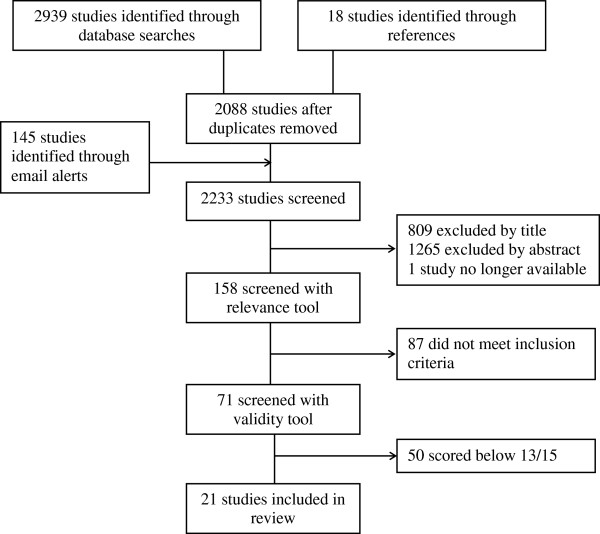
Verification
Claims the paper makes
The claims and statistics of this paper haven’t been checked yet.
Free: it reads the open-access text and checks the first 5 claims that cite a source we can check. Create a free account to check every claim.
Self-check
Percentages, sums and reported differences re-computed from the paper’s own numbers.
The self-check needs the paper’s full text.
Citations
Cites
Encyclopedia on Early Childhood Development
Munakata, Y., Michaelson, L., Barker, J. E., & Chevalier, N. (2013) · Cited by 825
Sweet, M. A., & Appelbaum, M. I. (2004) · Child Development · doi:10.1111/j.1467-8624.2004.00750.x · Cited by 798
Grantham-McGregor, S. M., Powell, C. A., Walker, S. P., & Himes, J. H. (1991) · The Lancet · doi:10.1016/0140-6736(91)90001-6 · Cited by 685
Support for breastfeeding mothers
Britton, C., McCormick, F. M., Renfrew, M. J., Wade, A., & King, S. E. (2007) · Cochrane Database of Systematic Reviews · doi:10.1002/14651858.cd001141.pub3 · Cited by 567
Programs for parents of infants and toddlers: recent evidence from randomized trials
Olds, D. L., Sadler, L., & Kitzman, H. (2007) · Journal of Child Psychology and Psychiatry · doi:10.1111/j.1469-7610.2006.01702.x · Cited by 548 · cited 1×
“There are a number of systematic reviews and metaanalyses that explore the effectiveness of HV programs with disadvantaged families [4-7], many of which focus on the prevention of child maltreatment [8-10].”
BackgroundMacLeod, J., & Nelson, G. (2000) · Child Abuse & Neglect · doi:10.1016/s0145-2134(00)00178-2 · Cited by 394
Jorde, R., Sneve, M., Torjesen, P. A., Figenschau, Y., Hansen, J.-B., & Grimnes, G. (2010) · Nutrition Journal · doi:10.1186/1475-2891-9-1 · Cited by 323
Randomized trial of a statewide home visiting program: impact in preventing child abuse and neglect
Duggan, A., McFarlane, E., Fuddy, L., Burrell, L., Higman, S. M., Windham, A., & Sia, C. (2004) · Child Abuse & Neglect · doi:10.1016/j.chiabu.2003.08.007 · Cited by 300
Elkan, Kendrick, Hewitt, Robinson, Tolley, Blair, Dewey, Williams, & Brummell (2000) · Health Technology Assessment · doi:10.3310/hta4130 · Cited by 297 · cited 1×
“There are a number of systematic reviews and metaanalyses that explore the effectiveness of HV programs with disadvantaged families [4-7], many of which focus on the prevention of child maltreatment [8-10].”
BackgroundNair, P., Schuler, M. E., Black, M. M., Kettinger, L., & Harrington, D. (2003) · Child Abuse & Neglect · doi:10.1016/s0145-2134(03)00169-8 · Cited by 285
Research works printed but not linked: 1
- Necoechea DM Children at-risk for poor school readiness: The effect of an early intervention home visiting program on children and parents [dissertation] 2007 Riverside: University of California
Cited by
Items 301–391 of 391
Enrollment and outcomes of home visiting for mothers with and without a history of out‐of‐home care
Nause, K., Ammerman, R. T., Folger, A. T., Hall, E. S., Greiner, M. V., & Beal, S. J. (2022) · Infant Mental Health Journal · doi:10.1002/imhj.22013 · Cited by 1
Matalon, C., & Turliuc, M. N. (2023) · Early Childhood Research Quarterly · doi:10.1016/j.ecresq.2023.01.010 · Cited by 3
Aladegboye, M. K., Adedeji, A. O., Komolafe, A. O., Olowokere, A. E., & Irinoye, O. O. (2023) · Residential Treatment for Children & Youth · doi:10.1080/0886571x.2023.2202890 · Cited by 1
“Delivering health care services to children in the setting they live in has been highlighted in literature to be promising in improving the development and health outcomes for children that are disadvantaged (Peacock et al., 2013).”
BackgroundHome visiting in home-based child care: Staff and provider experiences
Bromer, J., Ragonese-Barnes, M., & Korfmacher, J. (2023) · Children and Youth Services Review · doi:10.1016/j.childyouth.2023.106997 · Cited by 3
Building School-Based Capacity to Support Parenting: Challenges and Lessons Learned
Mason, S. M., Lind, A., Sherwood, N. E., & Sugrue, E. P. (2023) · School Mental Health · doi:10.1007/s12310-023-09593-y · Cited by 2
Williams, V. N., Marshall, J. T., Richey, M., & Allison, M. A. (2023) · Maternal and Child Health Journal · doi:10.1007/s10995-023-03839-6 · Cited by 1
“Further, these key outcomes for NFP and many other home visiting programs (Peacock et al., 2013; Sama-Miller et al., 2017) are particularly relevant for participants who may have had previous children or connect with NFP later in pregnancy for various reasons.”
Developing Social-Emotional Skills for the Labor Market
Guerra, N. G., Modecki, K. L., & Cunningham, W. (2014) · Cited by 1
Leveraging Research and Philanthropy to Reduce Crime and Violence in the Mississippi Delta
Saunders, J. M., Barnes‐Proby, D., & Peterson, S. (2018) · RAND Corporation eBooks · doi:10.7249/rr2457 · Cited by 1
Les programmes de prévention impliquant des para-professionnels en visite à domicile
Kargakos, S., Clavel, C., Tremblay, H., Dargis, L., Plourde-Léveillé, L., Brunet, É., Pauzé, A., & Saïas, T. (2020) · Devenir · doi:10.3917/dev.201.0035 · Cited by 1
Improvements in Parental Emotional Well-Being During Home Visiting Support: What Works for Whom?
Warner, N. (2020) · The British Journal of Social Work · doi:10.1093/bjsw/bcaa117 · Cited by 1
Efficacy of home visits by public health providers for high-risk pregnant women in Egypt
Elbahrawe, R. S., Saleh, L., Khalil, E. M., Abbas, A. M., Mahmoud, M. Y., & Ali, H. A. A. W. (2021) · International Journal of Community Medicine and Public Health · doi:10.18203/2394-6040.ijcmph20211724
“However, there are conflicting results about pregnancy outcomes from previous randomized controlled trials (RCTs) of home-visit programs.(14,15) Thus, we conducted the present study to evaluate home visits by public health providers in high risk pregnancy and its influence on pregnancy outcomes.”
BackgroundResultWalker, D. M., DePuccio, M. J., Hefner, J. L., Sieck, C. J., Hogan, T. H., McAlearney, A. S., Swoboda, C. M., & Huerta, T. R. (2022) · Ohio Journal of Public Health · doi:10.18061/ojph.v4i2.8469 · Cited by 1
PROTOCOL: Effectiveness of home-based interventions to prevent child neglect: A systematic review
Li, Y., Li, R., Li, M., Bing, Z., Li, X., & Yang, K. (2023) · Campbell Systematic Reviews · doi:10.1002/cl2.1373 · Cited by 1
“An article (Stoltenborgh, 2013) (Peacock, 2013).”
Bell, K. J. (2014) · White Rose eTheses Online (University of Leeds, The University of Sheffield, University of York) · Cited by 1
Visscher, L. (2022) · University of Groningen research database (University of Groningen / Centre for Information Technology) · doi:10.33612/diss.234621134 · Cited by 2
Jackson, D. B., Oppenheim, S., Shlafer, R. J., Fauth, R. C., & West, A. L. (2024) · Research Square · doi:10.21203/rs.3.rs-5090432/v1 · Cited by 1
Alkmin-Carvalho, F. (2014) · Digital Library of Theses and Dissertations (Universidade de São Paulo) · doi:10.11606/d.47.2014.tde-10102014-123404 · Cited by 2
PUBH 595.50: Issues in Maternal and Child Health
Stevens, J. M. (2013) · The Mathematics Enthusiast
The Cost-Effectiveness of Developmental Screenings: Evidence from a Nationwide ProgrammePreprint
Halla, M., Pruckner, G. J., & Schober, T. (2015) · SSRN Electronic Journal · doi:10.2139/ssrn.2655343
“Recent meta analyses of RCTs show that home visit programmes in general have beneficial effects on participating families, including cognitive and social child development, prevention of child abuse, and reduction of health problems (Sweet and Appelbaum, 2004; Peacock et al., 2013; Avellar and Supplee, 2013).”
BackgroundGezondheidsvaardigheden: waarom doen ze er toe?
Rademakers, J. J. D. J. M. (2015) · TSG - Tijdschrift voor gezondheidswetenschappen · doi:10.1007/s12508-015-0038-2
Parent-Infant Interaction in a Latino Family
Morales, Y. (2013) · Digital Archive @ GSU · doi:10.57709/4224626
Lam, J. (2015) · Summit (Simon Fraser University)
Petersen, K. E., & Ladefoged, L. (2015) · doi:10.7146/aul.44.35 · Cited by 2
Reinbold, G. W. (2017) · Child Indicators Research · doi:10.1007/s12187-017-9477-4
Franchot, K. (2017) · Digital Archive @ GSU · doi:10.57709/10250056
The moral economy of early intervention
Maggio, R. (2020) · Medicine Anthropology Theory · doi:10.17157/mat.4.3.465
Unge udsatte mødre og deres små børn
Petersen, K. E., & Kraglund, K. (2018) · doi:10.7146/aul.264.185
Wells, L., & Exner‐Cortens, D. (2016) · doi:10.11575/prism/31399
Tannis, C., Sale-Shaw, J., Lachapelle, S., & Garland, E. (2019) · Journal of Community Health Nursing · doi:10.1080/07370016.2019.1555318
A Program Model Describing a Community-Based Mother and Infant Health Program
Guo, Y., Rousseau, J., Bender, M., Lee, J., Pimentel, P. S., Bojorquez, Y., Silva, M., & Olshansky, E. F. (2019) · Research and theory for nursing practice · doi:10.1891/1541-6577.33.1.39 · Cited by 1
Zavala, L. M. G., Aracena, M., & Guaita, N. G. I. (2020) · Revista chilena de obstetricia y ginecología · doi:10.4067/s0717-75262020000500516
King, C. N., Church, A. C., James, W., Okoth, R. G., & Matthews, K. C. (2020) · Applied demography series · doi:10.1007/978-3-030-57069-9_5
Landis, T. D., Hare, M. M., & Graziano, P. A. (2020) · medRxiv · doi:10.1101/2020.12.09.20246553
“…targeting health behaviors (e.g., premature birth, obesity) rather than mental health INFANT MENTAL HEALTH PROGRAMS (Benzies, Magill-Evans, Hayden, & Ballantyne, 2013; Toomey et al., 2019), or do not focus on infancy (Peacock, Konrad, Watson, Nickel, & Muhajarine, 2013; Sweet & Appelbaum, 2004).”
D'Agostini, F. C. P. D. A. (2019) · Digital Library of Theses and Dissertations (Universidade de São Paulo) · doi:10.11606/t.7.2019.tde-22022021-162253 · Cited by 3
Preis, H., Yin, D., Yang, J., & Pati, S. (2021) · Health & Social Care in the Community · doi:10.1111/hsc.13582
Lannen, P., & Duss, I. (2021) · Journal of Children s Services · doi:10.1108/jcs-01-2021-0004
Ohio Journal of Public Health Vol. 4, Issue 2 (January 2022): Full Issue
Ohio Public Health Association OPHA (2022) · Ohio Journal of Public Health · doi:10.18061/ojph.v4i2.8823
Johnson‐Motoyama, M., & Davis, S. (2020) · Oxford University Press eBooks · doi:10.1093/obo/9780195389678-0282 · Cited by 1
New Insights in Oral Health and Diets
Varzakas, T. H., & Αντωνιάδου, Μ. (2021) · MDPI eBooks · doi:10.3390/books978-3-0365-2640-9
Campion, J. (2018) · Cambridge University Press eBooks · doi:10.1017/9781911623038.026
Sundhedsplejens indsatser og betydning i arbejdet med små udsatte børn og familier
Petersen, K. E., & Ladefoged, L. (2015) · doi:10.7146/aul.45.34 · Cited by 2
Desair, T. (2016) · doi:10.19147/tom/1
Campion, J. (2022) · Oxford University Press eBooks · doi:10.1093/med/9780198861478.003.0051
The Impact of Modest Cash Incentives on Home Visiting Enrollment and Participation
Jacob, R. T., & Friedman, M. F. (2023) · American Journal of Health Economics · doi:10.1086/724793
“Although there are different models of HV (e.g., Nurse Family Partnership, Healthy Families America, Parents as Teachers), outcomes remain positive across different provider and model types (Avellar and Supplee 2013; Kendrick et al. 2000; Peacock et al. 2013).”
Ethier, K. L. (2023) · Gezinstherapie Wereldwijd · doi:10.1007/s12440-023-00197-1
“…stimuleren warme, voedende ouder-kindinteracties, helpen ouders om beter op de signalen en behoeften van hun kind te reageren en verbeteren de kennis over de ontwikkeling van het kind (Azzi-Lessing 2011; Hans et al. 2013; Howard en Brooks-Gunn 2009; Peacock et al. 2013; Sweet en Appelbaum 2004).”
Backgroundda Silva, R. A. (2023) · Digital Library of Theses and Dissertations (Universidade de São Paulo) · doi:10.11606/d.5.2023.tde-28082023-163545
Pérez, C., Bernal, R., Macias, M., & Barrueco, S. (2023) · Research Square · doi:10.21203/rs.3.rs-3326867/v1
Young, low-income mothers’ social relationships and involvement in doula home visiting services
Zhang, Y., Edwards, R. C., Korfmacher, J., & Hans, S. L. (2023) · Children and Youth Services Review · doi:10.1016/j.childyouth.2023.107228
Family Engagement in Mental Health Interventions for Infants and Toddlers
Molina, A. P. (2023) · Springer series on child and family studies · doi:10.1007/978-3-031-47917-5_1
Ruiz‐Casares, M., Lilley, S., Thombs, B. D., Platt, R. W., Scott, S. C., Isdijoso, W., Hermanus, E., Andrina, M., & Mayo, N. E. (2024) · doi:10.32920/25361032
Ruiz‐Casares, M., Lilley, S., Thombs, B. D., Platt, R. W., Scott, S. C., Isdijoso, W., Hermanus, E., Andrina, M., & Mayo, N. E. (2024) · doi:10.32920/25361032.v1
Profile of violence perpetrated by adolescents
da Costa, J. R., Silva, M. M. D. O., Neto, J. C., Lopes, M. D. S. V., & Albuquerque, G. A. (2024) · Pensar Enfermagem - Revista Científica | Journal of Nursing · doi:10.56732/pensarenf.v28i1.309
Törmänen, M. R. K., Schaub, S., Ramseier, E., Koch, C., Kalkusch, I., Rodcharoen, P., Neuhauser, A., Lanfranchi, A., & Klaver, P. (2024) · doi:10.22541/au.171907871.18637657/v1
Effectiveness of Home Visiting Programs To Prevent Maternal Depression: A Systematic Review of RCTs
Liem, J. A., Rustiadi, N. D. D., Wijovi, F., Heriyanto, R. S., Setyoputra, B., Sucahyo, E. C. K., Lake, J. R., Aurielle, C., Handoko, M. T., & Cipta, D. A. (2024) · Review of Primary Care Practice and Education (Kajian Praktik dan Pendidikan Layanan Primer) · doi:10.22146/rpcpe.82560
“16,19,25 McFarlane et al. also indicate that improvement in maternal coping and stress reduction was achieved 6 months post-intervention.”
BackgroundZulfa, S. Z. (2024) · EMBRIO · doi:10.36456/embrio.v16i1.7989
“The study results show that home visit programs in developed countries, especially the United States, can significantly improve the development and health of children in some instances, including increasing body weight to reach normal in early childhood (Peacock et al., 2013).”
ResultSocías, C. O., Moreno, M. C. B., & Barceló, M. V. (2025) · Pedagogia Social Revista Interuniversitaria · doi:10.7179/psri_2025.46.01
Milojevich, H. M., Beasley, L. O., Fuller, S., Lane, O., & Bard, D. (2025) · Prevention Science · doi:10.1007/s11121-025-01794-y · Cited by 2
“However, findings are mixed regarding the impact of HV on child development (Caldera et al., 2007; Peacock et al., 2013).”
Liel, C., & Liel, K. (2025) · Praxis der Kinderpsychologie und Kinderpsychiatrie · doi:10.13109/prkk.2025.74.5.414
Paulick, J. H., & Palacios, N. A. (2025) · Advances in child development and behavior · doi:10.1016/bs.acdb.2025.07.007 · Cited by 1
Supporting prenatal families: Perspectives from Early Head Start staff
Fisk, E., Lombardi, C. M., & Cook, K. D. (2025) · Infant Mental Health Journal · doi:10.1002/imhj.70041
McAuley, K., Strobel, N., Christensen, D., Edmond, K. M., Jacoby, P. A., & McAullay, D. R. (2025) · BMJ Open · doi:10.1136/bmjopen-2024-089098
Brentani, A., Westgard, C. M., Chang-Lopez, S. M., Onofre, A. C., Peres, N. V., Bessa, L., Colagrossi, A. L. R., dos Santos, J. A., Cunha, D. F. S., Haidar, J., et al. (2026) · Implementation Science Communications · doi:10.1186/s43058-026-00994-z
“Effective programs provide structured, yet flexible curricula to meet the needs of the families [16, 68].”
Home Visitation and Care Coordination
Treadwell, J. (2014) · SpringerBriefs in public health · doi:10.1007/978-3-319-07224-1_7
Barboza, M., Marttila, A., Burström, B., & Kulane, A. (2022) · Figshare · doi:10.6084/m9.figshare.19955719
Company-Córdoba, R., Sianes, A., Simpson, I. C., & Ibáñez-Alfonso, J. A. (2021) · Figshare · doi:10.6084/m9.figshare.14850578
Barboza, M., Marttila, A., Burström, B., & Kulane, A. (2022) · Figshare · doi:10.6084/m9.figshare.19955710
Company-Córdoba, R., Sianes, A., Simpson, I. C., & Ibáñez-Alfonso, J. A. (2021) · Figshare · doi:10.6084/m9.figshare.14850581
Lorenc, T., Lester, S. E., Sutcliffe, K., Stansfield, C., & Thomas, J. (2020) · Figshare · doi:10.6084/m9.figshare.12291725
Barboza, M., Marttila, A., Burström, B., & Kulane, A. (2022) · Figshare · doi:10.6084/m9.figshare.19955713
Barboza, M., Marttila, A., Burström, B., & Kulane, A. (2022) · Figshare · doi:10.6084/m9.figshare.19955716
Barboza, M., Marttila, A., Burström, B., & Kulane, A. (2022) · Figshare · doi:10.6084/m9.figshare.19955707
Jackson, D. B., Oppenheim, S., Shlafer, R. J., Fauth, R. C., & West, A. L. (2025) · Early Childhood Research Quarterly · doi:10.1016/j.ecresq.2025.12.003 · Cited by 2
Preventing Adverse Childhood Experiences: A Framework for Culturally Responsive Home Visitation
Ballard, J., Asiodu, I. V., Dawson-Rose, C. S., Leutwyler, H. C., & Waters, C. M. (2026) · Journal of Transcultural Nursing · doi:10.1177/10436596261430091
“While literature indicates modest differences in outcomes between nurse-led and paraprofessional-led home visitation, these differences do not specifically address child maltreatment or ACEs (Olds et al., 2014; Peacock et al., 2013).”
Lindahl, L., Olsson, J., & Alfredsson, E. K. (2026) · International Journal for Equity in Health · doi:10.1186/s12939-026-02822-1
“Home-visiting interventions have shown promising effects internationally, particularly when embedded in relationship-based, culturally responsive, and preventive care models [5, 6].”
McWey, L. M., Wu, Q., Outler, C., Millender, E., & Radey, M. (2026) · Journal of Family Social Work · doi:10.1080/10522158.2026.2658022 · Cited by 1
“For instance, systematic reviews of the research on home visiting programs for low-income families concluded that providing home-based services to families has positive short and long-term benefits for parent and child well-being (Peacock et al., 2013; Sandstrom & White, 2018).”
Shaping minds: Family environmental influences on early neurodevelopment
Loi, E., Micheletti, S., Galli, J., & Fazzi, E. M. (2026) · Global Pediatrics · doi:10.1016/j.gpeds.2026.100349 · Cited by 2
Debnath, A., Bonuck, K. A., Gao, Q., Ramachandran, U., Gaur, S., Lumsden, C., Kopycka‐Kędzierawski, D. T., Kim, M., & Karasz, A. (2026) · International Journal of Environmental Research and Public Health · doi:10.3390/ijerph23070837
Qiao, P., Lan, X., Li, T., Lu, M., Du, Z., Qie, Y., & Chen, S. (2026) · Children and Youth Services Review · doi:10.1016/j.childyouth.2026.109152
PARLAK, Ş. Y., & Aksoy, F. (2026) · Ankara Üniversitesi Eğitim Bilimleri Fakültesi Özel Eğitim Dergisi · doi:10.21565/ozelegitimdergisi.1865883
Puls, H. T., Grady, E., Hall, M., Mann, M., Rose, S., Sprague‐Jones, J., Toburen, C., Mattison, A., Anderson, J., Hocker, K. J., et al. (2026) · Child Abuse & Neglect · doi:10.1016/j.chiabu.2026.108229
Poverty Over the Life Course: Evidence From Birth to Emerging Adulthood
Huang, C., & Lin, H.-F. (2026) · Family Relations · doi:10.1111/fare.70327
Abulannaz, O., Ruth, C., Camden, A., Brownell, M. D., Ricci, M. F., Drăgan, R., Jiang, D., Jong, G. W. ‘., & Kelly, L. E. (2026) · PLoS ONE · doi:10.1371/journal.pone.0355101
“Several interventions have been shown to ameliorate adverse developmental outcomes at the population level, such as home-visiting programs [44], food supplement programs in schools and low-income families [45], comprehensive/integrated care [46] and family-centered approaches [43].”
Kliem, S., Sandner, M., Fischer, S., Lohmann, A., Brand, T., & Baier, D. (2026) · Kindheit und Entwicklung · doi:10.1026/0942-5403/a000519
Evidence-based policy considerations to support Black maternal and infant health
Iruka, I. U., Reddi, A. R., Whitt‐Glover, M. C., Catherine, E., Alexander, B. L., Walton, S. R., Meek, S. E., & Mayo‐Wilson, L. J. (2026) · Child Policy Nexus · doi:10.1093/chpnex/aafag002
Spencer, S. M., Chen, A. W., & Oxford, M. (2026) · Prevention Science · doi:10.1007/s11121-026-01966-4
Exploring the Spectrum of Home Visiting Programmes for Infant Care: A Systematic Review
Auglytė, V., Kirka, V., & Toros, K. (2026) · Developmental Child Welfare · doi:10.1177/25161032261499274
Metadata
- Authors
- Peacock, S., Konrad, S., Watson, E., Nickel, D., & Muhajarine, N.
- Affiliations
- University of Saskatchewan (CA)
- Corresponding author
- Peacock, Shelley
- Venue
- BMC Public Health
- Published
- 2013-01-09
- Volume
- 13
- Issue
- 1
- Pages
- 17-17
- ISSN
- 1471-2458 (ISSN-L)
- PMC
- PMC3546846
- OpenAlex
- W2102101140
- Cited by
- 392
- References
- 37
- Citations by year
- 2026: 20 · 2025: 20 · 2024: 26 · 2023: 34 · 2022: 45 · 2021: 26 · 2020: 43 · 2019: 27 · 2018: 43 · 2017: 23 · 2016: 31 · 2015: 28 · 2014: 19 · 2013: 6
- FWCI
- 3.37
- Type
- journal article
- Language
- en
- Open access
- gold
- doi.org
- Licence
- cc-by
- creativecommons.org/licenses/by/2.0 (tdm)
- Locations
- BMC Public Health (publishedVersion, cc-by)
- Europe PMC (PubMed Central) (publishedVersion, cc-by)
- PubMed Central (publishedVersion, cc-by)
- PubMed (publishedVersion)
- HARVEST (University of Saskatchewan) (submittedVersion)
- DOAJ (DOAJ: Directory of Open Access Journals) (submittedVersion)
- Topics
- Health Sciences › Medicine › Pediatrics, Perinatology and Child Health › Child and Adolescent Health
- Health Sciences › Medicine › Pediatrics, Perinatology and Child Health › Maternal and Neonatal Healthcare
- Health Sciences › Nursing › Nutrition and Dietetics › Child Nutrition and Water Access
- Keywords
- home visits, disadvantaged families, child development, child health outcomes, child abuse prevention, prenatal intervention, low birth weight, cognitive development, behavioral problems, language skills, intervention dosage, intervention retention
- MeSH terms
- Child, Child, Preschool, House Calls, Humans, Infant, Program Evaluation, Randomized Controlled Trials as Topic, Outcome Assessment, Health Care, Vulnerable Populations
About these checks
Registry, retraction, Cites and statistics results are computed, not judged, with one exception: a printed reference that no index lists is read once by a model before it counts as a citation error. Claims are extracted by a model and kept only when their quote appears verbatim in the text; each cited source is then checked, with a model’s help, for whether it says what the claim relies on. Those verdicts can be wrong — read the claim’s quote and the cited source before relying on one.
Statistics and arithmetic are recomputed, not judged.
Confidence bands are shown only for fields calibrated on our annotated test set. None is calibrated yet, so no band is shown.
What counts as a claim ›How we measure confidence ›How we check this ›
Are you an author, or do you see a problem with this page? Request a review
Data sources
Bibliographic data: Semantic Scholar, OpenAlex, Crossref.
Contains information from the Semantic Scholar Academic Graph Datasets, made available under the ODC Attribution License (ODC-BY 1.0).
Semantic Scholar’s data is described in: Kinney, R., et al. (2023). The Semantic Scholar Open Data Platform. arXiv:2301.10140.
