

Effectiveness of home visiting programs on child outcomes: a systematic review
Open accessThe DOI matches its Crossref record; 35 of the 37 references it cites were found in a registry or an index.
Abstract
BACKGROUND: The effectiveness of paraprofessional home-visitations on improving the circumstances of disadvantaged families is unclear. The purpose of this paper is to systematically review the effectiveness of paraprofessional home-visiting programs on developmental and health outcomes of young children from disadvantaged families. METHODS: A comprehensive search of electronic databases (e.g., CINAHL PLUS, Cochrane, EMBASE, MEDLINE) from 1990 through May 2012 was supplemented by reference lists to search for relevant studies. Through the use of reliable tools, studies were assessed in duplicate. English language studies of paraprofessional home-visiting programs assessing specific outcomes for children (0-6 years) from disadvantaged families were eligible for inclusion in the review. Data extraction included the characteristics of the participants, intervention, outcomes and quality of the studies. RESULTS: Studies that scored 13 or greater out of a total of 15 on the validity tool (n = 21) are the focus of this review. All studies are randomized controlled trials and most were conducted in the United States. Significant improvements to the development and health of young children as a result of a home-visiting program are noted for particular groups. These include: (a) prevention of child abuse in some cases, particularly when the intervention is initiated prenatally; (b) developmental benefits in relation to cognition and problem behaviours, and less consistently with language skills; and (c) reduced incidence of low birth weights and health problems in older children, and increased incidence of appropriate weight gain in early childhood. However, overall home-visiting programs are limited in improving the lives of socially high-risk children who live in disadvantaged families. CONCLUSIONS: Home visitation by paraprofessionals is an intervention that holds promise for socially high-risk families with young children. Initiating the intervention prenatally and increasing the number of visits improves development and health outcomes for particular groups of children. Future studies should consider what dose of the intervention is most beneficial and address retention issues.
Overview
The claims and statistics of this paper haven’t been checked yet.
Free: it reads the open-access text and checks the first 5 claims that cite a source we can check. Create a free account to check every claim.
Integrity signals
Registry
Cites
Statistics
Figures
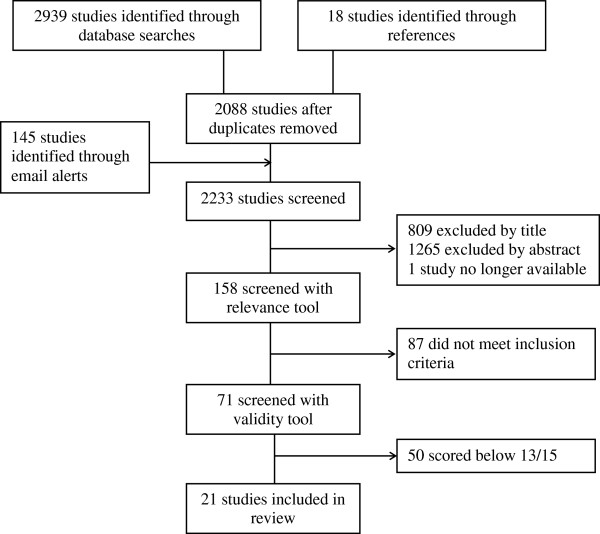
Verification
Claims the paper makes
The claims and statistics of this paper haven’t been checked yet.
Free: it reads the open-access text and checks the first 5 claims that cite a source we can check. Create a free account to check every claim.
Self-check
Percentages, sums and reported differences re-computed from the paper’s own numbers.
The self-check needs the paper’s full text.
Citations
Cites
Encyclopedia on Early Childhood Development
Munakata, Y., Michaelson, L., Barker, J. E., & Chevalier, N. (2013) · Cited by 825
Sweet, M. A., & Appelbaum, M. I. (2004) · Child Development · doi:10.1111/j.1467-8624.2004.00750.x · Cited by 798
Grantham-McGregor, S. M., Powell, C. A., Walker, S. P., & Himes, J. H. (1991) · The Lancet · doi:10.1016/0140-6736(91)90001-6 · Cited by 685
Support for breastfeeding mothers
Britton, C., McCormick, F. M., Renfrew, M. J., Wade, A., & King, S. E. (2007) · Cochrane Database of Systematic Reviews · doi:10.1002/14651858.cd001141.pub3 · Cited by 567
Programs for parents of infants and toddlers: recent evidence from randomized trials
Olds, D. L., Sadler, L., & Kitzman, H. (2007) · Journal of Child Psychology and Psychiatry · doi:10.1111/j.1469-7610.2006.01702.x · Cited by 548 · cited 1×
“There are a number of systematic reviews and metaanalyses that explore the effectiveness of HV programs with disadvantaged families [4-7], many of which focus on the prevention of child maltreatment [8-10].”
BackgroundMacLeod, J., & Nelson, G. (2000) · Child Abuse & Neglect · doi:10.1016/s0145-2134(00)00178-2 · Cited by 394
Jorde, R., Sneve, M., Torjesen, P. A., Figenschau, Y., Hansen, J.-B., & Grimnes, G. (2010) · Nutrition Journal · doi:10.1186/1475-2891-9-1 · Cited by 323
Randomized trial of a statewide home visiting program: impact in preventing child abuse and neglect
Duggan, A., McFarlane, E., Fuddy, L., Burrell, L., Higman, S. M., Windham, A., & Sia, C. (2004) · Child Abuse & Neglect · doi:10.1016/j.chiabu.2003.08.007 · Cited by 300
Elkan, Kendrick, Hewitt, Robinson, Tolley, Blair, Dewey, Williams, & Brummell (2000) · Health Technology Assessment · doi:10.3310/hta4130 · Cited by 297 · cited 1×
“There are a number of systematic reviews and metaanalyses that explore the effectiveness of HV programs with disadvantaged families [4-7], many of which focus on the prevention of child maltreatment [8-10].”
BackgroundNair, P., Schuler, M. E., Black, M. M., Kettinger, L., & Harrington, D. (2003) · Child Abuse & Neglect · doi:10.1016/s0145-2134(03)00169-8 · Cited by 285
Research works printed but not linked: 1
- Necoechea DM Children at-risk for poor school readiness: The effect of an early intervention home visiting program on children and parents [dissertation] 2007 Riverside: University of California
Cited by
Nurturing care: Promoting early childhood development
Britto, P. R., Lye, S. J., Proulx, K., Yousafzai, A. K., Matthews, S. G., Vaivada, T., Perez-Escamilla, R., Rao, N., Ip, P., Fernald, L. C. H., et al. (2017) · The Lancet · doi:10.1016/s0140-6736(16)31390-3 · Cited by 1,796
Mersky, J. P., Topitzes, J., & Reynolds, A. J. (2013) · Child Abuse & Neglect · doi:10.1016/j.chiabu.2013.07.011 · Cited by 729
Lifetime Prevalence of Investigating Child Maltreatment Among US Children
Kim, H., Wildeman, C., Jonson-Reid, M., & Drake, B. (2017) · American Journal of Public Health · doi:10.2105/ajph.2016.303545 · Cited by 640
Robling, M., Bekkers, M.-J., Bell, K., Butler, C. C., Cannings-John, R., Channon, S., Martin, B. C., Gregory, J. W., Hood, K., Kemp, A., et al. (2016) · The Lancet · doi:10.1016/s0140-6736(15)00392-x · Cited by 338
Williams, P. G., Lerner, M. A., COUNCIL ON EARLY CHILDHOOD, COUNCIL ON SCHOOL HEALTH, Sells, J., Alderman, S. L., Hashikawa, A., Mendelsohn, A., McFadden, T., Navsaria, D., et al. (2019) · Pediatrics · doi:10.1542/peds.2019-1766 · Cited by 179
“Home visiting by nurses has been shown consistently to reduce rates of childhood injury, to increase fathers’ involvement, to reduce family welfare dependency, and to improve school readiness.(69,70) Housing subsidies have resulted in improved neighborhood safety and reduced exposure to violence.”
Das, J. K., Kumar, R., Salam, R. A., Lassi, Z. S., & Bhutta, Z. A. (2014) · Reproductive Health · doi:10.1186/1742-4755-11-s2-s4 · Cited by 173
le Roux, I. M., Tomlinson, M., Harwood, J. M., O’Connor, M. J., Worthman, C. M., Mbewu, N., Stewart, J., Hartley, M., Swendeman, D., Comulada, W. S., et al. (2013) · AIDS · doi:10.1097/qad.0b013e3283601b53 · Cited by 168
“Yet, community health workers (CHWs) typically target single outcomes, such as HIV testing [4], tuberculosis (TB) adherence [5], securing a child grant [6], or maternal depression [7].”
BackgroundDuffee, J. H., Mendelsohn, A. L., Kuo, A. A., Legano, L. A., Earls, M. F., COUNCIL ON COMMUNITY PEDIATRICS, COUNCIL ON EARLY CHILDHOOD, COMMITTEE ON CHILD ABUSE AND NEGLECT, Chilton, L. A., Flanagan, P. J., et al. (2017) · Pediatrics · doi:10.1542/peds.2017-2150 · Cited by 161
Advancing Health Literacy Measurement: A Pathway to Better Health and Health System Performance
Pleasant, A. (2014) · Journal of Health Communication · doi:10.1080/10810730.2014.954083 · Cited by 204
Effect of early intervention in infants at very high risk of cerebral palsy: a systematic review
Hadders‐Algra, M., Boxum, A. G., Hielkema, T., & Hamer, E. G. (2016) · Developmental Medicine & Child Neurology · doi:10.1111/dmcn.13331 · Cited by 193
“Whether or not early intervention by home programmes may be effective in promoting developmental outcome of these infants is currently not clear.(13,14) The other group consists of infants born at term who suffered from perinatal adversities and/or presented with signs of neurological dysfunction or developmental dela…”
BackgroundLorenc, T., Lester, S. E., Sutcliffe, K., Stansfield, C., & Thomas, J. (2020) · BMC Public Health · doi:10.1186/s12889-020-08789-0 · Cited by 187
An Overview of Maternal Anxiety During Pregnancy and the Post-Partum Period
Wallace, K. L., & Araji, S. (2020) · JOURNAL OF MENTAL HEALTH AND CLINICAL PSYCHOLOGY · doi:10.29245/2578-2959/2020/4.1221 · Cited by 168
Global burden of childhood diarrhea and interventions
Das, J. K., Salam, R. A., & Bhutta, Z. A. (2014) · Current Opinion in Infectious Diseases · doi:10.1097/qco.0000000000000096 · Cited by 140
Hwang, A.-W., Chao, M.-Y., & Liu, S.-W. (2013) · Research in Developmental Disabilities · doi:10.1016/j.ridd.2013.06.037 · Cited by 105
“Traditional home visiting (THV) has also demonstrated promising effects through RCTs in socially (Peacock et al., 2013) or biologically at risk children (Brooks-Gunn et al., 1994), particularly in the cognitive domain.”
BackgroundTomlinson, M., Rotheram-Borus, M. J., le Roux, I. M., Youssef, M., Nelson, S. H., Scheffler, A., Weiss, R. E., O’Connor, M., & Worthman, C. M. (2016) · Prevention Science · doi:10.1007/s11121-016-0676-x · Cited by 104
“However, poverty and both infectious and non-communicable diseases in low and middle-income countries (LMIC) are implicated in poor child outcomes.”
BackgroundInfluentialThe best person (or machine) for the job: Rethinking task shifting in healthcare
van Schalkwyk, M. C., Bourek, A., Kringos, D. S., Siciliani, L., Barry, M. M., Maeseneer, J. D., & McKee, M. (2020) · Health Policy · doi:10.1016/j.healthpol.2020.08.008 · Cited by 115
The prevention of violence in childhood through parenting programmes: a global review
Coore-Desai, C., Reece, J.-A., & Shakespeare‐Pellington, S. (2017) · Psychology Health & Medicine · doi:10.1080/13548506.2016.1271952 · Cited by 110
High-risk follow-up: Early intervention and rehabilitation
Novak, I., & Morgan, C. (2019) · Handbook of clinical neurology · doi:10.1016/b978-0-444-64029-1.00023-0 · Cited by 111
Messina, N., Calhoun, S., Conner, E., & Miller, M. (2015) · Substance Abuse and Rehabilitation · doi:10.2147/sar.s46439 · Cited by 87
“59 Another area that has been neglected with regard to reducing the negative effects of parental substance abuse on children has to do with disruptions in the family as a result of problem due to parental drug use, involvement in child protective services, or the incarceration of a parent.”
Leung, C. Y. Y., Hernandez, M. W., & Suskind, D. L. (2018) · Early Childhood Research Quarterly · doi:10.1016/j.ecresq.2018.12.005 · Cited by 104
Sierau, S., Dähne, V., Brand, T., Kurtz, V., von Klitzing, K., & Jungmann, T. (2015) · Prevention Science · doi:10.1007/s11121-015-0573-8 · Cited by 95
Rayce, S. B., Rasmussen, I. S., Klest, S. K., Patras, J., & Pontoppidan, M. (2017) · BMJ Open · doi:10.1136/bmjopen-2016-015707 · Cited by 98
Lassi, Z. S., Das, J. K., Salam, R. A., & Bhutta, Z. A. (2014) · Reproductive Health · doi:10.1186/1742-4755-11-s2-s2 · Cited by 126
Rotheram-Borus, M. J., Tomlinson, M., le Roux, I. M., Harwood, J. M., Comulada, S., O'Connor, M. J., Weiss, R. E., & Worthman, C. M. (2014) · PLoS ONE · doi:10.1371/journal.pone.0105934 · Cited by 81
“Similar to other home visiting programs [8,9], there were improvements in maternal adherence to a number of health regimens and infant outcomes in response to the home visits by CHWs.”
Comparison of Recommendations in Clinical Practice Guidelines for Acute Gastroenteritis in Children
Vecchio, A. L., Dias, J. A., Berkley, J. A., Boey, C. C. M., Cohen, M. B., Cruchet, S., Liguoro, I., Salazar‐Lindo, E., Sandhu, B. K., Sherman, P. M., et al. (2016) · Journal of Pediatric Gastroenterology and Nutrition · doi:10.1097/mpg.0000000000001133 · Cited by 94
Developing Social-Emotional Skills for the Labor Market: The PRACTICE Model
Guerra, N. G., Modecki, K. L., & Cunningham, W. (2014) · The World Bank Open Knowledge Repository (World Bank) · doi:10.1596/1813-9450-7123 · Cited by 129
Integrating Early Child Development and Violence Prevention Programs: A Systematic Review
Efevbera, Y., McCoy, D. C., Wuermli, A. J., & Betancourt, T. S. (2018) · New Directions for Child and Adolescent Development · doi:10.1002/cad.20230 · Cited by 75
Yousafzai, A. K., Aboud, F. E., Nores, M., & Kaur, R. (2018) · Annals of the New York Academy of Sciences · doi:10.1111/nyas.13648 · Cited by 79
Jacobs, F. H., Easterbrooks, M. A., Goldberg, J., Mistry, J., Bumgarner, E., Raskin, M., Fosse, N. E., & Fauth, R. C. (2015) · American Journal of Public Health · doi:10.2105/ajph.2015.302919 · Cited by 81
Guterman, N. B., Bellamy, J. L., & Banman, A. (2017) · Child Abuse & Neglect · doi:10.1016/j.chiabu.2017.10.017 · Cited by 72
Burström, B., Marttila, A., Kulane, A., Lindberg, L., & Burström, K. (2017) · BMC Health Services Research · doi:10.1186/s12913-017-2038-1 · Cited by 61
“It builds on evidence from previous studies [9–12], and the approach of home visiting may be particularly beneficial for socially disadvantaged groups and their children [14].”
BackgroundInfluentialSchrank, B., Moran, K. A., Borghi, C., & Priebe, S. (2015) · Social Psychiatry and Psychiatric Epidemiology · doi:10.1007/s00127-015-1069-3 · Cited by 60
“in reducing maltreatment [71, 72].”
Home Visiting Programs: What the Primary Care Clinician Should Know
Finello, K. M., Terteryan, A., & Riewerts, R. J. (2016) · Current Problems in Pediatric and Adolescent Health Care · doi:10.1016/j.cppeds.2015.12.011 · Cited by 55
The First 2,000 Days and Child Skills
Doyle, O. (2019) · Journal of Political Economy · doi:10.1086/705707 · Cited by 91
“are typically modest in size and not consistent across programs (Gomby 2005; Peacock et al. 2013; Sama-Miller et al. 2016).”
BackgroundChartier, M., Brownell, M. D., Isaac, M., Chateau, D. G., Nickel, N. C., Katz, A., Sarkar, J., Hu, M., & Taylor, C. R. (2017) · Child Maltreatment · doi:10.1177/1077559517701230 · Cited by 61
Tomlinson, M., Hunt, X., & Rotheram‐Borus, M. J. (2018) · Annals of the New York Academy of Sciences · doi:10.1111/nyas.13650 · Cited by 60
“In summary, these include (1) a focus on selecting staff from intervention communities and who possesses the kinds of transferable soft skills that will support their development within the project; (2) iterative training that centers on foundational skills instead of content knowledge only; (3) monitoring and supervi…”
BackgroundTaplin, S. (2017) · Child Abuse & Neglect · doi:10.1016/j.chiabu.2017.01.007 · Cited by 52
Nores, M., & Fernández, C. (2018) · Annals of the New York Academy of Sciences · doi:10.1111/nyas.13682 · Cited by 66
Antimicrobial resistance among uropathogens in the Asia-Pacific region: a systematic review
Sugianli, A. K., Ginting, F., Parwati, I., de Jong, M. D., van Leth, F., & Schultsz, C. (2021) · JAC-Antimicrobial Resistance · doi:10.1093/jacamr/dlab003 · Cited by 65
OECD (2017) · Reviews of National Policies for Education/Reviews of national policies for education · doi:10.1787/9789264281486-en · Cited by 59
Smith, J. D., Berkel, C., Hails, K. A., Dishion, T. J., Shaw, D. S., & Wilson, M. N. (2016) · Prevention Science · doi:10.1007/s11121-016-0679-7 · Cited by 53
“By and large, HV programs are modestly effective at improving the health and behavioral outcomes of children living in disadvantaged homes (Paulsell, Avellar, Sama Martin, & Del Grosso, 2011; Peacock, Konrad, Watson, Nickel, & Muhajarine, 2013).”
Hackworth, N. J., Berthelsen, D. C., Matthews, J. M., Westrupp, E. M., Cann, W. G., Ukoumunne, O. C., Bennetts, S. K., Phan, T., Scicluna, A., Trajanovska, M., et al. (2017) · Prevention Science · doi:10.1007/s11121-017-0753-9 · Cited by 56
“Individualised, intensive home visiting in the prenatal and infancy period is a well-established approach for enhancing the early home environment (Miller 2015; Olds 2002; Peacock et al. 2014).”
BackgroundMethodInfluentialGreen, B. L., Tarte, J. M., Harrison, P. M., Nygren, M., & Sanders, M. B. (2014) · Children and Youth Services Review · doi:10.1016/j.childyouth.2014.06.006 · Cited by 52
Minds and Behaviors at Work: Boosting Socioemotional Skills for Latin America’s Workforce
Cunningham, W., Acosta, P. A., & Muller, N. (2016) · World Bank, Washington, DC eBooks · doi:10.1596/978-1-4648-0884-5 · Cited by 64
Maluleke, N. P., Khoza‐Shangase, K., & Kanji, A. (2020) · Family & Community Health · doi:10.1097/fch.0000000000000276 · Cited by 62
Roggman, L. A., Cook, G. A., Innocenti, M. S., Norman, V. K. J., Boyce, L., Christiansen, K., & Peterson, C. A. (2016) · Infant Mental Health Journal · doi:10.1002/imhj.21565 · Cited by 50
Evaluating the effects of a targeted home visiting program on maternal and child health outcomes
Sandner, M., Cornelißen, T., Jungmann, T., & Herrmann, P. (2018) · Journal of Health Economics · doi:10.1016/j.jhealeco.2018.02.008 · Cited by 60
“…survey-based maternal self-reports about health and health utilization (Doyle et al., 2016; and the studies surveyed in Avellar and Supplee, 3 2013; Peacock et al., 2013), we have the rare opportunity to combine survey data with administrative data, spanning the period from pregnancy up to two…”
BackgroundInfluentialMeléndez‐Torres, G. J., Leijten, P. H. O., & Gardner, F. E. M. (2019) · Child Abuse Review · doi:10.1002/car.2561 · Cited by 50
“…may reduce it but not prevent it (Euser et al., 2015); still others judge the evidence to be promising but inconclusive (Mikton and Butchart, 2009; Peacock et al., 2013), or note that parenting interventions generally may only be effective under specific circumstances or for specific subgroups…”
BackgroundHoyt, C. R., Abel, R., Gabir, M., Farmer, G. W., & King, A. A. (2015) · Pediatric Blood & Cancer · doi:10.1002/pbc.25838 · Cited by 43
“Home visiting programs, such as Parents as Teachers R ©, are feasible among young families with SCD,[15] and have demonstrated improvements in development, behavior, and health and decreased child abuse among low-income African-American mothers.[54, 55] A home-based intervention that could support families in engaging…”
BackgroundComprehensive evaluation of the Pro Kind home visiting program: A summary of results
Jungmann, T., Brand, T., Dähne, V., Herrmann, P., Günay, H., Sandner, M., & Sierau, S. (2015) · Mental Health & Prevention · doi:10.1016/j.mhp.2015.06.001 · Cited by 51
Community Health Worker Impact on Knowledge, Antenatal Care, And Birth Outcomes: A Systematic Review
Scharff, D. P., Enard, K. R., Tao, D., Strand, G., Yakubu, R. A., & Cope, V. U. (2022) · Maternal and Child Health Journal · doi:10.1007/s10995-021-03299-w · Cited by 69
Prenatal Stress, Poverty, and Child Outcomes
Lefmann, T., & Combs-Orme, T. D. (2014) · Child and Adolescent Social Work Journal · doi:10.1007/s10560-014-0340-x · Cited by 61
Barnhart, D. A., Farrar, J., Murray, S. M., Brennan, R. T., Antonaccio, C. M., Sezibera, V., Ingabire, C., Godfroid, K., Bazubagira, S. M., Uwimana, O., et al. (2020) · Journal of Child and Family Studies · doi:10.1007/s10826-020-01709-1 · Cited by 40
Nagl, M., Steinig, J., Klinitzke, G., Stepan, H., & Kersting, A. (2015) · Archives of Women s Mental Health · doi:10.1007/s00737-015-0573-5 · Cited by 36
“…abuse including evidence-based interventions to reduce the risk of childhood maltreatment (e.g., home visiting interventions for at-risk families; Peacock et al. 2013) as well as evidence-based interventions (e.g., traumafocused cognitive behavioral therapy; Cummings and Berkowitz 2014) for…”
Nicholson, J. M., Cann, W. G., Matthews, J. M., Berthelsen, D. C., Ukoumunne, O. C., Trajanovska, M., Bennetts, S. K., Hillgrove, T., Hamilton, V., Westrupp, E. M., et al. (2016) · BMC Pediatrics · doi:10.1186/s12887-016-0610-1 · Cited by 42
“Intensive home visiting interventions have shown variable degrees of success [23], with greater improvements reported for high fidelity programs involving frequent visits by professionallyqualified staff [24, 25].”
BackgroundGenetic risk for bipolar disorder and psychopathology from childhood to early adulthood
Mistry, S., Escott‐Price, V., Florio, A. D., Smıth, D. J., & Zammit, S. (2018) · Journal of Affective Disorders · doi:10.1016/j.jad.2018.12.091 · Cited by 39
Effectiveness of early-intervention programs in German-speaking countries – a meta-analysis
Taubner, S., Wolter, S., & Rabung, S. (2015) · Mental Health & Prevention · doi:10.1016/j.mhp.2015.07.001 · Cited by 39
Taubner, S., Münder, T., Unger, A., & Wolter, S. (2013) · Praxis der Kinderpsychologie und Kinderpsychiatrie · doi:10.13109/prkk.2013.62.8.598 · Cited by 36
Haroz, E. E., Ingalls, A., Kee, C., Goklish, N. A., Neault, N. B., Begay, M., & Barlow, A. (2019) · Prevention Science · doi:10.1007/s11121-019-01039-9 · Cited by 34
“Decades of research has yielded a robust evidence base supporting their effectiveness and impact on maternal and child outcomes (Casillas et al. 2016; Filene et al. 2013; Peacock et al. 2013).”
Miller, E. B., Roby, E., Zhang, Y., Coskun, L. Z., Rosas, J. M., Scott, M. A., Gutiérrez, J., Shaw, D. S., Mendelsohn, A. L., & Morris‐Perez, P. A. (2022) · The Journal of Pediatrics · doi:10.1016/j.jpeds.2022.11.013 · Cited by 36
Condon, E. M. (2019) · Policy Politics & Nursing Practice · doi:10.1177/1527154419829439 · Cited by 36
Menon, M., Fauth, R. C., & Easterbrooks, M. A. (2020) · Parenting · doi:10.1080/15295192.2020.1715683 · Cited by 41
Anding, J., Röhrle, B., Grieshop, M., Schücking, B., & Christiansen, H. (2015) · Frontiers in Pediatrics · doi:10.3389/fped.2015.00062 · Cited by 29
Rapid review to update evidence for Healthy Child Programme 0-5
Axford, N., Barlow, J., Coad, J. E., McMillan, A. S., Bjornstad, G. J., Berry, V., Wrigley, Z., Goodwin, A., Ohlson, C., Sonthalia, S., et al. (2015) · Figshare · Cited by 35
van Assen, A., Knot‐Dickscheit, J., Post, W. J., & Grietens, H. W. E. (2020) · Children and Youth Services Review · doi:10.1016/j.childyouth.2020.104994 · Cited by 35
Radner, J., Ferrer, M. J. S., McMahon, D. S., Black, C. F. D., Shankar, A. H., & Silver, K. (2018) · Annals of the New York Academy of Sciences · doi:10.1111/nyas.13684 · Cited by 30
Immigrant parents’ experience with the Swedish child health care system: A qualitative study
Mangrio, E., & Persson, K. (2017) · BMC Family Practice · doi:10.1186/s12875-017-0604-6 · Cited by 27
“A systematic review by Peacock et al [15] showed that home visits are important after birth from many standpoints: preventing illness, preventing a child’s growth failure, providing parental support and preventing child abuse.”
Guastaferro, K., Self‐Brown, S., Shanley, J. R., Whitaker, D. J., & Lutzker, J. R. (2018) · Journal of Child and Family Studies · doi:10.1007/s10826-018-1279-x · Cited by 31
Effectiveness of Home Visits in Pregnancy as a Public Health Measure to Improve Birth Outcomes
Ichikawa, K., Fujiwara, T., & Nakayama, T. (2015) · PLoS ONE · doi:10.1371/journal.pone.0137307 · Cited by 36
McGinnis, S., Lee, E., Kirkland, K., Smith, C. A., Miranda‐Julian, C., & Greene, R. (2018) · Child and Adolescent Social Work Journal · doi:10.1007/s10560-018-0562-4 · Cited by 30
A Multicomponent Early Intervention Program and Trajectories of Behavior, Cognition, and Health
Côté, S. M., Orri, M., Tremblay, R. E., & Doyle, O. (2018) · PEDIATRICS · doi:10.1542/peds.2017-3174 · Cited by 30
Segal, L., Nguyen, H., Gent, D., Hampton, C., & Boffa, J. D. (2018) · PLoS ONE · doi:10.1371/journal.pone.0208764 · Cited by 30
Promoting the Social Inclusion of Children with ASD: A Family-Centred Intervention
McConkey, R., Cassin, M.-T., & McNaughton, R. (2020) · Brain Sciences · doi:10.3390/brainsci10050318 · Cited by 35
Gonçalves, T. R., Duku, E., & Janus, M. (2019) · Cadernos de Saúde Pública · doi:10.1590/0102-311x00224317 · Cited by 35
The impact of paraprofessional home visitors on infants’ growth and health at 18 months
le Roux, I. M., Rotheram‐Borus, M. J., Stein, J. A., & Tomlinson, M. (2014) · Vulnerable Children and Youth Studies · doi:10.1080/17450128.2014.940413 · Cited by 28
Schein, S. S., Roben, C. K. P., Costello, A. H., & Dozier, M. (2022) · Child Maltreatment · doi:10.1177/10775595211072516 · Cited by 33
“Home visiting is designed to serve those for whom accessibility of services can be challenging (Peacock et al., 2013).”
BackgroundJaca, A., Ndze, V. N., & Wiysonge, C. S. (2019) · Human Vaccines & Immunotherapeutics · doi:10.1080/21645515.2019.1631567 · Cited by 23
Janus, M., Reid‐Westoby, C., Raiter, N., Forer, B., & Guhn, M. (2021) · International Journal of Environmental Research and Public Health · doi:10.3390/ijerph18073397 · Cited by 35
Doyle, O., Fitzpatrick, N., Lovett, J., & Rawdon, C. (2015) · Economics & Human Biology · doi:10.1016/j.ehb.2015.09.004 · Cited by 31
Reforming the Portuguese mental health system: an incentive-based approach
Perelman, J., Chaves, P., de Almeida, J. M. C., & Matias, M. A. (2018) · International Journal of Mental Health Systems · doi:10.1186/s13033-018-0204-4 · Cited by 24
“These visits have been proven to be effective in avoiding MH disorders later in life [22, 23].”
BackgroundBuzhardt, J. F., Greenwood, C. R., Walker, D., Jia, F., Schnitz, A. G., Higgins, S. K., Montagna, D., & Muehe, C. (2018) · Journal of Early Intervention · doi:10.1177/1053815118788059 · Cited by 28
“Because of the unique challenges associated with intervention delivery in home visiting contexts such as limited resources in homes, scheduling/missed appointments, and high staff turnover (Peacock et al., 2013; Zercher & Spiker, 2004), implementation fidelity in this context is particularly relevant.”
BackgroundPredictors of change in mothers’ and fathers’ parent-child aggression risk
Rodriguez, C. M., Silvia, P. J., & Pu, D. F. (2018) · Child Abuse & Neglect · doi:10.1016/j.chiabu.2018.09.008 · Cited by 31
Karasz, A., & Bonuck, K. A. (2018) · BMC Public Health · doi:10.1186/s12889-018-5317-9 · Cited by 23
O’Sullivan, A. M., Fitzpatrick, N., & Doyle, O. (2016) · Public Health Nutrition · doi:10.1017/s1368980016001877 · Cited by 23
“reviews of HVP have identified effects on parenting practices, child health and cognitive development((19,20)).”
BackgroundThomas, M., Hutchison, M. S., Castro, G. M. P., Nau, M., Shumway, M., Stotland, N. E., & Spielvogel, A. M. (2017) · Maternal and Child Health Journal · doi:10.1007/s10995-016-2240-5 · Cited by 24
Rotheram-Fuller, E. J., Swendeman, D. T., Becker, K. D., Daleiden, E. L., Chorpita, B. F., Harris, D. M., Mercer, N., & Rotheram‐Borus, M. J. (2017) · Maternal and Child Health Journal · doi:10.1007/s10995-017-2342-8 · Cited by 24
“A review of 60 studies evaluating these efforts (Peacock et al. 2013) found that there are substantial problems when implementing home visiting with paraprofessionals.”
BackgroundBrännemo, I., Dahllöf, G., Soares, F. C., & Tsilingaridis, G. (2020) · Acta Paediatrica · doi:10.1111/apa.15457 · Cited by 29
Visscher, L., Evenboer, E., Jansen, D. E. M. C., Scholte, R. H. J., Knot‐Dickscheit, J., Veerman, J. W., Reijneveld, S. A., & van Yperen, T. A. (2018) · Children and Youth Services Review · doi:10.1016/j.childyouth.2018.10.030 · Cited by 32
Green, B. L., AYOUB, C. C., Bartlett, J. D., Furrer, C. J., Chazan‐Cohen, R., Buttitta, K. V., Ende, A. V., Koepp, A. E., & Regalbuto, E. (2020) · Children and Youth Services Review · doi:10.1016/j.childyouth.2020.105403 · Cited by 26
Gentry, S. V., & Paterson, B. A. (2021) · Journal of Public Health · doi:10.1093/pubmed/fdab238 · Cited by 23
Shah, M. K., & Austin, K. E. (2014) · Public Health Nursing · doi:10.1111/phn.12103 · Cited by 26
Vismara, L., Sechi, C., & Lucarelli, L. (2020) · Heliyon · doi:10.1016/j.heliyon.2020.e04292 · Cited by 21
Country level economic disparities in child injury mortality
Khan, U. R., Sengoelge, M., Zia, N., Razzak, J., Hasselberg, M., & Laflamme, L. (2015) · Archives of Disease in Childhood · doi:10.1136/archdischild-2013-305847 · Cited by 24
Haroz, E. E., Ingalls, A., Wadlin, J., Kee, C., Begay, M., Neault, N. B., & Barlow, A. (2020) · Journal of Community Psychology · doi:10.1002/jcop.22281 · Cited by 22
Zhang, L., Mersky, J. P., & Lee, C. P. (2022) · Child Maltreatment · doi:10.1177/10775595211067212 · Cited by 26
“Summative reviews indicate that home visiting is associated with significant, albeit modest, effects on child development along with improved parenting and increased father involvement (Guterman et al., 2018; McGinnis et al., 2019; Peacock et al., 2013; Sweet & Appelbaum, 2004).”
BackgroundBarlow, A., McDaniel, J. A., Marfani, F., Lowe, A. V., Keplinger, C., Beltangady, M., & Goklish, N. A. (2018) · Infant Mental Health Journal · doi:10.1002/imhj.21711 · Cited by 23
The Impact of a Brief Home-Based Intervention on Families with a Child with Autism Spectrum Disorder
Mullan, A., Boyd, K., & McConkey, R. (2020) · Journal of Developmental and Physical Disabilities · doi:10.1007/s10882-020-09768-4 · Cited by 28
“Yet a systematic review of home visiting programs concluded that visits by paraprofessionals was a promising intervention for socially high risk families with young children (Peacock et al. 2013).”
BackgroundGautschi, J., & Lätsch, D. (2024) · Child Abuse & Neglect · doi:10.1016/j.chiabu.2024.106845 · Cited by 23
da Silva, E. V., Hartwig, F. P., Barros, F. C., & Murray, J. (2022) · BMJ Global Health · doi:10.1136/bmjgh-2021-007116 · Cited by 28
“Given that the programme targets vulnerable poorer families, any effects have the capacity to reduce inequalities in ECD.”
Bain, K., Dawson, N., Esterhuizen, M., Frost, K., & Pininski, D. (2016) · Early Child Development and Care · doi:10.1080/03004430.2016.1150271 · Cited by 21
Metadata
- Authors
- Peacock, S., Konrad, S., Watson, E., Nickel, D., & Muhajarine, N.
- Affiliations
- University of Saskatchewan (CA)
- Corresponding author
- Peacock, Shelley
- Venue
- BMC Public Health
- Published
- 2013-01-09
- Volume
- 13
- Issue
- 1
- Pages
- 17-17
- ISSN
- 1471-2458 (ISSN-L)
- PMC
- PMC3546846
- OpenAlex
- W2102101140
- Cited by
- 392
- References
- 37
- Citations by year
- 2026: 20 · 2025: 20 · 2024: 26 · 2023: 34 · 2022: 45 · 2021: 26 · 2020: 43 · 2019: 27 · 2018: 43 · 2017: 23 · 2016: 31 · 2015: 28 · 2014: 19 · 2013: 6
- FWCI
- 3.37
- Type
- journal article
- Language
- en
- Open access
- gold
- doi.org
- Licence
- cc-by
- creativecommons.org/licenses/by/2.0 (tdm)
- Locations
- BMC Public Health (publishedVersion, cc-by)
- Europe PMC (PubMed Central) (publishedVersion, cc-by)
- PubMed Central (publishedVersion, cc-by)
- PubMed (publishedVersion)
- HARVEST (University of Saskatchewan) (submittedVersion)
- DOAJ (DOAJ: Directory of Open Access Journals) (submittedVersion)
- Topics
- Health Sciences › Medicine › Pediatrics, Perinatology and Child Health › Child and Adolescent Health
- Health Sciences › Medicine › Pediatrics, Perinatology and Child Health › Maternal and Neonatal Healthcare
- Health Sciences › Nursing › Nutrition and Dietetics › Child Nutrition and Water Access
- Keywords
- home visits, disadvantaged families, child development, child health outcomes, child abuse prevention, prenatal intervention, low birth weight, cognitive development, behavioral problems, language skills, intervention dosage, intervention retention
- MeSH terms
- Child, Child, Preschool, House Calls, Humans, Infant, Program Evaluation, Randomized Controlled Trials as Topic, Outcome Assessment, Health Care, Vulnerable Populations
About these checks
Registry, retraction, Cites and statistics results are computed, not judged, with one exception: a printed reference that no index lists is read once by a model before it counts as a citation error. Claims are extracted by a model and kept only when their quote appears verbatim in the text; each cited source is then checked, with a model’s help, for whether it says what the claim relies on. Those verdicts can be wrong — read the claim’s quote and the cited source before relying on one.
Statistics and arithmetic are recomputed, not judged.
Confidence bands are shown only for fields calibrated on our annotated test set. None is calibrated yet, so no band is shown.
What counts as a claim ›How we measure confidence ›How we check this ›
Are you an author, or do you see a problem with this page? Request a review
Data sources
Bibliographic data: Semantic Scholar, OpenAlex, Crossref.
Contains information from the Semantic Scholar Academic Graph Datasets, made available under the ODC Attribution License (ODC-BY 1.0).
Semantic Scholar’s data is described in: Kinney, R., et al. (2023). The Semantic Scholar Open Data Platform. arXiv:2301.10140.
