

Overweight and obesity in urban Africa: A problem of the rich or the poor?
Open accessThe DOI matches its Crossref record; 47 of the 47 references it cites were found in a registry or an index.
Abstract
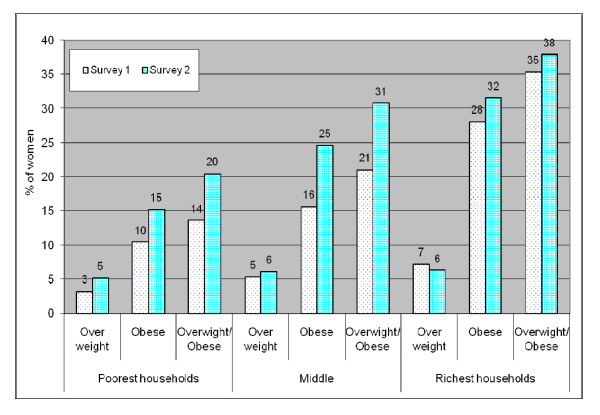
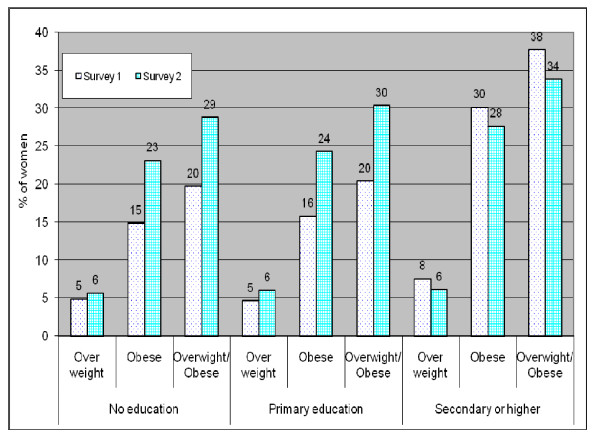
BACKGROUND: Obesity is a well recognized risk factor for various chronic diseases such as cardiovascular diseases, hypertension, and type 2 diabetes mellitus. The aim of this study was to shed light on the patterns of overweight and obesity in sub-Saharan Africa, with special interest in differences between the urban poor and the urban non-poor. The specific goals were to describe trends in overweight and obesity among urban women; and examine how these trends vary by education and household wealth. METHODS: The paper used Demographic and Health Surveys data from seven African countries where two surveys had been carried out with an interval of at least 10 years between them. Among the countries studied, the earliest survey took place in 1992 and the latest in 2005. The dependent variable was body mass index coded as: Not overweight/obese; Overweight; Obese. The key covariates were time lapse between the two surveys; woman's education; and household wealth. Control variables included working status, age, marital status, parity, and country. Multivariate ordered logistic regression in the context of the partial proportional odds model was used. RESULTS: Descriptive results showed that the prevalence of urban overweight/obesity increased by nearly 35% during the period covered. The increase was higher among the poorest (+50%) than among the richest (+7%). Importantly, there was an increase of 45-50% among the non-educated and primary-educated women, compared to a drop of 10% among women with secondary education or higher. In the multivariate analysis, the odds ratio of the variable time lapse was 1.05 (p < 0.01), indicating that the prevalence of overweight/obesity increased by about 5% per year on average in the countries in the study. While the rate of change in urban overweight/obesity did not significantly differ between the poor and the rich, it was substantially higher among the non-educated women than among their educated counterparts. CONCLUSION: Overweight and obesity are on the rise in Africa and might take epidemic proportions in the near future. Like several other public health challenges, overweight and obesity should be tackled and prevented early as envisioned in the WHO Global strategy on diet, physical activity and health.
Overview
The claims and statistics of this paper haven’t been checked yet.
Free: it reads the open-access text and checks the first 5 claims that cite a source we can check. Create a free account to check every claim.
Integrity signals
Registry
Cites
Statistics
Figures
Verification
Claims the paper makes
The claims and statistics of this paper haven’t been checked yet.
Free: it reads the open-access text and checks the first 5 claims that cite a source we can check. Create a free account to check every claim.
Claims other papers make about this one
Each is checked against this paper’s own text: does it say what the citing paper says it does?
In the citing paper
“African families are classified as families that include multiple caregivers [13] such as grandparents and other extended family members (aunts, uncles, brothers, and sisters)”
From Digital Health Technologies for Maternal and Child Health in Africa and Other Low- and Middle-Income Countries: Cross-disciplinary Scoping Review With Stakeholder Consultation (2023) · doi:10.2196/42161 · cites this paper as [13]
Self-check
Percentages, sums and reported differences re-computed from the paper’s own numbers.
The self-check needs the paper’s full text.
Citations
Cites
Lopez, A. D., Mathers, C. D., Ezzati, M., Jamison, D. T., & Murray, C. J. (2006) · The Lancet · doi:10.1016/s0140-6736(06)68770-9 · Cited by 5,630
Filmer, D., & Pritchett, L. H. (2001) · Demography · doi:10.1353/dem.2001.0003 · Cited by 5,238
Filmer, D., & Pritchett, L. H. (2001) · Demography · doi:10.2307/3088292 · Cited by 2,972
Global Burden of Disease and Risk Factors
(2006) · World Bank, Washington, DC eBooks · doi:10.1596/978-0-8213-6262-4 · Cited by 2,605
Global strategy on diet, physical activity and health
Samuelson, G. (2004) · Food & Nutrition Research · doi:10.3402/fnr.v48i2.1503 · Cited by 2,319
Generalized Ordered Logit/Partial Proportional Odds Models for Ordinal Dependent Variables
Williams, R. (2006) · The Stata Journal: Promoting communications on statistics and Stata · doi:10.1177/1536867x0600600104 · Cited by 2,118
Global strategy on diet, physical activity and health
Samuelson, G. (2004) · Scandinavian Journal of Nutrition · doi:10.1080/11026480410034349 · Cited by 1,720
Preventing chronic diseases: a vital investment
Vita-Finzi, L., & Who, G. E. (2005) · Cited by 1,679
The nutrition transition: worldwide obesity dynamics and their determinants
Popkin, B. M., & Gordon-Larsen, P. (2004) · International Journal of Obesity · doi:10.1038/sj.ijo.0802804 · Cited by 1,538 · cited 1×
“With increasing urbanization, there might be a shift of the obesity burden to sections of the poor urban population who may not have the knowledge or financial resources to adopt healthier lifestyles [28-30].”
BackgroundCohen, B. (2004) · World Development · doi:10.1016/j.worlddev.2003.04.008 · Cited by 846
Research works printed but not linked: 3
- United Nations: World Urbanization Prospectus: The 2005 Revision. New York: United Nations, Department of Economic and Social Affairs, Population Division; 2006.
- UNFPA: The State of the World Population 1996. Changing Places: Population, Development and the Urban Poor. New York: United Nations; 1996.
- UN: United Nations Millennium Declaration. Fifty-fifth Ses- sion of the United Nations General Assembly. New York: United Nations; 2000.
Cited by
Items 201–300 of 433
Why have so many African leaders died of COVID-19?
Falisse, J., MacDonald, R., Molony, T., & Nugent, P. (2021) · BMJ Global Health · doi:10.1136/bmjgh-2021-005587 · Cited by 20
“Diabetes and obesity are more frequent among wealthy African individuals with a high level of education, 18 but this is also the case in Asia.”
Amoh, I., & Appiah-Brempong, E. (2017) · International Journal of Community Medicine and Public Health · doi:10.18203/2394-6040.ijcmph20174247 · Cited by 15
Epidemiological correlates of overweight and obesity in the Northern Cape Province, South Africa
Smith, M. H., Myrick, J. W., Oyageshio, O. P., Uren, C., Saayman, J., Boolay, S., van der Westhuizen, L., Werely, C. J., Möller, M., Henn, B. M., et al. (2023) · PeerJ · doi:10.7717/peerj.14723 · Cited by 20
Chen, H., Atingabili, S., Mensah, I. A., Omari-Sasu, A. Y., Tackie, E. A., Arboh, F., & Danso, B. A. (2023) · Frontiers in Public Health · doi:10.3389/fpubh.2023.1200555 · Cited by 14
Analysis of main risk factors contributing to obesity in the region of East Africa: meta-analysis
Mařincová, L., Šafaříková, S., & Cahlíková, R. (2020) · African Health Sciences · doi:10.4314/ahs.v20i1.30 · Cited by 17
“Pooled data (number of studies included): Gender (14) Education (2) Type of residence (9) Use of alcohol (2) Smoking (2) Socioeconom ic status (6)”
BackgroundUrban Planning and Health Inequities: Looking in a Small-Scale in a City of Cape Verde
Gonçalves, L. A. P., Santos, Z., Amado, M., Alves, D. A., Simões, R., Delgado, A., Correia, A. J., Cabral, J., Lapão, L. V., & Craveiro, I. M. R. (2015) · PLoS ONE · doi:10.1371/journal.pone.0142955 · Cited by 28
A feminist geographic analysis of perceptions of food and health in Ugandan cities
Mackay, H. (2019) · Gender Place & Culture · doi:10.1080/0966369x.2018.1555148 · Cited by 15
“This persona was put forward as a reason for why women in Sub-Saharan Africa are being more affected by obesity than men (Ziraba, Fotso, and Ochako 2009).”
BackgroundForrester, T. (2013) · Nestlé Nutrition Institute Workshop series · doi:10.1159/000342599 · Cited by 16
Iloh, G. U. P. (2013) · American Journal of Health Research · doi:10.11648/j.ajhr.20130103.16 · Cited by 13
“[6-8] Normal adiposity of the abdomen(flat abdomen) is viewed as the ideal abdominal adiposity in western societies in contrast to the perception in traditional Nigerian societies where protruding abdomen(abdominal obesity) is culturally perceived as a symbol of good health and wealth.”
BackgroundGato, W. E., Acquah, S., Apenteng, B. A., Opoku, S. T., & Boakye, B. K. (2017) · International Health · doi:10.1093/inthealth/ihx028 · Cited by 13
Nutritional paradox in Ethiopian women: Multilevel multinomial analysis
Tareke, A. A., & Getnet, M. (2020) · Clinical Nutrition ESPEN · doi:10.1016/j.clnesp.2020.02.005 · Cited by 13
Owoeye, S. M., Oseni, B. M., & Gayawan, E. (2020) · Heliyon · doi:10.1016/j.heliyon.2020.e04073 · Cited by 13
Kidokoro, T., Fuku, N., Yanagiya, T., Takeshita, T., Takaragawa, M., Annear, M. J., Tian, X., Waiganjo, L. B., Bogonko, L. F., Isika, J. K., et al. (2020) · International Journal of Environmental Research and Public Health · doi:10.3390/ijerph17124254 · Cited by 15
Yaya, S., El‐Khatib, Z., Ahinkorah, B. O., Budu, E., & Bishwajit, G. (2021) · Journal of Epidemiology and Global Health · doi:10.1007/s44197-021-00004-6 · Cited by 14
Badiane, O., Hendriks, S. L., Glatzel, K., Abdelradi, F., Admassie, A., Asafu‐Adjaye, J., Ayieko, M. W., Bekele, E., Chaibi, T., Hassan, M. H. A., et al. (2023) · Springer eBooks · doi:10.1007/978-3-031-15703-5_37 · Cited by 21
Rossi, I. A., Rousson, V., Viswanathan, B., & Bovet, P. (2011) · BMC Public Health · doi:10.1186/1471-2458-11-912 · Cited by 15
“Studies on the relationship between SES and obesity have often been limited to women only [9,11-13] and few provide analyses of trends over time [10,11,13,14].”
BackgroundMethodResultInfluentialFactors Associated with Overweight and Obesity in an Urban Area of South East Nigeria
Ijoma, U. N., Chime, P. E., Onyekonwu, C. L., Ezeala‐Adikaibe, B., Orjioke, C., Anyim, O. B., Onodugo, O. D., Aneke, E., Nwatu, C. B., Young, E. E., et al. (2019) · Food and Nutrition Sciences · doi:10.4236/fns.2019.107054 · Cited by 13
“[10], nevertheless, it differed widely between countries [5] [6] [12] [33] [34].”
BackgroundKlatka, M., Zienkiewicz, E., Kołłątaj, W. P., Zienkiewicz, T., & Kołłątaj, B. (2019) · Annals of Agricultural and Environmental Medicine · doi:10.26444/aaem/112373 · Cited by 14
Osayomi, T., & Orhiere, M. A. (2017) · Bulletin of Geography Socio-economic series · doi:10.1515/bog-2017-0036 · Cited by 14
“Overweight and obesity are present in Africa probably due to the diffusion of Western lifestyle and urbanisation (Ziraba et al., 2009; Doku, Neupane, 2015; Neupane et al., 2016).”
BackgroundDoing things their way? Food, farming and health in two Ugandan cities
Mackay, H., Mugagga, F., Kakooza, L., & Chiwona‐Karltun, L. (2017) · Cities & Health · doi:10.1080/23748834.2017.1414425 · Cited by 14
“…to findings from the Global North where it is predominantly the poor who have obesity-related problems (Popkin et al. 2012, Shrimpton and Rokx 2013), although there are signs the poor in the Global South are increasingly affected (Ziraba et al. 2009, Popkin et al. 2012, Shrimpton and Rokx 2013).”
BackgroundResultKenyan Awareness of Aflatoxin: An Analysis of Processed Milk ConsumersPreprint
Mtimet, N., Walke, M., Baker, D., Lindahl, J. F., Hartmann, M., & Grace, D. (2015) · RePEc: Research Papers in Economics · doi:10.22004/ag.econ.212504 · Cited by 12
“However, as important whole milk is for the undernourished population, as important it is to educate urban Kenyans about advantages of fat-reduced milk products since obesity is becoming a severe problem among that society (Ziraba et al., 2009; Steyn et al., 2011).”
BackgroundCardiovascular prevention model from Kenyan slums to migrants in the Netherlands
van de Vijver, S. J. M., Oti, S. O., van Charante, E. P. M., Allender, S. E., Foster, C. E., Lange, J. M. A., Oldenburg, B. F., Kyobutungi, C. K., & Agyemang, C. O. (2015) · Globalization and Health · doi:10.1186/s12992-015-0095-y · Cited by 11
“In Africa, being the fastest urbanizing continent, lifestyle regarding diet and physical exercise is changing rapidly, leading to increased rates of CVD and its risk factors such as hypertension, obesity and diabetes [3-5].”
BackgroundKhadilkar, A., Lohiya, N. N., Mistry, S., Chiplonkar, S. A., Khadilkar, V. V., Kajale, N., Ekbote, V. H., Vispute, S., Mandlik, R. M., Prasad, H. K., et al. (2019) · Indian Journal of Endocrinology and Metabolism · doi:10.4103/ijem.ijem_536_19 · Cited by 13
Lazo‐Porras, M., Liu, H., Ouyang, M., Yin, X., Malavera, A., Bressan, T., Guzman‐Vilca, W. C., Pacheco, N. V., Benito, M., Miranda, J. J., et al. (2022) · BMJ Open · doi:10.1136/bmjopen-2021-057597 · Cited by 14
Prinsloo, E., Joubert, G., Mohale, M. O., Nyindi, N., Matu, N., Ntechane, L., & Struwig, M. C. (2011) · South African Family Practice · doi:10.1080/20786204.2011.10874116 · Cited by 14
Chege, P. (2016) · South African Family Practice · doi:10.1080/20786190.2015.1114703 · Cited by 11
“1) 5 (4) 10 (9) 19 (17) 14 (13) 39 (35) 25 (22) 112 (100)”
InfluentialBulto, L. N., Magarey, J., Rasmussen, P., & Hendriks, J. (2019) · European Journal of Cardiovascular Nursing · doi:10.1177/1474515119861772 · Cited by 11
“Smoking Ever used tobacco product 29 (10) 29 (23) 0 Current tobacco smoking 3 (1) 3 (2.”
BackgroundOverweight and obesity profiles in Niger Delta Region, Nigeria
Idung, A. U., Abasiubong, F., Udoh, S., & Ekanem, U. S. (2014) · African Journal of Primary Health Care & Family Medicine · doi:10.4102/phcfm.v6i1.542 · Cited by 11
Determinants of Obesity in West Africa: A Systematic ReviewPreprint
Agyemang, K., Pokhrel, S., Victor, C. R., & Anokye, N. (2021) · medRxiv · doi:10.1101/2021.04.27.21255462 · Cited by 13
Kamanga, P., Zhang, B., Kaphera, S., Mwale, S., & Koroma, M. M. (2024) · BMJ Open · doi:10.1136/bmjopen-2024-084120 · Cited by 10
State of dietetics practice in Ghana
Aryeetey, R., Boateng, I., & Sackey, D. (2015) · Ghana Medical Journal · doi:10.4314/gmj.v48i4.9 · Cited by 10
“Overweight prevalence has been reported to be rising rather rapidly in SSA.(7) Among preschool children, Africa had the highest incidence of overweight between 1990 and 2010.”
BackgroundInfluentialDietary quality and overnutrition among adults in Kenya: what role does ICT play?
Muange, E., & Ngigi, M. W. (2021) · Food Security · doi:10.1007/s12571-021-01174-8 · Cited by 15
Ikoona, E. N., Touré, M. A., Njenga, A., Namulemo, L., Kaluya, R., Kamara, K., Oyat, F. W. D., Aloyo, J., Matovu, J. B., & Kitara, D. L. (2023) · BMC Nutrition · doi:10.1186/s40795-023-00795-w · Cited by 9
Obesity in Africa: A Silent Public Health Crisis
Agyemang, C. O., Kushitor, S. B., Afrifa-Anane, G. F., & Aikins, A. D. (2023) · Springer eBooks · doi:10.1007/978-3-031-40116-9_5 · Cited by 13
Maina, C. C., Kornher, L., & von Braun, J. (2024) · PLoS ONE · doi:10.1371/journal.pone.0302510 · Cited by 12
Knowledge, attitudes and management skills of medical practitioners regarding weight management
Mkhatshwa, V. B., Ogunbanjo, G. A., & Mabuza, L. H. (2016) · African Journal of Primary Health Care & Family Medicine · doi:10.4102/phcfm.v8i1.1187 · Cited by 11
SUMBER DAYA LOKAL SEBAGAI DASAR PERENCANAAN PROGRAM GIZI DAERAH URBAN
Oktia Woro Kasmini, H., Raharjo, B. B., Nugroho, E., & Hermawati, B. (2017) · Media Kesehatan Masyarakat Indonesia · doi:10.30597/mkmi.v13i1.1575 · Cited by 13
Hagan, J. E., Nsiah-Asamoah, C. N. A., Hormenu, T., Pollmann, D., & Schack, T. (2018) · Journal of Preventive Medicine And Care · doi:10.14302/issn.2474-3585.jpmc-18-2059 · Cited by 9
“According to Ziraba et al. [6], the prevalence of overweight and obesity increased by almost a third in sub - Saharan Africa, especially among women and people living in urban populaces.”
Comparison of Cardiovascular Risk Factors among Somalis Living in Norway and Somaliland
Ahmed, S. H., Marjerrison, N., Kjøllesdal, M. K. R., Stigum, H., Htet, A. S., Bjertness, E., Meyer, H. E., & Madar, A. A. (2019) · International Journal of Environmental Research and Public Health · doi:10.3390/ijerph16132353 · Cited by 10
Agyapong, N. A. F., Annan, R. A., Apprey, C., Aduku, L. N. E., & Swart, R. (2020) · BMC Nutrition · doi:10.1186/s40795-020-00339-6 · Cited by 14
“Part of this may be due to differences in physical activity levels, socio-economic status and food consumption patterns among rural and urban dwellers [12, 13].”
BackgroundYaya, S., Anjorin, S., & Okolie, E. A. (2022) · Obesity Science & Practice · doi:10.1002/osp4.595 · Cited by 10
“Rapid urbanization due to socioeconomic changes has led to an unprecedented adoption of western‐ style diet including highly processed food and sedentary habits which are key drivers for obesity in the SSA region.(2,10) Concomitantly, obesity has been implicated in the rising prevalence of NCDs leading to a double bur…”
BackgroundAzanaw, M. M., Zewde, E. A., Gebremariam, A. D., Dagnaw, F. T., Asnakew, D. T., Chanie, E. S., Feleke, D. G., & Tiruneh, S. A. (2022) · BMC Women s Health · doi:10.1186/s12905-022-02102-4 · Cited by 10
“This finding agreed with another study [36].”
ResultMihardja, L. K., & Soetrisno, U. S. S. (2012) · Journal of the ASEAN Federation of Endocrine Societies · doi:10.15605/jafes.027.01.12 · Cited by 15
Christine, P. J., Roux, A. V. D., Wing, J. J., Alazraqui, M., & Spinelli, H. (2014) · Public Health Nutrition · doi:10.1017/s1368980014001694 · Cited by 9
“Several studies of LMIC have demonstrated that the greatest temporal increases in body weight are occurring among low-SEP groups((8,16,17)).”
BackgroundResultSocioeconomic transition and its influence on body mass index (BMI) pattern in Bangladesh
Biswas, R. K., Kabir, E., & Khan, H. T. A. (2018) · Journal of Evaluation in Clinical Practice · doi:10.1111/jep.13028 · Cited by 13
“However, excess weight is more problematic for rich people in urban areas both in developed and developing nations.(42) Interestingly, obesity also hampers the income of individuals and families by significantly reducing wealth status.”
BackgroundCommentary: Jumping the gun or asleep at the switch: is there a middle ground?
Jones‐Smith, J. C. (2013) · International Journal of Epidemiology · doi:10.1093/ije/dyt080 · Cited by 9
Overweight and obesity trends and associated factors among reproductive women in Ethiopia
Beyene, E. T., Cha, S., & Jin, Y. (2024) · Global Health Action · doi:10.1080/16549716.2024.2362728 · Cited by 12
“Moreover, overweight and obesity are significant risk factors for coronary heart disease, hypertension, stroke, type 2 diabetes, dyslipidemia, cancer, and other untreated non-communicable diseases (NCDs) [5–8].”
Wang, W., Mensah, I. A., Atingabili, S., Omari-Sasu, A. Y., Nouwati, E., Kunkuaboor, Y. C., Obobisa, E. S., & Qiao, M. (2025) · Globalization and Health · doi:10.1186/s12992-025-01121-8 · Cited by 10
“In Africa, the incidence of obesity rose by over a third between 1992 and 2005 [91].”
Iloh, G., Amadi, A., Ikwudinma, A., & Njoku, P. (2013) · European Journal of Preventive Medicine · doi:10.11648/j.ejpm.20130103.14 · Cited by 8
“[6, 8, 44] Furthermore regulation of energy balance is a complex mechanism involving family behavioural, genetic, hormonal, and neural influences [44, 45].”
BackgroundMacicame, I., Prista, A., Parhofer, K. G., Cavele, N., Manhiça, C., Nhachungue, S., Saathoff, E., & Rehfuess, E. A. (2021) · Journal of Global Health · doi:10.7189/jogh.11.04021 · Cited by 13
Kasomo, J. M., & Gayawan, E. (2021) · SSM - Population Health · doi:10.1016/j.ssmph.2021.100939 · Cited by 12
“The same findings were reported elsewhere in Ghana, Niger, and Malawi (Ziraba et al., 2009).”
BackgroundResultAssessing the readiness of small cities in Ghana to tackle overweight and obesity
Aberman, N., Nisbett, N., Amoafo, A., & Aryeetey, R. (2022) · Food Security · doi:10.1007/s12571-021-01234-z · Cited by 8
Mohamed, S. F., Macharia, T. N., Asiki, G., & Gill, P. S. (2023) · PLOS Global Public Health · doi:10.1371/journal.pgph.0001625 · Cited by 12
Cost-minimizing food budgets in Ghana
Darko, F. A. (2013) · Journal of Development and Agricultural Economics · doi:10.5897/jdae12.097 · Cited by 8
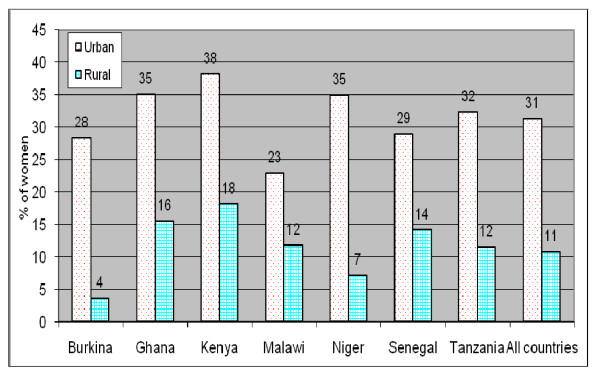
“A similar study by Ziraba et al. (2009) observed that about 35% of urban dwellers and 15% of rural dwellers in Ghana are either overweight or obese.”
BackgroundSoltani, S., Moghadam, M. M., Amani, S., Akbari, S., Shiani, A., & Soofi, M. (2022) · BMC Health Services Research · doi:10.1186/s12913-022-08811-8 · Cited by 11
“Different studies have used the wealth index to investigate subjects such as obesity [32, 33], physical activity [34, 35], oral health [36], malaria transmission [37], reproductive health [38], and poverty [39].”
BackgroundObesity in Africa: A Silent Public Health Crisis
Agyemang, C. O., Kushitor, S. B., Afrifa-Anane, G. F., & Aikins, A. D. (2023) · Springer eBooks · doi:10.1007/978-3-319-12125-3_5-2 · Cited by 9
Food systems thinking unpacked: a scoping review on industrial diets among adolescents in Ghana
Sambu, W., Picchioni, F., Stevano, S., Codjoe, E. A., Nkegbe, P. K., & Turner, C. J. (2023) · Food Security · doi:10.1007/s12571-023-01408-x · Cited by 13
“Undernutrition continues to be common among young children (Jonah et al., 2018), but rising levels of overweight and obesity are becoming a key public health issue (Ghana Statistical Service et al., 2015; Ofori-Asenso et al., 2016; Ziraba et al., 2009).”
Amoah, C., Adageba, R. K., Appiah, E., & Sefogah, P. E. (2025) · Scientific Reports · doi:10.1038/s41598-024-82818-5 · Cited by 13
“However, this finding appears to contrast other researchers’ reports that indicated a higher prevalence of overweight and obesity among women with no or low education compared with those with secondary education or higher in seven Sub-Saharan African countries 4 .”
The Prevalence of Obesity in a Nigerian Military Population
Hussain, E. (2011) · TAF Preventive Medicine Bulletin · doi:10.5455/pmb.20110426121426 · Cited by 7
Taylor, M. M. (2017) · Springer eBooks · doi:10.1007/978-3-319-68978-4_1 · Cited by 11
Can poverty status explain obesity in developing countries? Evidence from Ghana
Dogbe, W. (2020) · Agribusiness · doi:10.1002/agr.21663 · Cited by 10
James, A. E., & Palmer, G. H. (2015) · International Journal of Child Health and Nutrition · doi:10.6000/1929-4247.2015.04.02.5 · Cited by 8
Mawaw, P. M., Yav, T., Lukanka, O., Mukuku, O. K., Kakisingi, C. N., Kakoma, J.-B. S. Z., & Luboya, O. N. (2017) · Pan African Medical Journal · doi:10.11604/pamj.2017.28.157.13762 · Cited by 10
“This finding is consistent with other studies [42, 43].”
ResultFood Insecurity, Dietary Patterns, and Non-Communicable Diseases (NCDs) in Windhoek, Namibia
Kazembe, L. N., Nickanor, N. M., & Crush, J. (2021) · Journal of Hunger & Environmental Nutrition · doi:10.1080/19320248.2021.1901822 · Cited by 9
Agboyibor, M. K., Nambiema, A., Golestani, A., Okeibunor, J., Diallo, C. B., Jouven, X., Dangou, J.-M., Farzadfar, F., & Empana, J. P. (2026) · BMJ Global Health · doi:10.1136/bmjgh-2025-019988 · Cited by 8
Musa, E., Salazar‐Petres, E., Vatish, M., Levitt, N. S., Sferruzzi-Perri, A. N., & Matjila, M. J. (2024) · Placenta · doi:10.1016/j.placenta.2024.05.138 · Cited by 9
Safe Food and Non-Communicable Diseases in the Global South
Afoakwah, N. A., Mahunu, G. K., & Osei-Kwarteng, M. (2024) · Springer eBooks · doi:10.1007/978-981-97-2428-4_4 · Cited by 11
Ngango, J., & Omole, O. B. (2018) · Cardiovascular journal of South Africa/Cardiovascular journal of Southern Africa · doi:10.5830/cvja-2018-038 · Cited by 6
Introduction to urban food security in the Global South
Crush, J., Frayne, B., & Hayson, G. (2020) · Edward Elgar Publishing eBooks · doi:10.4337/9781786431516.00006 · Cited by 11
“Another study of West African cities reported that the prevalence of obesity increased by nearly 35 per cent between 1992 and 2005 (Ziraba et al., 2009).”
BackgroundTrends and risk factors for non-communicable diseases mortality in Nairobi slums (2008–2017)
Asiki, G., Kadengye, D. T., Calvert, C., Wamukoya, M., Mohamed, S. F., Ziraba, A. K., Iddi, S., Bangha, M. W., Wekesah, F. M., Chikozho, C., et al. (2021) · Global Epidemiology · doi:10.1016/j.gloepi.2021.100049 · Cited by 7
Self-citationAllameh, M. R., Gheshlagh, R. G., & Rahmani, K. (2021) · High Blood Pressure & Cardiovascular Prevention · doi:10.1007/s40292-021-00490-6 · Cited by 8
Clark, S. N., Bennett, J. E., Arku, R. E., Hill, A. G., Fink, G., Adanu, R., Biritwum, R. B., Darko, R., Bawah, A. A., Duda, R. B., et al. (2021) · PLoS Medicine · doi:10.1371/journal.pmed.1003850 · Cited by 8
Akinmoladun, O., Oluyede, O. G., Femi, F. A., Olaitan, O. O., & Nesamvuni, C. (2021) · African Journal of Food Agriculture Nutrition and Development · doi:10.18697/ajfand.105.19555 · Cited by 13
“This finding supports previous work that proposed a statistically significant association between high socioeconomic status and obesity [15].”
ResultOverweight and obesity in south central Uganda: A population-based study
Ayoola, A., Ssekubugu, R., Grabowski, M. K., Ssekasanvu, J., Kigozi, G., Mustapha, A. F., Reynolds, S. J., Ekström, A. M., Nordenstedt, H., Enriquez, R., et al. (2022) · PLOS Global Public Health · doi:10.1371/journal.pgph.0001051 · Cited by 6
Fongar, A., Linderhof, V. G. M., Ekesa, B. N., Dijkxhoorn, Y., & Nalweyiso, M. D. (2023) · Frontiers in Sustainable Food Systems · doi:10.3389/fsufs.2022.1063331 · Cited by 7
“Moreover, the rising dietary aspirations of African urban populations often lead to increased consumption of unhealthy processed foods while hunger remains an issue (Ziraba et al., 2009; Tschirley et al., 2015).”
BackgroundPattern of aneurysms among young black Kenyans
Ogeng’o, J. A., Obimbo, M., Olabu, B. O., & Sinkeet, S. (2011) · Indian Journal of Thoracic and Cardiovascular Surgery · doi:10.1007/s12055-011-0088-2 · Cited by 6
Motadi, S. A., Veldsman, T., Mohlala, M., & Mabapa, N. S. (2018) · Journal of Nutrition and Health Sciences · doi:10.15744/2393-9060.5.102 · Cited by 7
Mkhize, B. T., Mabaso, M. H. L., Madurai, S., & Mkhize‐Kwitshana, Z. L. (2018) · BioMed Research International · doi:10.1155/2018/7805857 · Cited by 6
Has the double burden of malnutrition reached pupils in rural western Kenya?
Takeuchi, R., Njomo, D. W., Njenga, S. M., Tomokawa, S., Mutua, A., Kazama, H., Walema, B., Akiyama, T., Asakura, T., Kamiya, Y., et al. (2021) · Pediatrics International · doi:10.1111/ped.14729 · Cited by 8
Pratiwi, A. A., & Nindya, T. S. (2017) · Amerta Nutrition · doi:10.20473/amnt.v1i3.2017.153-161 · Cited by 7
Ideal body image and socioeconomic factors: exploring the perceptions of Kenyan women
Waltsgott, L., Adedeji, A., & Buchcik, J. (2024) · BMC Women s Health · doi:10.1186/s12905-024-03307-5 · Cited by 7
Bockarie, T., Shanker, A., Jalloh, M. B., Kamara, A. M., Odland, M. L., Wurie, H. R., Ansumana, R., Lamin, J. M., Witham, M. D., Oyebode, O. O., et al. (2025) · BMJ Open · doi:10.1136/bmjopen-2024-095825 · Cited by 12
Keino, B. C., & Carrel, M. (2024) · Health & Place · doi:10.1016/j.healthplace.2024.103326 · Cited by 5
Wachira, L.-J. M., Muthuri, S. K., Ochola, S., Onywera, V. O., & Tremblay, M. S. (2020) · Child and Adolescent Obesity · doi:10.1080/2574254x.2020.1842014 · Cited by 6
“Overweight and obesity have been identified as increasing public health problems in both developed and developing countries (Ziraba et al. 2009).”
BackgroundHunegnaw, W. A., Ferede, A. G., Tekalign, T., & Asres, A. W. (2022) · SAGE Open Medicine · doi:10.1177/20503121221146729 · Cited by 5
Cohen, A. K., Christine, P. J., & El‐Sayed, A. M. (2013) · Revista Española de Nutrición Humana y Dietética · doi:10.14306/renhyd.17.2.13 · Cited by 5
An evaluation of middle-income group housing in Kolkata, India
Kaur, A., & Gupta, S. (2019) · International Journal of Housing Markets and Analysis · doi:10.1108/ijhma-04-2018-0025 · Cited by 5
Socioeconomic and Gender Health Disparities in Diabetes: The Lower Middle Income Case of Ghana
Dagadu, H. E. (2019) · Sociological Inquiry · doi:10.1111/soin.12283 · Cited by 7
Obesity measures in the Kiribati population: a need to reclassify body mass index cut-points
Eme, P. E., Burlingame, B., Kim, N. D., Foliaki, S., Wham, C. A., & Douwes, J. E. (2020) · BMC Public Health · doi:10.1186/s12889-020-09217-z · Cited by 6
Zegeye, B., Shibre, G., & Woldeamanuel, G. G. (2021) · BMC Public Health · doi:10.1186/s12889-021-10571-9 · Cited by 5
“Another justification for higher obesity prevalence among urban residents might be due to non-availability of natural foods or unavailability of non-traditional foods and increased the attraction of western products (may be seen as a status symbol) the urban communities are high likely to consume such sedentary foods…”
BackgroundLazo‐Porras, M., Liu, H., Miranda, J. J., Moore, G. F., Burri, M., Chappuis, F., Perel, P., & Beran, D. (2021) · Systematic Reviews · doi:10.1186/s13643-021-01801-7 · Cited by 5
Ramasamy, P., David, N., Zipporah, W., & Kiplagat, V. (2018) · International Journal of Research in Medical Sciences · doi:10.18203/2320-6012.ijrms20181745 · Cited by 5
“Although obesity continues to be prevalent in most developed countries, it is an emerging and growing problem for developing countries, such as Kenya.6 According to the Kenya demographic health survey for 2008-2009, which is the latest and most current data available at this time, over 25% of women between the ages of…”
BackgroundInfluentialDual Burden Households and Nutritional Inequality in IndonesiaPreprint
Roemling, C., & Qaim, M. (2012) · RePEc: Research Papers in Economics · doi:10.22004/ag.econ.126943 · Cited by 5
Osborne, A. (2025) · PLoS ONE · doi:10.1371/journal.pone.0339595 · Cited by 4
“In several countries, more than one in five adult women are affected, while male prevalence is markedly lower [9,10].”
Central obesity and associated factors among public service employees in Adama Town in Ethiopia
Deybasso, H. A., Geda, Y. D., & Mohammed, E. (2024) · Scientific Reports · doi:10.1038/s41598-024-72007-9 · Cited by 5
Alathari, B. E., Nyakotey, D. A., Bawah, A.-M., Lovegrove, J. A., Annan, R. A., Ellahi, B., & Vimaleswaran, K. S. (2022) · Nutrients · doi:10.3390/nu14132763 · Cited by 4
Iloh, G. U. P. (2014) · Journal of Advances in Medicine and Medical Research · doi:10.9734/bjmmr/2014/7971 · Cited by 4
“However, in the present, public perceptions of healthy body shape and weight have changed significantly since the beginning of the epidemic of obesity, metabolic syndrome and cardiovascular diseases [9-11].”
BackgroundCardiovascular Risk Factors (CVrf) in Rural and Urban Areas Mali: Data from the Step 2013 Survey
Ba, H., Menta, I., Camara, Y., Sangaré, I., Landouré, G., Millogo, G. R. C., Coulibaly, S. P., & Diall, I. B. (2018) · World Journal of Cardiovascular Diseases · doi:10.4236/wjcd.2018.81005 · Cited by 4
“Obesity in general was more important in the female sex and in urban areas as found by Ziraba [22], Garcia et al. [23].”
BackgroundResultInfluentialUnderstanding nutrition transition among internal rural-to-urban migrant women in Nairobi, Kenya
Peters, R., Elsey, H., Newell, J. N., & Hill, A. J. (2018) · Proceedings of The Nutrition Society · doi:10.1017/s0029665118001957 · Cited by 4
Metadata
- Authors
- Ziraba, A. K., Fotso, J. C., & Ochako, R.
- Affiliations
- African Population and Health Research Center (KE)
- Corresponding author
- Ziraba, Abdhalah K
- Venue
- BMC Public Health
- Published
- 2009-12
- Volume
- 9
- Issue
- 1
- Pages
- 465-465
- ISSN
- 1471-2458 (ISSN-L)
- PMC
- PMC2803188
- OpenAlex
- W1989483002
- Cited by
- 433
- References
- 47
- Citations by year
- 2026: 21 · 2025: 11 · 2024: 18 · 2023: 28 · 2022: 28 · 2021: 38 · 2020: 26 · 2019: 34 · 2018: 28 · 2017: 32 · 2016: 31 · 2015: 43 · 2014: 26 · 2013: 24 · 2012: 24
- FWCI
- 14.79
- Type
- journal article
- Language
- en
- Open access
- gold
- doi.org
- Licence
- cc-by
- creativecommons.org/licenses/by/2.0 (tdm)
- Locations
- BMC Public Health (publishedVersion, cc-by)
- PubMed Central (publishedVersion, cc-by)
- PubMed (publishedVersion)
- LSHTM Research Online (London School of Hygiene and Tropical Medicine) (acceptedVersion)
- DOAJ (DOAJ: Directory of Open Access Journals) (submittedVersion)
- Funders
- London School of Hygiene and Tropical Medicine
- African Population and Health Research Center
- Topics
- Health Sciences › Medicine › Public Health, Environmental and Occupational Health › Obesity, Physical Activity, Diet
- Health Sciences › Nursing › Nutrition and Dietetics › Nutrition, Health and Food Behavior
- Health Sciences › Medicine › Endocrinology, Diabetes and Metabolism › Diabetes, Cardiovascular Risks, and Lipoproteins
- Keywords
- overweight, obesity, urban women, sub-Saharan Africa, household wealth, educational attainment, body mass index trends, urban poverty, chronic disease risk factors
- MeSH terms
- Africa, Educational Status, Employment, Female, Humans, Income, Male, Obesity, Urban Health, Prevalence, Multivariate Analysis, Logistic Models, Overweight
About these checks
Registry, retraction, Cites and statistics results are computed, not judged, with one exception: a printed reference that no index lists is read once by a model before it counts as a citation error. Claims are extracted by a model and kept only when their quote appears verbatim in the text; each cited source is then checked, with a model’s help, for whether it says what the claim relies on. Those verdicts can be wrong — read the claim’s quote and the cited source before relying on one.
Statistics and arithmetic are recomputed, not judged.
Confidence bands are shown only for fields calibrated on our annotated test set. None is calibrated yet, so no band is shown.
What counts as a claim ›How we measure confidence ›How we check this ›
Are you an author, or do you see a problem with this page? Request a review
Data sources
Bibliographic data: Semantic Scholar, OpenAlex, Crossref.
Contains information from the Semantic Scholar Academic Graph Datasets, made available under the ODC Attribution License (ODC-BY 1.0).
Semantic Scholar’s data is described in: Kinney, R., et al. (2023). The Semantic Scholar Open Data Platform. arXiv:2301.10140.
