

Overweight and obesity in urban Africa: A problem of the rich or the poor?
Open accessThe DOI matches its Crossref record; 47 of the 47 references it cites were found in a registry or an index.
Abstract
BACKGROUND: Obesity is a well recognized risk factor for various chronic diseases such as cardiovascular diseases, hypertension, and type 2 diabetes mellitus. The aim of this study was to shed light on the patterns of overweight and obesity in sub-Saharan Africa, with special interest in differences between the urban poor and the urban non-poor. The specific goals were to describe trends in overweight and obesity among urban women; and examine how these trends vary by education and household wealth. METHODS: The paper used Demographic and Health Surveys data from seven African countries where two surveys had been carried out with an interval of at least 10 years between them. Among the countries studied, the earliest survey took place in 1992 and the latest in 2005. The dependent variable was body mass index coded as: Not overweight/obese; Overweight; Obese. The key covariates were time lapse between the two surveys; woman's education; and household wealth. Control variables included working status, age, marital status, parity, and country. Multivariate ordered logistic regression in the context of the partial proportional odds model was used. RESULTS: Descriptive results showed that the prevalence of urban overweight/obesity increased by nearly 35% during the period covered. The increase was higher among the poorest (+50%) than among the richest (+7%). Importantly, there was an increase of 45-50% among the non-educated and primary-educated women, compared to a drop of 10% among women with secondary education or higher. In the multivariate analysis, the odds ratio of the variable time lapse was 1.05 (p < 0.01), indicating that the prevalence of overweight/obesity increased by about 5% per year on average in the countries in the study. While the rate of change in urban overweight/obesity did not significantly differ between the poor and the rich, it was substantially higher among the non-educated women than among their educated counterparts. CONCLUSION: Overweight and obesity are on the rise in Africa and might take epidemic proportions in the near future. Like several other public health challenges, overweight and obesity should be tackled and prevented early as envisioned in the WHO Global strategy on diet, physical activity and health.
Overview
The claims and statistics of this paper haven’t been checked yet.
Free: it reads the open-access text and checks the first 5 claims that cite a source we can check. Create a free account to check every claim.
Integrity signals
Registry
Cites
Statistics
Figures
Verification
Claims the paper makes
The claims and statistics of this paper haven’t been checked yet.
Free: it reads the open-access text and checks the first 5 claims that cite a source we can check. Create a free account to check every claim.
Claims other papers make about this one
Each is checked against this paper’s own text: does it say what the citing paper says it does?
In the citing paper
“African families are classified as families that include multiple caregivers [13] such as grandparents and other extended family members (aunts, uncles, brothers, and sisters)”
From Digital Health Technologies for Maternal and Child Health in Africa and Other Low- and Middle-Income Countries: Cross-disciplinary Scoping Review With Stakeholder Consultation (2023) · doi:10.2196/42161 · cites this paper as [13]
Self-check
Percentages, sums and reported differences re-computed from the paper’s own numbers.
The self-check needs the paper’s full text.
Citations
Cites
Lopez, A. D., Mathers, C. D., Ezzati, M., Jamison, D. T., & Murray, C. J. (2006) · The Lancet · doi:10.1016/s0140-6736(06)68770-9 · Cited by 5,630
Filmer, D., & Pritchett, L. H. (2001) · Demography · doi:10.1353/dem.2001.0003 · Cited by 5,238
Filmer, D., & Pritchett, L. H. (2001) · Demography · doi:10.2307/3088292 · Cited by 2,972
Global Burden of Disease and Risk Factors
(2006) · World Bank, Washington, DC eBooks · doi:10.1596/978-0-8213-6262-4 · Cited by 2,605
Global strategy on diet, physical activity and health
Samuelson, G. (2004) · Food & Nutrition Research · doi:10.3402/fnr.v48i2.1503 · Cited by 2,319
Generalized Ordered Logit/Partial Proportional Odds Models for Ordinal Dependent Variables
Williams, R. (2006) · The Stata Journal: Promoting communications on statistics and Stata · doi:10.1177/1536867x0600600104 · Cited by 2,118
Global strategy on diet, physical activity and health
Samuelson, G. (2004) · Scandinavian Journal of Nutrition · doi:10.1080/11026480410034349 · Cited by 1,720
Preventing chronic diseases: a vital investment
Vita-Finzi, L., & Who, G. E. (2005) · Cited by 1,679
The nutrition transition: worldwide obesity dynamics and their determinants
Popkin, B. M., & Gordon-Larsen, P. (2004) · International Journal of Obesity · doi:10.1038/sj.ijo.0802804 · Cited by 1,538 · cited 1×
“With increasing urbanization, there might be a shift of the obesity burden to sections of the poor urban population who may not have the knowledge or financial resources to adopt healthier lifestyles [28-30].”
BackgroundCohen, B. (2004) · World Development · doi:10.1016/j.worlddev.2003.04.008 · Cited by 846
Research works printed but not linked: 3
- United Nations: World Urbanization Prospectus: The 2005 Revision. New York: United Nations, Department of Economic and Social Affairs, Population Division; 2006.
- UNFPA: The State of the World Population 1996. Changing Places: Population, Development and the Urban Poor. New York: United Nations; 1996.
- UN: United Nations Millennium Declaration. Fifty-fifth Ses- sion of the United Nations General Assembly. New York: United Nations; 2000.
Cited by
Global patterns of cancer incidence and mortality rates and trends
Jemal, A., Center, M. M., DeSantis, C., & Ward, E. M. (2010) · Cancer Epidemiology, Biomarkers & Prevention · doi:10.1158/1055-9965.epi-10-0437 · Cited by 2,778
Obesity and socioeconomic status in developing countries: a systematic review
Dinsa, G. D., Goryakin, Y., Fumagalli, E., & Suhrcke, M. (2012) · Obesity Reviews · doi:10.1111/j.1467-789x.2012.01017.x · Cited by 805
“Obesity is by far higher among urban dwellers even in low-income countries (6), likely because of a more sedentary lifestyle.”
BackgroundDiabetes in sub-Saharan Africa
Mbanya, J. C. N., Motala, A. A., Sobngwi, E., Assah, F. K., & Enoru, S. T. (2010) · The Lancet · doi:10.1016/s0140-6736(10)60550-8 · Cited by 775
Educational attainment and obesity: a systematic review
Cohen, A. K., Rai, M., Rehkopf, D. H., & Abrams, B. (2013) · Obesity Reviews · doi:10.1111/obr.12062 · Cited by 596
“(39,147), Malaysia (195), Mali (39), Mexico (39,63,69,70,103,104,196,197), Morocco (39,198,199), Namibia (39), Netherlands (41,50,200–204), New”
InfluentialDiabetes in sub-Saharan Africa: from clinical care to health policy
Atun, R., Davies, J. I., Gale, E. A. M., Bärnighausen, T., Beran, D., Kengne, A. P., Levitt, N. S., Mangugu, F. W., Nyirenda, M. J., Ogle, G. D., et al. (2017) · The Lancet Diabetes & Endocrinology · doi:10.1016/s2213-8587(17)30181-x · Cited by 543
Bhurosy, T., & Jeewon, R. (2014) · The Scientific World Journal · doi:10.1155/2014/964236 · Cited by 505
Evidence that a tax on sugar sweetened beverages reduces the obesity rate: a meta-analysis
Cabrera Escobar, M. A., Veerman, J. L., Tollman, S. M., Bertram, M. Y., & Hofman, K. J. (2013) · BMC Public Health · doi:10.1186/1471-2458-13-1072 · Cited by 364
Beyond milk, meat, and eggs: Role of livestock in food and nutrition security
Smith, J., Sones, K., Grace, D., MacMillan, S., Tarawali, S., & Herrero, M. (2013) · Animal Frontiers · doi:10.2527/af.2013-0002 · Cited by 332
“Similarly, overnutrition is not confi ned to rich countries; nearly one in three African urban dwellers is overweight or obese, with the fastest rates of body weight increase among the poor (Ziraba et al., 2009).”
BackgroundProjections of primary liver cancer to 2030 in 30 countries worldwide
Valery, P. C., Laversanne, M., Clark, P. J., Petrick, J. L., McGlynn, K. A., & Bray, F. (2018) · Hepatology · doi:10.1002/hep.29498 · Cited by 330
“(7) Exposure to aflatoxin B1, a carcinogen produced by Aspergillus fungi,(44) is a significant environmental cofactor in liver cancer globally,(9) with a population attributable risk of 23% in high-risk regions (e.g., Africa, East Asia).”
BackgroundInfluentialDiabetes in developing countries
Misra, A., Gopalan, H., Jayawardena, R., Hills, A. P., Soares, M., Reza‐Albarrán, A. A., & Ramaiya, K. L. (2019) · Journal of Diabetes · doi:10.1111/1753-0407.12913 · Cited by 300
Iwelunmor, J., Blackstone, S., Veira, D., Nwaozuru, U., Airhihenbuwa, C., Munodawafa, D., Kalipeni, E., Jutal, A., Shelley, D., & Ogedegbe, G. (2015) · Implementation Science · doi:10.1186/s13012-016-0392-8 · Cited by 219
“Obesity, a well-known risk factor for many chronic diseases, is also on the rise in SSA with 20–50 % of urban populations in Africa currently classified as overweight or obese [12].”
BackgroundEvidence of a Double Burden of Malnutrition in Urban Poor Settings in Nairobi, Kenya
Kimani-Murage, E. W., Muthuri, S. K., Oti, S. O., Mutua, M. K., van de Vijver, S., & Kyobutungi, C. (2015) · PLOS ONE · doi:10.1371/journal.pone.0129943 · Cited by 219
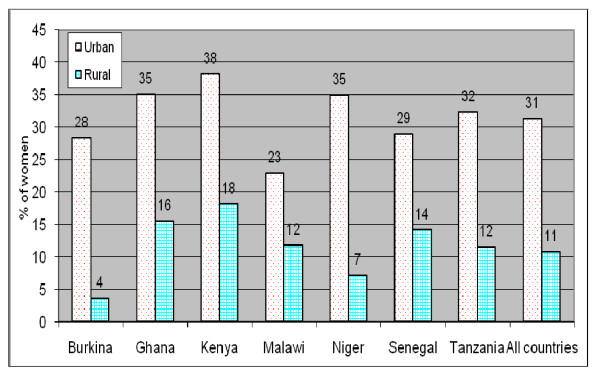
“The prevalence of overweight/obesity using the latest DHS data for each country (conducted between 2003 and 2006) was 31% in urban areas and 11% in rural areas, and among the seven countries studied, Kenya had the highest prevalence of overweight/obesity among women in urban areas (nearly 40%) [3].”
BackgroundMethodInfluentialSylla, B. S., & Wild, C. P. (2012) · International Journal of Cancer · doi:10.1002/ijc.26333 · Cited by 199
Jones-Smith, J. C., Gordon-Larsen, P., Siddiqi, A., & Popkin, B. M. (2012) · International Journal of Obesity · doi:10.1038/ijo.2011.179 · Cited by 194
“Several studies have examined the time trends in overweight in a single lower-income country or in a region, and both faster (14) (30) and slower (4) growth rates among the poor have been documented.”
Amugsi, D. A., Dimbuene, Z. T., Mberu, B., Muthuri, S., & Ezeh, A. C. (2017) · BMJ Open · doi:10.1136/bmjopen-2017-017344 · Cited by 179
“To address this limitation, the weight in the pooled data was divided by the number of surveys available for the country.”
BackgroundNeupane, S., K.C., P., & Doku, D. T. (2015) · BMC Public Health · doi:10.1186/s12889-016-2698-5 · Cited by 175
“[14] on the other hand, explored the phenomenon in urban Africa.”
BackgroundMicklesfield, L. K., Lambert, E. V., Hume, D. J., Chantler, S., Pienaar, P. R., Dickie, K., Puoane, T., & Goedecke, J. H. (2013) · Cardiovascular Journal Of Africa · doi:10.5830/cvja-2013-069 · Cited by 160
An overview of the nutrition transition in West Africa: implications for non-communicable diseases
Bosu, W. K. (2015) · Proceedings of the Nutrition Society · doi:10.1017/s0029665114001669 · Cited by 158
Ajayi, I. O., Adebamowo, C., Adami, H.-O., Dalal, S., Diamond, M. B., Bajunirwe, F., Guwatudde, D., Njelekela, M., Nankya-Mutyoba, J., Chiwanga, F. S., et al. (2016) · BMC Public Health · doi:10.1186/s12889-016-3789-z · Cited by 154
“Higher SES has predicted higher prevalence of obesity in other studies in Africa [51] contrary to the situation in developed countries, where higher prevalence of obesity is seen among low socioeconomic groups [29, 52].”
BackgroundResultDoes artificial light-at-night exposure contribute to the worldwide obesity pandemic?
Rybnikova, N. A., Haim, A., & Portnov, B. A. (2016) · International Journal of Obesity · doi:10.1038/ijo.2015.255 · Cited by 159
Abrha, S., Shiferaw, S., & Ahmed, K. Y. (2016) · BMC Public Health · doi:10.1186/s12889-016-3315-3 · Cited by 152
Diabetes Is a Risk Factor for Pulmonary Tuberculosis: A Case-Control Study from Mwanza, Tanzania
Faurholt‐Jepsen, D., Range, N. S., PrayGod, G., Jeremiah, K., Faurholt‐Jepsen, M., Aabye, M. G., Changalucha, J. M., Christensen, D. L., Pipper, C. B., Krarup, H. B., et al. (2011) · PLoS ONE · doi:10.1371/journal.pone.0024215 · Cited by 164
“Furthermore, the incidence of diabetes seems to continue to increase [2,3], due to continuing changes in life-style [4,5].”
BackgroundA global perspective on cardiovascular disease in vulnerable populations
Yeates, K., Lohfeld, L., Sleeth, J., Morales, F., Rajkotia, Y., & Ogedegbe, O. (2015) · Canadian Journal of Cardiology · doi:10.1016/j.cjca.2015.06.035 · Cited by 137
Kabudula, C. W., Houle, B. C., Collinson, M., Kahn, K., Tollman, S. M., & Clark, S. J. (2016) · Social Indicators Research · doi:10.1007/s11205-016-1397-z · Cited by 152
“In low- and middle-income settings, one of the widely used measures of SES is a composite index constructed from a list of household asset items (Ataguba et al. 2011; Barros et al. 2010; Gwatkin et al. 2007; Hong and Mishra 2011; Hosseinpoor et al. 2006; Minujin and Delamonica 2004; Nkonki et al. 2011; Uthman 2009; Va…”
BackgroundRisk factors of hypertension among adults aged 35–64 years living in an urban slum Nairobi, Kenya
Olack, B., Wabwire‐Mangen, F., Smeeth, L. L., Montgomery, J. M., Kiwanuka, N., & Breiman, R. F. (2015) · BMC Public Health · doi:10.1186/s12889-015-2610-8 · Cited by 143
“In line with other studies [31–33] our findings show that rich females (proxied by wealth index) were more likely to be obese than their poorer counterparts as illustrated by both BMI and waist circumference.”
ResultFood security, food safety & healthy nutrition: are they compatible?
Walls, H., Baker, P., Chirwa, E. W., & Hawkins, B. R. (2019) · Global Food Security · doi:10.1016/j.gfs.2019.05.005 · Cited by 177
Chowdhury, M. A. B., Adnan, M. M., & Hassan, M. Z. (2018) · BMJ Open · doi:10.1136/bmjopen-2017-018468 · Cited by 151
Sartorius, B. K. D., Veerman, L. J., Manyema, M., Chola, L., & Hofman, K. J. (2015) · PLoS ONE · doi:10.1371/journal.pone.0130218 · Cited by 172
“However, in recent years, the African continent has seen a rapid rise in overweight and obesity prevalence as well as associated co-morbidities [5–7].”
BackgroundGovender, L., Pillay, K., Siwela, M., Modi, A. T., & Mabhaudhi, T. (2016) · International Journal of Environmental Research and Public Health · doi:10.3390/ijerph14010017 · Cited by 178
Overweight, Obesity, and Perception of Body Image Among Slum Residents in Nairobi, Kenya, 2008–2009
Ettarh, R., Van de Vijver, S., Oti, S., & Kyobutungi, C. (2013) · Preventing Chronic Disease · doi:10.5888/pcd10.130198 · Cited by 115
Crowther, N. J., & Norris, S. A. (2012) · PLoS ONE · doi:10.1371/journal.pone.0048883 · Cited by 110
“Thus, the prevalence of obesity is high, particularly in urban areas [2,21] and is more prevalent in females than males [2,3].”
BackgroundThe burden of underweight and overweight among women in Addis Ababa, Ethiopia
Tebekaw, Y., Teller, C., & Colón‐Ramos, U. (2014) · BMC Public Health · doi:10.1186/1471-2458-14-1126 · Cited by 112
“The findings from these analyses confirm that Ethiopia’s health care system is facing the rising challenge of overweight and obesity-related NCD, particularly in the urban area of Addis Ababa.”
BackgroundResultInfluential(2023) · doi:10.2196/42161 · Cited by 106
“African families are classified as families that include multiple caregivers [13] such as grandparents and other extended family members (aunts, uncles, brothers, and sisters) [166].”
BackgroundType 2 diabetes mellitus and obesity in sub‐Saharan Africa
Tuei, V. C., Maiyoh, G. K., & Ha, C. (2010) · Diabetes/Metabolism Research and Reviews · doi:10.1002/dmrr.1106 · Cited by 128
Overweight and obesity among women by economic stratum in urban India.
Gouda, J., & Prusty, R. K. (2014) · Europe PMC (PubMed Central) · Cited by 136
Maher, D., Waswa, L., Baisley, K. J., Karabarinde, A., Unwin, N. C., & Grosskurth, H. (2010) · International Journal of Epidemiology · doi:10.1093/ije/dyq156 · Cited by 106
Household wealth status and overweight and obesity among adult women in Bangladesh and Nepal
Bishwajit, G. (2017) · Obesity Science & Practice · doi:10.1002/osp4.103 · Cited by 101
“Some estimates suggest that by 2025, three-quarters of the entire obese population worldwide will be living in non-industrialized countries (1,2).”
BackgroundHormones and cytokines in childhood obesity
Arslan, N., Erdur, B., & Aydin, A. (2010) · Indian Pediatrics · doi:10.1007/s13312-010-0142-y · Cited by 125
Emerging disparities in overweight by educational attainment in Chinese adults (1989–2006)
Jones-Smith, J. C., Gordon-Larsen, P., Siddiqi, A., & Popkin, B. M. (2012) · International Journal of Obesity · doi:10.1038/ijo.2011.134 · Cited by 97
Obesity in sub-Saharan Africa: development of an ecological theoretical framework
Scott, A., Ejikeme, C. S., Clottey, E. N., & Thomas, J. G. (2012) · Health Promotion International · doi:10.1093/heapro/das038 · Cited by 115
“The literature that does exist is primarily epidemiological, assessing rates and predictors of overweight and obesity in specific populations (Haslam and James, 2005; Ziraba et al., 2009).”
BackgroundReddy, S. P., Resnicow, K., James, S., Funani, I. N., Kambaran, N. S., Omardien, R. G., Masuka, P., Sewpaul, R., VAUGHAN, R. D., & Mbewu, A. D. (2011) · American Journal of Public Health · doi:10.2105/ajph.2011.300222 · Cited by 122
Alfaris, N., Alqahtani, A. M., Alamuddin, N., & Rigas, G. (2023) · Gastroenterology Clinics of North America · doi:10.1016/j.gtc.2023.03.002 · Cited by 116
Dual burden households and intra-household nutritional inequality in Indonesia
Roemling, C., & Qaim, M. (2013) · Economics & Human Biology · doi:10.1016/j.ehb.2013.07.001 · Cited by 105
Predictors of overweight and obesity in adult women in Nairobi Province, Kenya
Mbochi, R. W., Kuria, E. N., Kimiywe, J. O., Ochola, S., & Steyn, N. P. (2012) · BMC Public Health · doi:10.1186/1471-2458-12-823 · Cited by 93
“Recent evidence indicates that overweight and obesity are increasing in sub-Saharan Africa, including Kenya, at a rate of 5% per year on average [1].”
BackgroundEkpenyong, C. E., Udokang, N. E., Akpan, E. E., & Samson, T. K. (2012) · European Journal of Sustainable Development · doi:10.14207/ejsd.2012.v1n2p249 · Cited by 87
“…of obesity recorded in this survey which has reinforced the observation that obesity is on increase in urban and rural areas of sub-Saharan Africa (Ziraba et al. 2009) and signal the impending epidemic of communicable and non-communicable diseases in this region in the near future (WHO, 2005).”
BackgroundCharnley, G. E. C., Kelman, I., & Murray, K. A. (2021) · Pathogens and Global Health · doi:10.1080/20477724.2021.1981716 · Cited by 107
“planning and responses to demographic changes, such as expanding urban water demand [58,59].”
BackgroundGuéhi, C., Badjé, A., Gabillard, D., Ouattara, E. N., Koule, S., Moh, R., Ekouévi, D. K., AHIBO, H. F. T., N’Takpé, J. B., Menan, G. K., et al. (2016) · AIDS Research and Therapy · doi:10.1186/s12981-016-0094-y · Cited by 96
“This differs from our study population, which was selected to start early antiretroviral treatment with CD4 counts below 800/mm3 and no criteria for starting ART according to WHO guidelines (inclusion criteria in the trial) Previous studies have evoked racial origin as a risk factor for overweight and obesity [30], bu…”
Food (In)Security in Rapidly Urbanising, Low-Income Contexts
Tacoli, C. (2017) · International Journal of Environmental Research and Public Health · doi:10.3390/ijerph14121554 · Cited by 108
Evidence of nutrition transition in Southern Africa
Nnyepi, M. S., Gwisai, N., Lekgoa, M., & Seru, T. (2015) · Proceedings of The Nutrition Society · doi:10.1017/s0029665115000051 · Cited by 108
Agyemang, C. O., Kushitor, S. B., Afrifa-Anane, G. F., & Aikins, A. D. (2015) · Springer eBooks · doi:10.1007/978-3-319-12125-3_5-1 · Cited by 101
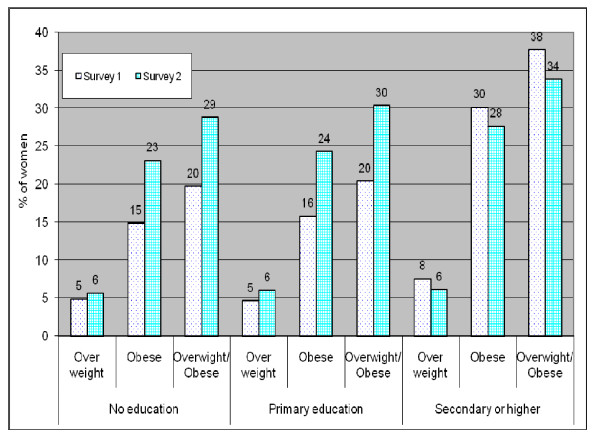
“Women with secondary or higher education were about 60 % more likely to be obese than those with no formal education, and working women were 13 % more likely to be obese compared to those who were not working (Ziraba et al. 2009).”
BackgroundInfluentialSocioeconomic correlates of overweight and obesity among ever-married urban women in Bangladesh
Tanwi, T. S., Chakrabarty, S., Hasanuzzaman, S., Saltmarsh, S., & Winn, S. L. (2019) · BMC Public Health · doi:10.1186/s12889-019-7221-3 · Cited by 92
Addo, P. N. O., Nyarko, K. M., Sackey, S. O., Akweongo, P., & Sarfo, B. Y. (2015) · BMC Research Notes · doi:10.1186/s13104-015-1590-1 · Cited by 93
“Notable among these are diabetes (type 2), sleep disorders, depression, anxiety, cancers and many cardiovascular diseases [6].”
BackgroundThe Metabolic Ghetto: An Evolutionary Perspective on Nutrition, Power Relations and Chronic Disease
Wells, J. C. K. (2016) · Cambridge University Press eBooks · doi:10.1017/cbo9780511972959 · Cited by 76
Emerging Evidence of the Physical Activity Transition in Kenya
Onywera, V. O., Adamo, K. B., Sheel, A. W., Waudo, J., Boit, M. K., & Tremblay, M. S. (2012) · Journal of Physical Activity and Health · doi:10.1123/jpah.9.4.554 · Cited by 75
Bosu, W. K. (2015) · Global Health Action · doi:10.3402/gha.v8.26227 · Cited by 97
The prevalence of type 2 diabetes among older people in Africa: a systematic review
Werfalli, M., Engel, M. E., Musekiwa, A., Kengne, A. P., & Levitt, N. S. (2015) · The Lancet Diabetes & Endocrinology · doi:10.1016/s2213-8587(15)00363-0 · Cited by 81
Murphy, G. A. V., Asiki, G., Ekoru, K., Nsubuga, R. N., Nakiyingi‐Miiro, J., Young, E. H., Seeley, J., Sandhu, M. S., & Kamali, A. (2013) · International Journal of Epidemiology · doi:10.1093/ije/dyt184 · Cited by 85
Harris, J., Chisanga, B., Drimie, S., & Kennedy, G. (2019) · Food Security · doi:10.1007/s12571-019-00903-4 · Cited by 92
Sociodemographic correlates of obesity among Ghanaian women
Dake, F. A. A., Tawiah, E. O., & Badasu, D. M. (2010) · Public Health Nutrition · doi:10.1017/s1368980010002879 · Cited by 70
“valence of non-communicable diseases (NCD), which reduces quality of life and also leads to premature death((5)).”
BackgroundNon-Communicable Diseases and Urbanization in African Cities: A Narrative Review
Juma, K. O., Juma, P. A., Shumba, C. S., Otieno, P. O., & Asiki, G. (2019) · IntechOpen eBooks · doi:10.5772/intechopen.89507 · Cited by 99
Societal risk factors for overweight and obesity in women in Zimbabwe: a cross-sectional study
Mangemba, N. T., & Sebastiån, M. S. (2020) · BMC Public Health · doi:10.1186/s12889-020-8215-x · Cited by 76
Jones, A. D., Acharya, Y., & Galway, L. P. (2016) · Journal of Nutrition · doi:10.3945/jn.115.226654 · Cited by 81
Prevalence and Predictors of Overweight and Obesity Among Kenyan Women
Mkuu, R. S., Epnere, K., & Chowdhury, M. A. B. (2018) · Preventing Chronic Disease · doi:10.5888/pcd15.170401 · Cited by 81
Prevalence of overweight and obesity in adults from North Africa
Toselli, S., Gualdi‐Russo, E., Boulos, D. N. K., Anwar, W. A., Lakhoua, C., Jaouadi, I., Khyatti, M., & Hemminki, K. (2014) · European Journal of Public Health · doi:10.1093/eurpub/cku103 · Cited by 70
Draper, C. E., Davidowitz, K. J., & Goedecke, J. H. (2015) · Public Health Nutrition · doi:10.1017/s1368980015001688 · Cited by 70
“The prevalence of overweight and obesity is a global problem((1)) and seems to be specifically evident in countries undergoing epidemiological transition, such as South Africa (SA)((2,3)), with adult women being the most susceptible individuals((4)).”
BackgroundThe Impact of Health Systems on Diabetes Care in Low and Lower Middle Income Countries
Beran, D. (2015) · Current Diabetes Reports · doi:10.1007/s11892-015-0591-8 · Cited by 59
Recent advances in understanding hypertension development in sub-Saharan Africa
Schutte, A. E., Roux, S. B., Fourie, C. M. T., Gafane-Matemane, L. F., Kruger, R., Lammertyn, L., Malan, L., Mels, C. M. C., Schutte, R., Smith, W. T., et al. (2017) · Journal of Human Hypertension · doi:10.1038/jhh.2017.18 · Cited by 73
Wojcicki, J. M. (2014) · BMC Public Health · doi:10.1186/1471-2458-14-1124 · Cited by 66
“In a study of 7 African countries (Burkina Faso, Ghana, Kenya, Malawi, Niger, Senegal and Tanzania), the prevalence of urban adult overweight and obesity increased approximately 35% from 1992 to 2005 [5].”
BackgroundAitsi-Selmi, A., Bell, R., Shipley, M. J., & Marmot, M. G. (2014) · PLoS ONE · doi:10.1371/journal.pone.0090403 · Cited by 76
“Accessed 2013 Jan 1) are a key source of data for studies on obesity [4,5,6,7,8,17,18,19].”
BackgroundMethodFood beliefs and practices in urban poor communities in Accra: implications for health interventions
Kushitor, S. B., Badasu, D. M., & Aikins, A. D. (2018) · BMC Public Health · doi:10.1186/s12889-018-5336-6 · Cited by 71
Interaction between Education and Household Wealth on the Risk of Obesity in Women in Egypt
Aitsi-Selmi, A., Chandola, T., Friel, S., Nouraei, S. A. R., Shipley, M. J., & Marmot, M. G. (2012) · PLoS ONE · doi:10.1371/journal.pone.0039507 · Cited by 73
“The DHS are a key source of data for studies on obesity [10,11,14,21,22], using extensive interviewer training, identical core questionnaires, standardised measurement tools and instrument pretesting to ensure standardisation across time and geographical locations [20].”
BackgroundPrevalence and differentials of overweight and obesity in preschool children in Sub-Saharan Africa
Gebremedhin, S. (2015) · BMJ Open · doi:10.1136/bmjopen-2015-009005 · Cited by 64
Obirikorang, C., Osakunor, D. N. M., Anto, E. O., Amponsah, S. O., & Adarkwa, O. K. (2015) · PLoS ONE · doi:10.1371/journal.pone.0129494 · Cited by 60
Sengupta, A., Angeli, F., Syamala, T. S., Dagnelie, P. C., & van Schayck, O. C. P. (2015) · Social Science & Medicine · doi:10.1016/j.socscimed.2015.06.004 · Cited by 73
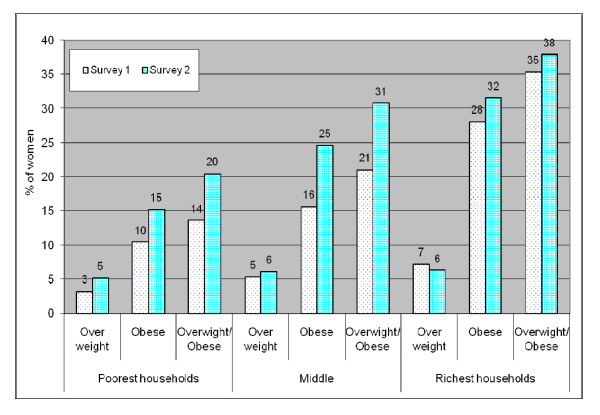
“An analysis on urban areas of seven African countries reveals that the rate of increase in overweight problems was seven times higher among the poorest women than the richest (Ziraba et al., 2009).”
BackgroundPradeilles, R., Holdsworth, M., Olaitan, O., Irache, A., Osei-Kwasi, H. A., Ngandu, C. B., & Cohen, E. (2021) · Public Health Nutrition · doi:10.1017/s1368980021000768 · Cited by 67
“This is supported by the positive association between socio-economic status (SES) and obesity in low-income African countries(18,19), whereas in high-income countries (HICs) the opposite is observed(20).”
BackgroundAdamo, K. B., Sheel, A. W., Onywera, V. O., Waudo, J., Boit, M. K., & Tremblay, M. S. (2011) · International Journal of Pediatric Obesity · doi:10.3109/17477166.2010.543683 · Cited by 58
Desalew, A., Mandesh, A., & Semahegn, A. (2017) · BMC Obesity · doi:10.1186/s40608-017-0156-2 · Cited by 57
Prevalence of hypertension in older people in Africa: a systematic review and meta-analysis
Kaze, A. D., Schutte, A. E., Erqou, S., Kengne, A. P., & Echouffo-Tcheugui, J. B. (2017) · Journal of Hypertension · doi:10.1097/hjh.0000000000001345 · Cited by 56
“Indeed, diets in urban areas are associated with lower amounts of fruits and vegetables; and increased intake of animal fats and refined carbohydrates such as fast foods and sugar-sweetened foods and beverages [29,30].”
Agyemang, C. O., Kushitor, S. B., Afrifa-Anane, G. F., & Aikins, A. D. (2016) · Springer eBooks · doi:10.1007/978-3-319-11251-0_5 · Cited by 70
Kanguru, L., McCaw‐Binns, A., Bell, J. S., Yonger-Coleman, N., Wilks, R., & Hussein, J. (2017) · PLoS ONE · doi:10.1371/journal.pone.0188677 · Cited by 55
“Indeed, the prevalence of overweight and obesity currently exceeds that of underweight in all regions of the world [23] although it is likely that subnational variations occur, for instance between rural and urban areas [21,24].”
BackgroundInfluentialHerforth, A., Jones, A. D., & Pinstrup‐Andersen, P. (2012) · World Bank, Washington, DC eBooks · doi:10.1596/13571 · Cited by 53
Factors associated with underweight, overweight, and obesity in reproductive age Tanzanian women
Ahmed, K. Y., Rwabilimbo, A. G., Abrha, S., Page, A., Arora, A., Tadese, F., Beyene, T. Y., Seiko, A., Endris, A. A., Agho, K., et al. (2020) · PLoS ONE · doi:10.1371/journal.pone.0237720 · Cited by 67
“, sugary drinks) and more sedentary employment (for example, office work) [18, 54].”
BackgroundWare, L. J., Kim, A. W., Prioreschi, A., Nyati, L. H., Taljaard, W., Draper, C. E., Lye, S. J., & Norris, S. A. (2021) · Journal of Public Health Policy · doi:10.1057/s41271-021-00289-8 · Cited by 50
“The association between higher parity and poorer health outcomes, including higher levels of overweight and obesity, aligns with findings from urban centres across sub-Saharan Africa [42].”
ResultFood policies and obesity in low- and middle-income countries
Abay, K. A., Ibrahim, H., & Breisinger, C. (2021) · World Development · doi:10.1016/j.worlddev.2021.105775 · Cited by 63
Turi, K. N., Christoph, M. J., & Grigsby‐Toussaint, D. S. (2013) · International Journal of Environmental Research and Public Health · doi:10.3390/ijerph10104967 · Cited by 55
“In one of the first studies analyzing the geographic distribution of overweight in a developing country, and in particular sub-Saharan Africa, Pawloski et al. [19] used longitudinal Demographic and Health Survey data to conclude that overweight and obesity had increased in Kenya from 2003 to 2009, and showed through a…”
BackgroundInfluentialMoodley, G. Y., Christofides, N. J., Norris, S. A., Achia, T., & Hofman, K. J. (2015) · Preventing Chronic Disease · doi:10.5888/pcd12.140559 · Cited by 52
Nutrition Transition in Rural Tanzania and Kenya
Keding, G. B. (2016) · World review of nutrition and dietetics · doi:10.1159/000442073 · Cited by 53
Social Vulnerability in Patients with Multimorbidity: A Cross-Sectional Analysis
Nguyen, T., Ngangue, P., Bouhali, T., Ryan, B., Stewart, M., & Fortin, M. (2019) · International Journal of Environmental Research and Public Health · doi:10.3390/ijerph16071244 · Cited by 46
“Many studies also reported the increased prevalence of multimorbidity in people with obesity [20,25–27], and obesity is on the rise in socioeconomically disadvantaged populations [28].”
BackgroundBerhane, H. Y., Jirström, M., Abdelmenan, S., Berhane, Y., Alsanius, B. W., Trenholm, J., & Ekström, E. (2020) · Nutrients · doi:10.3390/nu12030712 · Cited by 59
Oti, S. O., van de Vijver, S. J. M., Agyemang, C., & Kyobutungi, C. (2013) · Tropical Medicine & International Health · doi:10.1111/tmi.12200 · Cited by 49
“Even more worrying, the increase in overweight or obesity among the poorest urban women was about seven times higher than the richest urban women [5].”
InfluentialNight light intensity and women’s body weight: Evidence from Nigeria
Abay, K. A., & Amare, M. (2018) · Economics & Human Biology · doi:10.1016/j.ehb.2018.09.001 · Cited by 54
Measures of general and central obesity and risk of type 2 diabetes in a Ghanaian population
Frank, L. K., Heraclides, A., Danquah, I., Bedu‐Addo, G., Mockenhaupt, F. P., & Schulze, M. B. (2012) · Tropical Medicine & International Health · doi:10.1111/tmi.12024 · Cited by 58
“Obesity is the major risk factor for type 2 diabetes, and particularly in urban areas of developing countries, its prevalence is increasing dramatically (Ziraba et al. 2009).”
BackgroundYaya, S., Uthman, O. A., Ekholuenetale, M., & Bishwajit, G. (2018) · Frontiers in Public Health · doi:10.3389/fpubh.2018.00307 · Cited by 53
Aitsi-Selmi, A., Batty, G. D., Barbieri, M. A., da Sílva, A. A. M., Cardoso, V. C., Goldani, M. Z., Marmot, M. G., & Bettiol, H. (2012) · International Journal of Obesity · doi:10.1038/ijo.2012.64 · Cited by 56
Preferred body size in urban Ghanaian women: implication on the overweight/obesity problem
Appiah, C. A., Otoo, G. E., & Steiner‐Asiedu, M. (2016) · Pan African Medical Journal · doi:10.11604/pamj.2016.23.239.7883 · Cited by 47
Non-communicable diseases during pregnancy in low and middle income countries
Hussein, J. (2016) · Obstetric Medicine · doi:10.1177/1753495x16684709 · Cited by 47
“The prevalence of overweight/obesity appears to be increasing by about 5% per year on average in the countries in the study between 1992 and 2003.(25)”
BackgroundPrevalence of Overweight and Obesity among Students in the Kumasi Metropolis
Kumah, D. B., Akuffo, K. O., Abaka-Cann, J. E., Affram, D. E., & Osae, E. A. (2015) · Journal of Nutrition and Metabolism · doi:10.1155/2015/613207 · Cited by 44
“Reports show that the issue of childhood and adolescence obesity in third world countries requires public health attention [12, 13].”
BackgroundYeshaw, Y., Kebede, S. A., Liyew, A. M., Tesema, G. A., Agegnehu, C. D., Teshale, A. B., & Alem, A. Z. (2020) · BMJ Open · doi:10.1136/bmjopen-2019-034963 · Cited by 52
Adeniyi, O. V., Longo‐Mbenza, B., & Goon, D. T. (2015) · BMC Public Health · doi:10.1186/s12889-015-1622-8 · Cited by 53
Arika, W. M., Kibiti, C. M., Njagi, J. M., & Ngugi, M. P. (2019) · Heliyon · doi:10.1016/j.heliyon.2019.e02800 · Cited by 47
Metadata
- Authors
- Ziraba, A. K., Fotso, J. C., & Ochako, R.
- Affiliations
- African Population and Health Research Center (KE)
- Corresponding author
- Ziraba, Abdhalah K
- Venue
- BMC Public Health
- Published
- 2009-12
- Volume
- 9
- Issue
- 1
- Pages
- 465-465
- ISSN
- 1471-2458 (ISSN-L)
- PMC
- PMC2803188
- OpenAlex
- W1989483002
- Cited by
- 433
- References
- 47
- Citations by year
- 2026: 21 · 2025: 11 · 2024: 18 · 2023: 28 · 2022: 28 · 2021: 38 · 2020: 26 · 2019: 34 · 2018: 28 · 2017: 32 · 2016: 31 · 2015: 43 · 2014: 26 · 2013: 24 · 2012: 24
- FWCI
- 14.79
- Type
- journal article
- Language
- en
- Open access
- gold
- doi.org
- Licence
- cc-by
- creativecommons.org/licenses/by/2.0 (tdm)
- Locations
- BMC Public Health (publishedVersion, cc-by)
- PubMed Central (publishedVersion, cc-by)
- PubMed (publishedVersion)
- LSHTM Research Online (London School of Hygiene and Tropical Medicine) (acceptedVersion)
- DOAJ (DOAJ: Directory of Open Access Journals) (submittedVersion)
- Funders
- London School of Hygiene and Tropical Medicine
- African Population and Health Research Center
- Topics
- Health Sciences › Medicine › Public Health, Environmental and Occupational Health › Obesity, Physical Activity, Diet
- Health Sciences › Nursing › Nutrition and Dietetics › Nutrition, Health and Food Behavior
- Health Sciences › Medicine › Endocrinology, Diabetes and Metabolism › Diabetes, Cardiovascular Risks, and Lipoproteins
- Keywords
- overweight, obesity, urban women, sub-Saharan Africa, household wealth, educational attainment, body mass index trends, urban poverty, chronic disease risk factors
- MeSH terms
- Africa, Educational Status, Employment, Female, Humans, Income, Male, Obesity, Urban Health, Prevalence, Multivariate Analysis, Logistic Models, Overweight
About these checks
Registry, retraction, Cites and statistics results are computed, not judged, with one exception: a printed reference that no index lists is read once by a model before it counts as a citation error. Claims are extracted by a model and kept only when their quote appears verbatim in the text; each cited source is then checked, with a model’s help, for whether it says what the claim relies on. Those verdicts can be wrong — read the claim’s quote and the cited source before relying on one.
Statistics and arithmetic are recomputed, not judged.
Confidence bands are shown only for fields calibrated on our annotated test set. None is calibrated yet, so no band is shown.
What counts as a claim ›How we measure confidence ›How we check this ›
Are you an author, or do you see a problem with this page? Request a review
Data sources
Bibliographic data: Semantic Scholar, OpenAlex, Crossref.
Contains information from the Semantic Scholar Academic Graph Datasets, made available under the ODC Attribution License (ODC-BY 1.0).
Semantic Scholar’s data is described in: Kinney, R., et al. (2023). The Semantic Scholar Open Data Platform. arXiv:2301.10140.
