

Recent advances in the molecular mechanisms determining tissue sensitivity to glucocorticoids: novel mutations, circadian rhythm and ligand-induced repression of the human glucocorticoid receptor
Open accessThe DOI matches its Crossref record; 69 of the 69 references it cites were found in a registry or an index.
Abstract
Glucocorticoids are pleiotropic hormones, which are involved in almost every cellular, molecular and physiologic network of the organism, and regulate a broad spectrum of physiologic functions essential for life. The cellular response to glucocorticoids displays profound variability both in magnitude and in specificity of action. Tissue sensitivity to glucocorticoids differs among individuals, within tissues of the same individual and within the same cell. The actions of glucocorticoids are mediated by the glucocorticoid receptor, a ubiquitously expressed intracellular, ligand-dependent transcription factor. Multiple mechanisms, such as pre-receptor ligand metabolism, receptor isoform expression, and receptor-, tissue-, and cell type-specific factors, exist to generate diversity as well as specificity in the response to glucocorticoids. Alterations in the molecular mechanisms of glucocorticoid receptor action impair glucocorticoid signal transduction and alter tissue sensitivity to glucocorticoids. This review summarizes the recent advances in our understanding of the molecular mechanisms determining tissue sensitivity to glucocorticoids with particular emphasis on novel mutations and new information on the circadian rhythm and ligand-induced repression of the glucocorticoid receptor.
Overview
The claims and statistics of this paper haven’t been checked yet.
Free: it reads the open-access text and checks the first 5 claims that cite a source we can check. Create a free account to check every claim.
Integrity signals
Registry
Cites
Statistics
Figures
Verification
Claims the paper makes
The claims and statistics of this paper haven’t been checked yet.
Free: it reads the open-access text and checks the first 5 claims that cite a source we can check. Create a free account to check every claim.
Self-check
Percentages, sums and reported differences re-computed from the paper’s own numbers.
The self-check needs the paper’s full text.
Citations
Cites
Epigenetic programming by maternal behavior
Weaver, I. C. G., Cervoni, N., Champagne, F. A., D'Alessio, A. C., Sharma, S., Seckl, J. R., Dymov, S., Szyf, M., & Meaney, M. J. (2004) · Nature Neuroscience · doi:10.1038/nn1276 · Cited by 6,177
Antiinflammatory Action of Glucocorticoids — New Mechanisms for Old Drugs
Rhen, T., & Cidlowski, J. A. (2005) · New England Journal of Medicine · doi:10.1056/nejmra050541 · Cited by 3,149 · cited 4×
“However, a number of patients are often resistant to treatment with glucocorticoids [1-4].”
BackgroundInfluentialThe genetics of mammalian circadian order and disorder: implications for physiology and disease
Takahashi, J. S., Hong, H.-K., Ko, C. H., & McDearmon, E. L. (2008) · Nature Reviews Genetics · doi:10.1038/nrg2430 · Cited by 1,611
Cole, T. J., Blendy, J. A., Monaghan, A. P., Krieglstein, K., Schmid, W., Aguzzi, A., Fantuzzi, G., Hummler, E., Unsicker, K., & Schütz, G. (1995) · Genes & Development · doi:10.1101/gad.9.13.1608 · Cited by 946 · cited 1×
“Consistent with the pleiotropic effects of glucocorticoids, the hGR is ubiquitously expressed in all human tissues and cells, and is necessary for life after birth [6].”
BackgroundSchibler, U., & Sassone-Corsi, P. (2002) · Cell · doi:10.1016/s0092-8674(02)01225-4 · Cited by 755 · cited 7×
“On the other hand, the circadian secretion of cortisol is generated by an evolutionary conserved molecular ‘clock’, the circadian clock system, which consists of central and peripheral components [54,55].”
BackgroundInfluentialCryptochromes mediate rhythmic repression of the glucocorticoid receptor
Lamia, K. A., Papp, S. J., Yu, R. T., Barish, G. D., Uhlenhaut, N. H., Jonker, J. W., Downes, M., & Evans, R. M. (2011) · Nature · doi:10.1038/nature10700 · Cited by 590 · cited 2×
“administration of synthetic glucocorticoids [60].”
BackgroundSurjit, M., Ganti, K. P., Mukherji, A., Ye, T., Hua, G., Metzger, D., Li, M., & Chambon, P. (2011) · Cell · doi:10.1016/j.cell.2011.03.027 · Cited by 551 · cited 6×
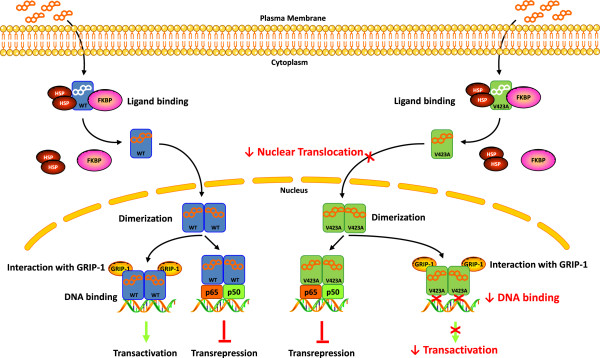
“Upon ligand-induced activation, the receptor undergoes conformational changes that result in dissociation from this multiprotein complex and translocation into the nucleus, where it binds to glucocorticoid-response elements (GREs) in the promoter region of target genes [2,11,12].”
BackgroundInfluentialInteractions of the circadian CLOCK system and the HPA-axis
Nader, N., Chrousos, G. P., & Kino, T. (2010) · Trends in Endocrinology & Metabolism · doi:10.1016/j.tem.2009.12.011 · Cited by 449 · cited 6×
“Disrupted coupling of cortisol secretion and target tissue sensitivity to glucocorticoids may account for i) the development of central obesity and the metabolic syndrome in chronically stressed individuals, whose HPA axis circadian rhythm is characterized by blunting of the evening decreases of circulating glucocorti…”
BackgroundSelf-citationThe human glucocorticoid receptor: molecular basis of biologic function
Nicolaides, N. C., Galata, Z., Kino, T., Chrousos, G. P., & Charmandari, E. (2010) · Steroids · doi:10.1016/j.steroids.2009.09.002 · Cited by 436 · cited 13×
“Upon ligand-induced activation, the receptor undergoes conformational changes that result in dissociation from this multiprotein complex and translocation into the nucleus, where it binds to glucocorticoid-response elements (GREs) in the promoter region of target genes [2,11,12].”
BackgroundSelf-citationRapid non-genomic effects of corticosteroids and their role in the central stress response
Groeneweg, F. L., Karst, H., de Kloet, E. R., & Joëls, M. (2011) · Journal of Endocrinology · doi:10.1530/joe-10-0472 · Cited by 414 · cited 1×
“The non-genomic rapid glucocorticoid actions appear to be mediated by membrane bound GRs, which trigger the activation of kinase signaling pathways, thus influencing many CNS and other tissue functions [14].”
BackgroundUltradian hormone stimulation induces glucocorticoid receptor-mediated pulses of gene transcription
Stavreva, D. A., Wiench, M., John, S., Conway-Campbell, B. L., McKenna, M. A., Pooley, J. R., Johnson, T. A., Voss, T. C., Lightman, S. L., & Hager, G. L. (2009) · Nature Cell Biology · doi:10.1038/ncb1922 · Cited by 375 · cited 2×
“The central clock system, located in the suprachiasmatic nucleus (SCN) of the hypothalamus, acts as the ‘master’ oscillator and generator of the body’s circadian rhythm under the strong influence of the light/dark input from the eyes [50,54,55].”
BackgroundOakley, R. H., & Cidlowski, J. A. (2011) · Journal of Biological Chemistry · doi:10.1074/jbc.r110.179325 · Cited by 373 · cited 3×
“In addition, these translational isoforms display significant differences in their ability to regulate gene expression, with the hGRα-C isoforms being the most active, and the hGRα-D subtypes being the most “deficient” in their ability to transactivate glucocorticoid-responsive genes [7].”
BackgroundThe human glucocorticoid receptor: One gene, multiple proteins and diverse responses
ZHOU, J., & CIDLOWSKI, J. (2005) · Steroids · doi:10.1016/j.steroids.2005.02.006 · Cited by 372 · cited 7×
“hGRα-A is the classic full-length 777-amino acid receptor that is generated from the first translation initiation codon [2,5,7].”
BackgroundInfluentialHurley, D. M., Accili, D., Stratakis, C. A., Karl, M., Vamvakopoulos, N., Rorer, E., Constantine, K., Taylor, S. I., & Chrousos, G. P. (1991) · Journal of Clinical Investigation · doi:10.1172/jci115046 · Cited by 370
Self-citationSchmidt, S., Rainer, J., Ploner, C., Presul, E., Riml, S., & Kofler, R. (2004) · Cell Death & Differentiation · doi:10.1038/sj.cdd.4401456 · Cited by 360
Nader, N., Chrousos, G. P., & Kino, T. (2009) · The FASEB Journal · doi:10.1096/fj.08-117697 · Cited by 340 · cited 2×
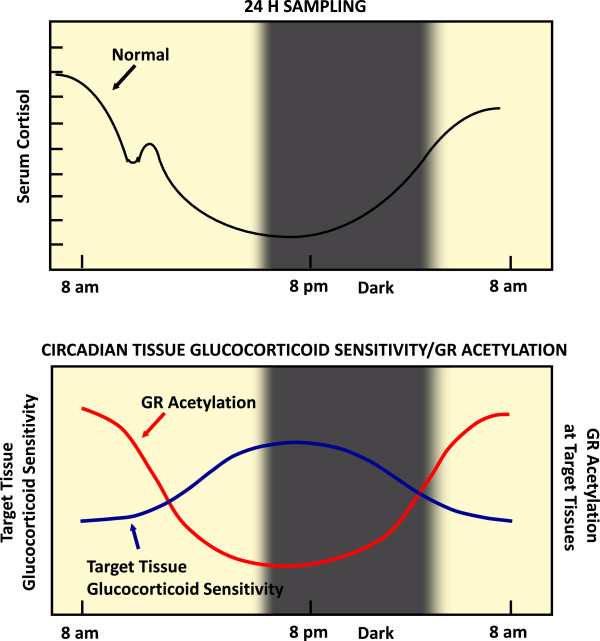
“These findings indicate that CLOCK/BMAL1 is a reversephase negative regulator of glucocorticoid action in target tissues, antagonizing the biologic actions of diurnally fluctuating circulating glucocorticoids and providing a local target tissue counter-regulatory feedback loop to the central clock influence on the HPA…”
BackgroundSelf-citationvan Rossum, E. F. C., Koper, J. W., Huizenga, N. A. T. M., Uitterlinden, A. G., Janssen, J. A. M. J. L., Brinkmann, A. O., Grobbee, D. E., de Jong, F. H., van Duyn, C. M., Pols, H. A. P., et al. (2002) · Diabetes · doi:10.2337/diabetes.51.10.3128 · Cited by 329
Anacker, C., Cattaneo, A., Musaelyan, K., Zunszain, P. A., Horowitz, M., Molteni, R., Luoni, A., Calabrese, F., Tansey, K., Gennarelli, M., et al. (2013) · Proceedings of the National Academy of Sciences · doi:10.1073/pnas.1300886110 · Cited by 319 · cited 1×
“Furthermore, recent findings from in vitro and in vivo studies have demonstrated the important new role of old molecules, such as the serumand glucocorticoid-inducible kinase 1 (SGK1) [16,17] and FK506 -binding protein 51 (FKBP5) [18,19], in tissue sensitivity to glucocorticoids and associated pathologic conditions.”
BackgroundHuizenga, N. A. T. M. (1998) · Journal of Clinical Endocrinology & Metabolism · doi:10.1210/jc.83.1.144 · Cited by 265 · cited 1×
“In addition to protein-protein interactions, tissue responsiveness to glucocorticoids has become more complicated since the identification and functional characterization of hGR polymorphisms [20-24].”
BackgroundVreugdenhil, E., Verissimo, C. S. L., Mariman, R., Kamphorst, J. T., Barbosa, J. S., Zweers, T., Champagne, D. L., Schouten, T., Meijer, O. C., Ron de Kloet, E., et al. (2009) · Endocrinology · doi:10.1210/en.2008-1335 · Cited by 259 · cited 2×
“Moreover, GR protein levels were found to be reduced by micro-RNAs (miRs), such as miR-18a [66], −18 and -124a [67] in neuronal tissues.”
BackgroundPrimary cortisol resistance in man. A glucocorticoid receptor-mediated disease.
Chrousos, G. P., Vingerhoeds, A., Brandon, D., Eil, C., Pugeat, M., DeVroede, M., Loriaux, D. L., & Lipsett, M. B. (1982) · Journal of Clinical Investigation · doi:10.1172/jci110565 · Cited by 250 · cited 4×
“Natural hGR gene mutations impair the molecular mechanisms of hGR action and alter tissue sensitivity to glucocorticoids [27-49].”
BackgroundSelf-citationKarl, M., Lamberts, S. W., Detera-Wadleigh, S. D., Encio, I. J., Stratakis, C. A., Hurley, D. M., Accili, D., & Chrousos, G. P. (1993) · The Journal of Clinical Endocrinology & Metabolism · doi:10.1210/jcem.76.3.8445027 · Cited by 241 · cited 4×
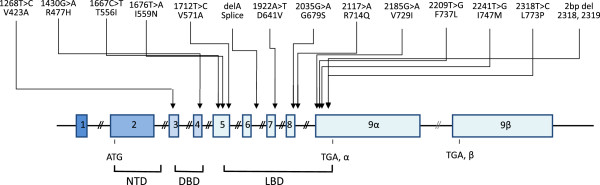
“[33] 4 bp deletion in hGRα number: 50% of control Heterozygous Hirsutism”
BackgroundSelf-citationIntracellular Glucocorticoid Signaling: A Formerly Simple System Turns Stochastic
Chrousos, G. P., & Kino, T. (2005) · Science's STKE · doi:10.1126/stke.3042005pe48 · Cited by 241 · cited 5×
“Upon ligand-induced activation, the receptor undergoes conformational changes that result in dissociation from this multiprotein complex and translocation into the nucleus, where it binds to glucocorticoid-response elements (GREs) in the promoter region of target genes [2,11,12].”
BackgroundSelf-citationOrigin of ultradian pulsatility in the hypothalamic–pituitary–adrenal axis
Walker, J. J., Terry, J. R., & Lightman, S. L. (2010) · Proceedings of the Royal Society B: Biological Sciences · doi:10.1098/rspb.2009.2148 · Cited by 239 · cited 8×
“Mineralocorticoid excess Hypertension Hypokalemic alkalosis Androgen excess Children: Ambiguous genitalia at birth*, premature adrenarche, precocious puberty Females: Acne, hirsutism, male-pattern hair loss, menstrual irregularities, oligo-anovulation, infertility Males: Acne, hirsutism, oligospermia, adrenal rests in…”
BackgroundInfluentialDatson, N. A., Van Der Perk, J., De Kloet, E. R., & Vreugdenhil, E. (2001) · European Journal of Neuroscience · doi:10.1046/j.0953-816x.2001.01685.x · Cited by 230 · cited 1×
“limbic structure of the brain and adipose tissue), which do not express the glucocorticoid-inactivating 11β-hydroxysteroid dehydrogenase 2, and cooperates with the classic GR to regulate expression of common and/or distinct target genes [15].”
BackgroundHartmann, J., Wagner, K. V., Liebl, C., Scharf, S. H., Wang, X.-D., Wolf, M., Hausch, F., Rein, T., Schmidt, U., Touma, C., et al. (2012) · Neuropharmacology · doi:10.1016/j.neuropharm.2011.07.041 · Cited by 224 · cited 2×
“Furthermore, recent findings from in vitro and in vivo studies have demonstrated the important new role of old molecules, such as the serumand glucocorticoid-inducible kinase 1 (SGK1) [16,17] and FK506 -binding protein 51 (FKBP5) [18,19], in tissue sensitivity to glucocorticoids and associated pathologic conditions.”
BackgroundA mutation of the glucocorticoid receptor in primary cortisol resistance.
Malchoff, D. M., Brufsky, A., Reardon, G., McDermott, P., Javier, E. C., Bergh, C. H., Rowe, D., & Malchoff, C. D. (1993) · Journal of Clinical Investigation · doi:10.1172/jci116410 · Cited by 213 · cited 4×
“Natural hGR gene mutations impair the molecular mechanisms of hGR action and alter tissue sensitivity to glucocorticoids [27-49].”
BackgroundInfluentialUchida, S., Nishida, A., Hara, K., Kamemoto, T., Suetsugi, M., Fujimoto, M., Watanuki, T., Wakabayashi, Y., Otsuki, K., McEwen, B. S., et al. (2008) · European Journal of Neuroscience · doi:10.1111/j.1460-9568.2008.06218.x · Cited by 203 · cited 2×
“used Fischer 344 (F344) rats, a well-known stress-hyperresponsive model, and showed that this strain, upon a 14-day repeat restrain stress, had increased levels of miR-18a and decreased GR protein expression in the PVN, compared with control Sprague– Dawley (SD) rats [66].”
BackgroundMethodCharmandari, E., Kino, T., Ichijo, T., & Chrousos, G. P. (2008) · The Journal of Clinical Endocrinology & Metabolism · doi:10.1210/jc.2008-0040 · Cited by 201 · cited 6×
“Mineralocorticoid excess Hypertension Hypokalemic alkalosis Androgen excess Children: Ambiguous genitalia at birth*, premature adrenarche, precocious puberty Females: Acne, hirsutism, male-pattern hair loss, menstrual irregularities, oligo-anovulation, infertility Males: Acne, hirsutism, oligospermia, adrenal rests in…”
BackgroundSelf-citationThe origin of glucocorticoid hormone oscillations
Walker, J. J., Spiga, F., Waite, E., Zhao, Z., Kershaw, Y., Terry, J. R., & Lightman, S. L. (2012) · PLoS Biology · doi:10.1371/journal.pbio.1001341 · Cited by 189 · cited 3×
“Their results were further confirmed by in vivo studies [53].”
BackgroundResultChrousos, G. P., & Kino, T. (2009) · Annals of the New York Academy of Sciences · doi:10.1111/j.1749-6632.2009.04988.x · Cited by 186
Self-citationCircadian endocrine rhythms: the hypothalamic–pituitary–adrenal axis and its actions
Nicolaides, N. C., Charmandari, E., Chrousos, G. P., & Kino, T. (2014) · Annals of the New York Academy of Sciences · doi:10.1111/nyas.12464 · Cited by 183 · cited 2×
“Since CLOCK may differentially regulate these two major class actions of glucocorticoids, administration of these steroids at a specific period of the circadian cycle might increase their pharmacological efficacy, while at the same time reduce their unwanted side effects [62].”
BackgroundSelf-citationKarl, M., Lamberts, S. W. J., Koper, J. W., Katz, D. A., Huizenga, N. A. T. M., Kino, T., Haddad, B. R., Hughes, M. R., & Chrousos, G. P. (1996) · PubMed · Cited by 180
Self-citationFitzsimons, C. P., van Hooijdonk, L. W. A., Schouten, M., Zalachoras, I., Brinks, V., Zheng, T., Schouten, T. G., Saaltink, D., Dijkmans, T. F., Steindler, D. A., et al. (2012) · Molecular Psychiatry · doi:10.1038/mp.2012.123 · Cited by 168 · cited 1×
“These morphological and functional alterations of hippocampal cells resulted in impairments in memory consolidation [68].”
Backgroundvan Rossum, E. F. C., Voorhoeve, P. G., te Velde, S. J., Koper, J. W., Delemarre-van de Waal, H. A., Kemper, H. C. G., & Lamberts, S. W. J. (2004) · The Journal of Clinical Endocrinology & Metabolism · doi:10.1210/jc.2003-031422 · Cited by 164 · cited 1×
“In addition to protein-protein interactions, tissue responsiveness to glucocorticoids has become more complicated since the identification and functional characterization of hGR polymorphisms [20-24].”
BackgroundRuiz, M., Lind, U., Gåfvels, M., Eggertsen, G., Carlstedt‐Duke, J., Nilsson, L., Holtmann, M., Stierna, P., Wikström, A., & Werner, S. (2001) · Clinical Endocrinology · doi:10.1046/j.1365-2265.2001.01323.x · Cited by 164 · cited 5×
“[36] 2035 (G→ A) 679 (G→ S) Transactivation ↓ Heterozygous Hirsutism”
BackgroundInfluentialMenke, A., Klengel, T., Rubel, J., Brückl, T., Pfister, H., Lucae, S., Uhr, M., Holsboer, F., & Binder, E. B. (2013) · Genes, Brain and Behavior · doi:10.1111/gbb.12026 · Cited by 151 · cited 2×
“Furthermore, recent findings from in vitro and in vivo studies have demonstrated the important new role of old molecules, such as the serumand glucocorticoid-inducible kinase 1 (SGK1) [16,17] and FK506 -binding protein 51 (FKBP5) [18,19], in tissue sensitivity to glucocorticoids and associated pathologic conditions.”
BackgroundRamamoorthy, S., & Cidlowski, J. A. (2013) · Molecular and Cellular Biology · doi:10.1128/mcb.01151-12 · Cited by 146
Charmandari, E., Chrousos, G. P., Lambrou, G. I., Pavlaki, A., Koide, H., Ng, S. S. M., & Kino, T. (2011) · PLoS ONE · doi:10.1371/journal.pone.0025612 · Cited by 139 · cited 2×
“In addition to these in vitro findings, we examined the acetylation status of hGR and the expression of clockrelated and glucocorticoid-responsive genes in vivo and ex vivo, using peripheral blood mononuclear cells from healthy adult volunteers [58].”
BackgroundSelf-citationFemale Pseudohermaphroditism Caused by a Novel Homozygous Missense Mutation of the GR Gene
Mendonca, B. B. (2002) · Journal of Clinical Endocrinology & Metabolism · doi:10.1210/jc.87.4.1805 · Cited by 135 · cited 4×
“Natural hGR gene mutations impair the molecular mechanisms of hGR action and alter tissue sensitivity to glucocorticoids [27-49].”
BackgroundSelf-citationDobson, M. G., Redfern, C. P. F., Unwin, N., & Weaver, J. U. (2001) · The Journal of Clinical Endocrinology & Metabolism · doi:10.1210/jcem.86.5.7465 · Cited by 132 · cited 1×
“In addition to protein-protein interactions, tissue responsiveness to glucocorticoids has become more complicated since the identification and functional characterization of hGR polymorphisms [20-24].”
BackgroundVottero, A. (2002) · Journal of Clinical Endocrinology & Metabolism · doi:10.1210/jc.87.6.2658 · Cited by 126 · cited 4×
“Natural hGR gene mutations impair the molecular mechanisms of hGR action and alter tissue sensitivity to glucocorticoids [27-49].”
BackgroundSelf-citationvan Leeuwen, N., Bellingrath, S., de Kloet, E. R., Zitman, F. G., DeRijk, R. H., Kudielka, B. M., & Wüst, S. (2010) · Psychoneuroendocrinology · doi:10.1016/j.psyneuen.2010.10.003 · Cited by 123 · cited 1×
“MR polymorphisms may also play some roles in tissue glucocorticoid sensitivity [25].”
BackgroundDifferential targeting of brain stress circuits with a selective glucocorticoid receptor modulator
Zalachoras, I., Houtman, R., Atucha, E., Devos, R., Tijssen, A. M. I., Hu, P., Lockey, P. M., Datson, N. A., Belanoff, J. K., Lucassen, P. J., et al. (2013) · Proceedings of the National Academy of Sciences · doi:10.1073/pnas.1219411110 · Cited by 121 · cited 2×
“In contradistinction, C108297 antagonized GR-mediated reduction in neurogenesis in the hippocampus following long-term administration of glucocorticoids [69].”
BackgroundRusscher, H., van Rossum, E. F. C., de Jong, F. H., Brinkmann, A. O., Lamberts, S. W. J., & Koper, J. W. (2005) · Molecular Endocrinology · doi:10.1210/me.2004-0467 · Cited by 110 · cited 1×
“In addition to protein-protein interactions, tissue responsiveness to glucocorticoids has become more complicated since the identification and functional characterization of hGR polymorphisms [20-24].”
BackgroundKino, T., Stauber, R. H., Resau, J. H., Pavlakis, G. N., & Chrousos, G. P. (2001) · The Journal of Clinical Endocrinology & Metabolism · doi:10.1210/jcem.86.11.8017 · Cited by 105 · cited 4×
“[35] Decrease in hGR binding sites Oligospermia”
BackgroundSelf-citationCharmandari, E., Raji, A., Kino, T., Ichijo, T., Tiulpakov, A., Zachman, K., & Chrousos, G. P. (2005) · The Journal of Clinical Endocrinology & Metabolism · doi:10.1210/jc.2004-1920 · Cited by 103 · cited 4×
“Natural hGR gene mutations impair the molecular mechanisms of hGR action and alter tissue sensitivity to glucocorticoids [27-49].”
BackgroundSelf-citationCharmandari, E., Kino, T., Souvatzoglou, E., Vottero, A., Bhattacharyya, N., & Chrousos, G. P. (2004) · The Journal of Clinical Endocrinology & Metabolism · doi:10.1210/jc.2003-030450 · Cited by 99 · cited 3×
“Natural hGR gene mutations impair the molecular mechanisms of hGR action and alter tissue sensitivity to glucocorticoids [27-49].”
BackgroundSelf-citationLachize, S., Apostolakis, E. M., van der Laan, S., Tijssen, A. M. I., Xu, J., de Kloet, E. R., & Meijer, O. C. (2009) · Proceedings of the National Academy of Sciences · doi:10.1073/pnas.0812062106 · Cited by 90 · cited 2×
“Upon ligand-induced activation, the receptor undergoes conformational changes that result in dissociation from this multiprotein complex and translocation into the nucleus, where it binds to glucocorticoid-response elements (GREs) in the promoter region of target genes [2,11,12].”
BackgroundMcMahon, S. K., Pretorius, C. J., Ungerer, J. P. J., Salmon, N. J., Conwell, L. S., Pearen, M. A., & Batch, J. A. (2010) · The Journal of Clinical Endocrinology & Metabolism · doi:10.1210/jc.2009-1003 · Cited by 88 · cited 4×
“[43] 2 bp deletion 773 Transactivation ↓ Homozygous Hypoglycemia”
BackgroundInfluentialCharmandari, E., Kino, T., Ichijo, T., Jubiz, W., Mejia, L., Zachman, K., & Chrousos, G. P. (2007) · The Journal of Clinical Endocrinology & Metabolism · doi:10.1210/jc.2006-2830 · Cited by 80 · cited 4×
“Natural hGR gene mutations impair the molecular mechanisms of hGR action and alter tissue sensitivity to glucocorticoids [27-49].”
BackgroundSelf-citationEncoding and decoding mechanisms of pulsatile hormone secretion
Walker, J. J., Terry, J. R., Tsaneva‐Atanasova, K., Armstrong, S. P., McArdle, C. A., & Lightman, S. L. (2010) · Journal of Neuroendocrinology · doi:10.1111/j.1365-2826.2010.02087.x · Cited by 78 · cited 1×
“In addition to the above findings at the level of target tissues, recent studies have investigated the molecular mechanisms underlying glucocorticoid oscillations [51-53].”
BackgroundCharmandari, E., Ichijo, T., Jubiz, W., Baid, S., Zachman, K., Chrousos, G. P., & Kino, T. (2008) · The Journal of Clinical Endocrinology & Metabolism · doi:10.1210/jc.2008-0892 · Cited by 65 · cited 2×
“Natural hGR gene mutations impair the molecular mechanisms of hGR action and alter tissue sensitivity to glucocorticoids [27-49].”
BackgroundSelf-citationAssociation of SGK1 Gene Polymorphisms with Type 2 Diabetes
Schwab, M., Lupescu, A., Mota, M., Mota, E., Frey, A., Simon, P., Mertens, P. R., Floege, J., Luft, F., Asante-Poku, S., et al. (2008) · Cellular Physiology and Biochemistry · doi:10.1159/000113757 · Cited by 63 · cited 1×
“Furthermore, recent findings from in vitro and in vivo studies have demonstrated the important new role of old molecules, such as the serumand glucocorticoid-inducible kinase 1 (SGK1) [16,17] and FK506 -binding protein 51 (FKBP5) [18,19], in tissue sensitivity to glucocorticoids and associated pathologic conditions.”
BackgroundCharmandari, E., Kino, T., Ichijo, T., Zachman, K., Alatsatianos, A., & Chrousos, G. P. (2006) · The Journal of Clinical Endocrinology & Metabolism · doi:10.1210/jc.2005-1893 · Cited by 63
Self-citationNader, N., Bachrach, B. E., Hurt, D. E., Gajula, S., Pittman, A., Lescher, R., & Kino, T. (2010) · The Journal of Clinical Endocrinology & Metabolism · doi:10.1210/jc.2009-2463 · Cited by 62 · cited 4×
“[44] 2141 (G→ A) 714 (R→Q) Transactivation ↓ Heterozygous Hypoglycemia”
BackgroundSelf-citationCharmandari, E., & Kino, T. (2010) · European Journal of Clinical Investigation · doi:10.1111/j.1365-2362.2010.02336.x · Cited by 61
Self-citationNicolaides, N. C., Roberts, M. L., Kino, T., Braatvedt, G., Hurt, D. E., Katsantoni, E., Sertedaki, A., Chrousos, G. P., & Charmandari, E. (2014) · The Journal of Clinical Endocrinology & Metabolism · doi:10.1210/jc.2013-3005 · Cited by 60 · cited 4×
“Natural hGR gene mutations impair the molecular mechanisms of hGR action and alter tissue sensitivity to glucocorticoids [27-49].”
BackgroundSelf-citationKino, T., & Chrousos, G. P. (2011) · Endocrine Development · doi:10.1159/000321232 · Cited by 55 · cited 1×
“Disrupted coupling of cortisol secretion and target tissue sensitivity to glucocorticoids may account for i) the development of central obesity and the metabolic syndrome in chronically stressed individuals, whose HPA axis circadian rhythm is characterized by blunting of the evening decreases of circulating glucocorti…”
BackgroundSelf-citationPrimary Generalized Glucocorticoid Resistance and Hypersensitivity
Charmandari, E. (2011) · Hormone Research in Paediatrics · doi:10.1159/000330759 · Cited by 52 · cited 4×
“Natural hGR gene mutations impair the molecular mechanisms of hGR action and alter tissue sensitivity to glucocorticoids [27-49].”
BackgroundSelf-citationRoberts, M. L., Kino, T., Nicolaides, N. C., Hurt, D. E., Katsantoni, E. Z., Sertedaki, A., Komianou, F., Kassiou, K., Chrousos, G. P., & Charmandari, E. (2013) · The Journal of Clinical Endocrinology & Metabolism · doi:10.1210/jc.2012-3549 · Cited by 47 · cited 11×
“Upon ligand-induced activation, the receptor undergoes conformational changes that result in dissociation from this multiprotein complex and translocation into the nucleus, where it binds to glucocorticoid-response elements (GREs) in the promoter region of target genes [2,11,12].”
BackgroundSelf-citationGlucocorticoid effects on gene expression
Kino, T., & Chrousos, G. P. (2005) · Techniques in the behavioral and neural sciences · doi:10.1016/s0921-0709(05)80017-3 · Cited by 38
Self-citationModulation of glucocorticoid receptor induction properties by core circadian clock proteins
Han, D., Lee, Y., Kim, K., Kim, C., & Cho, S. (2014) · Molecular and Cellular Endocrinology · doi:10.1016/j.mce.2013.12.013 · Cited by 38 · cited 1×
“On the other hand, the PER1/CRY1 complex reduced the maximal GR transactivation, but not the efficacy of the receptor, suggesting that both elements of the positive and negative arm of the clock system repress GR transcriptional activity [61].”
BackgroundZhu, H., Dai, Y., Wang, O., Li, M., Lü, L., Zhao, W.-G., Xing, X., Pan, H., Li, N., & Gong, F. (2011) · PubMed · Cited by 29
Q&A: Primary generalized glucocorticoid resistance
Chrousos, G. P. (2011) · BMC Medicine · doi:10.1186/1741-7015-9-27 · Cited by 29 · cited 3×
“Natural hGR gene mutations impair the molecular mechanisms of hGR action and alter tissue sensitivity to glucocorticoids [27-49].”
BackgroundSelf-citationEnhanced Steroid Response of a Human Glucocorticoid Receptor Splice Variant
Baker, A. C., Green, T. L., Chew, V. W., Tung, K., Amini, A., Lim, D., Cho, K., & Greenhalgh, D. G. (2012) · Shock · doi:10.1097/shk.0b013e318257c0c0 · Cited by 21 · cited 1×
“In addition to the hGR isoforms generated by alternative splicing or alternative initiation of translation, four novel receptor variants with multiple amino acid replacements/truncation have been described [hGR NS-1, hGR DL-1, hGR-S1 and hGR-S1 (−349A)] [9,10].”
BackgroundPavlatou, M. G., Vickers, K. C., Varma, S., Malek, R., Sampson, M. L., Remaley, A. T., Gold, P. W., Skarulis, M. C., & Kino, T. (2013) · Obesity · doi:10.1002/oby.20073 · Cited by 19 · cited 1×
“Furthermore, in another recent study that determined the mRNA expression of ~190 hGR action-regulating and glucocorticoid-responsive genes in subcutaneous fat biopsies obtained from 25 obese subjects, circulating cortisol concentrations in the evening were more important in regulating the mRNA expression of glucocorti…”
BackgroundSelf-citationDeterminants of the heightened activity of glucocorticoid receptor translational isoforms
Bender, I. K., Cao, Y., & Lu, N. Z. (2013) · Molecular Endocrinology · doi:10.1210/me.2013-1009 · Cited by 19
Novel Hyperactive Glucocorticoid Receptor Isoform Identified Within a Human Population
Tung, K. L., Baker, A. C., Amini, A., Green, T. L., Chew, V. W., Lim, D., Nguyen, S., Yee, K. S., Cho, K., & Greenhalgh, D. G. (2011) · Shock · doi:10.1097/shk.0b013e318228eca7 · Cited by 19 · cited 1×
“In addition to the hGR isoforms generated by alternative splicing or alternative initiation of translation, four novel receptor variants with multiple amino acid replacements/truncation have been described [hGR NS-1, hGR DL-1, hGR-S1 and hGR-S1 (−349A)] [9,10].”
Background
Cited by
Gene–Stress–Epigenetic regulation of FKBP5: clinical and translational implications
Zannas, A. S., Wiechmann, T., Gassen, N. C., & Binder, E. B. (2016) · Neuropsychopharmacology · doi:10.1038/npp.2015.235 · Cited by 622
“Both are intracellular receptors, which after nuclear translocation can activate or repress a large number of glucocorticoid-responsive genes (Nicolaides et al, 2014).”
BackgroundHormonal Treatments for Major Depressive Disorder: State of the Art
Dwyer, J. B., Aftab, A., Radhakrishnan, R., Widge, A., Rodriguez, C. I., Carpenter, L. L., Nemeroff, C. B., McDonald, W. M., Kalin, N. H., & APA Council of Research Task Force on Novel Biomarkers and Treatments (2020) · American Journal of Psychiatry · doi:10.1176/appi.ajp.2020.19080848 · Cited by 252
Etiology and pathogenesis of oral lichen planus: an overview
Kurago, Z. B. (2016) · Oral Surgery, Oral Medicine, Oral Pathology and Oral Radiology · doi:10.1016/j.oooo.2016.03.011 · Cited by 239
Mitochondrial Glucocorticoid Receptors and Their Actions
Kokkinopoulou, I., & Moutsatsou, P. (2021) · International Journal of Molecular Sciences · doi:10.3390/ijms22116054 · Cited by 143
“Mutations and polymorphisms in the hGR gene have been associated with-generalized or tissue specific- increased (hypersensitivity) or decreased (resistance) glucocorticoid sensitivity [35].”
BackgroundGlucocorticoid Signaling and Epigenetic Alterations in Stress-Related Disorders
Mourtzi, N., Sertedaki, A., & Charmandari, E. (2021) · International Journal of Molecular Sciences · doi:10.3390/ijms22115964 · Cited by 86
“Regarding the genomic-dependent pathway, GRs can regulate the expression of a wide variety of genes either through direct binding in glucocorticoid response elements (GREs) of GC-responsive genes [10] or through”
BackgroundSelf-citation
Metadata
- Authors
- Nicolaides, N. C., Charmandari, E., Chrousos, G. P., & Kino, T.
- Affiliations
- National and Kapodistrian University of Athens (GR)
- King Abdulaziz University (SA)
- National Institutes of Health (US)
- Corresponding author
- Nicolaides, Nicolas C
- Venue
- BMC Endocrine Disorders
- Published
- 2014-08-25
- Volume
- 14
- Issue
- 1
- Pages
- 71-71
- ISSN
- 1472-6823 (ISSN-L)
- PMC
- PMC4155765
- OpenAlex
- W2152833835
- Semantic Scholar
- 9d026ae7e9c59b36353e5391830748939250123a
- Cited by
- 83
- References
- 69
- Citations by year
- 2026: 7 · 2025: 2 · 2024: 4 · 2023: 6 · 2022: 7 · 2021: 6 · 2020: 11 · 2019: 7 · 2018: 7 · 2017: 8 · 2016: 10 · 2015: 8
- FWCI
- 1.15
- Type
- journal article
- Language
- en
- Open access
- gold
- doi.org
- Licence
- Locations
- BMC Endocrine Disorders (publishedVersion, cc-by)
- Europe PMC (PubMed Central) (publishedVersion, cc-by)
- PubMed Central (publishedVersion, cc-by)
- PubMed (publishedVersion)
- Funders
- European Commission
- National and Kapodistrian University of Athens
- National Institutes of Health
- National Institute of Child Health and Human Development
- Eunice Kennedy Shriver National Institute of Child Health and Human Development
- European Social Fund
- Topics
- Life Sciences › Biochemistry, Genetics and Molecular Biology › Endocrinology › Estrogen and related hormone effects
- Health Sciences › Medicine › Endocrinology, Diabetes and Metabolism › Adrenal Hormones and Disorders
- Life Sciences › Biochemistry, Genetics and Molecular Biology › Molecular Biology › Receptor Mechanisms and Signaling
- Keywords
- glucocorticoid receptor, circadian rhythm, receptor isoforms, glucocorticoid resistance
- MeSH terms
- Circadian Rhythm, Drug Resistance, Glucocorticoids, Humans, Ligands, Models, Biological, Mutation, Receptors, Glucocorticoid, Signal Transduction, Protein Isoforms
About these checks
Registry, retraction, Cites and statistics results are computed, not judged, with one exception: a printed reference that no index lists is read once by a model before it counts as a citation error. Claims are extracted by a model and kept only when their quote appears verbatim in the text; each cited source is then checked, with a model’s help, for whether it says what the claim relies on. Those verdicts can be wrong — read the claim’s quote and the cited source before relying on one.
Statistics and arithmetic are recomputed, not judged.
Confidence bands are shown only for fields calibrated on our annotated test set. None is calibrated yet, so no band is shown.
What counts as a claim ›How we measure confidence ›How we check this ›
Are you an author, or do you see a problem with this page? Request a review
Data sources
Bibliographic data: Semantic Scholar, OpenAlex, Crossref.
Contains information from the Semantic Scholar Academic Graph Datasets, made available under the ODC Attribution License (ODC-BY 1.0).
Semantic Scholar’s data is described in: Kinney, R., et al. (2023). The Semantic Scholar Open Data Platform. arXiv:2301.10140.
