

Microalgal biofactories: a promising approach towards sustainable omega-3 fatty acid production
Open accessThe DOI matches its Crossref record; 111 of the 115 references it cites were found in a registry or an index.
Abstract
Omega-3 fatty acids eicosapentaenoic acid (EPA) and docosahexaenoic acid (DHA) provide significant health benefits and this has led to an increased consumption as dietary supplements. Omega-3 fatty acids EPA and DHA are found in animals, transgenic plants, fungi and many microorganisms but are typically extracted from fatty fish, putting additional pressures on global fish stocks. As primary producers, many marine microalgae are rich in EPA (C20:5) and DHA (C22:6) and present a promising source of omega-3 fatty acids. Several heterotrophic microalgae have been used as biofactories for omega-3 fatty acids commercially, but a strong interest in autotrophic microalgae has emerged in recent years as microalgae are being developed as biofuel crops. This paper provides an overview of microalgal biotechnology and production platforms for the development of omega-3 fatty acids EPA and DHA. It refers to implications in current biotechnological uses of microalgae as aquaculture feed and future biofuel crops and explores potential applications of metabolic engineering and selective breeding to accumulate large amounts of omega-3 fatty acids in autotrophic microalgae.
Overview
The claims and statistics of this paper haven’t been checked yet.
Free: it reads the open-access text and checks the first 5 claims that cite a source we can check. Create a free account to check every claim.
Integrity signals
Registry
Cites
Statistics
Figures

Verification
Claims the paper makes
The claims and statistics of this paper haven’t been checked yet.
Free: it reads the open-access text and checks the first 5 claims that cite a source we can check. Create a free account to check every claim.
Claims other papers make about this one
Each is checked against this paper’s own text: does it say what the citing paper says it does?
In the citing paper
“Some microalgae are rich in omega-3 (ω-3) FA), and are often considered as the main producers of these healthy lipids, representing an alternative source to fish [3].”
From Microalgae as Sustainable Bio-Factories of Healthy Lipids: Evaluating Fatty Acid Content and Antioxidant Activity (2021) · cites this paper as [3]
Self-check
Percentages, sums and reported differences re-computed from the paper’s own numbers.
The self-check needs the paper’s full text.
Citations
Cites
A RAPID METHOD OF TOTAL LIPID EXTRACTION AND PURIFICATION
Bligh, E. G., & Dyer, W. J. (1959) · Canadian Journal of Biochemistry and Physiology · doi:10.1139/o59-099 · Cited by 54,751 · cited 1×
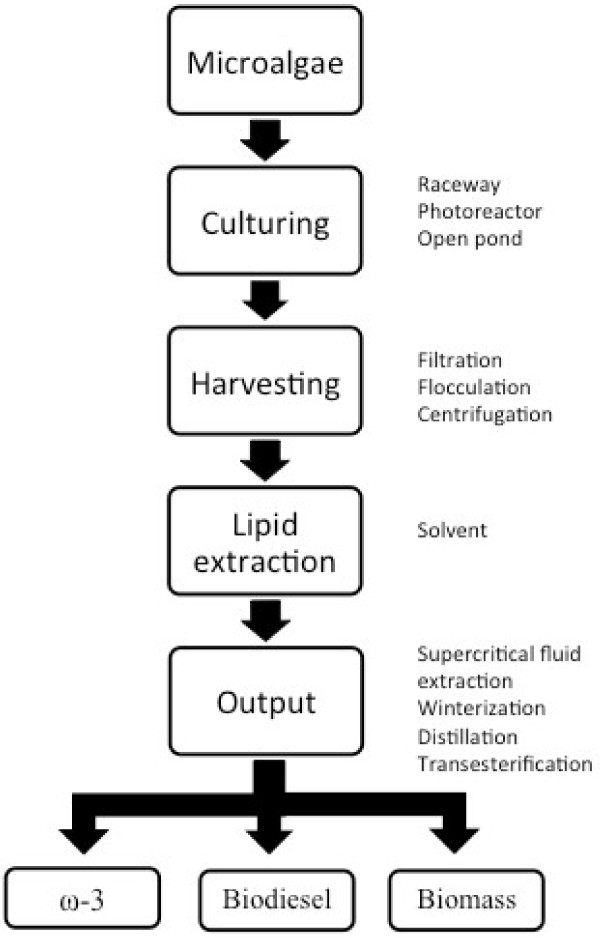
“A typical extraction protocol in small scale is often based on the method of Bligh and Dyer [103], which uses a solvent mixtures made of methanol/ chloroform for the cell disruption and lipid extraction.”
MethodImpacts of Biodiversity Loss on Ocean Ecosystem Services
Worm, B., Barbier, E. B., Beaumont, N., Duffy, J. E., Folke, C., Halpern, B. S., Jackson, J. B. C., Lotze, H. K., Micheli, F., Palumbi, S. R., et al. (2006) · Science · doi:10.1126/science.1132294 · Cited by 4,544
Commercial Applications of Microalgae
Spolaore, P., Joannis-Cassan, C., Duran, E., & Isambert, A. (2006) · Journal of Bioscience and Bioengineering · doi:10.1263/jbb.101.87 · Cited by 4,285 · cited 3×
“anti-aging cream, refreshing or regenerative care products, sun cream, emollient and anti-irritant in peelers [19].”
BackgroundMicroalgal triacylglycerols as feedstocks for biofuel production: perspectives and advances
Hu, Q., Sommerfeld, M., Jarvis, E., Ghirardi, M., Posewitz, M., Seibert, M., & Darzins, A. (2008) · The Plant Journal · doi:10.1111/j.1365-313x.2008.03492.x · Cited by 3,745 · cited 1×
“Long chain fatty acids are transferred to glycerol-3-phosphate to form triacylglycerol (TAG) via the metabolic intermediate phosphatidic acid in the endoplasmic reticulum [99].”
BackgroundHarmful algal blooms and eutrophication: nutrient sources, composition, and consequences
Anderson, D. M., Glibert, P. M., & Burkholder, J. M. (2002) · Estuaries · doi:10.1007/bf02804901 · Cited by 2,965 · cited 1×
“These serve as storage products in order to survive the stressful growth limiting conditions, after which a large number of cells die [47,48].”
BackgroundSecond Generation Biofuels: High-Efficiency Microalgae for Biodiesel Production
Schenk, P. M., Thomas-Hall, S. R., Stephens, E., Marx, U. C., Mussgnug, J. H., Posten, C., Kruse, O., & Hankamer, B. (2008) · BioEnergy Research · doi:10.1007/s12155-008-9008-8 · Cited by 2,333 · cited 5×
“The accumulation of starch and/or lipids reserves is considered a survival mechanism in response to growth-limiting stresses [17], such as UV radiation [79], temperature [80] and shock or nutrient deprivation [81,82], as long as light conditions are present that still allow efficient photosynthesis.”
BackgroundInfluentialSelf-citationMicro-algae as a source of protein
Becker, E. W. (2007) · Biotechnology Advances · doi:10.1016/j.biotechadv.2006.11.002 · Cited by 2,311 · cited 1×
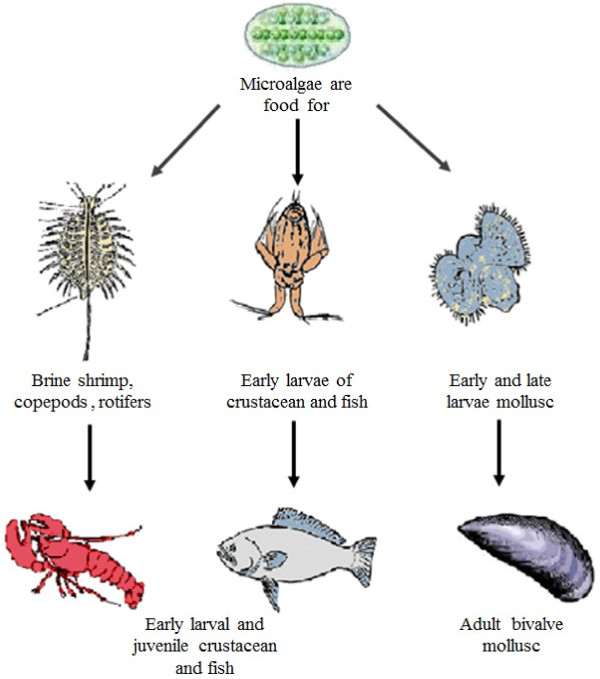
“Microalgae in aquatic food chains: the initial omega-3 producers Microalgae are by far the most abundant primary producers that can be found in most aquatic systems, photosynthetically converting light energy and carbon dioxide (CO2) into biomass such as carbohydrates [44], proteins [45] and lipids [46].”
BackgroundOmega-3 fatty acids in health and disease and in growth and development.
Simopoulos, A. (1991) · The American Journal of Clinical Nutrition · doi:10.1093/ajcn/54.3.438 · Cited by 2,162 · cited 1×
“Immuno-modulatory effects have been observed when ω-3 fatty acids were used in the treatment of inflammatory conditions such as rheumatoid arthritis, Crohn’s disease, ulcerative colitis, psoriasis, asthma, lupus and cystic fibrosis [66,67].”
BackgroundOmega-3 Fatty Acids in Inflammation and Autoimmune Diseases
Simopoulos, A. P. (2002) · Journal of the American College of Nutrition · doi:10.1080/07315724.2002.10719248 · Cited by 2,009 · cited 1×
“Increasing the levels of DHA and EPA in patients with rheumatoid arthritis and ulcerative colitis has also been found to reduce pain and improve conditions, although the modes of operation are unclear at this point [69,70].”
BackgroundSheehan, J., Dunahay, T., Benemann, J., & Roessler, P. (1998) · doi:10.2172/15003040 · Cited by 1,753
Research works printed but not linked: 11
- Whitehead S FAO species catalogue Clupeoid fishes of the world 1985 Rome: UNITED NATIONS
- AGDAFF Australian government department of agriculture, fisheries and forestry. Fishery status reports 2007 2007
- Van Tol EAF Willemsen LEM Koetsier MA Beermann C Stahl B Improvement of intestinal barrier integrity EP patent 1,815,755 2009
- Kinney AJ Cahoon EB Damude HG Hitz WD Kolar CW Liu Z Production of very long chain polyunsaturated fatty acids in oilseed plants Patent WO 2004 71467 A2
- Foster C Aquaculture production to double by 2015 The fish site 2008
- Dyerberg J Leaf A GA C ISSFAL board statement: recommendations for the essential fatty previous termacidnext term requirement for infant formulas J Am Coll Nutr 1995 14 2 7790698
- CODIF Recherche & Nature DERMOCHLORELLA D - DERMOCHLORELLA DP skin restructuring St Malo cedex 2006 France: CODIF Recherche & Nature
- Exymol SAM Protulines: spirulina extract Exymol SAM 2012 Monaco
- Tiez L Zeiger E Plant physiology 2010 5 Publishers, Sunderland: Sinauer Associates Inc
- Hickman KCD Vacuum distillation apparatus Google patents 1939
- Bengen F German patent application OZ 12438 March 1940 18 135 139
Cited by
Items 101–200 of 675
Omega-3 fatty acids from fish by-products: Innovative extraction and application in food and feed
Rodrigues, M., Rosa, A., ALMEIDA, A. A., Martins, R., Ribeiro, T. B., Pintado, M., Gonçalves, R. F. S., Pinheiro, A. C., Fonseca, A. J. M., Maia, M. R. G., et al. (2024) · Food and Bioproducts Processing · doi:10.1016/j.fbp.2024.02.007 · Cited by 89
Patel, A., Matsakas, L., Hrůzová, K., Rova, U., & Christakopoulos, P. (2019) · Marine Drugs · doi:10.3390/md17020119 · Cited by 75
“A number of algal species, such as Nitzschia, Navicula, Nannochloropsis, Phaeodactylum, and Porphyridium, have been identified as producers of omega-3 PUFAs [6,12].”
BackgroundA Brief Journey into the History of and Future Sources and Uses of Fatty Acids
Cerone, M., & Smith, T. (2021) · Frontiers in Nutrition · doi:10.3389/fnut.2021.570401 · Cited by 88
Karageorgou, D., Rova, U., Christakopoulos, P., Katapodis, P., Μάτσακας, Λ., & Patel, A. (2023) · Trends in Food Science & Technology · doi:10.1016/j.tifs.2023.04.018 · Cited by 87
Poliner, E., Panchy, N., Newton, L., Wu, G., Lapinsky, A., Bullard, B., Zienkiewicz, A., Benning, C., Shiu, S., & Farré, E. M. (2015) · The Plant Journal · doi:10.1111/tpj.12944 · Cited by 83
Desaturases: Structural and mechanistic insights into the biosynthesis of unsaturated fatty acids
Cerone, M., & Smith, T. (2022) · IUBMB Life · doi:10.1002/iub.2671 · Cited by 99
“90,91 There are various examples of bioengineered microorganisms for the biosynthesis of PUFAs: ω -3 for the synthesis of arachidonic and eicosa-pentaenoic acids in Mortirella Alpina ; S. cerevisiae and E. coli have been used as heterologous systems to express and characterise S. putrefaciens…”
Álvarez, P., Ruiz, J., Arbib, Z., Barragán, J., Garrido-Pérez, C., & Perales, J. A. (2015) · Bioresource Technology · doi:10.1016/j.biortech.2015.01.018 · Cited by 83
“It has been reported that several microalgae strains can be candidate sources of x-3 FA (Adarme-Vega et al., 2012; Zhou et al., 2012) proposed that microalgae from wastewater treatment with similar x-3 content than that obtained here could be used as animal feeding.”
BackgroundLED power efficiency of biomass, fatty acid, and carotenoid production in Nannochloropsis microalgae
Ma, R., Thomas-Hall, S. R., Chua, E. T., Eltanahy, E., Netzel, M. E., Netzel, G., Lu, Y., & Schenk, P. M. (2018) · Bioresource Technology · doi:10.1016/j.biortech.2017.12.096 · Cited by 78
Self-citationColonia, B. S. O., Pereira, G. V. D. M., & Soccol, C. R. (2020) · Trends in Food Science & Technology · doi:10.1016/j.tifs.2020.03.007 · Cited by 78
High-value biochemical products & applications of freshwater eukaryotic microalgae
Russell, C., Rodríguez, C., & Yaseen, M. (2021) · The Science of The Total Environment · doi:10.1016/j.scitotenv.2021.151111 · Cited by 79
Dacks, P. A., Shineman, D. W., & Fillit, H. M. (2013) · The journal of nutrition health & aging · doi:10.1007/s12603-012-0431-3 · Cited by 79
High-Value Coproducts from Algae—An Innovational Way to Deal with Advance Algal Industry
Mehta, P., Singh, D., Saxena, R., Rani, R., Gupta, R. P., Puri, S. K., & Mathur, A. S. (2017) · Energy, environment, and sustainability · doi:10.1007/978-981-10-7431-8_15 · Cited by 83
Hosny, S., Elshobary, M. E., & El-Sheekh, M. M. (2025) · Environmental Science and Pollution Research · doi:10.1007/s11356-025-35885-8 · Cited by 76
“For instance, Thraustochytrium sp. and Schizochytrium have around 22% DHA and 40% EPA, respectively, whereas Phaeodactylum tricornutum and Nannochloropsis sp. possess approximately 30% EPA and 39% DHA of total omega-3 fatty acids (Adarme-Vega et al. 2012).”
Microalgal biorefineries in sustainable biofuel production and other high-value products
Dutta, S., Kataki, S., Banerjee, I., Pohrmen, C. B., Jaiswal, K. K., & Jaiswal, A. K. (2025) · New Biotechnology · doi:10.1016/j.nbt.2025.02.007 · Cited by 74
Udayan, A., Kathiresan, S., & Arumugam, M. (2018) · Algal Research · doi:10.1016/j.algal.2018.03.007 · Cited by 69
Motlagh, S. R., Harun, R., Biak, D. R. A., Hussain, S. A., Ghani, W. A. W. A. K., Khezri, R., Wilfred, C. D., & Elgharbawy, A. A. M. (2019) · Molecules · doi:10.3390/molecules24040713 · Cited by 71
“Lately, the main supply of both EPA and DHA are provided from fish, however, the intake of fish oil for long period may cause a deficiency of vitamin E due to the high level of vitamin A and D involved in fish lipids [10,11].”
BackgroundSelective Extraction of ω-3 Fatty Acids from Nannochloropsis sp. Using Supercritical CO2 Extraction
Leone, G. P., Balducchi, R., Mehariya, S., Martino, M., Larocca, V., Di Sanzo, G., Iovine, A., Casella, P., Marino, T., Karatza, D., et al. (2019) · Molecules · doi:10.3390/molecules24132406 · Cited by 65
“Among the known microalgae species, Nannochloropsis (eustigmatophyte) species are considered the most promising EPA and DHA natural producers [1,6].”
BackgroundAdarme-Vega, T., Thomas-Hall, S., Lim, D., & Schenk, P. (2014) · Marine Drugs · doi:10.3390/md12063381 · Cited by 68
“They have important advantages for commercial production over transgenic plants or fungi [5], including high areal productivity.”
Self-citationMicroencapsulated diets to improve bivalve shellfish aquaculture for global food security
Willer, D. F., & Aldridge, D. C. (2019) · Global Food Security · doi:10.1016/j.gfs.2019.04.007 · Cited by 67
Seaweeds: a sustainable feed source for livestock and aquaculture
Rajauria, G. (2015) · Elsevier eBooks · doi:10.1016/b978-0-12-418697-2.00015-5 · Cited by 84
Tibbetts, S. M., Scaife, M. A., & Armenta, R. E. (2020) · Aquaculture · doi:10.1016/j.aquaculture.2020.735003 · Cited by 63
Pereira, H., Gangadhar, K. N., Schulze, P. S. C., Santos, T., de Sousa, C. B., Schueler, L. M., Custódio, L., Malcata, F. X., Gouveia, L., Varela, J. C. S., et al. (2016) · Scientific Reports · doi:10.1038/srep35663 · Cited by 61
Characterization of Microalgae for the Purpose of Biofuel Production
Bi, Z., & He, B. B. (2013) · Transactions of the ASABE · doi:10.13031/trans.56.10090 · Cited by 86
“Current markets for microalgae are largely in the sectors of human health food and animal feed due to the high concentrations of long-chain unsaturated fatty acids, such as omega-3 and omega-6 (Hammond et al., 2001; Adarme-Vega et al., 2012).”
BackgroundRedford, K. H., Brooks, T. M., MacFarlane, N., & Adams, J. S. (2019) · doi:10.2305/iucn.ch.2019.05.en · Cited by 80
Karnaouri, A., Chalima, A., Kalogiannis, K. G., Varamogianni-Mamatsi, D., Lappas, A., & Topakas, E. (2020) · Bioresource Technology · doi:10.1016/j.biortech.2020.122899 · Cited by 59
Current feeding strategies to improve pork intramuscular fat content and its nutritional quality
Alfaia, C. M., Lopes, P. A., Madeira, M. S. M. D. S., Pestana, J. M., Coelho, D., Toldrá, F., & Prates, J. A. M. (2019) · Advances in food and nutrition research · doi:10.1016/bs.afnr.2019.03.006 · Cited by 70
Multiproduct biorefinery from marine thraustochytrids towards a circular bioeconomy
Gupta, A., Barrow, C. J., & Puri, M. (2021) · Trends in biotechnology · doi:10.1016/j.tibtech.2021.09.003 · Cited by 63
Naghdi, F. G., & Schenk, P. M. (2016) · Bioresource Technology · doi:10.1016/j.biortech.2016.06.093 · Cited by 64
“Schenk PII: S0960-8524(16)30910-5 DOI: http://dx.doi.org/10.1016/j.biortech.2016.06.093 Reference: BITE 16715 To appear in: Bioresource Technology Received Date: 22 April 2016 Revised Date: 22 June 2016 Accepted Date: 23 June 2016 Please cite this article as: Naghdi, F.G., Schenk, P.M., Dissolved air flotation and cen…”
BackgroundMethodSelf-citationMichels, M. H. A., Slegers, P. M., Vermuë, M. H., & Wijffels, R. H. (2013) · Algal Research · doi:10.1016/j.algal.2013.11.011 · Cited by 67
Chen, C., Chen, Y.-C., Huang, H.-C., Ho, S., & Chang, J. (2015) · Bioresource Technology · doi:10.1016/j.biortech.2015.03.001 · Cited by 71
Bilal, M., & Iqbal, H. M. N. (2020) · International Journal of Biological Macromolecules · doi:10.1016/j.ijbiomac.2020.02.037 · Cited by 66
Goswami, R. K., Agrawal, K., Mehariya, S., Molino, A., Musmarra, D., & Verma, P. (2020) · Chemo-Biological Systems for CO2 Utilization · doi:10.1201/9780429317187-11 · Cited by 47
Biological and Nutritional Applications of Microalgae
Sarıtaş, S., Kalkan, A. E., Yılmaz, K., Gürdal, S., Göksan, T., Witkowska, A. M., Lombardo, M., & Karav, S. (2024) · Nutrients · doi:10.3390/nu17010093 · Cited by 70
Zghaibi, N., Omar, R., Kamal, S. M. M., Biak, D. R. A., & Harun, R. (2019) · Molecules · doi:10.3390/molecules24193581 · Cited by 62
Ferrer-Ledo, N., Stegemüller, L., Janssen, M., Wijffels, R. H., & Barbosa, M. J. (2023) · Frontiers in Plant Science · doi:10.3389/fpls.2023.1078998 · Cited by 71
“Fish and oil supplements are currently the main sources of w-3 FAs for human and animal consumption; the oil supplements being mainly derived from fish and krill (Adarme-Vega et al., 2012; Saini et al., 2021).”
BackgroundMansour, M. P., Shrestha, P., Belide, S., Petrie, J. R., Nichols, P. D., & Singh, S. P. (2014) · Nutrients · doi:10.3390/nu6020776 · Cited by 65
“It has been recognized that marine fish do not have the capacity to synthesize these oils, rather it is microalgae, at the base of the marine food web, that have the ability to produce these oils [10,11].”
BackgroundSantangelo, C., Zicari, A., Mandosi, E., Scazzocchio, B., Mari, E., Morano, S., & Masella, R. (2016) · British Journal Of Nutrition · doi:10.1017/s0007114516000222 · Cited by 66
Pulido‐Rodríguez, L. F., Cardinaletti, G., Secci, G., Randazzo, B., Bruni, L., Cerri, R., Olivotto, I., Tibaldi, E., & Parisi, G. (2021) · Animals · doi:10.3390/ani11071919 · Cited by 65
Production, Processing, and Protection of Microalgal n-3 PUFA-Rich Oil
Ren, X., Liu, Y., Fan, C., Hong, H., Wu, W., Zhang, W., & Wang, Y. (2022) · Foods · doi:10.3390/foods11091215 · Cited by 53
“The fatty acid composition in some microalgal species is summarized in Table 1 [12,51].”
BackgroundMicroalgal Lipid Extracts Have Potential to Modulate the Inflammatory Response: A Critical Review
Conde, T., Zabetakis, I., Τσούπρας, Α., Medina, I., Costa, M., Silva, J., Neves, B. M., Domingues, P. M., & Domingues, M. R. (2021) · International Journal of Molecular Sciences · doi:10.3390/ijms22189825 · Cited by 63
Jerez, C. G., Malapascua, J. R., Sergejevová, M., Figueroa, F. L., & Masojídek, J. (2015) · Marine Biotechnology · doi:10.1007/s10126-015-9664-6 · Cited by 56
“2012) which are used for many different biotechnological applications (De Pauw and Persoone 1988; Adarme-Vega et al. 2012).”
BackgroundUnderstanding mild cell disintegration of microalgae in bead mills for the release of biomolecules
Suarez Garcia, E., Lo, C., Eppink, M. H. M., Wijffels, R. H., & van den Berg, C. (2019) · Chemical Engineering Science · doi:10.1016/j.ces.2019.04.008 · Cited by 51
Røst, L. M., Thorfinnsdottir, L. B., Kumar, K., Fuchino, K., Langørgen, I. E., Bartošová, Z., Kristiansen, K. A., & Bruheim, P. (2020) · Metabolites · doi:10.3390/metabo10020074 · Cited by 55
Matich, E. K., Ghafari, M., Camgoz, E., Caliskan, E., Pfeifer, B. A., HAZNEDAROĞLU, B. Z., & Atilla‐Gokcumen, G. E. (2018) · Biotechnology for Biofuels · doi:10.1186/s13068-018-1026-y · Cited by 54
Dajana, J. K., Jelica, B. S., Olivera, B., Aleksandra, Č. M., & Lj., M. I. (2013) · Food and Feed Research · Cited by 151
Irianto, I., Naryaningsih, A., Trisnawati, W., Astuti, A., Komariyah, K., Qomariyah, L., Chaidir, C., Saputri, A., Wulandari, R., Rizkiyah, D. N., et al. (2024) · South African Journal of Chemical Engineering · doi:10.1016/j.sajce.2024.01.001 · Cited by 68
A comprehensive review on medical applications of microalgae
Huang, H., Lang, Y., & Zhou, M. (2024) · Algal Research · doi:10.1016/j.algal.2024.103504 · Cited by 66
Bensalem, S., Lopes, F., Bodénès, P., Pareau, D., Français, O., & Pioufle, B. L. (2018) · Bioresource Technology · doi:10.1016/j.biortech.2018.01.139 · Cited by 55
Okuda, T., Ando, A., Negoro, H., Muratsubaki, T., Kikukawa, H., Sakamoto, T., Sakuradani, E., Shimizu, S., & Ogawa, J. (2015) · European Journal of Lipid Science and Technology · doi:10.1002/ejlt.201400657 · Cited by 54
Liu, J., Liu, M., Pan, Y., Shi, Y., & Hu, H. (2021) · Metabolic Engineering · doi:10.1016/j.ymben.2021.11.015 · Cited by 49
Exploring the economic viability of a mesopelagic fishery in the Bay of Biscay
Prellezo, R. (2018) · ICES Journal of Marine Science · doi:10.1093/icesjms/fsy001 · Cited by 51
Najar-Almanzor, C. E., Velasco-Iglesias, K. D., Nunez-Ramos, R., Uribe-Velázquez, T., Solis-Bañuelos, M., Fuentes-Carrasco, O. J., Chaírez, I., García‐Cayuela, T., & Carrillo-Nieves, D. (2023) · Journal of Environmental Management · doi:10.1016/j.jenvman.2023.118774 · Cited by 51
Sharma, P., Gujjala, L. K. S., Varjani, S., & Kumar, S. (2022) · Science of The Total Environment · doi:10.1016/j.scitotenv.2021.152417 · Cited by 47
RetractedCobos, M., Pérez, S., Braga, J., Vargas-Arana, G., Ramos, L. F., Paredes, J. D., Maddox, J. D., Marapara, J. L., & Castro, J. C. (2020) · World Journal of Microbiology and Biotechnology · doi:10.1007/s11274-020-02896-1 · Cited by 67
Degraeve-Guilbault, C., Bréhélin, C., Haslam, R. P., Sayanova, O. V., Marie-Luce, G., Jouhet, J., & Corellou, F. (2017) · PLANT PHYSIOLOGY · doi:10.1104/pp.16.01467 · Cited by 50
“…as energy storage molecules, there is growing evidence that, at least in microalgae, TAGs are a reservoir of FAs that are used for the rapid synthesis and FA remodeling of structural lipids under both standard and stress conditions (Cohen et al., 2000; Adarme-Vega et al., 2012; Yoon et al., 2012).”
BackgroundMiles, F. L., Lloren, J. I., Haddad, E. H., Jaceldo‐Siegl, K., Knutsen, S. F., Sabaté, J., & Fraser, G. E. (2018) · Journal of Nutrition · doi:10.1093/jn/nxy292 · Cited by 52
“The higher percentage of ALA in vegans is not surprising as there are many plant-based sources for ALA, unlike EPA and DHA which are obtained primarily from marine sources, although there are other less common plant sources (63, 64).”
BackgroundDunaliella salina microalgae oppose thioacetamide-induced hepatic fibrosis in rats
El-Baz, F. K., Salama, A., & Hussein, R. A. (2019) · Toxicology Reports · doi:10.1016/j.toxrep.2019.10.017 · Cited by 47
Beyond Bioremediation: The Untapped Potential of Microalgae in Wastewater Treatment
Liberti, D., Pinheiro, F., Simões, B., Varela, J. C. S., & Barreira, L. A. (2024) · Water · doi:10.3390/w16192710 · Cited by 63
Lipid Class Specific Quantitative Analysis of n-3 Polyunsaturated Fatty Acids in Food Supplements
Kutzner, L., Ostermann, A. I., Konrad, T., Riegel, D., Hellhake, S., Schuchardt, J. P., & Schebb, N. H. (2016) · Journal of Agricultural and Food Chemistry · doi:10.1021/acs.jafc.6b03745 · Cited by 49
Effect of microalgae as iron supplements on iron-deficiency anemia in rats
Gao, F., Guo, W. Y., Zeng, M., Feng, Y., & Feng, G. (2019) · Food & Function · doi:10.1039/c8fo01834k · Cited by 48
Microalgae biomass intake positively modulates serum lipid profile and antioxidant status
do Nascimento, T. C., Cazarin, C. B. B., Maróstica, M. R., Risso, É. M., Amaya‐Farfán, J., Grimaldi, R., Mercadante, A. Z., Lopes, E. J., & Zepka, L. Q. (2019) · Journal of Functional Foods · doi:10.1016/j.jff.2019.04.047 · Cited by 47
Ahmad, A., & Ashraf, S. M. (2024) · Journal of Water Process Engineering · doi:10.1016/j.jwpe.2024.106506 · Cited by 52
Boyd, C. E. (2015) · Elsevier eBooks · doi:10.1016/b978-0-08-100506-4.00001-5 · Cited by 48
Singh, H., Kumar, C., Singh, N., Paul, S., & Jain, S. K. (2018) · Food & Function · doi:10.1039/c7fo01391d · Cited by 45
Gill, S. S., Willette, S., Dungan, B. N., Jarvis, J. M., Schaub, T. M., VanLeeuwen, D., Hilaire, R. S., & Holguin, F. O. (2018) · Marine Drugs · doi:10.3390/md16110425 · Cited by 49
“GSH has antioxidant abilities to protect cell against reactive oxygen species (ROS) [54,55], which indicates that cellular metabolite flux is more towards central carbohydrate metabolism, protein degradation, and lipid biosynthesis.”
BackgroundInsights of microalgae-based aquaculture feed: A review on circular bioeconomy and perspectives
Tham, P. E., Lim, H. R., Khoo, K. S., Chew, K. W., Yap, Y. J., Munawaroh, H. S. H., Ma, Z., Rajendran, S., Gnanasekaran, L., & Show, P.-L. (2023) · Algal Research · doi:10.1016/j.algal.2023.103186 · Cited by 48
Vossen, E., Raes, K., Mullem, D. V., & SMET, S. D. (2016) · European Journal of Lipid Science and Technology · doi:10.1002/ejlt.201600144 · Cited by 45
Growth and LC-PUFA production of the cold-adapted microalga Koliella antarctica in photobioreactors
Suzuki, H., Hulatt, C. J., Wijffels, R. H., & Kiron, V. (2018) · Journal of Applied Phycology · doi:10.1007/s10811-018-1606-z · Cited by 51
Lena, G. D., Casini, I., Lucarini, M., del Pulgar, J. S., Aguzzi, A., Caproni, R., Gabrielli, P., & Lombardi‐Boccia, G. (2019) · European Food Research and Technology · doi:10.1007/s00217-019-03346-5 · Cited by 50
Abreu, A. C., Molina-Miras, A., Aguilera-Sáez, L. M., López‐Rosales, L., Cerón-García, M. C., Sánchez‐Mirón, A., Olmo‐García, L., Carrasco‐Pancorbo, A., García-Camacho, F., Grima, E. M., et al. (2019) · Journal of Agricultural and Food Chemistry · doi:10.1021/acs.jafc.9b02821 · Cited by 46
Effect of different light spectra on the growth and biochemical composition of Tisochrysis lutea
Sánchez‐Saavedra, M. D. P., Maeda-Martínez, A. N., & Acosta-Galindo, S. (2015) · Journal of Applied Phycology · doi:10.1007/s10811-015-0656-8 · Cited by 48
Bustamam, M. S. A., Pantami, H. A., Azizan, A., Shaari, K., Min, C. C., Abas, F., Nagao, N., Maulidiani, M., Banerjee, S., Sulaiman, F., et al. (2021) · Marine Drugs · doi:10.3390/md19030139 · Cited by 46
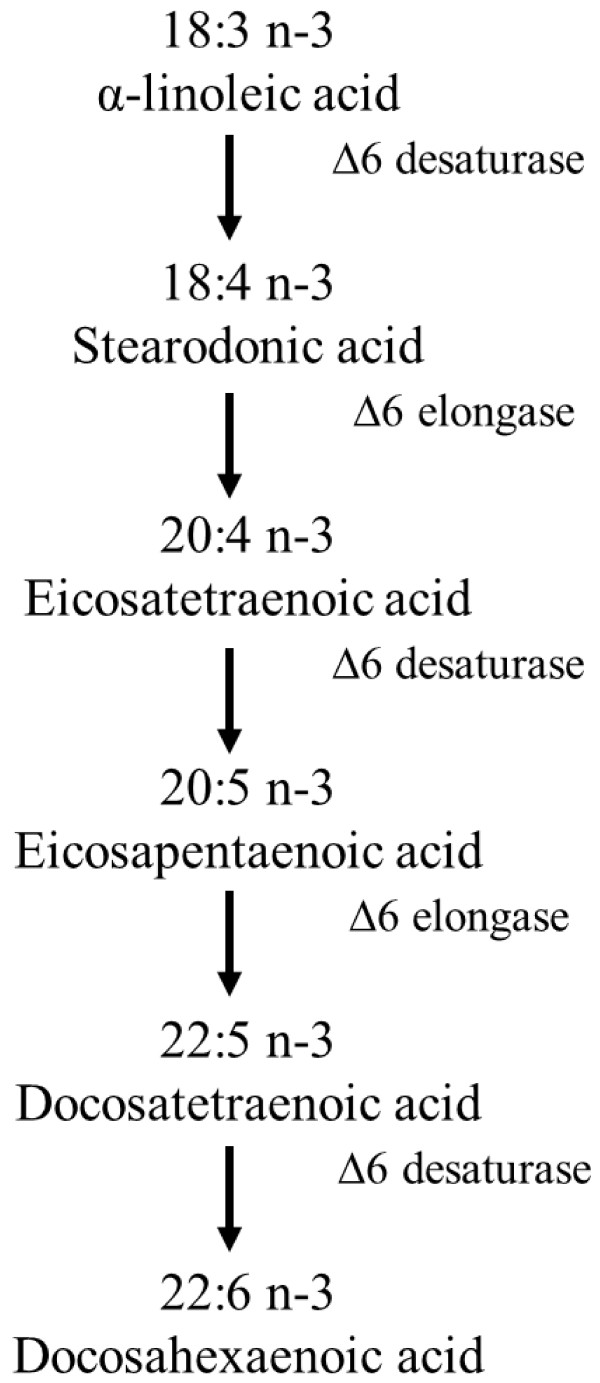
“The level of EPA also depends on the elongation of EPA into DPA before subsequent desaturation into DHA by ∆6 desaturase occurs in the pathway of omega-3 long-chain-PUFA biosynthesis [50].”
BackgroundYu, B. S., Sung, Y. J., Choi, H. I., Sirohi, R., & Sim, S. J. (2021) · Bioresource Technology · doi:10.1016/j.biortech.2021.125720 · Cited by 44
Cheirsilp, B., & Maneechote, W. (2022) · Bioresource Technology Reports · doi:10.1016/j.biteb.2022.101003 · Cited by 51
Towards Lipid from Microalgae: Products, Biosynthesis, and Genetic Engineering
Xin, Y., Wu, S., Miao, C., Xu, T., & Lu, Y. (2024) · Life · doi:10.3390/life14040447 · Cited by 53
“In addition, fish oil usually results in allergy [3].”
BackgroundMarine Bioactives and Potential Application in Sports
Gammone, M. A., Gemello, E., Riccioni, G., & D’Orazio, N. (2014) · Marine Drugs · doi:10.3390/md12052357 · Cited by 48
“Other important marine sources of omega-3 are algae and crustaceans, such as krill [46].”
BackgroundRapid induction of omega‐3 fatty acids (EPA) in Nannochloropsis sp. by UV‐C radiation
Sharma, K., & Schenk, P. M. (2015) · Biotechnology and Bioengineering · doi:10.1002/bit.25544 · Cited by 39
“Omega-3 and -6 fatty acids are essential components for the growth of higher eukaryotes (Adarme-Vega et al., 2012; Ward and Singh, 2005).”
BackgroundSelf-citationSantos, J. H. P. M., Trigo, J. P., Maricato, É., Nunes, C., Coimbra, M. A., & Ventura, S. P. M. (2018) · ACS Sustainable Chemistry & Engineering · doi:10.1021/acssuschemeng.8b02597 · Cited by 44
Paniagua-Michel, J. D. J. (2015) · Elsevier eBooks · doi:10.1016/b978-0-12-800776-1.00016-9 · Cited by 47
Processing Methodologies of Wet Microalga Biomass Toward Oil Separation: An Overview
Pôjo, V., Tavares, T. G., & Malcata, F. X. (2021) · Molecules · doi:10.3390/molecules26030641 · Cited by 44
Gérin, S., Delhez, T., Corato, A., Remacle, C., & Franck, F. (2020) · Journal of Applied Phycology · doi:10.1007/s10811-020-02097-1 · Cited by 43
Methods Used for Extraction of Plant Volatiles Have Potential to Preserve Truffle Aroma: A Review
Phong, W. N., Gibberd, M. R., Payne, A. D., Dykes, G. A., & Coorey, R. (2022) · Comprehensive Reviews in Food Science and Food Safety · doi:10.1111/1541-4337.12927 · Cited by 29
Canelli, G., Tevere, S., Jaquenod, L., Dionisi, F., Rohfritsch, Z., Bolten, C. J., Neutsch, L., & Mathys, A. (2022) · Bioresource Technology · doi:10.1016/j.biortech.2022.126744 · Cited by 39
Wang, B., Adhikari, B., & Barrow, C. J. (2018) · Powder Technology · doi:10.1016/j.powtec.2018.07.084 · Cited by 39
Environmental Life Cycle Assessment of Diets with Improved Omega-3 Fatty Acid Profiles
Coelho, C. R. V., Pernollet, F., & van der Werf, H. M. G. (2016) · PLoS ONE · doi:10.1371/journal.pone.0160397 · Cited by 42
“[37] suggested that oils from microalgae rich in EPA and DHA can be used to further supplement diets.”
BackgroundUsing Scenedesmus sp. for the Phycoremediation of Tannery Wastewater
Ballen Segura, M., Hernandez Rodriguez, L., Parra Ospina, D., Vega Bolaños, A., & Perez, K. (2016) · TECCIENCIA · doi:10.18180/tecciencia.2016.21.11 · Cited by 38
“Likewise, microalgal biomass can be used in the production of biofuels such as biodiesel [16] [17], bioethanol [17] [18], and biogas [19] [20], as well as in the production of different products of industrial and commercial interest [21] [22].”
BackgroundChoi, J. Y., Hwang, C. J., Lee, H. P., Kim, H. S., Han, S., & Hong, J. T. (2017) · Oncotarget · doi:10.18632/oncotarget.17268 · Cited by 39
“There are a number of alternative EPA and DHA sources, including fungi, bacteria, plants, and microalgae that are already being investigated for commercial use [21].”
BackgroundTargeting mTORs by omega-3 fatty acids: A possible novel therapeutic strategy for neurodegeneration?
Shirooie, S., Nabavi, S. F., Dehpour, A. R., Belwal, T., Habtemariam, S., Argüelles, S., Sureda, A., Daglia, M., Tomczyk, M., Sobarzo‐Sánchez, E., et al. (2018) · Pharmacological Research · doi:10.1016/j.phrs.2018.07.004 · Cited by 39
Nagappan, S., & Kumar Verma, S. (2018) · Energy Sources, Part A: Recovery, Utilization, and Environmental Effects · doi:10.1080/15567036.2018.1514434 · Cited by 35
“Previous studies suggest that the microalgae have been tried as an alternate source of omega-3 fatty acids such as eicosapentaenoic acid and docosahexaenoic acid (Adarme-Vega et al. 2012; Guihéneuf et al. 2009; Mitra, Patidar, and Mishra 2015), but the commercial production of ALA in microalgae has not been investigat…”
BackgroundInfluentialGharajeh, N. H., Valizadeh, M., Dorani, E., & Hejazi, M. A. (2020) · Biotechnology Reports · doi:10.1016/j.btre.2020.e00479 · Cited by 42
“Similar to the pigments, proteins and polysaccharides derived from microalgae, the VLC-PUFAs, have applications as functional food additives and health products [22].”
Backgrounddu Preez, R., Majzoub, M. E., Thomas, T., Panchal, S. K., & Brown, L. (2021) · Nutrients · doi:10.3390/nu13113991 · Cited by 40
“In contrast, microalga can be used for sustainable production of omega-3 PUFA [39] and so can be an important PUFA source for farmed fish [11,12].”
BackgroundInfluentialA novel predatory bacterium infecting the eukaryotic alga Nannochloropsis
Lee, P. A., Martinez, K. J. L., Letcher, P. M., Corcoran, A. A., & Ryan, R. A. (2018) · Algal Research · doi:10.1016/j.algal.2018.04.003 · Cited by 37
Wang, S., Sirbu, D., Thomsen, L., Kuhnert, N., Ullrich, M. S., & Thomsen, C. (2019) · Journal of Phycology · doi:10.1111/jpy.12887 · Cited by 41
“Algal lipids, as the feedstock for biodiesel production, and polyunsaturated fatty acids have received increased attention, as summarized in previous reviews (Adarme-Vega et al. 2012, Faried et al. 2017).”
BackgroundTran, Q., Cho, K., Park, S., Kim, U., Lee, Y. J., & Kim, H.-S. (2019) · Scientific Reports · doi:10.1038/s41598-019-46313-6 · Cited by 40
Functional Lipids and Cardiovascular Disease Reduction: A Concise Review
Omachi, D. O., Aryee, A. N. A., & Onuh, J. O. (2024) · Nutrients · doi:10.3390/nu16152453 · Cited by 42
Boukrouh, S., Mnaouer, I., de Souza, P. M., Hornick, J., Nilahyane, A., Amiri, B. E., & Hirich, A. (2025) · Archives animal breeding/Archiv für Tierzucht · doi:10.5194/aab-68-223-2025 · Cited by 36
Chlorella vulgaris as a Source of Essential Fatty Acids and Micronutrients: A Brief Commentary
Freitas, H. R. (2017) · The Open Plant Science Journal · doi:10.2174/1874294701710010092 · Cited by 36
“Recent authors, for instance, suggest the use of Chlorella species as biofactories for n-3 fatty acids [21, 22].”
BackgroundEilertsen, H. C., Eriksen, G. K., Bergum, J.-S., Strømholt, J., Elvevoll, E., Eilertsen, K.-E., Heimstad, E. S., Giæver, I. H., Israelsen, L., Svenning, J. B., et al. (2022) · Applied Sciences · doi:10.3390/app12063082 · Cited by 35
Algae Biofuels Production Processes, Carbon Dioxide Fixation and Biorefinery Concept
Parra‐Saldívar, R. (2014) · Journal of Petroleum & Environmental Biotechnology · doi:10.4172/2157-7463.1000185 · Cited by 38
“According to AdarmeVega [67] these long chain ω-3 PUFAs provide significant health benefits particularly in reducing cardiac diseases such as arrhythmia, stroke and high blood pressure.”
BackgroundGo, R., Hwang, K., Geon-Tae, P., Lee, H.-M., Lee, G.-A., Kim, C., Jeon, S., Seo, J., Hong, W.-K., & Choi, K. (2016) · Journal of Biomedical Research · doi:10.7555/jbr.30.2016k0004 · Cited by 37
Metadata
- Authors
- Adarme-Vega, T. C., Lim, D. K. Y., Timmins, M., Vernen, F., Li, Y., & Schenk, P. M.
- Affiliations
- The University of Queensland (AU)
- The University of Western Australia (AU)
- Corresponding author
- Schenk, Peer M
- Venue
- Microbial Cell Factories
- Published
- 2012-07-25
- Volume
- 11
- Issue
- 1
- Pages
- 96-96
- ISSN
- 1475-2859 (ISSN-L)
- PMC
- PMC3465194
- OpenAlex
- W2161273903
- Cited by
- 641
- References
- 115
- Citations by year
- 2026: 41 · 2025: 57 · 2024: 48 · 2023: 49 · 2022: 61 · 2021: 68 · 2020: 65 · 2019: 55 · 2018: 45 · 2017: 41 · 2016: 40 · 2015: 23 · 2014: 28 · 2013: 17 · 2012: 3
- FWCI
- 0.98
- Type
- journal article
- Language
- en
- Open access
- gold
- doi.org
- Licence
- cc-by
- Locations
- Microbial Cell Factories (publishedVersion, cc-by)
- Europe PMC (PubMed Central) (publishedVersion, cc-by)
- PubMed Central (publishedVersion, cc-by)
- PubMed (publishedVersion)
- ResearchOnline at James Cook University (James Cook University) (submittedVersion)
- DOAJ (DOAJ: Directory of Open Access Journals) (submittedVersion)
- Funders
- Australian Research Council
- Topics
- Physical Sciences › Energy › Renewable Energy, Sustainability and the Environment › Algal biology and biofuel production
- Life Sciences › Biochemistry, Genetics and Molecular Biology › Molecular Biology › Microbial Metabolic Engineering and Bioproduction
- Life Sciences › Agricultural and Biological Sciences › Aquatic Science › Aquaculture Nutrition and Growth
- Keywords
- omega-3 fatty acids, eicosapentaenoic acid, docosahexaenoic acid, microalgae, heterotrophic microalgae, metabolic engineering, selective breeding, aquaculture feed, energy crops
- MeSH terms
- Animals, Humans, Fatty Acids, Omega-3, Dietary Supplements, Food Chain, Microalgae, Aquatic Organisms, Metabolic Engineering
About these checks
Registry, retraction, Cites and statistics results are computed, not judged, with one exception: a printed reference that no index lists is read once by a model before it counts as a citation error. Claims are extracted by a model and kept only when their quote appears verbatim in the text; each cited source is then checked, with a model’s help, for whether it says what the claim relies on. Those verdicts can be wrong — read the claim’s quote and the cited source before relying on one.
Statistics and arithmetic are recomputed, not judged.
Confidence bands are shown only for fields calibrated on our annotated test set. None is calibrated yet, so no band is shown.
What counts as a claim ›How we measure confidence ›How we check this ›
Are you an author, or do you see a problem with this page? Request a review
Data sources
Bibliographic data: Semantic Scholar, OpenAlex, Crossref.
Contains information from the Semantic Scholar Academic Graph Datasets, made available under the ODC Attribution License (ODC-BY 1.0).
Semantic Scholar’s data is described in: Kinney, R., et al. (2023). The Semantic Scholar Open Data Platform. arXiv:2301.10140.
