

Microalgal biofactories: a promising approach towards sustainable omega-3 fatty acid production
Open accessThe DOI matches its Crossref record; 111 of the 115 references it cites were found in a registry or an index.
Abstract
Omega-3 fatty acids eicosapentaenoic acid (EPA) and docosahexaenoic acid (DHA) provide significant health benefits and this has led to an increased consumption as dietary supplements. Omega-3 fatty acids EPA and DHA are found in animals, transgenic plants, fungi and many microorganisms but are typically extracted from fatty fish, putting additional pressures on global fish stocks. As primary producers, many marine microalgae are rich in EPA (C20:5) and DHA (C22:6) and present a promising source of omega-3 fatty acids. Several heterotrophic microalgae have been used as biofactories for omega-3 fatty acids commercially, but a strong interest in autotrophic microalgae has emerged in recent years as microalgae are being developed as biofuel crops. This paper provides an overview of microalgal biotechnology and production platforms for the development of omega-3 fatty acids EPA and DHA. It refers to implications in current biotechnological uses of microalgae as aquaculture feed and future biofuel crops and explores potential applications of metabolic engineering and selective breeding to accumulate large amounts of omega-3 fatty acids in autotrophic microalgae.
Overview
The claims and statistics of this paper haven’t been checked yet.
Free: it reads the open-access text and checks the first 5 claims that cite a source we can check. Create a free account to check every claim.
Integrity signals
Registry
Cites
Statistics
Figures

Verification
Claims the paper makes
The claims and statistics of this paper haven’t been checked yet.
Free: it reads the open-access text and checks the first 5 claims that cite a source we can check. Create a free account to check every claim.
Claims other papers make about this one
Each is checked against this paper’s own text: does it say what the citing paper says it does?
In the citing paper
“Some microalgae are rich in omega-3 (ω-3) FA), and are often considered as the main producers of these healthy lipids, representing an alternative source to fish [3].”
From Microalgae as Sustainable Bio-Factories of Healthy Lipids: Evaluating Fatty Acid Content and Antioxidant Activity (2021) · cites this paper as [3]
Self-check
Percentages, sums and reported differences re-computed from the paper’s own numbers.
The self-check needs the paper’s full text.
Citations
Cites
A RAPID METHOD OF TOTAL LIPID EXTRACTION AND PURIFICATION
Bligh, E. G., & Dyer, W. J. (1959) · Canadian Journal of Biochemistry and Physiology · doi:10.1139/o59-099 · Cited by 54,751 · cited 1×
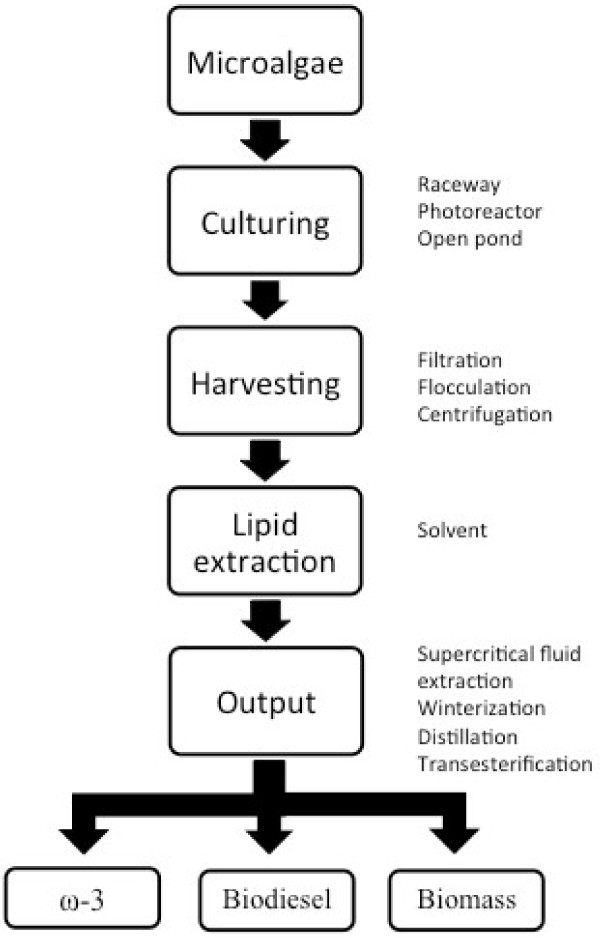
“A typical extraction protocol in small scale is often based on the method of Bligh and Dyer [103], which uses a solvent mixtures made of methanol/ chloroform for the cell disruption and lipid extraction.”
MethodImpacts of Biodiversity Loss on Ocean Ecosystem Services
Worm, B., Barbier, E. B., Beaumont, N., Duffy, J. E., Folke, C., Halpern, B. S., Jackson, J. B. C., Lotze, H. K., Micheli, F., Palumbi, S. R., et al. (2006) · Science · doi:10.1126/science.1132294 · Cited by 4,544
Commercial Applications of Microalgae
Spolaore, P., Joannis-Cassan, C., Duran, E., & Isambert, A. (2006) · Journal of Bioscience and Bioengineering · doi:10.1263/jbb.101.87 · Cited by 4,285 · cited 3×
“anti-aging cream, refreshing or regenerative care products, sun cream, emollient and anti-irritant in peelers [19].”
BackgroundMicroalgal triacylglycerols as feedstocks for biofuel production: perspectives and advances
Hu, Q., Sommerfeld, M., Jarvis, E., Ghirardi, M., Posewitz, M., Seibert, M., & Darzins, A. (2008) · The Plant Journal · doi:10.1111/j.1365-313x.2008.03492.x · Cited by 3,745 · cited 1×
“Long chain fatty acids are transferred to glycerol-3-phosphate to form triacylglycerol (TAG) via the metabolic intermediate phosphatidic acid in the endoplasmic reticulum [99].”
BackgroundHarmful algal blooms and eutrophication: nutrient sources, composition, and consequences
Anderson, D. M., Glibert, P. M., & Burkholder, J. M. (2002) · Estuaries · doi:10.1007/bf02804901 · Cited by 2,965 · cited 1×
“These serve as storage products in order to survive the stressful growth limiting conditions, after which a large number of cells die [47,48].”
BackgroundSecond Generation Biofuels: High-Efficiency Microalgae for Biodiesel Production
Schenk, P. M., Thomas-Hall, S. R., Stephens, E., Marx, U. C., Mussgnug, J. H., Posten, C., Kruse, O., & Hankamer, B. (2008) · BioEnergy Research · doi:10.1007/s12155-008-9008-8 · Cited by 2,333 · cited 5×
“The accumulation of starch and/or lipids reserves is considered a survival mechanism in response to growth-limiting stresses [17], such as UV radiation [79], temperature [80] and shock or nutrient deprivation [81,82], as long as light conditions are present that still allow efficient photosynthesis.”
BackgroundInfluentialSelf-citationMicro-algae as a source of protein
Becker, E. W. (2007) · Biotechnology Advances · doi:10.1016/j.biotechadv.2006.11.002 · Cited by 2,311 · cited 1×
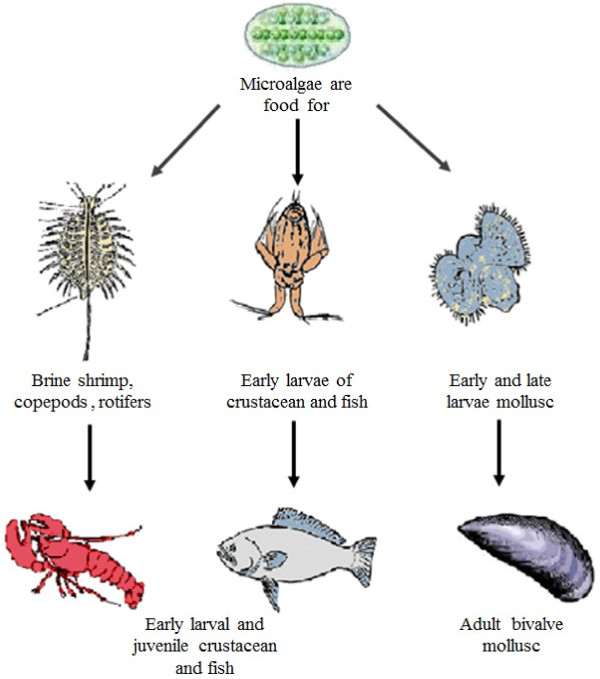
“Microalgae in aquatic food chains: the initial omega-3 producers Microalgae are by far the most abundant primary producers that can be found in most aquatic systems, photosynthetically converting light energy and carbon dioxide (CO2) into biomass such as carbohydrates [44], proteins [45] and lipids [46].”
BackgroundOmega-3 fatty acids in health and disease and in growth and development.
Simopoulos, A. (1991) · The American Journal of Clinical Nutrition · doi:10.1093/ajcn/54.3.438 · Cited by 2,162 · cited 1×
“Immuno-modulatory effects have been observed when ω-3 fatty acids were used in the treatment of inflammatory conditions such as rheumatoid arthritis, Crohn’s disease, ulcerative colitis, psoriasis, asthma, lupus and cystic fibrosis [66,67].”
BackgroundOmega-3 Fatty Acids in Inflammation and Autoimmune Diseases
Simopoulos, A. P. (2002) · Journal of the American College of Nutrition · doi:10.1080/07315724.2002.10719248 · Cited by 2,009 · cited 1×
“Increasing the levels of DHA and EPA in patients with rheumatoid arthritis and ulcerative colitis has also been found to reduce pain and improve conditions, although the modes of operation are unclear at this point [69,70].”
BackgroundSheehan, J., Dunahay, T., Benemann, J., & Roessler, P. (1998) · doi:10.2172/15003040 · Cited by 1,753
Research works printed but not linked: 11
- Whitehead S FAO species catalogue Clupeoid fishes of the world 1985 Rome: UNITED NATIONS
- AGDAFF Australian government department of agriculture, fisheries and forestry. Fishery status reports 2007 2007
- Van Tol EAF Willemsen LEM Koetsier MA Beermann C Stahl B Improvement of intestinal barrier integrity EP patent 1,815,755 2009
- Kinney AJ Cahoon EB Damude HG Hitz WD Kolar CW Liu Z Production of very long chain polyunsaturated fatty acids in oilseed plants Patent WO 2004 71467 A2
- Foster C Aquaculture production to double by 2015 The fish site 2008
- Dyerberg J Leaf A GA C ISSFAL board statement: recommendations for the essential fatty previous termacidnext term requirement for infant formulas J Am Coll Nutr 1995 14 2 7790698
- CODIF Recherche & Nature DERMOCHLORELLA D - DERMOCHLORELLA DP skin restructuring St Malo cedex 2006 France: CODIF Recherche & Nature
- Exymol SAM Protulines: spirulina extract Exymol SAM 2012 Monaco
- Tiez L Zeiger E Plant physiology 2010 5 Publishers, Sunderland: Sinauer Associates Inc
- Hickman KCD Vacuum distillation apparatus Google patents 1939
- Bengen F German patent application OZ 12438 March 1940 18 135 139
Cited by
Items 601–675 of 675
Developing a new generation of feed bioactive supplements from microalgae
Magnuson, A. D., Ou, K. J., Sun, T., & Lei, X. G. (2025) · Elsevier eBooks · doi:10.1016/b978-0-443-22080-7.00001-6
Kaushik, A., Sangtani, R., & Bala, K. (2025) · Chemical Engineering Journal · doi:10.1016/j.cej.2025.167283
Omar, A. K., Puma, L. C. L., Risk, B. D., Witt, A. C., Izon, C. S., Whitcomb, L. A., Kareng, D. J., Winger, Q. A., Bouma, G. J., & Chicco, A. J. (2025) · The Journal of Nutritional Biochemistry · doi:10.1016/j.jnutbio.2025.110137
Utilização de microalgas para produção de ração animal pecuária em complementação à soja
Prieto, J. B., & Carvalho, J. C. M. D. (2024) · doi:10.11606/003253339
Microalgae as a rich source of secondary metabolites for food, feed, and pharmaceutical applications
Neha, Y., Jakhmola, P., & Srivatsan, V. (2025) · Elsevier eBooks · doi:10.1016/b978-0-443-33959-2.00010-1
Microalgae as Biofactories: Metabolites, Bioproducts, and Industrial Biotechnology Applications
Rahaman, T., Samanta, S., Seth, A., Debnath, B., & Das, S. (2025) · Current Biotechnology · doi:10.2174/0122115501408500251019130934
Small Molecules from Microalgae as an Emerging Sustainable Alternative for Disease Management
Treviño-Almaguer, D., Espinosa-Rodríguez, B. A., Balderas-Rentería, I., & Llerena, J. L. G. (2025) · Springer eBooks · doi:10.1007/978-3-032-03675-9_7
Καραγιάννη, Α. Δ. (2024) · University of Thessaly Institutional Repository (University of Thessaly) · doi:10.26253/heal.uth.39985
Shi, Y., Chen, Z., Li, Y., Cao, X., Yang, L., Xu, Y., Li, Z., & He, N. (2021) · Figshare · doi:10.6084/m9.figshare.15047611
Self-citationLiu, L., Zhu, X., Ye, H., Wen, Y., Sen, B., & Wang, G. (2023) · Figshare · doi:10.6084/m9.figshare.22625296
Χαλιμά, Α. Ε. (2021) · DSpace - NTUA (National Technical University of Athens) · doi:10.26240/heal.ntua.21936
Thurn, A.-L., Stock, A., Gerwald, S., & Weuster‐Botz, D. (2024) · Figshare · doi:10.6084/m9.figshare.26555654
Ayele, T. M., Abera, M. K., Yohannes, T. G., Amera, G. M., & Sahlu, A. B. (2025) · Green energy and technology · doi:10.1007/978-3-031-77339-6_17
Portuguéz Solano, B. P. (2020) · Repositorio Académico Institucional de la Universidad Nacional · Cited by 1
Åkerberg, I., & Nordqvist, C. (2021) · Epsilon Archive for Student Projects (Swedish University of Agricultural Sciences)
Koyande, A. K. (2022) · Nottingham ePrints (University of Nottingham)
Cultivation Medium Optimization for the Production of Microalgae
Semedo, A. T. D. (2022) · Portuguese National Funding Agency for Science, Research and Technology (RCAAP Project by FCT)
Mahrouqi, H. A. (2023) · Repositorio Institucional de la Universidad de Málaga (University of Málaga)
Determinação de Ácidos Gordos Produzidos por Actinobactérias de Origem Marinha
Cunha, M. B. (2022) · Portuguese National Funding Agency for Science, Research and Technology (RCAAP Project by FCT)
Microalgae: A Promising, Yet Challenging, Source of Sustainable Omega-3 PUFAs
Zadeh, M. H. (2024) · Epsilon Archive for Student Projects (Swedish University of Agricultural Sciences) · Cited by 1
Todorov, P. (2022) · Zhivotnov"dni Nauki
Nerom, S. V. (2025) · Ghent University Academic Bibliography (Ghent University) · doi:10.13140/rg.2.2.19066.56003
Tauqir, A., Umer, A., Rehman, U., Munawar, M., Junaid, A., Batool, H., Ain, N. U., & Noreen, Z. (2025) · Indus journal of bioscience research. · doi:10.70749/ijbr.v3i10.2537
Thajuddin, F., Subramanian, D., Rajendran, P. J., Kumar, R. G., Nooruddin, T., & Dharumadurai, D. (2025) · Food Bioscience · doi:10.1016/j.fbio.2025.108216
Muniandy, K. G., Karim, M. M. A., Shariff, M., Yusoff, F. M., Christianus, A., & Lim, K. C. (2026) · Aquaculture Research · doi:10.1155/2026/6695242
de Jesus, L. S. B. (2023) · LA Referencia (Red Federada de Repositorios Institucionales de Publicaciones Científicas)
Bal, M. A., Sancar, M., Şermin, T. O. P., Şahin, T., Ölmez, M., Karadağoğlu, Ö., Şenyüz, H. H., Aktuğ, E., Karagöz, D. M., Uysal, S., et al. (2026) · Akademisyen Kitabevi eBooks · doi:10.37609/akya.3910 · Cited by 1
Investigation of Lipid Production of Microalgae Species in Fruit Juice-based Nutrient Medium
Can, F., Yarkent, Ç., Senyay-Oncel, D., & Öncel, S. Ş. (2025) · Turkish Journal of Fisheries and Aquatic Sciences · doi:10.4194/trjfas27969
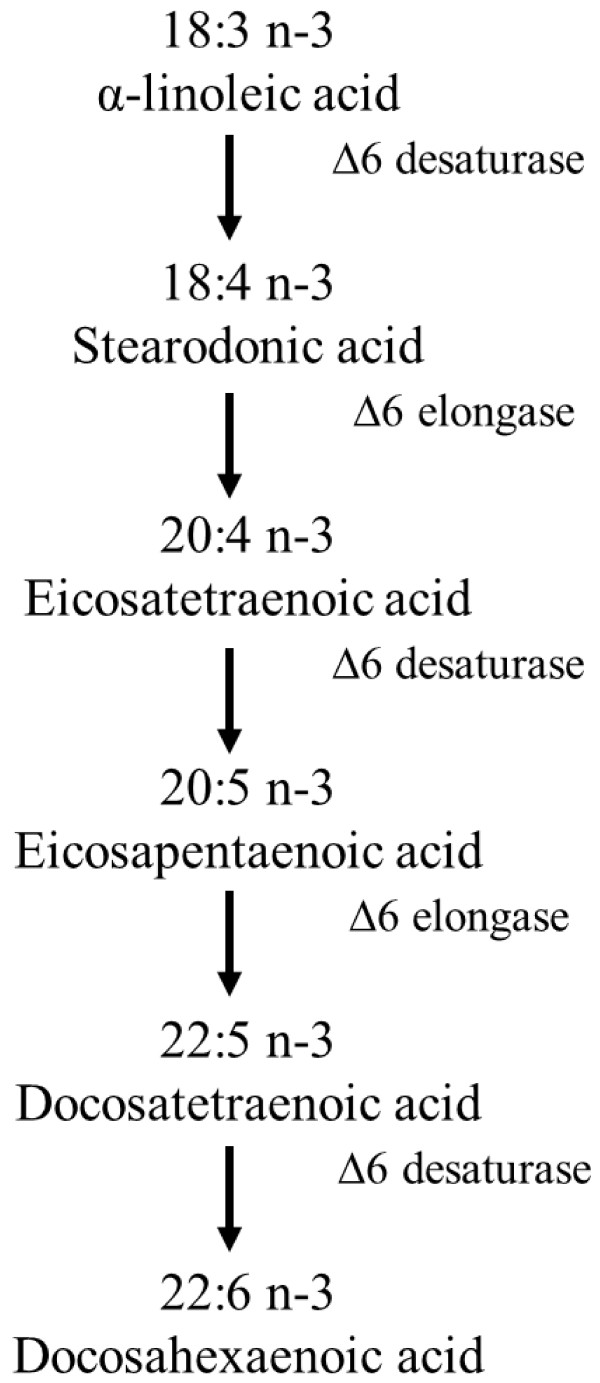
“Eicosapentaenoic Acid (EPA) and Docosahexaenoic Acid (DHA) are polyunsaturated fatty acids synthesized from α-linolenic acid formed at this stage (Adarme-Vega et al., 2012; Ratledge, 2004, 2008).”
The Role of Climate Change in the Microalgal Photosynthesis
Santin, A., & Perin, G. (2026) · Springer eBooks · doi:10.1007/978-3-031-93945-7_9
Harnessing biomanufacturing and microbial innovation for a sustainable and net-zero carbon future
Rozina, Emmanuel, O., Qureshi, N., Ezeji, T. C., & Hallsworth, J. E. (2026) · Bioresource Technology Reports · doi:10.1016/j.biteb.2026.102647
Microalgae: outdoor cultivation methods and challenges
Keewan, M., Tang, D. Y. Y., Chew, K. W., & Show, P. L. (2026) · Elsevier eBooks · doi:10.1016/b978-0-443-26502-0.00001-x
The role of miRNA in the regulation of cholesterol metabolism in rainbow trout fed plant-based diets
Zhu, T. (2018) · theses.fr (ABES) · doi:10.70675/5aaef1ddz05a3z48a4zb4f5z93138e362ae3
“Likewise, fish oil represents a high-value oil source for aquafeeds because it is rich in n-3 long chain polyunsaturated fatty acid (LC-PUFA), such as docosahexaenoic acid (DHA, 22:6n-3) and eicosapentaenoic acid (EPA, 20:5n-3) and exhibits a high n-3 to n-6 fatty acid ratio which is beneficial to human health with re…”
Hutari, A., Nisaa, R. A., Suhendra, S., Ramadhani, S., Aslamia, Q., & Iqbal, M. Y. (2026) · Jurnal Masyarakat Madani Indonesia · doi:10.59025/988d8r16
Microalgal Lipid Profile and Their Dietary Impact on Drosophila melanogaster
Мірось, С. Л., Bilokon, S., Han, Y., & Halim, R. (2026) · Lipidology · doi:10.3390/lipidology3020017
Human milk omega-3 PUFA and infant neurodevelopment: Evidence and insights from indian mothers
Gupta, R., Aggarwal, R., Cheema, S. K., & Bains, K. (2026) · Prostaglandins Leukotrienes and Essential Fatty Acids · doi:10.1016/j.plefa.2026.102747
Júnior, E. F. D. S., Fernandez, L. G., Rodrigues, E. D., & Lima, S. T. D. C. (2026) · Biotechnology Letters · doi:10.1007/s10529-026-03741-5
“In addition, extracts obtained from polyunsaturated fatty acids (PUFAs) like EPA, DHA, and ARA, essential for human health, especially in infants (Adarme-vega et al. 2012; Crawford 2000).”
Patil, D. (2026) · Journal of Drug Delivery and Therapeutics · doi:10.22270/jddt.v16i5.7718 · Cited by 1
Raj, V., Karn, S. K., Vaibhav, V., Tripathi, M., Chauhan, A. K., Prakash, A., & Kumar, A. (2026) · Springer eBooks · doi:10.1007/978-3-032-22521-4_18
Buku Ajar Mata Kuliah Biokimia Lipid
Setyastuti, A. I. (., & Prasetyo, D. Y. (. (2025) · Neliti
Techno-economic analysis of bioactive-rich oil production from Nannochloropsis oculata
FUENTES, H. L., Brandão, P. M., Arabidian, V. D. C., de Oliveira, F. E., Roselet, F., Krummenauer, D., Silva, B., Jaeschke, D. P., da Silveira, N., Pinto, L. A. D. A., et al. (2026) · Scientific Reports · doi:10.1038/s41598-026-50785-8
“Market data indicate that bulk algal oils (30–60% DHA/EPA) typically range from US$ 20–50 kg ⁻ ¹, while high-purity pharmaceutical grades (> 70–90% PUFA) may reach US$ 200–800 kg ⁻ ¹ 42,43 .”
Savatinova, M., Goranov, B. G., Nikolova, K. T., Schreiner, M., Uzunova, G., & Ivanova, M. G. (2026) · Springer Link (Chiba Institute of Technology) · doi:10.1051/bioconf/202623601011/pdf
Developmental Trends in Aquafeed for Mariculture Species
Ramesh, R. D., Nandhakumar, R., Ayyadurai, G., Parthasarathy, S., Koperuncholan, M., Gobalan, K., & Tharmasivam, S. V. (2026) · BENTHAM SCIENCE PUBLISHERS eBooks · doi:10.2174/9798898816575126010010
Pansomsuay, R., Vachiraroj, N., Pandhal, J., Sirikwanpong, S., & Maneeruttanarungroj, C. (2026) · Bioresource Technology · doi:10.1016/j.biortech.2026.135085
Economic viability and market perspectives of algal bioengineering
Uttarotai, T., Jaitiang, D., & Jareonsin, S. (2026) · Elsevier eBooks · doi:10.1016/b978-0-443-36656-7.00001-1
Medicinal and Therapeutic Properties of Algae: A Comprehensive Review
Dash, R. R. (2024) · JOURNAL FOR STEM CELL AND CLINICAL RESEARCH · doi:10.66715/jsccr/2024.v1.i3.1520
Puvača, N. P., & Tufarelli, V. (2026) · Journal of Agronomy Technology and Engineering Management (JATEM) · doi:10.55817/ytew9215
Ghimire, S., Sohrabi, M. S., Zhou, X., Malinen, M., Keinänen, M., Goffart, S., Keski‐Saari, S., & Strandberg, U. (2026) · Microbial Ecology · doi:10.1007/s00248-026-02816-0
“In humans EPA and DHA are vital for cardiovascular health, cell membranes, and cellular signalling [73–76].”
Zhou, Z., Dong, Q., He, Y., Tu, J., Zhang, D., & Liu, W. (2026) · Food Bioscience · doi:10.1016/j.fbio.2026.109370
A review on bioactive compounds mitigating climate change
Fubara, B. A., Uzoekwe, N. M., & Egbujor, M. C. (2026) · Discover Chemistry. · doi:10.1007/s44371-026-00830-2
Alabi, M. A., Adigun, T. O., Ibrahim, R. B., & Ajani, E. O. (2026) · Reference series in phytochemistry · doi:10.1007/978-3-031-80866-1_27-1
Thajuddin, N., & Dharumadurai, D. (2016) · OAPEN (The OAPEN Foundation)
Gokul, C. S., Karthikanath, P. R., Abhiramy, D. S., Sherpa, K. C., & Balakumaran, P. A. (2026) · Elsevier eBooks · doi:10.1016/b978-0-443-43810-3.00006-3
Environmental sustainability in polyunsaturated fatty acid sourcing and production
Manthiri, S., & Palanisamy, P. (2026) · Elsevier eBooks · doi:10.1016/b978-0-443-43810-3.00035-x
Sujithra, S., Sanjana, R., Krishnamoorthy, K., Kabeer, S., Kiran, K. P., Velayutham, K., & Karthik, P. (2026) · Elsevier eBooks · doi:10.1016/b978-0-443-43810-3.00023-3
Jakhmola, P., Saini, K., Neha, Y., & Srivatsan, V. (2026) · Elsevier eBooks · doi:10.1016/b978-0-443-43810-3.00004-x
Sharma, S., & Chakraborty, S. (2026) · Elsevier eBooks · doi:10.1016/b978-0-443-43810-3.00034-8
Babakhani, A., Zahmatkesh, F., & Rabiepour, A. (2026) · Elsevier eBooks · doi:10.1016/b978-0-443-43810-3.00036-1
Ravi, S. N., Sivakumar, K., Mohan, S., & Balaji, Y. (2026) · Elsevier eBooks · doi:10.1016/b978-0-443-43810-3.00005-1
Mózes, N., Lipécz, Á., Csípő, T., Fazekas‐Pongor, V., Major, D., Hung, W. Y., Zábó, V., Csík, B., Fehér, Á., Bérczi, B., et al. (2026) · Nutrients · doi:10.3390/nu18162594
Chen, C., Wang, Z., Wang, Y., Xuan, J., & Feng, Y. (2026) · Biotechnology Advances · doi:10.1016/j.biotechadv.2026.109025
Recognition of exogenous lipids in plant immunity
Kato, H. (2026) · Journal of Experimental Botany · doi:10.1093/jxb/erag418
Lee, H., & Lee, B. (2026) · Research Square · doi:10.21203/rs.3.rs-10758316/v1
Food Science and Food Engineering: Research, Innovations and Applications
Naimi, Y., Tace, E. M., Cinar, A. Y., Kılıç, G. D., Karakaş, C. Y., Demirbaş, F. N., Kılmanoğlu, H., Elwahab, F., Seydametova, E., Byeon, J., et al. (2026) · doi:10.38066/hy.8z796pk0.hph
Chen, X., Zhang, R., Xiao, T., Li, Y., Zhao, Y., Zhu, B., & Pan, K. (2026) · Journal of Applied Phycology · doi:10.1007/s10811-026-04011-7
Self-citationDas, T., Haque, M. E., Acharjee, M. R., Nur, S., Newase, S., Mustaquim, S., Islam, S. M. R., Minhaz, T. M., & Khatoon, H. (2026) · International Journal of Energy Research · doi:10.1155/er/8207111
Sustainable production of Omega-3 from microorganisms
Ξανθάκη, Ε. (2026) · Dione (University of Piraeus)
OMEGA FATTY ACIDS IN HEALTH AND DISEASED STATE - A REVIEW
Nivedha, M., R., V. G., & K., R. D. (2025) · International Journal of Psychosocial Rehabilitation · doi:10.61841/r6pmhh85
Sun, K., Merilees, J., & Qiu, X. (2026) · Marine Drugs · doi:10.3390/md24100357
“In most microalgal taxa, OPA constitutes only a minor fraction of total fatty acids, particularly relative to dominant VLCPUFAs such as EPA and DHA [49,53].”
InfluentialRaja, B. K. R. K., Hu, Y., Chelladurai, V., & Senthilkumar, T. (2025) · Canadian Biosystems Engineering · doi:10.7451/cbe.2025.67.3.1
Swetha, V., Praharaj, S., Nambiar, S. S., Undar, A., Suchindra, M., Dhanya, V., Ahmad, F., & C., J. G. (2026) · Frontiers in Marine Science · doi:10.3389/fmars.2026.1950929
Zuanović, P., Zorić, Z., Župan, I., Šarić, T., Janči, T., & Dobrinčić, A. (2026) · Naše more · doi:10.17818/nm/2026/2.6
Possibility of recovering bioactives from side streams of omega-3 oil extraction from microalgae
Sabbanwar, P., Han, Y., & Halim, R. (2026) · Elsevier eBooks · doi:10.1016/b978-0-443-45519-3.00014-5
Metadata
- Authors
- Adarme-Vega, T. C., Lim, D. K. Y., Timmins, M., Vernen, F., Li, Y., & Schenk, P. M.
- Affiliations
- The University of Queensland (AU)
- The University of Western Australia (AU)
- Corresponding author
- Schenk, Peer M
- Venue
- Microbial Cell Factories
- Published
- 2012-07-25
- Volume
- 11
- Issue
- 1
- Pages
- 96-96
- ISSN
- 1475-2859 (ISSN-L)
- PMC
- PMC3465194
- OpenAlex
- W2161273903
- Cited by
- 641
- References
- 115
- Citations by year
- 2026: 41 · 2025: 57 · 2024: 48 · 2023: 49 · 2022: 61 · 2021: 68 · 2020: 65 · 2019: 55 · 2018: 45 · 2017: 41 · 2016: 40 · 2015: 23 · 2014: 28 · 2013: 17 · 2012: 3
- FWCI
- 0.98
- Type
- journal article
- Language
- en
- Open access
- gold
- doi.org
- Licence
- cc-by
- Locations
- Microbial Cell Factories (publishedVersion, cc-by)
- Europe PMC (PubMed Central) (publishedVersion, cc-by)
- PubMed Central (publishedVersion, cc-by)
- PubMed (publishedVersion)
- ResearchOnline at James Cook University (James Cook University) (submittedVersion)
- DOAJ (DOAJ: Directory of Open Access Journals) (submittedVersion)
- Funders
- Australian Research Council
- Topics
- Physical Sciences › Energy › Renewable Energy, Sustainability and the Environment › Algal biology and biofuel production
- Life Sciences › Biochemistry, Genetics and Molecular Biology › Molecular Biology › Microbial Metabolic Engineering and Bioproduction
- Life Sciences › Agricultural and Biological Sciences › Aquatic Science › Aquaculture Nutrition and Growth
- Keywords
- omega-3 fatty acids, eicosapentaenoic acid, docosahexaenoic acid, microalgae, heterotrophic microalgae, metabolic engineering, selective breeding, aquaculture feed, energy crops
- MeSH terms
- Animals, Humans, Fatty Acids, Omega-3, Dietary Supplements, Food Chain, Microalgae, Aquatic Organisms, Metabolic Engineering
About these checks
Registry, retraction, Cites and statistics results are computed, not judged, with one exception: a printed reference that no index lists is read once by a model before it counts as a citation error. Claims are extracted by a model and kept only when their quote appears verbatim in the text; each cited source is then checked, with a model’s help, for whether it says what the claim relies on. Those verdicts can be wrong — read the claim’s quote and the cited source before relying on one.
Statistics and arithmetic are recomputed, not judged.
Confidence bands are shown only for fields calibrated on our annotated test set. None is calibrated yet, so no band is shown.
What counts as a claim ›How we measure confidence ›How we check this ›
Are you an author, or do you see a problem with this page? Request a review
Data sources
Bibliographic data: Semantic Scholar, OpenAlex, Crossref.
Contains information from the Semantic Scholar Academic Graph Datasets, made available under the ODC Attribution License (ODC-BY 1.0).
Semantic Scholar’s data is described in: Kinney, R., et al. (2023). The Semantic Scholar Open Data Platform. arXiv:2301.10140.
