

Microalgal biofactories: a promising approach towards sustainable omega-3 fatty acid production
Open accessThe DOI matches its Crossref record; 111 of the 115 references it cites were found in a registry or an index.
Abstract
Omega-3 fatty acids eicosapentaenoic acid (EPA) and docosahexaenoic acid (DHA) provide significant health benefits and this has led to an increased consumption as dietary supplements. Omega-3 fatty acids EPA and DHA are found in animals, transgenic plants, fungi and many microorganisms but are typically extracted from fatty fish, putting additional pressures on global fish stocks. As primary producers, many marine microalgae are rich in EPA (C20:5) and DHA (C22:6) and present a promising source of omega-3 fatty acids. Several heterotrophic microalgae have been used as biofactories for omega-3 fatty acids commercially, but a strong interest in autotrophic microalgae has emerged in recent years as microalgae are being developed as biofuel crops. This paper provides an overview of microalgal biotechnology and production platforms for the development of omega-3 fatty acids EPA and DHA. It refers to implications in current biotechnological uses of microalgae as aquaculture feed and future biofuel crops and explores potential applications of metabolic engineering and selective breeding to accumulate large amounts of omega-3 fatty acids in autotrophic microalgae.
Overview
The claims and statistics of this paper haven’t been checked yet.
Free: it reads the open-access text and checks the first 5 claims that cite a source we can check. Create a free account to check every claim.
Integrity signals
Registry
Cites
Statistics
Figures

Verification
Claims the paper makes
The claims and statistics of this paper haven’t been checked yet.
Free: it reads the open-access text and checks the first 5 claims that cite a source we can check. Create a free account to check every claim.
Claims other papers make about this one
Each is checked against this paper’s own text: does it say what the citing paper says it does?
In the citing paper
“Some microalgae are rich in omega-3 (ω-3) FA), and are often considered as the main producers of these healthy lipids, representing an alternative source to fish [3].”
From Microalgae as Sustainable Bio-Factories of Healthy Lipids: Evaluating Fatty Acid Content and Antioxidant Activity (2021) · cites this paper as [3]
Self-check
Percentages, sums and reported differences re-computed from the paper’s own numbers.
The self-check needs the paper’s full text.
Citations
Cites
A RAPID METHOD OF TOTAL LIPID EXTRACTION AND PURIFICATION
Bligh, E. G., & Dyer, W. J. (1959) · Canadian Journal of Biochemistry and Physiology · doi:10.1139/o59-099 · Cited by 54,751 · cited 1×
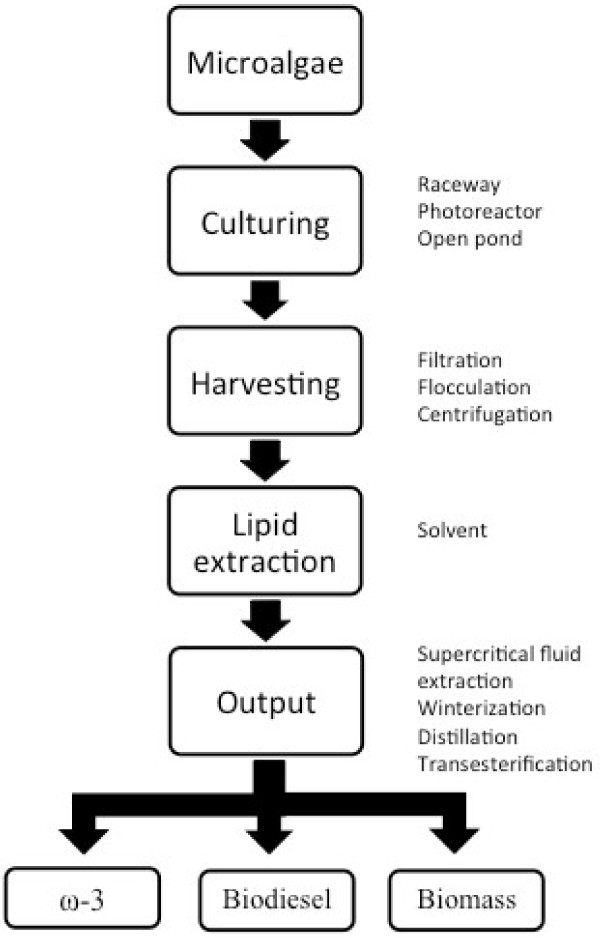
“A typical extraction protocol in small scale is often based on the method of Bligh and Dyer [103], which uses a solvent mixtures made of methanol/ chloroform for the cell disruption and lipid extraction.”
MethodImpacts of Biodiversity Loss on Ocean Ecosystem Services
Worm, B., Barbier, E. B., Beaumont, N., Duffy, J. E., Folke, C., Halpern, B. S., Jackson, J. B. C., Lotze, H. K., Micheli, F., Palumbi, S. R., et al. (2006) · Science · doi:10.1126/science.1132294 · Cited by 4,544
Commercial Applications of Microalgae
Spolaore, P., Joannis-Cassan, C., Duran, E., & Isambert, A. (2006) · Journal of Bioscience and Bioengineering · doi:10.1263/jbb.101.87 · Cited by 4,285 · cited 3×
“anti-aging cream, refreshing or regenerative care products, sun cream, emollient and anti-irritant in peelers [19].”
BackgroundMicroalgal triacylglycerols as feedstocks for biofuel production: perspectives and advances
Hu, Q., Sommerfeld, M., Jarvis, E., Ghirardi, M., Posewitz, M., Seibert, M., & Darzins, A. (2008) · The Plant Journal · doi:10.1111/j.1365-313x.2008.03492.x · Cited by 3,745 · cited 1×
“Long chain fatty acids are transferred to glycerol-3-phosphate to form triacylglycerol (TAG) via the metabolic intermediate phosphatidic acid in the endoplasmic reticulum [99].”
BackgroundHarmful algal blooms and eutrophication: nutrient sources, composition, and consequences
Anderson, D. M., Glibert, P. M., & Burkholder, J. M. (2002) · Estuaries · doi:10.1007/bf02804901 · Cited by 2,965 · cited 1×
“These serve as storage products in order to survive the stressful growth limiting conditions, after which a large number of cells die [47,48].”
BackgroundSecond Generation Biofuels: High-Efficiency Microalgae for Biodiesel Production
Schenk, P. M., Thomas-Hall, S. R., Stephens, E., Marx, U. C., Mussgnug, J. H., Posten, C., Kruse, O., & Hankamer, B. (2008) · BioEnergy Research · doi:10.1007/s12155-008-9008-8 · Cited by 2,333 · cited 5×
“The accumulation of starch and/or lipids reserves is considered a survival mechanism in response to growth-limiting stresses [17], such as UV radiation [79], temperature [80] and shock or nutrient deprivation [81,82], as long as light conditions are present that still allow efficient photosynthesis.”
BackgroundInfluentialSelf-citationMicro-algae as a source of protein
Becker, E. W. (2007) · Biotechnology Advances · doi:10.1016/j.biotechadv.2006.11.002 · Cited by 2,311 · cited 1×
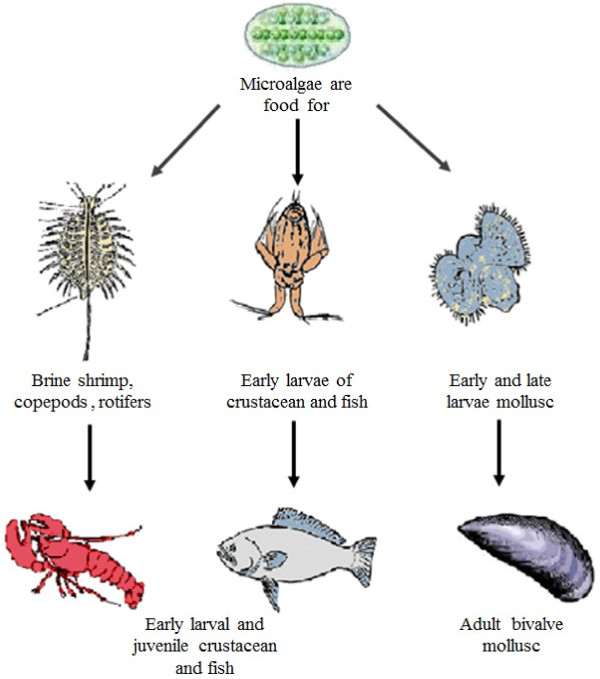
“Microalgae in aquatic food chains: the initial omega-3 producers Microalgae are by far the most abundant primary producers that can be found in most aquatic systems, photosynthetically converting light energy and carbon dioxide (CO2) into biomass such as carbohydrates [44], proteins [45] and lipids [46].”
BackgroundOmega-3 fatty acids in health and disease and in growth and development.
Simopoulos, A. (1991) · The American Journal of Clinical Nutrition · doi:10.1093/ajcn/54.3.438 · Cited by 2,162 · cited 1×
“Immuno-modulatory effects have been observed when ω-3 fatty acids were used in the treatment of inflammatory conditions such as rheumatoid arthritis, Crohn’s disease, ulcerative colitis, psoriasis, asthma, lupus and cystic fibrosis [66,67].”
BackgroundOmega-3 Fatty Acids in Inflammation and Autoimmune Diseases
Simopoulos, A. P. (2002) · Journal of the American College of Nutrition · doi:10.1080/07315724.2002.10719248 · Cited by 2,009 · cited 1×
“Increasing the levels of DHA and EPA in patients with rheumatoid arthritis and ulcerative colitis has also been found to reduce pain and improve conditions, although the modes of operation are unclear at this point [69,70].”
BackgroundSheehan, J., Dunahay, T., Benemann, J., & Roessler, P. (1998) · doi:10.2172/15003040 · Cited by 1,753
Research works printed but not linked: 11
- Whitehead S FAO species catalogue Clupeoid fishes of the world 1985 Rome: UNITED NATIONS
- AGDAFF Australian government department of agriculture, fisheries and forestry. Fishery status reports 2007 2007
- Van Tol EAF Willemsen LEM Koetsier MA Beermann C Stahl B Improvement of intestinal barrier integrity EP patent 1,815,755 2009
- Kinney AJ Cahoon EB Damude HG Hitz WD Kolar CW Liu Z Production of very long chain polyunsaturated fatty acids in oilseed plants Patent WO 2004 71467 A2
- Foster C Aquaculture production to double by 2015 The fish site 2008
- Dyerberg J Leaf A GA C ISSFAL board statement: recommendations for the essential fatty previous termacidnext term requirement for infant formulas J Am Coll Nutr 1995 14 2 7790698
- CODIF Recherche & Nature DERMOCHLORELLA D - DERMOCHLORELLA DP skin restructuring St Malo cedex 2006 France: CODIF Recherche & Nature
- Exymol SAM Protulines: spirulina extract Exymol SAM 2012 Monaco
- Tiez L Zeiger E Plant physiology 2010 5 Publishers, Sunderland: Sinauer Associates Inc
- Hickman KCD Vacuum distillation apparatus Google patents 1939
- Bengen F German patent application OZ 12438 March 1940 18 135 139
Cited by
Items 301–400 of 675
The long-term economic and ecologic impact of larger sustainable aquaculture
Lane, A., Hough, C., & Bostock, J. (2014) · Stirling Online Research Repository (University of Stirling) · Cited by 38
Bioactive Proteins and Peptides from Microalgae
Stack, J., Gouic, A. V. L., & Fitzgerald, R. J. (2020) · Wiley eBooks · doi:10.1002/9781119143802.ch61 · Cited by 21
Palmer, J. S., Lawton, L. A., Kindt, R., & Edwards, C. (2021) · MicrobiologyOpen · doi:10.1002/mbo3.1156 · Cited by 17
“Changing consumer preferences for healthier, more environmentally friendly products is driving industrial production away from petrochemicals and toward naturally synthesized compounds (Adarme-Vega et al., 2012).”
BackgroundDevelopment of sustainable downstream processing for nutritional oil production
Rollin, S., Gupta, A., Franco, C. M. M., Singh, S. P., & Puri, M. (2023) · Frontiers in Bioengineering and Biotechnology · doi:10.3389/fbioe.2023.1227889 · Cited by 19
Ali, Z., Al-Ghouti, M. A., Abou-Saleh, H., & Rahman, M. M. (2024) · Marine Drugs · doi:10.3390/md22100446 · Cited by 23
Scharff, C., Domurath, N., Wensch-Dorendorf, M., & Schröder, F.-G. (2017) · Acta Horticulturae · doi:10.17660/actahortic.2017.1170.148 · Cited by 17
New strategies enhancing feasibility of microalgal cultivations
Caprio, F. D., Altimari, P., & Pagnanelli, F. (2019) · Studies in surface science and catalysis · doi:10.1016/b978-0-444-64337-7.00016-1 · Cited by 19
Moniz, P., Martins, D., Oliveira, A. C., dos Reis, A. J. D., & da Silva, T. L. (2022) · Fermentation · doi:10.3390/fermentation8100502 · Cited by 18
Martínez‐Bisbal, M. C., Carbó, N., Martínez‐Máñez, R., Bauzá, J., & Alcañiz-Fillol, M. (2018) · Sensors and Actuators B Chemical · doi:10.1016/j.snb.2018.10.069 · Cited by 17
Inuwa, A. B., Pervez, A., & Nazir, R. (2023) · International Journal of Environmental Science and Technology · doi:10.1007/s13762-023-05069-3 · Cited by 17
“The energy powers the reaction of fixed atmospheric CO 2 with water, forming organic matter, including carbohydrates, proteins and lipids (Adarme-Vega et al. 2012).”
BackgroundKim, S., Lee, U. H., Lee, S. B., Jeong, G., & Kim, S.-K. (2020) · Journal of Microbiology and Biotechnology · doi:10.4014/jmb.2011.11004 · Cited by 18
“Currently, the major source of both EPA and DHA is marine fish, such as mullet, salmon, and mackerel [5].”
BackgroundCarbohydrates derived from microalgae in the food industry
Ravindran, R., & Rajauria, G. (2021) · Elsevier eBooks · doi:10.1016/b978-0-12-821080-2.00007-1 · Cited by 20
Seaweeds and microalgal biomass: The future of food and nutraceuticals
Meng, W., Mu, T., & García‐Vaquero, M. (2022) · Elsevier eBooks · doi:10.1016/b978-0-323-91001-9.00014-1 · Cited by 18
Rani, V., Deepika, S., Abarna, K. M., & Uma, A. (2022) · Regional Studies in Marine Science · doi:10.1016/j.rsma.2022.102189 · Cited by 16
Arora, S., & Mishra, G. (2019) · Journal of Applied Phycology · doi:10.1007/s10811-019-01844-3 · Cited by 16
Moghimifam, R., Niknam, V., Ebrahimzadeh, H., & Hejazi, M. A. (2020) · Bioprocess and Biosystems Engineering · doi:10.1007/s00449-020-02350-4 · Cited by 17
Socio-ecological impacts of industrial aquaculture and ways forward to sustainability
Molina, A. C., & García-Frapolli, E. (2021) · Marine and Freshwater Research · doi:10.1071/mf20265 · Cited by 15
Monjil, M. S., Kato, H., Ota, S., Matsuda, K., Suzuki, N. T., Tenhiro, S., Tatsumi, A., Pring, S., Miura, A., Camagna, M., et al. (2024) · PLANT PHYSIOLOGY · doi:10.1093/plphys/kiae255 · Cited by 17
Improving Undernutrition with Microalgae
Panchal, S. K., Heimann, K., & Brown, L. (2024) · Nutrients · doi:10.3390/nu16183223 · Cited by 19
“Some microalgae can produce 22–45% EPA + DHA of the total lipid fraction [75,76].”
BackgroundExploring algal diversity for enhanced nutrition: Implications for human health and sustainability
Maghimaa, M., Sagadevan, S., Fatimah, I., Lett, J. A., & Garg, S. (2025) · Algal Research · doi:10.1016/j.algal.2025.103907 · Cited by 18
Debbarma, S., Deb, S., Yadav, N. K., Kashyap, S., Debbarma, P., Bagthasingh, C., Yirang, Y., Meena, D. K., Singh, S. K., Choudhury, T. G., et al. (2025) · Aquaculture International · doi:10.1007/s10499-024-01814-8 · Cited by 17
“For instance, Nannochloropsis sp. and Phaeodac-tylum tricornutum contain approximately 39% EPA and 30% DHA, while Schizochytrium sp. and Thraustochytrium sp. contain about 40% DHA and 22% EPA (Table 7) (Adarme-Vega et al. 2012).”
Microalgae as an Eco-Friendly and Functional Ingredient for Sustainable Aquafeed
Balasubramaniam, V. R. M. T., Rathi, D.-N. G., Mustar, S., & Lee, J. C. (2025) · Aquaculture Journal · doi:10.3390/aquacj5030014 · Cited by 16
Sabri, L. S., Sultan, A. J., & Al‐Dahhan, M. H. (2019) · Chemical Engineering Research and Design · doi:10.1016/j.cherd.2019.06.017 · Cited by 16
Mediterranean Sea bacteria as a potential source of long-chain polyunsaturated fatty acids
Romanò, R., Raddadi, N., & Fava, F. (2020) · FEMS Microbiology Letters · doi:10.1093/femsle/fnaa132 · Cited by 15
Omega-3 polyunsaturated fatty acids: a promising approach for the management of oral lichen planus
Xia, D.-N., Tan, Y., Yang, J., & Zhou, G. (2020) · Inflammation Research · doi:10.1007/s00011-020-01388-0 · Cited by 15
Mejías, C., Riquelme, C. E., Sayes, C., Plaza, J., & Silva-Aciares, F. (2018) · Aquaculture International · doi:10.1007/s10499-018-0253-3 · Cited by 16
“1996), which groups together species with the greatest quantity of polyunsaturated fatty acids (PUFAs), mainly eicosapentaenoic acid (EPA) and docosahexaenoic acid (DHA), which are of great importance in the nutrition of marine animals (Otero et al. 1997; Hoshida et al. 2005; Kobayashi et al. 2008; Adarme-Vega et al.…”
BackgroundSUSTAINABLE ALTERNATIVE FEED FOR AQUACULTURE: STATE OF THE ART AND FUTURE PERSPECTIVE
Terengganu, U. M., SHAHIN, S., Okomoda, V. T., Terengganu, U. M., Ma, H., Ikhwanuddin, M., & Terengganu, U. M. (2023) · PLANETARY SUSTAINABILITY · doi:10.46754/ps.2023.07.005 · Cited by 18
Xia, Y., Zhang, Y.-T., Sun, J., Huang, H., Zhao, Q., & Ren, L. (2020) · Algal Research · doi:10.1016/j.algal.2020.102038 · Cited by 15
Bioactive compounds from microalgae cultivated in wastewaters
Koutra, E., Papavasileiou, P., Andriopoulos, V., Mastropetros, S. G., & Kornaros, M. E. (2021) · Elsevier eBooks · doi:10.1016/b978-0-12-823499-0.00009-2 · Cited by 16
Nur, M. M. A. (2021) · Biocatalysis and Agricultural Biotechnology · doi:10.1016/j.bcab.2021.102228 · Cited by 14
Wu, J., Chen, C., Wu, H., Li, T., Chen, X., Wu, H., & Xiang, W. (2023) · Journal of Applied Phycology · doi:10.1007/s10811-023-02935-y · Cited by 16
“could become a source producing the polyunsaturated omega-3 fatty acids EPA and docosahexaenoic acid (DHA), which are essential for human health (Hu and Gao 2006; Adarme-Vega et al. 2012).”
BackgroundCastilla‐Casadiego, D. A., Arrieta, A. R. A., Angulo, E., Cahuama, S. J. C., Noriega, K. S. B., Escobar, A. F. S., & Avendaño, E. D. M. (2016) · BioMed Research International · doi:10.1155/2016/5081653 · Cited by 14
“be found in foods such as vegetable oil like soy, safflower, or corn; in dried fruit and seeds [16]; and in small amounts in meat, birds, and eggs [17].”
BackgroundMethodChemicals and Fuels from Microalgae
Jeon, S., Jeong, B., & Chang, Y. K. (2016) · Springer eBooks · doi:10.1007/978-3-319-31421-1_384-1 · Cited by 16
Galactomyces geotrichum - moulds from dairy products with high biotechnological potential [pdf]
Grygier, A., Myszka, K., & Rudzińska, M. (2017) · Acta Scientiarum Polonorum Technologia Alimentaria · doi:10.17306/j.afs.2017.0445 · Cited by 16
“These acids belong to the n-3 polyunsaturated fatty acid group, which is important for the prevention of cardiovascular diseases (Adarme-Vega et al., 2012).”
BackgroundSteinrücken, P., Mjøs, S. A., Prestegard, S. K., & Erga, S. R. (2018) · Frontiers in Plant Science · doi:10.3389/fpls.2018.00491 · Cited by 16
“The selection of suitable species that are superior to existing cultures in terms of growth and EPA and DHA content, and the optimization of cultivation conditions are important contributions to the ongoing improvement of microalgae-based technologies (Adarme-Vega et al., 2012).”
BackgroundMicroalgal Biotechnology: Biofuels and Bioproducts
Paniagua-Michel, J. D. J., Morales-Guerrero, E., & Olmos, J. (2015) · Springer eBooks · doi:10.1007/978-3-642-53971-8_62 · Cited by 18
Montoya, L. M. M., Arbeláez, A., Giraldo, N. D., & Atehortúa, L. (2024) · Journal of Applied Phycology · doi:10.1007/s10811-024-03208-y · Cited by 14
“Due to this characteristic, improvements can be made in cultivation systems by establishing parameters and controlling growth conditions in the culture medium, temperature, pH, light configuration, carbon source, and agitation, among others (Adarme-Vega et al. 2012).”
Hernández, H., Romancer, R. L., Nunes, M. C., Prista, C., & Raymundo, A. (2024) · Algal Research · doi:10.1016/j.algal.2024.103874 · Cited by 15
Unraveling the diversity of algae and its biomacromolecules
Selvaraju, K., Vishwakarma, R., & Malik, A. (2020) · Elsevier eBooks · doi:10.1016/b978-0-12-820084-1.00008-9 · Cited by 13
Seafood nutraceuticals: Health benefits and functional properties
Stephen, N. M., Maradagi, T., Kavalappa, Y. P., Sharma, H., & Ponesakki, G. (2022) · Elsevier eBooks · doi:10.1016/b978-0-12-824369-5.00012-9 · Cited by 14
Animal Fat- and Vegetable Oil-Based Platform Chemical Biorefinery
Kumar, R., Sundari, I. S., Sen, S., Dasgupta, N., & Chidambaram, R. (2016) · Elsevier eBooks · doi:10.1016/b978-0-12-802980-0.00019-5 · Cited by 13
Gangadhar, K. N., Pereira, H., Rodrigues, M. J., Custódio, L. M. B., Barreira, L. A., Malcata, F. X., & Varela, J. C. S. (2016) · Open Chemistry · doi:10.1515/chem-2016-0029 · Cited by 16
“, cancer, Alzheimer’s and cardiovascular diseases [12-19].”
Microalgal biotechnology applied in biomedicine
Costa, J. A. V., Moreira, J. B., Fanka, L. S., Kosinski, R. D. C., & de Morais, M. G. (2020) · Elsevier eBooks · doi:10.1016/b978-0-12-818305-2.00027-9 · Cited by 15
Vázquez, L., Corzo‐Martínez, M., Arranz‐Martínez, P., Barroso, E., Reglero, G., & Torres, C. F. (2019) · Reference series in phytochemistry · doi:10.1007/978-3-319-78030-6_58 · Cited by 17
Helamieh, M., Reich, M., Bory, S., Rohne, P., Riebesell, U., Kerner, M., & Kümmerer, K. (2022) · Lipids · doi:10.1002/lipd.12343 · Cited by 13
The Bioeconomy of Production of Microalgal Pigments
Jeevanandam, J., Choudhary, V., Selvam, J. D., & Danquah, M. K. (2020) · Springer eBooks · doi:10.1007/978-3-030-50971-2_14 · Cited by 15
Zhang, H., Zhao, X., Zhang, J., Liu, L., & Liu, J. (2024) · Food Reviews International · doi:10.1080/87559129.2024.2423767 · Cited by 14
“[22,23] PL-type DHA includes a central glycerol portion with two fatty acid chains and a phosphate group that can be further derivatized, commonly found in marine organisms such as Antarctic krill and shellfish.”
Cunha, M. B., Jorge, A. F., Nunes, M. J., Sousa, J. R., Lança, M. J., da Silva, M. G., & Gaudêncio, S. P. (2024) · Marine Drugs · doi:10.3390/md23010001 · Cited by 14
Acomprehensive review on microalgae protein as an emerging protein resource
Dai, J. H., Yang, Z., Liu, L., & Lv, L. (2025) · Food Research International · doi:10.1016/j.foodres.2025.116511 · Cited by 15
Gnayem, N., Unis, R., Gnaim, R., Chemodanov, A., Israel, A. A., Gnaïm, J., & Golberg, A. (2024) · Botanica Marina · doi:10.1515/bot-2023-0027 · Cited by 13
Effect of Lipases fromCandida cylinderaceaon Enrichment of PUFA in Marine Microalgae
Jacob, J. P., & Mathew, S. (2016) · Journal of Food Processing and Preservation · doi:10.1111/jfpp.12928 · Cited by 13
Galarza, J. I., Delgado, N., & Henríquez, V. (2016) · Applied Microbiology and Biotechnology · doi:10.1007/s00253-016-7948-z · Cited by 12
“…endogenous enzymes from particular metabolic pathways, thereby facilitating the accumulation of metabolites of interest, such as astaxanthin and polyunsaturated fatty acids (Adarme-Vega et al. 2012; Cadoret et al. 2012; Hamilton et al. 2014; Leu and Boussiba 2014; Steinbrenner and Sandmann 2006).”
InfluentialHealth benefits of bioactive compounds from microalgae
Singh, D. V., Upadhyay, A. K., Singh, R. P., & Singh, D. P. (2021) · Elsevier eBooks · doi:10.1016/b978-0-12-824109-7.00015-7 · Cited by 14
Saini, R. K., Ravishankar, G. A., & Keum, Y. (2023) · Indian Journal of Microbiology · doi:10.1007/s12088-023-01059-8 · Cited by 12
“In the foods-chain, microalgae are the critical source of LC-n − 3 PUFAs for aquatic organisms, including zooplankton and fish [15].”
BackgroundDesigner and Functional Food Lipids in Dietary Regimes: Current Trends and Future Prospects
Jala, R. C. R., & Kumar, C. G. (2018) · Elsevier eBooks · doi:10.1016/b978-0-12-811446-9.00010-1 · Cited by 14
Gao, Q., Yu, X., Wei, J., Hu, X., & Ren, L. (2025) · Enzyme and Microbial Technology · doi:10.1016/j.enzmictec.2025.110600 · Cited by 14
A Biorefinery from Nannochloropsis spp. Utilizing Wastewater Resources
Mitra, M., & Mishra, S. (2019) · Springer eBooks · doi:10.1007/978-3-030-13909-4_6 · Cited by 12
Impact of low‐intensity pulsed ultrasound on the growth of Schizochytrium sp. for omega‐3 production
Savchenko, O., Xing, J., Burrell, M., Burrell, R. E., & Chen, J. (2020) · Biotechnology and Bioengineering · doi:10.1002/bit.27572 · Cited by 11
Rezaei, A., Cheniany, M., Ahmadzadeh, H., & Vaezi, J. (2023) · BioEnergy Research · doi:10.1007/s12155-023-10626-2 · Cited by 15
Goh, E. V., Ali, S. A., Mitra, S. R., & McCullough, F. S. W. (2013) · Asia Pacific Journal of Sustainable Agriculture Food and Energy · doi:10.36782/apjsafe.v9i1.86 · Cited by 15
Kula-Maximenko, M., Gorczyca, A., Pociecha, E., Gąstoł, A., Maciejewska-Prończuk, J., & Oćwieja, M. (2022) · Journal of environmental chemical engineering · doi:10.1016/j.jece.2022.108248 · Cited by 12
Mass Cultivation of Microalgae: II. A Large Species Pulsing Blue Light Concept
Eilertsen, H. C., Strømholt, J., Bergum, J.-S., Eriksen, G. K., & Ingebrigtsen, R. A. (2023) · BioTech · doi:10.3390/biotech12020040 · Cited by 15
Microbial production of omega-3 polyunsaturated fatty acids
Verma, M. L., Kishor, K., Sharma, D., Kumar, S., & Sharma, K. D. (2019) · Elsevier eBooks · doi:10.1016/b978-0-444-64323-0.00010-2 · Cited by 16
Sağlığın Desteklenmesi ve Sürdürülebilir Beslenme için Alternatif Bir Kaynak: Alg (Yosunlar)
MUSLU, M., & Gökçay, G. (2020) · Bandırma Onyedi Eylül Üniversitesi Sağlık Bilimleri ve Araştırmaları Dergisi · doi:10.46413/boneyusbad.795543 · Cited by 14
“Bazı alg türlerinin toplam lipid miktarına göre EPA ve DHA yüzdeleri Tablo 2’de verilmiştir (Adarme-Vega et al., 2012).”
Microalgae applications in poultry feed
El-Hack, M. E. A., Abdel-Moneim, A.-M. E., Shehata, A. M., Mesalam, N. M., Salem, H. M., El‐Saadony, M. T., & El-Tarabily, K. A. (2023) · Elsevier eBooks · doi:10.1016/b978-0-323-99196-4.00008-5 · Cited by 15
GRASAS VEGETALES EN COSMETOLOGÍA
LVMH Recherche, 1. A. D. V. 4., Archambault, J.-C., Bonté, F., & LVMH Recherche, 1. A. D. V. 4. (2021) · Revista Boliviana de Química · doi:10.34098/2078-3949.38.2.3 · Cited by 14
Janthanomsuk, P., Verduyn, C., & Chauvatcharin, S. (2015) · Bioresource Technology · doi:10.1016/j.biortech.2015.08.023 · Cited by 10
Recent Developments on Algae as a Nutritional Supplement
Mishra, H. N., Mazumder, A., & Prabhuthas, P. (2015) · Springer eBooks · doi:10.1007/978-3-319-22813-6_10 · Cited by 16
Pereira, L., & Valado, A. (2024) · doi:10.37349/eaa.2024.00035 · Cited by 10
Factors impacting the microbial production of eicosapentaenoic acid
Sousa, S. C., CARVALHO, A. P. F. D., & Gomes, A. (2024) · Applied Microbiology and Biotechnology · doi:10.1007/s00253-024-13209-z · Cited by 10
“…bioactive properties, such as those related with cardiovascular health benefits, including arrhythmia and stroke prevention, and blood pressure maintenance; additionally, EPA plays a role in the reduction of cholesterol and triglyceride levels in the body (Xia et al. 2020; Adarme-Vega et al. 2012).”
BackgroundInsights into microalgal biotechnology: Current applications, key challenges, and future prospects
Zhang, H., Wu, Y., Liu, D., Feng, S., Xuan, X., Dong, G., Cheng, J., Qin, Y., & Ngo, H. H. (2025) · Journal of Environmental Management · doi:10.1016/j.jenvman.2025.127263 · Cited by 19
Biorefinery: A Concept for Co-producing Biofuel with Value-Added Products
Nagappan, S., & Nakkeeran, E. (2020) · Environmental chemistry for a sustainable world · doi:10.1007/978-3-030-38196-7_2 · Cited by 10
Genetic Transformation of Tribonema minus, a Eukaryotic Filamentous Oleaginous Yellow-Green Alga
Zhang, Y., Wang, H., Yang, R., Wang, L., Yang, G., & Liu, T. (2020) · International Journal of Molecular Sciences · doi:10.3390/ijms21062106 · Cited by 9
Berthold, D. E., Rosa, N. D. L., Engene, N., Jayachandran, K., Gantar, M., Laughinghouse, H. D., & Shetty, K. G. (2020) · ALGAE · doi:10.4490/algae.2020.35.12.16 · Cited by 9
“Extracting PA from algae avoids the disadvantages of using fish including metal contamination and the disagreeable taste and odor often associated with fish oils (Adarme-Vega et al. 2012).”
BackgroundMicroalgae application in feeds for monogastrics
Costa, M. M., Coelho, D., Alfaia, C. M., Pestana, J. M., Lopes, P. A., & Prates, J. A. M. (2023) · Elsevier eBooks · doi:10.1016/b978-0-323-99196-4.00039-5 · Cited by 10
The importance of lipids for neurodevelopment in low and middle income countries
Okai-Mensah, P., Brkić, D., & Hauser, J. (2025) · Frontiers in Nutrition · doi:10.3389/fnut.2025.1488647 · Cited by 8
Marine Metabolites for the Sustainable and Renewable Production of Key Platform Chemicals
Baharlooeian, M., Benjamin, M. M., Choudhary, S., Hosseinian, A., Hanna, G. S., & Hamann, M. T. (2025) · Processes · doi:10.3390/pr13092685 · Cited by 8
Can microalgal omega-3 PUFA production systems remain viable as GM plant sources emerge?
Deepika, C., Hankamer, B. D., & Ross, I. L. (2025) · Bioresource Technology · doi:10.1016/j.biortech.2025.133525 · Cited by 14
Teronpi, H., Kalita, N., Baruah, P. P., & Sarma, D. (2025) · Food Bioscience · doi:10.1016/j.fbio.2025.107793 · Cited by 9
Zheng, B., Wen, H., Zheng, B., Tang, S., Su, W., & Xiang, X. (2025) · Critical Reviews in Food Science and Nutrition · doi:10.1080/10408398.2025.2592256 · Cited by 12
“These complexes act coordinately to synthesize the full-length DHA molecule in a highly efficient, substrate-channeled manner, often directly producing DHA (C22:6 n-3) without accumulating significant intermediates (Adarme-Vega et al. 2012).”
Marine sources: Fish, shellfish, and algae
Pateiro, M., Domínguez, R., Munekata, P. E. S., Echegaray, N., Agregán, R., & Lorenzo, J. M. (2022) · Elsevier eBooks · doi:10.1016/b978-0-12-823371-9.00003-4 · Cited by 8
Couëdelo, L., Lennon, S., Abrous, H., Chamekh-Coelho, I., Bouju, C., Griffon, H., Vaysse, C., Larvol, L., & Breton, G. (2024) · Nutrients · doi:10.3390/nu16071014 · Cited by 10
Ferrer-Ledo, N., van Oossanen, S., Wijffels, R. H., Evers, W. A. C., Südfeld, C., Janssen, M., Cabanelas, I. T. D., & Barbosa, M. J. (2024) · Journal of Applied Phycology · doi:10.1007/s10811-024-03373-0 · Cited by 10
“Additionally, microalgae-derived n-3 FAs hold the potential to substitute fish or krill oil, the current sources of n-3 FA of which the use has been questioned in the last years (Jenkins et al. 2009; Adarme-Vega et al. 2012).”
El-Kassas, H. Y., Mohammady, N., El‐Sayed, H. S., & Elsherbiny, B. A. (2016) · RENDICONTI LINCEI · doi:10.1007/s12210-016-0569-8 · Cited by 9
Functional Lipids as Nutraceuticals: A Review
Bhat, S. S. (2021) · International Journal of Science and Healthcare Research · doi:10.52403/ijshr.20211018 · Cited by 10
Phospholipid Fatty Acid Profile of Spirulina platensis
Sara, L., Swathi, K., Nikitha, B., & Naveena, P. (2021) · Advances in experimental medicine and biology · doi:10.1007/978-3-030-78787-5_21 · Cited by 11
Inuwa, A. B., Zeb, I., Mahmood, Q., Irshad, U., Irshad, M., Hafeez, F., Iqbal, A., Pervez, A., & Nazir, R. (2022) · PLoS ONE · doi:10.1371/journal.pone.0267788 · Cited by 8
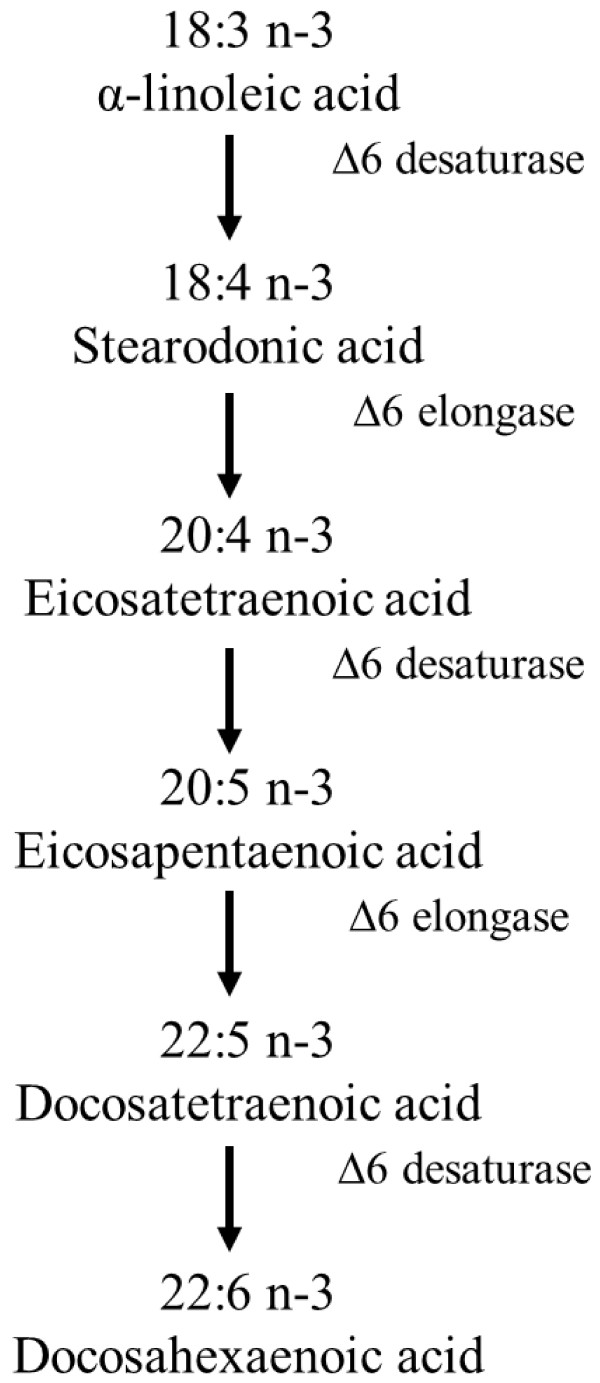
“C18:4 and C20:4 are considered omega-3 FAs, and are therefore of high value from nutritional perspective [56, 57].”
BackgroundRetractedAnandapadmanaban, B. H., & Rajkumar, R. (2022) · BioResources · doi:10.15376/biores.17.4.harini · Cited by 9
Zhou, X., Xie, J., Tao, L., Xin, Z., Feng-Wu, Z. H. A. O., Lu, X.-H., Zhao, M., Wang, L. F., & Liang, J.-P. (2013) · BMC Microbiology · doi:10.1186/1471-2180-13-213 · Cited by 9
“cosmetics and the food industry [3,4].”
Importance of Polyunsaturated Fatty Acids from Marine Algae
Zárate, R., el Jaber-Vazdekis, N., & Ramírez‐Moreno, R. (2016) · Springer eBooks · doi:10.1007/978-3-319-40458-5_9 · Cited by 10
Algal Biotechnology: A Sustainable Route for Omega-3 Fatty Acid Production
Dhanya, B. S., Sowmiya, G., Jeslin, J., Chamundeeswari, M., & Verma, M. L. (2020) · Springer eBooks · doi:10.1007/978-981-15-0169-2_4 · Cited by 17
Gharajeh, N. H., Valizadeh, M., Dorani, E., & Hejazi, M. A. (2020) · Chemical Engineering and Processing - Process Intensification · doi:10.1016/j.cep.2020.108073 · Cited by 8
Status of Algae as Vehicles for Commercial Production of Fuels and Chemicals
Bajpai, R. K., Zappi, M. E., Dufreche, S., Subramaniam, R., & Prokop, A. (2013) · Springer eBooks · doi:10.1007/978-94-007-7494-0_1 · Cited by 9
Genetically modified plants and food/feed: Risk assessment considerations
Devos, Y., Oberkofler, L., & Glandorf, B. (2022) · Elsevier eBooks · doi:10.1016/b978-0-12-824315-2.00012-9 · Cited by 10
Zhong, H., Zhang, M., Chen, L., Liu, W., & Tao, Y. (2023) · Biotechnology Letters · doi:10.1007/s10529-023-03378-8 · Cited by 7
Microalgae-Based Biofuel for Sustainable Bioenergy Production
Koley, A., Gupta, N. N. D., Singh, A., GhoshThakur, R., & Balachandran, S. (2024) · Clean Energy Production Technologies · doi:10.1007/978-981-97-3458-0_14 · Cited by 9
Urme, S. R. A., Barth, L., Serrano‐Carreón, L., Martínez, A., & Morales‐Sánchez, D. (2025) · BioEnergy Research · doi:10.1007/s12155-025-10829-9 · Cited by 7
“In addition, PUFA synthesis protects the membrane against damage caused by cold due to its high content of double bonds, which scavenge free radicals [6].”
Islam, R., Bhakta, S., Khatun, A., Feroz, T., & Siddique, M. P. (2025) · Animal nutrition · doi:10.1016/j.aninu.2025.02.010 · Cited by 9
Evaluation of strategies for preservation of microalgae Chlorella
Gómez, M. L. C., Pariente, G., Andrés, A., & Ortolá, M. D. (2017) · Journal of Food Processing and Preservation · doi:10.1111/jfpp.13518 · Cited by 7
Ferrara, L. (2020) · Journal of Food Chemistry and Nanotechnology · doi:10.17756/jfcn.2020-095 · Cited by 9
“There is still no effective, rapid and universal method of detoxification for all shellfish and as the costs of such treatments are still high, monitoring areas exposed to algal blooms, mussels, is still high [74-76].”
Background
Metadata
- Authors
- Adarme-Vega, T. C., Lim, D. K. Y., Timmins, M., Vernen, F., Li, Y., & Schenk, P. M.
- Affiliations
- The University of Queensland (AU)
- The University of Western Australia (AU)
- Corresponding author
- Schenk, Peer M
- Venue
- Microbial Cell Factories
- Published
- 2012-07-25
- Volume
- 11
- Issue
- 1
- Pages
- 96-96
- ISSN
- 1475-2859 (ISSN-L)
- PMC
- PMC3465194
- OpenAlex
- W2161273903
- Cited by
- 641
- References
- 115
- Citations by year
- 2026: 41 · 2025: 57 · 2024: 48 · 2023: 49 · 2022: 61 · 2021: 68 · 2020: 65 · 2019: 55 · 2018: 45 · 2017: 41 · 2016: 40 · 2015: 23 · 2014: 28 · 2013: 17 · 2012: 3
- FWCI
- 0.98
- Type
- journal article
- Language
- en
- Open access
- gold
- doi.org
- Licence
- cc-by
- Locations
- Microbial Cell Factories (publishedVersion, cc-by)
- Europe PMC (PubMed Central) (publishedVersion, cc-by)
- PubMed Central (publishedVersion, cc-by)
- PubMed (publishedVersion)
- ResearchOnline at James Cook University (James Cook University) (submittedVersion)
- DOAJ (DOAJ: Directory of Open Access Journals) (submittedVersion)
- Funders
- Australian Research Council
- Topics
- Physical Sciences › Energy › Renewable Energy, Sustainability and the Environment › Algal biology and biofuel production
- Life Sciences › Biochemistry, Genetics and Molecular Biology › Molecular Biology › Microbial Metabolic Engineering and Bioproduction
- Life Sciences › Agricultural and Biological Sciences › Aquatic Science › Aquaculture Nutrition and Growth
- Keywords
- omega-3 fatty acids, eicosapentaenoic acid, docosahexaenoic acid, microalgae, heterotrophic microalgae, metabolic engineering, selective breeding, aquaculture feed, energy crops
- MeSH terms
- Animals, Humans, Fatty Acids, Omega-3, Dietary Supplements, Food Chain, Microalgae, Aquatic Organisms, Metabolic Engineering
About these checks
Registry, retraction, Cites and statistics results are computed, not judged, with one exception: a printed reference that no index lists is read once by a model before it counts as a citation error. Claims are extracted by a model and kept only when their quote appears verbatim in the text; each cited source is then checked, with a model’s help, for whether it says what the claim relies on. Those verdicts can be wrong — read the claim’s quote and the cited source before relying on one.
Statistics and arithmetic are recomputed, not judged.
Confidence bands are shown only for fields calibrated on our annotated test set. None is calibrated yet, so no band is shown.
What counts as a claim ›How we measure confidence ›How we check this ›
Are you an author, or do you see a problem with this page? Request a review
Data sources
Bibliographic data: Semantic Scholar, OpenAlex, Crossref.
Contains information from the Semantic Scholar Academic Graph Datasets, made available under the ODC Attribution License (ODC-BY 1.0).
Semantic Scholar’s data is described in: Kinney, R., et al. (2023). The Semantic Scholar Open Data Platform. arXiv:2301.10140.
