

Microalgal biofactories: a promising approach towards sustainable omega-3 fatty acid production
Open accessThe DOI matches its Crossref record; 111 of the 115 references it cites were found in a registry or an index.
Abstract
Omega-3 fatty acids eicosapentaenoic acid (EPA) and docosahexaenoic acid (DHA) provide significant health benefits and this has led to an increased consumption as dietary supplements. Omega-3 fatty acids EPA and DHA are found in animals, transgenic plants, fungi and many microorganisms but are typically extracted from fatty fish, putting additional pressures on global fish stocks. As primary producers, many marine microalgae are rich in EPA (C20:5) and DHA (C22:6) and present a promising source of omega-3 fatty acids. Several heterotrophic microalgae have been used as biofactories for omega-3 fatty acids commercially, but a strong interest in autotrophic microalgae has emerged in recent years as microalgae are being developed as biofuel crops. This paper provides an overview of microalgal biotechnology and production platforms for the development of omega-3 fatty acids EPA and DHA. It refers to implications in current biotechnological uses of microalgae as aquaculture feed and future biofuel crops and explores potential applications of metabolic engineering and selective breeding to accumulate large amounts of omega-3 fatty acids in autotrophic microalgae.
Overview
The claims and statistics of this paper haven’t been checked yet.
Free: it reads the open-access text and checks the first 5 claims that cite a source we can check. Create a free account to check every claim.
Integrity signals
Registry
Cites
Statistics
Figures

Verification
Claims the paper makes
The claims and statistics of this paper haven’t been checked yet.
Free: it reads the open-access text and checks the first 5 claims that cite a source we can check. Create a free account to check every claim.
Claims other papers make about this one
Each is checked against this paper’s own text: does it say what the citing paper says it does?
In the citing paper
“Some microalgae are rich in omega-3 (ω-3) FA), and are often considered as the main producers of these healthy lipids, representing an alternative source to fish [3].”
From Microalgae as Sustainable Bio-Factories of Healthy Lipids: Evaluating Fatty Acid Content and Antioxidant Activity (2021) · cites this paper as [3]
Self-check
Percentages, sums and reported differences re-computed from the paper’s own numbers.
The self-check needs the paper’s full text.
Citations
Cites
A RAPID METHOD OF TOTAL LIPID EXTRACTION AND PURIFICATION
Bligh, E. G., & Dyer, W. J. (1959) · Canadian Journal of Biochemistry and Physiology · doi:10.1139/o59-099 · Cited by 54,751 · cited 1×
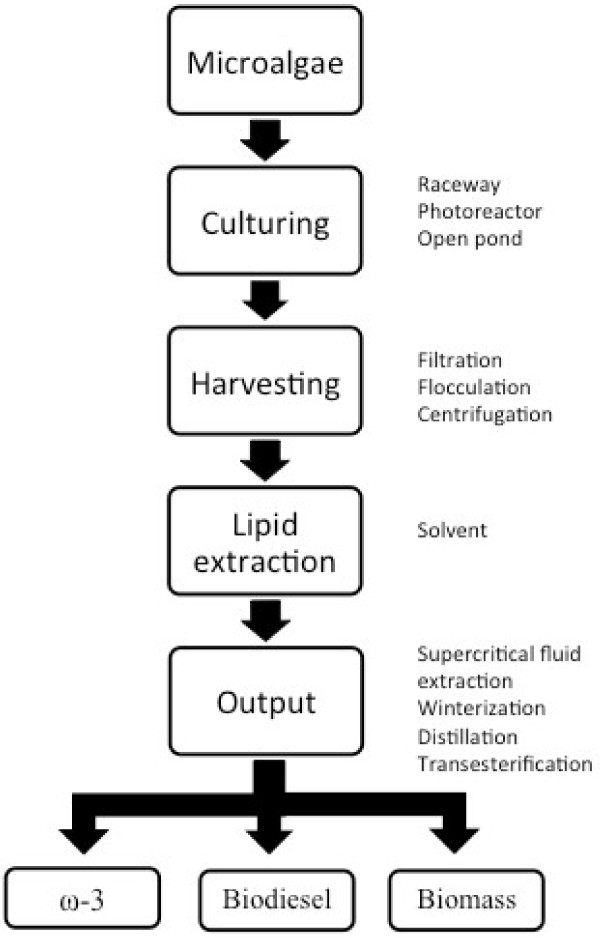
“A typical extraction protocol in small scale is often based on the method of Bligh and Dyer [103], which uses a solvent mixtures made of methanol/ chloroform for the cell disruption and lipid extraction.”
MethodImpacts of Biodiversity Loss on Ocean Ecosystem Services
Worm, B., Barbier, E. B., Beaumont, N., Duffy, J. E., Folke, C., Halpern, B. S., Jackson, J. B. C., Lotze, H. K., Micheli, F., Palumbi, S. R., et al. (2006) · Science · doi:10.1126/science.1132294 · Cited by 4,544
Commercial Applications of Microalgae
Spolaore, P., Joannis-Cassan, C., Duran, E., & Isambert, A. (2006) · Journal of Bioscience and Bioengineering · doi:10.1263/jbb.101.87 · Cited by 4,285 · cited 3×
“anti-aging cream, refreshing or regenerative care products, sun cream, emollient and anti-irritant in peelers [19].”
BackgroundMicroalgal triacylglycerols as feedstocks for biofuel production: perspectives and advances
Hu, Q., Sommerfeld, M., Jarvis, E., Ghirardi, M., Posewitz, M., Seibert, M., & Darzins, A. (2008) · The Plant Journal · doi:10.1111/j.1365-313x.2008.03492.x · Cited by 3,745 · cited 1×
“Long chain fatty acids are transferred to glycerol-3-phosphate to form triacylglycerol (TAG) via the metabolic intermediate phosphatidic acid in the endoplasmic reticulum [99].”
BackgroundHarmful algal blooms and eutrophication: nutrient sources, composition, and consequences
Anderson, D. M., Glibert, P. M., & Burkholder, J. M. (2002) · Estuaries · doi:10.1007/bf02804901 · Cited by 2,965 · cited 1×
“These serve as storage products in order to survive the stressful growth limiting conditions, after which a large number of cells die [47,48].”
BackgroundSecond Generation Biofuels: High-Efficiency Microalgae for Biodiesel Production
Schenk, P. M., Thomas-Hall, S. R., Stephens, E., Marx, U. C., Mussgnug, J. H., Posten, C., Kruse, O., & Hankamer, B. (2008) · BioEnergy Research · doi:10.1007/s12155-008-9008-8 · Cited by 2,333 · cited 5×
“The accumulation of starch and/or lipids reserves is considered a survival mechanism in response to growth-limiting stresses [17], such as UV radiation [79], temperature [80] and shock or nutrient deprivation [81,82], as long as light conditions are present that still allow efficient photosynthesis.”
BackgroundInfluentialSelf-citationMicro-algae as a source of protein
Becker, E. W. (2007) · Biotechnology Advances · doi:10.1016/j.biotechadv.2006.11.002 · Cited by 2,311 · cited 1×
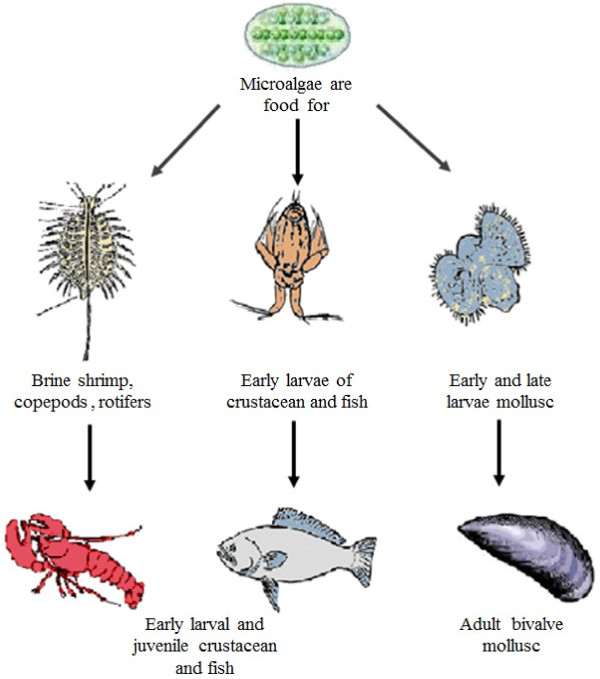
“Microalgae in aquatic food chains: the initial omega-3 producers Microalgae are by far the most abundant primary producers that can be found in most aquatic systems, photosynthetically converting light energy and carbon dioxide (CO2) into biomass such as carbohydrates [44], proteins [45] and lipids [46].”
BackgroundOmega-3 fatty acids in health and disease and in growth and development.
Simopoulos, A. (1991) · The American Journal of Clinical Nutrition · doi:10.1093/ajcn/54.3.438 · Cited by 2,162 · cited 1×
“Immuno-modulatory effects have been observed when ω-3 fatty acids were used in the treatment of inflammatory conditions such as rheumatoid arthritis, Crohn’s disease, ulcerative colitis, psoriasis, asthma, lupus and cystic fibrosis [66,67].”
BackgroundOmega-3 Fatty Acids in Inflammation and Autoimmune Diseases
Simopoulos, A. P. (2002) · Journal of the American College of Nutrition · doi:10.1080/07315724.2002.10719248 · Cited by 2,009 · cited 1×
“Increasing the levels of DHA and EPA in patients with rheumatoid arthritis and ulcerative colitis has also been found to reduce pain and improve conditions, although the modes of operation are unclear at this point [69,70].”
BackgroundSheehan, J., Dunahay, T., Benemann, J., & Roessler, P. (1998) · doi:10.2172/15003040 · Cited by 1,753
Research works printed but not linked: 11
- Whitehead S FAO species catalogue Clupeoid fishes of the world 1985 Rome: UNITED NATIONS
- AGDAFF Australian government department of agriculture, fisheries and forestry. Fishery status reports 2007 2007
- Van Tol EAF Willemsen LEM Koetsier MA Beermann C Stahl B Improvement of intestinal barrier integrity EP patent 1,815,755 2009
- Kinney AJ Cahoon EB Damude HG Hitz WD Kolar CW Liu Z Production of very long chain polyunsaturated fatty acids in oilseed plants Patent WO 2004 71467 A2
- Foster C Aquaculture production to double by 2015 The fish site 2008
- Dyerberg J Leaf A GA C ISSFAL board statement: recommendations for the essential fatty previous termacidnext term requirement for infant formulas J Am Coll Nutr 1995 14 2 7790698
- CODIF Recherche & Nature DERMOCHLORELLA D - DERMOCHLORELLA DP skin restructuring St Malo cedex 2006 France: CODIF Recherche & Nature
- Exymol SAM Protulines: spirulina extract Exymol SAM 2012 Monaco
- Tiez L Zeiger E Plant physiology 2010 5 Publishers, Sunderland: Sinauer Associates Inc
- Hickman KCD Vacuum distillation apparatus Google patents 1939
- Bengen F German patent application OZ 12438 March 1940 18 135 139
Cited by
Items 201–300 of 675
Chemical Composition Analysis, Sensory, and Feasibility Study of Tree Peony Seed
Mao, Y., Han, J., Tian, F., Tang, X., Hu, Y., & Guan, Y. (2017) · Journal of Food Science · doi:10.1111/1750-3841.13593 · Cited by 35
Huerlimann, R., Steinig, E. J., Loxton, H., Zenger, K. R., Jerry, D. R., & Heimann, K. (2014) · Gene · doi:10.1016/j.gene.2014.05.009 · Cited by 40
Recommended Intake of Fish and Fish Oils Worldwide
Richter, C. K., Skulas‐Ray, A. C., & Kris‐Etherton, P. M. (2016) · Elsevier eBooks · doi:10.1016/b978-0-12-802844-5.00003-8 · Cited by 44
Formosa‐Dague, C., Gernigon, V., Castelain, M., Daboussi, F., & Guiraud, P. (2018) · Algal Research · doi:10.1016/j.algal.2018.06.010 · Cited by 35
Afzal, M. F., Khalid, W., Khalid, M. A., Zubaır, M., Akram, S., Kauser, S., Noreen, S., Jamal, A., Khan, M. K., & AL-Farga, A. M. (2022) · International Journal of Food Properties · doi:10.1080/10942912.2022.2144882 · Cited by 40
Chu, W.-L., & Phang, S. (2019) · Grand challenges in biology and biotechnology · doi:10.1007/978-3-030-25233-5_12 · Cited by 39
Liang, C., Wang, L., Zhang, Y., Zhang, J., Zhang, X., & Ye, N. (2020) · Phycologia · doi:10.1080/00318884.2020.1732714 · Cited by 36
“For example, in diatoms, PUFAs accumulate more readily at higher temperatures (Bermúdez et al. 2015), and nitrogen limitation elevates lipid content in Chlorella vulgaris Beyerinck [Beijerinck] (Griffiths et al. 2014).”
BackgroundInfluentialKumar, V., Jaiswal, K. K., Tomar, M. S., Rajput, V. S., Upadhyay, S., Nanda, M., Vlaskin, M. S., Kumar, S., & KURBATOVA, A. I. (2021) · Biomass Conversion and Biorefinery · doi:10.1007/s13399-021-01906-y · Cited by 36
Microalgae as a source of nutraceuticals
Saha, S. K., McHugh, E., Murray, P., & Walsh, D. J. (2015) · Phycotoxins · doi:10.1002/9781118500354.ch12 · Cited by 32
Tejera, N., Vauzour, D., Betancor, M. B., Sayanova, O. V., Usher, S. L., Cochard, M., Rigby, N. M., Ruiz‐López, N., Menoyo, D., Tocher, D. R., et al. (2016) · Journal of Nutrition · doi:10.3945/jn.115.223941 · Cited by 34
“Zooplankton and microalgae have been investigated (15); however, the availability of EPA and DHA via these sources presents substantial technological and cost challenges, which are generally limiting their use.”
BackgroundKabilan, C., Roy, R. K., & Chadha, A. (2018) · Algal Research · doi:10.1016/j.algal.2018.03.011 · Cited by 35
Sijil, P. V., Sarada, R., & Chauhan, V. S. (2018) · Bioresource Technology · doi:10.1016/j.biortech.2018.11.028 · Cited by 35
Knutsen, H. R., Johnsen, I. H., Keizer, S., Sørensen, M., Roques, J. A. C., Hedén, I., Sundell, K., & Hagen, Ø. (2019) · Aquaculture · doi:10.1016/j.aquaculture.2019.03.043 · Cited by 33
An Integrated Strategy for Nutraceuticals from Haematoccus pluvialis: From Cultivation to Extraction
Mehariya, S., Sharma, N., Iovine, A., Casella, P., Marino, T., Larocca, V., Molino, A., & Musmarra, D. (2020) · Antioxidants · doi:10.3390/antiox9090825 · Cited by 36
“Microalgae can be considered as potential bio-factories able to capture and use high amounts of CO2 (10–50 times more than terrestrial plants) and to produce high-value compounds [1].”
BackgroundOsmond, A. T. Y., Arts, M. T., Hall, J. R., Rise, M. L., Bazinet, R. P., Armenta, R. E., & Colombo, S. M. (2021) · Animals · doi:10.3390/ani11041185 · Cited by 38
Microbial production of polyunsaturated fatty acids as nutraceuticals
Ratledge, C. (2013) · Elsevier eBooks · doi:10.1533/9780857093547.2.531 · Cited by 38
Hollander, A., de Jonge, R., Biesbroek, S., Hoekstra, J., & Zijp, M. C. (2018) · Sustainability Science · doi:10.1007/s11625-018-0607-9 · Cited by 33
Shi, Y., Chen, Z., Li, Y., Cao, X., Yang, L., Xu, Y., Li, Z., & He, N. (2021) · Biotechnology for Biofuels · doi:10.1186/s13068-021-02014-9 · Cited by 32
“Industrial production on a large scale is currently being launched via biotechnological methods based on marine algae [5].”
BackgroundSelf-citationCyanobacteria in Scandinavian coastal waters — A potential source for biofuels and fatty acids?
Steinhoff, F. S., Karlberg, M., Graeve, M., & Wulff, A. (2014) · Algal Research · doi:10.1016/j.algal.2014.05.005 · Cited by 39
“Accordingly, the search and the market for alternative sources are speeding up [20].”
BackgroundYang, K., & Chiang, P.-Y. (2017) · Marine Drugs · doi:10.3390/md15040097 · Cited by 32
“In the future, as the global population continues to grow, in turn increasing the need for products allowing consumers to meet the suggested intake of EPA and DHA, sustainable sources of n-3 PUFA-containing products will be needed to meet the growing demand [8,9].”
BackgroundOtero, P., Saha, S. K., Gushin, J. M., Moane, S., Barron, J., & Murray, P. (2017) · Analytical and Bioanalytical Chemistry · doi:10.1007/s00216-017-0412-9 · Cited by 33
Shim, S. J., Hong, M. E., Chang, W. S., & Sim, S. J. (2020) · Bioresource Technology · doi:10.1016/j.biortech.2020.122944 · Cited by 34
Quiroz, D., Greene, J. M., McGowen, J., & Quinn, J. C. (2021) · Algal Research · doi:10.1016/j.algal.2021.102483 · Cited by 31
El‐Gendy, N. S., & Nassar, H. N. (2021) · Journal of Applied Microbiology · doi:10.1111/jam.14989 · Cited by 31
“…cosmetics, etc., in addition to biorefineries is nowadays a worldwide scope (Mulbry et al. 2005; Becker 2007; Del Campo et al. 2007; Eriksen 2008; Adarme-Vega et al. 2012; Sasso et al. 2012; Fathi et al. 2013; Renuka et al. 2015; Sutherland and Ralph 2019; Pacheco et al. 2020; Zhang et al.…”
BackgroundFuture perspectives of microalgae in the food industry
Ferreira, A., Guerra, I., Costa, M., Silva, J., & Gouveia, L. (2021) · Elsevier eBooks · doi:10.1016/b978-0-12-821080-2.00008-3 · Cited by 41
Thurn, A.-L., Stock, A., Gerwald, S., & Weuster‐Botz, D. (2022) · Bioresources and Bioprocessing · doi:10.1186/s40643-022-00612-5 · Cited by 35
Jerez, C., Navarro, E., Malpartida, I., Rico, R., Masojídek, J., Abdala, R., & Figueroa, F. (2014) · Aquatic Biology · doi:10.3354/ab00603 · Cited by 30
“The modulation of both PAR and UVR could have a positive effect on the accumulation of fatty acids to be used as functional food (Adarme-Vega et al. 2012) or for the production of biodiesel (Sharma et al. 2012).”
BackgroundAlmeyda, M. D., Bilbao, P., Popovich, C. A., Constenla, D. T., & Leonardi, P. I. (2020) · Journal of Applied Phycology · doi:10.1007/s10811-020-02047-x · Cited by 32
“Microalgae are the main producers of eicosapentaenoic acids (EPA), arachydonic (ARA) and docosahexaenoic (DHA) in natural food chains (Adarme-Vega et al., 2012) and have therefore generated great interest in the food industries, nutraceuticals, and aquaculture foods (Miller et al. 2008; Bozarth et…”
BackgroundSeves, S. M., Temme, E. H. M., Brosens, M., Zijp, M. C., Hoekstra, J., & Hollander, A. (2015) · Climatic Change · doi:10.1007/s10584-015-1581-1 · Cited by 31
Exploring the Complexities of Seafood: From Benefits to Contaminants
Taylor, B., Ofori, K. F., Parsaeimehr, A., Evrendilek, G. A., Attarwala, T., & Ozbay, G. (2025) · Foods · doi:10.3390/foods14091461 · Cited by 34
Girotto, F., & Scapini, A. (2025) · Algal Research · doi:10.1016/j.algal.2025.104288 · Cited by 32
Fish oil omega-3 fatty acids and cardio-metabolic health, alone or with statins
Minihane, A. M. (2013) · European Journal of Clinical Nutrition · doi:10.1038/ejcn.2013.19 · Cited by 32
Subasankari., K., Thanappan., V., Jeyapragash, D., Anantharaman, P., & Sarangi, R. K. (2020) · Biocatalysis and Agricultural Biotechnology · doi:10.1016/j.bcab.2020.101790 · Cited by 34
Maneechote, W., Cheirsilp, B., Srinuanpan, S., & ., W. P.-A. (2021) · Bioresource Technology Reports · doi:10.1016/j.biteb.2021.100738 · Cited by 34
Achieving optimal n–3 fatty acid status: the vegetarian’s challenge... or not
Harris, W. S. (2014) · American Journal of Clinical Nutrition · doi:10.3945/ajcn.113.071324 · Cited by 34
Uprety, B. K., Venkatesagowda, B., & Rakshit, S. K. (2017) · BioEnergy Research · doi:10.1007/s12155-017-9857-0 · Cited by 31
“Certain strains of microalgae can accumulate lipid richer in eicosapentaenoic acid (C20:5; EPA) and docosahexaenoic acid (C22:6;DHA)which have high nutritional value [142,143].”
BackgroundKandasamy, G., & Shaleh, S. R. M. (2017) · Bioresource Technology · doi:10.1016/j.biortech.2017.08.187 · Cited by 32
Maglie, M., Baldisserotto, C., Guerrini, A., Sabia, A., Ferroni, L., & Pancaldi, S. (2021) · Journal of Applied Phycology · doi:10.1007/s10811-021-02511-2 · Cited by 31
Zhu, H., Wang, X., Zhang, W., Zhang, Y., Zhang, S., Pang, X., Lü, J., & Lv, J. (2022) · Foods · doi:10.3390/foods11142087 · Cited by 30
Microalgae and Cyanobacteria as Green Molecular Factories: Tools and Perspectives
Urtubia, H. O., Betanzo, L. B., & Vásquez, M. (2016) · Algae - Organisms for Imminent Biotechnology · doi:10.5772/63006 · Cited by 25
“Microalgae and cyanobacteria are a good source of protein (including essential amino acids), essentials polyunsaturated fatty acids (PUFA) like eicosapentaenoic acid (EPA) and docosa‐ hexaenoic acid (DHA), carbohydrates, and other beneficial compounds for human and animal health, such as vitamins, astaxanthin, lutein,…”
BackgroundMicroalgae as healthy ingredients for functional foods
Pina-Pérez, M. C., Brück, W. M., Brück, T., & Beyrer, M. (2019) · Elsevier eBooks · doi:10.1016/b978-0-12-816453-2.00004-8 · Cited by 37
Novelnonribosomal peptide synthetase (NRPS)genes sequenced from intertidal mudflat bacteria
Tambadou, F., Lanneluc, I., Sablé, S., Klein, G., Doghri, I., Sopena, V., Didelot, S., Barthélémy, C., Thiéry, V., & Chevrot, R. (2014) · FEMS Microbiology Letters · doi:10.1111/1574-6968.12532 · Cited by 36
“The biotechnological prokaryotic production of this molecule is developing to reduce its current extraction from overexploited fatty fish stocks (Adarme-Vega et al., 2012).”
BackgroundPhotoautotrophic production of eicosapentaenoic acid
Gu, W., Kavanagh, J. M., & McClure, D. D. (2021) · Critical Reviews in Biotechnology · doi:10.1080/07388551.2021.1888065 · Cited by 29
“As shown in Table 1, both plants and other animals are not particularly rich sources of EPA and DHA.”
BackgroundInfluentialComprehensive Analysis of Fatty Acid and Oxylipin Patterns in n3-PUFA Supplements
Koch, E., Kampschulte, N., & Schebb, N. H. (2022) · Journal of Agricultural and Food Chemistry · doi:10.1021/acs.jafc.1c07743 · Cited by 30
Engineering microalgae as the next-generation food
Baldia, A., Rajput, D., Kumar, A., Pandey, A., & Dubey, K. K. (2022) · Systems Microbiology and Biomanufacturing · doi:10.1007/s43393-022-00144-1 · Cited by 32
“are major microalgal sources of lipids that accumulate up to 30–40% of total fatty acid produced as eicosapentaenoic acid (EPA) and 50% of total lipids of cell docosahexaenoic acid (DHA), respectively [22].”
BackgroundNew alternative sources of omega-3 fish oil
Venegas‐Calerón, M., & Napier, J. A. (2023) · Advances in food and nutrition research · doi:10.1016/bs.afnr.2023.01.001 · Cited by 32
New perspectives of omega-3 fatty acids from diatoms
Tyagi, R., Rastogi, R. P., Babich, O., Awasthi, M. K., & Tiwari, A. (2023) · Systems Microbiology and Biomanufacturing · doi:10.1007/s43393-023-00202-2 · Cited by 28
Zedler, J. A. Z., Gangl, D., Guerra, T., Santos, E. T., Verdelho, V., & Robinson, C. (2016) · Applied Microbiology and Biotechnology · doi:10.1007/s00253-016-7430-y · Cited by 28
Omega-3 fatty acids from algae produced biodiesel
Stokes, J., Tu, R., Peters, M. W., Yadav, G., Fabiano, L. A., & Seider, W. D. (2020) · Algal Research · doi:10.1016/j.algal.2020.102047 · Cited by 32
Marques, A., Canada, P., Costa, C., Basto, A., Piloto, F., Salgado, M. A., Abreu, H., Dias, J. P., & Valente, L. M. P. (2023) · Frontiers in Marine Science · doi:10.3389/fmars.2023.1189319 · Cited by 29
Jiménez, M. J., Medina, A. R., Sánchez, M. D. M., Cerdán, L. E., Moreno, P. A. G., López, E. N., Peña, E. H., & Grima, E. M. (2019) · Algal Research · doi:10.1016/j.algal.2019.101729 · Cited by 28
Gupta, J., & Gupta, R. (2020) · Current Pharmaceutical Biotechnology · doi:10.2174/1389201021666200703201014 · Cited by 28
Rasheed, R., Saadaoui, I., Bounnit, T., Cherif, M., Ghazal, G. A., & Jabri, H. M. S. J. A. (2020) · Animals · doi:10.3390/ani10081413 · Cited by 28
“All of these fatty acids show multiple health benefits, uncluding in the treatment of cardiovascular disease and development of brain cells [7].”
BackgroundHo, B. C. H., Kamal, S. M. M., Danquah, M. K., & Harun, R. (2018) · BioMed Research International · doi:10.1155/2018/8273581 · Cited by 34
“Currently, the utilization of microalgae for various bioproducts and sustainable energy production has been vastly reported [9, 10].”
BackgroundDietary docosahexaenoic acid inhibits neurodegeneration and prevents stroke
Yamagata, K. (2020) · Journal of Neuroscience Research · doi:10.1002/jnr.24728 · Cited by 27
Hernando, M. P., Schloss, I. R., de la Rosa, F., & Troch, M. D. (2021) · Biocell · doi:10.32604/biocell.2022.017309 · Cited by 27
“The environment temperature and salinity affect the FA profile of microalgae, and it was found that DHA content decreases significantly with an increase in water temperature and salinity (Adarme-Vega et al., 2012).”
BackgroundAmeliorating microalgal OMEGA production using omics platforms
Mariam, I., Bettiga, M., Rova, U., Christakopoulos, P., Μάτσακας, Λ., & Patel, A. (2024) · Trends in Plant Science · doi:10.1016/j.tplants.2024.01.002 · Cited by 25
Li, T., Wang, W., Yuan, C., Zhang, Y., Xu, J. H., Zheng, H., Xiang, W., & Li, A. (2020) · Journal of Applied Phycology · doi:10.1007/s10811-020-02056-w · Cited by 25
Microalgae: Potential for Bioeconomy in Food Systems
Sierra, E. G. M., Serrano, M. C., Manares-Romero, A., Guerra, A., & Aranguren, Y. (2021) · Applied Sciences · doi:10.3390/app112311316 · Cited by 31
Bielsa, G. B., Popovich, C. A., Rodríguez, M. C., Martínez, A. M., Martín, L. A., Matulewicz, M. C., & Leonardi, P. I. (2016) · Algal Research · doi:10.1016/j.algal.2016.01.013 · Cited by 24
PUFA from microalgae: Challenges, factors affecting high production and industrial application
Zakaria, M. F., Zaidi, F. N. A. M., Kamal, A. H. A., Afiqah‐Aleng, N., Wahid, M. E. A., Katayama, T., & Jusoh, M. (2025) · Aquaculture and Fisheries · doi:10.1016/j.aaf.2025.01.004 · Cited by 26
Liu, Z.-X., You, S., Tang, B.-P., Wang, B., Sheng, S., Wu, F., & Wang, J. (2019) · Environmental Science and Pollution Research · doi:10.1007/s11356-019-06056-3 · Cited by 27
Hadrová, S., Sedláková, K., Křížová, L., & Malyugina, S. (2021) · Animals · doi:10.3390/ani11061817 · Cited by 32
“, PUFAs) in microalgae can be modified by external factors such as temperature or light intensity during cultivation [59,63].”
BackgroundJastrząb, A., Conde, T., Gęgotek, A., Domingues, M. R., Domingues, P. M., & Skrzydlewska, E. (2023) · International Journal of Molecular Sciences · doi:10.3390/ijms241411302 · Cited by 24
“Additionally, algae oils enriched with omega-6 and omega-3 essential fatty acids, such as docosahexaenoic acid (DHA), are used in skin protection formulations [20].”
BackgroundKumar, K., Prasanthkumar, S., & Ray, J. G. (2016) · Biocatalysis and Agricultural Biotechnology · doi:10.1016/j.bcab.2016.10.007 · Cited by 25
Zanella, L., & Alam, M. A. (2020) · Springer eBooks · doi:10.1007/978-981-15-0169-2_9 · Cited by 25
Integrating microalgae production into mine closure plans
Levett, A., Gagen, E. J., Levett, I., & Erskine, P. D. (2023) · Journal of Environmental Management · doi:10.1016/j.jenvman.2023.117736 · Cited by 27
Zhang, J., Ran, Z., Xie, H., Kong, F., Zhang, M., Zhou, R., Li, Y., Liao, K., Yan, X., & Xu, J. (2023) · Algal Research · doi:10.1016/j.algal.2023.103122 · Cited by 24
Self-citationJakhwal, P., Daneshvar, E., Skalska, K., Μάτσακας, Λ., Patel, A., Park, Y., & Bhatnagar, A. (2024) · Journal of Environmental Management · doi:10.1016/j.jenvman.2024.120859 · Cited by 24
Dietary modulation of mitochondrial DNA damage: implications in aging and associated diseases
Lam, J., & McKeague, M. (2018) · The Journal of Nutritional Biochemistry · doi:10.1016/j.jnutbio.2018.07.003 · Cited by 23
Gázquez, A., & Larqué, E. (2021) · Nutrients · doi:10.3390/nu13020511 · Cited by 24
Razali, W. A. W., Evans, C. A., & Pandhal, J. (2022) · Frontiers in Bioengineering and Biotechnology · doi:10.3389/fbioe.2022.838445 · Cited by 23
“oculata was selected as it can synthesize relatively high levels of EPA content compared to other microalgae species (Adarme-Vega et al., 2012), and previous studies have successfully applied random mutagenesis in this strain (Chaturvedi et al.”
BackgroundFierli, D., Aranyos, A., Barone, M. E., Parkes, R., & Touzet, N. (2022) · Applied Microbiology and Biotechnology · doi:10.1007/s00253-022-12140-5 · Cited by 23
Vitor, A. C., Godinho, M. C., Francisco, A., Silva, J., Almeida, J. M., Fialho, L., Soldado, D., Jerónimo, E., Scollan, N. D., Huws, S., et al. (2022) · Meat Science · doi:10.1016/j.meatsci.2022.109053 · Cited by 22
Prebiotic emergent sources for aquaculture: Microalgae and insects
Oviedo-Olvera, M. V., Feregrino‐Pérez, A. A., Nieto-Ramírez, M. I., Tovar-Ramírez, M. M., Aguirre-Becerra, H., & García‐Trejo, J. F. (2023) · Aquaculture and Fisheries · doi:10.1016/j.aaf.2023.06.007 · Cited by 28
Chen, Y., You, L., & Sun‐Waterhouse, D. (2024) · Trends in Food Science & Technology · doi:10.1016/j.tifs.2024.104375 · Cited by 23
Neves, B. B., Pinto, S., Pais, R., Batista, J. N., Domingues, M. R., & Melo, T. (2024) · Comprehensive Reviews in Food Science and Food Safety · doi:10.1111/1541-4337.13351 · Cited by 23
Politaeva, N. A., Smyatskaya, Y. A., Afif, R. A., Pfeifer, C., & Mukhametova, L. R. (2020) · Energies · doi:10.3390/en13102648 · Cited by 22
Emerging trends of culturing microalgae for fish‐rearing environment protection
Yang, L., Li, H., Lu, Q., & Zhou, W. (2020) · Journal of Chemical Technology & Biotechnology · doi:10.1002/jctb.6563 · Cited by 22
Bao, B., Thomas‐Hall, S. R., & Schenk, P. M. (2022) · Phycology · doi:10.3390/phycology2010006 · Cited by 24
“However, much concern has been raised in regard to unsustainable fishing [19], the presence of chemical contaminants and the vegetarian consumption dilemma [20].”
BackgroundSelf-citationMicroalgae as feed additives in poultry: A review on the health-promoting effects
Nerom, S. V., Coleman, B., Baets, R. D., Immerseel, F. V., Robbens, J., & Delezie, E. (2024) · Algal Research · doi:10.1016/j.algal.2024.103733 · Cited by 20
Hogan, P., Otero, P., Murray, P., & Saha, S. K. (2021) · Heliyon · doi:10.1016/j.heliyon.2021.e05995 · Cited by 24
“Diatoms can also be an alternative source for essential fatty acids, such as omega-3 unsaturated fatty acids [α-linolenic acid (ALA, 18:3n-3), eicosapentaenoic acid (EPA, 20:5n-3), docosahexaenoic acid (DHA, 20:6n-3)] and omega-6 unsaturated fatty acids [linoleic acid (LA, C18:2n-6 cis), γ-linolenic acid (GLA, C18:3n-…”
BackgroundIslam, Z., Khatoon, H., Rahman, M. R., Barman, S. K., Hossain, S., Usha, S. Z., Hasan, S. J., & Hasan, J. (2022) · Bioresource Technology Reports · doi:10.1016/j.biteb.2022.101025 · Cited by 23
Malik, S., Kishore, S., Bora, J., Chaudhary, V., Kumari, A., Kumari, P., Kumar, L., & Bhardwaj, A. (2022) · CLEAN - Soil Air Water · doi:10.1002/clen.202200044 · Cited by 23
Noda, J., Mühlroth, A., Bučinská, L., Dean, J., Bones, A. M., & Sobotka, R. (2016) · Journal of Applied Phycology · doi:10.1007/s10811-016-1001-6 · Cited by 22
“The genus Nannochlorops is (Eustigmatophyceae) belongs to a group of algae that are attractive for the biotech industry as they accumulate fatty acids to high concentrations (Adarme-Vega et al. 2012; Ma et al. 2014).”
BackgroundKwan, T. A., Tu, Q., & Zimmerman, J. B. (2016) · ACS Sustainable Chemistry & Engineering · doi:10.1021/acssuschemeng.6b02214 · Cited by 21
Gharat, K., Agarwal, A., Pandit, R. A., & Lali, A. M. (2018) · Bioresource Technology Reports · doi:10.1016/j.biteb.2018.10.011 · Cited by 20
Cerezo, I. M., Fumanal, M., Tapia-Paniagua, S. T., Bautista, R., Anguís, V., Fernández‐Díaz, C., Alarcón, F. J., Moríñigo, M. Á., & Balebona, M. C. (2022) · Frontiers in Microbiology · doi:10.3389/fmicb.2021.801744 · Cited by 22
Chlorella vulgaris, a representative edible algae as integrative and alternative medicine
Heo, Y., Kim, M., & Cho, J. Y. (2025) · Integrative Medicine Research · doi:10.1016/j.imr.2025.101228 · Cited by 22
Microalgae use in animal nutrition
Souza, C. M. M., Bastos, T. S., & dos Santos, M. C. (2021) · Research Society and Development · doi:10.33448/rsd-v10i16.22986 · Cited by 24
Acidos grasos omega-3 en la nutrición ¿como aportarlos?
Alfonso Valenzuela, B., & Rodrigo Valenzuela, B. (2014) · Revista chilena de nutrición · doi:10.4067/s0717-75182014000200012 · Cited by 33
“ÁCIDOS GRASOS OMEGA-3 NO DERIVADOS DE PECES: LAS MICRO ALGAS Los ácidos grasos omega-3 no son sintetizados por los animales marinos, ellos los incorporan como parte de la cadena trófica alimentaria desde los vegetales marinos quienes tienen la maquinaria metabólica para realizar la síntesis de novo de estos ácidos gra…”
BackgroundHeterotrophic and mixotrophic microalgae cultivation
Velea, S., Oancea, F., & Fischer, F. (2017) · Elsevier eBooks · doi:10.1016/b978-0-08-101023-5.00002-9 · Cited by 28
Rapid method for generating designer algal mitochondrial genomes
Cochrane, R. R., Brumwell, S. L., Soltysiak, M. P. M., Hamadache, S., Davis, J. G., Wang, J., Tholl, S. Q., Janakirama, P., Edgell, D. R., & Karas, B. J. (2020) · Algal Research · doi:10.1016/j.algal.2020.102014 · Cited by 19
Liu, L., Zhu, X., Ye, H., Wen, Y., Sen, B., & Wang, G. (2023) · Microbial Cell Factories · doi:10.1186/s12934-023-02054-w · Cited by 18
“Like many other oleaginous microorganisms [3, 4], thraustochytrids—a group of unicellular marine heterotrophic protists—have attracted biotechnological interests because of their potential to accumulate high levels of DHA [1, 5, 6].”
BackgroundResearch advancement and commercialization of microalgae edible oil: a review
Xue, Z., Li, S., Yu, W., Gao, X., Zheng, X., Yu, Y., & Kou, X. (2021) · Journal of the Science of Food and Agriculture · doi:10.1002/jsfa.11390 · Cited by 19
Helamieh, M., Gebhardt, A., Reich, M., Kuhn, F., Kerner, M., & Kümmerer, K. (2021) · Lipids · doi:10.1002/lipd.12316 · Cited by 19
Morschett, H., Freier, L., Rohde, J., Wiechert, W., von Lieres, E., & Oldiges, M. (2017) · Biotechnology for Biofuels · doi:10.1186/s13068-017-0711-6 · Cited by 19
“In this context, intracellular lipids represent a compound class of special interest as they can be either transesterificated to biodiesel [7] or boost the nutritional quality of algae for functional food applications [13].”
BackgroundFatty Acids from Microalgae: Targeting the Accumulation of Triacylglycerides
Bilbao, P., Salvador, G. A., & Leonardi, P. I. (2017) · InTech eBooks · doi:10.5772/67482 · Cited by 24
“Data relating to plant FA and TAG metabolism provided the key to identifying possible molecular targets involved in lipid synthesis and accumulation in microalgae [41].”
BackgroundMicroalgae Biorefineries for Energy and Coproduct Production
Gorry, P., Sánchez, L., & Morales, M. (2018) · Green energy and technology · doi:10.1007/978-3-319-69093-3_5 · Cited by 18
Cui, Y., Thomas‐Hall, S. R., Chua, E. T., & Schenk, P. M. (2021) · Journal of Cleaner Production · doi:10.1016/j.jclepro.2021.126839 · Cited by 18
Self-citation
Metadata
- Authors
- Adarme-Vega, T. C., Lim, D. K. Y., Timmins, M., Vernen, F., Li, Y., & Schenk, P. M.
- Affiliations
- The University of Queensland (AU)
- The University of Western Australia (AU)
- Corresponding author
- Schenk, Peer M
- Venue
- Microbial Cell Factories
- Published
- 2012-07-25
- Volume
- 11
- Issue
- 1
- Pages
- 96-96
- ISSN
- 1475-2859 (ISSN-L)
- PMC
- PMC3465194
- OpenAlex
- W2161273903
- Cited by
- 641
- References
- 115
- Citations by year
- 2026: 41 · 2025: 57 · 2024: 48 · 2023: 49 · 2022: 61 · 2021: 68 · 2020: 65 · 2019: 55 · 2018: 45 · 2017: 41 · 2016: 40 · 2015: 23 · 2014: 28 · 2013: 17 · 2012: 3
- FWCI
- 0.98
- Type
- journal article
- Language
- en
- Open access
- gold
- doi.org
- Licence
- cc-by
- Locations
- Microbial Cell Factories (publishedVersion, cc-by)
- Europe PMC (PubMed Central) (publishedVersion, cc-by)
- PubMed Central (publishedVersion, cc-by)
- PubMed (publishedVersion)
- ResearchOnline at James Cook University (James Cook University) (submittedVersion)
- DOAJ (DOAJ: Directory of Open Access Journals) (submittedVersion)
- Funders
- Australian Research Council
- Topics
- Physical Sciences › Energy › Renewable Energy, Sustainability and the Environment › Algal biology and biofuel production
- Life Sciences › Biochemistry, Genetics and Molecular Biology › Molecular Biology › Microbial Metabolic Engineering and Bioproduction
- Life Sciences › Agricultural and Biological Sciences › Aquatic Science › Aquaculture Nutrition and Growth
- Keywords
- omega-3 fatty acids, eicosapentaenoic acid, docosahexaenoic acid, microalgae, heterotrophic microalgae, metabolic engineering, selective breeding, aquaculture feed, energy crops
- MeSH terms
- Animals, Humans, Fatty Acids, Omega-3, Dietary Supplements, Food Chain, Microalgae, Aquatic Organisms, Metabolic Engineering
About these checks
Registry, retraction, Cites and statistics results are computed, not judged, with one exception: a printed reference that no index lists is read once by a model before it counts as a citation error. Claims are extracted by a model and kept only when their quote appears verbatim in the text; each cited source is then checked, with a model’s help, for whether it says what the claim relies on. Those verdicts can be wrong — read the claim’s quote and the cited source before relying on one.
Statistics and arithmetic are recomputed, not judged.
Confidence bands are shown only for fields calibrated on our annotated test set. None is calibrated yet, so no band is shown.
What counts as a claim ›How we measure confidence ›How we check this ›
Are you an author, or do you see a problem with this page? Request a review
Data sources
Bibliographic data: Semantic Scholar, OpenAlex, Crossref.
Contains information from the Semantic Scholar Academic Graph Datasets, made available under the ODC Attribution License (ODC-BY 1.0).
Semantic Scholar’s data is described in: Kinney, R., et al. (2023). The Semantic Scholar Open Data Platform. arXiv:2301.10140.
