

Microalgal biofactories: a promising approach towards sustainable omega-3 fatty acid production
Open accessThe DOI matches its Crossref record; 111 of the 115 references it cites were found in a registry or an index.
Abstract
Omega-3 fatty acids eicosapentaenoic acid (EPA) and docosahexaenoic acid (DHA) provide significant health benefits and this has led to an increased consumption as dietary supplements. Omega-3 fatty acids EPA and DHA are found in animals, transgenic plants, fungi and many microorganisms but are typically extracted from fatty fish, putting additional pressures on global fish stocks. As primary producers, many marine microalgae are rich in EPA (C20:5) and DHA (C22:6) and present a promising source of omega-3 fatty acids. Several heterotrophic microalgae have been used as biofactories for omega-3 fatty acids commercially, but a strong interest in autotrophic microalgae has emerged in recent years as microalgae are being developed as biofuel crops. This paper provides an overview of microalgal biotechnology and production platforms for the development of omega-3 fatty acids EPA and DHA. It refers to implications in current biotechnological uses of microalgae as aquaculture feed and future biofuel crops and explores potential applications of metabolic engineering and selective breeding to accumulate large amounts of omega-3 fatty acids in autotrophic microalgae.
Overview
The claims and statistics of this paper haven’t been checked yet.
Free: it reads the open-access text and checks the first 5 claims that cite a source we can check. Create a free account to check every claim.
Integrity signals
Registry
Cites
Statistics
Figures

Verification
Claims the paper makes
The claims and statistics of this paper haven’t been checked yet.
Free: it reads the open-access text and checks the first 5 claims that cite a source we can check. Create a free account to check every claim.
Claims other papers make about this one
Each is checked against this paper’s own text: does it say what the citing paper says it does?
In the citing paper
“Some microalgae are rich in omega-3 (ω-3) FA), and are often considered as the main producers of these healthy lipids, representing an alternative source to fish [3].”
From Microalgae as Sustainable Bio-Factories of Healthy Lipids: Evaluating Fatty Acid Content and Antioxidant Activity (2021) · cites this paper as [3]
Self-check
Percentages, sums and reported differences re-computed from the paper’s own numbers.
The self-check needs the paper’s full text.
Citations
Cites
A RAPID METHOD OF TOTAL LIPID EXTRACTION AND PURIFICATION
Bligh, E. G., & Dyer, W. J. (1959) · Canadian Journal of Biochemistry and Physiology · doi:10.1139/o59-099 · Cited by 54,751 · cited 1×
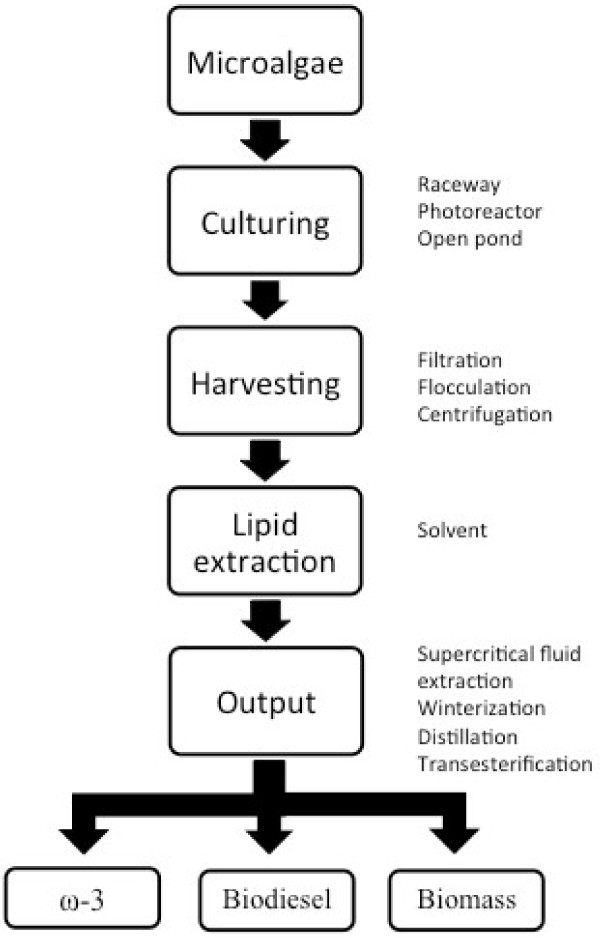
“A typical extraction protocol in small scale is often based on the method of Bligh and Dyer [103], which uses a solvent mixtures made of methanol/ chloroform for the cell disruption and lipid extraction.”
MethodImpacts of Biodiversity Loss on Ocean Ecosystem Services
Worm, B., Barbier, E. B., Beaumont, N., Duffy, J. E., Folke, C., Halpern, B. S., Jackson, J. B. C., Lotze, H. K., Micheli, F., Palumbi, S. R., et al. (2006) · Science · doi:10.1126/science.1132294 · Cited by 4,544
Commercial Applications of Microalgae
Spolaore, P., Joannis-Cassan, C., Duran, E., & Isambert, A. (2006) · Journal of Bioscience and Bioengineering · doi:10.1263/jbb.101.87 · Cited by 4,285 · cited 3×
“anti-aging cream, refreshing or regenerative care products, sun cream, emollient and anti-irritant in peelers [19].”
BackgroundMicroalgal triacylglycerols as feedstocks for biofuel production: perspectives and advances
Hu, Q., Sommerfeld, M., Jarvis, E., Ghirardi, M., Posewitz, M., Seibert, M., & Darzins, A. (2008) · The Plant Journal · doi:10.1111/j.1365-313x.2008.03492.x · Cited by 3,745 · cited 1×
“Long chain fatty acids are transferred to glycerol-3-phosphate to form triacylglycerol (TAG) via the metabolic intermediate phosphatidic acid in the endoplasmic reticulum [99].”
BackgroundHarmful algal blooms and eutrophication: nutrient sources, composition, and consequences
Anderson, D. M., Glibert, P. M., & Burkholder, J. M. (2002) · Estuaries · doi:10.1007/bf02804901 · Cited by 2,965 · cited 1×
“These serve as storage products in order to survive the stressful growth limiting conditions, after which a large number of cells die [47,48].”
BackgroundSecond Generation Biofuels: High-Efficiency Microalgae for Biodiesel Production
Schenk, P. M., Thomas-Hall, S. R., Stephens, E., Marx, U. C., Mussgnug, J. H., Posten, C., Kruse, O., & Hankamer, B. (2008) · BioEnergy Research · doi:10.1007/s12155-008-9008-8 · Cited by 2,333 · cited 5×
“The accumulation of starch and/or lipids reserves is considered a survival mechanism in response to growth-limiting stresses [17], such as UV radiation [79], temperature [80] and shock or nutrient deprivation [81,82], as long as light conditions are present that still allow efficient photosynthesis.”
BackgroundInfluentialSelf-citationMicro-algae as a source of protein
Becker, E. W. (2007) · Biotechnology Advances · doi:10.1016/j.biotechadv.2006.11.002 · Cited by 2,311 · cited 1×
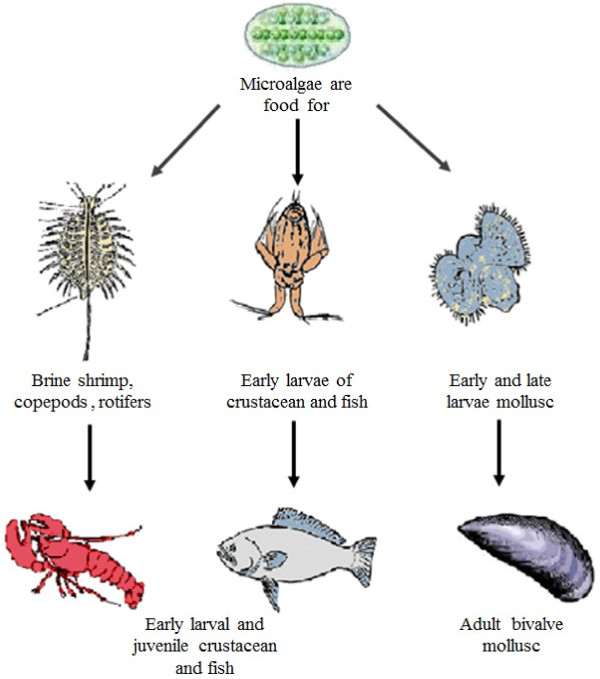
“Microalgae in aquatic food chains: the initial omega-3 producers Microalgae are by far the most abundant primary producers that can be found in most aquatic systems, photosynthetically converting light energy and carbon dioxide (CO2) into biomass such as carbohydrates [44], proteins [45] and lipids [46].”
BackgroundOmega-3 fatty acids in health and disease and in growth and development.
Simopoulos, A. (1991) · The American Journal of Clinical Nutrition · doi:10.1093/ajcn/54.3.438 · Cited by 2,162 · cited 1×
“Immuno-modulatory effects have been observed when ω-3 fatty acids were used in the treatment of inflammatory conditions such as rheumatoid arthritis, Crohn’s disease, ulcerative colitis, psoriasis, asthma, lupus and cystic fibrosis [66,67].”
BackgroundOmega-3 Fatty Acids in Inflammation and Autoimmune Diseases
Simopoulos, A. P. (2002) · Journal of the American College of Nutrition · doi:10.1080/07315724.2002.10719248 · Cited by 2,009 · cited 1×
“Increasing the levels of DHA and EPA in patients with rheumatoid arthritis and ulcerative colitis has also been found to reduce pain and improve conditions, although the modes of operation are unclear at this point [69,70].”
BackgroundSheehan, J., Dunahay, T., Benemann, J., & Roessler, P. (1998) · doi:10.2172/15003040 · Cited by 1,753
Research works printed but not linked: 11
- Whitehead S FAO species catalogue Clupeoid fishes of the world 1985 Rome: UNITED NATIONS
- AGDAFF Australian government department of agriculture, fisheries and forestry. Fishery status reports 2007 2007
- Van Tol EAF Willemsen LEM Koetsier MA Beermann C Stahl B Improvement of intestinal barrier integrity EP patent 1,815,755 2009
- Kinney AJ Cahoon EB Damude HG Hitz WD Kolar CW Liu Z Production of very long chain polyunsaturated fatty acids in oilseed plants Patent WO 2004 71467 A2
- Foster C Aquaculture production to double by 2015 The fish site 2008
- Dyerberg J Leaf A GA C ISSFAL board statement: recommendations for the essential fatty previous termacidnext term requirement for infant formulas J Am Coll Nutr 1995 14 2 7790698
- CODIF Recherche & Nature DERMOCHLORELLA D - DERMOCHLORELLA DP skin restructuring St Malo cedex 2006 France: CODIF Recherche & Nature
- Exymol SAM Protulines: spirulina extract Exymol SAM 2012 Monaco
- Tiez L Zeiger E Plant physiology 2010 5 Publishers, Sunderland: Sinauer Associates Inc
- Hickman KCD Vacuum distillation apparatus Google patents 1939
- Bengen F German patent application OZ 12438 March 1940 18 135 139
Cited by
Items 401–500 of 675
He, Y., Zhu, X., Ning, Y., Chen, X., Sen, B., & Wang, G. (2023) · Marine Drugs · doi:10.3390/md21040198 · Cited by 8
Łuczaj, W., Gęgotek, A., Conde, T., Domingues, M. R., Domingues, P. M., & Skrzydlewska, E. (2023) · Scientific Reports · doi:10.1038/s41598-023-49827-2 · Cited by 9
Alfonso Valenzuela, B., Rodrigo Valenzuela, B., Julio Sanhueza, C., Fernando de la Barra, D., & Morales, G. I. (2014) · Revista chilena de nutrición · doi:10.4067/s0717-75182014000400013 · Cited by 10
“Se trata de un recurso renovable, que produce productos “sin olor a pescado” y de fácil manejo tecnológico (38).”
BackgroundKabilan, C., Dhanraj, M., & Chadha, A. (2018) · Preparative Biochemistry & Biotechnology · doi:10.1080/10826068.2018.1476882 · Cited by 8
“Reports on DHA production using marine microalgae (Chlorella, Pavlova, Isocrysis and Gymnodinium),([5]) microalgae-like protists (Thraustochytrides)([6]) and transgenic plants([7]) are known.”
BackgroundUsing spray-dried and encapsulated Nannochloropsis oculata biomasses in white spread
Polat, D. G., Durmaz, Y., Konar, N., Pirouzian, H. R., Toker, Ö. S., Palabıyık, İ., & Taşan, M. (2022) · Journal of Applied Phycology · doi:10.1007/s10811-021-02669-9 · Cited by 8
“Furthermore, microalgae as a natural ingredient are potent sources of bioactive components such as n-3 PUFA and thus can be used as novel alternative sources of eicosapentaenoic acid and docosahexaenoic acid (Adarme-Vega et al. 2012).”
BackgroundTemperature and irradiance effects on Rhodella reticulata growth and biochemical characteristics
Ivanova, J. G., Kabaivanova, L., & Petkov, G. (2015) · Russian Journal of Plant Physiology · doi:10.1134/s102144371504010x · Cited by 8
Urla, R., Kumar, P. P., Prabhakar, S., Khareedu, V. R., & Vudem, D. R. (2017) · Plant Biotechnology Reports · doi:10.1007/s11816-017-0450-y · Cited by 8
“…activity of EPA and DHA proved effective in autoimmune diseases such as Crohn’s, psoriasis, rheumatoid arthritis, ulcerative colitis and lupus (Adarme-Vega et al. 2012). x-3 LCPUFAs were also proved effective in alleviating the symptoms of manic depression and schizophrenia (Levant 2013).”
BackgroundYuvarajan, P., Antony, C., Gopalakannan, A., & Mahadevi, N. (2021) · Indian Journal of Animal Research · doi:10.18805/ijar.b-4321 · Cited by 7
The application of bubble column photobioreactor for algal cultivation
O'Higgins, L., Haider, M. N., Verma, N., & Bose, A. (2025) · Algal Bioreactors · doi:10.1016/b978-0-443-14058-7.00003-8 · Cited by 6
Xie, S., Zhao, X., Feng, Y., & Gao, G. (2025) · Algal Research · doi:10.1016/j.algal.2025.104298 · Cited by 7
Wang, P., Liu, C., & Zheng, L. (2025) · Critical Reviews in Food Science and Nutrition · doi:10.1080/10408398.2025.2582571 · Cited by 9
Praharyawan, S., Rahman, D. Y., & Susilaningsih, D. (2016) · Journal of Tropical Life Science · doi:10.11594/jtls.06.02.03 · Cited by 8
Karkala, S., D’Souza, L., & Nivas, S. K. (2021) · Applied Phycology · doi:10.1080/26388081.2021.1964379 · Cited by 6
“:3 have been reported to reduce inflammation (Saini & Keum, 2018), cardiovascular diseases (Schmidt, Skou, Christensen, & Dyerberg, 2000) and also have antiinflammatory properties (Adarme-Vega et al., 2012; López et al., 2019).”
BackgroundMohamed, S., Eladel, H., Battah, M. G., & Ibrahim, Y. (2022) · Egyptian journal of phycology · doi:10.21608/egyjs.2022.132130.1011 · Cited by 6
“DHA and EPA are synthesized by microalgae under various culture conditions (Adarme-Vega et al. 2012).”
BackgroundGenetically Modified Products and Non‐GMO Products in Nutraceuticals
Prabavathy, D., Sudha, S., & Inbathamizh, L. (2022) · Wiley eBooks · doi:10.1002/9781119746843.ch26 · Cited by 7
Photosynthetic Improvement of Industrial Microalgae for Biomass and Biofuel Production
Koh, H. G., Ryu, A. J., Jeon, S., Jeong, K. J., Jeong, B., & Chang, Y. K. (2020) · Springer eBooks · doi:10.1007/978-981-15-3110-1_14 · Cited by 8
Autotrophic Cultivation of Microalgae for the Production of Polyunsaturated Fatty Acid
Saxena, P., Kumar, M., & Harish (2020) · Wiley eBooks · doi:10.1002/9781119631729.ch6 · Cited by 7
Biobased fats and oils from microalgae
Uma, V. S., & Dineshbabu, G. (2020) · Elsevier eBooks · doi:10.1016/b978-0-12-819597-0.00014-3 · Cited by 7
Metabolic Engineering of Photosynthetic Cells – in Collaboration with Nature
Sørensen, M., & Møller, B. L. (2021) · Wiley eBooks · doi:10.1002/9783527823468.ch21 · Cited by 6
Valuable Compounds Produced by Microalgae
Ng, H. S., & Chew, L.-L. (2022) · Springer eBooks · doi:10.1007/978-94-007-6724-9_13-1 · Cited by 6
Çalışkan, E., & HAZNEDAROĞLU, B. Z. (2022) · International Journal of Life Sciences and Biotechnology · doi:10.38001/ijlsb.1082112 · Cited by 6
Suhendra, S., Sulistiawati, E., Evitasari, R. T., Ariandi, T. R., Septianingsih, L., & Hutari, A. (2023) · AIP conference proceedings · doi:10.1063/5.0112298 · Cited by 6
Marine Biotechnology: Developments and Perspectives
Buonocore, F. (2012) · Journal of Aquaculture Research & Development · doi:10.4172/2155-9546.1000e105 · Cited by 6
“Moreover, aquaculture products will be improved to gain optimal nutritional properties for human health [4].”
BackgroundMalpartida, I., Jerez, C., Morales-Amaral, M. D. M., Nascimento, P., Freire, I., Ezequiel, J., Rico, R. M., Peralta, E., Malapascua, J., Florez, J. Z., et al. (2014) · Aquatic Biology · doi:10.3354/ab00595 · Cited by 8
“…· Photosynthetic pigments · UV radiation · Lipids · Lipid peroxidation · Proteins · Biochemical composition Aquat Biol 22: 141–158, 2014 range from the food, cosmetic, energy, agri- and horticultural sectors to human health (De Pauw & Persoone 1988, Stengel et al. 2011, Adarme-Vega et al. 2012).”
BackgroundGonzález, F., Sáez, K. L., Vega, M. E., Bizama, B., Becerra, J., Lépez, I., Hernández, V., & Silva, M. (2019) · Revista de biología marina y oceanografía · doi:10.22370/rbmo.2019.54.1.1569 · Cited by 6
Ramírez, B. D. G., Valencia, J. U. S., Arbelaez, A. F. A., Herrera, J. M., & Rojano, B. A. (2020) · Revista chilena de nutrición · doi:10.4067/s0717-75182020000400568 · Cited by 6
Advancements in Algae in Nutraceutical and Functional Food
Escalante, F. M. E., & Pérez‐Rico, D. A. (2021) · Wiley eBooks · doi:10.1002/9781119542650.ch18 · Cited by 7
JIANG, X. H., Zhu, B., Tu, C., Li, Y., Zhao, Y., Yang, G., & Pan, K. (2022) · Algal Research · doi:10.1016/j.algal.2022.102827 · Cited by 7
Self-citationMicroalgae added to beverages, dairy, prebiotic, and probiotic products
Yousefi, M., Khorshidian, N., Khanniri, E., & Mortazavian, A. M. (2023) · Elsevier eBooks · doi:10.1016/b978-0-323-99196-4.00019-x · Cited by 9
Next Generation Plant Biotechnology
Ahuja, M. R. (2014) · Sustainable development and biodiversity · doi:10.1007/978-3-319-09381-9_6 · Cited by 6
(2017) · CRC Press eBooks · doi:10.1201/9781315152547 · Cited by 6
How Close Are We to the Production of Milk in Alternative Systems? The Fat Perspective
Tadmor‐Levi, R., & Argov-Argaman, N. (2025) · Foods · doi:10.3390/foods14050809 · Cited by 8
“Microalgae are being in the focus of research because of their natural ability to produce and accumulate essential long-chain polyunsaturated fatty acids [56–58].”
Strategies for Improved Docosahexaenoic Acid Synthesis in Microalgae
Dutta, K., Ashikhmina, M. S., Скорб, Е. В., & Shityakov, S. (2025) · ACS Synthetic Biology · doi:10.1021/acssynbio.5c00294 · Cited by 5
Marine lipids: A review of sources, extraction methods, characterization, and food applications
John, R. M., Raj, A. L. T., Dinakarkumar, Y., Romauld, S. I., Arokiyaraj, S., Siddiqui, N., & Radhakrishnan, M. (2025) · Food and Humanity · doi:10.1016/j.foohum.2025.100945 · Cited by 5
Comprehensive Lipidomic Analysis of Three Edible Microalgae Species Based on RPLC–Q-TOF-MS/MS
Cao, X., Cong, P., Song, Y., Meng, N., Fan, X., Liu, Y., Wang, X., Xu, J., & Xue, C. (2024) · Journal of Agricultural and Food Chemistry · doi:10.1021/acs.jafc.4c01897 · Cited by 5
Microalgae as source of edible lipids
de Morais, E. G., Schüler, L., Pereira, H., Maia, I. B., Gangadhar, K. N., Costa, J. A. V., de Morais, M. G., Varela, J. C. S., & Barreira, L. A. (2021) · Elsevier eBooks · doi:10.1016/b978-0-12-821080-2.00015-0 · Cited by 7
Recent advances in the production of nutritional products from algal biomass
Selvaraju, K., Vasantharaja, R., Hariprasad, P., Ariyadasa, T. U., & Malik, A. (2022) · Elsevier eBooks · doi:10.1016/b978-0-12-824270-4.00009-2 · Cited by 5
Amin, S., Saeed, M., Yasmin, I., Iqbal, M. W., Khan, W. A., & Azam, M. (2022) · Starch - Stärke · doi:10.1002/star.202200170 · Cited by 5
Biotechnological Approaches for Nutritionally Enhanced Food Crop Production
Hefferon, K. L., & Makhzoum, A. B. (2015) · Wiley eBooks · doi:10.1002/9781118864463.ch01 · Cited by 5
Martin, S. F., Doherty, M. K., Salvo‐Chirnside, E., Tammireddy, S. R., Liu, J., Bihan, T. L., & Whitfield, P. D. (2020) · Metabolites · doi:10.3390/metabo10070273 · Cited by 6
“This switch in their metabolism permits algae to adjust to environmental changes, a response that has been exploited by the biofuel and biotechnology industries [23,24].”
BackgroundCurrent and Potential Applications of Microalgae: A Mini Review
Papapolymerou, G. (2019) · Oceanography & Fisheries Open access Journal · doi:10.19080/ofoaj.2019.11.555811 · Cited by 6
“, while Thraustochytrium and Schizochytrium limacinum are good DHA sources [7].”
BackgroundEnvironmental Microbiology and Biotechnology: Progress and Prospects
Mukherjee, J. (2014) · Chemie Ingenieur Technik · doi:10.1002/cite.201400078 · Cited by 5
Rapid estimation of protein, lipid, and dry weight in microalgae using a portable LED fluorometer
Schoepp, N. G., Ansari, W. S., Dallwig, J. A., Gale, D. K., Burkart, M. D., & Mayfield, S. P. (2015) · Algal Research · doi:10.1016/j.algal.2015.06.008 · Cited by 6
“Microalgae continue to grow as a production platform for biofuels, therapeutic proteins, and high-value products such as omega-3 oils and vitamins [10,11].”
BackgroundNutrients recovery from wastewater by microalgae
Palikrousis, T. L., Banti, D. C., Karayannis, V., & Samaras, P. E. (2024) · Elsevier eBooks · doi:10.1016/b978-0-443-22127-9.00010-x · Cited by 4
Sun, J., Chen, X., Lu, Y., Wang, J., Zhang, J., Zeng, G., Jiang, X., & Peng, R. (2025) · Aquaculture International · doi:10.1007/s10499-025-02339-4 · Cited by 4
“The n-3/n-6 ratio was significantly higher in the C. gracilis group compared to the other treatments, highlighting the critical role of n-3 PUFAs in the growth and immune function of bivalves (Adarme-Vega et al. 2012).”
Tec-Campos, D., Kumar, M., Parra, N., Bracamonte, A., Castillo-Sanchez, A., Pae, J., Zúñiga, C., & Zengler, K. (2026) · Bioengineering · doi:10.3390/bioengineering13060633 · Cited by 5
“…higher plants or most bacteria, many algal species are capable of producing unusually high proportions of long-chain and highly unsaturated fatty acids, such as eicosapentaenoic acid, docosahexaenoic acid, and arachidonic acid, which are essential to aquatic food webs and to human nutrition [17].”
Borges, J. P., Junior, J. C. Q., Ohe, T. H. K., Ferrarezi, A. L., Nunes, C. D. C. C., Boscolo, M., Gomes, E., Bocchini, D. A., & da Silva, R. (2020) · Applied Biochemistry and Biotechnology · doi:10.1007/s12010-020-03411-w · Cited by 7
“Omega-3 (ω-3) and omega-6 (ω-6) are vital cell growth constituents in eukaryotic cells [20], and, because of that, their presence in the human diet must be controlled [21].”
BackgroundHarnessing microalgae: Pioneering strategies for cost-effective EPA synthesis
Shen, Y., Zhang, Z., Qi, X., Wu, H., Lin, Y., Ma, W., Yang, G., & Sun, X. (2025) · Food Bioscience · doi:10.1016/j.fbio.2025.106687 · Cited by 5
(2018) · Malaysian Journal of Analytical Science · doi:10.17576/mjas-2018-2204-07 · Cited by 4
Biocompounds of Commercial Interest from Freshwater and Marine Phytoplankton
Gallego, I. (2025) · IntechOpen eBooks · doi:10.5772/intechopen.1008500 · Cited by 5
Kapase, V. U., Nesamma, A. A., & Jutur, P. P. (2018) · Preparative Biochemistry & Biotechnology · doi:10.1080/10826068.2018.1476886 · Cited by 4
Psychoactive Properties of Microalgae
Rajakumar, P. D. (2018) · Elsevier eBooks · doi:10.1016/b978-0-12-811405-6.00016-5 · Cited by 5
The use of microalgae in biotechnological applications:Case Studies
Georgakopoulou, M. (2019) · Cited by 9
D’Auria, G., Nitride, C., & Ferranti, P. (2022) · Elsevier eBooks · doi:10.1016/b978-0-12-823960-5.00024-x · Cited by 4
Microbial Biofactories: A Promising Approach Towards Sustainable Omega-3 Fatty Acid Production
Rawat, M., Mundepi, S., Pant, M., Pant, G., & Kumar, G. (2023) · Springer eBooks · doi:10.1007/978-981-99-4784-3_7 · Cited by 4
Extraction of Lipids and Carotenoids from Algal Sources
Gupta, A., Byreddy, A. R., & Puri, M. (2017) · Springer eBooks · doi:10.1007/978-3-319-51639-4_6 · Cited by 4
Villanueva-Gutiérrez, E., Enríquez-Ocaña, L. F., López‐Elías, J. A., Garza-Aguirre, M. D. C., Mazón‐Suástegui, J. M., & Martínez‐Córdova, L. R. (2018) · Aquaculture Nutrition · doi:10.1111/anu.12832 · Cited by 5
Singh, H., Thakur, S., Sahajpal, N., Singh, H., Singh, A., Sohal, H. S., & Jain, S. K. (2020) · Current Drug Delivery · doi:10.2174/1567201817666200512103402 · Cited by 4
Re-esterified DHA improves ventilatory threshold 2 in competitive amateur cyclists
Ávila-Gandía, V., Torregrosa-García, A., Luque-Rubia, A. J., Abellán-Ruiz, M. S., Victoria‐Montesinos, D., & López-Román, F. J. (2020) · Journal of the International Society of Sports Nutrition · doi:10.1186/s12970-020-00379-0 · Cited by 6
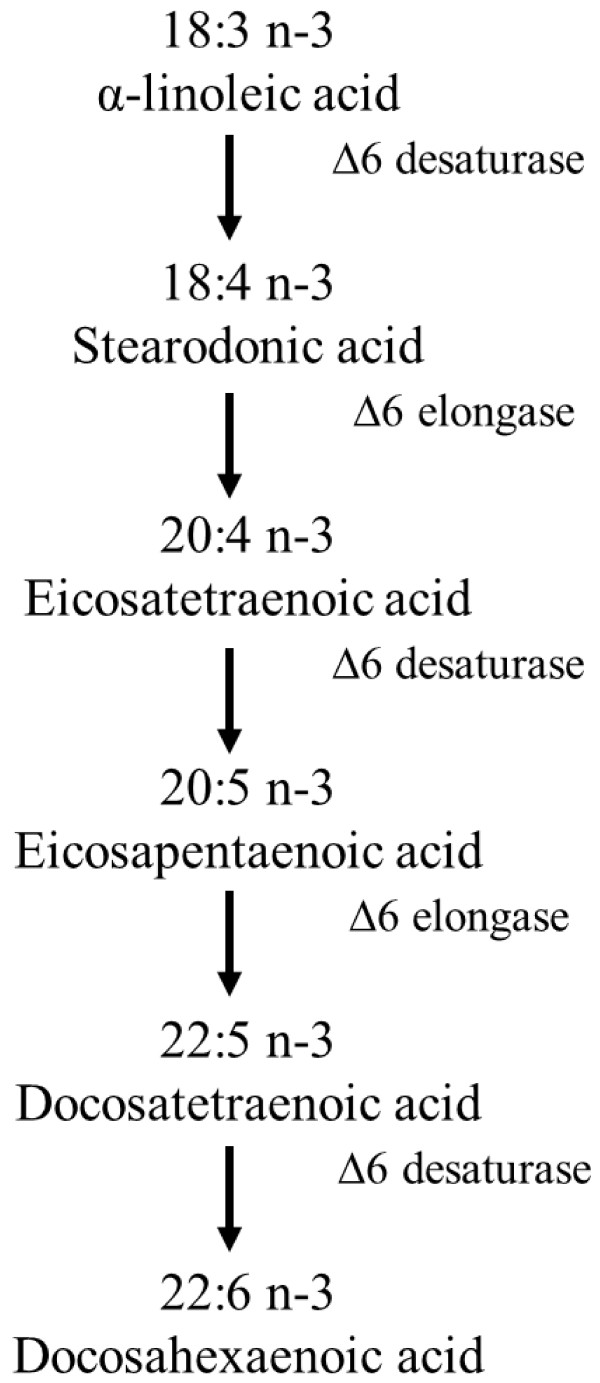
“The ergogenic study of these omega-3 sources present additional difficulties: A)Vegetable oils are mainly composed of alpha-linolenic acid (ALA)—with variable conversion rate in humans to EPA, on the first conversion step, which then has to be converted DHA, on a second step, by the enzyme omega-3 desatturase (which a…”
BackgroundAzcárraga‐Salinas, B. Y., Solís-Oba, M., Fernández-Linares, L., Castro‐Sierra, A., Pacheco‐Ortiz, J. A., Solís, A., & Rivera, R. C. (2025) · Biofuels Bioproducts and Biorefining · doi:10.1002/bbb.70053 · Cited by 3
“69 Traditionally, polyunsaturated fatty acids are sourced from fish; however, their production from microalgae provides a sustainable, ecological, and scalable alternative.”
Ardelean, A. V., Ioan, A., Sicuia-Boiu, O. A., & Cornea, P. (2018) · “Agriculture for Life Life for Agriculture” Conference Proceedings · doi:10.2478/alife-2018-0079 · Cited by 4
“…some advantages as well as some drawbacks of photosynthetic micro-organisms as sources of lipids (for more details see Demirbas, 2010; Amaro et al.,; 2011; Adarme-Vega et al., 2012; Rawat et al., 2013; Acien et al., 2013; Ardelean and Manea, 2016; Velea et al., 2017; Vuppaladadiyam et al., 2018).”
BackgroundСтефанова, И. Л., & Borisova, V. (2022) · Lecture notes in networks and systems · doi:10.1007/978-3-030-96641-6_23 · Cited by 3
Nutraceuticals and Functional Foods from Algae: Formulation and Health Benefits
Manoharan, D., Thirumalaivasan, R., Sivakumar, N., Ramkumar, T., & Ponmurugan, K. (2024) · Springer eBooks · doi:10.1007/978-981-97-1662-3_13 · Cited by 5
Microalgae: a vision for sustainability
Kliber, C. G., Yarkent, Ç., Faraloni, C., Zittelli, G. C., Touloupakis, E., Moia, I. C., Torzillo, G., & Öncel, S. Ş. (2024) · Elsevier eBooks · doi:10.1016/b978-0-443-22127-9.00001-9 · Cited by 3
Mukherjee, C., Maurya, M., Shukla, D., Dubey, A., Shahi, S., & Kumari, M. (2025) · Journal of Pure and Applied Microbiology · doi:10.22207/jpam.19.4.12 · Cited by 3
Basuki, W. (2019) · Makara Journal of Science · doi:10.7454/mss.v23i2.11048 · Cited by 3
“There are several alternative sources of EPA and DHA - such as bacteria, fungi, plants and microalgae - that are currently being explored for commercial production [13].”
BackgroundOverview of Microbial Production of Omega‐3‐Polyunsaturated Fatty Acid
Deeba, F., Kumar, K. K., & Gaur, N. A. (2020) · Wiley eBooks · doi:10.1002/9781119631729.ch5 · Cited by 4
Health Perspective of Nutraceutical Fatty Acids; (Omega‐3 and Omega‐6 Fatty Acids)
Desai, S. S., & Mane, V. K. (2020) · Wiley eBooks · doi:10.1002/9781119631729.ch9 · Cited by 4
Biotechnology of Microalgae: A Green Approach Towards Exploitation of Omega-3 Fatty Acids
Manjula, R., & Chavadi, M. (2020) · Apple Academic Press eBooks · doi:10.1201/9781003019510-12 · Cited by 3
Microalgal applications in biomedicine and healthcare
McCauley, J. I., Ortega, J. S., Gentile, C., & Ralph, P. J. (2022) · Elsevier eBooks · doi:10.1016/b978-0-323-96142-4.00012-9 · Cited by 6
The Promising Future of Microalgae as Biofuels and Valuable Bioproducts
Dash, S., Parida, S., Sahoo, B., & Rath, B. (2022) · Clean Energy Production Technologies · doi:10.1007/978-981-19-0680-0_2 · Cited by 5
Bhatt, S., Kumari, R., DEEPIKA, D., Chopra, R., Dhewa, T., & Kumari, A. (2023) · Wiley eBooks · doi:10.1002/9781394229116.ch5 · Cited by 3
Microfeed Incorporated with Probiotic for Aquaculture: A Review
Yaslikan, N. M., Yaminudin, J., Rasdi, N. W., & Karim, M. (2023) · World s Veterinary Journal · doi:10.54203/scil.2023.wvj64 · Cited by 6
Ambika, H. D., & U, H. V. P. (2025) · Grand challenges in biology and biotechnology · doi:10.1007/978-3-031-84282-5_8 · Cited by 5
Therapeutic applications of Arthrospira sp. in human health: An overview
da Silva, M. R. O. B., da Silva, R. O. B., do Nascimento, B. E. G., Ramos, D. G., Mendes, M. E. M., da Silva, S. D. F. F., Costa, R. M. P. B., & Marques, D. D. A. V. (2025) · South African Journal of Botany · doi:10.1016/j.sajb.2025.07.041 · Cited by 3
Thinking outside of the box: potential of zooplankton for microalgae harvesting
Li, Y., Mangott, A., Grierson, S., & Schenk, P. M. (2013) · Biofuels · doi:10.4155/bfs.13.12 · Cited by 3
Self-citationMicroalgae as Bio-Converters of Wastewater into Biofuel and Food
Siddiqui, M. R., Miranda, A. F., & Mouradov, A. (2018) · Springer eBooks · doi:10.1007/978-3-319-75199-3_5 · Cited by 5
Cobos, M., Castro, J. C., Paredes, J. D., Pérez, S., Maddox, J. D., Estela, S. L., Rodríguez, H. N., Tresierra, Á. B., Saldaña, J. R., Marapara, J. L., et al. (2020) · IntechOpen eBooks · doi:10.5772/intechopen.89515 · Cited by 4
“Studies on nutraceutical substances have been carried out almost exclusively in algae and microalgae, identifying more than 600 naturally occurring carotenoids in plants, animals, and fungi, of which 400 have been isolated and characterized [51], but of these, only a small number are commercially used among them B-car…”
BackgroundLiu, Y., & Cheng, J. J. (2021) · Wiley eBooks · doi:10.1002/9783527825394.ch7 · Cited by 4
Chemicals and Fuels from Microalgae
Jeon, S., Jeong, B., & Chang, Y. K. (2017) · Springer eBooks · doi:10.1007/978-3-319-50436-0_384 · Cited by 4
Кожемяка, О. В., Пешук, Л. В., & Вербицький, С. (2023) · Food Resources · doi:10.31073/foodresources2023-21-08 · Cited by 3
Fish Oil Nanoemulsions: Optimization of Physical and Chemical Stability for Food System Applications
Walker, R. M. (2015) · ScholarWorks@UMassAmherst (University of Massachusetts Amherst) · doi:10.7275/7127166 · Cited by 10
Novel Marine Sources of Nutraceuticals and Functional Foods
Tou, J. C. L., Oldaker, C., & Yuan, Y. (2020) · Wiley eBooks · doi:10.1002/9781119143802.ch119 · Cited by 3
Biological activities of natural products from microalgae
Palmer, J. S., Muñoz, D. C., & Edwards, C. (2021) · Cultured Microalgae for the Food Industry · doi:10.1016/b978-0-12-821080-2.00004-6 · Cited by 2
Production and growth of microalgae in urine and wastewater: A review
Siddiqui, S. A., Wu, Y. S., Saikia, T., Uçak, İ., Afreen, M., Shah, M. A., & Ayivi, R. D. (2023) · Environmental Chemistry Letters · doi:10.1007/s10311-023-01622-1 · Cited by 3
Gut microbes: Role in production of nutraceuticals
Balakumaran, P. A., Divakar, K., Sindhu, R., Pandey, A., & Binod, P. (2021) · Elsevier eBooks · doi:10.1016/b978-0-12-823506-5.00004-7 · Cited by 2
Heterotrophic microalgal bioreactors
Montenegro-Herrera, C. A., Sangregorio‐Soto, V., & Maroneze, M. M. (2024) · Elsevier eBooks · doi:10.1016/b978-0-443-14058-7.00029-4 · Cited by 2
Microbial Metabolomics in Biomass Waste Management
Karpe, A. V., Beale, D. J., Harding, I. H., & Palombo, E. A. (2016) · Springer eBooks · doi:10.1007/978-3-319-46326-1_9 · Cited by 4
Karageorgou, D., Bakratsas, G., & Katapodis, P. (2020) · Wiley eBooks · doi:10.1002/9781119631729.ch3 · Cited by 2
Hashikin, N. K., Amirul, F. M. A., Affan, A. A., Ghani, A. A. A., Rinalfi, T. P. T. A., Zakaria, Z., Azlan, C. A., & Hassim, H. A. (2021) · Journal of Food and Nutrition Research · doi:10.12691/jfnr-9-3-6 · Cited by 2
“The algal oil can be replaced with fish oil as a plant-based supplement as an alternative especially for those who preferred a vegetarian diet [17,18].”
BackgroundBiological macromolecules from algae and their antimicrobial applications
Govindan, N., Maniam, G. P., Rahim, M. H. A., Sulaiman, A. Z., & Ajit, A. (2021) · Elsevier eBooks · doi:10.1016/b978-0-323-85759-8.00008-7 · Cited by 2
Engineering microbial biofactories for a sustainable future
Miguel, F.-N., & Burgos-Toro, D. (2022) · Elsevier eBooks · doi:10.1016/b978-0-323-91601-1.00003-1 · Cited by 4
Overview of Bioprocess Engineering
Ashby, R. D., Msanne, J., Munir, M., Inayat, A., Pastore, C., & Mustafa, A. (2023) · Springer eBooks · doi:10.1007/978-3-031-42026-9_6 · Cited by 2
de Morais, M. G., Colla, L. M., & Costa, J. A. V. (2024) · Springer eBooks · doi:10.1007/978-3-031-61253-4_12 · Cited by 3
Valuable Compounds Produced by Microalgae
Ng, H. S., & Chew, L.-L. (2024) · Springer eBooks · doi:10.1007/978-981-97-7586-6_13 · Cited by 5
Microalgae as Sustainable and Economic Sources of Omega-3 Fatty Acids
Panchal, S. K., Heimann, K., & Brown, L. (2025) · Springer eBooks · doi:10.1007/978-3-031-84200-9_6 · Cited by 3
Application of Microorganisms for the Valorization of Side-Products of Rapeseed De-Oiling
Binczarski, M. J., Zuberek, J. Z., Frączyk, J., Kolesińska, B., Radojčin, M. T., Pavkov, I., Wiktorowska-Sowa, E., Piotrowski, J. A., Kaminski, Z. J., & Witońska, I. (2025) · Biomolecules · doi:10.3390/biom15070917 · Cited by 3
Peng, M., Liu, P., Peng, R., Jiang, X., Li, S., & Jiang, M. (2025) · Journal of Applied Phycology · doi:10.1007/s10811-025-03716-5 · Cited by 3
(2014) · Journal of Coastal Life Medicine · doi:10.12980/jclm.2.2014jclm-2014-0019 · Cited by 2
Hegde, M. V., Zanwar, A. A., & Ghorpade, P. B. (2016) · Springer eBooks · doi:10.1007/978-3-319-40458-5_2 · Cited by 3
“Cost of extraction and purification methods are currently limiting the potential of using micro-algal oils on a large scale [15].”
Background
Metadata
- Authors
- Adarme-Vega, T. C., Lim, D. K. Y., Timmins, M., Vernen, F., Li, Y., & Schenk, P. M.
- Affiliations
- The University of Queensland (AU)
- The University of Western Australia (AU)
- Corresponding author
- Schenk, Peer M
- Venue
- Microbial Cell Factories
- Published
- 2012-07-25
- Volume
- 11
- Issue
- 1
- Pages
- 96-96
- ISSN
- 1475-2859 (ISSN-L)
- PMC
- PMC3465194
- OpenAlex
- W2161273903
- Cited by
- 641
- References
- 115
- Citations by year
- 2026: 41 · 2025: 57 · 2024: 48 · 2023: 49 · 2022: 61 · 2021: 68 · 2020: 65 · 2019: 55 · 2018: 45 · 2017: 41 · 2016: 40 · 2015: 23 · 2014: 28 · 2013: 17 · 2012: 3
- FWCI
- 0.98
- Type
- journal article
- Language
- en
- Open access
- gold
- doi.org
- Licence
- cc-by
- Locations
- Microbial Cell Factories (publishedVersion, cc-by)
- Europe PMC (PubMed Central) (publishedVersion, cc-by)
- PubMed Central (publishedVersion, cc-by)
- PubMed (publishedVersion)
- ResearchOnline at James Cook University (James Cook University) (submittedVersion)
- DOAJ (DOAJ: Directory of Open Access Journals) (submittedVersion)
- Funders
- Australian Research Council
- Topics
- Physical Sciences › Energy › Renewable Energy, Sustainability and the Environment › Algal biology and biofuel production
- Life Sciences › Biochemistry, Genetics and Molecular Biology › Molecular Biology › Microbial Metabolic Engineering and Bioproduction
- Life Sciences › Agricultural and Biological Sciences › Aquatic Science › Aquaculture Nutrition and Growth
- Keywords
- omega-3 fatty acids, eicosapentaenoic acid, docosahexaenoic acid, microalgae, heterotrophic microalgae, metabolic engineering, selective breeding, aquaculture feed, energy crops
- MeSH terms
- Animals, Humans, Fatty Acids, Omega-3, Dietary Supplements, Food Chain, Microalgae, Aquatic Organisms, Metabolic Engineering
About these checks
Registry, retraction, Cites and statistics results are computed, not judged, with one exception: a printed reference that no index lists is read once by a model before it counts as a citation error. Claims are extracted by a model and kept only when their quote appears verbatim in the text; each cited source is then checked, with a model’s help, for whether it says what the claim relies on. Those verdicts can be wrong — read the claim’s quote and the cited source before relying on one.
Statistics and arithmetic are recomputed, not judged.
Confidence bands are shown only for fields calibrated on our annotated test set. None is calibrated yet, so no band is shown.
What counts as a claim ›How we measure confidence ›How we check this ›
Are you an author, or do you see a problem with this page? Request a review
Data sources
Bibliographic data: Semantic Scholar, OpenAlex, Crossref.
Contains information from the Semantic Scholar Academic Graph Datasets, made available under the ODC Attribution License (ODC-BY 1.0).
Semantic Scholar’s data is described in: Kinney, R., et al. (2023). The Semantic Scholar Open Data Platform. arXiv:2301.10140.
