

Microalgal biofactories: a promising approach towards sustainable omega-3 fatty acid production
Open accessThe DOI matches its Crossref record; 111 of the 115 references it cites were found in a registry or an index.
Abstract
Omega-3 fatty acids eicosapentaenoic acid (EPA) and docosahexaenoic acid (DHA) provide significant health benefits and this has led to an increased consumption as dietary supplements. Omega-3 fatty acids EPA and DHA are found in animals, transgenic plants, fungi and many microorganisms but are typically extracted from fatty fish, putting additional pressures on global fish stocks. As primary producers, many marine microalgae are rich in EPA (C20:5) and DHA (C22:6) and present a promising source of omega-3 fatty acids. Several heterotrophic microalgae have been used as biofactories for omega-3 fatty acids commercially, but a strong interest in autotrophic microalgae has emerged in recent years as microalgae are being developed as biofuel crops. This paper provides an overview of microalgal biotechnology and production platforms for the development of omega-3 fatty acids EPA and DHA. It refers to implications in current biotechnological uses of microalgae as aquaculture feed and future biofuel crops and explores potential applications of metabolic engineering and selective breeding to accumulate large amounts of omega-3 fatty acids in autotrophic microalgae.
Overview
The claims and statistics of this paper haven’t been checked yet.
Free: it reads the open-access text and checks the first 5 claims that cite a source we can check. Create a free account to check every claim.
Integrity signals
Registry
Cites
Statistics
Figures

Verification
Claims the paper makes
The claims and statistics of this paper haven’t been checked yet.
Free: it reads the open-access text and checks the first 5 claims that cite a source we can check. Create a free account to check every claim.
Claims other papers make about this one
Each is checked against this paper’s own text: does it say what the citing paper says it does?
In the citing paper
“Some microalgae are rich in omega-3 (ω-3) FA), and are often considered as the main producers of these healthy lipids, representing an alternative source to fish [3].”
From Microalgae as Sustainable Bio-Factories of Healthy Lipids: Evaluating Fatty Acid Content and Antioxidant Activity (2021) · cites this paper as [3]
Self-check
Percentages, sums and reported differences re-computed from the paper’s own numbers.
The self-check needs the paper’s full text.
Citations
Cites
A RAPID METHOD OF TOTAL LIPID EXTRACTION AND PURIFICATION
Bligh, E. G., & Dyer, W. J. (1959) · Canadian Journal of Biochemistry and Physiology · doi:10.1139/o59-099 · Cited by 54,751 · cited 1×
“A typical extraction protocol in small scale is often based on the method of Bligh and Dyer [103], which uses a solvent mixtures made of methanol/ chloroform for the cell disruption and lipid extraction.”
MethodImpacts of Biodiversity Loss on Ocean Ecosystem Services
Worm, B., Barbier, E. B., Beaumont, N., Duffy, J. E., Folke, C., Halpern, B. S., Jackson, J. B. C., Lotze, H. K., Micheli, F., Palumbi, S. R., et al. (2006) · Science · doi:10.1126/science.1132294 · Cited by 4,544
Commercial Applications of Microalgae
Spolaore, P., Joannis-Cassan, C., Duran, E., & Isambert, A. (2006) · Journal of Bioscience and Bioengineering · doi:10.1263/jbb.101.87 · Cited by 4,285 · cited 3×
“anti-aging cream, refreshing or regenerative care products, sun cream, emollient and anti-irritant in peelers [19].”
BackgroundMicroalgal triacylglycerols as feedstocks for biofuel production: perspectives and advances
Hu, Q., Sommerfeld, M., Jarvis, E., Ghirardi, M., Posewitz, M., Seibert, M., & Darzins, A. (2008) · The Plant Journal · doi:10.1111/j.1365-313x.2008.03492.x · Cited by 3,745 · cited 1×
“Long chain fatty acids are transferred to glycerol-3-phosphate to form triacylglycerol (TAG) via the metabolic intermediate phosphatidic acid in the endoplasmic reticulum [99].”
BackgroundHarmful algal blooms and eutrophication: nutrient sources, composition, and consequences
Anderson, D. M., Glibert, P. M., & Burkholder, J. M. (2002) · Estuaries · doi:10.1007/bf02804901 · Cited by 2,965 · cited 1×
“These serve as storage products in order to survive the stressful growth limiting conditions, after which a large number of cells die [47,48].”
BackgroundSecond Generation Biofuels: High-Efficiency Microalgae for Biodiesel Production
Schenk, P. M., Thomas-Hall, S. R., Stephens, E., Marx, U. C., Mussgnug, J. H., Posten, C., Kruse, O., & Hankamer, B. (2008) · BioEnergy Research · doi:10.1007/s12155-008-9008-8 · Cited by 2,333 · cited 5×
“The accumulation of starch and/or lipids reserves is considered a survival mechanism in response to growth-limiting stresses [17], such as UV radiation [79], temperature [80] and shock or nutrient deprivation [81,82], as long as light conditions are present that still allow efficient photosynthesis.”
BackgroundInfluentialSelf-citationMicro-algae as a source of protein
Becker, E. W. (2007) · Biotechnology Advances · doi:10.1016/j.biotechadv.2006.11.002 · Cited by 2,311 · cited 1×
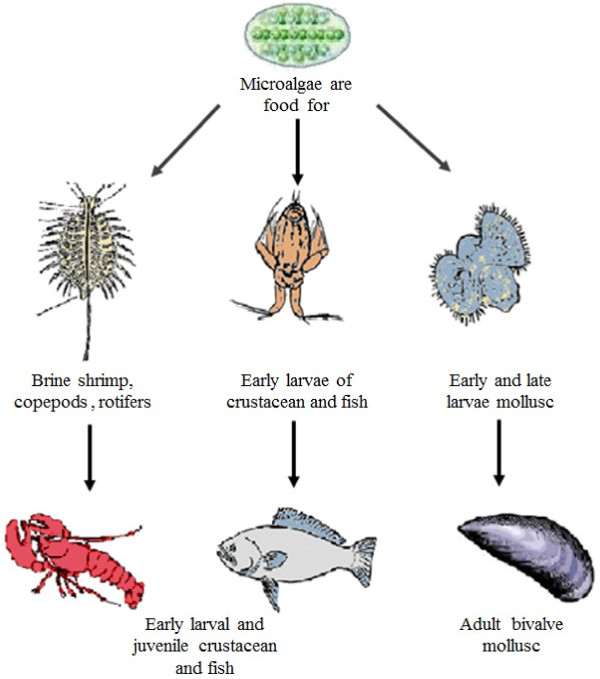
“Microalgae in aquatic food chains: the initial omega-3 producers Microalgae are by far the most abundant primary producers that can be found in most aquatic systems, photosynthetically converting light energy and carbon dioxide (CO2) into biomass such as carbohydrates [44], proteins [45] and lipids [46].”
BackgroundOmega-3 fatty acids in health and disease and in growth and development.
Simopoulos, A. (1991) · The American Journal of Clinical Nutrition · doi:10.1093/ajcn/54.3.438 · Cited by 2,162 · cited 1×
“Immuno-modulatory effects have been observed when ω-3 fatty acids were used in the treatment of inflammatory conditions such as rheumatoid arthritis, Crohn’s disease, ulcerative colitis, psoriasis, asthma, lupus and cystic fibrosis [66,67].”
BackgroundOmega-3 Fatty Acids in Inflammation and Autoimmune Diseases
Simopoulos, A. P. (2002) · Journal of the American College of Nutrition · doi:10.1080/07315724.2002.10719248 · Cited by 2,009 · cited 1×
“Increasing the levels of DHA and EPA in patients with rheumatoid arthritis and ulcerative colitis has also been found to reduce pain and improve conditions, although the modes of operation are unclear at this point [69,70].”
BackgroundSheehan, J., Dunahay, T., Benemann, J., & Roessler, P. (1998) · doi:10.2172/15003040 · Cited by 1,753
Research works printed but not linked: 11
- Whitehead S FAO species catalogue Clupeoid fishes of the world 1985 Rome: UNITED NATIONS
- AGDAFF Australian government department of agriculture, fisheries and forestry. Fishery status reports 2007 2007
- Van Tol EAF Willemsen LEM Koetsier MA Beermann C Stahl B Improvement of intestinal barrier integrity EP patent 1,815,755 2009
- Kinney AJ Cahoon EB Damude HG Hitz WD Kolar CW Liu Z Production of very long chain polyunsaturated fatty acids in oilseed plants Patent WO 2004 71467 A2
- Foster C Aquaculture production to double by 2015 The fish site 2008
- Dyerberg J Leaf A GA C ISSFAL board statement: recommendations for the essential fatty previous termacidnext term requirement for infant formulas J Am Coll Nutr 1995 14 2 7790698
- CODIF Recherche & Nature DERMOCHLORELLA D - DERMOCHLORELLA DP skin restructuring St Malo cedex 2006 France: CODIF Recherche & Nature
- Exymol SAM Protulines: spirulina extract Exymol SAM 2012 Monaco
- Tiez L Zeiger E Plant physiology 2010 5 Publishers, Sunderland: Sinauer Associates Inc
- Hickman KCD Vacuum distillation apparatus Google patents 1939
- Bengen F German patent application OZ 12438 March 1940 18 135 139
Cited by
Khan, M. I., Shin, J. H., & Kim, J. D. (2018) · Microbial Cell Factories · doi:10.1186/s12934-018-0879-x · Cited by 2,082
Current Status of the Algae Production Industry in Europe: An Emerging Sector of the Blue Bioeconomy
Araújo, R., Vázquez Calderón, F., Sánchez López, J., Azevedo, I. C., Bruhn, A., Fluch, S., Garcia Tasende, M., Ghaderiardakani, F., Ilmjärv, T., Laurans, M., et al. (2021) · Frontiers in Marine Science · doi:10.3389/fmars.2020.626389 · Cited by 653
Production of omega-3 eicosapentaenoic acid by metabolic engineering of Yarrowia lipolytica
Xue, Z., Sharpe, P. L., Hong, S.-P., Yadav, N. S., Xie, D., Short, D. R., Damude, H. G., Rupert, R. A., Seip, J. E., Wang, J., et al. (2013) · Nature Biotechnology · doi:10.1038/nbt.2622 · Cited by 579
A review of high value-added molecules production by microalgae in light of the classification
Levasseur, W., Perré, P., & Pozzobon, V. (2020) · Biotechnology Advances · doi:10.1016/j.biotechadv.2020.107545 · Cited by 546
Microalgae as a future food source
Torres-Tiji, Y., Fields, F. J., & Mayfield, S. P. (2020) · Biotechnology Advances · doi:10.1016/j.biotechadv.2020.107536 · Cited by 559
Cuellar‐Bermudez, S. P., Aguilar‐Hernandez, I., Cardenas‐Chavez, D. L., Ornelas‐Soto, N., Romero‐Ogawa, M. A., & Parra‐Saldivar, R. (2015) · Microbial Biotechnology · doi:10.1111/1751-7915.12167 · Cited by 486
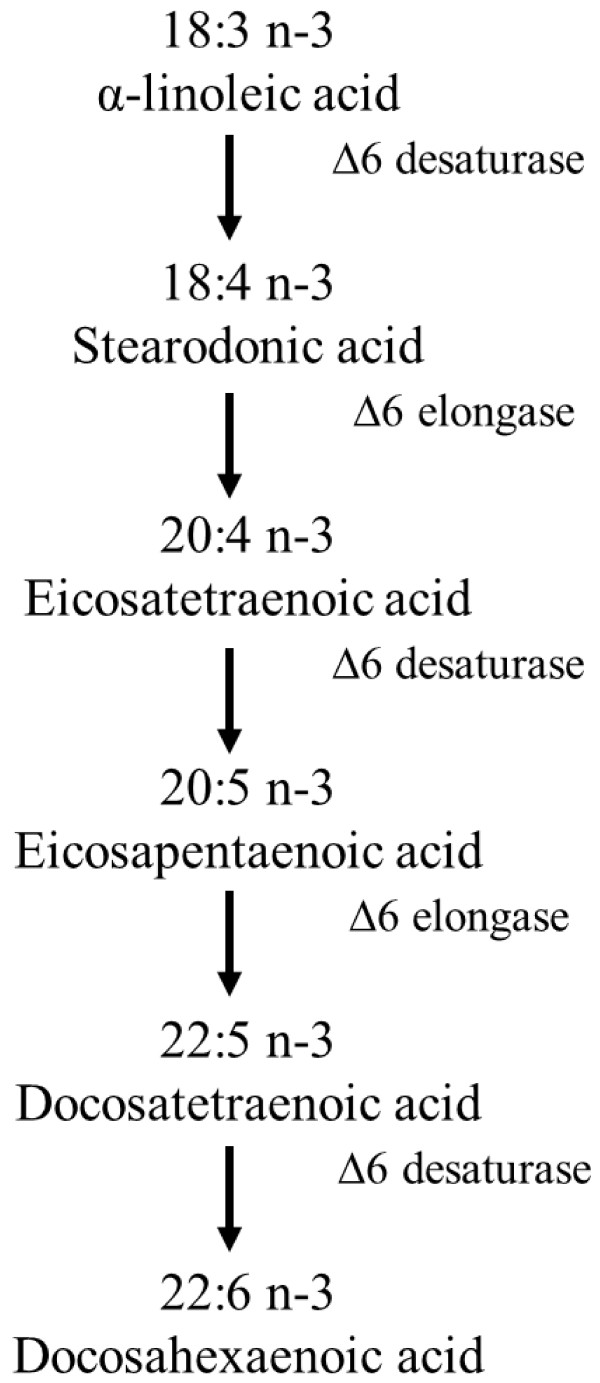
“Pathway for the biosynthesis of omega-3 LC-PUFA (Wen and Chen, 2003; Adarme-Vega et al., 2012; Ryckebosch et al., 2012).”
BackgroundOpportunities and Challenges for Catalysis in Carbon Dioxide Utilization
Burkart, M. D., Hazari, N., Tway, C. L., & Zeitler, E. L. (2019) · ACS Catalysis · doi:10.1021/acscatal.9b02113 · Cited by 471
Microalgae as feed ingredients for livestock production and meat quality: A review
Madeira, M. S., Cardoso, C., Lopes, P. A., Coelho, D., Afonso, C., Bandarra, N. M., & Prates, J. A. M. (2017) · Livestock Science · doi:10.1016/j.livsci.2017.09.020 · Cited by 473
Genome engineering empowers the diatom Phaeodactylum tricornutum for biotechnology
Daboussi, F., Leduc, S., Maréchal, A., Dubois, G., Guyot, V., Perez-Michaut, C., Amato, A., Falciatore, A., Juillerat, A., Beurdeley, M., et al. (2014) · Nature Communications · doi:10.1038/ncomms4831 · Cited by 455
The lipid biochemistry of eukaryotic algae
Li-Beisson, Y., Thelen, J. J., Fedosejevs, E., & Harwood, J. L. (2019) · Progress in Lipid Research · doi:10.1016/j.plipres.2019.01.003 · Cited by 453
“This has led to the increasing use of algae as direct sources of VLCPUFAs in human diets [499] as well as for farmed fish feeds [500-502].”
BackgroundMicroalgal lipids biochemistry and biotechnological perspectives
Bellou, S., Baeshen, M. N., Elazzazy, A. M., Aggeli, D., Sayegh, F., & Aggelis, G. (2014) · Biotechnology Advances · doi:10.1016/j.biotechadv.2014.10.003 · Cited by 419
“Adarme-Vega et al. (2012) stated that microalgae are the main fatty acid producers in the marine food chain recognizing microalgal PUFAs as the essential nutrient for production of zooplankton necessary for”
BackgroundDietary Polyunsaturated Fatty Acids (PUFAs): Uses and Potential Health Benefits
Kapoor, B., Kapoor, D., Gautam, S., Singh, R., & Bhardwaj, S. (2021) · Current Nutrition Reports · doi:10.1007/s13668-021-00363-3 · Cited by 418
Lipid Production from Nannochloropsis
Ma, X.-N., Chen, T.-P., Yang, B., Liu, J., & Chen, F. (2016) · Marine Drugs · doi:10.3390/md14040061 · Cited by 394
“[13,14].”
Kusmayadi, A., Leong, Y. K., Yen, H.-W., Huang, C.-Y., & Chang, J.-S. (2021) · Chemosphere · doi:10.1016/j.chemosphere.2021.129800 · Cited by 332
Saini, R. K., Prasad, P., Sreedhar, R. V., Akhilender Naidu, K., Shang, X., & Keum, Y.-S. (2021) · Antioxidants · doi:10.3390/antiox10101627 · Cited by 337
Omega-3 Polyunsaturated Fatty Acids: Benefits and Endpoints in Sport
Gammone, M. A., Riccioni, G., Parrinello, G., & D’Orazio, N. (2018) · Nutrients · doi:10.3390/nu11010046 · Cited by 326
“EPA and DHA are found in cold water fishes, which possess a greater quantity of body fat, although their content in EPA and DHA depends on some variables such as climate, the environment, and a fish diet [5].”
BackgroundChauton, M. S., Reitan, K. I., Norsker, N. H., Tveterås, R., & Kleivdal, H. T. (2015) · Aquaculture · doi:10.1016/j.aquaculture.2014.10.038 · Cited by 323
“Among the many species there are variations both in productivity and content of fatty acids, and some produce mainly EPA or DHA while others contain both fatty acids (Adarme-Vega et al., 2012).”
BackgroundAlternative Sources of n-3 Long-Chain Polyunsaturated Fatty Acids in Marine Microalgae
Martins, D., Custódio, L., Barreira, L., Pereira, H., Ben-Hamadou, R., Varela, J., & Abu-Salah, K. (2013) · Marine Drugs · doi:10.3390/md11072259 · Cited by 296
“Although a few topics have been covered elsewhere [4–7], this review integrates the current knowledge on microalgal LC-PUFA biosynthesis and the use of specific examples of commercial photo- and heterotrophic microalgae for the production of fatty acids (FA) that can have an impact on the health of humans and other ve…”
BackgroundThe Evolution and Versatility of Microalgal Biotechnology: A Review
Hamed, I. (2016) · Comprehensive Reviews in Food Science and Food Safety · doi:10.1111/1541-4337.12227 · Cited by 282
Microalgae–nutritious, sustainable aqua-and animal feed source
Dineshbabu, G., Goswami, G., Kumar, R., Sinha, A., & Das, D. (2019) · Journal of Functional Foods · doi:10.1016/j.jff.2019.103545 · Cited by 285
Effect of Light Intensity and Quality on Growth Rate and Composition of Chlorella vulgaris
Metsoviti, M. N., Papapolymerou, G., Karapanagiotidis, I. T., & Katsoulas, N. (2019) · Plants · doi:10.3390/plants9010031 · Cited by 252
Role of Microalgae in Achieving Sustainable Development Goals and Circular Economy
Olabi, A. G., Shehata, N., Sayed, E. T., Rodriguez, C., Anyanwu, R. C., Russell, C., & Abdelkareem, M. A. (2023) · Science of The Total Environment · doi:10.1016/j.scitotenv.2022.158689 · Cited by 273
Walker, R., Decker, E. A., & McClements, D. J. (2015) · Food & Function · doi:10.1039/c4fo00723a · Cited by 265
Ahmad, A., W. Hassan, S., & Banat, F. (2022) · Bioengineered · doi:10.1080/21655979.2022.2061148 · Cited by 246
“, comprise 30–40% of ω-3 fatty acids in their total content [53].”
BackgroundLi, Y., Ghasemi Naghdi, F., Garg, S., Adarme-Vega, T., Thurecht, K. J., Ghafor, W., Tannock, S., & Schenk, P. M. (2014) · Microbial Cell Factories · doi:10.1186/1475-2859-13-14 · Cited by 261
“, eicosapentaenoic acid (C20:5 n-3, EPA), docosahexaenoic acid (C22:6 n-3, DHA) and other long-chain polyunsaturated fatty acids (LC-PUFA)) [4,5].”
BackgroundSelf-citationFunctional ingredients from microalgae
Buono, S., Langellotti, A. L., Martello, A., Rinna, F., & Fogliano, V. (2014) · Food Funct. · doi:10.1039/c4fo00125g · Cited by 238
Ahmmed, M. K., Ahmmed, F., Tian, H. (., Carne, A., & Bekhit, A. E. (2020) · Comprehensive Reviews in Food Science and Food Safety · doi:10.1111/1541-4337.12510 · Cited by 241
Towards sustainable sources for omega-3 fatty acids production
Adarme-Vega, T. C., Thomas-Hall, S. R., & Schenk, P. M. (2014) · Current Opinion in Biotechnology · doi:10.1016/j.copbio.2013.08.003 · Cited by 250
Self-citationDe Bhowmick, G., Sarmah, A. K., & Sen, R. (2019) · Science of The Total Environment · doi:10.1016/j.scitotenv.2018.10.002 · Cited by 242
Molino, A., Mehariya, S., Di Sanzo, G., Larocca, V., Martino, M., Leone, G. P., Marino, T., Chianese, S., Balducchi, R., & Musmarra, D. (2020) · Journal of CO2 Utilization · doi:10.1016/j.jcou.2019.11.014 · Cited by 234
M. U., N., Mehar, J. G., Mudliar, S. N., & Shekh, A. Y. (2019) · Comprehensive Reviews in Food Science and Food Safety · doi:10.1111/1541-4337.12500 · Cited by 236
Microalgae as rich source of polyunsaturated fatty acids
Ramesh Kumar, B., Deviram, G., Mathimani, T., Duc, P. A., & Pugazhendhi, A. (2019) · Biocatalysis and Agricultural Biotechnology · doi:10.1016/j.bcab.2019.01.017 · Cited by 230
Mühlroth, A., Li, K., Røkke, G., Winge, P., Olsen, Y., Hohmann-Marriott, M., Vadstein, O., & Bones, A. (2013) · Marine Drugs · doi:10.3390/md11114662 · Cited by 225
“Whereas DHA-producers include Isochrysis galbana [11,18] and the thraustochytrids Aurantochytrium spp.”
BackgroundAlternative Sources of Omega-3 Fats: Can We Find a Sustainable Substitute for Fish?
Lenihan-Geels, G., Bishop, K., & Ferguson, L. (2013) · Nutrients · doi:10.3390/nu5041301 · Cited by 221
Future feed resources in sustainable salmonid production: A review
Albrektsen, S., Kortet, R., Skov, P. V., Ytteborg, E., Gitlesen, S., Kleinegris, D., Mydland, L., Hansen, J. Ø., Lock, E., Mørkøre, T., et al. (2022) · Reviews in Aquaculture · doi:10.1111/raq.12673 · Cited by 195
Docosahexaenoic acid (DHA), a fundamental fatty acid for the brain: New dietary sources
Echeverría, F., Valenzuela, R., Catalina Hernandez-Rodas, M., & Valenzuela, A. (2017) · Prostaglandins, Leukotrienes and Essential Fatty Acids · doi:10.1016/j.plefa.2017.08.001 · Cited by 202
Kumar, B. R., Mathimani, T., Sudhakar, M. P., Rajendran, K., Nizami, A.-S., Brindhadevi, K., & Pugazhendhi, A. (2021) · Renewable and Sustainable Energy Reviews · doi:10.1016/j.rser.2020.110649 · Cited by 208
Campanati, C., Willer, D., Schubert, J., & Aldridge, D. C. (2022) · Reviews in Fisheries Science & Aquaculture · doi:10.1080/23308249.2021.1897520 · Cited by 173
“…efficiencies are required in nutrient bioremediation and bioaccumulation in raceways (Table 1; Dauda et al. 2019), but metabolic engineering and strain selection could support an optimization of lipid production (Huerlimann et al. 2010; Adarme-Vega et al. 2012; Aravantinou et al. 2013; Oncel 2013).”
BackgroundCazzaniga, S., Dall'Osto, L., Szaub, J., Scibilia, L., Ballottari, M., Purton, S., & Bassi, R. (2014) · Biotechnology for Biofuels · doi:10.1186/s13068-014-0157-z · Cited by 198
“Indeed, new genome sequencing technologies provide an opportunity to identify such sites of mutation [50], and desired traits might then be transferred to other species of interest to the algal biotechnology industry, for CO2 mitigation processes or production of biomass, biofuels, or high-value products [32,51-54].”
The Environmental Biorefinery: Using Microalgae to Remediate Wastewater, a Win-Win Paradigm
Delrue, F., Álvarez-Díaz, P., Fon-Sing, S., Fleury, G., & Sassi, J.-F. (2016) · Energies · doi:10.3390/en9030132 · Cited by 188
“Other high-value molecules such as omega 3 [93] or carotenoids [94] are very interesting on an economical point of view.”
BackgroundDeveloping algae as a sustainable food source
Diaz, C. J., Douglas, K. J., Kang, K., Kolarik, A. L., Malinovski, R., Torres-Tiji, Y., Molino, J. V., Badary, A., & Mayfield, S. P. (2023) · Frontiers in Nutrition · doi:10.3389/fnut.2022.1029841 · Cited by 194
“Omega-3 fatty acids are polyunsaturated fatty acids and provide several vital health functions for eukaryotic organisms (49).”
BackgroundInfluentialRobertson, R., Guihéneuf, F., Bahar, B., Schmid, M., Stengel, D., Fitzgerald, G., Ross, R., & Stanton, C. (2015) · Marine Drugs · doi:10.3390/md13085402 · Cited by 188
“Additionally, fish stocks are facing global decline alongside increasing toxin accumulation due to pollution [29–31], hence algae may constitute a more economical and sustainable resource for dietary n-3 LC-PUFA and other bioactive marine ingredients [32].”
BackgroundGhosh, A., Khanra, S., Mondal, M., Halder, G., Tiwari, O. N., Saini, S., Bhowmick, T. K., & Gayen, K. (2016) · Energy Conversion and Management · doi:10.1016/j.enconman.2016.01.050 · Cited by 186
Hypes, hopes, and the way forward for microalgal biotechnology
Barbosa, M. J., Janssen, M., Südfeld, C., D’Adamo, S., & Wijffels, R. H. (2023) · Trends in Biotechnology · doi:10.1016/j.tibtech.2022.12.017 · Cited by 181
Recent advancements in astaxanthin production from microalgae: A review
Patel, A. K., Tambat, V. S., Chen, C.-W., Chauhan, A. S., Kumar, P., Vadrale, A. P., Huang, C.-Y., Dong, C.-D., & Singhania, R. R. (2022) · Bioresource Technology · doi:10.1016/j.biortech.2022.128030 · Cited by 178
Towards achieving circularity and sustainability in feeds for farmed blue foods
Colombo, S. M., Roy, K., Mraz, J., Wan, A. H. L., Davies, S. J., Tibbetts, S. M., Øverland, M., Francis, D. S., Rocker, M. M., Gasco, L., et al. (2023) · Reviews in Aquaculture · doi:10.1111/raq.12766 · Cited by 170
Koyande, A. K., Show, P.-L., Guo, R., Tang, B., Ogino, C., & Chang, J.-S. (2019) · Bioengineered · doi:10.1080/21655979.2019.1679697 · Cited by 182
“During this process, various changes occur in the algal lipid content thus affect the dietary make-up of the mollusks, shells, larvae and fishes [72].”
RetractedChua, E. T., & Schenk, P. M. (2017) · Bioresource Technology · doi:10.1016/j.biortech.2017.05.124 · Cited by 170
“Moreover, this microalga also contains an appreciable amount of omega-3 fatty acids, mostly in the form of all (5Z,8Z,11Z,14Z,17Z)-eicosapenta-5,8,11,14,17-enoic acid (EPA) (Figure 2), which has been shown to provide many health benefits to humans (Adarme-Vega et al., 2012).”
BackgroundSelf-citationAlgae: Critical Sources of Very Long-Chain Polyunsaturated Fatty Acids
Harwood, J. (2019) · Biomolecules · doi:10.3390/biom9110708 · Cited by 171
Sustainable food and feed sources from microalgae: Food security and the circular bioeconomy
Ahmad, A., & Ashraf, S. M. (2023) · Algal Research · doi:10.1016/j.algal.2023.103185 · Cited by 178
Reconstruction and analysis of a carbon-core metabolic network for Dunaliella salina
Fachet, M., Witte, C., Flassig, R. J., Rihko-Struckmann, L. K., McKie-Krisberg, Z., Polle, J. E. W., & Sundmacher, K. (2020) · BMC Bioinformatics · doi:10.1186/s12859-019-3325-0 · Cited by 160
Microalgal Aquafeeds As Part of a Circular Bioeconomy
Yarnold, J., Karan, H., Oey, M., & Hankamer, B. (2019) · Trends in Plant Science · doi:10.1016/j.tplants.2019.06.005 · Cited by 145
Bioproducts from microalgae biomass: Technology, sustainability, challenges and opportunities
Calijuri, M. L., Silva, T. A., Magalhães, I. B., Pereira, A. S. A. D. P., Marangon, B. B., Assis, L. R. D., & Lorentz, J. F. (2022) · Chemosphere · doi:10.1016/j.chemosphere.2022.135508 · Cited by 149
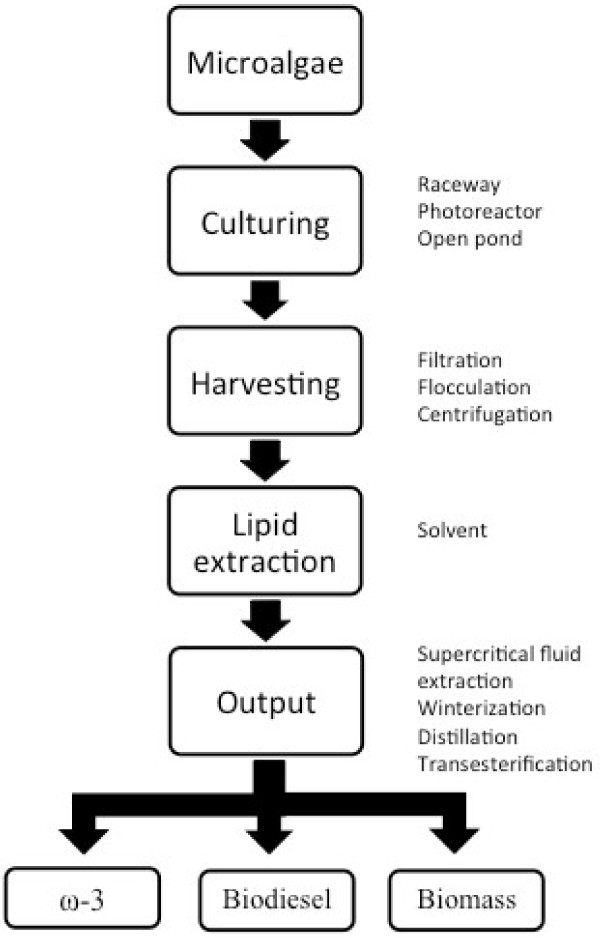
“tion, winterization and fractional distillation (Adarme-Vega et al., 2012).”
Green microalgae biomolecule separations and recovery
Dixon, C., & Wilken, L. R. (2018) · Bioresources and Bioprocessing · doi:10.1186/s40643-018-0199-3 · Cited by 150
“or deodorization, and encapsulated (Adarme-Vega et al. 2012).”
Biancarosa, I., Belghit, I., Bruckner, C. G., Liland, N. S., Waagbø, R., Amlund, H., Heesch, S., & Lock, E. (2018) · Journal of the Science of Food and Agriculture · doi:10.1002/jsfa.8798 · Cited by 171
Bioactive compounds in microalgae and their potential health benefits
Zhou, L., Li, K., Duan, X., Hill, D., Barrow, C., Dunshea, F., Martin, G., & Suleria, H. (2022) · Food Bioscience · doi:10.1016/j.fbio.2022.101932 · Cited by 150
Conde, T. A., Neves, B. F., Couto, D., Melo, T., Neves, B., Costa, M., Silva, J., Domingues, P., & Domingues, M. R. (2021) · Marine Drugs · doi:10.3390/md19070357 · Cited by 147
Biotechnological production of omega-3 fatty acids: current status and future perspectives
Qin, J., Kurt, E., LBassi, T., Sa, L., & Xie, D. (2023) · Frontiers in Microbiology · doi:10.3389/fmicb.2023.1280296 · Cited by 163
Linder, T. (2019) · Food Security · doi:10.1007/s12571-019-00912-3 · Cited by 142
Therapeutic Potentials of Microalgae in the Treatment of Alzheimer’s Disease
Olasehinde, T., Olaniran, A., & Okoh, A. (2017) · Molecules · doi:10.3390/molecules22030480 · Cited by 139
“Microalgae are an excellent reservoir of omega-3 PUFA [68].”
BackgroundMicroalgae cultivation and metabolites production: a comprehensive review
Vuppaladadiyam, A. K., Prinsen, P., Raheem, A., Luque, R., & Zhao, M. (2018) · Biofuels, Bioproducts and Biorefining · doi:10.1002/bbb.1864 · Cited by 139
Kalra, R., Gaur, S., & Goel, M. (2021) · Journal of Water Process Engineering · doi:10.1016/j.jwpe.2020.101794 · Cited by 140
Marine Cryptophytes Are Great Sources of EPA and DHA
Peltomaa, E., Johnson, M., & Taipale, S. (2017) · Marine Drugs · doi:10.3390/md16010003 · Cited by 137
“7% of all FAs, which is competitive to the already commercially employed algae or species suggested as suitable for commercial EPA and DHA production (EPA + DHA range 5–57% of total FAs) [2,3].”
BackgroundInfluentialRemmers, I. M., D'Adamo, S., Martens, D. E., de Vos, R. C. H., Mumm, R., America, A. H. P., Cordewener, J. H. G., Bakker, L. V., Peters, S. A., Wijffels, R. H., et al. (2018) · Algal Research · doi:10.1016/j.algal.2018.08.012 · Cited by 128
Metabolic engineering of microbial cell factories for production of nutraceuticals
Yuan, S., & Alper, H. S. (2019) · Microbial Cell Factories · doi:10.1186/s12934-019-1096-y · Cited by 148
Corchero, J. L., Gasser, B., Resina, D., Smith, W., Parrilli, E., Vázquez, F., Abasolo, I., Giuliani, M., Jäntti, J., Ferrer, P., et al. (2013) · Biotechnology Advances · doi:10.1016/j.biotechadv.2012.09.001 · Cited by 133
“Historically, microalgae have been used in several applications, ranging from enhancing the nutritional value of animal feed to as producers of highly valuable molecules, like polyunsaturated fatty acid oils or human nutritional supplements and pigments (Apt and Behrens, 1999; Hempel et al., 2011; Adarme-Vega et al.,…”
BackgroundJovanovic, S., Dietrich, D., Becker, J., Kohlstedt, M., & Wittmann, C. (2021) · Current Opinion in Biotechnology · doi:10.1016/j.copbio.2021.01.009 · Cited by 140
Sarker, P. K., Kapuscinski, A. R., Bae, A. Y., Donaldson, E., Sitek, A. J., Fitzgerald, D. S., & Edelson, O. F. (2018) · PLOS ONE · doi:10.1371/journal.pone.0201315 · Cited by 124
Park, S., Steen, C. J., Lyska, D., Fischer, A. L., Endelman, B., Iwai, M., Niyogi, K., & Fleming, G. R. (2019) · Proceedings of the National Academy of Sciences · doi:10.1073/pnas.1819011116 · Cited by 126
Microalgal Cultivation for Value-Added Products: A Critical Enviro-Economical Assessment
Kothari, R., Pandey, A., Ahmad, S., Kumar, A., Pathak, V. V., & Tyagi, V. V. (2017) · 3 Biotech · doi:10.1007/s13205-017-0812-8 · Cited by 116
“The governments in the US, EU, Brazil, China, India, and Canada are funding to facilitate and enhance the algalbased VAPs as it has multiple applications in various sectors (Usher et al. 2014; Borowitzka 2013; Adarme-Vega et al. 2012).”
BackgroundMicroalgal Proteins and Bioactives for Food, Feed, and Other Applications
Lucakova, S., Branyikova, I., & Hayes, M. (2022) · Applied Sciences · doi:10.3390/app12094402 · Cited by 107
Competitive algae biodiesel depends on advances in mass algae cultivation
Maroušek, J., Maroušková, A., Gavurová, B., Tuček, D., & Strunecký, O. (2023) · Bioresource Technology · doi:10.1016/j.biortech.2023.128802 · Cited by 122
Ibrahim, T. N. B. T., Feisal, N. A. S., Kamaludin, N. H., Cheah, W. Y., How, V., Bhatnagar, A., Ma, Z., & Show, P. L. (2023) · Bioresource Technology · doi:10.1016/j.biortech.2023.128661 · Cited by 107
Li, X., Liu, J., Chen, G., Zhang, J., Wang, C., & Liu, B. (2019) · Algal Research · doi:10.1016/j.algal.2019.101619 · Cited by 103
Bacterial cell factories for recombinant protein production; expanding the catalogue
Ferrer-Miralles, N., & Villaverde, A. (2013) · Microbial Cell Factories · doi:10.1186/1475-2859-12-113 · Cited by 105
“The potential and versatility of these platforms as protein producers or in general, as cell factories for added value products such as chemicals, amino acids or vitamins has been stressed in recent experimental reports or reviews [8-17].”
BackgroundKothri, M., Mavrommati, M., Elazzazy, A. M., Baeshen, M. N., Moussa, T. A. A., & Aggelis, G. (2020) · FEMS Microbiology Letters · doi:10.1093/femsle/fnaa028 · Cited by 116
The biology and the importance of Photobacterium species
Moi, I. M., Roslan, N. N., Leow, T. C., Ali, M. S. M., Rahman, R. N. Z. R. A., Rahimpour, A., & Sabri, S. (2017) · Applied Microbiology and Biotechnology · doi:10.1007/s00253-017-8300-y · Cited by 116
“Consuming EPA in food has shown to prevent heart disease and nervous system and inflammatory disorders (Adarme-Vega et al. 2012; Raatz et al. 2013; Sato et al. 2013; Zulyniak et al. 2013).”
BackgroundGeremia, E., Ripa, M., Catone, C. M., & Ulgiati, S. (2021) · Environments · doi:10.3390/environments8120136 · Cited by 106
Park, W.-K., Moon, M., Shin, S., Cho, J. M., Suh, W. I., Chang, Y. K., & Lee, B. (2017) · Algal Research · doi:10.1016/j.algal.2017.11.017 · Cited by 107
Remmers, I. M., Martens, D. E., Wijffels, R. H., & Lamers, P. P. (2017) · PLOS ONE · doi:10.1371/journal.pone.0175630 · Cited by 102
Robertson, R. C., Mateo, M. R. G., O’Grady, M. N., Guihéneuf, F., Stengel, D. B., Ross, R. P., Fitzgerald, G. F., Kerry, J. P., & Stanton, C. (2016) · Innovative Food Science & Emerging Technologies · doi:10.1016/j.ifset.2016.03.017 · Cited by 107
Fatty Acids Derivatives From Eukaryotic Microalgae, Pathways and Potential Applications
Blasio, M., & Balzano, S. (2021) · Frontiers in Microbiology · doi:10.3389/fmicb.2021.718933 · Cited by 108
Microalgal polyunsaturated fatty acids: Hotspots and production techniques
Chen, W., Li, T., Du, S., Chen, H., & Wang, Q. (2023) · Frontiers in Bioengineering and Biotechnology · doi:10.3389/fbioe.2023.1146881 · Cited by 125
“Furthermore, the efficiency of omega-3 PUFA digestion can be affected by the processing methods of aquatic products (Kris-Etherton et al., 2002; Adarme-Vega et al., 2012; Hamilton et al., 2020).”
BackgroundGohara-Beirigo, A. K., Matsudo, M. C., Cezare-Gomes, E. A., de Carvalho, J. C. M., & Danesi, E. D. G. (2022) · Trends in Food Science & Technology · doi:10.1016/j.tifs.2022.04.030 · Cited by 108
Algal omics: unlocking bioproduct diversity in algae cell factories
Guarnieri, M. T., & Pienkos, P. T. (2015) · Photosynthesis Research · doi:10.1007/s11120-014-9989-4 · Cited by 97
Mapelli‐Brahm, P., Gómez‐Villegas, P., Gonda, M., Léon-Vaz, A., León, R., Mildenberger, J., Rebours, C., Saravia, V., Vero, S., Vila, E., et al. (2023) · Marine Drugs · doi:10.3390/md21060340 · Cited by 105
Co-culturing bacteria and microalgae in organic carbon containing medium
Han, J., Zhang, L., Wang, S., Yang, G., Zhao, L., & Pan, K. (2016) · Journal of Biological Research-Thessaloniki · doi:10.1186/s40709-016-0047-6 · Cited by 93
“, polyunsaturated fatty acid and neutral lipid) [4–9].”
Innovative and Healthier Dairy Products through the Addition of Microalgae: A Review
Hernández, H., Nunes, M. C., Prista, C., & Raymundo, A. (2022) · Foods · doi:10.3390/foods11050755 · Cited by 83
Devos, Y., Aguilera, J., Diveki, Z., Gomes, A., Liu, Y., Paoletti, C., du Jardin, P., Herman, L., Perry, J. N., & Waigmann, E. (2014) · Transgenic Research · doi:10.1007/s11248-013-9741-4 · Cited by 95
“Algal products are used as food additives, animal feed (including aquaculture ), vitamins, pigments, pharmaceutical compounds , cosmetics and potentially as a biofuel source (Adarme-Vega et al. 2012).”
BackgroundPromising Sources of Plant-Derived Polyunsaturated Fatty Acids: A Narrative Review
Rizzo, G., Baroni, L., & Lombardo, M. (2023) · International Journal of Environmental Research and Public Health · doi:10.3390/ijerph20031683 · Cited by 106
Figueiredo, A. R. P., da Costa, E., Silva, J., Domingues, M. R., & Domingues, P. (2019) · Algal Research · doi:10.1016/j.algal.2019.101556 · Cited by 93
Algal Cell Factories: Approaches, Applications, and Potentials
Fu, W., Chaiboonchoe, A., Khraiwesh, B., Nelson, D., Al-Khairy, D., Mystikou, A., Alzahmi, A., & Salehi-Ashtiani, K. (2016) · Marine Drugs · doi:10.3390/md14120225 · Cited by 87
“Phaeodactylum tricornutum Phaeophyta marine lipids Human nutrition, biofuels cDNA libraries, Trans gene expression, in silico models [125,135,136]”
BackgroundGreen, A., Blattmann, C. O., Chen, C., & Mathys, A. (2022) · Trends in Food Science & Technology · doi:10.1016/j.tifs.2022.03.026 · Cited by 98
Kerdiles, O., Layé, S., & Calon, F. (2017) · Trends in Food Science & Technology · doi:10.1016/j.tifs.2017.09.003 · Cited by 96
Chalima, A., Hatzidaki, A., Karnaouri, A., & Topakas, E. (2019) · Applied Energy · doi:10.1016/j.apenergy.2019.03.058 · Cited by 82
Lopes da Silva, T., Moniz, P., Silva, C., & Reis, A. (2019) · Microorganisms · doi:10.3390/microorganisms7120670 · Cited by 82
“All these microalgal products, obtained within a biorefinery frame based on the circular bioeconomy principles that aim at zero residues generation may add greater value to the production process pipeline, with improved process economics, and may address four major areas of importance in human society: human health, t…”
BackgroundMicroalgae: Fast-Growth Sustainable Green Factories
Forján, E., Navarro, F., Cuaresma, M., Vaquero, I., Ruíz-Domínguez, M. C., Gojkovic, Ž., Vázquez, M., Márquez, M., Mogedas, B., Bermejo, E., et al. (2015) · Critical Reviews in Environmental Science and Technology · doi:10.1080/10643389.2014.966426 · Cited by 85
“Numerous species of microalgae have high concentrations of these compounds in their compositions, so that researchers have conducted a number of studies in vitro and in vivo, using various extraction techniques to obtain extracts enriched in carotenoids and PUFAs.”
BackgroundInfluentialBio-Products from Algae-Based Biorefinery on Wastewater: A Review
Catone, C. M., Ripa, M., Geremia, E., & Ulgiati, S. (2021) · Journal of Environmental Management · doi:10.1016/j.jenvman.2021.112792 · Cited by 85
Perdana, B. A., Chaidir, Z., Kusnanda, A. J., Dharma, A., Zakaria, I. J., Syafrizayanti, S., Bayu, A., & Putra, M. Y. (2021) · Algal Research · doi:10.1016/j.algal.2021.102542 · Cited by 84
Castejón, N., & Señoráns, F. J. (2019) · Algal Research · doi:10.1016/j.algal.2018.11.003 · Cited by 81
Metadata
- Authors
- Adarme-Vega, T. C., Lim, D. K. Y., Timmins, M., Vernen, F., Li, Y., & Schenk, P. M.
- Affiliations
- The University of Queensland (AU)
- The University of Western Australia (AU)
- Corresponding author
- Schenk, Peer M
- Venue
- Microbial Cell Factories
- Published
- 2012-07-25
- Volume
- 11
- Issue
- 1
- Pages
- 96-96
- ISSN
- 1475-2859 (ISSN-L)
- PMC
- PMC3465194
- OpenAlex
- W2161273903
- Cited by
- 641
- References
- 115
- Citations by year
- 2026: 41 · 2025: 57 · 2024: 48 · 2023: 49 · 2022: 61 · 2021: 68 · 2020: 65 · 2019: 55 · 2018: 45 · 2017: 41 · 2016: 40 · 2015: 23 · 2014: 28 · 2013: 17 · 2012: 3
- FWCI
- 0.98
- Type
- journal article
- Language
- en
- Open access
- gold
- doi.org
- Licence
- cc-by
- Locations
- Microbial Cell Factories (publishedVersion, cc-by)
- Europe PMC (PubMed Central) (publishedVersion, cc-by)
- PubMed Central (publishedVersion, cc-by)
- PubMed (publishedVersion)
- ResearchOnline at James Cook University (James Cook University) (submittedVersion)
- DOAJ (DOAJ: Directory of Open Access Journals) (submittedVersion)
- Funders
- Australian Research Council
- Topics
- Physical Sciences › Energy › Renewable Energy, Sustainability and the Environment › Algal biology and biofuel production
- Life Sciences › Biochemistry, Genetics and Molecular Biology › Molecular Biology › Microbial Metabolic Engineering and Bioproduction
- Life Sciences › Agricultural and Biological Sciences › Aquatic Science › Aquaculture Nutrition and Growth
- Keywords
- omega-3 fatty acids, eicosapentaenoic acid, docosahexaenoic acid, microalgae, heterotrophic microalgae, metabolic engineering, selective breeding, aquaculture feed, energy crops
- MeSH terms
- Animals, Humans, Fatty Acids, Omega-3, Dietary Supplements, Food Chain, Microalgae, Aquatic Organisms, Metabolic Engineering
About these checks
Registry, retraction, Cites and statistics results are computed, not judged, with one exception: a printed reference that no index lists is read once by a model before it counts as a citation error. Claims are extracted by a model and kept only when their quote appears verbatim in the text; each cited source is then checked, with a model’s help, for whether it says what the claim relies on. Those verdicts can be wrong — read the claim’s quote and the cited source before relying on one.
Statistics and arithmetic are recomputed, not judged.
Confidence bands are shown only for fields calibrated on our annotated test set. None is calibrated yet, so no band is shown.
What counts as a claim ›How we measure confidence ›How we check this ›
Are you an author, or do you see a problem with this page? Request a review
Data sources
Bibliographic data: Semantic Scholar, OpenAlex, Crossref.
Contains information from the Semantic Scholar Academic Graph Datasets, made available under the ODC Attribution License (ODC-BY 1.0).
Semantic Scholar’s data is described in: Kinney, R., et al. (2023). The Semantic Scholar Open Data Platform. arXiv:2301.10140.
