

Anogenital distance is related to ovarian follicular number in young Spanish women: a cross-sectional study
Open accessThe DOI matches its Crossref record; 47 of the 47 references it cites were found in a registry or an index.
Abstract
BACKGROUND: In animals, anogenital distance (AGD) at birth reflects androgen levels during pregnancy and predicts adult AGD. Little is known about AGD in relation to female reproductive characteristics in humans, a question this study was designed to explore. METHODS: We used multiple linear and logistic regression analyses to model the relationships between adult female reproductive system characteristics (e.g. ovarian morphology, menstrual cycle) and two measures of AGD [anus-fourchette (AGD(AF)) and anus-clitoris (AGD(AC))] in 100 college-age volunteers in Spain. Ovarian morphology was classified as having < 6 or ≥ 6 follicles per ovary. RESULTS: Both AGD measures were positively associated with ovarian follicle number, with AGD(AF) being more strongly associated. Women in the upper tertile of the AGD(AF) and AGD(AC) distributions were more likely to have ≥ 6 ovarian follicles [OR: 6.0 (95% CI 2.0, 17.6) and 3.0 (95% CI 1.1, 8.6), respectively] compared to women in the lowest tertile. CONCLUSIONS: Increased follicular recruitment has been related to excess androgen exposure in utero in toxicological studies. Our results suggest that the androgenic environment during early fetal life may influence reproductive system development, including AGD, in human females.
Overview
The claims and statistics of this paper haven’t been checked yet.
Free: it reads the open-access text and checks the first 5 claims that cite a source we can check. Create a free account to check every claim.
Integrity signals
Registry
Cites
Statistics
Figures
Verification
Claims the paper makes
The claims and statistics of this paper haven’t been checked yet.
Free: it reads the open-access text and checks the first 5 claims that cite a source we can check. Create a free account to check every claim.
Claims other papers make about this one
Each is checked against this paper’s own text: does it say what the citing paper says it does?
The source backs part of the claim, not all of it — or backs it for a different population, condition or comparison.
In the citing paper
“Clinical characteristics of PCOS, including elevated serum testosterone and increased ovarian follicle count, are also positively associated with AGD in nonclinical samples of female college students (Mendiola et al., 2012; Mira‐Escolano et al., 2014).”
From Endometriosis and polycystic ovary syndrome are diametric disorders (2021) · cites this paper as Mendiola et al., 2012
Experimental — accuracy not yet measuredThe cited source says what the claim attributes to it.
In the citing paper
“lower ovarian follicle number,25”
From Prenatal Origins of Endometriosis Pathology and Pain: Reviewing the Evidence of a Role for Low Testosterone (2023) · cites this paper as [25]
Self-check
Percentages, sums and reported differences re-computed from the paper’s own numbers.
The self-check needs the paper’s full text.
Citations
Cites
Skakkebæk, N. E., Rajpert-De Meyts, E., & Main, K. M. (2001) · Human Reproduction · doi:10.1093/humrep/16.5.972 · Cited by 2,260
Decrease in anogenital distance among male infants with prenatal phthalate exposure
Swan, S. H., Main, K. M., Liu, F., Stewart, S. L., Kruse, R. L., Calafat, A. M., Mao, C. S., Redmon, J. B., Ternand, C. L., Sullivan, S., et al. (2005) · Environmental Health Perspectives · doi:10.1289/ehp.8100 · Cited by 1,586
Self-citationUltrasound assessment of the polycystic ovary: international consensus definitions
Balen, A. H., Laven, J. S. E., Tan, S.-L., & Dewailly, D. (2003) · Human Reproduction Update · doi:10.1093/humupd/dmg044 · Cited by 1,015 · cited 4×
“Several articles have previously defined having ≥ 6 or > 12 ovarian follicles as multifollicular [28,29] or polycystic ovaries [30], respectively.”
BackgroundMethodInfluentialSwan, S. H. (2008) · Environmental Research · doi:10.1016/j.envres.2008.08.007 · Cited by 856 · cited 7×
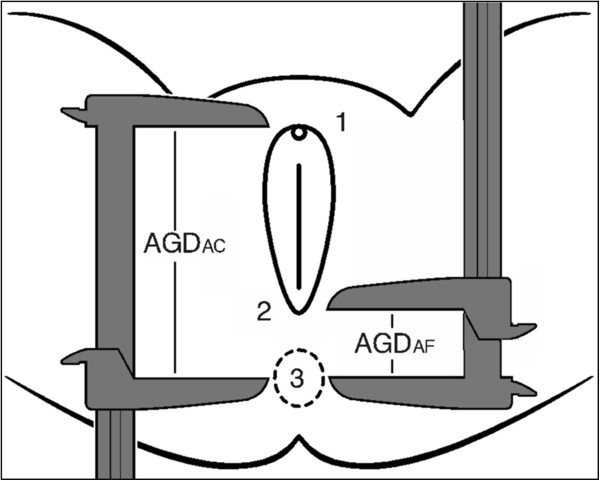
“To improve precision, two examiners made each of these measurements three times, taking in total 6 measures for AGDAF and AGDAC, respectively.”
BackgroundSelf-citationAdams, J., Polson, D. W., Abdulwahid, N., Morris, D. V., Franks, S., Mason, H. D., Tucker, M., Price, J., & Jacobs, H. S. (1985) · The Lancet · doi:10.1016/s0140-6736(85)92552-8 · Cited by 798
Bisphenol A Exposure Causes Meiotic Aneuploidy in the Female Mouse
Hunt, P. A., Koehler, K. E., Susiarjo, M., Hodges, C. A., Ilagan, A., Voigt, R. C., Thomas, S., Thomas, B. F., & Hassold, T. J. (2003) · Current Biology · doi:10.1016/s0960-9822(03)00189-1 · Cited by 636 · cited 2×
“; licensee BioMed Centr Commons Attribution License (http://creativec reproduction in any medium, provided the or been shown to disrupt and alter ovarian function [10-14]; and it has recently been demonstrated that BPA alters early oogenesis and follicle formation in the fetal ovary of nonhuman primates [14].”
BackgroundFOSTER, P. M. D. (2006) · International Journal of Andrology · doi:10.1111/j.1365-2605.2005.00563.x · Cited by 578 · cited 7×
“A number of animal studies have shown that exogenous androgen or estrogen exposure (including EDC) during the prenatal period can alter the development of the female reproductive tract [3-15].”
BackgroundInfluentialAbbott, D. H., Barnett, D. K., Bruns, C. M., & Dumesic, D. A. (2005) · Human Reproduction Update · doi:10.1093/humupd/dmi013 · Cited by 555 · cited 1×
“This prenatal hyperandrogenism results in enlarged cystic ovaries, anovulation or increases ovarian follicular recruitment in female offspring [3,4,7,35].”
BackgroundTesticular dysgenesis syndrome: mechanistic insights and potential new downstream effects
Sharpe, R. M., & Skakkebaek, N. E. (2008) · Fertility and Sterility · doi:10.1016/j.fertnstert.2007.12.026 · Cited by 446 · cited 1×
“infertility [21] suggesting a common origin, including a disruption of testicular development in utero, as suggested by the testicular dysgenesis syndrome hypothesis [42,43].”
BackgroundSir-Petermann, T. (2002) · Human Reproduction · doi:10.1093/humrep/17.10.2573 · Cited by 412 · cited 1×
“Pregnant women with PCOS have elevated circulating concentrations of androgens at mid-gestation, which may increase fetal androgen exposure, and female offspring of PCOS mothers are at increased risk of altered ovarian development and function [38,39].”
Background
Cited by
EFSA Panel on Food Contact Materials, E. (2015) · EFSA Journal · doi:10.2903/j.efsa.2015.3978 · Cited by 1,023
First trimester phthalate exposure and anogenital distance in newborns
Swan, S. H., Sathyanarayana, S., Barrett, E. S., Janssen, S., Liu, F., Nguyen, R. H. N., Redmon, J. B., the TIDES Study Team, the TIDES Study Team, Liu, F., et al. (2015) · Human Reproduction · doi:10.1093/humrep/deu363 · Cited by 356
“In females, a longer AGD has been associated with conditions linked to increased androgenization such as congenital adrenal hyperplasia (Callegari et al., 1987) and multifollicular ovaries (Mendiola et al., 2012).”
BackgroundSelf-citationDean, A., & Sharpe, R. M. (2013) · The Journal of Clinical Endocrinology & Metabolism · doi:10.1210/jc.2012-4057 · Cited by 286
“and repeatable measurement (16, 17, 70) as it is unaffected”
BackgroundAnogenital distance as a marker of androgen exposure in humans
Thankamony, A., Pasterski, V., Ong, K. K., Acerini, C. L., & Hughes, I. A. (2016) · Andrology · doi:10.1111/andr.12156 · Cited by 238
“…that large increases occur in later life and sexual dimorphism is maintained to a lesser degree (ranges; males, 48.3–51.3 mm; females, 34.8–37.7 mm; male: female ratio calculated from the means from different studies, 1.4 : 1) (Mendiola et al., 2011, 2012; Lee et al., 2015; Parra et al., 2015).”
BackgroundInfluentialBarrett, E. S., Hoeger, K. M., Sathyanarayana, S., Abbott, D. H., Redmon, J. B., Nguyen, R. H. N., & Swan, S. H. (2018) · Journal of Developmental Origins of Health and Disease · doi:10.1017/s2040174417001118 · Cited by 145
Self-citationLind, D. V., Main, K. M., Kyhl, H. B., Kristensen, D. M., Toppari, J., Andersen, H. R., Andersen, M., Skakkebæk, N. E., & Jensen, T. K. (2016) · Human Reproduction · doi:10.1093/humrep/dew285 · Cited by 117
“(Huang et al., 2009) and in women with normal reproductive function an association between AGD and follicular number was found (Mendiola et al., 2012).”
BackgroundMira‐Escolano, M., Mendiola, J., Mínguez‐Alarcón, L., Melgarejo, M., Cutillas‐Tolín, A., Roca, M., López‐Espín, J., Noguera‐Velasco, J., & Torres‐Cantero, A. (2014) · BJOG: An International Journal of Obstetrics & Gynaecology · doi:10.1111/1471-0528.12627 · Cited by 101
Self-citationGarcía-Peñarrubia, P., Ruiz-Alcaraz, A. J., Martínez-Esparza, M., Marín, P., & Machado-Linde, F. (2020) · Human Reproduction Update · doi:10.1093/humupd/dmz044 · Cited by 90
Wu, Y., Zhong, G., Chen, S., Zheng, C., Liao, D., & Xie, M. (2017) · Human Reproduction · doi:10.1093/humrep/dex042 · Cited by 78
“The use of hormonal contraception has been reported to be associated with shorter AGD measurements (Mendiola et al., 2012).”
BackgroundInfluentialSathyanarayana, S., Grady, R., Redmon, J. B., Ivicek, K., Barrett, E., Janssen, S., Nguyen, R., & Swan, S. H. (2015) · Journal of Pediatric Urology · doi:10.1016/j.jpurol.2014.11.018 · Cited by 96
“In adult males, shorter AGD has been associated with infertility, reduced semen quality, and altered reproductive hormone concentrations [9-11], while in adult females, longer AGD has been associated with multifollicular ovaries [12].”
BackgroundSelf-citationLassen, T. H., Frederiksen, H. W., Kyhl, H. B., Swan, S. H., Main, K. M., Andersson, A., Lind, D. V., Husby, S., Wohlfahrt‐Veje, C., Skakkebæk, N. E., et al. (2016) · Environmental Health Perspectives · doi:10.1289/ehp.1409637 · Cited by 96
“Little is known about the relationship between the length of the AGD in females and female reproductive system characteristics (Mendiola et al. 2012).”
BackgroundSelf-citationEndometriosis and polycystic ovary syndrome are diametric disorders
Dinsdale, N. L., & Crespi, B. J. (2021) · Evolutionary Applications · doi:10.1111/eva.13244 · Cited by 90
“For example, connections of AGD with testosterone and follicular count come from one dataset (e.g., Murcia Young Women's Study; Mendiola et al., 2012; Mira- Escolano et al., 2014) and thus require replication.”
BackgroundDalsager, L., Christensen, L. E., Kongsholm, M. G., Kyhl, H. B., Nielsen, F., Schoeters, G. E. R., Jensen, T. K., & Andersen, H. R. (2017) · Reproductive Toxicology · doi:10.1016/j.reprotox.2017.12.008 · Cited by 89
Stress and Androgen Activity During Fetal Development
Barrett, E. S., & Swan, S. H. (2015) · Endocrinology · doi:10.1210/en.2015-1335 · Cited by 82
Self-citationHolm, J. B., Mazaud-Guittot, S., Danneskiold-Samsøe, N. B., Chalmey, C., Jensen, B., Nørregård, M. M., Hansen, C. H., Styrishave, B., Svingen, T., Vinggaard, A. M., et al. (2016) · Toxicological Sciences · doi:10.1093/toxsci/kfv332 · Cited by 86
Blum, J. L., Chen, L.-C., & Zelikoff, J. T. (2017) · Environmental Health Perspectives · doi:10.1289/ehp1029 · Cited by 85
“Although the underlying mechanism (or mechanisms) for such a finding is as yet unknown, AGD has been positively associated with the number of recruited ovarian follicles in women (Mendiola et al. 2012).”
BackgroundMendiola, J., Sánchez-Ferrer, M. L., Jiménez-Velázquez, R., Cánovas-López, L., Hernández-Peñalver, A. I., Corbalán-Biyang, S., Carmona-Barnosi, A., Prieto-Sánchez, M. T., Nieto, A., & Torres-Cantero, A. M. (2016) · Human Reproduction · doi:10.1093/humrep/dew163 · Cited by 80
“A longer AGD has been related to higher ovarian follicular number (Mendiola et al., 2012) and to higher testosterone levels (Mira-Escolano et al., 2014b).”
BackgroundSelf-citationBarrett, E. S., Parlett, L. E., Sathyanarayana, S., Liu, F., Redmon, J. B., Wang, C., & Swan, S. H. (2013) · Physiology & Behavior · doi:10.1016/j.physbeh.2013.03.004 · Cited by 81
“Among young men, M-AGD-AS (but not the longer measure, M-AGD-AP) was positively associated with semen quality [57], while in adult women, F-AGD-AF was more strongly related to ovarian follicle number than the longer measure, F-AGD-AC [43].”
BackgroundInfluentialSelf-citationAdibi, J. J., Lee, M. K., Naimi, A. I., Barrett, E., Nguyen, R. H., Sathyanarayana, S., Zhao, Y., Thiet, M.-P., Redmon, J. B., & Swan, S. H. (2015) · The Journal of Clinical Endocrinology & Metabolism · doi:10.1210/jc.2015-2370 · Cited by 63
“AGD is an established marker of in utero endocrine disruption (20), and it may also be a marker of fertility, hormonal status, and gonadal health in adulthood (33, 38, 39).”
BackgroundSelf-citationLind, D. V., Priskorn, L., Lassen, T. H., Nielsen, F., Kyhl, H. B., Kristensen, D. M., Christesen, H. T., Jørgensen, J. S., Grandjean, P., & Jensen, T. K. (2017) · Reproductive Toxicology · doi:10.1016/j.reprotox.2016.08.019 · Cited by 67
“However, a study found positive associations between AGD and follicular number in women (Mendiola et al., 2012).”
BackgroundClustering of PCOS-like traits in naturally hyperandrogenic female rhesus monkeys
Abbott, D. H., Rayome, B. H., Dumesic, D. A., Lewis, K. C., Edwards, A. K., Wallen, K., Wilson, M. E., Appt, S. E., & Levine, J. E. (2017) · Human Reproduction · doi:10.1093/humrep/dex036 · Cited by 66
Barrett, E. S., Sathyanarayana, S., Mbowe, O., Thurston, S. W., Redmon, J. B., Nguyen, R. H. N., & Swan, S. H. (2017) · Environmental Health Perspectives · doi:10.1289/ehp875 · Cited by 65
“In a study of 100 young adult women, longer AGD was associated with higher testosterone levels (Mira-Escolano et al. 2014), as well as multifollicular ovaries (Mendiola et al. 2012).”
BackgroundSelf-citationSánchez-Ferrer, M. L., Mendiola, J., Hernández-Peñalver, A. I., Corbalán-Biyang, S., Carmona-Barnosi, A., Prieto-Sánchez, M. T., Nieto, A., & Torres-Cantero, A. M. (2017) · Human Reproduction · doi:10.1093/humrep/dex274 · Cited by 62
“A longer AGD has been related to higher antral follicle count (Mendiola et al., 2012) and higher testosterone levels (Mira-Escolano et al.”
BackgroundSelf-citationBarrett, E. S., Parlett, L. E., Sathyanarayana, S., Redmon, J. B., Nguyen, R. H. N., & Swan, S. H. (2016) · Paediatric and Perinatal Epidemiology · doi:10.1111/ppe.12264 · Cited by 57
Self-citationAnogenital distance as a phenotypic signature through infancy
Priskorn, L., Petersen, J. H., Jørgensen, N., Kyhl, H. B., Andersen, M., Main, K. M., Andersson, A., Skakkebæk, N. E., & Jensen, T. K. (2017) · Pediatric Research · doi:10.1038/pr.2017.287 · Cited by 54
Jensen, T. K., Andersson, A., Main, K. M., Johannsen, T. H., Andersen, M., Kyhl, H. B., Juul, A., & Frederiksen, H. W. (2021) · The Science of The Total Environment · doi:10.1016/j.scitotenv.2021.145119 · Cited by 45
“In contrast to urinary creatinine adjustment, urine osmolality is directly related to the number of particles in solutionandisunaffectedbythemolecularweightandsizeofthesepar-ticles (Middleton et al., 2016).”
BackgroundLasting Impact of an Ephemeral Organ: The Role of the Placenta in Fetal Programming
Konkel, L. (2016) · Environmental Health Perspectives · doi:10.1289/ehp.124-a124 · Cited by 45
“Variations in AGD have been associated with differences in some measures of reproductive function in both males and females, although the clinical impacts are unknown.(18,19) These new findings offer evidence that phthalates and possibly other endocrinedisrupting chemicals may be able to affect fetal development indir…”
ResultCharacterization of anogenital distance and its relationship to fertility in lactating Holstein cows
Gobikrushanth, M., Bruinjé, T. C., Colazo, M. G., Butler, S. T., & Ambrose, D. J. (2017) · Journal of Dairy Science · doi:10.3168/jds.2017-13033 · Cited by 45
“The results of the present study were broadly comparable to the outcomes reported for different AGD categories and fecundity/fertility in other species (Zehr et al., 2001; Banszegi et al., 2012; Mendiola et al., 2012; Mira-Escolano et al., 2014a; Wu et al., 2017).”
BackgroundResultPapadopoulou, E., Vafeiadi, M., Agramunt, S., Mathianaki, K., Karakosta, P., Spanaki, A., Besselink, H. T., Kiviranta, H., Rantakokko, P., KaterinaSarri, et al. (2013) · The Science of The Total Environment · doi:10.1016/j.scitotenv.2013.05.005 · Cited by 43
“The link between neonatal anogenital distance and women reproductive health is unknown, while there is one recent report suggesting that increased prenatal androgen exposure can be linked to longer anogenital distance in adult women (Mendiola et al., 2012).”
BackgroundNelson, W., Liu, D.-Y., Yang, Y., Zhong, Z.-H., Wang, Y., & Ding, Y. (2019) · Biology of Reproduction · doi:10.1093/biolre/ioz200 · Cited by 40
“Less is known about AGD in females, but a study found positive associations between AGD and follicular number [16].”
BackgroundInvestigation of anogenital distance as a diagnostic tool in endometriosis
Sánchez-Ferrer, M. L., Mendiola, J., Jiménez-Velázquez, R., Cánovas-López, L., Corbalán-Biyang, S., Hernández-Peñalver, A. I., Carmona-Barnosi, A., Maldonado-Cárceles, A. B., Prieto-Sánchez, M. T., Machado-Linde, F., et al. (2017) · Reproductive BioMedicine Online · doi:10.1016/j.rbmo.2017.01.002 · Cited by 37
Self-citationStability of proposed biomarkers of prenatal androgen exposure over the menstrual cycle
Barrett, E. S., Parlett, L. E., & Swan, S. H. (2015) · Journal of Developmental Origins of Health and Disease · doi:10.1017/s2040174414000646 · Cited by 36
“Unfortunately, in that cross-sectional study, all AGD measurements were taken during the early follicular phase, so cyclical variation could not be examined.(24) However, our results suggest that within-woman variation in endogenous ovarian hormones across the menstrual cycle is unlikely to alter AGD.”
BackgroundResultInfluentialSelf-citationAssessment of anogenital distance as a diagnostic tool in polycystic ovary syndrome
Peñalver, A. I. H., Sánchez-Ferrer, M. L., Mendiola, J., Adoamnei, E., Prieto‐Sánchez, M. T., Corbalán‐Biyang, S., Carmona‐Barnosi, A., Nieto, A., & Torres-Cantero, A. M. (2018) · Reproductive BioMedicine Online · doi:10.1016/j.rbmo.2018.08.020 · Cited by 36
Self-citationFertility and anogenital distance in women
Wainstock, T., Shoham‐Vardi, I., Sheiner, E., & Walfisch, A. (2017) · Reproductive Toxicology · doi:10.1016/j.reprotox.2017.07.009 · Cited by 35
Fabregues, F., González-Foruria, I., Peñarrubia, J., & Carmona, F. (2018) · Human Reproduction · doi:10.1093/humrep/dey244 · Cited by 34
Pan, Z., Zhu, F., & Zhou, K. (2021) · Frontiers in Endocrinology · doi:10.3389/fendo.2021.696879 · Cited by 34
Mira-Escolano, M.-P., Mendiola, J., Mínguez-Alarcón, L., Roca, M., Cutillas-Tolín, A., López-Espín, J. J., & Torres-Cantero, A. M. (2014) · Reproductive BioMedicine Online · doi:10.1016/j.rbmo.2013.09.026 · Cited by 33
Self-citationBoizet‐Bonhoure, B., Déjardin, S., Rossitto, M., Poulat, F., & Philibert, P. (2022) · Frontiers in Toxicology · doi:10.3389/ftox.2022.835360 · Cited by 33
“In girls, little is known about AGD and its potential relation with the reproductive system (Mendiola et al., 2012).”
BackgroundBarrett, E. S., Parlett, L. E., Redmon, J. B., & Swan, S. H. (2013) · American Journal of Epidemiology · doi:10.1093/aje/kwt220 · Cited by 33
“Less is known about clinical correlates of AGD in females, although one study found that in women, longer AGD was associated with increased odds of multifollicular ovaries (54).”
BackgroundSelf-citationGobikrushanth, M., Purfield, D. C., Kenneally, J., Doyle, R. C., Holden, S. A., Martínez, P., Cañadas, E. R., Bruinjé, T. C., Colazo, M. G., Ambrose, D. J., et al. (2018) · Journal of Dairy Science · doi:10.3168/jds.2018-15552 · Cited by 34
The ratio of anterior anogenital distance to posterior anogenital distance
ŞİMŞİR, Ç., Pekcan, M. K., Aksoy, R. T., Ecemiş, T., Çoşkun, B., Kilic, S. H., & Tokmak, A. (2019) · Journal of the Chinese Medical Association · doi:10.1097/jcma.0000000000000150 · Cited by 29
Fowler, P., Filis, P., Bhattacharya, S., Bizec, B. L., Antignac, J., Morvan, M., Drake, A. J., Soffientini, U., & O’Shaughnessy, P. J. (2016) · Human Reproduction · doi:10.1093/humrep/dev323 · Cited by 28
“There is, for example, increasing evidence for a strong link between AGD and reproductive health in men (Eisenberg et al. , 2011) and women (Mendiola et al. , 2012).”
Peters, H. E., Laeven, C. H. C., Trimbos, C. J. M. A., van de Ven, P. M., Verhoeven, M. O., Schats, R., Mijatovic, V., & Lambalk, C. B. (2020) · Fertility and Sterility · doi:10.1016/j.fertnstert.2020.06.029 · Cited by 24
“AGDac is generally considered to be the strongest measure for prenatal exposure to androgens (10), although previous studies (23, 24) have also shown strong associations for AGDaf.”
ResultZamani, P., Hemati, Z., Kelishadi, R., Kolahdozan, S., Dianatinasab, M., & Keikha, M. (2023) · International Journal of Reproductive BioMedicine (IJRM) · doi:10.18502/ijrm.v21i8.14016 · Cited by 24
“This relationship was confirmed in women with PCOS, suggesting that high prenatal testosterone levels and follicular growth in PCOS, may have common fetal origins (67).”
BackgroundInfluentialGarcía‐Villarino, M., Galán, I. R., Rodríguez-Dehli, A. C., Freire, C., Vizcaíno, E., Grimalt, J. O., Tardón, A., & Fernández‐Somoano, A. (2020) · International Journal of Hygiene and Environmental Health · doi:10.1016/j.ijheh.2020.113563 · Cited by 23
Singal, A. K., & Jain, V. G. (2016) · Andrologia · doi:10.1111/and.12507 · Cited by 22
“Even in females, longer AGD has been associated with higher testosterone levels, multifollicular ovaries and mother’s menstrual cycle irregularities before pregnancy (Mendiola et al., 2012; Mira-Escolano et al., 2014).”
BackgroundStephen, M. A., Burke, C. R., Steele, N. M., Pryce, J. E., Meier, S., Amer, P. R., Phyn, C. V. C., & Garrick, D. J. (2023) · Journal of Dairy Science · doi:10.3168/jds.2023-23427 · Cited by 21
“…and the clitoris (Figure 1; Gobikrushanth et al., 2017) and it has been associated with fertility performance in mice (Zehr et al., 2001; Welsh et al., 2008), humans (Mendiola et al., 2012) and cattle (Gobikrushanth et al., 2017; Carrelli et al., 2021; Grala et al., 2021; Madu-reira et al., 2022).”
BackgroundFoetal Sonographic Anogenital Distance Is Longer in Polycystic Ovary Syndrome Mothers
Perlman, S., Toledano, Y., Kivilevitch, Z., Halevy, N., Rubin, E., & Gilboa, Y. (2020) · Journal of Clinical Medicine · doi:10.3390/jcm9092863 · Cited by 20
“In humans, the AGD is correlated with reproductive potential in men [10,11] and women [12], with congenital anomalies of the genitalia in boys [13–16] and exposure to anti-androgens (mainly phthalate) in male neonates [17–19].”
BackgroundPlana‐Ripoll, O., Li, J., Kesmodel, U. S., Parner, E. T., Olsen, J., & Basso, O. (2016) · Fertility and Sterility · doi:10.1016/j.fertnstert.2016.10.016 · Cited by 19
A Pilot Study of the Impacts of Menopause on the Anogenital Distance
Lee, D., Kim, T., Lee, H., Kim, J. M., Jeon, D.-S., & Kim, Y. S. (2015) · Journal of Menopausal Medicine · doi:10.6118/jmm.2015.21.1.41 · Cited by 19
“The anogenital distance (AGD) is known to vary depending on the exposure to male sex hormone in animals and newborn infants.(1,2) Anatomical changes in female genital organs may also occur due to the hormonal changes following menopause in adult females.”
BackgroundCrespi, B. J., & Evans, S. F. (2023) · Journal of Pain Research · doi:10.2147/jpr.s389166 · Cited by 17
Anogenital Distance: A Marker of Steroidal Endocrine Disruption
Swan, S. H., & Kristensen, D. M. (2018) · Encyclopedia of Reproduction · doi:10.1016/b978-0-12-801238-3.64379-9 · Cited by 17
Self-citationMechanisms of Prenatal Programing: Identifying and Distinguishing the Impact of Steroid Hormones
Oâ€TMConnor, T. G., & Barrett, E. S. (2014) · Frontiers in Endocrinology · doi:10.3389/fendo.2014.00052 · Cited by 17
Self-citationSheinberg, R., Siegel, E., Keidar, R., Mandel, D., Lubetzky, R., Kohn, E., Livne, A., Tovbin, J., Betser, M., Moskovich, M., et al. (2020) · Reproductive Toxicology · doi:10.1016/j.reprotox.2020.06.005 · Cited by 17
Testosterone mediates life‐history trade‐offs in female mammals
Crespi, B. J., Bushell, A., & Dinsdale, N. L. (2024) · Biological reviews/Biological reviews of the Cambridge Philosophical Society · doi:10.1111/brv.13166 · Cited by 16
Prenatal Exposure to Cigarette Smoke and Anogenital Distance at 4 Years in the INMA-Asturias Cohort
García‐Villarino, M., Fernández‐Iglesias, R., Galán, I. R., Rodríguez-Dehli, C., Babarro, I., Fernández‐Somoano, A., & Tardón, A. (2021) · International Journal of Environmental Research and Public Health · doi:10.3390/ijerph18094774 · Cited by 16
“Other studies have shown that female infants with congenital adrenal hyperplasia [41] and women with higher testosterone levels [42] or multifollicular ovaries [43] have a longer AGD.”
BackgroundLuan, M., Liang, H., Chen, Y., Chen, D., Ji, H., Chen, H., Miao, M., & Yuan, W. (2022) · The Science of The Total Environment · doi:10.1016/j.scitotenv.2022.159050 · Cited by 16
Navarro-Lafuente, F., Árense-Gonzalo, J. J., Adoamnei, E., Prieto‐Sánchez, M. T., Sánchez-Ferrer, M. L., García‐Marcos, L., Morales, E., Mendiola, J., Torres-Cantero, A. M., & the NELA Study Group (2021) · International Journal of Environmental Research and Public Health · doi:10.3390/ijerph18126338 · Cited by 15
“The measurement methods have been described elsewhere [21,22].”
MethodSelf-citationSánchez-Ferrer, M. L., Prieto‐Sánchez, M. T., Moya-Jiménez, C., Mendiola, J., García-Hernández, C. M., Carmona‐Barnosi, A., Nieto, A., & Torres-Cantero, A. M. (2018) · Journal of Visualized Experiments · doi:10.3791/57912 · Cited by 15
Self-citationKliber, M., Kulczyńska-Figurny, K., Jagodziński, P. P., & Pławski, A. (2025) · Journal of Applied Genetics · doi:10.1007/s13353-025-01021-y · Cited by 13
Kızılay, D. Ö., Aydın, C., Aygün, A., Tuhan, H., & Olukman, Ö. (2020) · Journal of Pediatric Endocrinology and Metabolism · doi:10.1515/jpem-2020-0363 · Cited by 13
“There is growing evidence of the strong link between AGD and reproductive health in men and women [14, 15].”
BackgroundMaternal Effects on Anogenital Distance in a Wild Marmot Population
Fouqueray, T., Blumstein, D. T., Monclús, R., & Martin, J. G. A. (2014) · PLoS ONE · doi:10.1371/journal.pone.0092718 · Cited by 13
“ovarian follicles numbers in women [20].”
Domenici, L., Musella, A., Bracchi, C., Lecce, F., Schiavi, M. C., Colagiovanni, V., Donato, V. D., Marchetti, C., Tomao, F., Palaia, I., et al. (2018) · Journal of Menopausal Medicine · doi:10.6118/jmm.2018.24.2.108 · Cited by 13
The sexual selection of endometriosis.
Crespi, B., & Dinsdale, N. L. (2023) · Evolutionary Behavioral Sciences · doi:10.1037/ebs0000275 · Cited by 12
Impact of gestational exposure to endocrine disrupting chemicals on pregnancy and birth outcomes
Padmanabhan, V., Moeller, J., & Puttabyatappa, M. (2021) · Advances in pharmacology · doi:10.1016/bs.apha.2021.04.004 · Cited by 12
Rajesh, I., Colazo, M. G., Gobikrushanth, M., Carrelli, J. E., Oba, M., & Ambrose, D. J. (2022) · Theriogenology · doi:10.1016/j.theriogenology.2022.10.036 · Cited by 11
Beyond the tip of the iceberg: A meta‐analysis of the anatomy of the clitoris
Longhurst, G. J., Beni, R., Jeong, S. R., Pianta, M., Soper, A. L., Leitch, P., Witte, G. D., & Fisher, L. (2023) · Clinical Anatomy · doi:10.1002/ca.24113 · Cited by 11
Luan, M., Ji, H., Miao, M., Liang, H., Wang, Z., Chen, Y., Chen, A., Cao, W., & Yuan, W. (2021) · International Journal of Hygiene and Environmental Health · doi:10.1016/j.ijheh.2021.113706 · Cited by 11
Hlisníková, H., Petrovičová, I., Kolena, B., Šidlovská, M., & Mlynček, M. (2021) · Reproductive Toxicology · doi:10.1016/j.reprotox.2021.04.001 · Cited by 11
Madureira, A. M. L., Burnett, T. A., Carrelli, J. E., Gobikrushanth, M., Cerri, R. L. A., & Ambrose, D. J. (2022) · Journal of Dairy Science · doi:10.3168/jds.2022-21897 · Cited by 11
Moya-Jiménez, L. C., Sánchez-Ferrer, M. L., Adoamnei, E., & Mendiola, J. (2018) · International Urogynecology Journal · doi:10.1007/s00192-018-3745-9 · Cited by 11
Self-citationGarcía‐Villarino, M., Signes‐Pastor, A. J., Galán, I. R., Rodríguez-Dehli, A. C., Vizcaíno, E., Grimalt, J. O., Fernández‐Somoano, A., & Tardón, A. (2022) · Environmental Research · doi:10.1016/j.envres.2022.113607 · Cited by 10
Nepelska, M., Odum, J., & Munn, S. (2017) · Applied In Vitro Toxicology · doi:10.1089/aivt.2017.0004 · Cited by 10
“Less is known about clinical correlates of AGD in females, although one study found that in women a longer AGD was associated with increased odds of multifollicular ovaries.(115) AGD reflects the prenatal hormonal milieu and is a biomarker for the risk of reproductive health problems linked to that early hormonal envi…”
Dural, O., Kurbanova, T., Yasa, C., Ugurlucan, F. G., Selvi, E., Ozdemir, P. K., & Akhan, S. E. (2021) · European Journal of Obstetrics & Gynecology and Reproductive Biology · doi:10.1016/j.ejogrb.2021.01.017 · Cited by 8
Andreasen, S. M., Gehrt, L., Hagen, C. P., Juul, A., Mola, G., Fischer, M. B., Andersen, M., Kristensen, D. M., & Jensen, T. K. (2024) · Human Reproduction Open · doi:10.1093/hropen/hoae050 · Cited by 8
“However, studies report that a longer AGD is associated with higher serum testosterone levels (Mira-Escolano et al. , 2014), a larger number of ovarian follicles (Mendiola et al. , 2012), and PCOS (Barrett et al. , 2018; Peters et al. , 2020; Prieto-S � anchez et al. , 2022) in women.”
BackgroundAmreen, B., Lesseur, C., Jagani, R., Yelamanchili, S., Barrett, E. S., Nguyen, R. H. N., Sathyanarayana, S., Swan, S. H., Andra, S. S., & Chen, J. (2025) · Environmental Pollution · doi:10.1016/j.envpol.2025.126205 · Cited by 8
Self-citationSánchez-Ferrer, M. L., Moya-Jiménez, L. C., & Mendiola, J. (2016) · Actas Urológicas Españolas · doi:10.1016/j.acuro.2016.04.004 · Cited by 8
Self-citationSex-Specific Impacts of Prenatal Stress
Barrett, E. S., & Lessing, J. (2021) · Springer eBooks · doi:10.1007/978-3-030-60159-1_10 · Cited by 8
Self-citationSánchez-Ferrer, M. L., Moya-Jiménez, L. C., & Mendiola, J. (2016) · Actas Urológicas Españolas (English Edition) · doi:10.1016/j.acuroe.2016.04.003 · Cited by 7
Self-citationCao, W., Ding, X., Dong, Z., & Tang, H. (2022) · Frontiers in Pediatrics · doi:10.3389/fped.2022.905421 · Cited by 7
Associations of maternal anthropometrics with newborn anogenital distance and the 2:4 digit ratio
Kloboves, M. E., Pacyga, D. C., Gardiner, J. C., Flaws, J. A., Schantz, S. L., & Strakovsky, R. S. (2022) · Human Reproduction · doi:10.1093/humrep/deac143 · Cited by 7
Kutlu, M., Doğan, H., & Durmuş, M. (2024) · Small Ruminant Research · doi:10.1016/j.smallrumres.2024.107390 · Cited by 5
Chen, Y., Liang, H., Ji, H., Sun, X., He, G., Wang, Y., Dai, W., Miao, M., & Yuan, W. (2022) · Human Reproduction · doi:10.1093/humrep/deac234 · Cited by 5
Does the anogenital distance change across pregnancy?
Sánchez-Ferrer, M. L., Árense-Gonzalo, J. J., Prieto‐Sánchez, M. T., Alfosea‐Marhuenda, E., Gómez‐Carrascosa, I., Iniesta, M. A., Mendiola, J., & Torres-Cantero, A. M. (2020) · Reproductive BioMedicine Online · doi:10.1016/j.rbmo.2020.05.009 · Cited by 5
Self-citationSouza, G. S., Freitas, I., de Souza, J. C., Miraglia, S. M., & Paccola, C. C. (2023) · Toxicology and Applied Pharmacology · doi:10.1016/j.taap.2023.116525 · Cited by 4
In Memory of Ivo Brosens: Reflections on the Pathophysiology of Neonatal Uterine Bleeding
Habiba, M. A., Guo, S., & Benagiano, G. (2023) · Gynecologic and Obstetric Investigation · doi:10.1159/000533123 · Cited by 4
Pan, W., Wu, M. H., Chen, Y., Xie, H., Huang, Y., & Chen, F. (2025) · Frontiers in Pediatrics · doi:10.3389/fped.2025.1602368 · Cited by 4
“They are also associated with reproductive health outcomes in humans, such as cryptorchidism, hypospadias, low fertility, and polycystic ovaries (9, 11, 26, 27).”
Sánchez-Ferrer, M. L., Prieto‐Sánchez, M. T., Moya-Jiménez, L. C., Adoamnei, E., Mendiola, J., & Torres-Cantero, A. M. (2018) · Neurourology and Urodynamics · doi:10.1002/nau.23798 · Cited by 4
“The use of AGD in male and female human studies is emerging in clinical practice(21,22) and standardization of the techniques for AGD appraisal are currently available.(16) The Pelvic Organ Prolapse-Questionnaire (POP-Q) system described in 1996 is a clinical scale to stage pelvic organ prolapse inwomenwith pelvic org…”
MethodSelf-citationJorge, B. C., Balin, P. D. S., Carneiro, G. D. B., Belleti, R., Reis, A. C. C., Stein, J., de Barros, A. L., Kassuya, C. A. L., & Arena, A. C. (2020) · Toxicological & Environmental Chemistry Reviews · doi:10.1080/02772248.2020.1824257 · Cited by 4
Battista, S. E. (2019) · OhioLink ETD Center (Ohio Library and Information Network) · Cited by 4
Andreasen, S. M., Lund, L. C., Hagen, C. P., Fischer, M. B., Kristensen, D. M., Juul, A., Mola, G., Frederiksen, H. W., & Jensen, T. K. (2025) · Reproductive Toxicology · doi:10.1016/j.reprotox.2025.108946 · Cited by 3
The relationship between anogenital distance and female sexual life
Kulaksız, D., & Toprak, T. (2022) · Minerva Obstetrics and Gynecology · doi:10.23736/s2724-606x.22.05023-0 · Cited by 3
Li, Z., Xu, M.-J., Xia, H., Li, H., & Zhu, B. (2022) · Clinical and Experimental Obstetrics & Gynecology · doi:10.31083/j.ceog4906138 · Cited by 3
“The embryogenesis and development of perineum is androgen mediated as evidenced by the larger anogenital distance (AGD) observed in men compared with women [1,2,18].”
BackgroundAnálisis de la distancia anogenital como herramienta diagnóstica del cáncer de próstata
Oñate-Celdrán, J., Árense-Gonzalo, J. J., Mendiola, J., Samper-Mateo, P., Sánchez-Rodríguez, C., García-Escudero, D., Roca, M. T., Vilchez-Costas, A., Adoamnei, E., & Torres-Cantero, A. M. (2018) · Revista Internacional de Andrología · doi:10.1016/j.androl.2018.03.001 · Cited by 3
Self-citationAnogenital distance in newborn infants conceived by assisted reproduction and natural conception
Erçin, S., Ertaş, S., Akın, O. D., Öktem, Ö., & Yakın, K. (2020) · Reproductive BioMedicine Online · doi:10.1016/j.rbmo.2020.04.019 · Cited by 3
Boyce, T. R., Carlyon, L. P., Petrovski, K. R., Dunstan, L. J., Alves, B., Werid, G. M., & Caetano, M. (2025) · Animal Reproduction Science · doi:10.1016/j.anireprosci.2025.108072 · Cited by 2
Distancia anogenital en mujeres y su relación con exposiciones prenatales maternas
Mira-Escolano, M. P. U. D. M., Mendiola Olivares, J. U. D. M., Mínguez‐Alarcón, L., Roca, M., Lopez-Espin, J. J. U. M. H. D. E., & Torres-Cantero, A. M. (2014) · Revista de salud ambiental · Cited by 2
Self-citationLeão, D. L., Sampaio, W. V., Sousa, P. D. C., Oskam, I. C., dos Santos, R. R., & Domingues, S. F. S. (2021) · Journal of Medical Primatology · doi:10.1111/jmp.12541 · Cited by 2
Jones, S. L., Anastassiadis, C., Dupuis, M., Elgbeili, G., Marcoux, F.-P., Gazetas, J., Devenyi, G. A., Near, J., Laplante, D. P., Pruessner, J. C., et al. (2026) · Human Reproduction · doi:10.1093/humrep/deag067 · Cited by 2
“As ano-genital distance is a physical correlate of fertility in both men (Eisenberg and Lipshultz, 2014) and women (Mendiola et al ., 2012), it is possible that PNMS may also disrupt fertility in humans consistent with animal models (Herrenkohl, 1979, 1986; Anderson et al ., 1985).”
Alabiad, M. A., Elhasadi, I., Aljafil, R., Shalaby, A. M., Alshaikh, A. B. A., Edris, F., Heraiz, A. I., Alorini, M., Aboregela, A. M., & Mohamed, A. H. (2024) · International Journal of Gynecology & Obstetrics · doi:10.1002/ijgo.15412 · Cited by 2
“31,32 The withdrawal of estrogen hormones from endometrial cells will activate the FAS pathway and induce cell death in endometrial cells.”
BackgroundResultInfluential
Metadata
- Authors
- Mendiola, J., Roca, M., Mínguez-Alarcón, L., Mira-Escolano, M.-P., López-Espín, J. J., Barrett, E. S., Swan, S. H., & Torres-Cantero, A. M.
- Affiliations
- Universidad de Murcia (ES)
- Universitat de Miguel Hernández d'Elx (ES)
- University of Rochester Medicine (US)
- Icahn School of Medicine at Mount Sinai (US)
- Corresponding author
- Mendiola, Jaime
- Venue
- Environmental Health
- Published
- 2012-12
- Volume
- 11
- Issue
- 1
- Pages
- 90-90
- ISSN
- 1476-069X (ISSN-L)
- PMC
- PMC3562168
- OpenAlex
- W2106702000
- Cited by
- 114
- References
- 47
- Citations by year
- 2026: 5 · 2025: 6 · 2024: 4 · 2023: 8 · 2022: 11 · 2021: 13 · 2020: 8 · 2019: 4 · 2018: 10 · 2017: 11 · 2016: 13 · 2015: 10 · 2014: 5 · 2013: 6
- FWCI
- 2.70
- Type
- journal article
- Language
- en
- Open access
- gold
- doi.org
- Licence
- Locations
- Environmental Health (publishedVersion, cc-by)
- Europe PMC (PubMed Central) (publishedVersion, cc-by)
- PubMed Central (publishedVersion, cc-by)
- PubMed (publishedVersion)
- Rutgers University Community Repository (Rutgers University) (submittedVersion)
- DOAJ (DOAJ: Directory of Open Access Journals) (submittedVersion, cc-by-sa)
- Funders
- Ministerio de Ciencia e Innovación
- Instituto de Salud Carlos III (PI10/00985)
- Topics
- Health Sciences › Medicine › Endocrinology, Diabetes and Metabolism › Sexual Differentiation and Disorders
- Physical Sciences › Environmental Science › Health, Toxicology and Mutagenesis › Effects and risks of endocrine disrupting chemicals
- Health Sciences › Medicine › Reproductive Medicine › Ovarian function and disorders
- Keywords
- anogenital distance, ovarian follicle number, ovarian morphology, prenatal androgen exposure, reproductive system development, menstrual cycle, young women
- MeSH terms
- Adolescent, Adult, Anal Canal, Cross-Sectional Studies, Female, Genitalia, Female, Ovarian Follicle, Humans, Spain, Young Adult
About these checks
Registry, retraction, Cites and statistics results are computed, not judged, with one exception: a printed reference that no index lists is read once by a model before it counts as a citation error. Claims are extracted by a model and kept only when their quote appears verbatim in the text; each cited source is then checked, with a model’s help, for whether it says what the claim relies on. Those verdicts can be wrong — read the claim’s quote and the cited source before relying on one.
Statistics and arithmetic are recomputed, not judged.
Confidence bands are shown only for fields calibrated on our annotated test set. None is calibrated yet, so no band is shown.
What counts as a claim ›How we measure confidence ›How we check this ›
Are you an author, or do you see a problem with this page? Request a review
Data sources
Bibliographic data: Semantic Scholar, OpenAlex, Crossref.
Contains information from the Semantic Scholar Academic Graph Datasets, made available under the ODC Attribution License (ODC-BY 1.0).
Semantic Scholar’s data is described in: Kinney, R., et al. (2023). The Semantic Scholar Open Data Platform. arXiv:2301.10140.
