

The DOI matches its Crossref record; 51 of the 52 references it cites were found in a registry or an index.
Fatigue characteristics in multiple sclerosis: the North American Research Committee on Multiple Sclerosis (NARCOMS) survey
Open accessAbstract
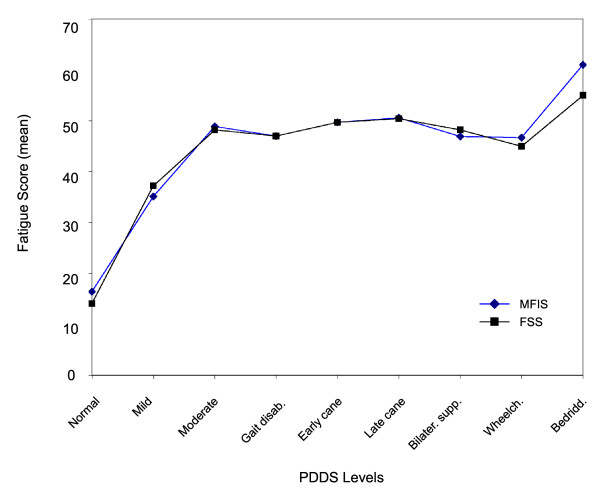
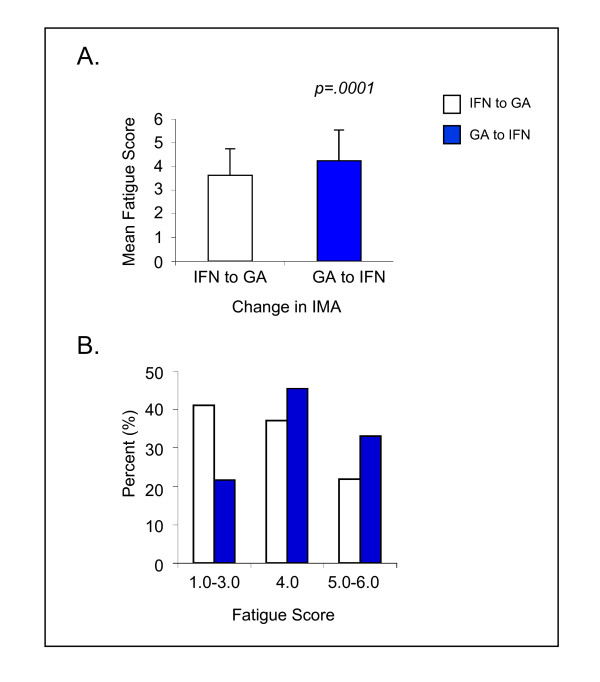
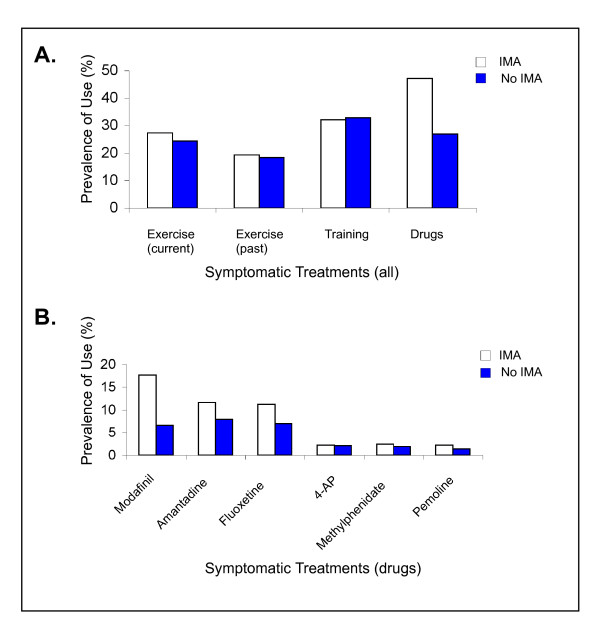
Background: Fatigue is a common disabling symptom of multiple sclerosis (MS) and has a significantly negative impact on quality of life. Persons with MS enrolled in the North American Research Committee on Multiple Sclerosis (NARCOMS) Patient Registry are invited to complete follow-up surveys every six months to update their original registration information. One of these surveys was designed to focus on the severity and impact of fatigue, and its association with other clinical parameters of MS such as physical disability. Methods: In addition to the usual data collected in Registry update surveys such as demographic characteristics, MS-related medical history, disability and handicap, immunomodulatory and symptomatic therapies taken, and healthcare services used, the survey for this study included two validated self-report fatigue scales, the Fatigue Severity Scale (FSS) and the Modified Fatigue Impact Scale (MFIS) and questions about the use of symptomatic management for fatigue, both pharmacologic and non-pharmacologic treatments. This Registry update survey was mailed to all NARCOMS registrants (n = 18,595) in November 2002. Information provided by registry participants was approved for research purposes by the Yale University Institutional Review Board. Results: The response rate for the survey was 49.5% (9205/18,595). Severe fatigue as measured with the FSS using the developer's recommended severity cutpoint of ≥ 36 was reported by 6691 (74%) of evaluable respondents (n = 9077). A higher prevalence of severe fatigue was observed in relapsing-worsening MS compared with relapsing-stable and primary progressive MS. A distinct pattern of fatigue was observed across the disability levels of the Patient-Determined Disease Steps (PDDS). Although there were no differences in the severity or impact of fatigue by immunomodulatory agents (IMA), respondents who recalled therapy changes in the prior six months reported different patterns of change in fatigue with lower fatigue levels reported after changing from interferon-β to glatiramer acetate than after changing from glatiramer acetate to interferon-β. Concomitant therapy for fatigue was used by 47.2% of the 5799 survey respondents receiving IMA. Conclusion: Characterizing MS symptoms like fatigue can increase awareness about their impact on persons with MS and suggest recommendations for a care plan.
Overview
The claims and statistics of this paper haven’t been checked yet.
Run the check — free, no account needed. It reads the open-access text and checks the sources it cites.
Integrity signals
Registry
Cites
Statistics
Figures
Verification
Claims the paper makes
The claims and statistics of this paper haven’t been checked yet.
Run the check — free, no account needed. It reads the open-access text and checks the sources it cites.
Claims other papers make about this one
Each is checked against this paper’s own text: does it say what the citing paper says it does?
The source backs part of the claim, not all of it — or backs it for a different population, condition or comparison.
In the citing paper
“15%–50% considering fatigue their most disabling symptom.4”
From MS quality of life, depression, and fatigue improve after mindfulness training: A randomized trial (2010) · cites this paper as [4]
Experimental — accuracy not yet measuredThe cited source says what the claim attributes to it.
In the citing paper
“At least 65% of patients with MS complain of fatigue”
From MS quality of life, depression, and fatigue improve after mindfulness training: A randomized trial (2010) · cites this paper as [4]
Self-check
Percentages, sums and reported differences re-computed from the paper’s own numbers.
The self-check needs the paper’s full text.
Citations
Cites
Rating neurologic impairment in multiple sclerosis: An expanded disability status scale (EDSS)
Kurtzke, J. F. (1983) · Neurology · doi:10.1212/wnl.33.11.1444 · Cited by 15,011
Krupp, L. B. (1989) · Archives of Neurology · doi:10.1001/archneur.1989.00520460115022 · Cited by 6,172
Measuring the Functional Impact of Fatigue: Initial Validation of the Fatigue Impact Scale
Fisk, J. D., Ritvo, P. G., Ross, L., Haase, D. A., Marrie, T. J., & Schlech, W. F. (1994) · Clinical Infectious Diseases · doi:10.1093/clinids/18.supplement_1.s79 · Cited by 1,546
The impact of fatigue on patients with multiple sclerosis
Fisk, J. D., Pontefract, A., Ritvo, P. G., Archibald, C. J., & Murray, T. J. (1994) · Canadian Journal of Neurological Sciences / Journal Canadien des Sciences Neurologiques · doi:10.1017/s0317167100048691 · Cited by 1,025 · cited 18×
“The most reliable and valid fatigue measures, the Modified Fatigue Impact Scale (MFIS) and the Fatigue Severity Scale (FSS) [4,29,30], were incorporated into the survey, along with a question designed to capture the registrants' perceptions of fatigue levels following changes from one IMA to another when that had occu…”
InfluentialKrupp, L., Alvarez, L., LaRocca, N. G., & Lc, S. (1988) · Archives of Neurology · doi:10.1001/archneur.1988.00520280085020 · Cited by 999
Flachenecker, P., Kümpfel, T., Kallmann, B. A., Gottschalk, M., Grauer, O. M., Rieckmann, P., Trenkwalder, C., & Toyka, K. V. (2002) · Multiple Sclerosis Journal · doi:10.1191/1352458502ms839oa · Cited by 635
Disease Steps in multiple sclerosis
Hohol, M. J., Orav, E. J., & Weiner, H. L. (1995) · Neurology · doi:10.1212/wnl.45.2.251 · Cited by 553
Symptomatic fatigue in multiple sclerosis.
Freal, J. E., Kraft, G. H., & Coryell, J. K. (1984) · PubMed · Cited by 526
Quality of life in multiple sclerosis: the impact of depression, fatigue and disability
Amato, M. P., Ponziani, G., Rossi, F., Liedl, C. L., Stefanile, C., & Rossi, L. (2001) · Multiple Sclerosis Journal · doi:10.1177/135245850100700511 · Cited by 506
Quality of life in patients with multiple sclerosis
Janardhan, V., & Bakshi, R. (2002) · Journal of the Neurological Sciences · doi:10.1016/s0022-510x(02)00312-x · Cited by 489
Research works printed but not linked: 2
- Multiple Sclerosis Clinical Practice Guidelines Council: Fatigue and multiple sclerosis: evidence-based management strategies for fatigue in multiple sclerosis. In Multiple sclerosis clinical practice guideline. Washington, DC: Paralyzed Veterans Association; 1998.
- Edgely K, Sullivan MJL, Dehoux E: A survey of multiple sclerosis: Pt 2: determinations of employment status. Can J Rehab 1991, 4: 127–132.
Cited by
Sorted by citations
Items 101–200 of 243
Giunti, G., Rivera-Romero, O., Kool, J., Bansi, J., Sevillano, J. L., Granja-Domínguez, A., Izquierdo‐Ayuso, G., & Giunta, D. H. (2020) · JMIR Research Protocols · doi:10.2196/18196 · Cited by 24
Validity of Oxygen Uptake Efficiency Slope in patients with multiple sclerosis
Heine, M., Verschuren, O. W., & Kwakkel, G. (2014) · Journal of Rehabilitation Medicine · doi:10.2340/16501977-1825 · Cited by 23
Psychosocial aspects of the lived experience of multiple sclerosis: personal perspectives
Cowan, C. K., Pierson, J. M., & Leggat, S. G. (2020) · Disability and Rehabilitation · doi:10.1080/09638288.2018.1498545 · Cited by 22
Fatigue in multiple sclerosis is associated with socioeconomic factors
Broch, L., Flemmen, H. Ø., Simonsen, C. S., Berg‐Hansen, P., Ormstad, H., Brunborg, C., & Celius, E. G. (2022) · Multiple Sclerosis and Related Disorders · doi:10.1016/j.msard.2022.103955 · Cited by 22
Nourbakhsh, B., Revirajan, N., & Waubant, E. L. (2017) · Contemporary Clinical Trials · doi:10.1016/j.cct.2017.11.005 · Cited by 21
Fatigue and cognitive functions in epilepsy: A review of the literature
Lagogianni, C., Gatzonis, S. D., & Patrikelis, P. (2020) · Epilepsy & Behavior · doi:10.1016/j.yebeh.2020.107541 · Cited by 20
Zwibel, H. (2009) · Journal of the Neurological Sciences · doi:10.1016/s0022-510x(09)71295-x · Cited by 20
Kale, N., Ağaoğlu, J., & Tanik, O. (2009) · Neurological Research · doi:10.1179/174313209x455664 · Cited by 20
Living with multiple sclerosis: A Jordanian perspective
Al‐Sharman, A., Khalil, H. W., Nazzal, M. S., Al‐Sheyab, N., Alghwiri, A. A., El‐Salem, K., & AlDughmi, M. (2018) · Physiotherapy Research International · doi:10.1002/pri.1709 · Cited by 20
Reduced clinical connectome fingerprinting in multiple sclerosis predicts fatigue severity
Cipriano, L., Lopez, E. T., Liparoti, M., Minino, R., Romano, A., Polverino, A., Ciaramella, F., Ambrosanio, M., Bonavita, S., Jirsa, V., et al. (2023) · NeuroImage Clinical · doi:10.1016/j.nicl.2023.103464 · Cited by 19
Zecca, C., Riccitelli, G. C., Calabrese, P., Pravatà, E., Candrian, U., Guttmann, C. R. G., & Gobbi, C. (2014) · BMC Neurology · doi:10.1186/1471-2377-14-38 · Cited by 19
Assessment of Fatigue in Multiple Sclerosis
Sander, C., Voelter, H., Schlake, H.-P., Eling, P., & Hildebrandt, H. (2017) · Neurology International Open · doi:10.1055/s-0043-104752 · Cited by 22
Exploring Wellness Interventions in Progressive Multiple Sclerosis: an Evidence-Based Review
Venasse, M., Edwards, T. A., & Pilutti, L. A. (2018) · Current Treatment Options in Neurology · doi:10.1007/s11940-018-0497-2 · Cited by 19
Tansey, T. N., Strauser, D. R., Frain, M. P., Bishop, M. L., Chiu, C., Kaya, C., & Chan, F. H. (2015) · Rehabilitation Research Policy and Education · doi:10.1891/2168-6653.29.2.109 · Cited by 18
Reilly, G. D., Mahkawnghta, A. S., Jelinek, P. L., Livera, A. M. D., Weiland, T. J., Brown, C. R., Taylor, K. L., Neate, S. L., Jelinek, G. A., & Marck, C. H. (2017) · Frontiers in Neurology · doi:10.3389/fneur.2017.00229 · Cited by 18
Predictors of Fatigue Impact in Persons With Long-Standing Multiple Sclerosis
Morrison, J. D., & Stuifbergen, A. M. (2016) · Journal of Neuroscience Nursing · doi:10.1097/jnn.0000000000000208 · Cited by 19
Fatigue level in spinal cord injury AIS D community ambulatory subjects
Freixes, O., Rivas, M. E., Agrati, P. E., Bochkezanian, V., Waldman, S. V., & Olmos, L. E. (2012) · Spinal Cord · doi:10.1038/sc.2011.175 · Cited by 17
Correlation between fatigue and self-esteem in patients with multiple sclerosis
Fragoso, Y. D., Silva, É. O. D., & Finkelsztejn, A. (2009) · Arquivos de Neuro-Psiquiatria · doi:10.1590/s0004-282x2009000500007 · Cited by 16
Asthenic syndrome in general therapeutic practice
Sokolova, L. P., & Владимировна, С. Е. (2022) · S S Korsakov Journal of Neurology and Psychiatry · doi:10.17116/jnevro202212204144 · Cited by 16
Riccio, A., Schettini, F., Galiotta, V., Giraldi, E., Grasso, M. G., Cincotti, F., & Mattia, D. (2022) · Frontiers in Human Neuroscience · doi:10.3389/fnhum.2022.868419 · Cited by 17
(2014) · Journal of Clinical Research & Governance · doi:10.13183/jcrg.v3i2.105 · Cited by 16
Frain, M. P., Bishop, M. L., Rumrill, P. D., Chan, F., Tansey, T. N., Strauser, D., & Chiu, C. (2015) · Rehabilitation Research Policy and Education · doi:10.1891/2168-6653.29.2.153 · Cited by 16
Genetic Variants of the BAFF Gene and Risk of Fatigue Among Patients With Primary Sjögren’s Syndrome
Flessa, C., Zampeli, E., Evangelopoulos, M., Natsis, V., Bodewes, I. L. A., Huijser, E., Versnel, M. A., Moutsopoulos, H. Μ., & Mavragani, C. P. (2022) · Frontiers in Immunology · doi:10.3389/fimmu.2022.836824 · Cited by 16
Drulovic, J. S., Bursac, L. O., Milojković, D., Kisić-Tepavčević, D., Gazibara, T. M., & Pekmezovic, T. D. (2012) · Disability and Rehabilitation · doi:10.3109/09638288.2012.704122 · Cited by 15
Sulbutiamine shows promising results in reducing fatigue in patients with multiple sclerosis
Sevim, S., Kaleağası, H., & Taşdelen, B. (2017) · Multiple Sclerosis and Related Disorders · doi:10.1016/j.msard.2017.05.010 · Cited by 15
Factors associated with fatigue in CNS inflammatory diseases with AQP4 and MOG antibodies
Yeo, T., dos Passos, G. R., Muhammed, L., Everett, R., Reeve, S., Messina, S., Probert, F., Leite, M. I., & Palace, J. A. (2020) · Annals of Clinical and Translational Neurology · doi:10.1002/acn3.51008 · Cited by 15
Aldughmi, M., Al‐Sharman, A., Khalil, H. W., El‐Salem, K., & Alghwiri, A. A. (2020) · Physiotherapy Theory and Practice · doi:10.1080/09593985.2020.1839988 · Cited by 15
Kalron, A. (2015) · Gait & Posture · doi:10.1016/j.gaitpost.2015.12.014 · Cited by 15
Muñoz San José, A., Oreja-Guevara, C., Cebolla Lorenzo, S., Carrillo Notario, L., Rodríguez Vega, B., & Bayón Pérez, C. (2016) · Neurología · doi:10.1016/j.nrl.2015.07.014 · Cited by 14
José, A. M. S., Oreja‐Guevara, C., Lorenzo, S. C., Notario, L. C., Vega, B. R., & Pérez, C. B. (2016) · Neurología (English Edition) · doi:10.1016/j.nrleng.2015.07.003 · Cited by 15
Gould, J. R., Reineberg, A. E., Cleland, B. T., Knoblauch, K. E., Clinton, G. K., Banich, M. T., Corboy, J. R., & Enoka, R. M. (2018) · Frontiers in Physiology · doi:10.3389/fphys.2018.01404 · Cited by 15
Quality of life among people with multiple sclerosis: Replication of a three-factor prediction model
Bishop, M. L., Rumrill, P. D., & Roessler, R. T. (2015) · Work · doi:10.3233/wor-152203 · Cited by 14
Epidemiology of neurologically disabling disorders
Tennant, A. (2013) · Handbook of clinical neurology · doi:10.1016/b978-0-444-52901-5.00007-1 · Cited by 13
Nedeljković, U., Dubljanin-Raspopović, E., Ilic, N. V., Vujadinović, S. T., Soldatović, I., & Drulovic, J. S. (2015) · Acta Neurologica Belgica · doi:10.1007/s13760-015-0563-4 · Cited by 13
Teriflunomide in relapsing-remitting multiple sclerosis: outcomes by age and pre-treatment status
Kallmann, B. A., Ries, S. J., Kullmann, J. S., Quint, L. M., Engelmann, U., & Chan, A. (2021) · Therapeutic Advances in Neurological Disorders · doi:10.1177/17562864211005588 · Cited by 13
Impact of sex on clinical outcome in early Multiple Sclerosis
Gottwald, N. S., Asseyer, S., CHIEN, C. A., Brasanac, J., Nauman, A. T., Rust, R., Schmitz‐Hübsch, T., Bellmann–Strobl, J., Ruprecht, K., Paul, F., et al. (2024) · Multiple Sclerosis and Related Disorders · doi:10.1016/j.msard.2024.105749 · Cited by 13
Diagnosing Depression in MS in the Face of Overlapping Symptoms.
Patten, S. B. (2010) · PubMed · Cited by 12
Role of Adenosine A 2A Receptors in the Central Fatigue of Neurodegenerative Diseases
Alves, A. C. D. B., Bristot, V. J. D. O., Limana, M. D., Speck, A. E., Barros, L., Solano, A. F., & Aguiar, A. S. (2019) · Journal of Caffeine and Adenosine Research · doi:10.1089/caff.2019.0009 · Cited by 12
Diagnostik der Fatigue bei Multipler Sklerose
Sander, C., Voelter, H., Schlake, H.-P., Eling, P., & Hildebrand, H. (2017) · Aktuelle Neurologie · doi:10.1055/s-0043-104378 · Cited by 13
Karami, F., Afrasiabifar, A., & Doulatabad, S. N. (2018) · Iranian Red Crescent Medical Journal · doi:10.5812/ircmj.68913 · Cited by 12
Meca-Lallana, J. E., Hernandez, L., Caminero, A. B., Girón, J., Cano-Orgaz, A. T., Carcelén‐Gadea, M., Muñoz, D., Durán-Ferreras, E., Martín-Hernández, J., la Rosa, R. S.-D., et al. (2016) · European Neurology · doi:10.1159/000447630 · Cited by 12
Cognitive measures used in adults with multiple sclerosis: A systematic review
Elwick, H., Topcu, G., Allen, C. M., Drummond, A. E., Evangelou, N., & das Nair, R. (2021) · Neuropsychological Rehabilitation · doi:10.1080/09602011.2021.1936080 · Cited by 12
“No association between disease modifying treatment and fatigue in multiple sclerosis”
Broch, L., Flemmen, H. Ø., Simonsen, C. S., Berg‐Hansen, P., Ormstad, H., Brunborg, C., & Celius, E. G. (2023) · Multiple Sclerosis and Related Disorders · doi:10.1016/j.msard.2023.104993 · Cited by 11
Leavenworth, R. C., Wagshul, M. E., Motl, R. W., Foley, F. W., & Holtzer, R. (2025) · Multiple Sclerosis and Related Disorders · doi:10.1016/j.msard.2025.106391 · Cited by 11
Valentine, T. R., Kuzu, D., & Kratz, A. L. (2023) · Annals of Behavioral Medicine · doi:10.1093/abm/kaac050 · Cited by 11
Jongen, P. J., Sanders, Zwanikken, Koeman, Visser, Koopmans, P. C., & Lehnick, D. (2013) · Patient Preference and Adherence · doi:10.2147/ppa.s40173 · Cited by 11
Spiegelberg, N., Breuer, S., Nielsen, J., Saliger, J., Montag, C., Karbe, H., & Markett, S. A. (2020) · Archives of Clinical Neuropsychology · doi:10.1093/arclin/acaa118 · Cited by 11
Benefits of glatiramer acetate in the treatment of relapsing–remitting multiple sclerosis
Johnson, K. P., & Due, D. L. (2009) · Expert Review of Pharmacoeconomics & Outcomes Research · doi:10.1586/erp.09.20 · Cited by 11
Fatigue correlates with LRRK2 G2385R variant in Chinese Parkinson's disease patients
Fu, R., Cui, S., Du, J., He, Y., Gao, C., Huang, P., Qian, Y., Luo, X., & Chen, S. (2017) · Parkinsonism & Related Disorders · doi:10.1016/j.parkreldis.2017.09.016 · Cited by 10
Oh, J., Gagné-Brosseau, M.-S., Guenette, M. D., Larochelle, C., Lemieux, F., Menon, S., Morrow, S. A., Poliquin‐Lasnier, L., Roy-Hewitson, C., Rush, C., et al. (2018) · Canadian Journal of Neurological Sciences / Journal Canadien des Sciences Neurologiques · doi:10.1017/cjn.2018.7 · Cited by 10
Dagklis, I. E., Tsantaki, E., Kazis, D. A., Theodoridou, V., Papagiannopoulos, S., Ntantos, D., & Bostantjopoulou, S. (2019) · Neurological Sciences · doi:10.1007/s10072-018-3695-5 · Cited by 10
Healy, B. C., Glanz, B. I., Swallow, E., Signorovitch, J., Hagan, K. A., Silva, D. A. S., Pelletier, C. L., Chitnis, T., & Weiner, H. L. (2021) · Multiple Sclerosis Journal - Experimental Translational and Clinical · doi:10.1177/2055217321999070 · Cited by 10
Jallouli, S., Dhia, I. B., Sakka, S., Mhiri, C., Yahia, A., Elleuch, M. H., Hammouda, O., & Ghroubi, S. (2022) · Neurological Research · doi:10.1080/01616412.2022.2112370 · Cited by 10
Effectiveness of glatiramer acetate compared to other multiple sclerosis therapies
Izquierdo, G., Soler, N. G., Hidalgo, M. R., & Ruíz, A. (2015) · Brain and Behavior · doi:10.1002/brb3.337 · Cited by 10
Razazian, N., Shokrian, N., Bostani, A., Moradian, N., & Tahmasebi, S. (2014) · Neurosciences · doi:10.17712/1658-3183.2058 · Cited by 10
A Dynamic Submaximal Fatigue Protocol Alters Wrist Biomechanical Properties and Proprioception
Albanese, G. A., Falzarano, V., Holmes, M. W. R., Morasso, P., & Zenzeri, J. (2022) · Frontiers in Human Neuroscience · doi:10.3389/fnhum.2022.887270 · Cited by 9
Cognition and Cognitive Fatigability: Association with Employment Status in Multiple Sclerosis
MacAdam, E. S., Berard, J. A., & Walker, L. A. S. (2022) · Canadian Journal of Neurological Sciences / Journal Canadien des Sciences Neurologiques · doi:10.1017/cjn.2022.309 · Cited by 9
Villa, A. T., Tu, B. H., Titcomb, T. J., Saxby, S. M., Shemirani, F., Eyck, P. T., Rubenstein, L. M., Snetselaar, L., & Wahls, T. L. (2023) · Frontiers in Neurology · doi:10.3389/fneur.2022.1022728 · Cited by 9
Cognitive Reserve Moderates the Effects of Fatigue and Depressive Symptoms in Multiple Sclerosis
Bradson, M. L., Cadden, M. H., Riegler, K. E., Thomas, G. A., Randolph, J. J., & Arnett, P. A. (2023) · Archives of Clinical Neuropsychology · doi:10.1093/arclin/acad041 · Cited by 9
Giunti, G., Yrttiaho, T., Guardado, S., Sachinopoulou, A., Mylonopoulou, V., Fält, J., Paloniemi, B., Ryytty, M., Krüger, J., & Isomursu, M. (2025) · Multiple Sclerosis and Related Disorders · doi:10.1016/j.msard.2025.106379 · Cited by 12
Sonographic basal ganglia alterations are related to non-motor symptoms in multiple sclerosis
Horowski, S., Zettl, U. K., Benecke, R., & Walter, U. (2010) · Journal of Neurology · doi:10.1007/s00415-010-5707-0 · Cited by 9
Mäurer, M., Schuh, K., Seibert, S. M., Baier, M. L., Hentschke, C., Streber, R., Tallner, A., & Pfeifer, K. (2018) · Multiple Sclerosis Journal - Experimental Translational and Clinical · doi:10.1177/2055217318756688 · Cited by 9
Intensive Circuit Class Therapy in Patients with Relapsing-Remitting Multiple Sclerosis
Kočica, J., Kolčava, J., Sládečková, M., Štourač, P., Vlčková, E., Dosbaba, F., Kratochvilova, J., & Bednařík, J. (2022) · Journal of Rehabilitation Medicine · doi:10.2340/jrm.v54.2027 · Cited by 8
Fatigue in neurological disorders: a review of self-regulation and mindfulness-based interventions
Immink, M. A. (2014) · Fatigue Biomedicine Health & Behavior · doi:10.1080/21641846.2014.957042 · Cited by 9
Fatigue evaluation in fingolimod treated patients: An observational study
Masingue, M., Debs, R., Maillart, É., Delvaux, V., Lubetzki, C., Vidal, J., & Papeix, C. (2017) · Multiple Sclerosis and Related Disorders · doi:10.1016/j.msard.2017.03.006 · Cited by 8
Zagmutt, F. J., & Carroll, C. A. (2014) · International Journal of Neuroscience · doi:10.3109/00207454.2014.979982 · Cited by 7
Rooney, S., McWilliam, G., Wood, L., Moffat, F., & Paul, L. (2021) · International Journal of MS Care · doi:10.7224/1537-2073.2020-128 · Cited by 9
Pakenham, K. I. (2012) · Oxford University Press eBooks · doi:10.1093/oxfordhb/9780199733989.013.0012 · Cited by 7
Sahraian, M. A., Baghbanian, S. M., Langroodi, H. G., Abolfazli, R., Alaie, S., Asgari, N., Ashtari, F., Ayromlouh, H., Moghadam, N. B., Foroughipour, M., et al. (2018) · Multiple Sclerosis and Related Disorders · doi:10.1016/j.msard.2018.09.013 · Cited by 8
Matešić, I., & Marčinko, I. (2020) · Multiple Sclerosis and Related Disorders · doi:10.1016/j.msard.2020.102054 · Cited by 7
Freedman, D., Oh, J., Einstein, G., & Feinstein, A. (2026) · The Canadian Journal of Psychiatry · doi:10.1177/07067437261425067 · Cited by 7
Interactions between fatigue and urinary quality of life in patients with Multiple Sclerosis
Giannopapas, V., Kitsos, D. K., Panopoulou, A., Mitsi, Z., Stavrogianni, K., Chasiotis, A. K., Gkika, M. K., Salakou, S., Tsivgoulis, G. K., Bakalidou, D., et al. (2024) · Journal of Clinical Neuroscience · doi:10.1016/j.jocn.2024.01.008 · Cited by 6
Assessing Four Quality Indicators for Multiple Sclerosis Management Through Patient-Reported Data
Shoemaker, S. J., Pozniak, A. S., & Hadden, L. S. (2015) · International Journal of MS Care · doi:10.7224/1537-2073.2014-097 · Cited by 6
Principais testes utilizados na avaliação de fadiga na esclerose múltipla: revisão sistemática
Filho, H. A., de Carvalho, S. R. D. S., Dias, R. M., & Alvarenga, R. M. P. (2010) · Revista brasileira de neurologia · Cited by 6
Developing a Wellness Program for People with Multiple Sclerosis
Hart, D. L., Memoli, R. I., Mason, B., & Werneke, M. W. (2011) · International Journal of MS Care · doi:10.7224/1537-2073-13.4.154 · Cited by 6
Measuring Fatigue in Multiple Sclerosis: A Rapid Review
Namsrai, T., Parkinson, A., Burns, R. A., Herkes, G., Elisha, M., Chisholm, K., Drew, J., Fanning, V., Brüstle, A., Suominen, H., et al. (2025) · Patient · doi:10.1007/s40271-025-00759-1 · Cited by 5
High-Intensity Interval Training Effects on People With Multiple Sclerosis
Núñez, J. M., de Castro, S. G., Ciuró, A. H., Navas‐Otero, A., Martos, I. C., Ortíz‐Rubio, A., & Valenza, M. C. (2024) · American Journal of Physical Medicine & Rehabilitation · doi:10.1097/phm.0000000000002676 · Cited by 5
Leavitt, V. M., Bae, C., Shinohara, R. T., Weinstein, S. M., Schmidt, H. K., Aoun, S. M., Solari, A., & Solomon, A. J. (2024) · Multiple Sclerosis and Related Disorders · doi:10.1016/j.msard.2024.105628 · Cited by 5
Clinical Utility of Glatiramer Acetate in the Management of Relapse Frequency in Multiple Sclerosis
Fernández, Ó. (2012) · Journal of Central Nervous System Disease · doi:10.4137/jcnsd.s8755 · Cited by 5
Banks, S. A., Mazurek, K. A., Barnard, L. R., Tobin, W. O., Ali, F., & Howe, C. L. (2025) · Multiple Sclerosis and Related Disorders · doi:10.1016/j.msard.2025.106801 · Cited by 4
Fatigue and Functional Independence in People with Multiple Sclerosis
Buitrago, J. J., & Pérez-Parra, J. E. (2021) · Salud Uninorte · doi:10.14482/sun.37.1.616.544 · Cited by 4
Heidari, M., Nabavi, S. M., Akbarfahimi, M., Salehi, M., & Torabi-Nami, M. (2015) · DOAJ (DOAJ: Directory of Open Access Journals) · Cited by 4
Aburub, A. S., Khalil, H. W., Al‐Sharman, A., & El‐Salem, K. (2021) · Physiotherapy Research International · doi:10.1002/pri.1893 · Cited by 4
When and how disease‐modifying drugs for multiple sclerosis should be changed in daily practice
Shimizu, Y., Ikeguchi, R., & Kitagawa, K. (2017) · Clinical and Experimental Neuroimmunology · doi:10.1111/cen3.12380 · Cited by 4
Kammeyer, R., Sillau, S., Chapman, K. R., Lindwall, J. J., Hutaff-Lee, C. F., & Schreiner, T. (2025) · Multiple Sclerosis and Related Disorders · doi:10.1016/j.msard.2025.106809 · Cited by 3
Multiple sclerosis-associated fatigue
Krupp Lauren, B., & Serafin Dana, J. (2011) · Cambridge University Press eBooks · doi:10.1017/cbo9781139023986.059 · Cited by 3
The impact of fatigue on people with multiple sclerosis in Morocco
Lotfi, R., Amgharia, H. B., Ennaciri, S., Chikhaoui, M., Kardoudi, A. E., & Chigr, F. (2024) · African Journal of Disability · doi:10.4102/ajod.v13i0.1376 · Cited by 3
Participation sociale et sclérose en plaques : Réalité particulière
Lacroix, N., Boucher, N., & Villeneuve, P. (2016) · Service social · doi:10.7202/1038579ar · Cited by 3
Leist, T. P., Cole, M. R., Verma, S., Keenan, A., & Le, H. H. (2023) · Multiple Sclerosis and Related Disorders · doi:10.1016/j.msard.2023.104917 · Cited by 3
Relação entre Fadiga e Qualidade de Vida em Pacientes com Esclerose Múltipla
Astudilla, P., Machado, R., Peralles, S. R. N., & Striebel, V. L. W. (2001) · Revista Neurociências · doi:10.34024/rnc.2011.v19.8352 · Cited by 3
Cohen, J. A., & Rudick, R. A. (2011) · Cambridge University Press eBooks · doi:10.1017/cbo9781139023986.054 · Cited by 3
Martinez, A. S., Bastian, A. J., Shemirani, F., Titcomb, T. J., Bisht, B., Darling, W. G., Ramanathan, M. K., Shittu, M. O., Gill, C. M., Snetselaar, L., et al. (2025) · Nutrients · doi:10.3390/nu17071163 · Cited by 2
Thoughts on Fatigue in Multiple Sclerosis Patients
Bakalidou, D., Giannopapas, V., & Giannopoulos, S. (2023) · Cureus · doi:10.7759/cureus.42146 · Cited by 2
Validation of the Fatigue Impact Scale in Multiple Sclerosis Patients in Serbia
Tamaš, O., Kovačević, M., Dobrodolac, A., Bosnić, N. R., Šari, Ž. T., Despenić, L., Vécsei, L., Bencsik, K., Pekmezovic, T. D., & Drulovic, J. S. (2024) · Brain Sciences · doi:10.3390/brainsci14080825 · Cited by 2
Fatigue in A sample of Egyptian Multiple Sclerosis Patients: A Cross Sectional Study
Hassan, M. A. S. (2021) · International Journal of Medical Arts · doi:10.21608/ijma.2021.76416.1312 · Cited by 2
Alsharif, Z. I., Mansuri, F. A., Alamri, Y., Alkalbi, N. A., Almutairi, M. M., & Abualkhair, A. (2023) · Cureus · doi:10.7759/cureus.42061 · Cited by 2
Kratz, A. L., Carlozzi, N. E., Murphy, S. L., Braley, T. J., Whibley, D., Williams, D. A., Fritz, N. E., & Kallen, M. A. (2025) · Quality of Life Research · doi:10.1007/s11136-025-03934-x · Cited by 2
Ambulatory Assessment in Neuropsychology
Schlotz, W., & Powell, D. (2014) · Zeitschrift für Neuropsychologie · doi:10.1024/1016-264x/a000140 · Cited by 2
Riley, C., & Vargas, W. S. (2015) · Current Geriatrics Reports · doi:10.1007/s13670-015-0128-7 · Cited by 2
Fatigue across the CNS spectrum: a clinical review
Targum, S. D., D, M. F. M., Alphs, L. D., Starr, H. L., Wessel, T. C., & Hilt, D. C. (2014) · Fatigue Biomedicine Health & Behavior · doi:10.1080/21641846.2014.959802 · Cited by 3
Metadata
- Authors
- Hadjimichael, O., Vollmer, T., & Oleen-Burkey, M.
- Affiliations
- Yale University (US)
- Barrow Neurological Institute (US)
- Corresponding author
- Oleen-Burkey, MerriKay
- ORCID
- Vollmer, Timothy
- Venue
- Health and Quality of Life Outcomes
- Published
- 2008-11-14
- Volume
- 6
- Issue
- 1
- Pages
- 100-100
- ISSN
- 1477-7525 (ISSN-L)
- PMC
- PMC2596785
- OpenAlex
- W2017544610
- Cited by
- 240
- References
- 52
- Citations by year
- 2026: 5 · 2025: 9 · 2024: 8 · 2023: 10 · 2022: 15 · 2021: 21 · 2020: 14 · 2019: 10 · 2018: 19 · 2017: 15 · 2016: 12 · 2015: 19 · 2014: 19 · 2013: 17 · 2012: 10
- FWCI
- 8.54
- Type
- journal article
- Language
- en
- Open access
- gold
- doi.org
- Licence
- cc-by
- Locations
- Health and Quality of Life Outcomes (publishedVersion, cc-by)
- PubMed Central (publishedVersion, cc-by)
- PubMed (publishedVersion)
- DOAJ (DOAJ: Directory of Open Access Journals) (submittedVersion)
- Funders
- Yale University
- Teva Pharmaceutical Industries
- Topics
- Health Sciences › Medicine › Clinical Neurology › Multiple Sclerosis Research Studies
- Health Sciences › Medicine › Oncology › Cancer survivorship and care
- Health Sciences › Medicine › Psychiatry and Mental health › Fibromyalgia and Chronic Fatigue Syndrome Research
- Keywords
- multiple sclerosis, fatigue, Fatigue Severity Scale, Modified Fatigue Impact Scale, primary progressive multiple sclerosis, disability severity, Patient-Determined Disease Steps, interferon-beta, glatiramer acetate, immunomodulatory therapy, quality of life
- MeSH terms
- Glatiramer Acetate, Adult, Chronic Disease, Fatigue, Female, Humans, Immunologic Factors, Immunosuppressive Agents, Male, Middle Aged, Multiple Sclerosis, Muscle Spasticity, North America, Pain Measurement, Peptides, Psychometrics, Quality of Life, Surveys and Questionnaires, Registries, Severity of Illness Index, Prevalence, Treatment Outcome, Interferon-beta, Sickness Impact Profile, Disease Progression, Multiple Sclerosis, Chronic Progressive, Multiple Sclerosis, Relapsing-Remitting
About these checks
Registry, retraction, Cites and statistics results are computed, not judged, with one exception: a printed reference that no index lists is read once by a model before it counts as a citation error. Claims are extracted by a model and kept only when their quote appears verbatim in the text; each cited source is then checked, with a model’s help, for whether it says what the claim relies on. Those verdicts can be wrong — read the claim’s quote and the cited source before relying on one.
Statistics and arithmetic are recomputed, not judged.
Confidence bands are shown only for fields calibrated on our annotated test set. None is calibrated yet, so no band is shown.
What counts as a claim ›How we measure confidence ›How we check this ›
Are you an author, or do you see a problem with this page? Request a review
