

International regulatory landscape and integration of corrective genome editing into in vitro fertilization
Open accessThe DOI matches its Crossref record; 82 of the 82 references it cites were found in a registry or an index.
Abstract
Genome editing technology, including zinc finger nucleases (ZFNs), transcription activator-like effector nucleases (TALENs), and clustered regularly interspaced short palindromic repeat (CRISPR)/Cas, has enabled far more efficient genetic engineering even in non-human primates. This biotechnology is more likely to develop into medicine for preventing a genetic disease if corrective genome editing is integrated into assisted reproductive technology, represented by in vitro fertilization. Although rapid advances in genome editing are expected to make germline gene correction feasible in a clinical setting, there are many issues that still need to be addressed before this could occur. We herein examine current status of genome editing in mammalian embryonic stem cells and zygotes and discuss potential issues in the international regulatory landscape regarding human germline gene modification. Moreover, we address some ethical and social issues that would be raised when each country considers whether genome editing-mediated germline gene correction for preventive medicine should be permitted.
Overview
The claims and statistics of this paper haven’t been checked yet.
Free: it reads the open-access text and checks the first 5 claims that cite a source we can check. Create a free account to check every claim.
Integrity signals
Registry
Cites
Statistics
Figures
Verification
Claims the paper makes
The claims and statistics of this paper haven’t been checked yet.
Free: it reads the open-access text and checks the first 5 claims that cite a source we can check. Create a free account to check every claim.
Claims other papers make about this one
Each is checked against this paper’s own text: does it say what the citing paper says it does?
The source backs part of the claim, not all of it — or backs it for a different population, condition or comparison.
In the citing paper
“About 30 nations currently have legislation that directly or indirectly bars all clinical uses of germline editing 1 , and they might choose to continue the morato rium indefinitely or implement a permanent ban.”
From Adopt a moratorium on heritable genome editing (2019) · cites this paper as [1]
Experimental — accuracy not yet measuredThe cited source says what the claim attributes to it.
In the citing paper
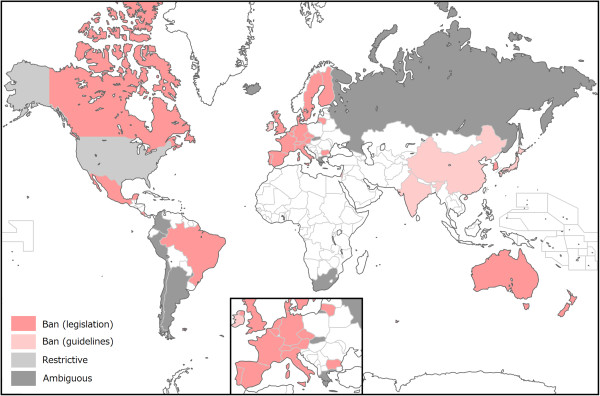
“Their review of 39 countries identified 29 that banned heritable human genome modification (by legisla-tion or guidelines), and one country-the United Statesas having restrictive guidelines.Nine countries were said to have policies that were ambiguous.”
From Human Germline and Heritable Genome Editing: The Global Policy Landscape (2020) · cites this paper as [16]
Self-check
Percentages, sums and reported differences re-computed from the paper’s own numbers.
The self-check needs the paper’s full text.
Citations
Cites
ZFN, TALEN, and CRISPR/Cas-based methods for genome engineering
Gaj, T., Gersbach, C. A., & Barbas, C. F. (2013) · Trends in Biotechnology · doi:10.1016/j.tibtech.2013.04.004 · Cited by 3,820
Wang, H., Yang, H., Shivalila, C. S., Dawlaty, M. M., Cheng, A. W., Zhang, F., & Jaenisch, R. (2013) · Cell · doi:10.1016/j.cell.2013.04.025 · Cited by 3,495
Double nicking by RNA-guided CRISPR Cas9 for enhanced genome editing specificity
Ran, F. A., Hsu, P. D., Lin, C.-Y., Gootenberg, J. S., Konermann, S., Trevino, A. E., Scott, D. A., Inoue, A., Matoba, S., Zhang, Y., et al. (2013) · Cell · doi:10.1016/j.cell.2013.08.021 · Cited by 3,299 · cited 27×
“Most notably, two reports emerged in 2014, demonstrating that the microinjection of Cas9 or TALENs into one-cell-stage embryos led to efficient generation of targeted gene-modified non-human primates (NHPs) [33,34].”
BackgroundInfluentialCRISPR-Cas systems for editing, regulating and targeting genomes
Sander, J. D., & Joung, J. K. (2014) · Nature Biotechnology · doi:10.1038/nbt.2842 · Cited by 3,153 · cited 1×
“Present-day genome editing technology, such as zinc finger nucleases (ZFNs), transcription activator-like effector nucleases (TALENs), and clustered regularly interspaced short palindromic repeat (CRISPR)/Cas system, have achieved far more efficient genetic engineering in higher organisms than the older techniques [20…”
BackgroundGenome editing with engineered zinc finger nucleases
Urnov, F. D., Rebar, E. J., Holmes, M. C., Zhang, H. S., & Gregory, P. D. (2010) · Nature Reviews Genetics · doi:10.1038/nrg2842 · Cited by 2,285 · cited 1×
“Present-day genome editing technology, such as zinc finger nucleases (ZFNs), transcription activator-like effector nucleases (TALENs), and clustered regularly interspaced short palindromic repeat (CRISPR)/Cas system, have achieved far more efficient genetic engineering in higher organisms than the older techniques [20…”
BackgroundImproving CRISPR-Cas nuclease specificity using truncated guide RNAs
Fu, Y., Sander, J. D., Reyon, D., Cascio, V. M., & Joung, J. K. (2014) · Nature Biotechnology · doi:10.1038/nbt.2808 · Cited by 1,993 · cited 1×
“However, Cas9 has been rapidly improved, demonstrating that the combination of a Cas9 nickase mutant and paired gRNAs, the truncation of gRNAs, or the fusion of inactive Cas9 to Fok I nuclease can improve the specificity of targeted gene modification [42,77,78].”
BackgroundTALENs: A widely applicable technology for targeted genome editing
Joung, J. K., & Sander, J. D. (2013) · Nature Reviews Molecular Cell Biology · doi:10.1038/nrm3486 · Cited by 1,650 · cited 1×
“Present-day genome editing technology, such as zinc finger nucleases (ZFNs), transcription activator-like effector nucleases (TALENs), and clustered regularly interspaced short palindromic repeat (CRISPR)/Cas system, have achieved far more efficient genetic engineering in higher organisms than the older techniques [20…”
BackgroundHighly efficient endogenous human gene correction using designed zinc-finger nucleases
Urnov, F. D., Miller, J. C., Lee, Y.-L., Beausejour, C. M., Rock, J. M., Augustus, S., Jamieson, A. C., Porteus, M. H., Gregory, P. D., & Holmes, M. C. (2005) · Nature · doi:10.1038/nature03556 · Cited by 1,641 · cited 1×
“ZFN-mediated homologydirected repair has achieved correction of the mutations associated with X-linked severe combined immune deficiency (SCID) and haemostasis in somatic cells [25,26].”
BackgroundYang, H., Wang, H., Shivalila, C. S., Cheng, A. W., Shi, L., & Jaenisch, R. (2013) · Cell · doi:10.1016/j.cell.2013.08.022 · Cited by 1,596
Schwank, G., Koo, B.-K., Sasselli, V., Dekkers, J. F., Heo, I., Demircan, T., Sasaki, N., Boymans, S., Cuppen, E., van der Ent, C. K., et al. (2013) · Cell Stem Cell · doi:10.1016/j.stem.2013.11.002 · Cited by 1,424 · cited 1×
“With regard to CRISPR/Cas9, it was demonstrated that those engineered nucleases can correct a mutation in intestinal stem cells derived from patients with cystic fibrosis [31].”
Background
Research works printed but not linked: 1
- Lokody I: Genetic therapies: Correcting genetic defects with CRISPRCas9. Nat Rev Genet 2013, 15:63-63.
Cited by
Adopt a moratorium on heritable genome editing
Lander, E. S., Baylis, F., Zhang, F., Charpentier, E., Berg, P., Bourgain, C., Friedrich, B., Joung, J. K., Li, J., Liu, D., et al. (2019) · Nature · doi:10.1038/d41586-019-00726-5 · Cited by 512
Ormond, K. E., Mortlock, D. P., Scholes, D. T., Bombard, Y., Brody, L. C., Faucett, W. A., Garrison, N. A., Hercher, L., Isasi, R., Middleton, A., et al. (2017) · The American Journal of Human Genetics · doi:10.1016/j.ajhg.2017.06.012 · Cited by 252
Rasul, M. F., Hussen, B. M., Salihi, A., Ismael, B. S., Jalal, P. J., Zanichelli, A., Jamali, E., Baniahmad, A., Ghafouri-Fard, S., Basiri, A., et al. (2022) · Molecular Cancer · doi:10.1186/s12943-021-01487-4 · Cited by 171
“When germline editing research is applied in a clinical setting to avoid the inheritance of a specific genetic condition, it may alleviate the sorrow and anxiety that parents encounter in the life of the possibility that their child may be born with that genetic disease [214, 223].”
MethodHuman Germline and Heritable Genome Editing: The Global Policy Landscape
Baylis, F., Darnovsky, M., Hasson, K., & Krahn, T. M. (2020) · The CRISPR Journal · doi:10.1089/crispr.2020.0082 · Cited by 155
“This omission is particularly striking in the articles by Araki and Ishii (2014) and Ishii (2015 and 2017), which conclude that 29 countries prohibit heritable human genome editing.”
Therapeutic gene editing: delivery and regulatory perspectives
Shim, G., Kim, D., Park, G. T., Jin, H., Suh, S.-K., & Oh, Y.-K. (2017) · Acta Pharmacologica Sinica · doi:10.1038/aps.2017.2 · Cited by 121
Genome engineering through CRISPR/Cas9 technology in the human germline and pluripotent stem cells
Vassena, R., Heindryckx, B., Peco, R., Pennings, G., Raya, Á., Sermon, K., & Veiga, A. (2016) · Human Reproduction Update · doi:10.1093/humupd/dmw005 · Cited by 133
“The efficiency of genomic modifications into mammalian zygotes ranges from 0.5 to 40.9% per injected zygotes, by TALENs or Cas9 (Araki and Ishii, 2014).”
BackgroundInfluentialGerm line genome editing in clinics: the approaches, objectives and global society
Ishii, T. (2017) · Briefings in Functional Genomics · doi:10.1093/bfgp/elv053 · Cited by 80
Self-citationBeyond safety: mapping the ethical debate on heritable genome editing interventions
Almeida, M., & Ranisch, R. (2022) · Humanities and Social Sciences Communications · doi:10.1057/s41599-022-01147-y · Cited by 104
“Most countries currently have legal frameworks to ban or severely restrict the use of heritable genome editing technologies (Araki and Ishii, 2014; Isasi et al., 2016; Baylis et al., 2020).”
BackgroundMethodGermline genome-editing research and its socioethical implications
Ishii, T. (2015) · Trends in Molecular Medicine · doi:10.1016/j.molmed.2015.05.006 · Cited by 94
Self-citationEfficiency Optimization of CRISPR/Cas9-Mediated Targeted Mutagenesis in Grape
Ren, F., Ren, C., Zhang, Z., Duan, W., Lecourieux, D., Li, S., & Liang, Z. (2019) · Frontiers in Plant Science · doi:10.3389/fpls.2019.00612 · Cited by 85
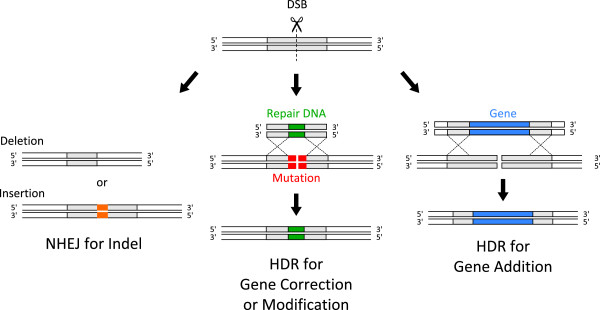
“Repair pathways involving NHEJ or HDR introduce small indels at target sites after TGE (Araki and Ishii, 2014).”
BackgroundGenome editing and assisted reproduction: curing embryos, society or prospective parents?
Cavaliere, G. (2018) · Medicine, Health Care and Philosophy · doi:10.1007/s11019-017-9793-y · Cited by 75
“Despite this, some studies have proven the feasibility of gene editing in animals (Heo et al. 2014; Shao et al. 2014; Yoshimi et al. 2014; Zou et al. 2015), even though the efficiency of genetically modifying zygotes with Cas9 ranges between 0.5 and 40% (Araki and Ishii 2014).”
InfluentialDe Wert, G., Heindryckx, B., Pennings, G., Clarke, A., Eichenlaub-Ritter, U., van El, C. G., Forzano, F., Goddijn, M., Howard, H. C., Radojkovic, D., et al. (2018) · European Journal of Human Genetics · doi:10.1038/s41431-017-0077-z · Cited by 68
“The international regulatory landscape for developing GLGE has been summarized by Araki and Ishii (2014) and Isasi et al. (2016).”
BackgroundInfluentialEthical and regulatory aspects of genome editing
Kohn, D. B., Porteus, M. H., & Scharenberg, A. M. (2016) · Blood · doi:10.1182/blood-2016-01-678136 · Cited by 76
“The ethical issues surrounding the use of gene modification that may affect the human germ line have been extensively discussed previously.(6-11) The National Academy of Sciences (NAS) and National Academy of Medicine (NAM) in conjunction with the Royal Academy of Sciences and Chinese Academy of Sciences have assemble…”
BackgroundCRISPR in context: towards a socially responsible debate on embryo editing
Morrison, M., & de Saille, S. (2019) · Palgrave Communications · doi:10.1057/s41599-019-0319-5 · Cited by 62
CRISPR/Cas9 genome editing – new and old ethical issues arising from a revolutionary technology
Baumann, M. (2016) · NanoEthics · doi:10.1007/s11569-016-0259-0 · Cited by 76
“When two or three modifications are performed at different genomic sites, efficiency rates decrease further to about one half of the efficiency of a single locus modification [23].”
BackgroundResultInfluentialEvans, J. H. (2020) · doi:10.1093/oso/9780197519561.001.0001 · Cited by 76
Ethics and germline gene editing
Sugarman, J. (2015) · EMBO Reports · doi:10.15252/embr.201540879 · Cited by 59
Ethical issues related to research on genome editing in human embryos
Niemiec, E., & Howard, H. C. (2020) · Computational and Structural Biotechnology Journal · doi:10.1016/j.csbj.2020.03.014 · Cited by 64
“what we consider a clinical use) enacted in many countries [3], clinical uses of GGE have been discussed by prominent scientists [5,64].”
BackgroundSetting ethical limits on human gene editing after the fall of the somatic/germline barrier
Evans, J. H. (2021) · Proceedings of the National Academy of Sciences · doi:10.1073/pnas.2004837117 · Cited by 58
“Moreover, there are a few more values that are used in continental Europe that bolster the somatic/germline barrier used there (34, 35).”
Backgroundvan Beers, B. C. (2020) · Journal of Law and the Biosciences · doi:10.1093/jlb/lsaa006 · Cited by 76
The ethics of clinical applications of germline genome modification: a systematic review of reasons
van Dijke, I., Bosch, L., Bredenoord, A. L., Cornel, M. C., Repping, S., & Hendriks, S. (2018) · Human Reproduction · doi:10.1093/humrep/dey257 · Cited by 53
CRISPR/Cas9: Regulations and challenges for law enforcement to combat its dual-use
Mir, T. U. G., Wani, A. K., Akhtar, N., & Shukla, S. (2022) · Forensic Science International · doi:10.1016/j.forsciint.2022.111274 · Cited by 57
Global Governance of Human Genome Editing: What Are the Rules?
Marchant, G. E. (2021) · Annual Review of Genomics and Human Genetics · doi:10.1146/annurev-genom-111320-091930 · Cited by 42
Human Germline Interventions–Think First
Hildt, E. (2016) · Frontiers in Genetics · doi:10.3389/fgene.2016.00081 · Cited by 33
“Many countries ban germline genetic modification either by law or by guidelines, while other countries are ambiguous about the legal status of germline modifications (cf. Araki and Ishii, 2014).”
BackgroundLegal reflections on the case of genome-edited babies
Liu, S. (2020) · Global Health Research and Policy · doi:10.1186/s41256-020-00153-4 · Cited by 30
Societal and Ethical Impacts of Germline Genome Editing: How Can We Secure Human Rights?
Halpern, J., O’Hara, S. E., Doxzen, K. W., Witkowsky, L. B., & Owen, A. (2019) · The CRISPR Journal · doi:10.1089/crispr.2019.0042 · Cited by 44
Heritable Genome Editing in a Global Context: National and International Policy Challenges
Rosemann, A., Balen, A., Nerlich, B., Hauskeller, C., Sleeboom-Faulkner, M. E., Hartley, S., Zhang, X., & Lee, N. (2019) · The Hastings Center Report · doi:10.1002/hast.1006 · Cited by 25
Attitudes of Members of Genetics Professional Societies Toward Human Gene Editing
Armsby, A. J., Bombard, Y., Garrison, N. A., Halpern‐Felsher, B. L., & Ormond, K. E. (2019) · The CRISPR Journal · doi:10.1089/crispr.2019.0020 · Cited by 28
Zhang, X., Chen, A., & Zhang, W. (2021) · Public Understanding of Science · doi:10.1177/0963662520987754 · Cited by 31
“As the GHB scandal aroused national attention to relevant legislation problems in China, where gene editing is forbidden by guidelines rather than laws (Araki and Ishii, 2014), our results show that an increasing number of users on Weibo criticized the poor regulation on genetic research and called for immediate legis…”
BackgroundWhere in the world could the first CRISPR baby be born?
Ledford, H. (2015) · Nature · doi:10.1038/526310a · Cited by 24
Finding an ethical path forward for mitochondrial replacement
Claiborne, A. B., English, R. A., & Kahn, J. P. (2016) · Science · doi:10.1126/science.aaf3091 · Cited by 26
Genetic affinity and the right to ‘three-parent IVF’
Schaefer, G. O., & Labude, M. K. (2017) · Journal of Assisted Reproduction and Genetics · doi:10.1007/s10815-017-1046-8 · Cited by 24
“While the UK has taken steps towards explicit authorization of the procedure for use in clinical research [7], it remains effectively banned or heavily restricted in many parts of the world, including most of Europe, the USA, Australia, New Zealand and Singapore, among others [8, 9].”
BackgroundHuman genome editing: how to prevent rogue actors
Townsend, B. (2020) · BMC Medical Ethics · doi:10.1186/s12910-020-00527-w · Cited by 26
“Thus, disparities and variations exist between the what and the how of genome editing regulation and oversight in various jurisdictions [9].”
BackgroundDisease Resistance and the Definition of Genetic Enhancement
So, D. F., Kleiderman, E., Touré, S. B., & Joly, Y. (2017) · Frontiers in Genetics · doi:10.3389/fgene.2017.00040 · Cited by 29
“While similarly restrictive approaches have been adopted by countries such as China, India, and Japan, the attendant sanctions are often unclear and may not be legally enforceable (Araki and Ishii, 2014; Isasi et al., 2016).”
BackgroundA comprehensive overview of CRISPR/Cas 9 technology and application thereof in drug discovery
Khurana, A., Sayed, N., Singh, V., Khurana, I., Allawadhi, P., Rawat, P. S., Navik, U., Pasumarthi, S. K., Bharani, K. K., & Weiskirchen, R. (2022) · Journal of Cellular Biochemistry · doi:10.1002/jcb.30329 · Cited by 29
Chromosome therapy: Potential strategies for the correction of severe chromosome aberrations
Plona, K. L., Kim, T. H., Halloran, K., & Wynshaw-Boris, A. J. (2016) · American Journal of Medical Genetics Part C Seminars in Medical Genetics · doi:10.1002/ajmg.c.31530 · Cited by 23
“(D) Ring chromosome is lost and cells are returned to a disomic state. is highly controversial and has serious psychosocial implications at the personal and societal levels [Araki and Ishii, 2014; Ishii, 2015].”
BackgroundLegal Issues Regarding Gene Editing at the Beginning of Life: An EU Perspective
Beriaín, Í. D. M. (2017) · Regenerative Medicine · doi:10.2217/rme-2017-0033 · Cited by 31
“The regulation of genome editing continues to be a domestic matter [37,38]; previous attempts to create an international binding regulation on this issue have ended so far in ‘pyrrhic’ victories [39].”
BackgroundMitochondrial Replacement Techniques: Divergence in Global Policy
Schandera, J., & Mackey, T. K. (2016) · Trends in Genetics · doi:10.1016/j.tig.2016.04.006 · Cited by 20
“To date, most developed countries prohibit germline modification procedures based on existing legislation [25].”
Global AI Ethics Documents: What They Reveal About Motivations, Practices, and Policies
Schiff, D. S., Laas, K., Biddle, J. B., & Borenstein, J. (2022) · The International library of ethics, law and technology · doi:10.1007/978-3-030-86201-5_7 · Cited by 25
Oversight of human inheritable genome modification
Isasi, R. M., & Knoppers, B. M. (2015) · Nature Biotechnology · doi:10.1038/nbt.3231 · Cited by 18
Chimeric Antigen Receptor T Cells: Extending Translation from Liquid to Solid Tumors
Morgan, M. A., & Schambach, A. (2018) · Human Gene Therapy · doi:10.1089/hum.2017.251 · Cited by 18
Genome editing and international regulatory challenges: Lessons from Mexico
Chan, S., & Arellano, M. D. J. M. (2016) · Ethics Medicine and Public Health · doi:10.1016/j.jemep.2016.05.001 · Cited by 24
“International regulation of gene editing is something of a patchwork at present with respect to different countries and the various aspects of science involved[45,46].”
Krekora‐Zając, D. (2020) · Humanities and Social Sciences Communications · doi:10.1057/s41599-020-0399-2 · Cited by 21
Wang, Y., Wang, J., Li, H., Lao, J., Jia, D. T., Liu, J., Wang, J., Luo, J., Guan, G., Yin, H., et al. (2023) · BMC Microbiology · doi:10.1186/s12866-023-02846-5 · Cited by 18
“However, the inability of genetic alterations blocked its application in human [7, 8].”
BackgroundThe Dawn of In Vivo Gene Editing Era: A Revolution in the Making
Niazi, S. K. (2023) · Biologics · doi:10.3390/biologics3040014 · Cited by 23
Estimating Demand for Germline Genome Editing: An In Vitro Fertilization Clinic Perspective
Viotti, M., Victor, A. R., Griffin, D. K., Groob, J. S., Brake, A. J., Zouves, C., & Barnes, F. L. (2019) · The CRISPR Journal · doi:10.1089/crispr.2019.0044 · Cited by 17
“Previous commentaries have broached the subject, 21,23,24 but a thorough analysis based on genetic epidemiology is warranted.”
CRISPR: Challenges to South African biotechnology law
Pillay, S., & Thaldar, D. W. (2018) · South African Journal of Bioethics and Law · doi:10.7196/sajbl.2018.v11i2.00653 · Cited by 14
Hammerstein, A. L. V., Eggel, M., & Biller‐Andorno, N. (2019) · BMC Medical Ethics · doi:10.1186/s12910-019-0411-9 · Cited by 27
Rose, B. I., & Brown, S. (2019) · Obstetrics and Gynecology · doi:10.1097/aog.0000000000003327 · Cited by 17
de Wert, G. M. W. R., Heindryckx, B., Pennings, G., Clarke, A. J., Eichenlaub-Ritter, U., van El, C. G., Forzano, F., Goddijn, M., Howard, H. C., Radojkovic, D. P., et al. (2018) · Human Reproduction Open · doi:10.1093/hropen/hox024 · Cited by 19
“0% in mouse offspring, coinciding with off-target mutations (Araki and Ishii, 2014).”
BackgroundGermline Genome Editing Research: What Are Gamete Donors (Not) Informed About in Consent Forms?
Niemiec, E., & Howard, H. C. (2020) · The CRISPR Journal · doi:10.1089/crispr.2019.0043 · Cited by 15
Tokuoka, Y., Yamada, T., Mashiko, D., Ikeda, Z., Kobayashi, T., Yamagata, K., & Funahashi, A. (2022) · Artificial Intelligence in Medicine · doi:10.1016/j.artmed.2022.102432 · Cited by 16
Gene editing of stem cells for kidney disease modelling and therapeutic intervention
Lau, R. W., Wang, B., & Ricardo, S. D. (2018) · Nephrology · doi:10.1111/nep.13410 · Cited by 16
“The two legal changes in the United Kingdom have inevitably raised concerns globally and may influence the international regulatory landscape on other germline modification.(92,97,99) For the purpose of this review, we will discuss the ethical and social concerns on the genome editing of germline genes for research to…”
BackgroundMethodInfluentialBenston, S. (2017) · Journal of Medical Ethics · doi:10.1136/medethics-2016-103666 · Cited by 14
Prime Editing: The Next Frontier in Precision Gene Therapy
Aliciaslan, M., Erbasan, E., Erendor, F., & Şanlıoğlu, S. (2025) · The Journal of Gene Medicine · doi:10.1002/jgm.70040 · Cited by 18
“Consequently, many scientific bodies currently advocate a moratorium on its clinical use until safety and ethical concerns are adequately resolved [139].”
Thérapie génique germinale, le retour ? Chroniques génomiques
Jordan, B. (2015) · médecine/sciences · doi:10.1051/medsci/20153106025 · Cited by 14
Ethical and Legal Aspects of Using Genome Editing Technologies in Medicine (Review)
Karagyaur, M. N., Efimenko, A. Y., Макаревич, П. И., Vasiluev, P. A., Akopyan, Z. A., Брызгалина, Е., & Va, T. (2019) · Современные технологии в медицине · doi:10.17691/stm2019.11.3.16 · Cited by 25
“This approach is based on determining the degree of risk (high/medium/low) of a new technology or drug; at a low or medium risk, these technologies are authorized for clinical use for a limited time even before obtaining full results on efficacy/safety (USA, Japan, South Korea, Singapore).”
BackgroundCRISPR/Cas-Based Gene Editing Strategies for DOCK8 Immunodeficiency Syndrome
Ravendran, S., Hernández, S. S., König, S., & Bak, R. O. (2022) · Frontiers in Genome Editing · doi:10.3389/fgeed.2022.793010 · Cited by 12
“Important discussions arose from this event concerning ethical issues such as patient safety, missing consent from the unborn child, uncertainty of the monitoring period of adverse events, how to justify the defying of natural order, and the potential future implementation of gene therapy as a preventive treatment (Ar…”
BackgroundThe illusion of control in germline-engineering policy
König, H. (2017) · Nature Biotechnology · doi:10.1038/nbt.3884 · Cited by 13
Thaldar, D. W., & Shozi, B. (2020) · The CRISPR Journal · doi:10.1089/crispr.2019.0036 · Cited by 10
“The restrictive regulation of heritable genome editing, in those few states that regulate it, has largely been justified on the grounds that heritable genome editing is too unsafe for clinical application.(3) Given that safe and efficacious heritable genome editing may be on the horizon, it is time for policy makers t…”
BackgroundEmergent challenges for CRISPR: biosafety, biosecurity, patenting, and regulatory issues
Braddick, D., & Ramarohetra, R. F. (2020) · Elsevier eBooks · doi:10.1016/b978-0-12-818140-9.00021-0 · Cited by 14
ALTERING THE HUMAN GENOME: MAPPING THE GENOME EDITING REGULATORY SYSTEM IN SOUTH AFRICA
Townsend, B., & Shozi, B. (2021) · Potchefstroom Electronic Law Journal/Potchefstroomse Elektroniese Regsblad · doi:10.17159/1727-3781/2021/v24i0a9179 · Cited by 12
Varvaštian, S. (2015) · European Journal of Health Law · doi:10.1163/15718093-12341366 · Cited by 12
Shozi, B. (2020) · South African Journal of Bioethics and Law · doi:10.7196/sajbl.2020.v13i1.00709 · Cited by 8
“The legality of gene editing in SA has been described as ‘ambiguous’.[11] This is because our law has no provisions directly relating to germline gene editing.”
BackgroundOuagrham-Gormley, S. B., & Fye-Marnien, S. (2019) · Springer eBooks · doi:10.1007/978-3-030-03053-7_12 · Cited by 9
Precision medicine in the era of CRISPR-Cas9: evidence from Bosnia and Herzegovina
Semiz, S., & Aka, P. C. (2019) · Humanities and Social Sciences Communications · doi:10.1057/s41599-019-0346-2 · Cited by 7
“Tracking all these concerns, about 30 nations currently have legislation that bars all clinical uses of germline engineering (Araki and Ishii, 2014).”
BackgroundWhy human germline genome editing is incompatible with equality in an inclusive society
MacKellar, C. (2021) · The New Bioethics · doi:10.1080/20502877.2020.1869467 · Cited by 8
Science Policy and Concomitant Research in Synthetic Biology—Some Critical Thoughts
Hagen, K. (2016) · NanoEthics · doi:10.1007/s11569-016-0267-0 · Cited by 7
Mitochondrial Manipulation for Infertility Treatment and Disease Prevention
Ishii, T. (2016) · Wiley eBooks · doi:10.1002/9781118849613.ch5 · Cited by 9
Self-citationRoy, A. A., Pokale, R., Mukharya, A., Nikam, A. N., Dua, K., Rao, B. S. S., Seetharam, R. N., & Mutalik, S. (2025) · Current Gene Therapy · doi:10.2174/0115665232342293241120033251 · Cited by 8
Cussins, J., & Lowthorp, L. (2018) · The New Bioethics · doi:10.1080/20502877.2018.1443409 · Cited by 9
Altmetric and bibliometric analysis of influential articles in reproductive biology, 1980–2019
Park, S. U., Blackledge, K. T., Ananth, C. V., Sauer, M. V., & Brandt, J. S. (2022) · Reproductive BioMedicine Online · doi:10.1016/j.rbmo.2022.04.005 · Cited by 8
Drawing the Line: Disability, Genetic Intervention and Bioethics
Conti, A. (2017) · Laws · doi:10.3390/laws6030009 · Cited by 12
Siristatidis, C. S., Mantzavinos, T., & Vlahos, N. (2021) · Human Fertility · doi:10.1080/14647273.2021.1925168 · Cited by 6
“In contrast, MST remains banned or heavily restricted in many parts of the world, including most of Europe, Singapore, Australia, New Zealand and the USA (Araki & Ishii, 2014; Cohen et al., 1998).”
BackgroundWhat would responsible remedial human germline editing look like?
Adashi, E. Y., & Cohen, I. G. (2020) · Nature Biotechnology · doi:10.1038/s41587-020-0482-7 · Cited by 7
Gazina, N. I., Teymurov, Е. S., & Захарова, Л. И. (2022) · Kutafin Law Review · doi:10.17803/2313-5395.2022.1.19.039-072 · Cited by 5
“Most countries with the legal framework for the regulation of biomedical developments either prohibit or severely restrict the use of human germline editing technologies (Isasi, Kleiderman and Knoppers, 2016; Araki and Ishii, 2014).”
BackgroundMoradbeigi, P., Hosseini, S., Salehi, M., & Mogheiseh, A. (2024) · Biological Procedures Online · doi:10.1186/s12575-024-00230-9 · Cited by 6
“It has been reported that the efficiency of gRNA-Cas9 or TALENs for indel generation in mammalian embryos ranges from 0.5 to 40.9% per injected zygote, and in mammalian neonates, it ranges from 0 to 41.7% [68].”
BackgroundInfluentialIsa, N. M. (2021) · Journal of Bioethical Inquiry · doi:10.1007/s11673-021-10101-7 · Cited by 6
Future of Health Services: The Role of Physicians in the Disruptive Era
Wiweko, B., & Zakirah, S. C. (2020) · Journal of Human Reproductive Sciences · doi:10.4103/jhrs.jhrs_172_19 · Cited by 7
“[13] Internet of things and telemedicine Advanced technology and innovation in the fourth industrial revolution as well as the development of ambulatory and home monitoring devices have modified health‑care provider focus of treatment.”
BackgroundMartani, A., van der Weij, F., van Baalen, S., & van Beers, B. C. (2025) · New Genetics and Society · doi:10.1080/14636778.2025.2598071 · Cited by 4
“A policy landscape analysis from 2014 showed that the majority of surveyed legal systems worldwide had general bans on HGGE (Araki and Ishii 2014).”
Shah, W., Hussain, M., Serwat, A., Bilal, M., Raza, Y., Mansoor, A., & Faraz, A. (2026) · Clinica Chimica Acta · doi:10.1016/j.cca.2026.120875 · Cited by 5
The Regulation of Human Germline Genome Modification in Japan
Ishii, T. (2019) · Cambridge University Press eBooks · doi:10.1017/9781108759083.017 · Cited by 4
Self-citationEmerging Life Sciences: New Challenges to Strategic Stability
Kosal, M. E. (2019) · Advanced sciences and technologies for security applications · doi:10.1007/978-3-030-28342-1_3 · Cited by 4
Learning from Icarus: The Impact of CRISPR on Gene Editing Ethics
Parent, B. (2023) · Collaborative bioethics · doi:10.1007/978-3-031-29451-8_2 · Cited by 4
Ethics of Mitochondrial Gene Replacement Therapy
Dimond, R. (2018) · Elsevier eBooks · doi:10.1016/b978-0-12-813764-2.00002-7 · Cited by 4
Achievements, sensations and problemsof molecular prenatal diagnostics
Баранов, В. С., Kascheeva, T. K., & Kuznetzova, T. V. (2016) · Journal of obstetrics and women s diseases · doi:10.17816/jowd65270-80 · Cited by 3
Schneider, I. (2019) · Cambridge University Press eBooks · doi:10.1017/9781108659802.015 · Cited by 4
Enhanced Beings: Human Germline Modification and the Law
Macintosh, K. L. (2018) · Scholar Commons (Santa Clara University) · Cited by 3
Editing the Genome Ex Vivo Stem Cell Therapy
Fan, Y., & Chan, J. K. Y. (2018) · Current Stem Cell Reports · doi:10.1007/s40778-018-0148-2 · Cited by 3
Prospects of Human Germline Modification by CRISPR-Cas9 – an Ethicist’s View
Birnbacher, D. (2018) · Technikzukünfte, Wissenschaft und Gesellschaft · doi:10.1007/978-3-658-22660-2_4 · Cited by 4
Reinterpreting “genetic identity” in the regulatory and ethical context of heritable genome editing
Liaw, Y.-Q., Turkmendag, I., & Hollingsworth, K. (2021) · New Genetics and Society · doi:10.1080/14636778.2021.1941829 · Cited by 3
Pandey, P., Rajput, S., Gaur, T., Khandia, R., & Gurjar, P. (2025) · Annals of Medicine and Surgery · doi:10.1097/ms9.0000000000004095 · Cited by 2
“Additionally, differences in international policies raise concerns about inconsistent regulation and ethical disagreements across countries [90] .”
Deciphering the Fragmentation of the Human Genome Editing Regulatory Landscape
Mahalatchimy, A., & Rial‐Sebbag, E. (2022) · Frontiers in Political Science · doi:10.3389/fpos.2021.793134 · Cited by 6
“Indeed, much attention in legal scholarship was first given to national levels, often in a comparative approach (Araki and Ishii, 2014), or to the international level (Rosemann et al.”
BackgroundПЕСТРИКОВА, А. А. (2020) · Actual Problems of Russian Law · doi:10.17803/1994-1471.2020.119.10.157-167 · Cited by 2
“Reprod Biol Endocrinol 12(1):108-120 // URL: https://www.”
BackgroundMinari, J., Shinomiya, N., Takashima, K., & Yoshizawa, G. (2022) · Frontiers in Political Science · doi:10.3389/fpos.2022.825496 · Cited by 2
“Moreover, consensus among several actors is not always achievable; thus, it is not surprising that, in an international context, regulations on germline genome editing for clinical applications are inconsistent and have differing degrees of control (Araki and Ishii, 2014).”
BackgroundGenome Games: Market Challenges, Investment Opportunities and Patent Battles
Khodova, K. A. (2017) · Cellular Therapy and Transplantation · doi:10.18620/ctt-1866-8836-2017-6-1-44-47 · Cited by 1
Human Genetic Engineering: Should Indonesia Regulate It?
Disemadi, H. S. (2022) · Padjadjaran · doi:10.22304/pjih.v9n3.a4 · Cited by 1
Designer Babies are No Longer Science Fiction: What are The Ethical Considerations?
Hisan, U. K., & Romero, C. B. (2023) · Bincang Sains dan Teknologi · doi:10.56741/bst.v2i03.437 · Cited by 2
“The Human Fertilization and Embryology Authority, the regulatory body that oversees fertility treatments and research in the UK, has stated that using genome editing in human reproduction is not currently allowed [35-37].”
BackgroundKnoepfler, P. S. (2018) · Springer eBooks · doi:10.1007/978-3-662-56001-3_9 · Cited by 1
Domestic and International Regulation of CRISPR
Nestor, M. W., & Wilson, R. L. (2022) · Springer eBooks · doi:10.1007/978-3-030-98368-0_8 · Cited by 1
Metadata
- Authors
- Araki, M., & Ishii, T.
- Affiliations
- Hokkaido University (JP)
- Corresponding author
- Ishii, Tetsuya
- ORCID
- Ishii, Tetsuya
- Venue
- Reproductive Biology and Endocrinology
- Published
- 2014
- Volume
- 12
- Issue
- 1
- Pages
- 108
- ISSN
- 1477-7827 (ISSN-L)
- PMC
- PMC4251934
- OpenAlex
- W2160704433
- Cited by
- 150
- References
- 82
- Citations by year
- 2026: 3 · 2025: 11 · 2024: 2 · 2023: 7 · 2022: 16 · 2021: 13 · 2020: 23 · 2019: 22 · 2018: 17 · 2017: 15 · 2016: 13 · 2015: 8
- FWCI
- 1.13
- Type
- journal article
- Language
- en
- Open access
- gold
- doi.org
- Licence
- cc-by
- Locations
- Reproductive Biology and Endocrinology (publishedVersion, cc-by)
- PubMed Central (publishedVersion, cc-by)
- PubMed (publishedVersion)
- Institutional Repositories DataBase (IRDB) (submittedVersion, cc-by)
- Hokkaido University Collection of Scholarly and Academic Papers (Hokkaido University) (submittedVersion, cc-by)
- Funders
- Japan Society for the Promotion of Science (26460586)
- Topics
- Life Sciences › Biochemistry, Genetics and Molecular Biology › Molecular Biology › CRISPR and Genetic Engineering
- Health Sciences › Nursing › Issues, ethics and legal aspects › Biomedical Ethics and Regulation
- Life Sciences › Biochemistry, Genetics and Molecular Biology › Genetics › Animal Genetics and Reproduction
- Keywords
- genome editing, in vitro fertilization, assisted reproduction, CRISPR-Cas, zinc finger nucleases, TALEN, zygote, genetic disease prevention, social problems
- MeSH terms
- Animals, Fertilization in Vitro, Genetic Engineering, Health Policy, Humans, Global Health, Genome, Human, Genomics, Genetic Diseases, Inborn, Targeted Gene Repair, Translational Research, Biomedical, Stem Cell Research
About these checks
Registry, retraction, Cites and statistics results are computed, not judged, with one exception: a printed reference that no index lists is read once by a model before it counts as a citation error. Claims are extracted by a model and kept only when their quote appears verbatim in the text; each cited source is then checked, with a model’s help, for whether it says what the claim relies on. Those verdicts can be wrong — read the claim’s quote and the cited source before relying on one.
Statistics and arithmetic are recomputed, not judged.
Confidence bands are shown only for fields calibrated on our annotated test set. None is calibrated yet, so no band is shown.
What counts as a claim ›How we measure confidence ›How we check this ›
Are you an author, or do you see a problem with this page? Request a review
Data sources
Bibliographic data: Semantic Scholar, OpenAlex, Crossref.
Contains information from the Semantic Scholar Academic Graph Datasets, made available under the ODC Attribution License (ODC-BY 1.0).
Semantic Scholar’s data is described in: Kinney, R., et al. (2023). The Semantic Scholar Open Data Platform. arXiv:2301.10140.
