

A comparison of direct versus self-report measures for assessing physical activity in adults: a systematic review.
Open accessThe DOI matches its Crossref record; 190 of the 191 references it cites were found in a registry or an index.
Abstract
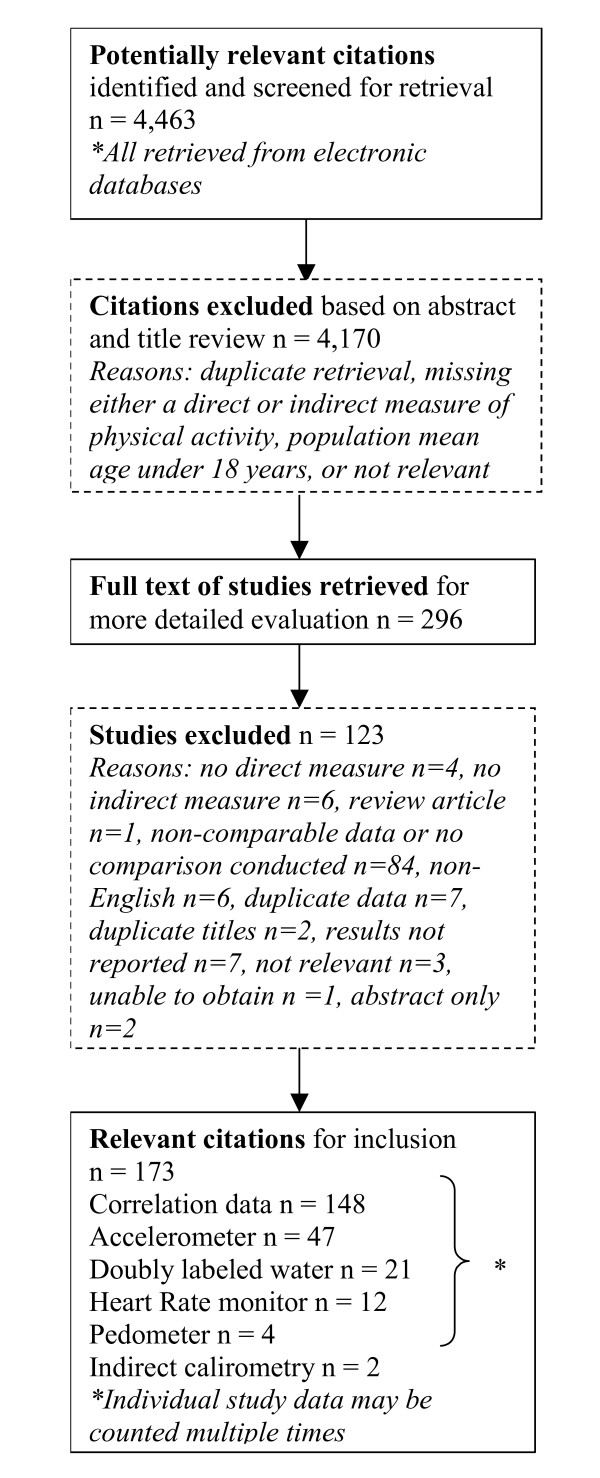
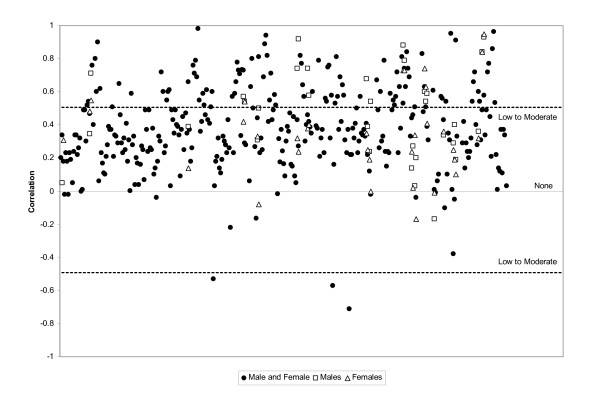
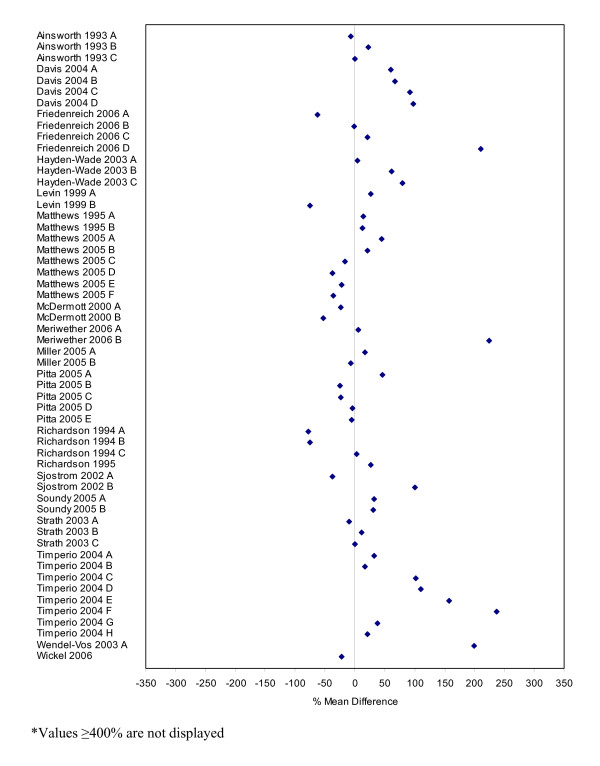
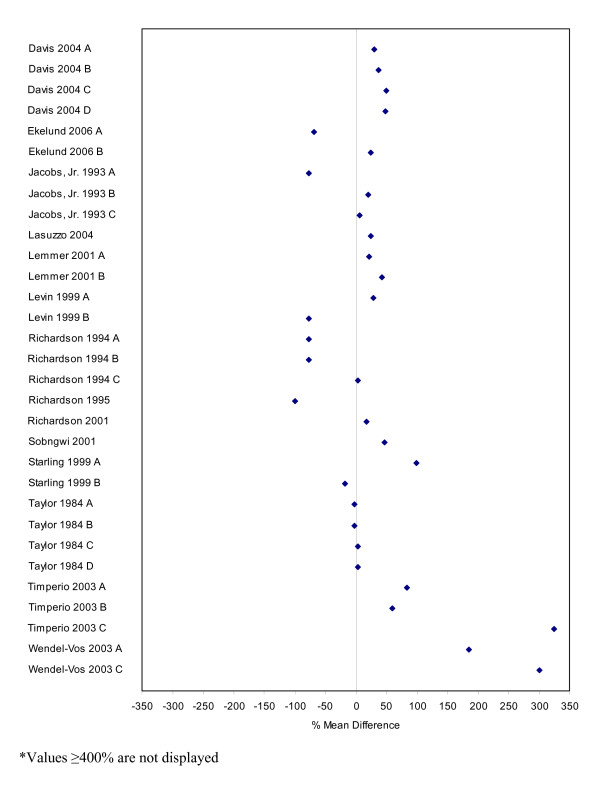
BACKGROUND: Accurate assessment is required to assess current and changing physical activity levels, and to evaluate the effectiveness of interventions designed to increase activity levels. This study systematically reviewed the literature to determine the extent of agreement between subjectively (self-report e.g. questionnaire, diary) and objectively (directly measured; e.g. accelerometry, doubly labeled water) assessed physical activity in adults. METHODS: Eight electronic databases were searched to identify observational and experimental studies of adult populations. Searching identified 4,463 potential articles. Initial screening found that 293 examined the relationship between self-reported and directly measured physical activity and met the eligibility criteria. Data abstraction was completed for 187 articles, which described comparable data and/or comparisons, while 76 articles lacked comparable data or comparisons, and a further 30 did not meet the review's eligibility requirements. A risk of bias assessment was conducted for all articles from which data was abstracted. RESULTS: Correlations between self-report and direct measures were generally low-to-moderate and ranged from -0.71 to 0.96. No clear pattern emerged for the mean differences between self-report and direct measures of physical activity. Trends differed by measure of physical activity employed, level of physical activity measured, and the gender of participants. Results of the risk of bias assessment indicated that 38% of the studies had lower quality scores. CONCLUSION: The findings suggest that the measurement method may have a significant impact on the observed levels of physical activity. Self-report measures of physical activity were both higher and lower than directly measured levels of physical activity, which poses a problem for both reliance on self-report measures and for attempts to correct for self-report - direct measure differences. This review reveals the need for valid, accurate and reliable measures of physical activity in evaluating current and changing physical activity levels, physical activity interventions, and the relationships between physical activity and health outcomes.
Overview
The claims and statistics of this paper haven’t been checked yet.
Free: it reads the open-access text and checks the first 5 claims that cite a source we can check. Create a free account to check every claim.
Integrity signals
Registry
Cites
Statistics
Figures
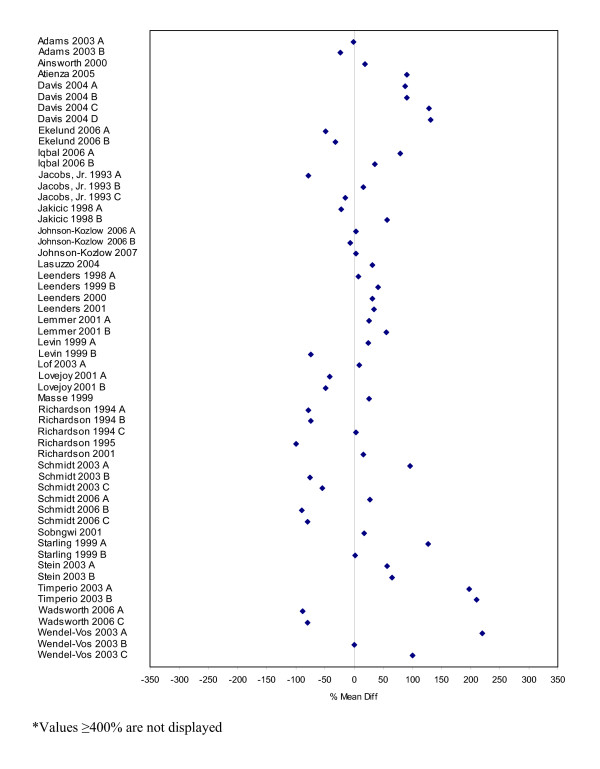
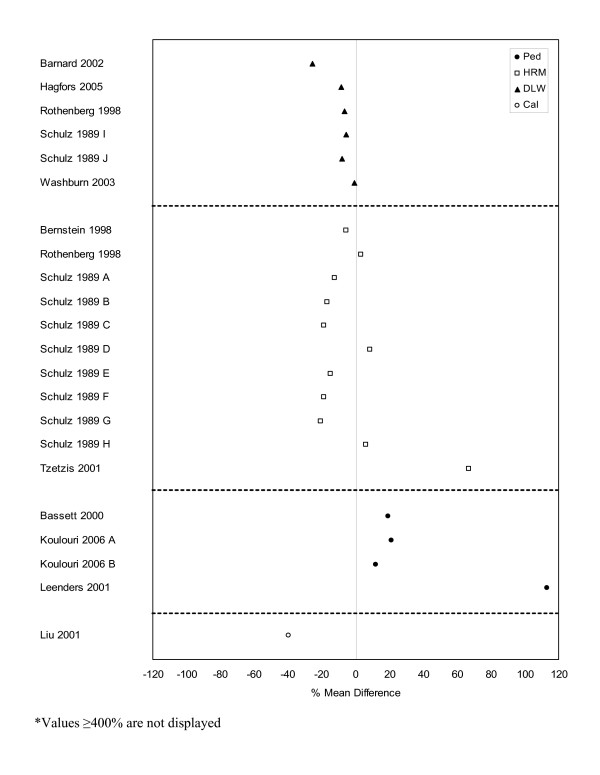
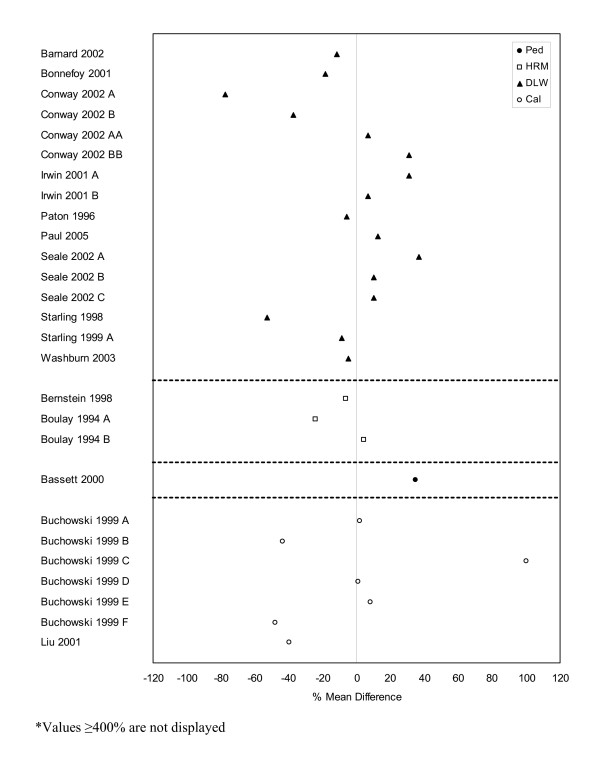
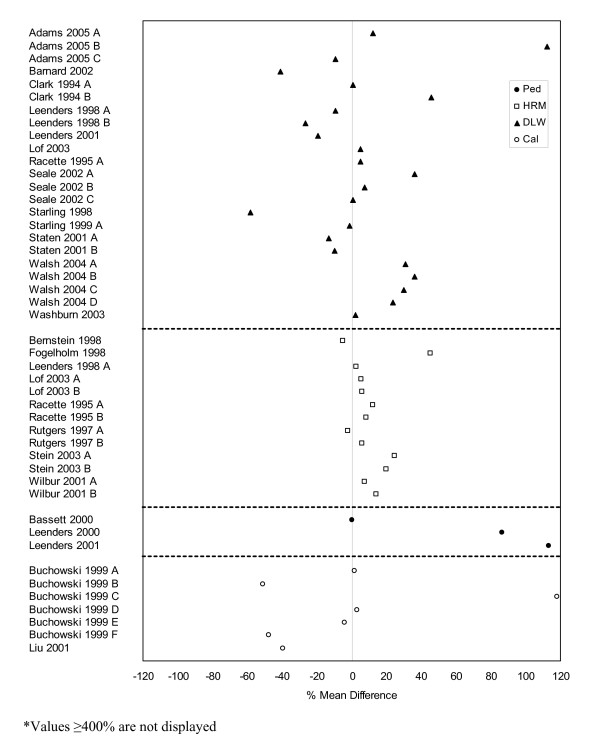
Verification
Claims the paper makes
The claims and statistics of this paper haven’t been checked yet.
Free: it reads the open-access text and checks the first 5 claims that cite a source we can check. Create a free account to check every claim.
Claims other papers make about this one
Each is checked against this paper’s own text: does it say what the citing paper says it does?
The cited source says what the claim attributes to it.
In the citing paper
“However, studies27 linking physical activity levels with outcomes have relied on self-reported data and/or questionnaires; therefore, the inferences drawn from these studies are compromised by the limitations of recollection bias.”
From Association of Cardiorespiratory Fitness with Long-term Mortality Among Adults Undergoing Exercise Treadmill Testing (2018) · cites this paper as [27]
The cited source says what the claim attributes to it.
In the citing paper
“Many of the studies rely on retrospective self-report measures of exercise, which may be prone to bias, inaccuracies, and misunderstanding of questions [e.g., (50–52)].”
From Exercise Intervention in PTSD: A Narrative Review and Rationale for Implementation (2019) · cites this paper as [50]
The cited source says what the claim attributes to it.
In the citing paper
“Overestimation of the PA level is possible.20,21”
The check wasn’t confident either way, so it gives no verdict — never disputed.
In the citing paper
“bariatric surgery was associated with fewer CVD deaths (HR, 0.47; 95% CI, 0.29–0.76) and fewer strokes (HR, 0.67; 95% CI, 0.54–0.83) than in the control group.58”
From Heart Disease and Stroke Statistics—2013 Update: A Report From the American Heart Association (2013) · cites this paper as [58]
Experimental — accuracy not yet measuredThe check wasn’t confident either way, so it gives no verdict — never disputed.
In the citing paper
“The lack of specificity of hypoglycemia with vascular outcomes suggests that it might be a marker for susceptibility.”
From Heart Disease and Stroke Statistics—2013 Update: A Report From the American Heart Association (2013) · cites this paper as [58]
Experimental — accuracy not yet measured
2 more claims about this paper
Create a free account to see every claim other papers make about this one.
Self-check
Percentages, sums and reported differences re-computed from the paper’s own numbers.
The self-check needs the paper’s full text.
Citations
Cites
STATISTICAL METHODS FOR ASSESSING AGREEMENT BETWEEN TWO METHODS OF CLINICAL MEASUREMENT
Martin Bland, J., & Altman, D. (1986) · The Lancet · doi:10.1016/s0140-6736(86)90837-8 · Cited by 47,965
International physical activity questionnaire: 12-country reliability and validity
CRAIG, C. L., MARSHALL, A. L., SJ??STR??M, M., BAUMAN, A. E., BOOTH, M. L., AINSWORTH, B. E., PRATT, M., EKELUND, U., YNGVE, A., SALLIS, J. F., et al. (2003) · Medicine & Science in Sports & Exercise · doi:10.1249/01.mss.0000078924.61453.fb · Cited by 21,619 · cited 11×
“PAD ≥ Clark 1994 A 37.3 (3.6) 14 0 14 Large eaters DLW P Clark 1994 B 39.7 (2.0) Small eaters DLW Conway 2002 A 42 (2.3) 24 24 0 Feeding study DLW Min Conway 2002 B DLW Tec Conway 2002 AA 41.2 (2.0) 24 24 0 Feeding study DLW P Conway 2002 BB DLW Sta Davis 2004 A 19–69 62 24 38 Obese Accel Y Davis 2004 B Accel Davis 20…”
Influential‘Small Changes' to Diet and Physical Activity Behaviors for Weight Management
Hills, A. P., Byrne, N. M., Lindstrom, R., & Hill, J. O. (2013) · Obesity Facts · doi:10.1159/000345030 · Cited by 9,493
(1985) · Europe PMC (PubMed Central) · Cited by 9,143
Compendium of physical activities: an update of activity codes and MET intensities
AINSWORTH, B. E., HASKELL, W. L., WHITT, M. C., IRWIN, M. L., SWARTZ, A. M., STRATH, S. J., O???BRIEN, W. L., BASSETT, D. R., SCHMITZ, K. H., EMPLAINCOURT, P. O., et al. (2000) · Medicine & Science in Sports & Exercise · doi:10.1097/00005768-200009001-00009 · Cited by 8,497 · cited 2×
“Future studies may wish to refer to the updated Compendium of Physical Activities [192] which provides a coding scheme to classify physical activity by rate of energy expenditure.”
Downs, S. H., & Black, N. (1998) · Journal of Epidemiology and Community Health · doi:10.1136/jech.52.6.377 · Cited by 8,252
Physical Activity in the United States Measured by Accelerometer
TROIANO, R. P., BERRIGAN, D., DODD, K. W., MÂSSE, L. C., TILERT, T., & MCDOWELL, M. (2008) · Medicine & Science in Sports & Exercise · doi:10.1249/mss.0b013e31815a51b3 · Cited by 7,638 · cited 1×
“sample [195].”
Statistical methods for assessing agreement between two methods of clinical measurement
Bland, J. M., & Altman, D. G. (2010) · International Journal of Nursing Studies · doi:10.1016/j.ijnurstu.2009.10.001 · Cited by 5,220 · cited 1×
“Many of the studies tested the relationship between selfreport and direct measures by using a correlation coefficient, but this is limited as correlation is only able to measure the strength of the relationship between two variables and cannot assess the level of agreement between them, as well as ignoring any bias in…”
The physical activity scale for the elderly (PASE): Development and evaluation
Washburn, R. A., Smith, K. W., Jette, A. M., & Janney, C. A. (1993) · Journal of Clinical Epidemiology · doi:10.1016/0895-4356(93)90053-4 · Cited by 3,177
Evaluating non-randomised intervention studies
Deeks, J., Dinnes, J., D'Amico, R., Sowden, A., Sakarovitch, C., Song, F., Petticrew, M., & Altman, D. (2003) · Health Technology Assessment · doi:10.3310/hta7270 · Cited by 2,907 · cited 1×
“The Downs and Black instrument was recommended for assessing risk of bias in observational studies in a recent systematic review [8] and other assessments [9] and was employed in this review to assess study quality including reporting, external validity, and internal validity (bias).”
Research works printed but not linked: 18
- [11]Adams SA Methodological and substantive issues: The relationship between physical activity and breast cancer PhD Thesis 2003 University of South Carolina
- [16]Armstrong CA The stages of change in exercise adoption and adherence: Evaluation of measures with self-report and objective data PhD Thesis 1998 University of California, San Diego and San Diego State University
- [24]Brach JS The relation of physical activity to functional status over a seventeen-year time period in community-dwelling older women PhD Thesis 2000 University of Pittsburgh
- [30]Chen AH-W The effectiveness of a home-based intervention to promote walking in ethnic minority women PhD Thesis 1995 University of California, San Diego and San Diego State University
- [38]del Aguila MA Assessment of physical activity in patients with diabetes PhD Thesis 1998 University of Washington
- [49]Fu LL Health status, functional state and physical activity level in community dwelling elderly women PhD Thesis 1995 University of Pittsburgh
- [61]Jansen L The effect of exercise on explanatory style in HIV-infected men PhD Thesis 2002 United States International University
- Krishnamoorthy JS The transmission of physical activity and related cognitions among African-American adolescent females and their primary female caregiver Dissertation Abstracts International: Section B: The Sciences and Engineering 2002 63
- [69]Kriska AM Assessment of current and historical physical activity in the Pima Indians PhD Thesis 1988 University of Pittsburgh
- [71]Lambert P Physical activity and the oldest-old: A comparison of self-report and accelerometer readings PhD Thesis 2006 University of Manitoba (Canada)
- [73]Lasuzzo J Ability of the California State University, Fullerton Physical Activity Questionnaire to assess physical activity in older individuals PhD Thesis 2004 The University of Alabama
- Mckeen NA The meaning of motor activity: Emotion, temperament, mood, and laterality Dissertation Abstracts International: Section B: The Sciences and Engineering 2001 61
- [158]Adams SA Matthews CE Ebbeling CB Moore CG Cunningham JE Fulton J Hebert JR The effect of social desirability and social approval on self-reports of physical activity Am J Epidemiol 2005 161 389 398 15692083 10.1093/aje/kwi054 PMC2958515 · DOI · Paper page
- [171]Miller CL A symptom management intervention in diabetic coronary artery bypass graft patients PhD Thesis 2005 University of Nebraska Medical Center
- [181]Wadsworth D Evaluation of a social cognitive theory based e-mail intervention to increase physical activity of college females Dissertation Abstracts International: Section B: The Sciences and Engineering 2006 66 4766
- Richardson MT Evaluation of the Minnesota Leisure Time Physical Activity Questionnaire PhD Thesis 1991 University of Minnesota 8138837
- [188]Warms CA Acceptability and feasibility of a lifestyle physical activity program for people with spinal cord injury (SCI): A pilot study PhD Thesis 2002 University of Washington
- [190]Adams SA Matthews CE Ebbeling CB Moore CG Cunningham JE Fulton J Hebert JR The effect of social desirability and social approval on self-reports of physical activity. [erratum appears in Am J Epidemiol. 2005 May 1;161(9):899] AM J EPIDEMIOL 2005 161 389 398 15692083 10.1093/aje/kwi054 PMC2958515 · DOI · Paper page
Cited by
Items 801–900 of 1,010
Jørgensen, L. B., Bricca, A., Bernhardt, A., Juhl, C. B., Tang, L. H., Mortensen, S. R., Ahler, J. R., Walløe, S., & Skou, S. T. (2022) · PLoS ONE · doi:10.1371/journal.pone.0274846 · Cited by 38
Kulecka, M., Frączek, B., Bałabas, A., Czarnowski, P., Żeber‐Lubecka, N., Zapała, B., Bagińska, K., Głowienka, M., Szot, M., Skorko, M., et al. (2023) · Frontiers in Nutrition · doi:10.3389/fnut.2022.1092846 · Cited by 37
Gough, C., Barr, C., Lewis, L. K., Hutchinson, C. L., Maeder, A., & George, S. (2023) · BMC Public Health · doi:10.1186/s12889-023-15093-0 · Cited by 37
Vreeken, D., Seidel, F., Custers, E., Olsthoorn, L., Cools, S., Aarts, E. O., Kleemann, R., Kessels, R. P. C., Wiesmann, M., Hazebroek, E. J., et al. (2023) · JAMA Network Open · doi:10.1001/jamanetworkopen.2023.15936 · Cited by 37
Rind, E., Shortt, N., Mitchell, R., Richardson, E. A., & Pearce, J. R. (2015) · International Journal of Behavioral Nutrition and Physical Activity · doi:10.1186/s12966-015-0217-1 · Cited by 38
Use of accelerometry to measure physical activity in adults and the elderly
Bento, T., Cortinhas, A., Leitão, J. C., & Mota, M. P. (2012) · Revista de Saúde Pública · doi:10.1590/s0034-89102012005000022 · Cited by 37
“Strath et al27 (2008) >760 Troiano et al29 (2008) 2020 5999 Sed/Inact: sedentary/physical inactivity; LPA: leisure-time physical activity; MPA: moderate physical activity; MVPA: moderate-to-vigorous physical activity; VPA: vigorous physical activity.”
Mulroy, S. J., Hatchett, P. E., Eberly, V. J., Haubert, L. L., Conners, S., Gronley, J. K., Garshick, E., & Requejo, P. S. (2016) · Archives of Physical Medicine and Rehabilitation · doi:10.1016/j.apmr.2016.03.018 · Cited by 37
Abril, E. P. (2016) · Journal of Health Communication · doi:10.1080/10810730.2016.1153756 · Cited by 26
Measurement of Fall Prevention Awareness and Behaviours among Older Adults at Home
Russell, K., Taing, D., & Roy, J. (2017) · Canadian Journal on Aging / La Revue canadienne du vieillissement · doi:10.1017/s0714980817000332 · Cited by 38
McKillop, A., McCrindle, B. W., Dimitropoulos, G., & Kovacs, A. H. (2017) · Congenital Heart Disease · doi:10.1111/chd.12553 · Cited by 37
Ambulatory Oxygen in Fibrotic Interstitial Lung Disease
Khor, Y. H., Holland, A. E., Goh, N. S. L., Miller, B., Vlahos, R., Bozinovski, S., Lahham, A., Glaspole, I., & McDonald, C. F. (2020) · CHEST Journal · doi:10.1016/j.chest.2020.01.049 · Cited by 37
Ammous, F., Peterson, M. D., Mitchell, C. M., & Faul, J. D. (2025) · Journal of Cachexia Sarcopenia and Muscle · doi:10.1002/jcsm.13873 · Cited by 36
Aadland, E., Andersen, J. R., Anderssen, S. A., & Kvalheim, O. M. (2013) · PLoS ONE · doi:10.1371/journal.pone.0085223 · Cited by 36
Jepsen, R., Aadland, E., Andersen, J. R., & Natvig, G. K. (2013) · Health and Quality of Life Outcomes · doi:10.1186/1477-7525-11-187 · Cited by 37
“Accelerometermeasured PA is considered to have superior validity compared to self-reported information [23].”
Gupta, N., Heiden, M., Mathiassen, S. E., & Holtermann, A. (2016) · Scandinavian Journal of Work Environment & Health · doi:10.5271/sjweh.3561 · Cited by 36
Hawkins, M. L., Buys, S. S., Gren, L. H., Simonsen, S. E., Kirchhoff, A. C., & Hashibe, M. (2016) · Journal of Cancer Survivorship · doi:10.1007/s11764-016-0581-0 · Cited by 36
“There is a well-known downward bias of weight status in selfreports, which has remained a stable trend over the last decade [56] and a systematic review of direct versus self-reported measures of physical activity found self-reports measured both higher and lower than direct measures [57].”
Thielman, J., Manson, H. E., Chiu, M., Copes, R., & Rosella, L. C. (2016) · CMAJ Open · doi:10.9778/cmajo.20160068 · Cited by 36
Yu, T., ter Riet, G., Puhan, M. A., & Frei, A. L. (2017) · npj Primary Care Respiratory Medicine · doi:10.1038/s41533-017-0034-x · Cited by 36
A Review of Physical Activity Interventions Delivered via Facebook
Ferrer, D. A., & Ellis, R. (2017) · Journal of Physical Activity and Health · doi:10.1123/jpah.2016-0534 · Cited by 33
Koch, E. D., Tost, H., Braun, U., Gan, G., Giurgiu, M., Reinhard, I., Zipf, A., Meyer‐Lindenberg, A., Ebner‐Priemer, U., & Reichert, M. (2018) · Frontiers in Psychology · doi:10.3389/fpsyg.2018.00268 · Cited by 36
Kirk, T. N., & Haegele, J. A. (2018) · Adapted Physical Activity Quarterly · doi:10.1123/apaq.2018-0065 · Cited by 36
Tunaiji, H. A., Davis, J. C., Mansournia, M. A., & Khan, K. (2019) · BMJ Open Sport & Exercise Medicine · doi:10.1136/bmjsem-2019-000512 · Cited by 37
Guðnadóttir, U., Cadmus‐Bertram, L., Spicer, A. B., Gorzelitz, J., & Malecki, K. M. C. (2019) · Preventive Medicine Reports · doi:10.1016/j.pmedr.2019.100908 · Cited by 36
“These results indicate that the self-reported estimates are often the source of error since majority of physical activity (at the population level) is accumulated in ambulatory activity, which is well-captured by an accelerometer (Prince et al., 2008).”
Fleming, K. M., Coote, S. B., & Herring, M. P. (2019) · Psychology of sport and exercise · doi:10.1016/j.psychsport.2019.101573 · Cited by 37
Pedersen, A. L. W., Lindekilde, C. R., Andersen, K., Hjorth, P., & Gildberg, F. A. (2020) · Journal of Psychiatric and Mental Health Nursing · doi:10.1111/jpm.12688 · Cited by 36
Virtual reality assessments (VRAs): Exploring the reliability and validity of evaluations in VR
Sanchez, D. R., Weiner, E., & Zelderen, A. P. A. V. (2022) · International Journal of Selection and Assessment · doi:10.1111/ijsa.12369 · Cited by 36
Autonomous Motivation Predicts 7‐Day Physical Activity in Hong Kong Students
Ha, A. S. C., & Ng, J. Y. Y. (2015) · Applied Psychology Health and Well-Being · doi:10.1111/aphw.12045 · Cited by 36
Effects of walking on low-grade inflammation and their implications for Type 2 Diabetes
Morettini, M., Storm, F. A., Sacchetti, M., Cappozzo, A., & Mazzà, C. (2015) · Preventive Medicine Reports · doi:10.1016/j.pmedr.2015.06.012 · Cited by 39
Rhodes, R. E., Fiala, B., & Nasuti, G. (2012) · Behavioral Medicine · doi:10.1080/08964289.2012.695411 · Cited by 36
Gubata, M. E., Urban, N., Cowan, D. N., & Niebuhr, D. W. (2013) · Journal of Psychosomatic Research · doi:10.1016/j.jpsychores.2013.04.003 · Cited by 38
Borderline personality disorder features, jealousy, and cyberbullying in adolescence
Stockdale, L., Coyne, S. M., Nelson, D. A., & Erickson, D. H. (2015) · Personality and Individual Differences · doi:10.1016/j.paid.2015.04.003 · Cited by 36
Mackenbach, J. D., de Pinho, M. G. M., Faber, E., den Braver, N. R., de Groot, R., Charreire, H., Oppert, J., Bárdos, H., Rutter, H., Compernolle, S., et al. (2018) · International Journal of Behavioral Nutrition and Physical Activity · doi:10.1186/s12966-018-0689-x · Cited by 37
“The use of self-reported data for leisure-time PA –that only allowed for a distinction between walking and other types of PA- could have resulted in over- or underestimation of results [40].”
Ma, J. K., McCracken, L., Voss, C., Chan, F. H. N., West, C. R., & Ginis, K. A. M. (2018) · Disability and Rehabilitation · doi:10.1080/09638288.2018.1494213 · Cited by 36
Kolu, P., Raitanen, J. A., Nygård, C., Tomás, E. I., & Luoto, R. M. (2015) · PLoS ONE · doi:10.1371/journal.pone.0135099 · Cited by 35
“The objectively collected physical-activity-intensity data (from heart-rate monitor belts) constituted another strength of the study—according to Prince and colleagues [42], subjectively evaluated levels of physical activity as reported in questionnaires may involve both over- and under-reporting.”
Device-measured movement behaviours in over 20,000 China Kadoorie Biobank participants
Chen, Y., Chan, S., Bennett, D., Chen, X., Wu, X., Ke, Y., Lv, J., Sun, D., Pan, L., Pei, P., et al. (2023) · International Journal of Behavioral Nutrition and Physical Activity · doi:10.1186/s12966-023-01537-8 · Cited by 35
Campoamor-Olegario, L. A., Camitan, D. S., & Guinto, M. L. M. (2025) · Frontiers in Psychology · doi:10.3389/fpsyg.2025.1490437 · Cited by 36
“Despite documented reliability ( α = 0.81) and validity from studies like that of Lee et al. (2011) and Malete et al. (2022) and a systematic review by Prince et al. (2008), some studies report minimal concordance with other PA measures, particularly in the work domain (Cleland et al., 2018).”
InfluentialRouyard, T., Yoda, E., Akksilp, K., Dieterich, A. V., Sarin, K. C., Dabak, S. V., & Müller, A. M. (2025) · The Lancet Public Health · doi:10.1016/s2468-2667(25)00038-6 · Cited by 36
Xiao, X., Huang, D., & Li, G. (2025) · Frontiers in Psychology · doi:10.3389/fpsyg.2025.1635912 · Cited by 39
Longitudinal Study of Low Serum LDL Cholesterol and Depressive Symptom Onset in Postmenopause
Persons, J. E., Robinson, J. G., Coryell, W. H., Payne, M. E., & Fiedorowicz, J. G. (2016) · The Journal of Clinical Psychiatry · doi:10.4088/jcp.14m09505 · Cited by 35
Mathews, E., Salvo, D., Sarma, P. S., Thankappan, K. R., & Pratt, M. (2016) · Preventing Chronic Disease · doi:10.5888/pcd13.150528 · Cited by 35
Physical functioning and mindfulness skills training in chronic pain: a systematic review
Jackson, W., Zale, E. L., Berman, S. J., Malacarne, A., Lapidow, A., Schatman, M. E., Kulich, R., & Vranceanu, A.-M. (2019) · Journal of Pain Research · doi:10.2147/jpr.s172733 · Cited by 35
“Although researchers tend to rely on subjective, self-report measures of physical function, there is evidence to suggest that objective measures (eg, accelerometer tracking) have the potential to more accurately capture physical activity and performance.(16) Therefore, a systematic review that examines the effects of…”
Fischer, X., Kreppke, J.-N., Zahner, L., Gerber, M., Faude, O., & Donath, L. (2019) · International Journal of Environmental Research and Public Health · doi:10.3390/ijerph16142626 · Cited by 35
“A discrepancy between objective and subjective measures has been observed repeatedly [55] and might partially be explained by methodological limitations of both assessment methods.”
Linking depressive symptoms and cognitive functioning: The mediating role of leisure activity.
Sharifian, N., Gu, Y., Manly, J. J., Schupf, N., Mayeux, R. P., Brickman, A. M., & Zahodne, L. B. (2020) · Neuropsychology · doi:10.1037/neu0000595 · Cited by 36
“Prior research has found that participants have problems accurately recalling their absolute amount of physical activity (Prince et al., 2008) and construing activities as being physical.”
Walking activity in a large cohort of boys with Duchenne muscular dystrophy
Lott, D. J., Taivassalo, T., Senesac, C., Willcocks, R. J., Harrington, A. M., Zilke, K. L., Cunkle, H., Powers, C., Finanger, E. L., Rooney, W. D., et al. (2020) · Muscle & Nerve · doi:10.1002/mus.27119 · Cited by 35
Kubler, J. M., Clifton, V. L., Moholdt, T. T., & Beetham, K. S. (2021) · Placenta · doi:10.1016/j.placenta.2021.10.008 · Cited by 36
Davies, R., Mowbray, F., Martin, A. F., Smith, L., & Rubin, G. J. (2022) · BMC Public Health · doi:10.1186/s12889-022-13819-0 · Cited by 35
Wismans, A., van der Zwan, P., Wennberg, K. J., Franken, I. H. A., Mukerjee, J., Baptista, R., Marín, J. B., Burke, A., Dejardin, M., Janssen, F., et al. (2022) · BMC Public Health · doi:10.1186/s12889-022-13632-9 · Cited by 38
“Previous research shows that selfreport measures vary in their correspondence to actual behaviour [68, 69].”
Li, S., Du, Y. N., Meireles, C. L., Sharma, K., Qi, L., Castillo, A., & Wang, J. (2023) · Nutrition and Diabetes · doi:10.1038/s41387-023-00246-2 · Cited by 36
Integrative Review of Nurse-Delivered Physical Activity Interventions in Primary Care
Richards, E. A., & Cai, Y. (2015) · Western Journal of Nursing Research · doi:10.1177/0193945915581861 · Cited by 35
Gibson, C. J., Matthews, K. A., & Thurston, R. C. (2014) · Fertility and Sterility · doi:10.1016/j.fertnstert.2013.12.029 · Cited by 35
Tomaz, S. A., Lambert, E. V., Karpul, D., & Kolbe-Alexander, T. L. (2014) · European Journal of Sport Science · doi:10.1080/17461391.2014.987323 · Cited by 35
Massé, F., Bourke, A. K., Chardonnens, J., Paraschiv-Ionescu, A., & Aminian, K. (2014) · Medical Engineering & Physics · doi:10.1016/j.medengphy.2014.01.001 · Cited by 35
Are Heart Failure and Coronary Artery Bypass Surgery Patients Meeting Physical Activity Guidelines?
Yates, B. C., Pozehl, B., Kupzyk, K. A., Epstein, C. M., & Deka, P. (2016) · Rehabilitation Nursing · doi:10.1002/rnj.257 · Cited by 35
“In a systematic review of self-reported versus objective measurement of PA (e.g., accelerometers, pedometers), 60%of respondents self-reported higher values of activity than that was measured by objective methods (Prince et al., 2008).”
InfluentialOutcomes of a community-based lifestyle programme for adults with diabetes or pre-diabetes
Higgs, C., Skinner, M. A., & Hale, L. A. (2016) · Journal of Primary Health Care · doi:10.1071/hc15038 · Cited by 35
Hodgetts, S., Gallagher, P., Stow, D., Ferrier, I. N., & O'Brien, J. T. (2016) · International Journal of Geriatric Psychiatry · doi:10.1002/gps.4632 · Cited by 36
“The usefulness of such a device to assess physical activity in patients with mood disorders has previously been acknowledged (Teicher, 1995) and has been shown to yield more precise measurements than self-report measures (Sabia et al., 2014; Prince et al., 2008; for a review, see Burton et al., 2013).”
Validity of activity monitors in wheelchair users: A systematic review
Tsang, K., Hiremath, S. V., Crytzer, T. M., Dicianno, B. E., & Ding, D. (2016) · The Journal of Rehabilitation Research and Development · doi:10.1682/jrrd.2016.01.0006 · Cited by 35
Analysis of Physical Activity Among Free–Living Nonagenarians From a Sardinian Longevous Population
Pes, G. M., Dore, M. P., Errigo, A., & Poulain, M. (2017) · Journal of Aging and Physical Activity · doi:10.1123/japa.2017-0088 · Cited by 36
Duncan, S., Stewart, T. I., Schneller, M. B., Godbole, S. V., Cain, K. L., & Kerr, J. (2018) · PLoS ONE · doi:10.1371/journal.pone.0198587 · Cited by 37
Depressive symptoms, sleep patterns, and physical activity in adolescents with narcolepsy
Parmar, A., Yeh, E. A., Korczak, D. J., Weiss, S. K., Lu, Z., Zweerink, A., Toulany, A., Murray, B. J., & Narang, I. (2019) · SLEEP · doi:10.1093/sleep/zsz111 · Cited by 36
Schumacher, L. M., Thomas, J. G., Raynor, H. A., Rhodes, R. E., O’Leary, K. C., Wing, R. R., & Bond, D. S. (2019) · Obesity · doi:10.1002/oby.22535 · Cited by 36
Lindegård, A., Wastensson, G., Hadžibajramović, E., & Grimby‐Ekman, A. (2019) · BMC Public Health · doi:10.1186/s12889-019-8081-6 · Cited by 37
[Cardiovascular effects of thyroid hormones].
Mohr-Kahaly, S., Kahaly, G., & Meyer, J. W. R. (1996) · PubMed · Cited by 35
Smith, K. E., Mason, T. B., Juarascio, A., Schaefer, L. M., Crosby, R. D., Engel, S. G., & Wonderlich, S. A. (2019) · International Journal of Eating Disorders · doi:10.1002/eat.23124 · Cited by 34
Buja, A., Bue, R. L., Mariotti, F., Miatton, A., Zampieri, C., & Leone, G. (2024) · INQUIRY The Journal of Health Care Organization Provision and Financing · doi:10.1177/00469580241248131 · Cited by 36
Cañizares, M., & Badley, E. M. (2018) · BMC Public Health · doi:10.1186/s12889-018-5189-z · Cited by 34
Lotzke, H., Jakobsson, M., Gutke, A., Hagströmer, M., Brisby, H., Hägg, O., Smeets, R., & Lundberg, M. (2018) · BMC Musculoskeletal Disorders · doi:10.1186/s12891-018-2274-5 · Cited by 34
“In contrast to questionnaires, accelerometers are not subject to recall and response bias, and may, therefore, provide a more accurate estimate of physical activity [50].”
Modeling Temporal Variation in Physical Activity Using Functional Principal Components Analysis
Xu, S. Y., Nelson, S. H., Kerr, J., Godbole, S. V., Johnson, E., Patterson, R. E., Rock, C. L., Sears, D. D., ABRAMSON, I. S., & Natarajan, L. (2019) · Statistics in Biosciences · doi:10.1007/s12561-019-09237-3 · Cited by 34
Hyvärinen, M., Sipilä, S., Kulmala, J., Hakonen, H., Tammelin, T., Kujala, U. M., Kovanen, V., & Laakkonen, E. K. (2019) · Journal of Aging and Physical Activity · doi:10.1123/japa.2019-0093 · Cited by 34
Curtis, R., Olds, T., Plotnikoff, R. C., Vandelanotte, C., Edney, S. M., Ryan, J. C., & Maher, C. A. (2020) · BMC Medical Research Methodology · doi:10.1186/s12874-020-0896-4 · Cited by 34
Hearon, B. A., & Harrison, T. J. (2020) · Journal of Health Psychology · doi:10.1177/1359105320906242 · Cited by 34
Ruf, A., Koch, E. D., Ebner‐Priemer, U., Knopf, M., Reif, A., & Matura, S. (2021) · Journal of Medical Internet Research · doi:10.2196/25850 · Cited by 34
Mair, J. L., Hayes, L. D., Campbell, A. K., & Sculthorpe, N. F. (2021) · Journal for the Measurement of Physical Behaviour · doi:10.1123/jmpb.2021-0012 · Cited by 35
Churchill, R., Teo, K., Kervin, L. M., Riadi, I., & Cosco, T. D. (2022) · Health Psychology and Behavioral Medicine · doi:10.1080/21642850.2022.2125874 · Cited by 35
Giurgiu, M., Ketelhut, S., Kubica, C., Nissen, R., Doster, A.-K., Thron, M., Timm, I., Giurgiu, V., Nigg, C. R., Wöll, A., et al. (2023) · International Journal of Behavioral Nutrition and Physical Activity · doi:10.1186/s12966-023-01473-7 · Cited by 34
“Even though these self-reported methods (sometimes referred to as subjective or indirect measures) are still widely applied today, they are prone to recall and social desirability bias [3].”
Twelve-Month Physical Activity Outcomes in Latinas in the Seamos Saludables Trial
Marcus, B. H., DUNSIGER, S. I., Pekmezi, D., Larsen, B. A., Marquez, B., Bock, B. C., Gans, K. M., Morrow, K. M., & Tilkemeier, P. L. (2014) · American Journal of Preventive Medicine · doi:10.1016/j.amepre.2014.08.032 · Cited by 34
Physical activity and depressive symptoms after stillbirth: informing future interventions
Huberty, J., Leiferman, J. A., Gold, K. J., Rowedder, L., Cacciatore, J., & McClain, D. B. (2014) · BMC Pregnancy and Childbirth · doi:10.1186/s12884-014-0391-1 · Cited by 24
“Additionally, physical activity was self-reported and it is well known that self-reported physical activity is often overestimated compared to objectively measured physical activity [44-46].”
B̀ouchard, D. R., Baillargeon, J., Farand, Paulin, Boisvert-Vigeneault, & Langlois (2013) · Clinical Interventions in Aging · doi:10.2147/cia.s42224 · Cited by 34
“This is supported by a systematic review that reports many studies have shown there is a discrepancy between self-reported and objective measures of intensity level.(1,3) In addition, it is clear that older adults represent a major segment of the population that is considered inactive.”
Kong, K. L., Campbell, C. G., Wagner, K., Peterson, A. R., & Lanningham‐Foster, L. (2014) · Journal of Developmental Origins of Health and Disease · doi:10.1017/s2040174414000117 · Cited by 34
“As a result, the study did not rely on women to self-report their PA participation during pregnancy, eliminating any potential bias or under/over reporting of actual PA participation.(40) Even though the present study had a small sample size, it longitudinally studied women across pregnancy.”
Smith, G., Williams, L., O’Donnell, C., & McKechnie, J. (2016) · International Journal of Sport and Exercise Psychology · doi:10.1080/1612197x.2016.1142459 · Cited by 34
Xu, S. Y., Nelson, S. H., Kerr, J., Godbole, S. V., Patterson, R. E., Merchant, G., ABRAMSON, I. S., STAUDENMAYER, J. W., & Natarajan, L. (2016) · Statistical Methods in Medical Research · doi:10.1177/0962280216657119 · Cited by 34
McFadden, T., Fortier, M., & Guérin, E. (2017) · Mental health and physical activity · doi:10.1016/j.mhpa.2017.01.002 · Cited by 36
Sievi, N. A., Brack, T., Brutsche, M. H., Frey, M., Irani, S., Leuppi, J. D., Thurnheer, R., Kohler, M., & Clarenbach, C. F. (2017) · International Journal of COPD · doi:10.2147/copd.s130195 · Cited by 34
Jayawardana, N. W. I. A., Jayalath, W. A. T. A., Madhujith, W. M. T., Ralapanawa, U., Jayasekera, R. S., Alagiyawanna, S. A. S. B., Bandara, A. M. K. R., & Kalupahana, N. S. (2017) · BMC Cardiovascular Disorders · doi:10.1186/s12872-017-0600-8 · Cited by 34
Lang, C., Brand, S., Colledge, F., Ludyga, S., Pühse, U., & Gerber, M. (2018) · Journal of sport and health science/Journal of Sport and Health Science · doi:10.1016/j.jshs.2018.03.002 · Cited by 35
Leving, M. T., Horemans, H. L. D., Vegter, R. J. K., de Groot, S., Bussmann, J. B. J., & van der Woude, L. H. V. (2018) · PLoS ONE · doi:10.1371/journal.pone.0194864 · Cited by 34
McKevitt, S., Healey, E. L., Jinks, C., Rathod‐Mistry, T., & Quicke, J. G. (2020) · Osteoarthritis and Cartilage Open · doi:10.1016/j.ocarto.2020.100057 · Cited by 34
Silva, F. G., Oliveira, C. B., Hisamatsu, T. M., Filho, R. F. N., Rodrigues, C. R. D., Franco, M. R., & Pinto, R. Z. (2019) · Brazilian Journal of Physical Therapy · doi:10.1016/j.bjpt.2019.04.002 · Cited by 34
Marin, T. S., Kourbelis, C., Foote, J., Newman, P., Brown, A., Daniel, M., Coffee, N. T., Nicholls, S. J., Ganesan, A., Versace, V. L., et al. (2019) · European Journal of Preventive Cardiology · doi:10.1177/2047487318805580 · Cited by 33
Cao, J., Wang, K., Shi, Y., Pan, Y., Lyu, M., & Ji, Y. (2023) · BMC Public Health · doi:10.1186/s12889-023-16422-z · Cited by 34
Schaller, A., Dintsios, C., Icks, A., Reibling, N., & Froboese, I. (2016) · Clinical Rehabilitation · doi:10.1177/0269215515618730 · Cited by 33
Can activity monitors predict outcomes in patients with heart failure? A systematic review
Tan, M. K. H., Wong, J. K. L., Bakrania, K., Abdullahi, Y. S., Harling, L., Casula, R., Rowlands, A. V., Athanasiou, T., & Jarral, O. A. (2018) · European Heart Journal - Quality of Care and Clinical Outcomes · doi:10.1093/ehjqcco/qcy038 · Cited by 34
Ecological momentary assessment of mood and physical activity in people with depression
Hollands, L., Lambert, J. D., Price, L., Powell, D., & Greaves, C. J. (2020) · Journal of Affective Disorders · doi:10.1016/j.jad.2020.03.085 · Cited by 33
Patterns of Daily Physical Activity across the Spectrum of Visual Field Damage in Glaucoma Patients
Jian‐Yu, E., Schrack, J. A., Mihailović, A., Wanigatunga, A. A., West, S. K., Friedman, D. S., Gitlin, L. N., Li, T., & Ramulu, P. Y. (2020) · Ophthalmology · doi:10.1016/j.ophtha.2020.06.053 · Cited by 33
Nuijten, M. A. H., Tettero, O. M., Wolf, R. J., Bakker, E. A., Eijsvogels, T. M. H., Monpellier, V. M., Hazebroek, E. J., Janssen, I. M. C., & Hopman, M. T. E. (2020) · Obesity Surgery · doi:10.1007/s11695-020-05009-x · Cited by 34
Meisinger, C., Linseisen, J., Leitzmann, M. F., Baurecht, H., & Baumeister, S. E. (2020) · BMJ Open Diabetes Research & Care · doi:10.1136/bmjdrc-2020-001896 · Cited by 34
Tharrey, M., & Darmon, N. (2021) · Nutrition Reviews · doi:10.1093/nutrit/nuaa147 · Cited by 33
Maltagliati, S., Sieber, S., Sarrazin, P. G., Cullati, S., Chalabaëv, A., Millet, G. P., Boisgontier, M. P., & Cheval, B. (2021) · Journal of Sports Sciences · doi:10.1080/02640414.2021.1964721 · Cited by 34
“First, the measure of physical activity was self-reported, which may have reduced both its validity and its sensitivity, in comparison with device-based measures (Prince et al., 2008).”
Correlates of Physical Activity Among Adults With Type 2 Diabetes: A Systematic Literature Review
Silfee, V., & Petosa, R. L. (2014) · American Journal of Health Education · doi:10.1080/19325037.2014.933139 · Cited by 33
Mena, C., Fuentes, E., Ormazábal, Y., Vélez, G. F. P., & Palomo, I. F. (2014) · International Journal of Environmental Health Research · doi:10.1080/09603123.2014.958134 · Cited by 33
Health Literacy, Pedometer, and Self-Reported Walking Among Older Adults
Sayah, F. A., Johnson, S. T., & Vallance, J. K. (2015) · American Journal of Public Health · doi:10.2105/ajph.2015.302901 · Cited by 33
Metadata
- Authors
- Prince, S. A., Adamo, K. B., Hamel, M., Hardt, J., Connor Gorber, S., & Tremblay, M.
- Affiliations
- University of Ottawa (CA)
- Queen's University (CA)
- Statistics Canada (CA)
- Venue
- International Journal of Behavioral Nutrition and Physical Activity
- Published
- 2008
- Volume
- 5
- Issue
- 1
- Pages
- 56
- ISSN
- 1479-5868 (ISSN-L)
- PMC
- PMC2588639
- OpenAlex
- W2118409616
- Cited by
- 3,162
- References
- 191
- Citations by year
- 2026: 239 · 2025: 249 · 2024: 237 · 2023: 207 · 2022: 168 · 2021: 279 · 2020: 249 · 2019: 241 · 2018: 242 · 2017: 217 · 2016: 184 · 2015: 162 · 2014: 165 · 2013: 115 · 2012: 95
- FWCI
- 3.93
- Type
- journal article
- Language
- en
- Open access
- gold
- doi.org
- Licence
- cc-by
- Locations
- International Journal of Behavioral Nutrition and Physical Activity (publishedVersion, cc-by)
- PubMed Central (publishedVersion, cc-by)
- PubMed (publishedVersion)
- DOAJ (DOAJ: Directory of Open Access Journals) (submittedVersion, cc-by-sa)
- Topics
- Health Sciences › Medicine › Public Health, Environmental and Occupational Health › Physical Activity and Health
- Physical Sciences › Computer Science › Computer Vision and Pattern Recognition › Context-Aware Activity Recognition Systems
- Health Sciences › Medicine › Physiology (medical) › Cardiovascular and exercise physiology
- Keywords
- physical activity measurement, self-report measures, accelerometry, doubly labeled water, measurement validity, physical activity interventions, adults, risk of bias
About these checks
Registry, retraction, Cites and statistics results are computed, not judged, with one exception: a printed reference that no index lists is read once by a model before it counts as a citation error. Claims are extracted by a model and kept only when their quote appears verbatim in the text; each cited source is then checked, with a model’s help, for whether it says what the claim relies on. Those verdicts can be wrong — read the claim’s quote and the cited source before relying on one.
Statistics and arithmetic are recomputed, not judged.
Confidence bands are shown only for fields calibrated on our annotated test set. None is calibrated yet, so no band is shown.
What counts as a claim ›How we measure confidence ›How we check this ›
Are you an author, or do you see a problem with this page? Request a review
Data sources
Bibliographic data: Semantic Scholar, OpenAlex, Crossref.
Contains information from the Semantic Scholar Academic Graph Datasets, made available under the ODC Attribution License (ODC-BY 1.0).
Semantic Scholar’s data is described in: Kinney, R., et al. (2023). The Semantic Scholar Open Data Platform. arXiv:2301.10140.
