

A comparison of direct versus self-report measures for assessing physical activity in adults: a systematic review.
Open accessThe DOI matches its Crossref record; 190 of the 191 references it cites were found in a registry or an index.
Abstract
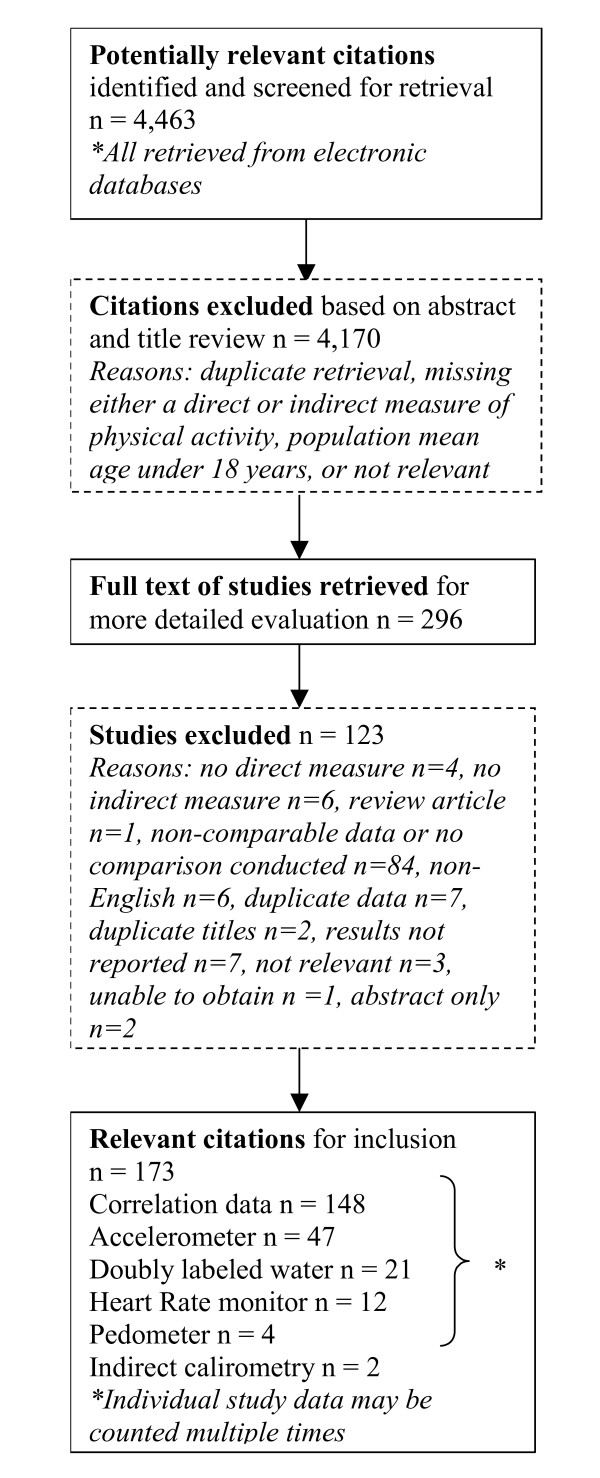
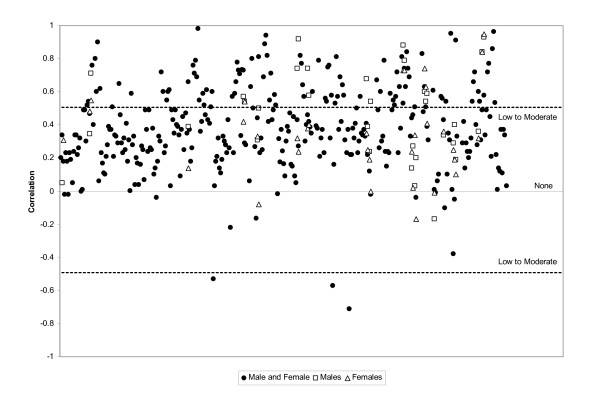
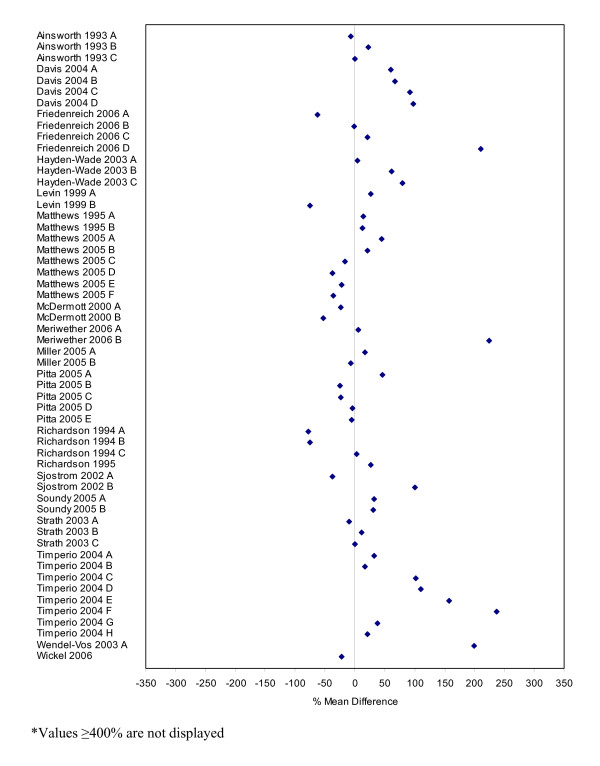
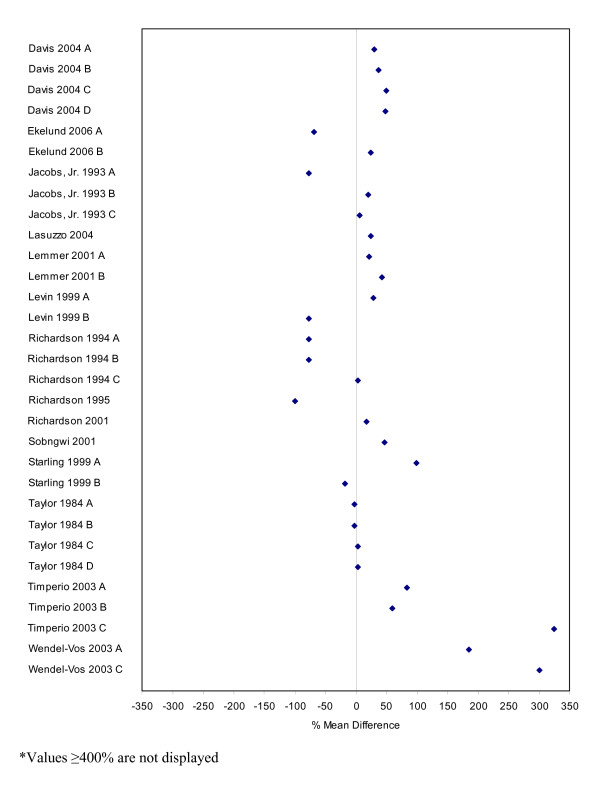
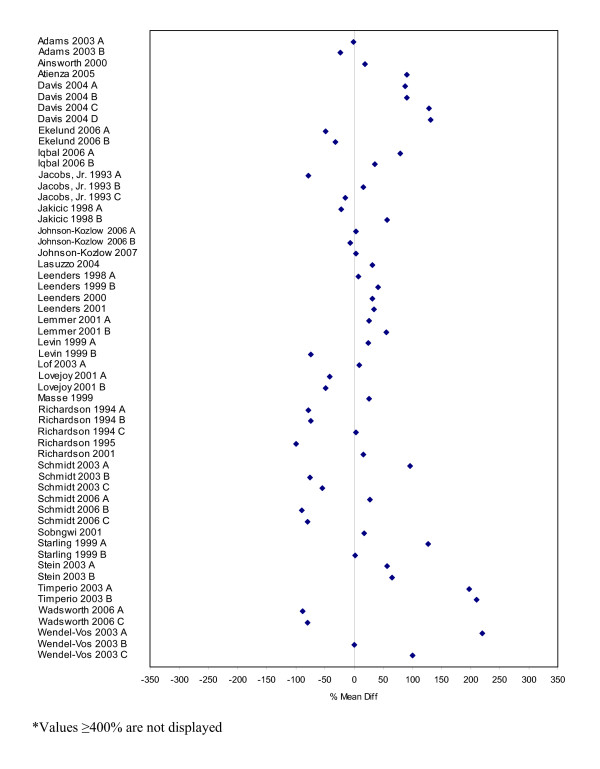
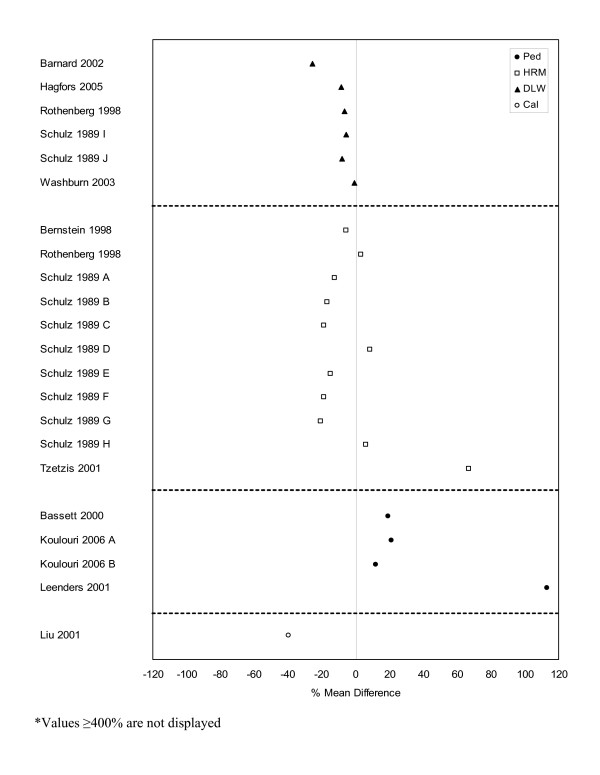
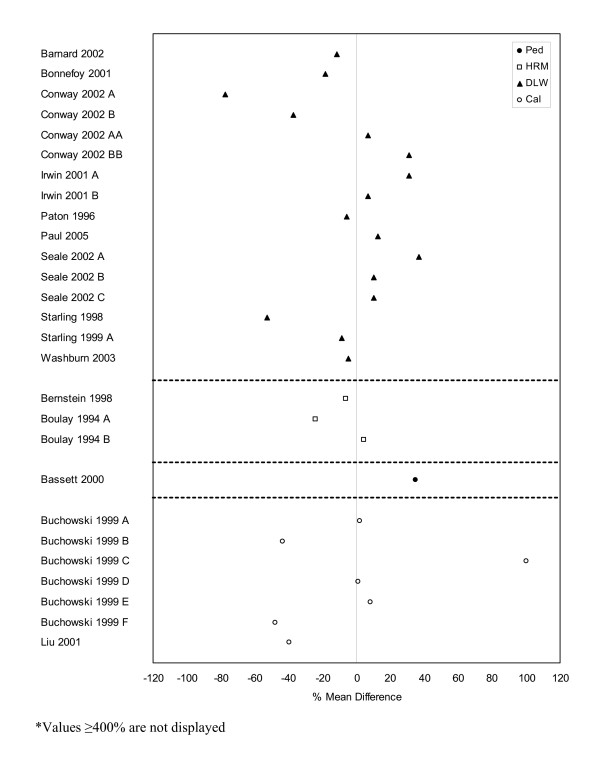
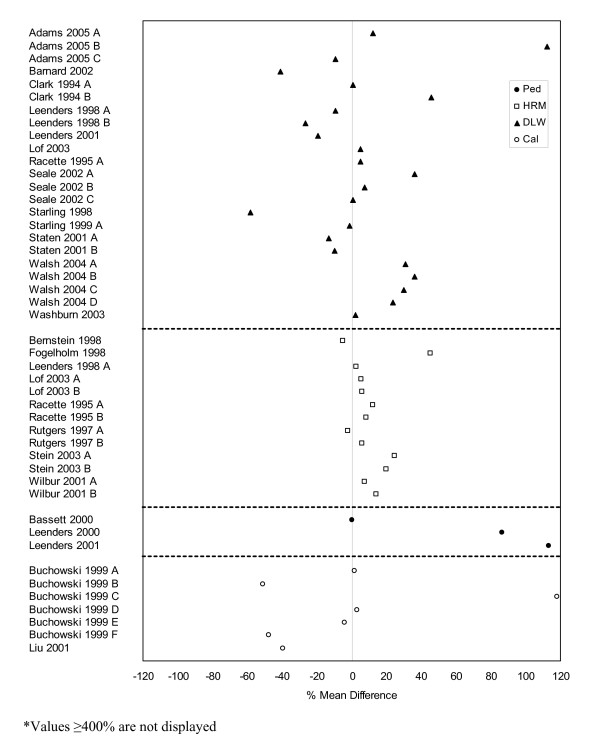
BACKGROUND: Accurate assessment is required to assess current and changing physical activity levels, and to evaluate the effectiveness of interventions designed to increase activity levels. This study systematically reviewed the literature to determine the extent of agreement between subjectively (self-report e.g. questionnaire, diary) and objectively (directly measured; e.g. accelerometry, doubly labeled water) assessed physical activity in adults. METHODS: Eight electronic databases were searched to identify observational and experimental studies of adult populations. Searching identified 4,463 potential articles. Initial screening found that 293 examined the relationship between self-reported and directly measured physical activity and met the eligibility criteria. Data abstraction was completed for 187 articles, which described comparable data and/or comparisons, while 76 articles lacked comparable data or comparisons, and a further 30 did not meet the review's eligibility requirements. A risk of bias assessment was conducted for all articles from which data was abstracted. RESULTS: Correlations between self-report and direct measures were generally low-to-moderate and ranged from -0.71 to 0.96. No clear pattern emerged for the mean differences between self-report and direct measures of physical activity. Trends differed by measure of physical activity employed, level of physical activity measured, and the gender of participants. Results of the risk of bias assessment indicated that 38% of the studies had lower quality scores. CONCLUSION: The findings suggest that the measurement method may have a significant impact on the observed levels of physical activity. Self-report measures of physical activity were both higher and lower than directly measured levels of physical activity, which poses a problem for both reliance on self-report measures and for attempts to correct for self-report - direct measure differences. This review reveals the need for valid, accurate and reliable measures of physical activity in evaluating current and changing physical activity levels, physical activity interventions, and the relationships between physical activity and health outcomes.
Overview
The claims and statistics of this paper haven’t been checked yet.
Free: it reads the open-access text and checks the first 5 claims that cite a source we can check. Create a free account to check every claim.
Integrity signals
Registry
Cites
Statistics
Figures
Verification
Claims the paper makes
The claims and statistics of this paper haven’t been checked yet.
Free: it reads the open-access text and checks the first 5 claims that cite a source we can check. Create a free account to check every claim.
Claims other papers make about this one
Each is checked against this paper’s own text: does it say what the citing paper says it does?
The cited source says what the claim attributes to it.
In the citing paper
“However, studies27 linking physical activity levels with outcomes have relied on self-reported data and/or questionnaires; therefore, the inferences drawn from these studies are compromised by the limitations of recollection bias.”
From Association of Cardiorespiratory Fitness with Long-term Mortality Among Adults Undergoing Exercise Treadmill Testing (2018) · cites this paper as [27]
The cited source says what the claim attributes to it.
In the citing paper
“Many of the studies rely on retrospective self-report measures of exercise, which may be prone to bias, inaccuracies, and misunderstanding of questions [e.g., (50–52)].”
From Exercise Intervention in PTSD: A Narrative Review and Rationale for Implementation (2019) · cites this paper as [50]
The cited source says what the claim attributes to it.
In the citing paper
“Overestimation of the PA level is possible.20,21”
The check wasn’t confident either way, so it gives no verdict — never disputed.
In the citing paper
“bariatric surgery was associated with fewer CVD deaths (HR, 0.47; 95% CI, 0.29–0.76) and fewer strokes (HR, 0.67; 95% CI, 0.54–0.83) than in the control group.58”
From Heart Disease and Stroke Statistics—2013 Update: A Report From the American Heart Association (2013) · cites this paper as [58]
Experimental — accuracy not yet measuredThe check wasn’t confident either way, so it gives no verdict — never disputed.
In the citing paper
“The lack of specificity of hypoglycemia with vascular outcomes suggests that it might be a marker for susceptibility.”
From Heart Disease and Stroke Statistics—2013 Update: A Report From the American Heart Association (2013) · cites this paper as [58]
Experimental — accuracy not yet measured
2 more claims about this paper
Create a free account to see every claim other papers make about this one.
Self-check
Percentages, sums and reported differences re-computed from the paper’s own numbers.
The self-check needs the paper’s full text.
Citations
Cites
STATISTICAL METHODS FOR ASSESSING AGREEMENT BETWEEN TWO METHODS OF CLINICAL MEASUREMENT
Martin Bland, J., & Altman, D. (1986) · The Lancet · doi:10.1016/s0140-6736(86)90837-8 · Cited by 47,965
International physical activity questionnaire: 12-country reliability and validity
CRAIG, C. L., MARSHALL, A. L., SJ??STR??M, M., BAUMAN, A. E., BOOTH, M. L., AINSWORTH, B. E., PRATT, M., EKELUND, U., YNGVE, A., SALLIS, J. F., et al. (2003) · Medicine & Science in Sports & Exercise · doi:10.1249/01.mss.0000078924.61453.fb · Cited by 21,619 · cited 11×
“PAD ≥ Clark 1994 A 37.3 (3.6) 14 0 14 Large eaters DLW P Clark 1994 B 39.7 (2.0) Small eaters DLW Conway 2002 A 42 (2.3) 24 24 0 Feeding study DLW Min Conway 2002 B DLW Tec Conway 2002 AA 41.2 (2.0) 24 24 0 Feeding study DLW P Conway 2002 BB DLW Sta Davis 2004 A 19–69 62 24 38 Obese Accel Y Davis 2004 B Accel Davis 20…”
Influential‘Small Changes' to Diet and Physical Activity Behaviors for Weight Management
Hills, A. P., Byrne, N. M., Lindstrom, R., & Hill, J. O. (2013) · Obesity Facts · doi:10.1159/000345030 · Cited by 9,493
(1985) · Europe PMC (PubMed Central) · Cited by 9,143
Compendium of physical activities: an update of activity codes and MET intensities
AINSWORTH, B. E., HASKELL, W. L., WHITT, M. C., IRWIN, M. L., SWARTZ, A. M., STRATH, S. J., O???BRIEN, W. L., BASSETT, D. R., SCHMITZ, K. H., EMPLAINCOURT, P. O., et al. (2000) · Medicine & Science in Sports & Exercise · doi:10.1097/00005768-200009001-00009 · Cited by 8,497 · cited 2×
“Future studies may wish to refer to the updated Compendium of Physical Activities [192] which provides a coding scheme to classify physical activity by rate of energy expenditure.”
Downs, S. H., & Black, N. (1998) · Journal of Epidemiology and Community Health · doi:10.1136/jech.52.6.377 · Cited by 8,252
Physical Activity in the United States Measured by Accelerometer
TROIANO, R. P., BERRIGAN, D., DODD, K. W., MÂSSE, L. C., TILERT, T., & MCDOWELL, M. (2008) · Medicine & Science in Sports & Exercise · doi:10.1249/mss.0b013e31815a51b3 · Cited by 7,638 · cited 1×
“sample [195].”
Statistical methods for assessing agreement between two methods of clinical measurement
Bland, J. M., & Altman, D. G. (2010) · International Journal of Nursing Studies · doi:10.1016/j.ijnurstu.2009.10.001 · Cited by 5,220 · cited 1×
“Many of the studies tested the relationship between selfreport and direct measures by using a correlation coefficient, but this is limited as correlation is only able to measure the strength of the relationship between two variables and cannot assess the level of agreement between them, as well as ignoring any bias in…”
The physical activity scale for the elderly (PASE): Development and evaluation
Washburn, R. A., Smith, K. W., Jette, A. M., & Janney, C. A. (1993) · Journal of Clinical Epidemiology · doi:10.1016/0895-4356(93)90053-4 · Cited by 3,177
Evaluating non-randomised intervention studies
Deeks, J., Dinnes, J., D'Amico, R., Sowden, A., Sakarovitch, C., Song, F., Petticrew, M., & Altman, D. (2003) · Health Technology Assessment · doi:10.3310/hta7270 · Cited by 2,907 · cited 1×
“The Downs and Black instrument was recommended for assessing risk of bias in observational studies in a recent systematic review [8] and other assessments [9] and was employed in this review to assess study quality including reporting, external validity, and internal validity (bias).”
Research works printed but not linked: 18
- [11]Adams SA Methodological and substantive issues: The relationship between physical activity and breast cancer PhD Thesis 2003 University of South Carolina
- [16]Armstrong CA The stages of change in exercise adoption and adherence: Evaluation of measures with self-report and objective data PhD Thesis 1998 University of California, San Diego and San Diego State University
- [24]Brach JS The relation of physical activity to functional status over a seventeen-year time period in community-dwelling older women PhD Thesis 2000 University of Pittsburgh
- [30]Chen AH-W The effectiveness of a home-based intervention to promote walking in ethnic minority women PhD Thesis 1995 University of California, San Diego and San Diego State University
- [38]del Aguila MA Assessment of physical activity in patients with diabetes PhD Thesis 1998 University of Washington
- [49]Fu LL Health status, functional state and physical activity level in community dwelling elderly women PhD Thesis 1995 University of Pittsburgh
- [61]Jansen L The effect of exercise on explanatory style in HIV-infected men PhD Thesis 2002 United States International University
- Krishnamoorthy JS The transmission of physical activity and related cognitions among African-American adolescent females and their primary female caregiver Dissertation Abstracts International: Section B: The Sciences and Engineering 2002 63
- [69]Kriska AM Assessment of current and historical physical activity in the Pima Indians PhD Thesis 1988 University of Pittsburgh
- [71]Lambert P Physical activity and the oldest-old: A comparison of self-report and accelerometer readings PhD Thesis 2006 University of Manitoba (Canada)
- [73]Lasuzzo J Ability of the California State University, Fullerton Physical Activity Questionnaire to assess physical activity in older individuals PhD Thesis 2004 The University of Alabama
- Mckeen NA The meaning of motor activity: Emotion, temperament, mood, and laterality Dissertation Abstracts International: Section B: The Sciences and Engineering 2001 61
- [158]Adams SA Matthews CE Ebbeling CB Moore CG Cunningham JE Fulton J Hebert JR The effect of social desirability and social approval on self-reports of physical activity Am J Epidemiol 2005 161 389 398 15692083 10.1093/aje/kwi054 PMC2958515 · DOI · Paper page
- [171]Miller CL A symptom management intervention in diabetic coronary artery bypass graft patients PhD Thesis 2005 University of Nebraska Medical Center
- [181]Wadsworth D Evaluation of a social cognitive theory based e-mail intervention to increase physical activity of college females Dissertation Abstracts International: Section B: The Sciences and Engineering 2006 66 4766
- Richardson MT Evaluation of the Minnesota Leisure Time Physical Activity Questionnaire PhD Thesis 1991 University of Minnesota 8138837
- [188]Warms CA Acceptability and feasibility of a lifestyle physical activity program for people with spinal cord injury (SCI): A pilot study PhD Thesis 2002 University of Washington
- [190]Adams SA Matthews CE Ebbeling CB Moore CG Cunningham JE Fulton J Hebert JR The effect of social desirability and social approval on self-reports of physical activity. [erratum appears in Am J Epidemiol. 2005 May 1;161(9):899] AM J EPIDEMIOL 2005 161 389 398 15692083 10.1093/aje/kwi054 PMC2958515 · DOI · Paper page
Cited by
Items 301–400 of 1,010
Evenson, K. R., & Wen, F. (2010) · International Journal of Behavioral Nutrition and Physical Activity · doi:10.1186/1479-5868-7-21 · Cited by 77
Physical activity after total knee arthroplasty: A critical review
Paxton, R. J., Melanson, E. L., Stevens-Lapsley, J. E., & Christiansen, C. L. (2015) · World Journal of Orthopedics · doi:10.5312/wjo.v6.i8.614 · Cited by 86
Dalton, A. M., Wareham, N. J., Griffin, S. J., & Jones, A. (2016) · SSM - Population Health · doi:10.1016/j.ssmph.2016.09.006 · Cited by 87
“We measured physical activity with self-reported data, which may be subject to error (Prince et al., 2008), and the use of METs introduces a potential source of error, as it is based on an average individual.”
Jonkman, N. H., van Schooten, K. S., Maier, A. B., & Pijnappels, M. (2018) · Maturitas · doi:10.1016/j.maturitas.2018.04.010 · Cited by 77
Geriatric Syndromes and Functional Status in NSHAP: Rationale, Measurement, and Preliminary Findings
Huisingh-Scheetz, M. J., Kocherginsky, M., Schumm, L. P., Engelman, M., McClintock, M. K., Dale, W., Magett, E., Rush, P., & Waite, L. J. (2014) · The Journals of Gerontology Series B · doi:10.1093/geronb/gbu091 · Cited by 84
Battaglini, E., Goldstein, D., Grimison, P., McCullough, S., Mendoza-Jones, P., & Park, S. B. (2021) · Journal of the National Comprehensive Cancer Network · doi:10.6004/jnccn.2021.7026 · Cited by 84
Quantifying window view quality: A review on view perception assessment and representation methods
Abd-Alhamid, F., Kent, M. G., & Wu, Y. (2022) · Building and Environment · doi:10.1016/j.buildenv.2022.109742 · Cited by 90
Exercise is associated with younger methylome and transcriptome profiles in human skeletal muscle
Voisin, S. A. C., Seale, K., Jacques, M., Landen, S., Harvey, N. R., Haupt, L. M., Griffiths, L. R., Ashton, K. J., Coffey, V. G., Thompson, J. M., et al. (2023) · Aging Cell · doi:10.1111/acel.13859 · Cited by 85
“However, self-reported measures of physical activity poorly reflect actual physical activity levels, particularly in individuals with higher body fat and females who typically overestimate energy expenditure (Prince et al., 2008).”
Rhodes, R. E., & Nasuti, G. (2011) · Preventive Medicine · doi:10.1016/j.ypmed.2011.06.002 · Cited by 85
Garriguet, D., & Colley, R. C. (2014) · PubMed · Cited by 84
de Bruijn, G., Rhodes, R. E., & van Osch, L. (2011) · Journal of Behavioral Medicine · doi:10.1007/s10865-011-9380-2 · Cited by 84
“The first limitation relates to the self-report measures of exercise behaviour that were employed in the study, which may have led to measurement errors from recall bias (Prince et al., 2008).”
Phillips, C. (2017) · Neural Plasticity · doi:10.1155/2017/7014146 · Cited by 65
“In contrast, direct measures of voluntary PA assess energy expenditure [113] or actual movement [114] and are less susceptible to response and recall biases [113, 115, 116].”
Stalling, I., Albrecht, B. M., Foettinger, L., Recke, C., & Bammann, K. (2022) · BMC Geriatrics · doi:10.1186/s12877-022-03075-7 · Cited by 83
“Since both methods assess different aspects of PA and it is not entirely clear yet to which degree they differ in measuring PA [54], objective and self-reported PA should be seen as complementary information rather than using them interchangeably [55].”
Cohen, S. S., Matthews, C. E., Signorello, L. B., Schlundt, D. G., Blot, W. J., & Buchowski, M. S. (2013) · PLoS ONE · doi:10.1371/journal.pone.0059975 · Cited by 82
“Differential reporting by body size has also been reported with overweight and obese individuals overreporting physical activity more so than those of a healthy body weight [34–36], a concern given the much higher prevalence of obesity among black women compared with white women in the SCCS.”
Decelis, A., Jago, R., & Fox, K. R. (2014) · BMC Public Health · doi:10.1186/1471-2458-14-664 · Cited by 82
“It is important to highlight that most of the studies that have assessed associations between physical activity, sedentary time and body mass have used self-reported measures of physical activity and screen time which are subject to response and recall bias [10].”
Wang, S. L., Hsu, C., Trent, L., Ryan, T., Kearns, N. T., Civillico, E. F., & Kontson, K. L. (2018) · PM&R · doi:10.1016/j.pmrj.2018.02.008 · Cited by 82
“Although these self-report measures provide important information about abstract constructs, self-reporting on functional performance may be biased according to individual experience and variation in the recall of past events [8].”
Ekblom‐Bak, E., Börjesson, M., Bergman, F., Bergström, G. M. L., Almevall, A. D., Drake, I., Engström, G., Engvall, J. E., Gummesson, A., Hagström, E., et al. (2022) · Scandinavian Journal of Medicine and Science in Sports · doi:10.1111/sms.14131 · Cited by 81
Zhu, S., Sinha, D., Kirk, M., Michalopoulou, M., Hajizadeh, A., Wren, G., Doody, P., Mackillop, L. H., Smith, R., Jebb, S. A., et al. (2024) · BMJ · doi:10.1136/bmj-2023-078713 · Cited by 83
Nelson, S. H., Marinac, C. R., Patterson, R. E., Nechuta, S., Flatt, S. W., Caan, B. J., Kwan, M. L., Poole, E. M., Chen, W. Y., Shu, X., et al. (2016) · Breast Cancer Research and Treatment · doi:10.1007/s10549-016-3694-2 · Cited by 81
“A limitation with our study is that our measure of physical activity emphasized self-report which has been shown to be associated with considerable error [29, 30] although each cohort used a validated questionnaire.”
Assessing Mental Health First Aid Skills Using Simulated Patients
El‐Den, S., Chen, T. F., Moles, R. J., & O’Reilly, C. L. (2018) · American Journal of Pharmaceutical Education · doi:10.5688/ajpe6222 · Cited by 83
Urban green space and obesity in older adults: Evidence from Ireland
Dempsey, S., Lyons, S., & Nolan, A. (2018) · SSM - Population Health · doi:10.1016/j.ssmph.2018.01.002 · Cited by 68
Cotie, L. M., Prince, S. A., Elliott, C. G., Ziss, M. C., McDonnell, L. A., Mullen, K. A., Hiremath, S., Pipe, A. L., Reid, R. D., & Reed, J. L. (2018) · Obesity Reviews · doi:10.1111/obr.12700 · Cited by 66
“(2008) demonstrated that measurement method may have an impact on PA levels, such that self-report measures differed from objective measures, with both over- and underreporting (27).”
Self-citationAre Active Australia physical activity questions valid for older adults?
Heesch, K. C., Hill, R. L., van Uffelen, J. G. Z., & Brown, W. J. (2011) · Journal of Science and Medicine in Sport · doi:10.1016/j.jsams.2010.11.004 · Cited by 80
Reliability of Computerized Neurocognitive Tests for Concussion Assessment: A Meta-Analysis
Farnsworth, J. L., Dargo, L., Ragan, B. G., & Kang, M. (2017) · Journal of Athletic Training · doi:10.4085/1062-6050-52.6.03 · Cited by 80
Motivation for Physical Activity among U.S. Adolescents: A Self-Determination Theory Perspective
Nogg, K. A., Vaughn, A. A., Levy, S. S., & Blashill, A. J. (2020) · Annals of Behavioral Medicine · doi:10.1093/abm/kaaa037 · Cited by 80
Johansson, J., Morseth, B., Scott, D. S., Strand, B. H., Hopstock, L. A., & Grimsgaard, S. (2021) · Journal of Cachexia Sarcopenia and Muscle · doi:10.1002/jcsm.12718 · Cited by 82
“Objective measures of daily physical activity and sedentary behaviour patterns are becoming more readily available, minimizing the recall and response bias associated with self-reported data, and allowing greater understanding of their relationships with sarcopenia.(16) Recent studies using accelerometers have shown t…”
Sternfeld, B., & Goldman-Rosas, L. (2012) · Journal of Physical Activity and Health · doi:10.1123/jpah.9.s1.s19 · Cited by 66
Júdice, P. B., Santos, D. A., Hamilton, M. T., Sardinha, L. B., & Silva, A. M. (2015) · Gait & Posture · doi:10.1016/j.gaitpost.2015.03.326 · Cited by 81
Meng, K., Musekamp, G., Schüler, M., Seekatz, B., Glatz, J., Karger, G., Kiwus, U., Knoglinger, E., Schubmann, R., Westphal, R., et al. (2016) · Patient Education and Counseling · doi:10.1016/j.pec.2016.02.010 · Cited by 80
Key Elements of mHealth Interventions to Successfully Increase Physical Activity: Meta-Regression
Eckerstorfer, L. V., Tanzer, N. K., Vogrincic-Haselbacher, C., Kedia, G., Brohmer, H., Dinslaken, I., & Corcoran, K. (2018) · JMIR mHealth and uHealth · doi:10.2196/10076 · Cited by 76
Malakou, E., Linardakis, M. K., Armstrong, M. E. G., Zannidi, D., Foster, C. E., Johnson, L., & Papadaki, A. (2018) · Nutrients · doi:10.3390/nu10111577 · Cited by 82
“, accelerometers to assess PA [62] or biomarkers to assess MD adherence [63]), instead of relying on self-reported adherence.”
Eakin, E., Hayes, S. C., Haas, M. R., Reeves, M. M., Vardy, J. L., Boyle, F. M., Hiller, J. E., Mishra, G. D., Goode, A. D., Jefford, M., et al. (2015) · BMC Cancer · doi:10.1186/s12885-015-2003-5 · Cited by 80
“The use of self-report measures of health behaviour changes is a limitation [78, 79], however, all self-reported tools have been validated, including against objective measurement Table 4 Intervention phases, call frequency and call objectives”
Luzak, A., Karrasch, S., Thorand, B., Nowak, D., Holle, R., Peters, A., & Schulz, H. (2017) · BMC Pulmonary Medicine · doi:10.1186/s12890-017-0562-8 · Cited by 80
“However, all these studies assessed PA by questionnaires, which was found to correlate only low-to-moderately with activity objectively assessed by motion sensors in adults [12, 13].”
Synergistic Effects of Planning and Self-Efficacy on Physical Activity
Koring, M., Richert, J., Lippke, S., Parschau, L., Reuter, T., & Schwarzer, R. (2011) · Health Education & Behavior · doi:10.1177/1090198111417621 · Cited by 81
Educational differences in the validity of self-reported physical activity
Winckers, A. N. E., Mackenbach, J. D., Compernolle, S., Nicolaou, M., van der Ploeg, H. P., Bourdeaudhuij, I. D., Brug, J., & Lakerveld, J. (2015) · BMC Public Health · doi:10.1186/s12889-015-2656-7 · Cited by 79
A Social Networking and Gamified App to Increase Physical Activity: Cluster RCT
Edney, S. M., Olds, T. S., Ryan, J. C., Vandelanotte, C., Plotnikoff, R. C., Curtis, R. G., & Maher, C. A. (2020) · American Journal of Preventive Medicine · doi:10.1016/j.amepre.2019.09.009 · Cited by 68
Rhodes, R. E., Blanchard, C. M., Benoit, C., Levy-Milne, R., Naylor, P., Downs, D. S., & Warburton, D. E. R. (2013) · Journal of Behavioral Medicine · doi:10.1007/s10865-013-9508-7 · Cited by 78
Ishikawa‐Takata, K., Naito, Y., Tanaka, S., Ebine, N., & Tabata, I. (2011) · Journal of Epidemiology · doi:10.2188/jea.je20100079 · Cited by 80
Ramires, V. V., Wehrmeister, F. C., Wendt, A. T., Galliano, L. M., Ekelund, U., Brage, S., & Crochemore‐Silva, I. (2017) · International Journal of Behavioral Nutrition and Physical Activity · doi:10.1186/s12966-017-0465-3 · Cited by 80
“Due to lower complexity and relative low cost, most studies use subjective methods, such as questionnaires, to assess physical activity [6, 7].”
Twiggs, J., Salmon, L. J., Kolos, E. C., Bogue, E., Miles, B., & Roe, J. P. (2017) · Medical Engineering & Physics · doi:10.1016/j.medengphy.2017.10.007 · Cited by 79
Marcus, B. H., Hartman, S. J., Larsen, B. A., Pekmezi, D., Dunsiger, S. I., Linke, S., Marquez, B., Gans, K. M., Bock, B. C., Mendoza-Vasconez, A. S., et al. (2016) · International Journal of Behavioral Nutrition and Physical Activity · doi:10.1186/s12966-016-0385-7 · Cited by 77
eHealth for Breast Cancer Survivors: Use, Feasibility and Impact of an Interactive Portal
Kuijpers, W., Groen, W. G., Oldenburg, H. S., Wouters, M. W., Aaronson, N. K., & van Harten, W. H. (2016) · JMIR Cancer · doi:10.2196/cancer.5456 · Cited by 77
“Third, the data on physical activity were based on self-reports, which are known to be less reliable than objective measures such as accelerometers [30].”
Muellmann, S., Buck, C., Voelcker‐Rehage, C., Bragina, I., Lippke, S., Meyer, J., Peters, M., & Pischke, C. R. (2019) · Preventive Medicine Reports · doi:10.1016/j.pmedr.2019.100958 · Cited by 77
Paolillo, E. W., Lee, S. Y., VandeBunte, A. M., Djukic, N. A., Fonseca, C. S., Kramer, J. H., & Casaletto, K. B. (2022) · Frontiers in Digital Health · doi:10.3389/fdgth.2022.884208 · Cited by 79
Diet quality and physical activity in relation to childhood obesity
An, R. (2015) · International Journal of Adolescent Medicine and Health · doi:10.1515/ijamh-2015-0045 · Cited by 78
Lee, K., Hoti, K., Hughes, J. D., & Emmerton, L. M. (2014) · PLoS ONE · doi:10.1371/journal.pone.0094186 · Cited by 64
“Outcomes were predominantly assessed via self-reported pre-post measures, which arguably have greater potential for bias [37–39].”
Matthews, L., Kirk, A., MacMillan, F., & Mutrie, N. (2014) · Translational Behavioral Medicine · doi:10.1007/s13142-013-0235-y · Cited by 68
Risk factors and successful interventions for cricket-related low back pain: a systematic review
Morton, S., Barton, C. J., Rice, S., & Morrissey, D. (2013) · British Journal of Sports Medicine · doi:10.1136/bjsports-2012-091782 · Cited by 77
Golubic, R., Martin, K. R., Ekelund, U., Hardy, R., Kuh, D., Wareham, N., Cooper, R., Brage, S., & teams, O. B. O. T. N. S. A. D. C. (2014) · International Journal of Behavioral Nutrition and Physical Activity · doi:10.1186/1479-5868-11-58 · Cited by 67
Gopinath, D., Menon, R. K., Veettil, S. K., Botelho, M. G., & Johnson, N. W. (2020) · Cancers · doi:10.3390/cancers12071893 · Cited by 80
“In the included studies, periodontal disease has been measured by self-reported outcomes of periodontitis or clinical measurements, such as attachment levels, pocket depths, and alveolar bone loss from panoramic radiographs [45].”
Hindle, A., Garcia, X. D. L. P., & Brennan, L. (2017) · Obesity Reviews · doi:10.1111/obr.12496 · Cited by 79
“Although difficulties remain with self-report measures (101), we encourage the use of validated diet and physical activity measures that increase the potential for cross-study comparison (please see Strath et al.”
Ferrer, H. B., Cooper, A. R., & Audrey, S. (2018) · Journal of Transport & Health · doi:10.1016/j.jth.2018.01.009 · Cited by 76
Westbury, L. D., Dodds, R. M., Syddall, H. E., Baczynska, A. M., Shaw, S., Dennison, E. M., Roberts, H. C., Sayer, A. A., Cooper, C. C., & Patel, H. P. (2018) · Calcified Tissue International · doi:10.1007/s00223-018-0413-5 · Cited by 77
“1 3 Objective measurement of physical activity with accelerometers has gained acceptance as a preferred method for the collection of data on the duration, frequency and intensity of activity [10] and is acceptable for large scale epidemiological studies in older people [4, 11].”
Oyeyemi, A. L., Umar, M. R., Oguche, F., Aliyu, S. U., & Oyeyemi, A. Y. (2014) · PLoS ONE · doi:10.1371/journal.pone.0087233 · Cited by 77
“Accurate assessment of physical activity is required for effective intervention and implementation of non-communicable chronic diseases’ (NCDs) prevention programmes [4], but measurement accuracy is dependent on the precision of physical activity tools [5,6].”
Prince, S. A., Reed, J. L., Martinello, N., Adamo, K. B., FODOR, J. G., Hiremath, S. S., Kristjansson, E., Mullen, K. A., Nerenberg, K. A., Tulloch, H. E., et al. (2016) · Obesity Reviews · doi:10.1111/obr.12432 · Cited by 78
Self-citationO'Neill, B. M., McDonough, S., Wilson, J. J., Bradbury, I., Hayes, K., Kirk, A. F., Kent, L., Cosgrove, D., Bradley, J. M., & Tully, M. A. (2017) · Respiratory Research · doi:10.1186/s12931-016-0497-2 · Cited by 76
“These findings concur with a large population study of 1751 adults aged between 19–84 years which showed the same findings when comparing these two tools [44]; and can be explained by an increasing body of evidence that questionnaires do not relate accurately to objective physical activity assessment as their use is l…”
McMahon, S. K., Lewis, B., Oakes, J. M., Wyman, J. F., Guan, W., & Rothman, A. J. (2017) · Annals of Behavioral Medicine · doi:10.1007/s12160-016-9863-z · Cited by 65
Habits and self‐efficacy moderate the effects of intentions and planning on physical activity
Maio, S. D., Keller, J., Hohl, D. H., Schwarzer, R., & Knoll, N. (2020) · British Journal of Health Psychology · doi:10.1111/bjhp.12452 · Cited by 76
Scheewe, T. W., Jörg, F., Takken, T., Deenik, J., Vancampfort, D., BACKX, F. J. G., & Cahn, W. (2019) · Frontiers in Psychiatry · doi:10.3389/fpsyt.2019.00087 · Cited by 77
Jefferis, B. J. M. H., Sartini, C., Ash, S., LENNON, L. T., Wannamethee, S. G., & Whincup, P. H. (2016) · International Journal of Behavioral Nutrition and Physical Activity · doi:10.1186/s12966-016-0338-1 · Cited by 75
Fletcher, E. A., Leech, R. M., McNaughton, S. A., Dunstan, D. W., Lacy, K. E., & Salmon, J. (2015) · Obesity Reviews · doi:10.1111/obr.12302 · Cited by 78
Therapeutic Exercise in Cancer Cachexia
Maddocks, M. M., Murton, A. J., & Wilcock, A. (2012) · Critical Reviews™ in Oncogenesis · doi:10.1615/critrevoncog.v17.i3.60 · Cited by 75
Differences in physical activity patterns in patients with spondylarthritis
Haglund, E., Bergman, S., Petersson, I. F., Jacobsson, L., Strömbeck, B., & Bremander, A. (2012) · Arthritis Care & Research · doi:10.1002/acr.21780 · Cited by 74
Cardiorespiratory Fitness in Middle Age and Health Care Costs in Later Life
Bachmann, J. M., DeFina, L. F., Franzini, L., Gao, A., Leonard, D. S., Cooper, K. H., Berry, J. D., & Willis, B. L. (2015) · Journal of the American College of Cardiology · doi:10.1016/j.jacc.2015.08.030 · Cited by 74
Sousa, A. C., Ferrinho, S. N., & Travassos, B. F. R. (2023) · International Journal of Environmental Research and Public Health · doi:10.3390/ijerph20043402 · Cited by 74
Simpson, S. A., McNamara, R., Shaw, C., Kelson, M., Moriarty, Y., Randell, E., Cohen, D., Alam, M. F., Copeland, L., Duncan, D., et al. (2015) · Health Technology Assessment · doi:10.3310/hta19500 · Cited by 58
Cue Consistency Associated with Physical Activity Automaticity and Behavior
Pimm, R., Vandelanotte, C., Rhodes, R. E., Short, C. E., Duncan, M. J., & Rebar, A. L. (2015) · Behavioral Medicine · doi:10.1080/08964289.2015.1017549 · Cited by 73
Fortington, L. V., Donaldson, A., Lathlean, T. J. H., YOUNG, W. B., Gabbe, B. J., Lloyd, D. G., & Finch, C. F. (2014) · Journal of science and medicine in sport · doi:10.1016/j.jsams.2014.05.001 · Cited by 77
Li, K., Cardinal, B. J., & Acock, A. C. (2013) · The Journals of Gerontology Series B · doi:10.1093/geronb/gbt068 · Cited by 73
Jackson, D. A. (2013) · Assessment & Evaluation in Higher Education · doi:10.1080/02602938.2013.792107 · Cited by 73
Liu, S., Eaton, C. B., Driban, J. B., McAlindon, T. E., & Lapane, K. L. (2016) · Rheumatology International · doi:10.1007/s00296-016-3537-9 · Cited by 73
Lifestyle behaviors, psychological distress, and well-being: A daily diary study
Anderson, A. R., & Fowers, B. J. (2020) · Social Science & Medicine · doi:10.1016/j.socscimed.2020.113263 · Cited by 73
Chung, Y., Huang, T., Liao, Y., & Kuo, Y. (2021) · International Journal of Environmental Research and Public Health · doi:10.3390/ijerph18063267 · Cited by 72
Tracking of voluntary exercise behaviour over the lifespan
van der Zee, M. D., van der Mee, D. J., Bartels, M., & de Geus, E. J. C. (2019) · International Journal of Behavioral Nutrition and Physical Activity · doi:10.1186/s12966-019-0779-4 · Cited by 72
Johansson, J., Nordström, A., & Nordström, P. (2015) · Bone · doi:10.1016/j.bone.2015.07.001 · Cited by 71
“Although questionnaires are relatively easy to administer and enable the involvement of many participants, they introduce the risk of recall bias [13].”
Matthews, L., Pugmire, J., Moore, L., Kelson, M. J., McConnachie, A., McIntosh, E., Morgan‐Trimmer, S., Murphy, S., Hughes, K., Coulman, E., et al. (2017) · BMJ Open · doi:10.1136/bmjopen-2017-017159 · Cited by 71
Associations between self-efficacy and sedentary behaviour: a meta-analysis
Szczuka, Z., Banik, A., Abraham, C., Kuliś, E., & Łuszczyńska, A. (2020) · Psychology and Health · doi:10.1080/08870446.2020.1784419 · Cited by 71
A systematic review of school-based positive psychology interventions to foster teacher wellbeing
Vo, D. T., & Allen, K. (2022) · Teachers and Teaching · doi:10.1080/13540602.2022.2137138 · Cited by 71
Coenen, P., Huysmans, M. A., Holtermann, A., Troiano, R. P., Mork, P. J., Krokstad, S., Clays, E., Cillekens, B., Bacquer, D. D., Aadahl, M., et al. (2024) · British Journal of Sports Medicine · doi:10.1136/bjsports-2024-108117 · Cited by 72
“48 Emerging evidence from studies with accelerometer assessed (total) physical activity indicate stronger associations with health than earlier studies that assessed (leisure time) physical activity with self-reports.”
Socioeconomic position during childhood and physical activity during adulthood: a systematic review
Juneau, C.-É., Benmarhnia, T., Poulin, A., Côté, S. M., & Potvin, L. (2015) · International Journal of Public Health · doi:10.1007/s00038-015-0710-y · Cited by 72
Joshi, D., Missiuna, C. A., Hanna, S., Hay, J., Faught, B. E., & Cairney, J. (2015) · Human Movement Science · doi:10.1016/j.humov.2014.12.011 · Cited by 74
Maly, M. R., Robbins, S. M. K., Stratford, P. W., Birmingham, T. B., & Callaghan, J. P. (2012) · Gait & Posture · doi:10.1016/j.gaitpost.2012.08.013 · Cited by 71
Physical activity level as an outcome measure for use in cancer cachexia trials: a feasibility study
Maddocks, M. M., Byrne, A., Johnson, C. D., Wilson, R. H., Fearon, K. C. H., & Wilcock, A. (2009) · Supportive Care in Cancer · doi:10.1007/s00520-009-0776-2 · Cited by 71
Bosdriesz, J. R., Witvliet, M. G., Visscher, T. L. S., & Kunst, A. E. (2012) · International Journal of Behavioral Nutrition and Physical Activity · doi:10.1186/1479-5868-9-110 · Cited by 72
Storm, V., Dörenkämper, J., Reinwand, D. A., Wienert, J., de Vries, H., & Lippke, S. (2016) · Journal of Medical Internet Research · doi:10.2196/jmir.5147 · Cited by 74
Hartin, P. J., Nugent, C. D., McClean, S. I., Cleland, I., Tschanz, J. T., Clark, C. J., & Norton, M. C. (2016) · JMIR mHealth and uHealth · doi:10.2196/mhealth.4878 · Cited by 64
Barha, C. K., Best, J. R., Rosano, C., Yaffe, K. S., Catov, J. M., & Liu-Ambrose, T. Y. L. (2019) · The Journals of Gerontology Series A · doi:10.1093/gerona/glz093 · Cited by 74
Multidimensional motivation for exercise: A latent profile and transition analysis
Emm-Collison, L., Sebire, S. J., Salway, R., Thompson, J. L., & Jago, R. (2019) · Psychology of sport and exercise · doi:10.1016/j.psychsport.2019.101619 · Cited by 71
Association of Habitual Physical Activity With Cardiovascular Disease Risk
Lin, H., Sardana, M., Zhang, Y., Liu, C., Trinquart, L., Benjamin, E. J., Manders, E. S., Fusco, K., Kornej, J., Hammond, M. M., et al. (2020) · Circulation Research · doi:10.1161/circresaha.120.317578 · Cited by 67
Read, P., Mehta, R., Rosenbloom, C., Jobson, E., & Kryger, K. O. (2021) · Science and Medicine in Football · doi:10.1080/24733938.2021.2020330 · Cited by 71
Gustat, J., Rice, J. C., Parker, K. M., Becker, A., & Farley, T. A. (2012) · Preventing Chronic Disease · doi:10.5888/pcd9.110165 · Cited by 70
Objectively‐measured outdoor time and physical and psychological function among older adults
Harada, K., Lee, S., Lee, S., Bae, S., Harada, K., Suzuki, T., & Shimada, H. (2016) · Geriatrics and gerontology international/Geriatrics & gerontology international · doi:10.1111/ggi.12895 · Cited by 72
Association between physical activity and risk of nonalcoholic fatty liver disease: a meta-analysis
Qiu, S., Cai, X., Sun, Z., Li, L., Zügel, M., Steinacker, J. M., & Schümann, U. (2017) · Therapeutic Advances in Gastroenterology · doi:10.1177/1756283x17725977 · Cited by 70
Chung, Q.-E., Abdulrahman, S. A., Khan, M. K. J., Sathik, H. B. J., & Rashid, A. (2018) · Malaysian Journal of Medical Sciences · doi:10.21315/mjms2018.25.5.9 · Cited by 71
Doherty, C., Keogh, A., Davenport, J., Lawlor, A., Smyth, B., & Caulfield, B. (2019) · Journal of science and medicine in sport · doi:10.1016/j.jsams.2019.09.013 · Cited by 72
Too bored for sports? Adaptive and less-adaptive latent personality profiles for exercise behavior
Wolff, W., Bieleke, M., Stähler, J., & Schüler, J. (2020) · Psychology of sport and exercise · doi:10.1016/j.psychsport.2020.101851 · Cited by 66
Anderson, J. B., Williams, A. E., & Nester, C. (2021) · International Journal of Industrial Ergonomics · doi:10.1016/j.ergon.2020.103079 · Cited by 69
Huerta‐Uribe, N., Ramírez‐Vélez, R., Izquierdo, M., & García‐Hermoso, A. (2022) · Sports Medicine · doi:10.1007/s40279-022-01741-9 · Cited by 71
“However, these data must be interpreted with caution because objective measures of PA were only used in five out of the 24 studies included in the analysis, and self-reported PA questionnaires tend to overestimate PA [74], which could lead to variations in the size of the relationship between PA and A1c.”
Epidemiology and Cardiovascular Benefits of Physical Activity and Exercise
Mi, M., Perry, A., Krishnan, V., & Nayor, M. G. (2025) · Circulation Research · doi:10.1161/circresaha.125.325526 · Cited by 71
Elbelt, U., Schuetz, T., Hoffmann, I., Pirlich, M., Strasburger, C. J., & Lochs, H. H. (2010) · Clinical Nutrition · doi:10.1016/j.clnu.2010.05.003 · Cited by 70
Metadata
- Authors
- Prince, S. A., Adamo, K. B., Hamel, M., Hardt, J., Connor Gorber, S., & Tremblay, M.
- Affiliations
- University of Ottawa (CA)
- Queen's University (CA)
- Statistics Canada (CA)
- Venue
- International Journal of Behavioral Nutrition and Physical Activity
- Published
- 2008
- Volume
- 5
- Issue
- 1
- Pages
- 56
- ISSN
- 1479-5868 (ISSN-L)
- PMC
- PMC2588639
- OpenAlex
- W2118409616
- Cited by
- 3,162
- References
- 191
- Citations by year
- 2026: 239 · 2025: 249 · 2024: 237 · 2023: 207 · 2022: 168 · 2021: 279 · 2020: 249 · 2019: 241 · 2018: 242 · 2017: 217 · 2016: 184 · 2015: 162 · 2014: 165 · 2013: 115 · 2012: 95
- FWCI
- 3.93
- Type
- journal article
- Language
- en
- Open access
- gold
- doi.org
- Licence
- cc-by
- Locations
- International Journal of Behavioral Nutrition and Physical Activity (publishedVersion, cc-by)
- PubMed Central (publishedVersion, cc-by)
- PubMed (publishedVersion)
- DOAJ (DOAJ: Directory of Open Access Journals) (submittedVersion, cc-by-sa)
- Topics
- Health Sciences › Medicine › Public Health, Environmental and Occupational Health › Physical Activity and Health
- Physical Sciences › Computer Science › Computer Vision and Pattern Recognition › Context-Aware Activity Recognition Systems
- Health Sciences › Medicine › Physiology (medical) › Cardiovascular and exercise physiology
- Keywords
- physical activity measurement, self-report measures, accelerometry, doubly labeled water, measurement validity, physical activity interventions, adults, risk of bias
About these checks
Registry, retraction, Cites and statistics results are computed, not judged, with one exception: a printed reference that no index lists is read once by a model before it counts as a citation error. Claims are extracted by a model and kept only when their quote appears verbatim in the text; each cited source is then checked, with a model’s help, for whether it says what the claim relies on. Those verdicts can be wrong — read the claim’s quote and the cited source before relying on one.
Statistics and arithmetic are recomputed, not judged.
Confidence bands are shown only for fields calibrated on our annotated test set. None is calibrated yet, so no band is shown.
What counts as a claim ›How we measure confidence ›How we check this ›
Are you an author, or do you see a problem with this page? Request a review
Data sources
Bibliographic data: Semantic Scholar, OpenAlex, Crossref.
Contains information from the Semantic Scholar Academic Graph Datasets, made available under the ODC Attribution License (ODC-BY 1.0).
Semantic Scholar’s data is described in: Kinney, R., et al. (2023). The Semantic Scholar Open Data Platform. arXiv:2301.10140.
